Article

Influence of Polymer Latexes on the Properties of High Performance Cement–Based Materials

1
School of Civil Engineering and Architecture, Wuhan University of Technology, Wuhan 430070, China
2
Department of Civil and Environmental Engineering, The Hong Kong Polytechnic University, Hong Kong, China
*
Author to whom correspondence should be addressed.
Crystals 2022, 12(6), 789; https://doi.org/10.3390/cryst12060789
Submission received: 22 April 2022 / Revised: 23 May 2022 / Accepted: 27 May 2022 / Published: 30 May 2022
(This article belongs to the Section Inorganic Crystalline Materials)

Abstract

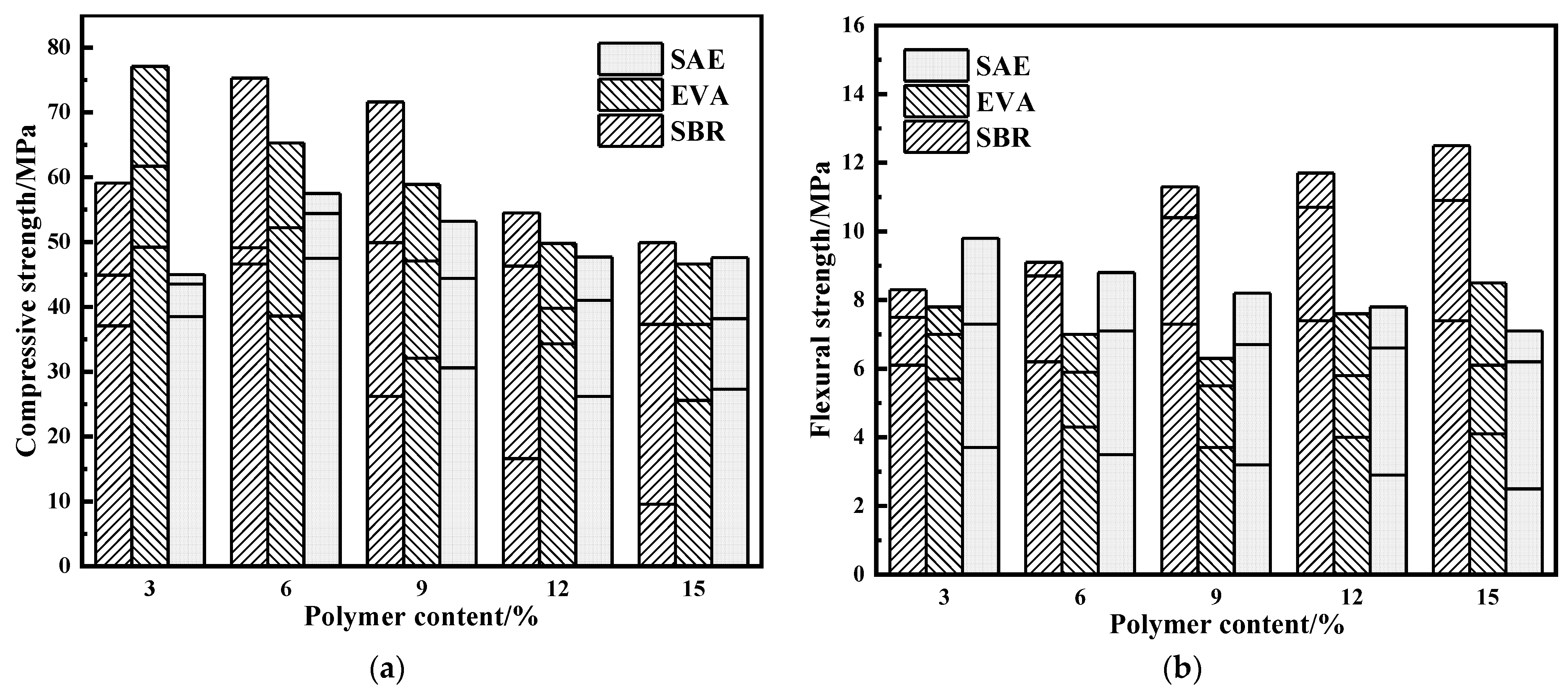
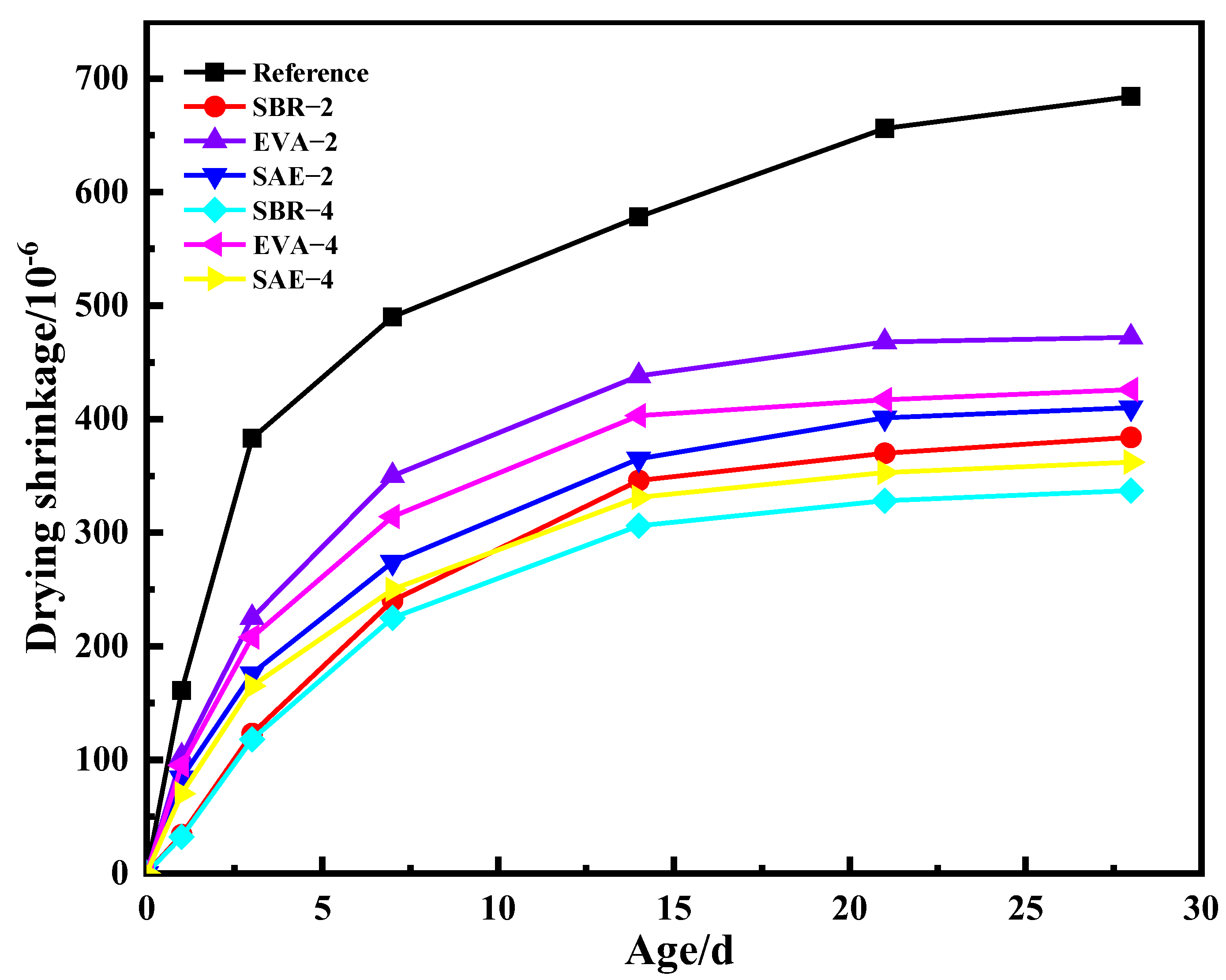
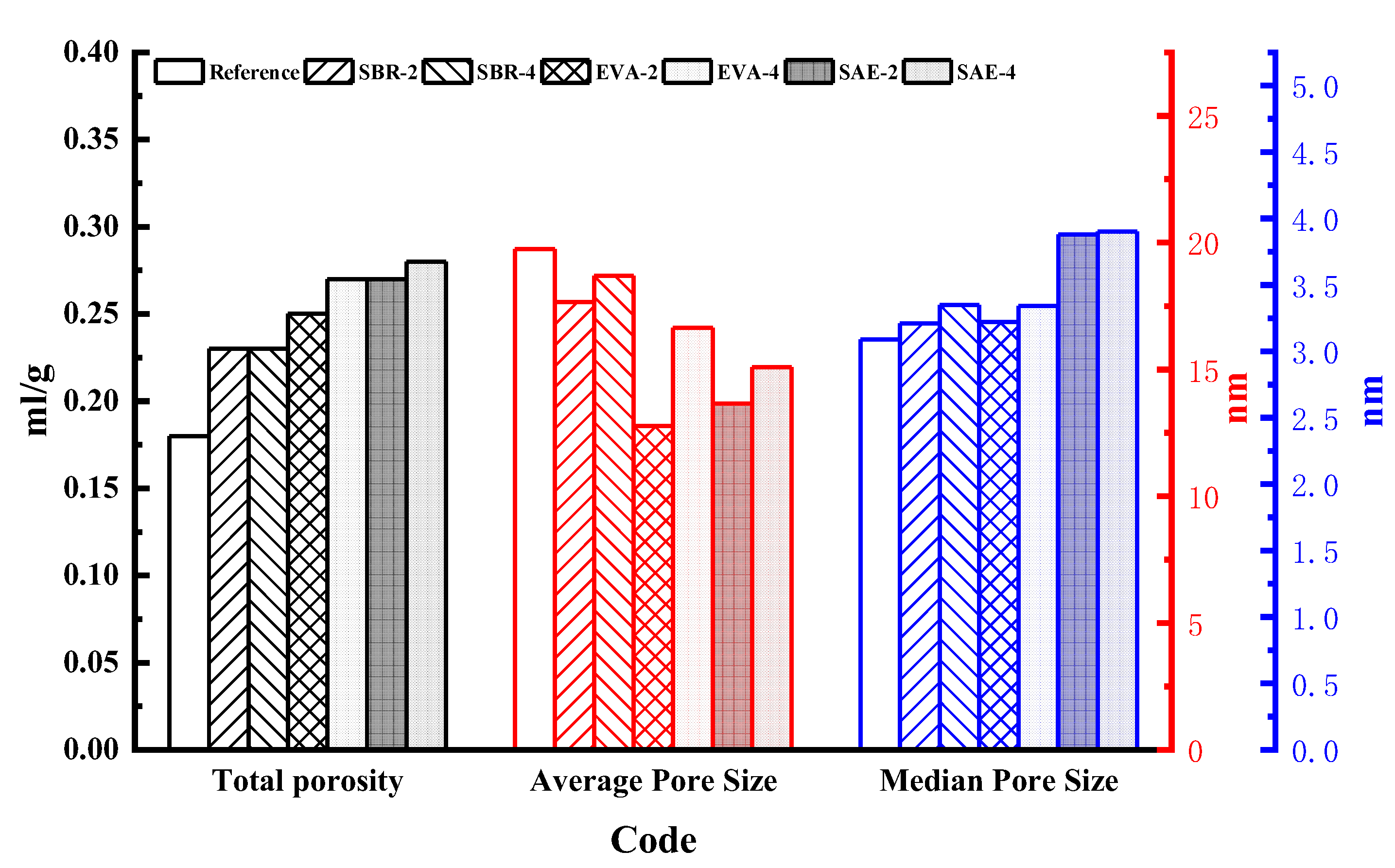
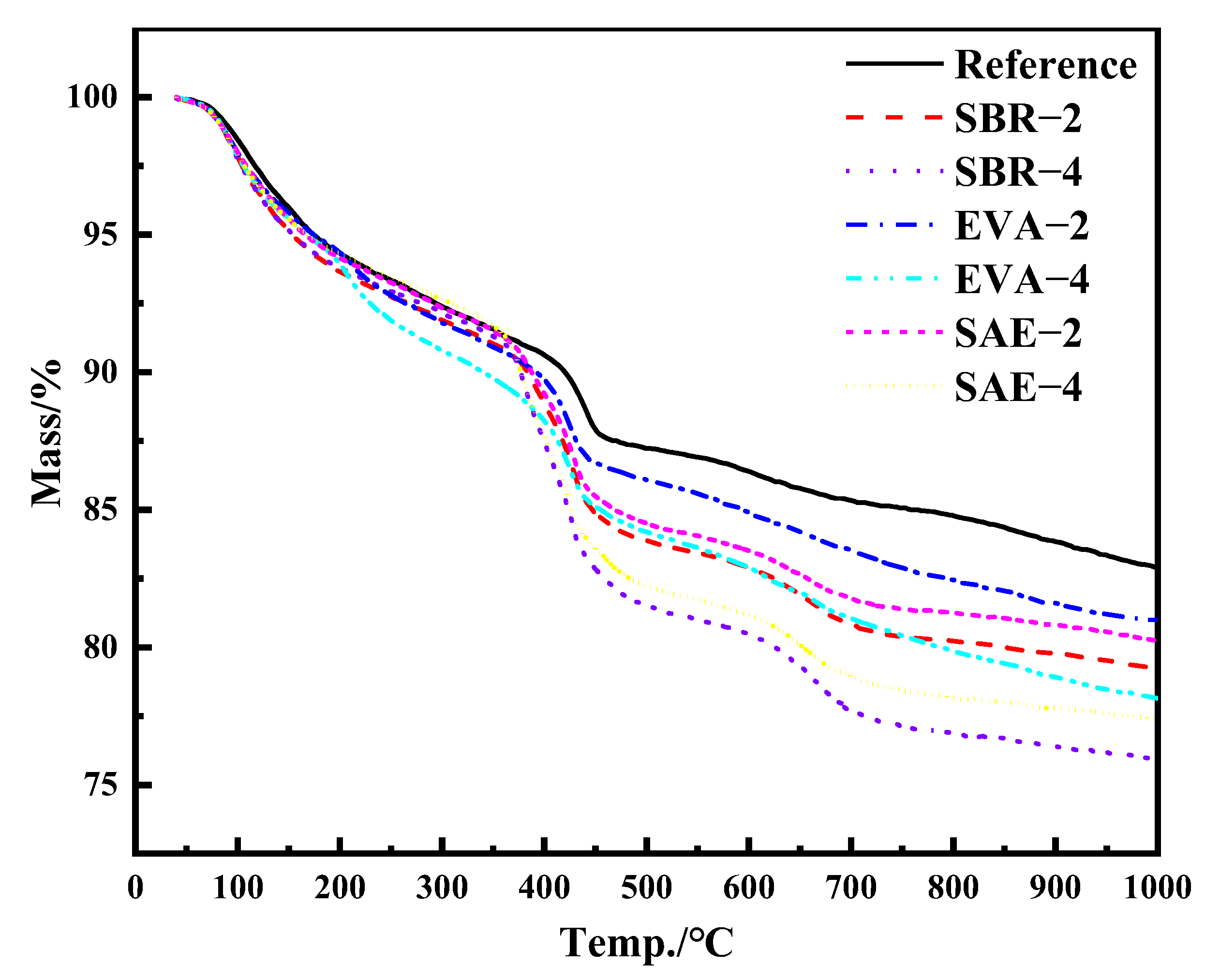
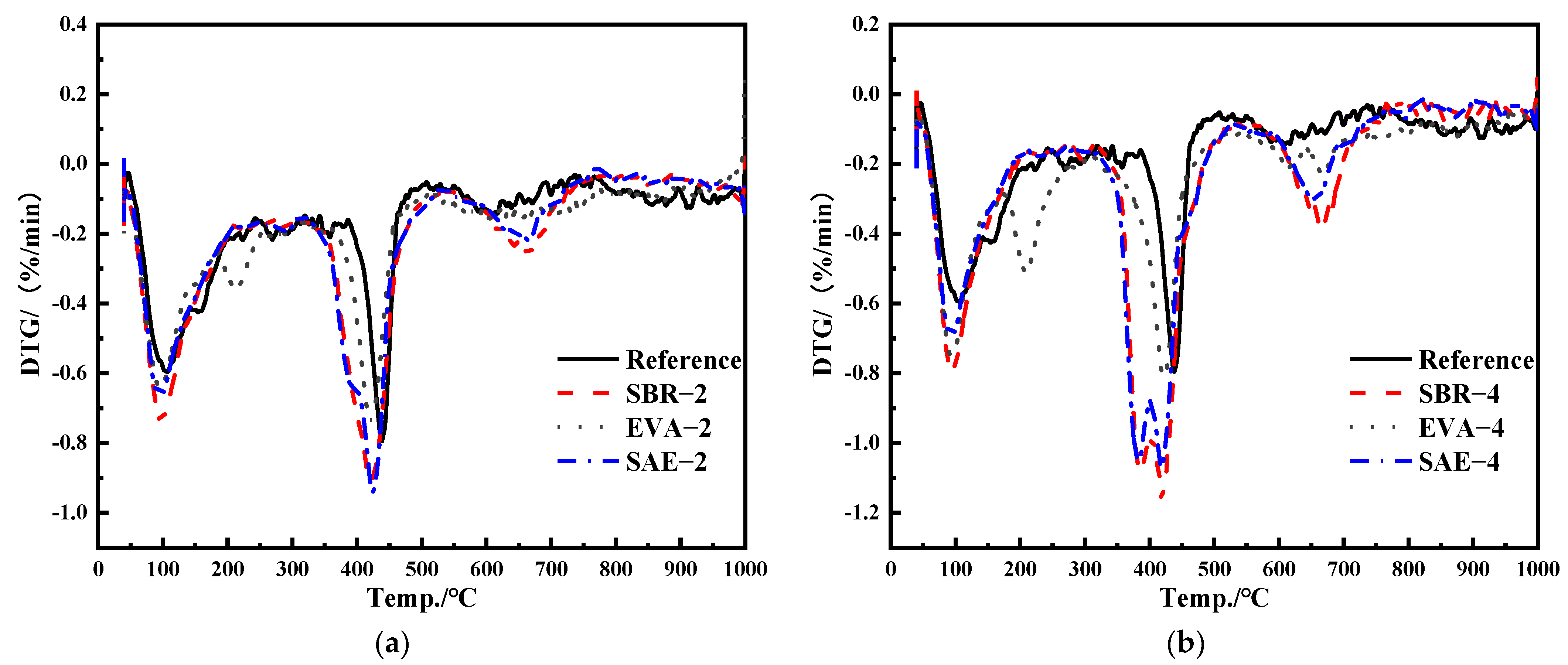
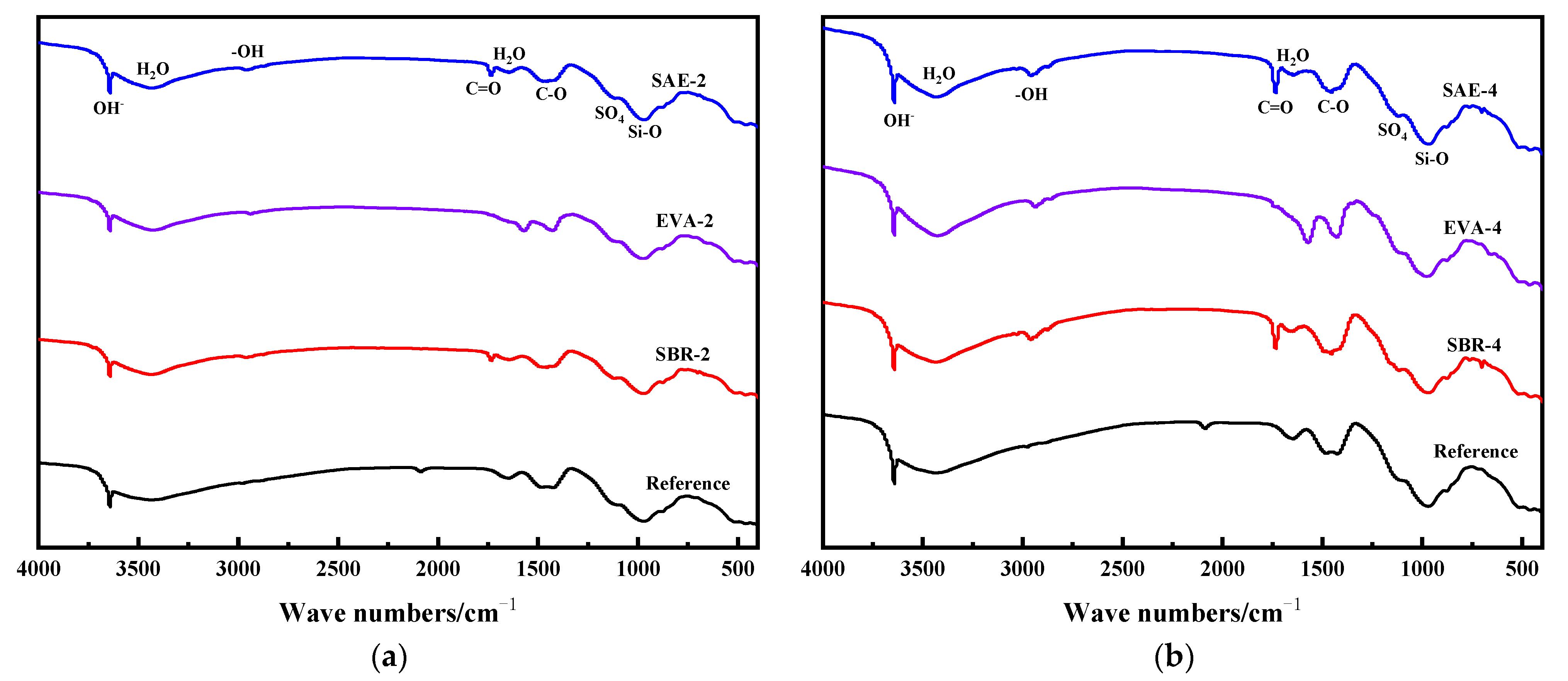
The application of polymer latex provides an additional approach when optimizing the properties of high–performance cement–based materials. Given that cement–based materials are extraordinarily sensitive to the characteristics and relative content of polymer latexes, identifying their influence is essential for application. This paper investigates the impact of polymer latex types and its relative content on the mechanical properties, hydration product, pore structure, and drying shrinkage of cement–based materials with a low water to binder ratio. The results showed that the mechanical properties, pore structure, and drying shrinkage of the styrene butadiene latex modified samples were better than those of ethylene vinyl acetate latex and silicone acrylic latex modified ones. Incremental increases to the polymer to cement ratio induces a slight reduction on compressive strength, and styrene–butadiene latex promotes tensile strength. Polymer latex hinders the transformation from ettringite to monosulfate, reducing the bound water and portlandite generated. Increasing the polymer content induces more significant stretching in the vibration peak of SO4 from ettringite. Further incorporation of polymer latex contributes to ettringite precipitation and the decline of harmful pores. Polymer addition also results in lower drying shrinkage compared with the reference group.
Keywords: polymer latex; low water–binder ratio; mechanical properties; hydration products; drying shrinkage polymer latex; low water–binder ratio; mechanical properties; hydration products; drying shrinkage