


Abstract
The present study aimed to compare the color stability of different types of zirconia with and without grit blasting (GB) after they were immersed in staining drinks. Two hundred and forty zirconia samples (N = 240) belonging equally to three different types of zirconia (Cercon® xt multilayer, xt extra translucent, and ht high translucent) were used in this study. Forty samples from each zirconia group were roughened with GB, while the other forty remained non-GB (NGB). Eight GB and NGB zirconia samples from each sub-group were immersed in artificial saliva, coffee, protein shake, chlorhexidine mouthwash, and a soft drink. Besides chlorhexidine mouthwash (immersion time: 14 days), the samples were immersed in the liquids for 28 days. A spectrophotometer was utilized to observe the color differences (∆E) at baseline (T0), 7 days post-immersion (T1), 14 days post-immersion (T2), 21 days post-immersion (T3), and 28 days post-immersion (T4). For the multilayer zirconia, the greatest ∆E (8.45 for GB and 5.97 for NGB samples) was observed after immersion in coffee at T4. For the extra translucent zirconia, the greatest ∆E (9.10 for GB and 6.81 for NGB samples) was also observed after immersion into the coffee at T4. For the high translucent zirconia, the greatest ∆E (4.53 for GB and 3.62 for NGB samples) was observed after immersion into the coffee at T4 and T3. Protein shake and soft drink immersion also significantly discolored some zirconia samples. Overall, GB zirconia samples presented with greater ∆E values than their NGB counterparts. It can be concluded that coffee immersion of zirconia samples caused a more significant discoloration (increased ∆E values) than any other liquid. Future clinical studies should be carried out to corroborate the current study’s findings.
1. Introduction
Metal-free restorations are in high demand due to their superior aesthetics [1]. Consequently, many tooth-colored restorations have been developed, which entail outstanding aesthetics and improved mechanical properties [2]. Zirconia is an oxidized form of zirconium that exists in various phases (monoclinic, tetragonal, and cubic) [3]. In dentistry, zirconia has been used to develop crowns, bridges, posts, and implants due to its high biocompatibility, increased toughness, and improved fracture resistance [4]. These unique properties of zirconia could be owed to its >95% high crystalline content (without any glass phase) [5]. In addition, among the optical properties, its natural white color makes it an ideal ceramic material for various dental applications.
The aesthetics of dental restoration are dependent upon several optical properties, including translucency, opacity, color, and fluorescence [6]. Translucency, an aesthetic demand in dentistry, is an important property that allows the passage of light through a material. During this passage, the light can be absorbed, scattered, or reflected from the surface of the material [7]. Translucency of the restoration is highly dependent on the thickness of zirconia [8]; therefore, it is crucial to investigate the relationship between the changing thickness of zirconia and its relationship with translucency. Color is another critical optical property of restorative materials, and its stability is essential to evaluate the success or failure of the restorative or prosthetic treatment [9]. The discoloration of restoration can occur when it is placed inside a dynamic in vivo oral environment where it is exposed to the microflora, saliva, and acidic food and drinks [10]. Among the exogenous factors that cause discoloration, exposure to consumable drinks is most noteworthy. In an in vitro environment, this exogenous factor can be reproduced by the immersion of material in a consumable drink, and it is considered a good test to measure its potential to discolor by assessing its staining levels [11].
Previously, Haralur et al. performed an in vitro study to assess the color stability of lithium disilicate, monolithic zirconia, and bilayer zirconia surfaces after they were exposed to chlorhexidine, coffee, and green tea [12]. It was reported in their study that lithium disilicate demonstrated superior color stability as compared to the other two zirconias [12]. In another study, the effect of grit blasting (GB) on the color stability of zirconia after they were immersed in different beverages was evaluated [13]. This study concluded that color changes were more marked in GB zirconia ceramics as compared with their counterparts, and coffee produced more noticeable color changes than all the other beverages [13]. These previous studies have demonstrated that although zirconia has admirable mechanical properties and aesthetics, its color can still be compromised upon exposure to various beverages. There is a need to test this material further, and an attempt should be made to use different testing conditions and various beverages to provide a more vigorous challenge to test the color stability of zirconia.
Therefore, the present study aimed to compare the color stability of different types of zirconia (multilayer, extra translucent, and high translucent) with and without GB after they were immersed in various staining liquids. The null hypothesis (Ho) of this study was that GB and immersion in different drinks would not impact the color stability of different types of zirconia.
2. Materials and Methods
Before commencement of the study, ethical approval was obtained from the Institutional Review Board (IRB) of the College of Dentistry, Prince Sattam bin Abdulaziz University, Saudi Arabia.
2.1. Sample Selection, Grouping, Immersion Solutions, and Protocol
Two hundred and forty zirconia samples (N = 240) were used for this study, and these samples equally belonged to three different types of zirconia (Cercon® xt multilayer, Cercon® xt extra translucent, and Cercon® ht high translucent—Shade A1, Dentsply Sinora, Milford, DE, USA). The composition of each type of zirconia is presented in Table 1.
Table 1.
Showing the composition of each type of zirconia used in this study.
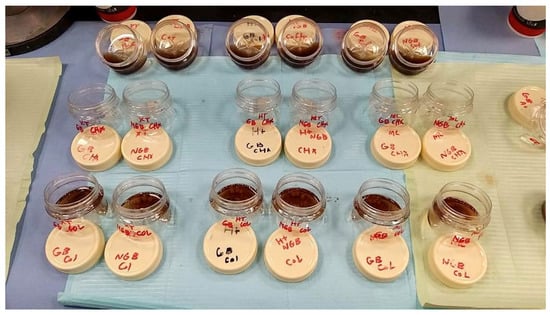
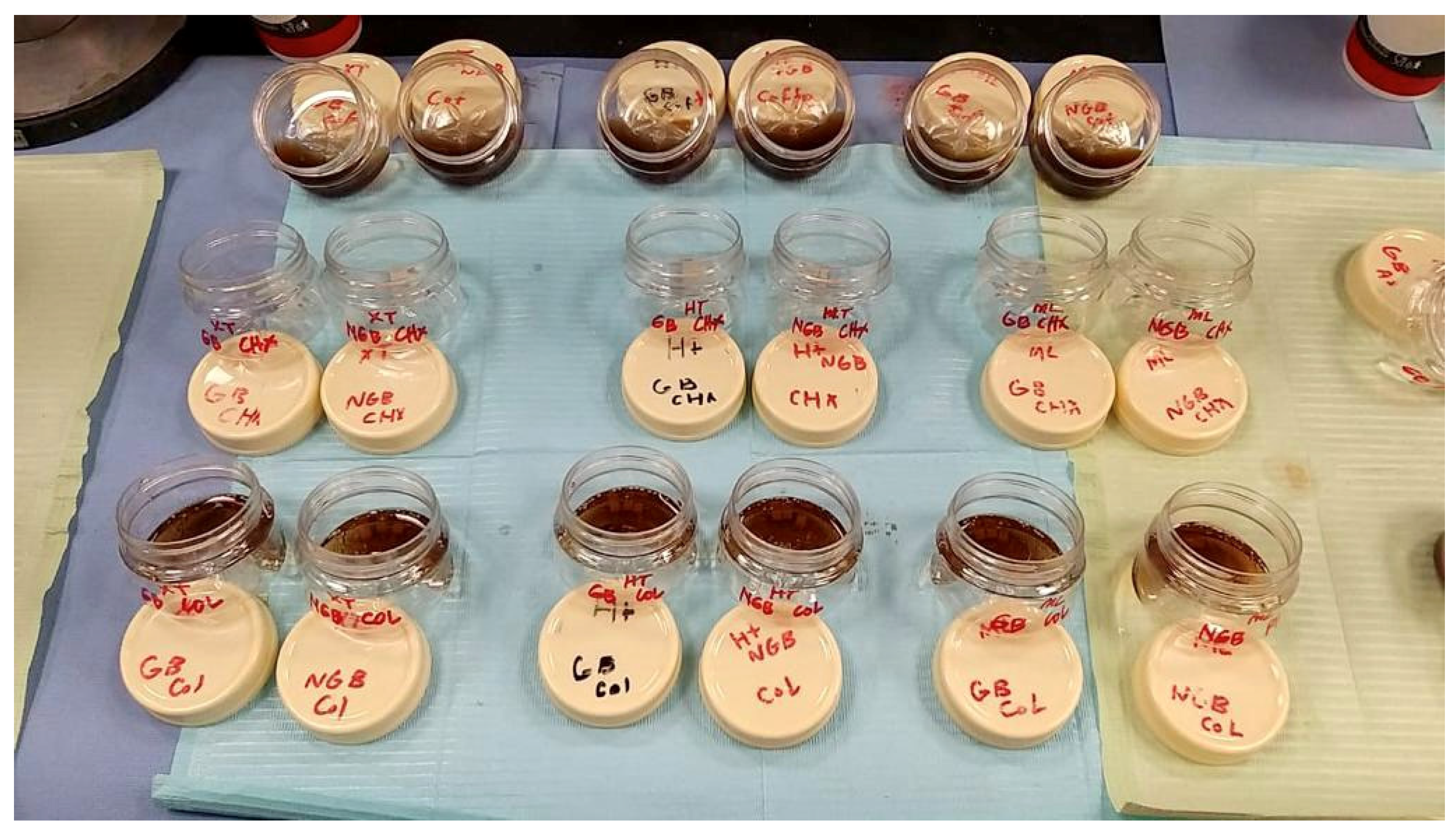
The zirconia samples were first cut into blocks of 4 mm × 4 mm × 2 mm using a high-speed hand piece (KaVo Dental Corp., Biberach, Germany). Speed sintering of all zirconia specimens was carried out at 1500 °C for 2 h and 50 min. Then, each type of zirconia sample was equally and randomly allocated into two sub-groups: non-GB (NGB) and GB, and each sub-group received forty samples. The samples assigned for GB were treated using alumina powder (size: 50 μm, pressure: 2.5 bar, and time: 10 s) from a distance of 10 mm and cleaned in an ultrasonic bath (Bandelin Digital-Sigma-Aldrich, Darmstadt, Germany). Furthermore, from each zirconia group, eight NGB and eight GB zirconia samples each were immersed in artificial saliva, coffee (Nestlé Middle East Manufacturing LLC, Dubai Nescafe Gold, Dubai, United Arab Emirates), protein shake (brown) (Hydrolyzed Whey Protein Shake Isolate, Dymatize Nutrition, Kings Mountain, NC, USA), chlorhexidine mouthwash (dark orange) (Chlorhexidine Gluconate 0.2% Mouthwash, Avalon Pharma, Riyadh, Saudi Arabia), and a soft drink (Coca Cola®, Riyadh, Saudi Arabia) (black color) (Figure 1).
Figure 1.
Showing preparation of colored beverages used in this study to immerse and analyze color stability of zirconia samples.
Zirconia samples were immersed for 28 days in all these liquids other than chlorhexidine mouthwash, in which they were immersed for 14 days. The artificial saliva (clear fluid) was prepared following the recommendations of an earlier study [14]. The coffee (dark brow/black) was freshly prepared daily using 15 gm of ground beans and 250 mL of hot water using the filter technique to make the coffee clear without any residues. Similarly, the protein shake was also prepared daily using 34 g of protein powder mixed with 180 mL of water. Zirconia samples were immersed in 50 mL of these solutions, which were replenished daily.
2.2. Color Measurements
The color measurements were taken using a spectrophotometer (Hunterlab, Reston, VA, USA) at different time points: baseline (before immersion experiments, T0), 7 days post-immersion (T1), 14 days post-immersion (T2), 21 days post-immersion (T3), and 28 days post-immersion (T4). Before taking color measurements at each time point, the samples were cleaned with water and a soft-bristled toothbrush (Oral B®, Procter and Gamble Co., Cincinnati, OH, USA). These measurements were performed using CIE L*a*b*. The color measurements were taken at each time point and then mean values were calculated for L (lightness of the color), a* (chromaticity of red-green), and b* (chromaticity for yellow-blue). The formula used for the measurement of color difference (∆E*) was as follows:
∆E*ab = [(∆L*)2 + (∆a*)2 + (∆b*)2]1/2
2.3. Conversion of ∆E Values into National Bureau of Standards (NBS) Units
The ∆E values were converted into the NBS units by utilizing the following formula.
NBS units = ΔE* × 0.92
The NBS units, color change remarks, and clinical interpretation are presented below in Table 2.
Table 2.
NBS interpretation of color changes.
2.4. Statistical Analysis
The results were statistically analyzed using statistical software (SPSS, version 22; SPSS Inc., Chicago, IL, USA), and a paired sample t-test was used. The significance level was set at 5%.
3. Results
3.1. ∆E values for Multilayer Zirconia Samples
The ∆E values for NGB and GB multilayer zirconia samples are presented in Table 3. The greatest ∆E was observed for GB zirconia samples (8.45) at T4 after immersion in coffee, while the greatest ∆E for NGB zirconia samples (5.97) was also seen after they were immersed in coffee at T4 (Table 3).
Table 3.
∆E of multilayer zirconia in different mediums at different times; values are expressed as mean (SD).
The intra-group comparison of ∆E values for multilayer zirconia at T0 and T4 revealed statistically significant results for only NGB samples when immersed in coffee and protein shake (Table 4). For the GB samples, significant differences were seen when the samples were immersed in all the liquids (other than control group).
Table 4.
Comparison of ∆E between T0 and T4 for the multilayer zirconia group.
The conversion of ∆E values to the NBS units for multilayer zirconia samples is presented in Table 5. The highest NBS units were again seen for the GB samples (7.77, extremely marked change), followed by NGB samples (4.38, marked change) which were immersed in the coffee.
Table 5.
Color change in multilayer zirconia group after 28 days.
3.2. ∆E Values for Extra Translucent Zirconia Samples
The ∆E values for NGB and GB extra translucent zirconia samples are presented in Table 6. The greatest ∆E was observed for GB zirconia samples (9.10) at T4 after immersion into the coffee, while the greatest ∆E for NGB zirconia samples (6.81) was also seen after they were immersed in coffee at T4 (Table 6).
Table 6.
∆E of extra translucent zirconia in different mediums at different times; values are expressed as mean (SD).
The intra-group comparison of ∆E values for multilayer zirconia at T0 and T4 revealed statistically significant results for NGB samples when immersed in all the liquids (other than chlorhexidine mouthwash) (Table 7). For the GB samples, significant differences were seen when the samples were immersed in all the liquids (other than the control group).
Table 7.
Comparison of color change between T0 and T4 for extra translucent group.
The conversion of ∆E values to the NBS units for extra translucent zirconia samples is presented in Table 8. The highest NBS units were again seen for the GB samples (8.37, extremely marked change), followed by NGB samples (6.26, marked change) which were immersed in coffee.
Table 8.
Color change in extra translucent group after 28 days.
3.3. ∆E Values for High Translucent Zirconia Samples
The ∆E values for NGB and GB high translucent zirconia samples are presented in Table 9. The greatest ∆E was observed for GB zirconia samples (4.53) at T4 after immersion in coffee, while the greatest ∆E for NGB zirconia samples (3.62) was also seen after they were immersed in coffee but at T3 (Table 3).
Table 9.
∆E of high translucent zirconia samples in different mediums at different times; values are expressed as mean (SD).
The intra-group comparison of ∆E values for multilayer zirconia at T0 and T4 revealed statistically significant results for NGB and GB samples when they were immersed in only protein shake (Table 10).
Table 10.
Comparison of color change between T0 and T4 for high translucent group.
The conversion of ∆E values to the NBS units for extra translucent zirconia samples is presented in Table 11. The highest NBS units were seen for the GB samples (4.16, extremely marked change) after they were immersed in coffee. The next highest NBS units were observed for the GB samples (3.38, perceivable) after immersion in soft drink and NGB samples (3.25, marked change) after they were immersed in protein shake (Table 11).
Table 11.
Color change in high translucent group after 28 days.
4. Discussion
Based on the findings of our study, the Ho that GB and NGB zirconia samples would not differ in terms of color stability was rejected as the former presented with a high ∆E compared to the latter. Furthermore, the Ho that immersion of zirconia samples in different liquids would not have any impact on the color stability was rejected as all the zirconia samples presented with a marked difference when the ∆E values were compared between T0 (baseline) and T4 (after 28 days of immersion). For many years, a visual color guide was used to detect color changes in different dental materials; however, this method was subjective and could lead to inaccuracies [15]. A spectrophotometer is a valuable device for color measurements and analysis in dentistry. It is helpful for the color analysis of different restorations and verification of their shade [16]. Considering the benefits of this device, it was decided in our study to use a spectrophotometer to detect color changes in different zirconia samples (multilayer, extra translucent, high translucent) after GB and post immersion in different staining liquids.
According to the previously established standards, an ∆E between 1–3.3 units represents an important difference, but it is clinically acceptable; however, an ∆E > 3.3 is perceivable even by an untrained observer and is considered unacceptable [17,18]. Our results indicated that most color changes were detected when the zirconia samples were immersed in coffee (∆E > 3.3 was observed for some samples). Coffee has been shown previously to induce color changes in natural teeth, adhesive resin cements, and dental ceramics [19,20,21]. In a previous study, it was reported that the immersion of zirconia ceramics in coffee brought a significant increase in ∆E values [17]. Another similar study reported that GB zirconia samples, when immersed in coffee, demonstrated more marked color differences when compared with NGB samples and samples which were immersed in other acidic beverages [13]. Our results conform with these previous studies as we also noticed ∆E values for zirconia samples that were immersed in coffee. Coffee is one of the most consumed colored drinks in the world, despite its known potential to cause staining of teeth and discoloration of dental materials [22]. Coffee contains tannin and chlorogenic acids, which can cause discoloration [13]. The same ingredients could be responsible for the marked color differences observed in our study when the zirconia samples were immersed in coffee. In addition, the acidic pH of coffee could facilitate the discoloration process [13]; however, the pH of the immersion liquids was not measured in the current study.
In our study, protein shake immersion also discolored some NGB and GB zirconia samples. There is a deficit of similar studies in the literature which have reported the discoloration effects of protein shakes on zirconia samples; therefore, in this regard, our study reports novel findings. The young population is increasingly consuming protein shakes to reach their fitness goals. Unfortunately, they may contain large quantities of heavy metals (lead, arsenic, mercury, and cadmium) that remain undisclosed on the packaging and can have harmful health effects [23]. It can be speculated that these heavy metals could have been responsible for the discoloration of our zirconia samples (∆E > 3.3 was observed for some samples); however, more investigations are required. Previous studies have reported that soft drinks can cause discoloration of zirconia ceramics [17,24]. We also observed a similar trend and the immersion of zirconia samples in soft drink discolored zirconia samples, although the ∆E was <3.3 (clinically acceptable level). Colombo et al. previously reported clinically acceptable levels of ∆E after one week when the zirconia samples were immersed in a soft drink (Coca-Cola®) [17]. Our study reported similar findings; although in our study, the samples presented with clinically acceptable levels of ∆E even after 28 days of immersion in a soft drink. It was previously reported that the presence of artificial colorants and citric acid in soft drinks can cause discoloration of dental restorations [25]. In addition, the low pH of these drinks plays an essential role in the discoloration of restorations in the oral cavity [25]. The change in ∆E post immersion in a soft drink observed in our study could also be due to these reasons.
Zirconia samples were also immersed in chlorhexidine mouthwash, and their color stability was assessed. Chlorhexidine is an antibacterial agent which is prescribed to reduce the incidence of dental caries and periodontal diseases [1]. However, the prolonged use of chlorhexidine is known to cause discoloration of teeth and restorations [12]. Previously, Derafashi et al. reported that zirconia samples are susceptible to color changes after they are immersed in chlorhexidine gluconate solution [1]. Another similar study demonstrated that chlorhexidine can affect the color stability of nanoceramic computer-aided design/computer-aided manufacturing (CAD/CAM) restorative material within clinically acceptable limits [26]. Our results are in agreement with these studies as we also observed that the immersion of zirconia samples in chlorhexidine mouthwash affected their color stability, although the ∆E was <3.3 (clinically acceptable level). The exact mechanism through which chlorhexidine causes discoloration of teeth and restoration is unknown. However, it was previously proposed that chlorhexidine molecules break down in the oral cavity and form parachloranilin, which results in the denaturation of proteins and formation of metal sulfides that can cause discoloration of teeth and restorations [27,28]. This could be the reason that zirconia samples that were immersed in chlorhexidine mouthwash in our study demonstrated marked color changes (observed between T0 and T4).
In the present study, half of the zirconia samples were produced using GB, while the other half remained NGB to see the impact of GB on their color stability. As zirconia ceramics contain an acid-resistant polycrystalline structure which can result in weak bonding with composite resin [29], it is recommended to make their surface rough so that composite resin can flow into their irregularities [13]. GB with alumina particles is considered to be an effective method to roughen zirconia ceramics without causing too much damage to their surfaces [30]. The findings of the present study indicated that GB zirconia samples presented with greater ∆E values than their NGB counterparts, particularly when immersed in coffee. These findings are consistent with an earlier study where the GB zirconia samples presented with increased ∆E values as opposed to NGB samples, especially after coffee immersion [13]. Although GB has many advantages, the roughening caused by it can reduce its mechanical integrity [29], which can make it more susceptible to discoloration, and this could be the reason that we found more discoloration in GB zirconia samples. Furthermore, surface roughness (Ra) increases after GB [13], and a roughened surface increases the surface area of contact with the staining drinks. This in turn could cause more staining of the zirconia surface, as observed in our study.
Among the limitations of the present study, one major limitation is its in vitro design. Restorations can act differently in the oral cavity due to the presence of saliva. Furthermore, toothbrushing might change the color stability of restorations in vivo. Another limitation of this study was that only one type of each staining liquid was utilized for the immersion of zirconia samples. It is possible that other types/brands of the same liquids would affect the color stability of zirconia differently. There is an inverse relationship between yttria content and strength. In addition, a direct relationship exists between yttria content and translucency. Since multilayer, extra, and high translucent zirconia has different yttria content, it is possible that a relatively low yttria content in high translucent zirconia would have made it more prone to staining (due to a weaker strength) compared to the other two types of zirconia. Although this relationship was not explored in our study, it requires further investigation.
5. Conclusions
Within the limitations of the current study, it can be concluded that coffee immersion of GB and NGB zirconia samples caused more significant discoloration (increased ∆E values) than any other staining liquid. Protein shake and soft drink immersion also induced significant discoloration in zirconia samples. Further, GB zirconia samples presented with greater ∆E values than their NGB counterparts. Future clinical studies should be carried out to corroborate the current study’s findings.
Author Contributions
Conceptualization, K.M.A., M.M.A., F.V., M.A., I.F., and T.A.; methodology, F.A., F.V., M.A. and T.A.; validation, K.A.A., I.F., F.V., and T.A.; formal analysis, K.M.A., I.F., F.V., M.A., and T.A.; investigation, A.A., and T.A.; data curation, K.M.A., M.M.A., S.A.B., F.A., F.V., M.A., I.F., and T.A.; writing—original draft preparation, I.F., F.V., I.F., and T.A.; writing—review and editing, I.F., K.A.A., T.A., and F.V.; supervision, F.V., T.A., and I.F.; funding acquisition, T.A. All authors have read and agreed to the published version of the manuscript.
Funding
The authors are grateful to the researchers supporting the project at King Saud University for funding through researchers supporting project No. RSP-2021-44.
Institutional Review Board Statement
The study protocol was approved by Prince Sattam bin Abdulaziz University.
Informed Consent Statement
No human tissue or subjects were involved.
Data Availability Statement
Data of the study is available on request form the corresponding author.
Conflicts of Interest
The authors declare no conflict of interest.
References
- Derafshi, R.; Khorshidi, H.; Kalantari, M.; Ghaffarlou, I. Effect of mouthrinses on color stability of monolithic zirconia and feldspathic ceramic: An in vitro study. BMC Oral Health 2017, 17, 129. [Google Scholar] [CrossRef] [Scilit] [PubMed]
- Ashy, L.M.; Al-Mutairi, A.; Al-Otaibi, T.; Al-Turki, L. The effect of thermocyclic aging on color stability of high translucency monolithic lithium disilicate and zirconia ceramics luted with different resin cements: An in vitro study. BMC Oral Health 2021, 21, 587. [Google Scholar] [CrossRef] [Scilit]
- Giordano Ii, R. Ceramics overview. Br. Dent. J. 2022, 232, 658–663. [Google Scholar] [CrossRef] [Scilit]
- Della Bona, A.; Pecho, O.E.; Alessandretti, R. Zirconia as a Dental Biomaterial. Materials 2015, 8, 4978–4991. [Google Scholar] [CrossRef] [Scilit] [PubMed]
- Bapat, R.A.; Yang, H.J.; Chaubal, T.V.; Dharmadhikari, S.; Abdulla, A.M.; Arora, S.; Rawal, S.; Kesharwani, P. Review on synthesis, properties and multifarious therapeutic applications of nanostructured zirconia in dentistry. RSC Adv. 2022, 12, 12773–12793. [Google Scholar] [CrossRef] [Scilit]
- Nistor, L.; Grădinaru, M.; Rîcă, R.; Mărășescu, P.; Stan, M.; Manolea, H.; Ionescu, A.; Moraru, I. Zirconia Use in Dentistry-Manufacturing and Properties. Curr. Health Sci. J. 2019, 45, 28–35. [Google Scholar]
- Denry, I.H.; Holloway, J.A. Ceramics for Dental Applications: A Review. Materials 2010, 3, 351–368. [Google Scholar] [CrossRef] [Scilit]
- Pekkan, K. Effect of sintering regimes and thickness on optical properties of zirconia ceramics for dental applications. App. Ceramic. Tech. 2021, 18, 1354–1364. [Google Scholar] [CrossRef] [Scilit]
- Espinar, C.; Della Bona, A.; Perez, M.M.; Pulgar, R. Color and optical properties of 3D printing restorative polymer-based materials: A scoping review. J. Esthet Restor Dent. 2022, 34, 853–864. [Google Scholar] [CrossRef] [Scilit] [PubMed]
- Adusumilli, H.; Avula, J.S.; Kakarla, P.; Bandi, S.; Mallela, G.M.; Vallabhaneni, K. Color stability of esthetic restorative materials used in pediatric dentistry: An in vitro study. J. Indian Soc. Pedod. Prev. Dent. 2016, 34, 233–237. [Google Scholar]
- Kim, J.H.; Lee, Y.K.; Powers, J.M. Influence of a series of organic and chemical substances on the translucency of resin composites. J. Biomed Mater. Res. B Appl. Biomater. 2006, 77, 21–27. [Google Scholar] [CrossRef] [Scilit]
- Haralur, S.B.; Raqe, S.A.N.; Alhassan Mujayri, F. Effect of Hydrothermal Aging and Beverages on Color Stability of Lithium Disilicate and Zirconia Based Ceramics. Medicina 2019, 55, 749. [Google Scholar] [CrossRef] [Scilit] [PubMed]
- Alaqeel, S. Effect of Grit-blasting on the Color Stability of Zirconia Ceramics Following Exposure to Beverages. Cureus 2020, 12, e7170. [Google Scholar] [CrossRef] [Scilit]
- Farooq, I.M.; AlShwaimi, E.; Almas, K. Efficacy of a novel fluoride containing bioactive glass based dentifrice in remineralizing artificially induced demineralization in human enamel. Fluoride 2019, 52, 447–455. [Google Scholar]
- Ibrahim, M.; Ehab, F.; Badih, R. A comparison of color stability between hybrid ceramic and veneers: An in vitro study. Int. Arab. J. Dent. 2019, 10, 25–30. [Google Scholar] [CrossRef] [Scilit]
- Chu, S.J.; Trushkowsky, R.D.; Paravina, R.D. Dental color matching instruments and systems. Review of clinical and research aspects. J. Dent. 2010, 38 (Suppl. 2), e2–e16. [Google Scholar] [CrossRef] [Scilit] [PubMed]
- Colombo, M.; Cavallo, M.; Miegge, M.; Dagna, A.; Beltrami, R.; Chiesa, M.; Poggio, C. Color stability of CAD/CAM Zirconia ceramics following exposure to acidic and staining drinks. J. Clin. Exp. Dent 2017, 9, e1297–e1303. [Google Scholar] [CrossRef] [Scilit] [PubMed]
- Inokoshi, S.; Burrow, M.F.; Kataumi, M.; Yamada, T.; Takatsu, T. Opacity and color changes of tooth-colored restorative materials. Oper. Dent. 1996, 21, 73–80. [Google Scholar] [PubMed]
- Barutcugil, C.; Bilgili, D.; Barutcigil, K.; Dundar, A.; Buyukkaplan, U.S.; Yilmaz, B. Discoloration and translucency changes of CAD-CAM materials after exposure to beverages. J. Prosthet. Dent. 2019, 122, 325–331. [Google Scholar] [CrossRef] [Scilit]
- Shiozawa, M.; Takahashi, H.; Asakawa, Y.; Iwasaki, N. Color stability of adhesive resin cements after immersion in coffee. Clin. Oral Investig. 2015, 19, 309–317. [Google Scholar] [CrossRef] [Scilit]
- Nascimento Oliveira, A.L.; Elias, C.N.; Salomao Dos Santos, H.E.; Dos Santos, C.; de Biasi, R.S. Physical Properties and Color Stainability by Coffee and Red Wine of Opaque and High Translucency Zirconia Dental Ceramics after Hydrothermal Degradation. Int. J. Biomater. 2022, 2022, 1571729. [Google Scholar] [CrossRef] [Scilit] [PubMed]
- Pratomo, A.H.T.; Indrani, D.J. Effect on tooth discoloration from the coffee drink at various smoke disposal during coffee bean roasting. J. Phys. Conf. Ser. 2018, 1073, 032031. [Google Scholar] [CrossRef] [Scilit]
- Bandara, S.B.; Towle, K.M.; Monnot, A.D. A human health risk assessment of heavy metal ingestion among consumers of protein powder supplements. Toxicol. Rep. 2020, 7, 1255–1262. [Google Scholar] [CrossRef] [Scilit] [PubMed]
- Tasin, S.; Celik, G.; Ismatullaev, A.; Usumez, A. The effect of artificial accelerated aging on the color stability, microhardness, and surface roughness of different dental laminate veneer materials. J. Esthet Restor. Dent. 2022, 34, 405–411. [Google Scholar] [CrossRef] [Scilit]
- Şişmanoğlu, S.; Sengez, G. Effects of acidic beverages on color stability of bulk-fill composites with different viscosities. Int. J. Dent Sci. 2021, 24, 90–99. [Google Scholar] [CrossRef] [Scilit]
- Saglam, G.C. Effect of mouthrinses and repolishing on color stability of hybrid nanoceramic computer-aided design/computer-aided manufacturing material. Tanta Dent. J. 2021, 18, 45–48. [Google Scholar] [CrossRef] [Scilit]
- Carey, C.M.Y.; Font, K. Effect of Temperature on Tooth Staining by 0.12% Chlorhexidine Gluconate. Front. Dent. Med. 2021, 2, 779852. [Google Scholar] [CrossRef] [Scilit]
- Zanatta, F.B.; Antoniazzi, R.P.; Rosing, C.K. Staining and calculus formation after 0.12% chlorhexidine rinses in plaque-free and plaque covered surfaces: A randomized trial. J. Appl. Oral Sci. 2010, 18, 515–521. [Google Scholar] [CrossRef] [Scilit]
- Han, A.T.; Tsoi, J.K.-H.; Matinlinna, P.J.; Chen, Z. Influence of grit-blasting and hydrofluoric acid etching treatment on surface characteristics and biofilm formation on zirconia. Coatings 2017, 7, 130. [Google Scholar] [CrossRef] [Scilit]
- Guazzato, M.; Quach, L.; Albakry, M.; Swain, M.V. Influence of surface and heat treatments on the flexural strength of Y-TZP dental ceramic. J. Dent. 2005, 33, 9–18. [Google Scholar] [CrossRef] [Scilit] [PubMed]

Publisher’s Note: MDPI stays neutral with regard to jurisdictional claims in published maps and institutional affiliations. |
© 2022 by the authors. Licensee MDPI, Basel, Switzerland. This article is an open access article distributed under the terms and conditions of the Creative Commons Attribution (CC BY) license (https://creativecommons.org/licenses/by/4.0/).