
Article

Effect of Full Temperature Field Environment on Bonding Strength of Aluminum Alloy
School of Mechanical Engineering, North China University of Water Resources and Electric Power, Zhengzhou 450045, China
*
Author to whom correspondence should be addressed.
Crystals 2021, 11(6), 657; https://doi.org/10.3390/cryst11060657
Submission received: 10 May 2021 / Revised: 2 June 2021 / Accepted: 5 June 2021 / Published: 9 June 2021
(This article belongs to the Special Issue Advances in Sustainable Concrete System)

Abstract

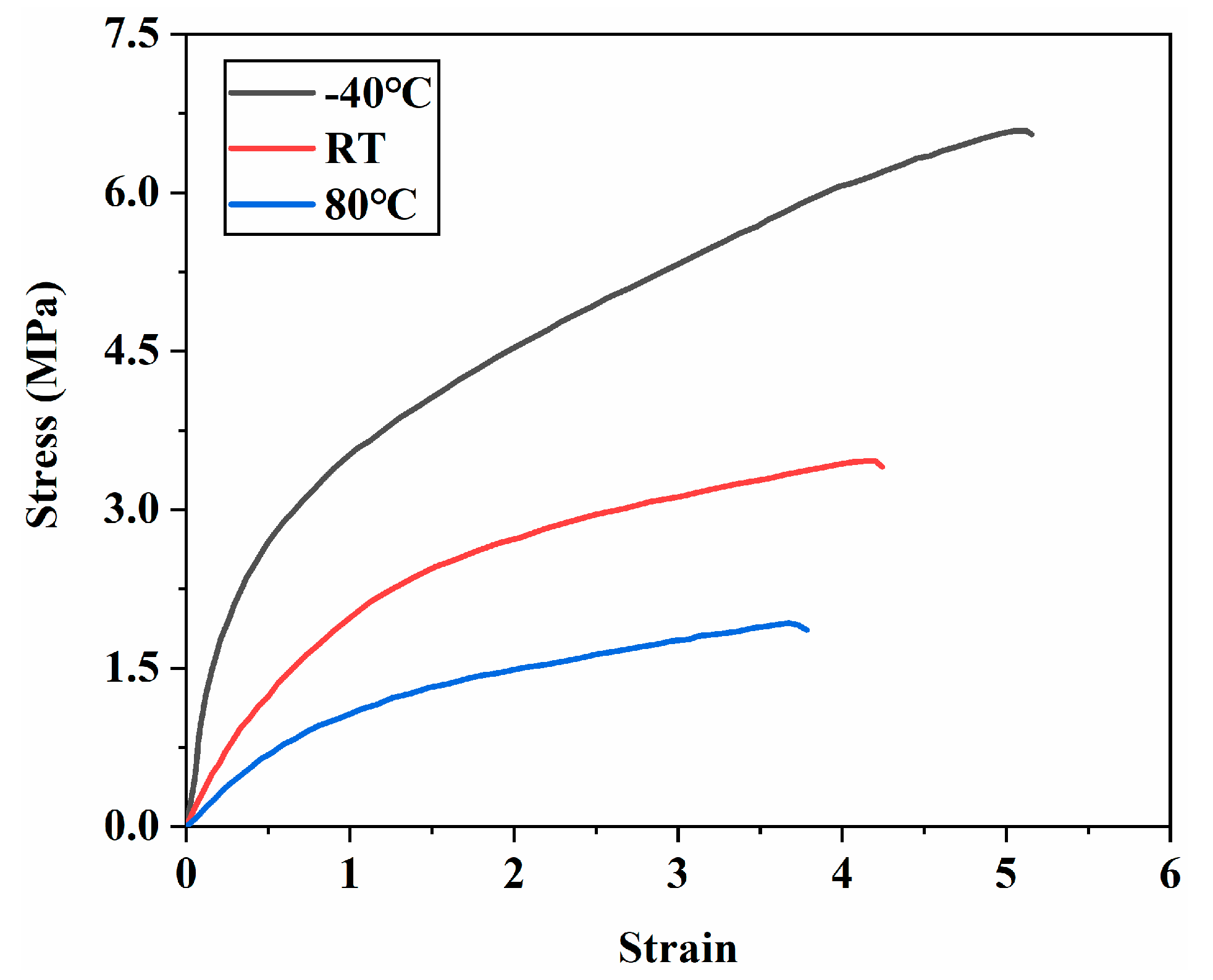
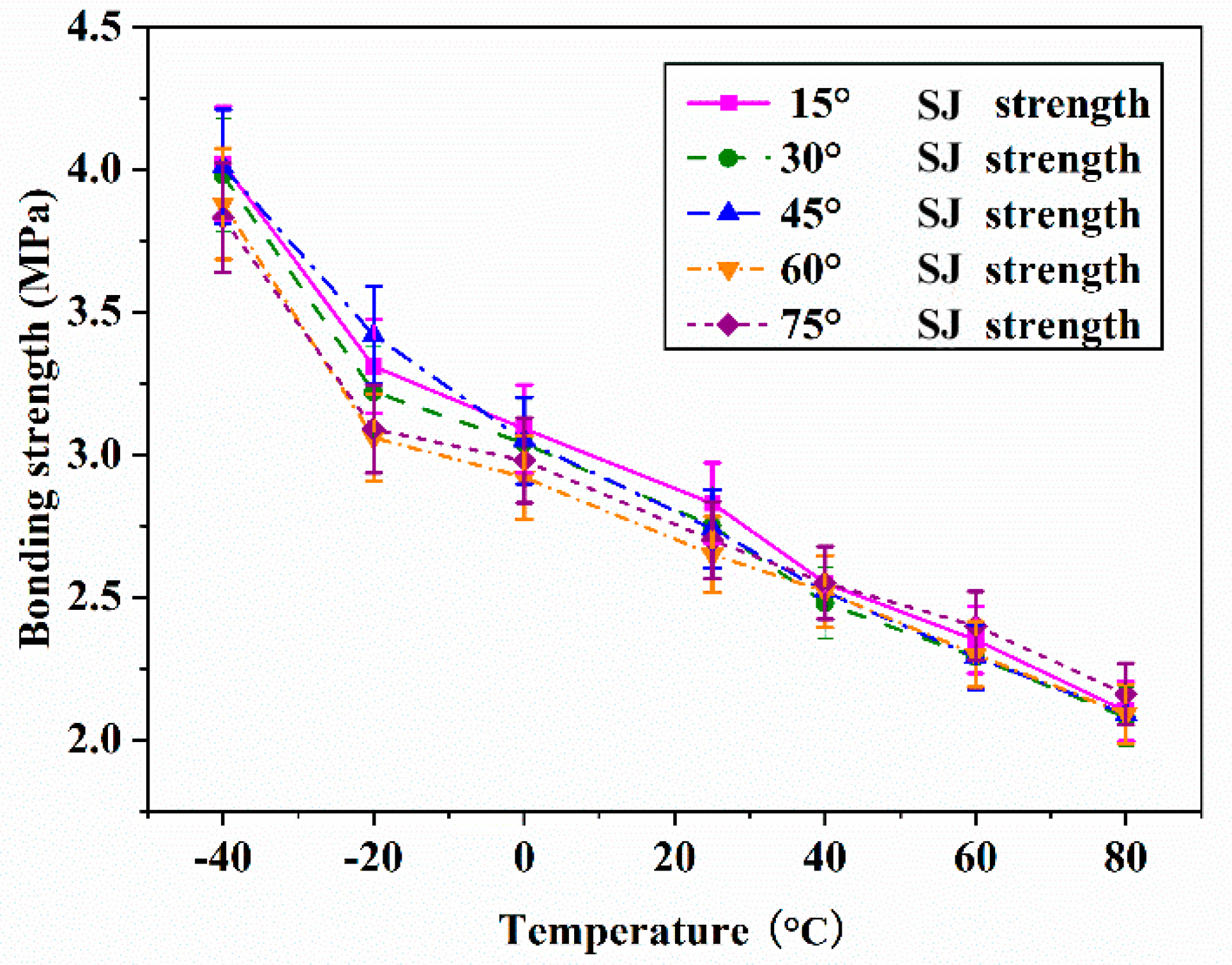
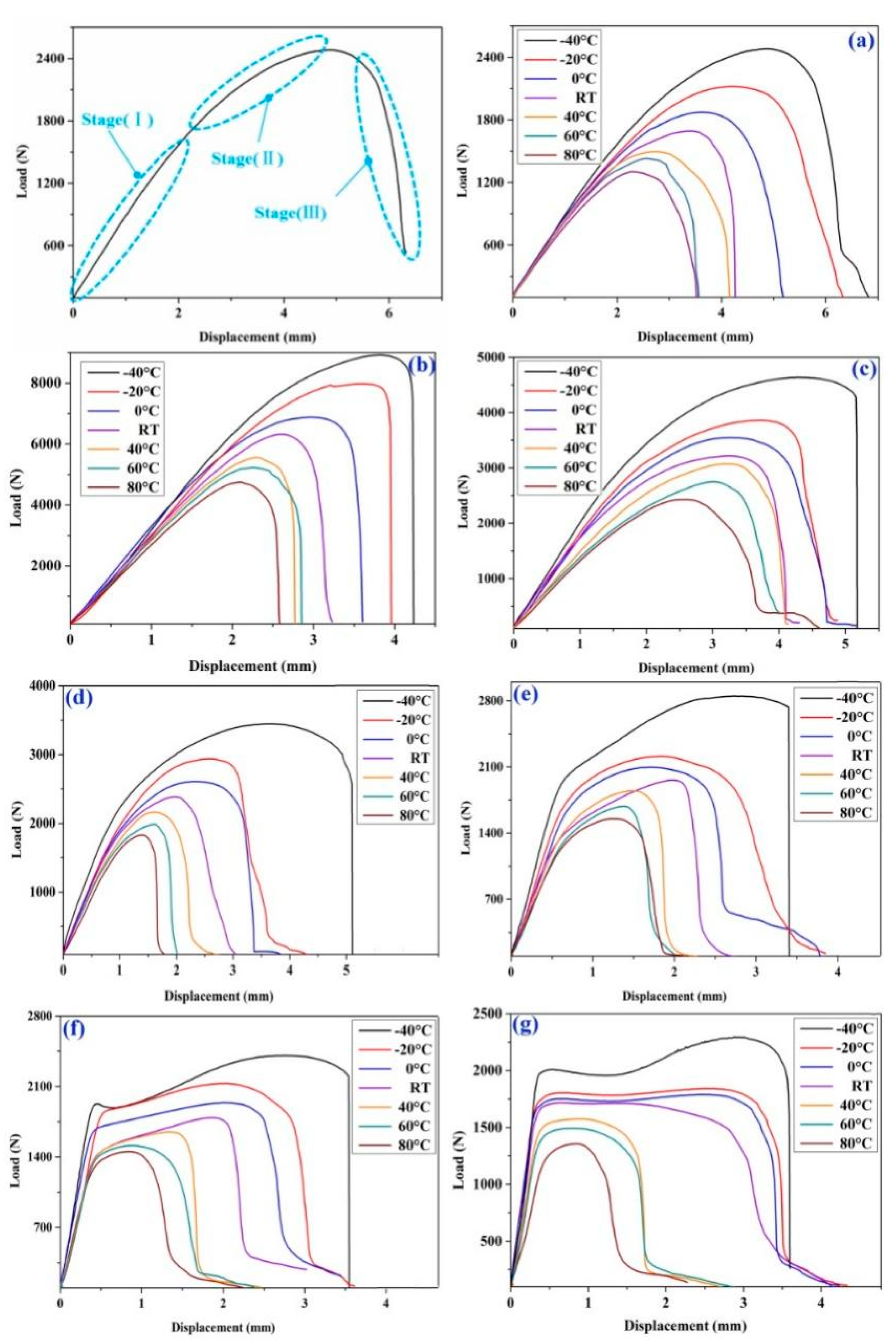
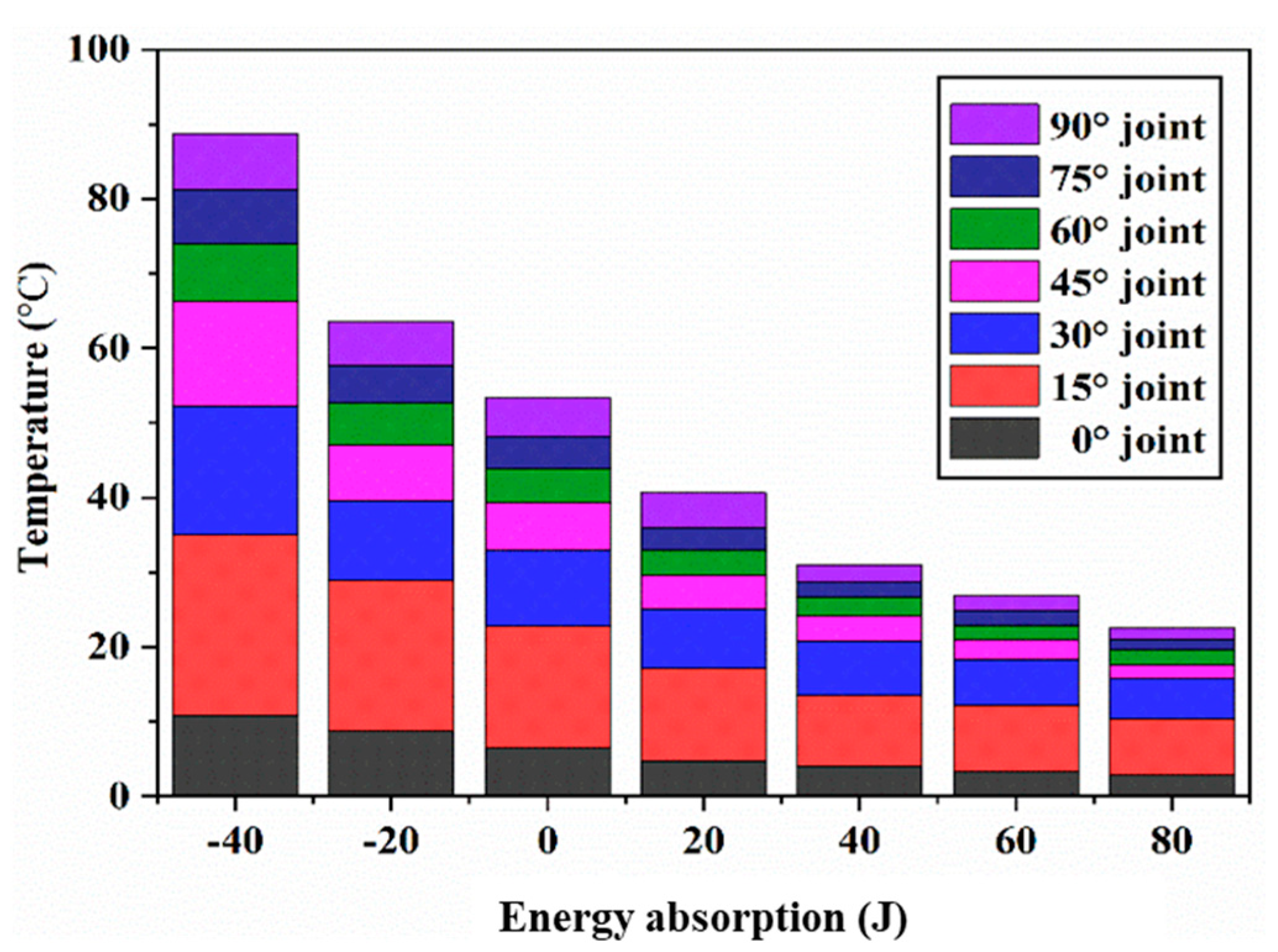
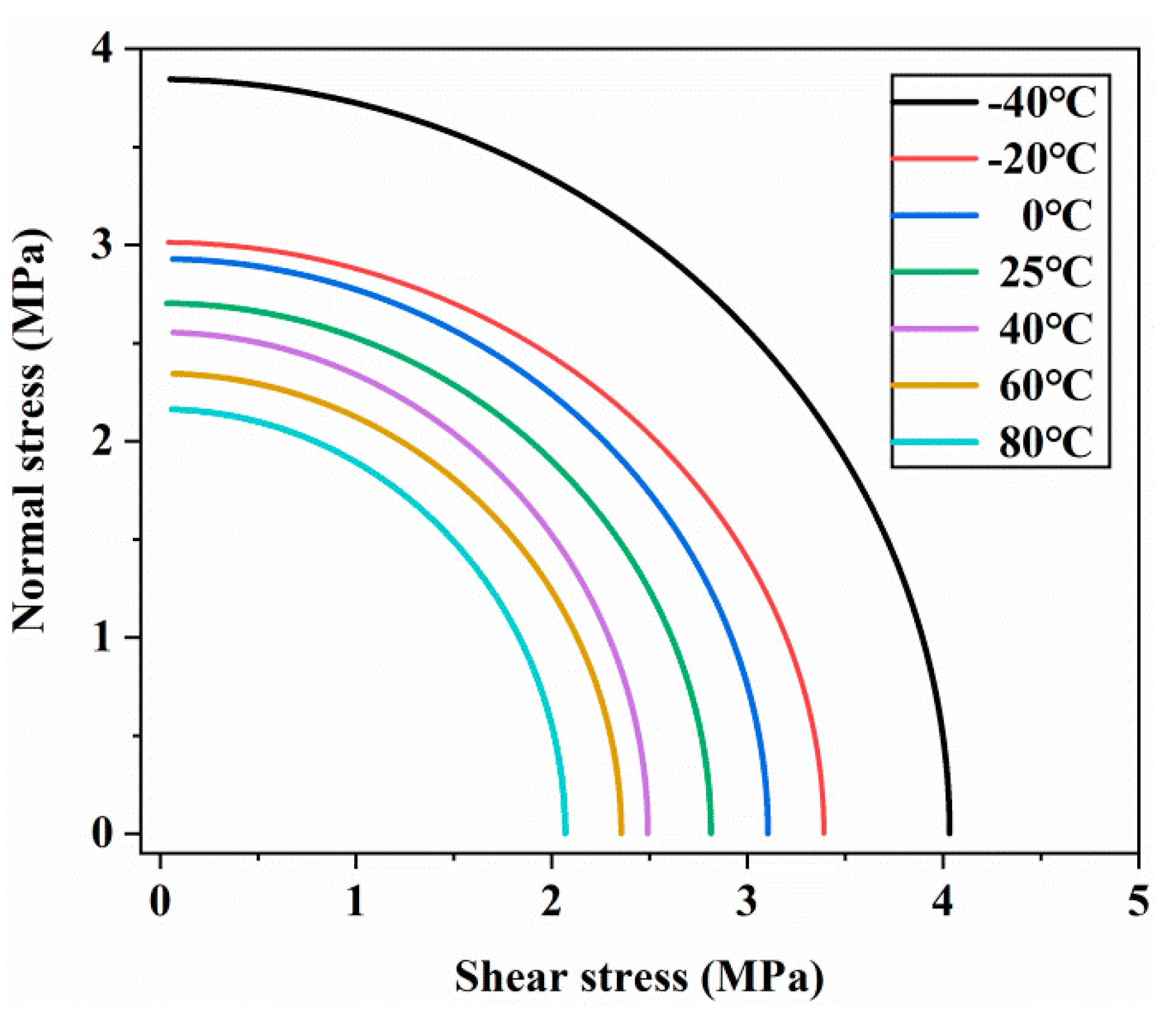
In this paper, the influence of temperature on the bonding strength of aluminum alloy joints under the full temperature field is studied. Based on the service temperature range of vehicle bonding structures, the failure strength of aluminum alloy joints at different temperature points, namely −40 °C, −20 °C, 0 °C, 25 °C (RT), 40 °C, 60 °C and 80 °C, is tested. The results showed that compared with the failure strength of the adhesive at −40 °C, it decreased by 47.69% and 68.15% at RT and 80°C, respectively; the Young’s modulus of the adhesive decreased by 57.63% and 75.42% at RT and 80°C, respectively; with the increase of temperature, the young’s modulus, tensile strength and failure strain of the adhesive decreased. In addition, the failure strength of aluminum alloy joints varied with temperature. To be specific, the stiffness of joints decreased gradually from 25 °C to 80 °C and increased gradually from −40 °C. Based on the failure strength data of bonded joints at different temperature points, the secondary stress failure criteria of bonded joints at different temperatures were obtained. Then, the surface function of failure criteria under the full temperature field was established to provide reference for failure prediction of bonded structures under different temperatures and stresses.
Keywords: adhesively-bonded joint; temperature aging; residual strength; mechanical behavior; failure criterion adhesively-bonded joint; temperature aging; residual strength; mechanical behavior; failure criterion