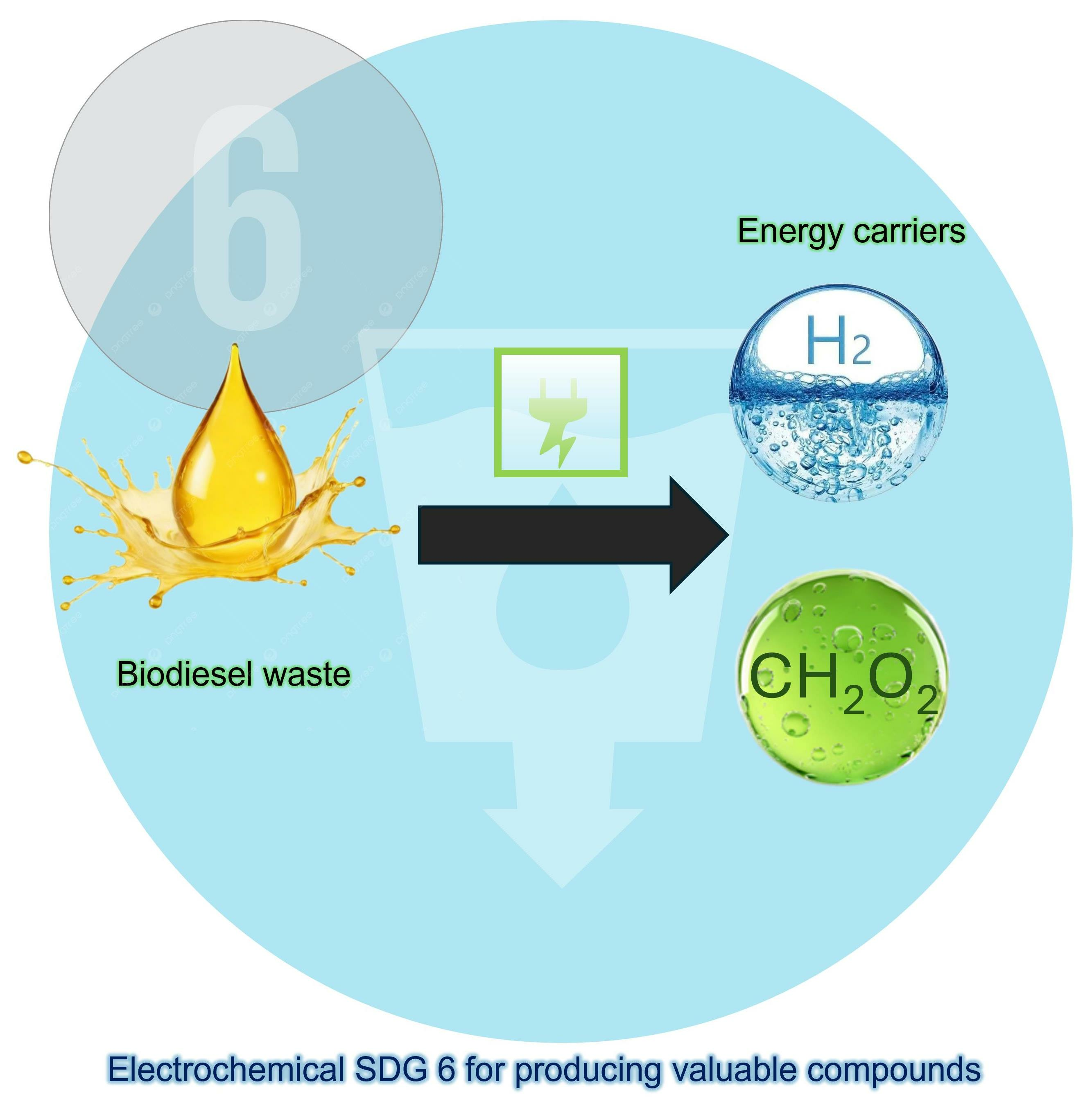

Electro-Refinery in Organics to Produce Energy Carriers: Co-Generation of Green Hydrogen and Carboxylic Acids by Glycerol Electrooxidation Using Dimensionally Stable Anode


 , , , , , , and
Abstract
Share and Cite
da Silva, L.M.G.; Costa, L.G.A.; Santos, J.E.L.; de A. Costa, E.C.T.; de Morais Araújo, A.M.; Gondim, A.D.; Cavalcanti, L.N.; Quiroz, M.A.; dos Santos, E.V.; Martínez-Huitle, C.A. Electro-Refinery in Organics to Produce Energy Carriers: Co-Generation of Green Hydrogen and Carboxylic Acids by Glycerol Electrooxidation Using Dimensionally Stable Anode. Catalysts 2025, 15, 333. https://doi.org/10.3390/catal15040333
da Silva LMG, Costa LGA, Santos JEL, de A. Costa ECT, de Morais Araújo AM, Gondim AD, Cavalcanti LN, Quiroz MA, dos Santos EV, Martínez-Huitle CA. Electro-Refinery in Organics to Produce Energy Carriers: Co-Generation of Green Hydrogen and Carboxylic Acids by Glycerol Electrooxidation Using Dimensionally Stable Anode. Catalysts. 2025; 15(4):333. https://doi.org/10.3390/catal15040333
Chicago/Turabian Styleda Silva, Letícia M. G., Letícia G. A. Costa, José E. L. Santos, Emily C. T. de A. Costa, Aruzza M. de Morais Araújo, Amanda D. Gondim, Lívia N. Cavalcanti, Marco A. Quiroz, Elisama V. dos Santos, and Carlos A. Martínez-Huitle. 2025. "Electro-Refinery in Organics to Produce Energy Carriers: Co-Generation of Green Hydrogen and Carboxylic Acids by Glycerol Electrooxidation Using Dimensionally Stable Anode" Catalysts 15, no. 4: 333. https://doi.org/10.3390/catal15040333
APA Styleda Silva, L. M. G., Costa, L. G. A., Santos, J. E. L., de A. Costa, E. C. T., de Morais Araújo, A. M., Gondim, A. D., Cavalcanti, L. N., Quiroz, M. A., dos Santos, E. V., & Martínez-Huitle, C. A. (2025). Electro-Refinery in Organics to Produce Energy Carriers: Co-Generation of Green Hydrogen and Carboxylic Acids by Glycerol Electrooxidation Using Dimensionally Stable Anode. Catalysts, 15(4), 333. https://doi.org/10.3390/catal15040333