


Abstract
In this study, the degradation of bisphenol A (BPA) by a magnetite (Fe3O4)/persulfate (PS) system was investigated. The effects of magnetite dosage, PS concentration, BPA concentration, and pH on Fe3O4-activated PS in degrading BPA were investigated using single factor experiments. magnetite dosage, PS concentration, and pH were identified as factors in the response surface experimental protocol. Using Box-Behnken analysis, a quadratic model with a high correlation coefficient (0.9152) was obtained, which was accurate in predicting the experimental results. The optimal parameter conditions obtained by the response surface methodology (RSM) were [magnetite] = 0.3 g/L, [PS] = 0.26 mM, and pH = 4.9, under which the predicted BPA degradation rate was 59.54%, close to the real value.
1. Introduction
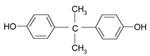
In recent years, the extensive industrial usage of bisphenol A (BPA) and unregulated discharge of wastewater have led to widespread residues of BPA in surface water sources. According to previous study, trace amounts of BPA in water sources can interfere with the endocrine system of organisms and the humans [1]. Current studies on BPA have mostly focused on its origin, migration transformation, and potential endocrine disruption to organisms in the natural water environment. BPA is a diphenylmethane derivative with two hydroxyphenyl groups (Table 1) [2], and it is very difficult to be biodegraded in natural water bodies. As conventional water treatment processes (coagulation, sedimentation, filtration, etc.) have a limited effect on BPA degradation [3], it is necessary to develop new processes to treat endocrine disruptors (including BPA) in water sources.
Table 1.
Properties of BPA.
The effectiveness of advanced oxidation processes (AOPs) for the degradation of refractory pollutants such as BPA in water is generally recognized. The AOPs mainly rely on the strong oxidizing free radicals (hydroxyl radicals, •OH and sulfate radicals, SO4•−) generated in the water to degrade organic pollutants. Hydrogen peroxide (H2O2) and ozone (O3) can be activated to produce hydroxyl radicals in several AOPs, such as UV/H2O2, UV/O3, H2O2/O3, UV/photocatalyst, Fenton (Fe2+/H2O2), Fenton-like processes, and various combinations of these [4,5]. These processes have been studied earlier, and especially the Fenton and ozone processes have already been applied in actual wastewater treatment. However, these processes still have the disadvantages of poor stability of the oxidizing agent and harsh reaction conditions [4]. Currently, AOPs based on sulfate radicals have attracted a lot of attention in the treatment of refractory pollutants, even BPA [6,7], as sulfate radicals are considered to be more advantageous than hydroxyl radicals in oxidizing organic matter. The sulfate radicals (E0 = 2.6–3.1 V) possess a higher redox potential than the hydroxyl radicals (E0 = 1.9–2.8 V) [8], and the half-life of the sulfate radicals (t1/2 = 30–40 μs) is longer than that of the hydroxyl radicals (t1/2 ≤ 1 μs) [9]. Due to the higher selectivity of sulfate radicals compared to hydroxyl radicals, sulfate radicals can be employed to attack directly at specific functional groups (–NH2,–OH, and –OR) via electron transfer reactions [9,10].
Previous studies have shown that sulfate radicals generated from peroxymonosulfate (PMS, HSO5−) or persulfate (PS, S2O82−) can effectively degrade refractory pollutants in wastewater under the action of carbon-based materials, transition metals (Fe, Co, Cu, Mn), ultraviolet light, microwaves, and ultrasound [11,12,13,14,15,16]. PMS or PS is a monosubstituted or symmetrically substituted derivative of hydrogen peroxide by sulfo moiety [17]. PMS possesses an asymmetrical structure the distance of the O-O bond is 1.453 Å, and the bond energy is estimated to be 140–213.3 kJ/mol [12]. PS has a symmetrical structure; the distance of the O-O bond is 1.497 Å, and it has a bond energy of 140 kJ/mol [12]. Sodium persulfate with high stability and water solubility is preferred for use in wastewater treatment [17]. According to the previous report, the transition metal Fe has been extensively studied in activating PS to generate sulfate radicals to degrade refractory pollutants owing to its environmental friendliness, low price, and excellent activation of Fe [18]. Zero-valent iron and ferrous salt were used in the studies of activating PS to degrade BPA, and the influence of some reaction parameters and the reaction mechanism were clarified [19,20,21,22,23]. Several studies were found involving the activation of PS degradation of BPA by Fe3O4 (magnetite) [24,25,26,27]. Magnetite has more advantages than zero-valent iron and ferrous salt in activating PS. Since the solubility of ferrous metal is high, the ferrous iron in the solution is easy to be excessive, and the excessive ferrous iron will extinguish the sulfate radicals formed in the reaction and reduce the reaction rate [28]. While acting as a heterogeneous activator, magnetite, which contains ferrous and ferric iron, can continuously release iron into the aqueous solution, thus avoiding the problem of iron excess [29]. In addition, the equilibrium of ferrous iron and ferric iron in water can be achieved in the Fe3O4/PS system so that the reaction is in a stable state. Compared with the heterogeneous activator, zero-valent iron, the advantage of magnetite is that it has strong paramagnetism and can be separated under the action of an external magnetic field in solution [30]. Therefore, magnetite is considered a suitable PS catalyst for practical applications. But the current research on Fe3O4/PS is not enough to support its large-scale practical application in the future. Further research is especially needed in the optimization of experimental influencing factors in the Fe3O4/PS system towards BPA degradation.
In this paper, research on the activation of PS to degrade BPA via magnetite was carried out. Single factor experiments were performed to identify the key influencing factors in the Fe3O4/PS/BPA system, and the Box-Behnken response surface methodology (RSM) was used to investigate the optimal effects of the above key influencing factors on BPA degradation. This study is expected to provide a corresponding theoretical basis for the removal of endocrine disruptors, even BPA, from the Fe3O4/PS system.
2. Results and Discussion
2.1. Single-Factor Experiments
The effects of the dosage of magnetite, the concentration of PS, the concentration of BPA, and the initial pH on the BPA decomposition in the Fe3O4/PS system were investigated. The value range of each parameter was set as follows: magnetite dosage: 0, 0.1, 0.2, 0.3, 0.4, and 0.5 g/L; PS concentration: 0, 0.1, 0.2, 0.3, 0.4, and 0.5 mM; BPA concentration: 1, 2, 3, 4, and 5 mg/L; pH: 3.0, 5.0, 7.0, and 9.0.
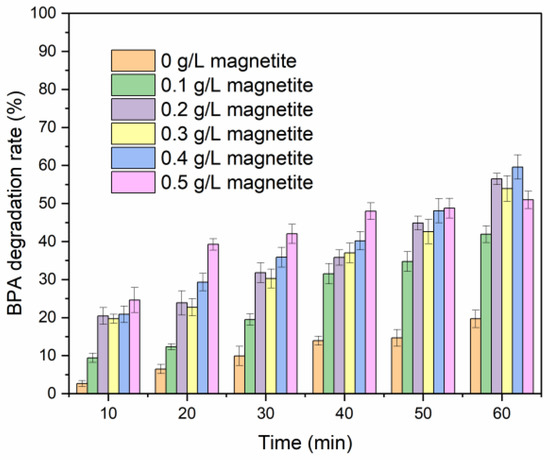
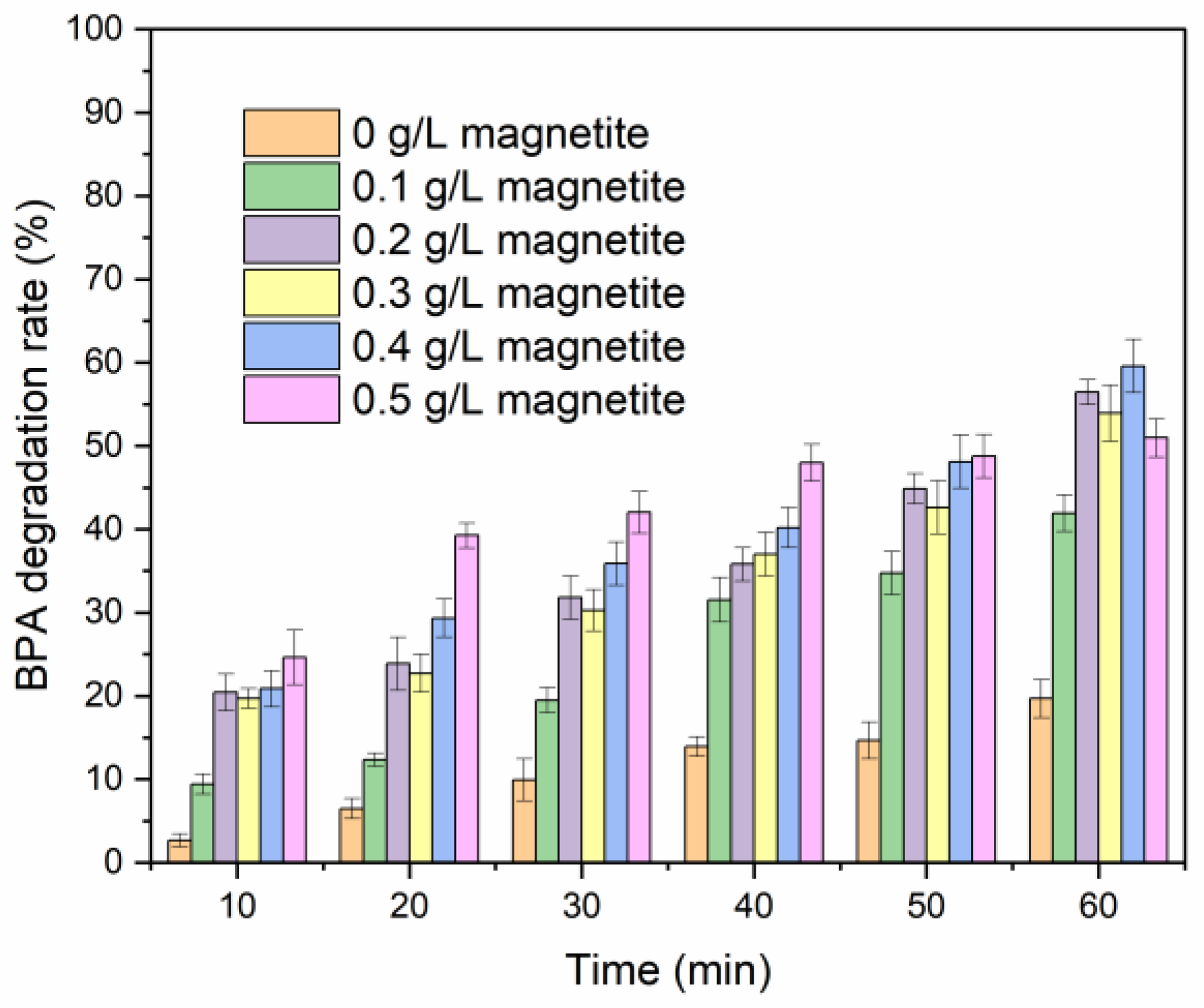
Figure 1 shows the trend of BPA removal over time due to variations in Fe3O4 dosage. When the magnetite dosages were 0, 0.1, 0.2, 0.3, 0.4, and 0.5 mg/L, the corresponding BPA degradation rates at 60 min were 19.68%, 41.94%, 56.46%, 53.92%, 59.60%, and 50.96%, respectively. It can be seen that in the range of 0.2–0.5 mg/L magnetite, above 50% of BPA degradation rates were reached. Strangely, the degradation rate of 0.5 mg/L magnetite on BPA was lower than that of 0.4 mg/L magnetite. It is speculated that the reason may be the decrease in free radical concentration caused by excess Fe2+ from magnetite, which in turn affects the degradation of BPA. Previous studies have also found that too high a Fe3O4 concentration is not conducive to the degradation of target pollutants [31]. Therefore, in the subsequent RSM optimization experiments, the catalyst magnetite level can be selected around 0.4 g/L.
Figure 1.
The effect of magnetite dosage on BPA degradation. [BPA] = 5 mg/L, [PS] = 0.2 mM, T = 20 °C, pH = 7.0.
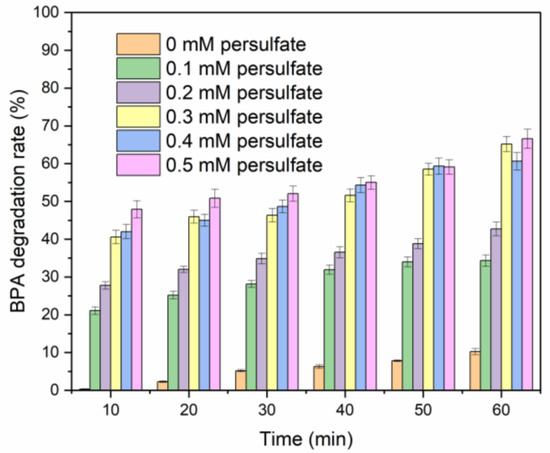
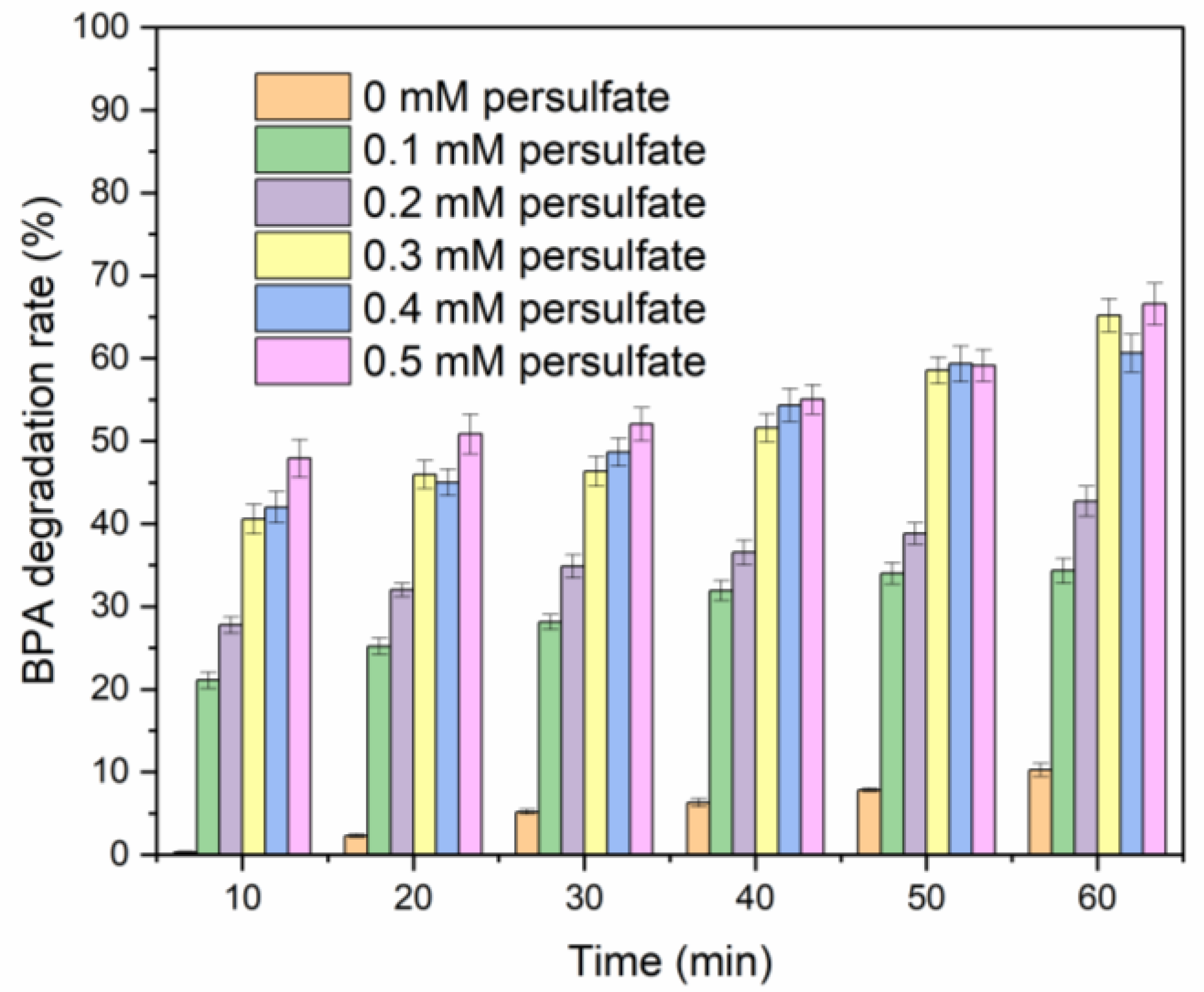
Figure 2 depicts the effect of PS concentration variation on the BPA removal rate. When the PS was between 0.3 mM and 0.5 mM, the BPA removal rate varied between 60.62–66.56%, and this variation was not significant. Therefore, it is wasteful to inject too much oxidant. In addition, too high a PS could deplete the free radicals already generated by the reaction [32,33]. In the subsequent RSM experiments, three PS levels of 0.1 mM, 0.2 mM, and 0.3 mM were chosen.
Figure 2.
The effect of PS concentration on BPA degradation. [BPA] = 5 mg/L, [magnetite] = 0.1 g/L, T = 20 °C, pH = 7.0.
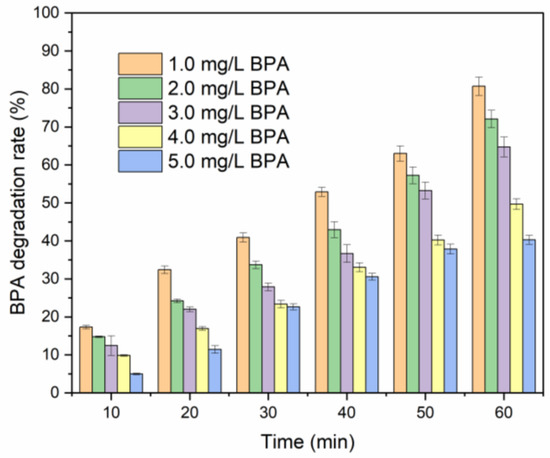
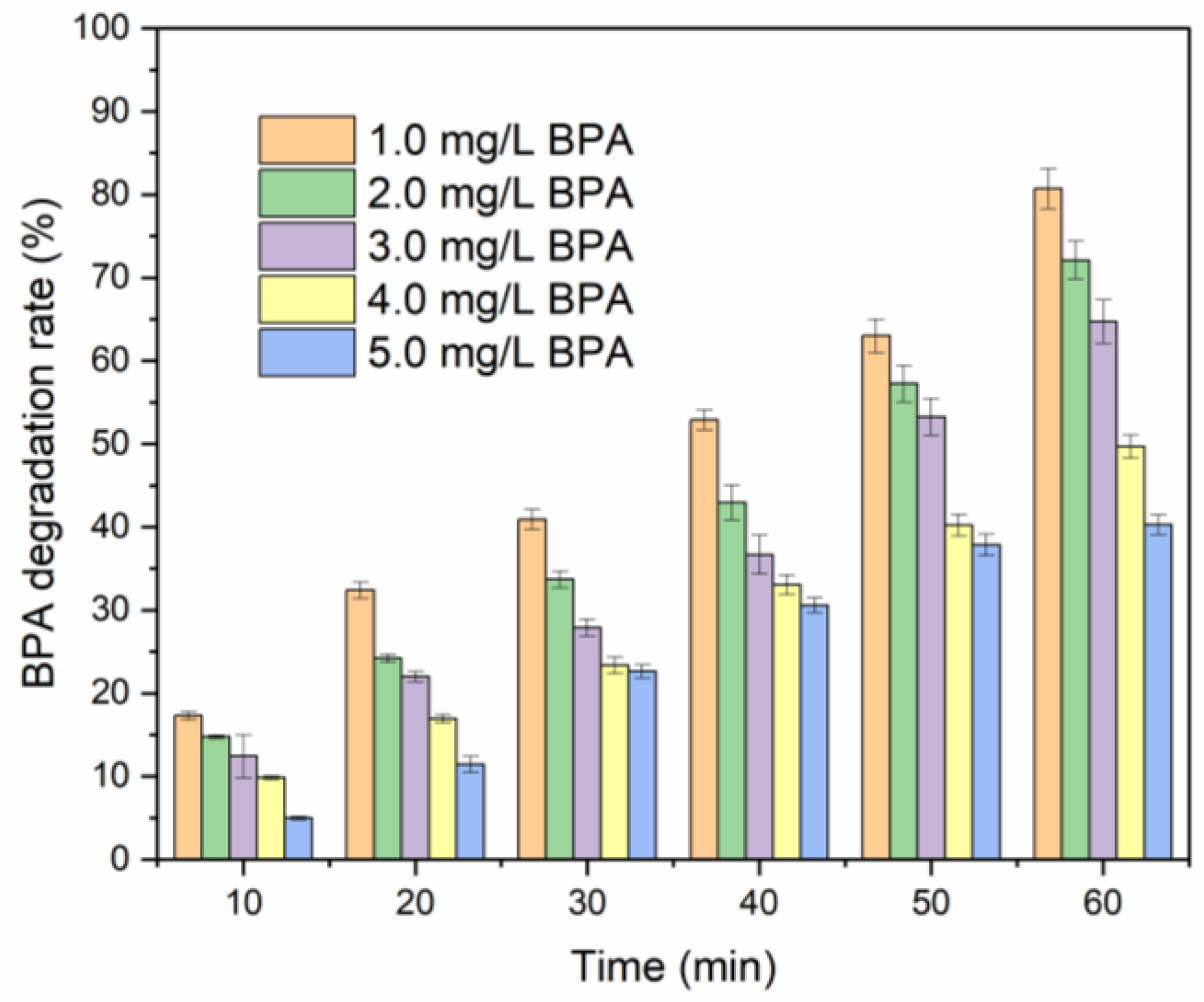
Figure 3 shows that as the BPA concentration increased from 1.0 mg/L to 5.0 mg/L, the 60-min degradation rate of BPA decreased. It was possible that the substrate was raised but the amount of oxidant and catalyst did not change, so there were not enough free radicals available. Generally, by controlling the ratio of catalyst and oxidant and increasing their absolute amounts, the increase in initial BPA concentration can be effectively dealt with. Therefore, BPA was not selected as a parameter for the subsequent RSM experiments.
Figure 3.
The effect of initial BPA concentration on BPA degradation. [PS] = 0.2 mM, [magnetite] = 0.1 g/L, T = 20 °C, pH = 7.0.
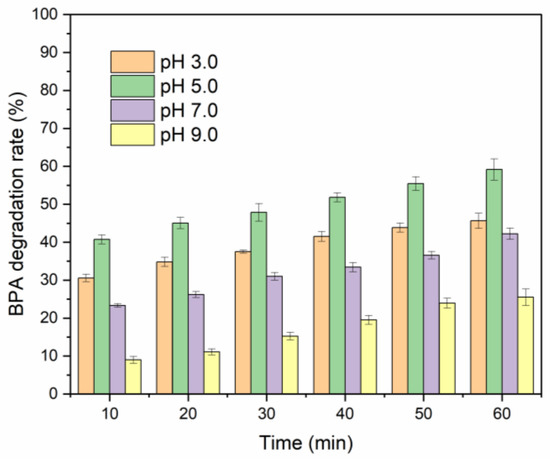
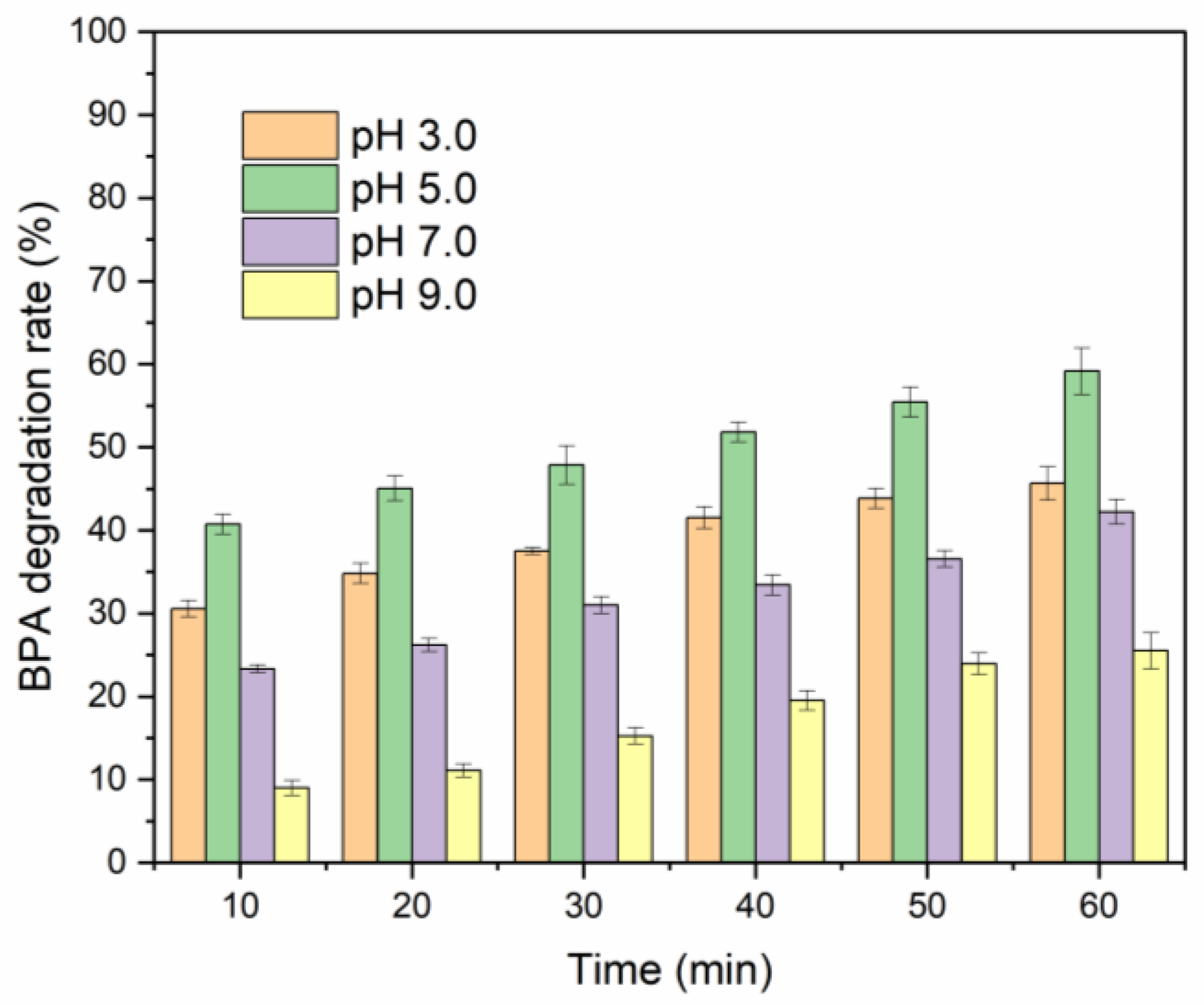
Figure 4 reveals the effect of pH value on the degradation of BPA in the Fe3O4/PS system. It can be seen from Figure 4 that significant BPA removals (42.22–59.16%) were achieved at pH 3.0–7.0, while the removal rate was minimal (25.50%) at pH 9.0. The reason for the better degradation effect of BPA under acidic conditions may be that magnetite can release more soluble iron ions under acid corrosion to promote the activation reaction of PS. However, under alkaline conditions, iron ions easily exist in the form of Fe(OH)3, thus weakening the catalytic effect on PS. According to the data from above, three pH levels of 3.0, 5.0, and 7.0 were chosen for the RSM experiments.
Figure 4.
The effect of solution pH on BPA degradation. [BPA] = 5 mg/L, [PS] = 0.2 mM, [magnetite] = 0.1 g/L, T = 20 °C.
2.2. RSM Experiments
The magnetite dosage (A), PS concentration (B), and pH (C) were used as independent variables, and three levels were selected for each independent variable based on the results of single-factor experiments. The factor levels and codes are shown in Table 2. The Box-Behnken central combination design in Design-Expert was used to determine the experimental design scheme for the degradation of BPA by PS activated by Fe3O4, and the results of the experiments conducted according to the experimental scheme are shown in Table 3.
Table 2.
Factors and levels of independent variables.
Table 3.
Scheme and experimental results of response surface design.
Multiple regression analysis was applied to the responses and the design matrix, and the quadratic polynomial fitting equations were eestablished for magnetite dosage (A), PS concentration (B), pH (C), and BPA removal rate (Y), as shown in Equation (1).
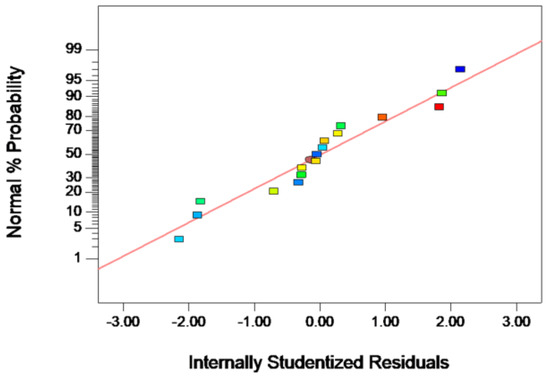
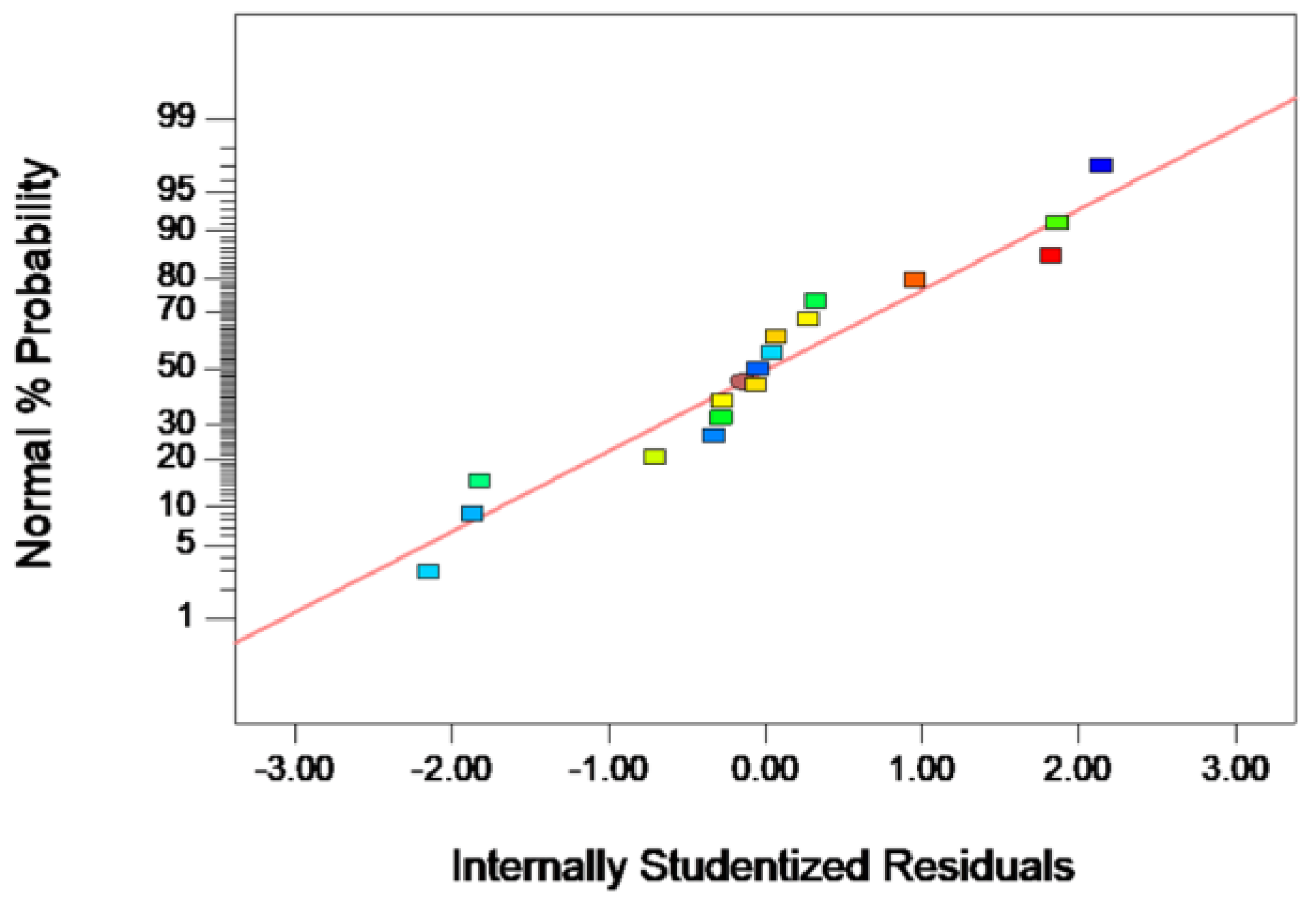
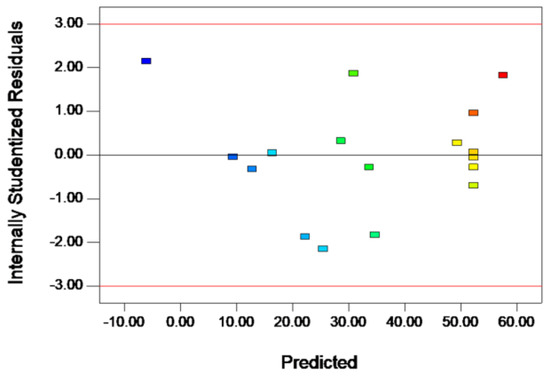
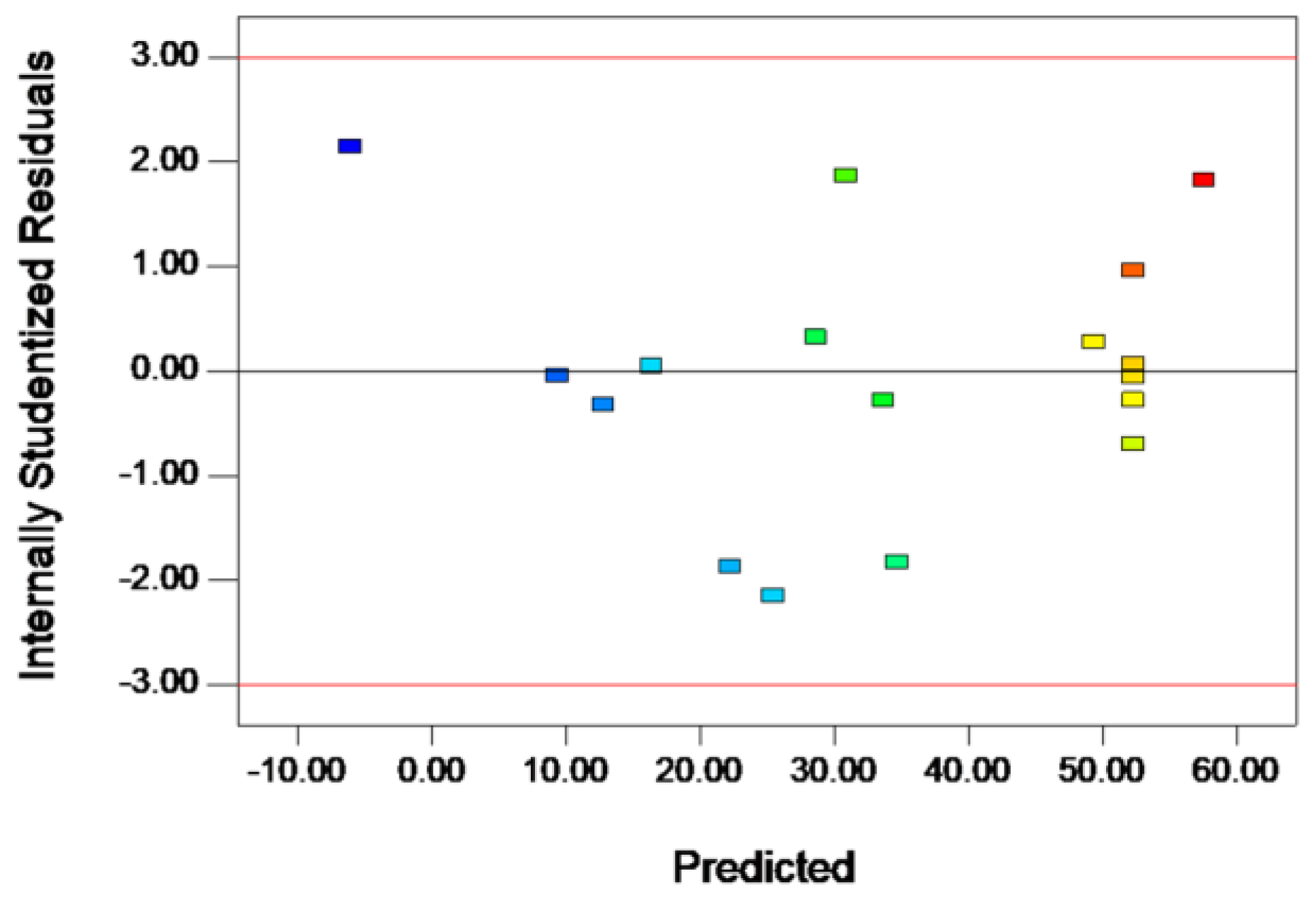
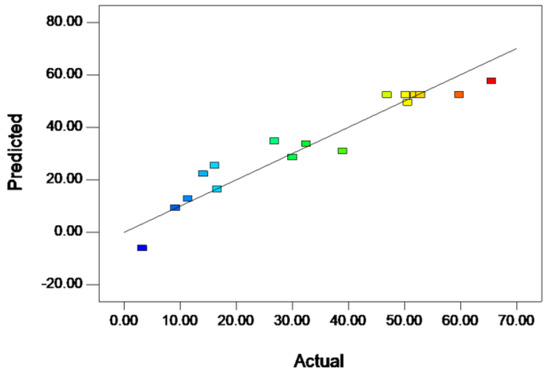
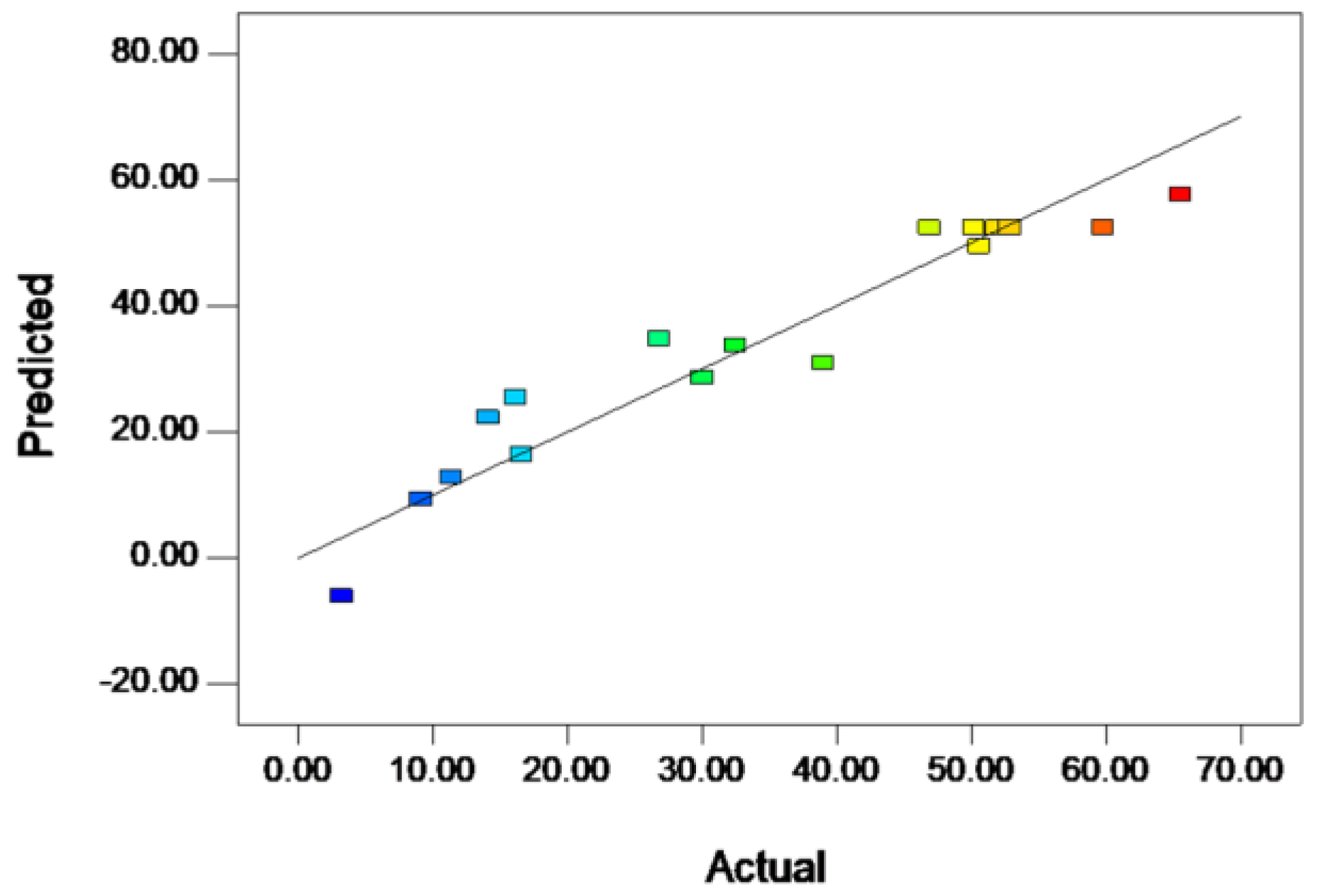
Table 4 illustrates the ANOVA (analysis of variance) of the regression model. The F-value of the quadratic model was 8.39, and the p-value (0.0052) was less than 0.05. A p-value < 0.05 expresses that the model is significant, while a value > 0.1000 specifies that the model is not significant [34]. The R2 value was 0.9152. These results clearly demonstrated the stability and significance of proposed model. The adequacy of the model test is a key analytical step to verify the result is accurate or misleading [35]. Figure 5 shows that the normal plot of residuals met the straight line, suggesting that it was a normal distribution. The graph of residuals versus predicted data indicated that the residues were distributed randomly (Figure 6), attesting that the primitive observation variation was quite stable for all response results [36]. Figure 7 indicates that the predicted and actual experimental values were distributed along the linear function, indicating a significant correlation in these values [37]. In addition, the predicted values of BPA degradation can be found in Table 3.
Table 4.
ANOVA and test of significance.
Figure 5.
Normal distribution plot of residuals.
Figure 6.
Residuals vs. predicted values.
Figure 7.
Actual values vs. predicted values.
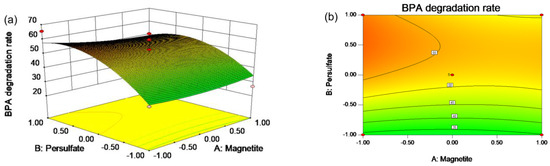
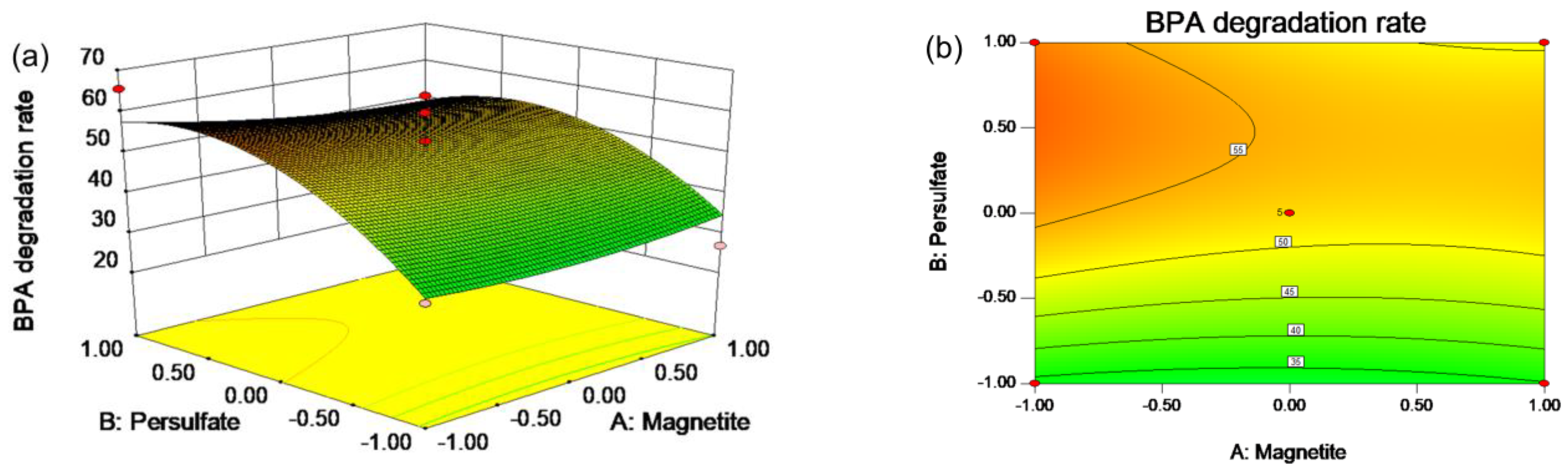
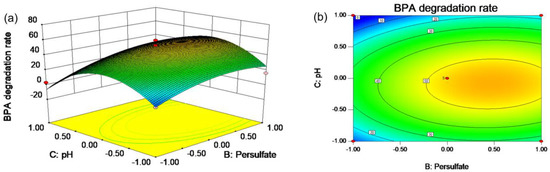
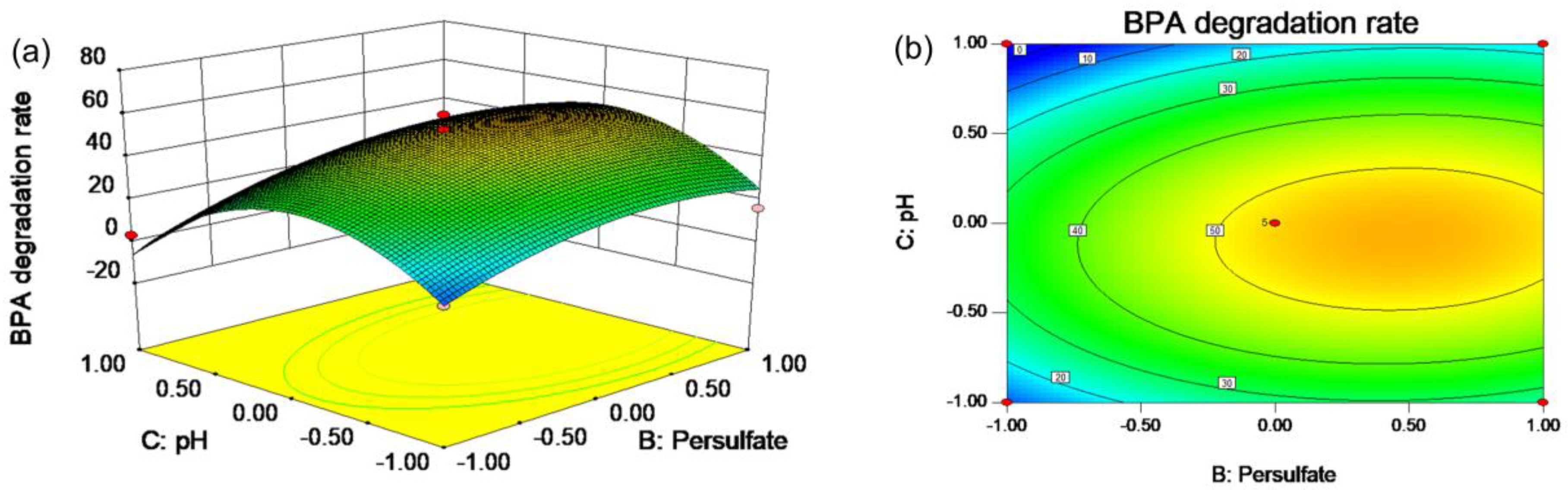
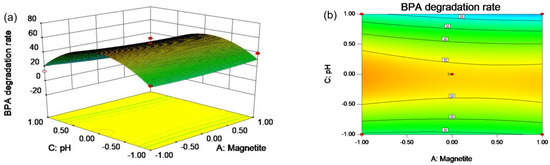
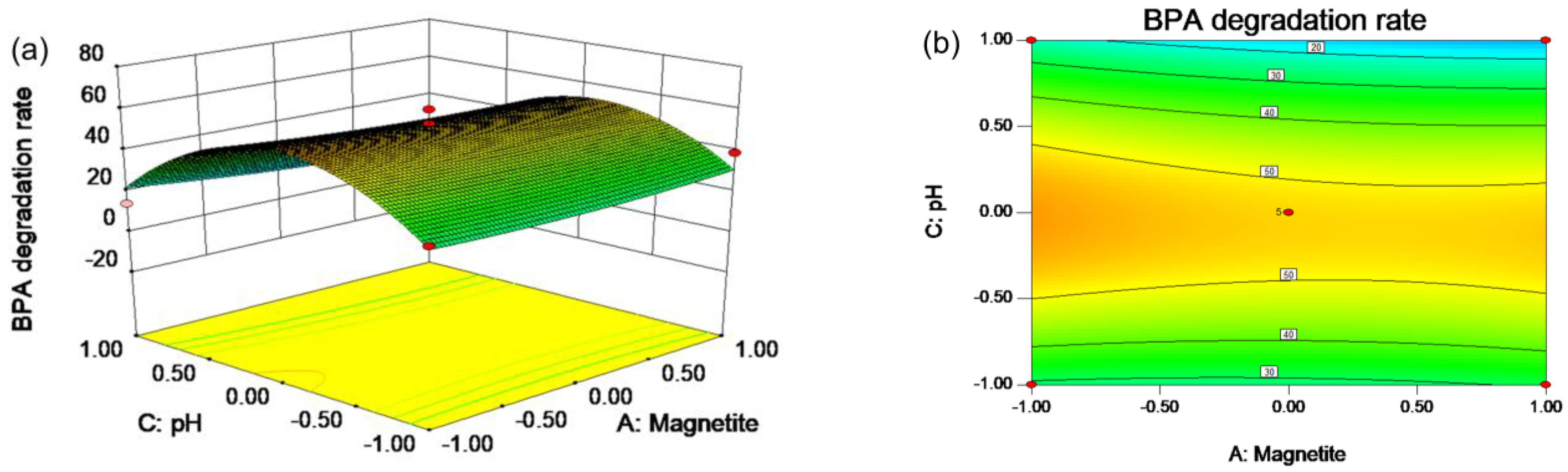
The 3D response surface and contour plots are given in Figure 8, Figure 9 and Figure 10. The nonlinear nature of the presented 3D surfaces and contour plots clearly shows considerable interactions among the studied process parameters [36]. Figure 8 showed that the change in magnetite dosage did not significantly affect the height of the surface, which meant that magnetite dosage had little effect on BPA degradation. In Figure 9, the variation in pH value caused the deformation of the curved surface more than the variation in PS concentration, indicating that the effect of pH on the degradation of BPA was greater than that of PS. As can be seen in Figure 10, the effect of pH on BPA degradation was significantly higher than that of magnetite dosage. Therefore, the factors affecting the degradation of BPA are as follows, according to their importance: pH, persulfate concentration, and magnetite dosage.
Figure 8.
Response surface plot of PS and magnetite on BPA removal. (a) Three-dimensional plot; (b) Two-dimensional plot. [BPA] = 5 mg/L, [magnetite] = 0.1 g/L, pH = 5.0, T = 20 °C.
Figure 9.
Response surface plot of pH and PS on BPA removal. (a) Three-dimensional plot; (b) Two-dimensional plot. [BPA] = 5 mg/L, [magnetite] = 0.4 g/L, T = 20 °C.
Figure 10.
Response surface plot of pH and magnetite on BPA removal. (a) Three-dimensional plot; (b) Two-dimensional plot. [BPA] = 5 mg/L, [PS] = 0.2 mM, T =20 °C.
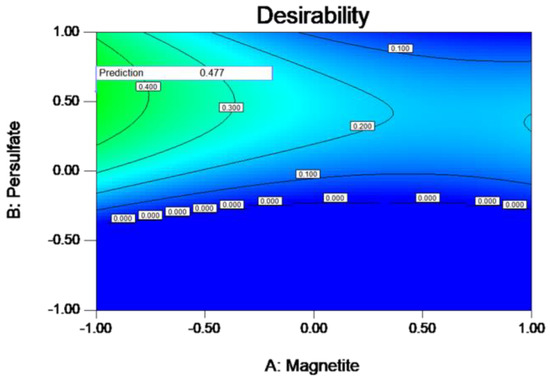
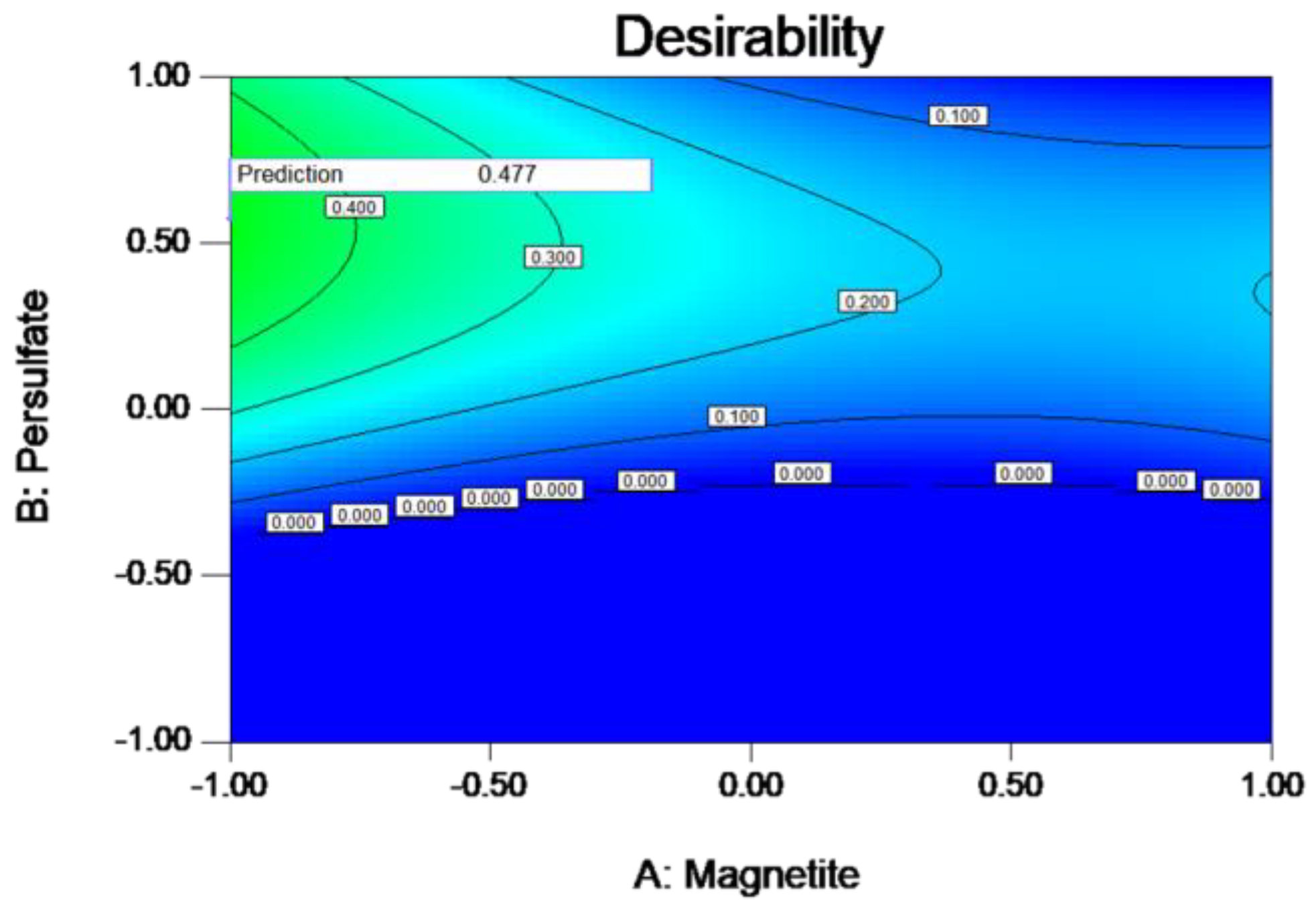
Figure 11 shows the prediction plot of optimized conditions for BPA degradation. The optimal reaction conditions obtained from the software analysis were: 0.3 g/L of magnetite, 0.26 mM of PS, and pH 4.9. The predicted BPA degradation under optimal conditions was 59.54%. The actual BPA degradation rate was 65.52% (0.3 g/L of magnetite, 0.3 mM of PS, pH 5.0). This indicated that the optimal reaction conditions were more reliable.
Figure 11.
Optimization of experimental conditions.
3. Materials and Methods
3.1. Chemicals
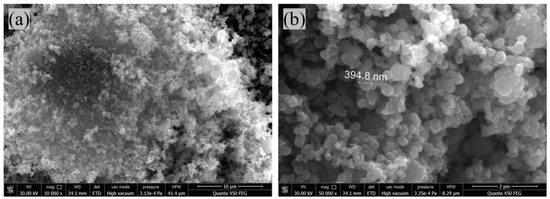
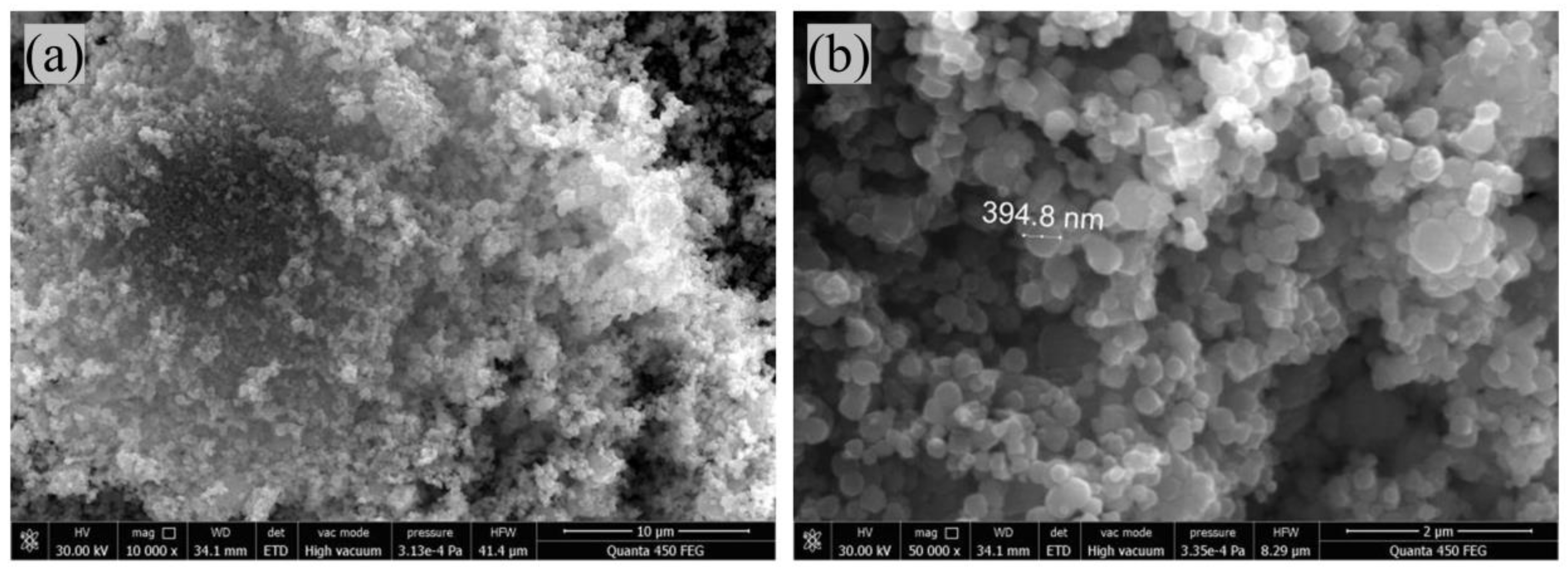
Sodium persulfate (Na2S2O8), bisphenol A (C15H16O2), and magnetite (Fe3O4, its shape and size is shown in Figure 12.) were purchased from Macklin (Shanghai, China). Methanol was obtained from Nuoershi (Chengdu, China). Ultrapure water was utilized in preparing water solutions with BPA.
Figure 12.
SEM images of Fe3O4. (a) Magnification 30 K; (b) Magnification 50 K.
3.2. Experimental Procedures
Experiments were performed in 250 mL beakers with 100 mL BPA solutions. The required amounts of PS and Fe3O4 were added to the solution to start the reaction. At the same time, the solutions were agitated to mix the various substances well. The samples were taken from beaks every 10 min to determine BPA concentrations. Before testing the BPA concentration, the water samples need to be filtered through a 0.45 μm filter membrane and filled with methanol to quench the free radical reaction. The pH of the solution was adjusted using sodium hydroxide and sulfuric acid according to the protocol of the experiment.
3.3. RSM Design
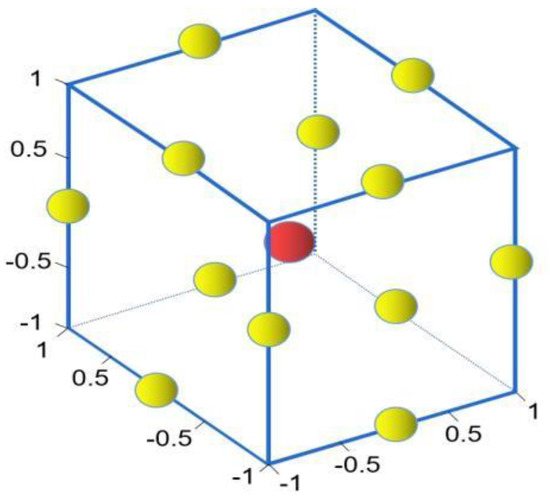
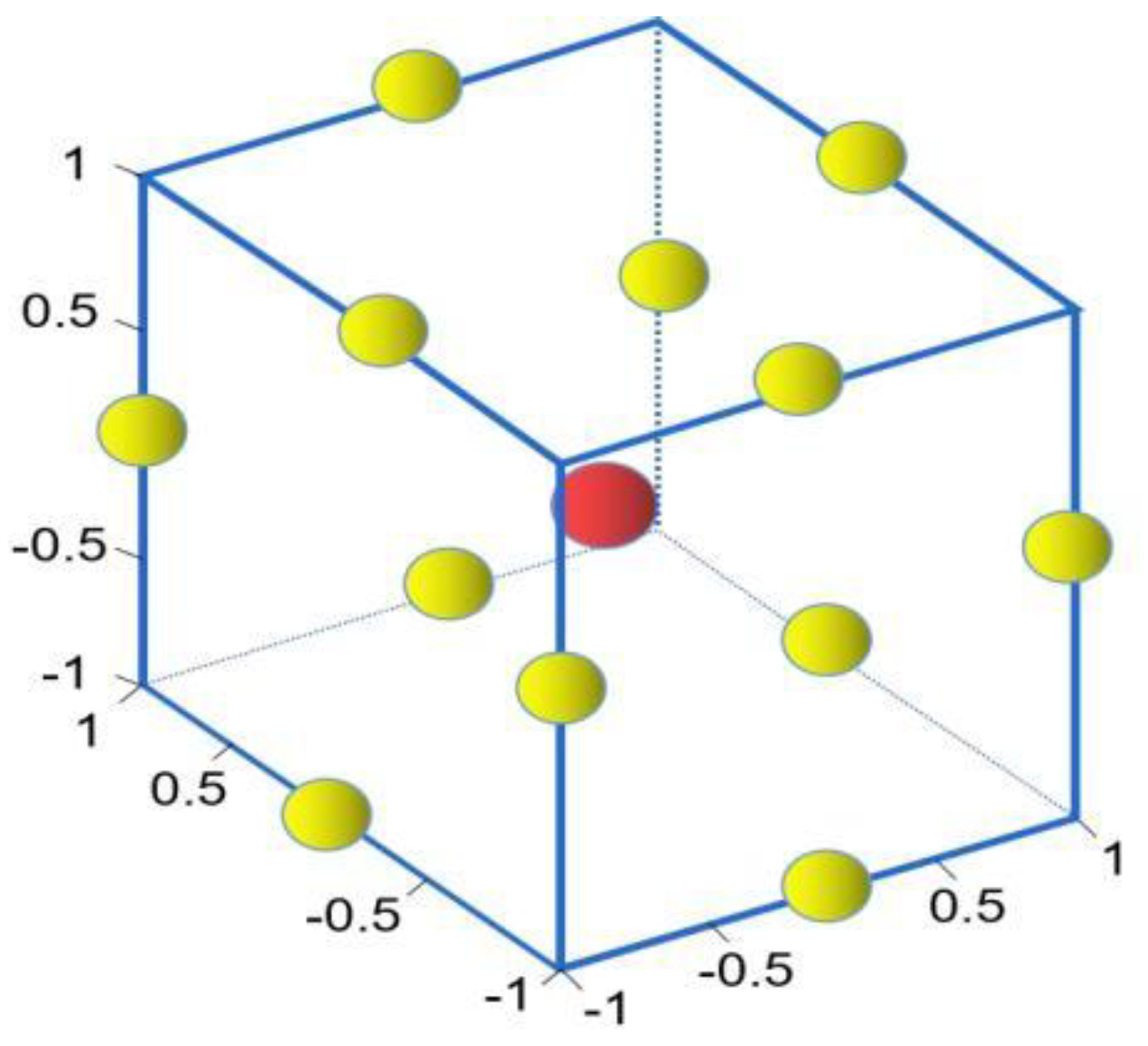
The effect of the interaction of magnetite dosage (A), PS concentration (B), and initial pH (C) on BPA removal was investigated using response surface methodology (RSM) and Design-Expert Software analysis. Following Box-Behnken’s method, a total of 17 three-parameter and three-level experiments were designed for BPA removal by the Fe3O4/PS system. The composition of the experimental points is shown in Figure 13. There are 12 centroids along the edge lines represented as hollow spheres, and only one cube center is marked with a solid sphere. For the centroids of the edge lines, the coordinates of the independent variables are ±1 in all dimensions, except for the one-dimensional independent variables, which are zero. The three-dimensional coordinates of the cube center are all zero. The experiment is repeated five times for the cube center to eliminate experimental errors. Therefore, a total of 17 sets of experiments are required. The mathematical relationship between response and independent variables could be represented by Equation (2) [38]. In Equation (2), Xi is the coded value of the independent variables; Y is the predicted response value; β0, βi, and βii are the offset, linear offset, and second-order offset terms, respectively; βij is the interaction coefficient; and k is the number of independent variables.
Figure 13.
Schematic diagram of three-factor and three-level experiments.
3.4. Analysis Methods
High-performance liquid chromatography (G7121A, Agilent, Santa Clara, CA, USA) with a fluorescence detector was used to determine the concentration of BPA in water samples. The instrument was equipped with a C18 column (4.6 mm × 150 mm, 4 μm). The mobile phase was methanol and water with a volume ratio of 70:30. The injection volume was 20 μL and the flow rate was 0.8 mL/min. The column temperature was 25 °C. The excitation and emission wavelengths were 228 nm and 312 nm, respectively.
The BPA removal rate was obtained from Equation (3). In this equation, C0 (mg/L) and Ct (mg/L) are the initial BPA concentration and the concentration at moment t, respectively.
4. Conclusions
The effect of four factors on BPA degradation was examined in the system Fe3O4/PS. Three important influencing factors—magnetite dosage, PS concentration, and pH—were selected for response surface optimization experiments.
The experimental conditions of the Fe3O4/PS degradation of BPA were optimized using the Box-Behnken response surface methodology. The quadratic polynomial regression equation established with the BPA degradation rate as the response value was highly significant: p-value < 0.05, R2 was 0. 9152, the misfit term was not significant, and the regression equation fit well with the actual situation.
The interaction between the three influencing factors was optimized by the response surface methodology, and the optimal conditions for the degradation of BPA in Fe3O4/PS were obtained by Design-Expert software as follows: 0.3 g/L of magnetite, 0.26 mM of PS, and pH 4.9. Under these conditions, the BPA degradation rate was 59.54%, which was close to the real value of 65.52% (0.3 g/L of magnetite, 0.3 mM of PS, pH 5.0). It was verified that the experimental values were close to the model predictions, indicating that the equations were well fitted and the best response conditions were reliable.
Author Contributions
Conceptualization, methodology, software, and validation, S.C.; formal analysis, investigation, and data curation, Y.Y.; writing—original draft preparation, writing—review and editing, and visualization, S.C.; supervision and project administration, Y.Y. All authors have read and agreed to the published version of the manuscript.
Funding
This research received no external funding.
Data Availability Statement
No new data were created or analyzed in this study. Data sharing is not applicable to this article.
Conflicts of Interest
The authors declare no conflict of interest.
References
- Godswill, A.C.; Godspel, A.C. Physiological effects of plastic wastes on the endocrine system (Bisphenol A, Phthalates, Bisphenol S, PBDEs, TBBPA). Int. J. Bioinform. Comput. Biol. 2019, 4, 11–29. [Google Scholar]
- Wnuczek, K.; Puszka, A.; Podkościelna, B. Synthesis and spectroscopic snalyses of new polycarbonates based on bisphenol A-free components. Polymers 2021, 13, 4437. [Google Scholar] [CrossRef] [Scilit]
- Tijani, J.O.; Fatoba, O.O.; Petrik, L.F. A review of pharmaceuticals and endocrine-disrupting compounds: Sources, effects, removal, and detections. Water Air Soil Pollut. 2013, 224, 1170. [Google Scholar] [CrossRef] [Scilit]
- Ma, D.; Yi, H.; Lai, C.; Liu, X.; Huo, X.; An, Z.; Li, L.; Fu, Y.; Li, B.; Zhang, M.; et al. Critical review of advanced oxidation processes in organic wastewater treatment. Chemosphere 2021, 275, 130104. [Google Scholar] [CrossRef] [Scilit] [PubMed]
- Umar, M.; Roddick, F.; Fan, L.; Aziz, H.A. Application of ozone for the removal of bisphenol A from water and wastewater—A review. Chemosphere 2013, 90, 2197–2207. [Google Scholar] [CrossRef] [Scilit] [PubMed]
- Diao, Z.-H.; Dong, F.-X.; Yan, L.; Chen, Z.-L.; Qian, W.; Kong, L.-J.; Zhang, Z.-W.; Zhang, T.; Tao, X.-Q.; Du, J.-J.; et al. Synergistic oxidation of Bisphenol A in a heterogeneous ultrasound-enhanced sludge biochar catalyst/persulfate process: Reactivity and mechanism. J. Hazard. Mater. 2020, 384, 121385. [Google Scholar] [CrossRef] [Scilit] [PubMed]
- Kong, L.; Fang, G.; Chen, Y.; Xie, M.; Zhu, F.; Ma, L.; Zhou, D.; Zhan, J. Efficient activation of persulfate decomposition by Cu2FeSnS4 nanomaterial for bisphenol A degradation: Kinetics, performance and mechanism studies. Appl. Catal. B Environ. 2019, 253, 278–285. [Google Scholar] [CrossRef] [Scilit]
- Deng, Y.; Zhao, R. Advanced Oxidation Processes (AOPs) in Wastewater Treatment. Curr. Pollut. Rep. 2015, 1, 167–176. [Google Scholar] [CrossRef] [Scilit]
- Oh, W.-D.; Dong, Z.; Lim, T.-T. Generation of sulfate radical through heterogeneous catalysis for organic contaminants removal: Current development, challenges and prospects. Appl. Catal. B Environ. 2016, 194, 169–201. [Google Scholar] [CrossRef] [Scilit]
- Akbari, S.; Ghanbari, F.; Moradi, M. Bisphenol A degradation in aqueous solutions by electrogenerated ferrous ion activated ozone, hydrogen peroxide and persulfate: Applying low current density for oxidation mechanism. Chem. Eng. J. 2016, 294, 298–307. [Google Scholar] [CrossRef] [Scilit]
- Bose, S.; Kumar, M. Microwave-assisted persulfate/peroxymonosulfate process for environmental remediation. Curr. Opin. Chem. Eng. 2022, 36, 100826. [Google Scholar] [CrossRef] [Scilit]
- Wang, J.; Wang, S. Activation of persulfate (PS) and peroxymonosulfate (PMS) and application for the degradation of emerging contaminants. Chem. Eng. J. 2018, 334, 1502–1517. [Google Scholar] [CrossRef] [Scilit]
- Fedorov, K.; Plata-Gryl, M.; Khan, J.A.; Boczkaj, G. Ultrasound-assisted heterogeneous activation of persulfate and peroxymonosulfate by asphaltenes for the degradation of BTEX in water. J. Hazard. Mater. 2020, 397, 122804. [Google Scholar] [CrossRef] [Scilit] [PubMed]
- Ahmadi, M.; Ghanbari, F.; Moradi, M. Photocatalysis assisted by peroxymonosulfate and persulfate for benzotriazole degradation: Effect of pH on sulfate and hydroxyl radicals. Water Sci. Technol. 2015, 72, 2095–2102. [Google Scholar] [CrossRef] [Scilit] [PubMed]
- Forouzesh, M.; Ebadi, A.; Aghaeinejad-Meybodi, A. Degradation of metronidazole antibiotic in aqueous medium using activated carbon as a persulfate activator. Sep. Purif. Technol. 2018, 210, 145–151. [Google Scholar] [CrossRef] [Scilit]
- Li, L.; Zhang, Y.; Yang, S.; Zhang, S.; Xu, Q.; Chen, P.; Du, Y.; Xing, Y. Cobalt-loaded cherry core biochar composite as an effective heterogeneous persulfate catalyst for bisphenol A degradation. RSC Adv. 2022, 12, 7284–7294. [Google Scholar] [CrossRef] [Scilit]
- Zhang, B.-T.; Zhang, Y.; Teng, Y.; Fan, M. Sulfate radical and its application in decontamination technologies. Crit. Rev. Environ. Sci. Technol. 2014, 45, 1756–1800. [Google Scholar] [CrossRef] [Scilit]
- Gao, Y.; Champagne, P.; Blair, D.; He, O.; Song, T. Activated persulfate by iron-based materials used for refractory organics degradation: A review. Water Sci. Technol. 2020, 81, 853–875. [Google Scholar] [CrossRef] [Scilit]
- Gao, F.; Li, Y.; Xiang, B. Degradation of bisphenol A through transition metals activating persulfate process. Ecotoxicol. Environ. Saf. 2018, 158, 239–247. [Google Scholar] [CrossRef] [Scilit]
- Jiang, X.; Wu, Y.; Wang, P.; Li, H.; Dong, W. Degradation of bisphenol A in aqueous solution by persulfate activated with ferrous ion. Environ. Sci. Pollut. Res. 2013, 20, 4947–4953. [Google Scholar] [CrossRef] [Scilit]
- dos Santos, A.J.; Sirés, I.; Brillas, E. Removal of bisphenol A from acidic sulfate medium and urban wastewater using persulfate activated with electroregenerated Fe2+. Chemosphere 2021, 263, 128271. [Google Scholar] [CrossRef] [Scilit] [PubMed]
- Zhao, L.; Ji, Y.; Kong, D.; Lu, J.; Zhou, Q.; Yin, X. Simultaneous removal of bisphenol A and phosphate in zero-valent iron activated persulfate oxidation process. Chem. Eng. J. 2016, 303, 458–466. [Google Scholar] [CrossRef] [Scilit]
- Girit, B.; Dursun, D.; Olmez-Hanci, T.; Arslan-Alaton, I. Treatment of aqueous bisphenol A using nano-sized zero-valent iron in the presence of hydrogen peroxide and persulfate oxidants. Water Sci. Technol. 2015, 71, 1859–1868. [Google Scholar] [CrossRef] [Scilit] [PubMed]
- Dong, Z.; Zhang, Q.; Chen, B.Y.; Hong, J. Oxidation of bisphenol A by persulfate via Fe3O4-α-MnO2 nanoflower-like catalyst: Mechanism and efficiency. Chem. Eng. J. 2019, 357, 337–347. [Google Scholar] [CrossRef] [Scilit]
- Ioffe, M.; Long, M.; Radian, A. Systematic evaluation of activated carbon-Fe3O4 composites for removing and degrading emerging organic pollutants. Environ. Res. 2021, 198, 111187. [Google Scholar] [CrossRef] [Scilit]
- Zhu, Y.; Yue, M.; Natarajan, V.; Kong, L.; Ma, L.; Zhang, Y.; Zhao, Q.; Zhan, J. Efficient activation of persulfate by Fe3O4@β-cyclodextrin nanocomposite for removal of bisphenol A. RSC Adv. 2018, 8, 14879–14887. [Google Scholar] [CrossRef] [Scilit]
- Safabakhsh, T.; Daraei, H.; Saha, N.; Khodakarim, S. Degradation of Bisphenol A from aqueous solutions using Fe3O4 as a persulfate activator. Desalin. Water Treat. 2019, 166, 115–121. [Google Scholar] [CrossRef] [Scilit]
- Rao, Y.; Qu, L.; Yang, H.; Chu, W. Degradation of carbamazepine by Fe(II)-activated persulfate process. J. Hazard. Mater. 2014, 268, 23–32. [Google Scholar] [CrossRef] [Scilit]
- Zhao, Y.S.; Sun, C.; Sun, J.Q.; Zhou, R. Kinetic modeling and efficiency of sulfate radical-based oxidation to remove p-nitroaniline from wastewater by persulfate/Fe3O4 nanoparticles process. Sep. Purif. Technol. 2015, 142, 182–188. [Google Scholar] [CrossRef] [Scilit]
- Wei, Y.; Han, B.; Hu, X.; Lin, Y.; Wang, X.; Deng, X. Synthesis of Fe3O4 Nanoparticles and their Magnetic Properties. Procedia Eng. 2012, 27, 632–637. [Google Scholar] [CrossRef] [Scilit]
- Zhu, C.; Fang, G.; Dionysiou, D.D.; Liu, C.; Gao, J.; Qin, W.; Zhou, D. Efficient transformation of DDTs with persulfate activation by zero-valent iron nanoparticles: A mechanistic study. J. Hazard. Mater. 2016, 316, 232–241. [Google Scholar] [CrossRef] [Scilit]
- Zhang, Y.Q.; Du, X.Z.; Huang, W.L. Temperature effect on the kinetics of persulfate oxidation of p-chloroaniline. Chin. Chem. Lett. 2011, 22, 358–361. [Google Scholar] [CrossRef] [Scilit]
- He, W.; Zhu, Y.; Zeng, G.; Zhang, Y.; Wang, Y.; Zhang, M.; Long, H.; Tang, W. Efficient removal of perfluorooctanoic acid by persulfate advanced oxidative degradation: Inherent roles of iron-porphyrin and persistent free radicals. Chem. Eng. J. 2019, 392, 123640. [Google Scholar] [CrossRef] [Scilit]
- Tunç, M.S. Decolorization of azo dye Everdirect Supra Red BWS in an aqueous solution by heat-activated persulfate: Optimization using response surface methodology. Desalin. Water Treat. 2019, 158, 372–384. [Google Scholar] [CrossRef] [Scilit]
- Yuan, D.; Zhang, C.; Tang, S.; Sun, M.; Zhang, Y.; Rao, Y.; Wang, Z.; Ke, J. Fe3+-sulfite complexation enhanced persulfate Fenton-like process for antibiotic degradation based on response surface optimization. Sci. Total Environ. 2020, 727, 138773. [Google Scholar] [CrossRef] [Scilit] [PubMed]
- Kusic, H.; Peternel, I.; Koprivanac, N.; Bozic, A.L. Iron-activated persulfate oxidation of an azo dye in model wastewater: Influence of iron activator type on process optimization. J. Environ. Eng. 2011, 137, 454–463. [Google Scholar] [CrossRef] [Scilit]
- Han, Y.; Zhou, X.; Lei, L.; Sun, H.; Niu, Z.; Zhou, Z.; Xu, Z.; Hou, H. Efficient activation of persulfate by calcium sulfate whisker supported nanoscale zero-valent iron for methyl orange removal. RSC Adv. 2021, 11, 452–461. [Google Scholar] [CrossRef] [Scilit]
- Silveira, J.E.; Barreto-Rodrigues, M.; Cardoso, T.O.; Pliego, G.; Munoz, M.; Zazo, J.A.; Casas, J.A. Nanoscale Fe/Ag particles activated persulfate: Optimization using response surface methodology. Water Sci. Technol. 2017, 75, 2216–2224. [Google Scholar] [CrossRef] [Scilit]

Disclaimer/Publisher’s Note: The statements, opinions and data contained in all publications are solely those of the individual author(s) and contributor(s) and not of MDPI and/or the editor(s). MDPI and/or the editor(s) disclaim responsibility for any injury to people or property resulting from any ideas, methods, instructions or products referred to in the content. |
© 2023 by the authors. Licensee MDPI, Basel, Switzerland. This article is an open access article distributed under the terms and conditions of the Creative Commons Attribution (CC BY) license (https://creativecommons.org/licenses/by/4.0/).