Ex Vivo Treatment Response Prediction in Multiple Myeloma: Assay Formats, Clinical Correlation, and Future Directions
 , and
, and
Simple Summary
Abstract
1. Introduction
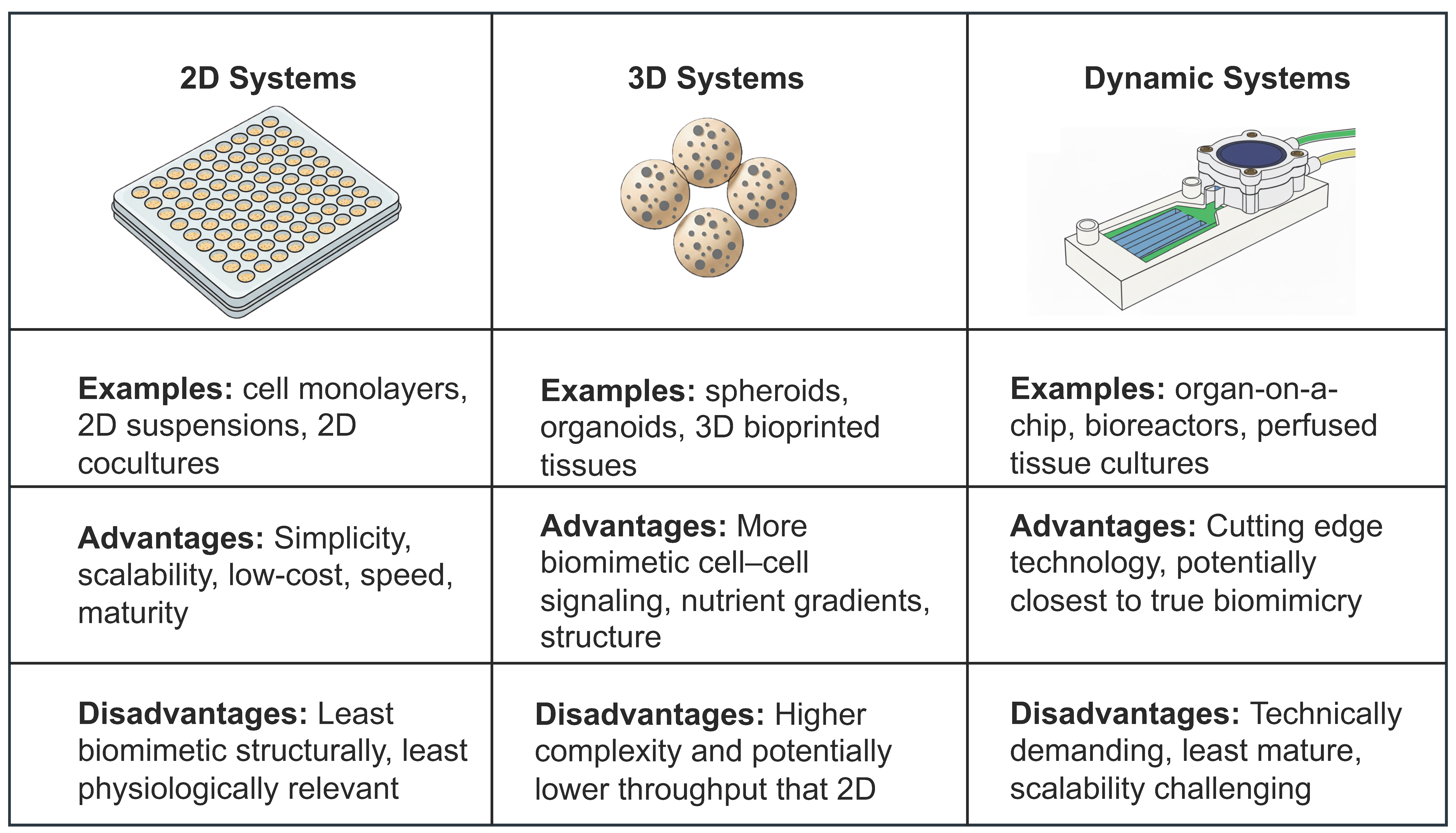
2. 2D Suspension and ‘Lower Complexity’ Systems
2.1. EMMA (Ex Vivo Mathematical Myeloma Advisor)
2.2. My-DST (Myeloma Drug Sensitivity Testing)
2.3. High-Throughput Screening Approaches
3. 3D Embedded Systems
3.1. rEnd-rBM Model
3.2. Matrigel-Based Systems
3.3. 3DTEBM® Model
3.4. PuraMatrix™ System
4. Dynamic Systems
4.1. RCCS™ Bioreactor System
4.2. Microfluidic Approaches
4.3. Advanced Imaging Systems
5. Discussion
5.1. Patterns and Trends Across Assay Classes
5.2. Comparative Performance of Assay Classes
5.3. Heterogeneity and the Potential for Standardization
5.4. Toward an Optimal Ex Vivo MM Assay
5.5. The Path to Clinical Adoption
6. Conclusions
Author Contributions
Funding
Data Availability Statement
Acknowledgments
Conflicts of Interest
Abbreviations
| MM | Multiple myeloma |
| BM | Bone marrow |
| M-protein | Monoclonal protein |
| IMWG | International Myeloma Working Group |
| NDMM | Newly diagnosed multiple myeloma |
| MRD | Minimal residual disease |
| ctDNA | Circulating tumor DNA |
| ASCT | Autologous stem cell transplantation |
| IMiDs | Immunomodulatory drugs |
| PIs | Proteasome inhibitors |
| MAbs | Monoclonal antibodies |
| BSAbs | Bispecific antibodies |
| ADCs | Antibody–drug conjugates |
| CAR-T | Chimeric antigen receptor T-cell |
| RRMM | Relapsed of refractory multiple myeloma |
| PFS | Progression-free survival |
| LOT | Lines of therapy |
| BMM | Bone marrow microenvironment |
| EMMA | Ex vivo Mathematical Myeloma Advisor |
| BMA | Bone marrow aspirate |
| LDT | Laboratory-developed test |
| CLIA | Clinical Laboratory Improvement Amendments |
| My-DST | Myeloma drug sensitivity testing |
| EFS | Event-free survival |
| HTS | High-throughput screening |
| CTG | CellTiter-Glo |
| IC50 | Half maximal inhibitory concentration |
| AUC | Area under the curve |
| OS | Overall survival |
| BMMCs | Bone marrow mononuclear cells |
| TC | Tissue culture |
| DSS | Drug sensitivity score |
| CR | Complete response |
| VGPR | Very good partial response |
| SD | Stable disease |
| PD | Progressive disease |
| rEnd | Reconstructed endosteal |
| rBM | Reconstructed bone marrow |
| MSCs | Mesenchymal stem cells |
| EPCs | Endothelial progenitor cells |
| AA | Alkylating agent |
| PPV | Positive predictive value |
| NPV | Negative predictive value |
| 3DTEBM® | 3D tissue-engineered bone marrow |
| Css | Steady-state plasma drug concentration |
| PR | Partial response |
| ECM | Extracellular matrix |
| MNCs | Mononuclear cells |
| TEM | Transmission electron microscopy |
| MicroMC | Mono-co-culture system |
| MicroC(3) | Cis-co-culture system |
| R-ISS | Revised Multiple Myeloma International Staging System |
| BiTEs | Bispecific T-cell engagers |
| EHA | European Hematology Association |
| NAM | New approach methodology |
| ND | Newly diagnosed |
| RR | Relapsed/refractory |
References
- Hemminki, K.; Försti, A.; Houlston, R.; Sud, A. Epidemiology, Genetics and Treatment of Multiple Myeloma and Precursor Diseases. Int. J. Cancer 2021, 149, 1980–1996. [Google Scholar] [CrossRef]
- Forster, S.; Radpour, R. Molecular Impact of the Tumor Microenvironment on Multiple Myeloma Dissemination and Extramedullary Disease. Front. Oncol. 2022, 12, 941437. [Google Scholar] [CrossRef]
- Bhatt, P.; Kloock, C.; Comenzo, R. Relapsed/Refractory Multiple Myeloma: A Review of Available Therapies and Clinical Scenarios Encountered in Myeloma Relapse. Curr. Oncol. 2023, 30, 2322–2347. [Google Scholar] [CrossRef] [PubMed]
- Hou, Q.; Li, X.; Ma, H.; Fu, D.; Liao, A. A Systematic Epidemiological Trends Analysis Study in Global Burden of Multiple Myeloma and 29 Years Forecast. Sci. Rep. 2025, 15, 2204. [Google Scholar] [CrossRef]
- Jagannath, S.; Joseph, N.; He, J.; Crivera, C.; Fu, A.Z.; Garret, A.; Shah, N. Healthcare Costs Incurred by Patients with Multiple Myeloma Following Triple Class Exposure (TCE) in the US. Oncol. Ther. 2021, 9, 659–669. [Google Scholar] [CrossRef]
- Castañeda-Avila, M.A.; Suárez-Ramos, T.; Torres-Cintrón, C.R.; Epstein, M.M.; Gierbolini-Bermúdez, A.; Tortolero-Luna, G.; Ortiz-Ortiz, K.J. Multiple Myeloma Incidence, Mortality, and Survival Differences at the Intersection of Sex, Age, and Race/Ethnicity: A Comparison between Puerto Rico and the United States SEER Population. Cancer Epidemiol. 2024, 89, 102537. [Google Scholar] [CrossRef]
- Mikhael, J.; Bhutani, M.; Cole, C.E. Multiple Myeloma for the Primary Care Provider: A Practical Review to Promote Earlier Diagnosis among Diverse Populations. Am. J. Med. 2023, 136, 33–41. [Google Scholar]
- Rajkumar, S.V.; Dimopoulos, M.A.; Palumbo, A.; Blade, J.; Merlini, G.; Mateos, M.-V.; Kumar, S.; Hillengass, J.; Kastritis, E.; Richardson, P.; et al. International Myeloma Working Group Updated Criteria for the Diagnosis of Multiple Myeloma. Lancet Oncol. 2014, 15, e538–e548. [Google Scholar] [CrossRef]
- Mithraprabhu, S.; Reynolds, J.; Quach, H.; Horvath, N.; Kerridge, I.; Khong, T.; Durie, B.G.; Spencer, A. Circulating Tumor DNA and Bone Marrow Minimal Residual Disease Negativity Confers Superior Outcome for Multiple Myeloma Patients. Haematologica 2024, 109, 974–978. [Google Scholar] [PubMed]
- Harandi, A.; Laber, D.A. Historical Perspective and Advances in the Treatment of Multiple Myeloma. Oncol. Rev. 2008, 2, 250–258. [Google Scholar] [CrossRef]
- Rodriguez-Otero, P.; van de Donk, N.W.C.J.; Pillarisetti, K.; Cornax, I.; Vishwamitra, D.; Gray, K.; Hilder, B.; Tolbert, J.; Renaud, T.; Masterson, T.; et al. GPRC5D as a Novel Target for the Treatment of Multiple Myeloma: A Narrative Review. Blood Cancer J. 2024, 14, 24. [Google Scholar] [CrossRef]
- Cho, S.-F.; Yeh, T.-J.; Anderson, K.C.; Tai, Y.-T. Bispecific Antibodies in Multiple Myeloma Treatment: A Journey in Progress. Front. Oncol. 2022, 12, 1032775. [Google Scholar] [CrossRef]
- Kazandjian, D.; Landgren, O. A Look Backward and Forward in the Regulatory and Treatment History of Multiple Myeloma: Approval of Novel-Novel Agents, New Drug Development, and Longer Patient Survival. Semin. Oncol. 2016, 43, 682–689. [Google Scholar] [CrossRef] [PubMed]
- Moreau, P.; Garfall, A.L.; van de Donk, N.W.C.J.; Nahi, H.; San-Miguel, J.F.; Oriol, A.; Nooka, A.K.; Martin, T.; Rosinol, L.; Chari, A.; et al. Teclistamab in Relapsed or Refractory Multiple Myeloma. N. Engl. J. Med. 2022, 387, 495–505. [Google Scholar] [CrossRef]
- Lesokhin, A.M.; Tomasson, M.H.; Arnulf, B.; Bahlis, N.J.; Miles Prince, H.; Niesvizky, R.; Rodrίguez-Otero, P.; Martinez-Lopez, J.; Koehne, G.; Touzeau, C.; et al. Elranatamab in Relapsed or Refractory Multiple Myeloma: Phase 2 MagnetisMM-3 Trial Results. Nat. Med. 2023, 29, 2259–2267. [Google Scholar] [CrossRef]
- Chari, A.; Minnema, M.C.; Berdeja, J.G.; Oriol, A.; van de Donk, N.W.C.J.; Rodríguez-Otero, P.; Askari, E.; Mateos, M.-V.; Costa, L.J.; Caers, J.; et al. Talquetamab, a T-Cell-Redirecting GPRC5D Bispecific Antibody for Multiple Myeloma. N. Engl. J. Med. 2022, 387, 2232–2244. [Google Scholar] [CrossRef]
- Bumma, N.; Richter, J.; Jagannath, S.; Lee, H.C.; Hoffman, J.E.; Suvannasankha, A.; Zonder, J.A.; Shah, M.R.; Lentzsch, S.; Baz, R.; et al. Linvoseltamab for Treatment of Relapsed/Refractory Multiple Myeloma. J. Clin. Oncol. 2024, 42, 2702–2712. [Google Scholar] [CrossRef]
- Munshi, N.C.; Anderson, L.D., Jr.; Shah, N.; Madduri, D.; Berdeja, J.; Lonial, S.; Raje, N.; Lin, Y.; Siegel, D.; Oriol, A.; et al. Idecabtagene Vicleucel in Relapsed and Refractory Multiple Myeloma. N. Engl. J. Med. 2021, 384, 705–716. [Google Scholar] [CrossRef] [PubMed]
- Berdeja, J.G.; Madduri, D.; Usmani, S.Z.; Jakubowiak, A.; Agha, M.; Cohen, A.D.; Stewart, A.K.; Hari, P.; Htut, M.; Lesokhin, A.; et al. Ciltacabtagene Autoleucel, a B-Cell Maturation Antigen-Directed Chimeric Antigen Receptor T-Cell Therapy in Patients with Relapsed or Refractory Multiple Myeloma (CARTITUDE-1): A Phase 1b/2 Open-Label Study. Lancet 2021, 398, 314–324. [Google Scholar] [CrossRef] [PubMed]
- Fonseca, R.; Abouzaid, S.; Bonafede, M.; Cai, Q.; Parikh, K.; Cosler, L.; Richardson, P. Trends in Overall Survival and Costs of Multiple Myeloma, 2000–2014. Leukemia 2016, 31, 1915–1921. [Google Scholar] [CrossRef]
- Baljevic, M.; Sborov, D.W.; Kumar, S.K. Long Term Responders in Frontline Multiple Myeloma-Exception vs Expectation of the Modern Era. Blood Cancer J. 2024, 14, 115. [Google Scholar] [CrossRef] [PubMed]
- Jagannath, S.; Martin, T.G.; Lin, Y.; Cohen, A.D.; Raje, N.; Htut, M.; Deol, A.; Agha, M.; Berdeja, J.G.; Lesokhin, A.M.; et al. Long-Term (≥5-Year) Remission and Survival after Treatment with Ciltacabtagene Autoleucel in CARTITUDE-1 Patients with Relapsed/Refractory Multiple Myeloma. J. Clin. Oncol. 2025, 43, 2766–2771. [Google Scholar] [CrossRef] [PubMed]
- Kastritis, E.; Terpos, E.; Dimopoulos, M.A. How I Treat Relapsed Multiple Myeloma. Blood 2022, 139, 2904–2917. [Google Scholar] [CrossRef] [PubMed]
- Zweegman, S.; Engelhardt, M.; Larocca, A. EHA SWG on ‘Aging and Hematology’ Elderly Patients with Multiple Myeloma: Towards a Frailty Approach? Curr. Opin. Oncol. 2017, 29, 315–321. [Google Scholar]
- Cooperrider, J.H.; Derman, B.A. Minimal Residual Disease Negativity as the Primary Goal of Multiple Myeloma Therapy. Drugs 2025, 85, 1231–1251. [Google Scholar] [CrossRef]
- Wallington-Beddoe, C.T.; Mynott, R.L. Prognostic and Predictive Biomarker Developments in Multiple Myeloma. J. Hematol. Oncol. 2021, 14, 151. [Google Scholar] [CrossRef]
- Parekh, D.; Tiger, Y.K.R.; Jamouss, K.; Hassani, J.; Bou Zerdan, M.; Raza, S. Updates on Therapeutic Strategies in the Treatment of Relapsed/Refractory Multiple Myeloma. Cancers 2024, 16, 2931. [Google Scholar] [CrossRef]
- Rajkumar, S.V.; Kumar, S.; Lonial, S.; Mateos, M.V. Smoldering Multiple Myeloma Current Treatment Algorithms. Blood Cancer J. 2022, 12, 129. [Google Scholar] [CrossRef]
- Rajkumar, S.V.; Kumar, S. Multiple Myeloma Current Treatment Algorithms. Blood Cancer J. 2020, 10, 94. [Google Scholar] [CrossRef]
- Cowan, A.; Green, D.; Kwok, M.; Lee, S.S.; Coffey, D.; Holmberg, L.; Tuazon, S.; Gopal, A.; Libby, E. Diagnosis and Management of Multiple Myeloma: A Review. JAMA 2022, 327, 464–477. [Google Scholar] [CrossRef]
- NCCN. NCCN Clinical Practice Guidelines Oncology (NCCN Guidelines®) Multiple Myeloma V2; NCCN: Plymouth Meeting, PA, USA, 2026. [Google Scholar]
- Rajkumar, S.V. Multiple Myeloma: 2024 Update on Diagnosis, Risk-Stratification, and Management. Am. J. Hematol. 2024, 99, 1802–1824. [Google Scholar] [CrossRef]
- Letai, A. Functional Precision Cancer Medicine—Moving beyond Pure Genomics. Nat. Med. 2017, 23, 1028–1035. [Google Scholar] [CrossRef]
- Papadimitriou, K.; Kostopoulos, I.V.; Tsopanidou, A.; Orologas-Stavrou, N.; Kastritis, E.; Tsitsilonis, O.; Dimopoulos, M.; Terpos, E. Ex Vivo Models Simulating the Bone Marrow Environment and Predicting Response to Therapy in Multiple Myeloma. Cancers 2020, 12, 2006. [Google Scholar] [CrossRef]
- Ho, M.; Xiao, A.; Yi, D.; Zanwar, S.; Bianchi, G. Treating Multiple Myeloma in the Context of the Bone Marrow Microenvironment. Curr. Oncol. 2022, 29, 8975–9005. [Google Scholar] [CrossRef] [PubMed]
- Mercier, F.E.; Ragu, C.; Scadden, D.T. The Bone Marrow at the Crossroads of Blood and Immunity. Nat. Rev. Immunol. 2011, 12, 49–60. [Google Scholar] [CrossRef]
- Mattioda, C.; Voena, C.; Ciardelli, G.; Mattu, C. In Vitro 3D Models of Haematological Malignancies: Current Trends and the Road Ahead? Cells 2025, 14, 38. [Google Scholar] [CrossRef] [PubMed]
- Lee, H.; Ko, N.; Namgoong, S.; Ham, S.; Koo, J. Recent Advances in and Applications of Ex Vivo Drug Sensitivity Analysis for Blood Cancers. Blood Res. 2024, 59, 37. [Google Scholar] [CrossRef]
- Verbruggen, S.W.; Freeman, C.L.; Freeman, F.E. Utilizing 3D Models to Unravel the Dynamics of Myeloma Plasma Cells’ Escape from the Bone Marrow Microenvironment. Cancers 2024, 16, 889. [Google Scholar] [CrossRef]
- Lourenço, D.; Lopes, R.; Pestana, C.; Queirós, A.C.; João, C.; Carneiro, E.A. Patient-Derived Multiple Myeloma 3D Models for Personalized Medicine-Are We There Yet? Int. J. Mol. Sci. 2022, 23, 12888. [Google Scholar] [CrossRef] [PubMed]
- Walker, Z.J.; VanWyngarden, M.J.; Stevens, B.M.; Abbott, D.; Hammes, A.; Langouët-Astrie, C.; Smith, C.A.; Palmer, B.E.; Forsberg, P.A.; Mark, T.M.; et al. Measurement of Ex Vivo Resistance to Proteasome Inhibitors, IMiDs, and Daratumumab during Multiple Myeloma Progression. Blood Adv. 2020, 4, 1628–1639. [Google Scholar] [CrossRef]
- Jakubikova, J.; Cholujova, D.; Hideshima, T.; Gronesova, P.; Soltysova, A.; Harada, T.; Joo, J.; Kong, S.-Y.; Szalat, R.E.; Richardson, P.G.; et al. A Novel 3D Mesenchymal Stem Cell Model of the Multiple Myeloma Bone Marrow Niche: Biologic and Clinical Applications. Oncotarget 2016, 7, 77326–77341. [Google Scholar] [CrossRef]
- Ghoshal, D.; Petersen, I.; Ringquist, R.; Kramer, L.; Bhatia, E.; Hu, T.; Richard, A.; Park, R.; Corbin, J.; Agarwal, S.; et al. Multi-Niche Human Bone Marrow on-a-Chip for Studying the Interactions of Adoptive CAR-T Cell Therapies with Multiple Myeloma. Biomaterials 2025, 316, 123016. [Google Scholar] [CrossRef]
- Krüger, J.; Blau, I.W.; Blau, O.; Bettelli, A.; Rocchi, L.; Bocchi, M.; Krönke, J.; Bullinger, L.; Keller, U.; Nogai, A. In Vitro Testing of Drug Response in Primary Multiple Myeloma Cells Using a Microwell-Based Technology. Leuk. Res. 2024, 147, 107599. [Google Scholar] [CrossRef]
- Giliberto, M.; Thimiri Govinda Raj, D.B.; Cremaschi, A.; Skånland, S.S.; Gade, A.; Tjønnfjord, G.E.; Schjesvold, F.; Munthe, L.A.; Taskén, K. Ex Vivo Drug Sensitivity Screening in Multiple Myeloma Identifies Drug Combinations That Act Synergistically. Mol. Oncol. 2022, 16, 1241–1258. [Google Scholar] [CrossRef] [PubMed]
- Alhallak, K.; Jeske, A.; de la Puente, P.; Sun, J.; Fiala, M.; Azab, F.; Muz, B.; Sahin, I.; Vij, R.; DiPersio, J.F.; et al. A Pilot Study of 3D Tissue-Engineered Bone Marrow Culture as a Tool to Predict Patient Response to Therapy in Multiple Myeloma. Sci. Rep. 2021, 11, 19343. [Google Scholar] [CrossRef]
- Braham, M.V.J.; Alblas, J.; Dhert, W.J.A.; Öner, F.C.; Minnema, M.C. Possibilities and Limitations of an in Vitro Three-Dimensional Bone Marrow Model for the Prediction of Clinical Responses in Patients with Relapsed Multiple Myeloma. Haematologica 2019, 104, e523–e526. [Google Scholar] [CrossRef] [PubMed]
- Silva, A.; Silva, M.C.; Sudalagunta, P.; Distler, A.; Jacobson, T.; Collins, A.; Nguyen, T.; Song, J.; Chen, D.-T.; Chen, L.; et al. An Ex Vivo Platform for the Prediction of Clinical Response in Multiple Myeloma. Cancer Res. 2017, 77, 3336–3351. [Google Scholar] [CrossRef]
- Pak, C.; Callander, N.S.; Young, E.W.K.; Titz, B.; Kim, K.; Saha, S.; Chng, K.; Asimakopoulos, F.; Beebe, D.J.; Miyamoto, S. MicroC(3): An Ex Vivo Microfluidic Cis-Coculture Assay to Test Chemosensitivity and Resistance of Patient Multiple Myeloma Cells. Integr. Biol. (Camb.) 2015, 7, 643–654. [Google Scholar] [CrossRef] [PubMed]
- Kirshner, J.; Thulien, K.J.; Martin, L.D.; Debes Marun, C.; Reiman, T.; Belch, A.R.; Pilarski, L.M. A Unique Three-Dimensional Model for Evaluating the Impact of Therapy on Multiple Myeloma. Blood 2008, 112, 2935–2945. [Google Scholar] [CrossRef]
- Coffey, D.G.; Cowan, A.J.; DeGraaff, B.; Martins, T.J.; Curley, N.; Green, D.J.; Libby, E.N.; Silbermann, R.; Chien, S.; Dai, J.; et al. High-Throughput Drug Screening and Multi-Omic Analysis to Guide Individualized Treatment for Multiple Myeloma. JCO Precis. Oncol. 2021, 5, 602–612. [Google Scholar] [CrossRef]
- Oliveira, C.S.; Nadine, S.; Gomes, M.C.; Correia, C.R.; Mano, J.F. Bioengineering the Human Bone Marrow Microenvironment in Liquefied Compartments: A Promising Approach for the Recapitulation of Osteovascular Niches. Acta Biomater. 2022, 149, 167–178. [Google Scholar] [CrossRef]
- Fitzgerald, A.A.; Li, E.; Weiner, L. 3D Culture Systems for Exploring Cancer Immunology. Cancers 2020, 13, 56. [Google Scholar] [CrossRef]
- Barbosa, M.A.G.; Xavier, C.P.R.; Pereira, R.F.; Petrikaitė, V.; Vasconcelos, M.H. 3D Cell Culture Models as Recapitulators of the Tumor Microenvironment for the Screening of Anti-Cancer Drugs. Cancers 2021, 14, 190. [Google Scholar] [CrossRef]
- Renatino-Canevarolo, R.; Silva, M.; Meads, M.B.; Zhao, X.; Achille, A.; Noyes, D.; Sudalagunta, P.R.; Alugubelli, R.R.; Lastorino, D.; Tordesillas, L.; et al. Ex Vivo Mathematical Myeloma Advisor (EMMA)—A Clinical, Molecular, and Phenotypic Platform to Tailor Personalized Therapeutic Strategies for Multiple Myeloma. Blood 2023, 142, 2280. [Google Scholar] [CrossRef]
- Baz, R.; Meads, M.B.; Kim, J.; Grajales-Cruz, A.F.; Blue, B.; Toska, S.; Zhao, X.; Song, X.; Sudalagunta, P.R.; Achille, A.; et al. Daratumumab Based Response Adapted Therapy for Older Adults with Newly Diagnosed Multiple Myeloma: Final Results of a Phase II Study. Blood 2024, 144, 1995. [Google Scholar] [CrossRef]
- De Acha, O.P.; Idler, B.M.; Walker, Z.; Forsberg, P.A.; Mark, T.; Sherbenou, D.W. Myeloma Drug Sensitivity Testing to Optimize Retreatment with Anti-CD38 Monoclonal Antibodies in Daratumumab-Refractory Patients. Blood 2020, 136, 37–38. [Google Scholar] [CrossRef]
- Chen, X.; Wong, O.K.; Reiman, L.; Sherbenou, D.W.; Post, L. CD38 x ICAM-1 Bispecific Antibody Is a Novel Approach for Treating Multiple Myeloma and Lymphoma. Mol. Cancer Ther. 2024, 23, 127–138. [Google Scholar] [CrossRef]
- Keller, A.; Parzych, S.E.; Reiman, L.T.; Walker, Z.; Forsberg, P.A.; Sherbenou, D.W. BCMAxCD3 Bispecific Antibody Elranatamab Is Effective in Patient Myeloma Relapsed after BCMA CAR-T. Blood 2023, 142, 4684. [Google Scholar] [CrossRef]
- Walker, Z.J.; Idler, B.M.; Davis, L.N.; Stevens, B.M.; VanWyngarden, M.J.; Ohlstrom, D.; Bearrows, S.C.; Hammes, A.; Smith, C.A.; Jordan, C.T.; et al. Exploiting Protein Translation Dependence in Multiple Myeloma with Omacetaxine-Based Therapy. Clin. Cancer Res. 2021, 27, 819–830. [Google Scholar] [CrossRef] [PubMed]
- Keller, A.L.; Reiman, L.T.; Perez de Acha, O.; Parzych, S.E.; Forsberg, P.A.; Kim, P.S.; Bisht, K.; Wang, H.; van de Velde, H.; Sherbenou, D.W. Ex Vivo Efficacy of SAR442257 Anti-CD38 Trispecific T-Cell Engager in Multiple Myeloma Relapsed after Daratumumab and BCMA-Targeted Therapies. Cancer Res. Commun. 2024, 4, 757–764. [Google Scholar] [CrossRef] [PubMed]
- Davis, L.N.; Walker, Z.J.; Reiman, L.T.; Parzych, S.E.; Stevens, B.M.; Jordan, C.T.; Forsberg, P.A.; Sherbenou, D.W. MYC Inhibition Potentiates CD8+ T Cells against Multiple Myeloma and Overcomes Immunomodulatory Drug Resistance. Clin. Cancer Res. 2024, 30, 3023–3035. [Google Scholar] [CrossRef]
- Reiman, L.T.; Walker, Z.J.; Babcock, L.R.; Forsberg, P.A.; Mark, T.M.; Sherbenou, D.W. A Case for Improving Frail Patient Outcomes in Multiple Myeloma with Phenotype-driven Personalized Medicine. Aging Cancer 2021, 2, 6–12. [Google Scholar] [CrossRef]
- Walker, Z.; Wang, D.; Parzych, S.E.; Reiman, L.T.; Joram, J.; Straubel, M.; Roque, A.; Imsande, K.; Zhou, K.; Forsberg, P.A.; et al. Phase II Clinical Trial: Ex Vivo Drug Sensitivity Testing in Parallel with Physician Selected Selinexor-Based Therapy for Multiple Myeloma. Blood 2024, 144, 3363. [Google Scholar] [CrossRef]
- Yadav, B.; Pemovska, T.; Szwajda, A.; Kulesskiy, E.; Kontro, M.; Karjalainen, R.; Majumder, M.M.; Malani, D.; Murumägi, A.; Knowles, J.; et al. Quantitative Scoring of Differential Drug Sensitivity for Individually Optimized Anticancer Therapies. Sci. Rep. 2014, 4, 5193. [Google Scholar] [CrossRef]
- Parikh, M.R.; Belch, A.R.; Pilarski, L.M.; Kirshner, J. A Three-Dimensional Tissue Culture Model to Study Primary Human Bone Marrow and Its Malignancies. J. Vis. Exp. 2014, 85, 50947. [Google Scholar] [CrossRef]
- Kirshner, J.; Kirshnan, A.; Nathwani, N.; Htut, M.; Rosenzweig, M.; Karanes, C.; Firoozeh, S.; Rosen, S. Abstract 330: Reconstructed Bone (r-Bone): A Patient-Derived 3D Culture Platform for Prediction of Clinical Outcomes in Multiple Myeloma. Cancer Res. 2020, 80, 330. [Google Scholar] [CrossRef]
- Braham, M.V.J.; Minnema, M.C.; Aarts, T.; Sebestyen, Z.; Straetemans, T.; Vyborova, A.; Kuball, J.; Öner, F.C.; Robin, C.; Alblas, J. Cellular Immunotherapy on Primary Multiple Myeloma Expanded in a 3D Bone Marrow Niche Model. Oncoimmunology 2018, 7, e1434465. [Google Scholar] [CrossRef]
- Braham, M.V.; Deshantri, A.K.; Minnema, M.C.; Öner, F.C.; Schiffelers, R.M.; Fens, M.H.; Alblas, J. Liposomal Drug Delivery in an in Vitro 3D Bone Marrow Model for Multiple Myeloma. Int. J. Nanomed. 2018, 13, 8105–8118. [Google Scholar] [CrossRef] [PubMed]
- de la Puente, P.; Muz, B.; Gilson, R.C.; Azab, F.; Luderer, M.; King, J.; Achilefu, S.; Vij, R.; Azab, A.K. 3D Tissue-Engineered Bone Marrow as a Novel Model to Study Pathophysiology and Drug Resistance in Multiple Myeloma. Biomaterials 2015, 73, 70–84. [Google Scholar] [CrossRef]
- Ayuso, J.M.; Virumbrales-Muñoz, M.; Lang, J.M.; Beebe, D.J. A Role for Microfluidic Systems in Precision Medicine. Nat. Commun. 2022, 13, 3086. [Google Scholar] [CrossRef]
- Ferrarini, M.; Steimberg, N.; Ponzoni, M.; Belloni, D.; Berenzi, A.; Girlanda, S.; Caligaris-Cappio, F.; Mazzoleni, G.; Ferrero, E. Ex-Vivo Dynamic 3-D Culture of Human Tissues in the RCCSTM Bioreactor Allows the Study of Multiple Myeloma Biology and Response to Therapy. PLoS ONE 2013, 8, e71613. [Google Scholar] [CrossRef]
- Young, E.W.K.; Pak, C.; Kahl, B.S.; Yang, D.T.; Callander, N.S.; Miyamoto, S.; Beebe, D.J. Microscale Functional Cytomics for Studying Hematologic Cancers. Blood 2012, 119, e76–e85. [Google Scholar] [CrossRef] [PubMed]
- NIH 2016 Microfluidic Assay to Predict Patient-Specific Multiple Myeloma Clinical Response. Available online: https://www.inknowvation.com/sbir/awards/nih-2016-microfluidic-assay-predict-patient-specific-multiple-myeloma-clinical-response (accessed on 3 December 2025).
- EHA Standards for Functional Precision Medicine Initiative. Available online: https://ehaweb.org/research-innovation/specialized-working-groups/swg-grants/swg-grant-funded-projects-2023/standards-for-functional-precision-medicine-project (accessed on 17 January 2026).
- NIH Animal Model Funding. Available online: https://grants.nih.gov/news-events/nih-extramural-nexus-news/2025/07/nih-funding-announcements-to-align-with-nih-initiative-to-prioritize-human-based-research (accessed on 20 January 2026).
- United States Congress. FDA Modernization Act 2.0, Pub. L. No. 117-286, 136 Stat. 6103. 2022. Available online: https://www.congress.gov/bill/117th-congress/senate-bill/5002/ (accessed on 30 October 2025).
- Mainou, M.; Tsapa, K.; Michailidis, T.; Malandris, K.; Karagiannis, T.; Avgerinos, I.; Liakos, A.; Papaioannou, M.; Terpos, E.; Prasad, V.; et al. Outcomes in Randomized Controlled Trials of Therapeutic Interventions for Multiple Myeloma: A Systematic Review. Crit. Rev. Oncol. Hematol. 2024, 204, 104529. [Google Scholar] [CrossRef] [PubMed]
- Mohyuddin, G.R.; Koehn, K.; Abdallah, A.-O.; Sborov, D.W.; Rajkumar, S.V.; Kumar, S.; McClune, B. Use of Endpoints in Multiple Myeloma Randomized Controlled Trials over the Last 15 Years: A Systematic Review. Am. J. Hematol. 2021, 96, 690–697. [Google Scholar] [CrossRef]


| Study | Year | System Type | Cells Included | Fresh and/or Cryopreserved | System Type | Drugs Tested | Single Drug or Combo | Vessel | Sensitivity Measure | Clinical Correlation | Doses/Replicates | Turnaround Time | Clinically Approved | No Cells? |
|---|---|---|---|---|---|---|---|---|---|---|---|---|---|---|
| (A) | ||||||||||||||
| EMMA—[48] | 2017 | 2D | Patient CD138+ cells co-cultured with previously established human bone marrow stroma (bone marrow mesenchymal stem cells, BMSC) and collagen and culture media enriched with patient plasma cells | Fresh BMA | Brightfield microscopy + custom imaging and mathematical algorithms | 31 standard-of-care and experimental agents tested (with 127 theoretically possible in a larger plate format) | Single | 384 wells for 31 drugs (or 1536 wells for 127 drugs) | Sensitivity defined by patient/drug-specific mathematical models | 3-month response; 52 patients; 13 NDMM; 39 RRMM; 96% correctly classified by binary response; 79% using IMWG criteria | 5 concentrations (1:3 serial dilution) and 2 replicates | ~5 days | Yes. CLIA LDT. (>600 samples reported by Renatino-Canevarolo et al., 2023 [55]) | 4000 MM cells per well (×5 concentrations ×2 replicates ×31 drugs) |
| My-DST—[41] | 2020 | 2D | Unselected MNCs from patients with MM | Fresh or cryopreserved BMA | Flow cytometry | 7 drugs spanning PIs (Bortezomib, Carfilzomib), IMiDs (Lenalidomide, Pomalidomide), corticosteroids (Dexamethasone), alkylating agents (Cyclophosphamide) and MAbs (Daratumumab) | Single-agent testing; combo response inferred using My-DST Comb algorithm (mathematical prediction only) | 96-well plates | My-DST Comb cutoff of 50% (mathematically derived product of % killing across all drugs) | 55 unselected, fresh BM samples from MM cases spanning first diagnosis (24), first relapse (12), and multiple relapse (19). 30 used in clincorr. Patients experienced statistically worse event-free survival (EFS) if their next regimen did not contain at least two drugs to which they were predicted sensitive ex vivo by My-DST My-DST Comb correlated strongly with the IMWG depth of clinical response after 4 treatment cycles (p = 0.0006) With a clinical response cutoff of a 50% decrease in disease (PR or better), based on the change in MM-specific paraprotein using IMWG criteria, My-DST Comb cutoff of 50% was 96% sensitive (22 of 23 true positives) and 88% specific (6 of 7 true negatives) My-DST results compared with depth of subsequent clinical response after 4 treatment cycles | Single pre-optimized concentration and 3 replicates | ~48 h | Reportedly in process of CLIA approval | 90,000 MNCs per well (×1 concentration ×3 replicates ×7 drugs) |
| Coffey et al. assay—[51] | 2021 | 2D | CD138-selected mononuclear plasma cells from BMAs or single cell suspensions derived from mechanical dissociation of plasmacytomas | Fresh BMAs or single cell suspensions | CellTiter-Glo luminescent cell viability assay | 170 approved or investigational compounds | Single-agent | 384 well plates coated with a protein matrix | Patient defined as sensitive if the IC50 was ≤0.2 μM, and this was achievable safely in patients per pharmacokinetic data | 25 patients with RR MM; Prospective clinical trial; 16 patients with sufficient material for screening; 13 had treatment guided by test; 92% achieved stable disease or better using IMWG criteria Median PFS was 28 days for patients whose mean AUC was in the top 50th percentile of resistance compared with 139 days for those whose mean AUC was in the bottom 50th percentile of responsiveness (log-rank p = 0.042). However, there was no significant difference between high and low AUC with respect to OS (log- rank p = 0.151) | 8-point drug concentration range, replicates not described | ~5 days | Yes—CLIA approved assay | 500–4000 CD138+ cells per well (×8 concentrations × replicates unknown ×170 drugs) |
| Giliberto DSS study—[45] | 2022 | 2D | Purified CD138+ MM cells enriched from BM mononuclear cells | Fresh bone marrow-derived samples | CellTiter-Glo luminescent cell viability assay | Approved and investigational agents: 30 single agents, 19 double agents, and 25 triple-agent combinations | Single agents and ex vivo drug combinations (2- or 3-agent) | Drug-coated 384-well TC plates | Dose–response was used to calculate a modified DSS score ranging from 0 to 100 for each drug | A total of 44 samples at first diagnosis or relapse; observational findings of potential clinical relevance. 13 patients (5 NDMM, 8 RMM) treated with double or triple combinations were considered in clinical correlation, ex vivo DSS scores trended higher in clinical responders (n = 9) than in poor responders (n = 4), though without formal statistical correlation, using IMWG criteria | Single agents tested at 6 concentrations; double combinations used 5 concentrations for one drug + fixed IC20 priming drug; triple combinations used a 4 × 4 matrix for two drugs (0.1–100 nM) + fixed IC20 third drug; replicates not specified | ~5 days | No | 5000 CD138+ cells per well (×6 concentrations × replicates unknown × 30 drugs for single drug assay only) |
| (B) | ||||||||||||||
| rEnd/rBM/r-Bone model—[50,66,67] | 2008–2020 | Latest version is 3D bone-marrow-specific ECM scaffold (collagen I + bone proteins such as fibronectin/osteopontin) combined with myeloma-supportive soluble factors | Primary bone marrow mononuclear cells from patient BM aspirates, maintaining MM plasma cells and incorporating cellular (hematopoietic & stromal) and extracellular components (extracellular matrix & secretory factors) | Fresh BMA in paper. zPredicta website states cryopreserved samples can be used | Flow cytometry used in 2020 study | Cells were treated according to the clinical regimen selected by the treating physician in 2020 study | Combinations used in 2020 study | Unknown/variable. 2008 study used 48-well plates | Plasma and non-plasma cell populations were evaluated post treatment and degree of cell death (by flow cytometry) correlated with clinical response | 2020 study used 21 cases “with multiple myeloma”. Showed ~90% accuracy (19/21 cases correct) with 8 true responders and 11 true non-responders identified (2 false positives) using IMWG-like criteria (reported in commercial communications) | Unknown/variable | Unknown. 5-day culture pre-dosing and flow cytometry in 2020 study | No | Varies. zPredicta website states “10–80,000 cells per well in a 96-well plate” |
| Braham et al. BM Model—[47] | 2019 | 3D Matrigel | Patient CD138+ cells co-cultured with human MSCs and EPCs | Cryopreserved primary MM cells from BMA | Flow cytometry and confocal imaging | A panel of 7 drugs (lenalidomide, pomalidomide, thalidomide, bortezomib, carfilzomib, melphalan, 4-hydroperoxy-cyclophosphamide) | Single | 3D Matrigel plugs; plate format not reported | % dead and live-cell count used (% dead showed best performance) | 7 relapsed/refractory patients. Inn this study, the use of IMWG-defined response criteria is not explicitly stated, and clinical correlation was established using study-specific definitions. High predictive agreement for AAs and PIs (PPV and NPV ranging from 1.00 to 0.80 for strict outcomes and lower for extended ranging from 1.00 to 0.44). No significant killing by IMiDs even at high doses | A single and a double dose of drug at a concentration known to be effective in 2D and 3D culture | 14 days culture + 3 days treatment before readout | No | Not reported |
| Alhallak’s study—[46] based on earlier model described by [70] | 2021 | 3D matrix formed by cross-linking patient BM endogenous fibrinogen supplemented with purified human fibrinogen and collagen | States “all the accessory and primary cancer cells found in the bone marrow (BM), as well as growth factors, enzymes, and cytokines naturally found in the TME” | Fresh BMA | Flow cytometry | Panel of 11 drugs (carfilzomib, bortezomib, ixazomib, panobinostat, lenalidomide, pomalidomide, dexamethasone, etoposide, doxorubicin, daratumumab, and melphalan) | Single, double, or triple combination (ex vivo) depending on patient clinical treatment regimen | 96-well plate | Samples defined as responsive based on significant loss of viability (p < 0.05 by ANOVA) | 19 RR patients. Treated with upcoming clinical regimen. Predictions concurrent with clinical outcome in 89% of cases, correctly identifying 100% of non-responders and 75% of responders Ex vivo response analyzed by ANOVA results provided to clinical team, who determined clinical response after a cycle of respective regimen, defined according to IMWG criteria and correlated ex vivo response with the clinical response | 0×, 3× and 10× Css concentrations (based on pharmacokinetic data from phase 1 and/or phase 2 clinical trials) in quadruplicate | “Less than a week”, including culture, 4 days treatment, and readout | No | 100,000 BMNCs per well (×3 concentrations including vehicle ×4 replicates ×1 treatment condition per patient) |
| Jakubikova PuraMatrix™ model—[42] | 2016 | 3D self-assembling PuraMatrix™ hydrogel | Co-cultured primary MM patient BM cells from BMAs with MSCs in the hydrogel | Fresh BMA | Flow cytometry | Panel of 8 drugs in total (2 for clinical correlation work): (pomalidomide. lenalidomide, thalidomide, bortezomib, carfilzomib, doxorubicin, dexamethasone, melphalan) | Single | 96-well plate | Sensitivity defined by fold change of PCs relative to control under 2D vs 3D co-culture conditions | 52 patients in total. Patient-level correlative data in the study was limited to 4 patients tested for correlation to two drugs (pomalidomide and carfilzomib). Resistance to pomalidomide was observed in two patients, and one patient showed resistance to carfilzomib in the 3D model, but not in the 2D model, with the 3D model better mimicking known clinical course. Compared carfilzomib and pomalidomide responses in 2D versus 3D MSC co-cultures using samples from four patients across multiple myeloma disease stages. Concluded that enhanced resistance in the 3D system mirrored clinical resistance, despite clinical correlation being based on limited patient numbers and non-standardized response assessment | One concentration per drug with no explicit mention of replicates | Clinical correlation samples treated for 7 days post-culture, but no specific turnaround time provided | No | Not reported. |
| (C) | ||||||||||||||
| Ferrarini et al. RCCS™ Bioreactor study—[72] | 2013 | Dynamic | PCs, CD138+ MM cells, stromal cells, endothelial cells (bone lamellae and vessels arteriolae reported to be maintained) | Fresh. Extramedullary tissue was obtained from two patients. A skull lesion was excised in a bortezomib-sensitive patient. Excised subcutaneous samples were obtained from one bortezomib-refractory patient | Varied. FACS analysis, TEM, histological analysis, IHC | Bortezomib only | Single | RCCS™ Bioreactor | Clinical correlation sensitivity assessed using histological and immunohistochemical examination of explants, focused on the presence or disappearance of plasma cells. Wider investigative work used FACS, TEM, and histological parameters | 5 patients total in study. Only 2 patients tested for clinical correlation (one sensitive and one refractory). Study indicated assay response reflective of clinical response in each patient, using histological and immunohistochemical examination of explants, focused on the presence or disappearance of plasma cells. Response assessment was qualitative and not reported using standardized IMWG response criteria | Tested with and without single dose bortezomib. Replicates not reported | 2 patient samples cultured for up to seven days with drug before readout | No | Not specified. Assay used intact tissue explants |
| Pak et al. MicroC(3) study—[49] | 2015 | Dynamic | CD138+ tumor cells sorted and cultured with the patients’ own CD138 non-tumor mononuclear cell fractions i.e., MicroC(3) | Fresh BMA | Fluorescence microscopy | Bortezomib only | Single | Custom microfluidics system [73] | Sensitivity defined using k-means and Gaussian mixture model unsupervised clustering | 17 patients. Mixture of newly diagnosed, relapsed/refractory, relapsed, sensitive, and refractory. 8 with BMA pre-therapy and 9 with BMA post-therapy. All 17 patients were correctly classified using IMWG criteria | Tested with 2 doses of bortezomib and vehicle | 3 days | No | 7500 CD138+ and 2 × 8000 CD138− cells per drug/dose condition (×3 doses) |
| Kruger Vivacyte study—[44] | 2024 | Dynamic | BMMCs | EDTA BM samples processed on the day of collection | Microwell-based fluorescence imaging (the Cellply Vivacyte with CC-Array) | A panel of 6 drugs (bortezomib, melphalan, dexamethasone, lenalidomide, daratumumab, elotuzumab) | Single | CC-Array microfluidic device | ≤90% viable tumor cells (≥10% kill) was used to classify responders | 22 patients (12 ND, 10 RR); For 8 patients with clinical follow-up, ex vivo bortezomib sensitivity correctly identified all responders and non-responders. For melphalan, 4 of 5 evaluable patients were correctly classified. Dexamethasone sensitivity was observed in all 4 tested patients, aligning with clinical VGPR or better. No explicit statement that clinical outcomes were defined using standardized IMWG response criteria. | Not specified. | No standardized assay time provided. Drug sensitivity analysis was possible over a duration of ~2 days for most patient samples | No | 10–20 MNCs per microwell (×1200 microwells per channel/1 channel per condition ×6 drugs. Replicates and concentrations unknown) |
Disclaimer/Publisher’s Note: The statements, opinions and data contained in all publications are solely those of the individual author(s) and contributor(s) and not of MDPI and/or the editor(s). MDPI and/or the editor(s) disclaim responsibility for any injury to people or property resulting from any ideas, methods, instructions or products referred to in the content. |
© 2026 by the authors. Licensee MDPI, Basel, Switzerland. This article is an open access article distributed under the terms and conditions of the Creative Commons Attribution (CC BY) license.
Share and Cite
Oliver, G.R.; Barnett, C.C.; Hightower, K.E.; Kang, Y.; Baljevic, M. Ex Vivo Treatment Response Prediction in Multiple Myeloma: Assay Formats, Clinical Correlation, and Future Directions. Cancers 2026, 18, 411. https://doi.org/10.3390/cancers18030411
Oliver GR, Barnett CC, Hightower KE, Kang Y, Baljevic M. Ex Vivo Treatment Response Prediction in Multiple Myeloma: Assay Formats, Clinical Correlation, and Future Directions. Cancers. 2026; 18(3):411. https://doi.org/10.3390/cancers18030411
Chicago/Turabian StyleOliver, Gavin R., Carlton C. Barnett, Kendra E. Hightower, Yubin Kang, and Muhamed Baljevic. 2026. "Ex Vivo Treatment Response Prediction in Multiple Myeloma: Assay Formats, Clinical Correlation, and Future Directions" Cancers 18, no. 3: 411. https://doi.org/10.3390/cancers18030411
APA StyleOliver, G. R., Barnett, C. C., Hightower, K. E., Kang, Y., & Baljevic, M. (2026). Ex Vivo Treatment Response Prediction in Multiple Myeloma: Assay Formats, Clinical Correlation, and Future Directions. Cancers, 18(3), 411. https://doi.org/10.3390/cancers18030411