The Influence of Molecular Factors on the Effectiveness of New Therapies in Endometrial Cancer—Latest Evidence and Clinical Trials




Simple Summary
Abstract
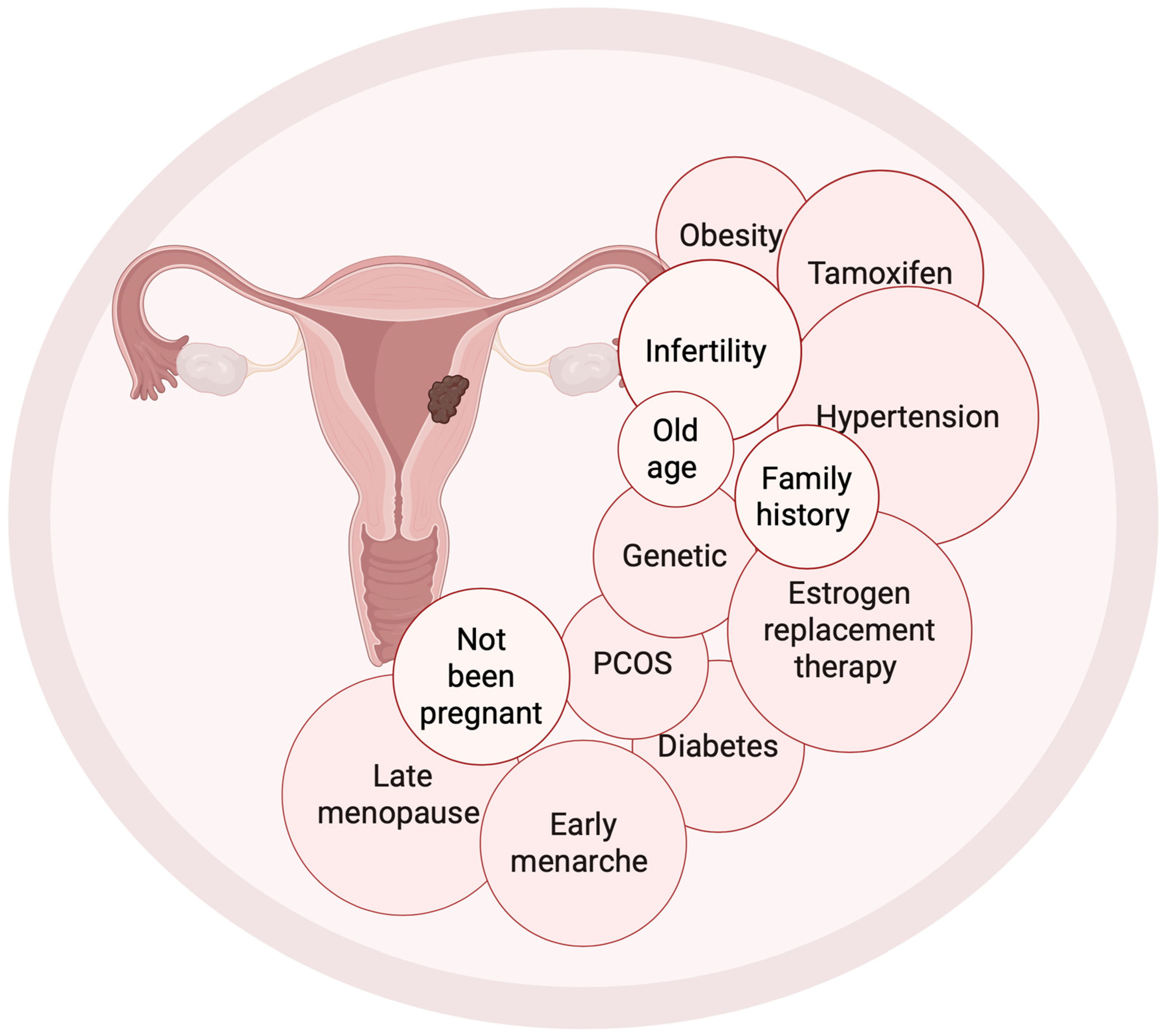
1. Introduction
1.1. Classification of Endometrial Cancer
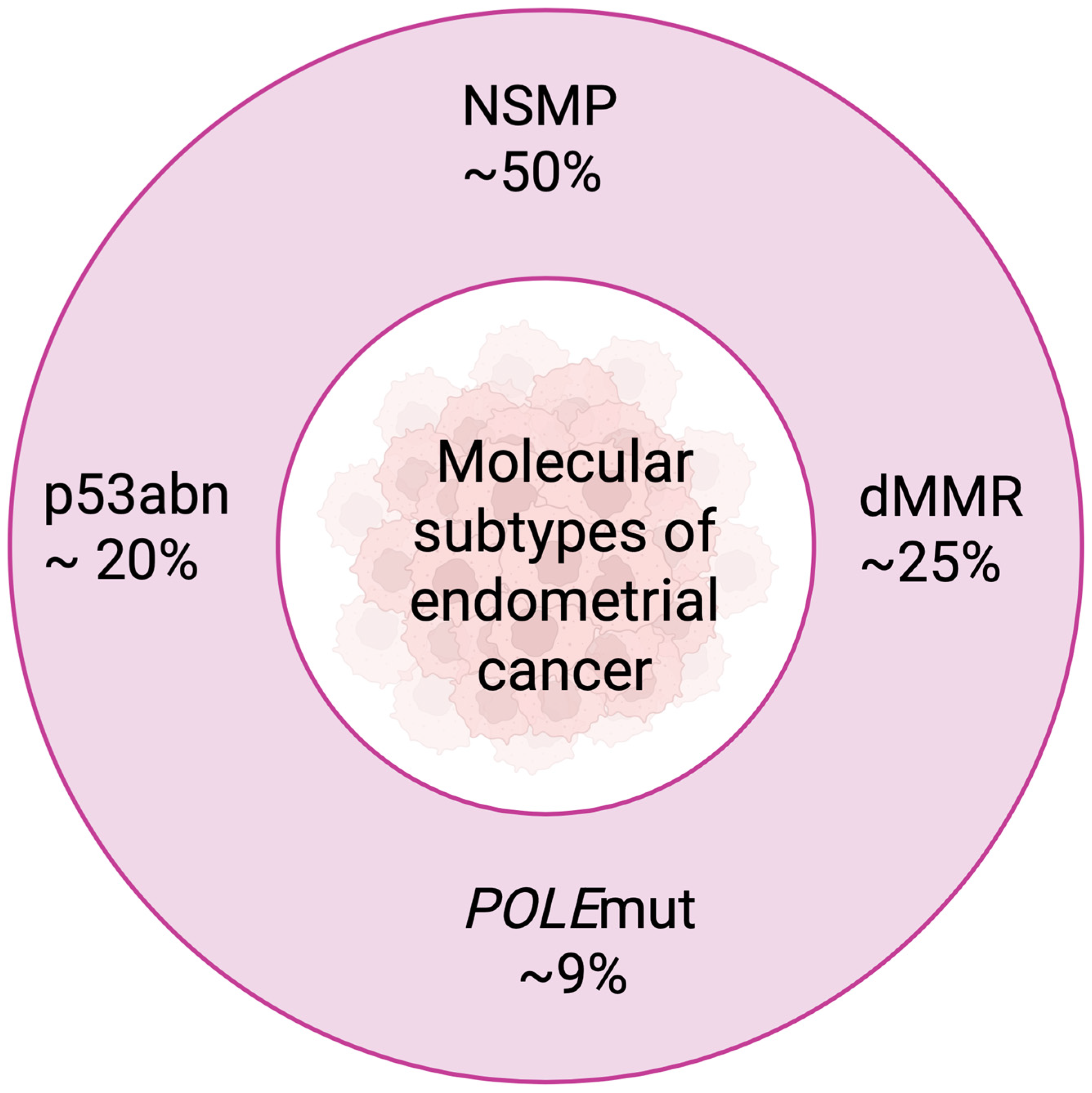
1.2. Molecular Evolution and Classification of TCGA
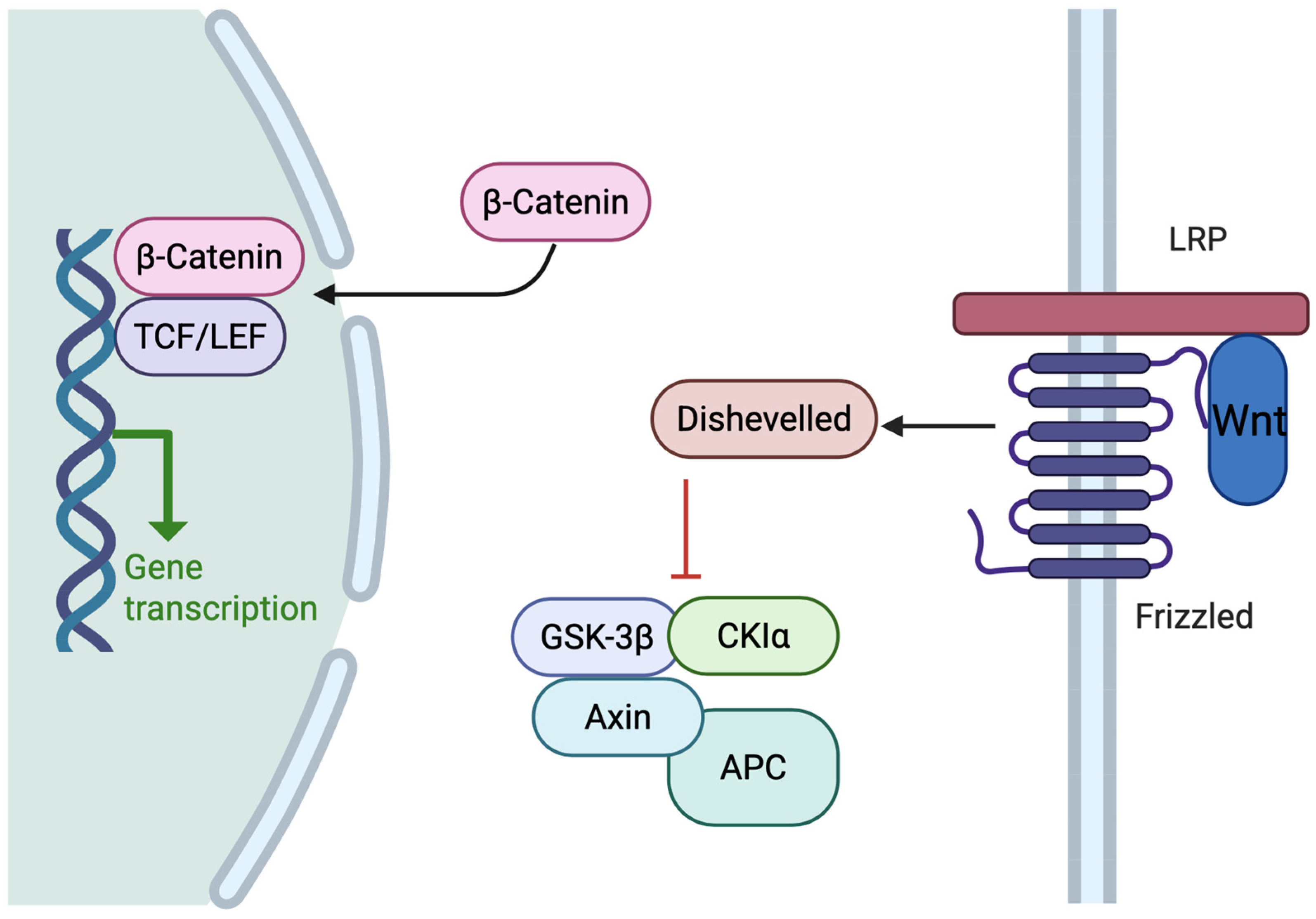
1.3. Endometrial Cancer Genetics
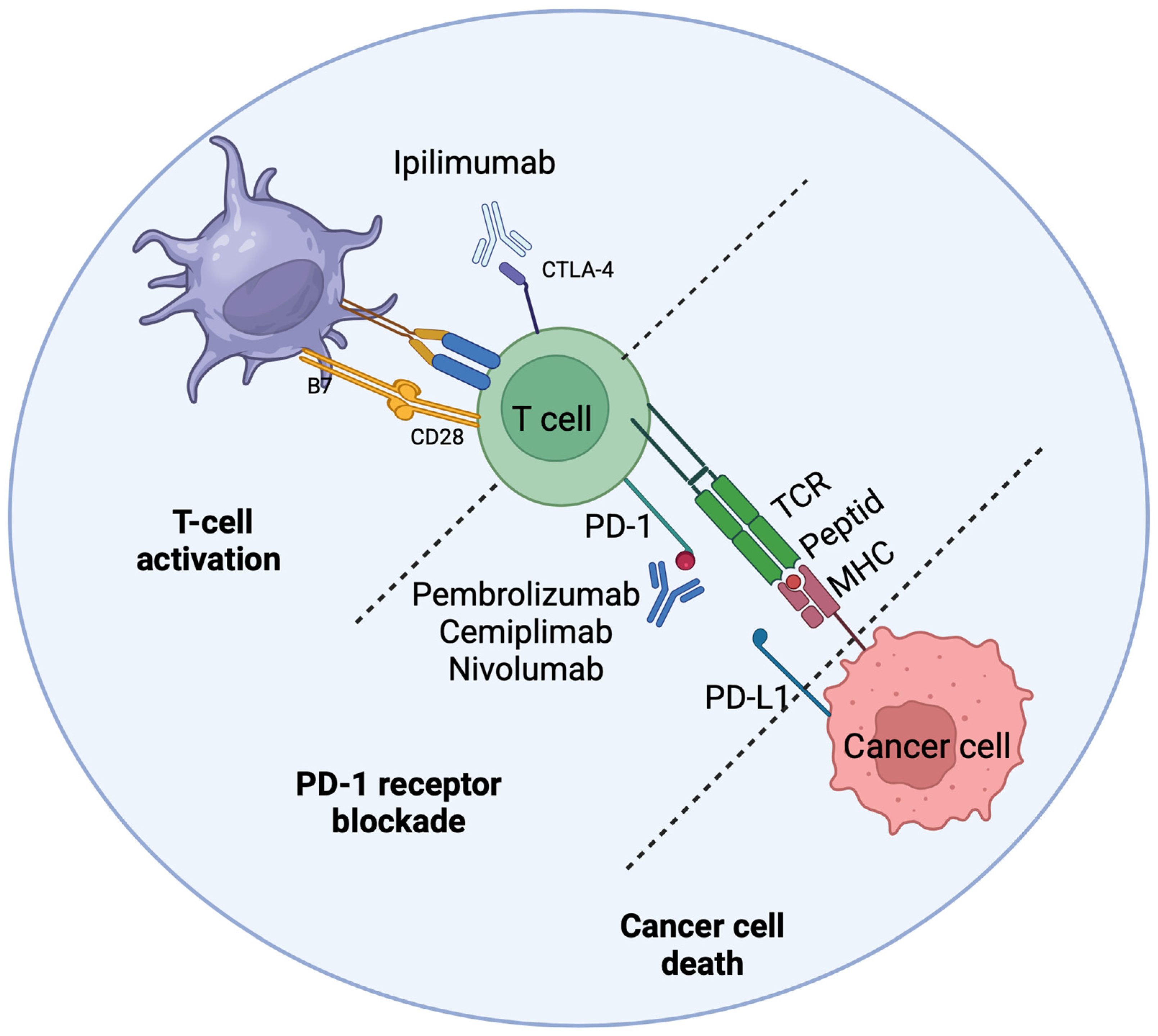
1.4. Immunotherapy and Targeted Therapy
1.5. Hormone Therapy
1.6. Prognostic Factors
1.7. Chemotherapy in the Age of Genetics
1.8. New Biomarkers and Translational Research
2. A Review of the Literature
2.1. Immunotherapy
2.2. Targeted Therapy
2.3. Hormone Therapy Studies
2.4. Chemotherapy
2.5. Molecular Classification and Prognosis
2.6. New Therapeutic Approaches
2.7. Other Biomarkers and Factors
3. Discussion
4. Future Perspective
5. Limitations
6. Conclusions
Author Contributions
Funding
Institutional Review Board Statement
Informed Consent Statement
Data Availability Statement
Conflicts of Interest
Abbreviations
| ADC | Antibody-drug conjugate |
| AKT1 | AKT serine/threonine kinase 1 |
| ARID1A | AT-rich interaction domain 1A |
| CDK4/6 | Cyclin-dependent kinase 4/6 |
| CNH | Copy-number high |
| CNL | Copy-number low |
| ctDNA | Circulating tumor DNA |
| CTNNB1 | Catenin beta 1 (gen) |
| dMMR | Deficient mismatch repair |
| DKK1 | Dickkopf WNT signaling pathway inhibitor 1 |
| EC | Endometrial cancer |
| ERFBXW7 | Estrogen receptorF-box and WD repeat domain containing 7 |
| FIGO | International Federation of Gynecology and Obstetrics |
| FISH | Fluorescence in situ hybridization |
| GSK-3β | Glycogen synthase kinase 3 beta |
| HER2 | Human epidermal growth factor receptor 2 |
| HRD | Homologous recombination deficiency |
| ICI | Immune checkpoint inhibitor |
| IHC | Immunohistochemistry |
| KRAS | Kirsten rat sarcoma viral oncogene homolog |
| lncRNA | Long non-coding RNA |
| LNG-IUD | Levonorgestrel-releasing intrauterine device |
| LRP | LDL receptor related protein |
| MLH1 | MutL homolog 1 |
| MMR | Mismatch repair |
| MMRd | Mismatch repair deficient |
| MMRp | Mismatch repair proficient |
| MSH2 | MutS homolog 2 |
| MSH6 | MutS homolog 6 |
| MSI | Microsatellite instability |
| MSI-H | Microsatellite instability-high |
| MSS | Microsatellite stable |
| mTOR | Mammalian target of rapamycin |
| NGS | Next-generation sequencing |
| NSMPORR | No specific molecular profileObjective response rate |
| OS | Overall survival |
| PCOS | Polycystic ovary syndrome |
| PD-1 | Programmed cell death protein 1 |
| PD-L1 | Programmed death-ligand 1 |
| PFS | Progression-free survival |
| PI3K | Phosphoinositide 3-kinase |
| PIK3CA | Phosphatidylinositol-4,5-bisphosphate 3-kinase catalytic subunit alpha |
| PMS2 | PMS1 homolog 2 |
| POLE | DNA polymerase epsilon |
| POLEmut | POLE mutated |
| PPP2R1A | Protein phosphatase 2 scaffold subunit A alpha |
| PR | Progesterone receptor |
| PTEN | Phosphatase and tensin homolog |
| p53abn | Abnormal p53 |
| pMMR | Proficient mismatch repair |
| TCGA | The Cancer Genome Atlas |
| TILs | Tumor-infiltrating lymphocytes |
| TMB | Tumor mutational burden |
| TP53 | Tumor protein p53 |
References
- Corr, B.; Cosgrove, C.; Spinosa, D.; Guntupalli, S. Endometrial cancer: Molecular classification and future treatments. BMJ Med. 2022, 1, e000152. [Google Scholar] [CrossRef]
- Whittemore, A.S. Characteristics relating to ovarian cancer risk: Implications for prevention and detection. Gynecol. Oncol. 1994, 55, S15–S19. [Google Scholar] [CrossRef]
- Hruby, A.; Hu, F.B. The Epidemiology of Obesity: A Big Picture. Pharmacoeconomics 2015, 33, 673–689. [Google Scholar] [CrossRef]
- Koliaki, C.; Dalamaga, M.; Liatis, S. Update on the Obesity Epidemic: After the Sudden Rise, Is the Upward Trajectory Beginning to Flatten? Curr. Obes. Rep. 2023, 12, 514–527. [Google Scholar] [CrossRef]
- Mair, K.M.; Gaw, R.; MacLean, M.R. Obesity, estrogens and adipose tissue dysfunction—Implications for pulmonary arterial hypertension. Pulm. Circ. 2020, 10, 2045894020952019. [Google Scholar] [CrossRef]
- Colombo, N.; Creutzberg, C.; Amant, F.; Bosse, T.; González-Martín, A.; Ledermann, J.; Marth, C.; Nout, R.; Querleu, D.; Mirza, M.R.; et al. ESMO-ESGO-ESTRO Consensus Conference on Endometrial Cancer: Diagnosis, treatment and follow-up. Ann. Oncol. 2016, 27, 16–41. [Google Scholar] [CrossRef]
- Trabert, B.; Brinton, L.A.; Anderson, G.L.; Pfeiffer, R.M.; Falk, R.T.; Strickler, H.D.; Sliesoraitis, S.; Kuller, L.H.; Gass, M.L.; Fuhrman, B.J.; et al. Circulating Estrogens and Postmenopausal Ovarian Cancer Risk in the Women’s Health Initiative Observational Study. Cancer Epidemiol. Biomark. Prev. 2016, 25, 648–656. [Google Scholar] [CrossRef]
- Baandrup, L.; Galanakis, M.; Hannibal, C.G.; Dehlendorff, C.; Hertzum-Larsen, R.; Mørch, L.S.; Kjaer, S.K. Long-term survival of nonlocalized epithelial ovarian cancer among women using menopausal hormone therapy prior to diagnosis: The extreme study. Int. J. Cancer 2022, 151, 1512–1522. [Google Scholar] [CrossRef]
- Idos, G.; Valle, L. Lynch Syndrome. In GeneReviews®; Adam, M.P., Bick, S., Mirzaa, G.M., Pagon, R.A., Wallace, S.E., Amemiya, A., Eds.; University of Washington: Seattle, WA, USA; pp. 1993–2025. Available online: https://www.ncbi.nlm.nih.gov/books/NBK1211/ (accessed on 4 February 2021).
- Nolano, A.; Medugno, A.; Trombetti, S.; Liccardo, R.; De Rosa, M.; Izzo, P.; Duraturo, F. Hereditary Colorectal Cancer: State of the Art in Lynch Syndrome. Cancers 2022, 15, 75. [Google Scholar] [CrossRef]
- Setiawan, V.W.; Yang, H.P.; Pike, M.C.; McCann, S.E.; Yu, H.; Xiang, Y.-B.; Wolk, A.; Wentzensen, N.; Weiss, N.S.; Webb, P.M.; et al. Type I and II endometrial cancers: Have they different risk factors? J. Clin. Oncol. 2013, 31, 2607–2618. [Google Scholar] [CrossRef]
- López-Reig, R.; Fernández-Serra, A.; Romero, I.; Zorrero, C.; Illueca, C.; García-Casado, Z.; Poveda, A.; López-Guerrero, J.A. Prognostic classification of endometrial cancer using a molecular approach based on a twelve-gene NGS panel. Sci. Rep. 2019, 9, 18093. [Google Scholar] [CrossRef] [PubMed]
- Grote, I.; Bartels, S.; Kandt, L.; Bollmann, L.; Christgen, H.; Gronewold, M.; Raap, M.; Lehmann, U.; Gluz, O.; Nitz, U.; et al. TP53 mutations are associated with primary endocrine resistance in luminal early breast cancer. Cancer Med. 2021, 10, 8581–8594. [Google Scholar] [CrossRef]
- Sehnal, B.; Hruda, M.; Matej, R.; Robova, H.; Drozenova, J.; Pichlik, T.; Halaska, M.J.; Rob, L.; Dundr, P. New FIGO 2023 Staging System of Endometrial Cancer: An Updated Review on a Current Hot Topic. Geburtshilfe Frauenheilkd. 2025, 85, 405–416. [Google Scholar] [CrossRef]
- Berek, J.S.; Matias-Guiu, X.; Creutzberg, C.; Fotopoulou, C.; Gaffney, D.; Kehoe, S.; Lindemann, K.; Mutch, D.; Concin, N. FIGO staging of endometrial cancer: 2023. Int. J. Gynecol. Obstet. 2023, 162, 383–394. [Google Scholar] [CrossRef]
- Casanova, J.; da Costa, A.G.; Lopes, A.P.; Catarino, A.; Nave, M.; Sousa, A.C.; Lima, J. Molecular classification of endometrial cancer: Preliminary experience from a single Portuguese academic center. Pathol. Oncol. Res. 2024, 30, 1611835. [Google Scholar] [CrossRef]
- Liwei, L.; He, L.; Yibo, D.; Luyang, Z.; Zhihui, S.; Nan, K.; Danhua, S.; Junzhu, W.; Zhiqi, W.; Jianliu, W. Re-stratification of patients with copy-number low endometrial cancer by clinicopathological characteristics. World J. Surg. Oncol. 2023, 21, 332. [Google Scholar] [CrossRef]
- Kuhn, E.; Gambini, D.; Runza, L.; Ferrero, S.; Scarfone, G.; Bulfamante, G.; Ayhan, A. Unsolved Issues in the Integrated Histo-Molecular Classification of Endometrial Carcinoma and Therapeutic Implications. Cancers 2024, 16, 2458. [Google Scholar] [CrossRef] [PubMed]
- Alexa, M.; Hasenburg, A.; Battista, M.J. The TCGA Molecular Classification of Endometrial Cancer and Its Possible Impact on Adjuvant Treatment Decisions. Cancers 2021, 13, 1478. [Google Scholar] [CrossRef] [PubMed]
- Okuda, T.; Sekizawa, A.; Purwosunu, Y.; Nagatsuka, M.; Morioka, M.; Hayashi, M.; Okai, T. Genetics of endometrial cancers. Obstet. Gynecol. Int. 2010, 2010, 984013. [Google Scholar] [CrossRef]
- O’Hara, A.J.; Bell, D.W. The genomics and genetics of endometrial cancer. Adv. Genom. Genet. 2012, 2012, 33–47. [Google Scholar] [CrossRef]
- Park, V.S.; Pursell, Z.F. POLE proofreading defects: Contributions to mutagenesis and cancer. DNA Repair 2019, 76, 50–59. [Google Scholar] [CrossRef] [PubMed]
- Yao, X.; Feng, M.; Wang, W. The Clinical and Pathological Characteristics of POLE-Mutated Endometrial Cancer: A Comprehensive Review. Cancer Manag. Res. 2024, 16, 117–125. [Google Scholar] [CrossRef] [PubMed]
- Liu, A.; Li, X.; Wu, H.; Guo, B.; Jonnagaddala, J.; Zhang, H.; Xu, S. Prognostic Significance of Tumor-Infiltrating Lymphocytes Determined Using LinkNet on Colorectal Cancer Pathology Images. JCO Precis. Oncol. 2023, 7, e2200522. [Google Scholar] [CrossRef]
- Gooden, M.J.; de Bock, G.H.; Leffers, N.; Daemen, T.; Nijman, H.W. The prognostic influence of tumour-infiltrating lymphocytes in cancer: A systematic review with meta-analysis. Br. J. Cancer 2011, 105, 93–103. [Google Scholar] [CrossRef] [PubMed]
- Francoeur, A.A.; Ayoub, N.; Greenberg, D.; Tewari, K.S. Drug discovery in advanced and recurrent endometrial cancer: Recent advances. Oncol. Res. 2025, 33, 1511–1530. [Google Scholar] [CrossRef]
- Tuninetti, V.; Farolfi, A.; Rognone, C.; Montanari, D.; De Giorgi, U.; Valabrega, G. Treatment Strategies for Advanced Endometrial Cancer According to Molecular Classification. Int. J. Mol. Sci. 2024, 25, 11448. [Google Scholar] [CrossRef]
- Galant, N.; Krawczyk, P.; Monist, M.; Obara, A.; Gajek, Ł.; Grenda, A.; Nicoś, M.; Kalinka, E.; Milanowski, J. Molecular Classification of Endometrial Cancer and Its Impact on Therapy Selection. Int. J. Mol. Sci. 2024, 25, 5893. [Google Scholar] [CrossRef]
- Bejar, J.F.G.; Galende, E.Y.; Zeng, Q.; Genestie, C.; Rouleau, E.; de Bruyn, M.; Klein, C.; Le Formal, A.; Edmond, E.; Moreau, M.; et al. Immune predictors of response to immune checkpoint inhibitors in mismatch repair-deficient endometrial cancer. J. Immunother. Cancer 2024, 12, e009143. [Google Scholar] [CrossRef]
- Garcia-Dios, D.A.; Lambrechts, D.; Coenegrachts, L.; Vandenput, I.; Capoen, A.; Webb, P.M.; Ferguson, K.; ANECS; Akslen, L.A.; Claes, B.; et al. High-throughput interrogation of PIK3CA, PTEN, KRAS, FBXW7 and TP53 mutations in primary endometrial carcinoma. Gynecol. Oncol. 2013, 128, 327–334. [Google Scholar] [CrossRef]
- Zhang, Q.; Wang, Y.; He, D.; Sun, J.; Li, X.; Li, D.; Dong, Y.; Zhang, Y.; Wang, S. p53abn high-risk endometrial cancer with PPP2R1A mutation might not benefit from adjuvant chemotherapy. Am. J. Clin. Pathol. 2025, 164, 233–243. [Google Scholar] [CrossRef]
- Jiang, B.H.; Liu, L.Z. PI3K/PTEN signaling in angiogenesis and tumorigenesis. Adv. Cancer Res. 2009, 102, 19–65. [Google Scholar] [CrossRef] [PubMed]
- Zhang, H.P.; Jiang, R.Y.; Zhu, J.Y.; Sun, K.N.; Huang, Y.; Zhou, H.H.; Zheng, Y.B.; Wang, X.J. PI3K/AKT/mTOR signaling pathway: An important driver and therapeutic target in triple-negative breast cancer. Breast Cancer 2024, 31, 539–551. [Google Scholar] [CrossRef] [PubMed]
- Janku, F.; Wheler, J.J.; Westin, S.N.; Moulder, S.L.; Naing, A.; Tsimberidou, A.M.; Fu, S.; Falchook, G.S.; Hong, D.S.; Garrido-Laguna, I.; et al. PI3K/AKT/mTOR inhibitors in patients with breast and gynecologic malignancies harboring PIK3CA mutations. J. Clin. Oncol. 2012, 30, 777–782. [Google Scholar] [CrossRef]
- Rinne, N.; Christie, E.L.; Ardasheva, A.; Kwok, C.H.; Demchenko, N.; Low, C.; Tralau-Stewart, C.; Fotopoulou, C.; Cunnea, P. Targeting the PI3K/AKT/mTOR pathway in epithelial ovarian cancer, therapeutic treatment options for platinum-resistant ovarian cancer. Cancer Drug Resist. 2021, 4, 573–595. [Google Scholar] [CrossRef]
- Asami, Y.; Kato, M.K.; Hiranuma, K.; Matsuda, M.; Shimada, Y.; Ishikawa, M.; Koyama, T.; Komatsu, M.; Hamamoto, R.; Nagashima, M.; et al. Utility of molecular subtypes and genetic alterations for evaluating clinical outcomes in 1029 patients with endometrial cancer. Br. J. Cancer 2023, 128, 1582–1591. [Google Scholar] [CrossRef] [PubMed]
- Ledinek, Ž.; Sobočan, M.; Knez, J. The Role of CTNNB1 in Endometrial Cancer. Dis. Markers 2022, 2022, 1442441. [Google Scholar] [CrossRef]
- Borelli, B.; Antoniotti, C.; Carullo, M.; Germani, M.M.; Conca, V.; Masi, G. Immune-Checkpoint Inhibitors (ICIs) in Metastatic Colorectal Cancer (mCRC) Patients beyond Microsatellite Instability. Cancers 2022, 14, 4974. [Google Scholar] [CrossRef]
- Yan, S.; Wang, W.; Feng, Z.; Xue, J.; Liang, W.; Wu, X.; Tan, Z.; Zhang, X.; Zhang, S.; Li, X.; et al. Immune checkpoint inhibitors in colorectal cancer: Limitation and challenges. Front. Immunol. 2024, 15, 1403533. [Google Scholar] [CrossRef]
- Lizardo, D.Y.; Kuang, C.; Hao, S.; Yu, J.; Huang, Y.; Zhang, L. Immunotherapy efficacy on mismatch repair-deficient colorectal cancer: From bench to bedside. Biochim. Biophys. Acta Rev. Cancer 2020, 1874, 188447. [Google Scholar] [CrossRef]
- Guan, J.; Li, G.M. DNA mismatch repair in cancer immunotherapy. NAR Cancer 2023, 5, zcad031. [Google Scholar] [CrossRef]
- Mulet-Margalef, N.; Linares, J.; Badia-Ramentol, J.; Jimeno, M.; Monte, C.S.; Mozo, J.L.M.; Calon, A. Challenges and Therapeutic Opportunities in the dMMR/MSI-H Colorectal Cancer Landscape. Cancers 2023, 15, 1022. [Google Scholar] [CrossRef]
- Lim, S.M.; Peters, S.; Granados, A.L.O.; Pinto, G.D.J.; Fuentes, C.S.; Russo, G.L.; Schenker, M.; Ahn, J.S.; Reck, M.; Szijgyarto, Z.; et al. Dostarlimab or pembrolizumab plus chemotherapy in previously untreated metastatic non-squamous non-small cell lung cancer: The randomized PERLA phase II trial. Nat. Commun. 2023, 14, 7301. [Google Scholar] [CrossRef] [PubMed]
- Boland, C.R. The mystery of mismatch repair deficiency: Lynch or lynch-like? Gastroenterology 2013, 144, 868–870. [Google Scholar] [CrossRef] [PubMed]
- Carethers, J.M. Differentiating Lynch-like from Lynch syndrome. Gastroenterology 2014, 146, 602–604. [Google Scholar] [CrossRef] [PubMed]
- Lemaire, C.; Boileve, A.; Manceau, G.; Coutzac, C.; Muller, M.; Girot, P.; Lellouche, L.; Saltel-Fulero, A.; Lagorce-Pages, C.; Gallois, C.; et al. Neoadjuvant immunotherapy for nonmetastatic dMMR/MSI colon cancer: A real-world retrospective AGEO study. ESMO Open 2025, 10, 105516. [Google Scholar] [CrossRef]
- Ozer, M.; Vegivinti, C.T.R.; Syed, M.; Ferrell, M.E.; Gomez, C.G.; Cheng, S.; Holder-Murray, J.; Bruno, T.; Saeed, A.; Sahin, I.H. Neoadjuvant Immunotherapy for Patients with dMMR/MSI-High Gastrointestinal Cancers: A Changing Paradigm. Cancers 2023, 15, 3833. [Google Scholar] [CrossRef]
- Bellone, S.; Roque, D.M.; Siegel, E.R.; Buza, N.; Hui, P.; Bonazzoli, E.; Guglielmi, A.; Zammataro, L.; Nagarkatti, N.; Zaidi, S.; et al. A phase II evaluation of pembrolizumab in recurrent microsatellite instability-high (MSI-H) endometrial cancer patients with Lynch-like versus MLH-1 methylated characteristics (NCT02899793). Ann. Oncol. 2021, 32, 1045–1046. [Google Scholar] [CrossRef]
- Swain, S.M.; Shastry, M.; Hamilton, E. Targeting HER2-positive breast cancer: Advances and future directions. Nat. Rev. Drug Discov. 2023, 22, 101–126. [Google Scholar] [CrossRef]
- Gajria, D.; Chandarlapaty, S. HER2-amplified breast cancer: Mechanisms of trastuzumab resistance and novel targeted therapies. Expert Rev. Anticancer Ther. 2011, 11, 263–275. [Google Scholar] [CrossRef]
- Antonarelli, G.; Corti, C.; Tarantino, P.; Salimbeni, B.T.; Zagami, P.; Marra, A.; Trapani, D.; Tolaney, S.; Cortes, J.; Curigliano, G. Management of patients with HER2-positive metastatic breast cancer after trastuzumab deruxtecan failure. ESMO Open 2023, 8, 101608. [Google Scholar] [CrossRef]
- Benli, Y.; Arıkan, H.; Akbulut-Çalışkan, Ö. HER2-targeted therapy in colorectal cancer: A comprehensive review. Clin. Transl. Oncol. 2025, 27, 3607–3624. [Google Scholar] [CrossRef]
- Izzo, D.; Ascione, L.; Guidi, L.; Marsicano, R.M.; Koukoutzeli, C.; Trapani, D.; Curigliano, G. Innovative payloads for ADCs in cancer treatment: Moving beyond the selective delivery of chemotherapy. Ther. Adv. Med. Oncol. 2025, 17, 17588359241309461. [Google Scholar] [CrossRef]
- Llombart-Cussac, A.; Pérez-García, J.M.; Bellet, M.; Dalenc, F.; Gil-Gil, M.; Ruíz-Borrego, M.; Gavilá, J.; Sampayo-Cordero, M.; Aguirre, E.; Schmid, P.; et al. Fulvestrant-Palbociclib vs Letrozole-Palbociclib as Initial Therapy for Endocrine-Sensitive, Hormone Receptor-Positive, ERBB2-Negative Advanced Breast Cancer: A Randomized Clinical Trial. JAMA Oncol. 2021, 7, 1791–1799. [Google Scholar] [CrossRef] [PubMed]
- Mirza, M.R.; Bjørge, L.; Marmé, F.; Christensen, R.D.; Gil-Martin, M.; Auranen, A.; Ataseven, B.; Rubio, M.J.; Salutari, V.; Luczak, A.A.; et al. Palbociclib plus letrozole in estrogen receptor-positive advanced/recurrent endometrial cancer: Double-blind placebo-controlled randomized phase II ENGOT-EN3/PALEO trial. Gynecol. Oncol. 2025, 192, 128–136. [Google Scholar] [CrossRef]
- Puhalla, S.; Bhattacharya, S.; Davidson, N.E. Hormonal therapy in breast cancer: A model disease for the personalization of cancer care. Mol. Oncol. 2012, 6, 222–236. [Google Scholar] [CrossRef] [PubMed]
- Burciu, O.M.; Merce, A.-G.; Cerbu, S.; Iancu, A.; Popoiu, T.-A.; Cobec, I.M.; Sas, I.; Dimofte, G.M. Current Endocrine Therapy in Hormone-Receptor-Positive Breast Cancer: From Tumor Biology to the Rationale for Therapeutic Tunning. Medicina 2025, 61, 1280. [Google Scholar] [CrossRef]
- Wang, H.; Zhang, Y.; Zhang, H.; Cao, H.; Mao, J.; Chen, X.; Wang, L.; Zhang, N.; Luo, P.; Xue, J.; et al. Liquid biopsy for human cancer: Cancer screening, monitoring, and treatment. MedComm 2024, 5, e564. [Google Scholar] [CrossRef]
- Sabit, H.; Attia, M.G.; Mohamed, N.; Taha, P.S.; Ahmed, N.; Osama, S.; Abdel-Ghany, S. Beyond traditional biopsies: The emerging role of ctDNA and MRD on breast cancer diagnosis and treatment. Discov. Oncol. 2025, 16, 271. [Google Scholar] [CrossRef] [PubMed]
- Flores, V.A.; Vanhie, A.; Dang, T.; Taylor, H.S. Progesterone Receptor Status Predicts Response to Progestin Therapy in Endometriosis. J. Clin. Endocrinol. Metab. 2018, 103, 4561–4568. [Google Scholar] [CrossRef]
- Reis, F.M.; Coutinho, L.M.; Vannuccini, S.; Batteux, F.; Chapron, C.; Petraglia, F. Progesterone receptor ligands for the treatment of endometriosis: The mechanisms behind therapeutic success and failure. Hum. Reprod. Update 2020, 26, 565–585. [Google Scholar] [CrossRef]
- Zheng, W. Molecular Classification of Endometrial Cancer and the 2023 FIGO Staging: Exploring the Challenges and Opportunities for Pathologists. Cancers 2023, 15, 4101. [Google Scholar] [CrossRef]
- Zhang, C.; Wang, M.; Wu, Y. Features of the immunosuppressive tumor microenvironment in endometrial cancer based on molecular subtype. Front. Oncol. 2023, 13, 1278863. [Google Scholar] [CrossRef]
- León-Castillo, A.; Britton, H.; McConechy, M.K.; McAlpine, J.N.; Nout, R.; Kommoss, S.; Brucker, S.Y.; Carlson, J.W.; Epstein, E.; Rau, T.T.; et al. Interpretation of somatic POLE mutations in endometrial carcinoma. J. Pathol. 2020, 250, 323–335. [Google Scholar] [CrossRef]
- Kögl, J.; Pan, T.L.; Marth, C.; Zeimet, A.G. The game-changing impact of POLE mutations in oncology-a review from a gynecologic oncology perspective. Front. Oncol. 2024, 14, 1369189. [Google Scholar] [CrossRef]
- Zelisse, H.S.; Snijders, M.L.H.; Groenendijk, F.H.; Halfwerk, J.B.G.; Hooijer, G.K.J.; van Driel, W.J.; León-Castillo, A.; Lok, C.A.R.; Kooreman, L.F.S.; Lambrechts, S.; et al. The prognostic potential of molecular subtypes including estrogen receptor status in endometrioid ovarian cancer. Gynecol. Oncol. 2025, 196, 137–145. [Google Scholar] [CrossRef]
- Kim, J.Y.; Jung, J.; Kim, K.M.; Lee, J.; Im, Y.H. TP53 mutations predict poor response to immunotherapy in patients with metastatic solid tumors. Cancer Med. 2023, 12, 12438–12451. [Google Scholar] [CrossRef] [PubMed]
- Wu, S.; Lu, H.; Bai, Y. Nrf2 in cancers: A double-edged sword. Cancer Med. 2019, 8, 2252–2267. [Google Scholar] [CrossRef] [PubMed]
- Lin, L.; Wu, Q.; Lu, F.; Lei, J.; Zhou, Y.; Liu, Y.; Zhu, N.; Yu, Y.; Ning, Z.; She, T.; et al. Nrf2 signaling pathway: Current status and potential therapeutic targetable role in human cancers. Front. Oncol. 2023, 13, 1184079. [Google Scholar] [CrossRef]
- Kristeleit, R.; Leary, A.; Delord, J.P.; Moreno, V.; Oaknin, A.; Castellano, D.; Shappiro, G.I.; Fernández, C.; Kahatt, C.; Alfaro, V.; et al. Lurbinectedin in patients with pretreated endometrial cancer: Results from a phase 2 basket clinical trial and exploratory translational study. Investig. New Drugs 2023, 41, 677–687. [Google Scholar] [CrossRef]
- El Hejjioui, B.; Lamrabet, S.; Joutei, S.A.; Senhaji, N.; Bouhafa, T.; Malhouf, M.A.; Bennis, S.; Bouguenouch, L. New Biomarkers and Treatment Advances in Triple-Negative Breast Cancer. Diagnostics 2023, 13, 1949. [Google Scholar] [CrossRef] [PubMed]
- Wu, Y.; Wang, J.; Ge, L.; Hu, Q. Significance of a PTEN Mutational Status-Associated Gene Signature in the Progression and Prognosis of Endometrial Carcinoma. Oxidative Med. Cell. Longev. 2022, 2022, 5130648. [Google Scholar] [CrossRef]
- Li, L.; Li, M.; Jiang, Z.; Wang, X. ARID1A Mutations Are Associated with Increased Immune Activity in Gastrointestinal Cancer. Cells 2019, 8, 678. [Google Scholar] [CrossRef]
- Arend, R.; Dholakia, J.; Castro, C.; Matulonis, U.; Hamilton, E.; Jackson, C.G.; LyBarger, K.; Goodman, H.M.; Duska, L.R.; Mahdi, H.; et al. DKK1 is a predictive biomarker for response to DKN-01: Results of a phase 2 basket study in women with recurrent endometrial carcinoma. Gynecol. Oncol. 2023, 172, 82–91. [Google Scholar] [CrossRef]
- Iavarone, I.; Molitierno, R.; Fumiento, P.; Vastarella, M.G.; Napolitano, S.; Vietri, M.T.; De Franciscis, P.; Ronsini, C. MicroRNA Expression in Endometrial Cancer: Current Knowledge and Therapeutic Implications. Medicina 2024, 60, 486. [Google Scholar] [CrossRef] [PubMed]
- Lara, S.A.O.-D.; Garza-Veloz, I.; Berthaud-González, B.; Martinez-Fierro, M.L. Circulating and Endometrial Tissue microRNA Markers Associated with Endometrial Cancer Diagnosis, Prognosis, and Response to Treatment. Cancers 2023, 15, 2686. [Google Scholar] [CrossRef]
- Donkers, H.; Bekkers, R.; Galaal, K. Diagnostic value of microRNA panel in endometrial cancer: A systematic review. Oncotarget 2020, 11, 2010–2023. [Google Scholar] [CrossRef]
- Panda, H.; Pelakh, L.; Chuang, T.-D.; Luo, X.; Bukulmez, O.; Chegini, N. Endometrial miR-200c is altered during transformation into cancerous states and targets the expression of ZEBs, VEGFA, FLT1, IKKβ, KLF9, and FBLN5. Reprod. Sci. 2012, 19, 786–796. [Google Scholar] [CrossRef] [PubMed]
- Lu, N.; Liu, J.; Ji, C.; Wang, Y.; Wu, Z.; Yuan, S.; Xing, Y.; Diao, F. MiRNA based tumor mutation burden diagnostic and prognostic prediction models for endometrial cancer. Bioengineered 2021, 12, 3603–3620. [Google Scholar] [CrossRef]
- Eskander, R.N.; Sill, M.W.; Beffa, L.; Moore, R.G.; Hope, J.M.; Musa, F.B.; Mannel, R.; Shahin, M.S.; Cantuaria, G.H.; Girda, E.; et al. Pembrolizumab plus Chemotherapy in Advanced Endometrial Cancer. N. Engl. J. Med. 2023, 388, 2159–2170. [Google Scholar] [CrossRef] [PubMed]
- Mirza, M.R.; Chase, D.M.; Slomovitz, B.M.; Christensen, R.D.; Novák, Z.; Black, D.; Gilbert, L.; Sharma, S.; Valabrega, G.; Landrum, L.M.; et al. Dostarlimab for Primary Advanced or Recurrent Endometrial Cancer. N. Engl. J. Med. 2023, 388, 2145–2158. [Google Scholar] [CrossRef]
- O’Malley, D.M.; Bariani, G.M.; Cassier, P.A.; Marabelle, A.; Hansen, A.R.; De Jesus Acosta, A.; Miller, W.H., Jr.; Safra, T.; Italiano, A.; Mileshkin, L.; et al. Pembrolizumab in Patients With Microsatellite Instability-High Advanced Endometrial Cancer: Results From the KEYNOTE-158 Study. J. Clin. Oncol. 2022, 40, 752–761. [Google Scholar] [CrossRef] [PubMed]
- Oaknin, A.; Gilbert, L.; Tinker, A.V.; Brown, J.; Mathews, C.; Press, J.; Sabatier, R.; O’mAlley, D.M.; Samouelian, V.; Boni, V.; et al. Safety and antitumor activity of dostarlimab in patients with advanced or recurrent DNA mismatch repair deficient/microsatellite instability-high (dMMR/MSI-H) or proficient/stable (MMRp/MSS) endometrial cancer: Interim results from GARNET-a phase I single-arm study. J. Immunother. Cancer 2022, 10, e003777. [Google Scholar] [CrossRef]
- Eskander, R.N.; Sill, M.W.; Beffa, L.; Moore, R.G.; Hope, J.M.; Musa, F.B.; Mannel, R.S.; Shahin, M.S.; Cantuaria, G.H.; Girda, E.; et al. Pembrolizumab plus chemotherapy in advanced or recurrent endometrial cancer: Overall survival and exploratory analyses of the NRG GY018 phase 3 randomized trial. Nat. Med. 2025, 31, 1539–1546. [Google Scholar] [CrossRef]
- Colombo, N.; Biagioli, E.; Harano, K.; Galli, F.; Hudson, E.; Antill, Y.; Choi, C.H.; Rabaglio, M.; Marmé, F.; Marth, C.; et al. Atezolizumab and chemotherapy for advanced or recurrent endometrial cancer (AtTEnd): A randomised, double-blind, placebo-controlled, phase 3 trial. Lancet Oncol. 2024, 25, 1135–1146. [Google Scholar] [CrossRef]
- Pignata, S.; Califano, D.; Lorusso, D.; Arenare, L.; Bartoletti, M.; De Giorgi, U.; Andreetta, C.; Pisano, C.; Scambia, G.; Lombardi, D.; et al. MITO END-3: Efficacy of avelumab immunotherapy according to molecular profiling in first-line endometrial cancer therapy. Ann. Oncol. 2024, 35, 667–676. [Google Scholar] [CrossRef] [PubMed]
- Maio, M.; Ascierto, P.A.; Manzyuk, L.; Motola-Kuba, D.; Penel, N.; Cassier, P.A.; Bariani, G.M.; De Jesus Acosta, A.; Doi, T.; Longo, F.; et al. Pembrolizumab in microsatellite instability high or mismatch repair deficient cancers: Updated analysis from the phase II KEYNOTE-158 study. Ann. Oncol. 2022, 33, 929–938. [Google Scholar] [CrossRef] [PubMed]
- Powell, M.A.; Cibula, D.; O’MAlley, D.M.; Boere, I.; Shahin, M.S.; Savarese, A.; Chase, D.M.; Gilbert, L.; Black, D.; Herrstedt, J.; et al. Efficacy and safety of dostarlimab in combination with chemotherapy in patients with dMMR/MSI-H primary advanced or recurrent endometrial cancer in a phase 3, randomized, placebo-controlled trial (ENGOT-EN6-NSGO/GOG-3031/RUBY). Gynecol. Oncol. 2025, 192, 40–49. [Google Scholar] [CrossRef]
- Marabelle, A.; Fakih, M.; Lopez, J.; Shah, M.; Shapira-Frommer, R.; Nakagawa, K.; Chung, H.C.; Kindler, H.L.; Lopez-Martin, J.A.; Miller, W.H., Jr.; et al. Association of tumour mutational burden with outcomes in patients with advanced solid tumours treated with pembrolizumab: Prospective biomarker analysis of the multicohort, open-label, phase 2 KEYNOTE-158 study. Lancet Oncol. 2020, 21, 1353–1365. [Google Scholar] [CrossRef]
- Slomovitz, B.M.; Cibula, D.; Lv, W.; Ortaç, F.; Hietanen, S.; Backes, F.; Kikuchi, A.; Lorusso, D.; Dańska-Bidzińska, A.; Samouëlian, V.; et al. Pembrolizumab or Placebo Plus Adjuvant Chemotherapy With or Without Radiotherapy for Newly Diagnosed, High-Risk Endometrial Cancer: Results in Mismatch Repair-Deficient Tumors. J. Clin. Oncol. 2025, 43, 251–259. [Google Scholar] [CrossRef]
- André, T.; Berton, D.; Curigliano, G.; Sabatier, R.; Tinker, A.V.; Oaknin, A.; Ellard, S.; de Braud, F.; Arkenau, H.T.; Trigo, J.; et al. Antitumor Activity and Safety of Dostarlimab Monotherapy in Patients with Mismatch Repair Deficient Solid Tumors: A Nonrandomized Controlled Trial. JAMA Netw. Open 2023, 6, e2341165. [Google Scholar] [CrossRef]
- Eerkens, A.L.; Brummel, K.; Vledder, A.; Paijens, S.T.; Requesens, M.; Loiero, D.; van Rooij, N.; Plat, A.; Haan, F.J.; Klok, P.; et al. Neoadjuvant immune checkpoint blockade in women with mismatch repair deficient endometrial cancer: A phase I study. Nat. Commun. 2024, 15, 7695. [Google Scholar] [CrossRef] [PubMed]
- O’Malley, D.M.; Bariani, G.M.; Cassier, P.A.; Marabelle, A.; Hansen, A.R.; Acosta, A.J.; Miller, W.H., Jr.; Safra, T.; Italiano, A.; Mileshkin, L.; et al. Pembrolizumab in microsatellite instability-high/mismatch repair deficient (MSI-H/dMMR) and non-MSI-H/non-dMMR advanced endometrial cancer: Phase 2 KEYNOTE-158 study results. Gynecol. Oncol. 2025, 193, 130–135. [Google Scholar] [CrossRef]
- Berton, D.; Pautier, P.; Lorusso, D.; Gennigens, C.; Gladieff, L.; Kryzhanivska, A.; Bowman, J.; Tian, C.; Cornfeld, M.; Van Gorp, T. Antitumor activity and safety of the PD-1 inhibitor retifanlimab in patients with recurrent microsatellite instability-high or deficient mismatch repair endometrial cancer: Final safety and efficacy results from cohort H of the POD1UM-101 phase I study. Gynecol. Oncol. 2024, 186, 191–198. [Google Scholar] [CrossRef]
- Oaknin, A.; Tinker, A.V.; Gilbert, L.; Samouëlian, V.; Mathews, C.; Brown, J.; Barretina-Ginesta, M.P.; Moreno, V.; Gravina, A.; Abdeddaim, C.; et al. Clinical Activity and Safety of the Anti-Programmed Death 1 Monoclonal Antibody Dostarlimab for Patients with Recurrent or Advanced Mismatch Repair-Deficient Endometrial Cancer: A Nonrandomized Phase 1 Clinical Trial. JAMA Oncol. 2020, 6, 1766–1772. [Google Scholar] [CrossRef]
- Antill, Y.; Kok, P.S.; Robledo, K.; Yip, S.; Cummins, M.; Smith, D.; Spurdle, A.; Barnes, E.; Lee, Y.C.; Friedlander, M.; et al. Clinical activity of durvalumab for patients with advanced mismatch repair-deficient and repair-proficient endometrial cancer. A nonrandomized phase 2 clinical trial. J. Immunother. Cancer 2021, 9, e002255. [Google Scholar] [CrossRef]
- Ettorre, V.M.; Bellone, S.; Greenman, M.; McNamara, B.; Palmieri, L.; Sethi, N.; Demirkiran, C.; Papatla, K.; Kailasam, A.; Siegel, E.R.; et al. A phase 2 trial of pembrolizumab for recurrent Lynch-like versus sporadic endometrial cancers with microsatellite instability (NCT02899793): Updated survival and response analyses. Gynecol. Oncol. 2025, 197, 110–115. [Google Scholar] [CrossRef]
- Madariaga, A.; Garg, S.; Tchrakian, N.; Dhani, N.C.; Jimenez, W.; Welch, S.; MacKay, H.; Ethier, J.L.; Gilbert, L.; Li, X.; et al. Clinical outcome and biomarker assessments of a multi-centre phase II trial assessing niraparib with or without dostarlimab in recurrent endometrial carcinoma. Nat. Commun. 2023, 14, 1452. [Google Scholar] [CrossRef] [PubMed]
- Hollebecque, A.; Chung, H.C.; de Miguel, M.J.; Italiano, A.; Machiels, J.P.; Lin, C.C.; Dhani, N.C.; Peeters, M.; Moreno, V.; Su, W.C.; et al. Safety and Antitumor Activity of α-PD-L1 Antibody as Monotherapy or in Combination with α-TIM-3 Antibody in Patients with Microsatellite Instability-High/Mismatch Repair-Deficient Tumors. Clin. Cancer Res. 2021, 27, 6393–6404. [Google Scholar] [CrossRef]
- Makker, V.; Colombo, N.; Casado Herráez, A.; Monk, B.J.; Mackay, H.; Santin, A.D.; Miller, D.S.; Moore, R.G.; Baron-Hay, S.; Ray-Coquard, I.; et al. Lenvatinib Plus Pembrolizumab in Previously Treated Advanced Endometrial Cancer: Updated Efficacy and Safety from the Randomized Phase III Study 309/KEYNOTE-775. J. Clin. Oncol. 2023, 41, 2904–2910. [Google Scholar] [CrossRef]
- Makker, V.; Taylor, M.H.; Aghajanian, C.; Oaknin, A.; Mier, J.; Cohn, A.L.; Romeo, M.; Bratos, R.; Brose, M.S.; DiSimone, C.; et al. Lenvatinib Plus Pembrolizumab in Patients with Advanced Endometrial Cancer. J. Clin. Oncol. 2020, 38, 2981–2992. [Google Scholar] [CrossRef] [PubMed]
- Hong, D.S.; Fakih, M.G.; Strickler, J.H.; Desai, J.; Durm, G.A.; Shapiro, G.I.; Falchook, G.S.; Price, T.J.; Sacher, A.; Denlinger, C.S.; et al. KRASG12C Inhibition with Sotorasib in Advanced Solid Tumors. N. Engl. J. Med. 2020, 383, 1207–1217. [Google Scholar] [CrossRef]
- Kalinsky, K.; Hong, F.; McCourt, C.K.; Sachdev, J.C.; Mitchell, E.P.; Zwiebel, J.A.; Doyle, L.A.; McShane, L.M.; Li, S.; Gray, R.J.; et al. Effect of Capivasertib in Patients with an AKT1 E17K-Mutated Tumor: NCI-MATCH Subprotocol EAY131-Y Nonrandomized Trial. JAMA Oncol. 2021, 7, 271–278. [Google Scholar] [CrossRef]
- Westin, S.N.; Labrie, M.; Litton, J.K.; Blucher, A.; Fang, Y.; Vellano, C.P.; Marszalek, J.R.; Feng, N.; Ma, X.; Creason, A.; et al. Phase Ib Dose Expansion and Translational Analyses of Olaparib in Combination with Capivasertib in Recurrent Endometrial, Triple-Negative Breast, and Ovarian Cancer. Clin. Cancer Res. 2021, 27, 6354–6365. [Google Scholar] [CrossRef]
- Yagisawa, M.; Taniguchi, H.; Satoh, T.; Kadowaki, S.; Sunakawa, Y.; Nishina, T.; Komatsu, Y.; Esaki, T.; Sakai, D.; Doi, A.; et al. Trastuzumab Deruxtecan in Advanced Solid Tumors with Human Epidermal Growth Factor Receptor 2 Amplification Identified by Plasma Cell-Free DNA Testing: A Multicenter, Single-Arm, Phase II Basket Trial. J. Clin. Oncol. 2024, 42, 3817–3825. [Google Scholar] [CrossRef]
- Oaknin, A.; Lee, J.Y.; Makker, V.; Oh, D.Y.; Banerjee, S.; González-Martín, A.; Jung, K.H.; Ługowska, I.; Manso, L.; Manzano, A.; et al. Efficacy of Trastuzumab Deruxtecan in HER2-Expressing Solid Tumors by Enrollment HER2 IHC Status: Post Hoc Analysis of DESTINY-PanTumor02. Adv. Ther. 2024, 41, 4125–4139. [Google Scholar] [CrossRef] [PubMed]
- Keller, P.J.; Adams, E.J.; Wu, R.; Côté, A.; Arora, S.; Cantone, N.; Meyer, R.; Mertz, J.A.; Gehling, V.; Cui, J.; et al. Comprehensive Target Engagement by the EZH2 Inhibitor Tulmimetostat Allows for Targeting of ARID1A Mutant Cancers. Cancer Res. 2024, 84, 2501–2517. [Google Scholar] [CrossRef]
- Lumish, M.; Chui, M.H.; Zhou, Q.; Iasonos, A.; Sarasohn, D.; Cohen, S.; Friedman, C.; Grisham, R.; Konner, J.; Kyi, C.; et al. A phase 2 trial of zanidatamab in HER2-overexpressed advanced endometrial carcinoma and carcinosarcoma (ZW25-IST-2). Gynecol. Oncol. 2024, 182, 75–81. [Google Scholar] [CrossRef]
- Backes, F.J.; Wei, L.; Chen, M.; Hill, K.; Dzwigalski, K.; Poi, M.; Phelps, M.; Salani, R.; Copeland, L.J.; Fowler, J.M.; et al. Phase I evaluation of lenvatinib and weekly paclitaxel in patients with recurrent endometrial, ovarian, fallopian tube, or primary peritoneal Cancer. Gynecol. Oncol. 2021, 162, 619–625. [Google Scholar] [CrossRef] [PubMed]
- Subbiah, V.; Coleman, N.; Piha-Paul, S.A.; Tsimberidou, A.M.; Janku, F.; Rodon, J.; Pant, S.; Dumbrava, E.E.I.; Fu, S.; Hong, D.S.; et al. Phase I Study of mTORC1/2 Inhibitor Sapanisertib (CB-228/TAK-228) in Combination with Metformin in Patients with mTOR/AKT/PI3K Pathway Alterations and Advanced Solid Malignancies. Cancer Res. Commun. 2024, 4, 378–387. [Google Scholar] [CrossRef] [PubMed]
- Konstantinopoulos, P.A.; Lee, E.K.; Xiong, N.; Krasner, C.; Campos, S.; Kolin, D.L.; Liu, J.F.; Horowitz, N.; Wright, A.A.; Bouberhan, S.; et al. A Phase II, Two-Stage Study of Letrozole and Abemaciclib in Estrogen Receptor-Positive Recurrent Endometrial Cancer. J. Clin. Oncol. 2023, 41, 599–608. [Google Scholar] [CrossRef]
- Andres, S.; Finch, L.; Iasonos, A.; Zhou, Q.; Girshman, J.; Chhetri-Long, R.; Green, H.; Jang, D.; O’CEarbhaill, R.; Kyi, C.; et al. Basket study of oral progesterone antagonist onapristone extended release in progesterone receptor-positive recurrent granulosa cell, low-grade serous ovarian cancer, or endometrioid endometrial cancer. Gynecol. Oncol. 2024, 189, 30–36. [Google Scholar] [CrossRef]
- Jhaveri, K.L.; Lim, E.; Jeselsohn, R.; Ma, C.X.; Hamilton, E.P.; Osborne, C.; Bhave, M.; Kaufman, P.A.; Beck, J.T.; Sanchez, L.M.; et al. Imlunestrant, an Oral Selective Estrogen Receptor Degrader, as Monotherapy and in Combination with Targeted Therapy in Estrogen Receptor-Positive, Human Epidermal Growth Factor Receptor 2-Negative Advanced Breast Cancer: Phase Ia/Ib EMBER Study. J. Clin. Oncol. 2024, 42, 4173–4186. [Google Scholar] [CrossRef] [PubMed]
- Yonemori, K.; Boni, V.; Min, K.G.; Meniawy, T.M.; Lombard, J.; Kaufman, P.A.; Richardson, D.L.; Bender, L.; Okera, M.; Matsumoto, K.; et al. Imlunestrant, an oral selective estrogen receptor degrader, as monotherapy and combined with abemaciclib, in recurrent/advanced ER-positive endometrioid endometrial cancer: Results from the phase 1a/1b EMBER study. Gynecol. Oncol. 2024, 191, 172–181. [Google Scholar] [CrossRef] [PubMed]
- Green, A.K.; Zhou, Q.; Iasonos, A.; Zammarrelli, W.A., 3rd.; Weigelt, B.; Ellenson, L.H.; Chhetri-Long, R.; Shah, P.; Loh, J.; Hom, V.; et al. A Phase II Study of Fulvestrant plus Abemaciclib in Hormone Receptor-Positive Advanced or Recurrent Endometrial Cancer. Clin. Cancer Res. 2025, 31, 2088–2096. [Google Scholar] [CrossRef]
- Thiel, K.W.; Devor, E.J.; Filiaci, V.L.; Mutch, D.; Moxley, K.; Secord, A.A.; Tewari, K.S.; McDonald, M.E.; Mathews, C.; Cosgrove, C.; et al. TP53 Sequencing and p53 Immunohistochemistry Predict Outcomes When Bevacizumab Is Added to Frontline Chemotherapy in Endometrial Cancer: An NRG Oncology/Gynecologic Oncology Group Study. J. Clin. Oncol. 2022, 40, 3289–3300. [Google Scholar] [CrossRef] [PubMed]
- Bae-Jump, V.L.; Sill, M.W.; Gehrig, P.A.; Merker, J.D.; Corcoran, D.L.; Pfefferle, A.D.; Hayward, M.C.; Walker, J.L.; Hagemann, A.R.; Waggoner, S.E.; et al. A randomized phase II/III study of paclitaxel/carboplatin/metformin versus paclitaxel/carboplatin/placebo as initial therapy for measurable stage III or IVA, stage IVB, or recurrent endometrial cancer: An NRG oncology/GOG study. Gynecol. Oncol. 2025, 195, 66–74. [Google Scholar] [CrossRef]
- Kristeleit, R.; Moreno, V.; Boni, V.; Guerra, E.M.; Kahatt, C.; Romero, I.; Calvo, E.; Basté, N.; López-Vilariño, J.A.; Siguero, M.; et al. Doxorubicin plus lurbinectedin in patients with advanced endometrial cancer: Results from an expanded phase I study. Int. J. Gynecol. Cancer 2021, 31, 1428–1436. [Google Scholar] [CrossRef]
- Leary, A.; Estévez-García, P.; Sabatier, R.; Ray-Coquard, I.; Romeo, M.; Barretina-Ginesta, P.; Gil-Martin, M.; Garralda, E.; Bosch-Barrera, J.; Morán, T.; et al. ENDOLUNG trial. A phase 1/2 study of the Akt/mTOR inhibitor and autophagy inducer Ibrilatazar (ABTL0812) in combination with paclitaxel/carboplatin in patients with advanced/recurrent endometrial cancer. BMC Cancer 2024, 24, 876. [Google Scholar] [CrossRef]
- Horeweg, N.; de Bruyn, M.; Nout, R.A.; Stelloo, E.; Kedziersza, K.; León-Castillo, A.; Plat, A.; Mertz, K.D.; Osse, M.; Jürgenliemk-Schulz, I.M.; et al. Prognostic Integrated Image-Based Immune and Molecular Profiling in Early-Stage Endometrial Cancer. Cancer Immunol. Res. 2020, 8, 1508–1519. [Google Scholar] [CrossRef]
- Clements, A.; Enserro, D.; Strickland, K.C.; Previs, R.; Matei, D.; Mutch, D.; Powell, M.; Klopp, A.; Miller, D.S.; Small, W., Jr.; et al. Molecular classification of endometrial cancers (EC) and association with relapse-free survival (RFS) and overall survival (OS) outcomes: Ancillary analysis of GOG-0258. Gynecol. Oncol. 2025, 193, 119–129. [Google Scholar] [CrossRef]
- Vermij, L.; Léon-Castillo, A.; Singh, N.; Powell, M.E.; Edmondson, R.J.; Genestie, C.; Khaw, P.; Pyman, J.; McLachlin, C.M.; Ghatage, P.; et al. p53 immunohistochemistry in endometrial cancer: Clinical and molecular correlates in the PORTEC-3 trial. Mod. Pathol. 2022, 35, 1475–1483. [Google Scholar] [CrossRef]
- Fremond, S.; Andani, S.; Barkey Wolf, J.; Dijkstra, J.; Melsbach, S.; Jobsen, J.J.; Brinkhuis, M.; Roothaan, S.; Jurgenliemk-Schulz, I.; Lutgens, L.C.H.W.; et al. Interpretable deep learning model to predict the molecular classification of endometrial cancer from haematoxylin and eosin-stained whole-slide images: A combined analysis of the PORTEC randomised trials and clinical cohorts. Lancet Digit. Health 2023, 5, e71–e82. [Google Scholar] [CrossRef]
- Bogani, G.; Lalli, L.; Casarin, J.; Ghezzi, F.; Chiappa, V.; Fanfani, F.; Scambia, G.; Raspagliesi, F. Predicting the Risk of nOdal disease with histological and Molecular features in Endometrial cancer: The prospective PROME trial. Int. J. Gynecol. Cancer 2024, 34, 1366–1372. [Google Scholar] [CrossRef]
- Cassier, P.A.; Navaridas, R.; Bellina, M.; Rama, N.; Ducarouge, B.; Hernandez-Vargas, H.; Delord, J.-P.; Lengrand, J.; Paradisi, A.; Fattet, L.; et al. Netrin-1 blockade inhibits tumour growth and EMT features in endometrial cancer. Nature 2023, 620, 409–416. [Google Scholar] [CrossRef]
- Piffoux, M.; Leary, A.; Follana, P.; Abdeddaim, C.; Joly, F.; Bin, S.; Bonjour, M.; Boulai, A.; Callens, C.; Villeneuve, L.; et al. Olaparib combined to metronomic cyclophosphamide and metformin in women with recurrent advanced/metastatic endometrial cancer: The ENDOLA phase I/II trial. Nat. Commun. 2025, 16, 1821. [Google Scholar] [CrossRef]
- Deng, N.; Reyes-Uribe, L.; Fahrmann, J.F.; Thoman, W.S.; Munsell, M.F.; Dennison, J.B.; Murage, E.; Wu, R.; Hawk, E.T.; Thirumurthi, S.; et al. Exercise Training Reduces the Inflammatory Response and Promotes Intestinal Mucosa-Associated Immunity in Lynch Syndrome. Clin. Cancer Res. 2023, 29, 4361–4372. [Google Scholar] [CrossRef] [PubMed]
- Bendifallah, S.; Suisse, S.; Puchar, A.; Delbos, L.; Poilblanc, M.; Descamps, P.; Golfier, F.; Jornea, L.; Bouteiller, D.; Touboul, C.; et al. Salivary MicroRNA Signature for Diagnosis of Endometriosis. J. Clin. Med. 2022, 11, 612. [Google Scholar] [CrossRef] [PubMed]
- Rubinstein, M.M.; Doria, E.R.; Konner, J.; Lichtman, S.; Zhou, Q.; Iasonos, A.; Sarasohn, D.; Troso-Sandoval, T.; Friedman, C.; O’Cearbhaill, R.; et al. Durvalumab with or without tremelimumab in patients with persistent or recurrent endometrial cancer or endometrial carcinosarcoma: A randomized open-label phase 2 study. Gynecol. Oncol. 2023, 169, 64–69. [Google Scholar] [CrossRef] [PubMed]
- Piha-Paul, S.A.; Geva, R.; Tan, T.J.; Lim, D.W.; Hierro, C.; Doi, T.; Rahma, O.; Lesokhin, A.; Luke, J.J.; Otero, J.; et al. First-in-human phase I/Ib open-label dose-escalation study of GWN323 (anti-GITR) as a single agent and in combination with spartalizumab (anti-PD-1) in patients with advanced solid tumors and lymphomas. J. Immunother. Cancer 2021, 9, e002863. [Google Scholar] [CrossRef]
- Knisely, A.; Ahmed, J.; Stephen, B.; Piha-Paul, S.A.; Karp, D.; Zarifa, A.; Fu, S.; Hong, D.S.; Rodon Ahnert, J.; Yap, T.A.; et al. Phase 1/2 trial of avelumab combined with utomilumab (4-1BB agonist), PF-04518600 (OX40 agonist), or radiotherapy in patients with advanced gynecologic malignancies. Cancer 2024, 130, 400–409. [Google Scholar] [CrossRef]
- Patel, S.P.; Alonso-Gordoa, T.; Banerjee, S.; Wang, D.; Naidoo, J.; Standifer, N.E.; Palmer, D.C.; Cheng, L.Y.; Kourtesis, P.; Ascierto, M.L.; et al. Phase 1/2 study of monalizumab plus durvalumab in patients with advanced solid tumors. J. Immunother. Cancer 2024, 12, e007340. [Google Scholar] [CrossRef]
- Liu, J.F.; Xiong, N.; Campos, S.M.; Wright, A.A.; Krasner, C.; Schumer, S.; Horowitz, N.; Veneris, J.; Tayob, N.; Morrissey, S.; et al. Phase II Study of the WEE1 Inhibitor Adavosertib in Recurrent Uterine Serous Carcinoma. J. Clin. Oncol. 2021, 39, 1531–1539. [Google Scholar] [CrossRef]
- Matulonis, U.A.; Huang, H.Q.; Filiaci, V.L.; Randall, M.; DiSilvestro, P.A.; Moxley, K.M.; Fowler, J.M.; Powell, M.A.; Spirtos, N.M.; Tewari, K.S.; et al. Patient reported outcomes for cisplatin and radiation followed by carboplatin/paclitaxel versus carboplatin/paclitaxel for locally advanced endometrial carcinoma: An NRG oncology study. Gynecol. Oncol. 2022, 164, 428–436. [Google Scholar] [CrossRef] [PubMed]
- Li, B.; Li, X.; Ma, M.; Wang, Q.; Shi, J.; Wu, C. Analysis of long non-coding RNAs associated with disulfidptosis for prognostic signature and immunotherapy response in uterine corpus endometrial carcinoma. Sci. Rep. 2023, 13, 22220. [Google Scholar] [CrossRef]
- Ahmed, J.; Stephen, B.; Khawaja, M.R.; Yang, Y.; Salih, I.; Barrientos-Toro, E.; Raso, M.G.; Karp, D.D.; Piha-Paul, S.A.; Sood, A.K.; et al. A phase I study of temsirolimus in combination with metformin in patients with advanced or recurrent endometrial cancer. Gynecol. Oncol. 2025, 193, 73–80. [Google Scholar] [CrossRef] [PubMed]
- Butt, S.R.; Soulat, A.; Lal, P.M.; Fakhor, H.; Patel, S.K.; Ali, M.B.; Arwani, S.; Mohan, A.; Majumder, K.; Kumar, V.; et al. Impact of artificial intelligence on the diagnosis, treatment and prognosis of endometrial cancer. Ann. Med. Surg. 2024, 86, 1531–1539. [Google Scholar] [CrossRef]
- Yan, B.; Zhao, T.; Deng, Y.; Zhang, Y. Preoperative prediction of lymph node metastasis in endometrial cancer patients via an intratumoral and peritumoral multiparameter MRI radiomics nomogram. Front. Oncol. 2024, 14, 1472892. [Google Scholar] [CrossRef] [PubMed]
- Wang, C.W.; Firdi, N.P.; Lee, Y.C.; Chu, T.C.; Muzakky, H.; Liu, T.C.; Lai, P.J.; Chao, T.K. Deep learning for endometrial cancer subtyping and predicting tumor mutational burden from histopathological slides. npj Precis. Oncol. 2024, 8, 287. [Google Scholar] [CrossRef]
- Wang, J.; Wang, T.; Han, R.; Shi, D.; Chen, B. Artificial intelligence in cancer pathology: Applications, challenges, and future directions. CytoJournal 2025, 22, 45. [Google Scholar] [CrossRef]
- Wang, W.; Xu, Y.; Yuan, S.; Li, Z.; Zhu, X.; Zhou, Q.; Shen, W.; Wang, S. Prediction of Endometrial Carcinoma Using the Combination of Electronic Health Records and an Ensemble Machine Learning Method. Front. Med. 2022, 9, 851890. [Google Scholar] [CrossRef]
- Bhardwaj, V.; Sharma, A.; Parambath, S.V.; Gul, I.; Zhang, X.; Lobie, P.E.; Qin, P.; Pandey, V. Machine Learning for Endometrial Cancer Prediction and Prognostication. Front. Oncol. 2022, 12, 852746. [Google Scholar] [CrossRef] [PubMed]
- Kim, H.K.; Kim, T. Integrating Multi-Omics in Endometrial Cancer: From Molecular Insights to Clinical Applications. Cells 2025, 14, 1404. [Google Scholar] [CrossRef] [PubMed]
- Restaino, S.; De Giorgio, M.R.; Pellecchia, G.; Arcieri, M.; Vasta, F.M.; Fedele, C.; Bonome, P.; Vizzielli, G.; Pignata, S.; Giannone, G. Artificial Intelligence in Gynecological Oncology from Diagnosis to Surgery. Cancers 2025, 17, 1060. [Google Scholar] [CrossRef] [PubMed]



| Authors | Year | Type of Study | Drug/Therapy | Diagnosis | Request |
|---|---|---|---|---|---|
| Eskander RN et al. [80] | 2023 | Phase 3, randomized | Pembrolizumab + Chemotherapy | Advanced EC | Better PFS in dMMR (HR 0.30) and pMMR (HR 0.54); MMR status crucial to the response. |
| Mirza MR et al. [81] | 2023 | Phase 3, randomized | Dostarlimab + Chemotherapy | Primary advanced or recurrent EC | Significant improvement in PFS in dMMR/MSI-H (HR 0.28, 95% CI 0.16–0.50) and in overall population (HR 0.64); modest but statistically significant PFS benefit also in MMRp/MSS subgroup (HR 0.76, 95% CI 0.60–0.96); strongest predictive value of MMR/MSI status. |
| O’Malley DM et al. [82] | 2022 | Phase 2, single arm | Pembrolizumab | Advanced MSI-H EC | ORR 48% in MSI-H; MMR deficiency highly predictive of response. |
| Oaknin A et al. [83] | 2022 | Phase 1, single arm | Dostarlimab | dMMR/MSI-H or MMRp/MSS EC | ORR 42.3% in dMMR/MSI-H vs. 13.4% in MMRp/MSS; MMR status is crucial. |
| Eskander RN et al. [84] | 2025 | Phase 3, randomized | Pembrolizumab + Chemotherapy | Advanced or recurrent EC | PFS Benefit in dMMR (HR 0.30), OS trend favorable; MMR status is crucial. |
| Colombo N et al. [85] | 2024 | Phase 3, randomized | Atezolizumab + Chemotherapy | Advanced or recurrent EC | PFS benefit in dMMR (HR 0.36); Predictive MMR status. |
| Pignata S et al. [86] | 2024 | Phase 3, randomized | Avelumab | First-line EC | Phase 3 trial conducted exclusively in dMMR patients; PFS benefit with avelumab + carboplatin-paclitaxel vs. chemotherapy alone in dMMR first-line endometrial cancer (HR 0.42, 95% CI 0.25–0.70). |
| Maio M et al. [87] | 2022 | Phase 2 | Pembrolizumab | MSI-H/dMMR Tumors | ORR 49.4% in MSI-H endometrial cancer; MMR deficiency is crucial. |
| Powell MA et al. [88] | 2025 | Phase 3, randomized | Dostarlimab + Chemotherapy | dMMR/MSI-H advanced or recurrent EC | Phase 3 (RUBY part 2) in dMMR/MSI-H primary advanced/recurrent endometrial cancer; median PFS not reached with dostarlimab + chemotherapy vs. 14.7 months with placebo + chemotherapy (HR 0.28, 95% CI 0.16–0.50); highly predictive MMR/MSI status. |
| Marabelle A et al. [89] | 2020 | Phase 2 | Pembrolizumab | Advanced solid tumors | High TMB (≥10 mut/Mb) associated with an ORR of 29%; TMB predictive in MSI-H cases. |
| Slomovitz BM et al. [90] | 2025 | Phase 3, randomized | Pembrolizumab + Adjuvant chemotherapy | High-risk EC | PFS benefit in dMMR (HR 0.31); MMR status is crucial. |
| André T et al. [91] | 2023 | Non-randomized, controlled | Dostarlimab | Solid dMMR tumors | ORR 38.7% in dMMR endometrial cancer; Predictive MMR status. |
| Eerkens AL et al. [92] | 2024 | Phase 1 | Neo-adjuvant checkpoint blockade | dMMR EC | ORR 60% in dMMR; Predictive MMR status. |
| O’Malley DM et al. [93] | 2025 | Phase 2 | Pembrolizumab | MSI-H/dMMR and non-MSI-H EC | ORR 46% in MSI-H vs. 14% in non-MSI-H; MMR status is crucial. |
| Berton D et al. [94] | 2024 | Phase 1 | Retifanlimab | dMMR/MSI-H EC | ORR 48%; Predictive MMR status. |
| Bellone S et al. [48] | 2021 | Phase 2 | Pembrolizumab | Recurrent MSI-H EC | ORR higher in Lynch-like vs. MLH1-methylated; MMR and Lynch-like predictive status. |
| Oaknin A et al. [95] | 2020 | Phase 1, non-randomized | Dostarlimab | Recurrent or advanced dMMR EC | ORR 42%; Predictive MMR status. |
| Antill Y et al. [96] | 2021 | Phase 2, non-randomized | Durvalumab | Advanced EC dMMR and MMRp | ORR higher in dMMR; Predictive MMR status. |
| Ettorre VM et al. [97] | 2025 | Phase 2 | Pembrolizumab | Recurrent MSI-H EC | ORR higher in Lynch-like; MMR and Lynch-like predictive status. |
| Madariaga A et al. [98] | 2023 | Phase 2 | Niraparib ± Dostarlimab | Recurrent EC | ORR 33% in dMMR; Predictive MMR status. |
| Hollebecque A et al. [99] | 2021 | Phase 1 | α-PD-L1 ± α-TIM-3 | MSI-H/dMMR neoplasms | ORR in MSI-H; Predictive MMR status. |
| Authors | Year | Type of Study | Drug/Therapy | Diagnosis | Request |
|---|---|---|---|---|---|
| Makker V et al. [100] | 2023 | Phase 3, randomized | Lenvatinib + Pembrolizumab | Previously treated advanced EC | ORR 32.4% in pMMR/MSS and 50.6% in MSI-H/dMMR; MMR status predicts greater benefit in dMMR subgroup. |
| Makker V et al. [101] | 2020 | Phase 1b/2 | Lenvatinib + Pembrolizumab | Advanced EC | ORR 38%; no specific genetic biomarkers, but MMR status noted. |
| Hong DS et al. [102] | 2020 | Phase 2 | Sotorasib | Advanced solid tumors | Limited data for endometrial cancer; KRAS G12C mutation required for inclusion. |
| Kalinsky K et al. [103] | 2021 | Non-randomized | Capivasertib | Cancers with AKT1 E17K mutation | PR in 2/5 of patients with endometrial cancer with AKT1 E17K; mutation-specific response. |
| Westin SN et al. [104] | 2021 | Phase 1b | Olaparib + Capivasertib | Recurrent EC | ORR 25%; response-related changes in the PI3K/AKT pathway. |
| Yagisawa M et al. [105] | 2024 | Phase 2, Basket Study | Trastuzumab Deruxtecan | HER2 amplified solid tumors | ORR 45% in HER2-amplified endometrial cancer; HER2 predictive amplification. |
| Oaknin A et al. [106] | 2024 | Post Hoc Analysis | Trastuzumab Deruxtecan | HER2-Expressing Solid Tumors | ORR 84.6% in endometrial cancer with HER2 IHC 3+ (57.5% overall in HER2-expressing endometrial cohort); HER2 expression is crucial. |
| Keller PJ et al. [107] | 2024 | Preclinical/translational study | Tulmimetostat | Cancers with ARID1A mutation | ARID1A mutations sensitized endometrial cancer to EZH2 inhibition. |
| Lumish M et al. [108] | 2024 | Phase 2 | Zanidatamab | EC with HER2 overexpression | Clinical benefit rate (CBR) 37.5% (SD ≥ 24 weeks); ORR 6.2% (1 PR); HER2 overexpression. |
| Backes FJ et al. [109] | 2021 | Phase 1 | Lenvatinib + Paclitaxel | Recurrent EC | ORR 50%; lack of specific genetic biomarkers. |
| Subbiah V et al. [110] | 2024 | Phase 1 | Sapanisertib + Metformin | Advanced solid tumors | Response-related changes in the mTOR/AKT/PI3K pathway. |
| Arend R et al. [74] | 2023 | Phase 2, Basket Study | DKN-01 | Recurrent EC | DKK1 predictive for response; ORR 25% in DKK1-high |
| Authors | Year | Type of Study | Drug/Therapy | Diagnosis | Request |
|---|---|---|---|---|---|
| Konstantinopoulos PA et al. [111] | 2023 | Phase 2, two-stage | Letrozole + Abemaciclib | Recurrent ER-positive EC | ORR 30%; ER expression and RB1 status predictive for responses. |
| Mirza MR et al. [55] | 2025 | Phase 2, randomized | Palbociclib + Letrozole | Advanced/recurrent ER-positive EC | PFS 8.3 months in ER-positive; ER status crucial. |
| Andres S et al. [112] | 2024 | Basket Survey | Onapristone ER | PR-positive EC | Limited response; PR expression required, absence of specific mutations. |
| Jhaveri KL et al. [113] | 2024 | Phase 1a/1b | Imlunestrant ± Abemaciclib | ER-positive BC | Phase 1a/1b EMBER study in ER+/HER2- advanced breast cancer (no endometrial cohort); ORR 22% in breast cancer monotherapy arm; predictive ER status in breast cancer. |
| Yonemori K et al. [114] | 2024 | Phase 1a/1b | Imlunestrant ± Abemaciclib | ER-positive EC | ORR 20%; ER expression and RB1 status are predictive. |
| Green AK et al. [115] | 2025 | Phase 2 | Fulvestrant + Abemaciclib | HR-positive EC | ORR 44%; responses predominantly in copy number-low/no specific molecular profile tumors. |
| Authors | Year | Type of Study | Drug/Therapy | Diagnosis | Request |
|---|---|---|---|---|---|
| Thiel KW et al. [116] | 2022 | Phase 2 | Bevacizumab + Chemotherapy | EC | TP53 mutations/p53 IHC overexpression associated with worse PFS overall (HR ~1.8 without bevacizumab); p53 status predictive for greater benefit with bevacizumab addition (PFS HR 0.41, OS HR 0.28 in TP53 mut/p53 OE subgroup vs. temsirolimus arm). |
| Bae-Jump VL et al. [117] | 2025 | Phase 2/3 | Paclitaxel/Carboplatin + Metformin | Stage III/IV or recurrent EC | Lack of genetic biomarkers; no significant benefit of metformin. |
| Kristeleit R et al. [118] | 2021 | Phase 1 | Doxorubicin + Lurbinectedin | Advanced EC | ORR 44%; lack of specific genetic biomarkers. |
| Leary A et al. [119] | 2024 | Phase 1/2 | Ibrilatazar + Paclitaxel/Carboplatin | Advanced/recurrent EC | ORR 65.8% (13.2% CR, 52.6% PR); AKT/mTOR pathway inhibition crucial for mechanism (induces cytotoxic autophagy); PD biomarkers confirmed pathway engagement. |
Disclaimer/Publisher’s Note: The statements, opinions and data contained in all publications are solely those of the individual author(s) and contributor(s) and not of MDPI and/or the editor(s). MDPI and/or the editor(s) disclaim responsibility for any injury to people or property resulting from any ideas, methods, instructions or products referred to in the content. |
© 2026 by the authors. Licensee MDPI, Basel, Switzerland. This article is an open access article distributed under the terms and conditions of the Creative Commons Attribution (CC BY) license.
Share and Cite
Mytych, W.; Barnaś, E.; Bartusik-Aebisher, D.; Aebisher, D. The Influence of Molecular Factors on the Effectiveness of New Therapies in Endometrial Cancer—Latest Evidence and Clinical Trials. Cancers 2026, 18, 356. https://doi.org/10.3390/cancers18030356
Mytych W, Barnaś E, Bartusik-Aebisher D, Aebisher D. The Influence of Molecular Factors on the Effectiveness of New Therapies in Endometrial Cancer—Latest Evidence and Clinical Trials. Cancers. 2026; 18(3):356. https://doi.org/10.3390/cancers18030356
Chicago/Turabian StyleMytych, Wiktoria, Edyta Barnaś, Dorota Bartusik-Aebisher, and David Aebisher. 2026. "The Influence of Molecular Factors on the Effectiveness of New Therapies in Endometrial Cancer—Latest Evidence and Clinical Trials" Cancers 18, no. 3: 356. https://doi.org/10.3390/cancers18030356
APA StyleMytych, W., Barnaś, E., Bartusik-Aebisher, D., & Aebisher, D. (2026). The Influence of Molecular Factors on the Effectiveness of New Therapies in Endometrial Cancer—Latest Evidence and Clinical Trials. Cancers, 18(3), 356. https://doi.org/10.3390/cancers18030356