Two-Stage Microwave Hyperthermia Using Magnetic Nanoparticles for Optimal Chemotherapy Activation in Liver Cancer: Concept and Preliminary Tests on Wistar Rat Model

 , and
, and
Simple Summary
Abstract
1. Introduction
2. Materials and Methods
2.1. Animal Model
2.2. Euthanasia of the Animals
2.3. Tissue Preparation
2.4. Selective Intrahepatic Transarterial Administration System in Rats
- Anesthetizing the animal with a mixture of ketamine 65 mg/kg and xylazine 15 mg/kg;
- Disinfection of the abdominal and inguinal skin with betadine;
- Making an incision at the inguinal level, followed by dissection of the subcutaneous cellular tissue until the vascular-nerve plane is released, with identification of its elements;
- Individualization with maximum protection of the femoral artery (0.9 mm diameter), which will be exposed using two guide wires;
- Catheterization of the femoral artery with a polyethylene tube with an outer diameter of 0.61 mm and an inner diameter of 0.28 mm;
- Insertion of the catheter up to the level of the abdominal aorta.
2.5. Sample Allocation
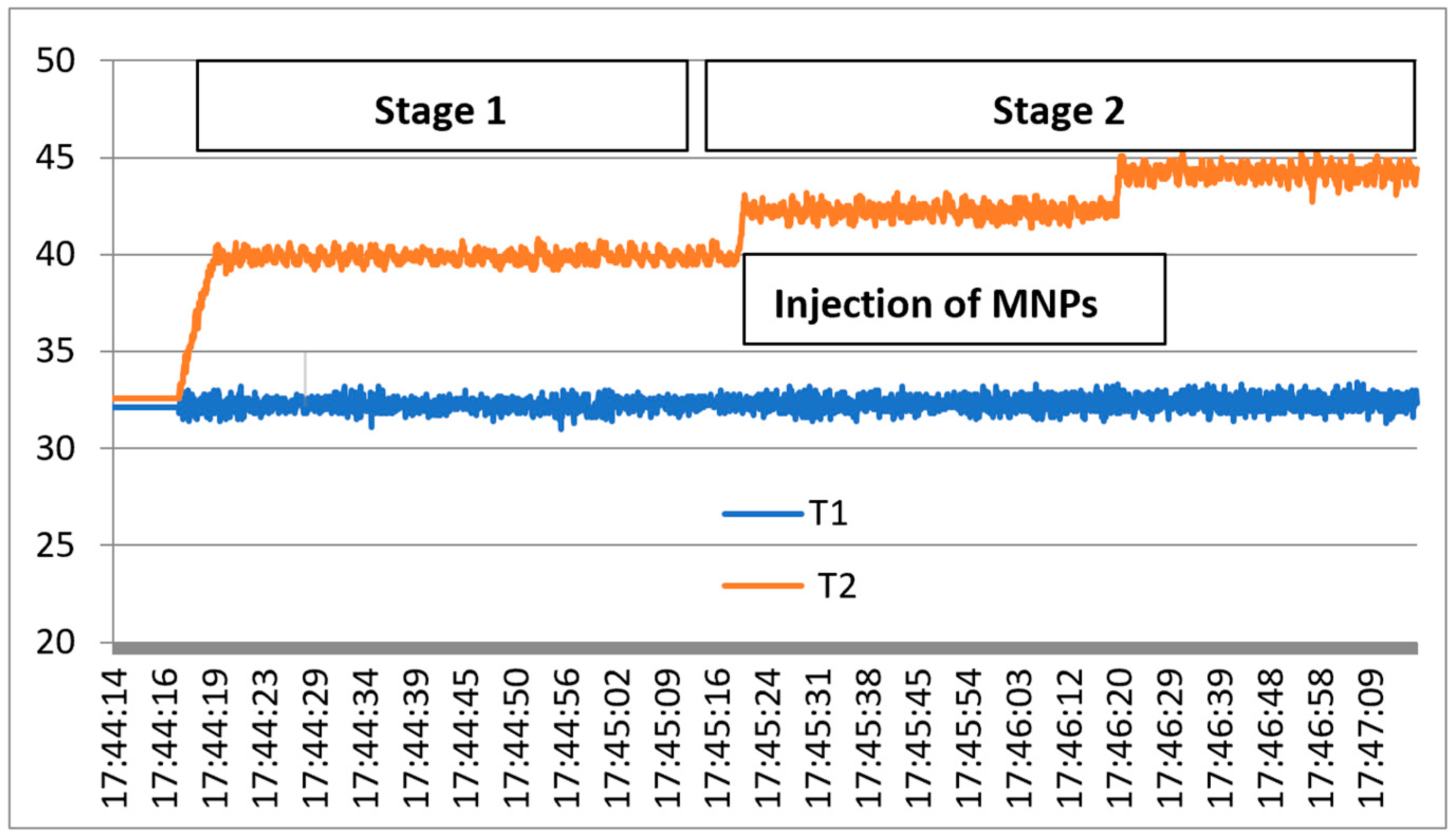
- The first batch included rats whose liver lobes were heated at 42 °C before MNPs;
- The second batch included rats whose liver lobes were heated at 42 °C, and subsequently nanoparticles were administered;
- The third batch studied rats whose liver lobes were heated at 45 °C, and subsequently, nanoparticles were administered.
2.6. Microscopy as the Main Technique for Tissue and Nanoparticle Examination
- No staining;
- Standard Hematoxylin staining, for nuclei;
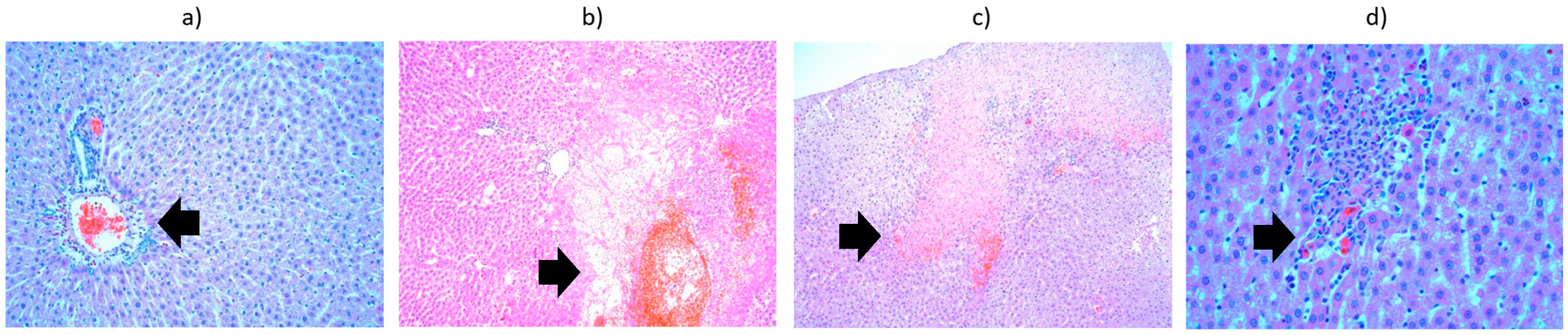
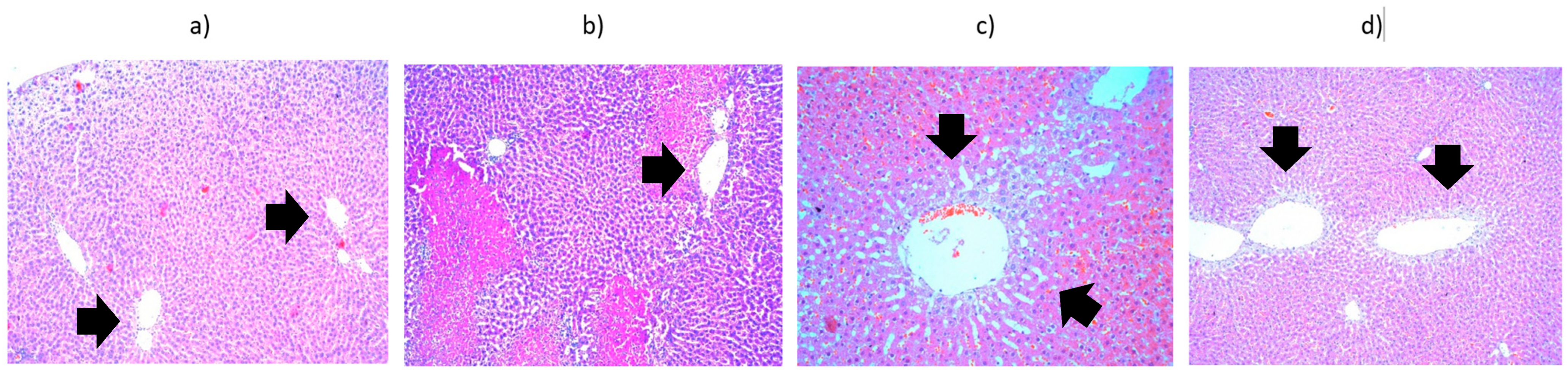
- Standard Hematoxylin-Eosin staining (for morphology); this serves to identify interferences in fluorescence between pigments (endogenous/marking) and the fluorochrome used for nanoparticles (Nile red).
- Excision pieces (rat liver) included in GSV1 medium and cryofixed with tetrafluoroethane—containing nanoparticles (RG502H and RGP) loaded with the Nile red fluorochrome;
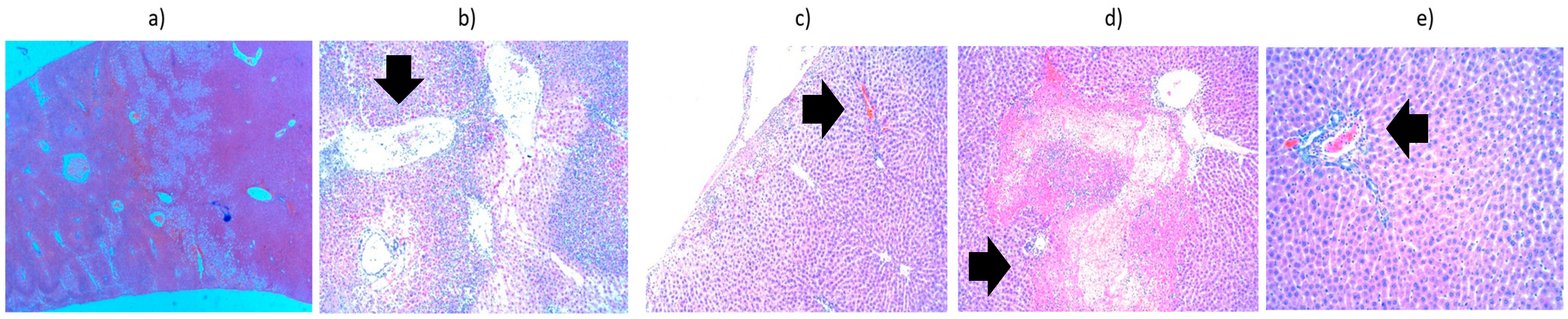
- Excision pieces (rat liver) fixed in 10% buffered formalin, embedded in paraffin (with processing according to the standard morphopathology protocol, including incubations in ethanol, isopropanol/amyl alcohol, paraffin at 56 °C, xylene)—containing nanoparticles loaded with magnetite (Fe3O4) and stained with Prussian blue (Perls stain);
- Deposits (on glass slides) of nanopowder loaded with Nile red, assumed to be stable (the slide-to-slide adhesion solutions used were either DPX or distilled water).
- Without staining—for fluorescence microscopy observation of the fluorochrome used for nanoparticles (Nile red);
- Standard Hematoxylin-Eosin staining (for morphology) and Prussian blue staining (Perls staining) for Fe3O4 examination.
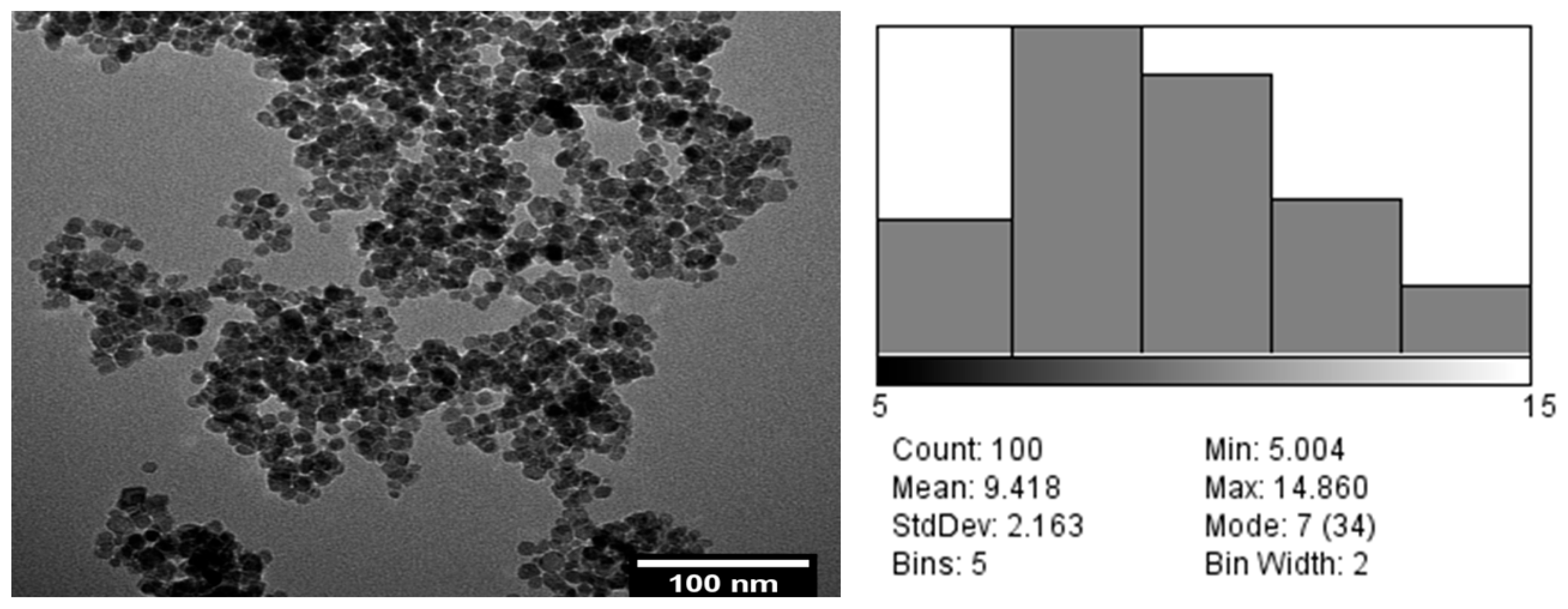
2.7. Design, Development, and Testing of Magnetic Nanoparticles
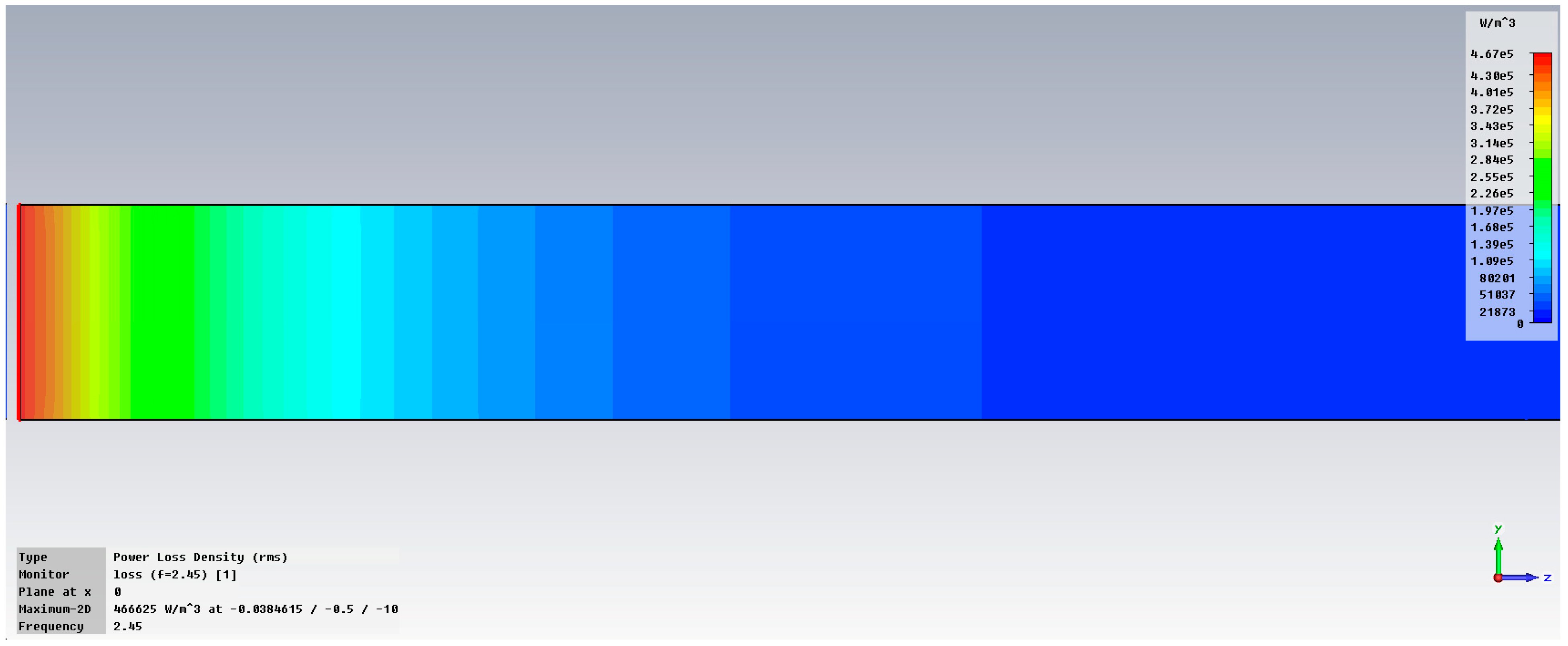
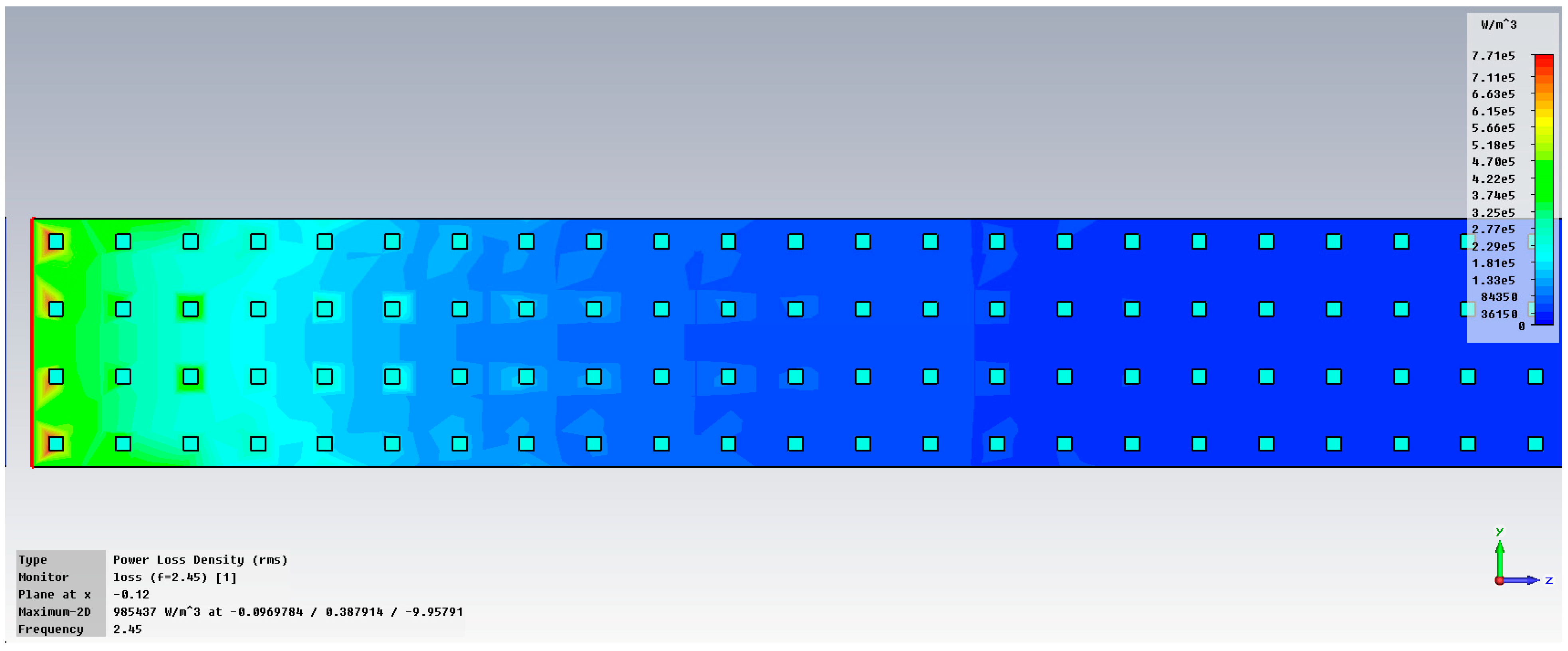
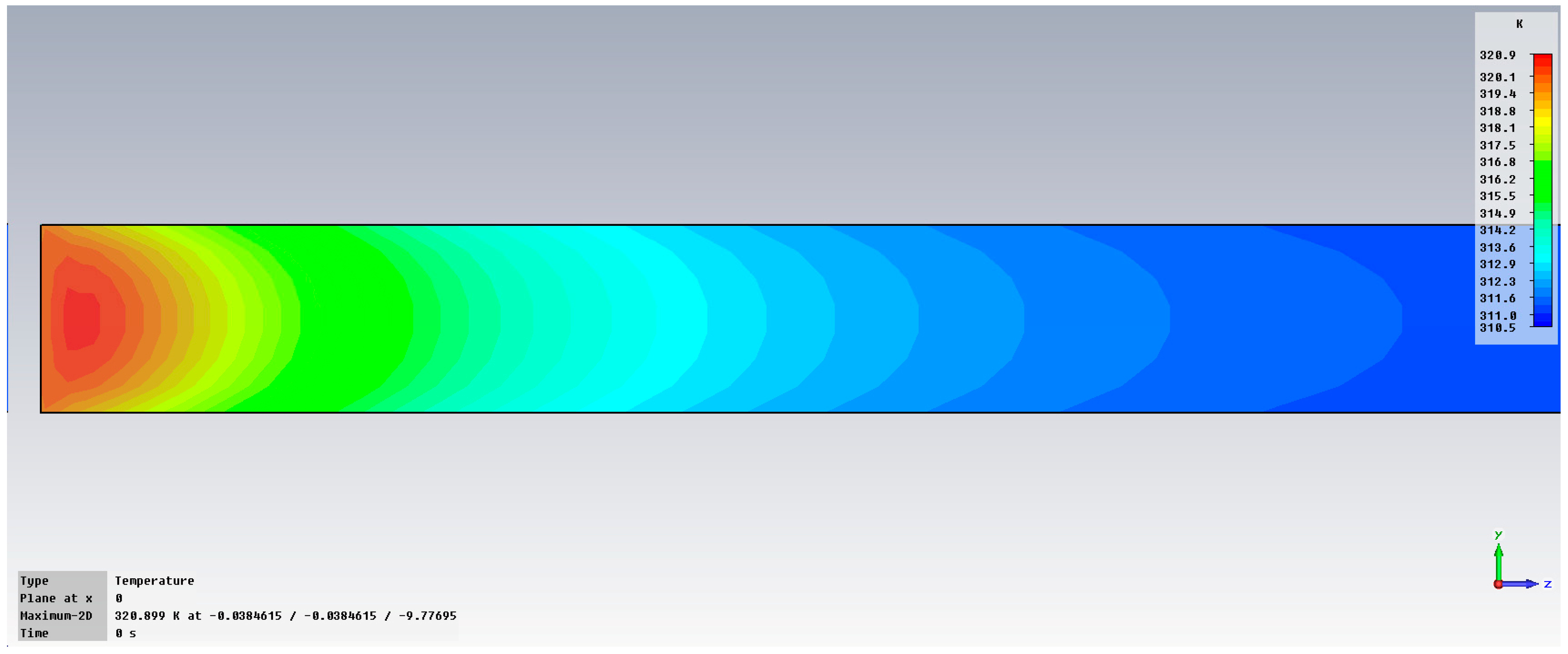
2.8. Aspects Related to Electromagnetic Simulation of Liver Tissue and Exposure to the Microwave Domain for Hyperthermia Effects Evaluation
2.9. Qualitative Determination of IL-6 and TNF-α by RT-PCR Technique
2.10. Ethical Consent
3. Results
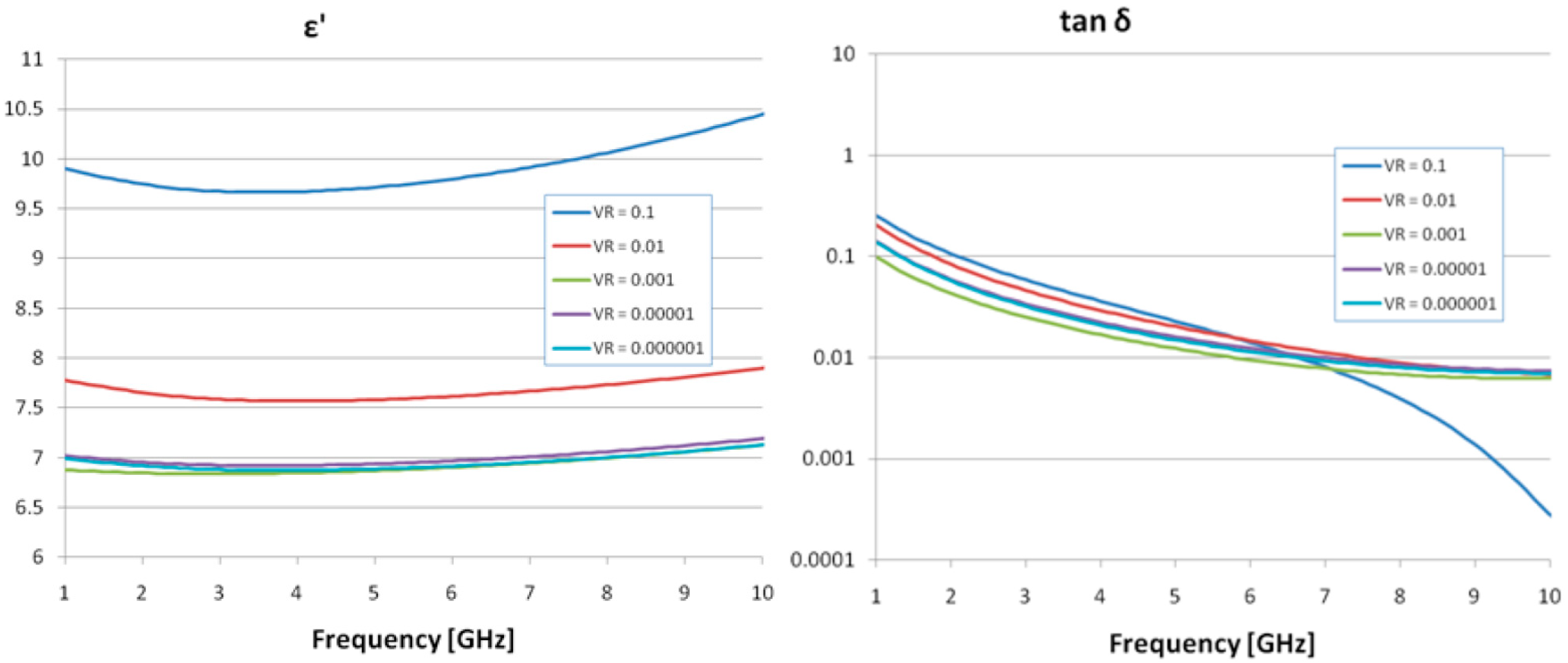
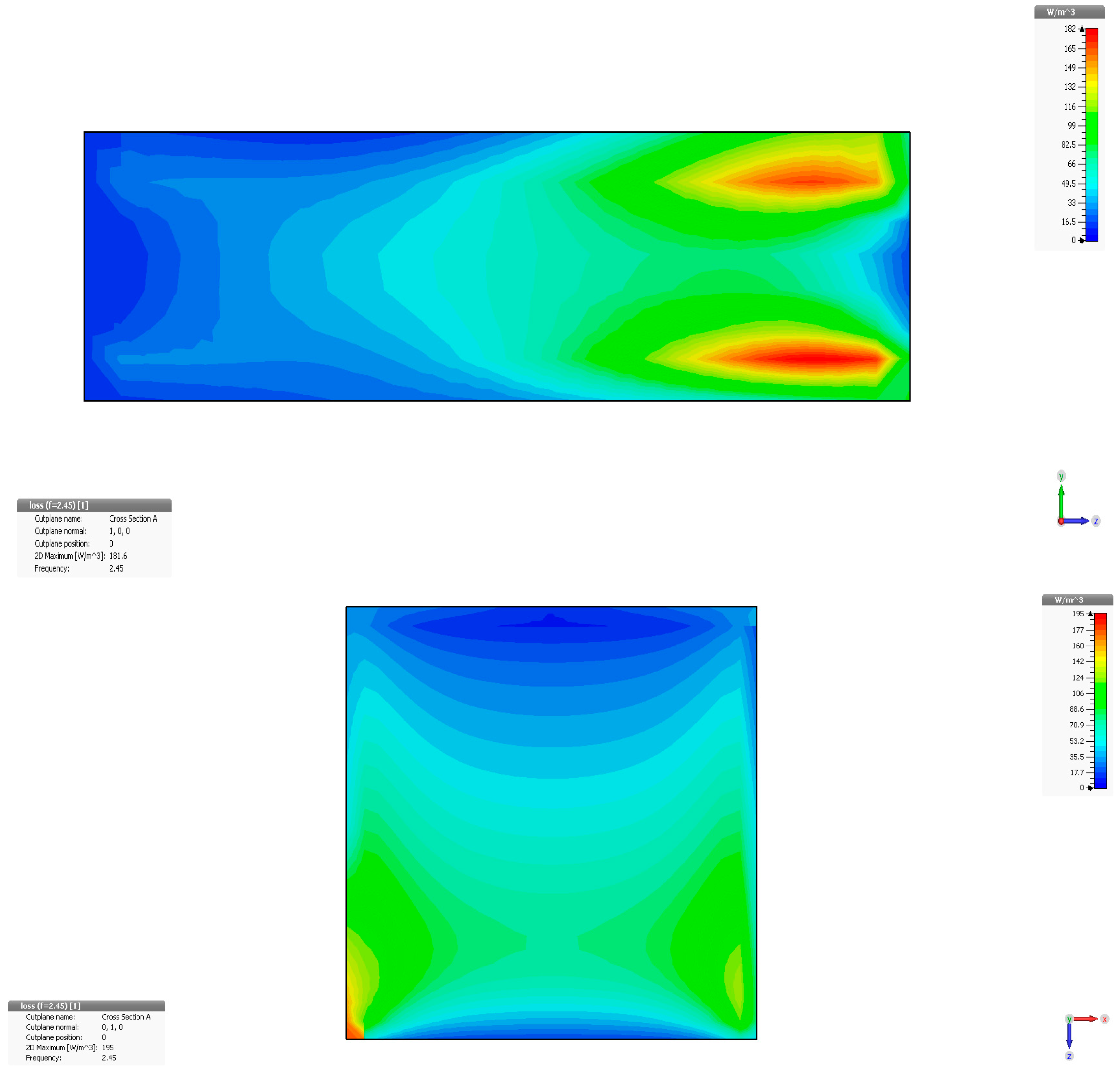
3.1. Simulation of Exposure of Liver Tissue to the Microwave Domain for Hyperthermia Effects Evaluation
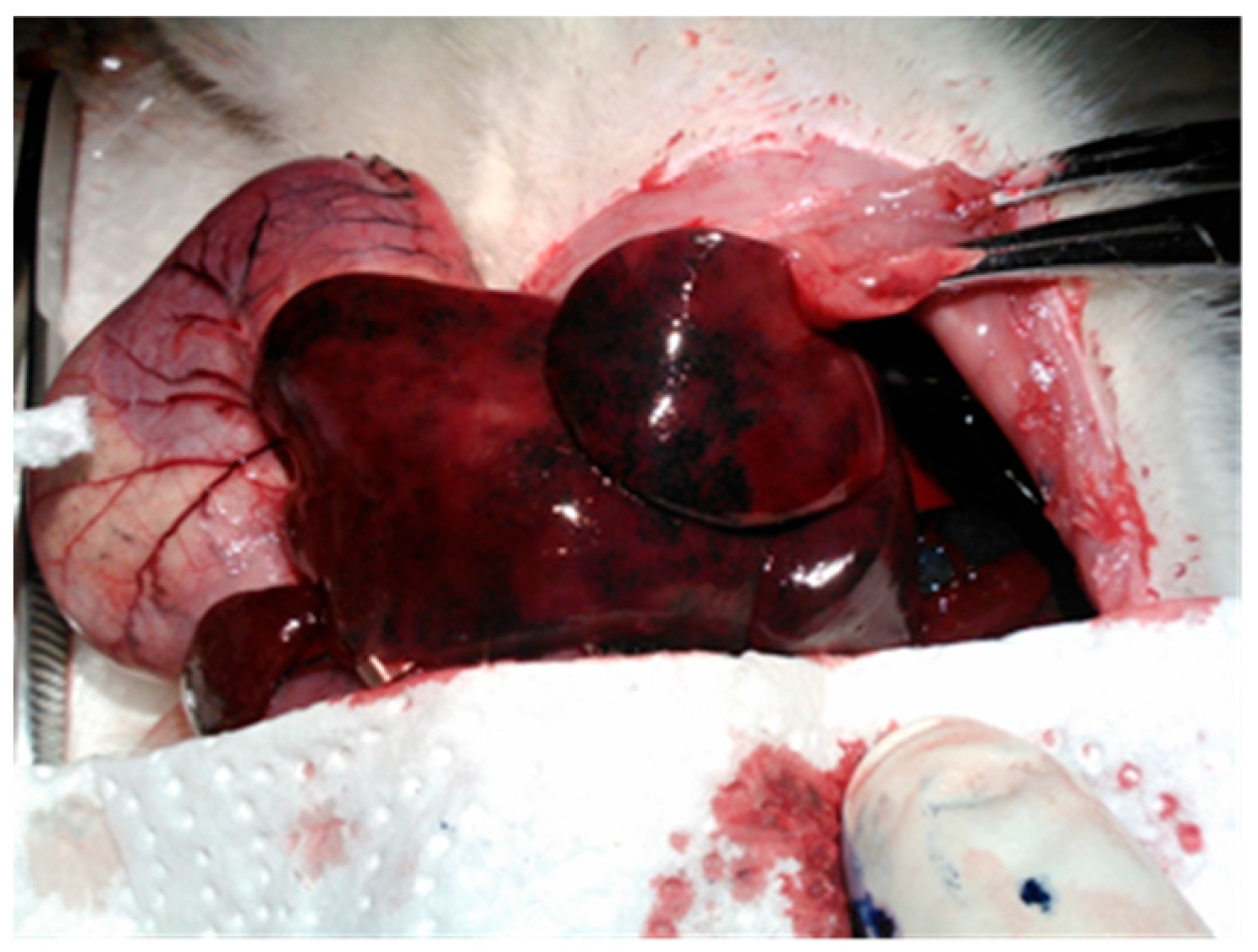
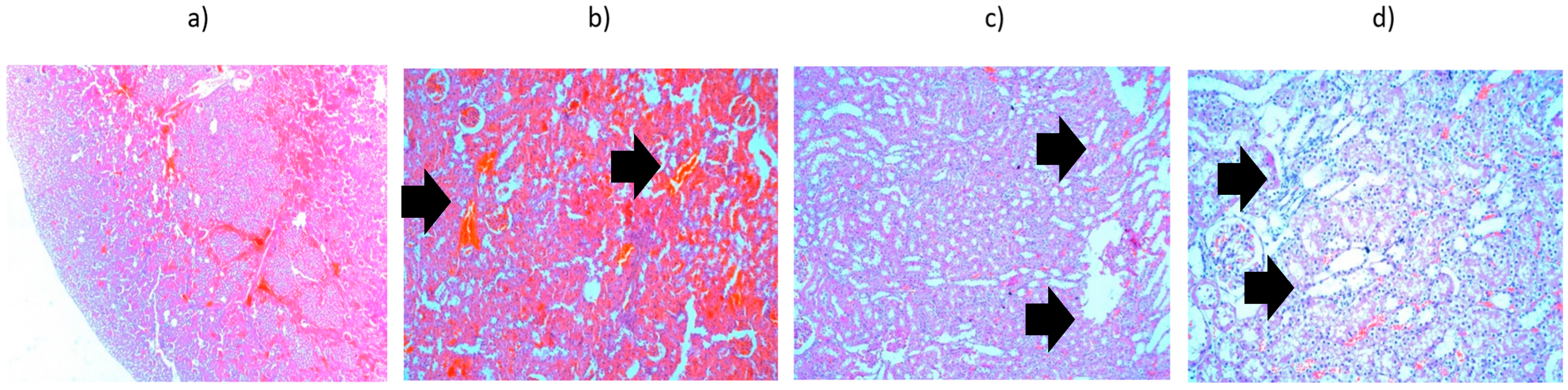
3.2. The Impact of Hyperthermia on the Tissue Samples
3.3. The Optimal Method for Tissue Preparation and Examination
4. Discussion
4.1. In Search of the Ideal Magnetic Nanoparticle for Two-Stage Microwave Hyperthermia
4.2. Determining the Optimal Two-Stage Microwave Hyperthermia Protocol
4.3. Translation to Clinical Research and Daily Clinical Use
5. Conclusions
Author Contributions
Funding
Institutional Review Board Statement
Informed Consent Statement
Data Availability Statement
Acknowledgments
Conflicts of Interest
References
- Li, Q.; Ding, C.; Cao, M.; Yang, F.; Yan, X.; He, S.; Cao, M.; Zhang, S.; Teng, Y.; Tan, N.; et al. Global epidemiology of liver cancer 2022: An emphasis on geographic disparities. Chin. Med. J. 2024, 137, 2334–2342. [Google Scholar] [CrossRef]
- Rumgay, H.; Arnold, M.; Ferlay, J.; Lesi, O.; Cabasag, C.J.; Vignat, J.; Laversanne, M.; McGlynn, K.A.; Soerjomataram, I. Global burden of primary liver cancer in 2020 and predictions to 2040. J. Hepatol. 2022, 77, 1598–1606. [Google Scholar] [CrossRef]
- Zou, H.; Li, M.; Lei, Q.; Luo, Z.; Xue, Y.; Yao, D.; Lai, Y.; Ung, C.O.L.; Hu, H. Economic Burden and Quality of Life of Hepatocellular Carcinoma in Greater China: A Systematic Review. Front. Public Health 2022, 10, 801981. [Google Scholar] [CrossRef]
- Mantziari, S.; St Amour, P.; Abboretti, F.; Teixeira-Farinha, H.; Gaspar Figueiredo, S.; Gronnier, C.; Schizas, D.; Demartines, N.; Schäfer, M. A Comprehensive Review of Prognostic Factors in Patients with Gastric Adenocarcinoma. Cancers 2023, 15, 1628. [Google Scholar] [CrossRef]
- Monroy, D.C.; Ibañez-Pinilla, M.; Sabogal, J.C.; Rey Chaves, C.; Isaza-Restrepo, A.; Girón, F.; Vanegas, M.; Ibañez-Villalba, R.; Mirow, L.; Siepmann, T. Survival Outcomes of Hepatectomy in Gastric Cancer Liver Metastasis: A Systematic Review and Meta-Analysis. J. Clin. Med. 2023, 12, 704. [Google Scholar] [CrossRef] [PubMed]
- Allaire, M.; Goumard, C.; Lim, C.; Le Cleach, A.; Wagner, M.; Scatton, O. New frontiers in liver resection for hepatocellular carcinoma. JHEP Rep. 2020, 2, 100134. [Google Scholar] [CrossRef]
- Rhim, H.; Lim, H.K. Radiofrequency ablation of hepatocellular carcinoma: Pros and cons. Gut Liver 2010, 4, S113–S118. [Google Scholar] [CrossRef] [PubMed]
- Barbier, C.E.; Heindryckx, F.; Lennernäs, H. Limitations and Possibilities of Transarterial Chemotherapeutic Treatment of Hepatocellular Carcinoma. Int. J. Mol. Sci. 2021, 22, 13051. [Google Scholar] [CrossRef]
- Ermi, A.G.; Sarkar, D. Resistance to Tyrosine Kinase Inhibitors in Hepatocellular Carcinoma (HCC): Clinical Implications and Potential Strategies to Overcome the Resistance. Cancers 2024, 16, 3944. [Google Scholar] [CrossRef]
- Noori, M.; Jafari-Raddani, F.; Davoodi-Moghaddam, Z.; Delshad, M.; Safiri, S.; Bashash, D. Immune checkpoint inhibitors in gastrointestinal malignancies: An Umbrella review. Cancer Cell Int. 2024, 24, 10. [Google Scholar] [CrossRef] [PubMed]
- Chen, Z.L.; Zhao, A.; Li, P.; Zhang, M.; Yang, J.; Zhang, L.; Zhao, X.; Yang, J.; Wang, L. Clinical use of trastuzumab combined with different chemotherapy regimens in multi-line treatment of advanced human epidermal growth factor receptor 2-positive gastric cancer: A case report. Oncol. Lett. 2018, 16, 4614–4620. [Google Scholar] [CrossRef]
- Crezee, J.; Franken, N.A.P.; Oei, A.L. Hyperthermia-Based Anti-Cancer Treatments. Cancers 2021, 13, 1240. [Google Scholar] [CrossRef]
- Kim, Y.S.; Lee, T.H.; O’Neill, B.E. Non-lethal heat treatment of cells results in reduction of tumor initiation and metastatic potential. Biochem. Biophys. Res. Commun. 2015, 464, 51–56. [Google Scholar] [CrossRef][Green Version]
- Behrouzkia, Z.; Joveini, Z.; Keshavarzi, B.; Eyvazzadeh, N.; Aghdam, R.Z. Hyperthermia: How Can It Be Used? Oman Med. J. 2016, 31, 89–97. [Google Scholar] [CrossRef]
- Palzer, J.; Eckstein, L.; Slabu, I.; Reisen, O.; Neumann, U.; Roeth, A. Iron Oxide Nanoparticle-Based Hyperthermia as a Treatment Option in Various Gastrointestinal Malignancies. Nanomaterials 2021, 11, 3013. [Google Scholar] [CrossRef]
- Baldea, I.; Iacoviță, C.; Gurgu, R.A.; Vizitiu, A.S.; Razniceanu, V.; Mitrea, D.R. Magnetic Hyperthermia with Iron Oxide Nanoparticles: From Toxicity Challenges to Cancer Applications. Nanomaterials 2025, 15, 1519. [Google Scholar] [CrossRef]
- Vassalo, M.; Martella, D.; Barrera, G.; Celegato, F.; Coïsson, M.; Ferrero, R.; Olivetti, E.S.; Troia, A.; Sözeri, H.; Parmeggiani, C.; et al. Improvement of Hyperthermia Properties of Iron Oxide Nanoparticles by Surface Coating. ACS Omega 2023, 8, 2143–2154. [Google Scholar] [CrossRef] [PubMed]
- Ghazi, R.; Ibrahim, T.K.; Nasir, J.A.; Gai, S.; Ali, G.; Boukhris, I.; Rehman, Z. Iron oxide based magnetic nanoparticles for hyperthermia, MRI and drug delivery applications: A review. RSC Adv. 2025, 15, 11587–11616. [Google Scholar] [CrossRef] [PubMed]
- Xiong, L.; Liang, B.; Yu, K. Magnetic hyperthermia in oncology: Nanomaterials-driven combinatorial strategies for synergistic therapeutic gains. Mater. Today Bio. 2025, 33, 102070. [Google Scholar] [CrossRef] [PubMed]
- Zhao, L.; Tan, L.; Wu, Q.; Fu, C.; Ren, X.; Ren, J.; Wang, Z.; Zhang, J.; Meng, X. A two-stage exacerbated hypoxia nanoengineering strategy induced amplifying activation of tirapazamine for microwave hyperthermia-chemotherapy of breast cancer. J. Colloid. Interface Sci. 2024, 659, 178–190. [Google Scholar] [CrossRef]
- Priester, M.I.; Curto, S.; Seynhaeve, A.L.B.; Perdomo, A.C.; Amin, M.; Agnass, P.; Salimibani, M.; Faridi, P.; Prakash, P.; van Rhoon, G.C.; et al. Preclinical Studies in Small Animals for Advanced Drug Delivery Using Hyperthermia and Intravital Microscopy. Cancers 2021, 13, 5146. [Google Scholar] [CrossRef]
- AVMA Panel on Euthanasia; American Veterinary Medical Association. 2000 Report of the AVMA Panel on Euthanasia. J. Am. Vet. Med. Assoc. 2001, 218, 669–696. [Google Scholar] [CrossRef]
- Chen, D.; Tang, Q.; Li, X.; Zhou, X.; Zang, J.; Xiang, J.-Y.; Guo, C.-Q.; Xue, W.-Q. Biocompatibility of magnetic Fe3O4 nanoparticles and their cytotoxic effect on MCF-7 cells. Int. J. Nanomed. 2012, 7, 4973–4982. [Google Scholar] [CrossRef]
- Fakhri, Z.; Karimi, N.; Saba, F.; Zhaleh, M. Biocompatibility of magnetic nanoparticles synthesized through green routed with a focus on hematological and histological analysis. Bioorganic Chem. 2023, 137, 106552. [Google Scholar] [CrossRef]
- Eldeeb, B.A.; El-Rahee, W.M.A.; Elbeltagi, S. Green synthesis of biocompatible Fe3O4 magnetic nanoparticles using Citrus Sinensis peels extract for their biological activities and magnetic-hyperthermia applications. Sci. Rep. 2023, 13, 19000. [Google Scholar] [CrossRef]
- Ciobanu, R.; Schreiner, C. Dielectric spectroscopy of biological tissues with targeted Fe2O3 drug delivery systems in support of RF/MW-hyperthermal control. In Proceedings of the 2014 IEEE International Symposium on Medical Measurements and Applications (MeMeA), Lisboa, Portugal, 11–12 June 2014; pp. 1–4. [Google Scholar] [CrossRef]
- Compilation of the Dielectric Properties of Body Tissues at Rf and Microwave Frequencies, Institute for Applied Physics, Florence, Italy. Available online: https://niremf.ifac.cnr.it/docs/DIELECTRIC/Report.html (accessed on 5 November 2025).
- Miklavčič, D.; Pavšelj, N.; Hart, F. Electric Properties of Tissues. In Wiley Encyclopedia of Biomedical Engineering; John Wiley & Sons: Hoboken, NJ, USA, 2006. [Google Scholar]
- Peyman, A. Dielectric properties of tissues; variation with age and their relevance in exposure of children to electromagnetic fields; state of knowledge. Prog. Biophys. Mol. Biol. 2011, 107, 434–438. [Google Scholar] [CrossRef] [PubMed]
- Gabriel, S.; Lau, R.W.; Gabriel, C. The dielectric properties of biological tissues: III. Parametric models for the dielectric spectrum of tissues. Phys. Med. Biol. 1996, 41, 2271–2293. [Google Scholar] [CrossRef] [PubMed]
- CST Studio Suite Software. Available online: https://www.3ds.com/products/simulia/electromagnetic-simulation (accessed on 5 November 2025).
- Ciobanu, R.; Damian, R.F.; Schreiner, C.M.; Aradoaei, M.; Sover, A.; Raichur, A.M. Simulation of Dielectric Properties of Nanocomposites with Non-Uniform Filler Distribution. Polymers 2023, 15, 1636. [Google Scholar] [CrossRef]
- Ciobanu, R.; Villalba, J.B.; Schreiner, T.; Tamba, B. Thermal Simulation of Biological Tissues with Magnetite Microinsertions Under Microwave Energy in Support of Chemo-Hyperthermal Delivery. In Proceedings of the 20th IMEKO TC4 International Symposium and 18th International Workshop on ADC Modelling and Testing, Benevento, Italy, 15–17 September 2014; Available online: https://www.imeko.org/publications/tc4-2014/IMEKO-TC4-2014-320.pdf (accessed on 5 November 2025).
- Tudorancea, I.; Porumb, V.; Trandabăţ, A.; Neaga, D.; Tamba, B.; Iliescu, R.; Dimofte, G.M. New experimental model for single liver lobe hyperthermia in small animals using non-directional microwaves. PLoS ONE 2017, 12, e0184810. [Google Scholar] [CrossRef] [PubMed]
- Fakhradini, S.; Mosharaf-Dehkordi, M.; Ahmadikia, H. Enhancing liver cancer treatment: Exploring the frequency effects of magnetic nanoparticles for heat-based tumor therapy with microwaves. Int. J. Therm. Sci. 2024, 203, 109154. [Google Scholar] [CrossRef]
- Minbashi, M.; Kordbacheh, A.A.; Ghobadi, A.; Tuchin, V.V. Optimization of power used in liver cancer microwave therapy by injection of Magnetic Nanoparticles (MNPs). Comput. Biol. Med. 2020, 120, 103741. [Google Scholar] [CrossRef]
- Fakhradini, S.; Mosharaf-Dehkordi, M.; Ahmadikia, H. A numerical study on optimization of microwave antenna power for liver cancer therapy enhanced with hybrid magnetic nanoparticles. J. Therm. Biol. 2025, 129, 104117. [Google Scholar] [CrossRef]
- Singh, S.; Singh, S.P.; Singh, S.P. External microwave applicators for hyperthermia therapy: A review. Discov. Appl. Sci. 2025, 7, 198. [Google Scholar] [CrossRef]
- Ciobanu, R.; Damian, R.; Schreiner, T.; Iliescu, R. A LabVIEW based data acquisition system for temperature measurement of animal liver tissue with different procentage of magnetic insertions in microwave frequency range. In Proceedings of the 2014 IEEE International Conference and Exposition on Electrical and Power Engineering (EPE), Iasi, Romania, 16–18 October 2014. [Google Scholar] [CrossRef]
- Zhong, J.; Liu, W.; Du, Z.; de Morais, P.C.; Xiang, Q.; Xie, Q. A noninvasive, remote and precise method for temperature and concentration estimation using magnetic nanoparticles. Nanotechnology 2012, 23, 075703. [Google Scholar] [CrossRef]
- Zhong, J.; Liu, W.; Jiang, L.; Yang, M.; Morais, P.C. Real-time magnetic nanothermometry: The use of magnetization of magnetic nanoparticles assessed under low frequency triangle-wave magnetic fields. Rev. Sci. Instrum. 2014, 85, 094905. [Google Scholar] [CrossRef] [PubMed]
- Noh, I.C.; Avoi, R.; Nurul, A.A.; Ahmad, I.; Bakar, R.A. Analysis of serum and gene expression profile of cytokines (IL-6, TNF-α and TGF-β1) in chronic hepatitis C virus infection. PeerJ 2022, 10, e13330. [Google Scholar] [CrossRef]
- Andronenko, S.I.; Nikolaev, A.M.; Suharzhevsky, S.M.; Sinelnikov, A.A.; Kovalenko, A.S.; Ivanova, A.G.; Shilova, O.A. Phase Composition and Magnetic Properties of Nanoparticles with Magnetite–Maghemite Structure. Ceramics 2023, 6, 1623–1631. [Google Scholar] [CrossRef]
- Sajanlal, P.R.; Sreeprasad, T.S.; Samal, A.K.; Pradeep, T. Anisotropic nanomaterials: Structure, growth, assembly, and functions. Nano Rev. 2011, 2, 5883. [Google Scholar] [CrossRef] [PubMed]
- Moser, B.A.; Steinhardt, R.C.; Esser-Kahn, A.P. Surface Coating of Nanoparticles Reduces Background Inflammatory Activity while Increasing Particle Uptake and Delivery. ACS Biomater. Sci. Eng. 2017, 3, 206–213. [Google Scholar] [CrossRef] [PubMed]
- Horne, J.; Beckers, P.; Sacré, P.-Y.; De Bleye, C.; Francotte, P.; Thelen, N.; Hubert, P.; Ziemons, E.; Hubert, C. Optimisation of a Microwave Synthesis of Silver Nanoparticles by a Quality by Design Approach to Improve SERS Analytical Performances. Molecules 2024, 29, 3442. [Google Scholar] [CrossRef]
- Scutigliani, E.M.; Liang, Y.; Crezee, H.; Kanaar, R.; Krawczyk, P.M. Modulating the Heat Stress Response to Improve Hyperthermia-Based Anticancer Treatments. Cancers 2021, 13, 1243. [Google Scholar] [CrossRef]
- Bottiglieri, A.; Sheth, R.A.; Prakash, P. A Computational Modeling Approach to Investigate the Influence of Hyperthermia on the Tumor Microenvironment. J. Vis. Exp. 2023, 2023, e65870. [Google Scholar] [CrossRef]
- Fortunato, S.; Lasorella, C.; Dipierro, N.; Vita, F.; de Pinto, M.C. Redox Signaling in Plant Heat Stress Response. Antioxidants 2023, 12, 605. [Google Scholar] [CrossRef]
- Nagai, M.; Kaji, H. Thermal Effect on Heat Shock Protein 70 Family to Prevent Atherosclerotic Cardiovascular Disease. Biomolecules 2023, 13, 867. [Google Scholar] [CrossRef]
- Oei, A.L.; Vriend, L.E.; Crezee, J.; Franken, N.A.; Krawczyk, P.M. Effects of hyperthermia on DNA repair pathways: One treatment to inhibit them all. Radiat. Oncol. 2015, 10, 165. [Google Scholar] [CrossRef] [PubMed]
- Pawlik, A.; Nowak, J.M.; Grzanka, D.; Gackowska, L.; Michalkiewicz, J.; Grzanka, A. Hyperthermia induces cytoskeletal alterations and mitotic catastrophe in p53-deficient H1299 lung cancer cells. Acta Histochem. 2013, 115, 8–15. [Google Scholar] [CrossRef] [PubMed]
- Yi, G.Y.; Kim, M.J.; Kim, H.I.; Park, J.; Baek, S.H. Hyperthermia Treatment as a Promising Anti-Cancer Strategy: Therapeutic Targets, Perspective Mechanisms and Synergistic Combinations in Experimental Approaches. Antioxidants 2022, 11, 625. [Google Scholar] [CrossRef] [PubMed]
- Goliaei, B.; Rafiei, M.; Soheili, Z. Effects of hyperthermia on the differentiation and growth of K562 erythroleukemic cell line. Leuk. Res. 2004, 28, 1323–1328. [Google Scholar] [CrossRef]
- Liu, X.; Zhang, Y.; Wang, Y.; Zhu, W.; Li, G.; Ma, X.; Zhang, Y.; Chen, S.; Tiwari, S.; Shi, K.; et al. Comprehensive understanding of magnetic hyperthermia for improving antitumor therapeutic efficacy. Theranostics 2020, 10, 3793–3815. [Google Scholar] [CrossRef]
- Eltigani, F.; Ahmed, S.; Yahya, M.; Ahmed, M. Modeling of interstitial microwave hyperthermia for hepatic tumors using floating sleeve antenna. Phys. Eng. Sci. Med. 2022, 45, 569–575. [Google Scholar] [CrossRef] [PubMed]
- Poon, R.T.; Borys, N. Lyso-thermosensitive liposomal doxorubicin: A novel approach to enhance efficacy of thermal ablation of liver cancer. Expert. Opin. Pharmacother. 2009, 10, 333–343. [Google Scholar] [CrossRef] [PubMed]
- Liu, F.; Liang, P.; Yu, X.; Lu, T.; Cheng, Z.; Lei, C.; Han, Z. A three-dimensional visualisation preoperative treatment planning system in microwave ablation for liver cancer: A preliminary clinical application. Int. J. Hyperth. 2013, 29, 671–677. [Google Scholar] [CrossRef] [PubMed]
- Pucci, C.; Degl’Innocenti, A.; Gümüş, M.B.; Ciofani, G. Superparamagnetic iron oxide nanoparticles for magnetic hyperthermia: Recent advancements, molecular effects, and future directions in the omics era. Biomater. Sci. 2022, 10, 2103–2121. [Google Scholar] [CrossRef]
- Li, Z.; Li, Q.; Wang, X.; Chen, W.; Jin, X.; Liu, X.; Ye, F.; Dai, Z.; Zheng, X.; Li, P.; et al. Hyperthermia ablation combined with transarterial chemoembolization versus monotherapy for hepatocellular carcinoma: A systematic review and meta-analysis. Cancer Med. 2021, 10, 8432–8450. [Google Scholar] [CrossRef] [PubMed]





Disclaimer/Publisher’s Note: The statements, opinions and data contained in all publications are solely those of the individual author(s) and contributor(s) and not of MDPI and/or the editor(s). MDPI and/or the editor(s) disclaim responsibility for any injury to people or property resulting from any ideas, methods, instructions or products referred to in the content. |
© 2026 by the authors. Licensee MDPI, Basel, Switzerland. This article is an open access article distributed under the terms and conditions of the Creative Commons Attribution (CC BY) license.
Share and Cite
Schreiner, O.D.; Schreiner, T.G.; Miron, L.; Ciobanu, R.C. Two-Stage Microwave Hyperthermia Using Magnetic Nanoparticles for Optimal Chemotherapy Activation in Liver Cancer: Concept and Preliminary Tests on Wistar Rat Model. Cancers 2026, 18, 330. https://doi.org/10.3390/cancers18020330
Schreiner OD, Schreiner TG, Miron L, Ciobanu RC. Two-Stage Microwave Hyperthermia Using Magnetic Nanoparticles for Optimal Chemotherapy Activation in Liver Cancer: Concept and Preliminary Tests on Wistar Rat Model. Cancers. 2026; 18(2):330. https://doi.org/10.3390/cancers18020330
Chicago/Turabian StyleSchreiner, Oliver Daniel, Thomas Gabriel Schreiner, Lucian Miron, and Romeo Cristian Ciobanu. 2026. "Two-Stage Microwave Hyperthermia Using Magnetic Nanoparticles for Optimal Chemotherapy Activation in Liver Cancer: Concept and Preliminary Tests on Wistar Rat Model" Cancers 18, no. 2: 330. https://doi.org/10.3390/cancers18020330
APA StyleSchreiner, O. D., Schreiner, T. G., Miron, L., & Ciobanu, R. C. (2026). Two-Stage Microwave Hyperthermia Using Magnetic Nanoparticles for Optimal Chemotherapy Activation in Liver Cancer: Concept and Preliminary Tests on Wistar Rat Model. Cancers, 18(2), 330. https://doi.org/10.3390/cancers18020330