
Evaluating Tumor Tissue Modified Viral (TTMV)-HPV DNA for the Early Detection of Anal Squamous Cell Carcinoma Recurrence
by
 , , , , , , and
Rafi Kabarriti
1,†, 
Shane Lloyd
2,*,†,
James Jabalee
3,
Catherine Del Vecchio Fitz
3,
Randa Tao
2,
Tyler Slater
2,
Corbin Jacobs
4,
Sean Inocencio
4,
Michael Rutenberg
5,
Chance Matthiesen
6,
Kasha Neff
6,
Gene-Fu Liu
7,
Tiffany M. Juarez
7 and
Stanley L. Liauw
8 1
Montefiore Medical Center, Bronx, NY 10467, USA
2
Department of Radiation Oncology, University of Utah School of Medicine, Salt Lake City, UT 84113, USA
3
Naveris, Inc., Waltham, MA 02451, USA
4
Cancer Care Northwest, Spokane Valley, WA 99216, USA
5
Department of Radiation Oncology, Mayo Clinic, Jacksonville, FL 32224, USA
6
Freeman Radiation Oncology, Joplin, MO 64804, USA
7
Providence Mission Hospital, Mission Viejo, CA 92691, USA
8
Department of Radiation and Cellular Oncology, University of Chicago, Chicago, IL 60637, USA
*
Author to whom correspondence should be addressed.
†
These authors contributed equally to this work.
Cancers 2025, 17(2), 174; https://doi.org/10.3390/cancers17020174
Submission received: 6 December 2024
/
Revised: 2 January 2025
/
Accepted: 4 January 2025
/
Published: 8 January 2025
(This article belongs to the Section Cancer Biomarkers)
Simple Summary
Anal squamous cell carcinoma (ASCC) is a rare cancer that is often driven by human papillomavirus and is increasing in incidence. Recurrence occurs in up to 30% of patients, making effective post-treatment surveillance both critical and challenging due to the limitations of clinical examination, anoscopy, and imaging. The release of fragmented tumor-associated viral DNA into the bloodstream provides a unique biomarker to aid in the diagnosis and surveillance of ASCC. This study evaluates circulating tumor tissue modified viral (TTMV)-HPV DNA in patients treated for HPV-driven ASCC. The findings demonstrate its utility in detecting patients with minimal residual, recurrent, and distant metastatic disease earlier than clinical and imaging approaches, providing insight into treatment response and resolving ambiguous clinical and imaging findings. By addressing gaps in traditional surveillance methods, TTMV-HPV DNA testing has the potential to improve outcomes for patients with ASCC.
Abstract
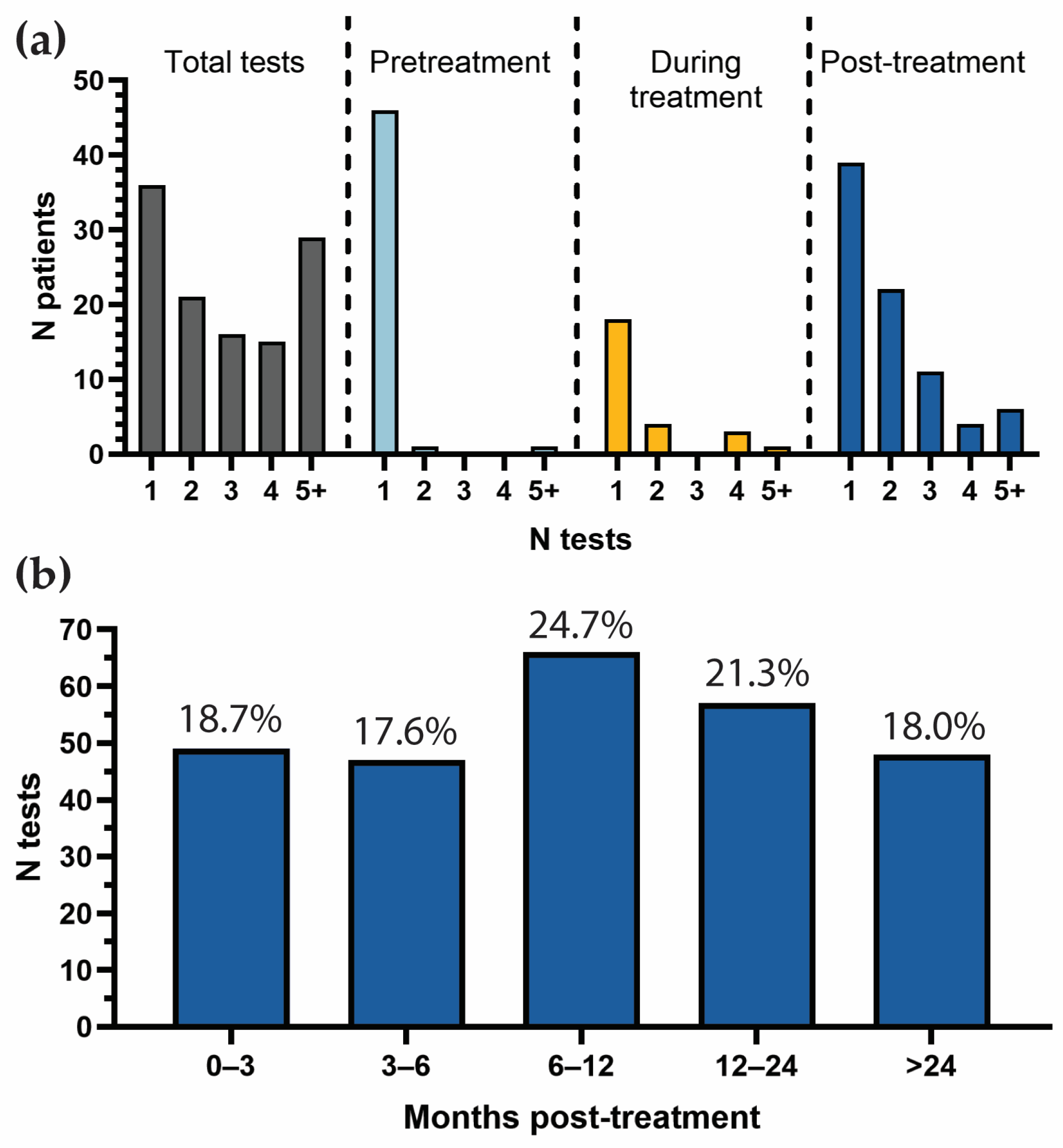
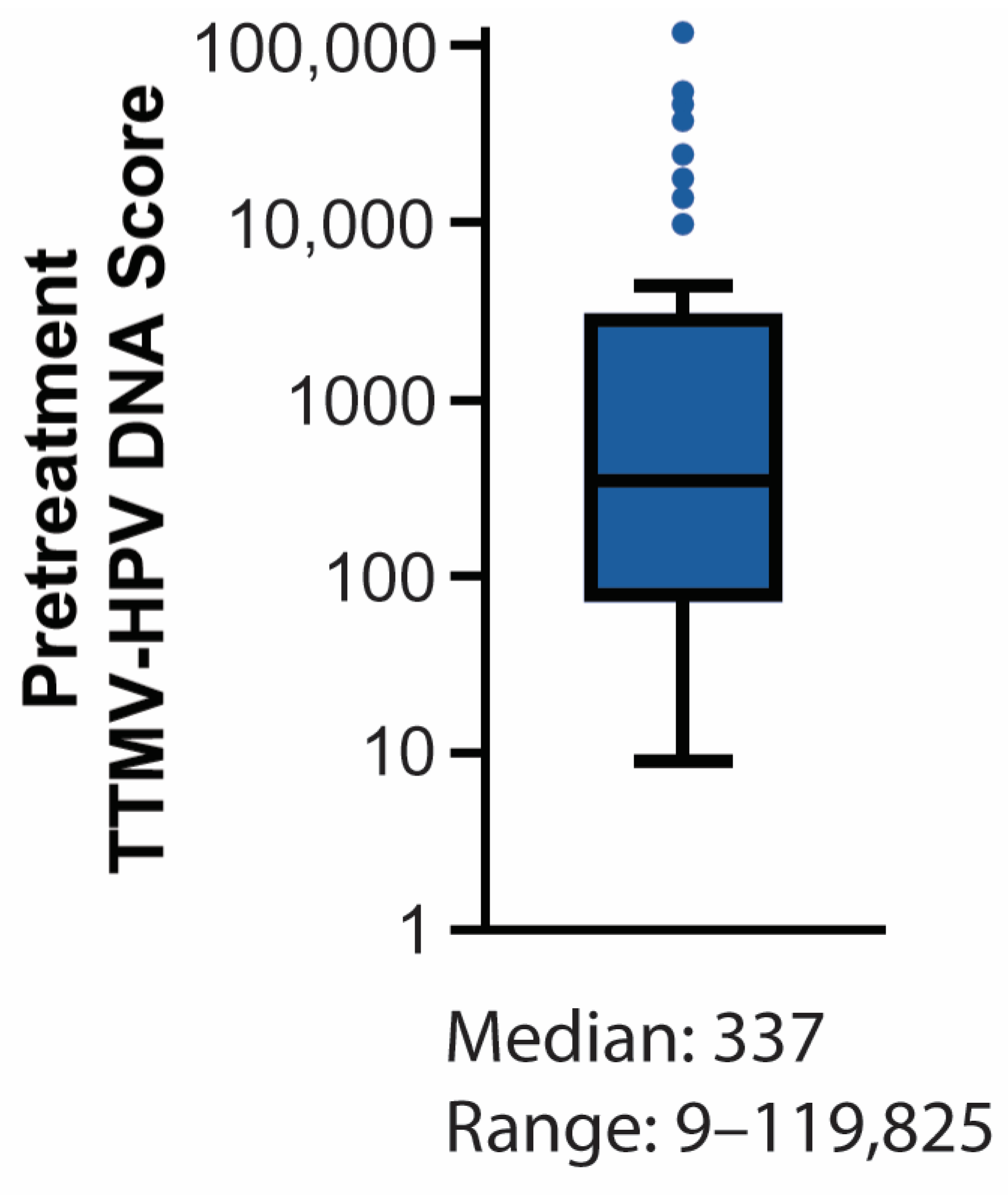
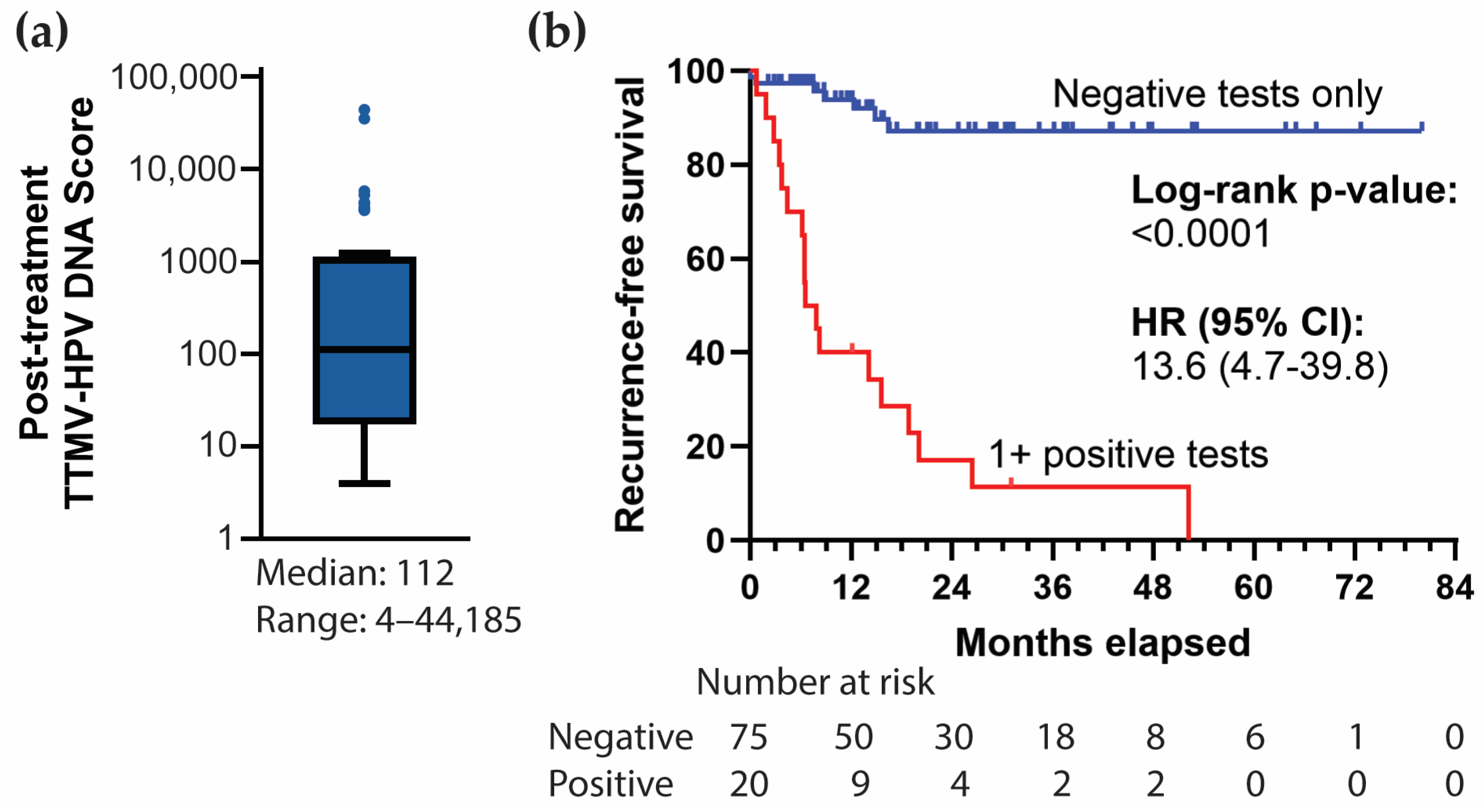
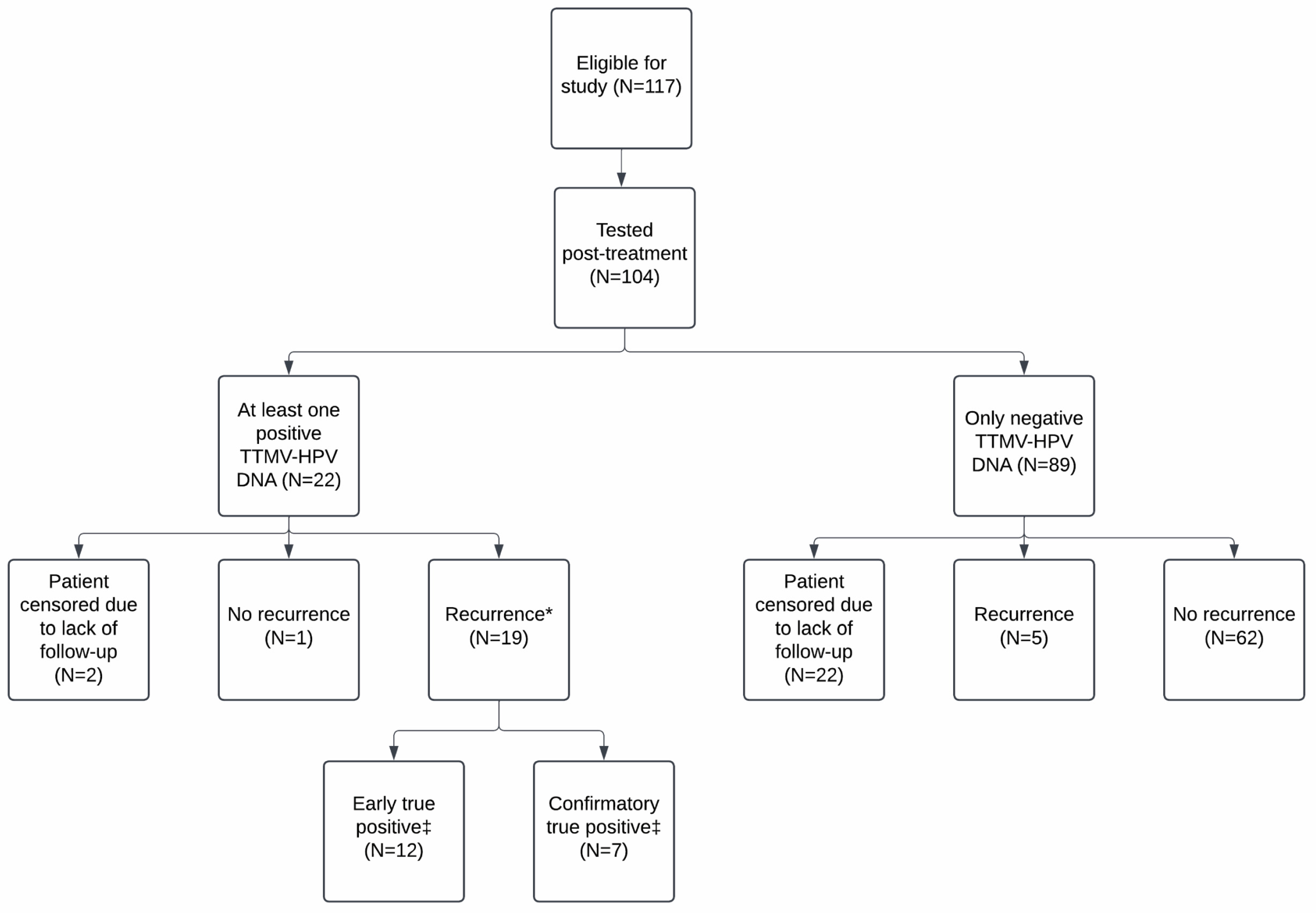
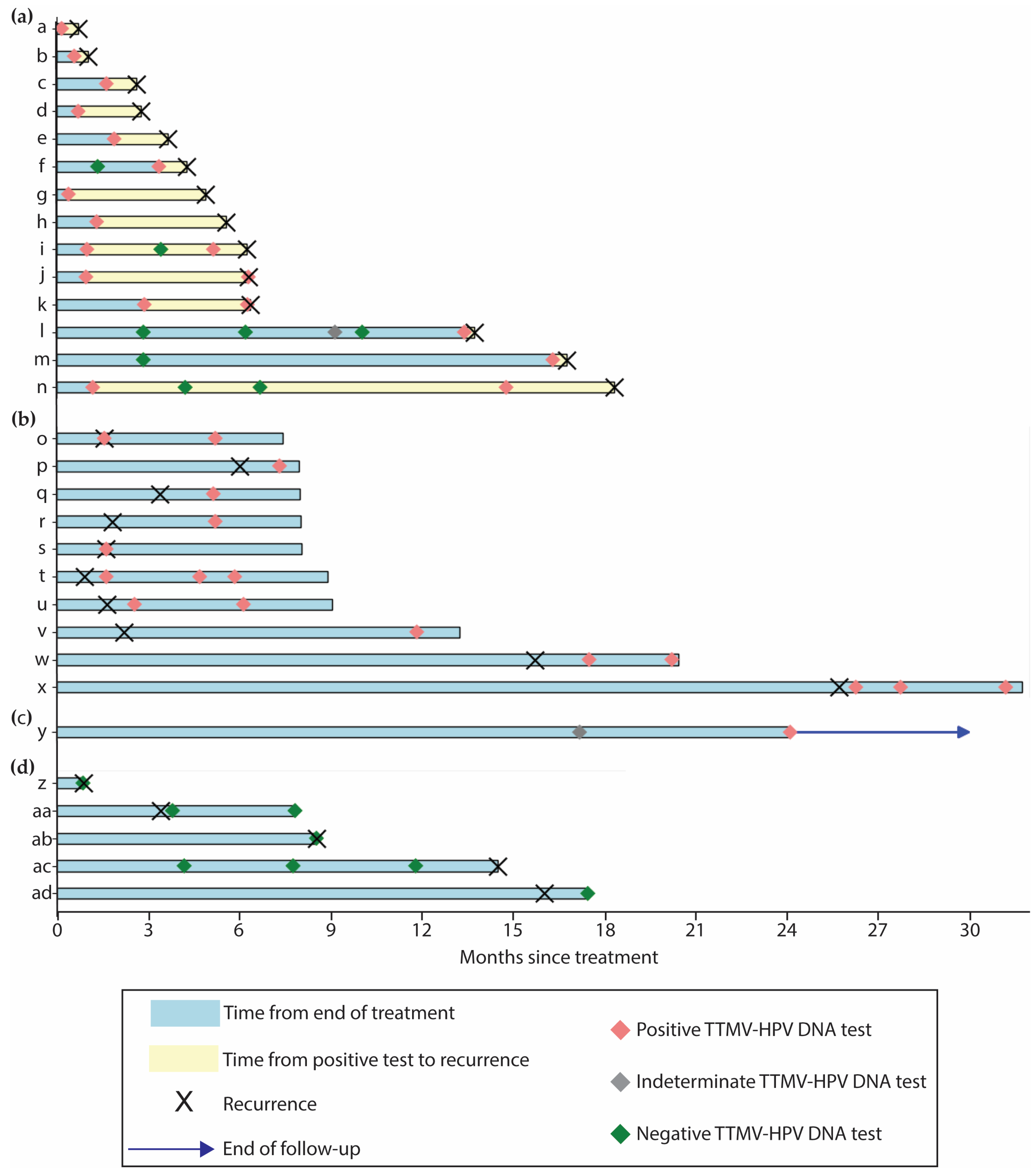
Background: The incidence and mortality of anal squamous cell carcinoma (ASCC) are rising, with greater than 80% of cases linked to human papillomavirus (HPV), primarily HPV16. Post-treatment surveillance can be challenging due to the limitations of anoscopy, digital anal rectal exam (DARE), and imaging. Plasma tumor tissue modified viral (TTMV)-HPV DNA has shown strong sensitivity, specificity, and predictive value in detecting the recurrence of HPV-driven oropharyngeal cancer. Here, we investigate the ability of TTMV-HPV DNA for the early recurrence detection of ASCC. Methods: This retrospective clinical case series included 117 patients with HPV-driven ASCC across 7 U.S. centers, monitored with TTMV-HPV DNA during routine clinical care between March 2020 and June 2024. Physician-reported clinical data and biomarker testing data were combined to create a comprehensive, longitudinal dataset for evaluating test performance metrics. Results: Patients had a median age of 63 years and median post-diagnosis follow-up of 19 months. HPV status was primarily confirmed by TTMV-HPV DNA (52%) or p16 immunohistochemistry (39%). Of those tested for TTMV-HPV DNA pretreatment, 85% had a positive result. TTMV-HPV DNA clearance during or within three months post-treatment was associated with significantly better recurrence-free survival. The per-patient surveillance sensitivity, specificity, positive predictive value (PPV), and negative predictive value (NPV) were 82.8%, 98.4%, 96.0%, and 92.5%. Of 24 patients with a documented recurrence and a positive TTMV-HPV DNA test, the test was the first evidence of recurrence in 14 patients (58.3%), with a median lead time of 59 days (range: 10–536). TTMV-HPV DNA accurately resolved 94.3% of cases with indeterminate clinical findings. Conclusions: TTMV-HPV DNA testing provides a sensitive and specific approach for detecting patients with recurrent ASCC and resolving the status of patients with indeterminate clinical findings.
Keywords:
anal cancer; TTMV-HPV DNA; cancer recurrence