Article

Design and Implementation of a Lightweight and Energy-Efficient Semantic Segmentation Accelerator for Embedded Platforms


School of Integrated Circuits, Southeast University, Nanjing 211189, China
*
Author to whom correspondence should be addressed.
Micromachines 2025, 16(3), 258; https://doi.org/10.3390/mi16030258
Submission received: 19 January 2025 / Revised: 18 February 2025 / Accepted: 23 February 2025 / Published: 25 February 2025

Abstract

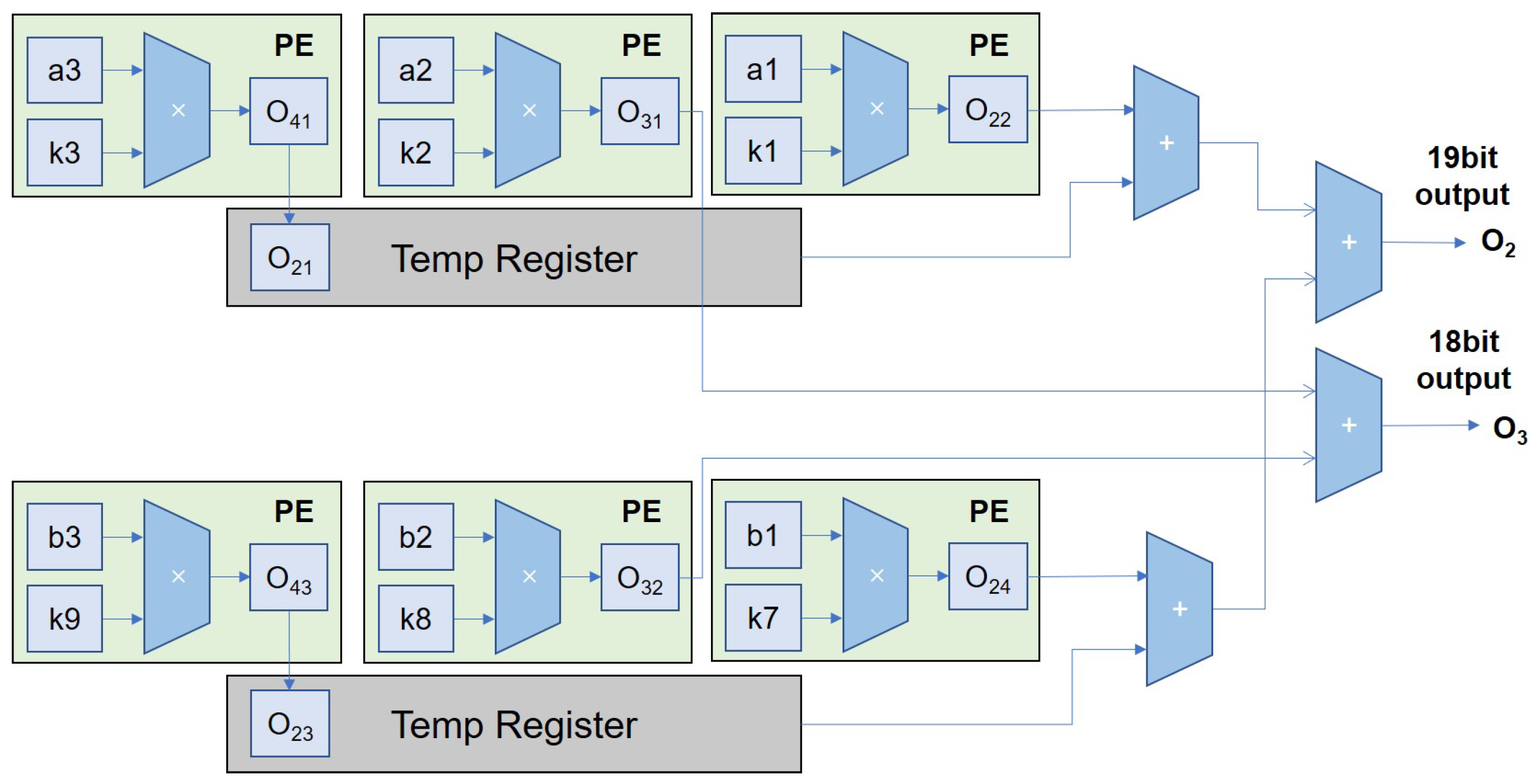
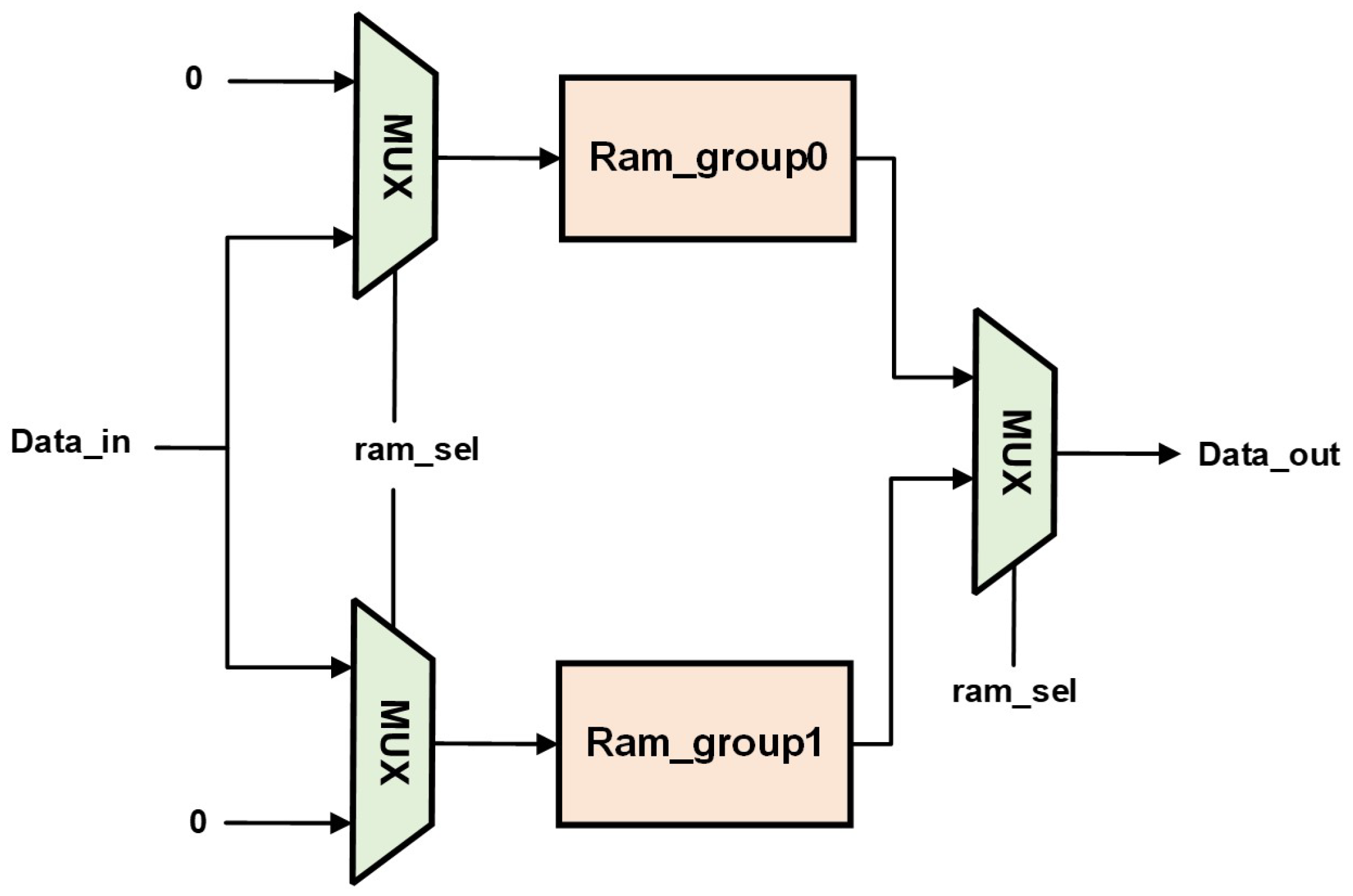
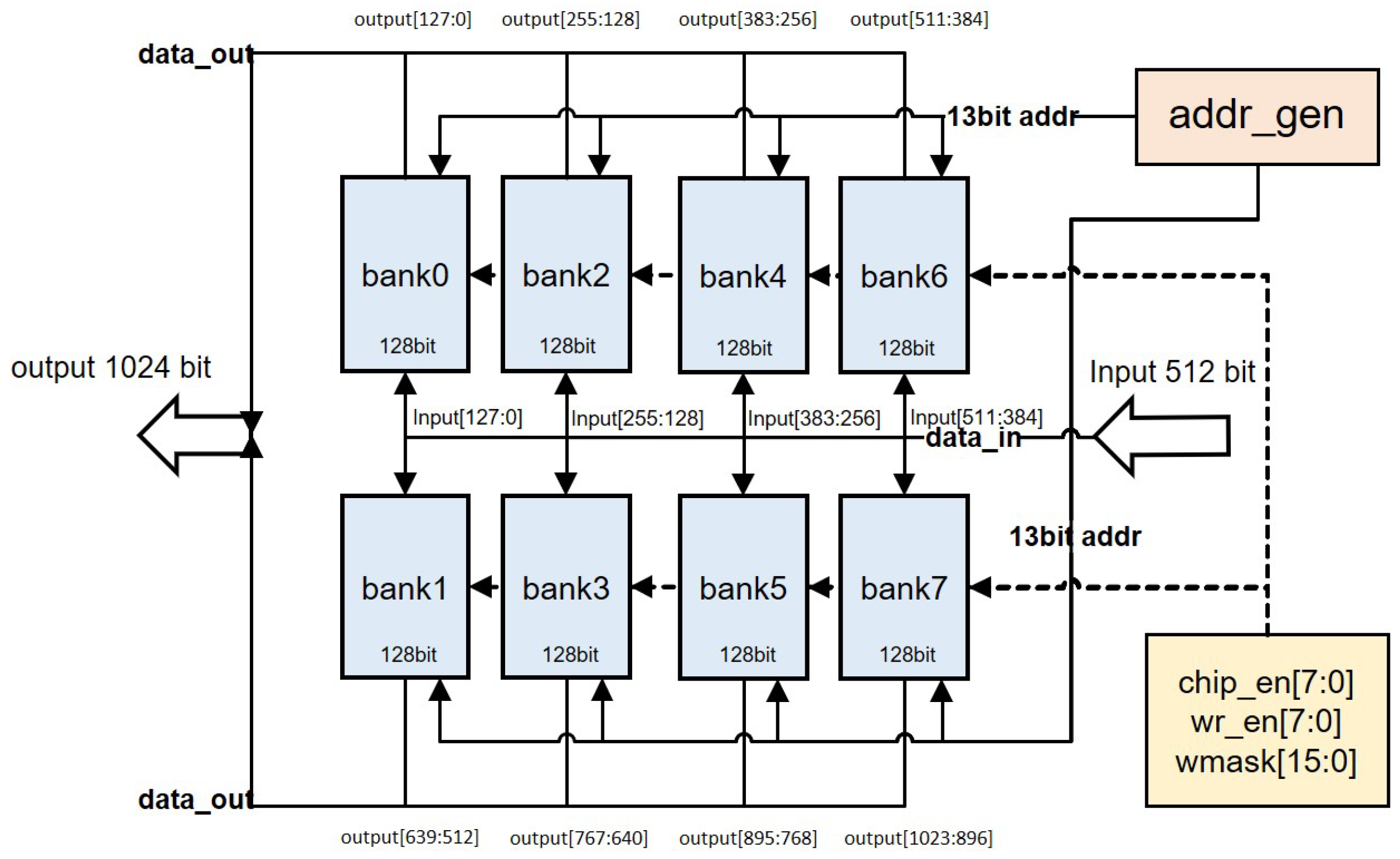
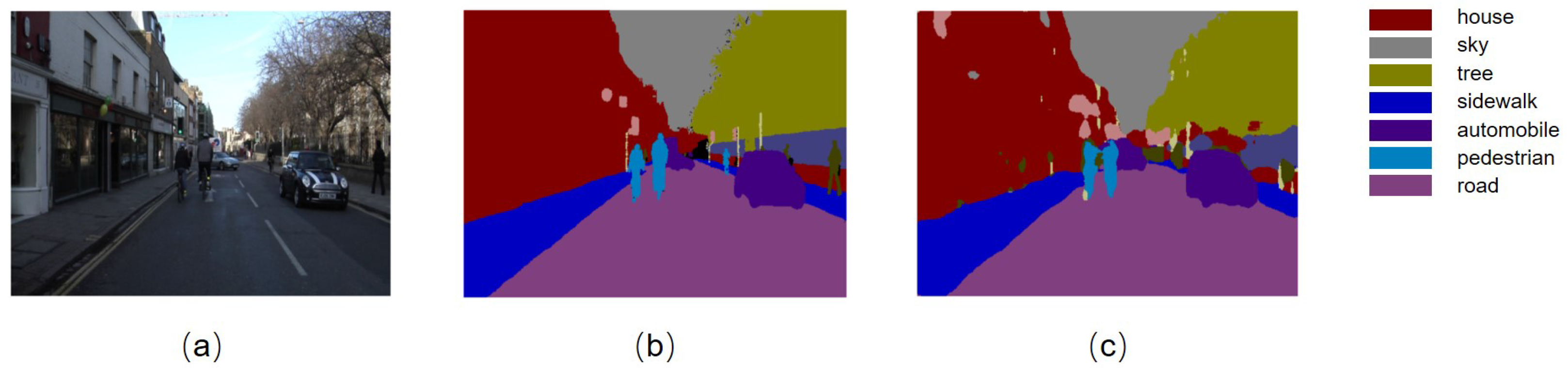
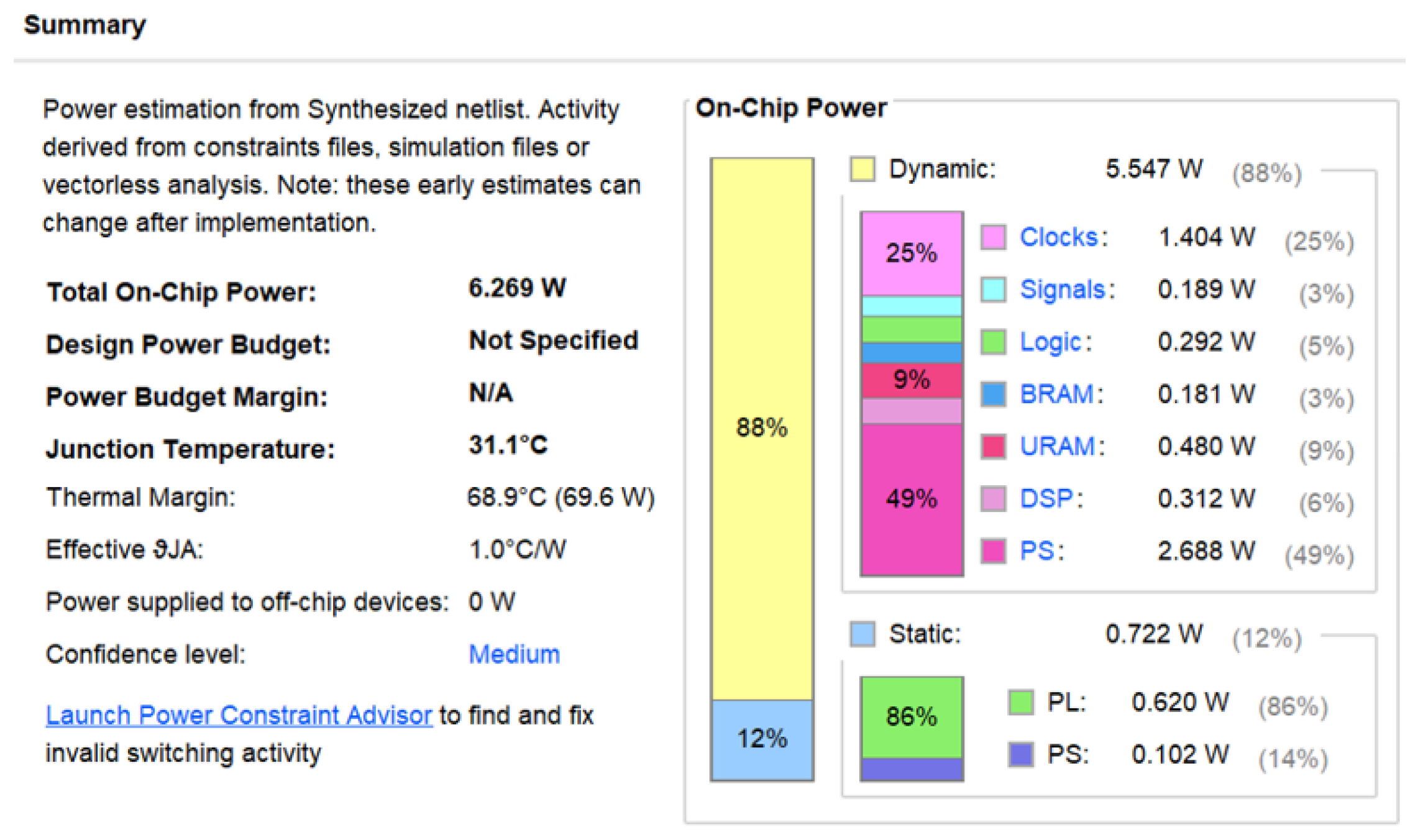
With the rapid development of lightweight network models and efficient hardware deployment techniques, the demand for real-time semantic segmentation in areas such as autonomous driving and medical image processing has increased significantly. However, realizing efficient semantic segmentation on resource-constrained embedded platforms still faces many challenges. As a classical lightweight semantic segmentation network, ENet has attracted much attention due to its low computational complexity. In this study, we optimize the ENet semantic segmentation network to significantly reduce its computational complexity through structural simplification and 8-bit quantization and improve its hardware compatibility through the optimization of on-chip data storage and data transfer while maintaining 51.18% mIoU. The optimized network is successfully deployed on hardware accelerator and SoC systems based on Xilinx ZYNQ ZCU104 FPGA. In addition, we optimize the computational units of transposed convolution and dilated convolution and improve the on-chip data storage and data transfer design. The optimized system achieves a frame rate of 130.75 FPS, which meets the real-time processing requirements in areas such as autonomous driving and medical imaging. Meanwhile, the power consumption of the accelerator is 3.479 W, the throughput reaches 460.8 GOPS, and the energy efficiency reaches 132.2 GOPS/W. These results fully demonstrate the effectiveness of the optimization and deployment strategies in achieving a balance between computational efficiency and accuracy, which makes the system well suited for resource-constrained embedded platform applications.
Keywords: lightweight architecture; semantic segmentation; neural network accelerator; FPGA; energy efficient lightweight architecture; semantic segmentation; neural network accelerator; FPGA; energy efficient