Review

Evaluating the Efficacy of Probiotics on Inflammatory Cytokines in Alcoholic Liver Disease: A Focus on IL-6 and IL-10


1
State Key Laboratory of Marine Food Processing & Safety Control, Qingdao 266400, China
2
College of Biological and Pharmaceutical Engineering, Nanjing Tech University, Nanjing 211816, China
3
College of Food Science and Light Industry, Nanjing Tech University, Nanjing 211816, China
4
Key Laboratory of Food Nutrition and Functional Food of Hainan Province, School of Food Science and Engineering, Hainan University, Haikou 570228, China
5
State Key Laboratory of Food Science and Resources, School of Food Science and Technology, Jiangnan University, Wuxi 214122, China
*
Authors to whom correspondence should be addressed.
Nutrients 2026, 18(4), 666; https://doi.org/10.3390/nu18040666
Submission received: 16 January 2026 / Revised: 9 February 2026 / Accepted: 11 February 2026 / Published: 18 February 2026
(This article belongs to the Section Prebiotics, Probiotics and Postbiotics)

Abstract

Background: While probiotics may offer therapeutic benefits for alcoholic liver disease (ALD), their impact on inflammatory markers in ALD patients is still uncertain. Objective: This study aims to investigate the effects of probiotic supplementation on inflammatory biomarkers in patients with alcoholic liver disease, particularly examining its role in modulating interleukin-6 (IL-6) levels. Methods: A comprehensive search was performed across PubMed, Embase, and Web of Science to identify randomized controlled trials investigating probiotic interventions in patients with alcoholic liver disease. Seven independent comparisons were chosen for meta-analysis to evaluate probiotics’ effects on inflammatory markers, with subgroup analyses examining the impact of region, formulation type, and gender. Results: The findings demonstrated that probiotics led to a significant reduction in IL-6 levels (SMD = −0.68, 95% CI [−1.15; −0.20], p = 0.005). No statistically significant effect of probiotics on interleukin-1β (IL-1β) (SMD = −0.35, 95% CI [−0.87, 0.17], p = 0.18) or tumor necrosis factor alpha (TNF-α) levels (SMD = −0.73, 95% CI [−1.68, 0.21], p = 0.13) was observed. Notably, probiotics were associated with a significant increase in interleukin-10 (IL-10) levels (SMD = 0.93,95% CI [−0.02; 1.87], p = 0.05). Subgroup analyses further revealed that the efficacy of probiotics in reducing IL-6 levels was more pronounced in studies characterized by higher proportions of Asian participants, solid dosage forms, and male subjects. Conclusions: Probiotics have notably reduced IL-6 levels by altering the gut microbiota and increased IL-10 levels, with limited impact on IL-1β and TNF-α. These results suggest probiotics could be used to treat ALD and emphasize the need for personalized probiotic approaches for different populations.

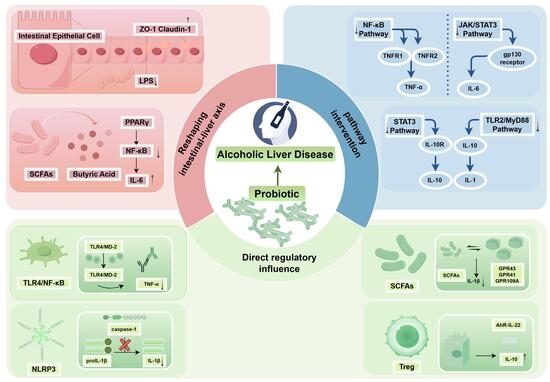
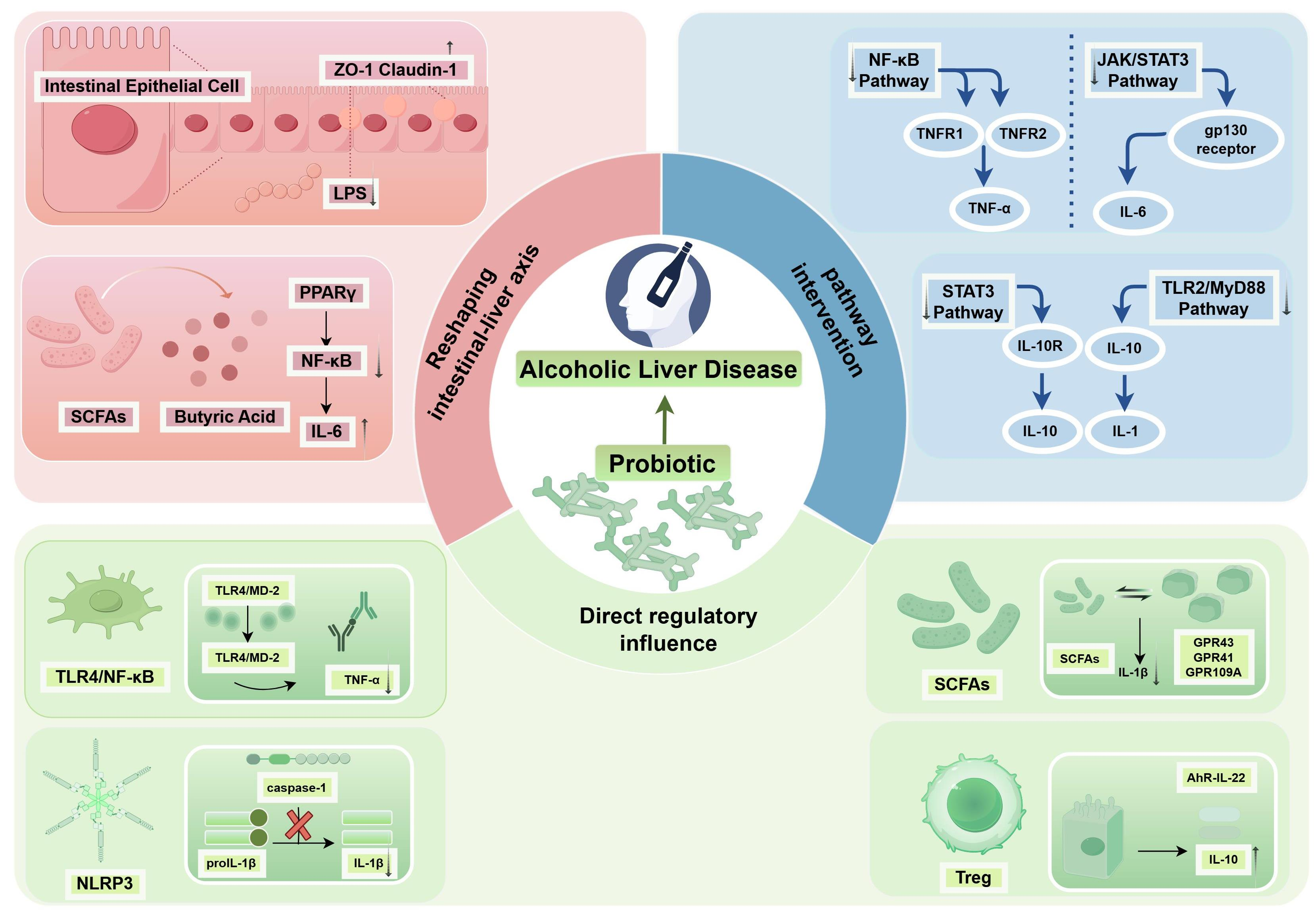
Graphical Abstract

1. Introduction

Alcoholic liver disease (ALD) constitutes a substantial global health burden, with its prevalence increasing in parallel with the upward trends in alcohol consumption [1]. Long-term and heavy drinking triggers inflammatory reactions in the liver, potentially resulting in various diseases such as fatty liver, liver scarring, liver cirrhosis, and liver cancer [2]. Inflammation is fundamentally linked to ALD pathogenesis, driven largely by a cascade of pro-inflammatory cytokines [3].
Recent studies highlight a strong correlation between gut microbiota and liver health [4]. An imbalance in gut microbiota can cause the intestinal barrier to become more permeable, permitting bacterial endotoxins [5], such as lipopolysaccharides (LPS), to enter the bloodstream [6]. Once in the liver, LPS interacts with Toll-like receptor 4 (TLR4), triggering the activation of Kupffer cells [7]. Once activated, these cells release reactive oxygen species (ROS), adhesion molecules, chemokines, and pro-inflammatory cytokines, leading to liver inflammation and considerable impairment of liver function [8]. Therefore, modulating the intestinal microbiota to reduce hepatic inflammation presents a promising therapeutic strategy.
Probiotics are a class of live microorganisms that, when ingested in adequate amounts, impart beneficial health effects to the host [9]. In recent years, the utilization of probiotics to enhance intestinal health has garnered considerable attention, largely attributable to their pivotal role in modulating intestinal microbiota, strengthening intestinal barrier function, and alleviating intestinal inflammation [10]. Research has indicated that probiotics may be effective in lessening inflammation in ALD [11]. However, it is important to note that much of this supporting evidence derives from preclinical models or early-phase clinical trials. Consequently, the robustness and generalizability of these findings, particularly regarding the modulation of specific cytokines in well-defined ALD patient populations, remain to be firmly established.
Mechanistically, probiotics are thought to exert their systemic anti-inflammatory effects partly through modulating the gut–liver axis [12]. By enhancing intestinal barrier integrity and shaping microbiota composition, probiotics can reduce the translocation of pathogen-associated molecular patterns [13]. This reduction subsequently dampens the activation of hepatic TLR4 and downstream signaling pathways, such as NF-κB, which are central to the transcription of pro-inflammatory cytokines, including IL-6 and TNF-α. Furthermore, probiotic-derived metabolites like short-chain fatty acids may directly influence immune cell function [14]. For instance, Lactobacillus plantarum HFY09 has been shown to help alleviate inflammation by boosting IL-10 levels and lowering pro-inflammatory factors like IL-6, IL-1β, and TNF-α [15,16]. The pathogenesis of ALD is driven by a cascade of pro-inflammatory cytokines [17,18]. The co-expression of these pro-inflammatory cytokines leads to hepatocyte dysfunction, inflammation, necrosis, and apoptosis in liver injury [19].
Building on these mechanisms, probiotics are considered a promising therapeutic approach for mitigating alcohol-induced liver inflammation through the modulation of gut microbiota [20]. However, clinical evidence regarding the efficacy of probiotics in modulating specific inflammatory cytokines in ALD patients remains inconsistent and inconclusive [21]. Existing RCTs have reported heterogeneous effects on key mediators such as IL-6 and IL-10, and comprehensive meta-analyses focusing on these cytokine-specific outcomes are lacking. These limitations include small sample sizes, divergent probiotic regimens across studies, and the absence of a comprehensive analysis targeting specific gut–liver axis cytokines. This ambiguity hinders the formulation of targeted probiotic interventions for ALD.
We hypothesized that probiotic supplementation would significantly alter the inflammatory milieu in ALD patients, specifically leading to a reduction in pro-inflammatory IL-6 and an elevation in anti-inflammatory IL-10. This study sought to comprehensively examine the ameliorative effects of probiotics on liver inflammation associated with alcoholic liver disease, focusing on the concentrations of inflammatory markers. By quantifying these pro-inflammatory and anti-inflammatory markers within the liver, the study evaluated the efficacy of probiotic therapy in preventing and reducing inflammation in alcoholic liver disease, thereby offering a scientific foundation for their clinical use.

2. Methods

This study was conducted in accordance with the PRISMA guidelines, and its protocol was prospectively registered with PROSPERO (Registration No. CRD420251053464).

2.1. Search Strategy

A systematic literature search was performed in PubMed, Embase, Web of Science, Cochrane Library, Ovid, and Sinomed, covering all records from database inception through January 2025. No language restrictions were applied at the search stage. The search strategy was designed using a combination of Medical Subject Headings (MeSH) terms and free-text keywords related to “probiotics” and “alcoholic liver disease”. The full search syntax for PubMed is provided as an example: (((((probiotics) OR (probiotic)) OR (prebiotics)) OR (prebiotic)) OR (synbiotics)) AND (((((((Fatty Liver, Alcoholic) OR (Alcoholic Fatty Liver)) OR (Alcoholic Steatohepatitis)) OR (Alcoholic liver disease)) OR (Alcoholic hepatitis)) OR (Alcoholic liver fibrosis)) OR (Alcoholic cirrhosis)). We also manually screened the reference lists of included articles and relevant reviews. Furthermore, clinical trial registries (ClinicalTrials.gov, WHO ICTRP) were searched to identify ongoing or unpublished studies.

2.2. Inclusion Criteria

Criteria for including and excluding inflammatory cytokine markers in ALD. Eligibility Criteria: 1. Subjects: Research including individuals diagnosed with ALD. 2. Intervention: The main therapeutic approach involves administering probiotics. 3. Comparison: Groups that receive a placebo, standard care, or other non-drug treatments. 4. Outcome Measures: Primary outcomes include levels of inflammatory cytokines. 5. Study Design: Only clinical trials will be included. 6. Data Accessibility: Studies must provide complete data and be accessible in full text. 7. Language: Only studies published in English or Chinese were included. Publication Status: Conference abstracts, unpublished data, and dissertations were excluded. Exclusion Criteria: 1. Study Type: Exclusion of non-human studies, case reports or correspondence. 2. Data Integrity: Studies were excluded if their data were insufficient, incomplete, or otherwise unavailable for analysis. 3. Comorbidities: Studies involving patients with ALD co-occurring with other chronic liver diseases will be excluded. 4. Duplicate Publications: Exclusion of studies that are duplicates or have been published multiple times. The criteria for including and excluding studies are summarized in Table 1.
These criteria are designed to ensure the quality and relevance of the included studies, providing a robust evidence base for the effects of probiotic intervention on inflammatory cytokine markers in patients with ALD.

2.3. Quality Assessment

The revised Cochrane Risk of Bias tool for randomized trials (RoB 2.0) was used to independently evaluate the methodological quality and potential bias of the included RCTs. This assessment was conducted by two reviewers (Jie Cui and Wenhui Li), with any discrepancies resolved through discussion or arbitration by a third reviewer. The evaluation encompassed several specific domains: the risk of bias in the randomization procedure, deviations from planned interventions, handling of missing outcome data, methods of outcome measurement, and the selection of reported results.

2.4. Data Synthesis and Statistical Analysis

Two independent reviewers (Jian Zhang and Ye Sun) carried out data extraction using a standardized form that had been piloted in advance. This study utilized Review Manager 5.4 and Stata 17.0. All figures were finalized and prepared for publication using Adobe Illustrator 2023. For continuous outcomes, the SMD with 95% CI was selected as the summary effect measure. The SMD was chosen over the MD because the included studies assessed the same inflammatory markers but potentially used different assay methods or units of measurement, making SMD appropriate for combining data across heterogeneous measurement scales [22]. A p value below 0.05 was considered statistically significant. Heterogeneity among studies was quantified using the I2 statistic. A fixed-effects model was applied when statistical heterogeneity was low (I2 < 50%); otherwise, a random-effects model was used, and potential sources of heterogeneity were explored [23,24]. Sensitivity analysis was conducted to assess the robustness of the pooled results by sequentially omitting each study [25]. Predefined subgroup analyses were planned to investigate potential sources of heterogeneity or effect modification based on the following variables: probiotic formulation, geographic region of the study population, and participant sex. These variables were selected a priori based on clinical plausibility and their potential to influence host-microbiota interactions. The evaluation of publication bias was performed primarily through visual inspection of funnel plots and Egger’s regression intercept test [26]. Additionally, to complement this assessment and adjust for potential asymmetry, the non-parametric trim-and-fill method was applied where appropriate. A p-value of less than 0.05 was considered indicative of potential small-study effects or publication bias.

3. Results

3.1. Study Selection and Characteristics

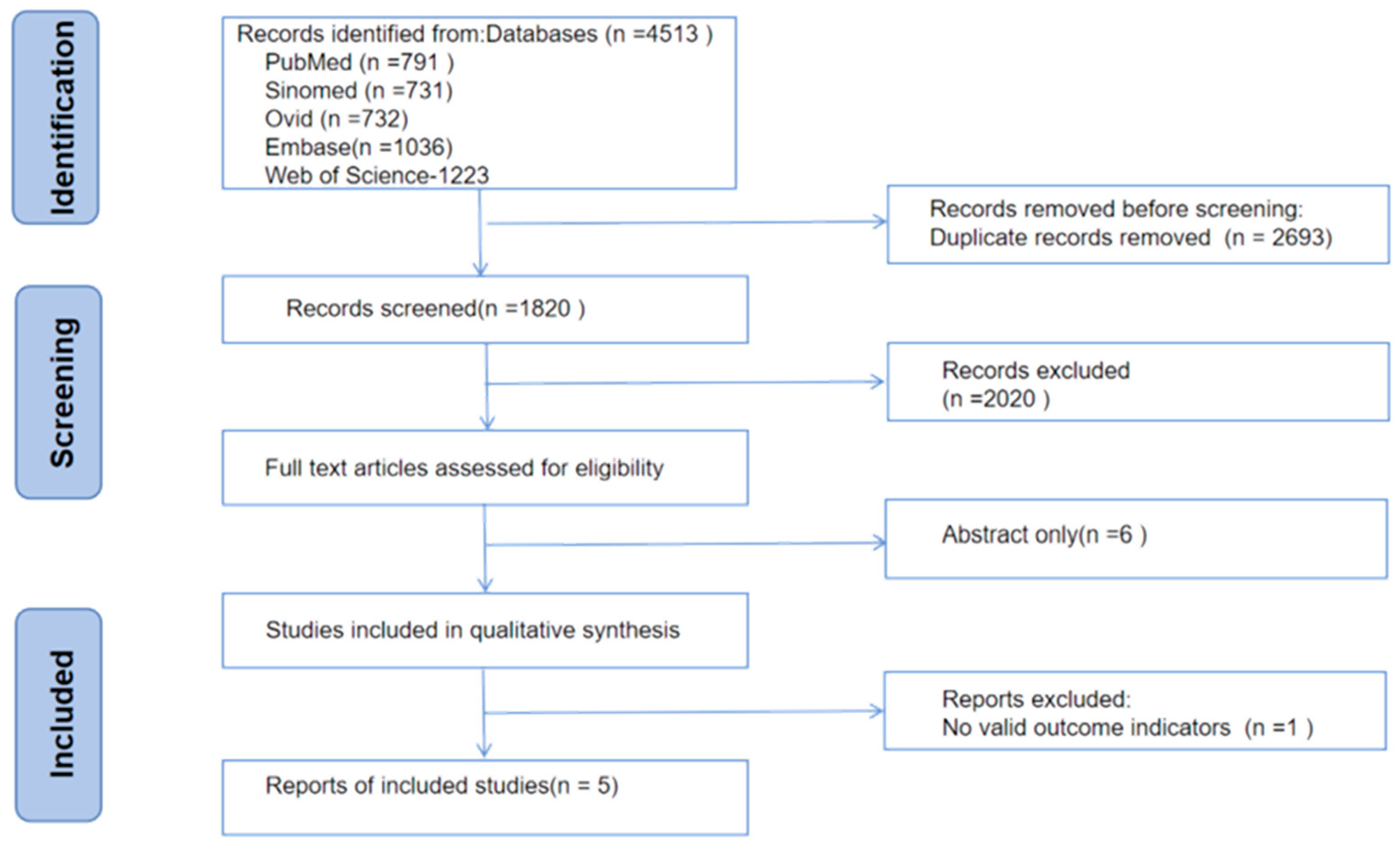
Figure 1 presents the study selection process in a PRISMA flowchart, which also details the reasons for excluding records at each stage (Figure 1). A total of 4513 studies were retrieved through the search formula: PubMed-791, Sinomed-731, Ovid-732, Web of Science-1223, and Embase-1036. Following the removal of duplicates and a review of titles and abstracts, 59 articles were identified as potentially relevant and their full texts were retrieved for detailed eligibility assessment. Five RCTs [27,28,29,30,31] met the inclusion criteria and were included in this meta-analysis. It is important to note that two of these RCTs [28,30] were multi-arm trials, each featuring two distinct probiotic intervention groups compared against a single, shared placebo control group. To adhere to meta-analytic principles and avoid unit-of-analysis error, each intervention arm was treated as an independent comparison. Consequently, the five included RCTs provided a total of seven independent comparisons for quantitative synthesis. These investigations evaluated the effects of probiotic interventions on primary inflammatory biomarkers (IL-1β, IL-6, IL-10, and/or TNF-α) in patients with ALD. Among the seven independent comparisons, data on IL-1β were available from 4 [27,28,29], IL-6 from 6 [27,28,30,31], IL-10 from 5 [27,28,31], and TNF-α from 6 [28,29,30,31].

3.2. Study Characteristics

The basic characteristics of the included studies are presented in Table 2. The publication years of the studies span from 2015 to 2024. A higher proportion of male participants was observed in most studies, with some studies exclusively enrolling male subjects. A variety of probiotics were administered, with intervention durations ranging from 1 to 26 weeks. The assessed outcomes included liver function parameters and inflammatory biomarkers, such as IL-1β, IL-6, IL-10, and TNF-α.

3.3. Risk of Bias Assessment

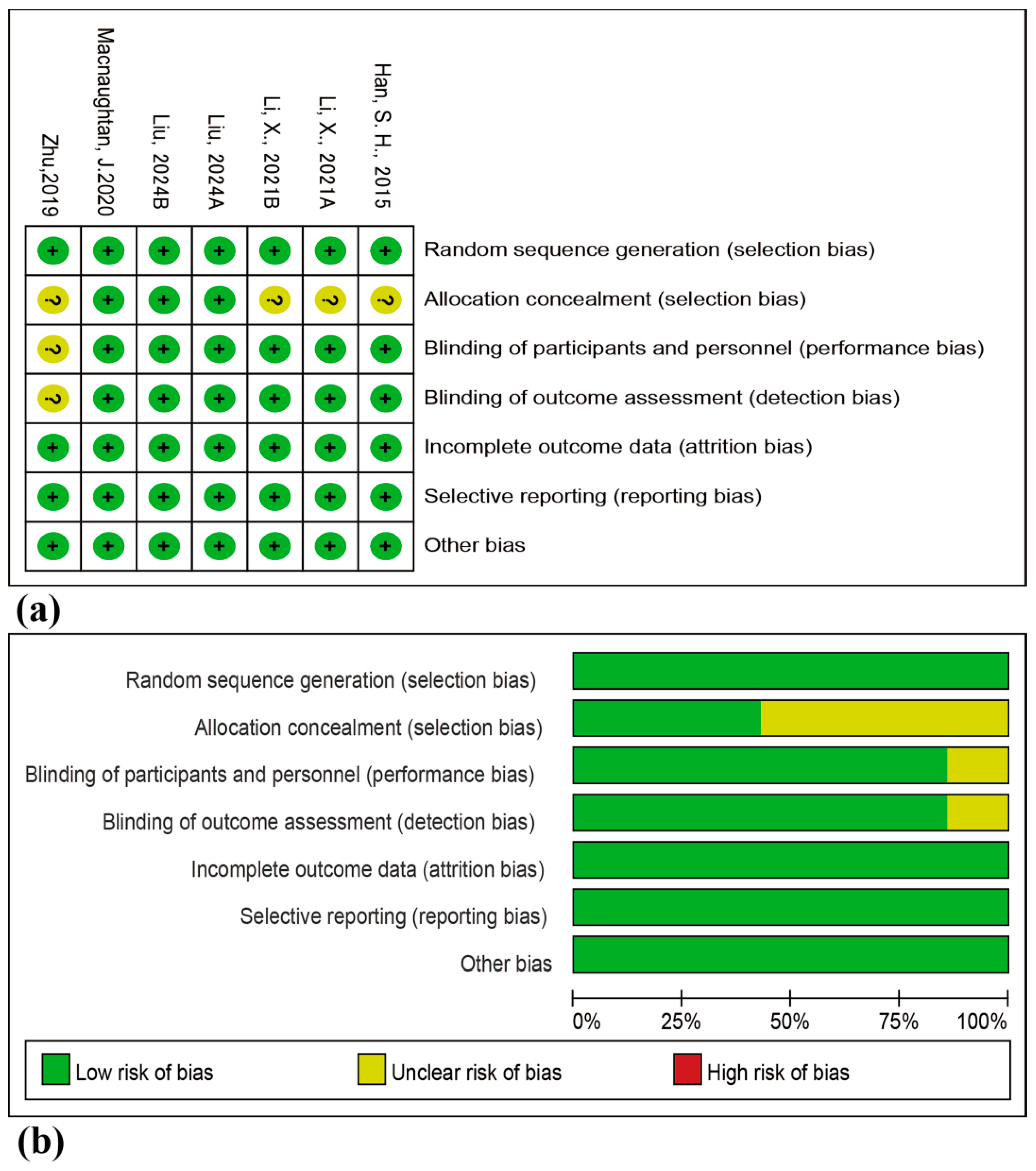
Figure 2 summarizes the overall risk of bias assessment for the included trials (Figure 2), with detailed judgments provided in the accompanying table. Among the evaluated studies, four were rated as having a low risk of bias, while three were judged to raise some concerns.

3.4. Meta-Analysis and Subgroup Analysis

3.4.1. Influence of Probiotics on IL-6 in ALD Patients

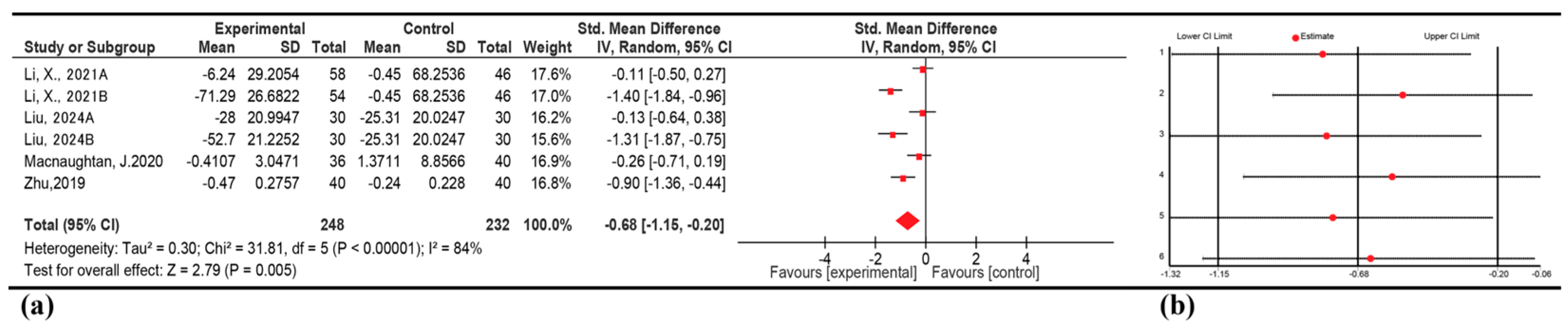
In this analysis investigating the influence of probiotics on IL-6 levels, six studies with a total of 480 participants (248 participants were placed in the probiotic group, while 232 were in the control group) were analyzed. Given the high heterogeneity observed (I2 = 84%), a random-effects model was employed. The analysis showed a notable decrease in IL-6 levels among patients with alcoholic liver disease following probiotic treatment (SMD = −0.68, 95% CI [−1.15; −0.20], p = 0.005) (Figure 3).
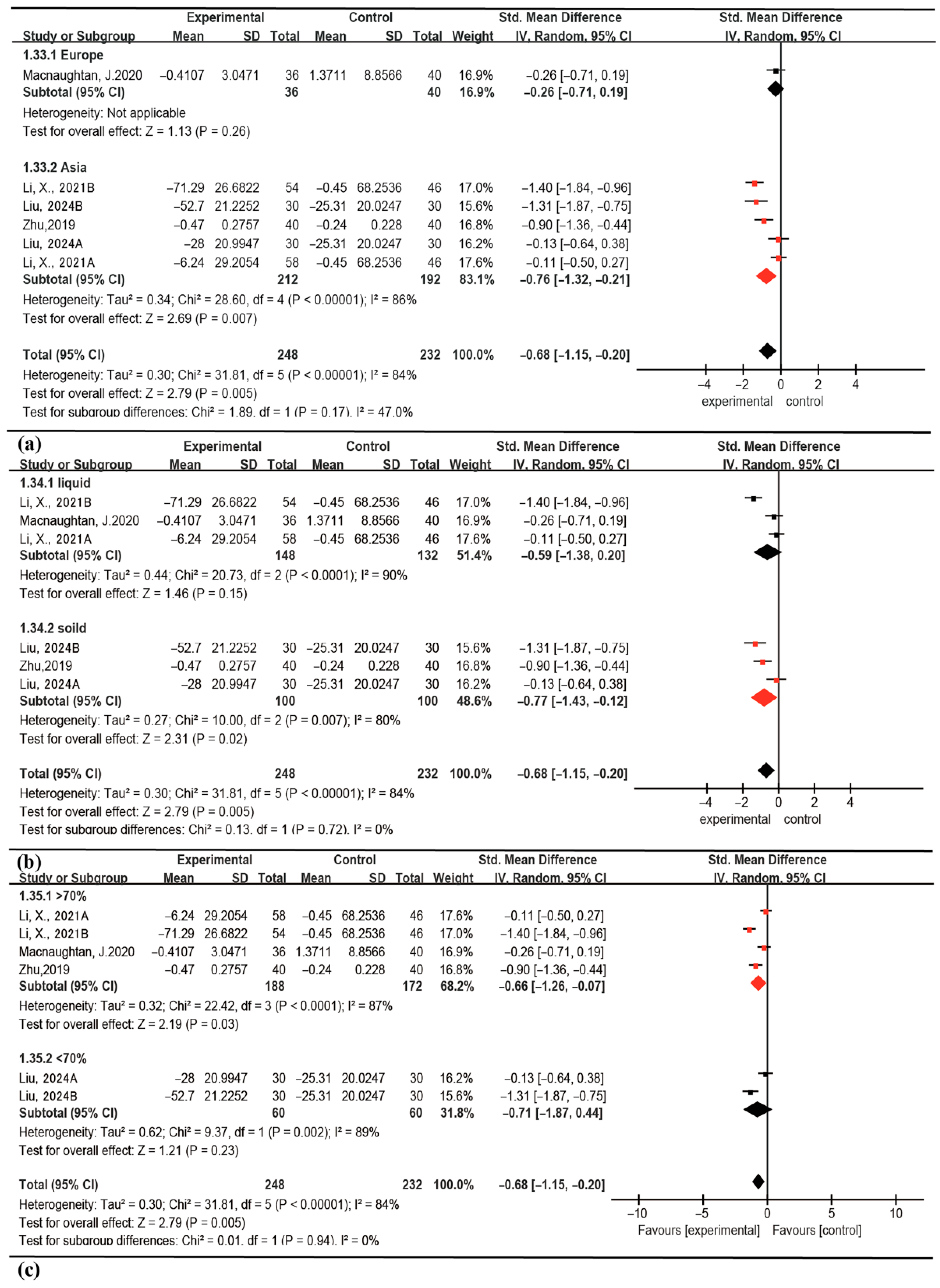
Exploratory subgroup analyses were conducted to investigate potential sources of the observed significant heterogeneity, focusing on factors such as geographic region, probiotic formulation, and sex distribution (Figure 4). Between-subgroup differences were observed for the Asian region subgroup (p = 0.007), solid-form probiotic subgroup (p = 0.02), and subgroups with a higher male-to-female ratio (p = 0.03). These exploratory findings indicate that regional, formulation, and demographic factors could be potential effect modifiers; however, this interpretation is constrained by the limited number of studies within each subgroup. Collectively, these results point to the need for future research to validate whether these variables meaningfully influence the efficacy of probiotic interventions in ALD.

3.4.2. Influence of Probiotics on L-1β in ALD Patients

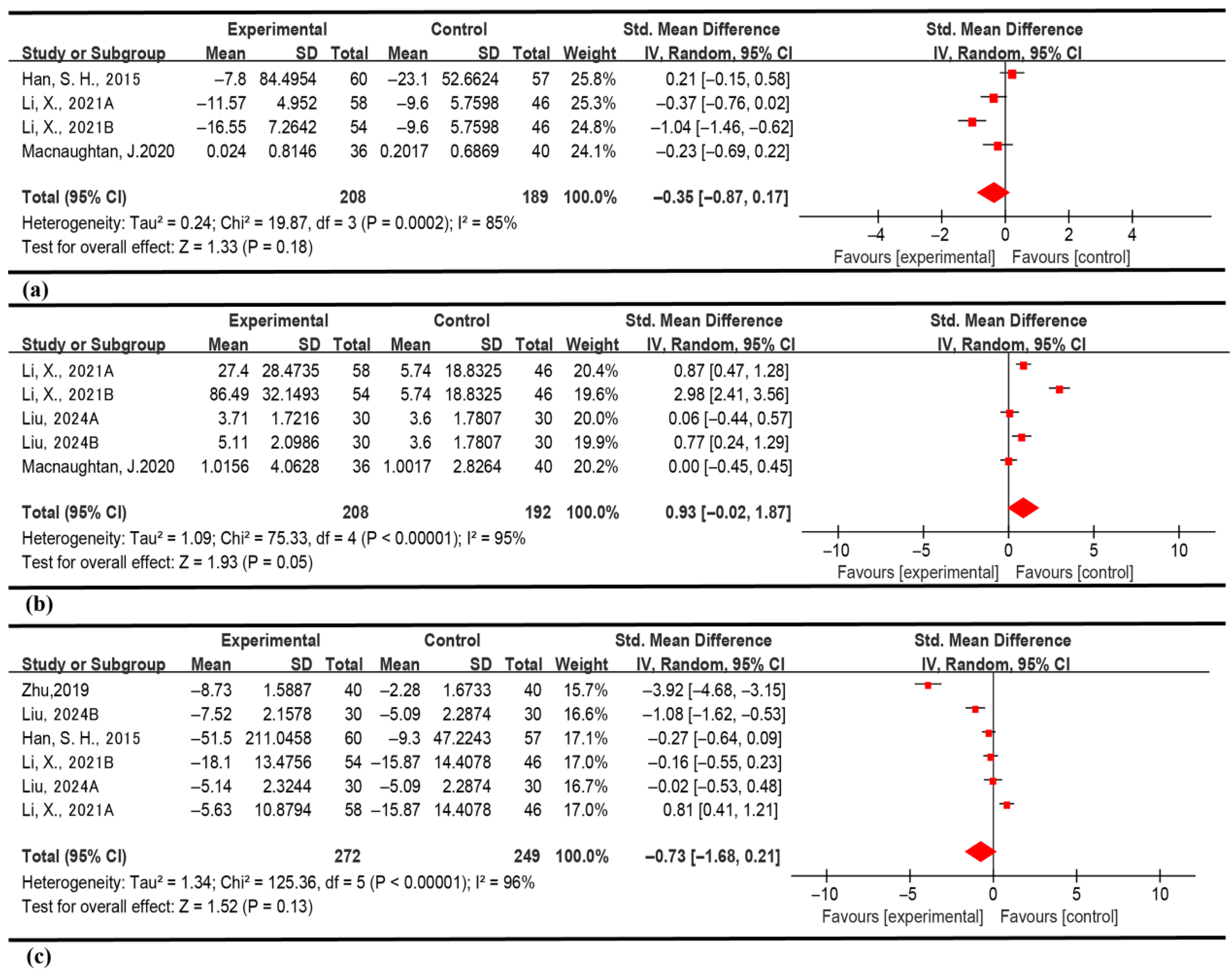
This study conducted a meta-analysis examining alterations in circulating IL-1β levels within the probiotic intervention cohort utilizing a random-effects model. The analysis incorporated four RCTs comprising 397 subjects (208 assigned to the probiotic group and 189 to the control group). The results showed that the probiotic group had a beneficial effect compared to the control group, but this effect was not statistically significant (SMD = −0.35, 95% CI [−0.87; 0.17], p = 0.18). This outcome suggests that probiotic supplementation does not significantly modulate systemic IL-1β concentrations (Figure 5).
From the standpoint of inflammatory regulatory mechanisms, given that IL-1β functions as a pivotal pro-inflammatory cytokine, extant experimental evidence posits that probiotics may influence macrophage IL-1β secretion via gastrointestinal microbiota modulation [28]. Nevertheless, the results of this meta-analysis reveal substantial heterogeneity in the regulatory impact of probiotics across diverse populations. Possible determinants of this heterogeneity might encompass a constrained number of clinical samples or marked variability in the duration of probiotic interventions.

3.4.3. Influence of Probiotics on IL-10 in ALD Patients

In the meta-analysis examining the inflammatory factor IL-10, heterogeneity was detected (I2 = 95%). A statistically significant difference in IL-10 levels was observed after probiotic intervention compared with the control group (SMD = 0.93,95% CI [−0.02; 1.87], p = 0.05). In our study, detailed subgroup analyses were conducted for IL-10; however, no significant results were obtained. These findings further highlight the methodological constraints and challenges present in studies investigating inflammatory markers among individuals with alcoholic liver disease (Figure 5).

3.4.4. Influence of Probiotics on TNF-α in ALD Patients

This meta-analysis evaluated the impact of probiotic supplementation on TNF-α levels in patients diagnosed with ALD. The analysis included six randomized controlled trials comprising a total of 521 participants (272 receiving probiotics and 249 in the control group). Due to the substantial heterogeneity among the studies (I2 = 96%), a random-effects model was employed. The analysis demonstrated no significant effect of probiotic intervention on TNF-α levels (SMD = −0.73, 95% CI [−1.68; 0.21], p = 0.13). Previous research has indicated that probiotics may exert a regulatory influence on TNF-α in patients with alcoholic liver disease [29]. However, this meta-analysis failed to achieve statistical significance. This discrepancy may be attributed to the marked variability in the inhibitory effects of different probiotic strains on TNF-α. Specifically, Lactobacillus rhamnosus has been shown to exhibit a less pronounced regulatory effect on TNF-α [30] (Figure 5).

3.5. Assessment of Publication Bias

Visual inspection of the funnel plot suggested symmetry, and the Egger test (p = 0.442) indicated no significant publication bias in the meta-analysis (Figure S1).

4. Discussion

Our meta-analysis demonstrated that probiotic intervention significantly reduced IL-6 levels while elevating IL-10 in ALD patients, with no significant impact on IL-1β or TNF-α [11,32,33]. This selective regulatory pattern suggests that probiotics may affect hepatic inflammatory networks through specific immunomodulatory mechanisms [34]. While the included clinical trials did not assess underlying mechanisms, the observed cytokine profile is consistent with preclinical evidence suggesting that probiotic-mediated remodeling of the gut microbiota [35], particularly through metabolites like short-chain fatty acids (SCFAs), may regulate Kupffer cell polarization via the gut–liver axis [36]. It is plausible that this modulation suppresses the TLR4/MyD88 signaling pathway, leading to decreased release of IL-6 [37]. Similarly, the increase in IL-10 could be linked to the potential enhancement of regulatory T cell (Treg) differentiation [38] and subsequent STAT3 signaling [39]. This study underscores the crucial impact of probiotics on liver inflammation through gut–liver axis interactions and specific immune regulation. It provides a foundational framework for further elucidation of the mechanistic pathways involved in ALD.
Notably, the lack of significant effect on IL-1β and TNF-α might be explained by the possibility that their production is governed by pathways less amenable to probiotic modulation within the timeframe and design of the included studies. For instance, the sustained activation of the NLRP3 inflammasome, a key driver of IL-1β maturation in ALD [40]. Acetaldehyde, a primary metabolite of alcohol, can activate this inflammasome [41], creating a persistent inflammatory loop [42] that may be relatively refractory to the primary actions of conventional probiotics on gut barrier function and microbiota composition [43,44,45]. Likewise, TNF-α expression is tightly regulated by the NF-κB pathway [46,47], which might require more direct or prolonged intervention to be significantly altered [48,49].
To explore potential sources of the observed heterogeneity, we performed subgroup analyses based on formulation, geographic region, and patient gender, which indicated potential variations in efficacy associated with these factors. These effects may be linked to the regulation of the gut–liver axis, microbial metabolite synthesis, and modulation of the host immune microenvironment. These preliminary observations serve to generate specific, mechanistic hypotheses for future research. For example, the apparent superior effect of solid formulations (e.g., enteric-coated tablets) could be explained by their enhanced ability to ensure higher colonic delivery of viable bacteria [50]. This, in turn, may promote the sustained production of bioactive metabolites like butyrate [51,52,53], which are hypothesized to modulate hepatic inflammation through pathways such as AMPK-dependent inhibition of TLR4/MyD88 and NF-κB [54]. In contrast, the lower gastric survival of liquid formulations might result in insufficient colonic metabolite production to exert sustained effects [55].
Similarly, analyses indicated that probiotics had a more significant impact on reducing IL-6 levels in Asian populations, while studies involving European groups did not show statistically significant results [56]. This discrepancy may stem from fundamental host-microbiota metabolic interdependencies. The greater reduction in IL-6 observed in Asian populations could be associated with enterotype characteristics and impaired butyrate production in alcohol-damaged intestines [57], which probiotics might compensate for [58]. Conversely, the attenuated response in European populations may reflect diet-induced modulation of the bile acid pool, as Western high-fat diets induce FXR signaling, which competes with probiotic-derived secondary bile acids for nuclear receptor activation [59,60]. Meanwhile, the high intake of fermented foods in traditional Asian diets may pre-adapt the gut environment, enhancing probiotic colonization [61]. The gut microenvironment in Asian populations may be more conducive to probiotic growth and proliferation, thereby augmenting their IL-6 ameliorative effects [62].
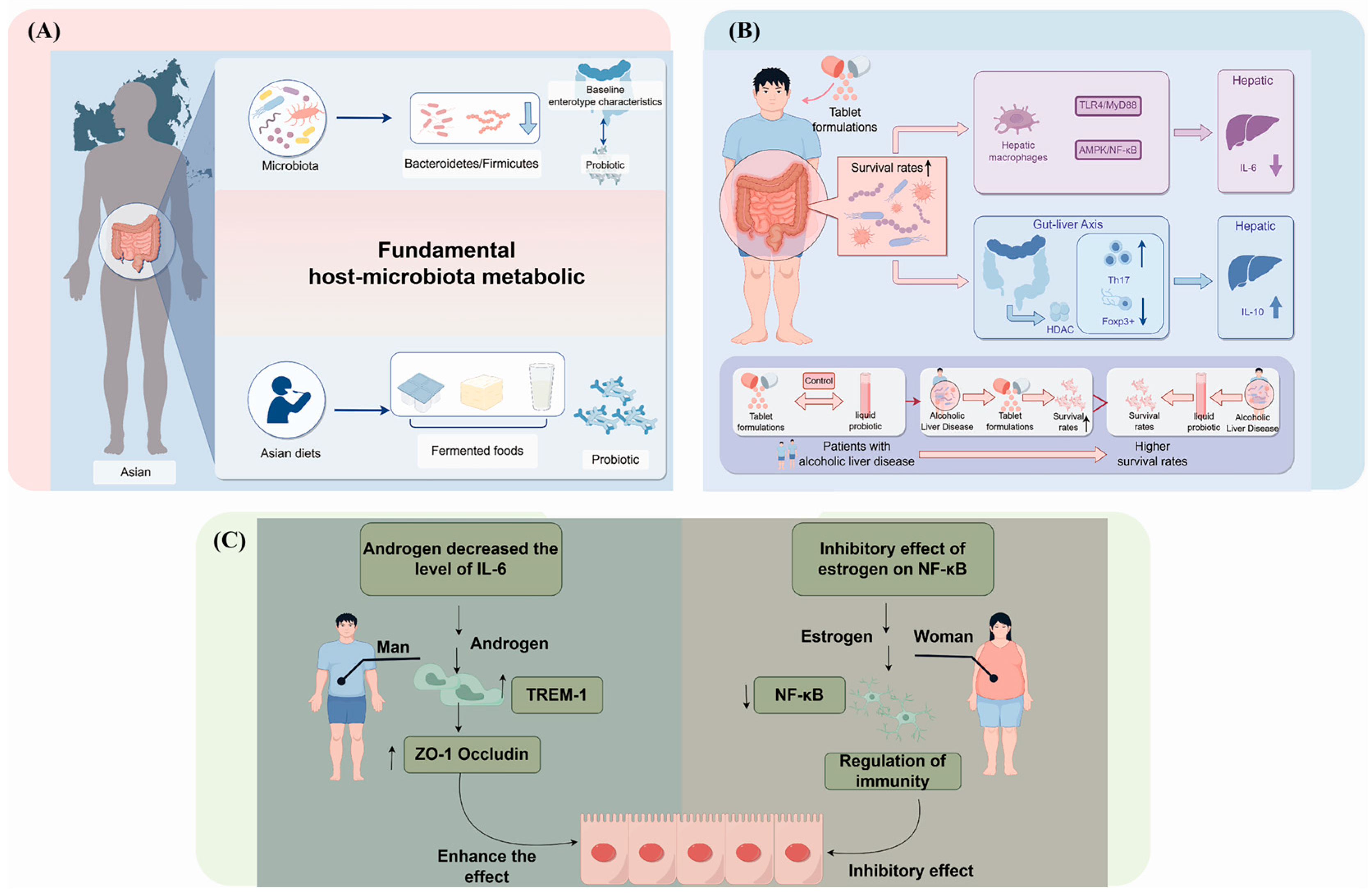
We observed that the efficacy of probiotics was clearly influenced by gender [63]. In male subjects, IL-6 levels were reduced by 37.5%. Previous studies have elucidated the complex interplay between androgens, TREM-1, inflammation, immune regulation, and gender differences [64]. Androgens may modulate the expression and function of inflammatory pathways, thereby influencing individual responses to inflammatory stimuli and sensitivity to immune-modulatory therapies, potentially conferring greater benefits from probiotic immunomodulation in male patients with alcoholic liver disease [65,66]. Estrogen-mediated inhibition of NF-κB in females, conversely, might introduce a ceiling effect that masks additional probiotic benefits [67,68]. Figure 6 provides an integrative summary of the potential mechanisms that may underlie the observed subgroup disparities (Figure 6). These proposed pathways, formulated at the intersection of our clinical findings and established biological knowledge, highlight promising avenues for further investigation to elucidate the personalized effects of probiotics.
This study systematically elucidated the heterogeneity characteristics and molecular mechanisms underlying probiotic-mediated modulation of inflammatory responses in ALD, thereby establishing a theoretical framework for personalized strain selection and formulation development. However, it must be acknowledged that current meta-analyses are constrained by an insufficient number of RCTs, a lack of long-term follow-up data, and substantial statistical heterogeneity attributable to variations in study design. To bridge these gaps and advance toward precision therapy, future research should follow a progressive pathway. The immediate priority is to conduct large-scale, well-designed RCTs to prospectively validate the key variables identified here, such as probiotic formulation, geographic origin, and host sex. Subsequently, to decipher the mechanisms behind these effects, studies should integrate multi-omics analyses (e.g., metagenomics, metabolomics) with clinical outcomes to delineate how specific probiotic strains and host factors interact to shape the immune response. Building on this mechanistic understanding, predictive modeling and machine learning can then be employed to optimize strain selection and personalize intervention strategies. These findings provide a roadmap for future research, moving from large-scale clinical validation to mechanistic studies, and ultimately to the development of personalized probiotic therapies for ALD.

5. Conclusions

This meta-analysis offers a comprehensive evaluation of the effects of probiotics on inflammatory markers in individuals with ALD, revealing significant modulatory effects on specific cytokines. Pooled data indicate a statistically significant reduction in IL-6 levels (SMD = −0.68, 95% CI [−1.15; −0.20]) and an increase in IL-10 levels (SMD = 0.93, 95% CI [−0.02; 1.87]), while effects on IL-1β and TNF-α were not significant. These results suggest that probiotics can modulate the gut–liver axis to mitigate inflammation in ALD, potentially through the regulation of gut microbiota and enhancement of intestinal barrier function.
However, these results should be interpreted considering the limitations of the included studies and this meta-analysis, such as substantial statistical heterogeneity (I2 > 80%), a limited number of RCTs, and variations in probiotic strains and protocols.
Subgroup analyses revealed that the efficacy of probiotics in reducing IL-6 levels was influenced by regional, formulation, and demographic factors. Specifically, probiotics were more effective in Asian populations, solid dosage forms, and male subjects. These findings underscore the importance of personalized probiotic interventions tailored to specific populations and formulations. However, these subgroup findings are exploratory and hypothesis-generating due to the limited number of studies within each comparison and require validation in future prospective trials.
To translate these findings towards clinical application, future research must prioritize large-scale, rigorous RCTs and integrated mechanistic studies to develop evidence-based, personalized probiotic strategies.
In conclusion, probiotics offer a promising therapeutic approach for modulating inflammation in ALD, particularly by reducing IL-6 and enhancing IL-10. Further high-quality research is essential to define their precise role within the therapeutic arsenal for ALD.

Supplementary Materials

The following supporting information can be downloaded at: https://www.mdpi.com/article/10.3390/nu18040666/s1, Table S1: PRISMA Checklist; Figure S1: Assessment of Publication Bi.

Author Contributions

J.B. was responsible for study conception and design, data collection and curation, data analysis and interpretation, and drafting the initial manuscript. J.C., W.L., J.Z., and Y.S. were involved in data collection. S.L., C.A., S.J., and C.Z. contributed to study conception, data analysis and interpretation, manuscript drafting, and funding acquisition. J.J. oversaw the overall study conception, critically reviewed and revised the manuscript, and secured and managed project funding. All authors have read and agreed to the published version of the manuscript.

Funding

This study was funded by the National Natural Science Foundation of China (32302045), Open Foundation of State Key Laboratory of Marine Food Processing & Safety Control (SKL202415), Key Laboratory of Food Nutrition and Functional Food of Hainan Province (KF202508) and the China Postdoctoral Science Foundation (2025M772964).

Data Availability Statement

No new data were created or analyzed in this study. Data sharing is not applicable to this article.

Conflicts of Interest

The authors declare no conflicts of interest.

References

  1. Ha, Y.; Jeong, I.; Kim, T.H. Alcohol-Related Liver Disease: An Overview on Pathophysiology, Diagnosis and Therapeutic Perspectives. Biomedicines 2022, 10, 2530. [Google Scholar] [CrossRef]
  2. Younossi, Z.; Henry, L. Contribution of Alcoholic and Nonalcoholic Fatty Liver Disease to the Burden of Liver-Related Morbidity and Mortality. Gastroenterology 2016, 150, 1778–1785. [Google Scholar] [CrossRef]
  3. Scarlata, G.G.M.; Colaci, C.; Scarcella, M.; Dallio, M.; Federico, A.; Boccuto, L.; Abenavoli, L. The Role of Cytokines in the Pathogenesis and Treatment of Alcoholic Liver Disease. Diseases 2024, 12, 69. [Google Scholar] [CrossRef]
  4. Magdaleno, F.; Blajszczak, C.C.; Nieto, N. Key Events Participating in the Pathogenesis of Alcoholic Liver Disease. Biomolecules 2017, 7, 9. [Google Scholar] [CrossRef] [PubMed]
  5. Jayashi, R.; Saroj, K.; Anna Camille, A.; Kin Lsam, Y.; Sj, S.; Amany, Z. Unveiling the complex relationship between gut microbiota and liver cancer: Opportunities for novel therapeutic interventions. Gut Microbes 2023, 15, 2240031. [Google Scholar] [CrossRef] [PubMed]
  6. Meroni, M.; Longo, M.; Dongiovanni, P. Alcohol or Gut Microbiota: Who Is the Guilty? Int. J. Mol. Sci. 2019, 20, 4568. [Google Scholar] [CrossRef]
  7. Soares, J.B.; Pimentel-Nunes, P.; Roncon-Albuquerque, R.; Leite-Moreira, A. The role of lipopolysaccharide/toll-like receptor 4 signaling in chronic liver diseases. Hepatol. Int. 2010, 4, 659–672. [Google Scholar] [CrossRef]
  8. Liu, C.; Tao, Q.; Sun, M.; Wu, J.Z.; Yang, W.; Jian, P.; Peng, J.; Hu, Y.; Liu, C.; Liu, P. Kupffer cells are associated with apoptosis, inflammation and fibrotic effects in hepatic fibrosis in rats. Lab. Investig. J. Tech. Methods Pathol. 2010, 90, 1805–1816. [Google Scholar] [CrossRef]
  9. Maria, S.; Christina, T.; Stergios, V.; Eugenia, B. The Networked Interaction between Probiotics and Intestine in Health and Disease: A Promising Success Story. Microorganisms 2024, 12, 194. [Google Scholar] [CrossRef] [PubMed]
  10. Zheng, Z.; Jiajing, W.; Zishuai, Z.; Shuhan, L.; Zizhen, Y.; Jingyi, W.; Yanan, L.; Shangyong, L.; Ningning, H.; Ning, L. Application of prebiotic stachyose on metabolic diseases and other human diseases through regulation of gut microbiota. J. Funct. Foods 2025, 127, 106778. [Google Scholar] [CrossRef]
  11. Sung, H.; Kim, S.W.; Hong, M.; Suk, K.T. Microbiota-based treatments in alcoholic liver disease. World J. Gastroenterol. 2016, 22, 6673–6682. [Google Scholar] [CrossRef] [PubMed]
  12. Harahap, I.A.; Suliburska, J. Can probiotics decrease the risk of postmenopausal osteoporosis in women? Pharma Nutr. 2023, 24, 2213–4344. [Google Scholar] [CrossRef]
  13. Harahap, I.A.; Suliburska, J. Probiotics and Isoflavones as a Promising Therapeutic for Calcium Status and Bone Health: A Narrative Review. Foods 2021, 10, 2685. [Google Scholar] [CrossRef]
  14. Kezer, G.; Paramithiotis, S.; Khwaldia, K.; Harahap, I.A.; Čagalj, M.; Šimat, V.; Smaoui, S.; Elfalleh, W.; Ozogul, F.; Esatbeyoglu, T. A comprehensive overview of the effects of probiotics, prebiotics and synbiotics on the gut-brain axis. Front. Microbiol. 2025, 16, 1651965. [Google Scholar] [CrossRef]
  15. Wu, Y.; Chen, H.; Zou, Y.; Yi, R.; Mu, J.; Zhao, X. Lactobacillus plantarum HFY09 alleviates alcohol-induced gastric ulcers in mice via an anti-oxidative mechanism. J. Food Biochem. 2021, 45, e13726. [Google Scholar] [CrossRef]
  16. Xianrong, Z.; Hailan, S.; Fang, T.; Ruokun, Y.; Chaolekang, Z.; Yuhan, D.; Jianfei, M.; Xin, Z. Anti-aging effect of Lactobacillus plantarum HFY09-fermented soymilk on D-galactose-induced oxidative aging in mice through modulation of the Nrf2 signaling pathway. J. Funct. Foods 2021, 78, 104386. [Google Scholar]
  17. McClain, C.J.; Song, Z.; Barve, S.S.; Hill, D.B.; Deaciuc, I. Recent advances in alcoholic liver disease. IV. Dysregulated cytokine metabolism in alcoholic liver disease. Am. J. Physiol.-Gastrointest. Liver Physiol. 2004, 287, G497–G502. [Google Scholar] [CrossRef] [PubMed]
  18. Tilg, H.; Moschen, A.R.; Szabo, G. Interleukin-1 and inflammasomes in alcoholic liver disease/acute alcoholic hepatitis and nonalcoholic fatty liver disease/nonalcoholic steatohepatitis. Hepatology 2016, 64, 955–965. [Google Scholar] [CrossRef] [PubMed]
  19. Nagaki, M.; Moriwaki, H. Implication of cytokines: Roles of tumor necrosis factor-alpha in liver injury. Hepatol. Res. 2008, 38, S19–S28. [Google Scholar] [CrossRef]
  20. Jung, J.H.; Kim, S.E.; Suk, K.T.; Kim, D.J. Gut microbiota-modulating agents in alcoholic liver disease: Links between host metabolism and gut microbiota. Front. Med. 2022, 9, 913842. [Google Scholar] [CrossRef]
  21. Sun, X.Q.; Shi, J.J.; Kong, L.Y.; Shen, Q.Y.; Zeng, X.Q.; Wu, Z.; Guo, Y.X.; Pan, D.X. Recent Insights into the Hepatoprotective Effects of Lactic Acid Bacteria in Alcoholic Liver Disease. Trends Food Sci. Technol. 2022, 125, 91–99. [Google Scholar] [CrossRef]
  22. Andrade, C. Mean Difference, Standardized Mean Difference (SMD), and Their Use in Meta-Analysis: As Simple as It Gets. J. Clin. Psychiatry 2020, 81, 20f13681. [Google Scholar] [CrossRef]
  23. Ke, Y.; Enxuan, L.; Wangli, X.; Liping, Z.; Tiejun, T. An alternative measure for quantifying the heterogeneity in meta-analysis. Stat. Med. 2025, 44, e70089. [Google Scholar]
  24. Muhammad, I. Navigating heterogeneity in meta-analysis: Methods for identification and management. Deka Med. 2024, 1, e269. [Google Scholar] [CrossRef]
  25. Copas, J.B.; Shi, J.Q. A sensitivity analysis for publication bias in systematic reviews. Stat. Methods Med. Res. 2001, 10, 251–265. [Google Scholar] [CrossRef] [PubMed]
  26. Egger, M.; Davey Smith, G.; Schneider, M.; Minder, C. Bias in meta-analysis detected by a simple, graphical test. BMJ 1997, 315, 629–634. [Google Scholar] [CrossRef]
  27. Macnaughtan, J.; Figorilli, F.; García-López, E.; Lu, H.; Jones, H.; Sawhney, R.; Suzuki, K.; Fairclough, S.; Marsden, J.; Moratella, A.; et al. A Double-Blind, Randomized Placebo-Controlled Trial of Probiotic Lactobacillus casei Shirota in Stable Cirrhotic Patients. Nutrients 2020, 12, 1651. [Google Scholar] [CrossRef]
  28. Li, X.; Liu, Y.; Guo, X.; Ma, Y.; Zhang, H.; Liang, H. Effect of Lactobacillus casei on lipid metabolism and intestinal microflora in patients with alcoholic liver injury. Eur. J. Clin. Nutr. 2021, 75, 1227–1236. [Google Scholar] [CrossRef]
  29. Han, S.H.; Suk, K.T.; Kim, D.J.; Kim, M.Y.; Baik, S.K.; Kim, Y.D.; Cheon, G.J.; Choi, D.H.; Ham, Y.L.; Shin, D.H.; et al. Effects of probiotics (cultured Lactobacillus subtilis/Streptococcus faecium) in the treatment of alcoholic hepatitis: Randomized-controlled multicenter study. Eur. J. Gastroenterol. Hepatol. 2015, 27, 1300–1306. [Google Scholar] [CrossRef]
  30. Liu, X.P.; Su, L.H.; Ye, X.D. Clinical effect of Yigong SAN combined with probiotics on alcoholic cirrhosis with spleen deficiency and dampness. China Med. Her. 2024, 21, 101–106. [Google Scholar]
  31. Zhu, H.; Wu, J.S. Influebce of Clostridium Butyricum Tablets Combined with Polyene Phosphatidyl Choline on intestinal flora and inflammatory factors of patients with alcoholic liver disease. Chin. J. Microecol. 2019, 31, 82–85. [Google Scholar] [CrossRef]
  32. Yun, S.W.; Kim, J.K.; Lee, K.E.; Oh, Y.J.; Choi, H.J.; Han, M.J.; Kim, D.H. A Probiotic Lactobacillus gasseri Alleviates Escherichia coli-Induced Cognitive Impairment and Depression in Mice by Regulating IL-1β Expression and Gut Microbiota. Nutrients 2020, 12, 3441. [Google Scholar] [CrossRef]
  33. Yuting, F.; Liuying, L.; Philippe, M.; Zhencong, Y.; Xiaoliang, S.; Xiang, L.; Xuli, W. Probiotics with ABCG2 expression ability and gut microbiota homeostasis exhibit anti-hyperuricemia potential by promoting uric acid excretion. J. Funct. Foods 2025, 128, 106814. [Google Scholar] [CrossRef]
  34. Mandrekar, P.; Szabo, G. Signalling pathways in alcohol-induced liver inflammation. J. Hepatol. 2009, 50, 1258–1266. [Google Scholar] [CrossRef] [PubMed]
  35. Chunxu, G.; Angela, M.; David, R.; Monica, L.; Vanessa, J.; Zhongcheng, S.; Yuko, M.-A.; James, V. Histamine H2 Receptor-Mediated Suppression of Intestinal Inflammation by Probiotic Lactobacillus reuteri. mBio 2015, 6, 6. [Google Scholar] [CrossRef]
  36. Shaosan, Z.; Taotao, Z.; Yu, W.; Jiahui, M.; Jie, L.; Xinyu, F.; Ruiyan, N.; Zilong, S. Intestinal microbiota regulates colonic inflammation in fluorosis mice by TLR/NF-κB pathway through short-chain fatty acids. Food Chem. Toxicol. 2023, 178, 113866. [Google Scholar]
  37. FFrasinariu, O.E.; Ceccarelli, S.; Alisi, A.; Moraru, E.; Nobili, V. Gut-liver axis and fibrosis in nonalcoholic fatty liver disease: An input for novel therapies. Dig. Liver Dis. 2013, 45, 543–551. [Google Scholar] [CrossRef]
  38. Świderska, M.; Jaroszewicz, J.; Stawicka, A.; Parfieniuk-Kowerda, A.; Chabowski, A.; Flisiak, R. The interplay between Th17 and T-regulatory responses as well as adipokines in the progression of non-alcoholic fatty liver disease. Clin. Exp. Hepatol. 2017, 3, 127–134. [Google Scholar] [CrossRef]
  39. Huang, Y.H.; Chen, M.H.; Guo, Q.L.; Chen, Z.X.; Chen, Q.D.; Wang, X.Z. Interleukin-10 induces senescence of activated hepatic stellate cells via STAT3-p53 pathway to attenuate liver fibrosis. Cell. Signal. 2020, 66, 109445. [Google Scholar] [CrossRef]
  40. Meier, D.T.; de Paula Souza, J.; Donath, M.Y. Targeting the NLRP3 inflammasome-IL-1β pathway in type 2 diabetes and obesity. Diabetologia 2025, 68, 3–16. [Google Scholar] [CrossRef]
  41. Liu, S.; Tian, L.; Chai, G.; Wen, B.; Wang, B. Targeting heme oxygenase-1 by quercetin ameliorates alcohol-induced acute liver injury via inhibiting NLRP3 inflammasome activation. Food Funct. 2018, 9, 4184–4193. [Google Scholar] [CrossRef]
  42. Shi, C.; Yang, H.; Zhang, Z. Involvement of Nucleotide-Binding Oligomerization Domain-Like Receptor Family Pyrin Domain Containing 3 Inflammasome in the Pathogenesis of Liver Diseases. Front. Cell Dev. Biol. 2020, 8, 139. [Google Scholar] [CrossRef] [PubMed]
  43. Wang, S.L.; Zhang, M.M.; Zhou, H.; Su, G.Q.; Ding, Y.; Xu, G.H.; Wang, X.; Li, C.F.; Huang, W.F.; Yi, L.T. Inhibition of NLRP3 attenuates sodium dextran sulfate-induced inflammatory bowel disease through gut microbiota regulation. Biomed. J. 2023, 46, 100580. [Google Scholar] [CrossRef]
  44. Shi, R.; Ye, J.; Fan, H.; Xiao, C.; Wang, D.; Xia, B.; Zhao, Z.; Zhao, B.; Dai, X.; Liu, X. Lactobacillus plantarum LLY-606 supplementation ameliorates hyperuricemia via modulating intestinal homeostasis and relieving inflammation. Food Funct. 2023, 14, 5663–5677. [Google Scholar] [CrossRef] [PubMed]
  45. di Vito, R.; Conte, C.; Traina, G. A Multi-Strain Probiotic Formulation Improves Intestinal Barrier Function by the Modulation of Tight and Adherent Junction Proteins. Cells 2022, 11, 2617. [Google Scholar] [CrossRef] [PubMed]
  46. Xia, C.; Mantong, Z.; Xiao, W.; Jiazi, L.; Mengru, Y.; Luyang, Z.; Lanyuan, L.; Yiming, Y.; Jieyong, D.; Jianhua, L.; et al. Multi-metabolomics and intestine microbiome analysis: YZC extract ameliorates septic-ALI by modulating intestine microbiota to reduce TMAO/NLRP3 signaling. Phytomedicine 2024, 130, 155345. [Google Scholar]
  47. Kelley, N.; Jeltema, D.; Duan, Y.; He, Y. The NLRP3 Inflammasome: An Overview of Mechanisms of Activation and Regulation. Int. J. Mol. Sci. 2019, 20, 3328. [Google Scholar] [CrossRef]
  48. Qian, H.; Li-Li, Z.; Deming, L.; Jiangxue, W.; Ya-Xin, G.; Jingbo, F.; Qingyang, W.; Hai-Peng, W.; Zhongxiao, W.; Jia-Ying, X.; et al. Lactoferrin alleviates Western diet-induced cognitive impairment through the microbiome-gut-brain axis. Curr. Res. Food Sci. 2023, 7, 100533. [Google Scholar]
  49. Zhao, Y.; Shao, C.; Zhou, H.; Yu, L.; Bao, Y.; Mao, Q.; Yang, J.; Wan, H. Salvianolic acid B inhibits atherosclerosis and TNF-α-induced inflammation by regulating NF-κB/NLRP3 signaling pathway. Phytomedicine 2023, 119, 155002. [Google Scholar]
  50. Fredua-Agyeman, M. Surviving process and transit: Controlled freeze drying, storage and enteric coated capsules for targeted delivery of probiotic Lactobacillusacidophilus. Heliyon 2024, 10, e28407. [Google Scholar]
  51. Li, S.; Zhang, Y.X. Sensitive delivery systems and novel encapsulation technologies for live biotherapeutic products and probiotics. Crit. Rev. Microbiol. 2024, 50, 371–384. [Google Scholar] [PubMed]
  52. Zheng, M.; Ye, H.; Yang, X.; Shen, L.; Dang, X.; Liu, X.; Gong, Y.; Wu, Q.; Wang, L.; Ge, X.; et al. Probiotic Clostridium butyricum ameliorates cognitive impairment in obesity via the microbiota-gut-brain axis. Brain Behav. Immun. 2024, 115, 565–587. [Google Scholar] [PubMed]
  53. Deng, G.; Wen, B.; Jia, L.; Liu, J.; Yan, Q. Clostridium butyricum upregulates GPR109A/AMPK/PGC-1α and ameliorates acute pancreatitis-associated intestinal barrier injury in mice. Arch. Microbiol. 2024, 206, 265. [Google Scholar]
  54. Zhang, Y.; Xi, Y.; Yang, C.; Gong, W.; Wang, C.; Wu, L.; Wang, D. Short-Chain Fatty Acids Attenuate 5-Fluorouracil-Induced THP-1 Cell Inflammation through Inhibiting NF-κB/NLRP3 Signaling via Glycerolphospholipid and Sphingolipid Metabolism. Molecules 2023, 28, 494. [Google Scholar]
  55. Trevor, O.K.; Jeremy, R.T.; Philip, A.S.; Marlies, G.; Cindy, D.; Tess, M.M.; Massimo, M.; Ralph, E. The Novel Synbiotic, AG1®, Increases Short-Chained Fatty Acid Production in the Simulator of Human Intestinal Microbial Ecosystem (SHIME) Model®. Nutraceuticals 2023, 3, 489–498. [Google Scholar] [CrossRef]
  56. Verhaar, B.J.H.; Collard, D.; Prodan, A.; Levels, J.H.M.; Zwinderman, A.H.; Bäckhed, F.; Vogt, L.; Peters, M.J.L.; Muller, M.; Nieuwdorp, M.; et al. Associations between gut microbiota, faecal short-chain fatty acids, and blood pressure across ethnic groups: The HELIUS study. Eur. Heart J. 2020, 41, 4259–4267. [Google Scholar] [CrossRef]
  57. Jiali, C.; Yuhang, X.; Dongmei, L.; Shiqing, Z.; Yingzi, W.; Qing, Z.; Weibin, B. New insights into the mechanisms of high-fat diet mediated gut microbiota in chronic diseases. iMeta 2023, 2, e69. [Google Scholar]
  58. Lars, M.M.V.; John, P.; Arjen, N.; Erwin, G.Z.; Ellen, E.B. The individual response to antibiotics and diet—Insights into gut microbial resilience and host metabolism. Nat. Rev. Endocrinol. 2024, 20, 387–398. [Google Scholar]
  59. Corrêa, T.A.F.; Rogero, M.M.; Hassimotto, N.M.A.; Lajolo, F.M. The Two-Way Polyphenols-Microbiota Interactions and Their Effects on Obesity and Related Metabolic Diseases. Front. Nutr. 2019, 6, 188. [Google Scholar]
  60. Ge, Y.; Liu, W.; Tao, H.; Zhang, Y.; Liu, L.; Liu, Z.; Qiu, B.; Xu, T. Effect of industrial trans-fatty acids-enriched diet on gut microbiota of C57BL/6 mice. Eur. J. Nutr. 2019, 58, 2625–2638. [Google Scholar] [PubMed]
  61. Emma, F.J.; van de Marcel, W.; Elena, N.; Nikhat, C.; Amira, K.; Diana, M. Local and Systemic Effects of Bioactive Food Ingredients: Is There a Role for Functional Foods to Prime the Gut for Resilience? Foods 2024, 13, 739. [Google Scholar] [CrossRef] [PubMed]
  62. Firrman, J.; Liu, L.; Mahalak, K.; Tanes, C.; Bittinger, K.; Tu, V.; Bobokalonov, J.; Mattei, L.; Zhang, H.; Van den Abbeele, P. The impact of environmental pH on the gut microbiota community structure and short chain fatty acid production. FEMS Microbiol. Ecol. 2022, 98, fiac038. [Google Scholar] [CrossRef] [PubMed]
  63. Sonja, C.; Mohammad, K.; Michelle, P. Sex-Related Differences in the Immune System Drive Differential Responses to Anti-PD-1 Immunotherapy. Biomolecules 2024, 14, 1513. [Google Scholar]
  64. Torp, N.; Israelsen, M.; Krag, A. The steatotic liver disease burden paradox: Unravelling the key role of alcohol. Nat. Rev. Gastroenterol. Hepatol. 2025, 22, 281–292. [Google Scholar] [CrossRef]
  65. Ainslie, R.J.; Simitsidellis, I.; Kirkwood, P.M.; Gibson, D.A. RISING STARS: Androgens and immune cell function. J. Endocrinol. 2024, 261, e230398. [Google Scholar] [CrossRef]
  66. Panagopoulos, A.; Samant, S.; Bakhos, J.J.; Liu, M.; Khan, B.; Makadia, J.; Muhammad, F.; Kievit, F.M.; Agrawal, D.K.; Chatzizisis, Y.S. Triggering receptor expressed on myeloid cells-1 (TREM-1) inhibition in atherosclerosis. Pharmacol. Ther. 2022, 238, 108182. [Google Scholar] [CrossRef]
  67. Lamas-Paz, A.; Mesquita, M.; Garcia-Lacarte, M.; Estévez-Vázquez, O.; Benedé-Ubieto, R.; Gutierrez, A.H.; Wu, H.; Leal Lasalle, H.; Vaquero, J.; Bañares, R.; et al. Fecal microbiota transplantation from female donors restores gut permeability and reduces liver injury and inflammation in middle-aged male mice exposed to alcohol. Front. Nutr. 2024, 11, 1393014. [Google Scholar] [CrossRef]
  68. Honda, J.; Iijima, K.; Asanuma, K.; Ara, N.; Shiroki, T.; Kondo, Y.; Hatta, W.; Uno, K.; Asano, N.; Koike, T.; et al. Estrogen Enhances Esophageal Barrier Function by Potentiating Occludin Expression. Dig. Dis. Sci. 2016, 61, 1028–1038. [Google Scholar] [CrossRef]
Figure 1. PRISMA Flowchart.
Nutrients 18 00666 g001
Figure 2. Bias Risk Assessment. (a) Distribution of bias across domains. (b) Summary of judgments: low risk (green/‘+’), some concerns (yellow/‘?’) [27,28,29,30,31].
Nutrients 18 00666 g002
Figure 3. (a) Forest plot for the effect size and 95% confidence interval of probiotics on IL-6. (b) Sensitivity analysis of IL-6. Red squares indicate statistical significance (p < 0.05) compared to the control group [27,28,30,31].
Nutrients 18 00666 g003
Figure 4. Analysis of IL-6 subgroups using Forest plots: (a) based on geographic region, (b) based on probiotic formulation, (c) based on gender. Red symbolRed symbols indicate subgroups with statistically significant results (p < 0.05) [27,28,30,31].
Nutrients 18 00666 g004
Figure 5. (a) Effect of probiotic intervention on IL-1β levels in ALD patients. (b) Effect of probiotic intervention on IL-10 levels in ALD patients. (c) Effect of probiotic intervention on TNF-α levels in ALD patients: Colors in this figure are used for visual enhancement only and do not imply statistical significance [27,28,29,30,31].
Nutrients 18 00666 g005
Figure 6. Schematic summary of proposed mechanisms underlying subgroup disparity: (A) Microbiota-related mechanisms: Differences in gut microbiota composition and host–microbiota metabolic interactions are influenced by Asian diets, fermented foods, and probiotic intake, contributing to subgroup heterogeneity. (B) Gut–liver axis and immune regulation: Probiotic tablet formulations enhance survival rates and modulate hepatic macrophages via pathways such as TURACOM, AMPK/NF-κB, and HDAC. These effects regulate the gut–liver axis, Th17/Foxp3+ balance, and IL-10 production, thereby influencing ALD outcomes and patient survival. (C) Sex hormone-related mechanisms: Androgen decreases IL-6 levels via TREM-1 and upregulates tight junction proteins (ZO-1, occludin), enhancing barrier function. Estrogen exerts an inhibitory effect on NF-κB, contributing to immune regulation and sex-based differences in ALD susceptibility and progression. Abbreviations: ALD: alcoholic liver disease; AMPK: AMP-activated protein kinase; HDAC: histone deacetylase; IL: interleukin; NF-κB: nuclear factor kappa-B; Th17: T helper 17 cells; Foxp3+: forkhead box P3-positive regulatory T cells; TREM-1: triggering receptor expressed on myeloid cells 1; ZO-1 zonula occludens-1.
Nutrients 18 00666 g006
Table 1. PICOS criteria for determining inclusion and exclusion.
ParametersInclusion and Exclusion Criteria
ParticipantsThe study involves patients with ALD, including alcoholic fatty liver, alcoholic hepatitis, alcoholic liver fibrosis, and alcoholic cirrhosis.
InterventionThe main treatment approach is the administration of probiotics.
ComparisonControl groups receive a placebo, standard care, or other non-pharmacological treatments.
OutcomesMain results include the concentrations of inflammatory cytokines such as IL-1β, IL-6, IL-10, or TNF-α.
Study designRCT studies.
Table 2. Features of the research.
Author
(Year)
LocationSample Size
(I/C)
Age
(I/C)
(Years)
ProbioticsComparisonDuration
(Week)
OutcomesLevel of DiseaseMaleForm of InterventionDose
Macnaughtan, J. et al. (2020) [27]UK36/4056.16 ± 8.47/58.16 ± 9.18Lactobacillus caseiPlacebo26IL-1β, IL-6, IL-10ALC71%Liquid1 × 108 CFU/mL
Li, X. et al. (2021) A [28]China58/4651.10 ± 3.90/52.60 ± 5.67Lactobacillus caseiPlacebo8TNF-α, IL-1β, IL-6, IL-10AFL100%Liquid2 × 108 CFU/mL
Li, X. et al. (2021) B [28]China54/4649.6 ± 4.17/52.60 ± 5.67Lactobacillus caseiPlacebo8TNF-α, IL-1β, IL-6, IL-10AFL100%Liquid1 × 108 CFU/mL
Han, S. H. et al. (2015) [29]South Korea60/5752.7 ± 11.3Lactobacillus subtilis. Streptococcus faeciumPlacebo1TNF-α, IL-1βAH64%Solid Dosage Forms1200 mg/g
Liu et al. (2024) A [30]China30/3051.92 ± 10.02/52.31 ± 9.08Clostridium caseiPlacebo13TNF-α, IL-6, IL-10ALC67%Tablets1.75 × 107 CFU/g
Liu et al. (2021) B [30]China30/3052.58 ± 10.37/52.31 ± 9.08Clostridium caseiPlacebo13TNF-α, IL-6, IL-10ALC68%Tablets1.75 × 107 CFU/g
Zhu et al. (2019) [31]China40/4047.2 ± 5.1/46.9 ± 5.2Clostridium caseiPlacebo8IL-6, TNF-α--83%Tablets1 × 106 CFU/g
Disclaimer/Publisher’s Note: The statements, opinions and data contained in all publications are solely those of the individual author(s) and contributor(s) and not of MDPI and/or the editor(s). MDPI and/or the editor(s) disclaim responsibility for any injury to people or property resulting from any ideas, methods, instructions or products referred to in the content.