


Abstract
Pediatric obesity is an increasingly prevalent, chronic, and multifactorial disease. Achieving successful and sustained weight reduction with current interventions remains challenging due to significant heterogeneity in treatment response. This review summarizes current evidence describing variability in outcomes across lifestyle, pharmacologic, and metabolic/bariatric surgery interventions in children and adolescents, and examines key biological, metabolic, behavioral, environmental, and psychosocial factors that influence response. In adults, recent findings on energy balance obesity phenotypes (characterized by abnormal satiation, abnormal postprandial satiety, abnormal hedonic eating, and reduced energy expenditure) have demonstrated promise in predicting weight loss outcomes and guiding tailored interventions. However, data on obesity phenotyping within children and adolescents remain limited. Addressing this gap is essential for advancing precision medicine approaches in pediatric obesity, with the potential to improve treatment selection, enhance effectiveness, and optimize long-term clinical outcomes.
1. Introduction
Pediatric obesity is a chronic, multifactorial disease with a rising global prevalence, increasing from 2% in 1990 to 6.8% in 2021 in children aged 5 to 14 years and representing a more than tripling of rates over this period [1]. Globally, approximately 1 in 5 children and adolescents are affected by overweight or obesity, with prevalence varying across countries and higher rates observed in high-income countries and in those with a very high Human Development Index [2]. Beyond its association with short-term comorbidities, such as type 2 diabetes, metabolic dysfunction-associated steatotic liver disease (MASLD), dyslipidemia, hypertension, obstructive sleep apnea, and mental health disorders, pediatric obesity confers an increased risk of future cardiovascular disease, cardiovascular mortality, and all-cause mortality in adulthood [3,4,5].
Despite increasing prevalence of pediatric obesity, achieving successful and sustained weight loss outcomes with current interventions is challenging. Lifestyle interventions in children with obesity frequently result in modest and heterogenous weight loss [6]. This limited response reflects powerful biological adaptations to energy restriction that favor weight regain, and exposure to highly obesogenic environments that overwhelm individual behavioral change [7]. High attrition rates in pediatric weight management programs further attenuate observed efficacy by limiting treatment dose, continuity, and ability to sustain behavioral change over time [8]. Additionally, there are variable responses to pharmacologic therapy and metabolic and bariatric surgery (MBS) [6]. This heterogeneity in treatment response underscores the limitations of a “one-size-fits-all” approach and highlights the need for a more personalized framework for obesity care in the pediatric population [9,10]. By characterizing obesity phenotypes and identifying factors that influence treatment response, precision medicine can be used to tailor treatment strategies to an individual’s biological, behavioral, and environmental profile.
This narrative review summarizes current evidence on the heterogeneity of response to pediatric obesity interventions, identifies key factors contributing to this variability, and explores how obesity phenotypes may inform individualized care.
2. Methods
A comprehensive literature search was performed to identify relevant studies on pediatric obesity phenotyping and treatment response. The search strategy included the use of two major biomedical databases: PubMed and Web of Science. These databases were selected for their broad coverage of clinical, translational, and epidemiological research. Searches were conducted using combinations of the following main keywords and controlled vocabulary: “pediatric obesity,” “obesity phenotypes,” “precision medicine,” “treatment response heterogeneity,” “lifestyle intervention,” “pharmacologic therapy,” and “bariatric surgery.” Reference lists of included articles and relevant reviews were also screened to identify additional studies. Only articles published in English were reviewed. No restrictions were placed on publication date or study design to ensure a thorough synthesis of the available evidence.
3. Drivers of Pediatric Obesity
The increasing prevalence of pediatric obesity is driven by complex, interacting factors at the individual, family, community, and policy levels [11]. Shifts in dietary patterns with increased consumption of ultra-processed foods, sugar-sweetened beverages, and energy-dense, low-fiber, high-fat diets are associated with an increased risk of obesity in children and adolescents [12,13,14]. Decreased physical activity and increased screen time further contribute to the risk of overweight or obesity [15,16]. Variants in genes involved in energy homeostasis and appetite regulation, primarily affecting the leptin-melanocortin pathway, are associated with an increased risk of obesity in children [17]. Dysregulation of hormonal pathways such as leptin, ghrelin, insulin, peptide YY, and glucagon-like peptide-1 (GLP-1) can also affect appetite and satiety [18]. Additionally, psychosocial factors including family dietary patterns, socioeconomic status, and food insecurity can further influence eating behaviors and physical activity levels [11].
Increased total energy intake, coupled with reduced physical activity, creates a positive energy balance which promotes excess fat accumulation and results in an increased risk of obesity [19]. Excess adipose tissue in children with obesity contributes to increased inflammation and cardiometabolic disease through adipocyte hypertrophy and dysfunction, macrophage infiltration, and secretion of pro-inflammatory cytokines, adipokines, and inflammatory markers such as IL-6, TNF α, leptin, and high-sensitivity C-reactive protein [20,21]. This inflammatory state can occur early in childhood obesity, resulting in impaired insulin signaling and promoting the development of insulin resistance [21].
4. Heterogeneity in Treatment Response
Evidence from large longitudinal cohorts highlights the variability in response to lifestyle interventions, even within structured, standardized programs. In a registry-based study of over 12,000 children and adolescents with overweight or obesity (median age 11.5 years; median BMI z-score 2.06) receiving care from 148 centers specializing in obesity from Germany, Austria, or Switzerland, response after two years of outpatient lifestyle intervention varied significantly with 36% not achieving a reduction in BMI z-score, 45% achieving a modest average decrease of −0.23, and 19% demonstrating a more pronounced average reduction of −0.61 [22]. The intensity of lifestyle intervention (often defined as hours of contact) has been found to influence outcomes, with high-intensity lifestyle programs yielding the greatest average BMI reductions. The American Academy of Pediatrics therefore recommends a minimum of 26 h of intensive health behavior and lifestyle treatment over a 3–12-month period [11]. However, even in those receiving at least 52 h of contact, variability persisted, with mean BMI z-score reductions ranging from −0.05 to −0.34, as reported in a systematic review of five studies involving a total of 563 participants who received approximately 67–114 contact hours over 12 months [23].
Response to pharmacologic therapy further illustrates this heterogeneity. GLP-1 receptor agonists, including semaglutide and liraglutide, are currently approved for management of obesity in adolescents aged 12 years and older, and have demonstrated significant mean efficacy, yet with wide interindividual differences. In the STEP TEENS trial, weekly semaglutide 2.4 mg led to a mean BMI reduction of −16.1% at 68 weeks. While 76% of participants achieved at least a 5% reduction and 40% achieved at least a 20% reduction in BMI, almost a quarter experienced <5% reduction in BMI with semaglutide [24]. Modest weight regain was noted after 7 weeks post-semaglutide discontinuation (mean BMI reduction from baseline of 13.2% at week 75 versus the 16.1% reduction at week 68) [24]. Similar variability in BMI response is noted from the randomized trial involving liraglutide, where 43.3% of adolescents achieved ≥5% BMI reduction, compared to 26.1% who achieved ≥10% reduction in BMI from baseline after 56 weeks of treatment with liraglutide 3 mg [25]. Greater increase in BMI z-score was noted in patients who discontinued liraglutide than those who discontinued placebo during the 26 week follow-up period after the 56 week treatment period (0.22 versus 0.07; estimated treatment difference, 0.15; 95% CCI, 0.07–0.23) [25]. The randomized trial evaluating phentermine/topiramate showed comparable heterogeneity, with 47%, 43%, and 28% of participants achieving ≥5%, ≥10%, and ≥15% BMI reductions, respectively, at the highest dose of 15/92 mg [26].
MBS outcomes in adolescents also highlight that individual BMI trajectories differ widely over long-term follow-up. In a study evaluating outcomes following Roux-en-Y gastric bypass in adolescents ages 13 to 19 years using the Teen-Longitudinal Assessment of Bariatric Surgery (Teen-LABS) multicenter cohort, approximately 60% of adolescents maintained ≥20% weight reduction at 5 years, whereas 4% experienced <5% reduction, and another 4% exhibited weight regain over the same period [27]. Another study evaluating long-term 10-year outcomes following MBS (gastric bypass and sleeve gastrectomy) using the Teen-LABS cohort identified four distinct BMI trajectories over time using latent class analysis, with one group demonstrating increased BMI at 10 years compared to baseline whereas another group had BMI approximately 40% lower than at baseline [28]. Adolescents with severe obesity demonstrated marked inter-individual variation in BMI change in response to lifestyle (range: −25.4% to 5.0%), pharmacotherapy (range: −10.8% to 12.9%), and metabolic and bariatric surgery (range: −50.2% to −13.3%) [6].
5. Factors That Influence Heterogeneity in Treatment Response
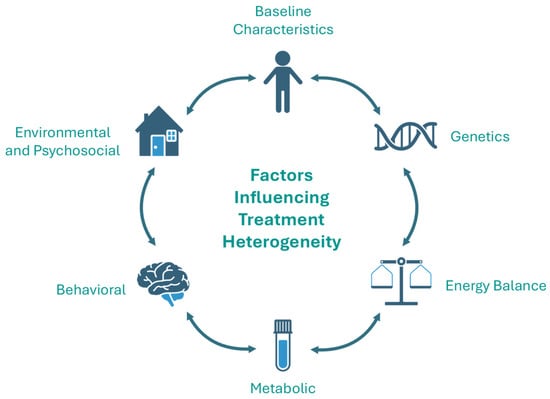
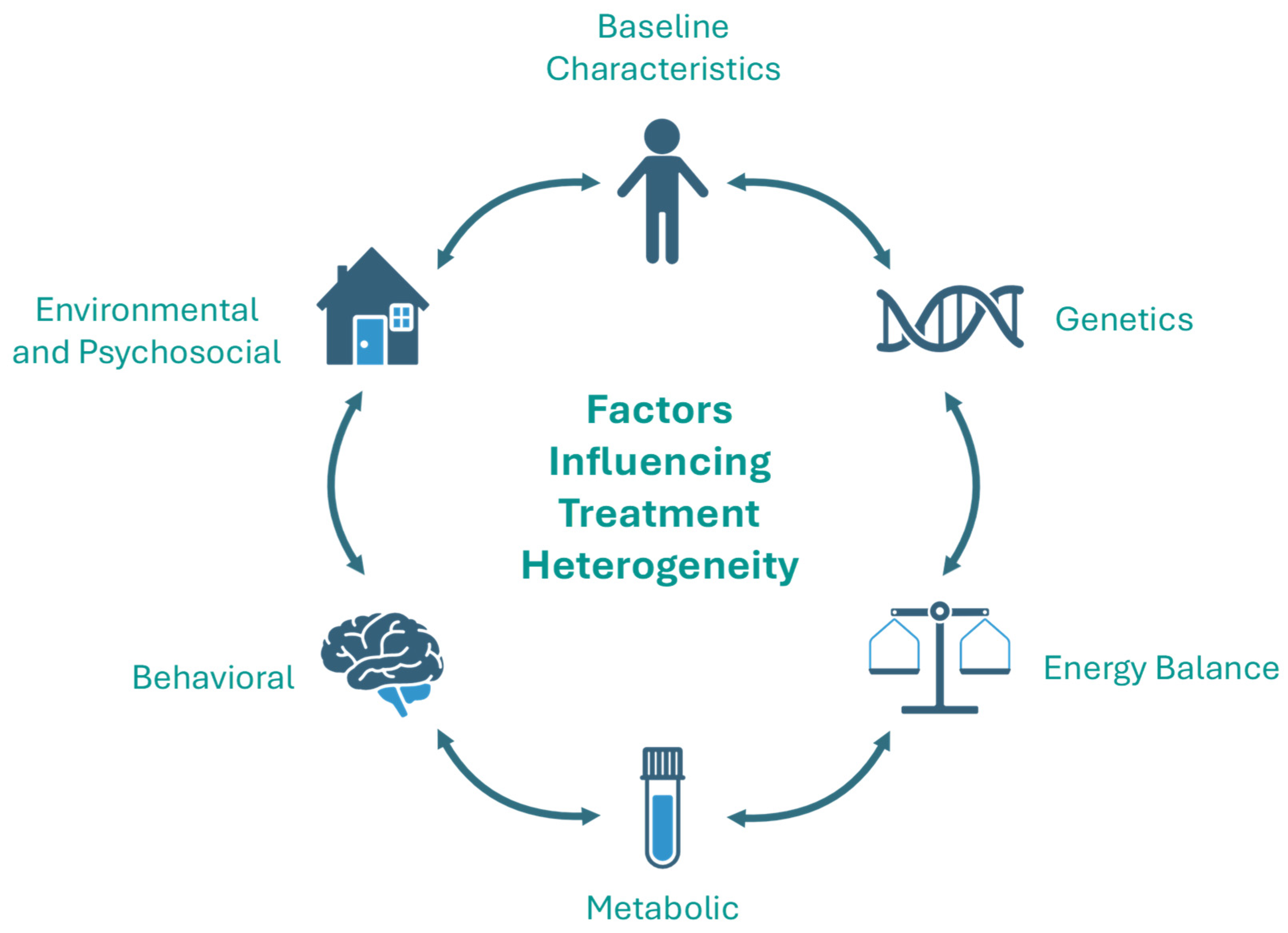
Obesity is a multifactorial disease that reflects the interplay of genetic, behavioral, environmental, and psychosocial determinants which can collectively influence an individual’s weight and metabolic risk (Figure 1). Each of these factors may contribute to the variability in response to interventions in children and adolescents with obesity (Table 1).
Figure 1.
Key Factors Influencing Treatment Heterogeneity.
Table 1.
Summary of Literature on Predictors of Weight Loss Response to Obesity Interventions in Children and Adolescents.
5.1. Baseline Characteristics
Certain patient characteristics have been found to affect response to treatment. Younger children, particularly those under 12 years at initiation of therapy, have demonstrated greater BMI reduction in response to lifestyle interventions compared to adolescents [22,29,30]. Decreased parental involvement and increased autonomy in adolescents compared to younger children, as well as increased fat mass in females with pubertal development may account for these differences [52,53]. Research on sex differences in response to lifestyle interventions has produced mixed results, showing increased or decreased weight loss in males, or no difference between sexes [22,31,54]. One study reported that children and adolescents with lower baseline BMI experienced greater reductions in BMI following lifestyle intervention, while another study found that higher baseline BMI was associated with a more favorable response [22,31]. Greater initial reduction in BMI z-score (>5%) within the first 3 months of lifestyle intervention was associated with higher chances of BMI reduction at 2 years [22].
In a post hoc analysis, baseline characteristics such as age, sex, race, ethnicity, pubertal stage, or stage of obesity, did not have a predictive impact on response to liraglutide after 56 weeks of therapy in adolescents with obesity [45]. Early responders to liraglutide (defined as ≥4% reduction in BMI at week 16) were more likely to achieve greater BMI and weight reductions at week 56 compared to early non-responders [45]. Similarly, a secondary analysis of a randomized, placebo-controlled trial of the response to phentermine/topiramate in adolescents with obesity did not find that baseline characteristics were predictive of BMI response after 56 weeks [55]. On the other hand, female sex was found to be a favorable predictive factor of BMI reduction in adolescents with severe obesity receiving exenatide for 3 months, while other characteristics such as age, baseline BMI, and BMI percent change at 1 month did not have a significant predictive value [46]. With regard to MBS, a recent prospective observational cohort study found that a higher preoperative BMI was associated with reduced odds (OR 0.89, 95% CI 0.79–0.97, p = 0.03) of achieving >35% reduction in BMI z-score at 12 months after surgery (87.7% laparoscopic sleeve gastrectomy, 12.3% Roux-en-Y gastric bypass) [48].
5.2. Genetics
The role of genetic variants in modulating response to obesity interventions is an area of growing research interest. These genetic factors have been classically categorized into three groups: monogenic obesity, syndromic obesity, and polygenic obesity. Monogenic obesity refers to single-gene variants that commonly affect the leptin-melanocortin pathway, for example in MC4R, LEPR, POMC, or PCSK1 genes, that disrupt key regulators of appetite and energy homeostasis [17]. They are inherited in a Mendelian inheritance pattern and account for approximately 5% of obesity cases, though the prevalence has been reported to reach up to 30% in certain populations [56,57,58]. These cases typically present in early childhood before 5 years of age with severe, rapid-onset obesity and hyperphagia [59]. Syndromic forms of obesity, while also inherited in a Mendelian pattern, are typically associated with characteristic signs and symptoms affecting multiple systems, such as in Prader–Willi syndrome and Bardet–Biedl syndrome (BBS) [60]. With regard to response to obesity interventions, a cohort of 9 children with MC4R variants had a similar degree of weight loss compared to 46 age- and gender-matched children without MC4R variants following a 1-year lifestyle intervention (mean BMI z-score decrease of 0.3 versus 0.4, respectively; p = 0.318 based on intention-to-treat analysis); however, the weight loss was not sustained post-intervention in children with MC4R variants [61]. Pharmacologic interventions that target these affected energy balance pathways highlight the potential benefits of precision medicine approaches to obesity care. For example, setmelanotide, an MC4R agonist, is approved for individuals with BBS and monogenic obesity due to POMC, LEPR, or PCSK1 deficiency, with studies involving pediatric participants showing 80% of those with POMC-deficiency, 45% with LEPR deficiency, and 32.3% of BBS participants achieving at least 10% reduction in body weight after 1 year of treatment [62,63]. Children and adolescents with syndromic and monogenic obesity have also demonstrated significant BMI reductions following bariatric surgery, but these data are derived from very small studies and long-term weight outcomes are not available [64,65,66].
In contrast to monogenic and syndromic forms of obesity, polygenic obesity results from the cumulative effects of multiple gene variants which interact with epigenetic and environmental factors and contribute to an increased risk of obesity [32]. Polygenic obesity is not inherited in a Mendelian pattern and is instead inherited in a similar manner to other complex diseases and traits [17]. It is the most common form of obesity and is further distinguished from monogenic and syndromic forms by the lack of distinctive clinical features [67]. However, emerging evidence suggests that there is heterogeneity even within monogenic cases of obesity, and that there are likely polygenic influences that affect clinical presentations [17]. Results from genome-wide association studies (GWAS) of BMI in over 5 million individuals identified a multi-ancestry polygenic score that explained 17.6% of BMI variation in a European-ancestry cohort, with explained variance ranging from 2.2% to 16% in other populations [68]. Another polygenic risk score for obesity, developed by Khera et al., showed that adults in the top 10% of the score had a 25-fold greater risk of severe obesity than those in the bottom decile [69]. Additionally, in a longitudinal cohort following children from birth to 18 years, stratifying individuals into top, middle, and bottom deciles of the score revealed distinct weight trajectories that emerged in early childhood and reached a difference of 12 kg by age 18 [69]. These polygenic variants often affect appetite regulation, energy expenditure, and eating behaviors, and their overall effects can be further influenced by lifestyle and environmental factors such as diet, sleep, exercise, and socioeconomic status [70]. For example, a study performed in children ages 4–5 years showed that children with high-risk FTO alleles, one of the earlier and more robustly BMI-associated gene loci, had 25% higher food intake compared to those with the low-risk FTO allele [17,71]. A growing area of research is evaluating the influence of these polygenic obesity loci and the differential responses to lifestyle, pharmacologic, and surgical therapies. One systematic review evaluating the influence of 92 polymorphisms in children and adolescents with overweight or obesity identified 24 genetic loci that influenced BMI or body composition response to lifestyle intervention [32]; however, other studies have demonstrated little to no ability of polygenic variants to predict responses to lifestyle intervention in children [72,73,74]. Another study found that carriers of the FTO obesity-predisposing allele were less likely to have an increase in BMI z-score following lifestyle intervention compared with non-carriers [31]. From a pharmacologic standpoint, one study did not show utility of polygenic risk scores in predicting response to metformin in children with obesity [75]. There are no data on the role of polygenic risk scores in predicting response to other obesity medications or to MBS in the pediatric population. In adults, polygenic scores for BMI and type 2 diabetes were not associated with weight loss response to GLP-1 receptor agonists [76]. The same study found that a higher BMI polygenic score was associated with slightly less weight loss after MBS, though the effect was small (approximately 0.7% less weight lost per standard deviation of the score) [76]. Integrating polygenic risk scores with other phenotypic markers may help stratify which children may respond to a particular treatment approach [77].
5.3. Energy Balance
Energy balance, defined as the relationship between energy intake and energy expenditure, is another factor that can influence weight loss response [78]. It is well-established that increased intake of energy-dense foods and increased sedentary behaviors can contribute to increased obesity risk [15]. In line with these risk factors, increased baseline intake of soft drinks was found to negatively predict weight loss in response to a family-based behavioral lifestyle and dietary intervention program, whereas higher baseline physical activity and greater daily water intake were associated with greater weight loss [33]. There is variation in dietary recommendations for pediatric obesity and can include caloric restriction, the traffic light diet (categorizing foods into green, yellow, or red based on energy density), and more intensive approaches such as very low-energy diets [79]. A recent systematic review evaluating dietary energy content recommendations in pediatric weight management interventions found that dietary interventions with greater energy deficits were associated with greater reductions in BMI, while interventions centered on general nutrition education without a defined energy target resulted in a slight increase in BMI [34]. Energy-targeted approaches such as hypocaloric, basal-metabolic-rate-based, and normocaloric dietary interventions achieved clinically significant average BMI reductions of at least 5% [34]. Furthermore, diet quality has been shown to be a significant predictor of response to lifestyle intervention in adolescents with overweight and obesity. In one study involving 117 adolescents receiving a multidisciplinary intervention consisting of diet, physical activity, and psychosocial support, changes in diet quality index explained 98.1% of BMI z-score changes and 95.1% of fat mass index changes after 13 months [35]. In a study of 72 adolescents participating in a 16-week behavioral weight loss trial, higher initial frequency of intake of vegetables and increased frequency of intake of fruits and reduced-calorie snack foods over the first 4 weeks of treatment accounted for 43% of the variance in BMI reduction at 12 weeks (p < 0.001) [36]. With regard to energy expenditure, increased physical activity is associated with greater reduction in percent body fat, but not BMI, in children and adolescents with overweight and obesity [80]. Additionally, higher baseline cardiorespiratory fitness is associated with greater reduction in BMI and fat mass in adolescents with obesity receiving multidisciplinary weight management intervention involving physical activity, nutritional recommendations, and psychological support [37]. In adolescents and young adults (aged 12–21 years) undergoing sleeve gastrectomy, self-reported pre-operative exercise of at least 5 h per week predicted greater weight loss at 6 months and marginally at 12 months postoperatively [49].
Obesity pharmacotherapies primarily drive weight loss through a decrease in energy intake. However, pediatric studies rarely include objective measures of energy intake or expenditure and the ability to determine how differences in energy balance behaviors contribute to the variability in treatment response is uncertain. Identifying and validating energy balance phenotypes, such as “low-intake” and “high-expenditure” phenotypes, in children may provide insight into who is more likely to respond to a particular intervention and could guide future personalized approaches.
5.4. Metabolic
There is significant heterogeneity in metabolic health among children and adolescents with obesity, with a subset demonstrating a favorable cardiometabolic profile, commonly referred to as metabolically healthy obesity (MHO), while others exhibit metabolically unhealthy obesity (MUO), characterized by one or more metabolic abnormalities such as dyslipidemia, hypertension, impaired glucose regulation, or insulin resistance [81,82,83]. Children with the MHO phenotype tend to be younger, prepubertal, and have lower BMI, waist circumference, and body fat measurements compared to those with MUO [84,85]. These metabolic differences may play a role in the variability observed in weight loss and metabolic response to obesity interventions.
In a retrospective study of 733 children and adolescents with overweight and obesity without diabetes, the presence of baseline prediabetes predicted greater improvement in BMI relative to the 95th percentile over 12 months compared with peers without prediabetes enrolled in a weight management program [38]. Conversely, a retrospective study of 134 adolescents with obesity demonstrated that higher baseline fasting insulin and homeostasis model assessment insulin resistance (HOMA-IR) were independently associated with poorer response to lifestyle therapy, with each 10-unit increase in fasting insulin and 1-unit increase in HOMA-IR conferring 3.13-fold and 1.64-fold greater odds of nonresponse (defined as an increase in BMI z-score), respectively [39]. Consistent with these findings, another study reported that insulin resistance and other components of the metabolic syndrome, including increased waist circumference, elevated blood pressure, and hypertriglyceridemia, were significant negative predictors of weight loss among children with obesity participating in lifestyle interventions [40]. Additionally, baseline leptin levels have been inversely associated with weight loss response to lifestyle intervention in children with obesity [41].
Post hoc analysis of the adolescent liraglutide trial demonstrated that the likelihood of achieving ≥5% or ≥10% BMI reduction with liraglutide compared to placebo was lower among participants with baseline hyperglycemia, however, these results were not statistically significant [45]. Similarly, a systematic review and meta-analysis reported that GLP-1 receptor agonists were more likely to result in greater body weight reduction in children with obesity compared to those with type 2 diabetes [86]. These findings are limited by the small number of available studies, the relatively fewer participants with hyperglycemia or type 2 diabetes, and the lower dose of liraglutide used for treatment of type 2 diabetes than for obesity treatment. Glycemic status was not identified as a significant predictor of BMI reduction in adolescents with obesity treated with phentermine/topiramate [55]. Lower baseline leptin response to meals has been associated with greater weight loss maintenance in those treated with exenatide [47].
In adolescents undergoing laparoscopic sleeve gastrectomy, higher baseline systolic blood pressure predicted greater weight loss by change in absolute BMI and BMI z-score at both 6 and 12 months, while elevated hemoglobin A1c was associated with greater reduction in BMI z-score at 6 months [50]. However, other metabolic parameters, such as fasting glucose, liver function, triglycerides, and waist circumference, were not associated with a predictive outcome [50]. Another study examining predictors of achieving at least a 25% relative reduction in BMI z-score at 12 months following MBS found that preoperative lipid profiles, HbA1c, and liver enzyme levels were not significant determinants of postoperative weight loss [48].
5.5. Eating Behavior
Eating behavior phenotypes may also influence weight loss response in children and adolescents with obesity. Eating behaviors develop rapidly from infancy to school age and can be affected by biological, psychosocial, and developmental factors [87]. A prospective cohort study of eating behaviors among children showed that children with a higher BMI at age 4 years were more likely to have greater food responsiveness, greater food enjoyment, and decreased satiety responsiveness at the age of 10 years [88]. Additionally, emotional eating was identified as both a predictor and a consequence of increased BMI in this cohort [88].
A recent study identified three distinct eating behavior profiles among children and adolescents with overweight or obesity enrolled in a 10-week lifestyle intervention camp: low, medium, and high food approach, based on their degree of food responsiveness and emotional eating [89]. Those in the high food approach group were more likely to be younger, reported lower baseline quality of life, and had the highest BMI standard deviation scores [89]. While this group did not achieve greater BMI reduction than other profiles in response to the lifestyle intervention, they experienced the largest improvements in quality of life and overeating behaviors [89]. These findings highlight the potential value of tailoring interventions to individual eating behavior phenotypes.
Currently approved obesity pharmacotherapies target physiologic pathways involved in regulating appetite and satiety, for example, phentermine/topiramate acts centrally, while GLP-1 receptor agonists have both central and peripheral effects through the hypothalamus and gastrointestinal tract [90,91]. In pooled data from two clinical trials of exenatide in adolescents with severe obesity, greater baseline appetite was associated with a more pronounced reduction in BMI after 3 months of therapy, whereas baseline satiety levels were not predictive of treatment response [46]. On the other hand, currently published studies on adolescents undergoing MBS do not suggest that changes in appetite at baseline or eating behaviors postoperatively correlate with BMI reduction or maintenance after surgery [92,93].
5.6. Environmental and Psychosocial Factors
Environmental and psychosocial factors are important considerations in children and adolescents with obesity. Socioeconomic status, the community and home environments, and family dynamics collectively influence both access to and engagement with interventions [11]. Lower socioeconomic status and housing insecurity have been associated with higher dropout rates and nonadherence to pediatric weight management interventions [94,95,96]. One study showed that children in households with food insecurity had an increase in their BMI by 0.5 kg/m2, or 2.1 %BMIp95, per year compared to food secure households following a multidisciplinary lifestyle intervention [42]. Moreover, children and adolescents with less social deprivation were more likely to have greater reduction in BMI z-score following participating in outpatient lifestyle intervention [22]. In adolescents who underwent laparoscopic adjustable gastric banding, the presence of family conflict was associated with reduced postoperative weight loss [51].
Parental characteristics, such as parental obesity and education level, have also been associated with response or adherence to weight management programs [43,97,98]. In a retrospective study, the presence of obesity-related comorbidities in both parents was associated with a 12.6-fold higher likelihood of nonresponse to lifestyle interventions among children with obesity [39]. These findings likely reflect both shared genetic susceptibility and environmental factors, such as the home food environment, parental modeling of health behaviors, and psychosocial stress, that may together shape treatment response [11]. Greater parental involvement in pediatric weight management programs has been associated with more pronounced weight loss compared to less parental participation, though evidence in adolescents remains limited and warrants further investigation [44,99]. Accordingly, current pediatric clinical practice guidelines emphasize family-based behavioral interventions as a central component of obesity treatment in children and adolescents [11].
6. Obesity Phenotyping
The interaction between these intrinsic and extrinsic factors gives rise to distinct obesity phenotypes that vary in severity, comorbidity profile, and treatment responsiveness, and highlight the need to consider these factors collectively when developing treatment strategies for children and adolescents with obesity. At present, obesity phenotyping in this population is typically reliant on anthropometric measures using BMI percentiles for age and sex into class 1 obesity (BMI ≥ 95th percentile to <120% of 95th percentile), class 2 obesity (BMI ≥ 120% to <140% of 95th percentile or BMI ≥ 35 to <40 kg/m2, whichever is lower), and class 3 obesity (BMI ≥ 140% of 95th percentile or BMI ≥ 40 kg/m2, whichever is lower) [11]. This is often complemented by metabolic markers and classification into metabolically healthy versus unhealthy obesity [81]. However, given the unique combination of biological, behavioral, and environmental influences affecting each child, obesity management requires a personalized approach tailored to the individual’s specific phenotype to achieve the most effective and sustained therapeutic outcomes.
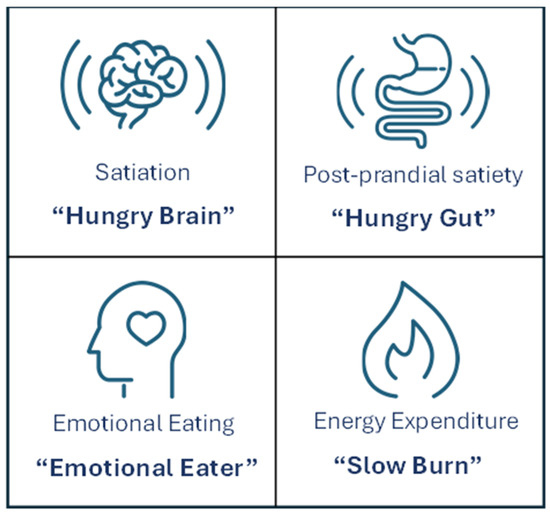
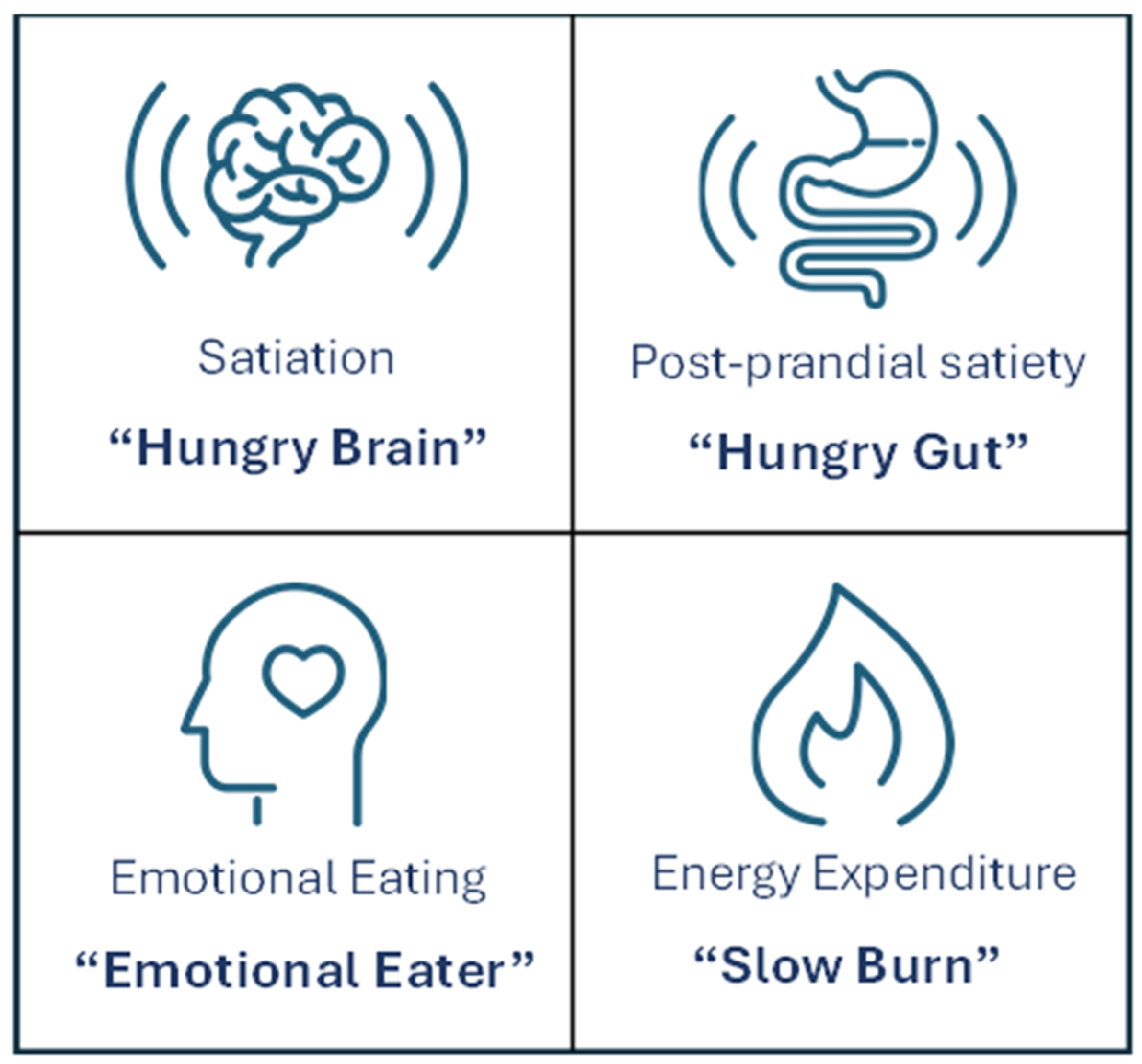
In the adult population, obesity phenotyping studies have identified four subgroups with distinct physiologic and behavioral drivers of obesity: abnormal satiation (hungry brain), abnormal postprandial satiety (hungry gut), abnormal hedonic eating (emotional eating), and abnormal (reduced) energy expenditure [100,101] (Figure 2). These energy balance phenotypes were derived from deep phenotyping participants, which involves 8 h of testing including measurement of resting energy expenditure, body composition using dual-energy X-ray absorptiometry imaging, blood sample collection of fasting and postprandial hormones, genotyping, gastric emptying scans, ad libitum meal, assessment of appetite sensations, and completion of mood and eating behavior questionnaires [102]. Satiation refers to the sensation of fullness that develops during a meal and determines meal size and meal termination; individuals with abnormal satiation require greater caloric intake at each meal before feeling full [102,103]. Satiety describes the process arising after a meal that prevents the return of hunger and affects the timing of the next meal, and those with abnormal postprandial satiety experience an earlier return of hunger and increased frequency of eating in between meals [102,103].
Figure 2.
Energy Balance Obesity Phenotypes.
These obesity phenotypes have been shown to predict weight loss response in studies in adults using lifestyle intervention [104], obesity medications [100,105,106], and bariatric endoscopic devices [107,108,109,110]. In a proof-of-concept study, adults with obesity who received phenotype-tailored lifestyle interventions (time-restricted volumetric low-calorie diet for abnormal satiation; low-calorie diet with pre-meal protein supplementation for abnormal postprandial satiety; low-calorie diet with intensive behavioral therapy for abnormal hedonic eating; and low-calorie diet, post-workout protein supplementation, and high-intensity interval training for abnormal resting energy expenditure) had greater weight loss (−3.1 kg [95%CI, −5.1 to −1.1]; p = 0.004) compared to those receiving standard lifestyle interventions (low-calorie diet, moderate physical activity, weekly behavioral therapy) [104]. The use of obesity medications guided by an individual’s obesity phenotype (phentermine/topiramate for abnormal satiation, liraglutide for abnormal satiety, naltrexone/bupropion sustained release for abnormal hedonic eating, and phentermine for low energy expenditure) resulted in 1.75-fold greater weight loss at 12 months compared to non-phenotype guided use of these medications [101].
Furthermore, a recent study characterized calories to satiation (CTS) using the ad libitum meal test and validated a machine-learning-assisted gene risk score (GRS) to predict CTS among adults with obesity [102]. Participants completed an ad libitum meal test to quantify calories consumed until satiation. Sex-stratified CTS distributions were divided into quartiles, and “high CTS” was defined as greater than the 75th percentile [102]. Using supervised machine-learning, a model was developed to predict high CTS by integrating weighted genetic variants across 10 genes known to influence appetite and satiation (SIM1, PCSK1, SH2B1, LEPR, UCP2, FTO, TCF7L2, GLP1R, TNFRSF11A, and ADRA2A) [102]. CTSGRS, derived from a blood or saliva sample, provides a more accessible alternative to the time-intensive laboratory deep phenotyping protocol. Its clinical utility was evaluated in two previously completed randomized clinical trials and found that high CTS or CTSGRS predicted greater weight loss with phentermine/topiramate after 52 weeks, while those with low CTS or CTSGRS were more likely to respond better to liraglutide at 16 weeks [102]. These advances in adult obesity phenotyping highlight the feasibility and clinical value of a precision-medicine guided treatment approach.
Despite progress in adults, obesity phenotyping across energy balance domains in the pediatric population remains understudied. In adult studies, validated methodologies such as standardized ad libitum buffet meals, behavioral and appetite questionnaires, gastric emptying studies, and measurement of resting energy expenditure, are used to characterize obesity phenotypes [102]. Similar tools evaluating energy intake and expenditure have been applied in pediatrics. For example, a study evaluating the reproducibility of an in-laboratory ad libitum buffet meal in adolescents with obesity found that total energy intake was highly consistent across 3 identical experimental sessions (intraclass correlations of 0.99) [111]. Another study found that ad libitum intake measured during a lab-based palatable buffet meal in children aged 4–6 years was positively associated with body fat assessed by dual-energy X-ray absorptiometry [112]. Structured assessments of appetitive traits, such as food and satiety responsiveness and emotional eating, have also been used to derive behavioral phenotypes in children [113]. Children and adolescents with obesity were found to be more likely to self-report greater hunger and faster eating compared to normal-weight children [114]. Additionally, in a cross-sectional study of children aged 5–12 years with obesity, parent-reported measures of appetitive traits (using the Child Eating Behavior Questionnaire) and psychological/behavioral symptoms (using the Vanderbilt ADHD Scale and Pediatric Symptom Checklist) identified 4 distinct phenotypes: Hedonic Impulsive, Inattentive Impulsive, Hedonic Emotional, and Picky Eating [115]. Similarly, another study identified 3 overeating phenotypes in children with overweight and obesity using self- and parent-reported questionnaires, interview assessments, and a laboratory paradigm assessing eating in the absence of hunger [116]. Regarding energy expenditure, indirect calorimetry remains the gold standard for measuring resting energy expenditure in children and adolescents with obesity [117,118]. Recent studies have shown wide inter-individual variability in resting energy, with most children classified as normometabolic (60.6%), 25.5% as hypermetabolic, and 13.9% as hypometabolic, and evidence suggests that these differences may be influenced by underlying etiologies of obesity [119,120]. These studies demonstrate that energy balance phenotyping is feasible and informative in children. However, pediatric studies remain limited in scope and rarely integrate multidimensional measures of energy balance, including hormonal, behavioral, metabolic, and genetic factors. Future research should aim to standardize and expand these tools to better characterize pediatric obesity phenotypes, establish normative reference data, and ultimately evaluate whether targeting energy balance phenotypes can improve treatment outcomes in children and adolescents with obesity.
It is important to note that most of the referenced studies informing the factors influencing response to obesity intervention and obesity phenotyping were conducted in the United States and Europe, with limited representation from other sociocultural contexts, which may limit the generalizability of these findings.
7. Conclusions and Future Directions
There is considerable heterogeneity in treatment response among children and adolescents with obesity, influenced by a complex interplay of genetic, metabolic, behavioral, environmental, and psychosocial determinants. Defining and validating energy-balance obesity phenotypes and replicating adult-phenotype guided treatment approaches through randomized controlled trials in children could enable more precise, individualized treatment strategies. These advances have the potential to improve intervention efficacy and move pediatric obesity care toward a precision medicine framework.
Author Contributions
L.S., A.J.A. and S.K. conceptualized the review. L.S. conducted the literature synthesis and wrote the original draft of the manuscript. A.S.K., A.J.A. and S.K. critically reviewed and edited the manuscript. S.K. provided supervision and coordinated the preparation of the final manuscript. All authors have read and agreed to the published version of the manuscript.
Funding
This research received no external funding.
Data Availability Statement
No new data were created or analyzed in this study.
Conflicts of Interest
Gila Therapeutics and Phenomix Sciences have licensed A.J.A’s research technologies from University of Florida and Mayo Clinic, respectively. A.J.A. has received consultant fees in the last 5 years from Structure Therapeutics, Rhythm Pharmaceuticals, Gila Therapeutics, Amgen, General Mills, Regeneron, Boehringer Ingelheim, Novo Nordisk, Currax, Nestle, Phenomix Sciences, Busch Health, and RareDiseases; invited speaker honorarium to present his own work at University, Hospital, Societal Conference and Industry; and funding support from the National Institute of Health, Delaney Foundation, Dairy Management Institute, Vivus Pharmaceuticals, Apollo Endosurgery, Satiogen Pharmaceuticals, Spatz Medical, Rhythm Pharmaceuticals, Regeneron, Boehringer Ingelheim, and Novo Nordisk. A.S.K. engages in unpaid consulting activities for Boehringer Ingelheim, Eli Lilly, Novo Nordisk, and Vivus; engages in unpaid educational activities for Novo Nordisk; receives donated drug/placebo from Vivus and donated drug from Novo Nordisk for National Institute of Diabetes and Digestive and Kidney Diseases (NIDDK)-funded clinical trials. S.K. is a clinical trial investigator and consultant for Rhythm Pharmaceuticals.
References
- GBD 2021 Adolescent BMI Collaborators. Global, regional, and national prevalence of child and adolescent overweight and obesity, 1990-2021, with forecasts to 2050: A forecasting study for the Global Burden of Disease Study 2021. Lancet 2025, 405, 785–812. [Google Scholar] [CrossRef] [Scilit]
- Zhang, X.; Liu, J.; Ni, Y.; Yi, C.; Fang, Y.; Ning, Q.; Shen, B.; Zhang, K.; Liu, Y.; Yang, L.; et al. Global Prevalence of Overweight and Obesity in Children and Adolescents: A Systematic Review and Meta-Analysis. JAMA Pediatr. 2024, 178, 800–813. [Google Scholar] [CrossRef] [Scilit]
- Hannon, T.S.; Arslanian, S.A. Obesity in Adolescents. N. Engl. J. Med. 2023, 389, 251–261. [Google Scholar] [CrossRef] [Scilit]
- Twig, G.; Yaniv, G.; Levine, H.; Leiba, A.; Goldberger, N.; Derazne, E.; Ben-Ami Shor, D.; Tzur, D.; Afek, A.; Shamiss, A.; et al. Body-Mass Index in 2.3 Million Adolescents and Cardiovascular Death in Adulthood. N. Engl. J. Med. 2016, 374, 2430–2440. [Google Scholar] [CrossRef] [Scilit]
- Baker, J.L.; Olsen, L.W.; Sorensen, T.I. Childhood body-mass index and the risk of coronary heart disease in adulthood. N. Engl. J. Med. 2007, 357, 2329–2337. [Google Scholar] [CrossRef] [Scilit] [PubMed]
- Ryder, J.R.; Kaizer, A.M.; Jenkins, T.M.; Kelly, A.S.; Inge, T.H.; Shaibi, G.Q. Heterogeneity in Response to Treatment of Adolescents with Severe Obesity: The Need for Precision Obesity Medicine. Obesity 2019, 27, 288–294. [Google Scholar] [CrossRef] [Scilit]
- Greenway, F.L. Physiological adaptations to weight loss and factors favouring weight regain. Int. J. Obes. 2015, 39, 1188–1196. [Google Scholar] [CrossRef] [Scilit]
- Skelton, J.A.; Beech, B.M. Attrition in paediatric weight management: A review of the literature and new directions. Obes. Rev. 2011, 12, e273–e281. [Google Scholar] [CrossRef] [Scilit] [PubMed]
- Bomberg, E.M.; Ryder, J.R.; Brundage, R.C.; Straka, R.J.; Fox, C.K.; Gross, A.C.; Oberle, M.M.; Bramante, C.T.; Sibley, S.D.; Kelly, A.S. Precision medicine in adult and pediatric obesity: A clinical perspective. Ther. Adv. Endocrinol. Metab. 2019, 10, 2042018819863022. [Google Scholar] [CrossRef] [Scilit] [PubMed]
- Kelly, A.S.; Marcus, M.D.; Yanovski, J.A.; Yanovski, S.Z.; Osganian, S.K. Working toward precision medicine approaches to treat severe obesity in adolescents: Report of an NIH workshop. Int. J. Obes. 2018, 42, 1834–1844. [Google Scholar] [CrossRef] [Scilit]
- Hampl, S.E.; Hassink, S.G.; Skinner, A.C.; Armstrong, S.C.; Barlow, S.E.; Bolling, C.F.; Avila Edwards, K.C.; Eneli, I.; Hamre, R.; Joseph, M.M.; et al. Clinical Practice Guideline for the Evaluation and Treatment of Children and Adolescents With Obesity. Pediatrics 2023, 151, e2022060640. [Google Scholar] [CrossRef] [PubMed]
- Costa, C.S.; Del-Ponte, B.; Assuncao, M.C.F.; Santos, I.S. Consumption of ultra-processed foods and body fat during childhood and adolescence: A systematic review. Public Health Nutr. 2018, 21, 148–159. [Google Scholar] [CrossRef] [Scilit]
- Luger, M.; Lafontan, M.; Bes-Rastrollo, M.; Winzer, E.; Yumuk, V.; Farpour-Lambert, N. Sugar-Sweetened Beverages and Weight Gain in Children and Adults: A Systematic Review from 2013 to 2015 and a Comparison with Previous Studies. Obes. Facts 2017, 10, 674–693. [Google Scholar] [CrossRef] [Scilit] [PubMed]
- Johnson, L.; Mander, A.P.; Jones, L.R.; Emmett, P.M.; Jebb, S.A. Energy-dense, low-fiber, high-fat dietary pattern is associated with increased fatness in childhood. Am. J. Clin. Nutr. 2008, 87, 846–854. [Google Scholar] [CrossRef] [Scilit] [PubMed]
- Mahumud, R.A.; Sahle, B.W.; Owusu-Addo, E.; Chen, W.; Morton, R.L.; Renzaho, A.M.N. Association of dietary intake, physical activity, and sedentary behaviours with overweight and obesity among 282,213 adolescents in 89 low and middle income to high-income countries. Int. J. Obes. 2021, 45, 2404–2418. [Google Scholar] [CrossRef] [Scilit]
- Stiglic, N.; Viner, R.M. Effects of screentime on the health and well-being of children and adolescents: A systematic review of reviews. BMJ Open 2019, 9, e023191. [Google Scholar] [CrossRef] [Scilit]
- Loos, R.J.F.; Yeo, G.S.H. The genetics of obesity: From discovery to biology. Nat. Rev. Genet. 2022, 23, 120–133. [Google Scholar] [CrossRef] [Scilit]
- Badr, M.; El-Rabaa, G.; Freiha, M.; Kedzia, A.; Niechcial, E. Endocrine consequences of childhood obesity: A narrative review. Front. Endocrinol. 2025, 16, 1584861. [Google Scholar] [CrossRef] [Scilit]
- Stefan, N. Causes, consequences, and treatment of metabolically unhealthy fat distribution. Lancet Diabetes Endocrinol. 2020, 8, 616–627. [Google Scholar] [CrossRef] [Scilit]
- Marginean, C.O.; Melit, L.E.; Hutanu, A.; Ghiga, D.V.; Sasaran, M.O. The adipokines and inflammatory status in the era of pediatric obesity. Cytokine 2020, 126, 154925. [Google Scholar] [CrossRef] [Scilit]
- Landgraf, K.; Rockstroh, D.; Wagner, I.V.; Weise, S.; Tauscher, R.; Schwartze, J.T.; Loffler, D.; Buhligen, U.; Wojan, M.; Till, H.; et al. Evidence of early alterations in adipose tissue biology and function and its association with obesity-related inflammation and insulin resistance in children. Diabetes 2015, 64, 1249–1261. [Google Scholar] [CrossRef] [Scilit] [PubMed]
- Prinz, N.; Pomares-Millan, H.; Dannemann, A.; Giordano, G.N.; Joisten, C.; Korner, A.; Weghuber, D.; Weihrauch-Bluher, S.; Wiegand, S.; Holl, R.W.; et al. Who benefits most from outpatient lifestyle intervention? An IMI-SOPHIA study on pediatric individuals living with overweight and obesity. Obesity 2023, 31, 2375–2385. [Google Scholar] [CrossRef] [Scilit]
- O’Connor, E.A.; Evans, C.V.; Burda, B.U.; Walsh, E.S.; Eder, M.; Lozano, P. Screening for Obesity and Intervention for Weight Management in Children and Adolescents: Evidence Report and Systematic Review for the US Preventive Services Task Force. JAMA 2017, 317, 2427–2444. [Google Scholar] [CrossRef] [Scilit]
- Weghuber, D.; Barrett, T.; Barrientos-Perez, M.; Gies, I.; Hesse, D.; Jeppesen, O.K.; Kelly, A.S.; Mastrandrea, L.D.; Sorrig, R.; Arslanian, S.; et al. Once-Weekly Semaglutide in Adolescents with Obesity. N. Engl. J. Med. 2022, 387, 2245–2257. [Google Scholar] [CrossRef] [Scilit] [PubMed]
- Kelly, A.S.; Auerbach, P.; Barrientos-Perez, M.; Gies, I.; Hale, P.M.; Marcus, C.; Mastrandrea, L.D.; Prabhu, N.; Arslanian, S.; Investigators, N.N.T. A Randomized, Controlled Trial of Liraglutide for Adolescents with Obesity. N. Engl. J. Med. 2020, 382, 2117–2128. [Google Scholar] [CrossRef] [Scilit] [PubMed]
- Kelly, A.S.; Bensignor, M.O.; Hsia, D.S.; Shoemaker, A.H.; Shih, W.; Peterson, C.; Varghese, S.T. Phentermine/Topiramate for the Treatment of Adolescent Obesity. NEJM Evid. 2022, 1, EVIDoa2200014. [Google Scholar] [CrossRef] [Scilit]
- Inge, T.H.; Courcoulas, A.P.; Helmrath, M.A. Five-Year Outcomes of Gastric Bypass in Adolescents as Compared with Adults. N. Engl. J. Med. 2019, 381, e17. [Google Scholar] [CrossRef] [Scilit]
- Ryder, J.R.; Jenkins, T.M.; Xie, C.; Courcoulas, A.P.; Harmon, C.M.; Helmrath, M.A.; Sisley, S.; Michalsky, M.P.; Brandt, M.; Inge, T.H. Ten-Year Outcomes after Bariatric Surgery in Adolescents. N. Engl. J. Med. 2024, 391, 1656–1658. [Google Scholar] [CrossRef] [Scilit]
- van de Pas, K.G.H.; Lubrecht, J.W.; Hesselink, M.L.; Winkens, B.; van Dielen, F.M.H.; Vreugdenhil, A.C.E. The Effect of a Multidisciplinary Lifestyle Intervention on Health Parameters in Children versus Adolescents with Severe Obesity. Nutrients 2022, 14, 1795. [Google Scholar] [CrossRef] [Scilit]
- Reinehr, T.; Kleber, M.; Lass, N.; Toschke, A.M. Body mass index patterns over 5 y in obese children motivated to participate in a 1-y lifestyle intervention: Age as a predictor of long-term success. Am. J. Clin. Nutr. 2010, 91, 1165–1171. [Google Scholar] [CrossRef] [Scilit]
- Hagman, E.; Hecht, L.; Marko, L.; Azmanov, H.; Groop, L.; Santoro, N.; Caprio, S.; Weiss, R. Predictors of responses to clinic-based childhood obesity care. Pediatr. Diabetes 2018, 19, 1351–1356. [Google Scholar] [CrossRef] [Scilit]
- Vourdoumpa, A.; Paltoglou, G.; Charmandari, E. The Genetic Basis of Childhood Obesity: A Systematic Review. Nutrients 2023, 15, 1416. [Google Scholar] [CrossRef] [Scilit] [PubMed]
- Dubuisson, A.C.; Zech, F.R.; Dassy, M.M.; Jodogne, N.B.; Beauloye, V.M. Determinants of weight loss in an interdisciplinary long-term care program for childhood obesity. ISRN Obes. 2012, 2012, 349384. [Google Scholar] [CrossRef] [Scilit]
- Southcombe, F.; Lin, F.; Krstic, S.; Sim, K.A.; Dennis, S.; Lingam, R.; Denney-Wilson, E. Targeted dietary approaches for the management of obesity and severe obesity in children and adolescents: A systematic review and meta-analysis. Clin. Obes. 2023, 13, e12564. [Google Scholar] [CrossRef] [Scilit]
- De Miguel-Etayo, P.; Moreno, L.A.; Santabarbara, J.; Martin-Matillas, M.; Azcona-San Julian, M.C.; Marti Del Moral, A.; Campoy, C.; Marcos, A.; Garagorri, J.M.; Group, E.S. Diet quality index as a predictor of treatment efficacy in overweight and obese adolescents: The EVASYON study. Clin. Nutr. 2019, 38, 782–790. [Google Scholar] [CrossRef] [Scilit] [PubMed]
- Hart, C.N.; Jelalian, E.; Raynor, H.A.; Mehlenbeck, R.; Lloyd-Richardson, E.E.; Kaplan, J.; Flynn-O’Brien, K.; Wing, R.R. Early patterns of food intake in an adolescent weight loss trial as predictors of BMI change. Eat. Behav. 2010, 11, 217–222. [Google Scholar] [CrossRef] [Scilit] [PubMed]
- Allali, B.; Pereira, B.; Fillon, A.; Pouele, L.; Masurier, J.; Cardenoux, C.; Isacco, L.; Boirie, Y.; Duclos, M.; Thivel, D.; et al. The effectiveness of multidisciplinary weight loss interventions is associated with initial cardiorespiratory fitness in adolescents with obesity. Pediatr. Obes. 2024, 19, e13147. [Google Scholar] [CrossRef] [Scilit]
- Tester, J.M.; Xiao, L.; Chau, C.A.; Tinajero-Deck, L.; Srinivasan, S.; Rosas, L.G. Greater Improvement in Obesity Among Children With Prediabetes in a Clinical Weight Management Program. Child. Obes. 2024, 20, 262–269. [Google Scholar] [CrossRef] [Scilit]
- Pinhas-Hamiel, O.; Lerner-Geva, L.; Copperman, N.; Jacobson, M.S. Insulin resistance and parental obesity as predictors to response to therapeutic life style change in obese children and adolescents 10-18 years old. J. Adolesc. Health 2008, 43, 437–443. [Google Scholar] [CrossRef] [Scilit]
- Uysal, Y.; Wolters, B.; Knop, C.; Reinehr, T. Components of the metabolic syndrome are negative predictors of weight loss in obese children with lifestyle intervention. Clin. Nutr. 2014, 33, 620–625. [Google Scholar] [CrossRef] [Scilit]
- Reinehr, T.; Kleber, M.; de Sousa, G.; Andler, W. Leptin concentrations are a predictor of overweight reduction in a lifestyle intervention. Int. J. Pediatr. Obes. 2009, 4, 215–223. [Google Scholar] [CrossRef] [Scilit]
- Persaud, A.; Evans, E.W.; Perkins, M.; Simione, M.; Cheng, E.R.; Luo, M.; Burgun, R.; Taveras, E.M.; Fiechtner, L. The association of food insecurity on body mass index change in a pediatric weight management intervention. Pediatr. Obes. 2023, 18, e13075. [Google Scholar] [CrossRef] [Scilit] [PubMed]
- Eliakim, A.; Friedland, O.; Kowen, G.; Wolach, B.; Nemet, D. Parental obesity and higher pre-intervention BMI reduce the likelihood of a multidisciplinary childhood obesity program to succeed--a clinical observation. J. Pediatr. Endocrinol. Metab. 2004, 17, 1055–1061. [Google Scholar] [CrossRef] [Scilit]
- Heinberg, L.J.; Kutchman, E.M.; Berger, N.A.; Lawhun, S.A.; Cuttler, L.; Seabrook, R.C.; Horwitz, S.M. Parent involvement is associated with early success in obesity treatment. Clin. Pediatr. 2010, 49, 457–465. [Google Scholar] [CrossRef] [Scilit] [PubMed]
- Bensignor, M.O.; Bramante, C.T.; Bomberg, E.M.; Fox, C.K.; Hale, P.M.; Kelly, A.S.; Mamadi, R.; Prabhu, N.; Harder-Lauridsen, N.M.; Gross, A.C. Evaluating potential predictors of weight loss response to liraglutide in adolescents with obesity: A post hoc analysis of the randomized, placebo-controlled SCALE Teens trial. Pediatr. Obes. 2023, 18, e13061. [Google Scholar] [CrossRef] [Scilit]
- Nathan, B.M.; Rudser, K.D.; Abuzzahab, M.J.; Fox, C.K.; Coombes, B.J.; Bomberg, E.M.; Kelly, A.S. Predictors of weight-loss response with glucagon-like peptide-1 receptor agonist treatment among adolescents with severe obesity. Clin. Obes. 2016, 6, 73–78. [Google Scholar] [CrossRef] [Scilit]
- Bensignor, M.O.; Kelly, A.S.; Kunin-Batson, A.; Fox, C.K.; Freese, R.; Clark, J.; Rudser, K.D.; Bomberg, E.M.; Ryder, J.; Gross, A.C. Evaluating appetite/satiety hormones and eating behaviours as predictors of weight loss maintenance with GLP-1RA therapy in adolescents with severe obesity. Pediatr. Obes. 2024, 19, e13105. [Google Scholar] [CrossRef] [Scilit]
- Beck, R.H.; Afrooz, I.; Masalawala, M.S.; Watad, R.; Al Shaban, T.; Deeb, A. Metabolic and Bariatric Surgery in Adolescents: A Single-Center Study of Efficacy and Outcome Predictors. Horm. Res. Paediatr. 2025; Epub ahead of printing. [CrossRef] [Scilit]
- Mackey, E.R.; Jacobs, M.; Nadler, E.P. Preoperative exercise as a predictor of weight loss in adolescents and young adults following sleeve gastrectomy: A cohort study. Surg. Obes. Relat. Dis. 2019, 15, 1051–1057. [Google Scholar] [CrossRef] [Scilit] [PubMed]
- Burghard, A.C.; Rahming, V.L.; Sonnett Fisher, A.; Zitsman, J.L.; Oberfield, S.E.; Fennoy, I. The Relationship between Metabolic Comorbidities and Post-Surgical Weight Loss Outcomes in Adolescents Undergoing Laparoscopic Sleeve Gastrectomy. Horm. Res. Paediatr. 2024, 97, 261–269. [Google Scholar] [CrossRef] [Scilit]
- Sysko, R.; Devlin, M.J.; Hildebrandt, T.B.; Brewer, S.K.; Zitsman, J.L.; Walsh, B.T. Psychological outcomes and predictors of initial weight loss outcomes among severely obese adolescents receiving laparoscopic adjustable gastric banding. J. Clin. Psychiatry 2012, 73, 1351–1357. [Google Scholar] [CrossRef] [Scilit]
- Rancourt, D.; Jensen, C.D.; Duraccio, K.M.; Evans, E.W.; Wing, R.R.; Jelalian, E. Successful weight loss initiation and maintenance among adolescents with overweight and obesity: Does age matter? Clin. Obes. 2018, 8, 176–183. [Google Scholar] [CrossRef] [Scilit] [PubMed]
- Loomba-Albrecht, L.A.; Styne, D.M. Effect of puberty on body composition. Curr. Opin. Endocrinol. Diabetes Obes. 2009, 16, 10–15. [Google Scholar] [CrossRef] [Scilit] [PubMed]
- Wiegand, S.; Keller, K.M.; Lob-Corzilius, T.; Pott, W.; Reinehr, T.; Robl, M.; Stachow, R.; Tuschy, S.; Weidanz, I.; Widhalm, K.; et al. Predicting weight loss and maintenance in overweight/obese pediatric patients. Horm. Res. Paediatr. 2014, 82, 380–387. [Google Scholar] [CrossRef] [Scilit]
- Bensignor, M.O.; Freese, R.L.; Rudser, K.D.; Kelly, A.S.; Kunin-Batson, A.; Gross, A.C.; Bramante, C.; Shih, W.; Peterson, C.; Fox, C.K. Predictors of BMI reduction with phentermine/topiramate in adolescents with obesity. Int. J. Obes. 2025, 49, 1777–1780. [Google Scholar] [CrossRef] [Scilit]
- Saeed, S.; Bonnefond, A.; Manzoor, J.; Shabbir, F.; Ayesha, H.; Philippe, J.; Durand, E.; Crouch, H.; Sand, O.; Ali, M.; et al. Genetic variants in LEP, LEPR, and MC4R explain 30% of severe obesity in children from a consanguineous population. Obesity 2015, 23, 1687–1695. [Google Scholar] [CrossRef] [Scilit]
- Foucan, L.; Larifla, L.; Durand, E.; Rambhojan, C.; Armand, C.; Michel, C.T.; Billy, R.; Dhennin, V.; De Graeve, F.; Rabearivelo, I.; et al. High Prevalence of Rare Monogenic Forms of Obesity in Obese Guadeloupean Afro-Caribbean Children. J. Clin. Endocrinol. Metab. 2018, 103, 539–545. [Google Scholar] [CrossRef] [Scilit] [PubMed]
- Kunzel, R.; Faust, H.; Bundalian, L.; Bluher, M.; Jasaszwili, M.; Kirstein, A.; Kobelt, A.; Korner, A.; Popp, D.; Wenzel, E.; et al. Detecting monogenic obesity: A systematic exome-wide workup of over 500 individuals. Int. J. Obes. 2025, 49, 1400–1411. [Google Scholar] [CrossRef] [Scilit]
- Farooqi, S.; O’Rahilly, S. Genetics of obesity in humans. Endocr. Rev. 2006, 27, 710–718. [Google Scholar] [CrossRef] [Scilit]
- Kaur, Y.; de Souza, R.J.; Gibson, W.T.; Meyre, D. A systematic review of genetic syndromes with obesity. Obes. Rev. 2017, 18, 603–634. [Google Scholar] [CrossRef] [Scilit]
- Reinehr, T.; Hebebrand, J.; Friedel, S.; Toschke, A.M.; Brumm, H.; Biebermann, H.; Hinney, A. Lifestyle intervention in obese children with variations in the melanocortin 4 receptor gene. Obesity 2009, 17, 382–389. [Google Scholar] [CrossRef] [Scilit]
- Clement, K.; van den Akker, E.; Argente, J.; Bahm, A.; Chung, W.K.; Connors, H.; De Waele, K.; Farooqi, I.S.; Gonneau-Lejeune, J.; Gordon, G.; et al. Efficacy and safety of setmelanotide, an MC4R agonist, in individuals with severe obesity due to LEPR or POMC deficiency: Single-arm, open-label, multicentre, phase 3 trials. Lancet Diabetes Endocrinol. 2020, 8, 960–970. [Google Scholar] [CrossRef] [Scilit] [PubMed]
- Haqq, A.M.; Chung, W.K.; Dollfus, H.; Haws, R.M.; Martos-Moreno, G.A.; Poitou, C.; Yanovski, J.A.; Mittleman, R.S.; Yuan, G.; Forsythe, E.; et al. Efficacy and safety of setmelanotide, a melanocortin-4 receptor agonist, in patients with Bardet-Biedl syndrome and Alstrom syndrome: A multicentre, randomised, double-blind, placebo-controlled, phase 3 trial with an open-label period. Lancet Diabetes Endocrinol. 2022, 10, 859–868. [Google Scholar] [CrossRef] [Scilit]
- Daskalakis, M.; Till, H.; Kiess, W.; Weiner, R.A. Roux-en-Y gastric bypass in an adolescent patient with Bardet-Biedl syndrome, a monogenic obesity disorder. Obes. Surg. 2010, 20, 121–125. [Google Scholar] [CrossRef] [Scilit]
- Alqahtani, A.R.; Elahmedi, M.O.; Al Qahtani, A.R.; Lee, J.; Butler, M.G. Laparoscopic sleeve gastrectomy in children and adolescents with Prader-Willi syndrome: A matched-control study. Surg. Obes. Relat. Dis. 2016, 12, 100–110. [Google Scholar] [CrossRef] [Scilit]
- Censani, M.; Conroy, R.; Deng, L.; Oberfield, S.E.; McMahon, D.J.; Zitsman, J.L.; Leibel, R.L.; Chung, W.K.; Fennoy, I. Weight loss after bariatric surgery in morbidly obese adolescents with MC4R mutations. Obesity 2014, 22, 225–231. [Google Scholar] [CrossRef] [Scilit]
- Leon-Reyes, G.; Alavez, F.J.L.; Tejero, M.E. Genetics of Common Obesity in Children and Adolescents. Ann. N. Y. Acad. Sci. 2025, 1553, 34–49. [Google Scholar] [CrossRef] [Scilit]
- Smit, R.A.J.; Wade, K.H.; Hui, Q.; Arias, J.D.; Yin, X.; Christiansen, M.R.; Yengo, L.; Preuss, M.H.; Nakabuye, M.; Rocheleau, G.; et al. Polygenic prediction of body mass index and obesity through the life course and across ancestries. Nat. Med. 2025, 31, 3151–3168. [Google Scholar] [CrossRef] [Scilit]
- Khera, A.V.; Chaffin, M.; Wade, K.H.; Zahid, S.; Brancale, J.; Xia, R.; Distefano, M.; Senol-Cosar, O.; Haas, M.E.; Bick, A.; et al. Polygenic Prediction of Weight and Obesity Trajectories from Birth to Adulthood. Cell 2019, 177, 587–596.e9. [Google Scholar] [CrossRef] [Scilit]
- van Uhm, J.; van Rossum, E.F.C.; van Haelst, M.M.; Jansen, P.R.; van den Akker, E.L.T. Polygenic Childhood Obesity: Integrating Genetics and Environment for Early Intervention. Horm. Res. Paediatr. 2025; Epub ahead of printing. [CrossRef] [Scilit]
- Wardle, J.; Llewellyn, C.; Sanderson, S.; Plomin, R. The FTO gene and measured food intake in children. Int. J. Obes. 2009, 33, 42–45. [Google Scholar] [CrossRef] [Scilit] [PubMed]
- Heitkamp, M.; Siegrist, M.; Molnos, S.; Brandmaier, S.; Wahl, S.; Langhof, H.; Grallert, H.; Halle, M. Obesity Genes and Weight Loss During Lifestyle Intervention in Children With Obesity. JAMA Pediatr. 2021, 175, e205142. [Google Scholar] [CrossRef] [Scilit] [PubMed]
- Chen, J.; Xiao, W.C.; Zhao, J.J.; Shan, R.; Heitkamp, M.; Zhang, X.R.; Liu, Z. Gene variants and the response to childhood obesity interventions: A systematic review and meta-analysis. Clin. Nutr. 2024, 43, 163–175. [Google Scholar] [CrossRef] [Scilit] [PubMed]
- Hollensted, M.; Fogh, M.; Schnurr, T.M.; Kloppenborg, J.T.; Have, C.T.; Ruest Haarmark Nielsen, T.; Rask, J.; Asp Vonsild Lund, M.; Frithioff-Bojsoe, C.; Ostergaard Johansen, M.; et al. Genetic Susceptibility for Childhood BMI has no Impact on Weight Loss Following Lifestyle Intervention in Danish Children. Obesity 2018, 26, 1915–1922. [Google Scholar] [CrossRef] [Scilit]
- Anguita-Ruiz, A.; Gonzalez-Gil, E.M.; Ruperez, A.I.; Llorente-Cantarero, F.J.; Pastor-Villaescusa, B.; Alcala-Fdez, J.; Moreno, L.A.; Gil, A.; Gil-Campos, M.; Bueno, G.; et al. Evaluation of the Predictive Ability, Environmental Regulation and Pharmacogenetics Utility of a BMI-Predisposing Genetic Risk Score during Childhood and Puberty. J. Clin. Med. 2020, 9, 1705. [Google Scholar] [CrossRef] [Scilit]
- German, J.; Cordioli, M.; Tozzo, V.; Urbut, S.; Arumae, K.; Smit, R.A.J.; Lee, J.; Li, J.H.; Janucik, A.; Ding, Y.; et al. Association between plausible genetic factors and weight loss from GLP1-RA and bariatric surgery. Nat. Med. 2025, 31, 2269–2276. [Google Scholar] [CrossRef] [Scilit]
- Singh, S.; Stocco, G.; Theken, K.N.; Dickson, A.; Feng, Q.; Karnes, J.H.; Mosley, J.D.; El Rouby, N. Pharmacogenomics polygenic risk score: Ready or not for prime time? Clin. Transl. Sci. 2024, 17, e13893. [Google Scholar] [CrossRef] [Scilit]
- Butte, N.F.; Christiansen, E.; Sorensen, T.I. Energy imbalance underlying the development of childhood obesity. Obesity 2007, 15, 3056–3066. [Google Scholar] [CrossRef] [Scilit]
- Alman, K.L.; Lister, N.B.; Garnett, S.P.; Gow, M.L.; Aldwell, K.; Jebeile, H. Dietetic management of obesity and severe obesity in children and adolescents: A scoping review of guidelines. Obes. Rev. 2021, 22, e13132. [Google Scholar] [CrossRef] [Scilit]
- Kelley, G.A.; Kelley, K.S. Effects of exercise in the treatment of overweight and obese children and adolescents: A systematic review of meta-analyses. J. Obes. 2013, 2013, 783103. [Google Scholar] [CrossRef] [Scilit] [PubMed]
- Abiri, B.; Valizadeh, M.; Amini, S.; Kelishadi, R.; Hosseinpanah, F. Risk factors, cutoff points, and definition of metabolically healthy/unhealthy obesity in children and adolescents: A scoping review of the literature. Obes. Rev. 2023, 24, e13548. [Google Scholar] [CrossRef] [Scilit] [PubMed]
- Nso-Roca, A.P.; Cortes Castell, E.; Carratala Marco, F.; Sanchez Ferrer, F. Insulin Resistance as a Diagnostic Criterion for Metabolically Healthy Obesity in Children. J. Pediatr. Gastroenterol. Nutr. 2021, 73, 103–109. [Google Scholar] [CrossRef] [Scilit]
- Guzman-Garcia, J.M.; Romero-Saldana, M.; Molina-Recio, G.; Fonseca-Del Pozo, F.J.; Raya-Cano, E.; Molina-Luque, R. Diagnostic accuracy of anthropometric indices for metabolically healthy obesity in child and adolescent population. Pediatr. Res. 2023, 94, 1824–1831. [Google Scholar] [CrossRef] [Scilit]
- Wan Mohd Zin, R.M.; Jalaludin, M.Y.; Yahya, A.; Nur Zati Iwani, A.K.; Md Zain, F.; Hong, J.Y.H.; Mokhtar, A.H.; Wan Mohamud, W.N. Prevalence and clinical characteristics of metabolically healthy obese versus metabolically unhealthy obese school children. Front. Endocrinol. 2022, 13, 971202. [Google Scholar] [CrossRef] [Scilit] [PubMed]
- Vukovic, R.; Dos Santos, T.J.; Ybarra, M.; Atar, M. Children With Metabolically Healthy Obesity: A Review. Front. Endocrinol. 2019, 10, 865. [Google Scholar] [CrossRef] [Scilit] [PubMed]
- Chadda, K.R.; Cheng, T.S.; Ong, K.K. GLP-1 agonists for obesity and type 2 diabetes in children: Systematic review and meta-analysis. Obes. Rev. 2021, 22, e13177. [Google Scholar] [CrossRef] [Scilit]
- Gahagan, S. Development of eating behavior: Biology and context. J. Dev. Behav. Pediatr. 2012, 33, 261–271. [Google Scholar] [CrossRef] [Scilit]
- Derks, I.P.M.; Sijbrands, E.J.G.; Wake, M.; Qureshi, F.; van der Ende, J.; Hillegers, M.H.J.; Jaddoe, V.W.V.; Tiemeier, H.; Jansen, P.W. Eating behavior and body composition across childhood: A prospective cohort study. Int. J. Behav. Nutr. Phys. Act. 2018, 15, 96. [Google Scholar] [CrossRef] [Scilit]
- Pauls, D.D.; Clausen, L.; Bruun, J.M. Eating behavior profiles in children following a 10-week lifestyle camp due to overweight/obesity and low quality of life: A latent profile analysis on eating behavior. Eat. Behav. 2025, 57, 101971. [Google Scholar] [CrossRef] [Scilit]
- Fredrick, T.W.; Camilleri, M.; Acosta, A. Pharmacotherapy for Obesity: Recent Updates. Clin. Pharmacol. 2025, 17, 305–327. [Google Scholar] [CrossRef] [Scilit]
- Kelly, A.S. Current and future pharmacotherapies for obesity in children and adolescents. Nat. Rev. Endocrinol. 2023, 19, 534–541. [Google Scholar] [CrossRef] [Scilit] [PubMed]
- Singhal, V.; Nimmala, S.; Karzar, N.H.; Bredella, M.; Misra, M. One-Year Self-Reported Appetite Is Similar in Adolescents with Obesity Who Do or Do Not Undergo Sleeve Gastrectomy. Nutrients 2022, 14, 3054. [Google Scholar] [CrossRef] [Scilit]
- Ryder, J.R.; Gross, A.C.; Fox, C.K.; Kaizer, A.M.; Rudser, K.D.; Jenkins, T.M.; Ratcliff, M.B.; Kelly, A.S.; Kirk, S.; Siegel, R.M.; et al. Factors associated with long-term weight-loss maintenance following bariatric surgery in adolescents with severe obesity. Int. J. Obes. 2018, 42, 102–107. [Google Scholar] [CrossRef] [Scilit] [PubMed]
- Ligthart, K.A.M.; Buitendijk, L.; Koes, B.W.; van Middelkoop, M. The association between ethnicity, socioeconomic status and compliance to pediatric weight-management interventions—A systematic review. Obes. Res. Clin. Pract. 2017, 11, 1–51. [Google Scholar] [CrossRef] [Scilit] [PubMed]
- Atkins, M.; Castro, I.; Sharifi, M.; Perkins, M.; O’Connor, G.; Sandel, M.; Taveras, E.M.; Fiechtner, L. Unmet Social Needs and Adherence to Pediatric Weight Management Interventions: Massachusetts, 2017-2019. Am. J. Public Health 2020, 110, S251–S257. [Google Scholar] [CrossRef] [Scilit] [PubMed]
- Hassan, H.; Snoeck Henkemans, S.; van Teeffelen, J.; Kornelisse, K.; Bindels, P.J.E.; Koes, B.W.; van Middelkoop, M. Determinants of dropout and compliance of children participating in a multidisciplinary intervention programme for overweight and obesity in socially deprived areas. Fam. Pract. 2023, 40, 345–351. [Google Scholar] [CrossRef] [Scilit]
- Danieles, P.K.; Ybarra, M.; Van Hulst, A.; Barnett, T.A.; Mathieu, M.E.; Kakinami, L.; Drouin, O.; Bigras, J.L.; Henderson, M. Determinants of attrition in a pediatric healthy lifestyle intervention: The CIRCUIT program experience. Obes. Res. Clin. Pract. 2021, 15, 157–162. [Google Scholar] [CrossRef] [Scilit]
- Moran-Lev, H.; Vega, Y.; Kalamitzky, N.; Interator, H.; Cohen, S.; Lubetzky, R. Factors Associated With Treatment Adherence to a Lifestyle Intervention Program for Children With Obesity: The Experience of a Large Tertiary Care Pediatric Hospital. Clin. Pediatr. 2023, 62, 269–275. [Google Scholar] [CrossRef] [Scilit]
- Bean, M.K.; Caccavale, L.J.; Adams, E.L.; Burnette, C.B.; LaRose, J.G.; Raynor, H.A.; Wickham, E.P., 3rd; Mazzeo, S.E. Parent Involvement in Adolescent Obesity Treatment: A Systematic Review. Pediatrics 2020, 146, e20193315. [Google Scholar] [CrossRef] [Scilit]
- Acosta, A.; Camilleri, M.; Shin, A.; Vazquez-Roque, M.I.; Iturrino, J.; Burton, D.; O’Neill, J.; Eckert, D.; Zinsmeister, A.R. Quantitative gastrointestinal and psychological traits associated with obesity and response to weight-loss therapy. Gastroenterology 2015, 148, 537–546.e4. [Google Scholar] [CrossRef] [Scilit]
- Acosta, A.; Camilleri, M.; Abu Dayyeh, B.; Calderon, G.; Gonzalez, D.; McRae, A.; Rossini, W.; Singh, S.; Burton, D.; Clark, M.M. Selection of Antiobesity Medications Based on Phenotypes Enhances Weight Loss: A Pragmatic Trial in an Obesity Clinic. Obesity 2021, 29, 662–671. [Google Scholar] [CrossRef] [Scilit]
- Cifuentes, L.; Anazco, D.; O’Connor, T.; Hurtado, M.D.; Ghusn, W.; Campos, A.; Fansa, S.; McRae, A.; Madhusudhan, S.; Kolkin, E.; et al. Genetic and physiological insights into satiation variability predict responses to obesity treatment. Cell Metab. 2025, 37, 1655–1666.e5. [Google Scholar] [CrossRef] [Scilit]
- Garutti, M.; Sirico, M.; Noto, C.; Foffano, L.; Hopkins, M.; Puglisi, F. Hallmarks of Appetite: A Comprehensive Review of Hunger, Appetite, Satiation, and Satiety. Curr. Obes. Rep. 2025, 14, 12. [Google Scholar] [CrossRef] [Scilit]
- Cifuentes, L.; Ghusn, W.; Feris, F.; Campos, A.; Sacoto, D.; De la Rosa, A.; McRae, A.; Rieck, T.; Mansfield, S.; Ewoldt, J.; et al. Phenotype tailored lifestyle intervention on weight loss and cardiometabolic risk factors in adults with obesity: A single-centre, non-randomised, proof-of-concept study. eClinicalMedicine 2023, 58, 101923. [Google Scholar] [CrossRef] [Scilit]
- Acosta, A.; Camilleri, M.; Burton, D.; O’Neill, J.; Eckert, D.; Carlson, P.; Zinsmeister, A.R. Exenatide in obesity with accelerated gastric emptying: A randomized, pharmacodynamics study. Physiol. Rep. 2015, 3, e12610. [Google Scholar] [CrossRef] [Scilit] [PubMed]
- Halawi, H.; Khemani, D.; Eckert, D.; O’Neill, J.; Kadouh, H.; Grothe, K.; Clark, M.M.; Burton, D.D.; Vella, A.; Acosta, A.; et al. Effects of liraglutide on weight, satiation, and gastric functions in obesity: A randomised, placebo-controlled pilot trial. Lancet Gastroenterol. Hepatol. 2017, 2, 890–899. [Google Scholar] [CrossRef] [Scilit]
- Vargas, E.J.; Bazerbachi, F.; Calderon, G.; Prokop, L.J.; Gomez, V.; Murad, M.H.; Acosta, A.; Camilleri, M.; Abu Dayyeh, B.K. Changes in Time of Gastric Emptying After Surgical and Endoscopic Bariatrics and Weight Loss: A Systematic Review and Meta-Analysis. Clin. Gastroenterol. Hepatol. 2020, 18, 57–68.e5. [Google Scholar] [CrossRef] [Scilit]
- Vargas, E.J.; Storm, A.C.; Bazerbachi, F.; Abu Dayyeh, B.K. Accelerated gastric emptying is associated with improved aspiration efficiency in obesity. BMJ Open Gastroenterol. 2019, 6, e000273. [Google Scholar] [CrossRef] [Scilit] [PubMed]
- Gomez, V.; Woodman, G.; Abu Dayyeh, B.K. Delayed gastric emptying as a proposed mechanism of action during intragastric balloon therapy: Results of a prospective study. Obesity 2016, 24, 1849–1853. [Google Scholar] [CrossRef] [Scilit]
- Lopez-Nava, G.; Jaruvongvanich, V.; Storm, A.C.; Maselli, D.B.; Bautista-Castano, I.; Vargas, E.J.; Matar, R.; Acosta, A.; Abu Dayyeh, B.K. Personalization of Endoscopic Bariatric and Metabolic Therapies Based on Physiology: A Prospective Feasibility Study with a Single Fluid-Filled Intragastric Balloon. Obes. Surg. 2020, 30, 3347–3353. [Google Scholar] [CrossRef] [Scilit] [PubMed]
- Thivel, D.; Genin, P.M.; Mathieu, M.E.; Pereira, B.; Metz, L. Reproducibility of an in-laboratory test meal to assess ad libitum energy intake in adolescents with obesity. Appetite 2016, 105, 129–133. [Google Scholar] [CrossRef] [Scilit]
- Fearnbach, S.N.; Thivel, D.; Meyermann, K.; Keller, K.L. Intake at a single, palatable buffet test meal is associated with total body fat and regional fat distribution in children. Appetite 2015, 92, 233–239. [Google Scholar] [CrossRef] [Scilit]
- Kral, T.V.E.; Moore, R.H.; Chittams, J.; Jones, E.; O’Malley, L.; Fisher, J.O. Identifying behavioral phenotypes for childhood obesity. Appetite 2018, 127, 87–96. [Google Scholar] [CrossRef] [Scilit]
- Slyper, A.H.; Kopfer, K.; Huang, W.M.; Re’em, Y. Increased hunger and speed of eating in obese children and adolescents. J. Pediatr. Endocrinol. Metab. 2014, 27, 413–417. [Google Scholar] [CrossRef] [Scilit]
- Fox, C.K.; Molitor, S.J.; Vock, D.M.; Peterson, C.B.; Crow, S.J.; Gross, A.C. Appetitive and psychological phenotypes of pediatric patients with obesity. Pediatr. Obes. 2024, 19, e13101. [Google Scholar] [CrossRef] [Scilit]
- Boutelle, K.N.; Peterson, C.B.; Crosby, R.D.; Rydell, S.A.; Zucker, N.; Harnack, L. Overeating phenotypes in overweight and obese children. Appetite 2014, 76, 95–100. [Google Scholar] [CrossRef] [Scilit] [PubMed]
- Hofsteenge, G.H.; Chinapaw, M.J.; Delemarre-van de Waal, H.A.; Weijs, P.J. Validation of predictive equations for resting energy expenditure in obese adolescents. Am. J. Clin. Nutr. 2010, 91, 1244–1254. [Google Scholar] [CrossRef] [Scilit] [PubMed]
- Bedogni, G.; Bertoli, S.; De Amicis, R.; Foppiani, A.; De Col, A.; Tringali, G.; Marazzi, N.; De Cosmi, V.; Agostoni, C.; Battezzati, A.; et al. External Validation of Equations to Estimate Resting Energy Expenditure in 2037 Children and Adolescents with and 389 without Obesity: A Cross-Sectional Study. Nutrients 2020, 12, 1421. [Google Scholar] [CrossRef] [Scilit] [PubMed]
- Tamini, S.; Caroli, D.; Bondesan, A.; Abbruzzese, L.; Sartorio, A. Measured vs estimated resting energy expenditure in children and adolescents with obesity. Sci. Rep. 2023, 13, 13178. [Google Scholar] [CrossRef] [Scilit]
- Abawi, O.; Koster, E.C.; Welling, M.S.; Boeters, S.C.M.; van Rossum, E.F.C.; van Haelst, M.M.; van der Voorn, B.; de Groot, C.J.; van den Akker, E.L.T. Resting Energy Expenditure and Body Composition in Children and Adolescents With Genetic, Hypothalamic, Medication-Induced or Multifactorial Severe Obesity. Front. Endocrinol. 2022, 13, 862817. [Google Scholar] [CrossRef] [Scilit]

Disclaimer/Publisher’s Note: The statements, opinions and data contained in all publications are solely those of the individual author(s) and contributor(s) and not of MDPI and/or the editor(s). MDPI and/or the editor(s) disclaim responsibility for any injury to people or property resulting from any ideas, methods, instructions or products referred to in the content. |
© 2026 by the authors. Licensee MDPI, Basel, Switzerland. This article is an open access article distributed under the terms and conditions of the Creative Commons Attribution (CC BY) license.