Review

Skeletal Muscle and the Maintenance of Vitamin D Status


by
Mark S. Rybchyn
1,
Myriam Abboud
1,2,
David A. Puglisi
1,
Clare Gordon-Thomson
1,
Tara C. Brennan-Speranza
1,3,
Rebecca S. Mason
1 and
David R. Fraser
4,*
1
Department of Physiology, School of Medical Sciences and Bosch Institute, Faculty of Medicine and Health, The University of Sydney, Sydney, NSW 2006, Australia
2
Department of Health Sciences, College of Natural and Health Sciences, Zayed University, Dubai, Abu Dhabi P.O. Box 144534, UAE
3
School of Public Health, Faculty of Medicine and Health, The University of Sydney, Sydney, NSW 2006, Australia
4
Sydney School of Veterinary Science, Faculty of Science, The University of Sydney, Sydney, NSW 2006, Australia
*
Author to whom correspondence should be addressed.
Nutrients 2020, 12(11), 3270; https://doi.org/10.3390/nu12113270
Submission received: 29 September 2020 / Revised: 13 October 2020 / Accepted: 21 October 2020 / Published: 26 October 2020
(This article belongs to the Section Micronutrients and Human Health)

Abstract

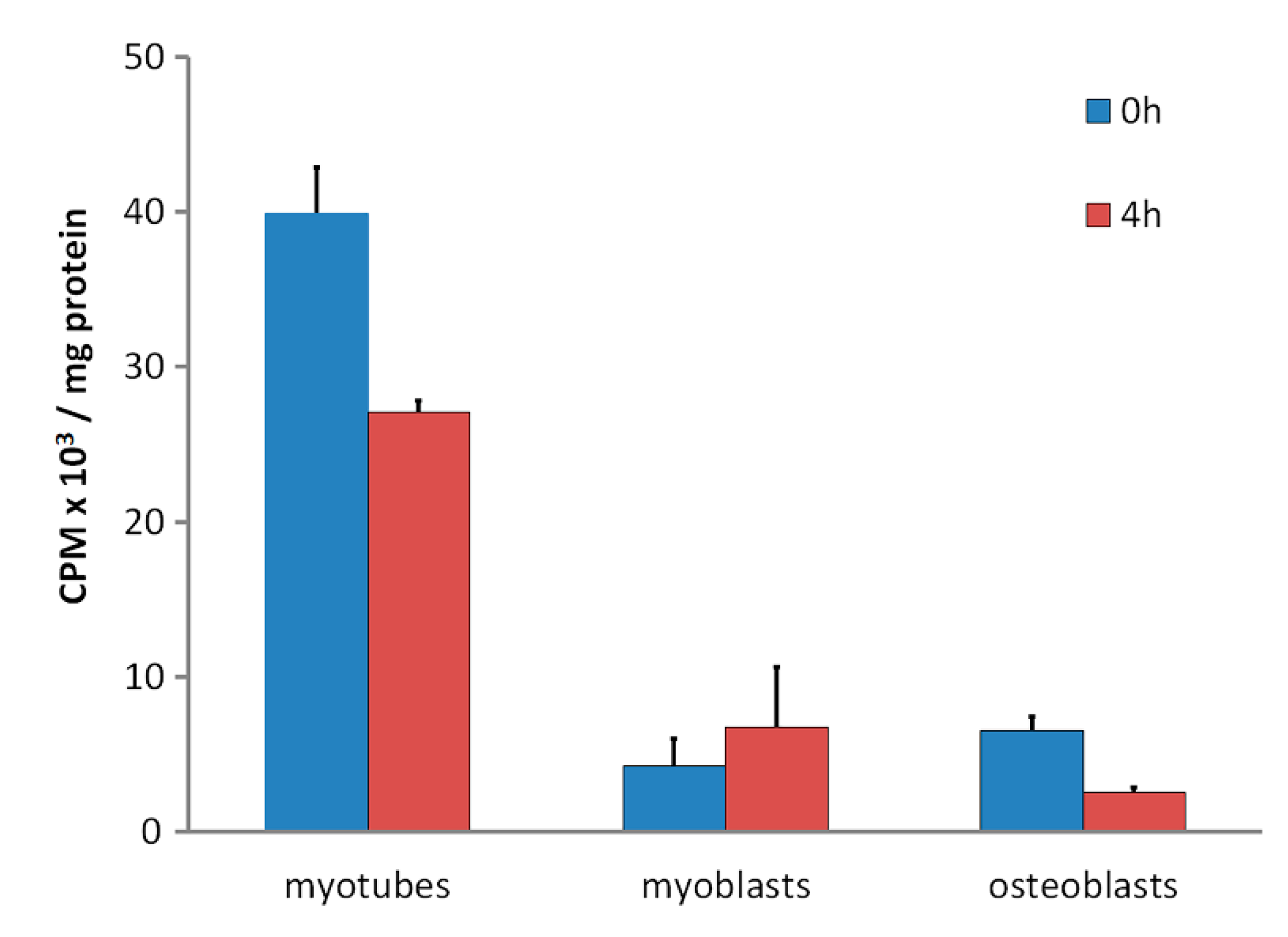
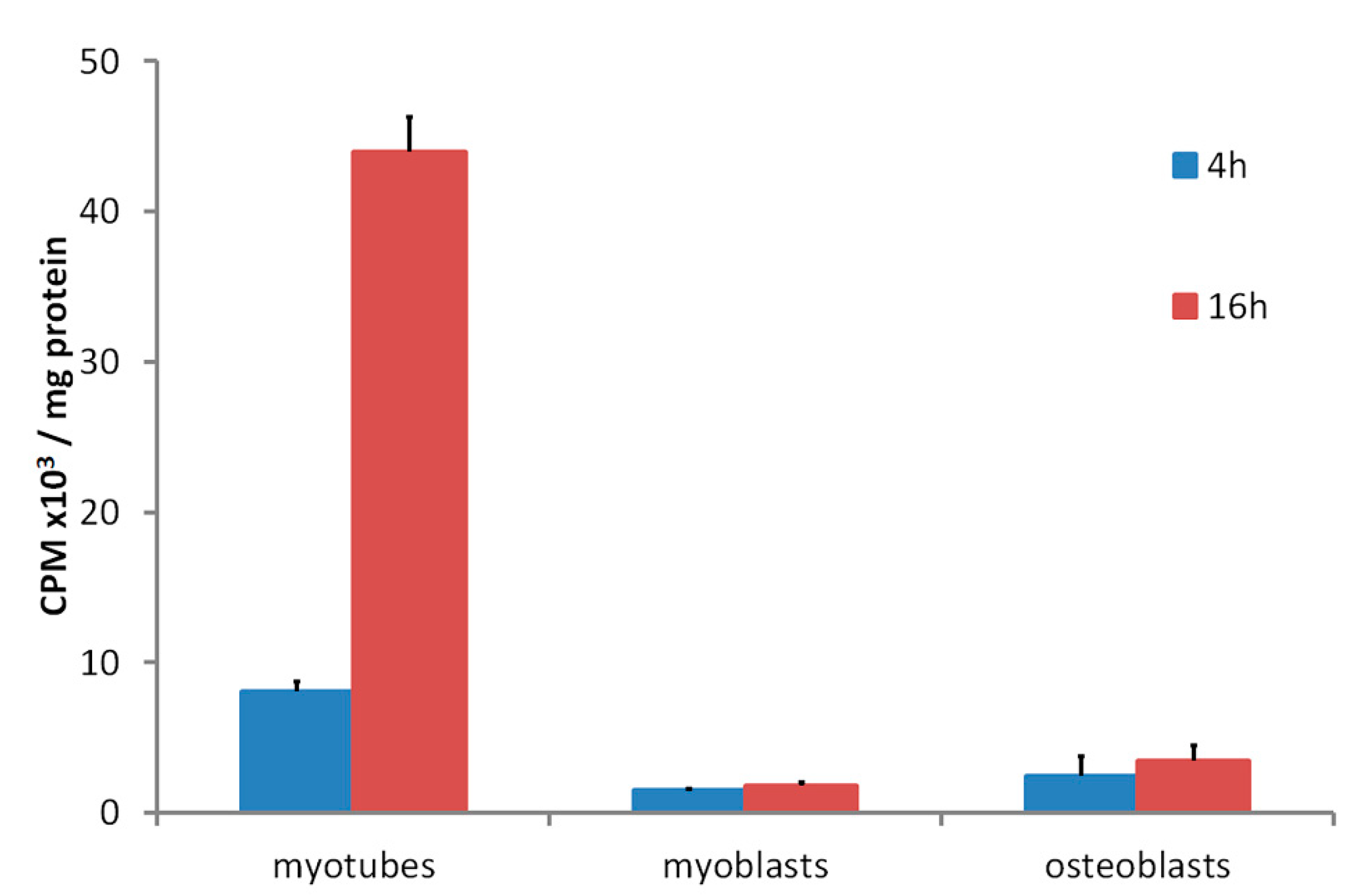
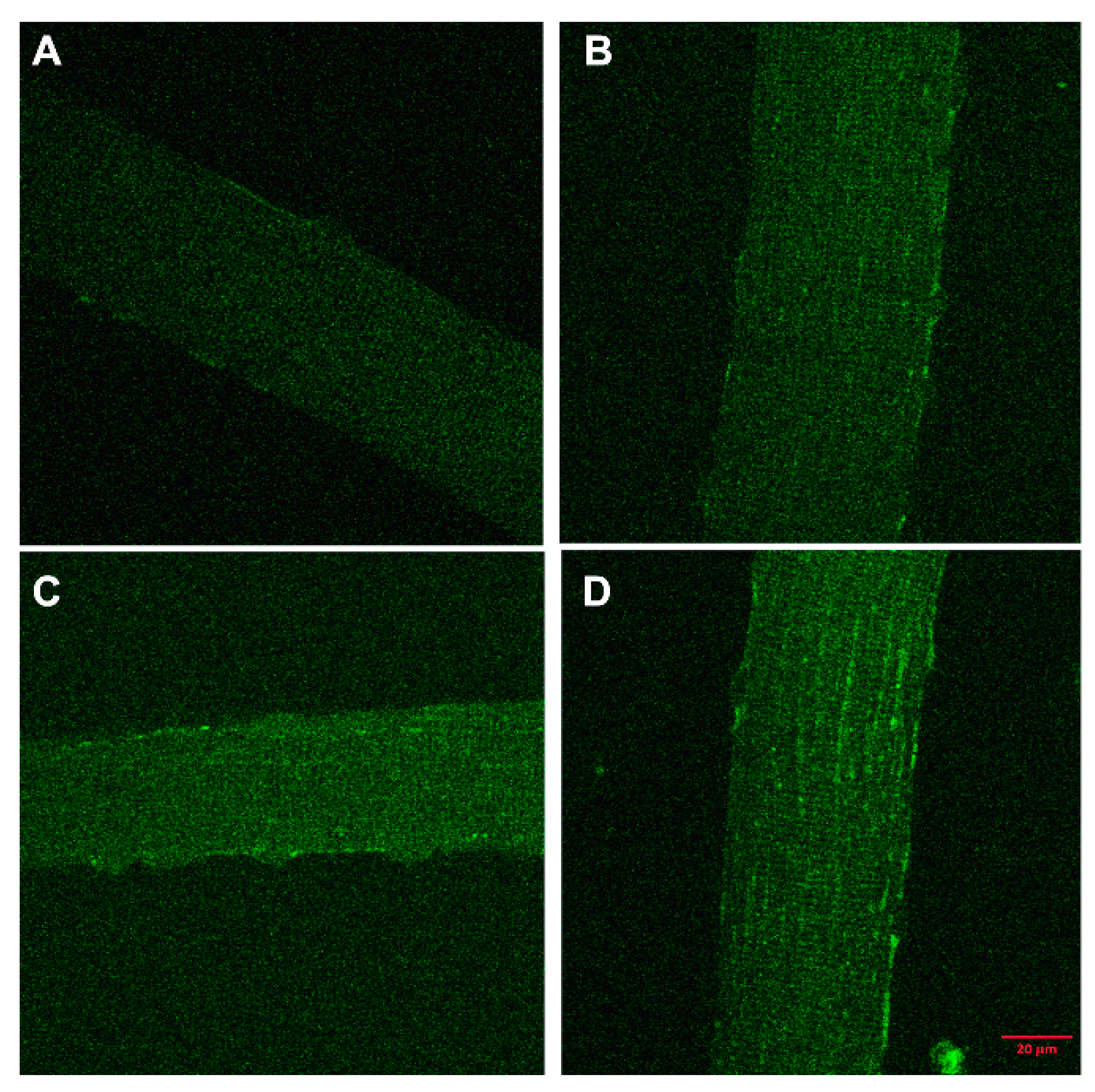
Vitamin D, unlike the micronutrients, vitamins A, E, and K, is largely obtained not from food, but by the action of solar ultraviolet (UV) light on its precursor, 7-dehydrocholesterol, in skin. With the decline in UV light intensity in winter, most skin production of vitamin D occurs in summer. Since no defined storage organ or tissue has been found for vitamin D, it has been assumed that an adequate vitamin D status in winter can only be maintained by oral supplementation. Skeletal muscle cells have now been shown to incorporate the vitamin D-binding protein (DBP) from blood into the cell cytoplasm where it binds to cytoplasmic actin. This intracellular DBP provides an array of specific binding sites for 25-hydroxyvitamin D (25(OH)D), which diffuses into the cell from the extracellular fluid. When intracellular DBP undergoes proteolytic breakdown, the bound 25(OH)D is then released and diffuses back into the blood. This uptake and release of 25(OH)D by muscle accounts for the very long half-life of this metabolite in the circulation. Since 25(OH)D concentration in the blood declines in winter, its cycling in and out of muscle cells appears to be upregulated. Parathyroid hormone is the most likely factor enhancing the repeated cycling of 25(OH)D between skeletal muscle and blood. This mechanism appears to have evolved to maintain an adequate vitamin D status in winter.
Keywords: vitamin D; muscle; parathyroid hormone; vitamin D-binding protein vitamin D; muscle; parathyroid hormone; vitamin D-binding protein