


Highlights
What are the main findings?
- A multi-stage adaptive optimization workflow is proposed to improve depth maps, DSM, and TDOM quality in UAV image reconstruction.
- The method effectively suppresses depth/DSM noise and outliers and reduces TDOM artifacts from occlusion, gaps, blur, and illumination differences, yielding smoother depth maps, more accurate DSM geometry, and more consistent TDOM mosaics.
What is the implication of the main finding?
- The proposed pipeline provides a complete and efficient technical pathway for generating high-quality surface reconstruction products from UAV imagery.
- It can enhance the reliability and usability of UAV-derived depth maps, DSM, and TDOM in mapping and related downstream applications.
Abstract
To enhance the overall quality and consistency of depth maps, Digital Surface Models (DSM), and True Digital Orthophoto Map (TDOM) in UAV image reconstruction, this paper proposes a multi-stage adaptive optimization generation method. First, to address the noise and outlier issues in depth maps, an adaptive joint bilateral filtering-based optimization method is introduced. This method repairs anomalous depth values using a four-directional filling strategy, incorporates image-guided joint bilateral filtering to enhance edge structure representation, effectively improving the accuracy and continuity of the depth map. Next, during the DSM generation stage, a method based on depth value voting space and elevation anomaly detection is proposed. A joint mechanism of elevation calculation and anomaly point detection is used to suppress noise and errors, while a height value completion strategy significantly enhances the geometric accuracy and integrity of the DSM. Finally, in the TDOM generation process, occlusion detection and gap-line generation techniques are introduced. Together with uniform lighting, color adjustment, and image gap optimization strategies, this improves texture stitching continuity and brightness consistency, effectively reducing artifacts caused by gaps, blurriness, and lighting differences. Experimental results show that the proposed method significantly improves depth map smoothness, DSM geometric accuracy, and TDOM visual consistency compared to traditional methods, providing a complete and efficient technical pathway for high-quality surface reconstruction.
1. Introduction
UAV (Unmanned Aerial Vehicle) imagery has been widely applied in fields such as mapping, urban modeling, disaster monitoring, and ecological environment assessment due to its flexibility, high resolution, and low cost [1,2]. Through the 3D reconstruction of multi-view UAV images, Digital Surface Models (DSM) and True Digital Orthophoto Maps (TDOM) can be efficiently generated, providing key data support for Geographic Information Systems (GIS) and the construction of digital twin cities [3]. However, UAV images is prone to issues such as noise, gaps, uneven lighting, and geometric distortion during image matching and reconstruction processes, due to factors like complex terrain, lighting changes, and occlusion effects [4]. These issues lead to insufficient depth map accuracy, poor DSM integrity, and problems such as brightness inconsistency and gap artifacts in TDOM, severely affecting the geometric and visual quality of the products [5].
The depth map, which is a 2D representation of the dense point cloud generated by image matching in the viewing space, directly influences the geometric accuracy of the DSM and subsequent Image mosaicking effects [6]. Traditional depth map optimization methods, such as mean filtering, median filtering, or fixed parameter bilateral filtering, can smooth noise to some extent, but they often blur edges and lose details, making it difficult to balance smoothness with structural preservation. In recent years, image-guided filtering and joint bilateral filtering have been widely used for depth enhancement and edge preservation, but they still have limitations when faced with non-uniform noise and anomalous depth values. Therefore, this paper proposes a depth map optimization method based on adaptive joint bilateral filtering, which repairs outliers using a four-directional filling strategy and achieves both high accuracy and smoothness in depth maps.
Based on depth map optimization, DSM generation requires the reasonable integration and correction of elevation information. Traditional DSM reconstruction often relies on point cloud interpolation or nearest-neighbor projection, which is susceptible to errors caused by mismatches and outliers, leading to local elevation spikes or surface fragmentation. To address this, this paper proposes a DSM generation method based on depth value voting space and elevation anomaly detection [7]. By forming a voting space through multi-image depth fusion and incorporating an elevation anomaly detection mechanism, noise and error points are effectively identified and suppressed. Additionally, an elevation value completion strategy is introduced to repair gap regions, significantly improving the geometric accuracy and integrity of the DSM, providing a stable terrain foundation for subsequent texture mapping in TDOM generation [8].
In the TDOM generation stage, ensuring the continuity of texture stitching and brightness consistency is crucial for visual quality. Due to occlusion, lighting differences, and viewpoint shifts in multi-view UAV images, traditional simple light uniformity or stitching algorithms are often unable to effectively eliminate gaps and artifacts. To address this, this paper introduces occlusion detection and gap-line generation techniques during the TDOM generation process [9]. By automatically identifying potential occlusion areas and optimizing Image mosaicking boundaries, and combining uniform lighting, color adjustment, and image gap optimization strategies, the method significantly improves brightness differences and texture breakage issues between images, thus enhancing the overall visual continuity and realism of the TDOM [10]. In recent years, Neural Radiance Fields (NeRF) [11] and 3D Gaussian Splatting (3DGS) [12] based methods have been introduced for orthophoto and TDOM generation, often bypassing explicit DSM construction and showing clear advantages in boundary modeling, weak-texture regions, and complex illumination. However, these approaches typically rely on implicit representations with high training and inference costs, and they cannot readily provide the explicit DSM products required in engineering surveying and mapping; thus, their controllability and interpretability remain limited for large-scale, standardized, and high-consistency mapping tasks. Motivated by the fact that existing high-precision DSM/TDOM workflows still suffer from cross-stage error accumulation and limited robustness in weak-texture, high-relief, and complex urban scenes, this paper targets the key question of how to achieve stable, high-precision reconstruction within the classical depth map–DSM–TDOM pipeline. By introducing cross-stage coordinated design and adaptive optimization mechanisms that enable early control and progressive suppression of depth noise, elevation anomalies, and occlusion artifacts, the proposed framework delivers an engineering-controllable and robust solution for high-quality UAV reconstruction.
This paper develops a high-precision, multi-stage adaptive optimization framework for UAV-based reconstruction, which proceeds in a coarse-to-fine manner from depth refinement to DSM generation and TDOM stitching. Unlike existing pipelines that typically optimize individual modules in isolation, our framework explicitly couples depth, elevation, and texture optimization through stage-wise error suppression and structure-preserving constraints, so that residual noise, outliers, and occlusion artifacts are progressively reduced instead of being propagated to later stages. In addition, the proposed strategy is adaptive in the sense that optimization is guided by confidence/abnormality cues (e.g., anomalous depth values, elevation outliers, and occlusion-induced gaps), allocating computational effort to challenging regions (weak-texture, high-relief, and complex urban structures) while maintaining efficiency on regular areas. As a result, the framework provides a unified and scalable solution that improves geometric accuracy and visual consistency simultaneously.
The main contributions of this paper are as follows:
- (1)
- Proposes a depth map optimization method based on adaptive joint bilateral filtering, which repairs anomalous depth values using a four-directional filling strategy and enhances edge structure expression through image-guided joint bilateral filtering. This method can effectively remove noise from depth maps and improve their accuracy and continuity.
- (2)
- Proposes a DSM generation method based on depth value voting space and elevation anomaly detection, which, through a combination of elevation calculation and anomaly point detection, effectively suppresses noise and errors and, with the help of an elevation value completion strategy, significantly improves the geometric accuracy and integrity of the DSM.
- (3)
- Introduces occlusion detection and gap-line generation techniques in the TDOM generation process, combined with uniform lighting, color adjustment, and image gap optimization strategies, which significantly improve the continuity and consistency of texture stitching, effectively reducing the artifacts caused by gaps, blurriness, and lighting differences.
2. Related Work
The 3D reconstruction process of UAV images typically includes steps such as image matching, depth estimation, surface reconstruction, and TDOM generation, where the quality of each step directly impacts the accuracy and visual performance of the final surface model [13]. In recent years, substantial research has been conducted around key issues such as depth map optimization, DSM generation, and TDOM stitching, leading to the development of various improved algorithms and optimization strategies [14,15].
In Multi-View Stereo (MVS), the initial depth map is a critical intermediate result, and its quality directly affects subsequent 3D modeling, DSM generation, and TDOM construction [16]. However, the initial depth map is often affected by occlusion, texture loss, viewpoint variation, reflective surfaces, and other factors, leading to issues such as depth holes, noise points, and blurred edges [17]. Therefore, effective optimization of the initial depth map has become one of the core tasks in MVS research [18,19]. Traditional depth optimization methods often use linear or nonlinear filters for smoothing, such as mean filtering and median filtering, which can effectively suppress random noise but are prone to depth aliasing and loss of details in edge regions [20]. To enhance edge preservation, bilateral filtering, proposed by Tomasi and Manduchi, has been widely applied for depth optimization by jointly weighting space and intensity to protect edges [21]. However, the fixed-parameter bilateral filtering method is limited in dealing with complex textures and non-uniform noise. Li et al. [22]. were the first to introduce joint bilateral filtering in image super-resolution, and it has since been widely applied in MVS depth optimization. Zhang et al. proposed a structure-guided joint bilateral filtering (JBF) method, which adaptively adjusts the weights of the spatial and color domains to improve filtering performance [23]. Chen et al. combined CNN-based learning to extract more discriminative features in the guidance map to enhance the filtering performance [24].
As the primary input for DSM construction, depth map quality largely determines elevation accuracy. Noise, outliers, and voids can disperse elevation estimates and propagate errors during subsequent smoothing and completion, reducing DSM accuracy and structural consistency. This is especially evident in urban scenes with large height variations, where boundary errors may be amplified and cause roof deformation or elevation bias. Therefore, improving depth continuity and edge representation is essential for reliable DSM generation.
DSM is a comprehensive representation of 3D terrain and object elevations, and its accuracy directly affects the geometric correction of the TDOM [25]. Traditional DSM generation methods are often based on point cloud interpolation or disparity map fusion, such as nearest-neighbor interpolation, inverse distance weighting (IDW), and Kriging, but these interpolation algorithms are prone to surface distortion and holes in the presence of mismatched or sparse point clouds [26]. With the development of dense matching technology, multi-view geometric constraints and voting fusion methods have become mainstream. The space carving method proposed by Kaya et al. restores surfaces through multi-view consistency but is sensitive to noise [27]. Some researchers have introduced depth confidence space or weighted voting mechanisms to enhance the stability of elevation fusion [28]. Additionally, to address the erroneous matching problem in high-contrast or shadow areas of UAV images, anomaly detection and gap-filling techniques have been widely applied [29]. For example, outlier removal based on statistical residuals and elevation completion based on neighborhood gradients can effectively improve the geometric integrity and smoothness of the DSM [30]. In recent years, machine learning and deep learning methods have also been introduced into DSM construction to establish nonlinear mapping relationships between multi-source data, though their computational cost is high, and their generalization ability remains limited [31].
The generation of TDOM is the final stage of 3D reconstruction, and its quality is not only dependent on geometric correction accuracy but also affected by lighting consistency and Image mosaicking strategies [32]. Traditional TDOM generation methods primarily rely on image geometric correction and weighted fusion, using optimal viewpoint selection and brightness normalization to achieve texture fusion [33]. However, UAV multi-view images often exhibit significant lighting differences and occlusion effects, leading to issues such as gaps, blurriness, and brightness discontinuity at stitching boundaries. To address this, researchers have conducted in-depth studies in areas such as occlusion detection, seam line generation, brightness balancing, and texture optimization. For example, the illumination consistency correction method proposed by Shim et al. achieves uniform lighting fusion of multi-view images through radiance matching [34], while Zhang et al. proposed an energy-minimization seam line optimization algorithm that reduces stitching artifacts through graph cut strategies [35]. Additionally, brightness balancing methods based on photometric constraints and occlusion detection algorithms based on depth information have been shown to effectively enhance the texture continuity and visual realism of TDOM [36]. Recent studies have begun focusing on multi-stage image optimization and depth-guided stitching strategies [37], using joint DSM and depth information to improve occlusion detection and brightness balancing, providing new insights for the consistency generation of TDOM [38]. NeRF and 3DGS methods [11,12] have recently been used for orthophoto and TDOM generation and can improve boundaries and weak-texture areas, but they are computationally expensive and do not readily provide the explicit DSM products required in engineering mapping. Meanwhile, classical DSM/TDOM pipelines still suffer from error accumulation and limited robustness in weak-texture and complex urban scenes. To address this gap, we propose a cross-stage adaptive optimization framework within the depth map–DSM–TDOM pipeline to progressively suppress depth noise, elevation anomalies, and occlusion artifacts, enabling stable and high-quality UAV reconstruction.
In conclusion, while significant progress has been made in depth map optimization [39], DSM construction, and TDOM stitching, there are still several limitations: first, existing depth optimization methods lack a unified control mechanism for noise adaptation and edge preservation; second, the detection and completion of anomalous elevation values in the DSM generation process remain incomplete, leading to local surface distortions; third, in the TDOM stitching stage, issues such as uneven lighting and seam artifacts have not been thoroughly solved [40]. To address these problems, this paper proposes a multi-stage comprehensive method that combines adaptive joint bilateral filtering, depth value voting space elevation detection, and occlusion-gap optimization. This approach improves depth accuracy, geometric integrity, and texture consistency from the source, offering an innovative solution for high-quality surface reconstruction of UAV images.
3. Methods
This paper proposes a Multi-Stage Optimization Method for High-Precision DSM and TDOM Generation. As illustrated in Figure 1, the process follows a multi-stage optimization strategy from raw input data to high-quality output, covering critical steps such as depth map optimization, DSM generation, occlusion detection, image mosaicking, and seamless texture blending. This establishes a high-precision, automated, and modular production workflow.
Figure 1.
Flowchart of a Multi-Stage Optimization Method for High-Precision DSM and TDOM Generation.
In the depth map optimization stage, the paper addresses common issues in traditional depth maps such as noise, voids, and blurred edges. An adaptive joint bilateral filtering method guided by image content is introduced, along with a PatchMatch-based propagation strategy for pixel completion. These enhancements significantly improve the structural integrity and overall continuity of the depth map, laying a solid foundation for accurate subsequent 3D reconstruction.
Next, based on the optimized depth map, a DSM generation method based on depth value voting space is developed. By reprojecting depth values into 3D space and integrating information from multiple viewpoints, the method performs robust elevation anomaly detection and statistical completion. A multi-source fusion mechanism is proposed to identify and fill abnormal elevation values, effectively mitigating errors caused by occlusions, reflections, and other disruptions, thereby ensuring spatial consistency and high accuracy of the resulting DSM.
In the TDOM generation stage, the paper focuses on overcoming issues commonly found in traditional orthophoto generation under complex scene conditions, such as occlusion-induced misalignments and color inconsistencies. A CUDA-based parallel occlusion detection algorithm is employed to rapidly assess pixel visibility, while a Voronoi-based image partitioning strategy is used for efficient mosaic region assignment. To resolve visible seams and abrupt transitions, the study further proposes a seamless mosaicking strategy combining seam detection, gradient guidance, and Poisson blending, achieving both radiometric consistency and natural texture transitions, and resulting in a visually and geometrically coherent TDOM product. In summary, this study systematically optimizes the key challenges across multiple stages in the DSM and TDOM generation pipeline.
3.1. Depth Value Optimization
3.1.1. Depth Value Completion
To eliminate erroneous matches caused by inconsistencies in photometry and geometry between the reference and source images, this study first removes all unreliable depth values through consistency checks. While this operation enhances the overall reliability of the depth map, it can also result in missing depth information in certain areas, leading to small gaps. Additionally, due to factors such as noise, blur, and occlusion, depth maps often contain regions of discontinuous depth, accompanied by a significant number of outliers. These anomalous depth values typically manifest as “salt-and-pepper” noise, which not only disrupts the structural continuity of the depth map but also significantly reduces its accuracy.
To maintain the coherence of depth values between anomalous pixels and their surrounding neighboring pixels, while preserving edge information in weak texture areas of the image, this paper employs a four-directional completion strategy to fill in the depth values of anomalous pixels. As shown in Algorithm 1, inspired by the PatchMatch random propagation concept [41], the depth values of anomalous pixels are filled by using the nearest neighbor with the smallest depth value in the same row and column, in four directions (up, down, left, right), from non-noise pixels, resulting in the completed depth value.
| Algorithm 1. Eight-directional filling strategy flow for depth map |
| Input: Depth map D, confidence map C, confidence threshold τ |
| Output: Completed depth map D_out |
| Start |
| Initialize D_out ← D |
| Identify pixels with abnormal depth where C < τ or D is invalid |
| For each abnormal pixel (i, j): |
| Initialize empty set S for candidate depths |
| For each direction ∈ {up, down, left, right}: |
| Search outward along the direction |
| Stop when leaving the image or encountering the first valid pixel |
| If the encountered pixel is valid and has C ≥ τ, add its depth to S |
| If S is not empty: |
| Assign the minimum depth in S to D_out(i, j) |
| End For |
| Output D_out |
| End |
Figure 2 shows a comparison of the depth map before and after optimization. Figure 2a shows the depth map before optimization, and Figure 2b shows the depth map after processing with the algorithm proposed in this paper. As seen, the optimized depth map effectively removes “salt-and-pepper” noise, strengthens the edge geometric features of buildings, and maintains the integrity of the edges.
Figure 2.
Depth map optimization. (a) depth map before optimization; (b) depth map after optimization.
3.1.2. Depth Value Optimization Based on Adaptive Joint Bilateral Filtering
To enhance edge geometric features and maintain edge integrity, bilateral filtering is commonly used for depth value optimization. This method smooths regions with small gradients in the depth map while preserving the structural features of areas with larger gradients. The bilateral filtering formula, as shown in Equation (1).
It primarily consists of two components: the spatial domain distance and the color domain distance, where the pixel y lies within the Gaussian kernel and the center pixel is x. Both distances are computed by sampling pixel values from the depth map I. The weight is normalized, as shown in Equation (2), and G is the filtered depth map.
The spatial domain distance formula is given by Equation (3).
where W spatial is the distance weight.
The color domain distance formula is shown in Equation (4),
where W color represents the color difference weight.
Bilateral filtering typically introduces uncertain depth values, which can degrade the accuracy of depth maps and point cloud fusion. Therefore, to better integrate image information and highlight the edge structural features of buildings, this paper introduces image information based on bilateral filtering. It uses adaptive joint bilateral filtering to process the depth map, and the calculation formulas are shown in Equations (5) and (6).
In this case, the spatial domain distance formula remains the same as in Equation (3). The color domain distance formula is shown in Equation (7),
where original is the original grayscale image corresponding to the depth map.
Since noisy pixels have a significant impact on the filtering results, the adaptive joint bilateral filtering strategy used in this study only applies to non-noise pixels in the depth map. During the calculation, the influence of pixels in different superpixels from the convolution kernel’s center pixel is removed. The joint bilateral filtering values are compared with the depth values of other pixels within the kernel, and the depth value with the smallest difference is selected as the filtered depth value for the kernel center pixel.
3.2. DSM Generation and Optimization Based on Depth Maps
3.2.1. DSM Generation Based on Voting Space
This paper uses a depth map fusion-based method to generate DSM. As shown in Figure 3, depth map fusion involves merging depth maps from different perspectives into the same coordinate system to calculate a unique surface elevation value. In this case, the DSM is regarded as a 2.5D image composed of multiple grids in object space, where the elevation value of each grid is determined in two steps: constructing a depth value voting space and determining the elevation value.
Figure 3.
Texture fast alignment process diagram.
(1) Constructing the Depth Value Voting Space
Since large-scale UAV imagery cannot generate DSMs in a single step, block-based processing is required to improve efficiency. In the plane coordinate system, rows are arranged horizontally from top to bottom, and columns are arranged vertically from left to right. The grid coordinates corresponding to the first grid point at the upper-left corner serve as the starting point (see Figure 4). The DSM block size is set to the common 2048 × 2048 pixels, and the range of each DSM block is calculated based on the survey area. Then, the overlap relationship between each depth map and DSM block is determined, and the depth maps included in each DSM block are selected for subsequent depth value fusion.
Figure 4.
Grid positioning diagram.
In the object space, each object point is treated as a grid, and a grid space is constructed for depth value fusion to determine the unique elevation value. Since DSMs are processed in blocks, edge extension operations are performed on each DSM block’s object grid space to ensure the continuity of depth value fusion between blocks.
(2) Determining the Elevation Value
- Calculating Object Space Coordinates
To improve the precision and completeness of the reconstruction, the mutual influence between neighboring pixels is considered when determining depth fusion points. Interpolation between pixels is used to obtain finer depth information. Specifically, each pixel within the DSM block is traversed in a loop, and the object space coordinates corresponding to the pixel itself, its right, below, and bottom-right neighboring pixels are calculated, as shown in Formulas (8) and (9).
where is the depth value of the pixel in the depth map, and and represent the corresponding image coordinates, with other variables being the basic camera parameters, including the intrinsic matrix K, rotation matrix R, and translation vector t. The calculated object space coordinates are then populated in the object grid space of that pixel.
- 2.
- Calculating the Elevation Value
- (a)
- Based on the set depth fluctuation range (0.1 m), the candidate depth values are divided into multiple groups, with overlapping depth values grouped together.
- (b)
- The total number of images contributing to each depth value group is counted.
- (c)
- A dynamic programming algorithm is used to select the depth value:
First, for each group of depth values, the selection cost is calculated. Groups with fewer than 2 images are set to 2, and groups with 2 or more images have the group with the highest depth value set to a weight of 0, while the others are set to 1. Then, if the median depth value of a candidate group differs from the left neighboring pixel value by no more than one pixel, the group receives a P1 penalty; if the difference exceeds one pixel, the group receives a P2 penalty (P2 > P1). Finally, for each group based on the fluctuation range, the group with the smallest selection cost is chosen, as shown in Formula (10).
The median depth value from the group with the minimum cost is taken as the elevation value for the current pixel. Through these steps, the final DSM is obtained by fusing depth maps from different perspectives, accurately reflecting the elevation information of surface objects such as buildings, bridges, and trees.
In dense matching, occlusions can cause mismatches. In areas with weak texture, such as water bodies and mountainous regions, it is difficult to find matching points, leading to significant elevation anomalies in the DSM for those regions. Therefore, similar to the depth map post-processing strategy, this paper proposes a multi-strategy DSM post-processing algorithm to effectively address these issues.
Due to the large survey area, it is impractical to optimize the entire DSM. This paper adopts a block-based strategy for DSM optimization. For each DSM block, elevation anomaly points are detected, and strategies such as median hole filling and multi-directional hole filling are used to repair these anomalies, achieving overall DSM optimization.
3.2.2. Elevation Value Optimization and Completion
Occlusions or large height differences between surface features may cause anomalous pixels or connected abnormal regions in DSMs, reducing their accuracy. To detect these anomalies, an odd-sized sliding window is applied to traverse each pixel. If more than 30% of neighboring pixels differ from the center pixel by more than a preset threshold, the center pixel is marked as anomalous and set to an invalid value.
Invalid pixels are first corrected using median filtering. Within each window, valid neighboring elevations are sorted, and the median value replaces the anomalous pixel. This process continues until all isolated anomalies are filled.
For connected anomalous regions, where median filtering may be inaccurate, an eight-directional filling strategy is applied. As shown in Algorithm 2, valid elevations are searched in eight directions around each pixel, recording their elevation values and distances. Elevations differing by more than 0.5 m from the minimum valid value are excluded. If one or fewer pixels are excluded, the minimum valid value is used; otherwise, a distance-weighted average of the remaining valid elevations is assigned.
| Algorithm 2. Eight-directional filling strategy flow for DSM |
| Input: Anomaly mask file, original DSM |
| Output: Filled DSM |
| Start |
| Input: anomaly mask, original DSM |
| Identify and label elevation-anomaly connected regions |
| For each pixel inside an anomalous region: |
| Initialize empty lists for candidate elevations and distances |
| For each of the 8 directions: |
| March outward until leaving the image or meeting the first valid elevation |
| Record that elevation and its distance |
| Let be the minimum recorded elevation Discard candidates whose elevation difference from z_min exceeds the threshold τ |
| If the number of discarded candidates ≤ 1: |
| completion_value ← |
| Else: |
| completion_value ← distance-weighted average of remaining candidates |
| Set DSM ← completion_value |
| Output the filled DSM |
| End |
3.3. High-Precision TDOM Generation
3.3.1. CUDA-Based Multithreaded Parallel Occlusion Region Detection
UAV images captured from different attitudes often contain occluded areas that require processing. This study focuses on relative occlusion, commonly addressed using angle-based occlusion detection. This method performs well on irregular terrain and complex objects but suffers from low efficiency when each point is sequentially traversed to calculate the angle between the photogrammetric ray and the ground normal.
To improve computational efficiency, a CUDA-based parallel occlusion detection method is proposed. By leveraging the discretized grid structure of images, the method distributes detection tasks across multiple GPU threads to achieve significant acceleration. In this model, kernel functions are executed in parallel by many threads organized hierarchically into grids, blocks, and threads. Threads within a block can share memory and synchronize during execution. This structure enables efficient parallel processing, making the proposed method suitable for large-scale UAV image occlusion detection. The algorithm flowchart is shown in Figure 5.
Figure 5.
Occlusion area detection flowchart.
To improve efficiency in angle-based occlusion detection, we implement a CUDA-parallel version using a 2D grid–block–thread hierarchy. Each thread block processes a fixed-size image window, and threads within the block are arranged in 2D. Each thread computes the photogrammetric angle and occlusion state for one pixel, enabling full image-level parallelization. Pixel coordinates are mapped as and out-of-bound threads exit early.
For efficiency, intermediate variables shared within a window are cached in shared memory when applicable, with block-level synchronization to ensure consistency. The occlusion map is updated in a one-thread-per-pixel manner to avoid write conflicts. In terms of scalability, the method scales near-linearly with the number of pixels; higher-resolution images are handled by increasing the grid size. The block size (e.g., 16 × 16 × 16) can be adjusted to balance GPU occupancy and memory efficiency across different GPU architectures.
- (1)
- Grid Area Division
As shown in Figure 6, in the DSM image, a pixel is designated as a detection pixel, and the previous pixel in the direction of the line connecting the pixel and the ground point is labeled. The angle-based occlusion detection method compares the angle between the photogrammetric ray of the pixels in the DSM grid and the ground point’s vertical direction to determine whether the pixel is occluded. However, frequent angle calculations reduce the algorithm’s efficiency. To improve the search efficiency, grid division is performed beforehand: starting from the ground point, the orthophoto image is divided into four regions (0, 1, 2, and 3) along the 45° and 135° lines, as shown in Figure 7.
Figure 6.
Calculating photogrammetric angle.
Figure 7.
Region division.
- (2)
- Calculate the Current Pixel Coordinates
By calculating the difference between the current pixel and the ground point’s coordinates, we can determine which region the current point belongs to. If the horizontal difference is smaller than the vertical difference, the point is in the horizontal direction. If the Y-coordinate of the pixel is greater than the ground point’s Y-coordinate, it is in region 0; otherwise, it is in region 2. If the horizontal difference is larger than the vertical difference, the point is in the vertical direction. If the X-coordinate of the pixel is greater than the ground point’s X-coordinate, it is in region 1; otherwise, it is in region 3.
For example, in region 1, the coordinates of the current pixel can be calculated using similar triangles. Since the pixel’s position is one pixel closer to the ground point than the neighboring pixel, efficiency is improved by calculating increment arrays for horizontal and vertical directions in advance for all four regions, which is used to compute the pixel’s coordinates, as shown in Formula (11).
where is the current pixel’s thread index, and is the ground point’s coordinates. This approach avoids recalculating coordinate increments for each pixel, improving the algorithm’s efficiency.
- (3)
- Calculate the Photogrammetric Angle of the Previous Pixel
After calculating the coordinates of the current pixel, the photogrammetric angle for the previous pixel is calculated and compared with the current pixel’s angle to determine whether the pixel is occluded. As shown in Figure 8, the photogrammetric angle value for the previous pixel is calculated using inverse distance weighting from the angles of pixels 2 (5) and 3 (6) on path L.
Figure 8.
Inverse distance weighted photogrammetric angle calculation.
- (4)
- Angle Comparison
The calculated angle value is compared with the angle value of the previous pixel. If the current pixel’s angle value is larger, it is considered an invisible pixel. After traversing all pixels, the occlusion image is generated.
To validate the effectiveness of this algorithm improvement, occlusion detection is applied to a DSM with a size of 2053 × 2054 pixels, containing five images with a resolution of 0.07 m. Figure 9 shows the results of occlusion area detection, where (a) is the DSM, (b) is one of the corrected images, and (c) is the result of the occlusion area detection, with black representing occluded areas and white representing non-occluded areas.
Figure 9.
Occlusion area detection. (a) DSM; (b) one of the corrected images; (c) result of occlusion area detection, where black indicates occluded regions and white indicates non-occluded regions.
Table 1 compares the efficiency before and after the algorithm improvement, showing that the improved algorithm is 94.87% more efficient, making it better suited for large-scale image processing tasks.
Table 1.
Efficiency comparison before and after algorithm improvement.
3.3.2. Image Mosaicking
With the continuous development of UAV imaging technology, the computational resources required to process large volumes of high-resolution images have become increasingly significant, often resulting in insufficient computer performance. To address this, this paper proposes a multi-strategy orthophoto stitching method, which includes tasks such as generating survey area stitching lines, Radiometric and color balancing across blocks, and texture missing value completion. This method divides a large area into multiple smaller blocks, generates TDOM for each block, and then stitches these smaller images together to produce a large TDOM covering the entire survey area. The algorithm flowchart is shown in Figure 10.
Figure 10.
TDOM stitching strategy flowchart.
The first step in generating survey area stitching lines is to divide the survey area into multiple non-overlapping small regions, each with a corresponding stitching line. Subsequent processing involves handling the color values of the interior and boundaries of each small region. Proper division of stitching lines ensures smooth transitions between images, avoiding discontinuous boundaries, and achieving continuity and completeness in the TDOM. Additionally, uniform light and color consistency between blocks are essential for seamless Image mosaicking, which requires performing Radiometric and color balancing adjustments.
Finally, to address the gaps created by block-based processing, operations like contour extraction and hole filling are performed to improve the integrity of the TDOM.
Image mosaicking is the process of merging multiple overlapping image blocks into a single large continuous image. During the stitching process, suitable stitching lines (also known as seams or transition lines) need to be found to ensure a smooth transition between different images, minimizing discontinuities in the overlapping areas.
Voronoi diagrams are commonly used spatial division methods in computer graphics, GIS, and remote sensing image processing. This method, based on Delaunay triangulation, divides space into non-overlapping convex polygonal regions, where each region’s points are closer to a fixed point in the region than any other fixed points. Since UAV images are projected centrally, objects closer to the photogrammetric center (or ground point) experience less distortion, allowing these regions to correspond to different surface objects or geographical features in the image. This paper selects Voronoi diagrams to generate stitching lines by dividing the survey area into different regions based on the photogrammetric center coordinates of multiple UAV images. Each region contains only one photogrammetric center, and the distance from any point in the region to its photogrammetric center is shorter than to any other photogrammetric centers. The algorithm steps are as follows as Algorithm 3:
| Algorithm 3. Voronoi-based Image Block Partition and Mosaic Label Generation |
| Input: Anomaly mask file, original DSM |
| Output: Filled DSM |
| Input: Set of photographic centers |
| Output: Mosaic boundary label image L |
| Initialize Voronoi point set V ← C |
| Connect every three neighboring points to form the initial Delaunay triangle set T |
| For each triangle t ∈ T: |
| Check the Delaunay condition (no other point lies inside its circumcircle) |
| If violated, reconstruct T and record the correspondence between t and Voronoi points |
| Compute the circumcenter of each triangle and store in set O |
| Initialize Voronoi edge set E ← ∅ |
| For each triangle t ∈ T: |
| Find its adjacent triangle t’ sharing an edge |
| If found, connect their circumcenters to form a Voronoi edge e, add e to E |
| Otherwise, compute the perpendicular bisector of the boundary edge as an outer Voronoi edge |
| : Construct the Voronoi diagram from all edges in E |
| Assign the image ID of the corresponding Voronoi point to each triangle as an image block |
| For each pixel p: |
| Compute distances to all image blocks and find the nearest block t_min |
| If p is non-occluded, set L(p) ← ID(t_min) |
| Else, replace with the nearest non-current block ID |
| Output the final mosaic boundary label image L |
Figure 11 shows the Voronoi diagram and the generated stitching lines.
Figure 11.
Generating stitching lines. (a) TDOM, (b) stitching line.
3.3.3. Radiometric and Color Balancing
Stitching lines represent the transition areas between different images, and the goal of Radiometric and color balancing is to ensure smooth transitions in color and brightness across these areas to enhance image readability.
Due to performance differences between different sensors on UAV devices, such as exposure parameters, imaging modes, and system processing methods, and because color, brightness, and contrast can vary within the same image depending on time, environment, and subject, discrepancies in color and brightness between adjacent images or within a single image may occur. Without uniformity adjustments, these discrepancies will affect the Image mosaicking results, reducing visual quality and complicating subsequent image interpretation and professional applications. Therefore, processing color and brightness consistency is crucial for optimizing image consistency and interpretability to meet application needs.
In image editing, Poisson Image Editing, also known as Poisson Blending, is commonly used to seamlessly blend the content of one image into another. Based on this, this paper employs Poisson blending to perform Radiometric and color balancing between image blocks. Figure 12 shows the Poisson blending process, where is the foreground image to be blended, V is the gradient field of u, S is the blended image, Ω is the covered region in the target image, and ∂Ω is the boundary of Ω.
Figure 12.
Poisson blending.
To ensure smooth transitions in color and brightness within the blended region and to maintain the texture information of the foreground image, the gradient values within Ω should be as small as possible and closely match V. From a mathematical perspective, if the first derivative changes minimally in the blending region, the boundary will transition smoothly. Thus, the smoothing calculation formula with boundary consistency is as shown in Formula (12).
where L is the Laplacian operator, and f is the pixel value. The Euler-Lagrange equation is used to find the minimum value of f, which satisfies Formula (13).
To maintain consistency at the boundary ∂Ω, the gradient field V of the foreground image u is introduced into the formula, resulting in Formula (14).
The unique solution is given by Formula (15).
The final system of non-homogeneous equations is constructed and solved using the Jacobi iterative method to obtain the pixel values for the blending region.
4. Results
4.1. Datasets and Evaluation of Indicators
4.1.1. Experimental Data
The algorithm in this paper is implemented using the Microsoft Visual C++ programming environment (Visual Studio 2019). The hardware configuration for the experiment includes an Intel Core 3.6 GHz CPU, an NVIDIA GeForce RTX 3060 GPU, and 16 GB of RAM.
To evaluate the feasibility of the algorithm proposed in this paper, two sets of experimental data were selected for testing. The first set consists of UAV image data from three different survey areas: a low-texture airport in Sichuan Province, a high-elevation building area in Anhui Province, and a basic building area in Jiangsu Province. The corresponding flight route map and data are shown in Figure 13 and Table 2. Additionally, to further validate the algorithm’s effectiveness, we included the Vaihingen dataset [42] released by the International Society for Photogrammetry and Remote Sensing (ISPRS) [43]. This dataset was captured by the German Society for Photogrammetry and Remote Sensing using a digital aerial camera in the city of Vaihingen, and it includes digital aerial images, DSM, TDOM images (see Figure 13d), and laser point cloud data. Both the DOM and DSM have a ground sampling distance of 9 cm.
Figure 13.
Experimental data. (a) Weak-texture airport area in Sichuan Province (Group 1); (b) high-relief building area in Anhui Province (Group 2); (c) basic building area in Jiangsu Province (Group 3); (d) Vaihingen dataset.
Table 2.
Information related to experimental data.
Experiments are conducted on weak-texture areas, high-relief areas, and general scenes to cover the typical challenges encountered in UAV-based reconstruction. Weak-texture scenes are used to evaluate depth denoising and structure preservation under conditions where image matching is prone to failure, high-relief scenes assess DSM accuracy and integrity under complex geometry and occlusion, and general scenes serve as a baseline to verify the general applicability and stability of the proposed method.
4.1.2. Evaluation of Indicators
The accuracy verification in this paper mainly adopts the root mean square error (RMSE), which is calculated as follows:
where n is the number of control points, and and represent the coordinates of the control points and the corresponding DSM points, respectively.
4.2. DSM Generation Experiment
This paper uses SURE [44], Pix4D v4.5.6, PhotoScan v1.4.0, and the proposed method to generate DSMs. SURE is renowned for its excellent DSM quality, Pix4D is favored for its efficient production process, and PhotoScan is a widely used software for generating 4D products. Since both Pix4D and PhotoScan are based on the SGM algorithm, comparing the DSMs generated by these three methods with the proposed method in terms of accuracy and efficiency is of great significance.
4.2.1. Weak-Texture Area
Figure 14 shows the TDOM of the weak-texture area, including the overall survey area orthophoto (Figure 14a) and a zoomed-in version of the weak-texture area orthophoto on the right side (Figure 14b). In Figure 14b, the houses marked with red boxes are classified as weak-texture areas because their roof and ground colors are similar. This section focuses on the DSM generation of these houses.
Figure 14.
TDOM of the weak-texture area. (a) is Overview of the survey area, (b) is Weak-texture area.
Figure 15 shows the DSMs of the weak-texture area generated by four methods (using mountain shadow rendering). Figure 15a shows the DSM generated by SURE software, Figure 15b by Pix4D software, Figure 15c by PhotoScan software, and Figure 15d by the proposed algorithm.
Figure 15.
Comparison of DSMs in weak-texture areas. (a) SURE, (b) Pix4D, (c) PhotoScan and (d) ours.
From the DSM generation results of various methods, it can be seen that all four methods accurately recover most of the elevation values in the survey area. However, for the DSM generated by SURE, the elevation estimate for the blue house is relatively poor, with many erroneous elevation values. The brown house has better results, but edge roughness still exists. The results from Pix4D show fewer erroneous elevation estimates for the two houses, but the edges of the houses are incomplete, making them appear overly smooth, which is not realistic. The DSM generated by PhotoScan has overall poor quality, recovering only the central elevation values of the houses, with blurry edges. In contrast, the DSM generated by the proposed algorithm yields the best results, fully recovering the elevation values of both houses with clearer edge structures. Notably, the proposed algorithm also provides more complete elevation estimates for small target objects such as airplanes and vehicles.
Table 3 compares the efficiency of different DSM generation methods in weak-texture areas. Among the four methods, SURE required the longest processing time, followed by Pix4D, while PhotoScan and our proposed method achieved significantly higher efficiency, with processing times of only 36 s and 34 s, respectively. This demonstrates that our method maintains a clear advantage in computational efficiency.
Table 3.
Comparison of DSM generation efficiency in weak-texture areas.
As shown in Table 4, the comparison of RMSE values further highlights the performance differences in weak-texture regions. The proposed method achieved the lowest RMSE of 5.2 cm, outperforming SURE, PhotoScan, and Pix4D. These results indicate that our method not only accelerates DSM generation but also enhances reconstruction accuracy in challenging weak-texture scenarios.
Table 4.
Comparison of RMSE in weak-texture area.
4.2.2. High-Elevation Building Area
Figure 16 shows the TDOM of the high-elevation area, with Figure 17a representing the overall survey area orthophoto, and Figure 17b showing a zoomed-in version of the high-rise buildings orthophoto, where the high-rise buildings are highlighted in red. This section focuses on the DSM generation of these two high-rise buildings.
Figure 16.
TDOM of the high-relief region. (a) Overview of the test area, (b) High-relief region.
Figure 17.
Comparison of DSMs in the high-relief region. (a) SURE, (b) Pix4D, (c) PhotoScan and (d) ours.
Figure 17 shows the DSMs of the high-elevation area generated by four different methods, with Figure 17a representing the DSM generated by SURE software, Figure 17b by Pix4D software, Figure 17c by PhotoScan software, and Figure 17d by the proposed algorithm.
Overall, except for the DSM generated by Pix4D, which failed to accurately recover the elevation of the two high-rise buildings, the other three methods successfully restored the elevations in the area. Compared to the PhotoScan method, the DSM generated by the proposed algorithm exhibits straighter building edges and more effectively filters out trees around the buildings, reducing the impact of trees on the building boundaries. However, when compared to the DSM generated by SURE, the results from the proposed algorithm may lose some internal details of the buildings, which is one of the areas for future improvement.
Table 5 presents the comparison of DSM generation efficiency in high-relief areas. Similarly to the results in weak-texture regions, SURE and Pix4D required substantially longer processing times (191 s and 120 s, respectively), while PhotoScan and our proposed method exhibited much higher efficiency, completing the DSM generation in 28 s and 36 s, respectively. These results demonstrate that the proposed method maintains competitive efficiency even under complex terrain conditions.
Table 5.
Comparison of DSM Generation Efficiency in High-Relief Areas.
As shown in Table 6, the RMSE comparison in high-relief areas further validates the superior performance of our method. The proposed approach achieved the lowest RMSE of 3.6 cm, which is significantly lower than those of SURE (6.1 cm), Pix4D (5.8 cm), and PhotoScan (5.4 cm). This indicates that our method provides more accurate surface reconstruction in areas with pronounced elevation variations.
Table 6.
Comparison of RMSE in high-relief areas.
4.2.3. Regular Building Areas
Figure 18 shows the TDOM of the basic building area, where Figure 18a represents the overall survey area orthophoto, and Figure 18b shows a zoomed-in version of the orthophoto of this area.
Figure 18.
TDOM of the regular building areas. (a) Overview of the test area; (b) high-relief region.
Figure 19 shows the DSMs of the basic building area generated by four different methods, where Figure 19a represents the DSM generated by SURE software, Figure 19b by Pix4D software, Figure 19c by PhotoScan software, and Figure 19d by the proposed algorithm.
Figure 19.
Comparison of DSMs in the basic building area. (a) SURE, (b) Pix4D, (c) PhotoScan and (d) ours.
Overall, the DSMs generated by all four methods successfully recover most of the elevation values of the buildings in the basic building area. However, a closer look at the results from Pix4D reveals distortion at the edges of the buildings, and the elevation of small areas of the buildings is not accurately recovered, which clearly does not match the actual situation. Compared to Pix4D, the edges of the buildings in PhotoScan’s results are relatively straight, but the internal structure of the rooftops is distorted, which also does not align with reality. The DSM generated by the proposed algorithm is comparable to the one generated by SURE, both displaying clear and complete building structures. This indicates that the proposed algorithm performs well in generating DSMs for the basic building area, particularly excelling in maintaining the authenticity of the building structures.
Table 7 shows the comparison of DSM generation efficiency in regular building areas. SURE and Pix4D required relatively long processing times of 198 s and 173 s, respectively, while PhotoScan achieved moderate efficiency at 93 s. In contrast, our proposed method completed the DSM generation in only 53 s, demonstrating a substantial improvement in computational efficiency for structured urban scenes.
Table 7.
Comparison of DSM Generation Efficiency in Regular Building Areas.
As illustrated in Table 8, the RMSE comparison in regular building areas further highlights the superior reconstruction accuracy of our method. The proposed approach achieved the lowest RMSE of 2.9 cm, outperforming SURE (6.5 cm), PhotoScan (4.8 cm), and Pix4D (4.4 cm). This indicates that the proposed method effectively preserves geometric details and enhances the precision of DSM generation in regions with regular man-made structures.
Table 8.
Comparison of RMSE in regular building areas.
Using the laser scanning data from the Vaihingen dataset as the reference ground truth, this paper compares the dataset’s DSM with the DSM generated by the proposed algorithm (both with a ground resolution of 9 cm) through visualization and accuracy analysis. As shown in the comparison in Figure 20, the DSM generated by the proposed algorithm is closer to the DSM generated from the laser scanning data. Compared to the dataset’s own DSM, the DSM generated by the proposed algorithm features straighter building eaves and smoother rooftop surfaces, making it more consistent with the actual scene.
Figure 20.
Comparison of DSMs generated from the Vaihingen dataset. (a) Dataset TDOM, (b) Dataset DSM, (c) DSM generated from LAS data, (d) DSM generated by the proposed method.
Table 9 presents the comparison of DSM accuracy on the Vaihingen dataset. The dataset-provided DSM shows relatively large errors across different building types, with RMSE values of 1.30 m for pitched roofs, 2.08 m for gable walls, and 1.02 m for mixed buildings. In contrast, the DSM generated by the proposed method achieves a remarkable improvement in accuracy, with RMSEs reduced to 0.07 m, 0.40 m, and 0.28 m for the corresponding categories. These results demonstrate the superior capability of the proposed method in capturing fine geometric structures and producing highly accurate DSMs, particularly in complex urban environments.
Table 9.
Comparison of DSM accuracy on the Vaihingen dataset.
4.3. TDOM Generation Experiment
4.3.1. Weak-Texture Area
Figure 21 shows the TDOM of the weak-texture area generated by four different methods, where Figure 21a represents the TDOM generated by SURE software, Figure 21b by Pix4D software, Figure 21c by PhotoScan software, and Figure 21d by the proposed algorithm.
Figure 21.
Comparison of TDOM in Weak-Texture Areas. (a) SURE, (b) Pix4D, (c) PhotoScan and (d) ours.
The TDOMs generated by all four methods can generally reflect the true terrain of the survey area accurately, with no noticeable color discrepancies, maintaining tone consistency. However, there are still some differences in the processing effects of the various software. In the results from SURE, the edges of the blue house appear jagged and blurry, and the rooftop structure is disordered. Similarly, in the TDOM generated by PhotoScan, the rooftop structure of the blue house is distorted, and the edges of the brown house are not sufficiently straight. This phenomenon is closely related to the quality of the DSM, as inaccuracies or missing information in the DSM generation process may directly affect the subsequent TDOM results.
In contrast, the TDOMs generated by the proposed algorithm and Pix4D exhibit better quality. Both methods successfully reflect the true terrain of the area, particularly showing clear and complete features of the two houses’ structures. This indicates that the proposed algorithm can effectively preserve the terrain information in weak-texture areas during the TDOM generation process, providing strong support for subsequent image interpretation.
Table 10 compares the TDOM generation efficiency of different methods in weak-texture areas. SURE required the longest processing time of 669 s, while Pix4D and PhotoScan achieved moderate efficiency with times of 493 s and 497 s, respectively. The proposed method significantly improved computational efficiency, completing the TDOM generation in only 362 s.
Table 10.
Comparison of TDOM Generation Efficiency in weak-texture area.
As shown in Table 11, the RMSE comparison further confirms the accuracy advantage of the proposed method in weak-texture regions. Our method achieved the lowest RMSE of 1.9 cm, outperforming SURE (3.1 cm), Pix4D (2.6 cm), and PhotoScan (3.8 cm). These results indicate that the proposed approach effectively enhances both the efficiency and accuracy of TDOM generation under challenging surface texture conditions.
Table 11.
Comparison of RMSE in weak-texture area.
PSNR [45] is computed using a proxy reference orthophoto generated from a single high-quality UAV image. All images are converted to grayscale and cropped to the same overlapping region to ensure fair comparison. Higher PSNR values indicate better local texture fidelity in weak-texture areas. As shown in the results, the proposed method achieves the highest PSNR among all compared methods, indicating reduced texture distortion and improved radiometric consistency in weak-texture regions, as shown in Table 12.
Table 12.
Comparison of PSNR in weak-texture area.
Since pixel-wise ground truth is unavailable for TDOM, we further adopt no-reference image quality metrics in weak-texture ROIs, including Tenengrad and Laplacian variance for sharpness, and RMS contrast for local contrast [46]. As shown in Table 13, our method achieves the highest Laplacian variance (184.61) and RMS contrast (0.0784), indicating improved edge representation and contrast enhancement in weak-texture areas. In addition, its Tenengrad value (3119.26) is higher than those of SURE and PhotoScan, suggesting better detail preservation under weak-texture conditions.
Table 13.
Comparison of Tenengrad, LaplacianVar and RMSContrast in weak-texture area.
4.3.2. High-Elevation Building Area
Figure 22 shows the TDOM of the high-elevation area generated by four different methods, where Figure 22a represents the TDOM generated by SURE software, Figure 22b by Pix4D software, Figure 22c by PhotoScan software, and Figure 22d by the proposed algorithm.
Figure 22.
Comparison of TDOM Performance in high-elevation building area. (a) SURE, (b) Pix4D, (c) PhotoScan and (d) ours.
For the high-elevation buildings, Pix4D failed to correctly recover the elevation of the building, resulting in an inaccurate TDOM. In contrast, the proposed algorithm, compared to PhotoScan’s results, shows straighter building edges that are more consistent with the actual situation, despite some blurry transitional areas at the edges. Meanwhile, although the TDOM generated by SURE shows the best overall result, there are still issues with incorrect textures at the edges of the building.
Table 14 presents the comparison of TDOM generation efficiency in high-relief areas. SURE and Pix4D exhibited relatively long processing times of 1549 s and 1200 s, respectively, while PhotoScan achieved higher efficiency at 593 s. Our proposed method completed the TDOM generation in 676 s, maintaining competitive efficiency under complex topographic conditions.
Table 14.
Comparison of TDOM generation efficiency in high-relief areas.
As shown in Table 15, the RMSE comparison reveals that the proposed method achieved the highest reconstruction accuracy, with an RMSE of only 1.7 cm, which is substantially lower than those of SURE (4.3 cm), Pix4D (3.6 cm), and PhotoScan (2.4 cm). This demonstrates that the proposed approach effectively improves the geometric consistency and radiometric accuracy of TDOM generation in regions with significant elevation variations.
Table 15.
Comparison of RMSE in high-relief areas.
4.3.3. Regular Building Areas
Figure 23 shows the TDOM of the basic building area generated by four different methods, where Figure 23a represents the TDOM generated by SURE software, Figure 23b by Pix4D software, Figure 23c by PhotoScan software, and Figure 23d by the proposed algorithm.
Figure 23.
Comparison of TDOM Performance in Regular Building Areas. (a) SURE, (b) Pix4D, (c) PhotoScan and (d) ours.
For common buildings, the TDOM generated by PhotoScan exhibits distorted, jagged building edges, leading to significant accuracy loss. The TDOM generated by Pix4D shows noticeable differences in overall tone compared to the other three methods, with distorted building edges, particularly in the transition areas between the building edges and the ground, where significant distortion occurs. In contrast, the TDOM generated by the proposed algorithm features more complete, sharp, and straight building edges, with superior performance in the transition areas between the building edges and the ground.
Table 16 compares the TDOM generation efficiency of different methods in regular building areas. SURE required the longest processing time (1742 s), followed by Pix4D (1245 s) and PhotoScan (1108 s). In contrast, our proposed method achieved the highest efficiency, completing the TDOM generation in 924 s. This result indicates that the proposed method can effectively reduce computation time while maintaining stable performance in structured urban environments.
Table 16.
Comparison of TDOM Generation Efficiency in Regular Building Areas.
As shown in Table 17, the RMSE comparison further demonstrates the accuracy advantage of our method. The proposed approach achieved the lowest RMSE of 2.3 cm, outperforming SURE (3.3 cm), Pix4D (2.6 cm), and PhotoScan (2.8 cm). These findings confirm that the proposed method enhances both radiometric consistency and geometric precision in TDOM generation for regular building areas.
Table 17.
Comparison of RMSE in regular building areas.
A visual comparison between the TDOM from the Vaihingen dataset and the TDOM generated by the proposed algorithm (both with a ground resolution of 9 cm) is shown in Figure 24. Compared to the TDOM provided by the dataset, the TDOM generated by the proposed algorithm features more complete building eaves, with virtually no areas of color loss, and the color values are closer to the actual situation.
Figure 24.
Comparison of TDOM generated from the Vaihingen dataset. (a) TDOM dataset, (b) TDOM generated by the proposed method.
5. Discussion
The results demonstrate that the proposed method consistently outperforms the compared approaches in DSM and TDOM generation across diverse terrain and structural scenarios. In weak-texture areas, where low contrast and sparse features often lead to matching failures, our method yields clear gains in both efficiency and accuracy. Quantitatively, it achieves shorter DSM/TDOM generation time than SURE, Pix4D, and PhotoScan, while delivering the lowest RMSE among all methods. These results indicate that the proposed framework improves the robustness of surface reconstruction under challenging texture conditions.
In high-relief areas, characterized by steep terrain and large elevation differences, the proposed method maintained stable performance, showing a balance between processing speed and reconstruction accuracy. Although the processing time was slightly higher than that of PhotoScan in some cases, the achieved RMSE values were substantially lower, indicating a better trade-off between computational efficiency and model precision. This improvement can be attributed to the adaptive surface constraint and geometry-aware optimization incorporated in the proposed framework, which help preserve local topographic details and suppress mismatches in regions with strong elevation variation.
In urban scenes with large height variations, the proposed method balances efficiency and accuracy through a stage-wise, adaptive strategy. It first corrects noise and abnormal depths using adaptive joint bilateral filtering and four-directional completion, reducing mismatch propagation and improving overall efficiency. Then, only in structurally complex areas, it activates depth-voting-based elevation anomaly detection, adaptive height completion, and geometry-aware occlusion handling to preserve building boundaries and height discontinuities. As a result, it reduces elevation errors and structural artifacts while keeping the processing cost controllable.
For regular building areas, where clear edges and repetitive patterns are common, the proposed method demonstrated both efficiency and precision advantages. The results show that our approach not only accelerated the generation of DSM and TDOM but also produced more accurate and consistent outputs, with RMSEs significantly lower than those of existing commercial software. This highlights the effectiveness of the method in urban environments, particularly in maintaining geometric continuity and radiometric uniformity over man-made structures.
While the proposed framework demonstrates strong performance across diverse scenarios, several limitations should be acknowledged. Its effectiveness still depends on the reliability of the initial depth observations; in extremely texture-poor, strongly shadowed, or heavily occluded regions, depth estimates may remain sparse or biased, which can limit downstream DSM completion and TDOM refinement. In addition, the multi-stage design introduces extra computation and parameter settings, and although costly operations are applied selectively, runtime may still increase in large-scale scenes with extensive high-relief structures or dense occlusion boundaries.
Overall, the results confirm that the proposed method provides a unified framework capable of achieving high efficiency and high accuracy across diverse surface conditions. Its consistent performance in weak-texture, high-relief, and structured building areas indicates strong adaptability and generalization ability, making it well-suited for large-scale, high-precision 3D mapping applications.
6. Conclusions
The experimental results demonstrate that the proposed multi-stage optimization framework achieves superior DSM and TDOM reconstruction performance across different terrain and structural conditions. In weak-texture areas, traditional image-matching algorithms often struggle due to low contrast and insufficient features. In this study, the introduction of adaptive joint bilateral filtering combined with a four-directional filling strategy effectively repaired anomalous depth values, suppressed noise, and preserved edge structures. As a result, both DSM and TDOM generation times were significantly reduced, and RMSE values were notably lower than those obtained by commercial software, confirming the robustness and accuracy of the proposed approach under weak-texture conditions.
In high-relief areas, large elevation variations and severe parallax differences frequently lead to height errors and mismatches. To address this challenge, a DSM generation method based on depth voting space and elevation anomaly detection was proposed. By integrating multi-view depth constraints with outlier removal, this method effectively reduced local noise and height drift, while the subsequent elevation completion strategy further enhanced DSM integrity and geometric precision. The results indicate that the proposed method achieved approximately 30% lower RMSE compared to traditional software, while maintaining competitive efficiency, demonstrating strong adaptability and a good balance between accuracy and computational cost in complex terrains.
In regular building areas, where repetitive patterns and uneven illumination often cause inconsistencies in texture stitching, the proposed framework introduced occlusion detection and gap-line generation techniques, combined with uniform lighting, color adjustment, and texture gap optimization. These strategies improved both geometric alignment and radiometric consistency of the TDOM. Experimental results show that the proposed method produced smoother, more coherent textures with an RMSE as low as 2.3 cm, outperforming SURE, Pix4D, and PhotoScan, thereby confirming its advantage in geometric continuity and radiometric uniformity for structured urban scenes.
Overall, the proposed high-precision multi-stage optimization framework enhances UAV-based surface reconstruction through coordinated improvements at the depth, elevation, and texture levels. In terms of potential applications, the proposed framework can be applied to large-scale urban 3D mapping and digital twin construction, infrastructure inspection, and post-disaster rapid assessment, where both geometric accuracy and texture consistency are critical. Future work will focus on improving robustness under severe occlusions and complex radiometric variations, and further enhancing scalability for city-scale datasets through more efficient GPU parallelization and distributed processing.
Author Contributions
Conceptualization, Y.G. and B.G.; Methodology, R.J.; Validation, X.J. and Y.G.; Investigation, M.C.; Resources, Y.G. and R.J.; Data curation, R.J.; Writing—original draft preparation, Y.G.; Visualization, Y.G.; Supervision, B.G.; Project administration, Q.W.; Funding acquisition, Q.W. All authors have read and agreed to the published version of the manuscript.
Funding
This research was funded by the National Key Research and Development Program of China (grant number 2023YFC3209102), the Research Program of Wuhan University–Huawei Geoinformatics Innovation Laboratory (grant number K22-4201-011), and the CRSRI Open Research Program (grant number CKWV20231167/KF).
Data Availability Statement
The datasets used in this study are available from the corresponding author upon reasonable request.
Conflicts of Interest
Authors Yingwei Ge, Qinsi Wang, and Mofei Chen were employed by Changjiang Survey, Planning, Design and Research Co., Ltd., Wuhan 430010, China. Author Xiao Jiang was employed by The Taihu Lake Xingyun (Wuxi) Technology Co., Ltd., Xi’an Branch, Xi’an 710054, China. The remaining authors declare that the research was conducted in the absence of any commercial or financial relationships that could be construed as a potential conflict of interest.
References
- Simões, D.P.; Oliveira, H.C.; Garcia, M.V. UAV 3-D path planning based on high-resolution DSM, DTM, and true orthomosaic. IEEE Geosci. Remote Sens. Lett. 2022, 19, 1–5. [Google Scholar] [CrossRef] [Scilit]
- Surmen, H.K. Photogrammetry for 3D reconstruction of objects: Effects of geometry, texture and photographing. Image Anal. Stereol. 2023, 42, 51–63. [Google Scholar] [CrossRef] [Scilit]
- Sefercik, U.G.; Nazar, M. Consistency analysis of RTK and non-RTK UAV DSMs in vegetated areas. IEEE J. Sel. Top. Appl. Earth Obs. Remote Sens. 2023, 16, 5759–5768. [Google Scholar] [CrossRef] [Scilit]
- Zhang, R.; Hao, G.; Zhang, K.; Li, Z. Unmanned aerial vehicle navigation in underground structure inspection: A review. Geol. J. 2023, 58, 2454–2472. [Google Scholar] [CrossRef] [Scilit]
- Bazyar, A.; Jafari, M.; Hasani, H. Reconstruction of 3D Building Edges to Improve DSM Generated from UAV Multi-Images. Earth Obs. Geomat. Eng. 2024, 8, 9–23. [Google Scholar]
- Szypuła, B. Accuracy of UAV-based DEMs without ground control points. GeoInformatica 2024, 28, 1–28. [Google Scholar] [CrossRef] [Scilit]
- Sohl, M.A.; Mahmood, S.A. Low-cost UAV in photogrammetric engineering and remote sensing: Georeferencing, DEM accuracy, and geospatial analysis. J. Geovis. Spat. Anal. 2024, 8, 14. [Google Scholar] [CrossRef] [Scilit]
- Chen, S.; Yan, Q.; Qu, Y.; Gao, W.; Yang, J.; Deng, F. Ortho-NeRF: Generating a true digital orthophoto map using the neural radiance field from unmanned aerial vehicle images. Geo-Spat. Inf. Sci. 2025, 28, 741–760. [Google Scholar] [CrossRef] [Scilit]
- Wang, X.; Xu, Y.; Zhang, W.; Wang, X.; Zhan, Z. HyGS-TDOM: A Hybrid Gaussian Splatting Famework for generating TDOMs from both dense and sparse views. Int. Arch. Photogramm. Remote Sens. Spat. Inf. Sci. 2025, 48, 139–146. [Google Scholar] [CrossRef] [Scilit]
- Wei, J.; Zhu, G.; Chen, X. NeRF-based large-scale urban true digital orthophoto map generation method. IEEE J. Sel. Top. Appl. Earth Obs. Remote Sens. 2024, 18, 1070–1084. [Google Scholar] [CrossRef] [Scilit]
- Mildenhall, B.; Srinivasan, P.P.; Tancik, M.; Barron, J.T.; Ramamoorthi, R.; Ng, R. Nerf: Representing scenes as neural radiance fields for view synthesis. Commun. ACM 2021, 65, 99–106. [Google Scholar] [CrossRef] [Scilit]
- Kerbl, B.; Kopanas, G.; Leimkühler, T.; Drettakis, G. 3D Gaussian splatting for real-time radiance field rendering. ACM Trans. Graph. 2023, 42, 139. [Google Scholar] [CrossRef] [Scilit]
- Hermann, M.; Weinmann, M.; Nex, F.; Stathopoulou, E.; Remondino, F.; Jutzi, B.; Ruf, B. Depth estimation and 3D reconstruction from UAV-borne imagery: Evaluation on the UseGeo dataset. ISPRS Open J. Photogramm. Remote Sens. 2024, 13, 100065. [Google Scholar] [CrossRef] [Scilit]
- Jiang, S.; Jiang, W.; Wang, L. Unmanned Aerial Vehicle-Based Photogrammetric 3D Mapping: A survey of techniques, applications, and challenges. IEEE Geosci. Remote Sens. Mag. 2021, 10, 135–171. [Google Scholar] [CrossRef] [Scilit]
- Gu, L.; Zhang, H.; Wu, X. Surveying and mapping of large-scale 3D digital topographic map based on oblique photography technology. J. Radiat. Res. Appl. Sci. 2024, 17, 100772. [Google Scholar] [CrossRef] [Scilit]
- Meinen, B.U.; Robinson, D.T. Mapping erosion and deposition in an agricultural landscape: Optimization of UAV image acquisition schemes for SfM-MVS. Remote Sens. Environ. 2020, 239, 111666. [Google Scholar] [CrossRef] [Scilit]
- Wang, X.; Zhang, W.; Xie, H.; Ai, H.; Yuan, Q.; Zhan, Z. Tortho-gaussian: Splatting true digital orthophoto maps. arXiv 2024, arXiv:2411.19594. [Google Scholar] [CrossRef] [Scilit]
- Lee, J.Y.; DeGol, J.; Zou, C.; Hoiem, D. Patchmatch-rl: Deep mvs with pixelwise depth, normal, and visibility. In Proceedings of the IEEE/CVF International Conference on Computer Vision, Montreal, QC, Canada, 10–17 October 2021; pp. 6158–6167. [Google Scholar]
- Chiappini, S.; Marcheggiani, E.; Pierdicca, R.; Choudhury, M.A. Assessment of 3D Models of Rural Buildings Using UAV Images: A Comparison of NeRF, GS and MVS-SFM Methods. In Proceedings of the International Mid-Term Conference of the Italian Association of Agricultural Engineering, Padova, Italy, 15–18 October 2024; pp. 1190–1197. [Google Scholar]
- Kaur, A.; Dong, G. A complete review on image denoising techniques for medical images. Neural Process. Lett. 2023, 55, 7807–7850. [Google Scholar] [CrossRef] [Scilit]
- Tomasi, C.; Manduchi, R. Bilateral filtering for gray and color images. In Proceedings of the Sixth International Conference on Computer Vision (IEEE Cat. No. 98CH36271), Bombay, India, 7 January 1998; pp. 839–846. [Google Scholar]
- Li, R. An optimal algorithm for bilateral filtering. J. Phys. Conf. Ser. 2023, 2634, 012030. [Google Scholar] [CrossRef] [Scilit]
- Zhang, B.; Allebach, J.P. Adaptive bilateral filter for sharpness enhancement and noise removal. IEEE Trans. Image Process. 2008, 17, 664–678. [Google Scholar] [CrossRef] [Scilit]
- Chen, Y.; Jiang, H.; Li, C.; Jia, X.; Ghamisi, P. Deep feature extraction and classification of hyperspectral images based on convolutional neural networks. IEEE Trans. Geosci. Remote Sens. 2016, 54, 6232–6251. [Google Scholar] [CrossRef] [Scilit]
- Verhoeven, G.J.; Santner, M.; Trinks, I. From 2D (to 3D) to 2.5 D–not all gridded digital surfaces are created equally. ISPRS Ann. Photogramm. Remote Sens. Spat. Inf. Sci. 2021, 8, 171–178. [Google Scholar]
- Orlof, J.; Ozimek, P.; Łabędź, P.; Widłak, A.; Ozimek, A. Generating viewsheds based on the Digital Surface Model (DSM) and point cloud. PLoS ONE 2024, 19, e0312146. [Google Scholar] [CrossRef] [Scilit] [PubMed]
- Kaya, B.; Kumar, S.; Oliveira, C.; Ferrari, V.; Van Gool, L. Multi-view photometric stereo revisited. In Proceedings of the IEEE/CVF Winter Conference on Applications of Computer Vision, Waikoloa, HI, USA, 2–7 January 2023; pp. 3126–3135. [Google Scholar]
- Yang, S.; Chen, H.; He, F.; Chen, W.; Chen, T.; He, J. A Learning-Based Dual-Scale Enhanced Confidence for DSM Fusion in 3D Reconstruction of Multi-view Satellite Images. IEEE J. Sel. Top. Appl. Earth Obs. Remote Sens. 2025, 18, 11767–11786. [Google Scholar] [CrossRef] [Scilit]
- Qin, R.; Ling, X.; Farella, E.M.; Remondino, F. Uncertainty-guided depth fusion from multi-view satellite images to improve the accuracy in large-scale DSM generation. Remote Sens. 2022, 14, 1309. [Google Scholar] [CrossRef] [Scilit]
- Hou, Y.; Zhang, H.; Wang, X.; Zhan, Z. Deep-FG-DSM: Fine-Grained DSM for High-resolution UAV Imagery Based on Deep Implicit Occupancy Networks. Int. Arch. Photogramm. Remote Sens. Spat. Inf. Sci. 2024, 48, 209–216. [Google Scholar] [CrossRef] [Scilit]
- Panangian, D.; Bittner, K. Dfilled: Repurposing Edge-Enhancing Diffusion for Guided DSM Void Filling. In Proceedings of the Winter Conference on Applications of Computer Vision, Tucson, AZ, USA, 26 February–6 March 2025; pp. 563–571. [Google Scholar]
- Zhao, Z.; Jiang, G.; Li, Y. A novel method for digital orthophoto generation from top view constrained dense matching. Remote Sens. 2022, 15, 177. [Google Scholar] [CrossRef] [Scilit]
- Varshosaz, M.; Sajadian, M.; Pirasteh, S.; Moghimi, A. Automated two-step seamline detection for generating large-scale orthophoto mosaics from drone images. Remote Sens. 2024, 16, 903. [Google Scholar] [CrossRef] [Scilit]
- Shim, D.; Shi, Y.; Li, K.; Kim, H.J.; Wang, P. MVLight: Relightable Text-to-3D Generation via Light-conditioned Multi-View Diffusion. arXiv 2024, arXiv:2411.11475. [Google Scholar]
- Peng, Z.; Ma, Y.; Zhang, Y.; Li, H.; Fan, F.; Mei, X. Seamless UAV hyperspectral image stitching using optimal seamline detection via graph cuts. IEEE Trans. Geosci. Remote Sens. 2023, 61, 5512213. [Google Scholar] [CrossRef] [Scilit]
- Yoon, S.-J.; Kim, T. Seamline optimization based on triangulated irregular network of tiepoints for fast UAV image mosaicking. Remote Sens. 2024, 16, 1738. [Google Scholar] [CrossRef] [Scilit]
- Yuan, W.; Cai, Y.; Li, J. Hybrid network-based automatic seamline detection for orthophoto mosaicking. IEEE Trans. Geosci. Remote Sens. 2024, 62, 5621014. [Google Scholar] [CrossRef] [Scilit]
- Pan, W.; Li, A.; Liu, X.; Deng, Z. Unmanned aerial vehicle image stitching based on multi-region segmentation. IET Image Process. 2024, 18, 4607–4622. [Google Scholar] [CrossRef] [Scilit]
- Yang, S.; Cao, N.; Guo, B.; Li, G. Depth map super-resolution based on edge-guided joint trilateral upsampling. Vis. Comput. 2022, 38, 883–895. [Google Scholar] [CrossRef] [Scilit]
- Singh, S.; Singh, H.; Gehlot, A.; Kaur, J.; Gagandeep. IR and visible image fusion using DWT and bilateral filter. Microsyst. Technol. 2023, 29, 457–467. [Google Scholar] [CrossRef] [Scilit]
- Pu, G.; Xu, S.; Cao, X.; Lian, Z. Dynamic texture transfer using patchmatch and transformers. arXiv 2024, arXiv:2402.00606. [Google Scholar] [CrossRef] [Scilit]
- Rottensteiner, F.; Sohn, G.; Jung, J.; Gerke, M.; Baillard, C.; Benitez, S.; Breitkopf, U. The Isprs Benchmark on Urban Object Classification and 3D Building Reconstruction. ISPRS Ann. Photogramm. Remote Sens. Spatial Inf. Sci. 2012, I-3, 293–298. [Google Scholar] [CrossRef] [Scilit]
- González–Santiago, J.; Schenkel, F.; Middelmann, W. Self-supervised image colorization for semantic segmentation of urban land cover. In Proceedings of the 2021 IEEE International Geoscience and Remote Sensing Symposium IGARSS, Brussels, Belgium, 11–16 July 2021; pp. 3468–3471. [Google Scholar]
- Rothermel, M.; Wenzel, K.; Fritsch, D.; Haala, N. SURE: Photogrammetric surface reconstruction from imagery. In Proceedings of the Proceedings LC3D Workshop, Berlin, Germany, 4–5 December 2012. [Google Scholar]
- Hore, A.; Ziou, D. Image quality metrics: PSNR vs. SSIM. In Proceedings of the 2010 20th International Conference on Pattern Recognition, Istanbul, Turkey, 23–26 August 2010; pp. 2366–2369. [Google Scholar]
- Civicioglu, P.; Besdok, E. Image discrimination robustness of classical image quality metrics: An analysis on MAE, MSE, ERGAS, LMSE, SSIM, SAM, UIQI, PSNR, NIQE, PIQE, SNR, VIF, FSIM, GMSD, and NCC. Qual. Quant. 2025, 1–63. [Google Scholar]
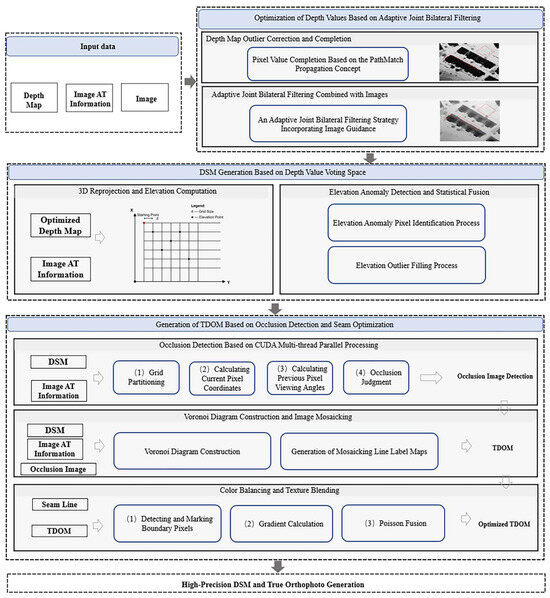
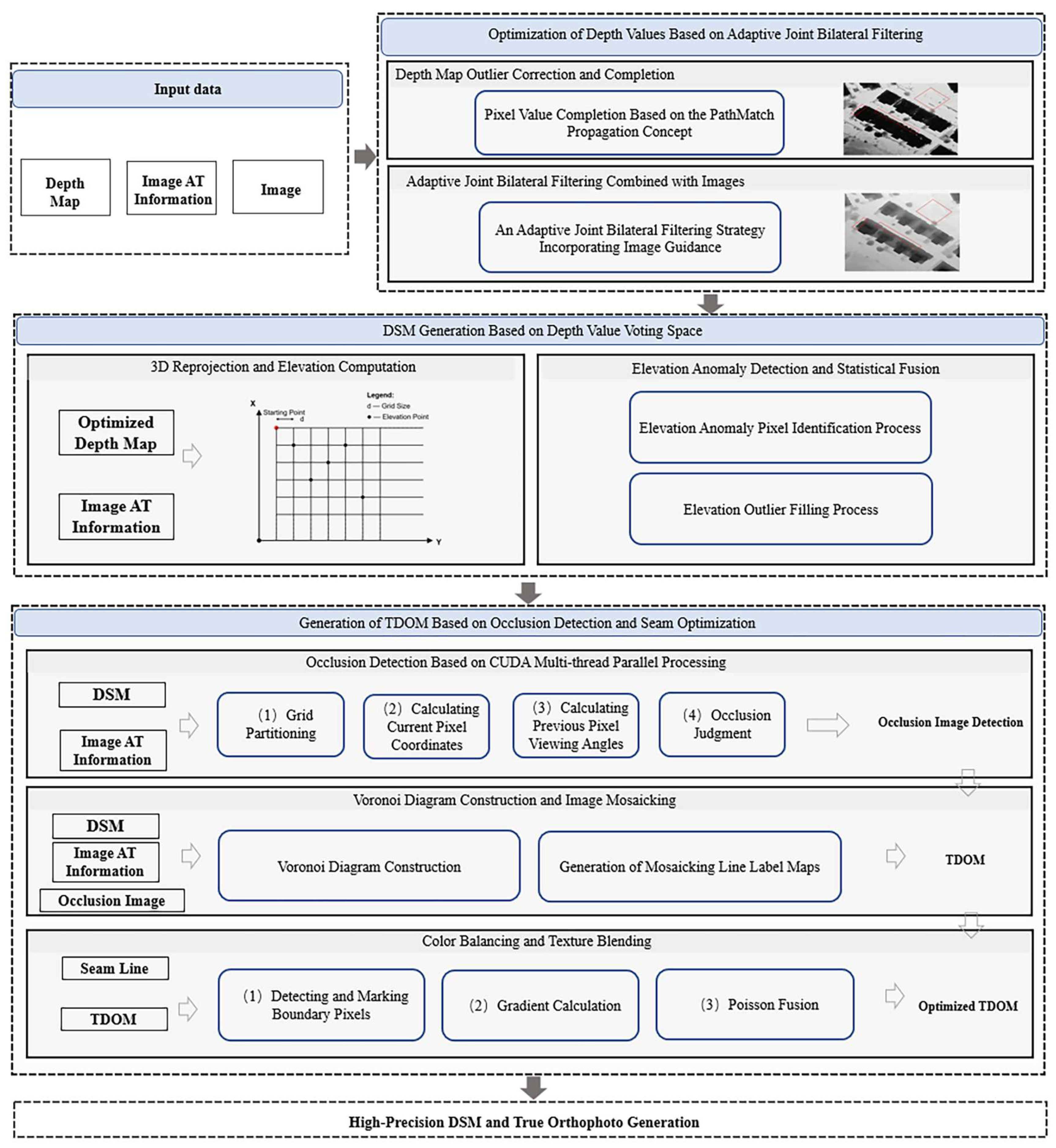
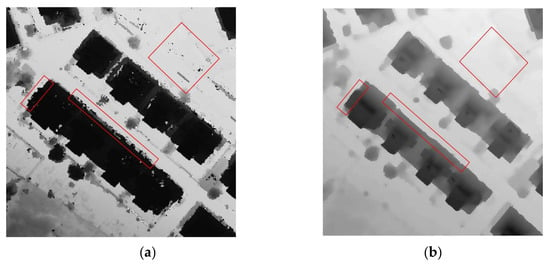
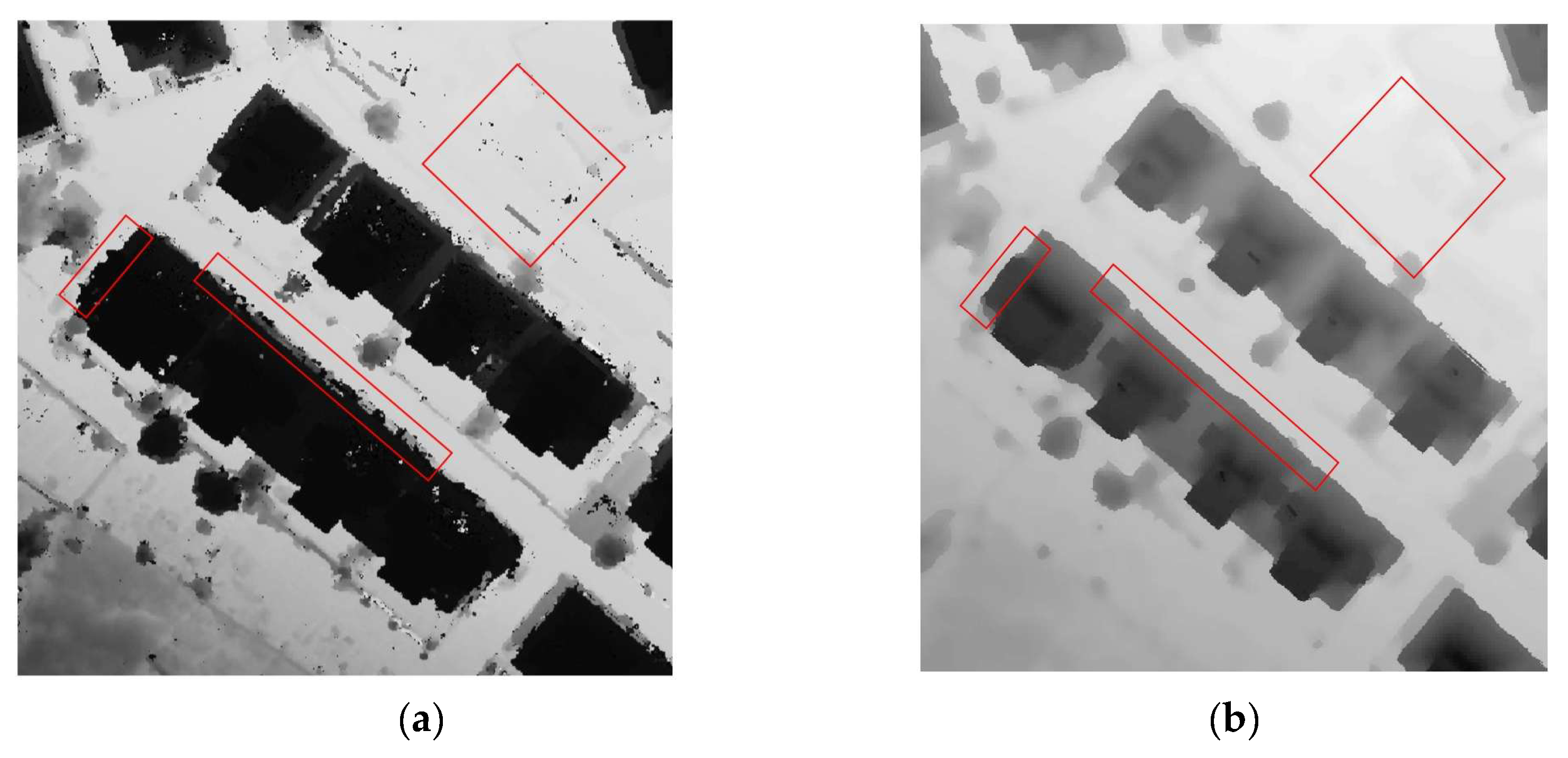
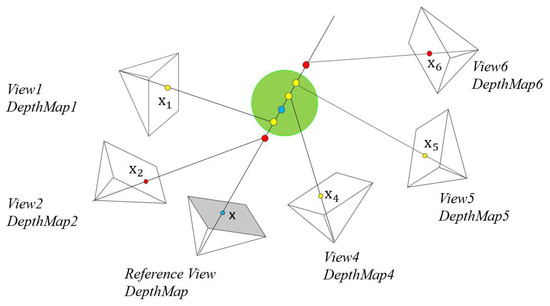
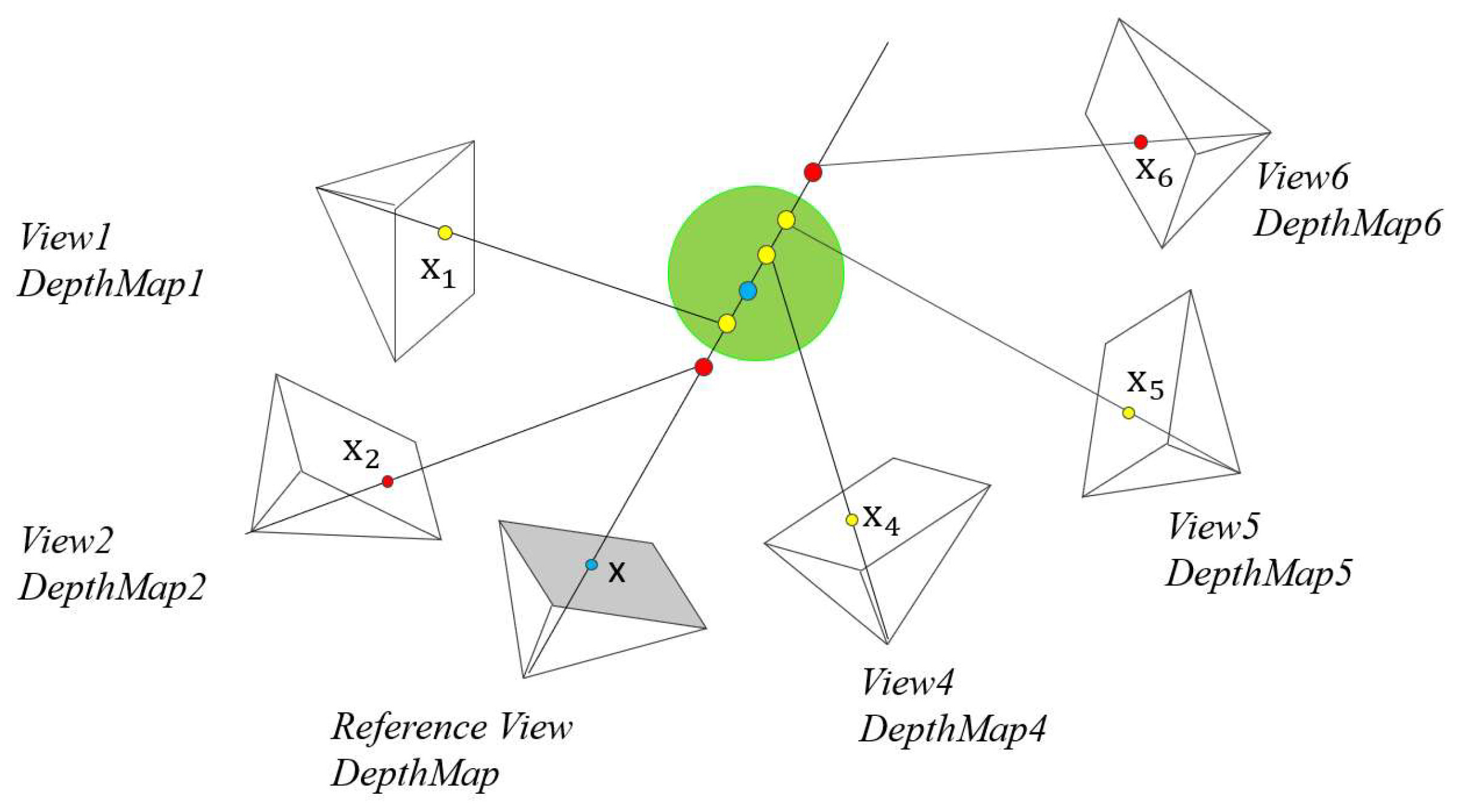
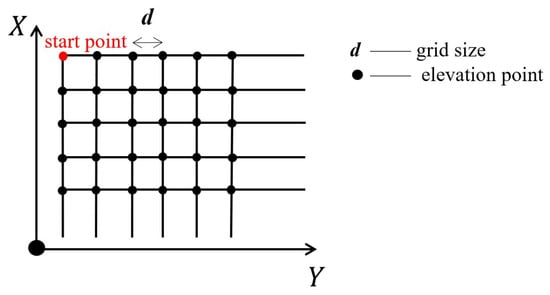
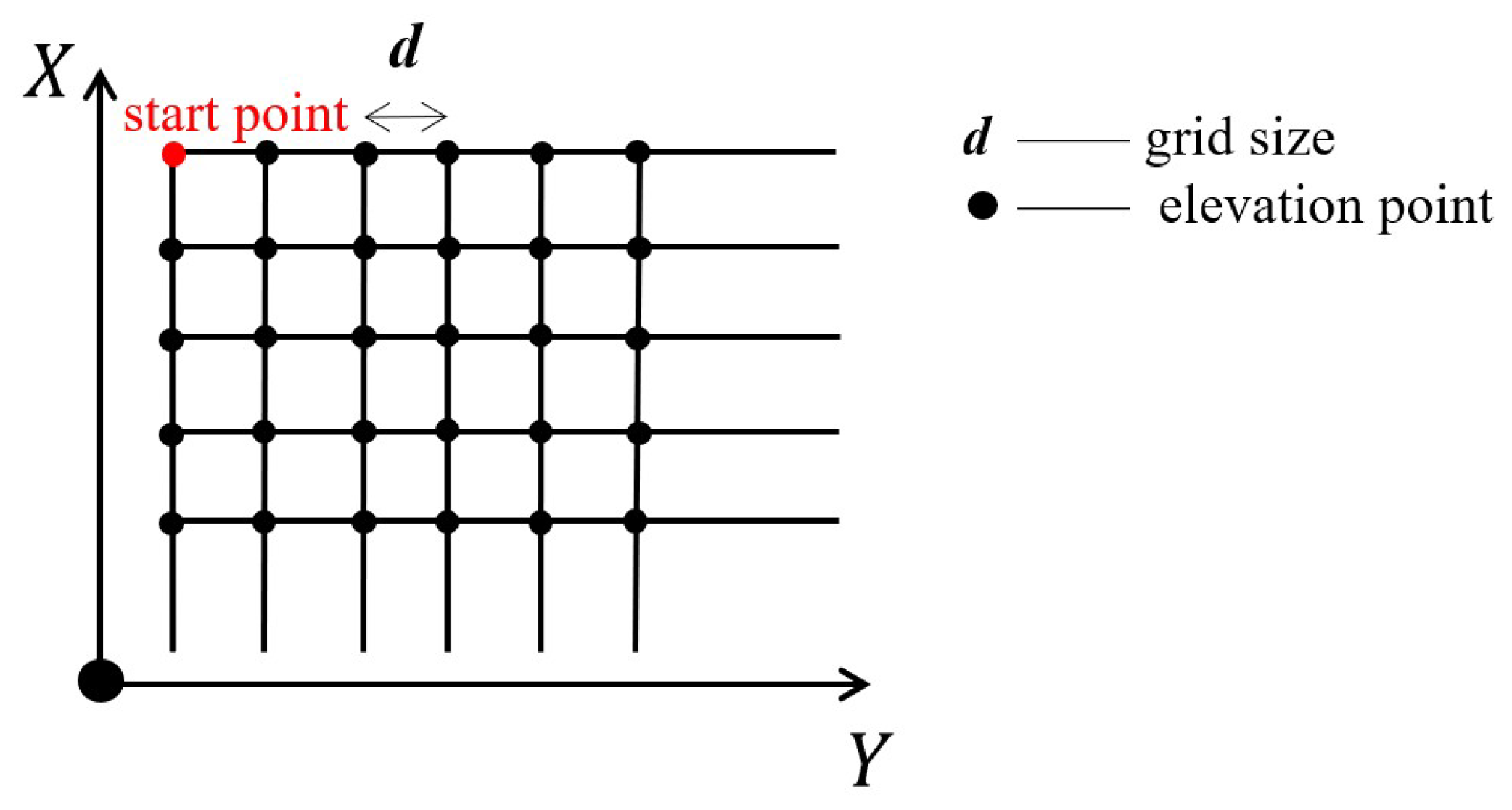
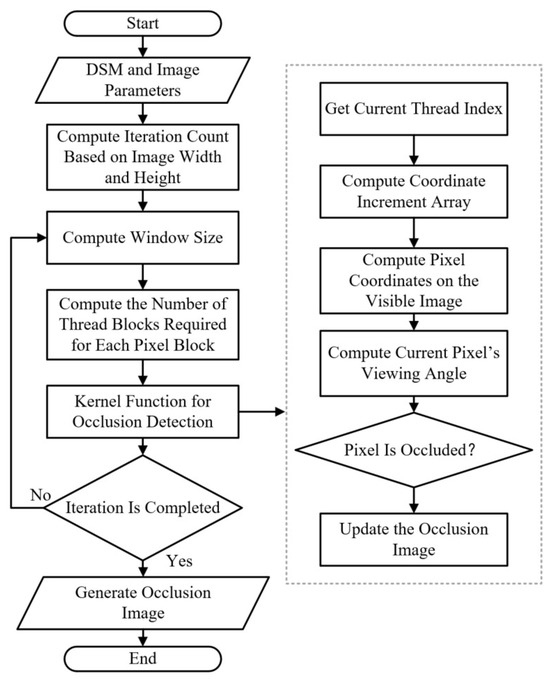
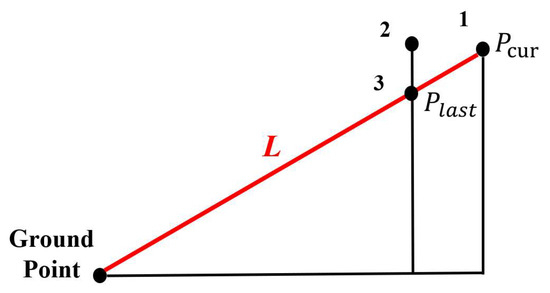
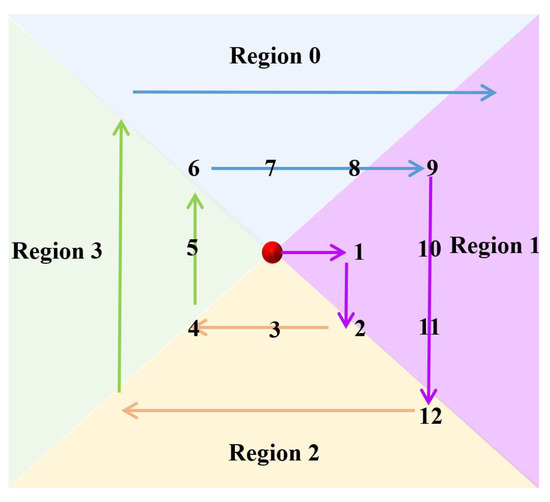
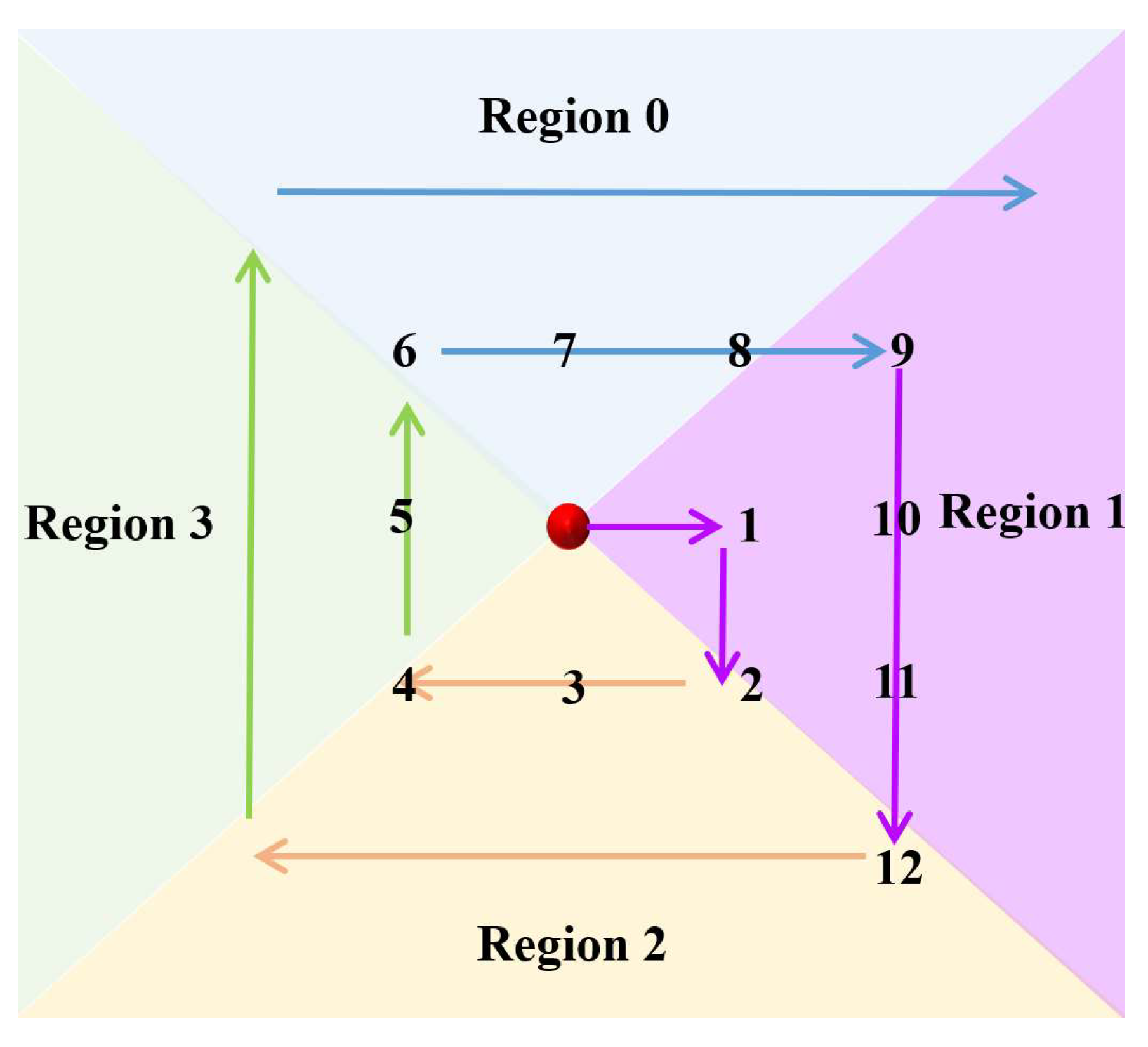
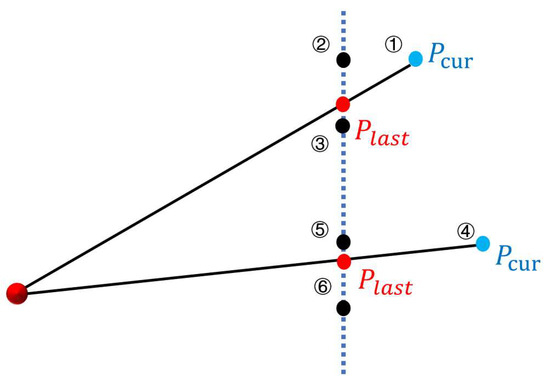
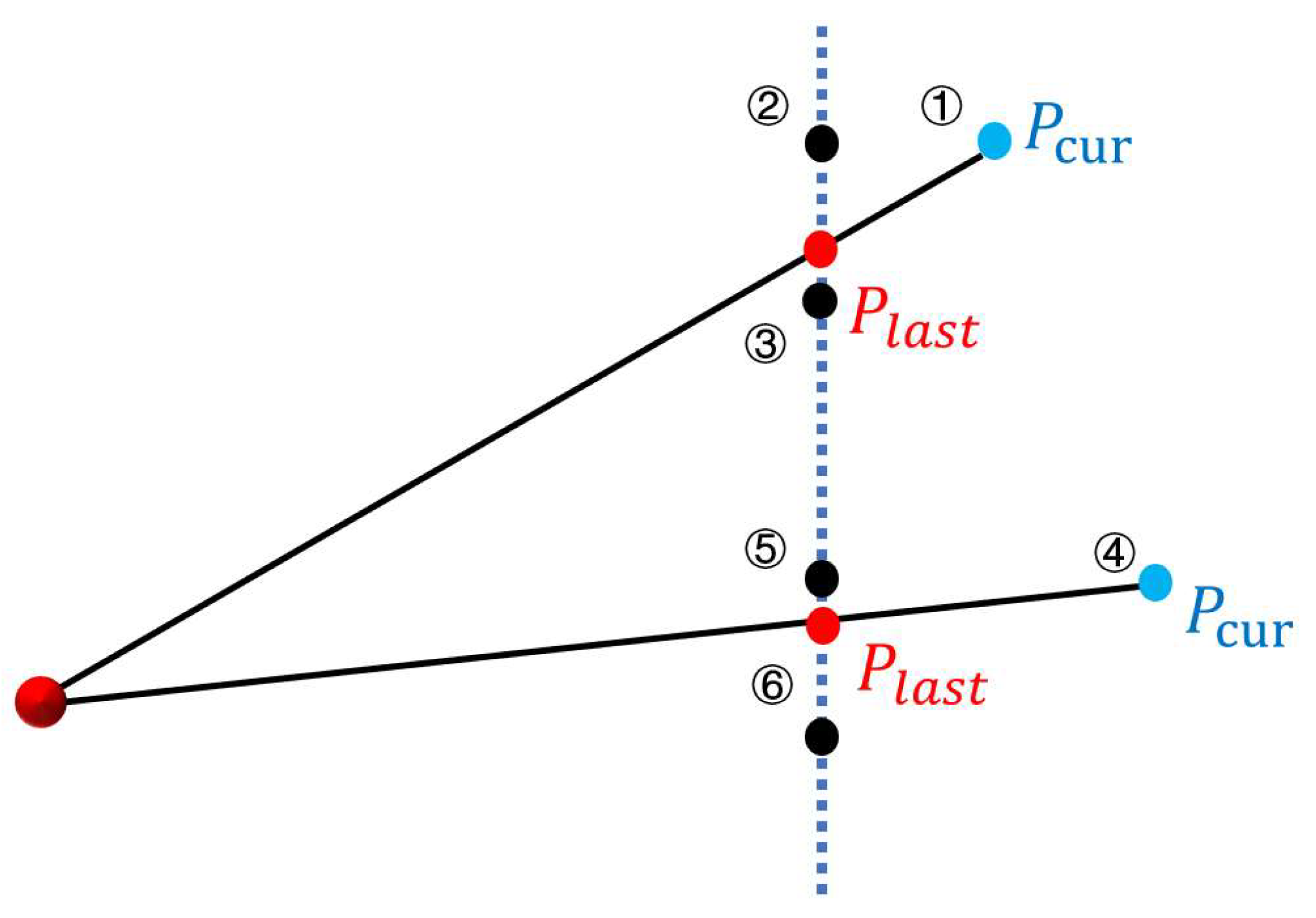
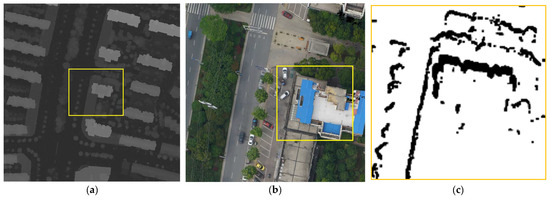
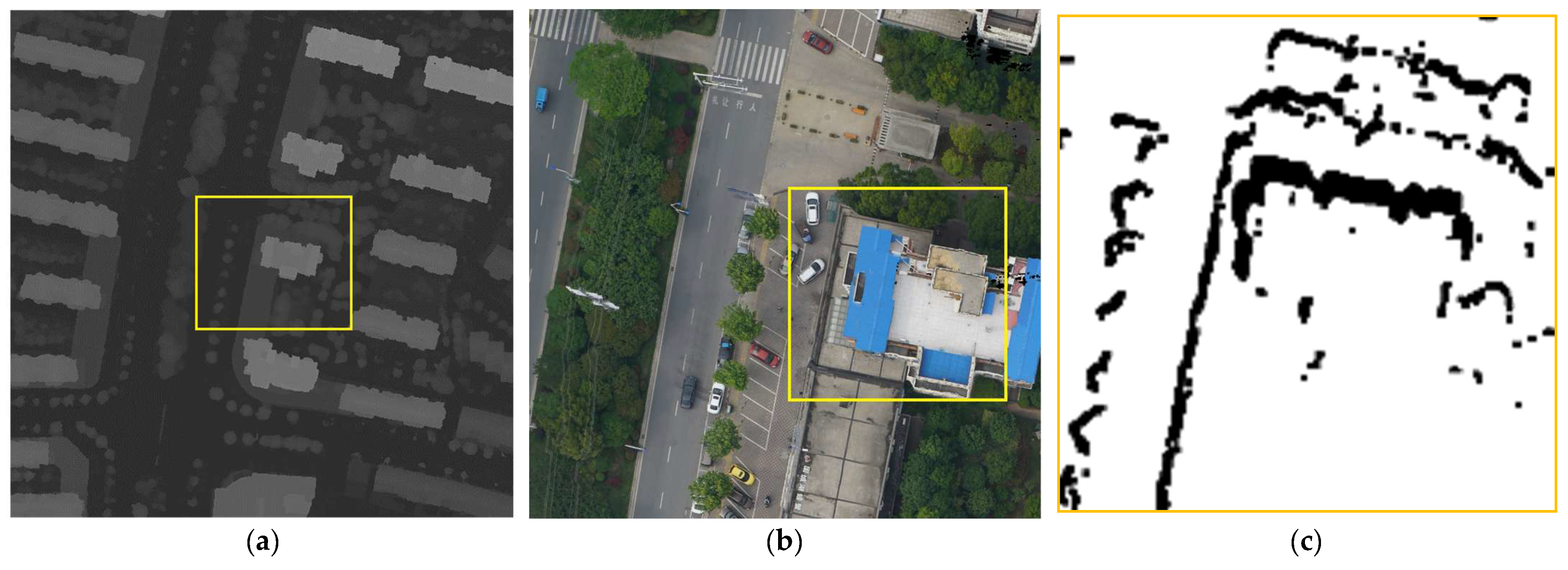
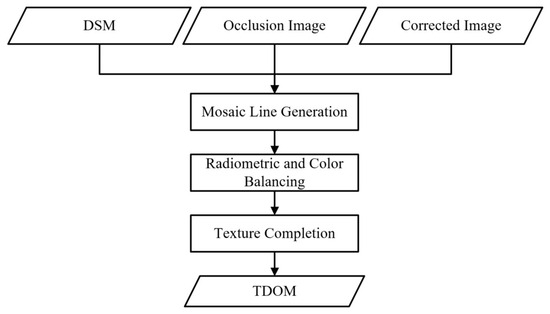
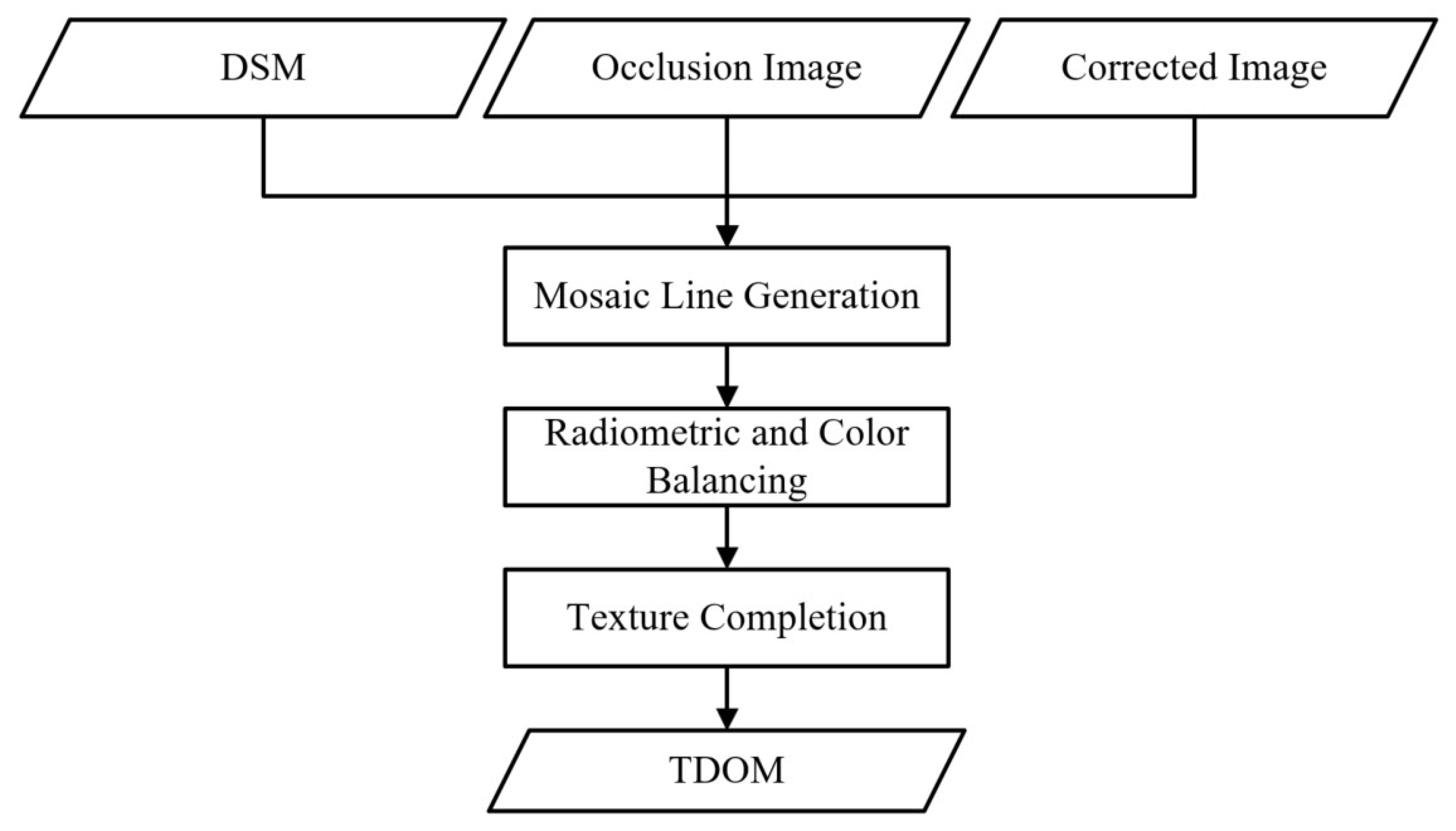
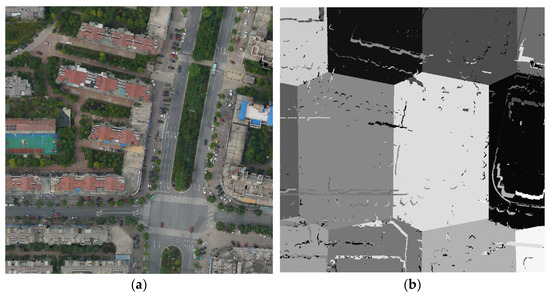
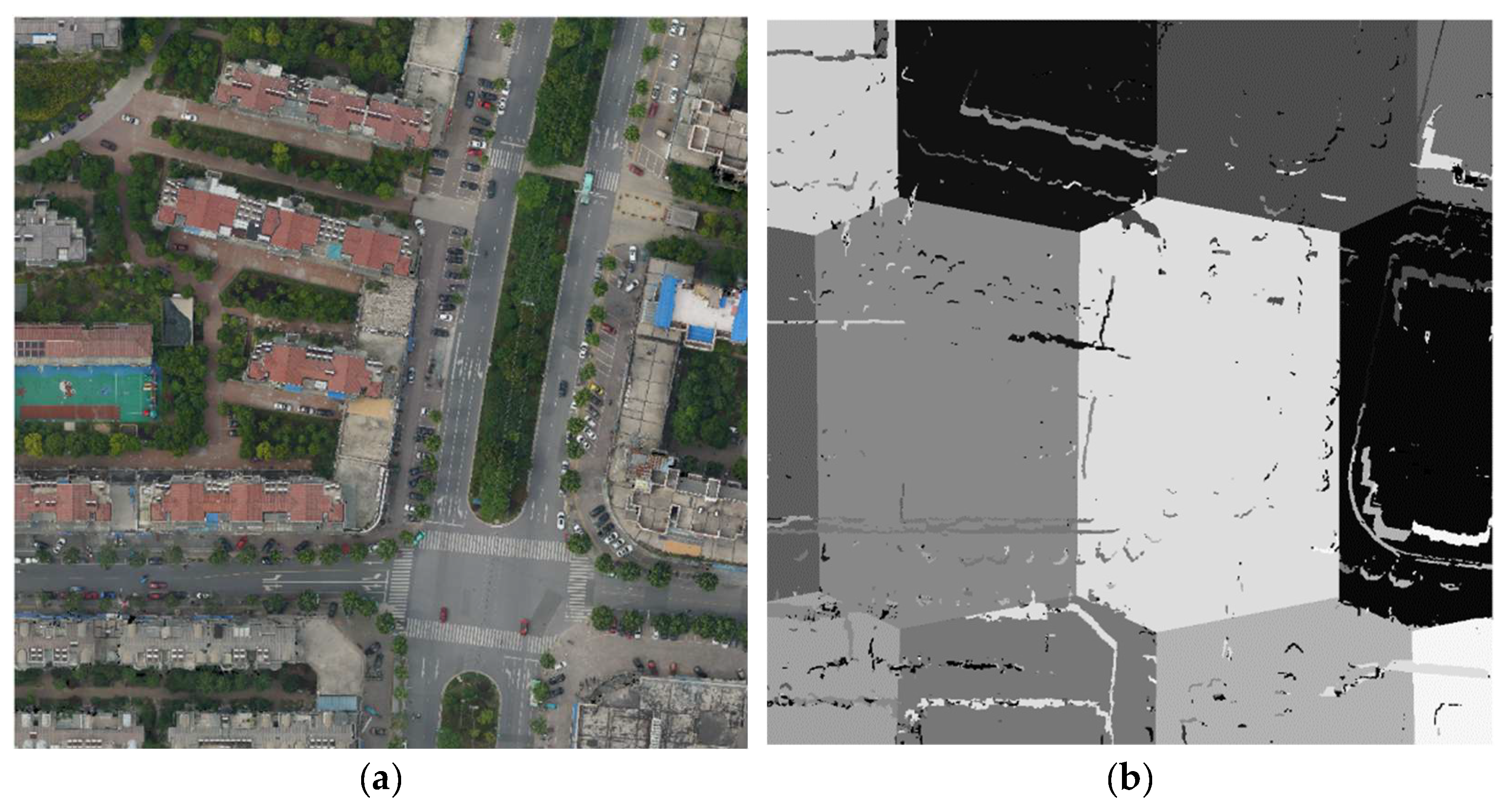
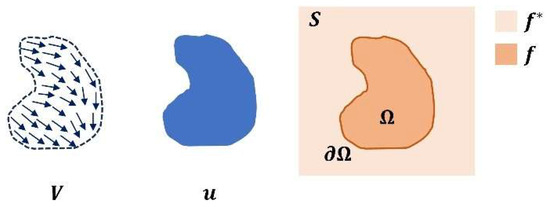
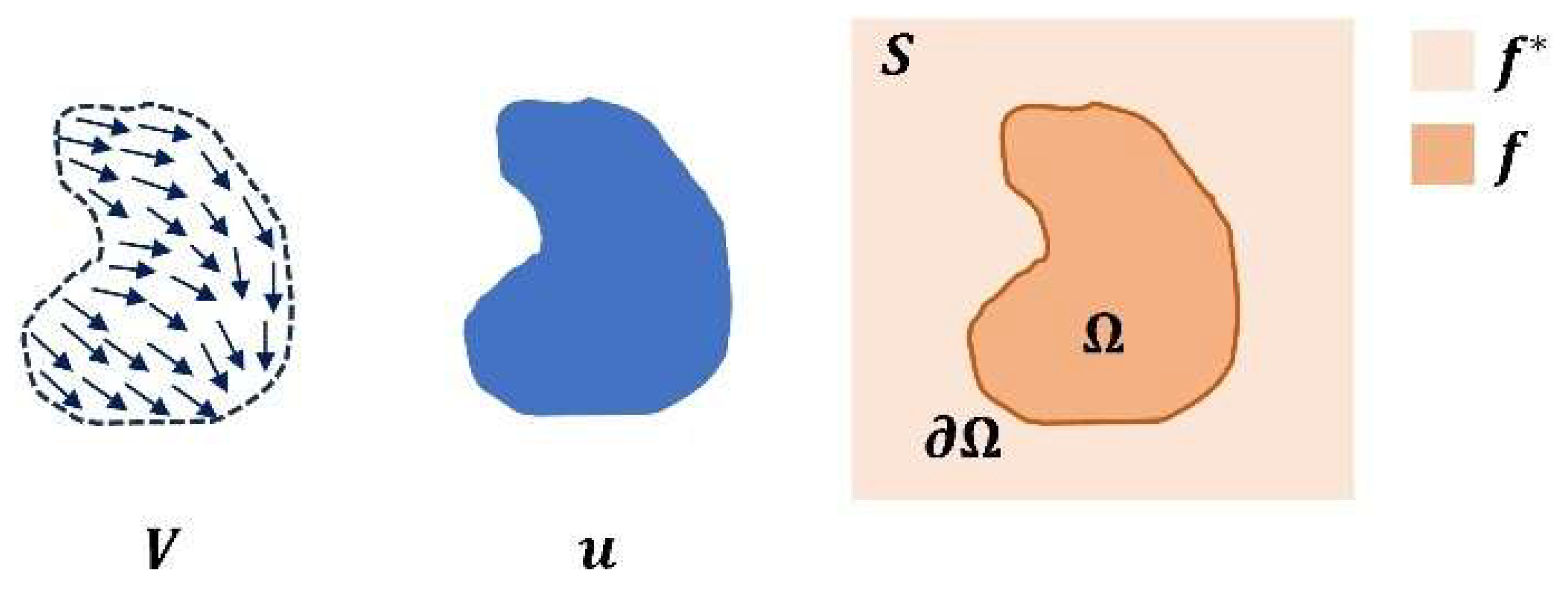
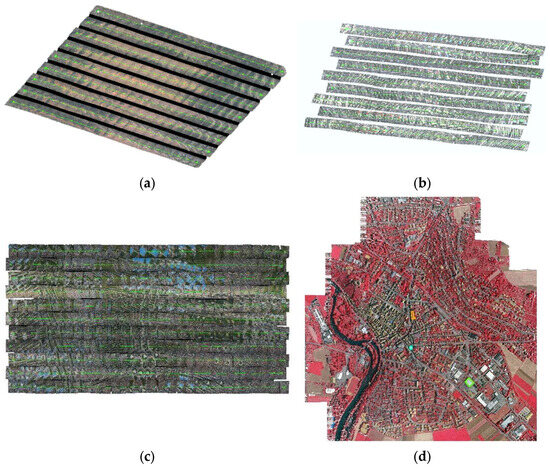
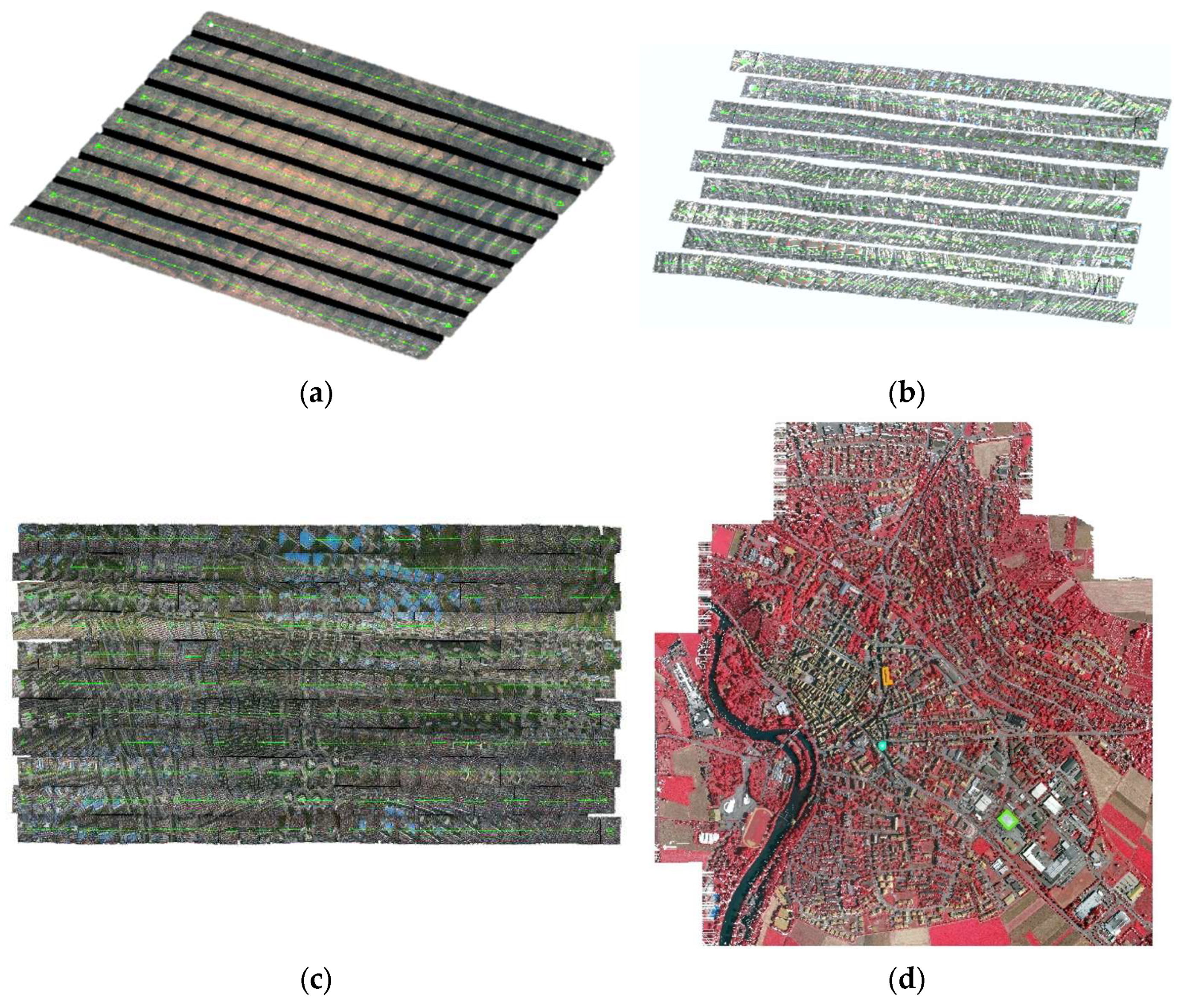
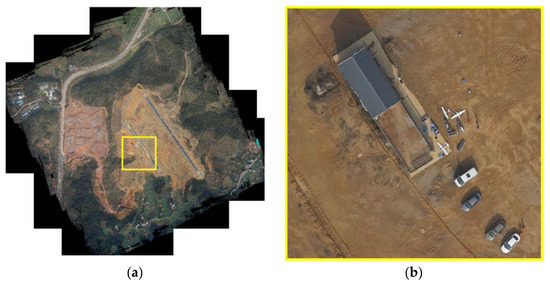
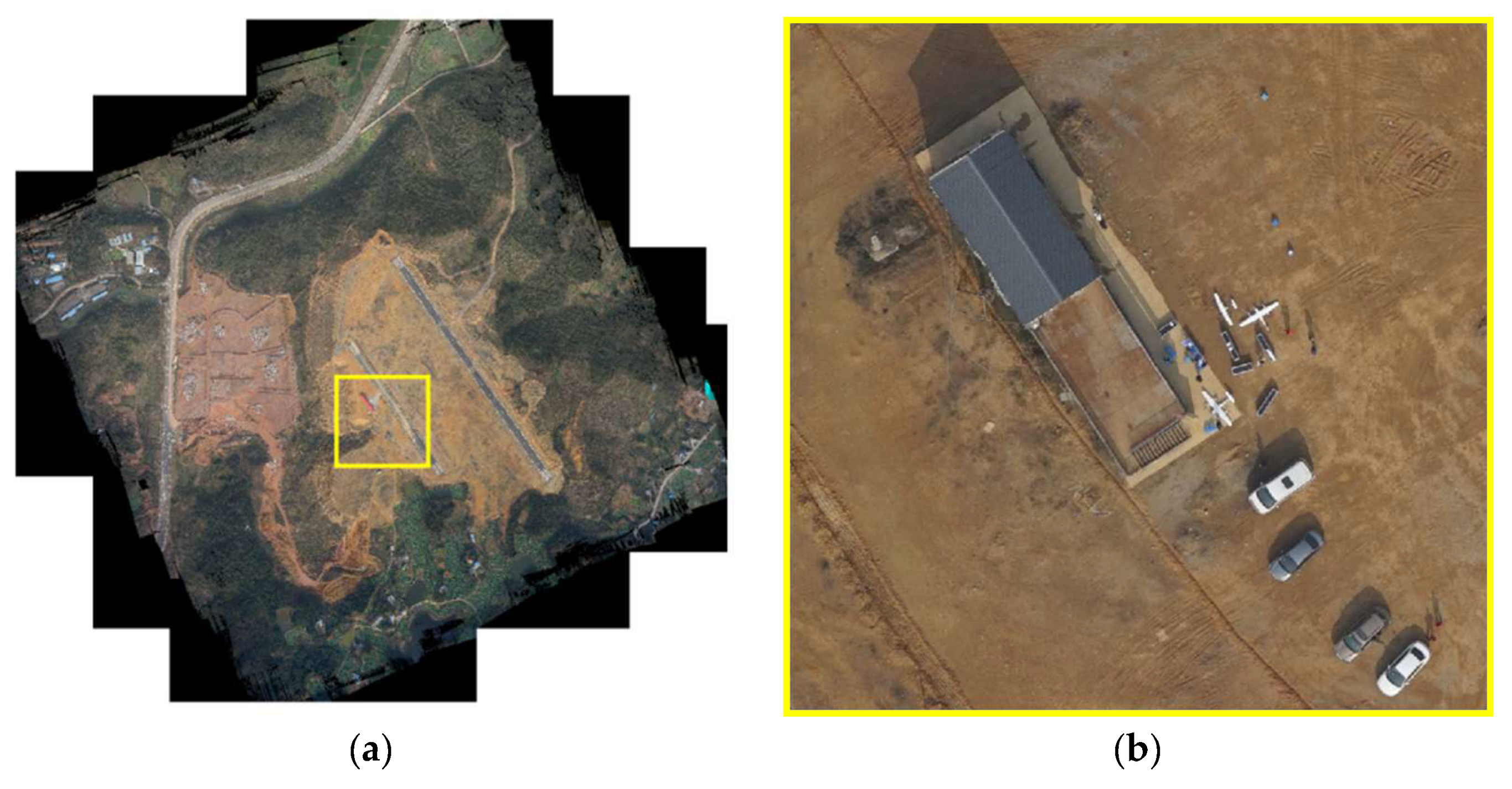
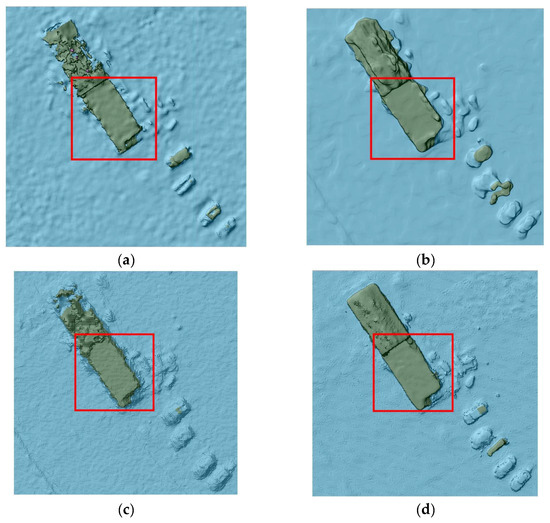
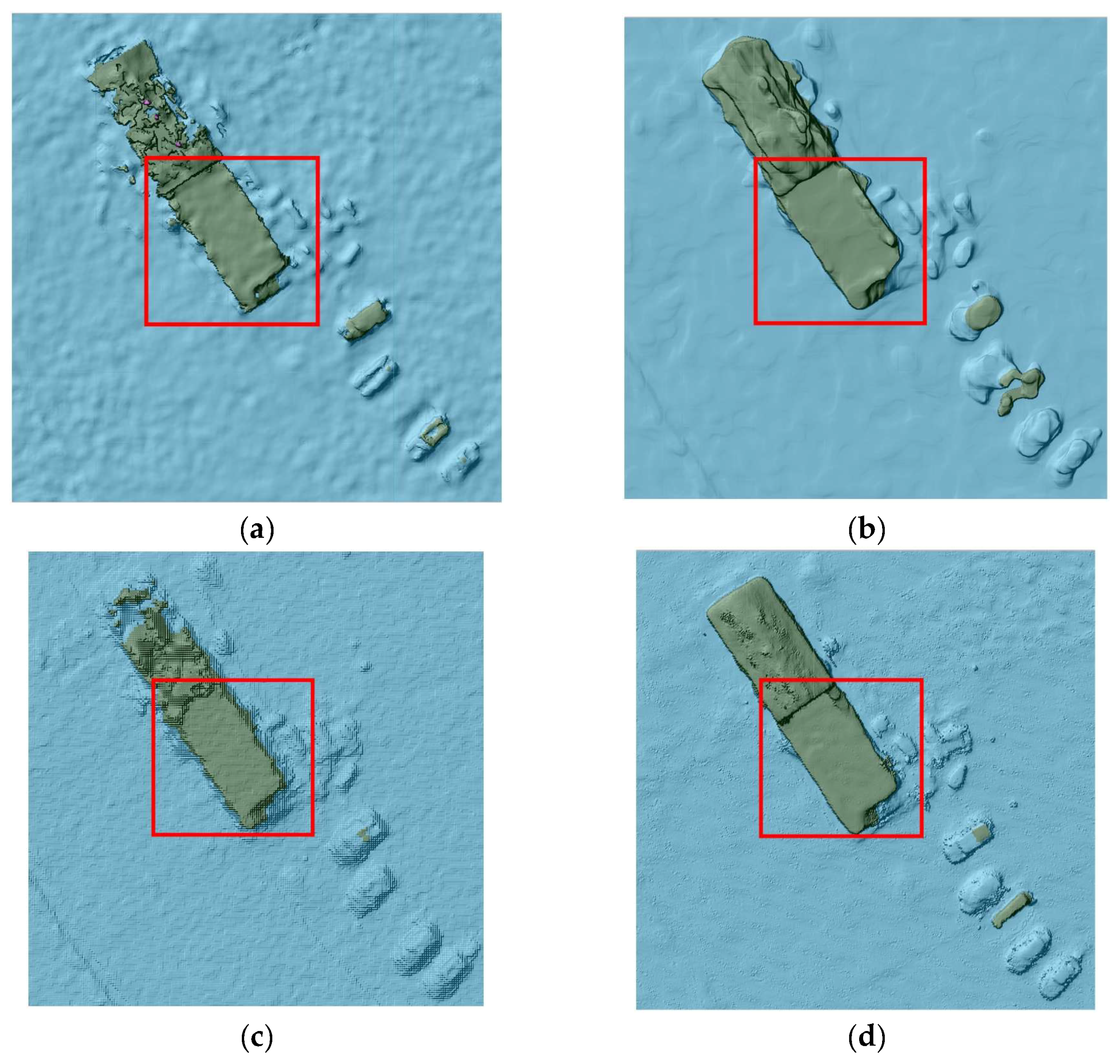
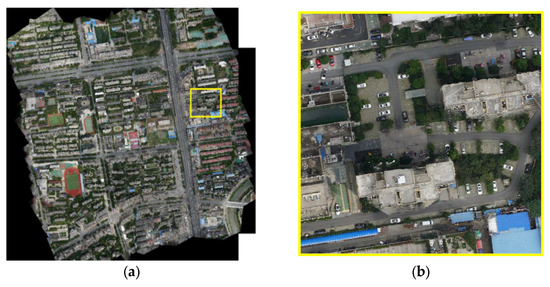
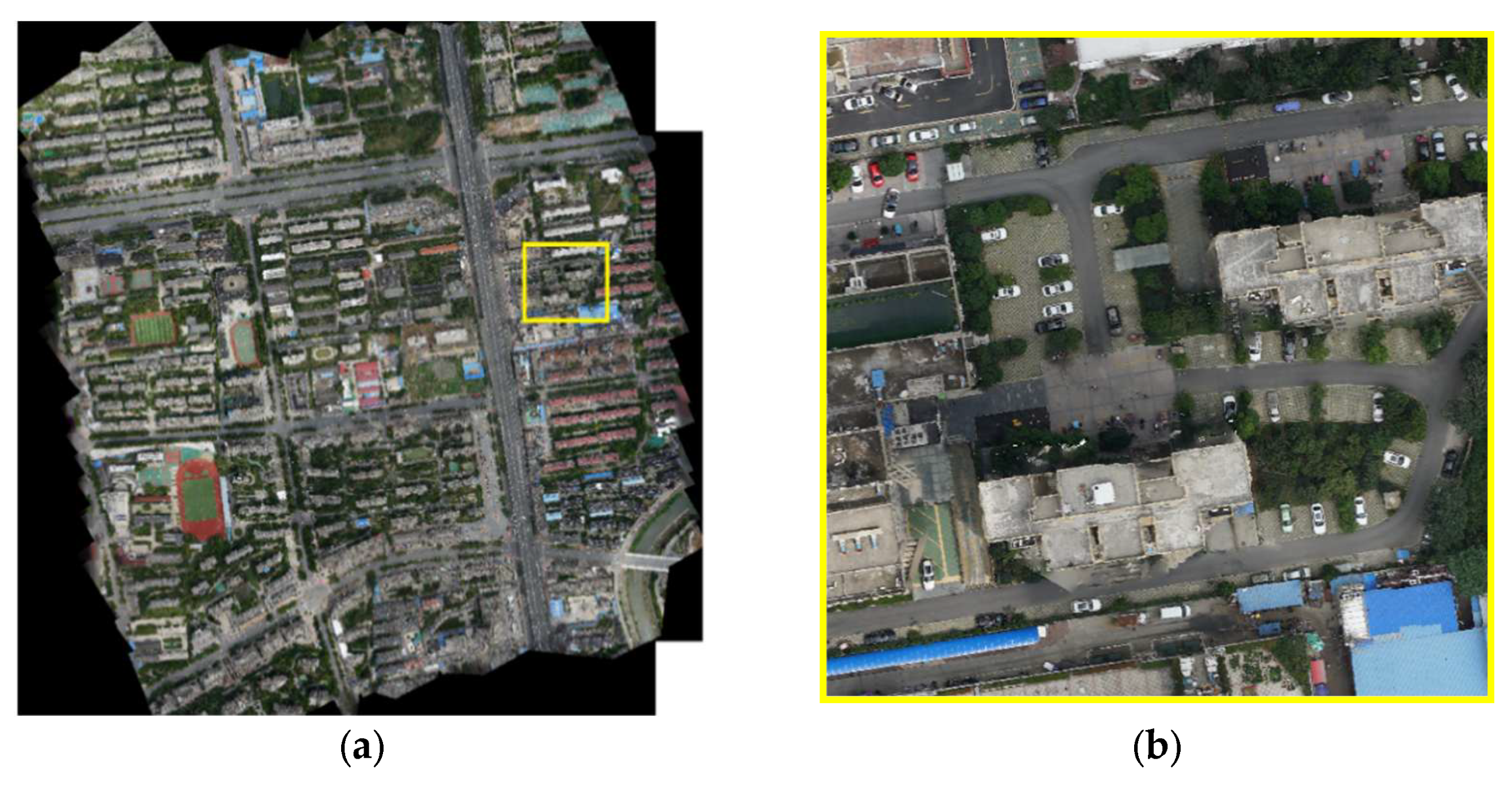
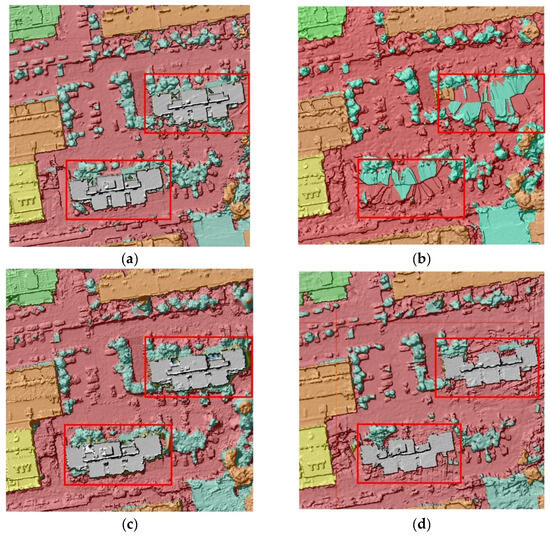
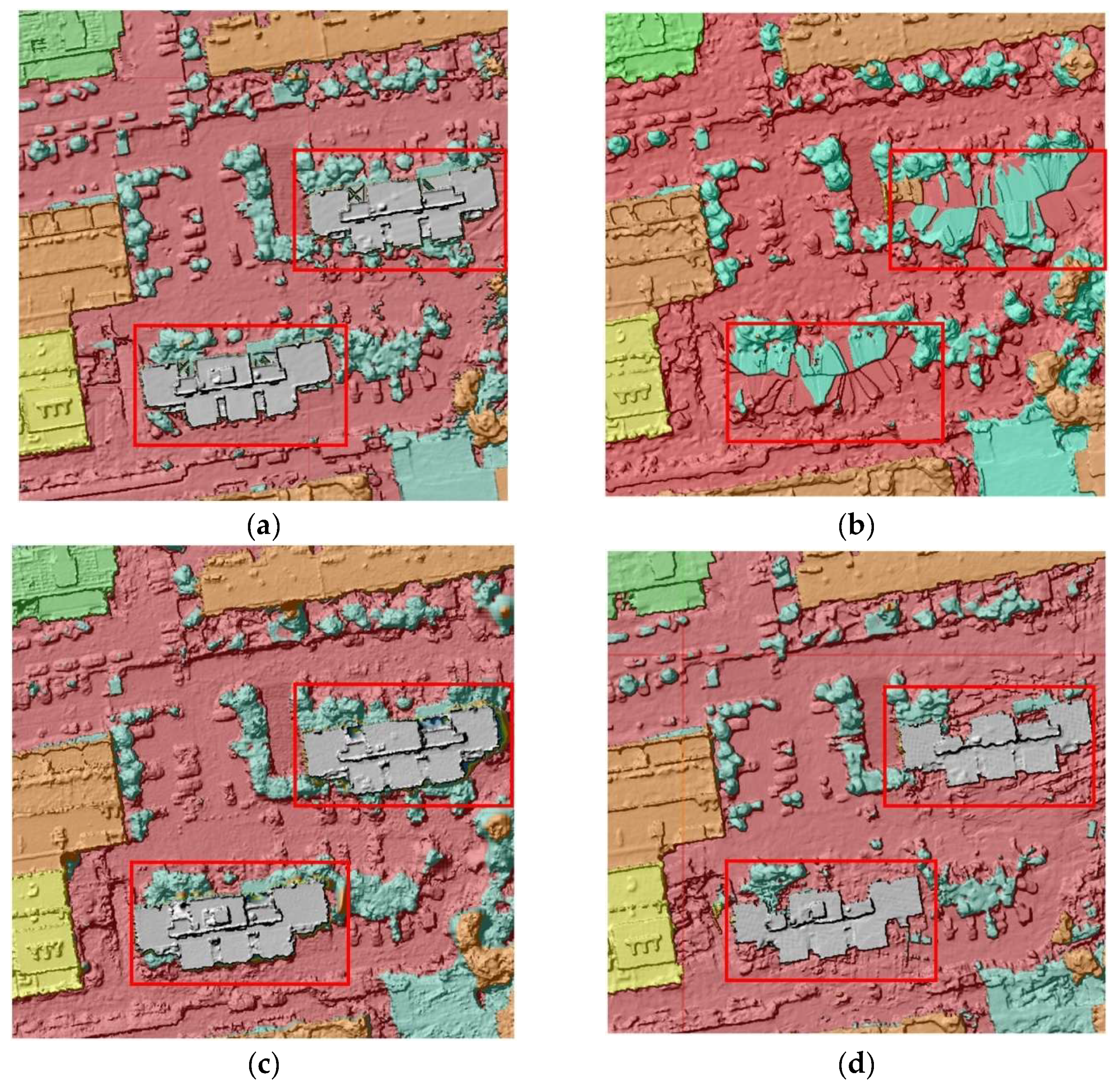
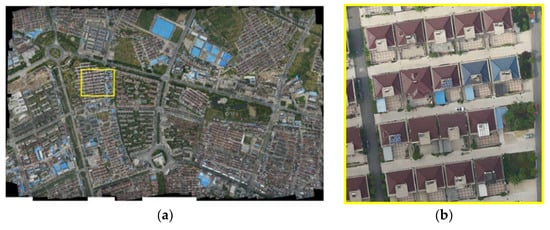
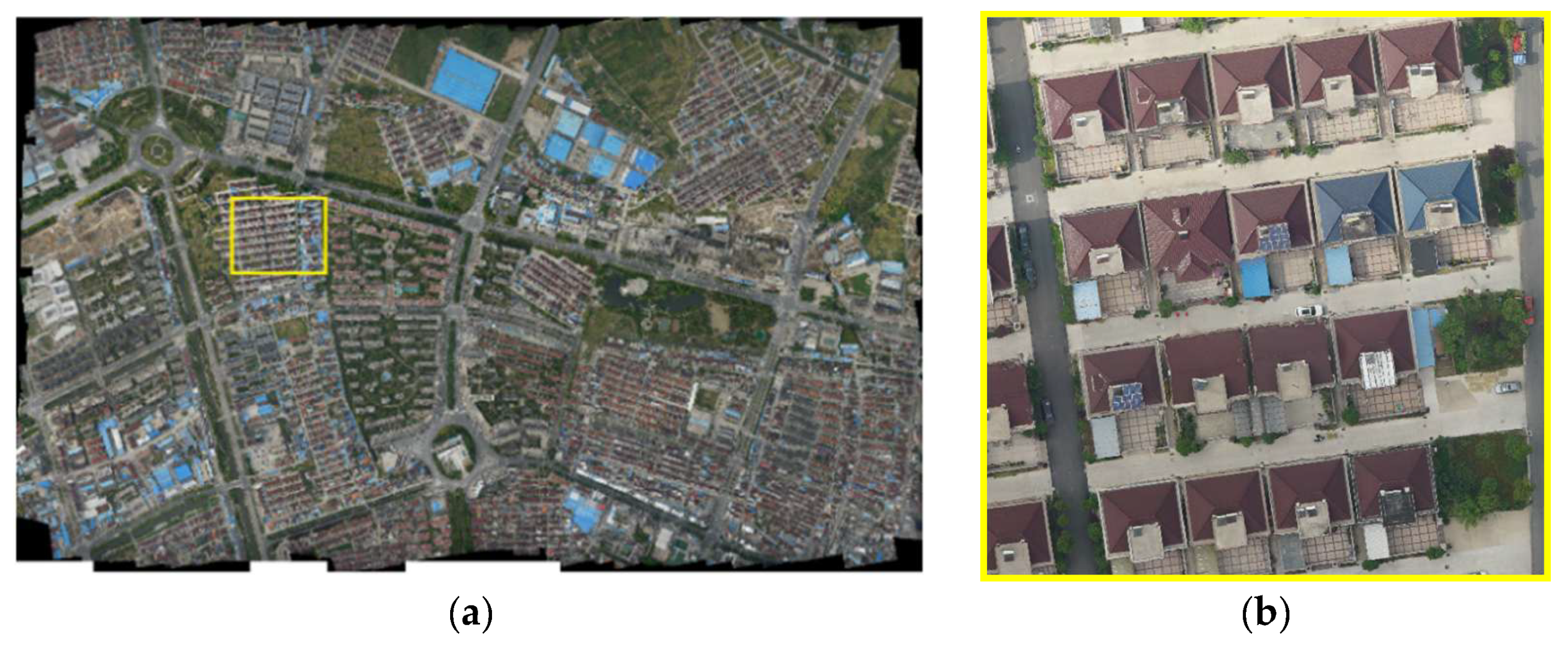
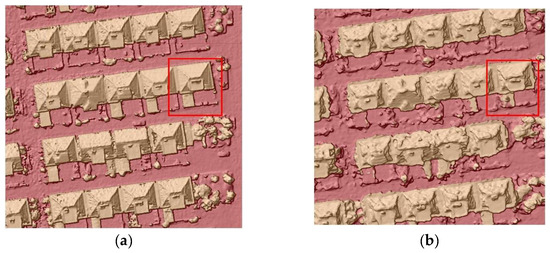
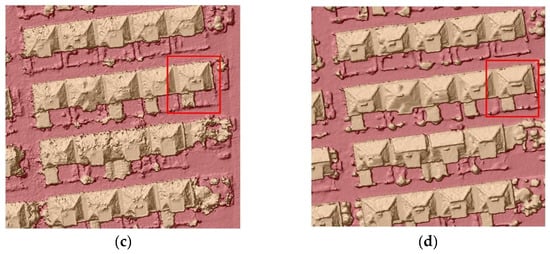
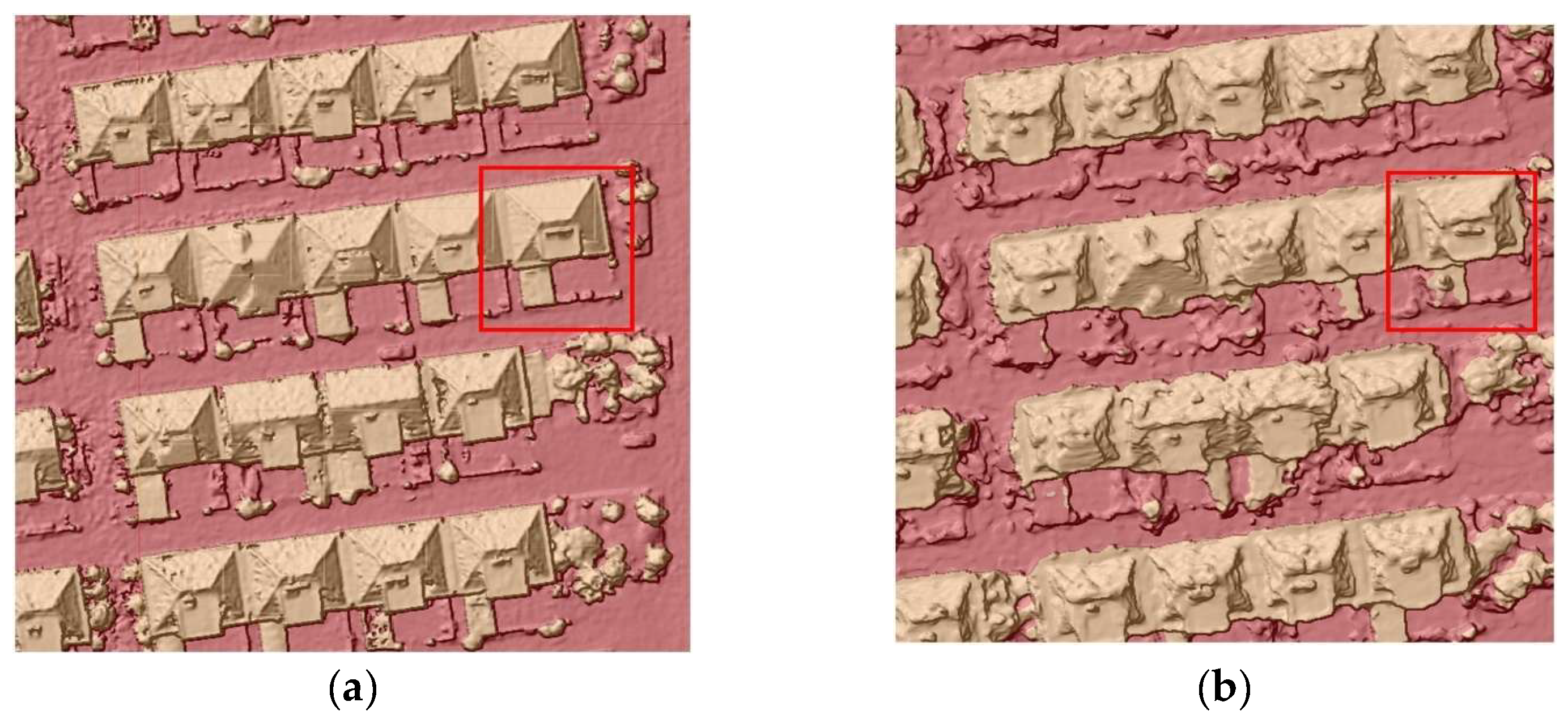
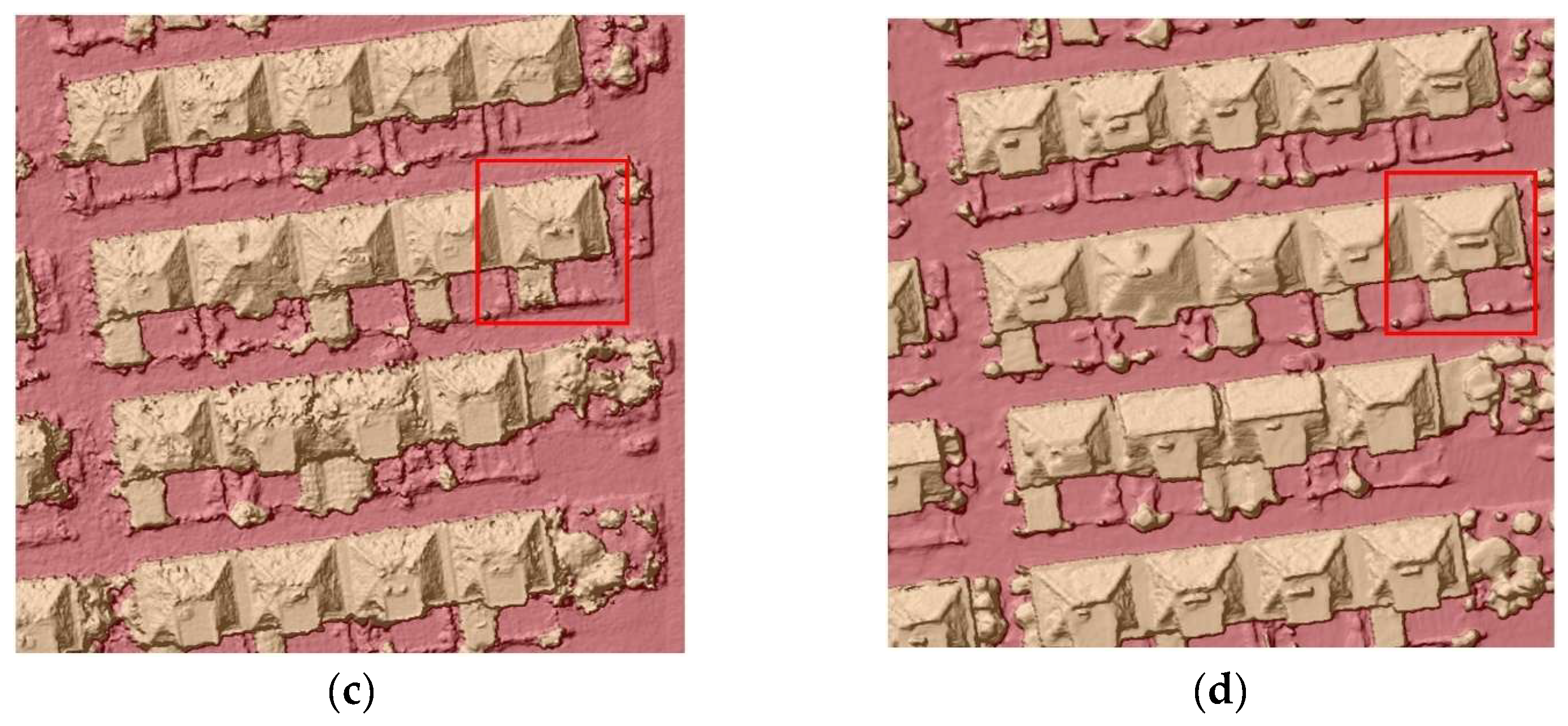
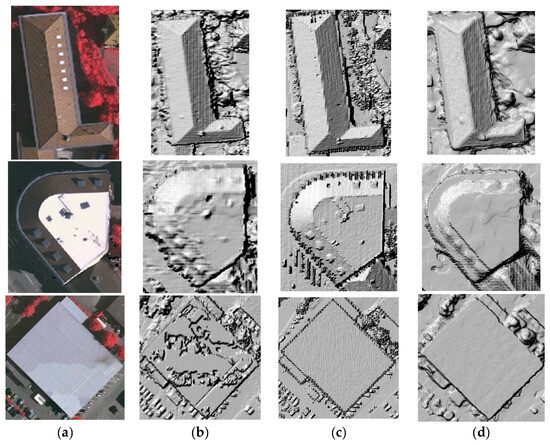
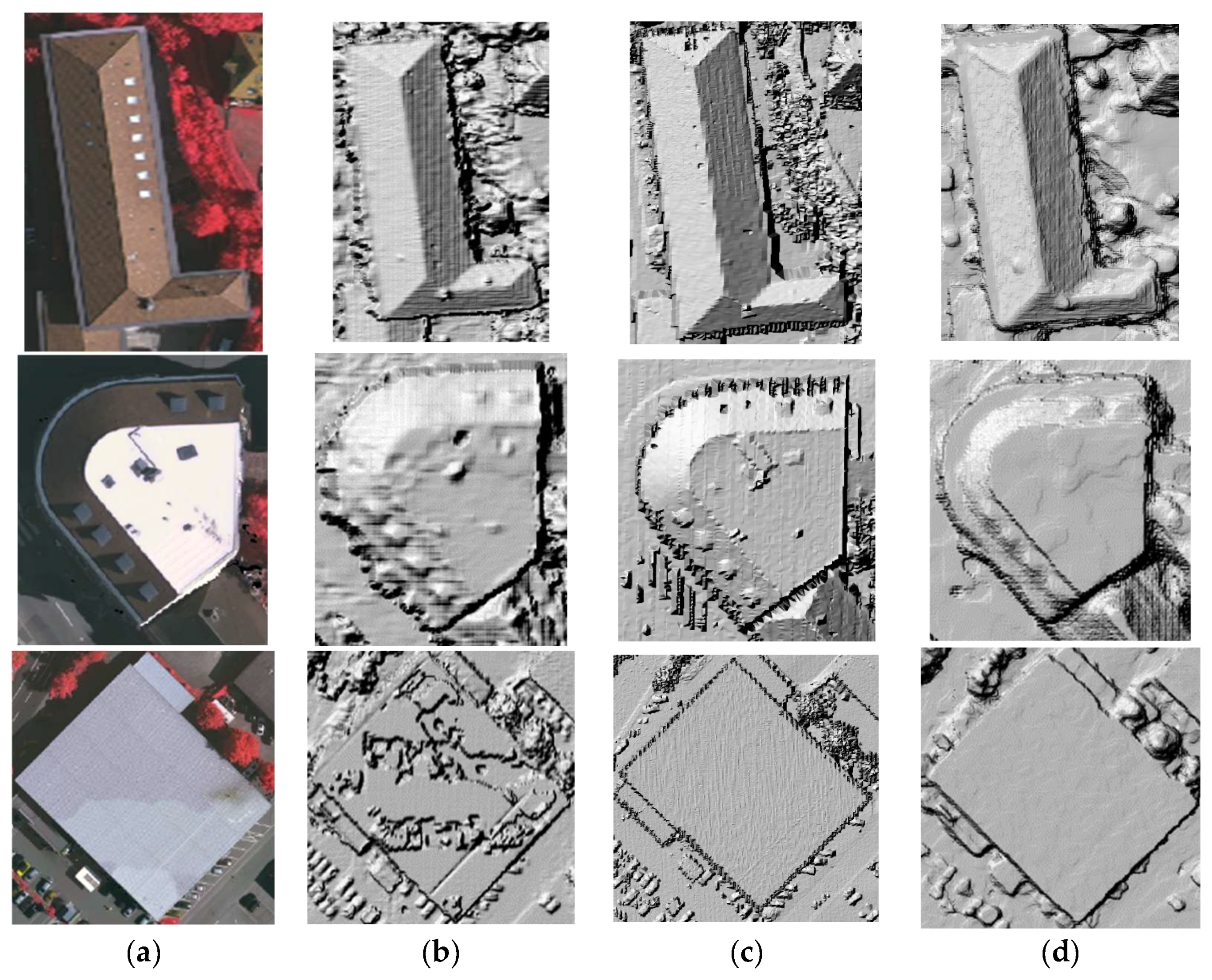
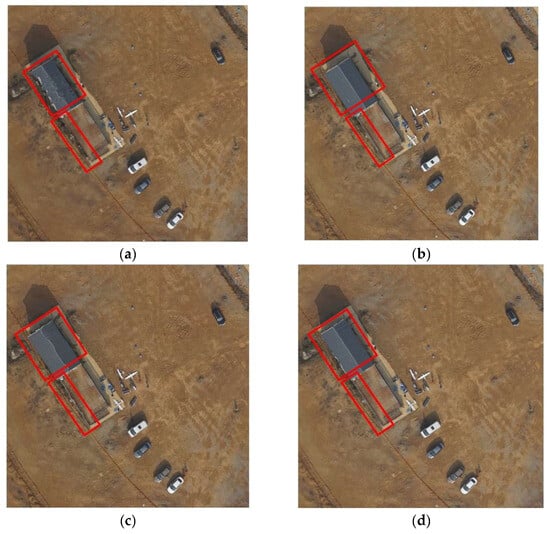
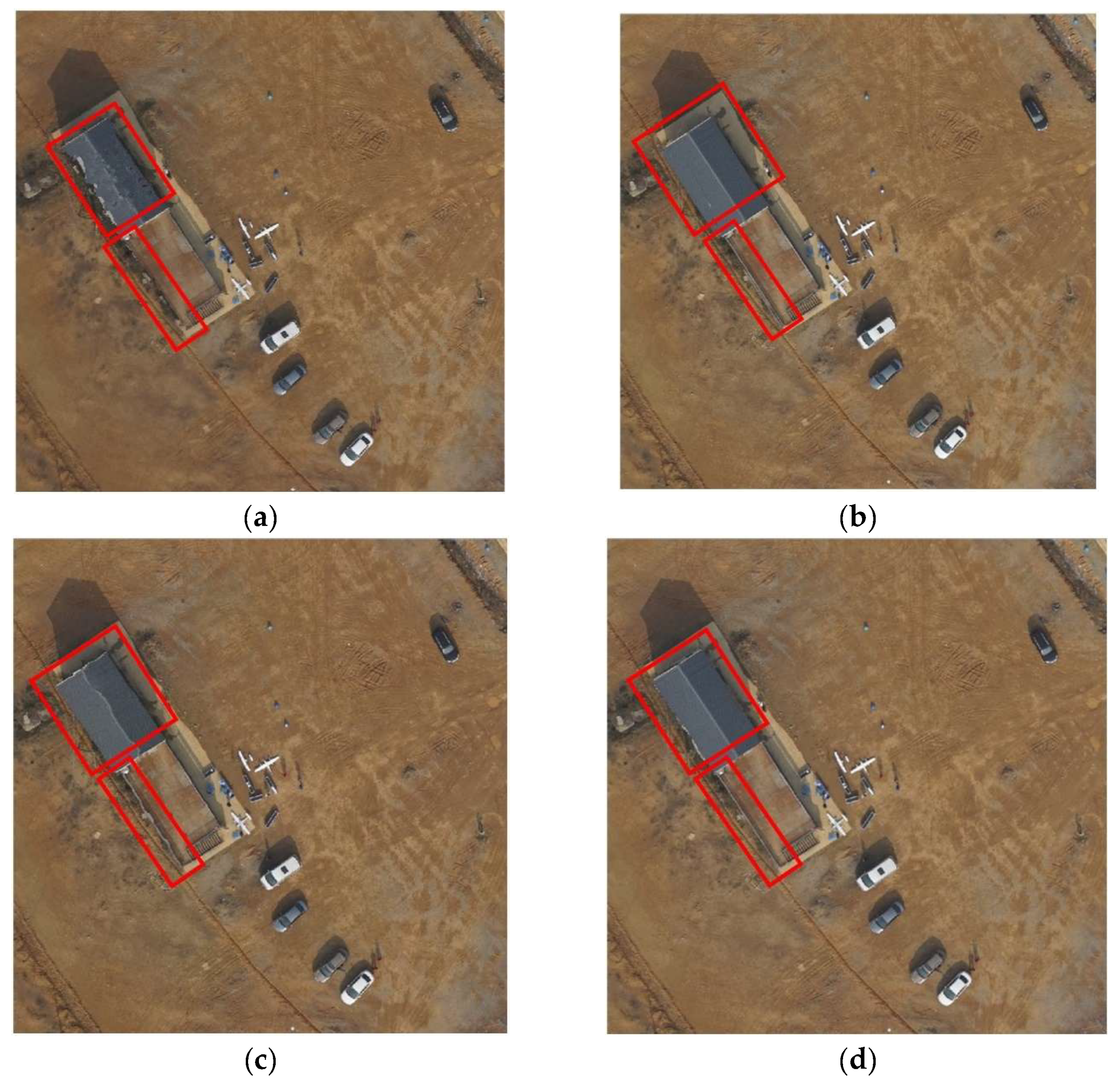
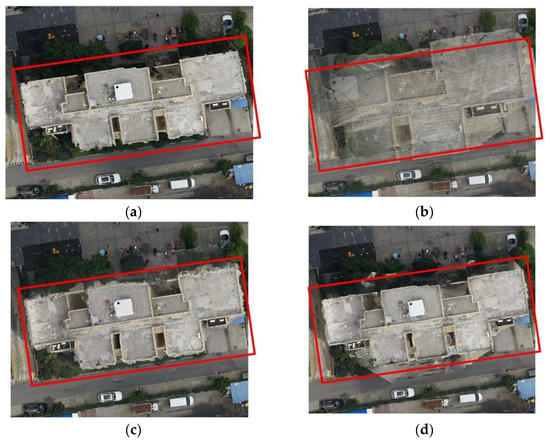
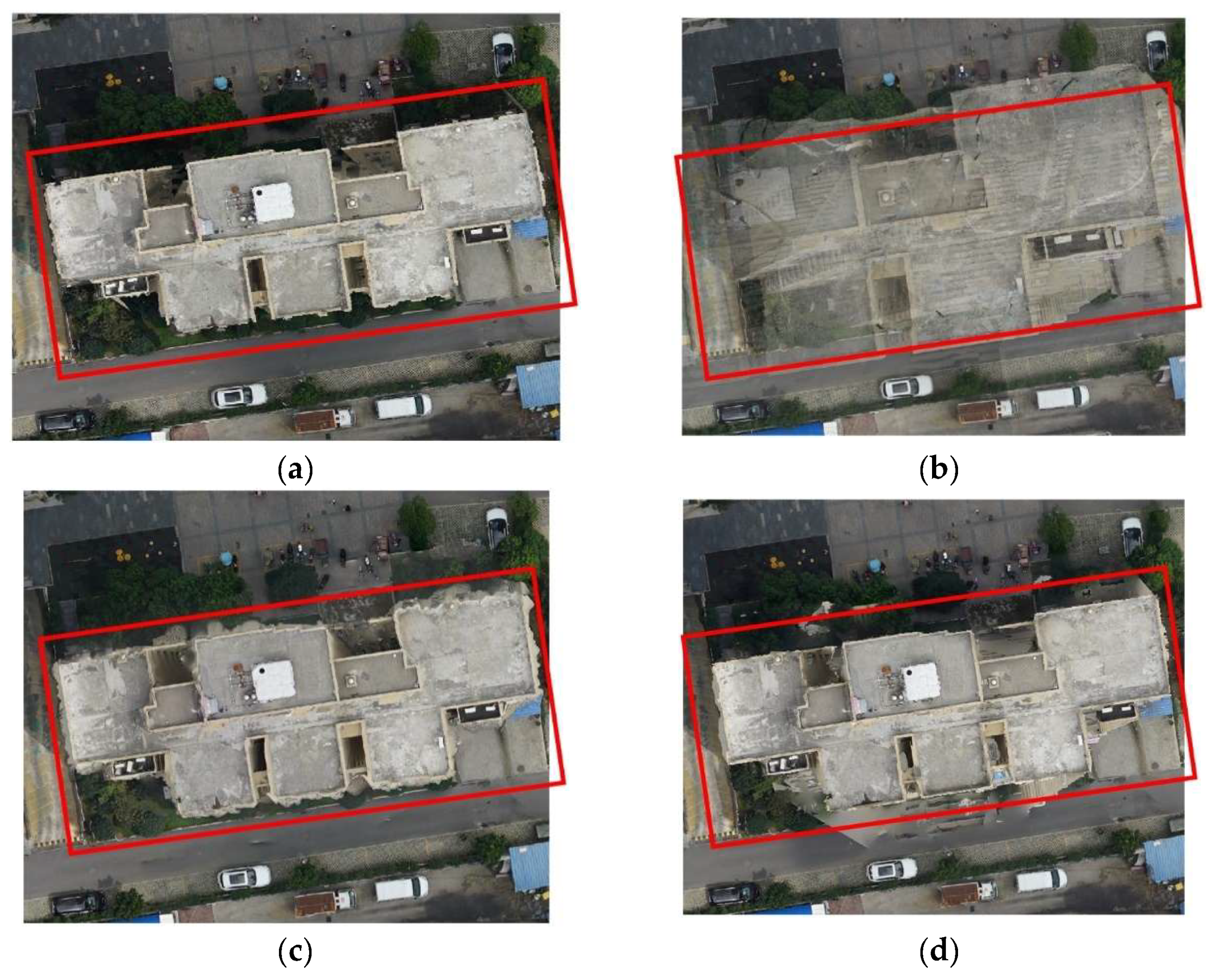
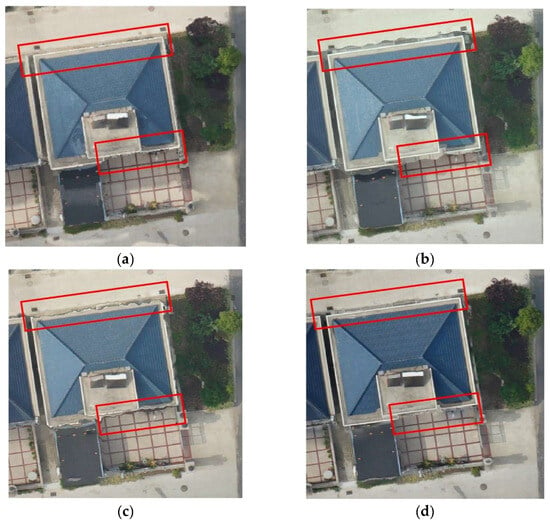
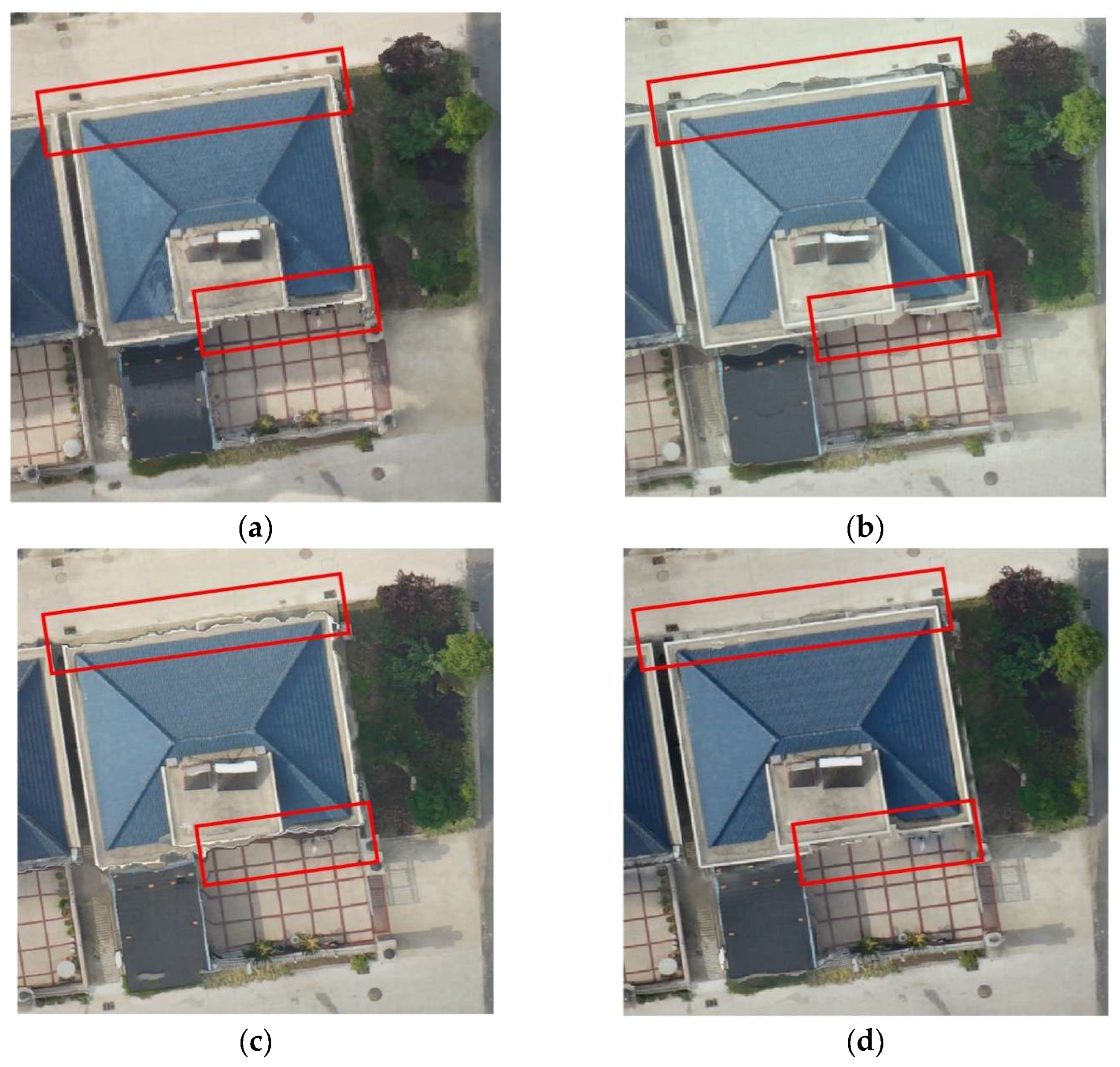
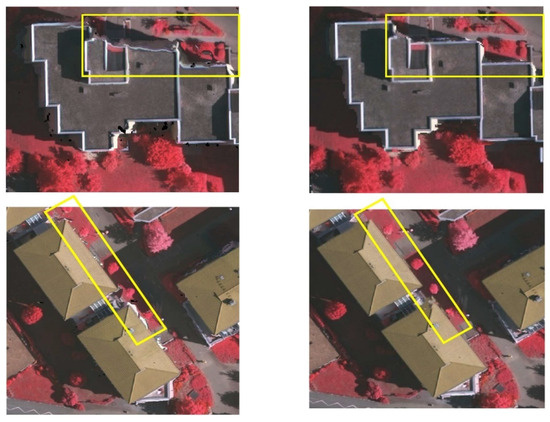
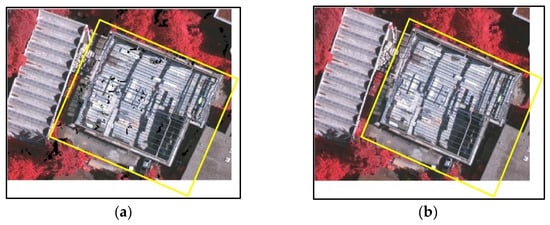
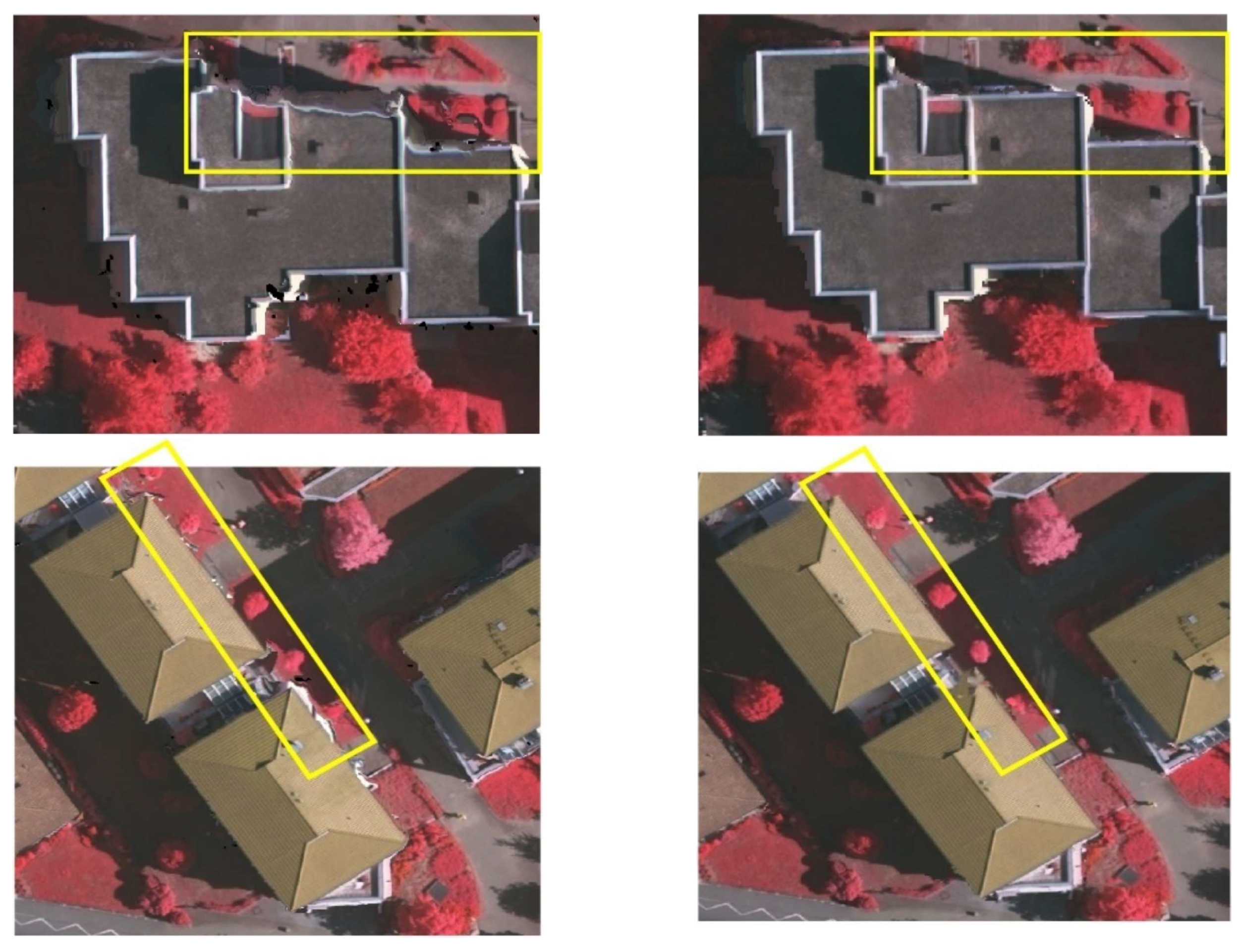
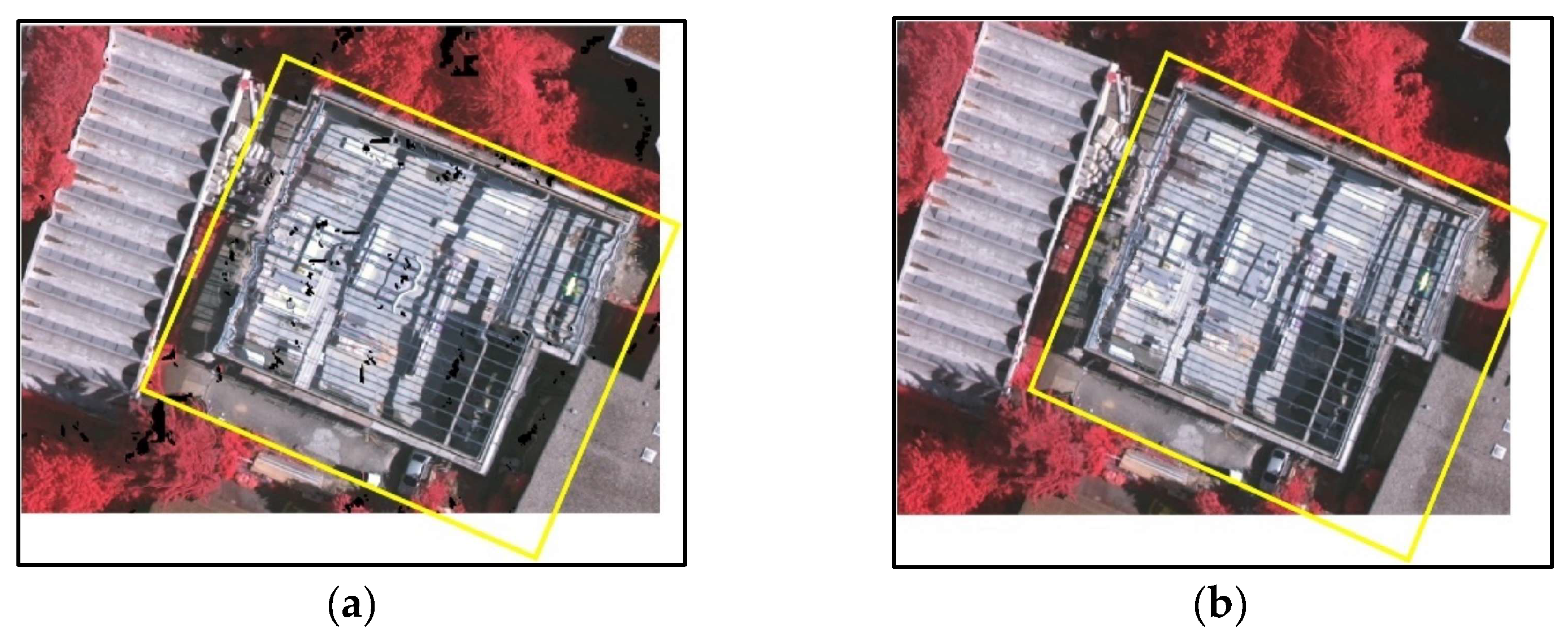

Disclaimer/Publisher’s Note: The statements, opinions and data contained in all publications are solely those of the individual author(s) and contributor(s) and not of MDPI and/or the editor(s). MDPI and/or the editor(s) disclaim responsibility for any injury to people or property resulting from any ideas, methods, instructions or products referred to in the content. |
© 2026 by the authors. Licensee MDPI, Basel, Switzerland. This article is an open access article distributed under the terms and conditions of the Creative Commons Attribution (CC BY) license.