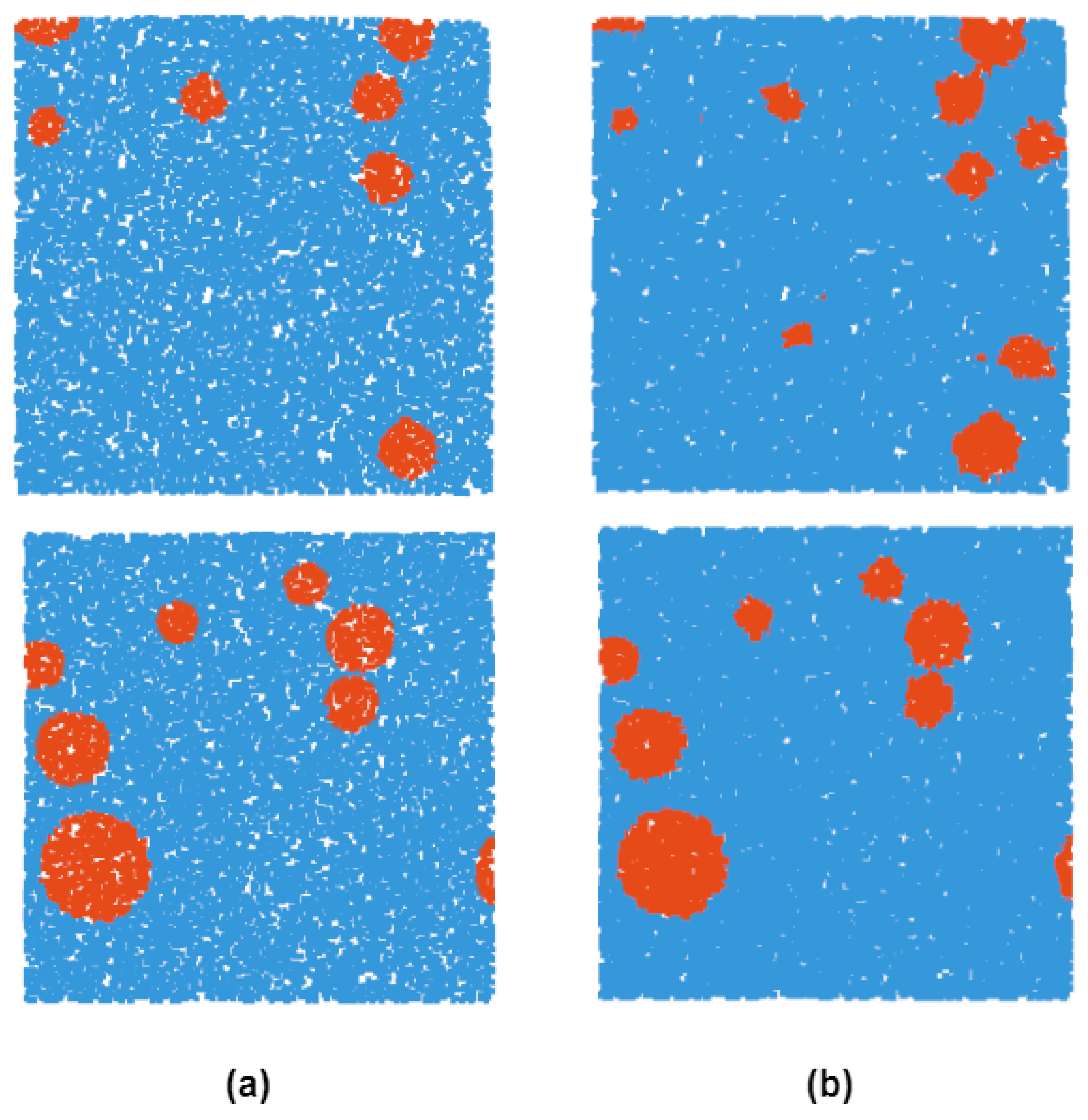
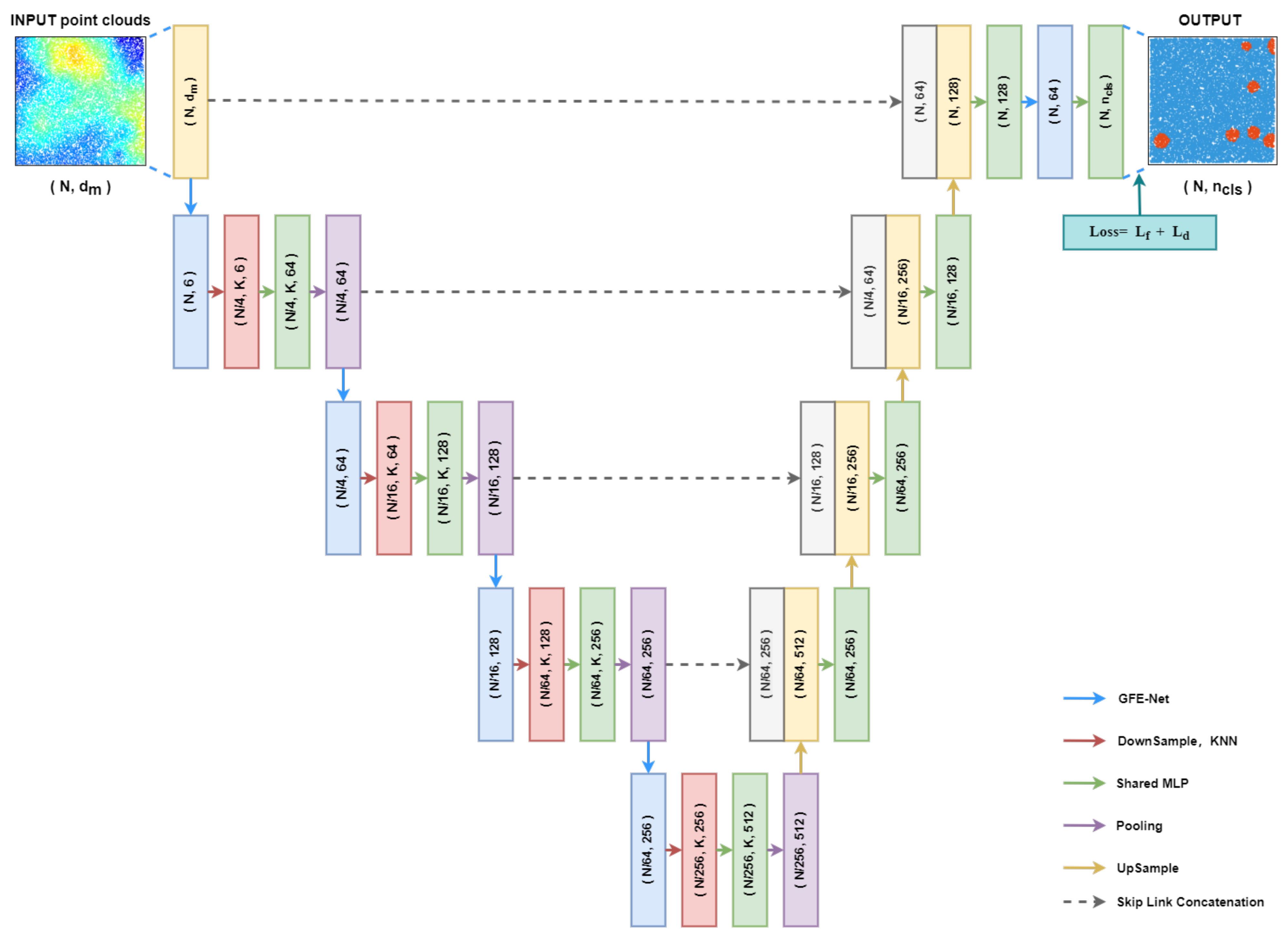
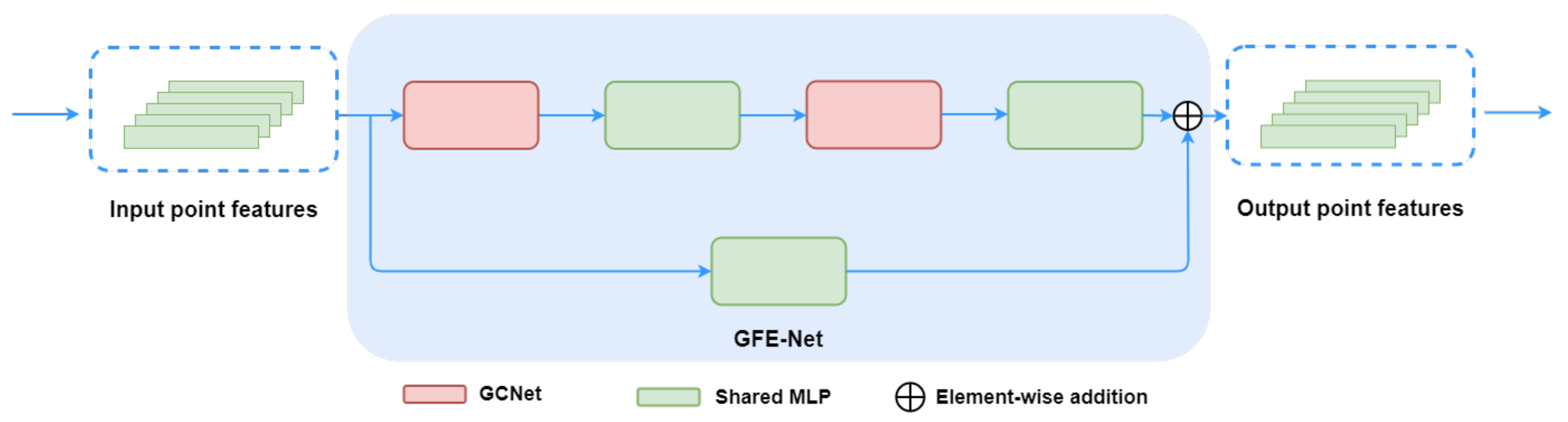
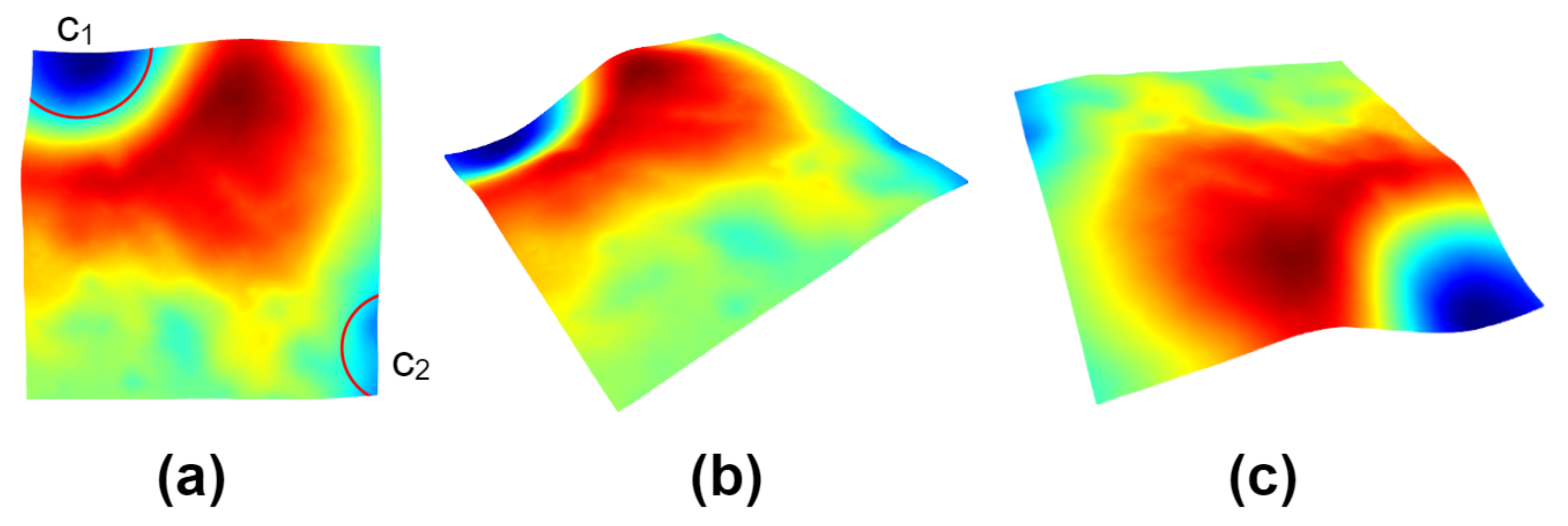
Detection of Small Impact Craters via Semantic Segmenting Lunar Point Clouds Using Deep Learning Network

Abstract
Share and Cite
Hu, Y.; Xiao, J.; Liu, L.; Zhang, L.; Wang, Y. Detection of Small Impact Craters via Semantic Segmenting Lunar Point Clouds Using Deep Learning Network. Remote Sens. 2021, 13, 1826. https://doi.org/10.3390/rs13091826
Hu Y, Xiao J, Liu L, Zhang L, Wang Y. Detection of Small Impact Craters via Semantic Segmenting Lunar Point Clouds Using Deep Learning Network. Remote Sensing. 2021; 13(9):1826. https://doi.org/10.3390/rs13091826
Chicago/Turabian StyleHu, Yifan, Jun Xiao, Lupeng Liu, Long Zhang, and Ying Wang. 2021. "Detection of Small Impact Craters via Semantic Segmenting Lunar Point Clouds Using Deep Learning Network" Remote Sensing 13, no. 9: 1826. https://doi.org/10.3390/rs13091826
APA StyleHu, Y., Xiao, J., Liu, L., Zhang, L., & Wang, Y. (2021). Detection of Small Impact Craters via Semantic Segmenting Lunar Point Clouds Using Deep Learning Network. Remote Sensing, 13(9), 1826. https://doi.org/10.3390/rs13091826