


Abstract
Ramie (Boehmeria nivea L.) is one of the most important sources of natural fiber. The yield and fiber quality of ramie are affected by mineral nutrients, particularly nitrogen (N), phosphorus (P), and potassium (K). In the present study, we aimed to quantify the influence of N, P, and K fertilizers on growth, yield, and fiber quality of ramie. To this end, ramie plants grown under different fertilizer treatments (no fertilizer, N, P, K, NP, NK, PK, and NPK) were evaluated for differences in plant height, stem diameter, stem fresh and dry weights, number of stems, fiber fresh and dry weights, fiber quality (breaking strength, elongation, and diameter), and total N and P content. Across all fertilizer treatments, NPK, followed by NK, had the greatest significant effect for increasing plant growth, yield, and fiber quality as compared with control plants, whereas P application had the least effect. Plants fertilized with NPK showed strong positive correlations among fiber yield and quality traits with morphological parameters such as plant height, biomass, stem diameter, and numbers of stem. The p correlation of fiber breaking strength with stem diameter (r2 = 0.79), stem biomass (r2 = 0.88), N contents (r2 = 0.91) and P contents (r2 = 0.83) indicated that the combined application of NPK (150, 75,150 kg·ha−1) significantly enhances yield and fiber quality in ramie. Thus, it is suggested that optimum fertilization is important for sustainable ramie production.
1. Introduction
Natural cellulosic plant fibers have gained attention due to their high production, biodegradability, low cost, and high thermo stability [1,2]. Ramie (Boehmeria nivea L.), a herbaceous perennial plant that belongs to the family Urticaceae, is the second most important fiber crop after cotton in China. China is the world’s leading producer of ramie, accounting for more than 90% of the global production [3] and supporting approximately five million people [4] Ramie fiber is harvested three times a year and is used for textile and rope production [2]. The numerous advantages of ramie include its high length (longer than any other commercial plant fiber), tensile strength (eight times greater than cotton and seven times greater than silk), luster, stain resistance, moisture absorbency, antibacterial properties, drying speed, low shrinkage, and ease of dying. Conversely, ramie does have certain disadvantages, namely brittleness, stiffness, low elasticity, and easy wrinkling [5,6]. In addition to its use in fiber production, ramie is also used as a feedstock and mulch, and in the manufacture of bio-ethanol, and medicines. It is also grown on the slopes of hilly areas to reduce soil erosion and water loss [7]. However, ramie rapidly depletes soil nutrients due to its rapid growth and high productivity and therefore, fertilization, particularly with nitrogen (N), phosphorus (P), and potassium (K), is important for normal growth and sustainable yield [8,9]. Information concerning the effects of nutrient management on the morpho-physiological traits, yield, and fiber quality of ramie is nevertheless limited. In the present study, we accordingly aimed to assess the effects of the single or combined use of N, P, and K fertilizers on the growth, yield, and fiber quality of ramie. Fertilizers were applied in low concentrations to reduce fertilization intensity and achieve economically viable fiber production.
2. Materials and Methods
2.1. Experimental Design and Fertilizer Treatments
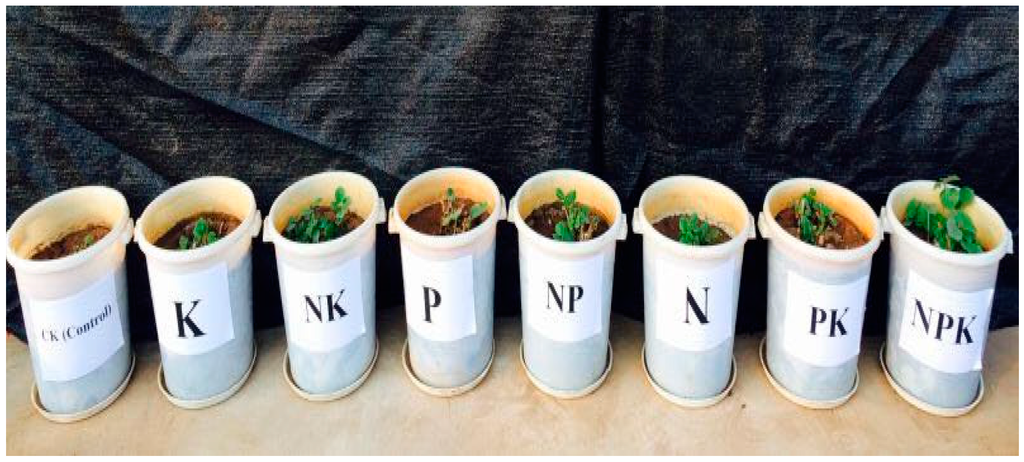
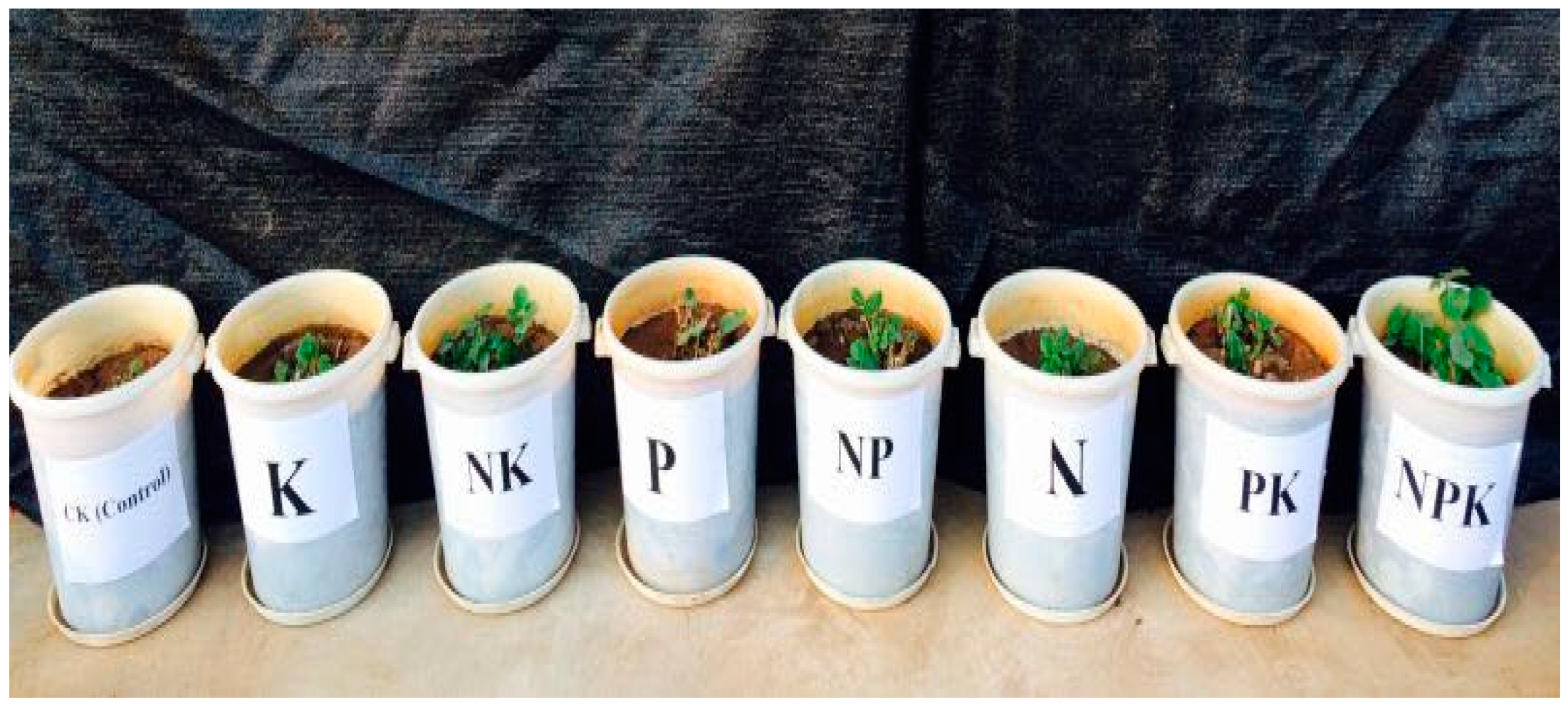
The study was conducted in a greenhouse (25–30 °C) at the experimental station of Huazhong Agricultural University (114.20′E, 30.28′N; 50 m above sea level) from March to October 2014. Root segments (15 cm) of the high yielding ramie cultivar Huazhu 5 were individually planted in 60-cm-tall × 40-cm-wide pots on 6 March 2014 and arranged in a completely randomized design (Figure 1).
Figure 1.
Ramie (Boehmeria nivea L.) plants grown under different fertilizer treatments (no fertilizer, K, NK, P, NP, N, PK, and NPK) at 7 days post-planting. (N: nitrogen; P: phosphorus; and K: potassium).
Each treatment (no fertilizer [CK], N, P, K, NP, NK, PK, and NPK) was replicated three times and included 9 pots, from which 3 pots were harvested at each stage. N (150 kg·ha−1) was applied in the form of urea (46% N), P (75 kg·ha−1) in the form of calcium super-phosphate (14% P2O5), and K (150 kg·ha−1) in the form of potassium chloride (54% K2O). P was applied in a single dose at planting, whereas N and K were applied in three doses: the first at planting (40%), with subsequent applications in June (30%) and August (30%). Soil samples were collected for physicochemical analysis before planting and after harvesting (Table 1).
Table 1.
Soil analysis before planting and after harvesting of ramie (Boehmeria nivea L.) plants grown under different fertilizer treatments (no fertilizer, CK; N, P, K, NP, NK, PK, and NPK). N: nitrogen; P: phosphorus; and K: potassium.
2.2. Plant Growth and Fiber Evaluation
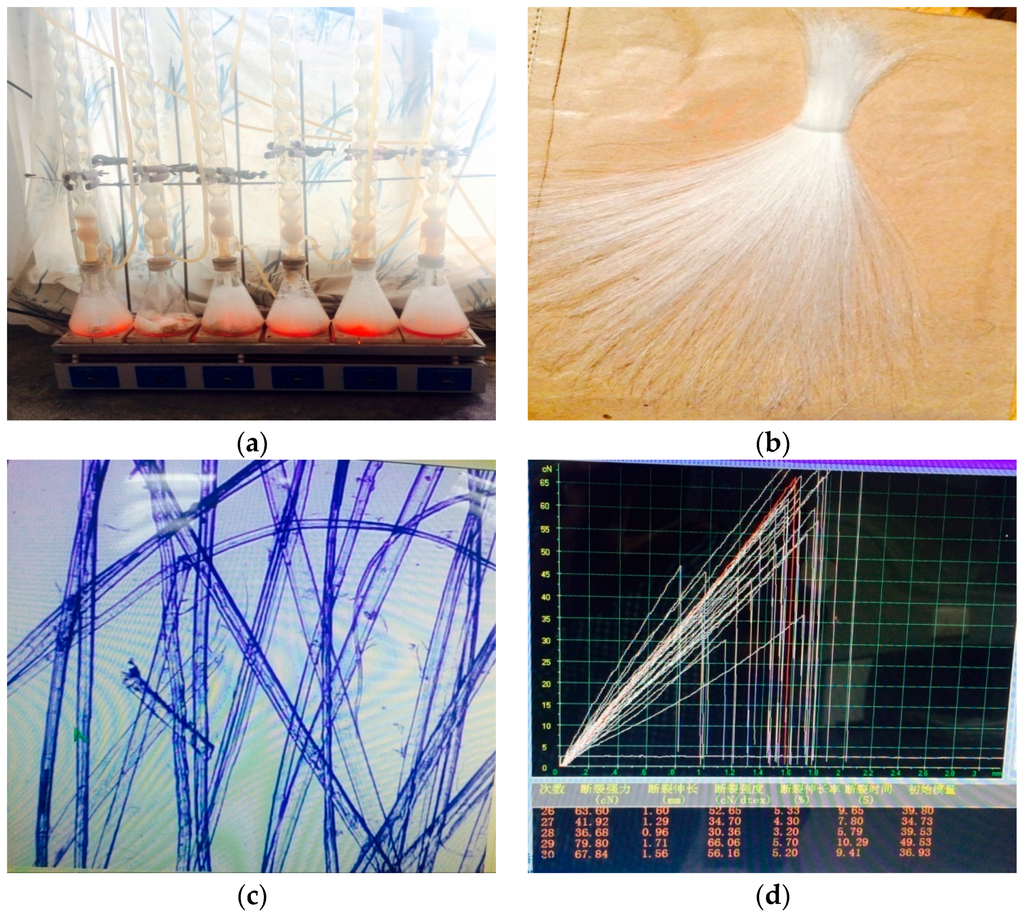
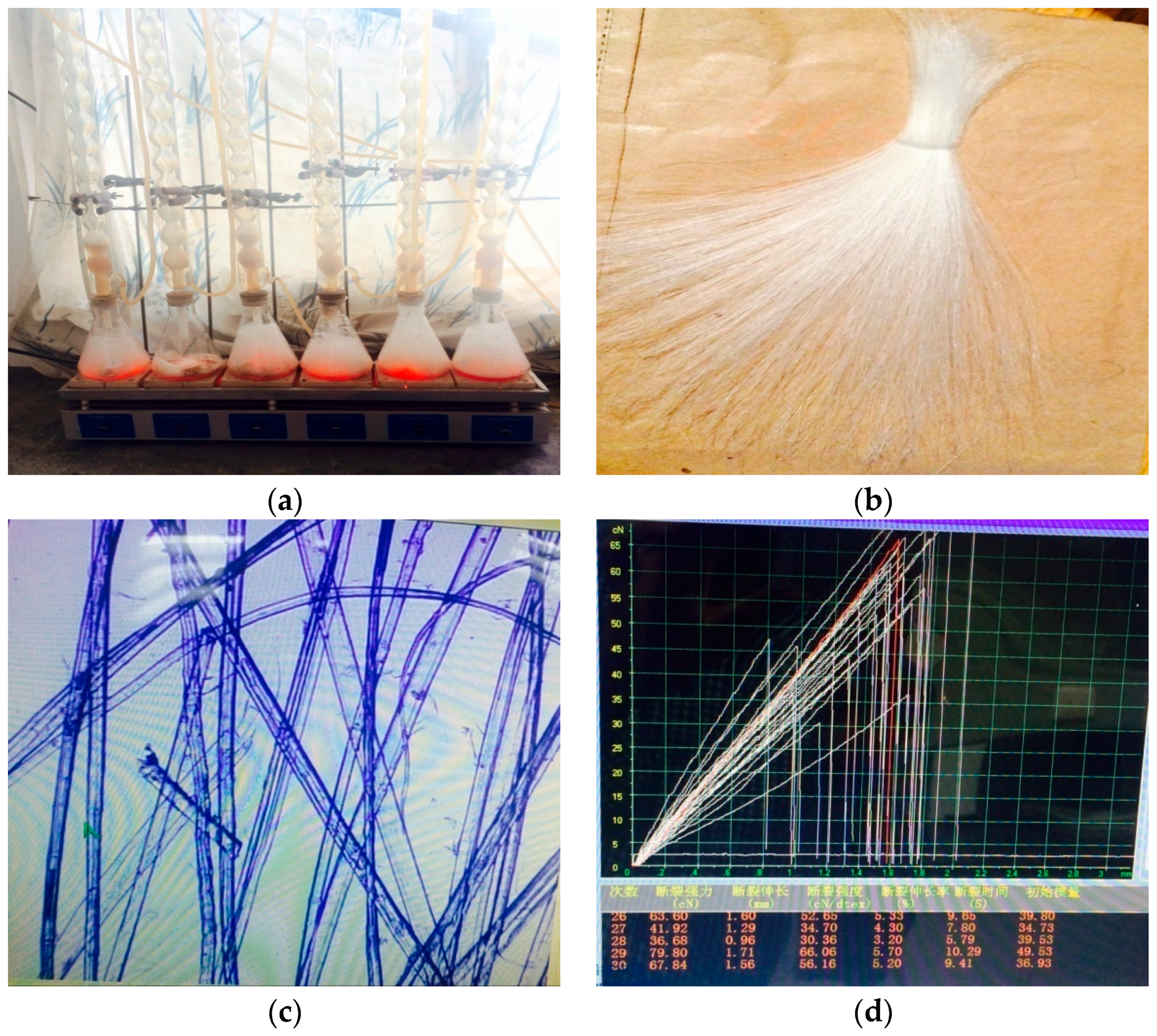
Plants were harvested in June, August, and October. Stem diameter (mm) was measured using a digital vernier caliper (ST22302, SG tools, Hangzhou, China), and stem fresh and dry weights using a digital scale. The cortex layer of the stem was separated (decorticated) and weighed to calculate fiber yield. Then, 20 g of decorticated ramie fiber was boiled for 1 h in an Erlenmeyer flask containing 100 mL of degumming solution (1 g NaOH and 0.05 g EDTA) (Figure 2a,b). Degummed fiber then bleached with 2% H2O2 and 0.1% Tween-80 for 1 h at a 94 °C in water bath. Then, fibers were washed with distilled water, dried and combed. Fiber diameter (µm) was measured using a computerized fiber fineness tester (Model No.YG002C, Changzhou, China) connected with an optical microscope (Figure 2c). An electronic single fiber strength tester (YG004, Nantong Hongda Experiment Instruments, Qidong, China) was used to determine fiber breaking strength measured in centi Newton (cN) and elongation rate (%) (Figure 2d), following the Chinese National Standards (GB 5882-86).
Figure 2.
Fiber treatment prior to analysis and measurement of fiber diameter, breaking strength, and elongation rate. (a) Fiber degumming; (b) Degummed fiber; (c) Fiber under a microscope; (d) Measurement of fiber strength and elongation rate.
2.3. Plant and Soil Chemical Analysis
For the determination of plant total N and P, whole-plant samples were dried in an oven at 70 °C. Oven-dried samples were weighed, ground (granule size, 0.5 mm), and digested using concentrated H2SO4–H2O2 acid solution [10]. The resulting digest was analyzed for P concentration using a spectrophotometer (Biochrom, Cambridge, UK) at 880 nm. The total N concentration of the plant digest and soil was determined using the Kjeldahl method [11,12].
2.4. Statistical Analysis
LSD analyses were used to identify the significant differences among the treatments at a p < 0.05 level. Data were analyzed using SAS software (SAS Institute, Cary, NC, USA), and charts were constructed using Excel 2010 (Microsoft Corp., Redmond, WA, USA). Pearson correlation coefficient (r2) were calculated to examine the strength and direction of the linear relationship between fiber quality and yield variables and morphological traits.
3. Results
3.1. Effect of Fertilizer on Plant Morphology
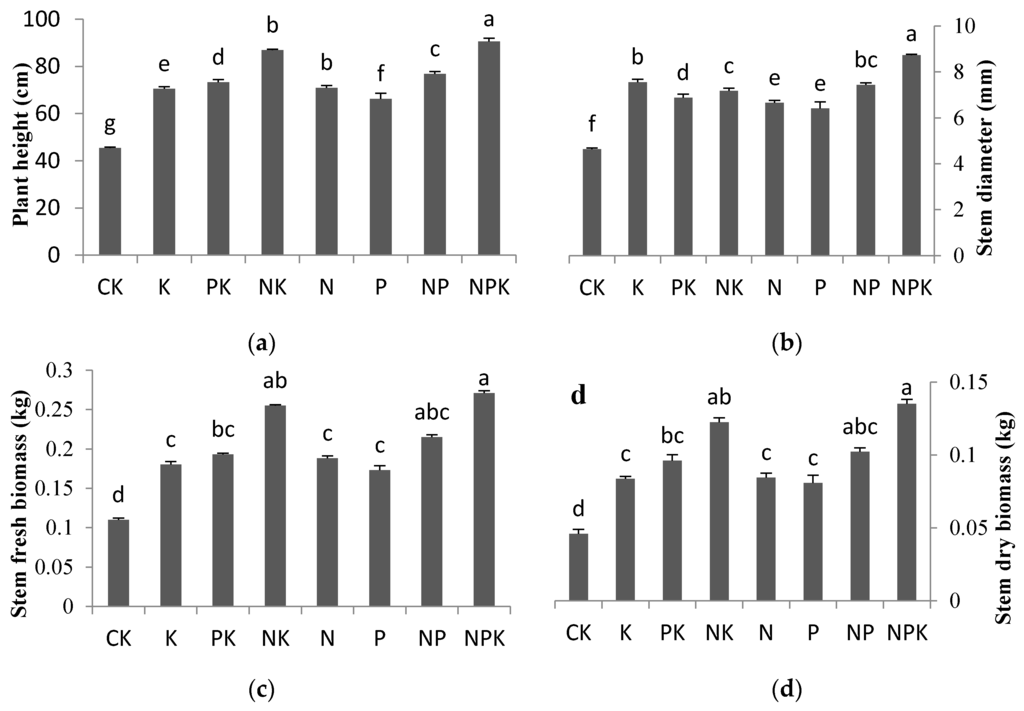
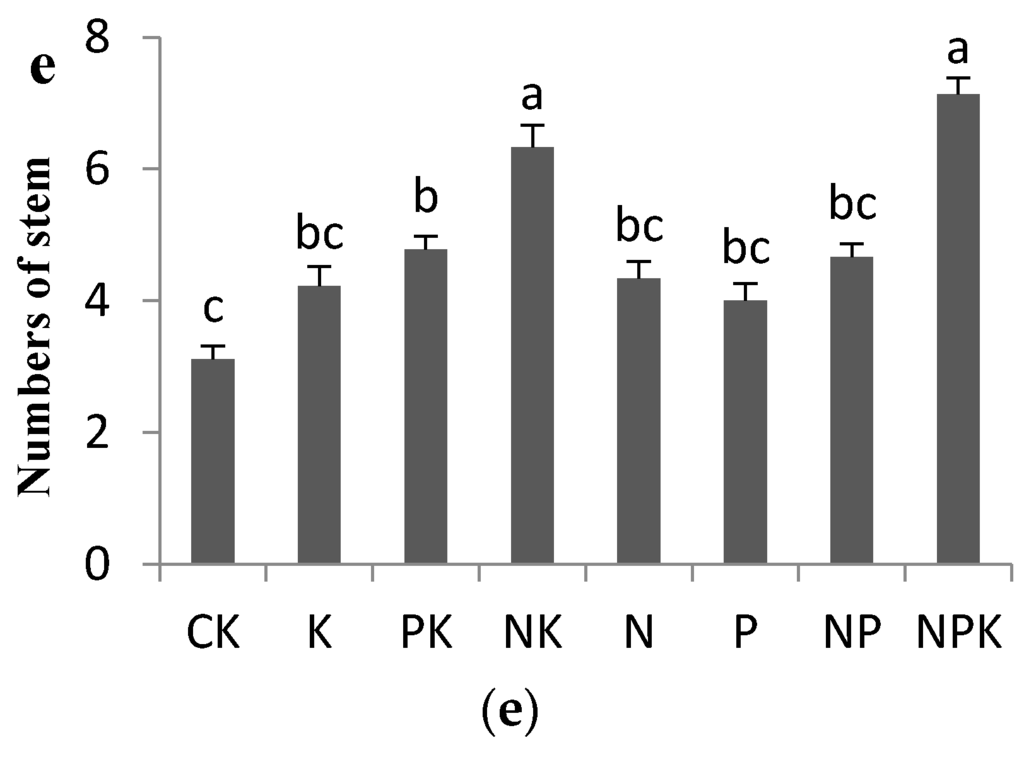
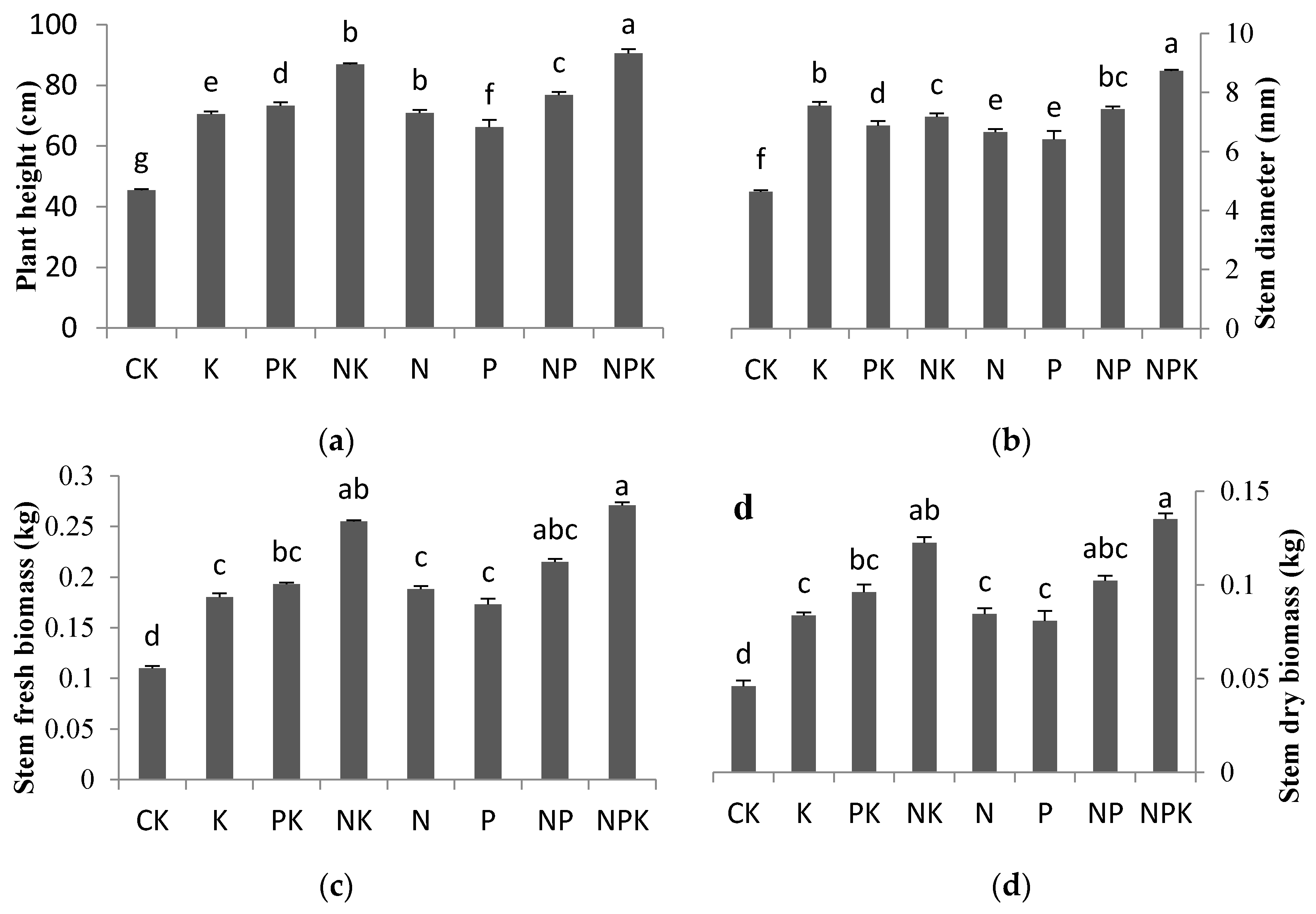
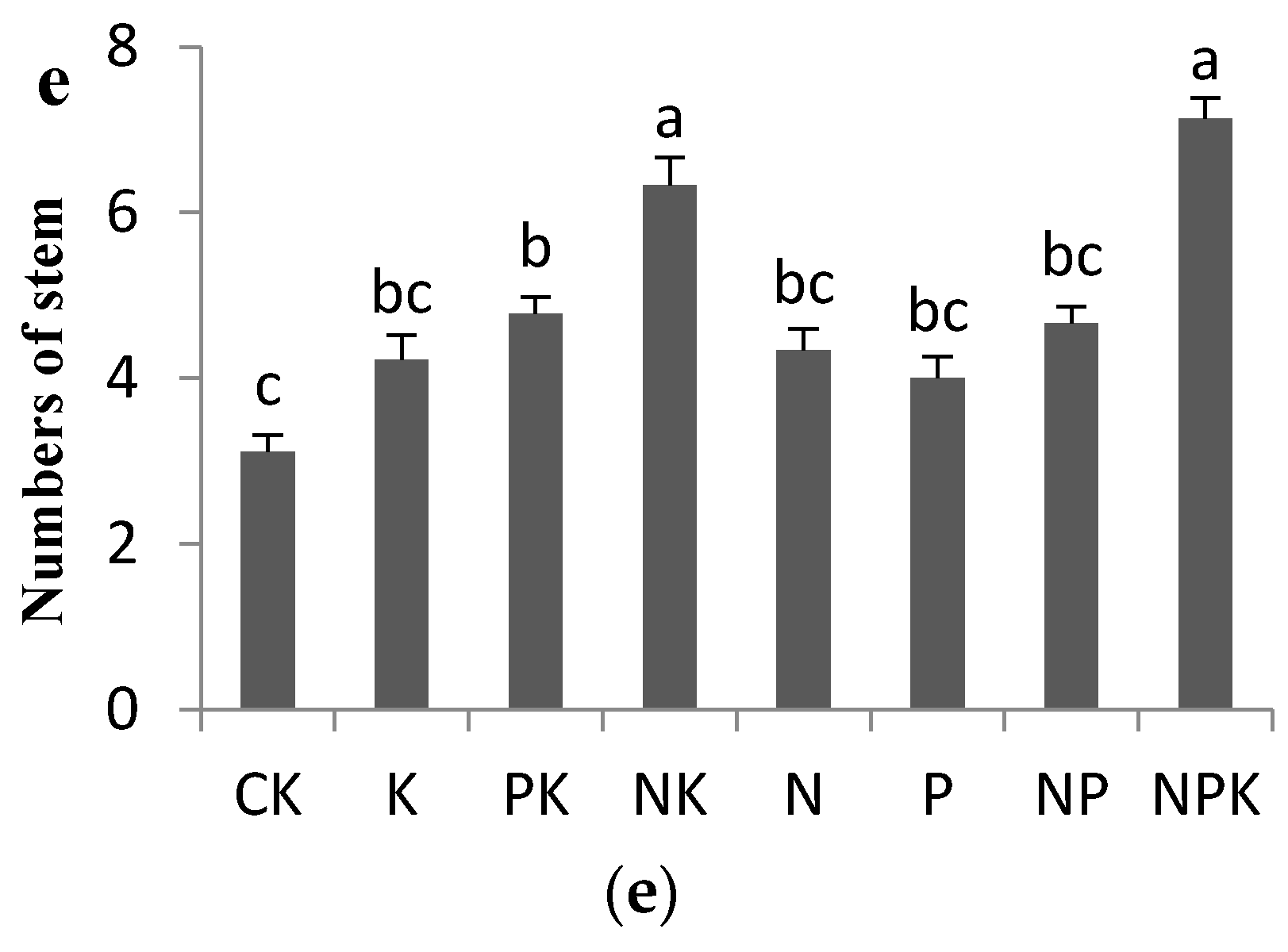
Plant height was significantly affected by N, P, and K fertilization (Figure 3a). The lowest plant height was observed in control plants (45.4 cm), whereas the highest was observed in plants fertilized with NPK (90.6 cm), followed by those fertilized with NK (87 cm) and N (71 cm). Stem diameter also showed a positive response to fertilizers (Figure 3b); the largest diameter was recorded in the NPK treatment (8.7 mm), followed by that in K (7.5 mm), and NP (7.4 mm). Stem fresh and dry weights were significantly higher in fertilizer treatments compared with CK (Figure 3c,d). The lowest fresh and dry weights (0.11 kg and 0.04 kg, respectively) were observed in the control (CK), and the highest in plants fertilized with NPK (0.27 kg and 0.13 kg, respectively), although these latter values did not differ significantly from those obtained for plants fertilized with NK (0.25 kg and 0.12 kg, respectively) and NP (0.21 kg and 0.1 kg, respectively) (Figure 3e). The lowest number of stems (3.1) was recorded in control plants (CK) and the highest in plants fertilized with NPK (7.1), followed by that in NK (6.3), PK (4.78), NP (4.67), N (4.33), K (4.22), and P (4) fertilized plants.
Figure 3.
Morphological traits of ramie (Boehmeria nivea L.) plants grown under different fertilizer treatments (no fertilizer, K, PK, NK, N, P, NP, and NPK). (a) Plant height; (b) Stem diameter; (c) Stem fresh biomass; (d) Stem dry biomass; (e) Number of stems. N: nitrogen; P: phosphorus; and K: potassium. Error bars indicate one standard error. Different letters indicate significant differences at p < 0.05.
3.2. Effect of Fertilizer on Fiber Yield and Quality
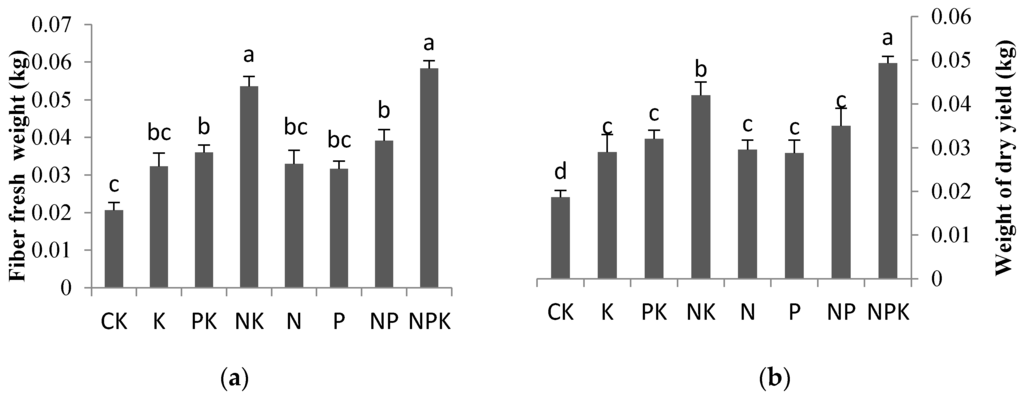
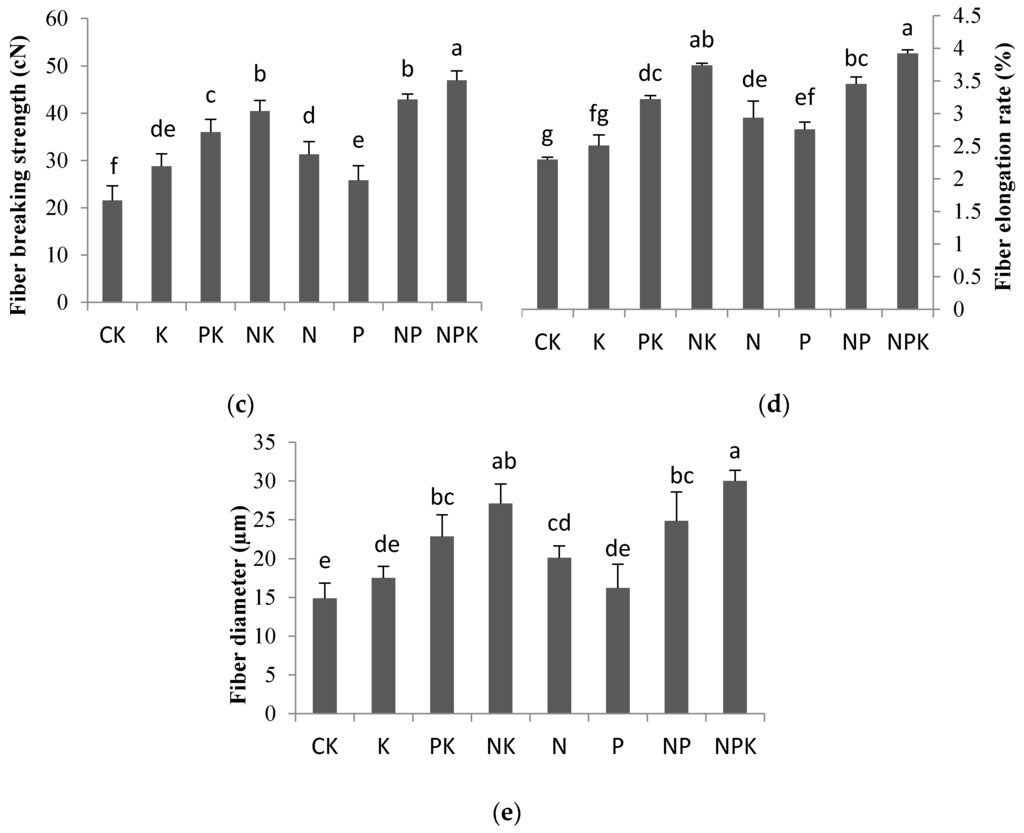
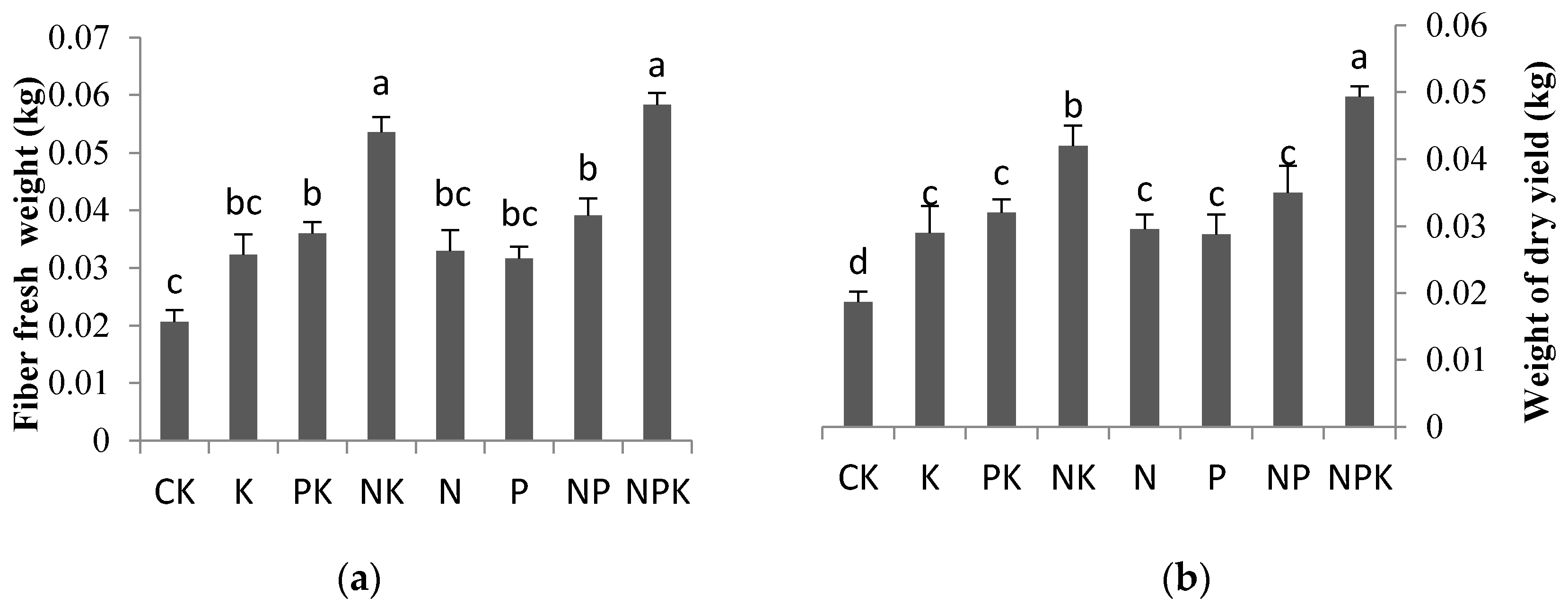
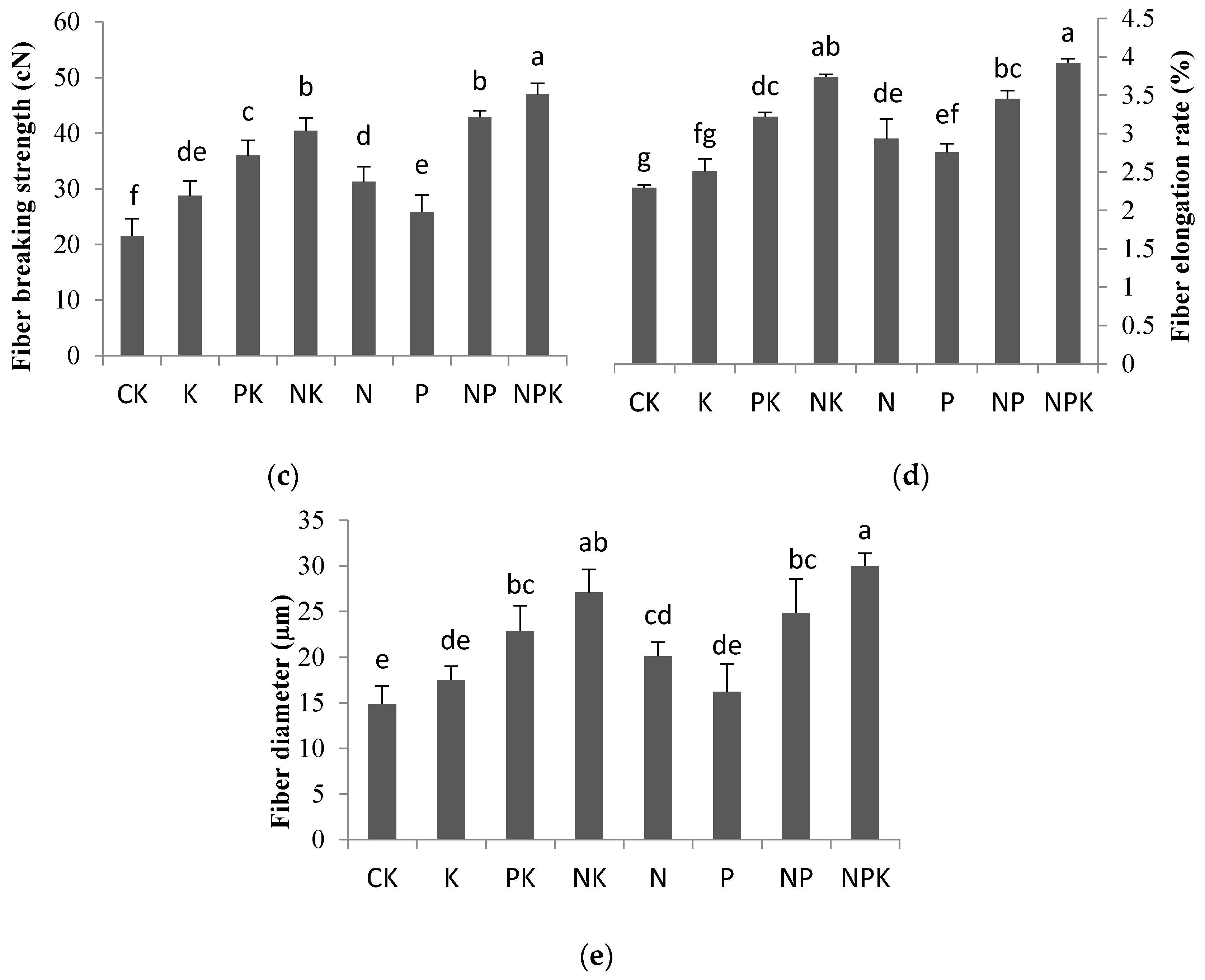
The measures of fiber yield and quality also showed positive responses to fertilizer treatment, including the fiber fresh and dry weights, breaking strength, elongation rate, and diameter (Figure 4). The fibers with the lowest fresh and dry weights (0.02 kg and 0.019 kg, respectively) were obtained from unfertilized plants (CK), although the values were not significantly different from those observed for fibers from K-, N-, and P-fertilized plants, and the heaviest fresh and dry fiber weights were obtained from NPK (0.058 kg and 0.049 kg, respectively) and NK-fertilized plants (0.053 kg and 0.042 kg, respectively) (Figure 4a,b). The lowest breaking strength (21.6 cN) was observed for fibers from unfertilized plants (CK), whereas the highest breaking strength (47 cN) was observed in fibers from NPK-fertilized plants, followed by those from NP- (42.9 cN) and NK-fertilized (40.4 cN) plants (Figure 4c). The lowest elongation rate was observed for fibers from unfertilized plants (2.3%), although this rate was not significantly different from that of fibers from K-fertilized plants. The highest elongation rate was recorded in fibers from NPK-fertilized plants (3.92%), although this rate was not significantly different from that of fibers from NK-fertilized plants (3.72%) (Figure 4d). Similarly, the thinnest fibers were obtained from unfertilized plants (14.8 µm), although these fibers were not significantly thinner than those from K- or P-fertilized plants. The thickest fibers were from obtained from NPK- and NK-fertilized plants (30 µm and 27.1 µm, respectively) (Figure 4e).
Figure 4.
Fiber quality and yield traits of ramie (Boehmeria nivea L.) plants grown under different fertilizer treatments (no fertilizer, K, PK, NK, N, P, NP, and NPK). (a) Fiber fresh weight; (b) Fiber dry weight; (c) Fiber breaking strength; (d) Fiber elongation rate; (e) Fiber diameter. N: nitrogen; P: phosphorus; and K: potassium. Error bar indicate one standard error. Different letters indicate significant differences at p < 0.05.
3.3. Effect of Fertilizer on N and P Uptake and Partitioning
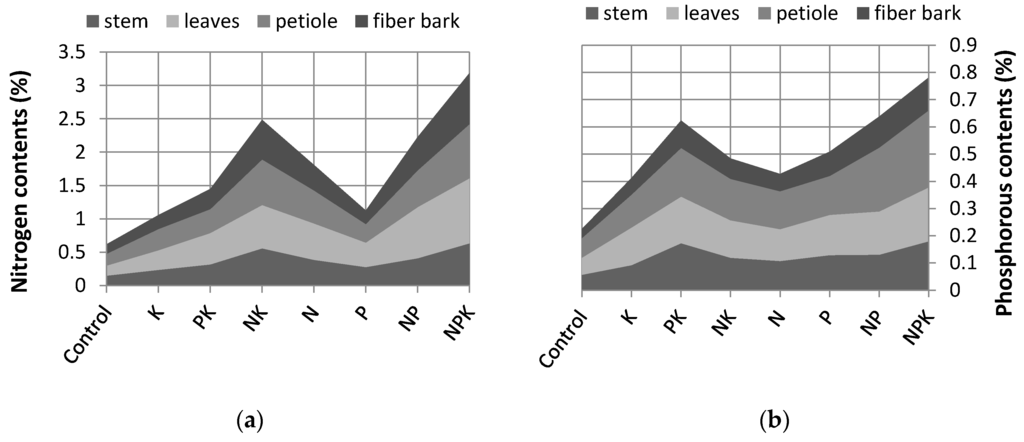
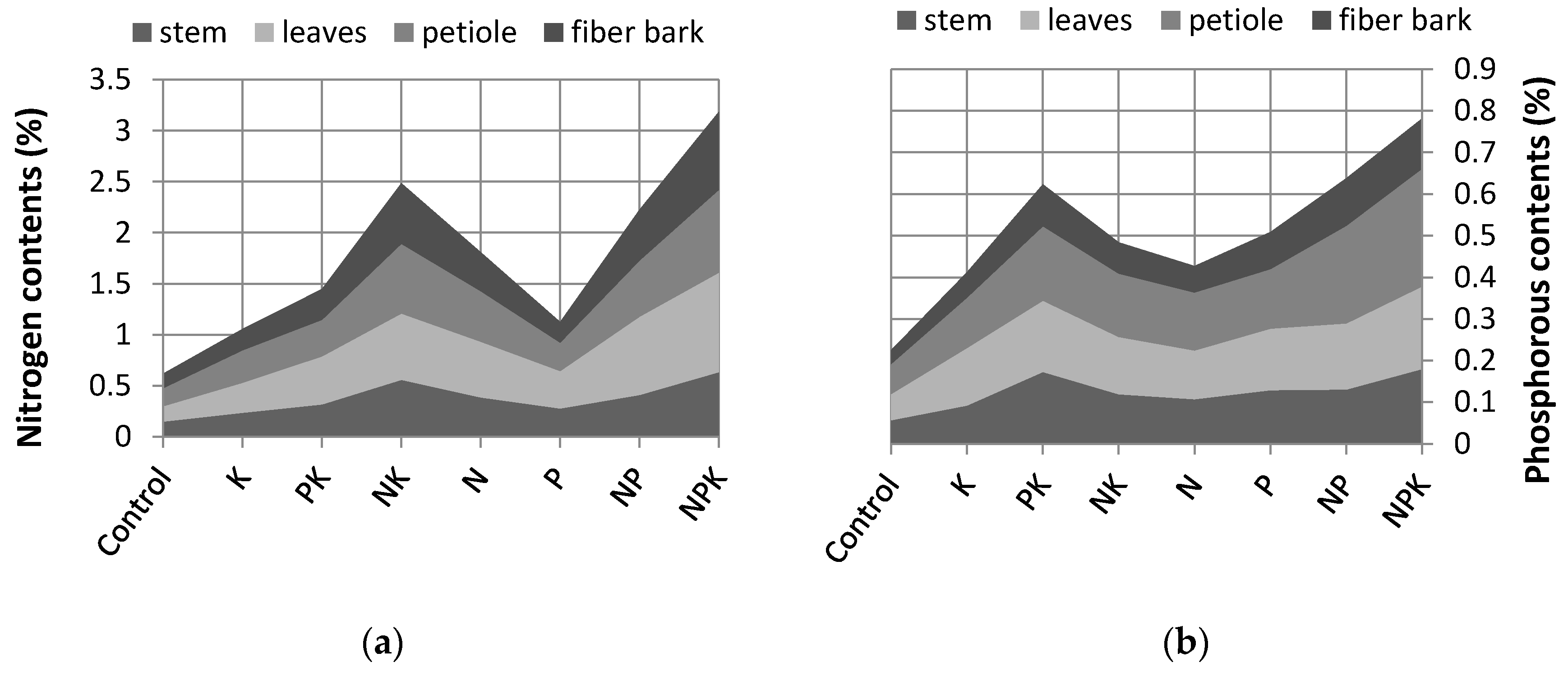
The N and P contents of stems, leaves, petioles, and fiber bark also increased with fertilizer application (Figure 5). The lowest N and P contents were observed in unfertilized plants (CK), whereas higher N contents were observed in NPK- and NK-fertilized plants, and higher P contents were observed in NPK- and PK-fertilized plants. In addition, the highest N content was observed in the leaves of NPK-fertilized plants, and the highest P content was observed in the petioles in NPK-fertilized plants.
Figure 5.
Total nitrogen and phosphorus in the stem, leaves, petiole, and fiber bark of ramie (Boehmeria nivea L.) plants grown under different fertilizer treatments (no fertilizer, K, PK, NK, N, P, NP, and NPK). (a) N and (b) P content.
4. Discussion
Nutrients, particularly N, P, and K, play a vital role in plant growth and production, since they are involved in many biological processes [13]. Ramie is a plant with vigorous growth and thus has a high nutrient demand [7]. In the present study, the maximum increases in plant height, stem diameter, stem fresh and dry weights, and the number of stems were observed in plants treated with combined NPK fertilizer, followed by those receiving NK fertilization. It has been suggested that N in combination with K significantly improves crop yield and quality [14]. Aulah and Malhi [15,16] reported that the absorption of N, in the form of NH4+, is not affected by K and that the interaction between N and K is the second most important factor after NPK for increasing crop yield, which is not further increased by the increasing concentrations of N and P without the addition of K. Deng et al. [13] suggested that several metabolic activities of ramie are affected by N, P, or K deficiency. For instance, the expression of profilin is down regulated under P-deficient conditions, and this affects fiber synthesis [13,17].
Fiber fresh and dry weights were also increased by fertilizer application, particularly NPK, which is consistent with the results reported by Liu et al. [18]. Apart from NPK, the effect of K on fiber fresh and dry weights was more evident than that of P. Tewolde and Fernandez [19] reported that P application does not improve fiber properties in cotton, and concluded that a moderate deficiency of P does not affect fiber quality. Thus, on the basis of our results and those reported by Liu et al. [18], we recommend that the current application doses of P fertilizers could be reduced without having any significant effect on fiber yield and quality. However, K application had a significant effect on fiber yield and quality, which is consistent with the results reported by Subandi in 2012 [8], and Liu et al. [20] also suggest that N in combination with K significantly increases fiber yield in ramie by increasing the weight and number of stems.
Improvement of fiber quality is one of the major objectives in ramie breeding programs. It is known that fiber-breaking strength is directly related to fiber wall thickness and that this is an important parameter for physically accessing fiber quality [19,20]. In the present study, fiber breaking strength was significantly increased by fertilizer application compared with the control treatment.
Since stems are the main source of fiber, any increase in fiber yield would be attributed to an increase in stem weight. A positive correlation (Table 2) has been reported between the K content of the stem and fiber yield [21]. Our results indicated that NPK increased the N content in different plant parts more than a single application of N, which is consistent with the findings of Aulakh and Malhi [15], who showed that the interactive effect of N and P increased the N use efficiency in rice, wheat, and grasses. Similarly, the application of NP increased the P content in different plant parts to a greater extent than the single application of P, because it enhanced the P use efficiency.
Table 2.
Correlation coefficient (r2) of fiber yield and quality parameters with morphological traits in ramie (Boehmeria nivea L.) plants.
In the present study, a positive correlation was observed between N content and fiber yield and quality parameters. Previous studies have indicated that N application significantly improves fiber quality in ramie and that the improved morphological parameters, including dry matter and leaf area index, lead to increased crop yield [22,23].
5. Conclusions
In summary, the present study clearly indicates that NPK, and to a lesser degree NK, significantly improve ramie growth, yield, and fiber quality, whereas P had the least effect among the investigated fertilizer applications. Furthermore, the results revealed that fiber yield and quality were directly related to morphological traits. Thus, it is suggest that optimum fertilization is important for sustainable ramie production.
Acknowledgments
This research was supported by the National Natural Science Foundation of China (31571717) and China Agriculture Research System (CARS-19-E12) project (2662015PY059) supported by the Fundamental Research Funds for the Central Universities.
Author Contributions
Lijun Liu and Dingxiang Peng supervised and designed the project. Sana Ullah and Xu Tuo performed the experiment and collected data. Shahbaz Khan helped in conducting experiment. Sumera Anwar analyzed data. Bo Wang gave technical support.
Conflicts of Interest
The authors declare no conflict of interest.
References
- Monteiro, S.N.; Lopes, F.P.D.; Ferreira, A.S.; Nascimento, D.C.O. Natural fiber polymer matrix composites: Cheaper, tougher, and environmentally friendly. JOM 2009, 61, 17–22. [Google Scholar] [CrossRef]
- Nam, S.; Netravali, A.N. Green composites. I. Physical properties of ramie fibers for environment-friendly green composites. Fibers Polym. 2006, 7, 372–379. [Google Scholar] [CrossRef]
- Wang, B.; Peng, D.X.; Liu, L.; Sun, Z.; Zhang, N.; Gao, S. An efficient adventitious shoot regeneration system for ramie (Boehmeria nivea Gaud) using thidiazuron. Bot. Stud. 2007, 48, 173–180. [Google Scholar]
- Food and Agriculture Organization of the United Nations. Available online: http://faostat.fao.org (accessed on 2 August 2016).
- Blackburn, R.S. Biodegradable and Sustainable Fibers; CRP Press: Cambridge, UK, 2005; pp. 70–77. [Google Scholar]
- Goda, K.; Sreekala, M.S.; Gomes, A.; Kaji, T.; Ohgi, J. Improvement of plant based natural fibers for toughening green composites-effect of load application during mercerization of ramie fibers. Compos. Part A Appl. Sci. Manuf. 2006, 37, 2213–2220. [Google Scholar] [CrossRef]
- Rong, L.; XiaoNing, T. Taking Ramie Resources Development as a Breakthrough to Speed up Soil and Water Losses Control in Slope Farmland of South China. Glob. Seabuckthorn Res. Dev. 2010, 1, 68–76. [Google Scholar]
- Subandi, M. The effect of fertilizers on the growth and the yield of ramie (Boehmeria nivea L. Gaud). Asian J. Agric. Rural Dev. 2012, 2, 126–135. [Google Scholar]
- Huang, C.; Wei, G.; Luo, Z.; Xu, J.; Zhao, S.; Wang, L.; Jie, Y. Effects of nitrogen on ramie (Boehmeria nivea) hybrid and its parents grown under field conditions. J. Agric. Sci. 2014, 6, 230–243. [Google Scholar] [CrossRef]
- Wolf, B. A comprehensive system of leaf analysis and its use for diagnosing top nutrient status. Commun. Soil Sci. Plant Anal. 1982, 13, 1035–1059. [Google Scholar] [CrossRef]
- Li, H.; Jiang, H.M.; Li, T. Broccoli plant nitrogen, phosphorous and water relations at field scale and in various growth media. Int. J. Veg. Sci. 2011, 17, 1–21. [Google Scholar] [CrossRef]
- Li, H.; Li, T.; Fu, G.; Katulanda, P. Induced leaf intercellular CO2 photosynthesis, potassium and nitrate retention and strawberry early fruit formation under macronutrient limitation. Photosyn. Res. 2013, 115, 101–114. [Google Scholar] [CrossRef] [PubMed]
- Deng, G.; Liu, L.J.; Zhong, X.Y.; Lao, C.Y.; Wang, H.Y.; Wang, B.; Zhu, C.; Shah, F.; Peng, D.X. Comparative proteome analysis of the response of ramie under N, P and K deficiency. Planta 2014, 239, 1175–1186. [Google Scholar] [CrossRef] [PubMed]
- Usherwood, N.R.; Segars, W.I. Nitrogen interaction with phosphorus and potassium for optimum crop yield, nitrogen use effectiveness and environmental stewardship. Sci. World 2001, 1, 57–60. [Google Scholar] [CrossRef] [PubMed]
- Aulakh, M.S.; Malhi, S.S. Fertilizer nitrogen use efficiency as influenced by interactions with other nutrients. In Agriculture and the Nitrogen Cycle: Assessing the Impacts of Fertilizer Use on Food Production and the Environment; Moiser, A.R., Syers, J.K., Freney, J.R., Eds.; Island Press: London, UK, 2004; pp. 181–192. [Google Scholar]
- Aulakh, M.S.; Malhi, S.S. Interactions of nitrogen with other nutrients and water: Effect on crop yield and quality, nutrient use efficiency, carbon sequestration and environmental pollution. Adv. Agron. 2005, 86, 341–409. [Google Scholar]
- Chaudhary, B.; Hovav, R.; Rapp, R.; Verma, N.; Udall, J.A.; Wendel, J.F. Global analysis of gene expression in cotton fibers from wild and domesticated Gossypium barbadense. Evol. Dev. 2008, 10, 567–582. [Google Scholar] [CrossRef] [PubMed]
- Liu, L.J.; Chen, H.Q.; Dai, X.B.; Wang, H.; Peng, D.X. Effect of planting density and fertilizer application on fiber yield of ramie (Boehmeria nivea). J. Integr. Agric. 2012, 11, 1199–1206. [Google Scholar] [CrossRef]
- Tewolde, H.; Fernandez, C.J. Fiber quality response of pima cotton to nitrogen and phosphorous deficiency. J. Plant Nutr. 2003, 26, 223–235. [Google Scholar] [CrossRef]
- Liu, L.J.; Lao, C.Y.; Zhang, N.; Chen, H.Q.; Deng, G.; Zhu, C.; Peng, D.X. The effect of new continuous harvest technology of ramie (Boehmeria nivea L. Gaud.) on fiber yield and quality. Ind. Crop. Prod. 2013, 44, 677–683. [Google Scholar] [CrossRef]
- Liu, F.; Liang, X.; Zhang, S. Accumulation and utilization efficiency of potassium in ramie varieties. J. Plant Nutr. 2000, 23, 785–792. [Google Scholar] [CrossRef]
- Macarayan, O.B. Harvesting Cycle and Nitrogen Requirement of Three Ramie (Boehmeria nivea L. Gaud.) Cultivars, 13-1; Fiber Industry Development Authority, USM Journal, University Southern Philippines: Cebu, Philippines, 2005. [Google Scholar]
- Mitra, S.; Mukesh, K.; Saha, M.; Mahapatra, B.S. Effect of irrigation and nutrient management on growth, fiber yield and water use of ramie (Boehmeria nivea). Indian J. Agric. Sci. 2014, 84, 595–601. [Google Scholar]

© 2016 by the authors; licensee MDPI, Basel, Switzerland. This article is an open access article distributed under the terms and conditions of the Creative Commons Attribution (CC-BY) license (http://creativecommons.org/licenses/by/4.0/).