Article

Biochar and Drying Technologies as Integrated Tools for Sustainable Pea Production and Functional Ingredient Generation

1
Instituto de Ingeniería Química-Grupo Vinculado al PROBIEN (CONICET-UNCo), Facultad de Ingeniería, Universidad Nacional de San Juan, San Juan J5400ARY, Argentina
2
Instituto de Biotecnología, Facultad de Ingeniería, Universidad Nacional de San Juan, San Juan J5400ARY, Argentina
3
Instituto de Investigación y Desarrollo en Ingeniería de Procesos, Biotecnología y Energías Alternativas, PROBIEN (CONICET-UNCo), Neuquén Q8300IBX, Argentina
*
Authors to whom correspondence should be addressed.
Sustainability 2026, 18(7), 3611; https://doi.org/10.3390/su18073611
Submission received: 27 February 2026 / Revised: 1 April 2026 / Accepted: 3 April 2026 / Published: 7 April 2026
(This article belongs to the Special Issue Sustainable Development and Application of Biochar: 2nd Edition)

Abstract

The growing demand for sustainable agriculture requires strategies that simultaneously recover soil quality, improve crop yield, and add value to food products. This study evaluates walnut shell biochar (450 °C) as a circular amendment applied at 0, 10, and 20 t ha−1 to an arid soil cultivated with pea (Pisum sativum L. cv. Onward) in San Juan, Argentina. Biochar enhanced soil porosity, respiration, organic carbon, and cation exchange capacity, resulting in higher plant biomass and a 30.9% increase in pod yield for the 20 t ha−1 treatment. Pea grains were dehydrated by far-infrared drying at 70 °C, producing flour with improved lipid content, water absorption, and swelling capacity, which increased from 0.21 to 0.26 mL g−1 under the 20 t ha−1 treatment. The combined use of biochar and controlled drying highlights a viable pathway to close the soil–plant–food loop through resource valorization. This work contributes practical evidence of biochar’s multifunctional role in sustainable agri-food systems, aligned with circular economy principles.

1. Introduction

Population growth and agricultural intensification have put significant pressure on soils, causing their degradation through loss of organic matter, erosion, acidification, and contamination, as well as contributing to greenhouse gas emissions and climate change [1]. In turn, urbanization and industrial development have reduced the availability and quality of agricultural land, with an estimated 33% worldwide being moderately or severely degraded [2]. This deterioration compromises the fertility, productive capacity, and sustainability of agricultural systems, constituting a direct risk to food security systems. In addition, the degradation of soil functions threatens several dimensions of sustainability, including climate regulation, biodiversity conservation, and long-term food system resilience.
In light of these challenges, the restoration of degraded soils is an urgent necessity, and among the available alternatives, the application of biochar emerges as a promising strategy. Biochar is a material with high carbon content and great stability, capable of remaining in the soil for hundreds to thousands of years [3,4]. It is mainly produced through the pyrolysis process, which consists of the thermal treatment of biomass in the absence of oxygen, generating solid products (biochar), liquids (tar and aqueous fraction), and non-condensable gases [5]. It can be obtained from agricultural and forestry waste and various types of organic waste, which also represents an opportunity to recover large volumes of biowaste [6,7]. Therefore, biochar contributes not only to soil rehabilitation but also to circular economy principles, carbon sequestration, and waste-to-resource strategies. Specifically, the incorporation of biochar into agricultural soils represents a viable carbon sequestration pathway, as its highly aromatic structure resists microbial decomposition, enabling long-term carbon storage while simultaneously displacing the need for synthetic soil amendments that are carbon-intensive to produce. In the present study, walnut shells were selected as the biochar feedstock based on their regional relevance and physicochemical suitability. San Juan Province, where the field trial was conducted, is a major walnut-producing region in Argentina, and the processing of walnuts generates substantial quantities of shell waste that currently lack a dedicated valorization route. Walnut shells are characterized by high lignocellulosic content, low ash content, and favorable mechanical properties, which, upon pyrolysis, yield a biochar with high porosity, surface area, and structural stability attributes critical for soil amendment applications. Additionally, the use of walnut shell biochar enables continuity with previous studies from our research group, supporting comparability and reinforcing the reproducibility of findings. The properties of biochar depend on factors such as the type of raw material, the temperature, and the pyrolysis time, among other variables [5,8]. Its benefits have been widely documented, including improved soil structure, increased water and nutrient retention capacity, and promotion of plant growth [9,10,11]. Biochar also enhances the availability of key nutrients (N, P, and K) by reducing leaching losses, improving aeration, and decreasing soil density, all of which are facilitated by its porous nature. It stimulates microbial activity by providing suitable surfaces for beneficial communities, which promotes both nitrogen fixation and phosphorus bioavailability. These combined effects strengthen the soil–plant interface, while reducing dependence on synthetic fertilizers and improving environmental performance at the field scale. This reduction in synthetic input reliance not only lowers greenhouse gas emissions associated with fertilizer production but also enhances the overall sustainability of the supply chain by decreasing external input costs and promoting closed-loop nutrient cycling within agricultural systems.
The cultivation of peas (Pisum sativum L.) is particularly important. Like other legumes, it belongs to the Fabaceae family and is known for its ability to fix atmospheric nitrogen in the soil. This contributes to the sustainability of agricultural systems [12]. Peas rank fourth among the most widely produced legumes worldwide, with an estimated production of 33.3 million tons in 2024 and an average growth rate of 1.6% per year over the last twenty years [13]. Canada is the leading global producer, followed by Russia, China, and the USA [14]. In Argentina, the provinces of Buenos Aires and Santa Fe account for most of the cultivated area, mainly producing dry beans for domestic consumption and export (88–90%), and to a lesser extent, green beans and fresh string beans [15,16]. In addition to its importance in terms of production, peas are a food with high nutritional value, with an average protein content of 22.6%, surpassed only by lentils, and a low lipid content (1.38%) dominated by linoleic acid [17]. Its mineral content (K, P, Ca, and Fe), vitamins (A, K, folate, and carotenoids), and essential amino acids such as lysine reinforce its value in the human diet [18,19,20]. The increasing interest in plant-based proteins positions pea as a strategic crop for sustainable diets and reduced environmental footprints.
Moreover, pea flour and its derivatives (concentrated proteins, starches, and shell fibers) are used in the food industry to produce breads, beverages, supplements, and meat alternatives, and stand out for their ability to improve both the nutritional profile and functionality of products [18,21]. To obtain these ingredients with consistent quality and stability, efficient drying of the raw material is a critical step in the production chain. Drying is an effective strategy for enhancing and preserving agricultural products, reducing water activity in foods, and extending their shelf life by inhibiting microbial growth [22]. In addition to improving safety, drying reduces the weight and volume of products, facilitating their storage and transport [23]. The choice of method depends on the type of raw material and the desired characteristics of the final product. Among the available techniques, indirect solar drying best preserves color, flavor, and nutrients such as vitamins A and C [24,25,26], although it depends on climatic conditions and requires long periods of time [27]. Alternatively, infrared and microwave drying offer greater efficiency, speed, and better quality of the final product [26,28,29]. However, while the agronomic benefits of biochar are well-documented, there is a critical knowledge gap regarding its cascading effects on the post-harvest processing and techno-functional properties of the resulting food ingredients. Specifically, it is unknown whether the improvements in crop quality from biochar-amended soils translate into flours with superior functional attributes after drying. This study addresses this gap by linking a circular soil amendment directly to the quality of a processed ingredient. By integrating soil restoration, waste valorization, and functional food development, the pea–biochar system offers a multidimensional contribution to sustainable production and consumption frameworks.
Alternatively, infrared and microwave drying offer greater efficiency, speed, and better quality of the final product [26,28,29]. Selecting energy-efficient and quality-preserving drying technologies is essential to align food processing with sustainability goals. In this regard, drying and grinding peas to obtain flour represents a value-added alternative, generating a versatile product that can be used in the formulation of healthy and sustainable foods, with potential impact on the agri-food industry. By integrating soil restoration, waste valorization, and functional food development, the pea–biochar system offers a multidimensional contribution to sustainable production and consumption frameworks. Building on this rationale, the present study was designed to assess this integrated approach from soil to food. The main objectives were (1) to produce biochar from regional agricultural by-products (walnut shells) and characterize its physicochemical properties; (2) to evaluate the effects of different application rates of this biochar (0, 10, and 20 t ha−1) on key soil health indicators and the agronomic performance of pea (P. sativum L. cv. Onward) cultivation; (3) to compare different drying technologies (solar, convective, and far-infrared) for pea grains to identify the most efficient method for preserving quality; and (4) to characterize the nutritional and techno-functional properties of the resulting pea flours and assess how they are influenced by the prior soil biochar treatment.

2. Materials and Methods

2.1. Study Site and Biochar

The study area was located in Rodeo, Iglesia Department, San Juan Province, Argentina (30°12′54.7″ S; 69°09′39.8″ W). The trial began in September with the preparation of the land and continued until the end of December with the harvest. The average climatic conditions during this period were temperature of 22.9 °C, precipitation of 65 mm, humidity of 45%, and solar radiation of 310 W m−2.
The origin, physico-chemical characteristics, and further specific properties of the biochar used in this study (WSB, biochar from walnut shells) were previously published by Zabaleta et al. [7] and Sánchez et al. [30]. Appendix A characterizes the walnut shell biochar (WSB) used in the study, detailing its production via pyrolysis at 450 °C and its key physicochemical properties, such as pH, surface area, and elemental composition, supported by analytical techniques including SEM and FTIR. In brief, biomass was pyrolyzed at 450 °C for 2 h. For the field experiment, the biochar was ground to pass through a 2 mm sieve and homogenized to ensure uniform distribution within the soil matrix.

2.2. Field Experiment

A representative sandy loam was randomly chosen for the field trial. Before sowing, biochar was incorporated into the soil at application rates of 0, 10, and 20 t ha−1 (designated T0, T1, and T2, respectively). The experiment was arranged in a randomized complete block design (RCBD) with three blocks. Within each block, the three treatments were randomly assigned to individual plots, resulting in three replicates per treatment. Each plot measured 3 m × 5 m. The biochar was evenly distributed on the soil surface on the culture line and incorporated to a depth of approximately 10–15 cm using a rake.

2.3. Soil Sampling and Treatment

In the area where the test was carried out, soil samples of each treatment were collected, consisting of 10 subsamples obtained in a zigzag pattern at a depth of 20 cm. These subsamples were stored in a plastic bag, labelled appropriately, and transferred to the laboratory for further analysis. A portion was further air-dried at room temperature. The soil aggregates were then ground, passed through a 2 mm sieve, and homogenised for analysis. In each plot, all measurements were performed in three replications twice: at 60 and 90 days of biochar incubation.
To determine the pH, a soil:water mixture of 1:2.5 w v−1 was prepared [31]. Electrical conductivity (EC), a saturated soil paste was first prepared, and the EC was measured in the saturation extract [31]. Soil organic matter (OM) was determined using the loss on ignition method [32]. Subsequently, organic carbon (OC) estimation was performed using the Van Bemmelen factor (1.724), which assumes that the OM in the soil contains an average of 58% carbon. The cylinder method was used to determine the bulk density (BD) [33]. Gravimetric moisture (GM) was determined by drying a fine soil sample at 105 °C for 24 h and weighing it to a constant weight. Total nitrogen (TN) was analyzed with the Kjeldahl method. Soil respiration was estimated based on CO2 measurements from soil incubated in a closed system, in which CO2 is trapped in a NaOH solution, which is then titrated with HCl [34]. The results were expressed as mg CO2 g−1 dw. Cation exchange capacity (CEC) and water holding capacity (WHC) were determined according to Barton and Karathanasis [35] and Dugan et al. [36], respectively. The ash content was determined by calcination in a muffle furnace at 580 °C for 4 h [37]. All measurements were made in triplicate.

2.4. Plant Material and Agronomic Measurements

Green pea (Pisum sativum L. cvar Onward) was selected as plant material. These are semi-late cultivars, suitable for early and normal sowing due to their tolerance to frost in the vegetative stage. No chemical fertilisers were applied during the growing cycle. Irrigation was conducted at regular intervals, depending on the requirements of the crop, and weed control was done manually.
Plant height and yield components such as number of pods plant−1, pod weight, pod length, pod weight plant−1, number of seeds pod−1, weight of 10 seeds, and seed diameter were recorded. Pods were harvested at the fresh green stage after the pod-filling period, based on phenological and visual criteria (full pod size, bright green color, and fully developed but immature seeds). After the harvest, pod yields were determined in each plot (in kg per plot), and the results were expressed per hectare.

2.5. Flour Production and Characterization

This section details the drying, milling, and analytical procedures used to obtain and characterize pea flour. Drying kinetics were modelled, flours were produced by controlled milling, and their compositional and functional properties were evaluated using standard analytical methods and statistical validation.

2.5.1. Drying Curve Determination and Modeling

To obtain the drying curves, the moisture ratio (MR) was calculated using the following equation (Equation (1)):
MR   =   ( M t   M e ) ( M 0 M e )
where MR is the moisture ratio, Mt corresponds to the moisture content recorded at time t, Me is the equilibrium moisture content, and Mo is the initial moisture content [38].
For mathematical modelling, different thin-layer drying models were tested (see Table A3 from Appendix B.1). The adjustment indices corresponded to the adjusted coefficient of determination (Equation (3)).

2.5.2. Flour Analyses

Each pea sample (from the different treatments T0, T1, and T2) was ground separately in a stainless-steel blade mill (TDMC, TecnoDalvo, Santa Fe, Argentina) until a particle size of 0.10 to 0.20 mm was achieved [39]. The flours were stored in plastic bags at room temperature. The AOAC methods [40] were followed to determine ash (AOAC 923.03), protein (AOAC 960.52), lipid (AOAC 920.39), and crude fiber (AOAC 962.09) contents. Moisture content was determined at 105 °C using a moisture analyser (PMR 50 NH, Radwag, Radom, Poland). Water activity (aw) was determined according to Román et al. [23], using an electronic water activity meter with dew point (Aqualab 3TE, Decagon, Washington, USA). Appendix B.2 describes the methodology used to estimate the levels of specific amino acids (lysine, methionine, cysteine, tryptophan, and threonine) in the pea flours using predictive regression equations based on the protein content [41]. Water and oil retention capacity (WHCf and OHC, respectively) were determined as described by Silva et al. [42]. Swelling capacity (SC) was measured according to the procedure established by Onipe et al. [43]. The total carbohydrate content was determined using the difference method [44]:
%   Carbohydrates   =   100     ( % Moisture   +   % Ash   +   % Protein   +   % Lipids )

2.6. Statistical Analyses

The data set shows the values as averages ± standard deviation (SD). The data were found to meet the assumptions of normality and homogeneity of variance. Significance was determined using a one-way or two-way ANOVA according to factors, and tested with Tukey’s post hoc multiple comparison test. p values < 0.05 were considered statistically significant.
In addition, the following statistical coefficients were used for the evaluation of models: chi-square (χ2), sum of squared errors (SSE), and root mean square error (RMSE). The model that achieved the best fit was the one that exhibited the highest R2 value and the lowest χ2, SSE, and RMSE values. The statistical parameters evaluated are described below (Equations (3)–(6)):
R 2   =   1     i = 1 N ( MR pre   i     MR exp i ) 2 i = 1 N ( MR ¯ exp     MR exp i ) 2
Χ 2 = i = 1 N ( MR pre   i     MR exp i ) 2 N     z
SSE = 1 N i = 1 N ( MR pre   i     MR exp i ) 2
RMSE = 1 N i = 1 N ( MR pre   i     MR exp i ) 2
MRpre i corresponds to the moisture ratio predicted by mathematical models, and MRexp i corresponds to the moisture ratio obtained experimentally. MR ¯ pre i corresponds to the average of the predicted moisture ratio, N corresponds to the number of data points, and z corresponds to the number of model constants.

3. Results and Discussion

3.1. Soil Physicochemical Properties

Table 1 shows the results obtained from soil samples analysed 60 days (sampling 1) and 90 days (sampling 2) after the application of the amendment. Previous studies [45,46] suggest that with biochar amendment, incubation times greater than 60 days, improvements in soil properties can be observed, which encouraged a detailed analysis of the changes that occurred in the different parameters evaluated.
Analysis of soil BD showed a reduction in soils amended with WSB in the second sampling. Specifically, BD decreased from 1.47 g cm−3 in T0 to 1.35–1.36 g cm−3 in the biochar-treated plots, representing a reduction of approximately 8%. This effect is consistent with previous studies that have indicated that the incorporation of biochar, due to its low density and porous structure, improves aeration [47]. The reduction in BD is a key aspect in soils with compaction problems, as it facilitates root penetration, promotes water infiltration, and encourages microbial activity [48].
The results reveal that pH values increased significantly due to the addition of biochar to the soil in the first sampling, while the EC value remained unchanged. However, one month later, the pH showed a tendency to decrease with the addition of biochar, whereas the EC increased significantly with the amendment compared to the control soil (p < 0.01). Soil pH is a crucial characteristic that influences nutrient availability and plant development [49]. The initial increase in pH could be attributed to the release of carbonates and alkaline elements (K+ and Ca2+) present in WSB, which is consistent with what has been reported in the literature [50]. However, the subsequent decrease in pH could be due to the interaction of biochar with soil microbiota, OM mineralisation, and the possible leaching of basic ions. In parallel, the increase in EC suggests that, as soluble minerals from biochar are released into the soil solution, the ionic concentration increases, which could influence nutrient availability [51,52].
GM was higher in soils with biochar than in the control in both samplings; this value is closely related to WHC, which increased gradually. However, they were not statistically significant. The absence of a statistically significant increase in WHC during the first sampling may be attributed to the relatively short incubation period (60 days), which is often insufficient for biochar particles to become fully integrated into the soil matrix and for surface oxidation processes to enhance hydrophilicity, both of which are necessary to observe measurable improvements in water retention. This effect has been widely reported [53,54]. Reasons that could explain this phenomenon include the increase in CEC and the porous structure of biochar, which impacts water retention and moisture availability for plants [55]. The ash content constitutes the mineral fraction of the samples after calcination, and this value was higher in soils with organic amendments than in the control in the second sampling. For the first sampling, the values were similar for the control and the treated soils. A higher ash content could imply a higher level of macro and micronutrients that were concentrated in the biochar during the pyrolysis process [56].
Soil respiration was observed to increase significantly in treated soils compared to control soils, and this trend was observed in both samplings. By the second sampling, soil respiration in the T2 treatment was 22.78 mg CO2 g−1, which was 4.4 times higher than in the control soil (5.12 mg CO2 g−1). In the second sampling, OM and OC values were higher in soils with biochar than in the control (p < 0.05). The T2 treatment showed a 47% increase in OM (from 1.08% to 1.59%) and a 48% increase in OC (from 0.62% to 0.92%) compared to the control. These results are relevant because the addition of biochar as a soil amendment provides degradable OC to soil organisms, creating more favourable habitats and thus facilitating soil biological activities [57,58]. The observed increases in soil organic carbon, respiration, and cation exchange capacity under biochar amendment underscore the material’s dual role in enhancing soil health while contributing to carbon sequestration. These improvements are foundational to long-term agricultural sustainability, as they enhance soil resilience against degradation, reduce vulnerability to climate variability, and support productive capacity without reliance on non-renewable inputs. However, no significant variations were observed in the first sampling, which could suggest that biochar requires a period of time to be incorporated into the soil biogeochemical cycles. The delayed increase in soil respiration and organic matter content reflects the time needed for microbial colonization of biochar surfaces and the gradual mineralization of labile biochar fractions, which together stimulate microbial activity and contribute to the accumulation of stabilized organic carbon in the soil.
CEC increased significantly (p < 0.01) only in the second sampling, with T2 having the highest value. CEC in T2 was 203 meq 100 g−1, which is 9% higher than in the control soil (186 meq 100 g−1). This delayed response is consistent with the mechanism by which freshly applied biochar undergoes gradual surface oxidation upon exposure to soil oxygen and moisture, leading to the formation of carboxyl and phenolic functional groups that increase net negative charge and, consequently, cation exchange capacity over time. This has been reported by several authors [58,59,60]. When freshly applied biochar comes into contact with oxygen and water present in the soil, spontaneous surface oxidation reactions occur, generating an increase in its net negative charge and, therefore, an increase in CEC. Over time, biochar particles tend to have a high negative charge, thus favouring cation retention in the soil [61]. The results revealed that the addition of biochar did not statistically influence the TN of the soils studied. It is important to note that biochar obtained from biomass residues is often deficient in plant nutrients, especially nitrogen, and therefore cannot serve as a primary source of nutrients to replace chemical fertilisers in modern agriculture [57]. It can incorporate other nutrients as well as mitigate leaching losses and improve nutrient retention in the soil profile. The value found for biochar is consistent with that of biochar obtained from crop residues (TN < 2.7%) [62].

3.2. Pea Growth and Productivity

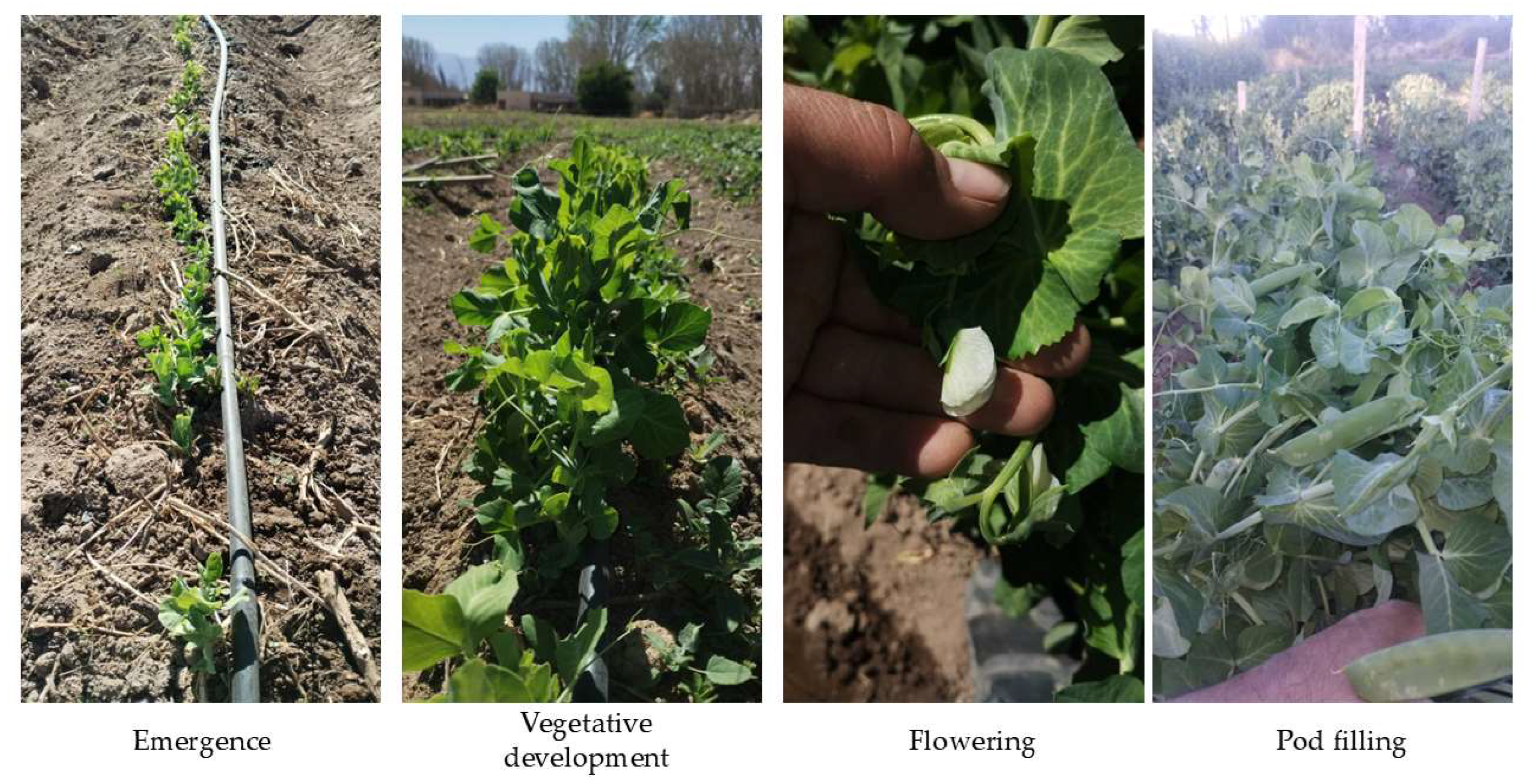
The pea cultivation cycle in this study began with the emergence of seedlings on 12 September 2024. Following this period, the vegetative growth stage lasted until early November. Flowering began on 3 November 2024. After flowering, fruiting, and subsequent pod filling occurred. This period lasted until the end of December 2024, when fresh green pods were harvested. The growing cycle lasted approximately 90–100 days (see Figure 1).
Table 2 shows the effects of the treatments on various morphophysiological variables of pea plants under different biochar amendment treatments: T0, T1, and T2. In terms of plant height, a slight increase was observed with the application of biochar, although there were no significant differences between T1 and T2. This result coincided with that obtained by Bhattarai et al. [63] when they applied biochar amendments from different feedstock to pea crops. The length of the internodes showed a significant increase (p < 0.05) in the treatments with biochar (T1 and T2) compared to the control (T0). The values for plant height and internode length were similar to those obtained in the study by Khichi et al. [64], in which they evaluated eight pea varieties. Chlorophyll content was significantly higher in the pea plants in treatment T1 than in the other treatments. This behaviour could be attributed to greater nutrient availability and improved soil structure promoted by biochar, which enhances root growth and, consequently, the aerial development of the plant. For most of the yield components evaluated, the incorporation of WSB was found to have a positive influence (T1 and T2) compared to the control (T0), suggesting that its application may affect the reproductive development of the plant, except for pod length, which varied between 6.86 and 7.42 cm, and grain diameter, which ranged from 1.10 to 1.11 cm. The results obtained are consistent with other previous studies [63,65], which evaluated yield components in pea plants with and without biochar amendment. The fresh weight of pods and the number of seeds per pod were significantly higher in the biochar treatments, suggesting that its incorporation into the soil has a positive effect on crop productivity. This can be explained by the improvement in water and nutrient availability, as well as the stimulation of microbial activity in the soil, factors that directly influence the reproductive development of the plant. The weight of 10 grains also showed a significant increase in T2 compared to T0, suggesting that biochar not only favours seed quantity but also seed filling, increasing their individual weight. Pod yield (tonnes ha−1) increased significantly with the application of biochar, reaching higher values in T2. This is consistent with previous studies indicating that improving nutrient availability and soil structure through organic amendments can result in higher grain weight and quality [66,67].

3.3. Drying Performance

A preliminary evaluation of different drying techniques—solar, convective, and far infrared—was conducted to identify the most suitable method for pea grain dehydration. Appendix B.1 details the evaluation of different drying technologies (solar, convective, and far-infrared) for pea grains, including the modeling of drying kinetics to identify the most efficient method, which was far-infrared drying at 70 °C. The purpose of this assessment was to compare drying performance and quality preservation to select the most reliable technique for subsequent analyses and flour production. Although solar drying (SolD) represents a low-cost and environmentally friendly approach, its major limitation lies in its strong dependence on weather conditions, which restricts process control and standardization [25,38]. In contrast, both convective drying (ConD) and infrared drying (InfD) systems allowed better regulation of temperature and air flow, ensuring reproducible conditions [26,68]. Among them, infrared drying at 70 °C showed the best overall performance, achieving faster and more uniform moisture removal while minimizing color degradation and nutrient losses (see Appendix B.1). These results demonstrated that InfD provides a more efficient and consistent dehydration process in terms of time, making it the most suitable method for obtaining pea flours with preserved physicochemical and functional quality.
Although solar drying (SolD) resulted in slightly lower color variation (ΔE) and marginally higher protein retention compared to far-infrared drying (InfD), InfD was selected as the most suitable method for producing pea flours in this study. The primary rationale is based on process reliability, scalability, and operational efficiency. SolD is inherently dependent on ambient weather conditions, which limit process control, reproducibility, and suitability for year-round industrial applications. In contrast, InfD operates under controlled temperature and airflow, ensuring consistent drying conditions and uniform product quality. Additionally, InfD significantly reduced drying time from 330 min (SolD) to 240 min, resulting in higher throughput and lower labor requirements. These attributes make InfD a more robust and scalable technology for the standardized production of functional pea flours, aligning with the development of sustainable and reproducible food ingredients.
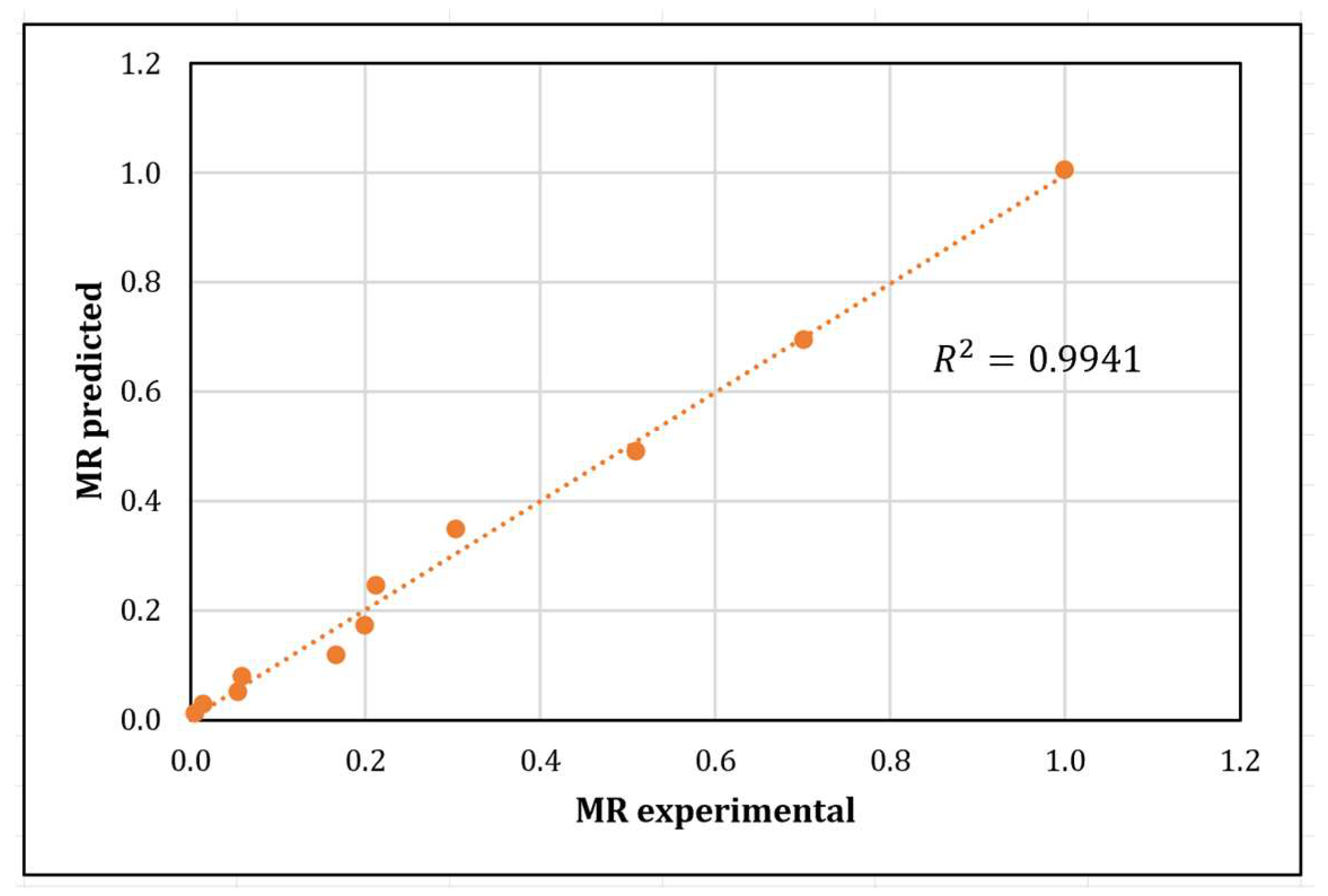
The validation of the established model was carried out by comparing the experimental values of the moisture ratio with the predicted values (Figure 2). The results showed that the Midilli model could be used to explain the drying behaviour of peas in a thin-layer model. The high coefficient of determination (R2 = 0.9941) and the low error values (RMSE = 0.0276) confirm the model’s excellent fit. From a practical standpoint, this reliable model enables accurate prediction of drying times under far-infrared conditions, which is essential for scaling up the process, optimizing energy efficiency, and ensuring consistent product quality in industrial applications. The results of the evaluated parameters X2, SSE, RMSE, and R2 were 0.0008, 0.0007, 0.0276, and 0.9941, respectively.

3.4. Flour Composition and Functional Properties

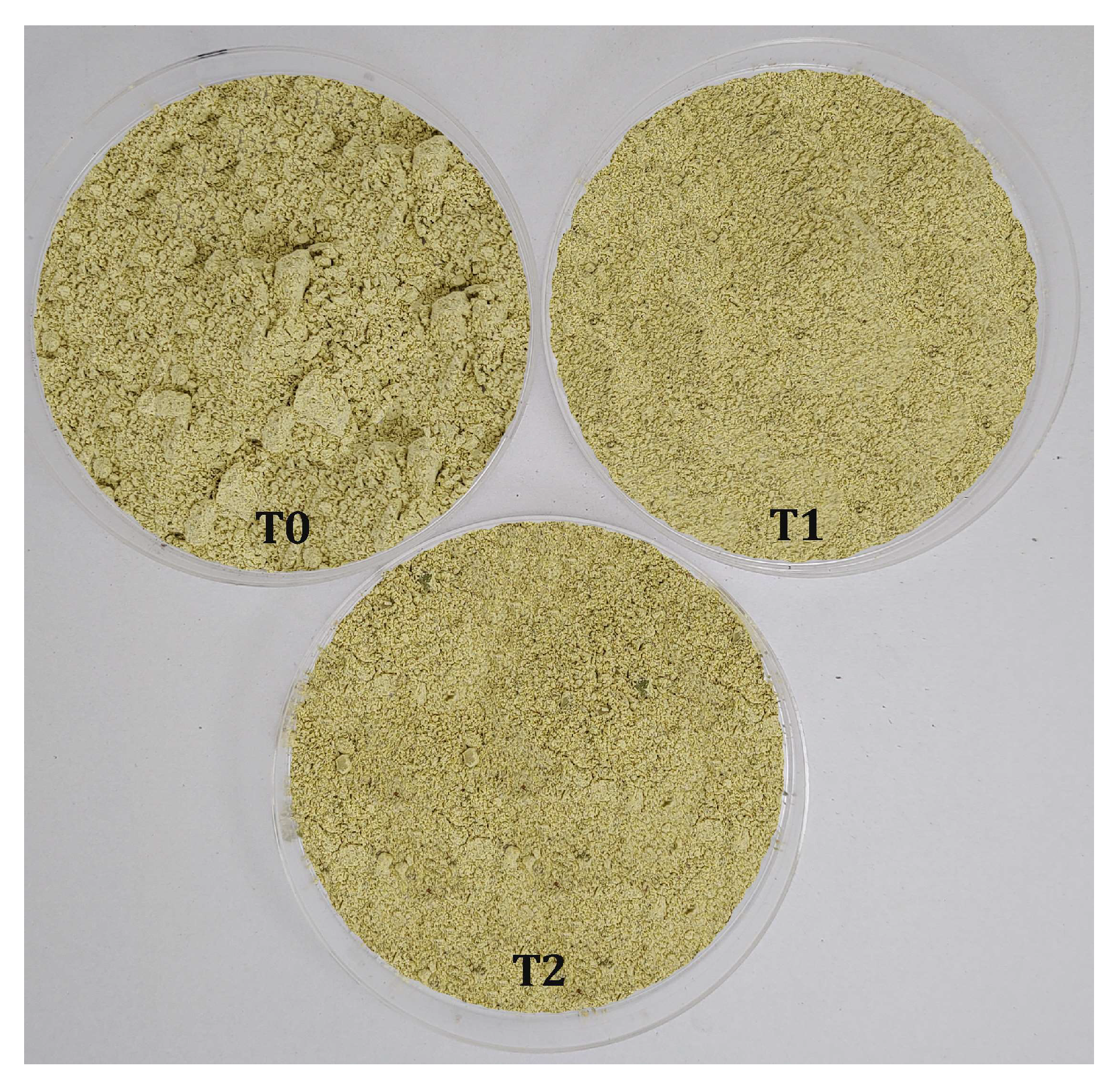
The values for the proximal composition and characterisation of the flours obtained from the different treatments are detailed in Table 3. The flours obtained are shown in Figure 3. The ANOVA results showed that the ash, lipids, and crude fibre content variables were influenced by the addition of biochar (F = 6.408, p value = 0.0324, F = 14.25, p value = 0.0049, and F = 16.33, p value = 0.0037, respectively). The flours analysed were found to consist mainly of carbohydrates, close to 50%, followed by proteins with values of 34–35%. In addition, they had lower proportions of crude fibre (7.23–8.10%), ash (3.69–3.87%), and lipids (1.49–2.66%). The results obtained are consistent with previous research on flours from the same matrix, as reported by Wani and Kumar [19], Millar et al. [20], González et al. [69], and Pedrosa et al. [18].
González et al. [69] studied pea flours (P. sativum L. cv. Warindo) dried at three temperatures (50, 60, and 70 °C) and observed that the chemical composition of the flours did not vary, while the in vitro digestibility of proteins and starch did increase at 70 °C. This effect is desirable in proteins, but not in starch.
The flours had low aw values (0.39–0.42). In flours, both moisture and water activity are fundamental parameters for defining their stability and behaviour during storage and processing [70]. Although both properties are related, water activity does not depend exclusively on total water content, but rather on the fraction available to participate in physicochemical and microbiological reactions. In general terms, it is expected that as the moisture content decreases, aw will also decrease, as the amount of free water is reduced. However, this relationship can be altered by the nature of the food matrix, as components such as starches, proteins, or crude fibre can retain water structurally, reducing aw even when the moisture content is not extremely low [71]. Therefore, the joint analysis of both parameters is essential to interpret the functional behaviour and shelf life of the flours obtained.
WHCf and OHC constitute the abilities of a matrix to trap water and oil, respectively. WHCf values were found to be between 2.30–2.50 g g−1, and T0 and T2 were found to be statistically different (F = 9.41; p value = 0.0141; ANOVA). The ability of flours to absorb and retain water is fundamental in baking processes, as it directly influences variables such as the cooking time required and the final texture of the baked product [72]. The OHC was 0.76–0.85 g g−1 and was significantly different in the control group from groups T1 and T2 (F = 14.12; p value = 0.0054; ANOVA). In foods with high protein content, a marked lipid retention capacity is observed, attributed to the functional properties of proteins. This affinity for oil and water is determined by the structural characteristics of proteins, such as their configuration, the nature of their amino acids, and the balance between polar and hydrophobic regions on their surface [73]. The OHC values in this study were higher than those reported by Laing [74], who observed OHC values of 0.48–0.61 g g−1 in yellow pea flour.
On the other hand, SC represents the degree to which starch granules can incorporate water and expand, reflecting in turn the intensity of the molecular interactions present in their internal structure [73]. The value presented was 0.21–0.26 mL g−1, and this techno-functional property showed significant differences between the groups of flours evaluated. Flours from T2 had the highest value (F = 6.29; p value = 0.0390; ANOVA). SC and carbohydrates are highly correlated with each other. Although starch content was not determined in this study, the carbohydrate content of peas is predominantly starch. These differences in techno-functional properties are likely attributable to biochar-induced changes in soil physicochemical conditions, such as enhanced nutrient availability, improved water retention, and stimulated microbial activity, which in turn influenced nutrient partitioning during grain development. Such shifts can alter the organization and interactions of macromolecules (proteins, starches, and fibers) within the grain matrix, ultimately affecting functional attributes like WHCf and SC.
The estimated amino acid composition of the pea flours obtained showed that they have a higher lysine content, followed by threonine, cysteine, methionine, and finally tryptophan. These values are lower than those reported by Fischer et al. [75]. The differences may be related to variety, geographical area, management, among others.

4. Conclusions

This study evaluated an integrated approach linking walnut shell biochar application to soil health, pea crop performance, and the techno-functional quality of derived flours. Four key findings emerge: (1) Biochar amendment at 20 t ha−1, after a 90-day incubation period, significantly improved soil health indicators, including a 9% increase in cation exchange capacity, a 47–48% increase in organic matter and organic carbon, and a 4.4-fold increase in soil respiration. These improvements are foundational to long-term soil sustainability and carbon storage. (2) Agronomic performance was substantially enhanced, with green pod yield increasing by up to 30.9% under the 20 t ha−1 treatment, demonstrating biochar’s capacity to improve food production per unit of land. (3) Far-infrared drying at 70 °C was identified as the most suitable dehydration method, offering a balance of efficiency (240 min drying time) and quality preservation, making it a scalable option for producing consistent pea flour. (4) Biochar application indirectly influenced flour functionality: flours from the 20 t ha−1 treatment exhibited enhanced swelling capacity (from 0.21 to 0.26 mL g−1) and oil holding capacity, reflecting biochar-mediated effects on soil nutrient availability and grain development. In contrast, the techno-functional properties were more sensitive to the application of biochar as an amendment, showing differentiated responses that likely reflect indirect effects mediated by the influence of biochar on soil quality and plant nutrient partitioning, rather than direct modifications to flour components at the molecular level.
Collectively, these results validate a circular economy model in which an agro-industrial residue, walnut shell, is transformed into a soil amendment that improves soil health, crop yield, and the functional quality of a processed food ingredient, while reducing reliance on synthetic inputs and closing resource loops.


Author Contributions

R.Z.: Conceptualization, Formal analysis, Investigation, Writing—original draft; Software. E.S.: Conceptualization, Formal analysis, Investigation, Writing—original draft; Software. M.P.F.: Conceptualization, Methodology, Investigation, Writing—original draft, Funding acquisition. R.R.: Formal analysis, Conceptualization, Visualization, Resources, Writing—review & editing, Supervision, Project administration, Funding acquisition. G.M.: Resources, Project administration, Funding acquisition. All authors have read and agreed to the published version of the manuscript.

Funding

The authors wish to express thanks for support from the following Argentine institutions: FONCYT-PICT RESOL-2023-31-APN-DANPIDTYI#ANPIDTYI (PICT-2021-I-INVI-00839, PICT-2021-INVI-00803, PICT-2021-A-0169). Williams Foundation. Complementary Funds Competition for Research Projects with Impact on the Argentine Territory 2024.

Institutional Review Board Statement

Not applicable.

Informed Consent Statement

Not applicable.

Data Availability Statement

The original contributions presented in this study are included in the article. Further inquiries can be directed to the corresponding authors.

Acknowledgments

We thank the National Scientific and Technical Research Council of Argentina (CONICET) and the National University of San Juan for providing us with their support and physical space to carry out the research. The authors would like to express their gratitude to Fecoagro Ltda. and engineer Roberto Resta.

Conflicts of Interest

The authors declare no conflicts of interest.

Abbreviations

The following abbreviations are used in this manuscript:
awWater activity (dimensionless)
BDBulk density (g cm−3)
CCarbon content (%)
CECCation exchangeable capacity (meq 100 g−1)
ConDConvective drying
ECElectrical conductivity (µS cm−1)
FCFixed carbon (%)
GMGravimetric moisture (%)
HHydrogen content (%)
InfDInfrared drying
MMoisture (%)
MRMoisture ratio (dimensionless)
OOxygen content (%)
OCOrganic carbon, (%)
OHCOil holding capacity (g g−1)
OMOrganic matter (%)
R2Coefficient of determination
RMSERoot mean square error
SCSwelling capacity (mL g−1)
SolDSolar drying
SSESum of squared errors
T0Soil
T1Soil + 10 tn ha−1 WSB
T2Soil + 20 tn ha−1 WSB
TNTotal nitrogen (%)
VMVolatile matter (%)
WHCWater holding capacity (%)
WHCfWater holding capacity flour (g g−1)
WSWalnut shell
WSBWalnut shell biochar
Χ2Chi-square

Appendix A

Appendix A.1. WSB Characterization

Brief Description of Biochar

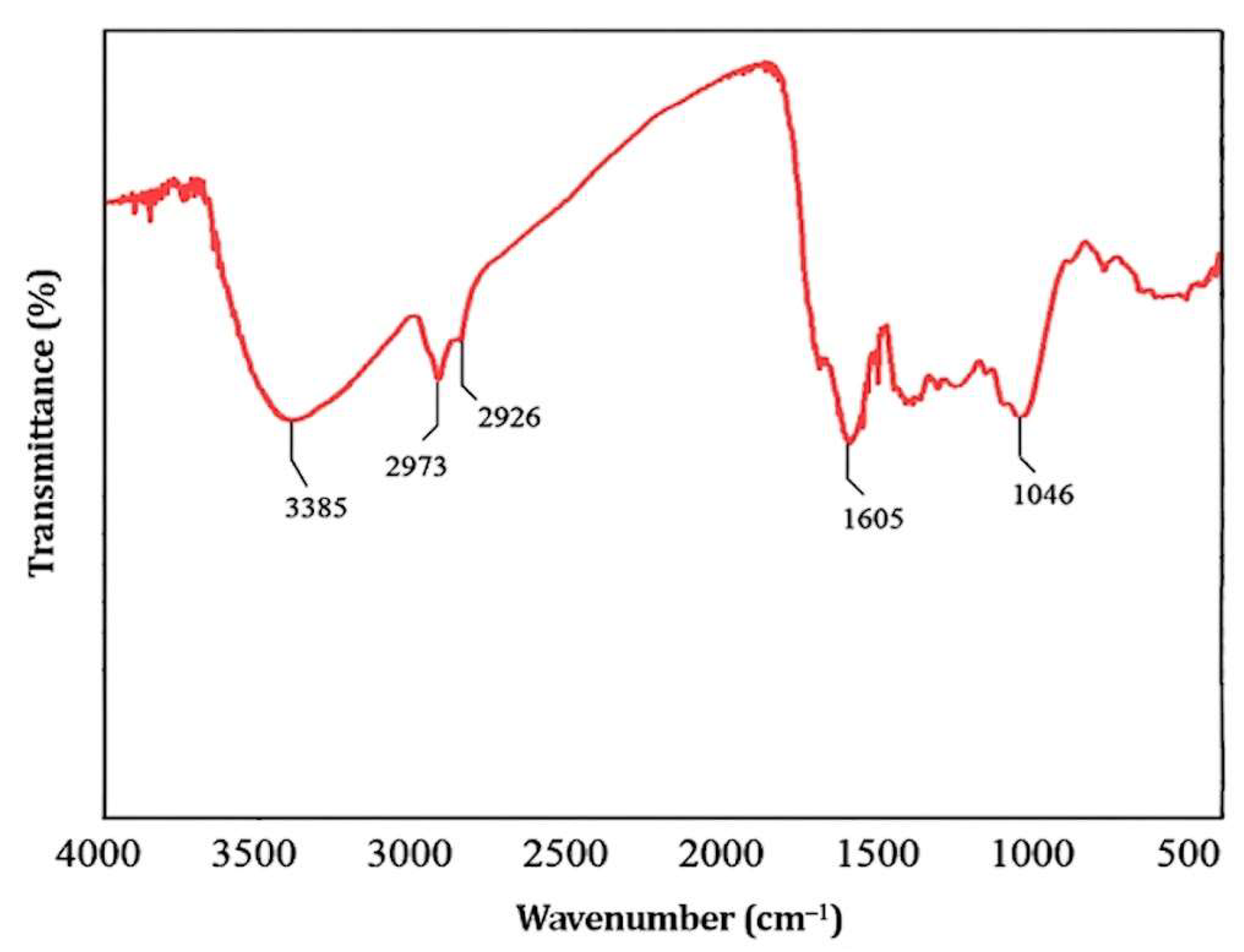
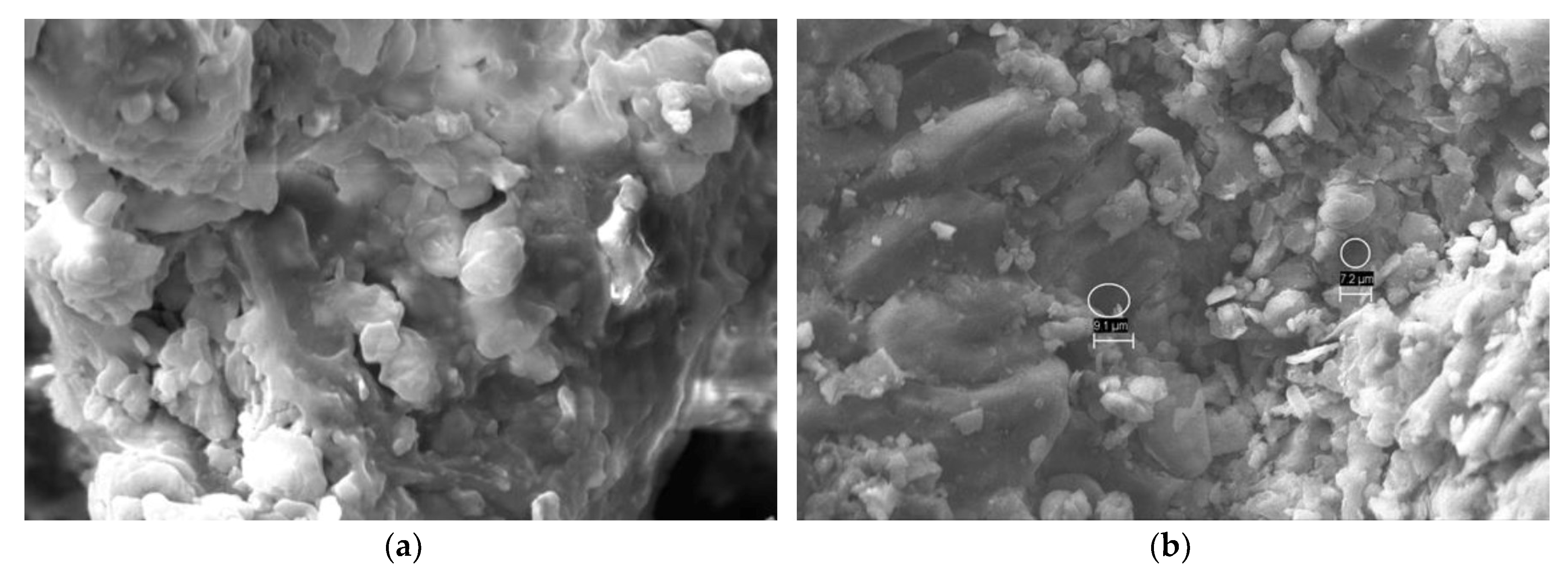
Table A1 shows the main characteristics of biochar. The walnut shell biochar (WSB) exhibited a slightly alkaline nature, with an average pH of 7.56 and moderate electrical conductivity, indicating a balanced ionic activity and the presence of soluble salts. Its cation exchange capacity was relatively low, likely associated with the production temperature (450 °C). The biochar yield was approximately 45%, consistent with values typically observed for biomass-derived materials. Proximate analysis showed low moisture and ash contents, while volatile matter exceeded 28%, reflecting the partial volatilization of organic compounds during carbonization. Elemental composition was dominated by carbon and oxygen, with minor fractions of hydrogen and nitrogen, resulting in O/C and H/C ratios of 0.49 and 1.22, respectively, which are indicative of a highly carbonized and chemically stable material (see Table A2). A high C/N ratio may temporarily immobilize nitrogen, as microorganisms use available N to decompose carbon-rich substrates. Nevertheless, biochar addition over time can enhance soil organic carbon and gradually improve fertility. The mean residence time (MRT) was estimated at around 1157 years [76], suggesting long-term persistence under soil conditions. The material presented a high specific surface area, with a heterogeneous porous structure ranging from 2.6 µm to 6 µm as observed under SEM (see Figure A1). EDS analysis confirmed a high carbon content along with mineral elements such as potassium (1.72–2.38%), calcium (1.81–3.50%), and iron (0.61–0.80%). These features reflect the presence of mineral phases and a heterogeneous surface morphology. In Figure A2, the FTIR spectra revealed characteristic peaks associated with –OH groups and C=C bonds, corresponding to aromatic structures, while signals related to C–O, ethers, esters, ketones, and carboxylic acids were absent [5,7,76].
Overall, the physicochemical and structural characteristics of the WSB indicate that this material possesses favorable attributes for improving soil structure and water retention, particularly under arid conditions where enhanced moisture availability is critical for plant growth.
Table A1. Characterization of WSB.
PropertyValue
pH7.56 ± 0.09
EC (µS cm−1)561.33 ± 3.06
OM(%)11.28 ± 0.83
OC (%)6.54 ± 0.48
WHC (%)12.15 ± 1.18
CEC (%)20.02 ± 1.15
TN (%)0.36 ± 0.02
Moisture (%)1.99 ± 0.21
Ash (%)2.49 ± 0.21
Volatile matter (%)28.70 ± 1.08
Fixed carbon (%)66.83 ± 0.98
C (%)55.87 ± 0.12
H (%)5.68 ± 0.01
O (%)36.24 ± 0.18
Other elements (%) *2.20 ± 0.11
Specific surface area (m2 g−1)2.41
Yield45.02 ± 1.25
* Others elements, including S (sulfur) + N (nitrogen). EC (electrical conductivity); OM (organic matter); OC (organic carbon); WHC (water holding capacity); CEC (cation exchange capacity); TN (total nitrogen); C (carbon); H (hydrogen); O (oxygen).
Table A2. Indicators of the quality of WSB.
IndicatorValue
H/C1.22 ± 0.10
O/C0.49 ± 0.06
C/N181.06 ± 2.13
Stable C mass fraction (%)0.74 ± 0.48
R50 (%)0.14 ± 0.01
CS (%)7.77 ± 0.51
MRT1157 ± 12
BC+1000.79 ± 0.02
H/C (hydrogen-carbon molar ratio); O/C (oxygen-carbon molar ratio); C/N (carbon-nitrogen molar ratio); R50 (recalcitrance potential); CS (carbon sequestration potential); MRT (mean residence time); BC+100 (mass fraction of carbon that remains after 100 years).
Figure A1. SEM images corresponding to (a) morphology and (b) porosity of biochar. The circles highlight representative pores and surface features, indicating the development of the porous structure.
Sustainability 18 03611 g0a1
Figure A2. FTIR of walnut shell biochar at 450 °C.
Sustainability 18 03611 g0a2

Appendix B

Appendix B.1. Drying Evaluation: Methods and Results

Appendix B.1.1. Drying Experiences with Different Technologies

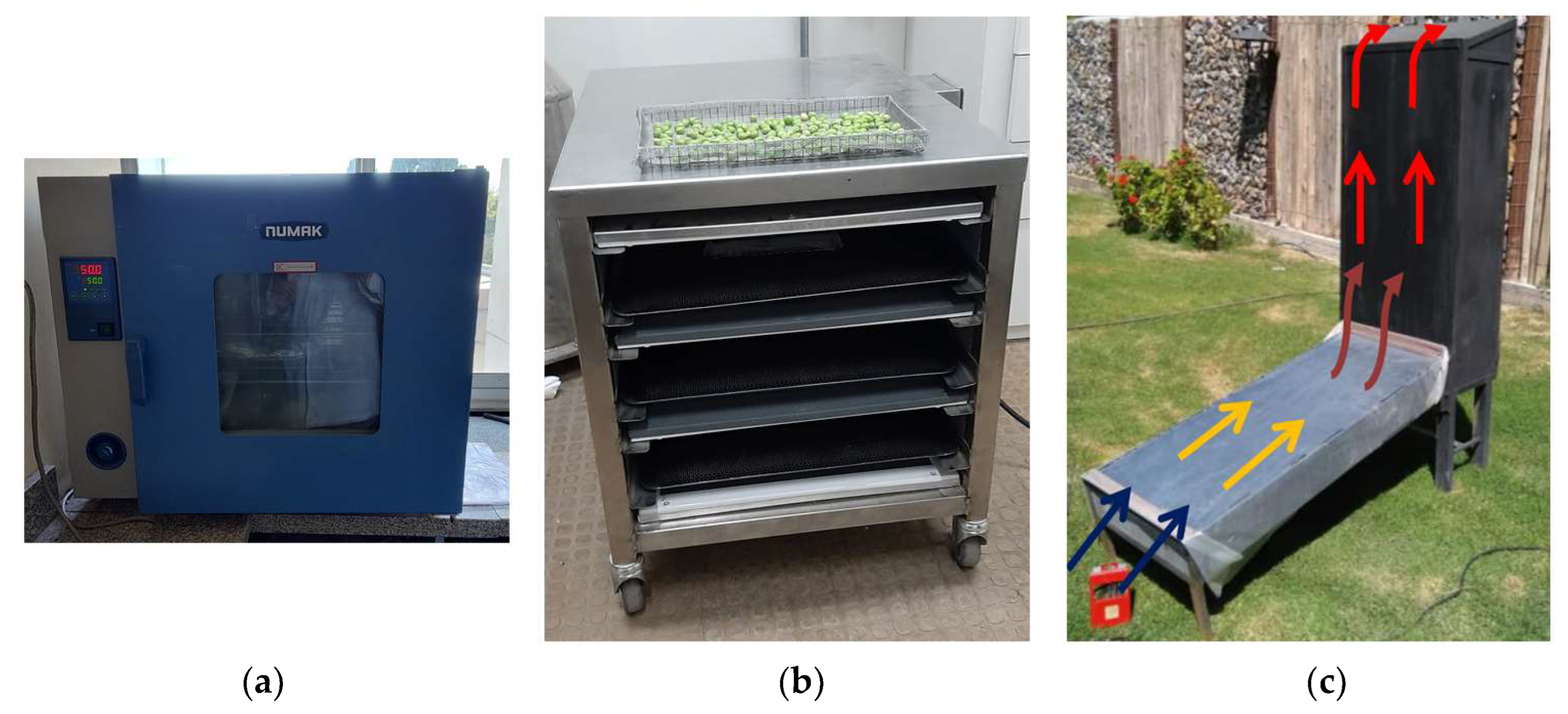
The harvested peas were dried using different methods: convective drying (35 L capacity oven with trays and forced air circulation, DHG-9023A, Numak, Shanghai, China), far-infrared drying (dehydrator with 3 trays with far-infrared technology, Irconfort brand, model IRCDi3, Sevilla, Spain), and solar drying (solar dehydrator with natural air flow, equipment detailed in Capossio et al. [77] (see Figure A3).
Figure A3. Different drying technologies used for pea dehydration: (a) conventional convective drying -ConD-, (b) far-infrared drying -InfD-, and (c) solar drying -SolD-.
Sustainability 18 03611 g0a3
Table A3. Mathematical models used to describe the thin-layer drying kinetics of pea.
Model NameModel Expression
1Newton MR = exp ( kt )
2Page MR = exp ( k t n )
3Modified Page MR = exp ( ( k t ) n )
4Henderson and Pabis MR = a ·   exp ( kt )
5Modified Henderson and Pabis MR = a · exp kt + b · exp ( gt ) + c · exp ( ht )
6Wang and Singh MR = 1 + at + b t 2
7Logarithmic MR = a · exp ( kt ) + c
8Midilli MR = a · exp ( k t n ) + bt
9Two-term Exponential MR = a · exp ( kt )   + ( 1 a ) · exp ( akt )
10Two-term MR = a · exp ( kt ) + b · exp ( nt )
11Noomhorm and Verma MR = a · exp ( kt ) + b · exp ( nt ) + c
MR (moisture ratio), t (time), k, n, a, b, g, and c (constants).

Appendix B.1.2. Analysis Post-Drying

The colour of the grain was determined by image analysis using the “L”, “a” and “b” values at different points on the sample [78,79]. To do this, it was necessary to convert the values obtained to L*, a*, and b* using Expressions (A1)–(A3) and Equation (A4), and the colour variation (ΔE) relative to the fresh sample was determined for the three types of drying.
L * = L 255   ×   100
a * = 240 × a 255     120
b * = 240 × b 255     120
E = ( L     L t * ) 2 + ( a *       a t * ) 2 +   ( b *     b t * ) 2
The values L, a, and b correspond to the values obtained from image analysis; the values L*, a*, and b* correspond to the transformed values; ΔE is the colour variation with respect to the fresh sample, and the values Lt*, at*, and bt* are the values of the fresh sample.
Protein content was determined using the Kjeldahl method as established by AOAC 960.52 [40].

Appendix B.1.3. Evaluation of Drying and Selection

The dehydration of peas has been extensively studied using different methods: infrared drying [29,74,80], convection drying [68,69,80,81], and solar drying [24,82,83]. Although solar drying is an economical technique, it presents certain challenges, such as its high dependence on the weather, the length of the process, and the need for labour [27]. Convective drying is one of the most commonly used methods; however, it is inefficient in terms of energy and requires a medium amount of time for moisture loss. Far-infrared drying, on the other hand, reduces energy consumption, shortens drying time, and improves the quality of the final product [84].
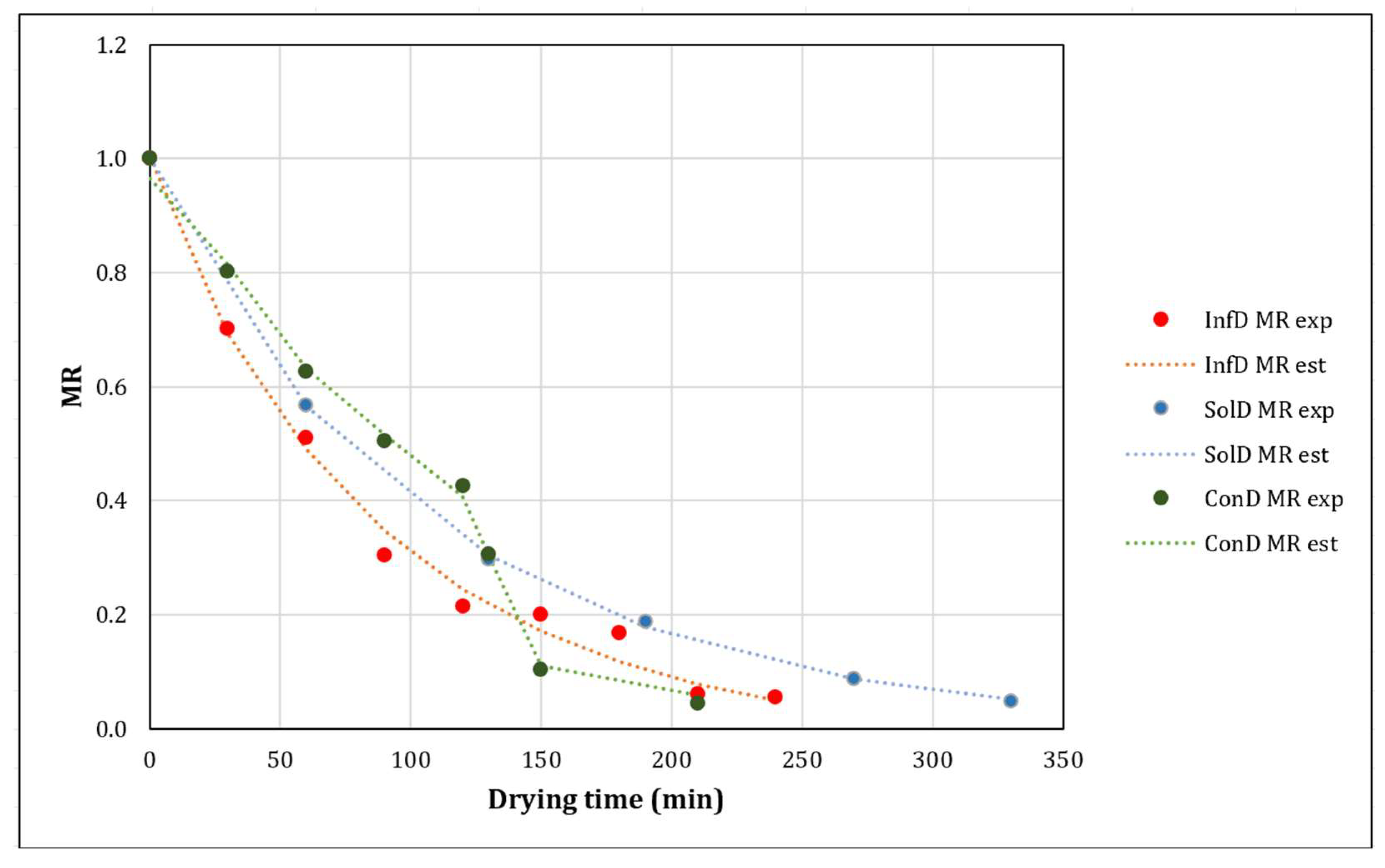
Figure A4 shows the evolution of the moisture ratio (MR) as a function of drying time for the three methods evaluated: solar drying (SolD), infrared drying (InfD), and convective drying (ConD). In all cases, a progressive decrease in MR was observed over time, evidence of the moisture loss inherent in the process. However, no differences in the drying rate were identified between the methods. InfD showed the highest efficiency, with a faster reduction in MR, especially during the early stages of the process. This trend can be attributed to the direct transfer of thermal energy by radiation, which promotes accelerated evaporation of surface water. In contrast, ConD presented an intermediate rate of moisture loss, resulting from the action of moving hot air, which, although it provides more uniform heat transfer, does so at a slower rate than infrared radiation at the beginning of the process. On the other hand, SolD was the least efficient, with a gentler slope and a longer time required to reach low MR levels. This behaviour is associated with the lower operating temperature, which limits the rate of heat transfer to the product. The drying process ended when the moisture content of the pea samples was less than or equal to 10 ± 1%. For infrared drying, the pea samples had an initial moisture content of 67–68%, and the time required for dehydration was 240 min, while for convective drying (initial moisture content of 66–67%) it was 210 min. Likewise, the drying time in the solar dehydrator was 330 min, with an initial moisture content of 66–67%.
Figure A4. Drying curves for the Onward pea variety under three drying methods: infrared drying (InfD), convective drying (ConD), and solar drying (SolD). The solid points correspond to the experimental MR vs. drying time, and the dotted lines correspond to the estimated MR vs. drying time.
Sustainability 18 03611 g0a4
Table A4 shows the values of R2, X2, SSE, and RMSE, which indicate the goodness of fit of the experimental data to the empirical models evaluated. The Midilli model proved to be the most appropriate for representing pea drying in InfD, with the highest R2 and the lowest values for X2, SSE, and RMSE. Therefore, it is the appropriate equation to describe the relationship between time and dimensionless moisture. However, for pea drying by convection and solar drying, the Noomhorm and Verma equation was the empirical model that best fit the experimental data. This result coincides with that obtained by Pantoja et al. [80] for Andean and southern obonuco peas. For that study, an incubator-type drying chamber was used with temperatures of 45, 50, 55, and 60 °C.
Table A4. Statistical parameters of the drying model adjustments.
InfDConDSolD
Χ2SSERMSER2Χ2SSERMSER2Χ2SSERMSER2
10.000760.000690.026340.992480.008760.008720.093410.908530.000050.000040.006470.99961
20.000760.000690.026300.992510.000740.000740.027130.992280.000020.000020.004380.99982
30.000760.000690.026340.992480.008760.008720.093410.908530.000050.000040.006470.99961
40.000760.000690.026330.992490.005700.005670.075340.940530.000050.000040.006280.99963
50.000760.000690.026330.992490.001410.001410.037500.985250.000020.000020.004340.99982
60.154580.140530.37487−0.020110.000390.000390.019730.995920.003860.003300.05750.96951
70.046700.042460.206050.540060.001310.001300.036130.986310.000040.000030.005760.99969
80.000700.000640.025260.993090.000280.000280.016800.997040.016740.014350.11980.86742
90.096570.087790.296300.342500.000410.000410.020300.995680.000030.000020.00500.99977
100.776690.999990.296300.342500.001860.001860.043100.980510.000020.000020.004340.99982
110.046700.042460.206050.540060.000110.000110.010440.998860.000020.000020.004320.99983
InfD (Infrared drying); ConD (Convective drying); SolD (Solar drying); X2 (Chi-square); SSE (Sum of squared errors); RMSE (Root mean square error); R2 (Coefficient of determination). Highlighted rows indicate the empirical model that presented the most favourable statistical parameters for each type of drying.
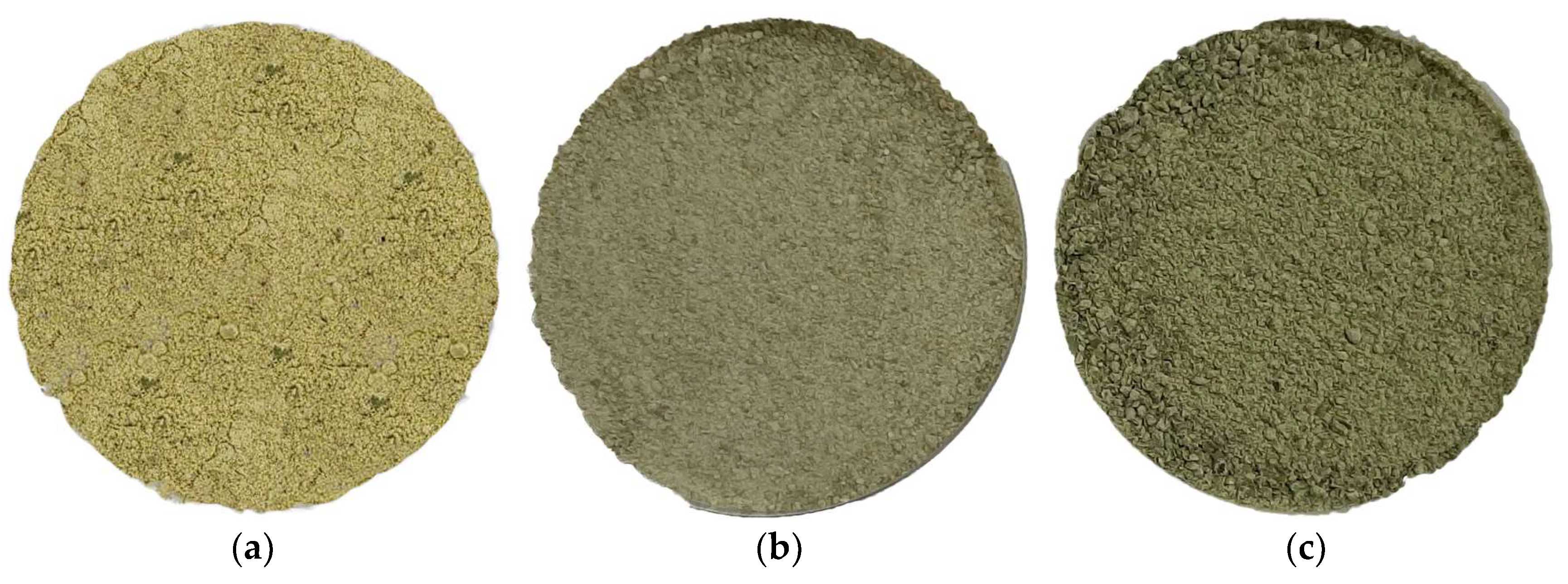
Colour is one of the main indicators of quality in dehydrated crops, as it directly influences consumer acceptance and product value [26]. ΔE is a key parameter that is frequently used to evaluate colour changes that occur during the drying process. The results showed that ΔE was: SolD< InfD < ConD. Solar drying showed the least colour variation compared to the other methods evaluated; however, there was no significant difference with infrared drying (see Figure A5 and Table A5). While convective drying resulted in more pronounced darkening, attributable to thermal degradation and pigment oxidation reactions, solar and infrared drying, in contrast, allowed the characteristic colour intensity of the pea to be maintained. Kaveh et al. [26] reported results similar to those obtained in the present study when comparing different pea drying methods. As mentioned in the theoretical framework of this chapter, legume crops are characterised by their high protein content. Therefore, the protein content was also evaluated, observing the same trend: the SolD and InfD treatments had the highest values compared to ConD.
Figure A5. Onward pea variety dried using different technologies: (a) infrared drying, (b) convective drying, and (c) solar drying.
Sustainability 18 03611 g0a5
Table A5. Post-drying analysis of pea grains. Values are shown as averages.
SamplesΔEProtein Content (%)
Dried peas by convective21.09 b24.87 b
Dried peas by infrared18.99 a28.52 a
Dried peas by solar17.46 a29.88 a
Different letters in the same column indicate that they are significantly different (p < 0.05). ΔE (colour variation).
These differences could be attributed to the form of heat transfer in the grain, which varies between infrared and convective methods due to the type of technology used, and which could favour protein denaturation. Although the SolD treatment involved variable temperatures throughout the dehydration time and a prolonged drying time, this did not negatively affect the protein content. Overall, the results indicate that infrared drying is a more technologically suitable alternative for dehydrating peas, allowing for shorter drying times and preserving the quality of the peas.

Appendix B.2. Estimation of Amino Acids in Peas

According to the following expressions, it is possible to estimate the levels of amino acids present in peas [41]:
Lysine =   % Protein   ×   0.0598   +   0.358
Methionine   = % Protein   ×   0.0075 + 0.065
Cysteine   = % Protein   ×   0.0059 + 0.220
Tryptophan   = % Protein   ×   0.0077 + 0.010
Threonine   = % Protein   ×   0.0264 + 0.297

References

  1. Lal, R. Soils and Sustainable Agriculture. A Review. Agron. Sustain. Dev. 2008, 28, 57–64. [Google Scholar] [CrossRef]
  2. Kopittke, P.M.; Menzies, W.N.; Wang, P.; Mckenna, B.A.; Lombi, E. Soil and the Intensification of Agriculture for Global Food Security. Environ. Int. 2019, 132, 105078. [Google Scholar] [CrossRef]
  3. Torres, E.; Rodriguez-Ortiz, L.A.; Zalazar, D.; Echegaray, M.; Rodriguez, R.; Zhang, H.; Mazza, G. 4-E (Environmental, Economic, Energetic and Exergetic) Analysis of Slow Pyrolysis of Lignocellulosic Waste. Renew. Energy 2020, 162, 296–307. [Google Scholar] [CrossRef]
  4. Ayaz, M.; Feizienė, D.; Tilvikienė, V.; Akhtar, K.; Stulpinaitė, U.; Iqbal, R. Biochar Role in the Sustainability of Agriculture and Environment. Sustainability 2021, 13, 1330. [Google Scholar] [CrossRef]
  5. Rodriguez Ortiz, L.; Torres, E.; Zalazar, D.; Zhang, H.; Rodriguez, R.; Mazza, G. Influence of Pyrolysis Temperature and Bio-Waste Composition on Biochar Characteristics. Renew. Energy 2020, 155, 837–847. [Google Scholar] [CrossRef]
  6. Sánchez, E.; Zabaleta, R.; Fabani, M.P.; Rodriguez, R.; Mazza, G. Effects of the Amendment with Almond Shell, Bio-Waste and Almond Shell-Based Biochar on the Quality of Saline-Alkali Soils. J. Environ. Manag. 2022, 318, 115604. [Google Scholar] [CrossRef]
  7. Zabaleta, R.; Sánchez, E.; Navas, A.L.; Fernández, V.; Fernandez, A.; Zalazar-García, D.; Fabani, M.P.; Mazza, G.; Rodriguez, R. Phytotoxicity Assessment of Agro-Industrial Waste and Its Biochar: Germination Bioassay in Four Horticultural Species. Agronomy 2024, 14, 2573. [Google Scholar] [CrossRef]
  8. Zalazar-Garcia, D.; Fernandez, A.; Cavaliere, L.; Deng, Y.; Soria, J.; Rodriguez, R.; Mazza, G. Slow Pyrolysis of Pistachio-Waste Pellets: Combined Phenomenological Modeling with Environmental, Exergetic, and Energetic Analysis (3-E). Biomass Convers. Biorefinery 2024, 14, 9197–9215. [Google Scholar] [CrossRef]
  9. Qian, S.; Zhou, X.; Fu, Y.; Song, B.; Yan, H.; Chen, Z.; Sun, Q.; Ye, H.; Qin, L.; Lai, C. Bio-char-Compost as a New Option for Soil Improvement: Application in Various Problem Soils. Sci. Total Environ. 2023, 870, 162024. [Google Scholar] [CrossRef]
  10. Palansooriya, K.N.; Ok, Y.S.; Awad, Y.M.; Lee, S.S.; Sung, J.K.; Koutsospyros, A.; Moon, D.H. Impacts of Biochar Application on Upland Agriculture: A Review. J. Environ. Manag. 2019, 234, 52–64. [Google Scholar] [CrossRef]
  11. El-naggar, A.; Soo, S.; Rinklebe, J.; Farooq, M.; Song, H.; Sarmah, A.K.; Zimmerman, A.R.; Ahmad, M.; Shaheen, S.M.; Ok, Y.S. Biochar Application to Low Fertility Soils: A Review of Current Status, and Future Prospects. Geoderma 2019, 337, 536–554. [Google Scholar] [CrossRef]
  12. Maxted, N.; Ambrose, M. Peas (Pisum L.). Plant Genetic Resources of Legumes in the Mediterranean; Maxted, N., Bennett, S.J., Eds.; Kluwer Academic Publishers: Dordrecht, The Netherlands, 2001; pp. 181–190. [Google Scholar] [CrossRef]
  13. FAOSTAT, Food and Agriculture Data. Production Quantities of Pea by Country. Food and Agriculture Organization of the United Nations. Available online: http://www.fao.org/faostat/en/#home (accessed on 20 December 2025).
  14. Windsor, N.; Boatwright, L.; Boyles, R.; Bridges, W.; Rubiales, D.; Thavarajah, D. Characterizing Dry Pea (Pisum sativum L.) for Improved Nutritional Traits and the Potential for Biofortification. Legume Sci. 2024, 6, e250. [Google Scholar] [CrossRef]
  15. Espósito, M.A.; García, A.N.; Guindón, F.; Cazzola, F.; Bermejo, C.; Gatti, I. Objectives and modern techniques in pea (Pisum sativum L.) breeding in Argentina: A review. RIA Rev. Investig. Agropecu. 2023, 49, 119–127. [Google Scholar]
  16. Behera, S.; Jyotirmayee, B.; Mandal, U.; Mishra, A.; Mohanty, P.; Mahalik, G. Effect of Organic Fertilizer on Growth, Yield and Quality of Pisum sativum L.: A Review. Ecol. Environ. Conserv. 2022, 28, 233–241. [Google Scholar] [CrossRef]
  17. Liu, H.K.; Li, Z.H.; Zhang, X.W.; Liu, Y.P.; Hu, J.G.; Yang, C.W.; Zhao, X.Y. The Effects of Ultrasound on the Growth, Nutritional Quality, and Microbiological Quality of Sprouts. Trends Food Sci. Technol. 2021, 111, 292–300. [Google Scholar] [CrossRef]
  18. Pedrosa, M.M.; Varela, A.; Domínguez-Timón, F.; Tovar, C.A.; Moreno, H.M.; Borderías, A.J.; Díaz, M.T. Comparison of Bioactive Compounds Content and Techno-Functional Properties of Pea and Bean Flours and Their Protein Isolates. Plant Foods Hum. Nutr. 2020, 75, 642–650. [Google Scholar] [CrossRef]
  19. Wani, S.A.; Kumar, P. Comparative Study of Chickpea and Green Pea Flour Based on Chemical Composition, Functional and Pasting Properties. J. Food Res. Technol. 2014, 3, 124–129. [Google Scholar]
  20. Millar, K.A.; Gallagher, E.; Burke, R.; McCarthy, S.; Barry-Ryan, C. Proximate Composition and Anti-Nutritional Factors of Fava-Bean (Vicia faba), Green-Pea and Yellow-Pea (Pisum sativum) Flour. J. Food Compos. Anal. 2019, 82, 103233. [Google Scholar] [CrossRef]
  21. Wu, D.T.; Li, W.X.; Wan, J.J.; Hu, Y.C.; Gan, R.Y.; Zou, L. A Comprehensive Review of Pea (Pisum sativum L.): Chemical Composition, Processing, Health Benefits, and Food Applications. Foods 2023, 12, 2527. [Google Scholar] [CrossRef]
  22. Senapati, A.K.; Varshney, A.K.; Sharma, V.K. Dehydration of Green Peas: A Review. Int. J. Chem. Stud. 2019, 7, 1088–1091. [Google Scholar]
  23. Román, M.C.; Mut, I.; Echegaray, M.; Fabani, M.P.; Mazza, G.; Rodríguez, R. Pumpkin Peel Dehydration Using a Fluidized Bed Contactor: A Technical and Environmental Study. Biomass Convers. Biorefinery 2025, 15, 3345–3360. [Google Scholar] [CrossRef]
  24. Shamiq, S.M.; Sudhakar, P.; Cheralathan, M. Experimental Study of a Solar Dryer with Different Flow Patterns of Air in the Drying Chamber. IOP Conf. Ser. Mater. Sci. Eng. 2018, 402, 012014. [Google Scholar] [CrossRef]
  25. Sunil; Varun; Sharma, N. Modelling the Drying Kinetics of Green Peas in Solar Dryer and under Open Sun. Int. J. Energy Environ. 2013, 4, 663–676. [Google Scholar]
  26. Kaveh, M.; Abbaspour-Gilandeh, Y.; Fatemi, H.; Chen, G. Impact of Different Drying Methods on the Drying Time, Energy, and Quality of Green Peas. J. Food Process. Preserv. 2021, 45, 15503. [Google Scholar] [CrossRef]
  27. Arslan, D.; Özcan, M.M. Study the Effect of Sun, Oven and Microwave Drying on Quality of Onion Slices. LWT 2010, 43, 1121–1127. [Google Scholar] [CrossRef]
  28. Delfiya, D.S.A.; Prashob, K.; Murali, S.; Alfiya, P.V.; Samuel, M.P.; Pandiselvam, R. Drying Kinetics of Food Materials in Infrared Radiation Drying: A Review. J. Food Process. Eng. 2022, 45, e13810. [Google Scholar] [CrossRef]
  29. Fasina, O.; Tyler, B.; Pickard, M.; Zheng, G.H.; Wang, N. Effect of Infrared Heating on the Properties of Legume Seeds. Int. J. Food Sci. Technol. 2001, 36, 79–90. [Google Scholar] [CrossRef]
  30. Sanchez, E.; Zabaleta, R.; Navas, A.L.; Maldonado, V.N.F.; Fabani, M.P.; Mazza, G.; Rodriguez, R. Influence of Walnut Shell Biochar and Fertilizer on Lettuce Production in Hydroponic and Conventional Systems. Agronomy 2025, 15, 658. [Google Scholar] [CrossRef]
  31. Sanchez, E.; Zabaleta, R.; Navas, A.L.; Torres-Sciancalepore, R.; Fouga, G.; Fabani, M.P.; Rodriguez, R.; Mazza, G. Assessment of Pistachio Shell-Based Biochar Application in the Sustainable Amendment of Soil and Its Performance in Enhancing Bell Pepper (Capsicum annuum L.) Growth. Sustainability 2024, 16, 4429. [Google Scholar] [CrossRef]
  32. Schulte, E.E.; Hopkins, B.G. Estimation of organic matter by weight loss-on-ignition. In Soil Organic Matter: Analysis and Interpretation; SSSA Spec. Pub. No. 46; Magdoff, F.R., Tabatabai, M.A., Hanlon, E.A., Eds.; SSSA: Madison, WI, USA, 1996; pp. 21–32. [Google Scholar]
  33. He, K.; He, G.; Wang, C.; Zhang, H.; Xu, Y.; Wang, S.; Kong, Y.; Zhou, G.; Hu, R. Biochar Amendment Ameliorates Soil Properties and Promotes Miscanthus Growth in a Coastal Saline-Alkali Soil. Appl. Soil Ecol. 2020, 155, 103674. [Google Scholar] [CrossRef]
  34. Anderson, J.P. Soil respiration. In Methods of Soil Analysis: Part 2 Chemical and Microbiological Properties; American Society of Agronomy, Soil Science Society of America: Madison, WI, USA, 1982; Volume 9, pp. 831–871. [Google Scholar]
  35. Barton, C.D.; Karathanasis, A.D. Measuring Cation Exchange Capacity and Total Exchangeable Bases in Batch and Flow Experiments. Soil Technol. 1997, 11, 153–162. [Google Scholar] [CrossRef]
  36. Dugan, E.A.; Verhoef, A.; Robinson, S.; Sohi, S. Bio-Char from Sawdust, Maize Stover and Charcoal: Impact on Water Holding Capacities (WHC) of Three Soils from Ghana. In Proceedings of the 19th World Congress of Soil Science: Soil Solutions for a Changing World, Brisbane, Australia, 1–6 August 2010. [Google Scholar]
  37. ASTM D1102-84; Standard Test Method for Ash in Wood. ASTM International: West Conshohocken, PA, USA, 2013.
  38. Midilli, A.; Kucuk, H. Mathematical Modeling of Thin Layer Drying of Pistachio by Using Solar Energy. Energy Convers. Manag. 2003, 44, 1111–1122. [Google Scholar] [CrossRef]
  39. Baldán, Y.; Riveros, M.; Fabani, M.P.; Rodriguez, R. Grape Pomace Powder Valorization: A Novel Ingredient to Improve the Nutritional Quality of Gluten-Free Muffins. Biomass Convers. Biorefinery 2023, 13, 9997–10009. [Google Scholar] [CrossRef]
  40. AOAC International. Official Methods of Analysis, 20th ed.; Association of Official Analytical Chemists: Gaithersburg, MD, USA, 2016. [Google Scholar]
  41. Alasino, M.C. Harina de Arveja En La Elaboración de Pan. Estudio Del Efecto de Emulsionantes Como Mejoradores de Volumen y Vida Útil. Master’s Thesis, Universidad Nacional del Litoral, Santa Fe, Argentina, 2009. [Google Scholar]
  42. Silva, M.A.; Albuquerque, T.G.; Alves, R.C.; Oliveira, M.B.P.P.; Costa, H.S. Melon Peel Flour: Utilization as a Functional Ingredient in Bakery Products. Food Funct. 2024, 15, 1899–1908. [Google Scholar] [CrossRef]
  43. Onipe, O.O.; Matshisevhe, M.M.; Ramashia, S.E.; Mashau, M.E. Physicochemical and Functional Properties of Finger Millet (Eleusine coracana) Flour Supplemented with Parinari curatellifolia Flour. Sci. Afr. 2024, 23, e02092. [Google Scholar] [CrossRef]
  44. Sousa, E.C.; Uchôa-Thomaz, A.M.A.; Carioca, J.O.B.; de Morais, S.M.; de Lima, A.; Martins, C.G.; Alexan-drino, C.D.; Ferreira, P.A.T.; Rodrigues, A.L.M.; Rodrigues, S.P. Chemical Composition and Bioactive Compounds of Grape Pomace (Vitis vinifera L.), Benitaka Variety, Grown in the Semiarid Region of Northeast Brazil. Food Sci. Technol. 2014, 34, 135–142. [Google Scholar] [CrossRef]
  45. Han, L.; Zhang, B.; Chen, L.; Feng, Y.; Yang, Y.; Sun, K. Impact of Biochar Amendment on Soil Aggregation Varied with Incubation Duration and Biochar Pyrolysis Temperature. Biochar 2021, 3, 339–347. [Google Scholar] [CrossRef]
  46. Albalasmeh, A.A.; Quzaih, M.Z.; Gharaibeh, M.A.; Rusan, M.; Mohawesh, O.E.; Rababah, S.R.; Alqudah, A.; Alghamdi, A.G.; Naserin, A. Significance of Pyrolytic Temperature, Application Rate and Incubation Period of Biochar in Improving Hydro-Physical Properties of Calcareous Sandy Loam Soil. Sci. Rep. 2024, 14, 7012. [Google Scholar] [CrossRef]
  47. Malik, Z.; Yutong, Z.; ShengGao, L.; Abassi, G.H.; Ali, S.; Imran Khan, M.; Kamran, M.; Jamil, M.; Al-Wabel, M.I.; Rizwan, M. Effect of Biochar and Quicklime on Growth of Wheat and Physicochemical Properties of Ultisols. Arab. J. Geosci. 2018, 11, 496. [Google Scholar] [CrossRef]
  48. Balmuk, G.; Videgain, M.; Manyà, J.J.; Duman, G.; Yanik, J. Effects of Pyrolysis Temperature and Pressure on Agronomic Properties of Biochar. J. Anal. Appl. Pyrolysis 2023, 169, 105858. [Google Scholar] [CrossRef]
  49. Agegnehu, G.; Bass, A.M.; Nelson, P.N.; Bird, M.I. Benefits of Biochar, Compost and Biochar-Compost for Soil Quality, Maize Yield and Greenhouse Gas Emissions in a Tropical Agricultural Soil. Sci. Total Environ. 2016, 543, 295–306. [Google Scholar] [CrossRef] [PubMed]
  50. Rehrah, D.; Bansode, R.R.; Hassan, O.; Ahmedna, M. Physico-Chemical Characterization of Biochars from Solid Municipal Waste for Use in Soil Amendment. J. Anal. Appl. Pyrolysis 2016, 118, 42–53. [Google Scholar] [CrossRef]
  51. Nguyen, B.T.; Dinh, G.D.; Nguyen, T.X.; Nguyen, D.T.P.; Vu, T.N.; Tran, H.T.T.; Van Thai, N.; Vu, H.; Do, D.D. The Potential of Biochar to Ameliorate the Major Constraints of Acidic and Salt-Affected Soils. J. Soil Sci. Plant Nutr. 2022, 22, 1340–1350. [Google Scholar] [CrossRef]
  52. Karimi, A.; Moezzi, A.; Chorom, M.; Enayatizamir, N. Application of Biochar Changed the Status of Nutrients and Biological Activity in a Calcareous Soil. J. Soil Sci. Plant Nutr. 2020, 20, 450–459. [Google Scholar] [CrossRef]
  53. Adhikari, S.; Timms, W.; Mahmud, M.A.P. Optimising Water Holding Capacity and Hydrophobicity of Biochar for Soil Amendment—A Review. Sci. Total Environ. 2022, 851, 158043. [Google Scholar] [CrossRef]
  54. Teixeira, W.G.; Verheijen, F.; de Oliveira Marques, D.J. Water holding capacity of biochar and biochar-amended soils. In Biochar as a Renewable-Based Material; World Scientific Publishing: Singapore, 2020; pp. 61–83. [Google Scholar]
  55. Suliman, W.; Harsh, J.B.; Abu-Lail, N.I.; Fortuna, A.-M.; Dallmeyer, I.; Garcia-Pérez, M. The Role of Biochar Porosity and Surface Functionality in Augmenting Hydrologic Properties of a Sandy Soil. Sci. Total Environ. 2017, 574, 139–147. [Google Scholar] [CrossRef]
  56. Smider, B.; Singh, B. Agronomic Performance of a High Ash Biochar in Two Contrasting Soils. Agric. Ecosyst. Environ. 2014, 191, 99–107. [Google Scholar] [CrossRef]
  57. Guo, M. The 3r Principles for Applying Biochar to Improve Soil Health. Soil Syst. 2020, 4, 9. [Google Scholar] [CrossRef]
  58. Hansen, V.; Müller-Stöver, D.; Munkholm, L.J.; Peltre, C.; Hauggaard-Nielsen, H.; Jensen, L.S. The Effect of Straw and Wood Gasification Biochar on Carbon Sequestration, Selected Soil Fertility Indicators and Functional Groups in Soil: An Incubation Study. Geoderma 2016, 269, 99–107. [Google Scholar] [CrossRef]
  59. Huang, J.; Zhu, C.; Kong, Y.; Cao, X.; Zhu, L.; Zhang, Y.; Ning, Y.; Tian, W.; Zhang, H.; Yu, Y.; et al. Biochar Application Alleviated Rice Salt Stress via Modifying Soil Properties and Regulating Soil Bacterial Abundance and Community Structure. Agronomy 2022, 12, 409. [Google Scholar] [CrossRef]
  60. Sun, Q.; Meng, J.; Lan, Y.; Shi, G.; Yang, X.; Cao, D.; Chen, W.; Han, X. Long-Term Effects of Biochar Amendment on Soil Aggregate Stability and Biological Binding Agents in Brown Earth. Catena 2021, 205, 105460. [Google Scholar] [CrossRef]
  61. Agegnehu, G.; Srivastava, A.K.; Bird, M.I. The Role of Biochar and Biochar-Compost in Improving Soil Quality and Crop Performance: A Review. Appl. Soil Ecol. 2017, 119, 156–170. [Google Scholar] [CrossRef]
  62. Windeatt, J.H.; Ross, A.B.; Williams, P.T.; Forster, P.M.; Nahil, M.A.; Singh, S. Characteristics of Biochars from Crop Residues: Potential for Carbon Sequestration and Soil Amendment. J. Environ. Manag. 2014, 146, 189–197. [Google Scholar] [CrossRef]
  63. Bhattarai, B.; Neupane, J.; Dhakal, S.P.; Nepal, J.; Gnyawali, B.; Timalsina, R.; Poudel, A. Effect of Biochar from Different Origin on Physio-Chemical Properties of Soil and Yield of Garden Pea (Pisum sativum L.) at Paklihawa, Rupandehi, Nepal. World J. Agric. Res. 2015, 3, 129–138. [Google Scholar] [CrossRef]
  64. Khichi, P.; Pant, R.; Upadhayay, S. Performance of Garden Pea Varieties for Their Growth and Yield Characteristics in Vidharbha Region of Maharashtra, India. J. Appl. Nat. Sci. 2017, 9, 2300–2304. [Google Scholar] [CrossRef]
  65. Helmy, M.; Ismail, E.E.M. Effect of Charcoal and Meniral Fertilizer Levels on Growth and Yield of Peas (Pisum sativum L.) under Sandy Soil Conditions. J. Plant Prod. 2020, 11, 1435–1441. [Google Scholar] [CrossRef]
  66. Riad, G.; Youssef, S.; El-Azm, N.A.; Ahmed, E. Amending Sandy Soil with Biochar or/and Superabsorbent Polymer Mitigates the Adverse Effects of Drought Stress on Green Pea. Egypt. J. Hortic. 2018, 45, 169–183. [Google Scholar] [CrossRef]
  67. Fareed, S.; Haider, A.; Ramzan, T.; Ahmad, M.; Younis, A.; Zulfiqar, U.; Rehman, H.U.; Waraich, E.A.; Abbas, A.; Chaudhary, T.; et al. Investigating the Growth Promotion Potential of Biochar on Pea (Pisum sativum) Plants under Saline Conditions. Sci. Rep. 2024, 14, 10870. [Google Scholar] [CrossRef] [PubMed]
  68. Pardeshi, I.L.; Arora, S.; Borker, P.A. Thin-Layer Drying of Green Peas and Selection of a Suitable Thin-Layer Drying Model. Dry. Technol. 2009, 27, 288–295. [Google Scholar] [CrossRef]
  69. Gonzalez, M.; Alvarez-Ramirez, J.; Vernon-Carter, E.J.; Reyes, I.; Alvarez-Poblano, L. Effect of the Drying Temperature on Color, Antioxidant Activity and In Vitro Digestibility of Green Pea (Pisum sativum L.) Flour. Starch-Stärke 2020, 72, 1900228. [Google Scholar] [CrossRef]
  70. Caruajulca Vargas, L.E. Vida Útil de Harina de Tres Variedades de Arveja, (Pisum sativum L.) Sometidas a Tres Tiempos Diferentes de Tostado; Ingeniero en Industrias Alimentarias, Facultad de Ciencias Agrarias, Universidad Nacional de Cajamarca: Cajamarca, Perú, 2019. [Google Scholar]
  71. Marynin, A.; Pasichny, V.; Litvynchuk, S.; Khomichak, L.; Kuznietsova, I.; Vysotska, S. Influence of Water Activity on the Properties of Wheat Flour. Ukr. Food J. 2021, 10, 375–386. [Google Scholar] [CrossRef]
  72. Burbano, J.J.; Correa, M.J. Composition and Physicochemical Characterization of Walnut Flour, a By-Product of Oil Extraction. Plant Foods Hum. Nutr. 2021, 76, 233–239. [Google Scholar] [CrossRef]
  73. Awuchi, C.G.; Igwe, V.S.; Echeta, C.K. The Functional Properties of Foods and Flours. Int. J. Adv. Acad. Res. Sci. 2019, 5, 139–160. [Google Scholar]
  74. Laing, E. The Effect of Infrared Heating on the Functional and Nutritional Qualities of Green Lentil and Yellow Pea Flours. Master’s Thesis, College of Graduate and Postdoctoral Studies, University of Saskatchewan, Saskatoon, SK, Canada, 2022. [Google Scholar]
  75. Fischer, E.; Cachon, R.; Cayot, N. Pisum sativum vs Glycine max, a Comparative Review of Nutritional, Physicochemical, and Sensory Properties for Food Uses. Trends Food Sci. Technol. 2020, 95, 196–204. [Google Scholar] [CrossRef]
  76. Zabaleta, R.; Torres, E.; Sánchez, E.; Torres-Sciancalepore, R.; Fabani, P.; Mazza, G.; Rodriguez, R. Brewer’s Spent Grain-based Biochar as a Renewable Energy Source and Agriculture Substrate. J. Mater. Cycles Waste Manag. 2024, 26, 3787–3801. [Google Scholar] [CrossRef]
  77. Capossio, J.P.; Fabani, M.P.; Reyes-Urrutia, A.; Torres-Sciancalepore, R.; Deng, Y.; Baeyens, J.; Rodriguez, R.; Mazza, G. Sustainable Solar Drying of Brewer’s Spent Grains: A Comparison with Conventional Electric Convective Drying. Processes 2022, 10, 339. [Google Scholar] [CrossRef]
  78. Alibas, I.; Yilmaz, A.; Asik, B.B.; Erdoğan, H. Influence of Drying Methods on the Nutrients, Protein Content and Vitamin Profile of Basil Leaves. J. Food Compos. Anal. 2021, 96, 103758. [Google Scholar] [CrossRef]
  79. Kaveh, M.; Abbaspour-Gilandeh, Y. Impacts of Hybrid (Convective-Infrared-Rotary Drum) Drying on the Quality Attributes of Green Pea. J. Food Process. Eng. 2020, 43, e13424. [Google Scholar] [CrossRef]
  80. Salehi, F. Recent Applications and Potential of Infrared Dryer Systems for Drying Various Agricultural Products: A Review. Int. J. Fruit Sci. 2020, 20, 586–602. [Google Scholar] [CrossRef]
  81. Pantoja, D.C.; Osorio, O.; Mejía, D.F.; Váquiro, H.A. Procesamiento de Arvejas (Pisum sativum L.). Parte 1: Modelado de La Cinética de Secado Por Capa Delgada de Arveja, Variedades Obonuco Andina y Sureña. Inf. Tecnológica 2016, 27, 69–80. [Google Scholar] [CrossRef]
  82. Godireddy, A.; Lingayat, A.; Naik, R.K.; Chandramohan, V.P.; Raju, V.R.K. Numerical Solution and Its Analysis during Solar Drying of Green Peas. J. Inst. Eng. India Ser. C 2018, 99, 571–579. [Google Scholar] [CrossRef]
  83. Jadhav, D.B.; Visavale, G.L.; Sutar, N.; Annapure, U.S.; Thorat, B.N. Studies on Solar Cabinet Drying of Green Peas (Pisum sativum). Dry. Technol. 2010, 28, 600–607. [Google Scholar] [CrossRef]
  84. Onwude, D.I.; Hashim, N.; Abdan, K.; Janius, R.; Chen, G. Experimental Studies and Mathematical Simulation of Intermittent Infrared and Convective Drying of Sweet Potato (Ipomoea batatas L.). Food Bioprod. Process. 2019, 114, 163–174. [Google Scholar] [CrossRef]
Figure 1. Cultivation cycle of pea.
Sustainability 18 03611 g001
Figure 2. Experimental data versus predicted data for the moisture ratio (MR) for the Midilli Model. The dashed line represents the line of perfect agreement (y = x) between experimental and predicted values.
Sustainability 18 03611 g002
Figure 3. Pea flours obtained after different treatments (T0, T1, and T2), showing variations in color and texture.
Sustainability 18 03611 g003
Table 1. Properties measured in the soil for both samples. Values are shown as average ± SD.
PropertiesDaysTreatments
T0T1T2
pH605.48 ± 0.02 b6.40 ± 0.20 a6.44 ± 0.15 a
906.26 ± 0.30 a6.09 ± 0.04 a6.05 ± 0.02 a
EC (µS cm−1)60305 ± 11 a285 ± 15 a294 ± 19 a
90233 ± 20 b357 ± 22 a393 ± 10 a
GM (%)601.40 ± 0.08 a1.39 ± 0.01 a1.45 ± 0.07 a
901.47 ± 0.02 a1.59 ± 0.01 a1.74 ± 0.05 a
WHC (%)6021.50 ± 1.02 a22.18 ± 1.94 a21.80 ± 1.98 a
9016.51 ± 4.71 a20.78 ± 0.81 a21.30 ± 0.81 a
BD (g cm−3)601.45 ± 0.16 a1.45 ± 0.16 a1.47 ± 0.16 a
901.47 ± 0.12 a1.36 ± 0.12 b1.35 ± 0.12 b
Ash (%)606.82 ± 0.07 a6.75 ± 0.25 a6.81 ± 0.18 a
907.12 ± 0.27 b7.93 ± 0.03 b12.01 ± 0.49 a
Soil respiration (mg CO2 g dw−1)6021.99 ± 1.10 a23.18 ± 2.1 a23.54 ± 1.25 a
905.12 ± 0.39 c12.76 ± 0.56 b22.78 ± 1.33 a
OM (%)601.02 ± 0.01 a1.05 ± 0.02 a0.98 ± 0.03 a
901.08 ± 0.02 b1.21 ± 0.09 ab1.59 ± 0.34 a
OC (%)600.59 ± 0.01 a0.60 ± 0.04 a0.57 ± 0.02 a
900.62 ± 0.01 b0.70 ± 0.05 ab0.92 ± 0.19 a
CEC (meq 100 g−1)60202 ± 6 a200 ± 15 a194 ± 12 a
90186 ± 4 b193 ± 2 b203 ± 2 a
TN (%)600.34 ± 0.02 b0.33 ± 0.02 a0.33 ± 0.01 a
900.31 ± 0.02 a0.38 ± 0.04 a0.39 ± 0.02 a
Values followed by different superscript letters in the same row are statistically significant. p < 0.05. T0 (soil); T1 (soil + 10 tn ha−1 WSB); T2 (soil + 20 tn ha−1 WSB); EC (electrical conductivity); GM (gravimetric moisture); WHC (water holding capacity); BD (bulk density); OM (organic matter); OC (organic carbon); CEC (cation exchange capacity); TN (total nitrogen).
Table 2. Agronomic variables in pea plants. Values are shown as mean ± SD.
VariableTreatments
T0T1T2
Plant height (cm)45.26 ± 3.25 a46.25 ± 4.18 a46.75 ± 5.01 a
Internode length (cm)3.96 ± 0.21 b4.41 ± 0.34 a4.40 ± 0.30 a
Relative chlorophyll content (SPAD)28.85 ± 1.56 b35.47 ± 2.65 a31.58 ± 3.25 ab
Fresh weight of pods (g)4.45 ± 0.35 b5.53 ± 0.45 a5.84 ± 0.51 a
Pod length (cm)6.86 ± 0.59 a7.27 ± 0.66 a7.42 ± 0.63 a
Number of seeds per pod−15.05 ± 0.25 b5.74 ± 0.48 a5.89 ± 0.48 a
Weight of 10 grains (g)4.22 ± 0.40 b4.31 ± 0.33 b4.95 ± 0.37 a
Grain diameter (cm)1.10 ± 0.01 a1.11 ± 0. 01 a1.11 ± 0. 01 a
Pod yield (ton ha−1)5.76 ± 0.93 b7.23 ± 0.62 a7.54 ± 0.54 a
Values followed by different superscript letters in the same row are statistically significant.
Table 3. Characterization of pea flours of the Onward variety on a dry-weight basis according to the treatments used. Values are shown as mean ± SD.
VariableTreatments
T0T1T2
Moisture (%)10.23 ± 1.00 a9.62 ± 0.78 a10.24 ± 0.64 a
Protein (%)34.55 ± 1.25 a35.11 ± 1.00 a35.41 ± 0.95 a
Lipids (%)1.49 ± 0.17 b 2.66 ± 0.11 a1.99 ± 0.05 ab
Ash (%)3.69 ± 0.21 b3.87 ± 0.09 a3.72 ± 0.18 ab
Crude fiber (%)8.10 ± 0.40 b7.31 ± 0.36 a7.23 ± 0.41 a
Carbohydrates (%)49.53 ± 1.23 a48.74 ± 1.86 a49.13± 2.25 a
WHCf (g water g flour−1)2.52 ± 1.00 a2.38 ± 0.78 ab2.33 ± 0.64 b
OHC (g oil g flour−1)0.76 ± 0.02 b0.85 ± 0.01 a0.84 ± 0.02 a
SC (mL g flour−1)0.21 ± 0.01 b0.23 ± 0.01 ab0.26 ± 0.01 a
aw0.40± 0.05 a0.39 ± 0.11 a0.42 ± 0.17 a
Lysine (g 100 g protein−1)2.42 ± 0.03 a2.46 ± 0.00 a2.47 ± 0.05 a
Methionine (g 100 g protein−1)0.32 ± 0.00 a0.33 ± 0.00 a0.33 ± 0.01 a
Cysteine (g 100 g protein−1)0.42 ± 0.00 a0.43 ± 0.00 a0.43 ± 0.00 a
Tryptophan (g 100 g protein−1)0.28 ± 0.00 a0.28 ± 0.00 a0.28 ± 0.01 a
Threonine (g 100 g protein−1)1.21 ± 0.01 a1.22 ± 0.00 a1.23 ± 0.02 a
Values followed by different superscript letters in the same row are statistically significant, p < 0.05. WHCf (water holding capacity flour), OHC (oil holding capacity), SC (swelling capacity), aw (water activity).
Disclaimer/Publisher’s Note: The statements, opinions and data contained in all publications are solely those of the individual author(s) and contributor(s) and not of MDPI and/or the editor(s). MDPI and/or the editor(s) disclaim responsibility for any injury to people or property resulting from any ideas, methods, instructions or products referred to in the content.