1. Introduction
Household medication accumulation constitutes an emerging global public and environmental health problem [
1]. This phenomenon refers to the prolonged storage of pharmaceuticals in homes, regardless of their usage status, expiration date, or therapeutic indication. Its causes are multifactorial and include continuous prescribing practices, self-medication, repeat purchases, and incomplete treatment adherence [
2,
3]. These patterns reflect not only access to medicines but also cultural and educational practices related to their use. From a public health perspective, accumulation promotes the informal circulation of drugs through lending, donation, or exchange, thereby increasing the risk of unsupervised use, dosing errors, and adverse drug interactions. Furthermore, poor adherence to treatments in chronic diseases such as diabetes, hypertension, and dyslipidemia generates medication surpluses that become potential risk reservoirs within households [
2,
3].
From an environmental standpoint, accumulation is closely associated with inadequate pharmaceutical waste management [
4,
5]. In the absence of formal collection systems, expired or unused medications are often disposed of in household waste or flushed into drainage systems, facilitating the release of bioactive compounds into soil, rivers, and groundwater [
1,
4,
5]. Numerous studies have documented the persistence and bioaccumulation of active pharmaceutical ingredients in the environment, with adverse effects on aquatic organisms and terrestrial ecosystems [
6,
7,
8]. Particularly concerning is the release of antibiotics, which contributes to the spread of antimicrobial resistance—recognized by the World Health Organization (WHO) as one of the leading global health threats [
6,
7]. Consequently, organizations such as WHO, the European Medicines Agency (EMA), and the Pan American Health Organization (PAHO) have emphasized the need to implement pharmaceutical take-back and safe disposal programs, along with educational campaigns promoting rational use and safe disposal [
9]. However, in low- and middle-income countries, initiatives are often limited to isolated pharmacy return schemes, with low coverage and poor traceability of collected waste [
9,
10,
11].
Despite the magnitude of this problem, most available studies are limited to describing the presence of medications or their disposal routes, without applying methodologies that integrate quantitative risk analysis or environmental impact assessment [
4,
5,
12]. In particular, there is a lack of standardized synthetic indicators that allow simultaneous evaluation of accumulation magnitude, informal circulation, and environmental risk at the household level, which limits the ability to prioritize interventions and support evidence-based policymaking [
13,
14]. Furthermore, within the framework of ecopharmacovigilance, existing research has largely focused on downstream environmental detection of pharmaceutical residues, while insufficient attention has been given to upstream drivers such as household storage behaviors and their contribution to environmental exposure pathways [
14].
This gap is particularly relevant in the context of ecopharmacovigilance, defined as the science and activities concerning the detection, assessment, understanding, and prevention of adverse effects or other problems related to the presence of pharmaceutical residues in the environment [
8]. This research is conceptually positioned at the intersection of ecopharmacovigilance, sustainable healthcare, environmental risk management, and public health governance. From a sustainable healthcare perspective, medication accumulation reflects inefficiencies in resource utilization and lifecycle management. From an environmental risk management standpoint, household pharmaceutical waste constitutes a diffuse but cumulative source of contamination requiring preventive and systemic approaches [
14,
15,
16]. Finally, within the framework of public health governance, this issue highlights the need for coordinated, cross-sectoral strategies involving healthcare systems, environmental authorities, and waste management infrastructures [
13,
14]. Integrating ecopharmacovigilance principles into household waste management is essential for advancing toward sustainable pharmaceutical waste management, a goal aligned with the United Nations Sustainable Development Goals (SDGs), particularly SDG 3 (Good Health and Well-being), SDG 6 (Clean Water and Sanitation), and SDG 12 (Responsible Consumption and Production), specifically target 12.4 on environmentally sound management of chemicals and wastes [
11].
Although this study focuses on an urban Mexican context, the phenomenon of household pharmaceutical accumulation should not be understood as an isolated or local issue, but rather as part of a broader structural pattern observed across low- and middle-income countries (LMICs), particularly in Latin America [
15,
17]. Evidence from countries such as Colombia, Ecuador, and Brazil reveals consistent trends of medication accumulation, informal circulation, and unsafe disposal practices, largely driven by systemic factors including limited access to healthcare services, widespread self-medication, and weak regulatory enforcement [
17,
18,
19].
In this framework, the generation of standardized metrics to quantify the magnitude of accumulation and assess its impact enables risk prioritization by identifying the most critical therapeutic groups based on frequency and clinical consequences. This type of analysis constitutes a key input for designing public policies aimed at the rational use of medicines, reducing informal circulation, and preventing environmental contamination [
10,
12]. Likewise, it allows for the orientation of health education programs that raise population awareness about the risks associated with improper storage and disposal of pharmaceuticals. This approach is consistent with the recommendations of international organizations promoting comprehensive strategies to address the problem of unused medications, integrating public health, environmental health, and sustainability [
9,
11].
In this context, the present study contributes to the international literature by providing a quantitative, risk-based analytical framework that advances beyond descriptive approaches. By integrating synthetic indicators with risk assessment tools, this research offers a transferable methodological model that can be adapted to similar socio-economic settings, thereby supporting evidence-based policymaking and strengthening ecopharmacovigilance strategies in resource-constrained environments.
Therefore, the objective of the present study was to analyze the determinants of household medication accumulation and its associated health and environmental risks using synthetic indicators and risk assessment tools, within the framework of ecopharmacovigilance and sustainable waste management.
2. Materials and Methods
2.1. Study Design and Population
A cross-sectional observational study was conducted to assess the magnitude of household medication accumulation and its associated environmental health risks in an urban context. The study was carried out in the city of San Francisco de Campeche, Mexico, between October 2024 and June 2025. The reference population consisted of households located in urban areas of the municipality, selected using non-probabilistic convenience sampling.
A total of 633 households agreed to participate in the study, yielding a response rate of 87.3% relative to the initially approached sample. Of these, all households were included in the descriptive analysis and in the calculation of global indicators (Household Hoarding Index and Informal Circulation Index), while the 526 households (83.1%) reporting medication storage were specifically considered for therapeutic group-specific prevalence analyses, Environmental Risk Index calculations, and multivariate analyses of accumulation patterns.
The sample size was calculated assuming an expected prevalence of medication accumulation of 50% (most conservative scenario), a confidence level of 95%, and a margin of error of 4%, resulting in a minimum required sample size of 601 households. The final sample of 633 households exceeded this requirement.
Inclusion criteria: Households with at least one resident aged 18 years or older who agreed to participate and provided informed consent.
Exclusion criteria: Households headed by healthcare professionals (to minimize potential bias related to medication management knowledge) and vacant dwellings after three visit attempts conducted on different days and times.
Although a non-probabilistic convenience sampling strategy was employed, efforts were made to include households from different urban zones to capture variability in socioeconomic conditions, access to healthcare services, and medication use patterns. While this approach improves internal heterogeneity, external generalizability should be interpreted with caution.
2.2. Data Collection Instrument and Variables
Data were collected using a structured questionnaire administered through face-to-face interviews with the head of each household. Interviews lasted approximately 20–25 min. The questionnaire was developed based on previous studies and adapted to the local sociocultural context.
The instrument included four main dimensions:
Sociodemographic characteristics: Family composition, number of household members, educational level of the head of household, monthly family income, and access to health services.
Medication accumulation: Presence of medications categorized as: (a) expired; (b) leftover from incomplete treatments; (c) discontinued by medical indication; (d) stored without current prescription. For each therapeutic group identified, the following information was recorded: quantity, dosage form, active ingredient, and the reported reason for accumulation (continuous prescription, repeated purchases, treatment interruption, self-medication, among others).
Disposal practices: Reported methods for discarding unwanted medications were classified as: (a) household trash; (b) sink or toilet disposal; (c) return to pharmacy; (d) donation to third parties; (e) indefinite storage; (f) other methods. For analytical purposes, disposal practices were further grouped into safe and unsafe categories to estimate environmental release probability (R).
Informal circulation: Practices involving lending, donating, or exchanging medications with third parties, including frequency and therapeutic categories involved.
The questionnaire was pre-tested in a pilot study involving 30 households that were not included in the final analysis. The pilot study assessed clarity, comprehension, and internal consistency of the instrument. Cronbach’s alpha values greater than 0.70 were obtained for the principal sections, indicating acceptable internal reliability. Minor adjustments were subsequently made to the wording of several questions.
2.3. Synthetic Indicators
To quantify the phenomenon and enable comparisons with other contexts, several synthetic indicators were calculated.
Household Hoarding Index (HHI):
The percentage of households reporting storage of any medication. Calculated as:
Informal Circulation Index (ICI):
The percentage of households reporting lending, donating, or receiving medications from third parties during the previous year. Calculated as:
Specific Hoarding Prevalence (SHP):
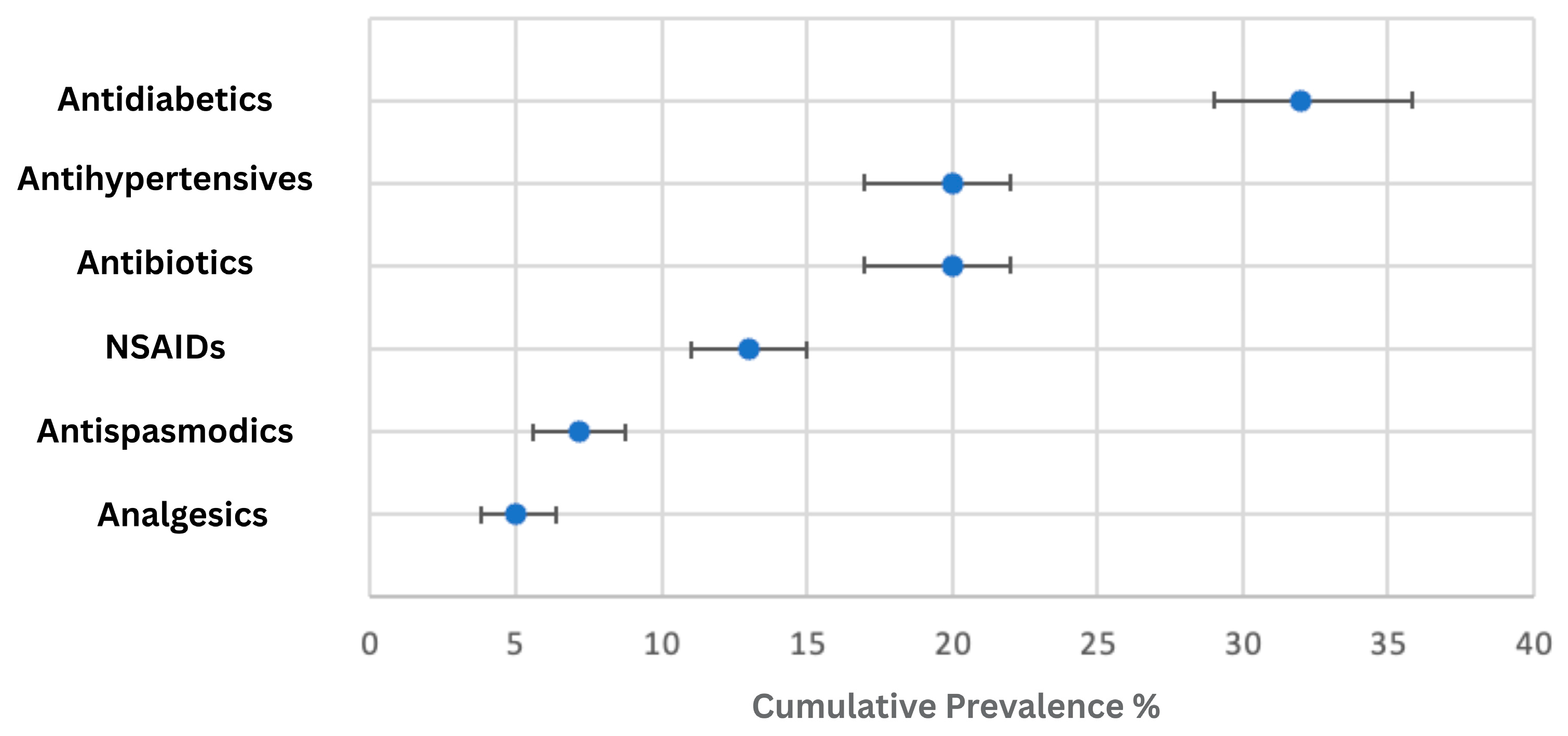
The proportion of households storing a given therapeutic group, calculated with 95% confidence intervals using the Wilson binomial approximation.
Environmental Risk Index (ERI):
An integrated proxy indicator designed to estimate the relative environmental risk associated with each therapeutic group. The
ERI was calculated using the following formula:
where:
P represents the prevalence of accumulation of the therapeutic group (proportion of households storing it). Calculated among households with medication accumulation.
T corresponds to a relative ecotoxicity factor assigned based on previously published ecotoxicological classification (range: 0.1–1.0).
R represents the probability of environmental release, operationalized from the proportion of households reporting unsafe disposal practices (e.g., trash, sink, or toilet disposal); this proportion was calculated globally across the study population, reaching 73.4%, and was applied as a constant value for all therapeutic groups to ensure comparability of the index across categories.
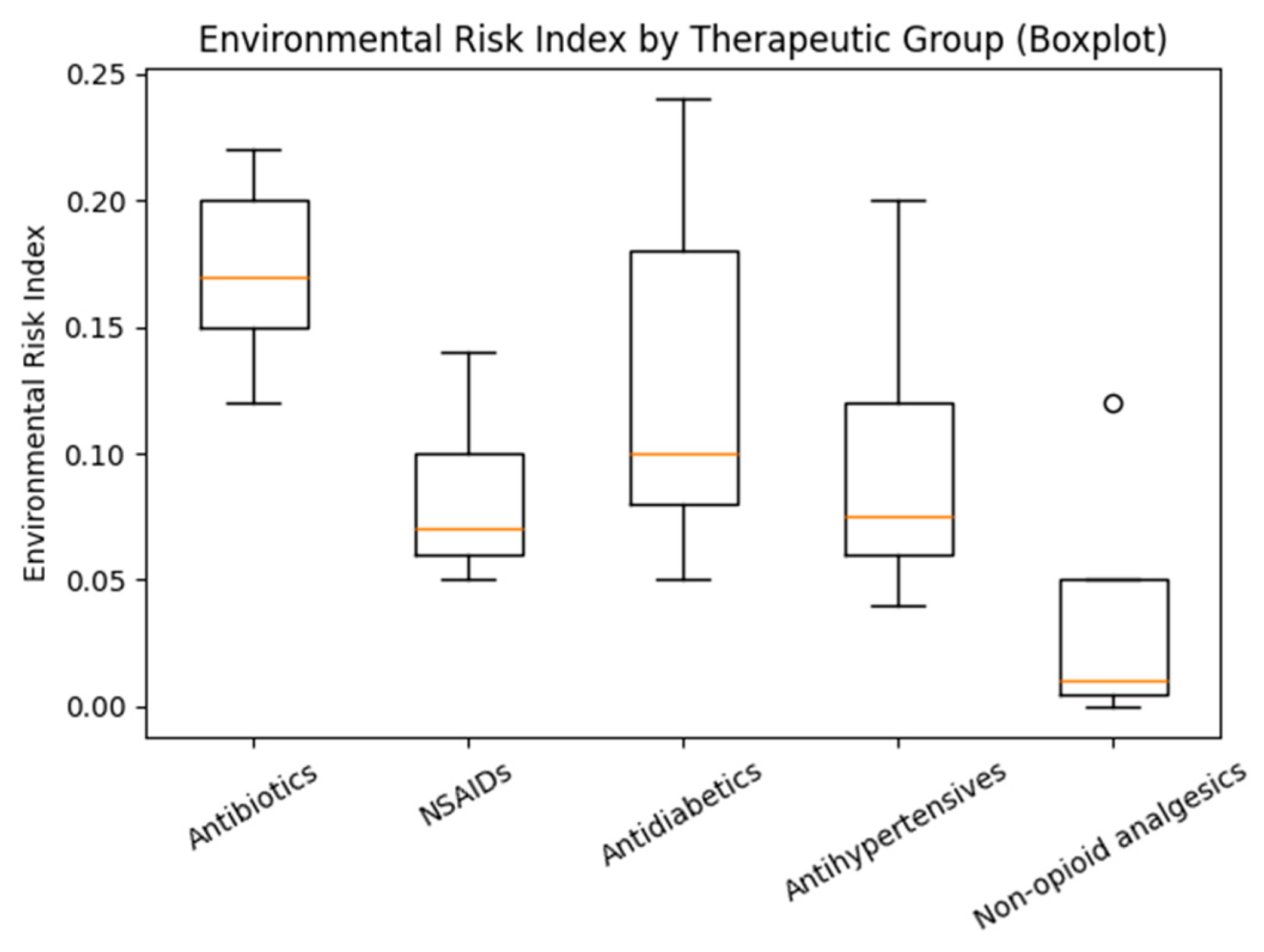
Given the skewed distribution observed in ERI values across therapeutic groups, results were summarized using medians and interquartile ranges (IQR), consistent with non-parametric analysis.
2.4. Risk Assessment Matrices
Two graphical tools were constructed to facilitate interpretation and prioritization of therapeutic groups.
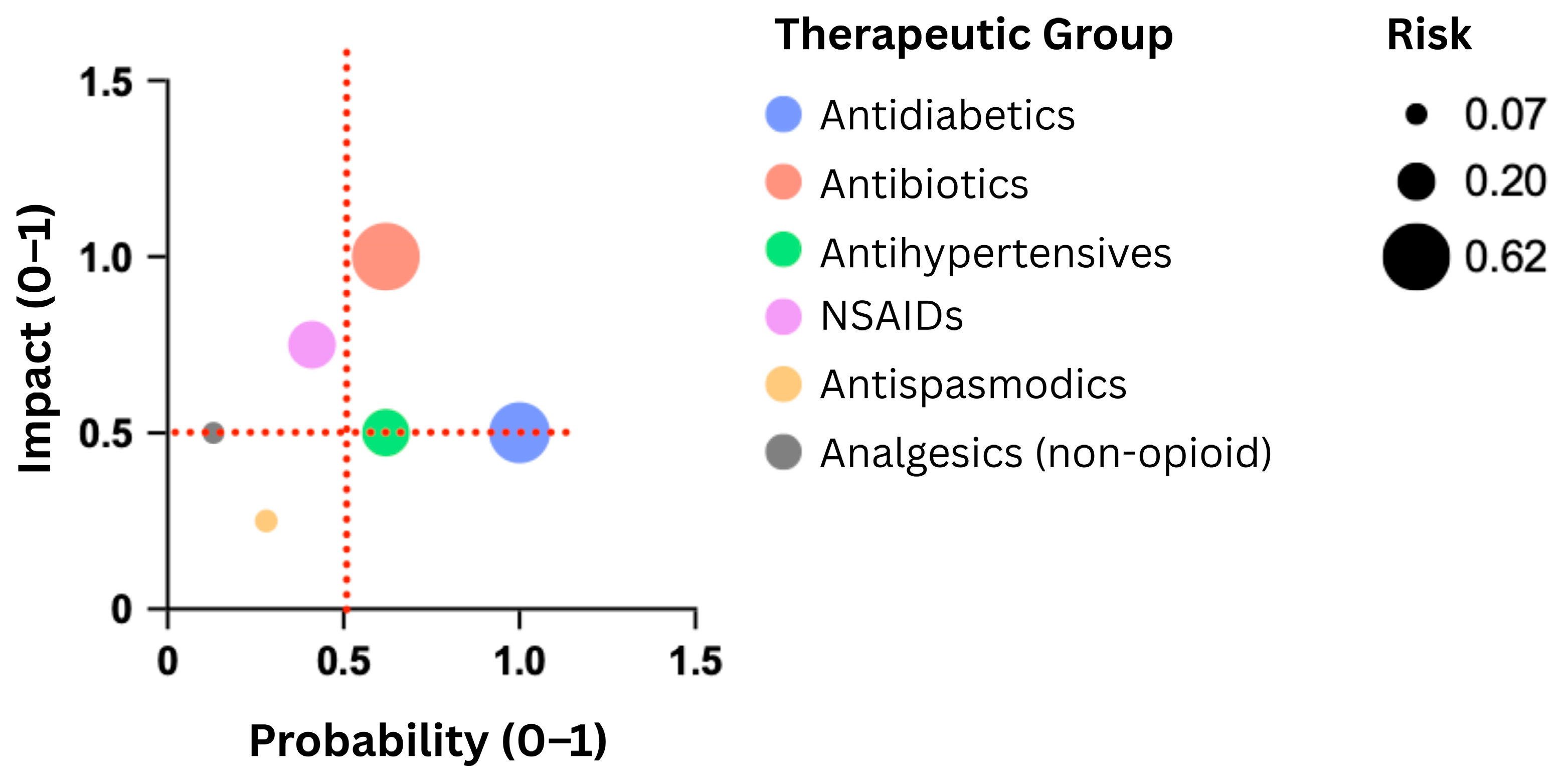
Risk–Frequency Matrix (Bubble Chart):
Therapeutic groups were plotted according to prevalence of accumulation (x-axis) and relative ecotoxicity factor (y-axis). Bubble size represented the estimated contribution of each therapeutic group to the total accumulated volume. This approach enabled identification of priority groups such as antibiotics and antidiabetics, which combined high prevalence and high environmental risk.
Impact Matrix: A qualitative 3 × 3 matrix was developed to cross-reference accumulation magnitude with potential environmental-health impact. Accumulation levels were classified as low (<10%), medium (10–25%), or high (>25%). Impact levels were classified according to the assigned ecotoxicity factor (low, medium, high). This matrix enabled classification of therapeutic groups according to intervention priority.
2.5. Multivariate Analysis
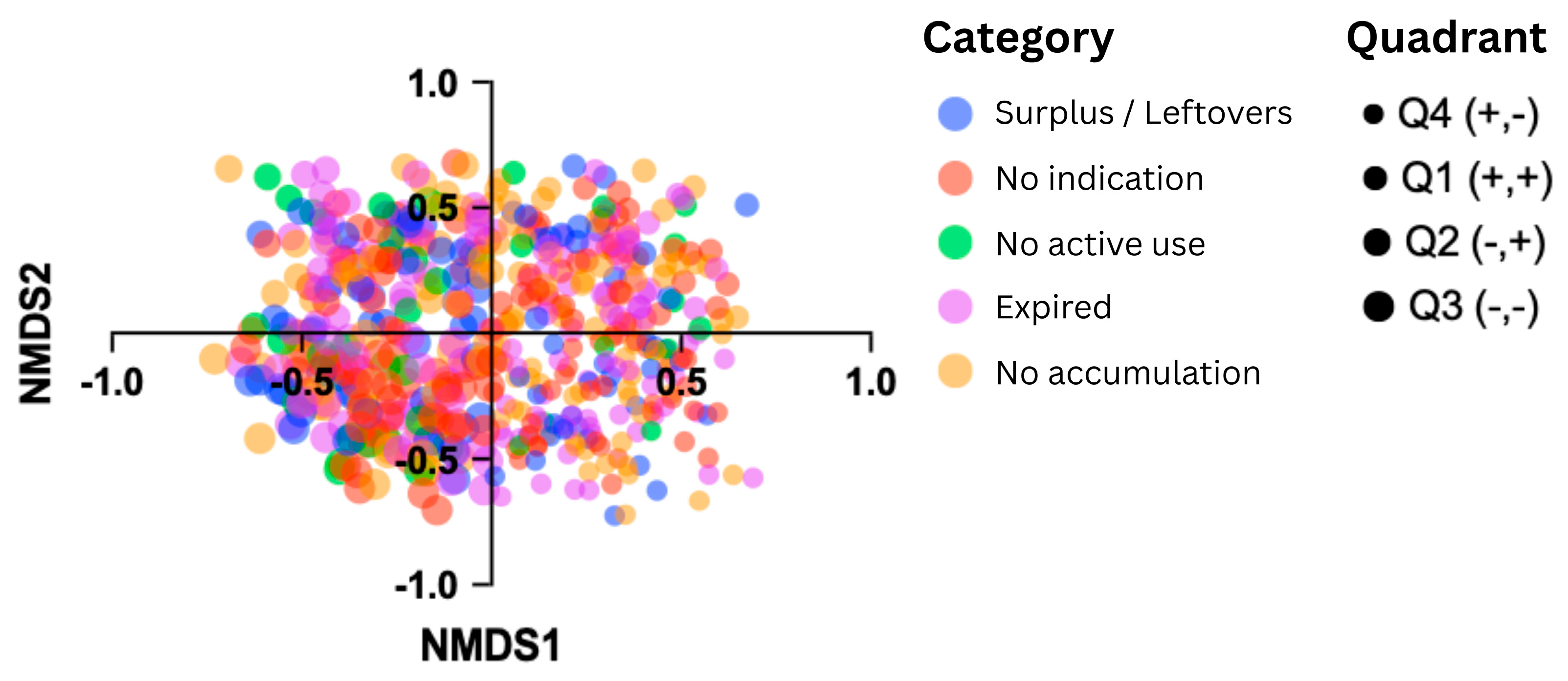
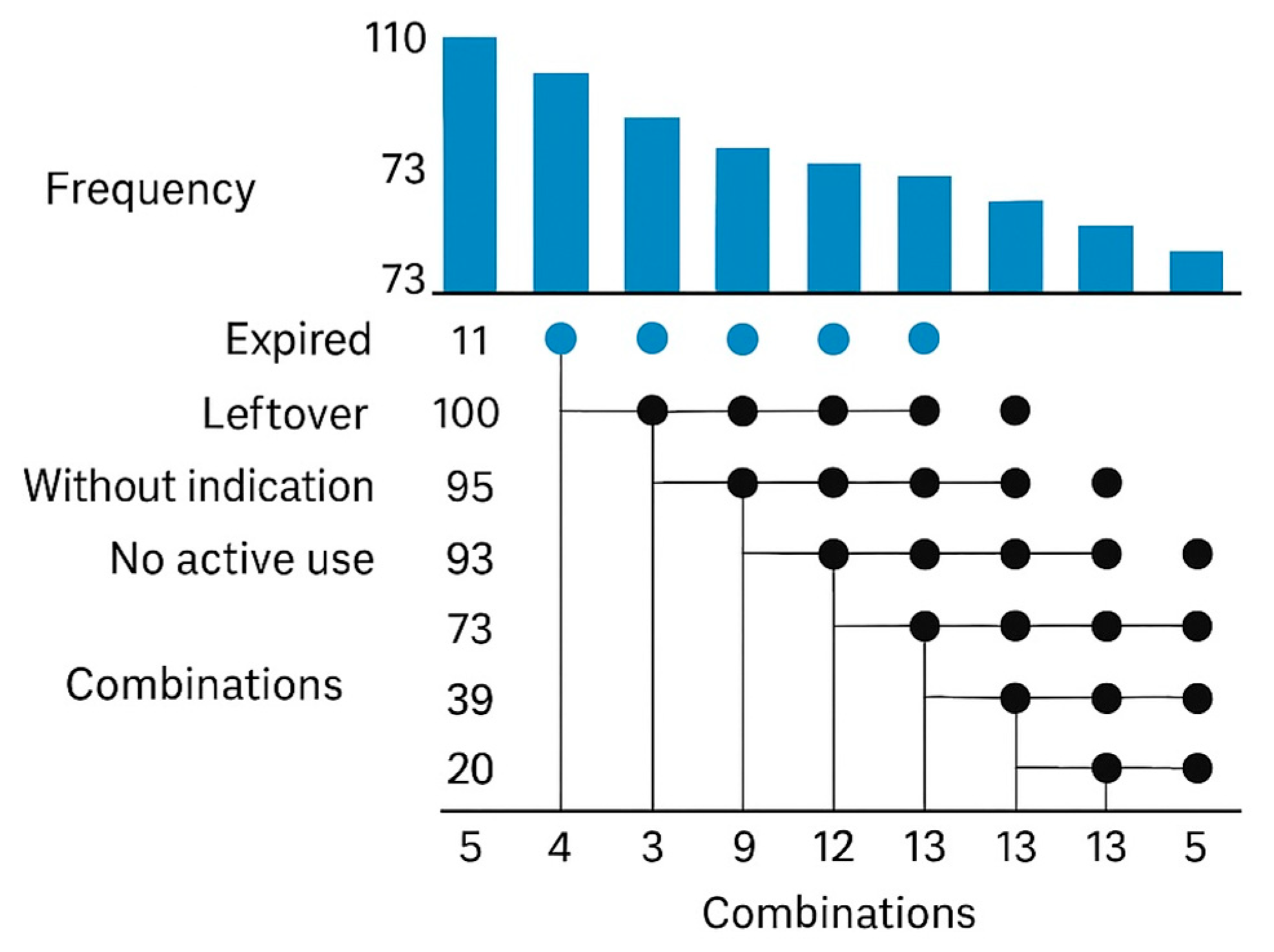
To identify patterns in household medication hoarding profiles, a multivariate analysis was performed using presence–absence data. A binary matrix was constructed for each household, including the four medication categories recorded (expired, leftover from incomplete treatments, discontinued by medical indication, and stored without current prescription). Therapeutic groups were not included in this matrix to avoid overfitting and to maintain focus on storage patterns. Ordination analysis was conducted using Non-metric Multidimensional Scaling (NMDS) with Bray–Curtis dissimilarity distances using PAST (version 4.03). The final two-dimensional solution yielded a stress value of 0.17, indicating acceptable model fit.
2.6. Statistical Analysis
Data management and descriptive statistics were performed using Microsoft Excel (version 365). Graphical representations and statistical analyses were conducted using GraphPad Prism (version 10.6.0). Categorical variables were expressed as absolute frequencies and percentages. Ninety-five percent confidence intervals for proportions were calculated using the Wilson binomial approximation. Comparisons between categorical variables were performed using the chi-square test or Fisher’s exact test when appropriate. A significance level of p < 0.05 was considered statistically significant.
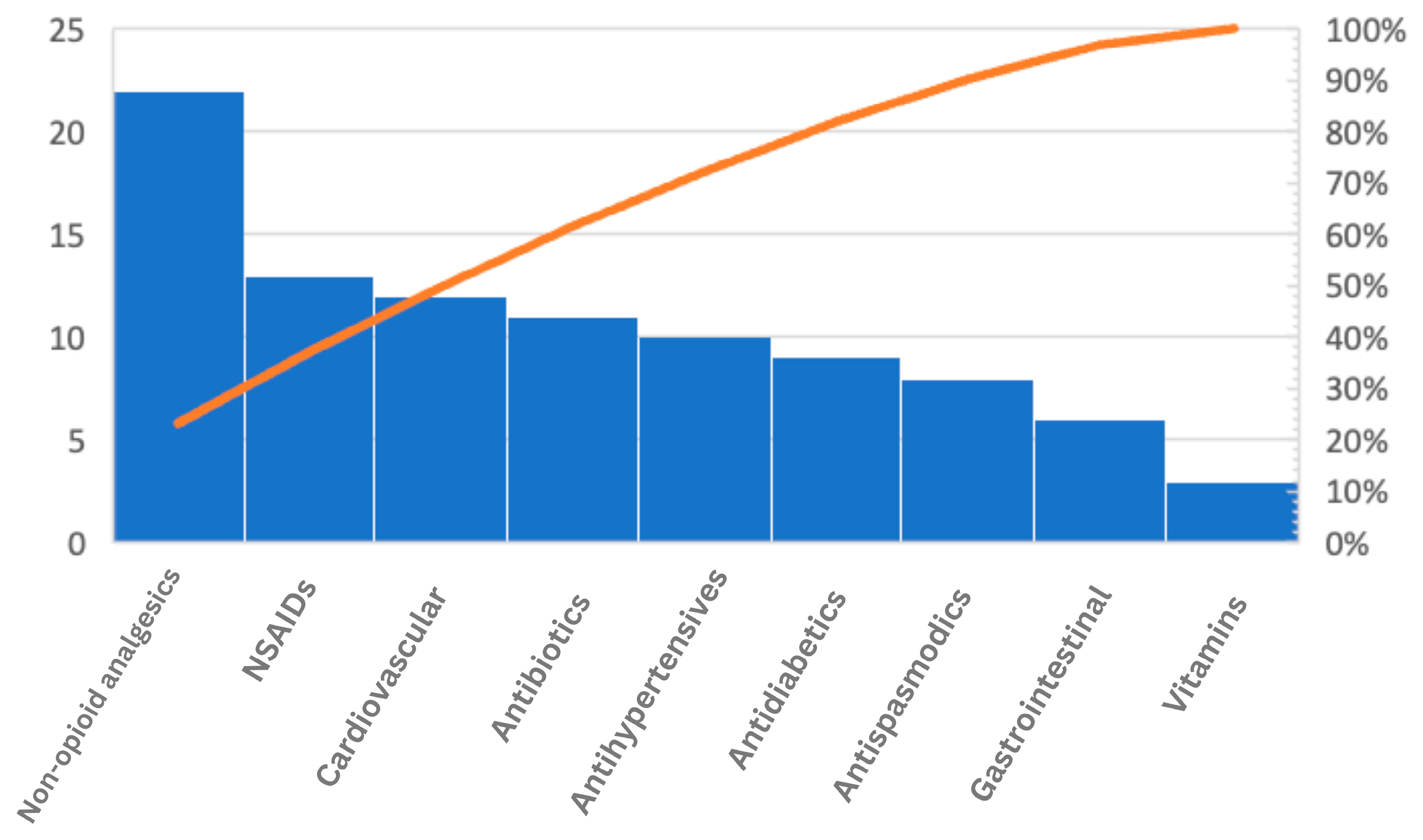
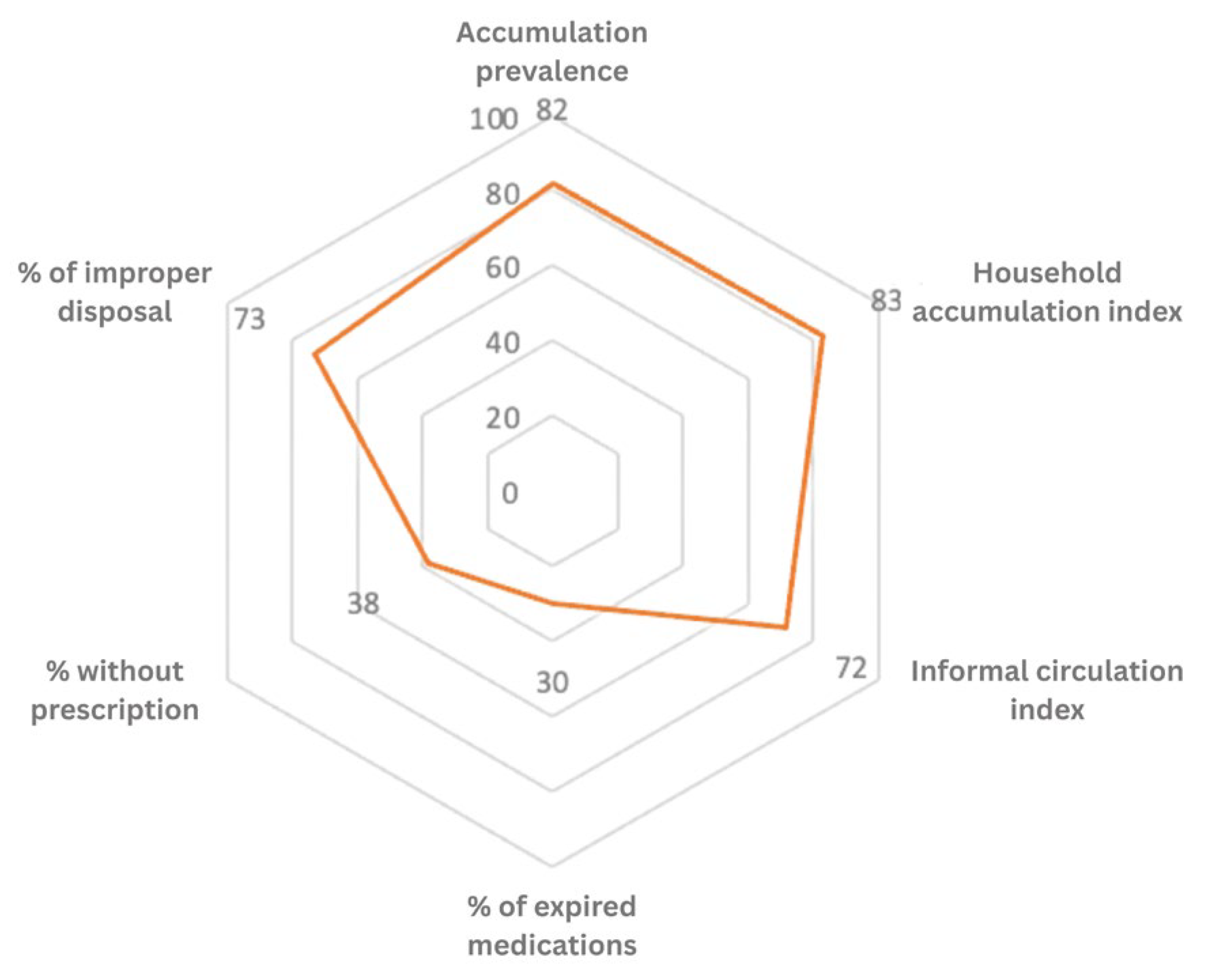
Given the non-normal distribution of ERI values, comparisons between therapeutic groups were performed using the Kruskal–Wallis test, followed by Dunn’s post hoc test for multiple comparisons. A significance level of p < 0.05 was considered statistically significant. Additionally, integrated visualization tools (radar chart and Pareto analysis) were incorporated to synthesize global indicators (HHI, ICI, ERI) and identify dominant therapeutic groups contributing to accumulation and environmental risk.
2.7. Ethical Considerations
This study involved voluntary surveys with adult participants and followed internationally accepted ethical principles for research involving human participants, including those outlined in the Declaration of Helsinki.
This project was reviewed and approved in accordance with institutional research guidelines. Participants were informed about the objectives of the research, the voluntary nature of participation, and the confidentiality of the collected information.
Written informed consent was obtained from all participants prior to data collection. No personal identifiers were recorded, and all data were anonymized before analysis to ensure participant confidentiality.
4. Discussion
This study provides a comprehensive analysis of household medication accumulation and its associated environmental health risks in an urban Mexican context, using synthetic indicators and risk assessment tools within the framework of ecopharmacovigilance and sustainable waste management. The findings reveal that medication accumulation is a highly prevalent phenomenon, with 83.1% of households storing medications, and that this accumulation is associated with significant environmental risks, particularly from antibiotics, antidiabetics, and antihypertensives.
The findings of this study are consistent with patterns observed in multiple international contexts, where household medication accumulation and unsafe disposal practices have been reported as widespread issues [
13,
15,
18]. This consistency suggests that pharmaceutical hoarding is not an isolated phenomenon but rather a systemic challenge associated with structural characteristics of healthcare systems, particularly in low- and middle-income countries (LMICs) [
14,
17]. From a global perspective, the absence of integrated pharmaceutical waste governance frameworks in many developing countries contrasts with the more advanced regulatory approaches observed in high-income settings [
14,
16]. Therefore, the present study provides a relevant contribution by offering a scalable methodological approach that can support evidence-based policy design in resource-constrained environments.
The prevalence of medication accumulation identified in this study (83.1%) is consistent with reports from other Latin American settings. Studies conducted in Mexico have reported accumulation rates ranging from 75% to 90% in urban households [
2,
3], while research in Ecuador has documented prevalences of 78% among ambulatory patients [
4,
5]. This consistency across different contexts suggests that medication accumulation is not an isolated issue but rather a structural problem rooted in healthcare system dynamics, prescribing practices, and patient behaviors. From an international perspective, similar patterns have been documented in both Latin America and high-income regions, where household storage of unused medications and unsafe disposal practices persist despite more developed waste management systems [
15,
16,
17,
18,
19]. This indicates that pharmaceutical hoarding is a global issue, although its drivers and regulatory responses vary across socio-economic contexts [
14].
The identification of antibiotics as the therapeutic group with the highest environmental risk (
ERI = 0.17) represents a critical finding with major public health implications. Antibiotics are well-documented environmental contaminants that persist in aquatic ecosystems and contribute to the selection and propagation of antimicrobial resistance genes [
6,
7]. The high prevalence of antibiotic accumulation in households (19.8%), combined with inadequate disposal practices reported by 73.4% of households, creates a direct pathway for these compounds to enter the environment through domestic wastewater and solid waste streams. This finding aligns with previous research highlighting household antibiotic waste as an underrecognized contributor to the global antimicrobial resistance crisis [
8,
12]. These findings are consistent with international studies that identify household antibiotic waste as a relevant contributor to environmental contamination and antimicrobial resistance [
13,
18], reinforcing the need to extend antibiotic stewardship beyond clinical settings into community and household practices [
14,
18].
Antidiabetics and antihypertensives emerged as the second and third priority groups, with accumulation prevalences of 32.0% and 20.5%, respectively. The high accumulation of these medications likely reflects the chronic nature of the diseases they treat, which involves continuous treatment, frequent therapeutic adjustments, and consequently greater probability of leftovers and expired products [
7]. Unlike antibiotics, their environmental relevance is primarily driven by volume and continuous input rather than acute ecotoxicity, suggesting the need for differentiated intervention strategies [
8].
The combination of synthetic indicators (HHI, ICI,
ERI) and risk matrices proved to be an effective methodological approach for prioritizing therapeutic groups and visualizing complex risk patterns. Unlike previous studies that rely primarily on descriptive approaches, this framework enables prioritization based on the integration of prevalence, hazard, and release probability [
4,
5,
12].
Although the synthetic indicators proposed in this study (Household Hoarding Index, Informal Circulation Index, and Environmental Risk Index) were developed using local data, their conceptual structure allows for adaptation across different socio-economic and geographic contexts. The HHI and ICI are based on behavioral prevalence measures that can be standardized across populations [
17,
19], while the
ERI integrates prevalence, ecotoxicity, and release probability, enabling recalibration using context-specific environmental and behavioral parameters [
13,
14]. This adaptability suggests that the proposed indicator system has strong potential for cross-regional application, particularly in LMICs facing similar challenges in pharmaceutical waste management [
13,
18], thereby enhancing its methodological and comparative value.
A growing body of international literature has documented the environmental and public health implications of pharmaceutical residues, particularly antibiotics, in aquatic ecosystems [
13,
16,
20,
21]. Studies from high-income regions have demonstrated the effectiveness of regulated take-back programs in reducing environmental release [
15,
16], while research conducted in various low- and middle-income settings highlights persistent gaps in waste management infrastructure and public awareness [
14,
18]. These findings reinforce the global nature of the problem while emphasizing disparities in regulatory capacity and implementation across socio-economic contexts [
13,
14].
The multivariate analysis (NMDS) revealed heterogeneity in household accumulation profiles, suggesting that interventions must be tailored to different storage patterns. Households dominated by expired medications formed a relatively homogeneous cluster, indicating that this group may respond to standardized interventions focused on proper disposal and medication review. In contrast, households with leftover medications and those with medications without indication showed more diverse profiles, reflecting complex interactions between healthcare access, self-medication practices, and therapeutic adherence. This heterogeneity highlights that household medication accumulation is a multidimensional phenomenon requiring differentiated intervention approaches [
10,
11].
The high Informal Circulation Index (72.6%) documented in this study represents an additional layer of risk that has received limited attention in the literature. Informal circulation—the lending, donation, or exchange of medications among households—bypasses professional oversight and increases the risk of inappropriate use, adverse drug reactions, and delayed appropriate treatment [
3,
7]. This practice also perpetuates accumulation by redistributing medications rather than disposing of them properly, creating a cycle that maintains medications within the domestic sphere indefinitely. This dynamic underscores the need to address not only disposal practices but also social behaviors related to medication sharing.
From a sustainability perspective, these findings have direct implications for the United Nations Sustainable Development Goals (SDGs). The environmental contamination resulting from inadequate pharmaceutical waste disposal undermines progress toward SDG 6 (Clean Water and Sanitation) by introducing bioactive compounds into water systems. The contribution of antibiotic accumulation to antimicrobial resistance threatens SDG 3 (Good Health and Well-being) by compromising the effectiveness of essential medicines. Furthermore, the lack of formal collection systems and responsible disposal mechanisms represents a challenge for achieving target 12.4 of SDG 12 (Responsible Consumption and Production), which calls for environmentally sound management of chemicals and all wastes throughout their life cycle [
11]. The concept of ecopharmacovigilance provides a unifying framework to address these interconnected challenges [
8].
4.1. Limitations of the Study
Several limitations should be considered when interpreting these findings. First, the non-probabilistic convenience sampling may limit the generalizability of results. Second, the cross-sectional design does not allow causal inference. Third, self-reported data may be subject to bias. Fourth, the Environmental Risk Index relies on literature-derived parameters. Finally, the absence of environmental sampling limits direct validation of contamination.
Beyond methodological considerations, this study presents macro-level limitations related to representativeness and lack of integration with policy and monitoring systems [
13,
14,
18]. Future research should address these gaps through interdisciplinary and longitudinal approaches.
4.2. Policy and Practical Implications
The findings of this study have direct implications for public health policy, environmental regulation, and pharmaceutical waste management systems. The identification of priority therapeutic groups supports the implementation of targeted strategies, including risk-based pharmaceutical take-back programs, community-level educational interventions, and the integration of monitoring indicators into health and environmental systems.
At the macro level, strengthening pharmaceutical waste governance is essential, particularly in low- and middle-income countries (LMICs) [
13,
14]. In Mexico, existing initiatives for medication disposal remain limited in scope and coverage, with insufficient integration between health and environmental sectors [
13]. Addressing this gap requires the expansion of nationwide take-back programs, incorporation of ecopharmacovigilance into public health strategies, and the development of extended producer responsibility schemes involving the pharmaceutical industry [
14,
18].
Furthermore, effective management of pharmaceutical waste demands cross-sectoral coordination among healthcare providers, regulatory agencies, environmental authorities, and waste management systems [
15,
16]. Such integrated governance approaches are essential to ensure the environmentally sound lifecycle management of pharmaceuticals and to mitigate their long-term ecological and public health impacts [
13,
14].
From an implementation perspective, these findings can support public health authorities in prioritizing high-risk therapeutic groups, particularly antibiotics, within national pharmaceutical waste management strategies. At the operational level, integrating take-back programs into primary healthcare centers and community pharmacies could improve accessibility and participation. Regulatory agencies could incorporate the proposed indicators (HHI, ICI, ERI) into national monitoring systems to track pharmaceutical accumulation and disposal practices over time. Additionally, targeted educational campaigns focusing on rational antibiotic use and safe disposal should be coordinated at the community level. These strategies would facilitate the transition from descriptive assessment to actionable policy design, strengthening ecopharmacovigilance frameworks in resource-constrained settings
4.3. Future Research Directions
Future research should focus on validating the proposed synthetic indicators in different geographic and socio-economic contexts, as well as evaluating the effectiveness of intervention strategies such as take-back programs, prescription optimization, and public awareness campaigns.
Additionally, integrating environmental monitoring data with household-level indicators would strengthen the linkage between pharmaceutical accumulation and actual environmental contamination.
Further studies should incorporate probability-based sampling designs and longitudinal approaches to better understand temporal dynamics of medication accumulation and disposal practices. Finally, research exploring the socioeconomic and cultural determinants of accumulation and informal circulation will enable the development of context-specific and more effective intervention strategies.
5. Conclusions
This study demonstrates that household medication accumulation is a highly prevalent phenomenon (83.1%) with significant environmental health risks, particularly from antibiotics, antidiabetics, and antihypertensives. Antibiotics represent the highest priority due to their elevated Environmental Risk Index (ERI = 0.17) and direct contribution to antimicrobial resistance through inadequate disposal practices (73.4%). The high Informal Circulation Index (72.6%) reveals an additional hidden risk of unsupervised medication use.
The combination of synthetic indicators and risk matrices proved effective for prioritizing therapeutic groups and visualizing complex risk patterns. Multivariate analysis revealed heterogeneous accumulation profiles, indicating that tailored interventions are needed rather than one-size-fits-all approaches.
From a sustainability perspective, inadequate pharmaceutical waste management undermines progress toward SDG 3 (Health), SDG 6 (Clean Water), and SDG 12 (Responsible Consumption). Addressing this challenge requires coordinated action: rational prescribing, accessible collection programs, producer responsibility frameworks, and public education campaigns.
This study provides an evidence base for prioritizing interventions targeting antibiotics and chronic disease medications, while highlighting the need for integrating ecopharmacovigilance principles into pharmaceutical policy and waste management systems to protect both human health and the environment.




 ,
,