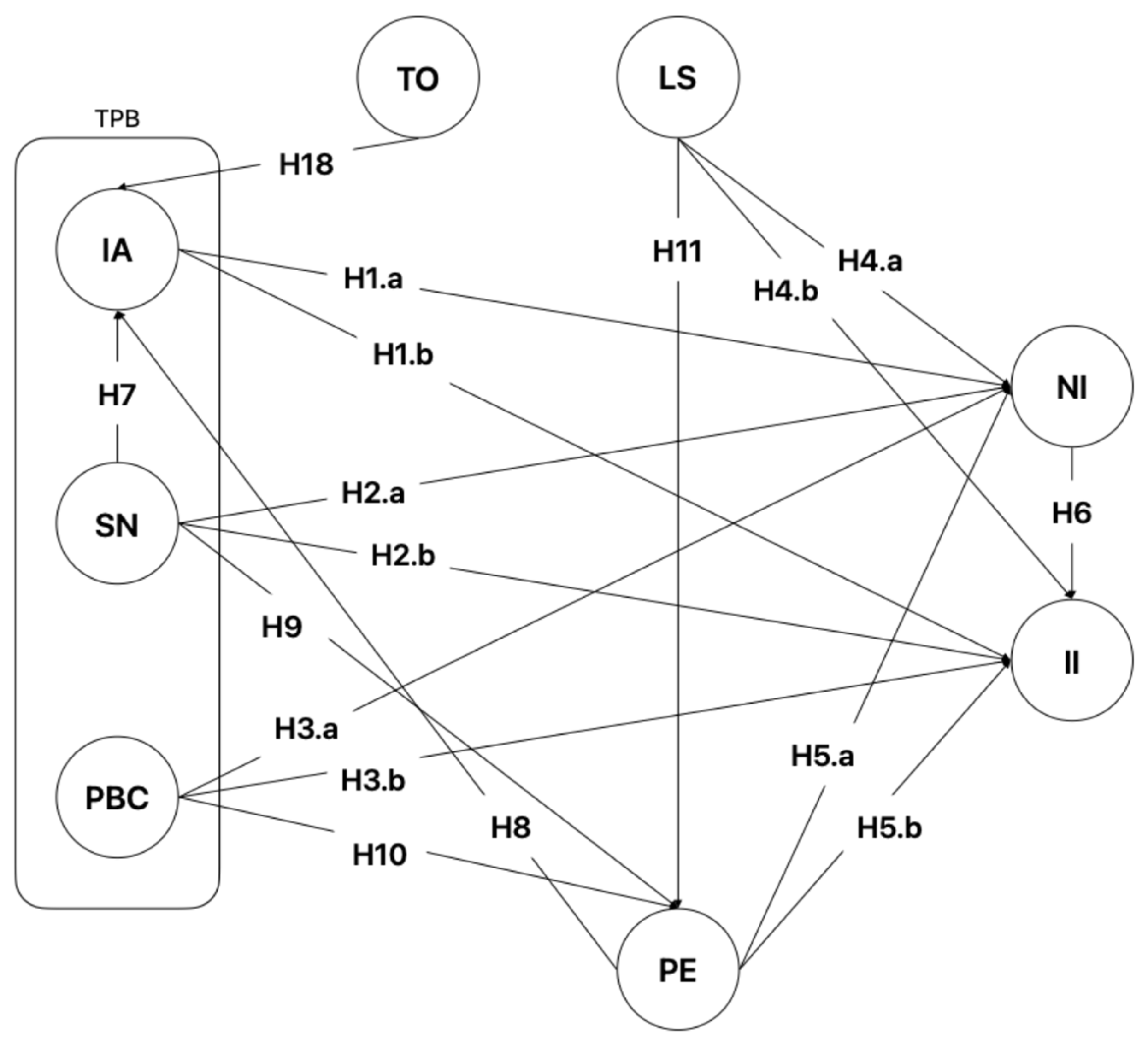
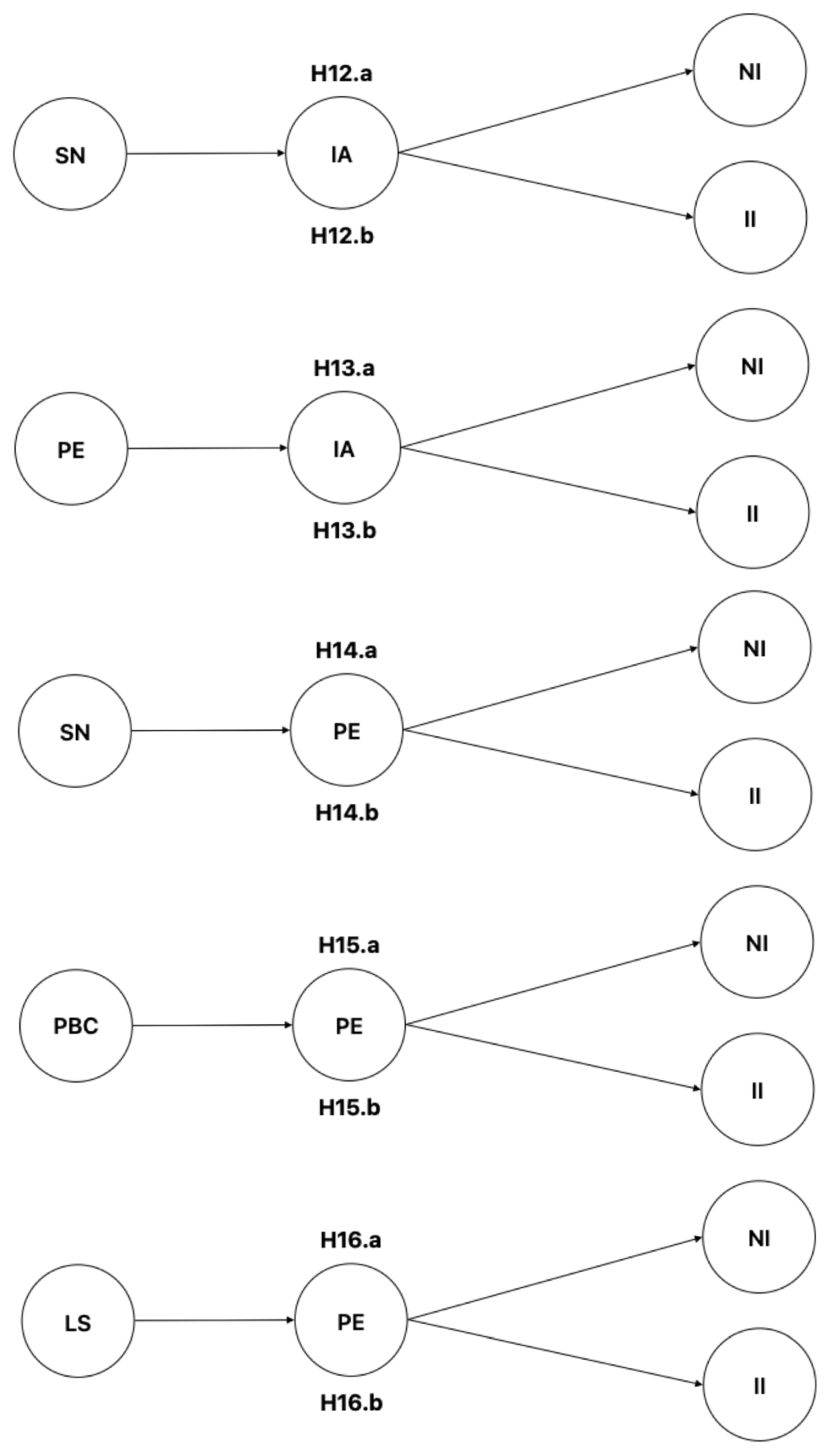
1. Introduction
Advances in digital infrastructures, labor mobility, and technology-enabled lifestyles have transformed how work is organized, allowing individuals to decouple productive activities from fixed locations. Within this broader shift, digital nomadism has emerged as a lifestyle that combines location-independent work with mobility and self-directed forms of living [
1,
2]. Beyond remote work itself, digital nomads seek autonomy in arranging their spatial and professional trajectories [
3], a trend that increasingly intersects with debates on social and territorial sustainability, particularly regarding new forms of mobility and work–life arrangements.
Although the phenomenon is expanding worldwide with millions [
4], academic research has progressed unevenly. Existing studies have examined digital nomadism through perspectives such as mobility, identity, tourism, and socio-material work practices [
5,
6,
7,
8,
9,
10,
11,
12,
13,
14]. These contributions describe who digital nomads are and how they live, but far fewer studies explain why individuals choose to become digital nomads [
15]. Quantitative evidence on motivations and decision-making processes remains limited, particularly concerning the behavioral and contextual determinants that underlie this lifestyle choice [
16,
17]. Strengthening this line of inquiry is increasingly relevant as governments and territories explore digital nomad policies as part of sustainable development strategies aimed at attracting human capital and revitalizing local economies.
To address this gap, this study applies an extended Theory of Planned Behavior (TPB) to examine the factors shaping the intention to adopt digital nomadism. In addition to traditional TPB components, two variables increasingly emphasized in recent scholarship are incorporated: policy expectations and digital technology use for leisure. Policy expectations capture perceptions of visa regimes and remote-work regulations that influence the feasibility of mobile work, especially as digital nomadism becomes institutionalized within contemporary capitalist structures [
18,
19]. Technology-enabled leisure reflects the growing role of digital tools in integrating work and leisure—an essential feature of nomadic lifestyles. Together, these dimensions outline a framework that helps anticipate how emerging forms of mobile work interact with institutional conditions relevant to sustainable socio-economic planning.
The empirical setting further strengthens the study’s relevance. Despite the global spread of digital nomadism, evidence from Latin America is scarce. Chile represents a pertinent case due to its high regional digitalization, expanding remote-work ecosystems, and ongoing debates on mobility and migration policies. Understanding motivational determinants in this context contributes both to regional scholarship and to countries seeking to position themselves within global circuits of mobile work. Such knowledge also supports discussions on sustainable territorial development, especially in destinations aiming to manage mobility flows responsibly.
Accordingly, this research asks: What motivations and determinants lead individuals to adopt the digital nomad lifestyle? By examining these factors through an extended TPB framework, the study advances theoretical and empirical understanding of the personal, contextual, and institutional forces shaping digital nomad decision-making, with implications for sustainable mobility policies and place-based development strategies.
3. Materials and Methods
3.1. Study Design
A quantitative, cross-sectional, explanatory study was developed to analyze the factors that influence the intention to adopt a digital nomad lifestyle. The model was predicated on the Theory of Planned Behavior (TPB), augmented with contextual variables pertaining to institutional policies and life satisfaction. The design responds to the need to test theoretically grounded TPB-based relationships, rather than to develop new constructs, while acknowledging that digital nomadism is still a developing field of study. Future research should therefore incorporate exploratory and mixed-method approaches to refine construct development as the field matures.
To reduce potential common-method bias, procedural remedies were implemented at the design stage, including guaranteeing anonymity, randomizing item order, and using different scale anchors across sections. No statistical post hoc remedies (e.g., marker variable or latent method factor) were applied.
3.2. Sample and Data Collection
Data were collected through a self-administered online survey deployed on SurveyMonkey and disseminated via social networks and professional contacts (Instagram, Facebook, WhatsApp). This convenience-based sampling frame involved voluntary participation and therefore may include self-selection bias, particularly favoring individuals with high digital literacy or technological affinity.
The fieldwork was conducted between April and May 2025. A total of 361 responses were received, of which 311 were retained after applying data-quality criteria. Responses were excluded when questionnaires were incomplete; no cases were removed due to unusually fast completion times. No filters for age or remote-work experience were applied.
The sample is composed predominantly of young adults aged 21–25, consistent with early adopters of mobile work lifestyles. As an exploratory quantitative contribution, this demographic concentration supports the investigation of digitally intensive populations; however, its implications for external validity are addressed in the limitations of practical contributions. Educational attainment (N = 252 valid answers) indicates that 56.35% of respondents hold a university degree and 13.10% a master’s degree, reflecting a highly educated sample aligned with digital-lifestyle profiles.
Regarding sample size suitability, the final N = 311 exceeds common SEM recommendations (e.g., 10 participants per estimated parameter; minimum N = 200 for models with moderate complexity). This ensures adequate statistical power for structural estimation.
3.3. Measurement Instrument
The questionnaire incorporated scales previously validated in research on planned behavior and labor mobility. All constructs were measured using seven-point Likert scales ranging from “strongly disagree” to “strongly agree.” Core TPB variables—attitude, subjective norm, and perceived behavioral control—were operationalized using adaptations from established instruments.
Additional dimensions such as life satisfaction, technology use for leisure, and policy expectations were incorporated. Policy expectations included perceptions of visa regimes, taxation, and remote-work regulations, while technology use for leisure captured digital usage related to entertainment, socialization, and personal development.
Constructs were translated and back-translated to ensure semantic consistency. For perceived behavioral control, item PBC3 was removed after reliability assessment due to low contribution to internal consistency, consistent with scale-refinement procedures.
3.4. Procedure and Data Analysis
Data processing and analysis were conducted in two stages. First, reliability and validity were assessed through confirmatory factor analysis (CFA), examining factor loadings, internal consistency, and discriminant validity. Composite reliability (CR), average variance extracted (AVE), and inter-construct correlations were used to evaluate psychometric adequacy.
Second, structural equation modeling (SEM) was estimated using IBM SPSS Amos 29, allowing the examination of direct, indirect, and moderating effects. Model fit was assessed using multiple indices, including χ
2/df, CFI, TLI, RMSEA, GFI, and AIC. In line with standard SEM criteria [
38], the RMSEA value (~0.089) is acknowledged as borderline; however, the model was retained given its comparative advantages over competing specifications, theoretical coherence, and the stability of parameter estimates across alternative models. Robustness was evaluated by comparing models of varying complexity, and Model 3 was selected not only for presenting the lowest AIC but also for offering the most parsimonious and theoretically consistent structure. Bootstrap standard errors and bias-corrected 95% confidence intervals (2000 samples) were computed for all structural paths; the complete set of estimates is provided in the
Supplementary Materials.
Moderation analyses followed the latent interaction approach proposed by Marsh, Wen, and Hau (2004) [
39]. Variables for Policy Expectations (EP) and Perceived Behavioral Control (CPC) were standardized, and a latent interaction term (EP×CPC) was constructed using the product indicators of the standardized items. Covariances were added between CPC and EP×CPC, avoiding links with EP given its endogenous role in the model. Competing models with and without the interaction term were compared through AIC to assess incremental explanatory power.
3.5. Ethical Considerations
Participation in the study was voluntary and anonymous. Before completing the questionnaire, participants were informed about the objectives of the research and provided informed consent. The data were treated confidentially and used exclusively for academic purposes, in compliance with standard ethical guidelines for social research.
4. Results
The survey yielded a total of 361 responses, of which 311 were deemed valid upon completion of all the requisite items for analysis. The survey incorporated two optional sociodemographic questions, namely age and educational level, which may have resulted in a discrepancy between the number of cases and the total population.
Regarding educational attainment (N = 252), most participants reported possessing a university degree or higher qualification. The data indicates that 56.35% of the subjects obtained a university degree, followed by 13.10% who obtained a master’s degree. Additionally, 20.24% of respondents indicated that they had completed secondary education, while 8.33% stated that they had pursued technical or professional studies. No participant selected the category of basic education or doctorate, while 1.98% chose “I prefer not to answer”.
Regarding age (n = 243), the distribution is principally concentrated in the 21 to 25 age range, with a mode of 22 years. This trend suggests that the sample is composed primarily of individuals in the early stages of adulthood, predominantly university students or young professionals, which is consistent with the expected profile of those who explore or consider adopting flexible working lifestyles, such as digital nomadism.
As a preliminary step in the quantitative analysis, the internal reliability of each of the latent constructs included in the model was evaluated using Cronbach’s alpha coefficient. The procedure was applied independently to each latent variable using SPSS Statistics 29 software, with the aim of verifying the internal consistency of the items that comprise each scale. The results of the study are presented in
Table 1.
The sole construct whose Cronbach’s alpha fell below the 0.70 threshold was Perceived Behavioral Control (PBC). In this case study, the impact of eliminating each item on the scale was analyzed to identify potential enhancements in internal consistency. The analysis revealed that the removal of item PCB3 (“Whether or not I become a digital nomad depends entirely on me”) resulted in an increase in the alpha to 0.756, thereby exceeding the reference value.
In view of the enhancement, the decision was made to exclude this component from the final model. One potential explanation for its substandard performance can be found in the statement’s wording, which places emphasis on a perception of absolute control over the decision. This perspective may have appeared to participants to lack realism, given their awareness of the impact of external factors—economic, social, or professional—on the feasibility of adopting a digital nomad lifestyle.
4.1. Model 1 with Hypotheses 17a and 17b
Model 1 demonstrated a chi-square ratio of 5.296, which exceeded the expected value of 5, indicating that the model’s overall fit may be suboptimal. However, the relative fit indices, such as GFI (0.704) and NFI (0.753), are below the ideal values of 0.90, indicating a moderate discrepancy in model fit. The Root Mean Square Error of Approximation (RMSEA) value of 0.118 exceeds the desired value of 0.08, indicating the potential for enhancing the model’s efficacy. In contrast, the CFI (0.788) and TLI (0.759) are closer to the ideal threshold of 0.90, indicating superior performance in the relative fit comparison. Although the IFI (0.790) and PNFI (0.662) are also below the recommended values, they are not as critical. However, they suggest that there is room for improvement in terms of the model’s ability to explain the variance in the data. In summary, Model 1 demonstrates a relatively inadequate fit, with multiple indices indicating the necessity for revision or modification.
4.2. Model 2 Without Hypotheses 17a and 17b
Model 2 demonstrates a marked enhancement over Model 1, as evidenced by a Chi-square ratio of 3.334, which falls below the anticipated value of 5. This finding signifies an enhanced overall compatibility of the model with the data. The fit indices, including GFI (0.826) and NFI (0.865), approximate the ideal threshold of 0.90, suggesting a superior fit compared to Model 1.
The RMSEA (0.087) is also below the threshold of 0.08, suggesting a model that is better fitted to the data. The CFI (0.901) and TLI (0.882) both exceed the recommended threshold of 0.90, indicating a high capacity of the model to capture the relationships between variables. Furthermore, the IFI (0.901) and PNFI (0.728) are within acceptable ranges, thereby enhancing the validity of the model. These results suggest that Model 2 has a satisfactory fit and performs more efficiently in representing the relationships between latent variables.
4.3. Model 3; Without Hypotheses 17a, 17b, and Without Use of Technology for Leisure
Model 3 demonstrates an adequate overall fit, as indicated by the goodness-of-fit indices,
Table 2 compares the obtained indices with commonly accepted thresholds reported in the SEM literature. According to [
38], acceptable model fit is typically reflected in CFI and TLI values close to or above 0.90 and SRMR values below 0.08, criteria that the present model meets. While the RMSEA value of 0.089 slightly exceeds the conventional upper boundary of 0.08, Ref. [
37] note that values up to 0.10 may still be considered indicative of a reasonable fit, particularly in applied research where model complexity and sample characteristics can influence fit performance.
The chi-square ratio of 3.477 is below the expected value of 5, thereby suggesting a satisfactory overall fit of the model. This finding suggests that the observed covariance matrix closely resembles the one predicted by the model, indicating an optimal overall fit.
The GFI of 0.852, although slightly below the ideal threshold of 0.90, is still a reasonably high value, indicating that the model explains a significant proportion of the variance in the data. Conversely, the NFI of 0.889 demonstrates that the model exhibits a comparatively optimal fit relative to a null model, while the CFI of 0.918 and TLI of 0.898 are indices that approximate 1, thereby indicating an exemplary relative fit between the model and the observed data.
The RMSEA of 0.089, although slightly higher than the ideal value of 0.08, is still within an acceptable range, suggesting that the discrepancy between the observed data and the model predictions is moderate. This value indicates that the model exhibits an adequate fit; however, there is potential for enhancing its precision. Conversely, the IFI of 0.918 and the PNFI of 0.720 serve to substantiate the model’s adequate fit, thereby underscoring the existence of a favorable relationship between model complexity and its fit. The PCFI of 0.744 also demonstrates an optimal balance between the number of parameters and the fit capacity, thereby reinforcing the efficiency of the model in terms of parsimony.
The AIC of 647.400 is the lowest among the three models, suggesting that, despite its slightly greater complexity, this model offers the optimal fit in relation to the number of parameters used. A low AIC indicates that the model provides an efficient fit without overfitting the data.
A comparison of the three models using the AIC (Akaike Information Criterion) reveals that Model 3 is the most efficient in terms of fit, with an AIC value of 647.400, which is the lowest of the three. This finding suggests that Model 3 provides a more suitable fit to the data with a reasonable number of parameters. Model 1 has an AIC of 2046.768, reflecting a less efficient model in terms of fit, and Model 2, with an AIC of 836.167, falls between the two. Given the AIC’s propensity to penalize model complexity, Model 3, which possesses a lower value, is designated as the optimal model. This selection is predicated on its ability to provide an adequate fit to the data while concurrently imposing a lesser penalty for complexity in comparison to the other models.
To complement the global fit assessment, the reliability and convergent validity of the latent constructs in Model 3 were evaluated through Composite Reliability (CR) and Average Variance Extracted (AVE). As shown in
Table 3, all constructs exceeded the recommended thresholds of CR ≥ 0.70 and AVE ≥ 0.50, indicating satisfactory internal consistency and adequate convergent validity. These results confirm that the measurement model is robust and that the latent constructs are reliably represented by their observed indicators, thereby supporting the adequacy of Model 3 not only in terms of global fit but also at the measurement level.
Modification indices were examined during model diagnostics. AMOS suggested several post hoc paths, including cross-loadings and additional structural relations, but none were theoretically justified within the extended TPB framework (e.g., CPC → NS3, EP2 → II1, NS → CPC1). Following theory-driven SEM practices, no data-driven modifications were implemented, and the model was retained as originally specified.
4.4. Analysis of Results from the Selected Model
In the analysis of the selected SEM model, the results obtained in terms of degrees of freedom are as follows: the number of distinct sample moments is 210, indicating that there is an adequate amount of data available to capture the relationships between the model variables. The number of parameters to be estimated is 56, which is relatively low compared to the sample moments. This suggests that the model is not overloaded with parameters and has a clear and simple structure.
The total number of degrees of freedom is thus 154, calculated as the difference between the sample moments and the parameters to be estimated. Degrees of freedom are a critical metric for evaluating the quality of the model fit. A minimum value of 50 for degrees of freedom is recommended, as it ensures that the model possesses sufficient information to reliably estimate the relationships between the variables. In this case, the value of 154 is significantly higher than the minimum threshold, thereby supporting the model’s capacity to adequately fit the data and, consequently, its validity for analyzing the factors that influence the intention to become a digital nomad.
In relation to the R2 values obtained in the structural equation model, the latent variable Individual Attitude (IA) has the highest coefficient of determination (R2 = 0.709), indicating that 70.9% of its variance is explained by the exogenous variables of the model, reflecting a strong explanatory capacity. Conversely, Policy Expectations (PE) exhibited a moderate value of R2 = 0.467, indicative of a substantial influence, though not as pronounced as in the case of attitude. With regard to the variables National Intention (NI) and International Intention (II), the values obtained were R2 = 0.400 and R2 = 0.365, respectively. These results indicate that approximately 40% and 36.5% of the variance in these intentions is explained by the model, which is acceptable, although it suggests that there may be other relevant factors that have not been included.
The results of this study underscore the pivotal role of attitude as a pivotal variable in the intention to become a digital nomad. While specific intentions and political expectations are elucidated to a lesser extent, they are nevertheless addressed to acceptable levels.
4.5. Results by Hypothesis
The final model underscores the pivotal role of attitude (R
2 = 0.709), which emerges as the most robust predictor of the intention to become a digital nomad, with a heightened influence on international intention (β = 0.407) relative to national intention (β = 0.253). Furthermore, policy expectations have been shown to exert a positive and direct influence on both national (β = 0.224) and international (β = 0.218) intentions, while also serving as a mediator in the relationship between social norms, perceived control, and attitude. This finding suggests that perceptions of the institutional environment play a pivotal role in this process. The findings indicate a positive influence from perceived control to national intention (β = 0.292), yet no such association is observed with international intention. This observation suggests that self-efficacy plays a more pivotal role in shaping domestic movements. Conversely, life satisfaction exerts a negative influence on domestic intention (β = −0.231), indicating that individuals who report lower personal satisfaction perceive nomadism as a viable alternative for local change. A salient finding is that subjective norms exhibit a negative relationship with international intention (β = −0.372). This phenomenon can be interpreted as an “escape” effect in contexts perceived as unsympathetic, thereby reinforcing the motivation to seek opportunities abroad (
Table 4).
In the context of mediations, attitude functions as a pivotal mechanism, transmitting the influence of subjective norms and policy expectations toward intention, particularly in the context of international intentions. The mediation of policy expectations in the relationships between perceived control/subjective norms and intention is also validated, underscoring the relevance of regulatory frameworks as a bridge between personal factors and the decision to adopt this lifestyle.
In summary, the significant findings indicate that the adoption of digital nomadism is contingent on a combination of favorable attitudes, perceptions of political feasibility, perceived control at the national level, and levels of personal satisfaction at the national level. Social pressures influence different directions depending on the geographical context.
Conversely, six hypotheses were rejected. Specifically, the subjective norm exhibited no direct influence on national intention (H2a), indicating that in contexts characterized by extensive social support, its impact functions indirectly through attitudes or expectations. Conversely, the hypothesis concerning the role of perceived control in predicting international intention (H3b) was not substantiated, thereby underscoring the notion that self-efficacy alone is insufficient to counteract structural impediments such as visa requirements or cultural dissimilarities. Furthermore, the findings indicated that life satisfaction did not predict international intention (H4b), suggesting that international mobility projects do not respond to dissatisfaction but rather to aspirations and opportunities. Consequently, satisfaction did not consistently influence policy expectations (H11), and the mediations derived from this relationship (H16a/H16b) were also rejected.
These negative findings allow for the specification of personal factors, such as perceived control and life satisfaction, which are influenced by the context of mobility. The impact of these factors extends to the national level, though not necessarily to the international level. Consequently, the model underscores the necessity of differentiating between categories of intention (domestic vs. international) when conducting an analysis of digital nomadism.
6. Conclusions
The decision to adopt a digital nomad lifestyle emerges from the interaction of personal evaluations, perceived social influences, and expectations about institutional feasibility. These findings align with research on mobile and flexible work but additionally highlight how such decisions relate to broader questions of sustainable work, sustainable mobility, and sustainable territorial development within the specific characteristics of the Chilean youth sample analyzed. Attitudes, perceived ability to sustain mobility, and institutional expectations jointly configure this intention, reinforcing the need for integrated frameworks that combine psychological and contextual dimensions.
Conceptually, the results reaffirm that digital nomadism is more than remote work: it is a lifestyle based on autonomy, movement, and the search for meaningful experiences [
17,
21,
22]. These aspirations intersect with sustainability concerns, as nomadic practices may redistribute population flows, influence consumption patterns, and reshape relationships between individuals and territories. At the same time, challenges such as emotional strain, economic instability, and the need for routines remind us that sustainable nomadism requires not only technological capability but also social and psychological support.
The Chilean case offers new evidence from an understudied region, contributing to a more globally inclusive understanding of digital nomadism. The distinction between national and international intention shows that predictors vary significantly across mobility scales. This differentiation is relevant for sustainable planning, as the impacts and requirements of short-distance versus cross-border mobility differ substantively for people, organizations, and territories.
Practically, organizations can support sustainable nomadic transitions by promoting flexible work cultures and tools that enable responsible mobility. Policymakers—particularly in Chile—may contribute by designing transparent regulatory frameworks, strengthening digital and territorial infrastructure, and promoting policies that balance mobility opportunities with social and cultural sustainability. Taken together, these steps can support not only an emerging lifestyle but also the sustainable evolution of contemporary work and mobility practices.