Article

Streetscapes and Street Livability: Advancing Sustainable and Human-Centered Urban Environments

by
Walaa Mohamed Metwally
Architecture Department, College of Architecture and Design, Prince Sultan University, Riyadh 11586, Saudi Arabia
Sustainability 2026, 18(2), 667; https://doi.org/10.3390/su18020667
Submission received: 11 November 2025 / Revised: 28 December 2025 / Accepted: 6 January 2026 / Published: 8 January 2026
(This article belongs to the Section Environmental Sustainability and Applications)

Abstract

Street livability is widely recognized as a fundamental indicator of urban livability. Despite growing global agendas advocating human-centered, sustainable, and smart cities, the microscale implementation of streetscape interventions remains limited and non-integrated. This gap is particularly evident in developing cities’ contexts where policy-level frameworks fail to translate into tangible street-level transformations. Responding to this challenge, this paper investigates how streetscape components can enhance everyday street livability. The study aims to explore opportunities for improving street livability through the utilization of three core streetscape components: vegetation, street furniture, and lighting. The discourse on street livability identifies vegetation, street furniture, and lighting as the primary drivers of high-quality urban spaces. Scholarly research suggests that these micro-interventions are most effective when viewed through the combined lenses of human-centered design, environmental sustainability, and smart city technology. While the literature indicates that integrating climate-responsive greenery and renewable energy systems can enhance social interaction and safety, it also highlights significant implementation hurdles. Specifically, researchers point to policy limitations, technical feasibility in developing nations, and the socio-economic threat of green gentrification. Despite these complexities, microscale streetscape improvements remain a vital strategy for fostering inclusive and resilient cities.

1. Introduction

Urban livability, introduced as the suitability of spaces for human habitation, is a central goal in urban planning and design [1]. In addition, the interpretation of livability varies across cultures and individual preferences; street livability consistently remains a significant indicator of urban livability [2,3]. Street livability ensures that users of all ages and abilities can navigate through the street, reach their destinations, or simply enjoy being there, whether walking, playing, or sharing a pleasant conversation and smile [1,4,5]. When such needs are disregarded, streets risk turning to ‘dead streets’: unsafe, unfriendly, inaccessible, and uncomfortable places that add struggles to daily life [1,2,6].
In this viewpoint, streetscapes are not only visual or aesthetic components but also hold multiple urban functions [3,7,8]. They help improve microclimate, support socio-economic interaction, and increase overall street safety [3,7,9]. Well-designed streetscapes advance how people experience their cities by enhancing the social, economic, and environmental quality of streets [3,7,9].
Looking around one century backwards, rapid urbanization worldwide has fundamentally reshaped development trajectories, transforming urban form, critical infrastructure, and mobility patterns [10,11]. Certainly, the decades-long prioritization of motorized mobility over non-motorized modes has significantly contributed to the absence/inadequacy of streetscapes, a condition that has become the norm in many cities [1,10,11]. Yet, looking back to cities before the 20th century, streets have served as vital public spaces where people gather for social, recreational, and commercial activities [8]. This historical insight underpins today’s counter-transformations, particularly shifting back towards walking and cycling [8].
This shift presents a renewed opportunity to re-plan streetscapes as integral components of street livability, essential for creating more vibrant and sustainable cities [12,13,14]. This premise is supported by contemporary urban planning theories, emphasizing walkability, human-centered design, and inclusive public spaces. This is reflected in the body of the literature and global models such as 15 min city, walkable cities, inclusive cities, humanizing cities, placemaking, and the awareness of active mobility [15,16].
Together, these models advocate for streets that prioritize non-motorized trips, reinforcing public health, comfort, safety, and sociability [2,3,6,7,17]. Viewing this from an environmental sustainability lens, one can foresee streets with reduced greenhouse gas emissions, lower infrastructure cost, less traffic challenges, and economically flourishing street activities [18,19,20,21]. There comes the significant value of integrating elements such as greenery, healthy and accessible settings, shades and resting spots, interactive elements for different groups, and lighting.
Despite global trends recognizing walkability and livable streets, the on-ground microscale practices of streetscapes still demonstrate deficiency, reducing street livability. Moving forward, this research positions itself within these academic and professional efforts, exploring new opportunities to enhance streetscape, consequently, livability. Specifically, the researcher examines three streetscape components: vegetation, furniture, and lighting, in which their absence or inadequacy significantly weakens street livability.
This results in the key research question: what opportunities for enhanced street livability emerge through the sustainable utilization of streetscape components of vegetation, furniture, and lighting? To proceed with this investigation, the researcher generated three specific research questions (RQs):
  • RQ1 (Comprehension): How do essential streetscape components contribute to street livability?
  • RQ2 (Conceptual-Analytical): what synergies integrate advanced and innovative practices into streetscapes to enhance street livability?
  • RQ3 (Intervention): Did the recent attempts and implementations show success, and how?
Accordingly, the paper is structured to explore the RQs. First, it presents the literature reviews on street livability and the three streetscape components. Next, it synthesizes the additional human-centered factors, explores innovative sustainability practices, and develops a conceptual model. On this basis, the methodology follows outlining the exploratory and qualitative research strategy and methods. The study employs the proposed conceptual model and conducts a hypothetical comparative (imaginary) before-and-after analysis. Finally, the results and potential transformations are illustrated to elevate the quality of streetscapes and street livability. The paper concludes with discussions, conclusions, and recommendations.

2. Materials and Methods

2.1. Research Design

The multifaceted nature of street livability demands an interpretive and exploratory framework to effectively reconcile diverse academic perspectives. Currently, the research landscape lacks a comprehensive understanding of how various microscale streetscape elements function as an integrated system. To address this gap, a structured progression is required—moving from a broad literature review toward a synthesized conceptual model. By prioritizing the exploration of these integrated interventions over narrow hypothesis testing, this approach highlights how components such as vegetation, furniture, and lighting align with sustainable and smart city goals, using hypothetical design scenarios to visualize these potential urban transformations.
The study does not seek to test predefined hypotheses. Rather, it aims to explore, interpret, and synthesize existing knowledge on street livability, streetscapes, and human-centered, sustainable, and smart city agendas. Hence, identification of a coherent set of microscale streetscape practices that can inform street design and implementation. Accordingly, the research follows a sequential research flow that integrates literature review, conceptual development/analytical synthesis, and hypothetical design exploration, providing illustrations of before-and-after scenarios.
A comprehensive literature search was conducted covering an extended period from 2003 to October 2025; nevertheless, seminal and earlier references were purposely retained for their relevance. Primary academic databases used included Google Scholar, ScienceDirect, RefSeek, and Semantic Scholar. The search employed Boolean operators to logically combine keywords grouped into three clusters, systematically aligned with the paper’s research question and outline:
  • Core Concepts: derived from RQ1, focusing on conceptual foundations, utilizing search strings: (“Street livability” OR “urban livability”) AND (“human-centered design” OR “sustainable urban development”) AND “walkability”
  • Streetscape Components: addressing the identified research gap related to microscale streetscapes, utilizing search string: “Street vegetation” OR “street furniture” OR “street lighting” AND (“design” OR “performance” OR “microclimate”)
  • Intersections/Recurrent Themes/Innovative Practices: generated through consistent synthesis and snowballing techniques during the review process, utilizing search strings: “Smart Street” OR “biomimicry” OR “renewable energy” AND (“urban design” OR “Superblock”)
Inclusion and Exclusion Criteria: The review included English-language, academic sources, primarily peer-reviewed journal articles, and scholarly books that directly address street design, human behavior, and environmental sustainability. While peer-reviewed journals formed the core of the analysis, relevant and field-defining books were explicitly included to ensure comprehensive coverage of foundational concepts. Excluded sources were limited to non-scholarly articles or texts that lacked specific relevance to physical design or street-level interventions. A total of 95 thoroughly screened sources were selected for in-depth analysis, establishing the verified scope for the review.
Categorization: Grouping findings to align with the paper’s analytical structure (Basic Concepts, Physical Components, Innovative Solutions).
Critical Integration: Identifying the crucial interconnections, synergies, and tensions within the concepts. For instance, the analysis critically examines the challenge of balancing environmental goals (such as greening) with potential social contradictions.
Model Development: The synthesis culminated in the creation of a novel Conceptual Framework for microscale street transformation (Figure 1). This model serves as the theoretical anchor for the paper, providing a visual and analytical structure that explicitly links the multi-dimensional interpretation of livability to the practical design solutions.

2.2. Conceptual Model

The conceptual framework proposed in this paper integrates insights from the reviewed literature on streetscapes and street livability, aligning with international agendas across three main indicators: human-centered design, sustainability, and smart cities. The framework focuses on microscales, street-level interventions, and synthesizes the role of vegetation, furniture, and lighting to enhance livability while responding to contemporary challenges. This framework guides the qualitative assessment and the hypothetical before-and-after analysis employed in the study.
Fundamentally, the paper views human-centered streetscape design beyond aesthetics, in which streetscapes achieve broader aims related to functionality, comfort, safety, inclusion, and place identity. Similarly, sustainable streetscape appears towards resilience and ecological processes, providing direct environmental interactions, such as mitigating air pollution and urban heat island effects. Accordingly, the sustainable design of streetscapes emerges as a key determinant of urban success, benefiting both present and future generations. Furthermore, smart streetscape incorporates technologies that manage, for instance, stormwater runoff, reducing carbon footprints, and fostering healthier public spaces.
Despite the research design examining microscale interventions, the author synthesizes all preceding findings across the three interrelated influences on enhancing human-centered design, sustainability, and transitioning to smart cities, revealing a multitude of macroscale opportunities through the following:
  • Enforcing regenerative planning and decarbonization strategies by reclaiming vehicular traffic space that can instead accommodate sidewalks, cycling, and electric scooter pathways, street furniture, and vegetation [1,18].
  • Boosting street-level economic activity, encompassing local businesses and markets, which mutually benefits the pedestrian and active mobility flows, and encouraging walkability [1,19].
  • Enhancing social accessibility and connectivity, enabling pedestrians to access and develop a sense of belonging to their cities. Moreover, ensuring street safety on streets is crucial for a livable street [1,20].
Supporting this argument, the following Results section provides on-ground design insights, bridging broad urban agendas with actionable and feasible practices. Certainly, this paper aims to contribute to the literature, demonstrating the capacity of street-level transformations to collectively foster overall city livability.

3. Literature Review

This section introduces a general overview of street livability and its specific relation with streetscapes, particularly focusing on vegetation, furniture, and lighting. Additionally, the section draws attention to the revealed values in achieving human-centered and sustainable urban environments

3.1. Street Livability

Between the 1960s and mid-1970s, research increasingly investigated whether long and intensive city trips were truly necessary, exploring the potential for shifting some journeys to non-car modes of activity [8]. This represented a starting point towards further studies and agendas calling for sustainable commuting and more livable and healthier cities [4,8]. Most notable and foundational work in this regard was Jacobs’ (1961) calling for “eyes on the street” [21]; she emphasized the revaluing of streets as a dynamic community space rather than transportation corridors [4,21].
Extending this line of inquiry, this paper underscores Jan Gehl’s (2011) “Life Between Buildings: Using Public Space,” representing one of the earliest efforts to recognize how the design of public spaces positively transforms the livability and vibrancy of urban areas [4]. Gehl’s following decades of research consistently uncover the multifaceted nature of street livability within human-centered urban environments. His academic contributions mostly acknowledge the diversity of users and activities, alongside the social and environmental added values [22].
This aligns with Newman’s (1973) Defensible Space theory, correlating safety and security of streets and public spaces to social existence and interaction with urban environments [23]. This work argues the safety dimension of street livability through the utilization of street design elements and streetscapes. Thus, creating through street design and social engagements sort of natural surveillance, reducing opportunities for crime. Another influential early study was Appleyard’s empirical research in 2020, exploring the relation between reduced car dependency and increased walkability influence versus social interaction, accessibility, safety, and thereby livability [24].
Such foundational research represented an awakening contribution against car-prioritized/alienating streets, resulting in a growing body of research examining street design to support the quality of everyday life. Later, urban design research proceeded towards investigating human-centered urban spaces, and advocating sustainable planning models that prioritize social interaction, public health, inclusivity, and walkability [4,15,16].
Henceforward, this extensive literature on urban livability has been further grounded and consolidated within the 2015 Sustainable Development Goals (SDGs). This global framework provides official evidence of international commitment towards livable and sustainable environments [25,26]. Primarily, SDG 11, Make cities and human settlements inclusive, safe, resilient, and sustainable, intersects directly with street livability. Indeed, direct mutual influences can be found in targets such as SDG 11.2, which provides access to safe, affordable, and accessible and sustainable transport systems for all, SDG 11.6 to reduce the adverse per capita environmental impact of cities, and SDG 11.7 to provide universal access to safe, inclusive, and accessible, green, and public spaces [25].
Despite SDGs serving as a soft but influential mechanism to foster development plans, progress remains variable, especially regarding their fulfillment by the year 2030 [26], in which the feasibility of achieving such ambitious goals presents a considerable challenge. This argument is evident in less developed countries, where they persistently struggle with poverty and inequality while pursuing economic and policy reforms [26,27]. Accordingly, many scholars highlight the divergence between the SDGs and the high-level aspirations found in the literature, and the on-ground realities [26,27]. This paper strongly pinpoints this variance of whether microscale interventions towards urban livability should wait for strategic reforms or whether they should proceed independently regardless.
Extending this argument, the paper addresses the research gap concerning actionable development approaches. El-Husseiny et al. (2024), in their systematic literature review exploring sustainable urban mobility and intersectional future research, revealed that the most recurrent research topics investigated the connection between travel behavior and policy and planning [28]. The study further identified specific investigative tracks to address existing gaps in the literature, including transport safety, public health, and active mobility, tactical urbanism improving street design through practical and affordable interventions, and the integration of advanced experiential research tools [28]. Subsequently, the authors introduced a framework of action emphasizing mobility initiatives from a microscale approach.
Thus, this paper deliberates street livability literature into two primary strands. The first engages in the macroscale transport dynamics, focusing on street infrastructure, urban mobility, modal shift, and opportunities of transitions toward non-motorized modes. The second addresses microscale human experience, focusing on the design of the street itself as a driver for initiating/preserving social activities, and supporting environmental retrofits. The research argues that both levels of research and intervention are prerequisite and interdependent. Each reinforces human-centered and sustainable urban environments. However, this paper specifically focuses on the second strand, the microscale street-level interventions, to explore how enhancing streetscape components elevates street livability.

3.2. Streetscapes

During the everyday walks, one can immediately note whether a street is lively and social through observing the presence and diversity of people, their activities, and their duration of stay [1,4,5]. The level of interaction people demonstrate with each other and with the surrounding environment reveals the street heterogeneity and livability [4,5,29]. To effectively accommodate such heterogeneity, streets must provide spatial components that correspond to the street’s function and the required degree of livability. Accordingly, this subsection builds on the research line, positioning streetscapes as essential spatial components for advancing street livability.
According to the Oxford English Dictionary, the word “streetscape” is a compound word between “street” and “scape”, whose use dates to the 1830s [30]. Streetscape refers to the natural and built elements constituting the street design, reflecting the quality and visual character of street environments, particularly in relation to how paved areas are organized and treated [31,32]. It encompasses components of buildings, street surfaces, and a wide range of fixtures, including street furniture, signage, lighting, and greenery.
Recurrent key components in the literature encompass street vegetation (trees, planting strips, median islands), also street furniture (benches, seating, bins, signage), and street lighting. Additional elements such as pavements, crossings, bicycle lanes, and shade structures also define street experience and enhance livability [32,33]. The coherent integration of vegetation, furniture, and lighting, these streetscape components play a critical role in shaping visual and spatial experiences of street livability [31,32].

3.3. Vegetation

Street vegetation covers a wide range of expressions, spanning naturally growing flora to intentionally designed street gardening, further including locally positioned planters maintained by residents along building frontages. Exposure to green streetscape has been consistently associated with multiple physical and mental health benefits, including stress reduction, enhanced thermal comfort, strengthening social cohesion, and overall well-being [34]. Trees and green median islands reduce noise pollution and capture a wide range of air pollutants. Through photosynthesis, trees absorb carbon dioxide from the atmosphere and reduce the energy needed for heating and cooling by providing shade and insulation [34].
Vegetation implies other natural photosynthesis organisms, not necessarily plants. In this context, the paper draws on recent studies on algae, offering promising avenues for sustainable construction. Algae are emerging as a key species for integrating nature into the built environment. This aquatic organism is gaining significant attention as a renewable biomass source and a tool for reducing embodied carbon emissions, especially in the context of energy production [35,36].
Another example of innovation and nature exploitation is the algae dome. A four-meter-high pavilion has been designed to cultivate microalgae. This innovative structure utilizes a closed bioreactor system known as the Helical Photobioreactor System (Helical PBRS). The system’s spiral tube configuration, forming a dome-like structure, significantly enhances microalgae production. The algae lamp capitalizes on the photosynthetic capabilities of these organisms. The lamp’s battery is recharged using a portion of the energy generated during photosynthesis. Consequently, as long as the lamp receives carbon dioxide and sunlight, its battery remains charged [37,38,39,40,41,42].
Among the different forms of street vegetation, roadside trees are particularly effective in improving microclimatic performance, serving environmental function as nearly important as botanical reserves and wetland systems [38,39,40,41,42,43]. Solar control strategies in open urban spaces frequently utilize shading to mitigate solar radiation, in which tree shading is widely recognized as a passive and economic approach to improving thermal comfort [44]. In this respect, empirical data confirm that planted elements, especially trees, significantly reduce urban temperatures through shading and evapotranspiration. For instance, simulations indicate that combined turf and tree systems can achieve temperature reductions of up to 0.9 °C [45,46].
Given the versatility of these outcomes, various frameworks and indices propose explanatory and quantified measurements linking street vegetation to improve daily experience [32,33]. Despite the globally recognized environmental and social necessity of increasing vegetation, in developing countries, urban green spaces are perceived as a privilege [47,48]. The fact that this paper discusses microscale interventions still channeled the researcher to view multiple cases of streetscape injustice planning, targeting welfare and visual discrimination of high-income communities, rather than a fundamental right for all [47,48].
The accumulated evidence underscores that the fundamental shift toward human-centered streets falters not from a conceptual deficit, but from a deficit in integrated assessment and geographical contextualization. While concepts such as biophilia [48] and walkability [49] are widely accepted, when applied in association with environmental improvements, they result in green gentrification, inadvertently leading to low-income exclusion and displacement [47,48].

3.4. Furniture

Street furniture is a fundamental component of streetscape design and plays a crucial role in achieving street livability. It includes a spectrum of fixed and movable elements such as benches, sidewalks, bus stops, lighting, signage, and paving, basically serving the everyday street activities [4,29]. Beyond functionality, street furniture significantly contributes to social interaction and public life, encouraging people to stay and interact with their surroundings [4,29]. This viewpoint transforms streets from mere mobility into active social environments [4,50,51,52]. Empirical research demonstrates that flexible and movable furniture, particularly seating, increases levels of activity and diversifies patterns of use, strengthening accessibility and inclusivity in public spaces [4,22,29].
For example, urban interventions such as the pedestrianization of Copenhagen’s Strøget and the Superblocks initiative in Barcelona. These cases represent live demonstrations connecting human-scaled furniture towards an increase in active mobility and overall sustainable transport [53,54,55]. The deployment of innovative spatial models such as Superblocks cannot succeed solely through traffic restrictions; their value is actualized only when the reclaimed public space is synthesized with the functional network of active mobility corridors. Hence, ensuring that the new pedestrian zone is seamlessly connected and permeable, avoiding the creation of isolated or socio-economically exclusionary urban islands [56].
However, the case in cities encountering extreme climate conditions represents a challenging milestone, whereas street furniture can play an increasingly important role in environmental sustainability and climate responsiveness. In hot and arid contexts, pedestrian comfort relies heavily on thermal adaptations, requiring both passive and active strategies. One of the projects in Riyadh, the King Abdullah Financial District (KAFD), utilizes climate-responsive design. The project architectural massing that maximizes reduction in the Sky View Factor (SVF), and also applies high-albedo pavement materials to minimize ground heat absorption [57]. Furthermore, in response to mild outdoor climate, KAFD integrated PV-powered misting systems or thermally regulated benches into street furniture and transit nodes. Together, these interventions maintained a continuous flow of pedestrian mobility all day [10,57].
Likewise, street furniture offers opportunities to link human-centered and sustainable goals with advancements in technology. This becomes evident in smart bus stops on streets and other IoT-enabled street furnishings, which contribute to sustainability by operating on renewable energy, offering real-time information, and supporting environmental monitoring, thereby aligning street-level interventions with broader smart-city transformations and sustainability objectives [52,58]. Practices can be seen in smart bus stops, IoT-enabled street furniture, and solar-powered seating, combining comfort with renewable energy and charging capabilities. Such interventions exemplify how street-level strategies improve user experience and inform everyday street activities through real-time information and environmental control [59].

3.5. Lighting

Street livability ensures that users do not feel disoriented or unsafe [1,4,5,60], so as to support security and wayfinding, comes the fundamental role of street lighting [61]. In addition, blending the architectural and exterior lighting design of buildings significantly influences a city’s overall image. A review of the literature on urban lighting and public spaces highlights the distinct experiential experience of cities during daytime and nighttime, emphasizing variations in spatial perception, use, and urban identity. Frequently, daytime urban design prioritizes spatial form, natural elements, and activity. While nighttime lighting design emphasizes comfort, orientation, safety, and cultural artistic expression [61]. This duality is often described in practice as the transition from “day-urban” to “evening- light-urban” conditions.
Contemporary design mandates critical consideration of spectral quality, given its profound effect on circadian rhythm and perceived security [60]. However, this research emphasizes that illuminated environments indicate street livability not only through security but also by contributing to the humanistic and emotional expression, thereby reflecting culture and psychological well-being within increasingly fast-paced urban life [60,61]. A modern and innovative way to enhance street lighting is by exploiting solar radiation.
Solar energy, harnessed from sunlight and heat, has enabled various technologies such as solar heating, photovoltaic (PV), and thermal electricity [62,63,64]. PV systems are the most widely exploited solar energy application; another introduced technology is to integrate solar technology into pavements and roads [65,66]. Based on that, Solar Collector Pavements (SCP) have emerged as a robust, promising technology within the smart city concept, capable of harvesting solar energy and providing additional services [67]. This system, integrated into pavement infrastructure, can be configured to generate either thermal energy or electrical energy. Subsequently, this provides other forms of surface street lighting rather than traditional pole-mounted lighting [65,66,67,68].
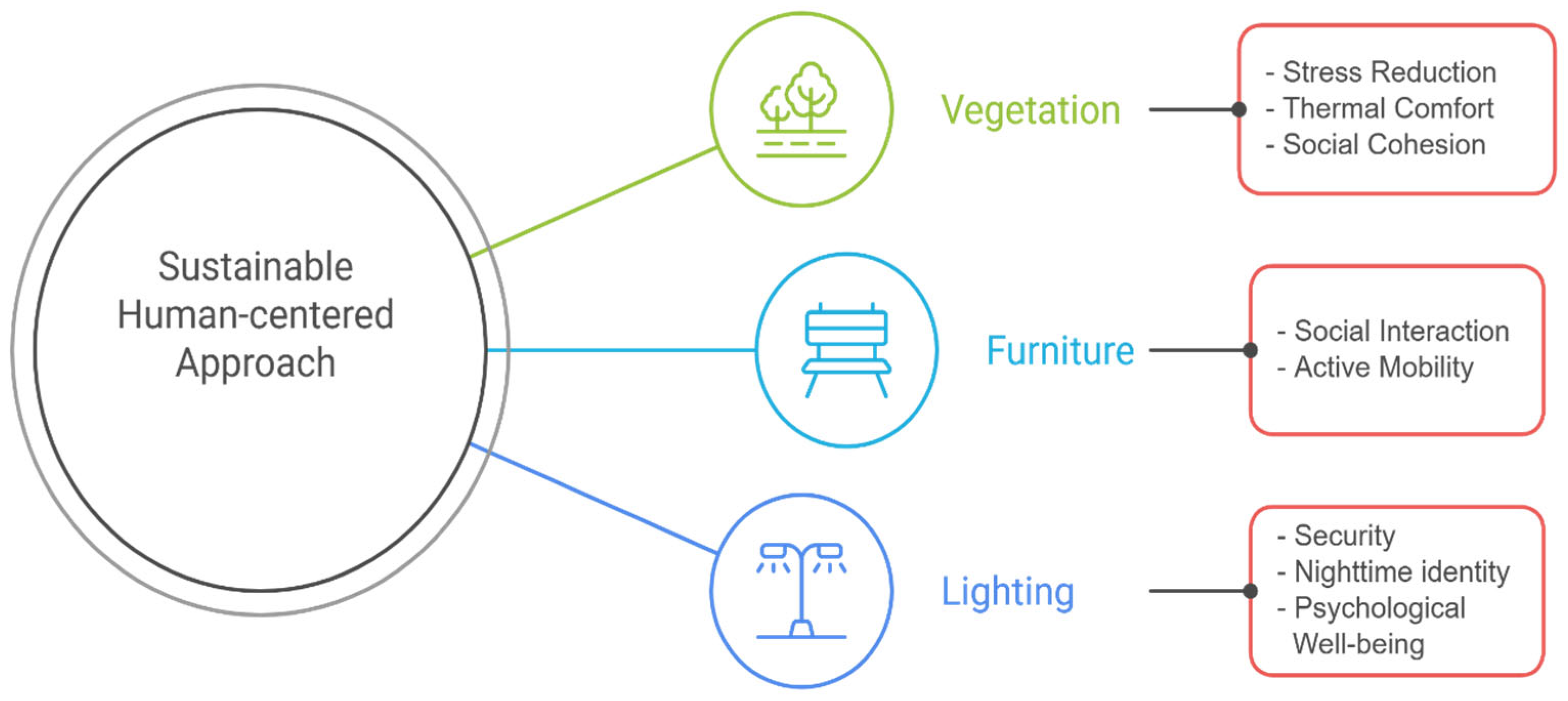
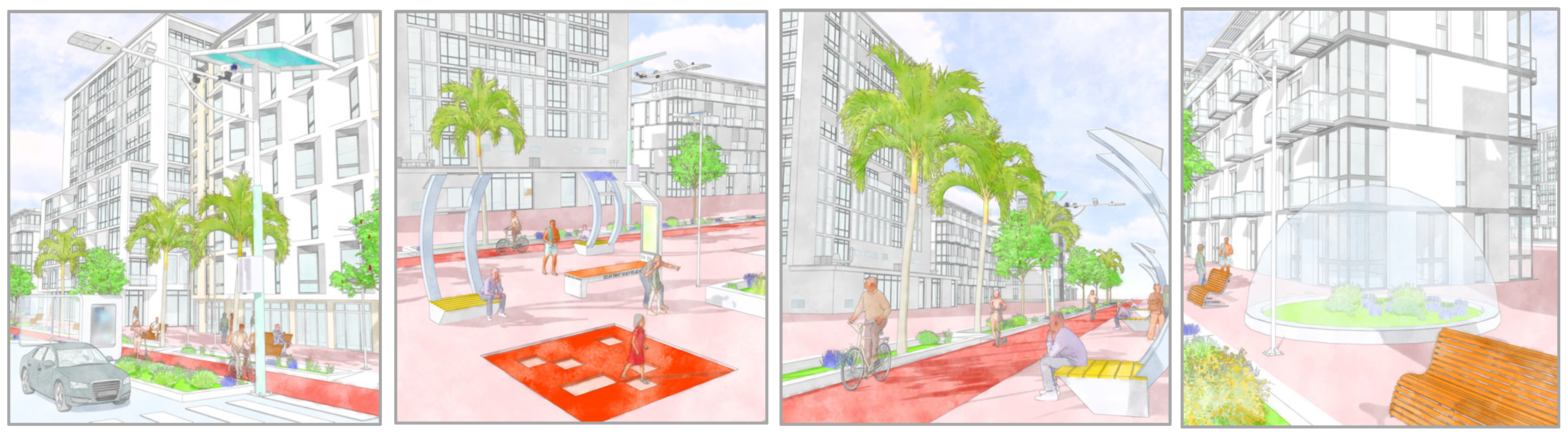
For instance, a 70 m segment of a cycling lane north of Amsterdam (The Netherlands) in 2014 is equipped with solar panels. These panels incorporate LED lights to create road markings and signage without the need for traditional paint, offering greater flexibility for dynamic road information. Additionally, the panels feature heating elements to prevent snow and ice buildup, enhancing road safety during freezing conditions [67]. Another example is a 1 km in Tourouvre (France) paved roadway equipped with solar panels that was inaugurated in 2016 to meet the local energy requirements. The road incorporates 2800 square meters of photovoltaic cells, assumed to be sufficient to power the village’s streetlights [12,67,68,69,70,71,72]. Figure 2 shows the author’s vision and sketches demonstrating the incorporation of the discussed elements for a human-centered urban design. Figure 3 and Table 1 summarize the information detailed above and show the intersection between different elements and their contributions.

4. Conclusions

This paper establishes an additional review to explore street livability as a central and actionable dimension of urban livability, arguing that streetscapes play a critical role, bridging everyday human experience and broader urban agendas. Through a thorough investigation of foundational and contemporary literature, the study demonstrated that though macro-scale frameworks and guidelines towards walkability models, human-centered planning, and the Sustainable Development Goals, constitute a strong conceptual grounding, they lack the tangible, on-ground actions and transformations. Addressing this gap, the paper focused on three essential microscale streetscape components: vegetation, furniture, and lighting. The paper overviewed their roles in strengthening social interaction, environmental performance, safety, comfort, and identity at the street level.
The integration of these themes into a unified framework highlights a significant overlap between sustainability goals and human-centric urban design. It demonstrates that micro-level interventions are not merely aesthetic; they are foundational to elevating street livability and urban health. Evidence suggests that when vegetation, street furniture, and lighting are designed as a cohesive, tech-enabled system, they possess the capacity to profoundly transform how people interact with and experience their local environments.
At the same time, the discussion underscored persistent challenges, including strategic-level barriers, unequal policy implementation, and the risk of green gentrification, particularly in developing-country contexts. Ultimately, this paper contributes to urban design and planning literature by emphasizing the value of streets as human rather than car spaces, encouraging microscale practices, and an integrative streetscape framework as a realistic pathway toward achieving human-centered, sustainable, and smart cities. Accordingly, the paper recommends that further investigation how coordinated microscale interventions can translate abstract policy agendas into practical and implementable design actions.

Funding

The article processing charges for this publication were provided by Prince Sultan University.

Institutional Review Board Statement

Not applicable.

Informed Consent Statement

Not applicable.

Data Availability Statement

The original contributions presented in the study are included in the article. Further inquiries can be directed to the author.

Acknowledgments

The author would like to acknowledge the support of Prince Sultan University for paying the article processing charges (APCs) for this publication. Additionally, the author would like to thank Prince Sultan University, College of Architecture and Design (CAD), Architecture Department, and the Educational Research Lab (ERL), Riyadh, KSA, for their support.

Conflicts of Interest

The author declares no conflicts of interest.

References

  1. Istrate, A.-L.; Chen, F. Liveable streets in Shanghai: Definition, characteristics and design. Prog. Plan. 2022, 158, 100544. [Google Scholar] [CrossRef]
  2. Ali, A.S.; Baper, S.Y. Assessment of Livability in Commercial Streets via Placemaking. Sustainability 2023, 15, 6834. [Google Scholar] [CrossRef]
  3. Moussa, R.A. Humanization of Street Median Islands: Utilizing Pedestrian Quality Needs Indicators for Saudi Urban Transformation. Sustainability 2025, 17, 1661. [Google Scholar] [CrossRef]
  4. Gehl, J. Life Between Buildings; Island Press: Washington, DC, USA, 2011. [Google Scholar]
  5. Mehta, V. (Ed.) The Street: A Quintessential Social Public Space; Routledge: London, UK, 2013. [Google Scholar]
  6. Hamza, S.A.; Azouz, N.; Hammam, R.; Hendawy, M. UX placemaking towards the inclusion of persons with disabilities in public places in Egypt’s Greater Cairo Region. Cities 2025, 161, 105886. [Google Scholar] [CrossRef]
  7. Addas, A.; Maghrabi, A. Role of urban greening strategies for environmental sustainability—A review and assessment in the context of Saudi Arabian megacities. Sustainability 2021, 13, 6457. [Google Scholar] [CrossRef]
  8. Jones, P. The evolution of urban mobility: The interplay of academic and policy perspectives. IATSS Res. 2014, 38, 7–13. [Google Scholar] [CrossRef]
  9. Homoud, M.; Jarrar, O.M. Walkability in Riyadh: A comprehensive assessment and implications for sustainable community—Al-Falah case study. Sustainability 2024, 16, 8073. [Google Scholar] [CrossRef]
  10. Mazzetto, S.; Furlan, R.; Awwaad, R. Sustainable Urban Renewal: Planning Transit-Oriented Development (TOD) in Riyadh. Sustainability 2025, 17, 4310. [Google Scholar] [CrossRef]
  11. Lyons, G.; Mokhtarian, P.; Dijst, M.; Böcker, L. The dynamics of urban metabolism in the face of digitalization and changing lifestyles: Understanding and influencing our cities. Resour. Conserv. Recycl. 2018, 132, 246–257. [Google Scholar] [CrossRef]
  12. Al-Zghoul, S.; Al-Homoud, M. GIS-Driven Spatial Planning for Resilient Communities: Walkability, Social Cohesion, and Green Infrastructure in Peri-Urban Jordan. Sustainability 2025, 17, 6637. [Google Scholar] [CrossRef]
  13. French, S.; Wood, L.; Foster, S.A.; Giles-Corti, B.; Frank, L.; Learnihan, V. Sense of community and its association with the neighborhood built environment. Environ. Behav. 2014, 46, 677–697. [Google Scholar] [CrossRef]
  14. Wilkerson, A.; Carlson, N.E.; Yen, I.H.; Michael, Y.L. Neighborhood physical features and relationships with neighbors: Does positive physical environment increase neighborliness? Environ. Behav. 2012, 44, 595–615. [Google Scholar] [CrossRef]
  15. Gorgul, E.; Luo, L.; Wei, S.; Pei, C.D. Sense of place or sense of belonging? Developing guidelines for human-centered outdoor spaces in China that citizens can be proud of. Procedia Eng. 2017, 198, 517–524. [Google Scholar] [CrossRef]
  16. Almatar, K.M. Rehumanize the Streets and Make Them More Smart and Livable in Arab Cities: Case Study: Tahlia Street; Riyadh City, Saudi Arabia. Sustainability 2024, 16, 3376. [Google Scholar] [CrossRef]
  17. McCormack, G.R.; Blackstaffe, A.; Nettel-Aguirre, A.; Csizmadi, I.; Sandalack, B.; Uribe, F.A.; Rayes, A.; Friedenreich, C.; Potestio, M.L. The independent associations between Walk Score® and neighborhood socioeconomic status, waist circumference, waist-to-hip ratio and body mass index among urban adults. Int. J. Environ. Res. Public Health 2018, 15, 1226. [Google Scholar] [CrossRef]
  18. Talen, E. New Urbanism and American Planning: The Conflict of Cultures; Routledge: London, UK, 2005. [Google Scholar]
  19. Ewing, R.; Clemente, O. Introduction. In Measuring Urban Design: Metrics for Livable Places; Island Press/Center for Resource Economics: Washington, DC, USA, 2013; pp. 1–23. [Google Scholar]
  20. Montgomery, C. Happy City: Transforming Our Lives Through Urban Design; Penguin: London, UK, 2013. [Google Scholar]
  21. Jacobs, J. The Death and Life of Great American Cities; Vintage Book, a Division of Random House: New York, NY, USA, 1961. [Google Scholar]
  22. Matan, A. Rediscovering Urban Design Through Walkability. Ph.D. Thesis, Curtin University, Perth, Australia, 2011. [Google Scholar]
  23. Newman, O. Defensible Space: Crime Prevention Through Urban Design; Collier Books: New York, NY, USA, 1973. [Google Scholar]
  24. Appleyard, B. Livable Streets 2.0, 1st ed.; Elsevier: Amsterdam, The Netherlands, 2020. [Google Scholar] [CrossRef]
  25. United Nations. Sustainable Development Goals; United Nations: New York, NY, USA, 2015; Available online: https://sdgs.un.org/goals (accessed on 1 September 2025).
  26. Medina-Hernández, E.J.; Guzmán-Aguilar, D.S.; Muñiz-Olite, J.L.; Siado-Castañeda, L.R. The current status of the sustainable development goals in the world. Dev. Stud. Res. 2023, 10, 2163677. [Google Scholar] [CrossRef]
  27. Glenn, L.E. Ideals versus realities of world poverty and human rights. Metaphilosophy 2022, 53, 38–44. [Google Scholar] [CrossRef]
  28. El-Husseiny, M.; Mashaly, I.; Azouz, N.; Sakr, N.; Seddik, K.; Atallah, S. Exploring sustainable urban mobility in Africa-and-MENA universities towards intersectional future research. Transp. Res. Interdiscip. Perspect. 2024, 26, 101167. [Google Scholar] [CrossRef]
  29. Oldenburg, R. The Great Good Place: Cafes, Coffee Shops, Bookstores, Bars, Hair Salons, and Other Hangouts at the Heart of a Community; Da Capo Press: New York, NY, USA, 1999. [Google Scholar]
  30. Oxford University Press. Streetscape. In Oxford English Dictionary; Oxford University Press: Oxford, UK, 1933; Available online: https://www.oed.com/dictionary/streetscape_n?tl=true (accessed on 1 September 2025).
  31. Rehan, R.M. Sustainable streetscape as an effective tool in sustainable urban design. HBRC J. 2013, 9, 173–186. [Google Scholar] [CrossRef]
  32. National Association of City Transportation Officials. A variety of street users. In Global Street Design Guide; National Association of City Transportation Officials: New York, NY, USA, 2016; Available online: https://globaldesigningcities.org/publication/global-street-design-guide/designing-streets-people/a-variety-of-street-users/ (accessed on 1 November 2025).
  33. Zhu, H.; Nan, X.; Yang, F.; Bao, Z. Utilizing the green view index to improve the urban street greenery index system: A statistical study using road patterns and vegetation structures as entry points. Landsc. Urban Plan. 2023, 237, 104780. [Google Scholar] [CrossRef]
  34. Mullaney, J.; Lucke, T.; Trueman, S.J. A review of benefits and challenges in growing street trees in paved urban environments. Landsc. Urban Plan. 2015, 134, 157–166. [Google Scholar] [CrossRef]
  35. Elmeligy, D.; Elhassan, Z. The Bio-adaptive algae contribution for sustainable architecture. In IOP Conference Series: Earth and Environmental Science; IOP Publishing: Bristol, UK, 2019; Volume 397, No. 1, p. 012007. [Google Scholar]
  36. The Algae Dome: Growing the Supercrop of the Future. Space10.com. Available online: https://space10.com/projects/the-algae-dome (accessed on 9 December 2024).
  37. Kumar, P.; Corada, K.; Debele, S.E.; Emygdio, A.P.M.; Abhijith, K.; Hassan, H.; Broomandi, P.; Baldauf, R.; Calvillo, N.; Cao, S.-J.; et al. Air pollution abatement from Green-Blue-Grey infrastructure. Innov. Geosci. 2024, 2, 100100. [Google Scholar] [CrossRef]
  38. Fahmy, M.; Mahdy, M.; Mahmoud, S.; Abdelalim, M.; Ezzeldin, S.; Attia, S. Influence of urban canopy green coverage and future climate change scenarios on energy consumption of new sub-urban residential developments using coupled simulation techniques: A case study in Alexandria, Egypt. Energy Rep. 2020, 6, 638–645. [Google Scholar] [CrossRef]
  39. Meili, N.; Acero, J.A.; Peleg, N.; Manoli, G.; Burlando, P.; Fatichi, S. Vegetation cover and plant-trait effects on outdoor thermal comfort in a tropical city. Build. Environ. 2021, 195, 107733. [Google Scholar] [CrossRef]
  40. Degirmenci, K.; Desouza, K.C.; Fieuw, W.; Watson, R.T.; Yigitcanlar, T. Understanding policy and technology responses in mitigating urban heat islands: A literature review and directions for future research. Sustain. Cities Soc. 2021, 70, 102873. [Google Scholar] [CrossRef]
  41. Armson, D.; Stringer, P.; Ennos, A.R. The effect of tree shade and grass on surface and globe temperatures in an urban area. Urban For. Urban Green. 2012, 11, 245–255. [Google Scholar] [CrossRef]
  42. Rahman, M.A.; Moser, A.; Rötzer, T.; Pauleit, S. Comparing the transpirational and shading effects of two contrasting urban tree species. Urban Ecosyst. 2019, 22, 683–697. [Google Scholar] [CrossRef]
  43. Kim, S.; Kwon, H.A. Urban sustainability through public architecture. Sustainability 2018, 10, 1249. [Google Scholar] [CrossRef]
  44. Amores, T.R.P.; Ramos, J.S.; Delgado, M.G.; Medina, D.C.; Cerezo-Narvaéz, A.; Domínguez, S.Á. Effect of green infrastructures supported by adaptative solar shading systems on livability in open spaces. Urban For. Urban Green. 2023, 82, 127886. [Google Scholar] [CrossRef]
  45. Yilmaz, S.; Menteş, Y.; Jamei, E. Investigating the Effect of Blue-Green Infrastructure on Thermal Condition—Case Study: Elazığ, Turkey. Land 2025, 14, 891. [Google Scholar] [CrossRef]
  46. Li, Y.; Svenning, J.-C.; Zhou, W.; Zhu, K.; Abrams, J.F.; Lenton, T.M.; Ripple, W.J.; Yu, Z.; Teng, S.N.; Dunn, R.R.; et al. Green spaces provide substantial but unequal urban cooling globally. Nat. Commun. 2024, 15, 7108. [Google Scholar] [CrossRef] [PubMed]
  47. Larkin, A.; Hystad, P. Evaluating street view exposure measures of visible green space for health research. J. Expo. Sci. Environ. Epidemiol. 2019, 29, 447–456. [Google Scholar] [CrossRef]
  48. Checker, M. Wiped out by the “greenwave”: Environmental gentrification and the paradoxical politics of urban sustainability. City Soc. 2011, 23, 210–229. [Google Scholar] [CrossRef]
  49. Beatley, T. Biophilic Cities: Integrating Nature into Urban Design and Planning; Island Press: Washington, DC, USA, 2010. [Google Scholar]
  50. Calthorpe, P. Urbanism in the age of climate change. In The City Reader; Routledge: London, UK, 2015; pp. 555–568. [Google Scholar]
  51. MacDonald, J.M.; Chalfin, A.; Moritz, M.; Wade, B.; Mendlein, A.K.; Braga, A.A.; South, E. Can enhanced street lighting improve public safety at scale? Criminol. Public Policy 2025, 865–891. [Google Scholar] [CrossRef]
  52. Khan, M.A.; Algarni, F.; Quasim, M.T. (Eds.) Smart Cities: A Data Analytics Perspective; Springer Nature: Berlin/Heidelberg, Germany, 2020. [Google Scholar]
  53. Welsh, B.C.; Farrington, D.P. Effects of improved street lighting on crime. Campbell Syst. Rev. 2008, 4, 1–51. [Google Scholar] [CrossRef]
  54. Amati, M.; Stevens, Q.; Rueda, S. Taking play seriously in Urban design: The evolution of Barcelona’s superblocks. Space Cult. 2024, 27, 156–171. [Google Scholar] [CrossRef]
  55. Schreiber, F. The long road from urban experimentation to the transformation of urban planning practice: The case of tactical urbanism in the city of Barcelona. J. Urban Mobil. 2025, 7, 100100. [Google Scholar] [CrossRef]
  56. Tiran, J.; Grigsby, J.; Gebhardt, V.; Kirby, N.; Leth, U.; Lorenz, F.; Müller, J. Superblocks between theory and practice: Insights from an international e-Delphi process and urban living labs in Vienna and Berlin. Urban Res. Pract. 2025, 18, 622–644. [Google Scholar] [CrossRef]
  57. Santamouris, M. Passive cooling of buildings. In Advances in Solar Energy: Volume 16; Routledge: London, UK, 2017; pp. 295–344. [Google Scholar]
  58. Caymaz, G.F.Y.; Kemal Kul, K. An Assessment of Smart Urban Furniture Design: Istanbul Yildiz Technical University Bus Stop Case Study. In Smart Cities: A Data Analytics Perspective; Springer International Publishing: Cham, Switzerland, 2020; pp. 297–319. [Google Scholar]
  59. Alshammari, T.O. New strategic approaches for implementing intelligent streetscape towards livable streets in City of Riyadh. Period. Eng. Nat. Sci. PEN 2023, 11, 140–154. [Google Scholar] [CrossRef]
  60. Ciriminna, R.; Meneguzzo, F.; Albanese, L.; Pagliaro, M. Solar street lighting: A key technology en route to sustainability. Wiley Interdiscip. Rev. Energy Environ. 2017, 6, e218. [Google Scholar] [CrossRef]
  61. Shershneva, E.G.; Alpatova, E.S. Current trends in design of street lights. In IOP Conference Series: Materials Science and Engineering; IOP Publishing: Bristol, UK, 2021; Volume 1079, No. 3, p. 032006. [Google Scholar]
  62. Zhou, Z.; Wang, X.; Zhang, X.; Chen, G.; Zuo, J.; Pullen, S. Effectiveness of pavement-solar energy system–An experimental study. Appl. Energy 2015, 138, 1–10. [Google Scholar] [CrossRef]
  63. Jiang, W.; Xiao, J.; Yuan, D.; Lu, H.; Xu, S.; Huang, Y. Design and experiment of thermoelectric asphalt pavements with power-generation and temperature-reduction functions. Energy Build. 2018, 169, 39–47. [Google Scholar] [CrossRef]
  64. d’Antoni, M.; Saro, O. Massive solar-thermal collectors: A critical literature review. Renew. Sustain. Energy Rev. 2012, 16, 3666–3679. [Google Scholar] [CrossRef]
  65. Hyder, F.; Sudhakar, K.; Mamat, R. Solar PV tree design: A review. Renew. Sustain. Energy Rev. 2018, 82, 1079–1096. [Google Scholar] [CrossRef]
  66. Cao, W.; Li, Z.; Yang, Y.; Zheng, Y.; Yu, W.; Afzal, R.; Xue, J. “Solar tree”: Exploring new form factors of organic solar cells. Renew. Energy 2014, 72, 134–139. [Google Scholar] [CrossRef]
  67. Papadimitriou, C.N.; Psomopoulos, C.S.; Kehagia, F. A review on the latest trend of Solar Pavements in Urban Environment. Energy Procedia 2019, 157, 945–952. [Google Scholar] [CrossRef]
  68. de Vries, W.T. Urban greening for new capital cities. A meta review. Front. Sustain. Cities 2021, 3, 670807. [Google Scholar] [CrossRef]
  69. Blum, J. Contribution of ecosystem services to air quality and climate change mitigation policies: The case of urban forests in Barcelona, Spain. In Urban Forests; Apple Academic Press: Palm Bay, FL, USA, 2017; pp. 21–54. [Google Scholar]
  70. Maimaitiyiming, M.; Ghulam, A.; Tiyip, T.; Pla, F.; Latorre-Carmona, P.; Halik, Ü.; Sawut, M.; Caetano, M. Effects of green space spatial pattern on land surface temperature: Implications for sustainable urban planning and climate change adaptation. ISPRS J. Photogramm. Remote Sens. 2014, 89, 59–66. [Google Scholar] [CrossRef]
  71. UN Habitat. Urban Planning and Infrastructure in Migration Contexts: Amman Spatial Profile Jordan; UN Habitat: Nairobi, Kenya, 2022; Available online: https://unhabitat.org/sites/default/files/2022/04/220411-final_amman_profile.pdf (accessed on 1 September 2025).
  72. IPCC. Climate Change 2021: The Physical Science Basis; Contribution of Working Group I to the Sixth Assessment Report of the Intergovernmental Panel on Climate Change; Cambridge University Press: Cambridge, UK, 2021. [Google Scholar]
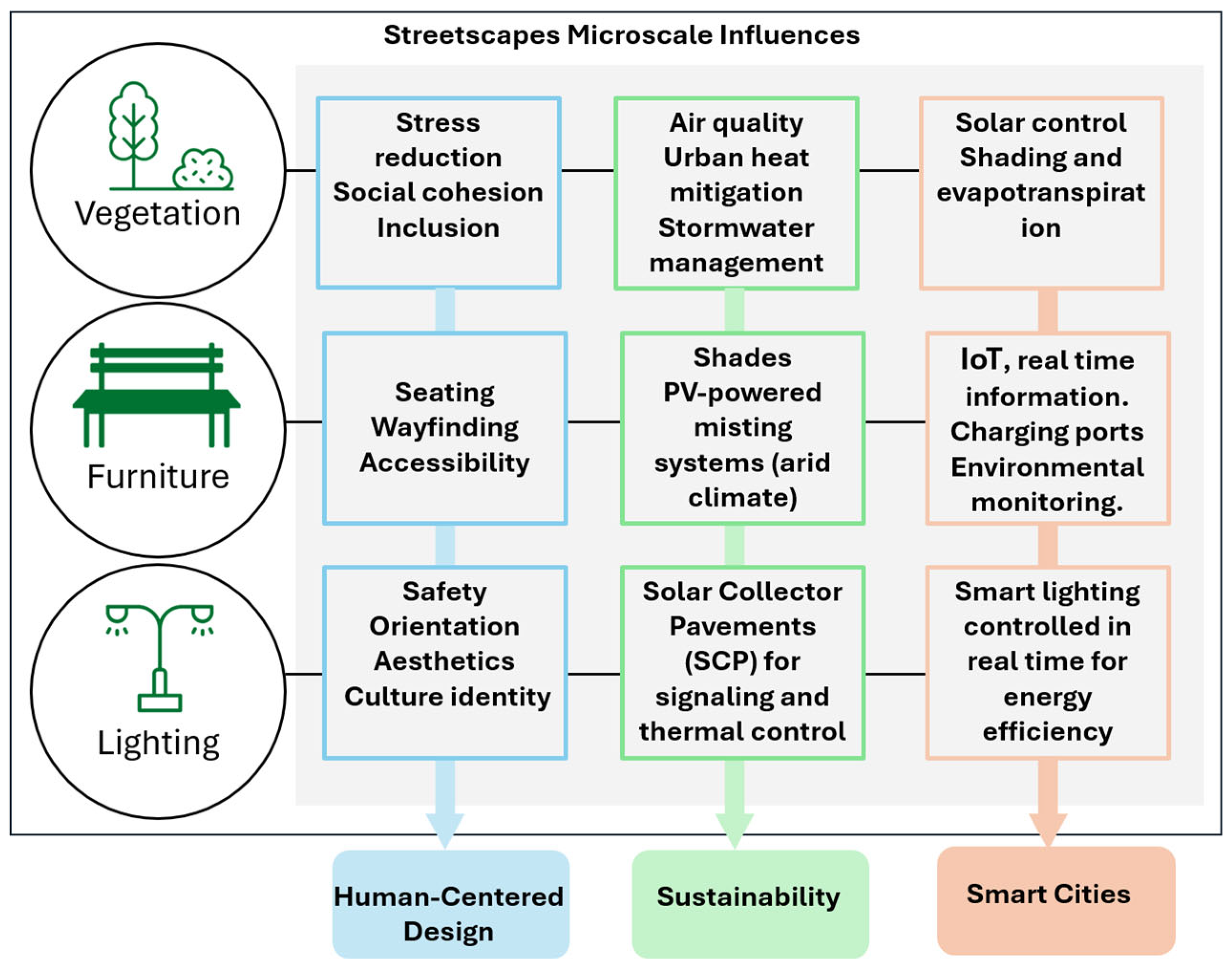
Figure 1. A conceptual framework elucidating the review foundation (by author).
Sustainability 18 00667 g001
Figure 2. These speculative sketches give an insight into the implementation of different human-centered aspects in our urban environment (By Author).
Sustainability 18 00667 g002
Figure 3. This diagram summarizes how the three components interact to achieve a Human-centered approach (by author).
Sustainability 18 00667 g003
Table 1. The table shows the interconnections between different elements and their contributions (by author).
Streetscape ComponentKey Livability FunctionsSustainability and SDG AlignmentInnovative Tech/Case Studies
VegetationStress reduction, thermal comfort, noise mitigation, and social cohesion.SDG 11.7: Universal access to green public spaces. Carbon sequestration.Algae Domes/PBRS systems; Solar-recharged algae lamps; Roadside tree shading.
FurnitureEncouraging “staying” activities, social interaction, and active mobility.SDG 11.2: Accessible transport systems. Climate responsiveness in arid zones.Superblocks (Barcelona); Smart/IoT bus stops; PV-powered misting/thermal benches.
LightingSecurity, wayfinding, nighttime identity, and psychological well-being.Energy efficiency via renewables. Enhancement of safety for inclusive use.Solar Collector Pavements (SCP); LED-integrated cycling lanes (The Netherlands); PV roadways (France).
Disclaimer/Publisher’s Note: The statements, opinions and data contained in all publications are solely those of the individual author(s) and contributor(s) and not of MDPI and/or the editor(s). MDPI and/or the editor(s) disclaim responsibility for any injury to people or property resulting from any ideas, methods, instructions or products referred to in the content.