Article

Energy Justice, Critical Minerals, and the Geopolitical Metabolism of the Global Energy Transition: Insights from Copper Extraction in Chile and Peru


by
Axel Bastián Poque González
* and
Yunesky Masip Macia
Escuela de Ingeniería Mecánica, Facultad de Ingeniería, Pontificia Universidad Católica de Valparaíso (PUCV), Valparaíso, Quilpué 2430167, Chile
*
Author to whom correspondence should be addressed.
Sustainability 2026, 18(2), 1032; https://doi.org/10.3390/su18021032
Submission received: 5 December 2025 / Revised: 22 December 2025 / Accepted: 24 December 2025 / Published: 20 January 2026

Abstract

The global energy transition (ET) is widely portrayed as a technological shift toward low-carbon systems; however, it also entails profound geopolitical and socio-environmental transformations. While energy justice (EJ) has become a key framework for assessing fairness in energy systems, it seldom incorporates the geopolitical restructuring of material, energy, and economic flows that underpin contemporary transitions. This article develops a geopolitically informed approach to EJ, trying to capture how the new flows of energy, matter, and power shape—and are shaped by—enduring centre–periphery inequalities. Using a guided literature synthesis that combines EJ, political ecology, decolonial critiques, and green extractivism, the study enhances classical EJ tenets by incorporating transboundary flows, ecological unequal exchange, ontological plurality, and local self-determination. An illustrative application to copper extraction in Chile and Peru demonstrates how critical-mineral supply chains reproduce new sacrifice zones within emerging geopolitical configurations. By connecting local socio-environmental conflicts to global energy dynamics, the framework advances a more comprehensive, multidimensional approach to justice in the ET. The findings offer conceptual and practical insights for designing more equitable and geopolitically aware sustainability policies.

1. Introduction

The accelerating frequency and severity of climate-related impacts highlight the consequences of historically unsustainable practices, particularly the worldwide reliance on fossil fuels and intensive resource extraction [1,2]. Despite international commitments such as the Paris Agreement, global efforts remain insufficient to curb emissions at the necessary scale and pace to avoid a climate catastrophe [3,4]. Achieving carbon neutrality by mid-century requires profound transformations in energy demand and supply, often referred to as the energy transition (ET). However, ET involves more than technological substitution; it entails economic, social, and political reconfigurations that make the pursuit of justice inseparable from sustainability [5,6].
A holistic view of the ET reveals tensions that are neither fair nor sustainable, particularly in peripheral regions [7,8]. While renewable and digitalised systems promise reduced dependence on fossil fuels and the decarbonisation of economies, they rely heavily on the extraction of critical minerals for the manufacture of low-carbon technologies, frequently under inequitable and unsustainable conditions [9,10]. The resulting burdens—social, ecological, and economic—are sometimes disproportionately concentrated in peripheral territories, reinforcing historical inequalities and dependencies in the world economy [11,12].
These dynamics underscore the importance of geopolitics and energy justice (EJ) as complementary analytical lenses for examining both global realignments in the ET and their implications for justice. Indeed, beyond revealing the reconfiguration of global power relations through critical minerals and cleantech supply chains, a geopolitical perspective exposes socioenvironmental conflicts and enduring asymmetries between centres and peripheries or between the Global North and South [13,14]. Post and Le Billon [15] advanced the concept of geopolitical metabolism to capture how material, energy, ecological, and economic flows both (re)shape and are (re)shaped by the new geopolitical power relations. They conceptualise it as the ensemble of material processes and institutional frameworks that sustain or challenge prevailing political, economic, and ecological orders. Historically, such metabolisms revolved around the control of fossil fuels and other strategic resources; today, they increasingly focus on critical minerals, low-carbon technologies, and climate-related imperatives while continuing to encompass fossil fuels.
As highlighted by the International Energy Agency (IEA), deposits of critical minerals are highly concentrated in a limited number of countries, predominantly in the Global South. For example, Chile and Peru together account for approximately 40% of global copper production, Indonesia and the Philippines contribute around 45% of current global nickel output, and nearly 70% of the world’s cobalt is produced in the Democratic Republic of the Congo (DRC). The extraction of these minerals is potentially associated with a wide range of social and environmental impacts, including governance challenges, human rights concerns, risks to human health and safety, waste generation, pressures on water resources, land-use change, and contributions to climate change [16,17].
To analytically evaluate the just dimension of ET, EJ represents an emerging framework that underscores fairness across the domains of energy supply, production, and consumption, including the associated cycles of energy infrastructure and technology. However, current applications of EJ—while valuable for analysing distributive, recognition, and procedural dimensions—rarely address the geopolitical structures that underpin energy system shifts in ET worldwide [18,19]. Kumar [6] also stresses the need for approaches capable of analysing intersecting injustices and their relational consequences, especially under the accelerating pressures of the Anthropocene.
This article addresses a key gap in EJ scholarship: the limited capacity of existing frameworks to analyse how the global geopolitical reconfiguration of the ET produces and sustains injustices across borders, particularly in critical minerals’ extractive regions of the Global South. The central research question guiding this study is: ‘How can the integration of the EJ framework with concepts such as geopolitical metabolism and green extractivism deepen our understanding of how the global energy transition redistributes social, ecological, and geopolitical burdens, particularly across peripheral territories in the world economy?’
To answer this question, the paper integrates geopolitics into EJ by conceptualising the ET as a geopolitical metabolism shift, in which flows of energy, matter, and power are co-constituted with patterns of (in)justice across scales. This perspective extends EJ beyond its predominantly local and national focus, enabling the analysis of transboundary dynamics, centre–periphery relations, and ecological unequal exchange.
The paper makes three main contributions. First, it provides a conceptual enhancement of EJ that renders global decarbonisation processes assessable in geopolitical terms. Second, it advances a scale-sensitive EJ framework that captures the production of new green sacrifice zones associated with the extraction of critical minerals. Third, through an illustrative application to copper extraction in Chile and Peru, it demonstrates how this approach reveals structural injustices that might remain insufficiently addressed by conventional EJ analyses.

2. Conceptual and Theoretical Background

Rather than providing a comprehensive geopolitical analysis, Section 2 aims to outline the key dynamics shaping current ET geopolitical patterns and clarify how these dynamics can be integrated into an EJ framework.

2.1. The Changing Energy Transition Geopolitics

Traditionally, geopolitics has focused on how geography shapes politics, often highlighting strategic locations, territorial control, and access to resources such as minerals and fossil fuels [20]. Indeed, throughout the 20th century, global power relations, international security, and the expansion of capitalism were structured around the continuous flow of fossil fuels [21,22]. The current ET, however, shifts this focus toward critical minerals for the manufacture of low-carbon technologies [23]. Unlike fossil fuels, whose geopolitics are tied to the permanent circulation of resources, renewable-driven energy systems continue to function once installed. Subsequently, rendering mineral supply shocks a more significant threat to the pace of decarbonisation itself than to immediate energy security [24,25]. This shift marks a profound transformation in the geopolitics of the ET, where struggles over extraction, supply chains, and technological futures increasingly redefine the meanings of energy security, cooperation, and conflict in the era of the climate crisis [26,27].
In this context, the People’s Republic of China is consolidating substantial prominence in global cleantech markets and across the entire supply chain, from critical mineral extraction to the production and deployment of technology solutions. A sino-centric architecture is currently being shaped. On the other hand, the USA and its allies’ efforts to develop a sustainable, autonomous supply chain indicate a move to reduce dependence on contestants (or challengers), such as China. Other countries, such as Chile (copper and lithium), Peru (copper), the DRC (cobalt), Mozambique (graphite), Indonesia (nickel) and the Philippines (nickel), have assumed strictly supplier roles. Nevertheless, some of these countries are increasingly seeking to move beyond extractive supplier roles through industrial upgrading, state-led value capture, or downstream processing strategies [16,28,29].
Thus, China’s prominence in global cleantech markets, along with its own urbanisation and the Belt and Road Initiative, has reshaped global energy and material flows into Sino-centric global production and trade networks [15]. Despite the reconfiguration of markets and international relations, less attention has been given to how these reconfigurations reinforce the ecological asymmetries between centres and peripheries of the world economy [30].

2.2. Calls for an Ecological Geopolitics

Geopolitical ecology examines the interrelations among political power, geographic space, and ecological processes, with particular attention to how environmental conditions and resource configurations shape and are shaped by political and economic strategies. It foregrounds the role of ecological systems in structuring international relations, resource governance, and environmental change, emphasising the interdependence of states, communities, and ecosystems. From this perspective, access to resources, environmental vulnerability, and political objectives are inseparable from underlying ecological realities [20]. Building on this approach, Graddy-Lovelace and Ranganathan [31] call for greater engagement with geopolitical ecology as an analytical lens to examine how ecological formations enable and legitimise state and corporate expansion, often through securitised and militarised forms of governance.
A defining attribute of geopolitical ecology is its cross-sectoral orientation. Debates within geopolitical ecology and critical political ecology illuminate how corporate actors shape environmental narratives, influence policy agendas, and externalise environmental costs, thereby intensifying ecological vulnerabilities in particular regions. In dialogue with post-structuralist geopolitics, this literature further examines how corporate greenwashing and sustainability discourses construct selective interpretations of environmental responsibility that obscure underlying power relations and structural drivers of ecological harm. Complementing these perspectives, insights from world-systems theory reveal how corporate-led globalisation perpetuates ecological degradation in peripheral regions, as resource extraction sustains patterns of consumption and accumulation in core economies, reinforcing enduring geopolitical and ecological inequalities [20].

2.3. Geopolitical Metabolism

The new ET dynamics necessitate novel frameworks to explain how power, nature, technological capabilities, and strategic resources are intertwined in this new geopolitical architecture [13,32]. In this sense, following Post and Le Billon [15], anchored in geopolitical ecology [20] and environmental geopolitics [33] in dialogue with political ecology [34], geopolitical metabolism refers to how material, energy, ecological, and economic flows are organised and governed through geopolitical power relations and institutional arrangements—particularly in the context of green transitions—so as to sustain or transform prevailing political, economic, and ecological orders, including the strategic capture of critical-mineral supply chains and emerging forms of green extractivism [15].
As developed by Post and Le Billon [15], geopolitical metabolism extends social metabolism by foregrounding the strategic role of states, corporations, and security discourses in governing resource flows. In the context of the global ET, geopolitical metabolism might be crucial because it reveals that decarbonisation is not merely a technological shift but a reconfiguration of global material dependencies—particularly toward critical minerals—often concentrated in the peripheries. Thus, this perspective helps explain how ‘green’ transitions can reproduce extractivism (now green), centre–periphery asymmetries, and new sacrifice zones, thereby linking global transformations to questions of power, justice, and sustainability. Analytically, geopolitical metabolism operates across interconnected scales—from local extraction sites to global supply chains—linking, for example, territorial socioenvironmental conflicts to systemic patterns of resource governance.
Through green extractivism, state, corporate, and nonstate actors reconfigure what can be described as geopolitical metabolism—a geopolitically oriented extension of social metabolism—where the flows of energy, materials, and services underpin capitalist production while generating sacrifice zones and socioenvironmental conflicts. In this sense, geopolitical metabolism highlights how material–ecological exchanges are inseparable from the consolidation of concentrated power, as hegemonic narratives of sustainability obscure the realities of dispossession and resource grabs that sustain the global ET [15,35].
Similarly, the term ‘green colonialism’ refers to the extension of colonial patterns to renewable energy, shifting socioenvironmental costs to peripheral countries. The system remains the same, replacing fossil fuels with ‘green’ energy, but it maintains global inequality and dispossession. Thus, green colonialism manifests in multiple forms: it stimulates demand for finite raw materials in the name of ET, incorporating a ‘green’ veneer to precedent extractivist pressures; imposes conservation initiatives on Southern territories through carbon offset schemes, simultaneously postponing fundamental structural reforms in Northern industries; utilises Southern regions as locations for dangerous and toxic waste disposal from clean technology industries; and portrays the South as a consumer market for costly renewable technologies, thereby perpetuating trade disparities [7]. A refined EJ framework could be advantageous for assessing these issues in the context of ETs.

2.4. Energy Justice Lenses

With roots in environmental justice, EJ has become an increasingly important perspective in ET-linked research and policymaking over the last few decades [36]. This has led to numerous applications examining justice issues across various scales and contexts, including resource extraction, tensions surrounding large dam projects, household vulnerability, fuel poverty, and stranded assets [37]. Indeed, the whole-system or lifecycle perspectives of EJ on ETs consider the related cycles of clean energy technologies, from raw material extraction and processing to the waste management of energy devices and infrastructure, as well as manufacturing and construction, power generation, and transportation and distribution [37,38].
Although several principles have emerged in alignment with EJ [39,40], the central tenets commonly used in EJ research are distributional, recognition and procedural. Distributional factors concern the uneven physical allocation of environmental benefits, harms, and responsibilities. Recognition highlights the importance of fair representation, safety from physical threats, and equal political rights for everyone. A lack of recognition can lead to cultural and political domination, including insults, degradation, and devaluation of individuals and groups. Finally, the procedural focus is on ensuring access to decision-making processes that determine resource distribution, advocating for fair and inclusive procedures that involve all stakeholders without discrimination [18].
Additionally, Heffron [41] examines the principles of cosmopolitan and restorative justice. While restorative justice concerns the rectification of injustices arising from the energy sector, cosmopolitan justice is founded on the conviction that all individuals are global citizens inhabiting a shared world. In this sense, Heffron [41] provides a brief examination of how cleantech production and critical mineral supply chains can perpetuate injustices. Moreover, Lacey-Barnacle et al. [42] highlight core themes in EJ research in the developing world: decentralisation, access, sustainability, institutional instability, corruption, marginalised communities, gender inequalities, and policy implications.
Despite its conceptual richness, applied EJ research remains confined mainly to national and local scales [43] and rarely engages with the geopolitical restructuring of energy and material flows across transnational arenas—an omission this paper addresses through the concept of geopolitical metabolism. A geopolitised EJ framework must also embrace ontological diversity, moving beyond what Espinosa and Rodríguez [44] characterise as a dominant order grounded in anthropocentrism, state sovereignty, capitalist resource exploitation, and technoscientific rationality. Such a perspective requires the inclusion of Indigenous worldviews and other marginalised epistemologies that challenge these prevailing logics.

3. Materials and Methods

This study utilised guided literature synthesis rather than a systematic review protocol. The aim is not to compile an exhaustive corpus but to mobilise key works at the intersection of EJ, geopolitics, and green extractivism to enhance EJ, with a focus on the notion of geopolitical metabolism. The synthesis is guided by heuristic criteria and interpretive reading strategies designed to highlight how the global ET redistributes environmental and social burdens.

3.1. Orienting the Corpus

To identify relevant studies, this work used Elicit [45], an open-access AI tool that draws from Semantic Scholar’s extensive database. Elicit served as an exploratory aid to surface pertinent literature, but the final selection also incorporated personal scholarly judgement. The goal was not algorithmic exhaustiveness but conceptual focus. This tool was selected for its demonstrated efficacy, which has been validated and documented [46].
To substantiate the findings, Elicit requires a central inquiry, which constitutes the principal question of our study: ‘How can the integration of the EJ framework with concepts such as geopolitical metabolism and green extractivism deepen our understanding of how the global ET redistributes social, ecological, and geopolitical burdens, particularly across peripheral territories in the world economy?’ The next step is screening, which Elicit conducts internally using the criteria in Table 1. Then, Elicit selects the ten highest-scoring works for analysis. Afterwards, to extract pivotal data, Elicit uses new linked criteria. Table A1 in Appendix A presents the main criteria for extracting pivotal information from the selected works.

3.2. Analytical Lens

Following the selection process, the studies were systematically analysed with the explicit purpose of revisiting and expanding the fundamental principles of EJ—distributional, recognition, and procedural—optionally incorporating cosmopolitan and restorative dimensions. The analysis was interpretive rather than codified, aiming to trace how these tenets manifest in relation to global material and energy flows, colonial legacies, and extractive geographies.
Through this perspective, the synthesis highlights how (1) distributional justice intersects with unequal ecological and material flows across centre–periphery relations; (2) recognition justice necessitates ontological and epistemic pluralism, particularly concerning Indigenous worldviews; (3) procedural justice must confront structural exclusions in the conception and governance of ET; and (4) cosmopolitan and restorative justice demand addressing colonial continuities, historical debts, and reparative practices.
This interpretive approach enhances EJ not as a fixed list of principles but as a dynamic framework attuned to the structural asymmetries of the global ET.

3.3. A Quick Illustrative Application

To move beyond abstraction, the paper applies this reframed EJ lens to the case of copper, a mineral central to the ET [47]. Copper was chosen not only for its material importance but also for its geopolitical centrality and role in socioenvironmental conflicts in Latin America [18,48].
The analysis primarily draws on data from the Atlas of Environmental Justice (EJAtlas) [49] supplemented by academic and policy sources. EjAtlas is an online, highly transparent database founded on knowledge co-production among scholars and activists, which documents and catalogues social conflicts related to environmental issues. To date, this platform has documented and catalogued over 3300 environmental conflicts and 5500 companies [49,50].
The utilisation of the EJAtlas is of paramount importance, as it constitutes a singular instrument co-developed with environmental movements that facilitates comparative analyses of social actors, mobilisation strategies, and corporate conduct across various countries and regions [50]. Recently, using the EjAtlas platform, Llavero-Pasquina [51] observed that multinational corporations based in the Global North are engaged in environmental conflicts within the Global South, thereby perpetuating ecological unequal exchange and transferring socioecological costs.
Rather than a comprehensive case study, copper analysis serves as an illustrative application: a way to demonstrate how the revised EJ tenets can illuminate the geopolitical metabolism of the ET and reveal the reproduction of unequal socioecological relations between peripheries and centres. The methodological path is summarised in Figure 1.

4. Results of the Guided Literature Synthesis and Illustrative Case

Section 4 synthesises key contributions from ten selected studies to advance a conceptual enhancement of EJ, drawing on the concept of geopolitical metabolism and critical non-Western perspectives. The ten selected studies, which examine ET through geopolitical and EJ approaches, are summarised in Table 2.
Table 3 supplements Table 2 by presenting the geographical focus, the energy technology examined, and the key findings on burden redistribution for each paper. Overall, these studies challenge the notion that ETs are inherently equitable or sustainable, instead illustrating that, without addressing structural inequalities, there is a risk of perpetuating green colonialism, land grabbing, and sacrifice zones associated with unequal burden (re)distribution. Latin America is a primary focus of studies, whereas additional research emphasises the Global South, including sub-Saharan Africa and India. Moreover, the authors adopt a decolonial, political-ecological, and power-sensitive framework for EJ.
All selected studies examine how the ET generates social, ecological and cultural burdens. They analyse how these burdens are redistributed across scales—particularly in peripheral regions—identifying the communities and social groups most affected, as well as the discursive and mediatic legitimation strategies used to promote and justify these processes (see Table 4).

4.1. Integrating Energy Justice, Green Extractivism, and Decolonialisation

Canelas and Carvalho [52], Sánchez Contreras et al. [58], Andreucci et al. [60], and Dorn [61] explicitly critique global ET, as currently implemented, for perpetuating extractivist and colonial patterns, often under the guise of sustainability or climate action. Concepts such as corporate ET and hegemonic sociotechnical responses to address the climate crisis imply a laissez-faire capitalist-technocratic approach, often driven solely by capital and decarbonisation (by dispossession). This relies solely on technological solutions that require significant resource consumption (critical minerals) within frameworks characterised by unequal ecological and value exchanges. Consequently, the material intensity associated with industrial-scale renewable energy infrastructures may intensify land conflicts owing to dispossession arising from the extraction and processing of critical minerals. Thus, distributive, procedural, and recognition injustices became tense in peripheral territories.
Tornel [55] and Segovia-Tzompa et al. [56] argue that while EJ frameworks highlight distributive, procedural, and recognition injustices, they seem insufficient unless expanded to address structural and historical dimensions of extractivism and coloniality. Segovia-Tzompa et al. [56] pointed to a transitional EJ, which refers to a framework within global energy governance that emphasises recognition, remediation, and healing in the context of ET. It critically addresses the historical and ongoing inequalities affecting marginalised populations—particularly Indigenous peoples—by acknowledging past violence, ensuring cultural restoration, and advancing sovereignty over lands and resources. This approach integrates sociocultural, environmental, economic, technological, and legal dimensions into energy policies and practices, aiming to design renewable ETs that are both just and inclusive.
According to Tornel [55], EJ facilitates an understanding of the metabolic nature of energy systems, emphasising how energy impacts the unequal sociospatial relationships within contemporary capitalism. Nevertheless, he advocates decolonising EJ. Sánchez Contreras et al. [58] defined energy colonialism in six dimensions: (1) geopolitical; (2) economic and financial inequalities; (3) power, violence, and decision making; (4) land grabbing and dispossession; (5) impacts on territories and commons; and (6) resistance and socioterritorial conflicts.
To build a decolonial EJ framework, it is essential to integrate the analysis of energy and transitions from political ecology with the emerging field of political ontology. Political ontology examines how contesting energy systems reveal situated knowledges linked to broader injustices and violence. It emphasises that the experiences of Indigenous and peasant communities in Latin America are shaped not only by distribution, participation, and recognition, but also by their right to live according to their identities, cultures, and worldviews [55]. A decolonial view of EJ emphasises everyday actions and territorial relations that shape energy systems alongside dominant power structures. Moreover, decolonisation is inherently linked to existing power relations that perpetuate capitalist resource concessions, private property, and state boundaries—all of which are deeply embedded in states’ extractivist paradigms [55].
Other theoretical frameworks emerge as interesting complementary tools. Boateng et al. [53] introduce the Political Ecology framework for Sustainable Energy Transition (PESET) framework, and Segovia-Tzompa et al. [56] propose the transitional EJ framework, both aiming to bridge gaps by incorporating power, inclusivity, temporality, and relationality.

4.2. Exploring How Geopolitical Metabolism and Peripheral Territory Dynamics Interact

The concept of geopolitical metabolism—applied to ET as the manner in which a global ET is physically and geopolitically sustained through resource extraction from peripheral regions—appears in several scholarly studies [52,58,60,61]. These works emphasise how the Global North, multinational corporations, and national elites benefit from externalising burdens onto the Global South and marginalised territories, which serve as raw material suppliers within a techno-optimist corporate ET framework. Nonetheless, as the geographies of decarbonisation become increasingly complex and are influenced by multiple actors, policies, and strategies, more sophisticated geopolitical frameworks are needed [60,61].
The creation of green sacrifice zones and the expansion of critical minerals extraction, such as lithium and nickel, are emblematic of this dynamic [52]. Andreucci et al. [60] emphasised the concept of decarbonisation by dispossession, highlighting the strain on considerable energy and extractive projects in marginalised regions, driven by strategies mainly aimed at capital preservation rather than environmental sustainability. This approach is characterised by its predatory tendency, reflecting uneven geographies of dispossession. ET risks reproducing old extractivism in a new guise, decarbonised and green [57].
Indeed, the involvement of new actors (such as China) and the persistence of colonial and neocolonial patterns further complicate the geopolitical economy of the ET. The global geopolitical order emerging in relation to the ET is challenging previous characterisations of the centre and periphery, or the Global North and Global South. China is a clear example of a transitioning economy [61].
One of the most significant challenges in examining a geopolitical metabolism in EJ is tracking energy and material flows, along with the power dynamics, interests, and actors engaged in relations across various scales—from local struggles to national policies and global disparities. Swarnakar and Singh [59] emphasised the importance of protagonism in local governance in addressing justice. According to Hoffman et al. [54], understanding how ‘agency’ concepts interact is crucial for aligning ET with social equity outcomes. Different views of agency highlight key aspects of interactions among actors, artefacts, structures, and trends. Three agency domains in transformation are imagining futures, shaping rules for sociotechnical change, and transforming infrastructure.

4.3. Synthesis: Enhancing Energy Justice Tenets

Section 4.3 synthesises the response to the question: How can we enhance distributive, procedural, recognition, cosmopolitan, and restorative EJ tenets in the context of geopolitical metabolism and patterns of green extractivism?

4.3.1. Transnational Distributive Tenet Enhancing a Classical View of the Distributive Tenet

As also indicated by [11,20], a corporate-led globalised ET contribute to ecological degradation in peripheral regions. A classical view of the distributive tenet emphasises a fair distribution of costs, benefits, and risks associated with energy system deployment. However, based on Canelas and Carvalho [52], Andreucci et al. [60], Dorn [61], Sánchez Contreras et al. [58], and Ulloa [57], distributive justice must also account for unequal ecological and material flows across centre–periphery relations. It is not only about the allocation of local burdens and benefits, but also about how critical mineral exploitation, sacrifice zones, and dispossession sustain a global ET deployed primarily in developed economies. Thus, a new focus must consider transboundary flows, ecologically unequal exchange and the creation of green sacrifice zones.
This occurs as resource extraction sustains intensive patterns of consumption and accumulation within cores, thereby reinforcing inequalities. Indeed, the enhanced EJ perspective considers peripheries to exist within a country, region, or the global economy, as highlighted by Canelas and Carvalho [52].

4.3.2. Plural Recognition Tenet Enhancing a Classical View of the Recognition Tenet

A mainstream view of the recognition tenet emphasises the importance of respecting the rights, identities, and values of marginalised groups. Nevertheless, as noted by Tornel [45], Segovia-Tzompa et al. [56], Sánchez Contreras et al. [58], and Ulloa [57] the recognition tenet must move beyond identity acknowledgement to embrace ontological and epistemic justice. This entails valuing Indigenous worldviews, relational understandings of territory, and political ontologies that challenge Western-centric models of energy. Misrecognition involves not only cultural marginalisation but also the erasure of alternative ways of being in relation to energy and nature. Recognition of ontological plurality and Indigenous sovereignty becomes pivotal. Rooted in relational and nonanthropocentric ontologies, Indigenous worldviews often remain incompatible with the three conventional EJ tenets. Nonetheless, approximating these principles in plural ontologies offers pathways for recognising alternative differences within ET governance.
On the other side, ET, predominantly shaped by corporate logics, mobilises greenwashing and sustainability discourses as legitimation strategies. These narratives construct selective interpretations of environmental responsibility that foreground technological progress and efficiency while obscuring underlying power relations, asymmetrical decision-making processes, and the structural drivers of ecological harm. As highlighted in the literature [20,52,58], such discursive practices play a central role in normalising extractivist pathways within the energy transition, a pattern systematically evidenced across the cases synthesised in Table 4. This work has highlighted the need to address this gap more effectively in subsequent EJ studies.

4.3.3. Confronting Power Asymmetries Through Procedural Justice

A conventional viewpoint on the procedural principle emphasises an equitable and inclusive decision-making methodology for energy development. Therefore, as noted by Boateng et al. [53], Swarnakar and Singh [59], Hoffman et al. [54], and Ulloa [57], procedural justice requires confronting the power asymmetries in how an ET is framed, governed, and implemented. This means recognising how state, corporate, and political institutions often exclude Indigenous and local communities by imposing a techno-optimist corporate ET. Thus, new frames might contest who sets the rules of transition, how imaginaries are institutionalised, and how community self-determination can be ensured.

4.3.4. Cosmopolitan and Restorative Justice

As Heffron [41] noted, a cosmopolitan tenet that emphasises the responsibility to uphold fairness across borders is grounded in a collective sense of global citizenship. Therefore, in light of colonial continuities, cosmopolitan justice must be rethought as made by Andreucci et al. [60], Dorn [61], and Sánchez Contreras et al. [58]. While global climate and energy agendas frame the ET as a universal good, the costs are externalised to the Global South. A decolonial cosmopolitanism emphasises the responsibility of core economies for resource grabs and historical debts, ensuring that solidarity is not abstract but materially redistributive. This implies confronting the coloniality of power in global energy supply chains.
Additionally, restorative justice implies repairing past harm caused by energy systems. New insights, considering Segovia-Tzompa et al. [56], Tornel [55] and Ulloa [57], might recognise historical dispossession (colonial and extractivist) and advancing processes of remediation, healing, and sovereignty restoration. It extends beyond compensation to encompass cultural and territorial restitution, as well as the transformation of extractivist paradigms. This implies healing past and ongoing colonial violence and enabling self-determined futures.

4.4. A Sketch of a Brief Illustrative Application

Section 4.4 analyses one specific case, considering the enhanced EJ tenets

4.4.1. The Copper Case

Copper has become central to global ET, underpinning photovoltaics, wind power, storage, and electromobility due to its conductivity and cost-effectiveness. Often described as the ‘new oil’ of the 21st century, copper is indispensable for decarbonisation. Mining is highly concentrated, with 70% of the world’s mined resources coming from five countries: Chile, Peru, the DRC, Zambia, and the USA. Refining is also concentrated, with China accounting for 45% of copper refining [47].
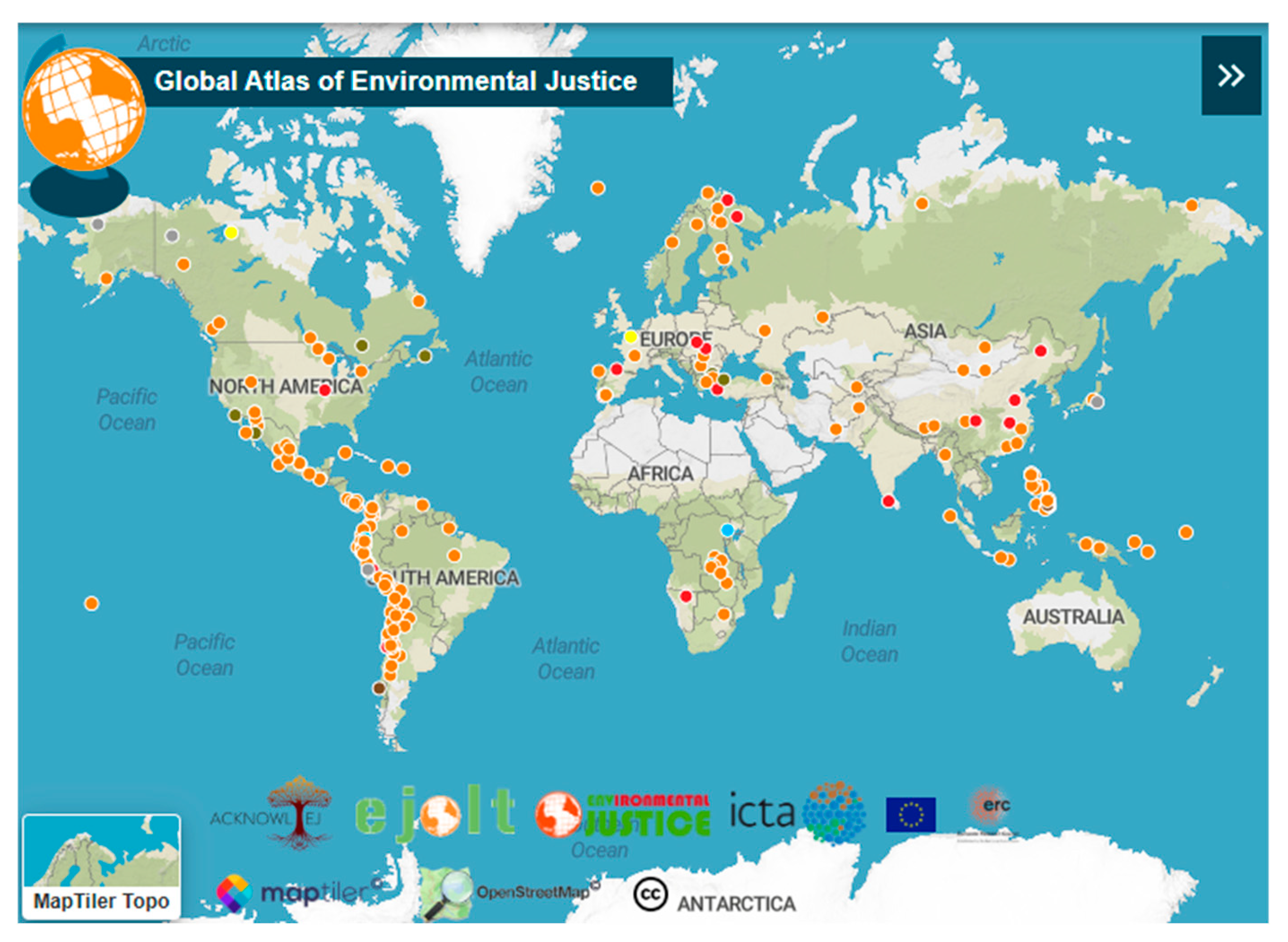
As illustrated in Figure 2, the concentration of copper mining activities is correlated with an increase in socioenvironmental conflicts. The EjAtlas platform records a significant clustering of conflicts in the vicinity of the Andes Mountains in South America. Chile and Peru are notable among the affected countries, as they are the two leading copper producers globally.

4.4.2. The Chilean and Peruvian Copper Cases Under the Classical Three Tenets

Recently, data from the EjAtlas platform [49] were utilised to examine cases involving copper in Chile and Peru, in accordance with three conventional principles of EJ [18,48]. In northern Chile, nine active socioenvironmental conflicts in the copper sector involve extraction, processing, and transport facilities, with disputes largely centred on water use, environmental degradation, and health risks. In Tarapacá and Coquimbo, projects such as Quebrada Blanca, Cerro Colorado, and Los Pelambres have generated tensions with Indigenous groups, farmers, and local communities that are dependent on scarce water resources. Long-term cases, including Chañaral Bay, Antofagasta Port, and the Paipote smelter, demonstrate the severe environmental and health impacts associated with copper transportation and smelting, as well as threats to cultural heritage and ancestral traditions.
In Peru, socioenvironmental conflicts surrounding copper mining are concentrated in southern departments, although significant disputes also occur in Cajamarca, Ancash, Junín, and Lima. These conflicts reflect EJ concerns, including the unequal distribution of resources, water scarcity, environmental degradation, health impacts, and damage to cultural heritage. They are exacerbated by institutional fragility, political fragmentation, and corporate profit concentration, with emblematic cases such as Yanacocha, Antamina, Callao Port, and Morococha illustrating the intersection of poverty, pollution, displacement, and weak conflict-resolution frameworks.

4.4.3. The Chilean and Peruvian Copper Cases Under the Reframed Tenets

This case serves as an illustrative example rather than an exhaustive application of the principles discussed.
With respect to the distributional principle, incorporating considerations of transboundary flows and ecologically unequal exchange is essential. Therefore, in addition to identifying the locations of conflicts, we also examine the destinations of Chilean and Peruvian copper, which, through their production, basic processing, and transportation, give rise to socioenvironmental conflicts.
In the broader context, the geopolitical landscape has experienced significant alterations over recent decades. In 2023, Chile’s exports of copper ore totalled $24.4 billion. The main destinations for these exports were China ($17.5 billion, 71.7%), Japan ($3.61 billion, 14.8%), and South Korea ($1.13 billion, 4.65%) [62]. In 2023, Peru’s total exports of copper ore amounted to $20 billion, predominantly to China ($15.6 billion, 77.8%), Japan ($1.24 billion, 6.21%), and South Korea ($733 million, 3.66%). [62]. Thus, a new Sino-centric geopolitical metabolism is clearly delineated around copper flows.
Regarding the recognition tenet, a pertinent question may be whether ontological plurality and Indigenous sovereignty are taken into account. If a traditional interpretation of the recognition tenet assesses the tangible and intangible damage to Indigenous heritage, then a revised tenet must require additional primary data for comprehensive evaluation.
In this context, Dunlap [63] documented how residents of Arequipa (Peru) confront their own ontologies with the prospects of copper mining. According to Dunlap [63], racism and ontological-epistemic discrimination became apparent through the influence of Western materialism and market democracies on the towns and inhabitants affected by Peruvian copper mining. In the same vein, from a historical perspective, Moore [64] reveals how those patterns of local confrontation with foreign capital-based views have a strong colonial and imperial dynamic in the Americas and the Andean countries. Scales and temporality became critical in confronting frames beyond linear conceptualisations of time.
According to Kellner [65], Indigenous ontologies advance a nonanthropocentric worldview grounded in reciprocity, care, and spiritual connections that bind humans, nonhumans, and even nonliving entities. In contrast, Western frameworks emphasise instrumental or intrinsic values, reducing nature to manageable resources or services. Indigenous perspectives view this categorical separation as inadequate, as their core value resides in sustaining relationships rather than regulating individual components. Conversely, referring to Atacama Desert mining activity in Chile, Collao Quevedo [66] discusses the institutionalisation of an extractivist ontology, which enables extralocal actors to exploit and appropriate a region’s geological resources while simultaneously undermining alternative ontological paradigms.
With respect to procedural principles, it is essential to ascertain who establishes transition rules, how imaginaries are institutionalised, and strategies to ensure community self-determination. Consequently, it becomes imperative to evaluate whether, for instance, Indigenous worldviews are represented and flourishing within national and international institutions. However, as Kellner [65] noted, particular attention must be paid to the gap between written standards and their enforcement, as in mining jurisdictions, states might prioritise macroeconomic contributions.
In Peru, Indigenous populations are defined and considered in the national constitution [67]. Article 89 states that ‘Peasant and Native Communities have legal existence and are legal entities’. Moreover,
“They are autonomous in their organisation, in communal work, and in the use and free disposal of their lands, as well as in economic and administrative matters, within the framework established by law. Ownership of their lands is imprescriptible, except in the case of abandonment provided for in the previous article. The state respects the cultural identity of the Peasant and Native Communities.”
Conversely, to date, the Chilean constitution has not recognised Indigenous peoples, and no historical constitution has done so. However, there are legislative initiatives and a constitutional reform bill (submitted in June 2025) that aim to secure their recognition and inscribe their rights within the constitution [68].
Nevertheless, beyond those legal definitions, it is imperative to extend the analysis to encompass how ET plans, agendas, and laws incorporate (or fail to incorporate) the plurality of imaginaries, taking into account the entire renewable energy production chain, along with the associated processes and infrastructures.
Furthermore, cosmopolitan principles must consider the responsibilities of major-centre economies with high copper demand regarding resource exploitation and historical debts. This approach ensures that solidarity transcends mere abstract ideas and is effectively operationalised through tangible resources, considering the full spectrum of possibilities, including redistribution, decolonisation, and promotion of self-determination. Such deliberations remain an ongoing aspect of the global climate change agenda and discussions linked to the ecological debt [69,70,71].
Restorative justice in the context of the ET requires more than regulatory compliance; it must encompass policy frameworks, agendas, and collective initiatives that repair mining-affected territories and enable self-determined futures for local populations. A historical example in the copper sector is related to tailings management in Chile and Peru, which poses a permanent risk even after mining operations cease [52,72]. While both countries have established regulations governing the closure phase of mining projects [73,74], these regulations often remain narrowly procedural. More holistic approaches are needed that move beyond consultative mechanisms to genuinely support long-term remediation, cultural restoration, and community sovereignty.
Applying this reframed EJ lens to the copper case illustrates how the ET reconfigures global resource frontiers. The notion of geopolitical metabolism captures both material flows (minerals, energy) and power asymmetries (North–South, state–corporate–community). This approach reveals new dimensions of justice that extend beyond the classical EJ framework. The copper case demonstrates that without a geopolitical approach, EJ overlooks new ‘sacrifice zones’ in the Global South that support North and China’s low-carbon transition. While China’s rise complicates traditional North–South distinctions, the extraction of materials and concentration of socioenvironmental burdens continue to be disproportionately located in peripheral territories, revealing that geopolitical metabolism reproduces asymmetries even as centres of demand shift.
Moreover, this case is illustrative rather than exhaustive. Future work should consider additional aspects of distributional justice, such as the socioenvironmental conflicts associated with copper destinations, transportation, and processing abroad. Whole-system analyses should also address the end-of-life of clean technologies, raising questions about waste, recycling, and the allocation of socioenvironmental burdens. Recent advances in modelling copper flows and lifecycles provide valuable tools to refine our understanding of geopolitical metabolism within EJ. Extending this exercise to other critical minerals and clean technology chains represents a crucial next step.
Further studies must extend beyond the primary relation established here, encompassing the entire life cycle of critical minerals, from mining to waste disposal, including mid-processes, transportation, manufacturing, and use. Our framework focuses on macrostructural dynamics, so complementing it with micro case studies (specific communities) linked to transnational and geopolitical insights would be the next step to validate its applicability. Deeper engagement with Indigenous ontologies through in situ analyses, such as ethnographic fieldwork, is necessary.

5. Conclusions

EJ has emerged as a key analytical framework for studying ET. While it has gained considerable traction, critiques highlight its Western-centric orientation and limited ability to address deeper structural asymmetries. This work argues that current EJ debates insufficiently consider shifts in the geopolitical metabolism of ET, risking the reproduction of unequal ecological and social relationships between centres and peripheries.
To address these shortcomings, we propose enhancing EJ to explicitly incorporate geopolitical metabolism, structural asymmetries, extractivism, and colonial legacies. Building on pivotal previous works, we acknowledge that EJ often excludes alternative perspectives on justice, knowledge, and subjectivities, thereby potentially reproducing epistemic and ontological violence. A genuinely decolonial EJ remains unattainable unless grounded in local knowledge systems and is capable of engaging diverse epistemologies and ontologies from the peripheries. Indeed, the purpose of this paper was not to introduce a new concept, propose a totally new theory, or replace EJ, but to enhance the EJ framework by adding a geopolitical component from the new architecture triggered by the ET.
Building on the reviewed literature, the framework highlights how EJ debates must move beyond their conventional Western-centric orientation to account for decolonial perspectives, political–ecological critiques, and the structural power asymmetries that shape global energy and matter flows. In doing so, it seeks to expand EJ’s analytical reach to capture the geopolitical, socioenvironmental, and epistemic dimensions of contemporary transitions. In addition to adding multiple EJ principles to a wide range of societal labels, this work entailed a reexamination and deconstruction of the primary tenets already extensively employed in the EJ literature.
The key analysed literature critiques the techno-optimistic stance of contemporary corporate ET. A reinterpreted EJ framework that considers the new ET geopolitical metabolism highlights distributive concerns related to transboundary flows, unequal ecological exchanges, and the establishment of (green) sacrifice zones on the peripheries of transnational patterns. EJ must be analysed across multiple scales—from local struggles to national policies and global asymmetries. Recognition should extend beyond identity to encompass ontological and epistemic justice. Indeed, marginalised perspectives are integral to defining the parameters of a just transition. Procedural justice necessitates addressing the plurality of worldviews; institutionalising diverse imaginaries, such as policies, agendas, and legislation; and safeguarding community self-determination. Institutional arrangements and visions of ‘progress’ or ‘development’ that influence transitions significantly shape their justice outcomes.
In a brief illustrative example, we demonstrate how copper conflicts in Chile and Peru highlight the tensions of ET under global asymmetry. The copper case and mining production in Chile and Peru illustrate how energy and material fluxes—and geopolitical metabolism—are changing within the ET context. Copper-linked socioenvironmental conflicts are located primarily in peripheral copper-producing regions, while the demand pole is shifting from a Western-centric to a Sino-centric cleantech new pole led by China. Moreover, the plurality of local worldviews in the context of socioenvironmental conflicts is often overlooked.

Author Contributions

Conceptualisation, A.B.P.G. and Y.M.M.; methodology, A.B.P.G.; software, A.B.P.G.; validation, A.B.P.G.; formal analysis, A.B.P.G.; investigation, A.B.P.G.; resources, A.B.P.G.; data curation, A.B.P.G.; writing—original draft preparation, A.B.P.G.; writing—review and editing, A.B.P.G. and Y.M.M.; visualisation, A.B.P.G.; supervision, Y.M.M.; project administration, Y.M.M.; funding acquisition, A.B.P.G. and Y.M.M. All authors have read and agreed to the published version of the manuscript.

Funding

This research received no external funding.

Institutional Review Board Statement

Not applicable.

Informed Consent Statement

Not applicable.

Data Availability Statement

Data are contained within the article.

Acknowledgments

This research was carried out within the framework of the Postdoctoral Project (Semester 2–2024), with the support of the Vicerrectoría de Investigación, Creación e Innovación of the Pontificia Universidad Católica de Valparaíso. The authors gratefully acknowledge the institutional support and guidance provided throughout the project’s development. AI-assisted tools were used for literature screening (Elicit) and schematic development (Napkin). All outputs were critically reviewed and edited by the authors, who assume full responsibility for the content of this publication.

Conflicts of Interest

The authors declare no conflicts of interest.

Abbreviations

The following abbreviations are used in this manuscript:
DRCDemocratic Republic of Congo
EJEnergy justice
ETEnergy transition
EJAtlasAtlas of Environmental Justice
IEAInternational Energy Agency
PESETPolitical Ecology Framework for Sustainable Energy Transition
REDD+Reducing Emissions from Deforestation and Forest Degradation

Appendix A

Table A1 presents the key internal instructions from Elicit to select and extract pivotal data from the selected works.
Table A1. Elicit’s internal instructions for data extraction.
IssueElicit’s Instruction
Theoretical frameworkIdentify and extract the primary theoretical frameworks used in the study. Look for explicit mentions of: EJ framework, green extractivism, geopolitical metabolism, coloniality/postcolonial perspectives, Indigenous perspectives on ET.
Geographical focusExtract detailed information about the geographical context of the study: specific regions or territories studied, relationship between territories (e.g., centre-periphery dynamics), Indigenous territories or communities involved, geopolitical relationships highlighted. Provide precise geographical details, including: country/countries, specific regions or territories, and type of territory (e.g., Indigenous land, extractive zone).
Power redistribution and social burden analysisIdentify and extract information about the social, ecological, and geopolitical burdens redistributed through ET, as well as the power dynamics between different actors (e.g., multinational corporations, Indigenous communities, national governments), the mechanisms of burden externalisation, and patterns of dispossession or marginalisation. Look for: explicit discussions of burden redistribution, comparative analysis of different actors’ positions, and mechanisms of power reproduction. Extract specific examples or case studies that illustrate these dynamics.
Indigenous perspectivesExtract information about: Indigenous community responses to ET projects, self-determination and autonomy claims, cultural and territorial implications, resistance strategies. Focus on: direct quotes from Indigenous leaders/authorities, specific demands or proposals, challenges to existing ET models.
Methodological approach and data sourcesIdentify and extract: research methodology (qualitative, theoretical analysis, etc.), primary data sources, analytical techniques, theoretical or empirical approach, and provide details such as the type of analysis (e.g., discourse analysis, policy analysis), data collection methods, and specific analytical frameworks used.
Source: [45].

References

  1. Poque González, A.B. Por que aprofundar na relação entre energia, ambiente e sociedade-Algumas reflexões desde a América Latina. Gavagai 2024, 10, 111–129. [Google Scholar] [CrossRef]
  2. Ripple, W.J.; Wolf, C.; Gregg, J.W.; Rockström, J.; Newsome, T.M.; Law, B.E.; Marques, L.; Lenton, T.M.; Xu, C.; Huq, S.; et al. The 2023 State of the Climate Report: Entering Uncharted Territory. BioScience 2023, 73, 841–850. [Google Scholar] [CrossRef]
  3. Bevacqua, E.; Schleussner, C.-F.; Zscheischler, J. A Year above 1.5 °C Signals That Earth Is Most Probably within the 20-Year Period That Will Reach the Paris Agreement Limit. Nat. Clim. Chang. 2025, 15, 262–265. [Google Scholar] [CrossRef]
  4. Ripple, W.J.; Wolf, C.; Mann, M.E.; Rockström, J.; Gregg, J.W.; Xu, C.; Wunderling, N.; Perkins-Kirkpatrick, S.E.; Schaeffer, R.; Broadgate, W.J.; et al. The 2025 State of the Climate Report: A Planet on the Brink. BioScience 2025, 75, 1016–1027. [Google Scholar] [CrossRef]
  5. IEA. World Energy Outlook 2022. Available online: https://www.iea.org/reports/world-energy-outlook-2022 (accessed on 27 November 2025).
  6. Kumar, A. Energy Geographies in/of the Anthropocene: Where Now? Geogr. Compass 2022, 16, e12659. [Google Scholar] [CrossRef]
  7. Lang, M.; Bringel, B.; Manahan, M.A. (Eds.) Más Allá del Colonialismo Verde: Justicia Global y Geopolítica de Las Transiciones Ecosociales, 1st ed.; CLACSO: Ciudad Autónoma de Buenos Aires, Argentina, 2023; ISBN 978-987-813-605-9. [Google Scholar]
  8. Voskoboynik, D.M.; Andreucci, D. Greening Extractivism: Environmental Discourses and Resource Governance in the ‘Lithium Triangle’. Environ. Plan. E Nat. Space 2022, 5, 787–809. [Google Scholar] [CrossRef]
  9. Park, S.; Kramarz, T.; Johnson, C. Governance Gaps and Accountability Traps in Renewables Extractivism. Environ. Policy Gov. 2024, 34, 754–767. [Google Scholar] [CrossRef]
  10. Bainton, N.; Kemp, D.; Lèbre, E.; Owen, J.R.; Marston, G. The Energy-extractives Nexus and the Just Transition. Sustain. Dev. 2021, 29, 624–634. [Google Scholar] [CrossRef]
  11. Poque González, A.B. Claves para entender el rol geopolítico de América Latina en la transición energética global. Una aproximación desde la teoría de la dependencia. In Prefigurar el Futuro. Dinámicas Extractivas y Energéticas en Clave Latinoamericana; Miradas Latinoamericanas; CLACSO: Buenos Aires, Argentina, 2025; pp. 137–164. ISBN 978-631-308-030-4. [Google Scholar]
  12. Cederlöf, G. Out of Steam: Energy, Materiality, and Political Ecology. Prog. Hum. Geogr. 2021, 45, 70–87. [Google Scholar] [CrossRef]
  13. Hira, A. The Geopolitics of the Green Transition and Critical Strategic Minerals. Int. J. 2025, 80, 217–245. [Google Scholar] [CrossRef]
  14. Kalantzakos, S. The Race for Critical Minerals in an Era of Geopolitical Realignments. Int. Spect. 2020, 55, 1–16. [Google Scholar] [CrossRef]
  15. Post, E.; Le Billon, P. The ‘Green War’: Geopolitical Metabolism and Green Extractivisms. Geopolitics 2025, 30, 760–800. [Google Scholar] [CrossRef]
  16. IEA. The Role of Critical Minerals in Clean Energy Transitions. 2022. Available online: https://www.iea.org/reports/the-role-of-critical-minerals-in-clean-energy-transitions (accessed on 27 November 2025).
  17. World Economic Forum. Making Mining Safe and Fair: Artisanal Cobalt Extraction in the Democratic Republic of the Congo. Available online: https://www3.weforum.org/docs/WEF_Making_Mining_Safe_2020.pdf (accessed on 16 December 2025).
  18. Poque González, A.B. Conflicts Linked to Critical Minerals and Renewables in South America—The Hydropower and Copper Cases through the Energy Justice Lens. In Energy Justice in Latin America: Reflections, Lessons and Critiques; Routledge & CRC Press: New York, NY, USA, 2025; ISBN 978-1-032-79532-4. [Google Scholar]
  19. González, A.B.P.; Macia, Y.M.; Ferreira, L.d.C.; Valdes, J. Socioecological Controversies from Chilean and Brazilian Sustainable Energy Transitions. Sustainability 2023, 15, 1861. [Google Scholar] [CrossRef]
  20. Sustainability Directory Geopolitical Ecology → Term. Climate. Sustainability-Directory 2025. Available online: https://climate.sustainability-directory.com/term/geopolitical-ecology/ (accessed on 1 October 2025).
  21. Kurniawan, N.I.; Winanti, P.S.; Cahyati, D.D. Recarbonization Through Decarbonization: Nickel Extraction and the Deepening of Fossil Fuel Dependence in Indonesia. Glob. Environ. Politics 2025, 25, 118–138. [Google Scholar] [CrossRef]
  22. Yergin, D. The Prize: The Epic Quest for Oil, Money & Power; Free Press trade pbk. ed.; Free Press: New York, NY, USA, 2008; ISBN 978-1-4391-1012-6. [Google Scholar]
  23. O’Sullivan, M.; Overland, I.; Sandalow, D. The Geopolitics of Renewable Energy. SSRN J. 2017, RWP17-027, 1–56. [Google Scholar] [CrossRef]
  24. Scholten, D.; Bazilian, M.; Overland, I.; Westphal, K. The Geopolitics of Renewables: New Board, New Game. Energy Policy 2020, 138, 111059. [Google Scholar] [CrossRef]
  25. IRENA. Geopolitics of the Energy Transition: Critical Materials. Available online: https://www.irena.org/Digital-Report/Geopolitics-of-the-Energy-Transition-Critical-Materials (accessed on 6 November 2024).
  26. Kuzemko, C.; Blondeel, M.; Bradshaw, M.; Bridge, G.; Faigen, E.; Fletcher, L. Rethinking Energy Geopolitics: Towards a Geopolitical Economy of Global Energy Transformation. Geopolitics 2024, 1–35. [Google Scholar] [CrossRef]
  27. Scholten, D. Chapter 1: Introduction: The Geopolitics of the Energy Transition. In Handbook on the Geopolitics of the Energy Transition; Edward Elgar Publishing: Northampton, MA, USA, 2023; pp. 1–18. ISBN 978-1-80037-043-2. [Google Scholar]
  28. Vivoda, V.; Matthews, R.; McGregor, N. A Critical Minerals Perspective on the Emergence of Geopolitical Trade Blocs. Resour. Policy 2024, 89, 104587. [Google Scholar] [CrossRef]
  29. Poque González, A.B. New Commodity Frontiers: Chile and Indonesia in the Geopolitics of Critical Minerals. 2025. Available online: https://www.e-ir.info/2025/11/22/new-commodity-frontiers-chile-and-indonesia-in-the-geopolitics-of-critical-minerals/ (accessed on 1 October 2025).
  30. O’Sullivan, K.; Golubchikov, O.; Mehmood, A. Uneven Energy Transitions: Understanding Continued Energy Peripheralization in Rural Communities. Energy Policy 2020, 138, 111288. [Google Scholar] [CrossRef]
  31. Graddy-Lovelace, G.; Ranganathan, M. Geopolitical Ecology for Our Times. Political Geogr. 2024, 112, 103034. [Google Scholar] [CrossRef]
  32. Yang, Y.; Xia, S.; Qian, X. Geopolitics of the Energy Transition. J. Geogr. Sci. 2023, 33, 683–704. [Google Scholar] [CrossRef]
  33. O’Lear, S. Environmental Geopolitics: An Introduction to Questions and Research Approaches. In A Research Agenda for Environmental Geopolitics; O’Lear, S., Ed.; Edward Elgar Publishing: Cheltenham, UK, 2020; ISBN 978-1-78897-124-9. [Google Scholar]
  34. Leff, E. Ecologia Política: Uma Perspectiva Latino-Americana. Desenvolv. Meio Ambiente. 2013, 35, 29–64. [Google Scholar] [CrossRef]
  35. Belcher, O.; Bigger, P.; Neimark, B.; Kennelly, C. Hidden Carbon Costs of the “Everywhere War”: Logistics, Geopolitical Ecology, and the Carbon Boot-Print of the US Military. Trans. Inst. Br. Geogr. 2020, 45, 65–80. [Google Scholar] [CrossRef]
  36. Baasch, S. Towards an Integrative Understanding of Multiple Energy Justices. Geogr. Helv. 2023, 78, 547–558. [Google Scholar] [CrossRef]
  37. Mejía-Montero, A.; Jenkins, K.E.H. Whole-Systems Energy Justice. In Handbook on Energy Justice; Bouzarovski, S., Fuller, S., Reames, T., Eds.; Edward Elgar Publishing: Cheltenham, UK, 2023; pp. 13–24. ISBN 978-1-83910-295-0. [Google Scholar]
  38. Jenkins, K.; McCauley, D.A.; Heffron, R.; Stephan, H. Energy Justice: A Whole Systems Approach. Queen’s Political Rev. 2014, 2, 74–87. [Google Scholar]
  39. Sovacool, B.K.; Burke, M.; Baker, L.; Kotikalapudi, C.K.; Wlokas, H. New Frontiers and Conceptual Frameworks for Energy Justice. Energy Policy 2017, 105, 677–691. [Google Scholar] [CrossRef]
  40. Sovacool, B.K.; Dworkin, M.H. Energy Justice: Conceptual Insights and Practical Applications. Appl. Energy 2015, 142, 435–444. [Google Scholar] [CrossRef]
  41. Heffron, R.J. The Role of Justice in Developing Critical Minerals. Extr. Ind. Soc. 2020, 7, 855–863. [Google Scholar] [CrossRef]
  42. Lacey-Barnacle, M.; Robison, R.; Foulds, C. Energy Justice in the Developing World: A Review of Theoretical Frameworks, Key Research Themes and Policy Implications. Energy Sustain. Dev. 2020, 55, 122–138. [Google Scholar] [CrossRef]
  43. Ferrall-Wolf, I.; Gill-Wiehl, A.; Kammen, D.M. A Bibliometric Review of Energy Justice Literature. Front. Sustain. Energy Policy 2023, 2, 1175736. [Google Scholar] [CrossRef]
  44. Espinosa, C.; Rodríguez, F. Rights of Nature and World Order: Reimagining Socioecological Futures. Glob. Environ. Politics 2025, 25, 55–77. [Google Scholar] [CrossRef]
  45. Elicit. Available online: https://elicit.com (accessed on 9 July 2025).
  46. Bernard, N.; Sagawa, Y., Jr.; Bier, N.; Lihoreau, T.; Pazart, L.; Tannou, T. Using Artificial Intelligence for Systematic Review: The Example of Elicit. BMC Med. Res. Methodol. 2025, 25, 75. [Google Scholar] [CrossRef] [PubMed]
  47. Podobińska-Staniec, M.; Wiktor-Sułkowska, A.; Kustra, A.; Lorenc-Szot, S. Copper as a Critical Resource in the Energy Transition. Energies 2025, 18, 969. [Google Scholar] [CrossRef]
  48. Poque González, A.B. Who Pays the Price? -Socioecological Controversies Regarding the Energy Transition in South America. SustDeb 2022, 13, 72–120. [Google Scholar] [CrossRef]
  49. Temper, L.; Del Bene, D.; Martinez-Alier, J. Mapping the frontiers and front lines of global environmental justice: The EJAtlas. J. Political Ecol. 2015, 22, 255–278. [Google Scholar] [CrossRef]
  50. Martinez-Alier, J. Mapping Ecological Distribution Conflicts: The EJAtlas. Extr. Ind. Soc. 2021, 8, 100883. [Google Scholar] [CrossRef]
  51. Llavero-Pasquina, M. Driving Ecologically Unequal Exchange: A Global Analysis of Multinational Corporations’ Role in Environmental Conflicts. Glob. Environ. Change 2025, 92, 103006. [Google Scholar] [CrossRef]
  52. Canelas, J.; Carvalho, A. The Dark Side of the Energy Transition: Extractivist Violence, Energy (in)Justice and Lithium Mining in Portugal. Energy Res. Soc. Sci. 2023, 100, 103096. [Google Scholar] [CrossRef]
  53. Boateng, D.; Bloomer, J.; Morrissey, J. Where the Power Lies: Developing a Political Ecology Framework for Just Energy Transition. Geogr. Compass 2023, 17, e12689. [Google Scholar] [CrossRef]
  54. Hoffman, J.; Davies, M.; Bauwens, T.; Späth, P.; Hajer, M.A.; Arifi, B.; Bazaz, A.; Swilling, M. Working to Align Energy Transitions and Social Equity: An Integrative Framework Linking Institutional Work, Imaginaries and Energy Justice. Energy Res. Soc. Sci. 2021, 82, 102317. [Google Scholar] [CrossRef]
  55. Tornel, C. Decolonizing Energy Justice from the Ground up: Political Ecology, Ontology, and Energy Landscapes. Prog. Hum. Geogr. 2023, 47, 43–65. [Google Scholar] [CrossRef]
  56. Segovia-Tzompa, S.M.; Casimero, I.; Apagüeño, M.G. When the Past Meets the Future: Latin American Indigenous Futures, Transitional Justice and Global Energy Governance. Futures 2024, 163, 103438. [Google Scholar] [CrossRef]
  57. Ulloa, A. Aesthetics of Green Dispossession: From Coal to Wind Extraction in La Guajira, Colombia. J. Political Ecol. 2023, 30, 743–764. [Google Scholar] [CrossRef]
  58. Sánchez Contreras, J.; Matarán Ruiz, A.; Campos-Celador, A.; Fjellheim, E.M. Energy Colonialism: A Category to Analyse the Corporate Energy Transition in the Global South and North. Land 2023, 12, 1241. [Google Scholar] [CrossRef]
  59. Swarnakar, P.; Singh, M.K. Local Governance in Just Energy Transition: Towards a Community-Centric Framework. Sustainability 2022, 14, 6495. [Google Scholar] [CrossRef]
  60. Andreucci, D.; García López, G.; Radhuber, I.M.; Conde, M.; Voskoboynik, D.M.; Farrugia, J.D.; Zografos, C. The Coloniality of Green Extractivism: Unearthing Decarbonisation by Dispossession through the Case of Nickel. Political Geogr. 2023, 107, 102997. [Google Scholar] [CrossRef]
  61. Dorn, F.M. Green Colonialism in Latin America? Towards a New Research Agenda for the Global Energy Transition. Eur. Rev. Lat. Am. Caribb. Stud. 2022, 144, 137–146. [Google Scholar] [CrossRef]
  62. OEC. Available online: https://oec.world/en/profile/bilateral-product/copper-ore/reporter/chl (accessed on 5 September 2025).
  63. Dunlap, X. This System Is Killing Us: Land Grabbing, the Green Economy and Ecological Conflict; first published; Pluto Press: London, UK; Las Vegas, NV, USA, 2024; ISBN 978-0-7453-4883-4. [Google Scholar]
  64. Moore, J. “This Lofty Mountain of Silver Could Conquer the Whole World”: Potosí and the Political Ecology of Underdevelopment, 1545–1800. J. Philos. Econ. 2010, 4, 58–103. [Google Scholar] [CrossRef]
  65. Kellner, E. Mineral Extraction on Indigenous Land: Employing a Relational Approach to Navigate the Convergence of Indigenous and Other Ontologies and Practices. Energy Res. Soc. Sci. 2025, 125, 104097. [Google Scholar] [CrossRef]
  66. Collao Quevedo, M.F.C. Extractivist Ontologies: Lithium Mining and Anthropocene Imaginaries in Chile’s Atacama Desert. Intertexts 2023, 27, 78–103. [Google Scholar] [CrossRef]
  67. BCN. Biblioteca del Congreso Nacional de Chile. Constitución de Perú. Available online: https://www.bcn.cl/procesoconstituyente/comparadordeconstituciones/constitucion/per (accessed on 9 September 2025).
  68. Palacio de la Moneda. Autoridades Detallan Reforma Constitucional para el Reconocimiento de los Pueblos Indígenas Anunciada por el Presidente Gabriel Boric-Ministerio del Interior. Available online: https://www.interior.gob.cl/noticias/2025/06/19/autoridades-detallan-reforma-constitucional-para-el-reconocimiento-de-los-pueblos-indigenas-anunciada-por-el-presidente-gabriel-boric/ (accessed on 9 September 2025).
  69. Roberts, J.T.; Parks, B.C. Ecologically Unequal Exchange, Ecological Debt, and Climate Justice: The History and Implications of Three Related Ideas for a New Social Movement. Int. J. Comp. Sociol. 2009, 50, 385–409. [Google Scholar] [CrossRef]
  70. Lawrence, K.S. The Thermodynamics of Unequal Exchange: Energy Use, CO2 Emissions, and GDP in the World-System, 1975—2005. Int. J. Comp. Sociol. 2009, 50, 335–359. [Google Scholar] [CrossRef]
  71. Azamar-Alonso, A.; Carrillo-González, G. Extractivismo y deuda ecológica en América Latina. LuAZ 2017, 45, 400–418. [Google Scholar] [CrossRef]
  72. Cacciuttolo, C.; Atencio, E. Past, Present, and Future of Copper Mine Tailings Governance in Chile (1905–2022): A Review in One of the Leading Mining Countries in the World. Int. J. Environ. Res. Public Health 2022, 19, 13060. [Google Scholar] [CrossRef] [PubMed]
  73. SERNAGEOMIN. Cierre Faenas Mineras. Servicio Nacional de Geología y Minería; SERNAGEOMIN: Santiago, Chile, 2025. [Google Scholar]
  74. Estado Peruano. Ley y Reglamento que Regula el Cierre de Minas. Ed. 2025. Available online: https://www.gob.pe/institucion/minem/informes-publicaciones/4156124-ley-y-reglamento-que-regula-el-cierre-de-minas-ed-2025 (accessed on 12 September 2025).
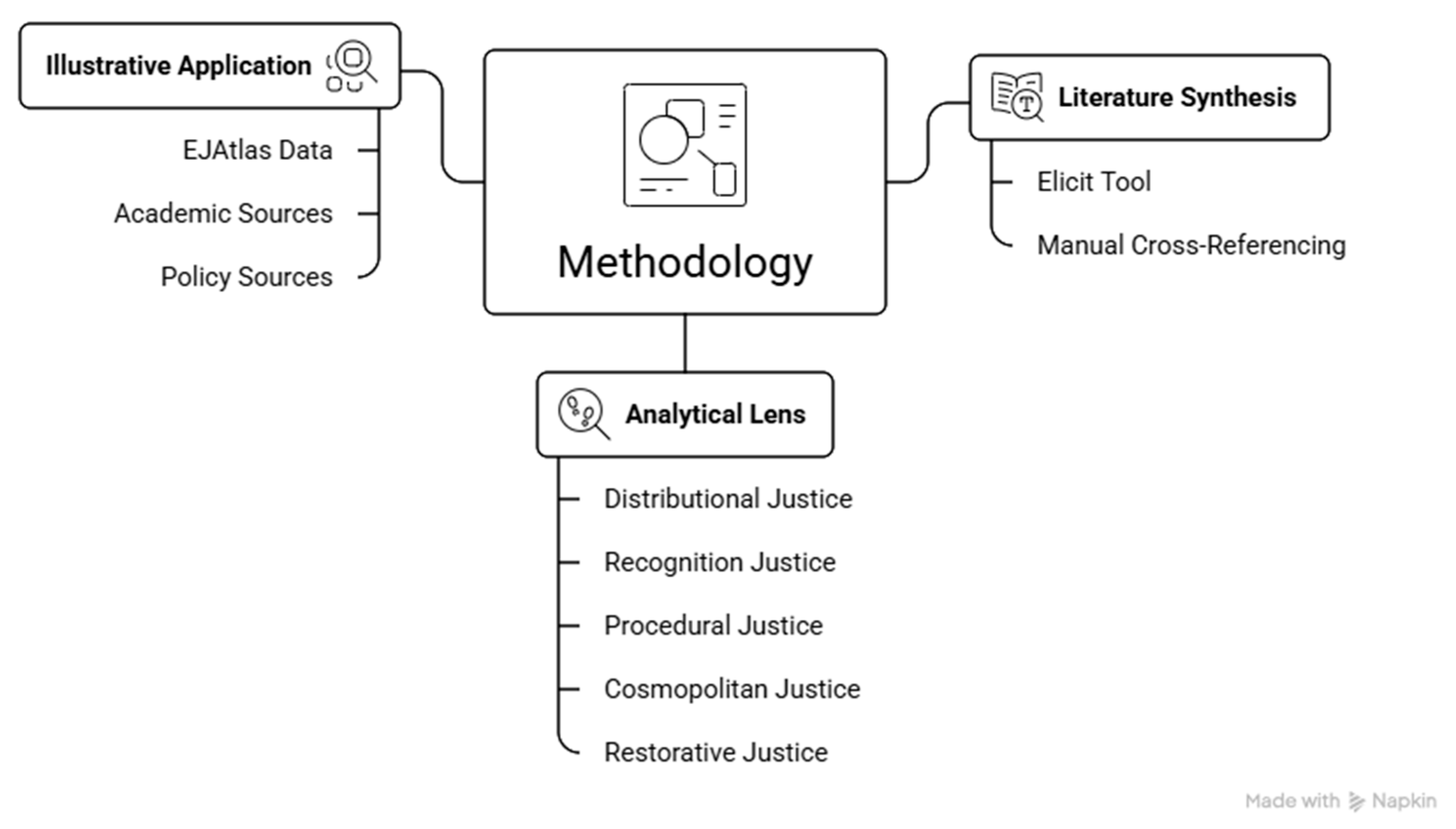
Figure 1. Methodological path. Source: Figure elaborated by the authors using Napkin as a diagramming support tool. The authors assume full responsibility for the content.
Sustainability 18 01032 g001
Figure 2. Copper-related socio-environmental conflicts. Source: Environmental Justice Atlas (EJAtlas) [49], retrieved from https://ejatlas.org/ (accessed on 1 December 2025), screenshot by the authors. The original content is licenced under Creative Commons Attribution–NonCommercial–ShareAlike 3.0; this figure is reproduced and adapted in compliance with, and redistributed under, the compatible CC BY-NC-SA 4.0 licence. Note: All cases relate to copper commodity-related conflicts; however, each colour represents the main type of conflict in each case. Black: Fossil Fuels and Climate Justice/Energy; Brown: Biomass and Land Conflicts (Forests, Agriculture, Fisheries and Livestock Management); Green: Biodiversity conservation conflicts; Blue: Water Management; Purple: Tourism and Recreation; Gray: Infrastructure and Built Environment; Olive green: Waste Management; Red: Industrial and Utilities conflicts; Orange: Mineral Ores and Building Materials Extraction; Yellow: Nuclear.
Sustainability 18 01032 g002
Table 1. Elicit screening criteria for the presented exercise.
CriteriaDefinition
EJ centrality
Does this research treat EJ as a central or major topic (rather than as a minor or tangential consideration)?
ET focus
Does this study focus on renewable energy development, mining for ET materials, or energy infrastructure projects related to ET?
Geographic scope appropriateness
Does this research include consideration of peripheral territories or impacts (i.e., is it NOT limited exclusively to core/developed countries without any consideration of peripheral impacts)?
Impact analysis scope
Does this study analyse social, ecological, or geopolitical impacts of ET (rather than focusing solely on technical or economic aspects)?
Peripheral territory focus
Does this study examine EJ in peripheral territories (e.g., Global South countries, marginalised regions, or areas experiencing economic/geographic peripheralisation)?
Publication quality
Is this a peer-reviewed academic article, book, or book chapter (not a conference abstract, editorial, or opinion piece)?
Theoretical framework integration
Does this research incorporate at least two of the three key concepts: EJ, geopolitical metabolism, and/or green extractivism?
Source: Based on an AI-assisted literature screening using Elicit [45], analysis and interpretation by the authors.
Table 2. Results. Part 1.
ArticleTheoretical FrameworkMain Argument
Canelas and Carvalho [52]
EJ, green
extractivism
Argue that the ET reproduces extractivist logics by intensifying resource exploitation and socioenvironmental inequalities, revealing the ‘dark side’ of green development in peripheral regions.
Boateng et al. [53]
Political Ecology framework for Sustainable Energy Transition (PESET), EJ, postcolonial/IndigenousDevelop a political ecology perspective to show how power relations embedded in energy systems shape unequal transition pathways, privileging certain actors while marginalising communities and alternative knowledges.
Hoffman et al. [54]
EJ, institutional work, imaginariesExamine how ET can be aligned with social equity by identifying institutional, governance, and participatory conditions necessary to avoid reproducing existing injustices.
Tornel [55]
EJ, decolonial/postcolonial, IndigenousArgues for decolonising EJ by grounding it in local, Indigenous, and community-based struggles, challenging universalist EJ frameworks rooted in Western epistemologies.
Segovia-Tzompa et al. [56]
Transitional EJ, Indigenous perspectivesAnalyse how Indigenous ontologies and historical experiences in Latin America shape alternative energy futures, revealing tensions between extractivist transition models and relational worldviews.
Ulloa [57]
Green extractivism, visual political ecologyShows that renewable energy projects can produce ‘green dispossession’ by aestheticising extractivism and masking territorial, cultural, and ontological violence against Indigenous peoples in the name of decarbonisation
Sánchez Contreras et al. [58]
Coloniality/postcolonial, EJ, green
extractivism
Introduce the concept of ‘energy colonialism’ to analyse how corporate-led ET reproduce asymmetric power relations, extractivist practices, and territorial inequalities across both the Global South and North.
Swarnakar and Singh [59]
EJArgue that a just ET requires community-centric local governance frameworks that prioritise participation, decentralised decision-making, and local control over energy systems.
Andreucci et al. [60]
Green extractivism, EJ, geopolitical metabolism, colonialityDemonstrate how green extractivism operates through colonial logics of dispossession by analysing nickel extraction as a critical mineral underpinning decarbonisation, reinforcing centre–periphery inequalities in the ET.
Dorn [61]
Coloniality/postcolonial, green extractivismCalls for a new research agenda on green colonialism in Latin America, highlighting how the expansion of renewable energy risks reproducing historical patterns of domination, dependency, and socio-environmental conflict.
Source: Based on an AI-assisted literature screening using Elicit [45], analysis and interpretation by the authors.
Table 3. Results. Part 2.
ArticleGeographic FocusEnergy Technology/
Resource
Primary Findings on Burden Redistribution
Canelas and Carvalho [52]
Northern Portugal (peripheral rural territories)Lithium miningLithium mining for the ET creates green sacrifice zones, reproducing violence and injustice in peripheral territories.
Boateng et al. [53]
Global South
(Sub-Saharan Africa)
Solar home
systems, clean
cookstoves
Power and resource capture in low-carbon transitions. Marginalised groups risk exclusion. Need for inclusive frameworks.
Hoffman et al. [54]
Germany, South
Africa
Renewable energy infrastructuresRenewable energy may worsen social equity; ‘agency’ and institutions influence burden sharing.
Tornel [55]
Global South (Latin America)General (energy landscapes)Western-centric transitions perpetuate colonial power; there is a need for decolonial, place-based justice.
Segovia-Tzompa et al. [56]
Latin America
(Indigenous
communities)
General (green
transition)
Historical violence and dispossession persist; self-determination and relationality are needed for justice.
Ulloa [57]
La Guajira, Colombia (Wayúu territory)Wind energyWind projects reproduce extractivist impacts; Wayúu face dispossession and delegitimisation.
Sánchez Contreras et al. [58]
Mexico, Norway, Spain, Western SaharaRenewable energy megaprojectsEnergy colonialism persists; megaprojects cause dispossession, land grabbing, and resistance.
Swarnakar and Singh [59]
India (Global
South), UK, USA
Coal phase-out, renewablesLocal governance is marginalised; top-down transitions externalise burdens to local communities.
Andreucci et al. [60]
Not specified (focus on formerly colonised countries)Nickel (transition
minerals)
Decarbonisation reinforces colonial extractivism; dispossession and sacrifice zones in the periphery.
Dorn [61]
Latin America (Argentina, Bolivia, Chile, Colombia, Mexico)Lithium, green
hydrogen, Reducing Emissions from
Deforestation and Forest Degradation (REDD+)
Green colonialism perpetuates resource extraction, social-ecological inequalities, and violent suppression.
Source: Based on an AI-assisted literature screening using Elicit [45], analysis and interpretation by the authors.
Table 4. Results. Part 3.
ArticleBurden TypeRedistribution
Mechanism
Affected
Communities
Legitimation
Strategies
Canelas and Carvalho [52]
Social, ecological, geopoliticalGreen grabbing,
infrastructural
colonisation
Rural communities in Northern
Portugal
‘Green’ transition discourse, sacrifice zone framing
Boateng et al. [53]
Social, economicResource capture, exclusion from innovationMarginalised groups in the Global SouthInclusive innovation rhetoric, Sustainable Development Goals (SDG) framing
Hoffman et al. [54]
Social equityInstitutional agency, discursive cyclesLocal communities in Germany and South AfricaAlignment with equity goals, but negative outcomes
Tornel [55]
Social, culturalWestern-centric
policy, knowledge exclusion
Indigenous/peasant communities, Global SouthUniversalised justice, modernity
narratives
Segovia-Tzompa et al. [56]
Social, ecological,
historical
Historical violence, governance exclusionIndigenous Peoples, Latin AmericaTransitional justice, relationality
Ulloa [57]
Social, ecological, culturalGreen extractivism, visual legitimationWayúu (La Guajira, Colombia)Aestheticisation, delegitimisation of demands
Sánchez Contreras et al. [58]
Social, ecological,
geopolitical
Land grabbing,
dispossession,
centralisation
Indigenous/rural
Communities (Mexico, Norway,
Spain, Western Sahara)
Climate mitigation discourse, capitalist development
Swarnakar and Singh [59]
Social, governanceTop-down interventions, elite
capture
Local communities, IndiaTechnocratic transition, lack of participation
Andreucci et al. [60]
Social, ecological,
geopolitical
Extractivism, predatory appropriationFormerly colonised countriesSocioecological fix, Green New Deal rhetoric
Dorn [61]
Social, ecological,
geopolitical
Green colonialism, externalisationLatin American
communities, Indigenous
Techno-optimism, Eurocentric
modernity
Source: Based on an AI-assisted literature screening using Elicit [45], analysis and interpretation by the authors.
Disclaimer/Publisher’s Note: The statements, opinions and data contained in all publications are solely those of the individual author(s) and contributor(s) and not of MDPI and/or the editor(s). MDPI and/or the editor(s) disclaim responsibility for any injury to people or property resulting from any ideas, methods, instructions or products referred to in the content.