Article

Carbon Footprint Analysis of Alcohol Production in a Distillery in Three Greenhouse Gas Emission Scopes


by
Magdalena Wróbel-Jędrzejewska
1,*,
Łukasz Przybysz
1,
Ewelina Włodarczyk
1,
Filip Owczarek
2 and
Łukasz Ściubak
3
1
Department of Technology and Refrigeration Techniques, Institute of Agriculture and Food Biotechnology—State Research Institute, Al. Marszałka J. Piłsudskiego 84, 92-202 Lodz, Poland
2
Faculty of Geology, University of Warsaw, 93 Żwirki and Wigury St., 02-089 Warsaw, Poland
3
AGROBIOTECH Doctoral School, Institute of Agriculture and Food Biotechnology—State Research Institute, 36 Rakowiecka St., 02-532 Warsaw, Poland
*
Author to whom correspondence should be addressed.
Sustainability 2026, 18(1), 57; https://doi.org/10.3390/su18010057 (registering DOI)
Submission received: 6 November 2025 / Revised: 6 December 2025 / Accepted: 16 December 2025 / Published: 19 December 2025

Abstract

The study presents a comprehensive assessment of greenhouse gas (GHG) emissions and the carbon footprint (CF) of high-percentage spirit production in a Polish distillery. The analysis followed the GHG Protocol and ISO 14067:2018 standards, covering direct and indirect emissions across three Scopes. Using life cycle assessment (LCA) with a gate-to-gate boundary, emissions were across key technological processes. Verified operational data for 2022–2024 included detailed records of energy and fuel consumption. Electricity use was identified as the dominant emission source, accounting for 70–93% of total GHG emissions, followed by natural gas and transport fuels. The integration of renewable energy sources, including biomass and photovoltaic installations, resulted in a significant decrease in GHG emissions. The average carbon footprint of spirit production declined from 1.02 kg CO2eq/L in 2022 to 0.12–0.15 kg CO2eq/L in 2023–2024, representing an over 85% reduction in emission intensity. Production increased, but the company implemented better practices, including the use of biomass and photovoltaics as energy sources, which translated into a reduction in its carbon footprint. Scenario analysis showed that implementing the replacement of conventional fuels with renewables could lower total GHG emissions by up to 35%. The results confirm that renewable energy implementation and energy-efficiency improvements are effective decarbonization strategies for the spirits industry, supporting compliance with European Green Deal objectives and the transition toward climate-neutral production.

1. Introduction

The production of ethyl alcohol is one of the key sectors of the agri-food industry in Poland and Central Europe [1]. The spirits industry is linked to agriculture and accounts for a significant share of processed product exports, but it currently faces challenges resulting from global climate and energy transformation [2]. In the context of efforts to decarbonize industry and implement the European Green Deal policy [3,4], the production of spirits requires a comprehensive assessment of its environmental impact, particularly in terms of greenhouse gas (GHG) emissions. Key objectives of the Green Deal:
  • Climate neutrality: Aiming for net-zero emissions by 2050, with intermediate targets such as reducing emissions by at least 55% by 2030.
  • Energy: Greening the energy system by increasing the share of renewable energy sources, improving energy efficiency, and creating an integrated energy market.
  • Circular economy: Including better waste management, recycling, and reducing material losses.
  • Nature conservation: Protecting biodiversity, restoring ecosystems (e.g., rivers, soils, habitats), reducing pesticide use, and planting 3 billion trees in the EU by 2030.
  • Agriculture: Introduction of a “farm to fork” strategy, which aims to shorten supply chains, increase the share of organic farming to 25% of agricultural land by 2030, and reduce nutrient losses by at least 50%.
  • Pollution reduction: Reducing air, water, and soil pollution, including through the development of an action plan to eliminate pollution.
  • Innovation and industry: Support for clean technologies, simplification of regulations, access to financing, and development of skills in the industrial sector.
The production of ethyl alcohol is a multi-stage process [5] that requires large amounts of energy. The key processes—fermentation, distillation, rectification, filtration, bottling, and storage—generate varying environmental impacts depending on the raw materials used, energy sources, thermal efficiency of the installation, and scale of production. The most energy-intensive stage is rectification, during which raw alcohol undergoes multi-stage purification in distillation columns. High consumption of process steam, electricity, and cooling water results in this stage accounting for a significant share of the plant’s total carbon footprint.
In recent years, there has also been growing interest in carbon footprint analysis in the agri-food industry, which is due not only to increasing regulatory requirements but also to changes in consumer attitudes [6,7]. Customers increasingly expect transparent information about the environmental impact of products, and companies (especially large multinational corporations) are implementing decarbonization strategies in line with the goals of the Paris Agreement [8]. At the same time, research is being conducted into the possibility of replacing agricultural raw materials with more energy-efficient substrates [9], such as plant waste, which is important in the context of the total carbon footprint of a product. The choice of fuel is crucial for GHG emissions—biomass is treated as a climate-neutral source in the carbon balance, provided that it comes from renewable sources and is used in a sustainable manner [10].
Furthermore, the production of high-percentage spirit drinks is one of the key segments of the Polish agri-food industry, closely linked to the agricultural, energy, and chemical sectors [1,2]. Poland is one of the largest producers of ethyl alcohol in Europe and maintains a strong position in the export of high-percentage alcohols, with manufacturing processes characterized by significant technological and energy diversity. The spirits sector in Poland combines modern technological solutions, which include both automated industrial installations and regional plants based on local agricultural raw materials. The basic raw materials for the production of ethyl alcohol used in the manufacture of high-percentage spirits are potatoes and cereals (mainly wheat, rye, corn, and barley). From a scientific perspective, analyzing the carbon footprint of spirit beverage production is a complex issue that requires the integration of technological, energy, and environmental data. The use of life cycle assessment (LCA) methodology makes it possible to cover the entire spirits production chain—from the cultivation of agricultural raw materials to bottling, storage, and distribution. However, in many cases, including this analysis, the scope of the study is limited to the stages that are key from the point of view of emissions, i.e., the processes taking place in the production plant. This approach allows for a precise determination of the impact of technological processes and the energy efficiency of installations on greenhouse gas emissions.
The research gap in the comprehensive assessment of the carbon footprint of spirits production is that existing studies have focused mainly on direct emissions (Scope 1) and emissions resulting from electricity and heat consumption (Scope 2). However, few studies take into account the full range of indirect emissions (Scope 3), including packaging production and product distribution. In addition, the lack of consistent calculation methodologies and differences in the boundaries of the system make it difficult to compare results and evaluate the effectiveness of emission reduction technologies. For this reason, further research is needed covering the full life cycle of spirit beverage production in different geographical and technological conditions, taking into account innovative solutions in the field of alternative energy sources and the circular economy.
The main objective of this study is to quantitatively assess the carbon footprint (CF) of the spirits production process in a distillery, taking into account three areas of greenhouse gas (GHG) emissions—direct and indirect—in accordance with the GHG Protocol methodology and ISO 14067:2018. Indirect GHG emissions, including raw material transportation and raw material production, were included in the analysis to account for Scope 3. The specific objective is to identify key emission sources within individual technological stages of production, as well as to determine the potential for emission reduction through the use of alternative energy sources, heat recovery technologies, and organizational improvements in energy process management. In addition, GHG emission values were compared by assessing the impact of the type of energy fuel. Scenarios for the use of conventional and renewable fuels (biomass, photovoltaic electricity) were analyzed. The following research hypotheses were formulated:
-
H1: Replacing conventional energy (coal, natural gas) with renewable energy sources (RES) in distillation processes can reduce the carbon footprint of spirit production.
-
H2: The production of high-percentage alcohol from local raw materials generates a lower carbon footprint than from imported raw materials.

2. Materials and Methods

2.1. Study Object

The research material was the production process of spirit beverages in a Polish distillery. The plant is an industrial complex with a high technological standard. The facility is one of the largest centers of high-percentage alcohol production in Poland, and its activity is of key importance for the domestic spirit sector. It is distinguished by its full compliance with the legal requirements for “Polish Vodka.” [11,12], which means that all stages of production, from raw material procurement to bottling, take place in Poland using local ingredients. For many years, the plant has been working intensively to reduce the environmental impact of its operations. The plant has implemented a number of investments in energy efficiency and renewable energy sources. One of the key projects was the construction of a modern biomass-fired boiler room, which made it possible to become almost completely independent of fossil fuels for the production of process heat. In addition, the plant uses electricity partly from photovoltaic installations on the premises, which contributes to a further reduction in greenhouse gas emissions. As part of its sustainable development policy, the plant has implemented an environmental management system in accordance with international standards, including ISO 14001 [13]. The plant is a company that combines the traditional values of Polish alcohol production with modern environmental management and an innovative approach to production. As a result, it is setting the direction for ecological transformation in the spirits industry and consistently implementing a carbon footprint reduction strategy aimed at achieving climate neutrality in the coming years.
The production process of high-percentage spirit drinks is divided into two facilities: the raw spirit production segment (where the processes end with fermentation) and the distillery (Figure 1). The limits of CF analysis apply to shaded processes.

2.2. Methodology

The scope of research work began with an analysis of production technology at the distillery in the context of determining the scope and limits of carbon footprint research. The technological process of producing high-percentage spirit consisted of individual processes for which material and energy balances and corresponding greenhouse gas emissions were determined. The research focused on the processes taking place within the plant, including both rectification and the preparation of the finished product. The life of the product in the plant (distillery) begins with the delivery of raw spirit and proceeds in the following stages:
  • Rectification—in rectification columns, impurities and non-volatile fractions are separated, which requires large amounts of steam and cooling. Emissions at this stage result from the combustion of biomass and gas (Scope 1) and from the consumption of electricity to drive pumps, compressors, and automation systems (Scope 2).
  • Blending and dilution—rectified alcohol is diluted with osmotic water to the appropriate concentration. The process requires small amounts of electricity but generates indirect emissions from the operation of the equipment.
  • Filtration and clarification—involves removing fine particles and improving the clarity of the vodka using cellulose filters and activated carbon. Emissions result mainly from the electricity needed to pump liquids and operate filters.
  • Bottling and packaging—the process involves filling bottles, labeling, capping, wrapping, and palletizing. Emissions come from bottling machines, wrapping machines, and internal transport (electric and combustion engine trucks).
  • Transport and distribution—this includes the transport of raw materials, packaging, and finished products. These emissions are classified as Scope 3 and can account for 20 to 40% of the total carbon footprint, depending on the distance and type of transport.
All individual processes generating greenhouse gas emissions during operations were taken into account, while limiting the analysis to the “gate-to-gate” stage. This approach allows for the precise determination of the carbon footprint within the scope of activities directly controlled by the company, eliminating the impact of external variables such as final transport, distribution, or product use by the consumer. The plant operates an energy consumption and CO2 emissions monitoring system that allows for real-time data collection. The information contained detailed characteristics of the raw materials used, including their type, quantity, and method of use at each stage of the technological process. The data also included summaries of energy consumption, such as electricity, fossil fuels, and other energy sources. The individual phases of the process constitute a separate analytical unit, whose share in the total emissions balance was estimated taking into account the consumption of thermal and electrical energy. The study identified so-called emission hot spots, i.e., processes with the greatest potential for GHG reduction. One of the basic tools used is carbon footprint (CF) analysis, which is a quantitative assessment of GHG emissions generated throughout the life cycle of a product, process, or organization [14]. The carbon footprint is a measure of total greenhouse gas emissions expressed in carbon dioxide equivalent (CO2eq) and includes both direct emissions resulting from fuel combustion and technological processes, as well as indirect emissions resulting from electricity consumption, transport, and raw material production. In accordance with the GHG Protocol [15] methodology and ISO 14067:2018 [16], emissions are classified into three ranges:
  • Scope 1—direct emissions from production processes and fuel combustion on site,
  • Scope 2—indirect emissions related to the generation of electricity, steam, and heat supplied from outside sources,
  • Scope 3—other indirect emissions including transportation, raw materials, waste, packaging, and distribution.
The use of this classification allows for detailed identification of emission sources throughout the value chain and enables the development of strategies to reduce the carbon footprint at each stage of the technological process.
The carbon footprint analysis of spirit beverage production was conducted based on the GHG Protocol standards, covering three Scopes of greenhouse gas emissions. This approach enables a comprehensive assessment of the total environmental impact of the plant, both direct and indirect, taking into account the entire supply chain. Detailed guidelines for CF analysis and methods for conducting it are contained in the works [17,18]. One of the basic tools used for this purpose is life cycle assessment (LCA), which allows the carbon footprint to be determined.
In order to ensure consistency and reliability of calculations, the data was verified for compliance with applicable emission standards and energy conversion factors published in industry literature and international reports. The functional unit of analysis was 1 L of 96% ethyl alcohol. The data analysis covered the annual production cycle for three consecutive years (2022–2024). To ensure consistency of calculations, the LCA methodology was applied in accordance with ISO 14040 [19] and ISO 14044 [20] standards. The calculations used emission conversion factors for individual energy carriers DEFRA [21,22,23] and KOBiZE [24,25,26], in accordance with current methodological guidelines for greenhouse gas emissions reporting (Table 1). The parameters are calculated by state agencies, which publish new mandatory values annually.
In addition, thanks to the photovoltaic installation and the use of biomass, it was possible to examine the impact of alternative energy sources on reducing GHG emissions compared to conventional solutions. A comprehensive life cycle analysis in three areas (Scope 1–3) therefore provides the basis for designing emission reduction strategies in the distilling sector, in accordance with the principles of a low-carbon economy and sustainable development.

3. Results and Discussion

3.1. Analysis of Production Volume

An analysis of the spirit production process at a selected plant was carried out in the years 2022–2024. All information on production volumes was compiled and stored in a specially developed database (Table 2 and Table 3), which formed the basis for further quantitative analysis of the carbon footprint. Both the production of spirit resulting from the rectification of raw spirit and the production of organic raw spirit were taken into account. In 2022 and 2023, the main product was spirit produced by rectifying raw spirit, with 4.8 and 4.2 million liters produced, respectively. In contrast, in 2024, the largest amount of organic raw spirit was produced, amounting to 3.3 million liters (Table 3). In July and August, no spirit of any kind was produced at the plant under study (Table 2).

3.2. Review of Carbon Footprint of Spirits Production Worldwide

Around the world, increasing attention has been directed toward quantifying the environmental impacts associated with the production of distilled spirits. Existing studies from various regions (Table 4) consistently apply life cycle assessment (LCA) methodologies based on ISO standards, although they differ in scope, system boundaries, and functional units [27,28]. Despite this variability, past research provides clear and comparable insights into the main contributors to greenhouse gas (GHG) emissions across different spirit categories, including cognac, vodka, whiskey, gin, tequila, and sotol. The literature highlights several emission-intensive stages common to most production systems. The cultivation of agricultural raw materials significantly influences total GHG emissions, with differences driven by crop type, fertilizer use, irrigation practices, and regional agronomic conditions. Fermentation and, in particular, multiple-stage distillation are identified as the most energy-intensive steps, often dominating the carbon footprint due to substantial fuel or electricity requirements. Packaging materials (especially glass bottles) and long-distance transportation further contribute to overall emissions, with notable regional disparities linked to supply chain structure and market distribution patterns. A synthesis of these studies also reveals considerable variability in results between countries and producers, reflecting differences in technological efficiency, energy sources, and production scales. At the same time, the literature points to persistent gaps, particularly the limited availability of detailed, region-specific assessments for Central and Eastern Europe, including Poland. While international analyses provide valuable reference points and methodological guidance, they cannot fully account for the distinct characteristics of national agricultural systems, energy mixes, or industrial practices. This gap underscores the need for context-specific LCAs of spirits production in Poland, which would not only benchmark national performance against global trends but also support the development of more sustainable technological pathways aligned with evolving environmental requirements.

3.3. GHG Emissions Analysis

After conducting a detailed analysis of the technological processes at a distillery, an assessment was made of the greenhouse gas (GHG) emissions generated during production and transport. The carbon footprint assessment was based on an analysis of the production cycle, with particular emphasis on the consumption of individual energy carriers, which are a key element of the emission balance in the process of distillation and rectification of ethyl alcohol. The input data included actual consumption of electricity, process heat, fossil fuels, and auxiliary energy used in unit processes. Information on the type and quantity of energy carriers consumed was compiled and stored in a specially developed database (Table 5). The emission factors (Table 1) for electricity were taken from the annual KOBiZE reports [24,25,26] and the DEFRA conversion factor database [21,22,23], which reflect year-specific changes in the carbon intensity of the Polish energy mix. The Polish power system has undergone progressive decarbonization during the study period (2022–2024), including a reduction in coal-fired generation, expansion of renewable energy sources (particularly photovoltaics and onshore wind), modernization of transmission infrastructure, and increased use of high-efficiency gas-fired units. These structural changes resulted in a measurable decline in national electricity emission factors, which decreased from 0.685 kg CO2eq/kWh in 2022 to 0.597 kg CO2eq/kWh in 2023–2024. Using annually updated KOBiZE and DEFRA values ensured that the carbon footprint assessment accurately reflected the evolving composition and carbon intensity of the Polish electric grid.
To determine the carbon footprint of spirit production, an analysis of energy consumption was conducted for the years 2022–2024. Energy use was classified into three groups: fuels for transport, fuels for energy purposes, and electricity. Transport fuels included diesel for fire pumps and trucks, LPG for forklifts, and gasoline for passenger cars. Gasoline consumption was the highest due to frequent use of passenger vehicles, whereas diesel use in heavy goods vehicles was minimal because of limited transport activity. Fuels used for energy purposes comprised natural gas and wood chips. Natural gas dominated this category and represented a major source of CO2 emissions, while biomass, although generating biogenic emissions, offered a lower net carbon impact and improved the plant’s environmental performance. The electricity group included power purchased from the grid as well as energy from biomass and photovoltaic (PV) installations. Purchased electricity remained the largest component of this group, but the share of renewable electricity (especially from PV) increased steadily over the study period. Despite this growth, biomass use remained more than twice as high as PV generation, confirming its central role in the plant’s energy supply. Overall, electricity exhibited the highest total consumption among all analyzed categories (Table 5).
Analysis of greenhouse gas emissions from diesel fuel, LPG, gasoline, natural gas, and electricity consumption in 2022–2024 made it possible to determine the contribution of each energy carrier to total CO2eq emissions (Table 6). The results identified electricity as the dominant source of GHG emissions at the plant, while diesel fuel had the smallest share. The emission profile also showed distinct seasonal patterns corresponding to production intensity and energy demand. The highest emissions were recorded in November 2022 and 2024, reflecting increased autumn–winter energy needs, whereas in 2023 the peak occurred in March, likely due to full production load after the winter period. The lowest emissions appeared in July–August each year, when production activity and energy use were reduced. Overall, the sustained dominance of electricity in the emission structure highlights the central role of electric processes in shaping the plant’s carbon footprint and informs the development of targeted GHG reduction strategies.
In order to account for Scope 3 GHG emissions, detailed data on GHG emissions from glass used in packaging production (Table 7) was obtained and calculations of emissions related to transport processes were performed. The inclusion of these categories enabled a more comprehensive assessment of the total environmental impact of the analyzed plant and ensured that the calculations complied with the indirect emissions reporting methodology specified in the international GHG Protocol standards. The transportation of materials was carried out using trucks and trains over a distance of 22,932 km and total GHG emissions amounted to 604,882 kg CO2eq (for every analyzed year).
The shares of individual energy carriers in total GHG emissions for 2022–2024 are shown in Table 8. Electricity was the dominant source, contributing 70–93% of total emissions depending on the month, reflecting the energy-intensive nature of key technological operations such as distillation, rectification, pumping, and cooling. In contrast, emissions from diesel combustion remained low (below 2.21%) indicating limited internal transport needs and efficient fuel use. These results clearly indicate that the primary opportunity for emission reduction lies in lowering electricity consumption through increased use of renewable energy sources (e.g., photovoltaics, biomass), optimization of production processes, and improvements in the energy efficiency of the plant’s infrastructure.
Based on the monthly emission and production data obtained (Table 9, Table 10 and Table 11), an analysis of the carbon footprint in the spirit production process in 2022–2024 was performed. In 2022, the average carbon footprint was 0.42 kg CO2eq/L of spirit, with significant monthly variation (Table 9 and Table 10). The highest emissions were recorded in January (2.87 kg CO2eq/L) and in the transitional months, which may be related to the more intensive use of thermal energy in winter. In the following months, CF values gradually decreased, reaching their minimum level in the summer months, when some heating processes were limited and the plant used renewable energy to a greater extent. In 2023, the average carbon footprint decreased to 0.13 kg CO2eq/L, which represents a reduction of over 69% compared to the previous year (Table 10). Monthly data (Table 9) show that emissions remained low in most months, with slight seasonal fluctuations (0.03–0.41 kg CO2eq/L). The results confirm the positive effect of increasing the share of biomass and photovoltaic energy in the plant’s energy mix, which reduced both direct (Scope 1) and indirect (Scope 2) emissions. In 2024, the average carbon footprint (Table 10) was 0.19 kg CO2eq/L, which is a slight increase compared to the previous year, but still well below the 2022 level. This change may be due to higher production volumes in certain months and variable operating conditions of the energy system, including seasonal availability of biomass. Monthly data (Table 8) indicate that emissions remained low in most periods (0.03–0.72 kg CO2eq/L), with above-average values recorded in January, which may be related to the intensive load on heating installations. The data (Table 11) show that in the analyzed period, the production of high-percentage alcoholic drink was characterized by a significant increase in volume in 2023–2024 compared to the base year (2022). In 2022, the plant produced a total of 1.3 million liters of alcohol, in 2023 production increased to 9 million liters, and in 2024 it reached 8.7 million liters. Total greenhouse gas emissions associated with production amounted to 1.1 million kg CO2eq in 2022, approximately 1 million kg CO2eq in 2023 and 2024, respectively. Despite the increase in production volume in 2023–2024, total GHG emissions decreased by approximately 15%, demonstrating an improvement in the environmental efficiency of the process. The average unit carbon footprint values for the alcohol produced confirm this trend. In 2022, they averaged 1.02 kg CO2eq/L, fell to 0.12 kg CO2eq/L in 2023, and remained at 0.12–0.15 kg CO2eq/L in 2024. This represents a reduction in GHG emissions intensity of more than 85% compared to the base year. As a result, in 2024, the plant produced the same amount of alcohol with more than eight times lower GHG emissions than two years earlier.
The results of the spirit production study were compared with the results available in the literature (Table 12) concerning the analysis of the production of high-percentage products in the context of determining the carbon footprint. The article by Saxe [31] analyzed the life cycle of spirit production. The results showed that the carbon footprint of its production ranged from 0.8 to 2.3 kg CO2eq/L of spirit, which is higher than the results obtained for the analyzed spirit, where the carbon footprint ranged from 0.13 to 0.42 kg CO2eq/L of product. The comparison of these data is reliable and justified, as both analyses concerned the same type of high-percentage product and covered a similar scope of research. The results indicate that the spirit production analyzed in the study is characterized by a higher degree of sustainability and a lower environmental impact. Leivas et al. [33] analyzed the life cycle of gin production in their study. The carbon footprint obtained was 0.877 kg CO2eq/L of product. A comparison of these data with the results of the study indicates that gin had a higher CF value compared to spirit. However, it should be noted that the gin production process in the article by Leivas et al. differs from the spirit production process, which may account for the discrepancy in the results obtained. Nevertheless, the comparison of the results confirms that the spirit production analyzed in the study is characterized by a higher level of optimization and a lower impact on the climate. An analysis conducted by Eriksson et al. [36] on whiskey production showed that this type of high-percentage beverage has a high carbon footprint. The CF value for the whiskey production process is significantly higher than that of the spirit studied, at 3 kg CO2eq/L of product. The main reason for the observed differences may be the different technological process. Whiskey production involves more stages and is more complex, which increases the number of potential emission sources and thus translates into higher carbon footprint values.
A comparison of the results (obtained during the analysis) with data from the literature showed that the spirit production analyzed in the study has a lower carbon footprint compared to other high-percentage products, such as whiskey or gin. The production technology of the spirit under study is more optimized, which translates into a low CF. In order to strive for more sustainable production of high-percentage alcoholic beverages, renewable energy sources should be introduced to reduce the emissions of the distillation process. Sourcing raw materials from local suppliers will contribute to reducing fuel consumption. These measures are key elements in reducing CF and supporting sustainable development in the spirits industry. Thus, the research hypothesis (H2: The production of high-percentage alcohol from local raw materials generates a smaller carbon footprint than production from imported raw materials) has been proven.
Comparative data indicate that the carbon intensity of spirit production varies widely depending on energy sources, process integration and packaging choices. For the distillery analyzed here, the unit carbon footprint declined from 1.02 kg CO2eq/L in 2022 to 0.12–0.15 kg CO2eq/L in 2023–2024, i.e., a reduction of >85%, driven principally by substitution of fossil heat with biomass, increased on-site renewable electricity (PV) and improvements in energy management. This post-intervention level is substantially lower than several published benchmarks: a corporate sustainability inventory for a large European spirits group reports an average GHG intensity of 0.322 kg CO2eq/L for finished goods (including Poland), indicating that the analyzed plants’ 2023–2024 performance is roughly one-third of that corporate average [38]. At the other end of the spectrum, product-level LCA of high-percentage alcoholic drinks (including full life-cycle packaging effects) report values in the range of 1.6–2.2 kg CO2eq/L (PET vs. glass bottles, respectively), illustrating how packaging and upstream agricultural stages can dominate the total footprint when included [39]. A recent Polish case study likewise demonstrates the high mitigation potential obtainable by switching thermal generation from natural gas/coal to biomass and by adding energy-recapture cogeneration: the author calculated multi-tonne annual reductions in plant CO2 emissions and showed that integrated renewable/recuperation systems can reduce distillation-related emissions by >90% relative to a fossil heat baseline [40].

3.4. Analysis of Potential GHG Emission Reduction Strategies

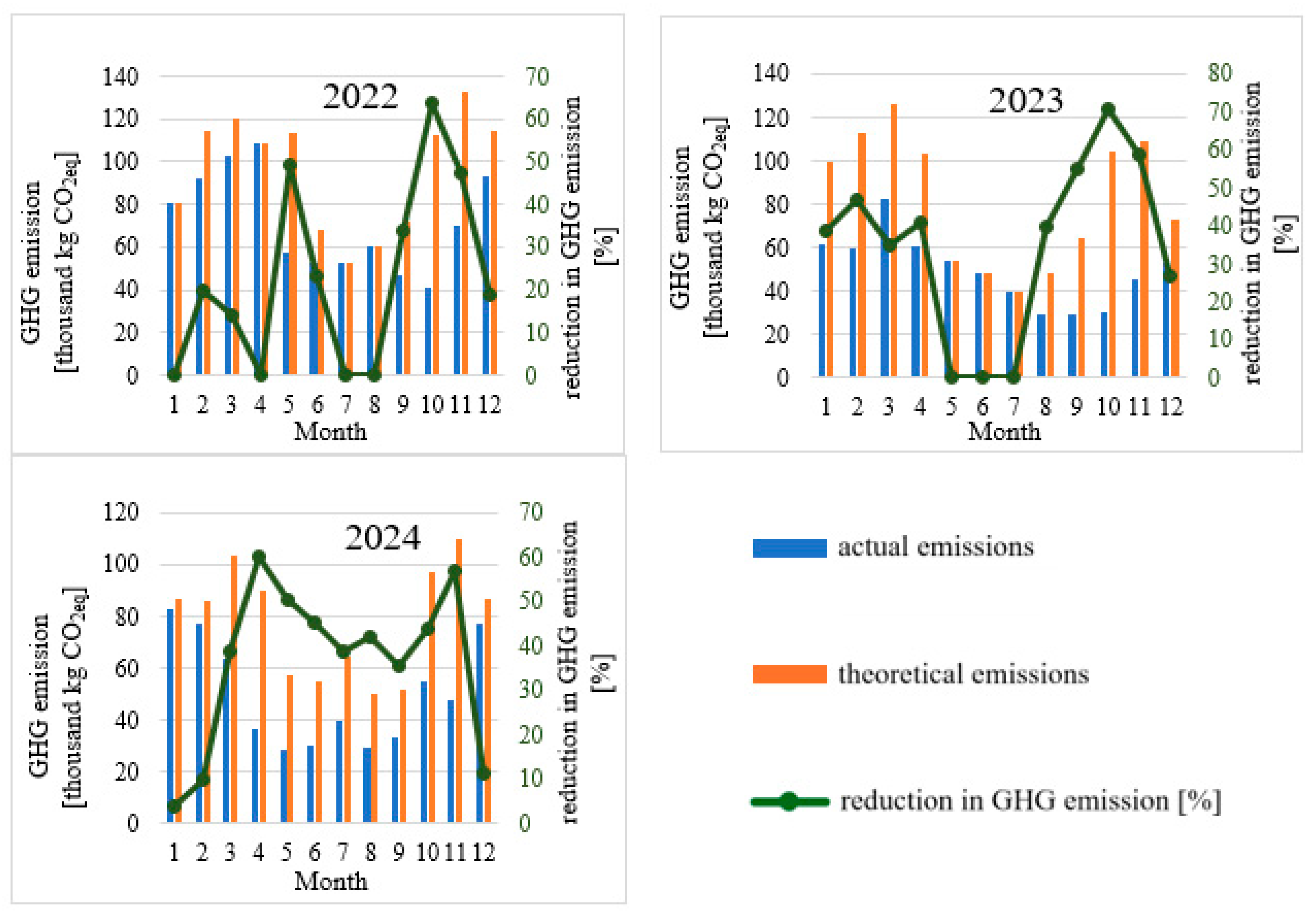
In order to comprehensively assess the impact of the type of fuel used on total greenhouse gas emissions, a comparative analysis of two energy scenarios was carried out. The first scenario (theoretical emissions) assumed that the production plant would operate exclusively on conventional fuels, including natural gas used in heating processes and diesel fuel used in vehicles and auxiliary equipment. The second scenario (actual emissions) involved a diversified energy mix, in which some fossil fuels were replaced by renewable energy sources—biomass in the form of wood chips and electricity obtained from photovoltaic installations. A comparison of the two variants clearly showed that the introduction of renewable energy sources significantly reduced the total carbon footprint of spirit production.
As shown in Figure 2, in 2022, the difference between theoretical and actual emissions was approximately 12%, which indicates the initial effect of implementing innovative technologies for the use of unconventional energy sources (biomass and solar energy) in the plant’s power supply structure. In the following year, the reduction in emissions reached approximately 22%, which was due to the full commissioning of the photovoltaic installation and an increase in the share of biomass in the heat balance. The greatest progress was recorded in 2024, when actual emissions were nearly 30–35% lower than theoretical emissions, confirming the effectiveness of the renewable energy system used.
An analysis of the three-year trend shows a systematic decline in GHG emissions as the share of renewable energy sources in the energy mix increases. In particular, there has been a noticeable reduction in Scope 1 emissions, resulting from a reduction in natural gas combustion, and in Scope 2 emissions, related to reduced electricity consumption from the grid with a high emission factor. Biomass, despite its lower calorific value and higher moisture content compared to fossil fuels, has a net zero CO2 balance, which results from the cyclical carbon cycle in nature. However, in the analysis, electricity generation from biomass has its own carbon footprint. In turn, the use of photovoltaic energy contributes to a further reduction in indirect emissions by reducing the demand for grid energy with a high carbon footprint.
The results obtained confirm that the integration of renewable energy sources into the production process of spirit beverages is an effective tool for reducing greenhouse gas emissions. This confirmed the research hypothesis (H1: Replacing conventional energy with renewable energy sources (RES) in distillation processes can reduce the carbon footprint of spirit production). The further introduction of alternative energy sources is part of the strategies developed to reduce GHG emissions at the plant. The results achieved are consistent with the objectives of the European Green Deal and the European Union’s climate neutrality policy by 2050, indicating the possibility of practical implementation of decarbonization strategies in the spirits industry.

4. Conclusions

Understanding the distribution of the carbon footprint across the three Scopes enables the identification of the most emission-intensive stages of production and supports the development of targeted mitigation strategies. The carbon footprint analysis of ethyl alcohol production in Poland presented in this study is scientifically and strategically significant, as it provides the first detailed, gate-to-gate assessment of GHG emissions for a Polish spirits production facility using a functional unit of 1 L of product.
The results show that electricity was consistently the dominant source of emissions (70–93%), and that total annual emissions decreased from 1.1 million kg CO2eq in 2022 to approximately 1 million kg CO2eq in 2023 and 2024. At the product level, the carbon footprint declined from 1.02 kg CO2eq/L in 2022 to 0.12–0.15 kg CO2eq/L in 2023–2024, representing an 85% reduction. This clear downward trend demonstrates the effectiveness of transitioning from fossil fuels to renewable energy (primarily biomass and photovoltaic sources) in significantly reducing emissions in a traditionally energy-intensive sector.
The significance of this work lies in its empirical demonstration that deep decarbonization of spirit production is technically feasible using commercially available technologies and operational improvements. By quantifying how changes in the energy mix directly shape the carbon footprint, the study provides evidence-based guidance for stakeholders seeking to align production with national and EU climate policies. Moreover, the methodology and results offer a practical foundation for developing corporate climate strategies, preparing Environmental Product Declarations (EPDs), and supporting transparent environmental communication throughout the value chain.
Comparisons show three important points relevant to interpretation of the present results: (1) the CF reported for 2022 (1.02 kg CO2eq/L) lies within the broad range reported in the literature for fossil-dominated systems, (2) the post-intervention values (0.12–0.15 kg CO2eq/L) put the plant well below typical corporate averages and far below product-level figures that include packaging and full cradle-to-grave burdens, and (3) the literature supports the mechanisms invoked in this study (fuel switching to biomass, PV self-generation, and heat recovery) as credible technical routes to achieve the observed reductions.
Importantly, this study contributes new insight for future discussions by identifying specific processes, particularly distillation, rectification, and electricity-intensive operations, as priority areas for technological modernization and energy optimization. It also highlights the strategic potential of renewable energy integration and circular-management approaches to by-products. The findings underscore the need for expanded system-boundary assessments, including upstream raw spirit production, to capture the full environmental impact of the agro-industrial chain. As such, this work not only fills a gap in Polish and regional literature but also establishes a framework for broader, multi-stage LCAs that can guide the spirits sector toward a low-carbon and environmentally sustainable trajectory. Future research is expected to extend the analysis to the raw spirit production segment, which is the sequential link in the agro-industrial production chain, in order to assess the total impact of processing on GHG emissions.

Author Contributions

Conceptualization, M.W.-J., Ł.P. and E.W.; Methodology, M.W.-J., Ł.P. and E.W.; Validation, M.W.-J., Ł.P. and E.W.; Formal Analysis, M.W.-J., Ł.P., E.W., F.O. and Ł.Ś.; Investigation, M.W.-J., Ł.P., E.W., F.O. and Ł.Ś.; Resources, M.W.-J.; Data Curation, M.W.-J., Ł.P., E.W., F.O. and Ł.Ś.; Writing—Original Draft Preparation, M.W.-J., Ł.P. and E.W.; Writing—Review and Editing, M.W.-J., Ł.P. and E.W.; Visualization, M.W.-J., Ł.P. and E.W.; Supervision, M.W.-J.; Project Administration, M.W.-J. All authors have read and agreed to the published version of the manuscript.

Funding

Task 5. Analysis and methodology for measuring the carbon footprint of selected agri-food products manufactured by the domestic alcohol industry, commissioned by the Ministry of Agriculture and Rural Development, Agreement No. DRE.prz.070.2.2025.

Institutional Review Board Statement

Not applicable.

Informed Consent Statement

Not applicable.

Data Availability Statement

Due to privacy or ethical limitations, the data presented in this study should be provided upon request by the corresponding author. These data are not public, due to privacy restrictions. The data of this paper can be considered public after the successful publication of the paper in the future.

Conflicts of Interest

The authors declare no conflicts of interest.

References

  1. Szafranowicz, M. Marketing communication of producers of high-proof alcoholic beverages in Poland. Mark. Mark. 2019, 5, 28–40. [Google Scholar] [CrossRef]
  2. Available online: https://zppps.pl/wp-content/uploads/2024/12/Branza-spirytusowa-i-jej-znaczenie-dla-polskiej-gospodarki-2024.pdf (accessed on 12 April 2025).
  3. Communication from the Commission to the European Parliament, the European Council, the Council, the European Economic and Social Committee and the Committee of the Regions. In A Green Deal Industrial Plan for the Net-Zero Age COM/2023/62; European Commission: Brussels, Belgium, 2023.
  4. Dixon, K.A.; Michelsen, M.K.; Carpenter, C.L. Modern Diets and the Health of Our Planet: An Investigation into the Environmental Impacts of Food Choices. Nutrients 2023, 15, 692. [Google Scholar] [CrossRef] [PubMed]
  5. Biradar, A.; Diwase, S.; Dixit, P.; Sontakke, T.; Nalage, D. Sustainability in Alcohol Production: An Overview of Green Initiatives and their Impact on the Industry. Int. J. Innov. Sci. Res. Tech. 2024, 9, 2478–2482. [Google Scholar] [CrossRef]
  6. Carvalho, M.; Grilo, M.M.d.S.; Abrahao, R. Comparison of greenhouse gas emissions relative to two frying processes for homemade potato chips. Sustainability 2018, 37, 481–487. [Google Scholar] [CrossRef]
  7. Diniz, D.d.P.; Carvalho, M.; Abrahão, R. Greenhouse gas accounting for the energy transition in a brewery. Sustainability 2020, 40, e13563. [Google Scholar] [CrossRef]
  8. Paris Agreement; United Nations: New York, NY, USA, 2016.
  9. Diniz, D.d.P.; Carvalho, M. Environmental Repercussions of Craft Beer Production in Northeast Brazil. Sustainability 2024, 16, 4566. [Google Scholar] [CrossRef]
  10. Akhlisah, Z.N.; Ong, H.C.; Lee, H.V.; Tan, Y.H. Environmental impacts of biomass energy: A life cycle assessment perspective for circular economy. Renew. Sust. Energy Rev. 2026, 226, 116363. [Google Scholar] [CrossRef]
  11. The Polish Government Regulation. Act of May 25, 2012 on the Production of Spirit Drinks and on the Registration and Protection of Geographical Indications of Spirit Drinks (Dz.U. 2012, poz. 815); The Polish Government: Warsaw, Poland, 2012.
  12. Regulation (EU) No. 2019/ 787 of 17 April 2019 on the Definition, Description, Presentation, and Labeling of Spirit Drinks. Available online: https://eur-lex.europa.eu/eli/reg/2019/787/oj/eng (accessed on 1 October 2025).
  13. ISO 14001; Environmental Management Systems. International Organization for Standarization: Geneva, Switzerland, 2015.
  14. Atmaca, A. Chapter Twenty-Two-Understanding Carbon Footprint: Impact, Assessment, and Greenhouse Gas Emissions; Advances and Technology Development in Greenhouse Gases: Emission, Capture and Conversion; Rahimpour, M.R., Makarem, M.A., Meshksar, M., Eds.; Elsevier: Amsterdam, The Netherlands, 2024; pp. 497–516. [Google Scholar] [CrossRef]
  15. GHG Protocol. 2022. GHG Protocol. Available online: https://ghgprotocol.org/guidance-0 (accessed on 11 March 2025).
  16. ISO 14067:2018; Environmental Management–Carbon Foodprint of Products—Requirements and Guidelines for Quantification. International Organization for Standarization: Geneva, Switzerland, 2018.
  17. Wróbel-Jędrzejewska, M.; Klepacka, A.M.; Włodarczyk, E.; Przybysz, Ł. Carbon Footprint of Milk Processing-Case Study of Polish Dairy. Agriculture 2025, 15, 62. [Google Scholar] [CrossRef]
  18. Wróbel-Jędrzejewska, M.; Włodarczyk, E.; Przybysz, Ł. Analysis of Greenhouse Gas Emissions of a Mill According to the Greenhouse Gas Protocol. Sustainability 2024, 16, 11214. [Google Scholar] [CrossRef]
  19. ISO 14040:2006; Environmental Management–Life Cycle Assessment–Requirements and Guidelines. International Organization for Standarization: Geneva, Switzerland, 2006.
  20. ISO 14044; Environmental Management, Life Cycle Assessment—Requirements and Guidelines. International Organization for Standarization: Geneva, Switzerland, 2009.
  21. DEFRA. Available online: https://www.gov.uk/government/publications/greenhouse-gas-reporting-conversion-factors-2022 (accessed on 11 March 2025).
  22. DEFRA. Available online: https://www.gov.uk/government/publications/greenhouse-gas-reporting-conversion-factors-2023 (accessed on 11 March 2025).
  23. DEFRA. Available online: https://www.gov.uk/government/publications/greenhouse-gas-reporting-conversion-factors-2024 (accessed on 11 March 2025).
  24. KOBiZE. CO2, SO2, NOx, CO, and Total Dust Emission Factors for Electricity Based on Information Contained in the National Database on Greenhouse Gas Emissions and Other Substances for 2022; PKO Bank Polski Spółka Akcyjna: Warsaw, Poland, 2023.
  25. KOBiZE. CO2, SO2, NOx, CO, and Total Dust Emission Factors for Electricity Based on Information Contained in the National Database on Greenhouse Gas Emissions and Other Substances for 2023; PKO Bank Polski Spółka Akcyjna: Warsaw, Poland, 2024. [Google Scholar]
  26. KOBiZE. CO2, SO2, NOx, CO, and Total Dust Emission Factors for Electricity Based on Information Contained in the National Database on Greenhouse Gas Emissions and Other Substances for 2024; PKO Bank Polski Spółka Akcyjna: Warsaw, Poland, 2025. [Google Scholar]
  27. Carvalho, M.; Delgado, D. Potential of photovoltaic solar energy to reduce the carbon footprint of the Brazilian electricity matrix. LALCA Rev. Lat.-Am. Em Aval. Do Ciclo Vida 2017, 1, 64–85. [Google Scholar] [CrossRef]
  28. Carvalho, M.; Roque, Y.B.; Diaz, P.R.; Cespedes, A.A.L.; Santos, J.J.C.S.; Barone, M.A.; Silva, J.A.M.d. Allocation in multiproduct energy systems: Review and method proposals. LALCA Rev. Lat.-Am. Em Aval. Do Ciclo Vida 2020, 4, e44660. [Google Scholar] [CrossRef]
  29. ISO 14064:2018; Greenhouse Gases. International Organization for Standarization: Geneva, Switzerland, 2018.
  30. Becker, S.; Bouzdine-Chameeva, T.; Jaegler, A. The carbon neutrality principle: A case study in the French spirits sector. J. Clean. Prod. 2020, 274, 122739. [Google Scholar] [CrossRef] [PubMed]
  31. Saxe, H. LCA-Based Comparison of the Climate Footprint of Beer vs. Wine & Spiritus; Report No. 207; Fødevareøkonomisk Institut, Københavns Universitet: Copenhagen, Denmark, 2010. [Google Scholar]
  32. Research on the Carbon Footprint of Spirits Beverage Industry Environmental Roundtable, 2012. Available online: https://www.bieroundtable.com/wp-content/uploads/49d7a0_7643fd3fae5d4daf939cd5373389e4e0.pdf (accessed on 11 March 2025).
  33. Leivas, R.; Laso, J.; Abejón, R.; Margallo, M.; Aldaco, R. Environmental assessment of food and beverage under a NEXUS Water-Energy-Climate approach: Application to the spirit drinks. Sci. Total Environ. 2020, 720, 137576. [Google Scholar] [CrossRef] [PubMed]
  34. Morales, A.S.; García-Alcaraz, J.L.; Flor-Montalvo, F.J.; Martínez-Cámara, E.; Blanco, J. Sustainability in Tequila Production: A Life Cycle Assessment. Sust. Dev. 2025, 3, 6797–6809. [Google Scholar] [CrossRef]
  35. Madrid-Solórzano, J.M.; García-Alcaraz, J.L.; Macías, E.J.; Cámara, E.M.; Fernández, J.B. Life Cycle Analysis of Sotol Production in Mexico. Front. Sustain. Food Syst. 2021, 5, 769478. [Google Scholar] [CrossRef]
  36. Eriksson, O.; Jonsson, D.; Hillman, K. Life cycle assessment of Swedish single malt whisky. J. Clean. Prod. 2016, 112, 229–237. [Google Scholar] [CrossRef]
  37. Beechener, G.; Johnson, A.; Hann, S.; Hilton, M. InchDairnie Distillery Carbon Footprint; InchDairnie: Glenrothes, UK, 2020. [Google Scholar]
  38. Stock Spirits Group Sustainability Report. 2022. Available online: https://www.stockspirits.com/wp-content/uploads/2023/08/Sustainability_Report_fy_2022.pdf (accessed on 11 March 2025).
  39. Altia, Life Cycle Assesment of Koskenkorva Vodka, 2019. Available online: https://mb.cision.com/Public/3171/2949315/bc0b0abfc55b1a31.pdf?utm_source=chatgpt.com (accessed on 11 March 2025).
  40. Bryszewska, M.A.; Staszków, R.; Ściubak, Ł.; Domański, J.; Dziugan, P. Renewable Energy Sources and Improved Energy Management as a Path to Energy Transformation: A Case Study of a Vodka Distillery in Poland. Sustainability 2025, 17, 7652. [Google Scholar] [CrossRef]
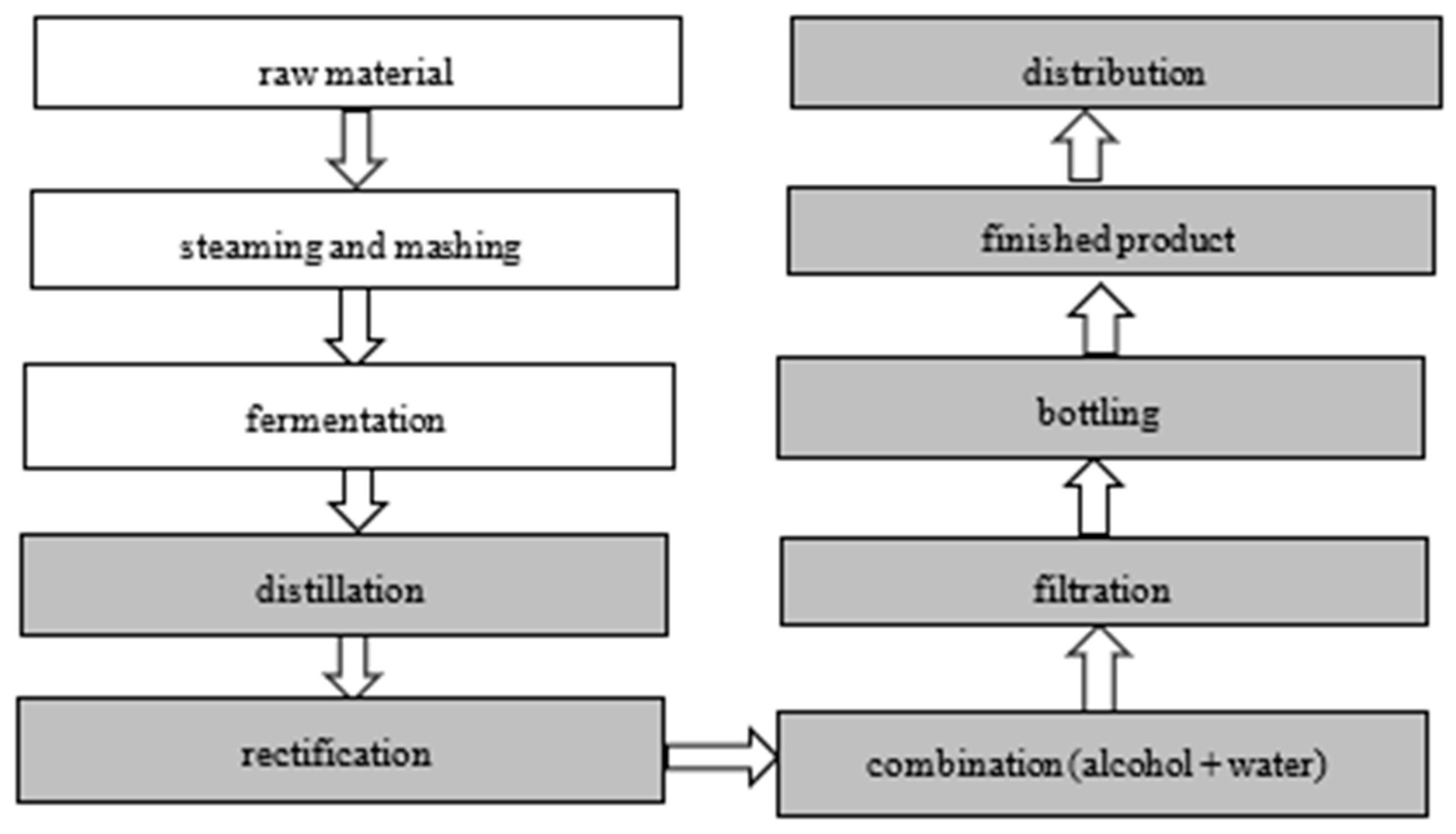
Figure 1. Diagram of individual processes in the production of high-percentage spirit drinks.
Sustainability 18 00057 g001
Figure 2. Comparison of greenhouse gas emissions in 2022–2024.
Sustainability 18 00057 g002
Table 1. Conversion factors for energy carriers used in the analysis of production at the plant in 2022–2024.
Energy CarriersValue of the Indicator in a Given Year
202220232024Source
Heating oil [L]2.54 kg CO2eq/L2.54 kg CO2eq/L2.54 kg CO2eq/L[21,22,23]
Diesel fuel [L]2.7 kg CO2eq/L2.66 kg CO2eq/L2.66 kg CO2eq/L
Gasoline [L]2.34 kg CO2eq/L2.35 kg CO2eq/L2.35 kg CO2eq/L
LPG [L]1.56 kg CO2eq/L1.56 kg CO2eq/L1.56 kg CO2eq/L
LPG [kg]2.94 kg CO2eq/kg2.94 kg CO2eq/kg2.94 kg CO2eq/kg
Natural gas [kWh]0.2 kg CO2eq/kWh0.2 kg CO2eq/kWh0.2 kg CO2eq/kWh
Natural gas [m3]2.02 kg CO2eq/m32.04 kg CO2eq/m32.05 kg CO2eq/m3
Biomass [kg]0.0398 kg CO2eq/kg0.0406 kg CO2eq/kg0.0428 kg CO2eq/kg
Biomass density (wood chips) [m3]300 kg CO2eq/m3300 kg CO2eq/m3300 kg CO2eq/m3
Electricity [kWh]0.685 kg CO2eq/kWh0.597 kg CO2eq/kWh0.597 kg CO2eq/kWh[24,25,26]
Table 2. Spirit production volume [L] at the plant in 2022–2024.
Type of SpiritYearMonth
IIIIIIIVVVIVIIVIIIIXXXIXII
Spirit—produced by rectifying raw spirit [L]2024-300,146727,528579,267-----473,824704,729352,428
2023358,824640,469773,349643,012----71,552756,275786,529169,188
2022-290,295785,487745,082739,569197,957--141,299784,899696,319344,845
Raw organic spirit [L]2024115,536516,277573,893573,923483,88655,143---255,588401,198345,089
2023137,394-80,130493,607511,736143,903---401,297489,875287,099
202228,235---108,769158,917--87,228139,021113,357251,035
Table 3. Summary of spirit production [L] at the plant in 2022–2024.
Type of SpiritYear
202220232024
Spirit—produced by rectifying raw spirit [L]4,725,7524,199,1983,137,922
Raw organic spirit [L]886,5622,545,0413,320,533
Table 4. Research on the carbon footprint of spirits production worldwide.
ProductResearch CharacteristicsConclusions References
Cognac
-
CF of cognac production in southwestern France was examined
-
methodology based on the CarbonNeutral Protocol in accordance with ISO 14067 [16] and ISO 14064 [29]
-
scope of research: from raw materials to distribution (transport of supplies, cultivation, distillation, production, distribution)
-
functional unit: 0.7 L bottle of cognac
-
factors contributing to greenhouse gas emissions include transportation (main source) and the distillation process.
[30]
Vodka,
Spirits
-
CF of spirits production in the United Kingdom examined
-
LCA methodology
-
scope of research: from cultivation to distribution (agriculture, bottles, distillation)
-
functional unit: 1 L bottle
-
main factors contributing to greenhouse gas emissions are transport and packaging
[31]
Whiskey
-
CF for the production of North American whiskey (North America) was examined
-
methodology compliant with recognized protocols contained in the Greenhouse Gas Protocol and
-
the publicly available PAS 2050 specification—Specification for greenhouse gas life cycle assessment of goods and services
-
scope of testing covers: from raw materials to distribution and waste disposal (raw materials, packaging materials, production and storage, retail, transport, and distribution)
-
functional unit: 750 mL bottle
-
for column distillation, distillation accounts for the largest component (36%) of the product’s total carbon footprint, followed by glass bottles (20%), storage (10%), and corn production and transport (9%). These processes account for 76% of the total carbon footprint
-
pot still distillation: distillation is the largest factor (40%). The glass bottle accounts for 18% of the total, followed by storage (10%) and corn (8%). These processes account for 77% of the total carbon footprint
[32]
Gin
-
LCA of the production of Siderit, a gin from Cantabria (northern Spain), was examined.
-
methodology: LCA was performed using GaBi 9.2 LCA software.
-
scope of the study included: production, packaging, distribution to a regional warehouse, consumption, and end of life cycle
-
functional unit: 1 L bottle
-
packaging production and transport are the stages with the largest contribution (86%) to the total GWP value, generating 0.50 kg CO2eq per functional unit, mainly due to the production of glass bottles
[33]
Tequila
-
CF for Reposado tequila production in Mexico was examined
-
methodology: LCA, ISO 14040 and ISO 14044 guidelines were applied, the CML-IA V3.05/EU25 baseline and ReCiPe methodologies, the Ecoinvent 3.4 database, and SimaPro 9.2.0.2 software were used for data processing
-
scope of research from production to distribution
-
functional unit: 700 mL bottles of 100% Reposado tequila aged for 6 months in oak barrels
-
the most influential stages, responsible for the majority of emissions, are bottling, distillation, cooking, and the agave cultivation phase
[34]
Sotol
-
LCA of artisanal sotol production in the state of Chihuahua, Mexico, was examined.
-
LCA methodology was governed by international standards such as ISO 14011:2004, ISO 14021, ISO/TR 14047, ISO/TE 14048, ISO/TR 14049, and ISO 14050.
-
scope of the study covered: from harvest to distribution (harvesting, cooking, grinding, fermentation, distillation, bottling, packaging)
-
functional unit: 750 mL bottle
-
grinding and bottling stages have the greatest impact on emissions
[35]
Whiskey
-
CF of whisky production examined, Mackmyra Svensk Whisky, Sweden
-
LCA methodology
-
scope of research from raw material production (barley) to distribution
-
functional unit: bottles with a capacity of
-
700 mL and 500 mL
-
the largest contribution for the 700 mL functional unit came from transport, amounting to 1.34 kg CO2eq per functional unit. Other factors include barley cultivation and glass bottle production.
-
for 500 mL bottles, transport accounts for the largest share: 1.28 kg CO2eq
[36]
Whiskey
-
CF was examined at the InchDairni whisky distillery in Glenrothes, Scotland
-
LCIA methodology
-
the scope of the study covered the sourcing and pre-treatment of materials and production
-
functional unit: 1 L bottles
-
grinding and process heat generation stages have the greatest impact on emissions
[37]
Table 5. Characteristics of energy carrier consumption at the plant in 2022–2024.
GroupSub-GroupYearMonth
123456789101112
Fuel—vehiclesDiesel fuel—fire pumps [L]2024240240240240240240240240240240240240
2023240240240240240240240240240240240240
2022124202149212262120124124124124124295
Diesel fuel—truck [L]20241481670151351514000000
20237849524480010591011703330
2022000000000000
LPG—forklift trucks [kg]20248361034671748814484748517726572704946
20239241100112210891276990671440561693572583
2022128711001111102312109359241067924107812321045
Gasoline—passenger cars [L]2024107711621247131613451299145213101050154014141340
202315311006151115461480162610471387132510551330887
202211531082288314101374122187514681418127513991493
Fuel—energy purposesNatural gas—boiler room [kWh]202497,98133,66122,5755770000345531,25027,5937445
202312,03233,68661,13448,11016,765000765829,20159,1653385
20224583,132903412,20124,95627530011,02817,34261,80291,990
Biomass [m3] wood chips202470121253216257900000304329562074
2023263234873549241600001116348435001530
202211871950376531243028692001284330536851617
ElectricityPurchased electricity [kWh]202495,888105,91286,39446,57433,68938,82252,19537,59443,68668,28057,040114,813
202384,69973,280101,01770,36972,27867,90857,89338,18933,73427,92141,36679,556
2022108,24499,699132,178144,79063,55966,13369,68377,85255,46341,84170,97897,682
Electricity generated from biomass (generator) [kWh]20240545947,77063,1270000053,983100,74813,098
202366,58791,24972,70562,991000029,219112,652102,81631,324
2022033,70025,245084,46923,4950036,445107,22994,36231,951
Electricity generated by photovoltaics [kWh]20245860985922,52331,18851,63144,00644,10537,52532,65620,09674633892
202300398710,57000033,92133,02015,25174282314
2022000000000000
Table 6. GHG emissions related to energy carrier consumption in 2022–2024.
Emission
[kg CO2eq]
MonthSum
Year123456789101112
Diesel20241032108363967899867810116396396396396399311
202384619551287851638918880638950638152463811,765
20223365464035737083243363363363363367975367
LPG202424583040197321992393142321991520213416822070278125,872
202327173234329932023751291119731294164920371682171429,462
202237843234326630083557274927173137271731693622307238,032
Gasoline202425312731293030933161305334123079246836193323314936,547
202335982364355136333478382124603259311424793126208436,968
202226982532674632993215285720483435331829843274349439,899
Natural gas202419,59667324515115000069162505519148944,907
20232406673712,227962233530001532584011,83367754,227
2022916,626180724404991551002206346812,36018,39862,857
Electricity202460,74472,37493,54284,11150,93649,44857,49144,84645,57684,98898,65578,686821,398
202390,31898,224106,09285,92643,15040,54134,56243,05057,29693,02790,51167,577850,274
202274,14791,378107,83599,181101,39961,39547,73353,32962,957102,113113,25888,7991,003,524
SUM202486,36085,960103,59990,19657,48854,60264,11350,08351,50897,178110,20586,744938,035
202399,884112,514126,456103,23454,37148,19039,87648,24164,540104,022108,67672,691982,696
202280,974114,317120,057108,501113,87167,87652,83360,23771,533112,070132,850114,5591,149,678
Table 7. Summary of GHG emission from glass used.
Emissions from Glass [kg CO2eq]
YearJanuaryFebruaryMarchAprilMayJuneJulyAugustSeptemberOctoberNovemberDecember
2024662,842670,109696,925755,600798,134914,829926,194524,277781,931800,893956,928765,226
2023935,0911,052,2921,426,943969,2051,433,4001,213,868360,490549,635410,971678,392626,907590,658
202294,189118,320137,54481,923135,590109,736126,374103,78589,870126,517122,694101,297
Table 8. Share of emissions from individual energy carriers in 2022–2024.
Share in Emission [%]MonthSum
Year123456789101112
Diesel20241.191.260.620.751.741.241.581.271.240.660.580.741.19
20230.851.741.020.821.171.902.211.321.470.611.400.880.85
20220.420.480.340.530.620.480.640.560.470.300.250.700.42
LPG20242.853.541.902.444.162.613.433.034.141.731.883.212.85
20232.722.872.613.106.906.044.952.682.561.961.552.362.72
20224.672.832.722.773.124.055.145.213.802.832.732.684.67
Gasoline20242.933.182.833.435.505.595.326.154.793.723.023.632.93
20233.602.102.813.526.407.936.176.764.822.382.882.873.60
20223.332.215.623.042.824.213.885.704.642.662.463.053.33
Natural gas202422.697.834.360.130.000.000.000.001.346.435.011.7222.69
20232.415.999.679.326.170.000.000.002.375.6110.890.932.41
20220.0114.541.502.254.380.810.000.003.083.099.3016.060.01
Electricity202470.3484.2090.2993.2588.6090.5689.6789.5488.4887.4689.5290.7170.34
202390.4287.3083.9083.2379.3684.1386.6789.2488.7889.4383.2992.9690.42
202291.5779.9389.8291.4189.0590.4590.3588.5388.0191.1285.2577.5191.57
Table 9. Monthly carbon footprint values for spirit in 2022–2024.
Month123456789101112
2022
CF [kg CO2eq/L]2.870.320.130.150.070.150.000.000.210.040.090.16
2023
CF [kg CO2eq/L]0.120.090.100.050.110.330.000.000.410.030.040.12
2024
CF [kg CO2eq/L]0.720.090.050.030.060.540.000.000.000.070.040.11
Table 10. Average carbon footprint of spirit in the analyzed years 2022–2024.
Year202220232024
Average CF [kg CO2eq/L]0.420.130.19
Table 11. Carbon footprint of high-percentage alcoholic drink (CFWNS).
Month123456789101112
2024
Produced WNS * [L]587,326603,987602,250665,728708,480806,522822,114471,198714,726733,982946,951719,789
GHG emission
[kg CO2eq]
86,36085,960103,59990,19657,48854,60264,11350,08351,50897,178110,20586,744
CFWNS
[kg CO2eq/L]
0.150.140.170.140.080.070.080.110.070.130.120.12
2023
Produced WNS * [L]819,003929,1001,267,267869,5001,249,2691,092,472307,881482,089350,650585,549553,935519,682
GHG emission
[kg CO2eq]
99,884112,514126,456103,23454,37148,19039,87648,24164,540104,022108,67672,691
CFWNS
[kg CO2eq/L]
0.120.120.100.120.040.040.130.100.180.180.200.14
2022
Produced WNS * [L]87,245110,564128,97672,857126,875100,704118,68895,01580,421119,968114,41094,326
GHG emission
[kg CO2eq]
80,974114,317120,057108,501113,87167,87652,83360,23771,533112,070132,850114,559
CFWNS
[kg CO2eq/L]
0.931.030.931.490.900.670.450.630.890.931.161.21
* WNS—high-percentage alcoholic drink.
Table 12. Carbon footprint values for the production of alcoholic beverages worldwide.
ProductCF for Spirit ProductsReferences
Cognac0.9 ton CO2eq/hL[30]
Vodka,
Spirits
0.981 kg CO2eq/L vodka
0.8 kg–2.3 kg CO2eq/L spirit
the most representative emission caused by the full life cycle of a 1 L spirit drink was 6 kg CO2eq
[31]
Whiskey2745 g CO2eq/0.75 L whiskey (Column Distillation)
2970 g CO2eq/0.75 L whiskey (Pot Distillation)
[32]
Gin0.877 kg CO2eq/L gin[33]
Tequilaa 700 mL bottle of tequila aged for 6 months generates:
2.27 kg CO2eq/0.7 L tequila
[34]
Sotol5.92 kg CO2eq/0.75 L sotol[35]
Whiskey2.97 kg CO2eq/0.7 L whiskey
2.52 kg CO2eq/0.5 L whiskey
[36]
Whiskey2.39 kg CO2eq/L whiskey[11]
Disclaimer/Publisher’s Note: The statements, opinions and data contained in all publications are solely those of the individual author(s) and contributor(s) and not of MDPI and/or the editor(s). MDPI and/or the editor(s) disclaim responsibility for any injury to people or property resulting from any ideas, methods, instructions or products referred to in the content.