


Abstract
Enteric viruses in wastewater remain a persistent public health threat. Conventional treatments often achieve only modest viral log10 reductions and can generate toxic disinfection byproducts, but high-energy advanced processes are often unaffordable. Antiviral phytoremediation, which involves virus removal mediated by plants and their rhizosphere microbiota, offers a low-cost, low-energy alternative; however, it has scarcely been studied. A bibliometric analysis of ~23,000 wastewater treatment studies (1976–2025) identified only 30 virus-targeted records within plant-based treatment branches, representing ~0.13% of the total corpus. This critical review structures antiviral phytoremediation into a four-barrier framework: (i) sorption/filtration, (ii) rhizosphere-mediated inactivation, (iii) plant internalization, and (iv) intracellular degradation. Pilot and full-scale studies provide strong support for the first two barriers, whereas evidence for internalization and intracellular degradation is limited, mainly laboratory-based, and often inferred from molecular rather than infectivity assays. Standalone constructed wetlands typically achieve ~1–3 log10 virus reductions, but hybrid configurations that combine wetlands with complementary processes achieve ~3–7 log10 reductions, with performance varying between enveloped and non-enveloped viruses and across climates. This review distills design principles for cost-effective hybrid systems and identifies methodological and governance priorities, positioning rigorously designed phytoremediation as a scalable part of climate- and pandemic-resilient wastewater infrastructure.
1. Introduction
Human pathogenic viruses, including enteroviruses, noroviruses, and severe acute respiratory syndrome coronavirus 2 (SARS-CoV-2), persist in wastewater collection systems and are disseminated through multiple environmental pathways (Figure 1), substantially threatening public health [1,2]. Millions of viral particles from infected individuals enter municipal sewer systems daily, where they can remain infectious for periods ranging from hours to months depending on the viral strain, temperature, and organic content [1,2,3]. Without adequate treatment, these viruses contaminate receiving waters, agricultural soils, and aquaculture and seafood production systems [3,4].
Figure 1.
Transmission pathway of pathogenic enteric viruses. Viruses transmit from infected to susceptible individuals through environmental routes. Transmission occurs when bodily fluids (sweat, droplets, tears, blood, feces, saliva) spread via different pathways (air, water, solids, vectors). Susceptible individuals may contract infections through multiple entry points (eyes, nose, mouth, blood, skin). Arrows show the direction of viral transmission from infected to susceptible individuals. Route-label colors (Water, Air, Solid, Vector) are used only for visual distinction. Red icons indicate infected individuals or groups, and blue icons indicate uninfected (susceptible) individuals or groups.
Gastrointestinal viruses (i.e., noroviruses, adenoviruses, hepatitis A viruses) are highly resistant to traditional disinfectants (e.g., chlorination), ultraviolet (UV) irradiation, and several advanced treatment processes [5,6]. Advanced technologies, such as membrane bioreactors (MBRs) and advanced oxidation processes (AOPs), typically achieve higher viral inactivation than conventional secondary treatments; however, their performance remains virus-specific. Reported MBR log10 removals range from ~1–7 across different viral pathogens, with ~4–6 log10 for adenoviruses and ~5–6 log10 for norovirus genogroup II [7,8], corresponding to ~97–100% removal, but still allowing infectious virions to pass into downstream environments. The widespread deployment of such systems in resource-constrained- regions is hindered by high capital expenditure, substantial energy demands (~0.4–5.0 kWh·m−3 of treated wastewater), and operational complexity, which require skilled staff and robust tracking infrastructure [9,10]. These constraints are acute in areas where wastewater infrastructure expansion lags population growth and climate variability exacerbates water scarcity.
Documented disease outbreaks linked to wastewater reuse disproportionately affect farmworkers, vulnerable consumers, and communities near disposal sites, with children and immunocompromised populations experiencing elevated morbidity and mortality [11]. The detection of SARS-CoV-2 ribonucleic acid (RNA) in wastewater from diverse regions has shown the value of wastewater-based epidemiology for disease surveillance [12,13,14]. Simultaneously, persistent viral signals in treated effluents underscore that existing treatment trains do not reliably eliminate viruses and that additional low-energy antiviral barriers are needed, particularly where wastewater is recycled for irrigation or groundwater recharge [15].
Nature-based treatment systems, such as constructed wetlands (CWs), have been deployed globally and are often described as highly effective in removing conventional pollutants (nutrients and bacterial pathogens) and various emerging contaminants (pharmaceuticals and microplastics) across a wide range of climates [16,17]. In contrast to chemical disinfection, which can generate potentially carcinogenic by-products, such as trihalomethanes (THMs) and haloacetic acids (HAAs), that persist in treated effluents and receiving waters [18], CWs and related phytoremediation systems rely on plant–microbe–substrate interactions and have low energy and chemical inputs. However, the blanket perception of high effectiveness for CWs masks substantial uncertainty and variability in viral removal performance, reflecting both a limited antiviral evidence base and significant methodological heterogeneity.
Plants are the functional units of CWs and support multiple complementary contaminant removal pathways described under the umbrella of phytoremediation [19,20]. These include rhizofiltration (immobilization of contaminants via adsorption and biofilms on root surfaces), phytoextraction (selective uptake of metals and their translocation into harvestable biomass) [21], phytodegradation (enzymatic breakdown of contaminants within plant tissues), and rhizodegradation (microbially mediated degradation in the rhizosphere stimulated by plant root exudates) [22,23,24]. Model macrophytes, such as Lemna minor (Common Duckweed) and Phragmites australis (Common Reed), typically achieve removal efficiencies of ~51–100% for heavy metals (concentration dependent), ~70–99% for excess nitrogen (N) and phosphorus (P), and ~70–100% for culturable bacterial pathogens across various CWs configurations [25,26,27]. These elevated removal efficiencies are often attributed to bioactive secondary metabolites (i.e., polyphenols, terpenoids, organic acids) that (a) have direct antimicrobial properties or (b) stimulate beneficial rhizospheric microbial consortia that antagonize pathogenic microorganisms [28,29].
Plants also have innate antiviral defense mechanisms, including non-host- resistance pathways and salicylic acid-dependent inducible defenses that inhibit viral replication and movement within plant tissues [30,31,32]. Preliminary studies suggest that certain macrophytes may show enhanced antiviral activity. For example, Pennisetum purpureum (Elephant grass) has been used effectively for nutrient removal in CWs [33], while Perilla frutescens (Shiso, Beefsteak Plant, Perilla Mint, Chinese Basil, Korean Kkaennip/Deulkkae) produces caffeic-acid derivatives and polyphenols that interact with viral capsid proteins, modulate host immune signaling, and exhibit in vitro efficacy against SARS-CoV-2 [34,35]. However, most of these insights are derived from plant–virus systems or pharmacological studies rather than from rigorous evaluations of human virus removal in engineered water treatment.
To delineate the extent of underdevelopment of antiviral phytoremediation, we conducted a bibliometric analysis of ~23,000 peer-reviewed publications on wastewater-treatment methods/techniques (1976–2025) using the Dimensions platform (Dimensions, Digital Science & Research Solutions Ltd., London, UK; available at https://app.dimensions.ai accessed on 31 March 2025). Dimensions was selected because it is a linked research database that connects publications with other research outputs (e.g., grants, patents, and policy documents) and supports large-scale research analytics [36,37,38]. Importantly, the map indicates that virus-targeted phytoremediation studies are extremely rare (Figure 2): only 30 records in total were virus-specific within plant-based treatment branches (CW phytoremediation: 24; Hybrid CW [HCW] phytoremediation: 6), representing ~0.13% of the full wastewater-treatment corpus (30/23,235). Within phytoremediation, viral endpoints accounted for ~1.5% of CW phytoremediation papers (24/1575) and ~7.4% of HCW phytoremediation papers (6/81), underscoring the marginal attention to antiviral phytoremediation relative to other targets. By contrast, phytoremediation research is dominated by heavy metals and bacterial pathogens, while antiviral phytoremediation remains underrepresented despite mounting evidence of viral contamination in wastewater worldwide. This asymmetrical representation is not a benign gap; it exposes substantial voids in mechanistic understanding of plant–virus interactions (enveloped and non-enveloped viruses) and highlights the paucity of field-scale evaluations of antiviral phytoremediation and hybrid nature-based treatment trains.
Figure 2.
Bibliometric map connecting conventional (CT) and advanced wastewater-treatment (AT) domains to nature-based options (constructed wetlands [CW]; hybrid CW [HCW]; phytoremediation [Phyto]) and target contaminants (heavy metals [HM], pathogen [Patho], other pollutants [OP]). Phyto is shown as bridging both domains because it is reported both as a CT low-tech approach in some applications and as an AT polishing/hybrid component in integrated treatment trains. “CT” and “AT” here denote bibliometric research domains rather than strict engineering classifications of individual unit processes. Patho types: bacteria (Bac), viruses (Vir), parasitic protozoa (Parapro), and helminths (Helm). Grey shaded bands represent bibliometric domains within the wastewater-treatment literature (CT, CW, HCW, AT, and their overlap), while green-highlighted connections denote phytoremediation links to general pathogen and virus research clusters, which support the antiviral phytoremediation theme. Data source: Dimensions Research Database (https://app.dimensions.ai), accessed on 31 March 2025.
A critical reading of this sparse literature raises several cross-cutting research questions that structure this review:
- (1)
- How do plant exudates and rhizospheric microbiota interact co-metabolically with viruses, and which physicochemical mechanisms (e.g., specific binding to capsid proteins, envelope disruption, oxidative damage) dominate under different conditions?
- (2)
- How do these mechanisms differ between enveloped and non-enveloped viruses and across representative taxa (e.g., adenoviruses, noroviruses, enteroviruses, rotaviruses, SARS-CoV-2 and surrogates)?
- (3)
- How do plant species and community compositions (e.g., L. minor, P. australis, P. frutescens, P. purpureum) compare in antiviral performance under standardized hydraulic and environmental conditions?
- (4)
- How do methodological choices, particularly the reliance on molecular detection (PCR, qPCR, RT-PCR) rather than infectivity assays and the use of inconsistent sampling and normalization protocols, bias the reported viral removal efficiencies and mechanistic interpretations?
- (5)
- To what extent can hybrid systems that integrate CWs with complementary technologies (e.g., filtration, disinfection, advanced oxidation) close the performance gap between nature-based and high-energy engineered solutions for viruses at field scale?
- (6)
- Which traits could be targeted through genetic engineering or synthetic biology (in plants and associated microbiota) to enhance antiviral performance, and what are the ecological and regulatory constraints on deploying such changes?
- (7)
- How do antiviral phytoremediation and its hybrid configurations perform when evaluated through techno-economic analysis (TEAs) and life-cycle assessment, particularly in low-income and climate-vulnerable settings?
To address these questions, this review focuses on human enteric and respiratory viruses relevant to wastewater and its reuse. Specifically, we focused on non-enveloped enteric viruses (i.e., adenoviruses, noroviruses, enteroviruses, and rotaviruses) and a limited set of enveloped respiratory viruses such as SARS-CoV-2 and commonly used surrogates, because these groups (a) account for a substantial fraction of wastewater-borne infection risks, (b) are frequently tracked in treatment and reuse studies, and (c) span the contrasting virion architectures (enveloped vs. non-enveloped) that influence sorption, persistence, and inactivation [1,2,3,4,5,6,7,8,12,13,14,15]. Plant viruses and other agricultural plant pathogens are considered only insofar as they illuminate general plant antiviral defenses that may be harnessed in water treatment contexts.
Building on the bibliometric diagnosis of an underdeveloped evidence base, this critical review pursues four objectives. First, we synthesize the mechanistic pathways underlying antiviral phytoremediation from the molecular to the ecosystem scale, organizing the disparate literature into a four-barrier framework: (i) physical sorption and filtration; (ii) rhizosphere-mediated inactivation; (iii) plant internalization; and (iv) intracellular degradation. Second, we examine how these mechanisms translate into system-level performance across different CW configurations and hybrid treatment trains, highlighting where robust field-scale evidence exists and where findings rest on preliminary or methodologically constrained studies. Third, we distill design principles and practical applications of antiviral phytoremediation, identifying field-tested configurations and operational strategies that have achieved significant viral reductions. Fourth, we interrogate the remaining barriers, including methodological limitations, regulatory blind spots, and economic and governance challenges, and outline evidence-based research directions needed to move antiviral phytoremediation from a niche polishing option toward a globally relevant part of climate-resilient, pandemic-prepared wastewater infrastructure.
By integrating perspectives from plant biology, environmental microbiology, wastewater engineering, and systems ecology, this review positions antiviral phytoremediation not as a cure-all but as a technically feasible, potentially scalable, and environmentally resilient element of nature-based infrastructure. A more mechanistically grounded and critically evaluated understanding of plant-mediated virus removal is essential for such systems to contribute credibly to fair public health protection, climate adaptation, and environmental justice across diverse socioeconomic contexts.
4. Practical Applications and Implementation
4.1. Constructed Wetland Systems (CWs)
4.1.1. Wetland Configurations and Hydraulic Design
CWs are engineered ecosystems that integrate capture, rhizosphere inactivation, viral internalization, and intracellular degradation under controlled flow regimes (Figure 6). Different CW configurations emphasize different subsets of the four antiviral barriers.
Figure 6.
Schematic overview of major constructed wetland (CW) configurations and a hybrid treatment train. (A) Free water surface (FWS) wetland showing attenuation via sedimentation, sorption/filtration on biofilms and root surfaces, modest rhizosphere chemistry effects, and sunlight-driven photolysis/UV exposure. (B) Horizontal subsurface flow (HSSF) wetland highlighting steady filtration through a gravel/media bed, adsorption, and suboxic–anoxic redox conditions along the flow path. (C) Vertical subsurface flow (VSSF) wetland with intermittent dosing, unsaturated flow and aerobic microzones that enhance filtration and rhizosphere oxidation, supporting downstream internalization and degradation processes. (D) Example sequential hybrid CW train combining VSSF and FWS stages with polishing (e.g., compact UV) to meet reuse-oriented effluent standards, with seasonal operation adjustments indicated (e.g., winter HRT increase).
Free water surface (FWS) cells combine light exposure, oxygenation, and photochemical pathways with plant–biofilm interfaces. They primarily reinforce barrier 1 (sorption/filtration) via root and biofilm surfaces and provide a modest barrier 2 through rhizosphere chemistry and photolysis in the open water column [201,211].
Horizontal subsurface flow (HSSF) wetlands provide steady filtration through saturated porous beds, strengthening barrier 1, but often operate under suboxic or anoxic conditions that limit oxidative rhizosphere processes (barrier 2) [77,201,212].
Vertical subsurface flow (VSSF) wetlands, intermittently dosed via perforated manifolds, maintain aerobic microzones, high specific surface areas, and short diffusion distances. These conditions support both robust barrier 1 and enhanced barrier 2, and create the most favorable preconditions for barriers 3–4 (internalization and intracellular degradation) by sustaining active root and microbial metabolism [213].
Unit-process wetlands can arrange these configurations sequentially so that phototransformation and microbial degradation are staged to address co-located pathogens and trace organics in municipal effluents [214,215]. However, densely vegetated FWS systems may suffer from canopy shading and recirculation, which suppress photolysis and reduce first-barrier- contact, often resulting in <1 log10 viral removal without hydraulic correction [201]. HSSF wetlands are prone to anoxic conditions; column and sand-bed studies have reported diminished adsorption and slower inactivation under anaerobic conditions, consistent with weaker electrostatic fixation and reduced oxidative chemistry [77,201,212]. VSSF designs can deliver ~2–3 log10 reductions at HRTs of ~5–10 days when well aerated and dosed [54,213].
Field practice combines well-distributed dosing, baffling, and staged cells to maintain effective HRTs near design values and stabilize contact during fluctuations in organic matter or temperature [110,201]. Design heuristics recommend sizing the initial planted stage to achieve ~1–2 log10 viral reduction via capture/filtration (barrier 1), followed by an additional ~0.5–1.0 bed volume to support rhizosphere and intracellular processes (barriers 2–4) beyond the efficiency plateaus set by pore saturation and biofilm maturation [62,201,216]. Cold season operation benefits from modest HRT increases and flow equalization to counteract reduced reaction rates [126,217]. Available data suggest that, for standalone CWs, winter viral log10 removals are typically ~0.5–1.0 lower than summer at constant HRT, implying a ~30–60% reduction in performance; however, most of these estimates are extrapolated from broader pathogen datasets and are not yet underpinned by long-term infectivity measurements [110,126,173,217].
4.1.2. Substrate, Vegetation, and Rhizosphere Dynamics
Substrate selection governs both hydraulics and microbiology (Table 4). High porosity and biofilm-supportive media increase the interfacial area and microbial colonization, reinforcing barrier 1, while appropriate hydraulic loading rates limit short-circuiting [218]. Reactive media, such as steel slag derivatives, particularly basic oxygen furnace slag, can contribute to pathogen reduction via transient high pH microzones (pH ≈ 10.6–11.4) and enhanced phosphorus capture [219,220]. These pH excursions may also enhance barrier 2 by damaging capsid proteins and viral envelopes; however, robust virus-specific evidence is limited, and pH management and safety assessments are essential.
Alternate day loading in VSSF wetlands promotes re-oxygenation and nitrification–denitrification cycling; during rest periods, redox rebound and substrate re-oxygenation maintain enzyme activity that supports antiviral chemistry (barrier 2) [213]. Plant selection must balance hydraulic integrity and biochemical potency. P. australis and Typha spp. provide aerenchyma-driven oxygen transfer, strong root mats, and stable periphyton, reinforcing barrier 1 and enabling barrier 2, but aromatic and medicinal taxa (e.g., O. basilicum, S. cusia) enrich the rhizosphere with polyphenols and other antiviral metabolites that strengthen barrier 2 and potentially barriers 3–4 [135,221]. Root-associated biofilms structured by exudates (organic acids, amino acids, and fatty acids) enhance nutrient cycling and contaminant attenuation, and plant growth-promoting rhizobacteria (PGPR) coordinate division of labor metabolism, including lytic enzymes relevant to viral inactivation [41,218].
Polyculture wetlands leverage complementarity and functional redundancy by mixing structural macrophytes with antiviral-rich species, widening seasonal operating windows, and buffering influent variability (see previous Table 2) [145,222]. Cold climate adaptations include greenhouse enclosures, selection of cold-tolerant species, and experimental use of CRISPR-edited macrophytes with enhanced stress tolerance. However, genome-edited plants remain at the proof-of-concept stage and require rigorous biosafety reviews before open-system deployment [217,223].
Table 4.
System configurations and innovations for antiviral hybrid wetlands.
4.1.3. Operational Management, Seasonal Performance, and Digital Tracking
Operational management must maintain a renewing surface state characterized by staged harvesting (~20–40% of above-ground biomass per event), removal of senescent litter, and periodic media maintenance to prevent pore blockage and anoxic mats that undermine barriers 1 and 2 [62,228]. Routine functional tracking (DO, ORP, pH, conductivity, head loss) should be complemented by periodic enzyme activity assays (peroxidase, protease) or exudate markers to detect declines in rhizosphere reactivity (barrier 2) before performance degradation becomes difficult to reverse [213,218].
ML models trained on multi-season plant, hydraulic, and chemical data have shown high predictive accuracy (R2 ≈ 0.85–0.95) for nitrogen and COD and can be augmented with virtual samples under sparse field data [224]. Root exudate biomarkers integrated with artificial intelligence (AI) have been proposed as early warning indicators for viral breakthrough (lead times ~12–18 h), and field-deployable CRISPR–Cas12a assays can detect viral RNA within ~30 min to support event-driven operational controls [224,225]. These digital approaches have been shown mainly for bulk water quality; no published systems have yet optimized operations explicitly against viral infectivity endpoints, so their antiviral utility remains prospective rather than confirmed.
Seasonal operational playbooks can enhance the reliability. Winter mode typically reduces hydraulic loading rates by ~10–30%, increases water depth for thermal buffering, and lengthens rest periods to maintain HRT, but summer mode tightens harvesting intervals and may incorporate brief daytime aeration to suppress anoxic mats [110]. Even with such measures, current data indicate that winter virus removals are often ~0.5–1.0 log10 lower than summer for stand-alone CWs [110,126,173,217], highlighting the importance of downstream polishing, where stringent reuse standards are applied.
4.1.4. Implementation, Lifespan and Governance
Pilot projects in resource-limited- contexts have shown the feasibility and co-benefits of CWs, including livelihood opportunities and local stewardship. For example, participatory projects in the Philippines illustrate how co-design- and community O&M can improve system longevity and compliance [229]. With routine maintenance (periodic media rehabilitation and replanting), CWs are typically designed for a service life of ~15–25 years [217,228]. However, most antiviral performance datasets span only ~3–5 years or less, so extrapolating long-term virus removal from short-term- data remains speculative.
Persistent adoption gaps arise from regulatory exclusion, limited long-term pathogen tracking, and fragmented governance. Updated guidance emphasizing adaptive management and performance verification, including viral infectivity metrics, would accelerate mainstreaming [201,230]. Synthetic biology and microbiome engineering offer potential tools for augmenting CW robustness: engineered microbial consortia could partition lytic enzyme production, ROS generation, and extracellular polymer synthesis to enhance capture and inactivation (barriers 1–2), while biosensors and gene-circuit sentinels could provide online diagnostics [226,227]. However, such approaches remain limited to laboratory and microcosm studies and face substantial biosafety and regulatory hurdles.
A pragmatic implementation pathway emphasizes minimum-viable hybridization: low-dose coagulation upstream of planted beds combined with compact UV downstream, while simultaneously developing data and governance frameworks that certify viral infectivity loss alongside conventional water quality metrics [135,136,201]. Collectively, these strategies translate mechanistic insights into deployable, resilient antiviral CWs, hydraulically disciplined, biochemically active, digitally supervised, and socially embedded, capable of delivering ~3–7 log10 virus reduction when appropriately paired with polishing [110,158,201].
4.2. Modular and Scalable Designs
4.2.1. Modular Treatment Architectures
Modular treatment architectures assemble plant-based units and compact physicochemical steps into standardized modules that can be scaled, duplicated, or reconfigured as load demands and reuse targets evolve (Figure 7) [231,232]. This approach aligns with decentralized wastewater (DEWATS) strategies for dense urban and dispersed peri-urban contexts, enabling phased implementation and plug-in upgrades that reduce capital risk and accelerate service provision [104]. Governance analyses highlight the role of modularity in lowering institutional barriers by enabling performance-verified subunits, for example, a planted bed combined with UV as a minimum viable hybrid, that communities can adopt and expand as financing and operational capacity mature [104].
Figure 7.
Conceptual modular hybrid antiviral planted treatment systems enabling scalable deployment and reuse-oriented performance. (A) Standardized “minimum viable hybridization” treatment train coupling compact charge-stabilization/roughing (coagulation or electrocoagulation) with a compact planted unit (intensified VSSF bed or baffled FWS cell; barriers 1–2: sorption–filtration and rhizosphere inactivation; target ~2–4 log10 reduction) and downstream polishing (barrier 4: UV or GAC; optimized for residual load) to achieve an overall target of ~3–7 log10 reduction. (B) Compact urban integration concepts (rooftop/podium wetland; linear green-corridor cells) emphasizing staged contact zones, pulsed/alternating dosing, and minimal land-use conflict. (C) Mobile and adaptive containerized units with interchangeable cartridges, rule-based/event-driven control, and rapid pathogen analytics to manage variable influent conditions. (D) Future enhancements using advanced materials and biotechnology (e.g., 3D-printed scaffolds, redox-active fillers/micronutrients, engineered plant–microbe consortia, and biosensing) to increase reactive surface area and real-time performance feedback. Color: blue arrows show the main wastewater flow path across standardized treatment modules; green elements highlight planted or green-infrastructure units; orange and purple modules indicate compact urban, mobile/containerized, and advanced materials/biotechnology options.
The design follows the antiviral barrier framework: an initial compact charge stabilization or roughing step (coagulation, electrocoagulation) enhances barrier 1 (early virion capture); planted units provide barriers 1–2 (sorption–filtration and rhizosphere inactivation); and a downstream UV or GAC module ensures loss of infectivity for recalcitrant, non-enveloped viruses (barrier 4) [233,234,235]. Standardized hydraulic and electrical interfaces between modules (header geometry, bypass loops, and 24 V control systems) help with field assembly and maintenance by local operators [236,237]. Module sizing targets stable partial reductions of ~2–4 log10 in the planted stage, with enough headroom for seasonal performance. Polishing units are sized to treat residual pathogen loads rather than influent peaks, thus optimizing energy use and footprint [204,238].
4.2.2. Compact Wetland Designs for Urban Areas
Compact CWs, including intensified VSSF beds, baffled FWS cells, and unit-process wetlands, maximize the specific interfacial area and narrow residence time distributions, enhancing viral contact efficiency within limited land areas [94,204]. Urban pilots have shown that high-porosity media, multi-port influent dosing, and short flow paths can maintain effective first-barrier capture and rhizosphere chemistry under varying organic loads, particularly when combined with downstream UV polishing [236,237,239]. Rooftop and podium-deck wetlands can exploit gravity-fed pulsed dosing and solar exposure to support periphyton, but green corridors along drainage channels convert linear hydraulics into staged contact zones with minimal land-use conflict [240,241].
To mitigate performance declines during cold seasons or high-DOC events, modular pretreatment stages (coagulation or electrocoagulation cartridges) stabilize virion capture upstream of compact beds, and UV or GAC skids secure compliance during peak viral loads [242]. Operations remain straightforward: alternating day dosing preserves media porosity and oxygen supply, and quarterly tracer tests verify that effective HRT remains near design values despite biofilm growth [243,244].
4.2.3. Mobile and Adaptive Treatment Units
Trailer-mounted or containerized modular units offer rapid deployment for outbreak response, festivals, or disaster relief, with flexibility for redeployment as demand shifts [236,245]. To operationalize mobile modules as decision-ready assets, rapid pathogen analytics (e.g., RT-RPA–CRISPR–Cas12a assays) can detect viral RNA within ~30 min, connecting with low-power- field readers for event-driven operational control [246,247,248]. These data streams can support rule-based changes in flow equalization, aeration cycles, and coagulant dosing, helping to maintain antiviral efficacy despite episodic influent variability [210,249]. Given the variable influent chemistry in mobile deployments, interchangeable upstream destabilization cartridges (coagulant or electrocoagulation) and downstream UV modules preserve reliability when non-enveloped viral surrogates predominate or colored dissolved organics attenuate UV transmittance [165,250].
4.2.4. Advanced Materials and Bio-Digital Rhizosphere Enhancements
Additive manufacturing (3D printing) enables the production of root zone- scaffolds and advanced media with high, cleanable surface areas and engineered pore networks that resist compaction and clogging under pulsed loading, improving initial viral capture and periphyton stability within a compact footprint [251]. Incorporating redox-active fillers or slow-release micronutrients into these scaffolds may sustain enzymatic activity and ROS generation, which are critical for capsid and envelope damage, although virus-specific performance data are still limited [105,252].
Synthetic biology and biosensing layers further enhance the antiviral capacity and support closed-loop control. Engineered plant–microbe consortia may partition lytic enzyme secretion, EPS production, and ROS generation, while gene circuit-based biosensors provide real-time reporting of stress or viral surrogate signals [253,254]. In decentralized contexts, such biosignals could trigger simple control systems that autonomously adjust dosing or aeration, complementing modular governance frameworks [255,256,257]. These approaches are at an early experimental stage, field-scale antiviral demonstrations are lacking, and regulatory acceptance remains a significant barrier.
Therefore, a pragmatic near-term pathway focuses on minimum-viable hybridization constructed from standardized modules: upstream destabilization via cartridge coagulation or mild electrocoagulation, a compact planted bed (intensified VSSF or baffled FWS), and a small UV skid. This configuration is equity-oriented, scalable, and capable of achieving ~3–7 log10 overall viral reductions when tuned to residual pathogen loads rather than influent peaks, as in several pilot-scale demonstrations [70,194,258].
4.3. Hybrid Treatment Systems and Economic Considerations
4.3.1. Cost–Performance and Governance Alignment
Hybrid treatment integrates plant-based barriers with compact physicochemical processes to convert the partial reductions achieved in planted units (capture and rhizosphere inactivation) into compliance-grade removals while reducing land use and operational complexity [105,258]. Treatment targets should be specified based on reuse and effluent standards, clarifying the critical role of hybrid systems in providing final polishing for agricultural reuse or urban non-potable applications [259,260].
In resource-constrained environments, single-step advanced treatment systems are often hampered by high capital costs, energy demands, and institutional fragmentation. Modular hybridization distributes performance requirements across smaller, verifiable units and can reduce oversizing for winter operations, as downstream UV/AOP can buffer seasonal declines in CW performance [259,260]. For small to medium flows (<~5000 m3·d−1), decentralized CW–UV hybrids typically show lower specific operational expenditure (OPEX) and energy use than MBRs or MBR–AOP systems at comparable viral log10 reduction targets, particularly where land costs are moderate and labor is available [194,261,262,263,264]. However, most published cost data are not virus-targeted; they are based on conventional water quality metrics, so their extrapolation to antiviral performance must be made cautiously.
Governance mechanisms, such as clear reuse standards, performance-based procurement, and community-based O&M contracts, further enhance feasibility by aligning incentives between regulatory agencies and operators [262,265]. Without such frameworks, hybrid systems risk underperforming, regardless of their intrinsic technical potential.
4.3.2. Plant-Based and Physicochemical Hybrid Systems
Field and pilot-scale- studies indicate that macrophyte treatment stages with Typha and Phragmites can achieve ~2.0–3.5 log10 reductions in viral surrogates under optimized hydraulics. Subsequent UV disinfection typically provides an additional ~1–3 log10 reduction, depending on the fluence and water transmittance [70,266]. Floating wetland configurations using Eichhornia crassipes (water hyacinth) combined with compact UV units have achieved ~1.5–2.1 log10 extra reduction for norovirus surrogates while maintaining relatively low capital expenditure (CAPEX) and offering options for biomass valorization [267,268,269]. Where turbidity and colored DOC reduce UV effectiveness, upstream light touch charge destabilization (coagulants or mild electrocoagulation) enhances early viral capture and restores downstream UV efficiency [270,271].
For applications demanding higher assurance, electrochemically enhanced membrane bioreactors (e-MBRs) have achieved ~2.8–5.0 log10 reductions in SARS-CoV-2 through combined filtration and in situ oxidation. When deployed as polishing units after the planted stages, e-MBRs can be downsized to treat residual viral loads, improving energy efficiency relative to full-flow application [7,199]. The overall design sequence leverages mechanistic complementarity: upstream destabilization for capture (barrier 1), planted beds for biochemical inactivation (barriers 1–2, with contributions to 3–4), and UV, AOPs, or membranes for final infectivity loss (barrier 4) [154].
4.3.3. Financing, O&M Economics, and Scale-Up
Hybridization supports stepwise financing: starting with a minimum viable hybrid (e.g., coagulation cartridge + planted bed + small UV unit) and incrementally adding modules as reuse standards tighten or flows increase [263]. Blended financing, municipal budgets, green bonds, microfinance for community O&M, and Public–Private Partnership (PPPs), can bridge CAPEX gaps and secure maintenance commitments [264]. Lifecycle cost assessments (LCAs) should account for avoided land purchase, reduced need for winter oversizing, and revenue or cost offsets from biomass valorization (e.g., compost, biochar), which can improve the net present value of plant-centric systems [7,199].
System reliability depends on lean but consistent O&M: periodic harvesting, inlet rotation, cartridge replacement for pretreatment, UV sleeve cleaning, lamp replacement on monthly to annual cycles, and simple sensor-based feedback (DO, ORP, head loss) to trigger rule-based operational changes [110,272,273,274]. Digital tracking can reduce operational risks by forecasting influent perturbations and optimizing set-points, provided that the tools remain accessible to local operators and do not introduce new failure modes [110,275].
Regarding rentability, current evidence suggests that well-designed hybrid CWs can be cost-competitive with or cheaper than advanced mechanical alternatives on a per log10 removal basis for small–medium flows, particularly when energy prices are high and land is available. However, the absence of virus-specific LCAs and TEAs is a significant limitation, and robust economic comparisons remain an open research need rather than a settled conclusion.
4.3.4. Equity, Biosafety, and Major Limitations Compared with Alternatives
The fair deployment of hybrid systems requires modular governance and context-sensitive technology choices, including appropriately sized UV units, affordable consumables, and avoidance of hard-to-source reagents [276,277,278]. Emerging synthetic biology innovations, engineered plant–microbe consortia partitioning lytic enzymes, ROS generation, and EPS production, could enhance planted stage virus removal and reduce polishing requirements, but they demand rigorous biosafety assessment, continuous tracking, and, where appropriate, genetic kill switches [276,279,280]. These approaches remain largely experimental and are not yet ready for routine implementation.
The major limitations of antiviral phytoremediation, even in hybrid form, include:
- (1)
- Large land requirements relative to compact advanced processes are required.
- (2)
- Seasonal and climatic sensitivity, with winter performance typically ~0.5–1.0 log10 lower than summer, unless mitigated.
- (3)
- Incomplete and variable log10 removals for robust non-enveloped viruses in standalone CWs (~1–3 log10) make polishing essential for high-risk uses.
- (4)
- High dependence on local O&M capacity (harvesting, clogging control, component maintenance).
- (5)
- There is limited insight into the degradation products and long-term stability of antiviral function, given the short duration of most studies.
Compared to chlorination, hybrid CW systems avoid carcinogenic disinfection by-products (THMs, HAAs) and reduce chemical dependence; however, chlorination remains cheaper per m3 and can achieve high log10 removals when carefully managed [5,6,18]. Compared to standalone UV, CW hybrids reduce lamp loading by handling much of the particulate and organic burden biologically, thus improving UV robustness. Compared to MBRs and other advanced processes, CW hybrids offer lower energy demand and fewer by-products, but at the cost of land, slower response times, and greater variability [7,8,9,10,44,189,190,191,199,259,260,261,262]. Antiviral phytoremediation is best viewed as a central component of low-energy, multi-barrier treatment trains rather than a universal replacement for engineered disinfection.
5. Challenges and Prospects
5.1. Current Challenges and Persistent Gaps
5.1.1. Variability of Rhizosphere Antiviral Activity
Antiviral phytoremediation is constrained by the intrinsic stability of many non-enveloped viruses and the variable nature of plant–microbe antiviral interactions. Enveloped virions are generally susceptible to oxidative chemistry and enzymatic degradation in the rhizosphere, but non-enveloped- particles with robust icosahedral capsids often persist, yielding only ~1–3 log10 reductions in well ran CWs unless supplementary treatment steps are included [281,282,283]. This structural asymmetry implies that systems relying predominantly on barrier 1 (physical capture via roots, biofilms, and porous media) are vulnerable to desorption or downstream breakthrough under fluctuating hydraulic conditions [284,285,286].
Rhizosphere antiviral activity is not a fixed property; it fluctuates with temperature, nutrient supply, and redox conditions, which modulate the synthesis of antiviral metabolites and lytic enzymes in the rhizosphere. These environmental drivers generate seasonal plateaus in viral inactivation, even when contact times are apparently adequate [287,288]. In colder seasons and in influent with high DOC, reduced exudation rates and slower enzyme turnover weaken barrier 2 (rhizosphere-mediated inactivation) and downstream barriers 3–4 (internalization and intracellular degradation), so that physical capture dominates [289,290,291]. Winter viral removals are commonly ~0.5–1.0 log10 lower than those in summer, even at similar HRTs [110,126,173,217].
The diversity of viruses further complicates predictive modeling and design. Persistence and inactivation kinetics differ markedly between strains (e.g., rotaviruses vs. enteroviruses), so plant–microbe assemblages designed for one surrogate may perform poorly against others unless systems are explicitly designed to create multilayered, mechanistically distinct barriers [220,292]. Treating virus removal as a single scalar performance metric conceals these differences and risks overconfidence in systems confirmed on limited surrogate sets.
Collectively, these biological constraints indicate that hybrid systems and seasonally adaptive operations are essential, particularly in cold or DOC-rich environments. The single-barrier reliance on capture or rhizosphere chemistry is unlikely to deliver robust antiviral performance across virus classes and seasons [154,293,294].
5.1.2. Engineering and Operational Constraints
From an engineering perspective, antiviral phytoremediation systems are limited by how much viruses encounter and live at reactive interfaces. Even modest dead zones or hydraulic short-circuiting can reduce effective HRT, halving expected contact times and reducing first-barrier- viral removal to <~1–2 log10, regardless of plant traits [154,295,296]. Clogging, which occurs through inlet obstruction, pore occlusion by fines, and biofilm aging, reduces media porosity and interfacial area, thus lowering virus capture and suppressing rhizosphere activity. Restoring hydraulic performance often requires disruptive interventions (media replacement, scarification), which are rarely budgeted or planned for in long-term O&M [40,230].
Material selection imposes additional trade-offs. Alkaline industrial by-products and reactive substrates may transiently enhance pathogen reduction via high pH microzones and adsorption; however, they require tight pH control to avoid phytotoxicity and downstream regulatory non-compliance [297,298]. Biologically favorable, high-surface-area media support biofilms and enzymatic processes but can accelerate clogging if dosing and harvesting protocols do not maintain a young active surface [110,299]. Operational discipline, alternating day dosing in VSSF beds, seasonal HLR adjustment, selective harvesting, and tracer-based verification of HRT is seldom standardized beyond research pilots, creating a persistent gap between laboratory-grade performance and field reliability [110,300]. Without codified operational playbooks and robust training, antiviral phytoremediation may be perceived as unreliable for reuse.
5.1.3. Tracking, Standards, and Methodological Gaps
The most serious constraint of antiviral phytoremediation is methodological. Many demonstration studies report substantial reductions in viral RNA/DNA but do not assess infectivity, which is the definitive metric of public health- protection [301,302]. In particular:
- Viral internalization and intracellular degradation in full-scale systems are almost exclusively inferred from molecular data (PCR/qPCR detection of genomes in plant tissues) rather than from direct infectivity assays or microscopy [61,62,63,301].
- PCR/qPCR signals cannot distinguish intact virions from adsorbed or degraded fragments; thus, viral genomes in roots do not demonstrate functional internalization or inactivation.
- Several studies have reported larger log10 reductions in genome copies than in plaque-forming units, suggesting that molecular assays can overestimate true inactivation [302,303].
Barriers 3–4 (internalization and intracellular inactivation) remain conceptually plausible but empirically under confirmed in real wastewater CWs. Treating them as fully measured and designable features is premature. Many published high removal claims rely on short-term, small-scale tests with surrogate viruses under controlled conditions, with limited replication and no long-term performance tracking.
Standardized, infectivity-centered protocols integrating surrogate selection, dose response relationships, and side-by-side qPCR and infectivity assays remain scarce in field deployments, hampering meta-analysis and conservative design [303]. There is also a lack of agreed verification frameworks: minimum HRT testing, enzyme activity proxy panels, and explicit specification of event-driven UV or AOP backstops are rarely built into regulatory approvals [304,305].
Economic and governance data show similar gaps in the literature. Few studies have provided virus-focused life cycle cost analyses that include seasonal operations, routine media maintenance, and analytical tracking, making it difficult to assess the long-term affordability of decentralized systems, where modular hybrids are most relevant [306,307]. Pathways for translating promising enhancements such as biochar amendments that stabilize redox and adsorption, or synthetic biology approaches that reinforce rhizosphere and intracellular barriers into permitting and biosafety frameworks for open systems are largely undefined [308,309].
Addressing these gaps will require the coordinated development of infectivity-based tracking protocols, operational playbooks, and regulatory guidance for novel materials and engineered consortia, alongside long-term field trials that explicitly track antiviral performance over multi-year horizons.
5.1.4. Fate of Degradation Products and Mineralization Potential
From a chemistry perspective, antiviral phytoremediation generates two broad classes of transformation products:
- (1)
- Virus-derived degradation products include
- (a)
- Peptides and amino acids from capsid and envelope proteins,
- (b)
- Nucleotides and nucleobases from viral genomes, and lipids and fatty acids from the envelopes.
These are biogenic molecules readily assimilated or further mineralized by the rhizosphere and planktonic microbial communities. There is no evidence that viral degradation yields persistent or uniquely hazardous organic by-products; the main risk is incomplete inactivation, not toxic transformation products [20,78,80,81].
- (2)
- Transformation products of plant-derived antiviral compounds and co-contaminants, such as:
- (a)
- Oxidized and polymerised polyphenols (e.g., quinone-type intermediates, humic-like macromolecules),
- (b)
- Partial oxidation products of co-occurring micropollutants (e.g., pharmaceuticals). Existing studies suggest that polyphenols and flavonoids usually undergo humification and partial mineralization, contributing to soil and sediment-like organic matter [20,42,310,311]. Intermediate quinone-type species can be redox-active; however, systematic ecotoxicity assessments in CW effluents are rare, and the specific contribution of antiviral exudates to overall effluent toxicity is essentially unquantified.
In principle, the organic matter embodied in viral particles is amenable to near-complete mineralization (CO2, H2O, biomass) across multi-stage plant–microbe systems. Almost no studies have closed the carbon and nitrogen mass balance for viral inputs, and the fate of co-contaminant transformation products is more concerning than that of viruses themselves. This highlights the need for integrated fate and effects studies that combine targeted and untargeted- chemical analyses with infectivity assays and ecotoxicological tests.
5.2. Prospects and Emerging Innovations
5.2.1. Genetic Engineering to Enhanced Antiviral Activities
Genetic engineering offers targeted strategies to enhance the two primary biological antiviral barriers, rhizosphere inactivation (barrier 2) and intracellular degradation (barrier 4), without compromising hydraulic performance. CRISPR–Cas genome editing could, in principle, modulate the antioxidant capacity, exudation profiles, and proteostasis pathways that are critical for capsid damage and genome cleavage [312]. Plants engineered for increased late endosomal restriction, ROS generation, and protease/RNase activity may reduce the contact time required for enveloped viruses and, to a lesser extent, for non-enveloped viruses.
Complementary approaches include the expression of antiviral decoy receptors or lectin-like proteins that bind viral surface motifs extracellularly, promoting aggregation and capture within the root or periphyton matrix before internalization [313,314]. Localizing such proteins in root exudates or apoplastic spaces could intercept virions at key interfaces while reducing growth penalties. However, the practical status of these strategies is nascent:
- The genetic modification of wetland plants and rhizobacteria has been shown mainly in laboratory or greenhouse experiments, often with stress tolerance or metal uptake endpoints rather than antiviral performance [202,203].
- No full-scale antiviral phytoremediation system operates with genome-edited macrophytes or engineered microbial consortia.
- For many reuse applications, well-designed polyculture CW–UV hybrids have achieved ~3–7 log10 viral reductions without genetic engineering, suggesting that editing is not a universal prerequisite.
Genetic engineering may become necessary or attractive in demanding niches, such as cold or saline climates with stringent reuse standards, exceptionally high viral loads, or severe land constraints, where incremental gains in barriers 2–4 could significantly reduce the size or energy burden of the polishing units. So translational research should focus on bench-to-pilot pipelines that link genetic modifications to barrier-specific metrics (enzyme activities, ROS fluxes) and infectivity loss for both enveloped and non-enveloped surrogates under realistic ionic strength, DOC, and temperature regimes [315]. Until such pipelines are shown and regulatory approvals are obtained, gene editing should be treated as a research frontier, not as an immediate design tool.
5.2.2. Biosafety and Biocontainment Strategies
Any genetic enhancement program must integrate robust biocontainment strategies. These include conditional containment systems, sterile triploid or polyploid cultivars, and chloroplast-targeted transgenes that reduce gene flow while preserving plant vigor and remediation efficacy [316,317]. Spatial confinement via biofilm-centric cultivation and physical barriers can further restrict dispersal while supporting dense periphyton communities that enhance antiviral activity [318].
Risk assessment frameworks should incorporate off-target evaluations, ecological interaction studies, staged field releases, environmental DNA tracking, and rollback plans, treating engineered consortia as time-limited interventions subject to periodic re-licensing [319]. Ethical oversight and community consent models developed for other nature-based solutions provide useful templates for transparent decision-making and shared stewardship during pilot deployments [320,321]. Governance toolkits that combine technical safeguards (sterility, kill switches), operational controls (harvest scheduling, inlet rotation), and social contracts (community O&M agreements) will be critical for any responsible scaling from greenhouse experiments to neighborhood-scale implementations [322,323].
5.2.3. Advanced Materials and Autonomous Systems
Next-generation media and root zone scaffolds fabricated via additive manufacturing can provide tunable porosity gradients and high, cleanable surface areas, enhancing early viral capture while resisting compaction and clogging under variable hydraulic loads [324]. Incorporating redox-active fillers or micronutrient dopants may sustain enzyme production and ROS generation, boosting rhizosphere antiviral activity without inducing phytotoxicity [325,326]. Biomimetic self-cleaning surfaces inspired by lotus leaf morphology show promise for fouling resistance in compact pretreatment and polishing cartridges upstream or downstream of planted units [327,328].
AI-enabled tracking is emerging as a potential control layer for modular and decentralized systems. Edge computing sensor networks that monitor DO, ORP, head loss, and proxies for exudate or enzyme activity can feed predictive models to anticipate clogging and viral breakthrough, enabling condition-based maintenance that reduces downtime by ~30–60% [328,329]. TEAs forecasting and adaptive operational dispatch, adjusting UV or coagulant dosing based on residual rather than influent peaks, could lower OPEX while maintaining compliance during seasonal performance lows [154,330]. However, it is important to emphasize that no published CW systems use AI to optimize explicitly against viral infectivity endpoints, so AI is a promising but unproven tool for antiviral control.
In land-constrained settings, intensified vertical subsurface flow (VSSF) units, baffled FWS cells, and minimum viable hybrid systems (combining destabilization, planted beds, and small UV units) provide scalable building blocks with simplified failure modes, suitable for peri-urban corridors and informal settlements [94].
5.2.4. Policy, Climate Resilience and Circular Value
Policy alignment is essential for mainstreaming antiviral phytoremediation practices. Harmonized verification protocols, including minimum HRT testing, infectivity-based endpoints, and enzyme activity proxy panels, integrated into national manuals and international guidelines, would help close the gap between laboratory validation and field approval [1,331]. Without such frameworks, regulators have little basis for comparing CW-based hybrids with established disinfection technologies.
Climate resilience requires both biological and infrastructural adaptation. Drought-tolerant species such as Vetiveria zizanoides (Vetiver/Vetiver Grass, Khus-khus/Khas, Miracle Grass, Xiang-Gen-Cao/Yan-Lan-Cao) and P. purpureum can maintain fine-root areas and exudation under water scarcity, while salt-tolerant taxa and hybrid desalination–phytoremediation systems address coastal intrusion and salinization pressures [332]. Circular economy strategies, including biochar production from macrophyte biomass (surface area ~200–400 m2·g−1), nutrient recovery, and the development of local soil amendment- markets, can enhance the lifecycle value and stabilize redox and adsorption properties when biochars are judiciously applied as media amendments [310,311]. However, robust assessments of potential contaminants in valorized products (e.g., trace organics and metals) are still rare.
Integrated roadmaps that combine technology, finance, and policy, starting with minimum viable hybrid systems and scaling via modular blocks under community O&M and transparent performance verification, offer the most credible pathway toward fair, climate-resilient antiviral phytoremediation deployment [333]. Achieving this will require technological innovation and confronting the deep evidentiary gaps and methodological inconsistencies that limit confidence in plant-based virus removal.
6. Conclusions
Antiviral phytoremediation has the potential to convert hydraulic contact into loss of viral infectivity through a coordinated set of plant-mediated barriers. By organizing the scattered literature into a four-barrier framework comprising sorption/filtration, rhizosphere-mediated inactivation, internalization, and intracellular degradation, this review clarifies where the mechanisms are already robust and where they remain speculative.
Pilot- and field-scale evidence strongly supports barriers 1 (sorption/filtration) and 2 (rhizosphere-mediated inactivation). Well-designed constructed wetlands (CWs) consistently enable the physical capture of roots, biofilms, and porous media; under favorable conditions, they enable the function of chemically active rhizospheres that generate ROS, phenolics, and lytic enzymes capable of damaging viral capsids and envelopes.
Barriers 3 and 4 (internalization and intracellular degradation) are conceptually plausible but empirically fragile in real-world wastewater systems. Most supporting data are obtained from plant–virus model systems or PCR/qPCR detection of viral genomes in plant tissues, which cannot distinguish intact virions from adsorbed or degraded fragments and rarely include infectivity assays. Treating these barriers as fully measured design levers is premature.
Across reported systems, standalone CWs typically achieve ~1–3 log10 reductions in viral surrogates or genome copies, with enveloped viruses being generally more susceptible than non-enveloped enteric viruses. Hybrid treatment trains that combine planted systems with compact polishing units (e.g., UV, ferrate/ozone, or membranes) can reach ~3–7 log10 total reductions, especially when CWs pre-remove particulates and dissolved organic carbon, so that polishing stages treat residual viral loads rather than influent peaks. Relative to chlorination, UV, MBRs, or AOPs, CW-based hybrids operate at lower energy demand and contain fewer disinfection by-products, but require larger land areas and are more sensitive to seasonal and biological variability.
Antiviral phytoremediation remains a data-poor and methodologically heterogeneous field. Heavy reliance on molecular endpoints, short-term trials, inconsistent surrogate selection, and sparse long-term and economic data constrain robust design and policy uptake. These priorities, anchored in the four-barrier framework, outline a coordinated research and governance agenda:
- (a)
- Mechanistic and methodological consolidation
- Infectivity-centered studies that explicitly link plant traits, exudate chemistry, and microbial consortia to changes in viral infectivity across barriers 1–4 should be focused on, with clear differentiation between enveloped and non-enveloped viruses.
- Standardized protocols for surrogate selection, combined qPCR/infectivity assays, and minimum testing for HRT and contact efficiency should be developed to enable rigorous cross-study comparisons and conservative design criteria.
- (b)
- Long-term and seasonal field evaluations
- Implement multi-year monitoring of CWs and CW-based hybrids across climatic regimes, with explicit characterization of winter performance, high dissolved organic carbon conditions, and clogging dynamics to define realistic seasonal performance envelopes.
- These data can be used to derive design safety margins and operational strategies that maintain viral protection under stress conditions, rather than only under ideal summer operations.
- (c)
- Techno-economic and life cycle assessment
- Conduct virus-specific techno-economic and life cycle assessments comparing CW-based hybrids with chlorination, UV-only, and MBR or AOP trains, accounting for land, energy, disinfection by-products, operation and maintenance, and co-benefits such as nutrient recovery and biomass valorization.
- These analyses were applied to identify settings where antiviral phytoremediation is genuinely cost-effective and where higher-energy options are justified by risk profiles or land constraints.
- (d)
- Governance, standards, and modular deployment
- Integrate infectivity-based endpoints, relevant enzyme activity proxies, and minimum viable hybrid configurations (e.g., coagulation plus CW plus compact UV) into national and international guidelines for wastewater treatment and reuse.
- Promote modular, decentralized architectures with standardized interfaces and clear operation and maintenance playbooks to support community-level operations, staged financing, and adaptive upgrades as performance requirements evolve.
- (e)
- Emerging tools and cautious innovation
- Explore genetic engineering, engineered microbial consortia, advanced media, and data-driven control as tools to strengthen specific antiviral barriers, progressing through transparent bench-to-pilot pipelines under stringent biosafety oversight.
- These emerging tools should be considered as complements to, not substitutes for, robust hydraulics, appropriate plant selection, and sound operational discipline, and large-scale deployment should be delayed until antiviral benefits are shown under realistic wastewater conditions.
If these research and policy priorities are pursued systematically, antiviral phytoremediation can evolve from a conceptually attractive but empirically under-anchored niche into a credible and scalable component of climate-resilient and pandemic-prepared wastewater infrastructure. Realizing this potential will require technological innovation and deliberate efforts to close the evidentiary gaps highlighted in this review and align regulatory, economic, and community frameworks with the realities of plant-based virus control.
Author Contributions
D.Z. contributed to conceptualization, investigation, analysis, visualization, writing—original draft, and writing—review & editing. M.-H.S., A.M. & E.M. contributed to writing—review & editing. A.D. contributed to supervision and writing—review & editing. D.H.-W.K. contributed to supervision, visualization, writing—review & editing, resources, project administration, and funding acquisition. All authors have read and agreed to the published version of the manuscript.
Funding
This study was funded by the Ministry of Science and Technology, Taiwan (MOST 105-2221-E-029-002 and 106-2221-E-029-003).
Institutional Review Board Statement
Not applicable.
Informed Consent Statement
Not applicable.
Data Availability Statement
Data are contained within the article.
Acknowledgments
This study was conducted at the Department of Environmental Science and Engineering, Tunghai University, with gratitude to the School of Forestry, PNG University of Technology, for providing space and resources for data analysis and writing. During the preparation of this manuscript, the authors used BioRender (web-based platform; https://biorender.com, accessed 1 November 2025; BioRender Inc., Toronto, ON, Canada), NanoBanana Pro (Gemini 3.0 Pro image generation model, accessed November 2025; Google DeepMind, London, UK), and OriginPro 2023 (Origin 2023/2023b; OriginLab Corporation, Northampton, MA, USA) for generating, editing, and analyzing illustrative images and data visualizations; the bibliometric data for this review were retrieved from the Dimensions database (web-based research analytics platform; https://app.dimensions.ai, accessed on 31 March 2025; Dimensions, Digital Science & Research Solutions Ltd., London, UK).
Conflicts of Interest
The authors declare no conflicts of interest.
Abbreviations
| AOPs | Advanced Oxidation Processes |
| AI | Artificial Intelligence |
| CAPEX | Capital Expenditure |
| C:N:P | Carbon:Nitrogen:Phosphorus Ratio |
| COD | Chemical Oxygen Demand |
| CRISPR | Clustered Regularly Interspaced Short Palindromic Repeats |
| CRISPR-Cas | Clustered Regularly Interspaced Short Palindromic Repeats [CRISPR]-associated [Cas] nuclease |
| CWs/CW | Constructed Wetland Systems |
| DEWATS | Decentralisation of Wastewater Treatment |
| DO | Dissolved Oxygen |
| DOC | Dissolved Organic Carbon |
| EC | Electrocoagulation |
| e-MBRs | Electrochemically Enhanced Membrane Bioreactors |
| EPS | Extracellular Polymeric Substance |
| FWS | Free-Water Surface (or Free-Water Surface cells/systems) |
| GAC | Granular Activated Carbon |
| GH19 | Glycoside Hydrolase Family 19 |
| GMO | Genetically Modified Organism |
| HAA | Haloacetic Acids |
| HLR | Hydraulic Loading Rate |
| HO· | Hydroxyl Radical |
| HRT | Hydraulic Retention Time |
| HSSF | Horizontal Subsurface Flow |
| IC50 | Inhibitory Concentration 50% |
| IFITM3 | Interferon-Induced Transmembrane Protein 3 |
| MBRs | Membrane Bioreactors |
| ML | Machine Learning |
| O&M | Operation and Maintenance |
| ORP | Oxidation-Reduction Potential |
| PGPR | Plant Growth-Promoting Rhizobacteria |
| PPP | Public–Private Partnerships |
| RNA | Ribonucleic Acid |
| RNAi | RNA Interference |
| RNase | Ribonuclease |
| ROS | Reactive Oxygen Species |
| RT-RPA | Reverse Transcription Recombinase Polymerase Amplification |
| SA | Salicylic Acid |
| SARS-CoV-2 | Severe Acute Respiratory Syndrome Coronavirus 2 |
| SSF | Subsurface-Flow |
| THM | Trihalomethanes |
| TOC | Total Organic Carbon |
| UV | Ultraviolet |
| UVC | Ultraviolet C |
| VSSF | Vertical Subsurface-Flow |
References
- Carmo Dos Santos, M.; Cerqueira Silva, A.C.; Dos Reis Teixeira, C.; Pinheiro Macedo Prazeres, F.; Fernandes Dos Santos, R.; de Araújo Rolo, C.; de Souza Santos, E.; Santos da Fonseca, M.; Oliveira Valente, C.; Saraiva Hodel, K.V.; et al. Wastewater Surveillance for Viral Pathogens: A Tool for Public Health. Heliyon 2024, 10, e33873. [Google Scholar] [CrossRef] [Scilit] [PubMed]
- Ahmad, J.; Ahmad, M.; Usman, A.R.A.; Al-Wabel, M.I. Prevalence of Human Pathogenic Viruses in Wastewater: A Potential Transmission Risk as Well as an Effective Tool for Early Outbreak Detection for COVID-19. J. Environ. Manag. 2021, 298, 113486. [Google Scholar] [CrossRef] [Scilit]
- Bivins, A.; Greaves, J.; Fischer, R.; Yinda, K.C.; Ahmed, W.; Kitajima, M.; Munster, V.J.; Bibby, K. Persistence of SARS-CoV-2 in Water and Wastewater. Environ. Sci. Technol. Lett. 2020, 7, 937–942. [Google Scholar] [CrossRef] [Scilit] [PubMed]
- Girón-Guzmán, I.; Falcó, I.; Cuevas-Ferrando, E.; Ballesteros, S.; Barranquero, R.; Sánchez, G. Survival of Viruses in Water Microcosms. Sci. Total Environ. 2025, 963, 178416. [Google Scholar] [CrossRef] [Scilit]
- Kahler, A.M.; Cromeans, T.L.; Roberts, J.M.; Hill, V.R. Effects of Source Water Quality on Chlorine Inactivation of Adenovirus, Coxsackievirus, Echovirus, and Murine Norovirus. Appl. Environ. Microbiol. 2010, 76, 5159–5164. [Google Scholar] [CrossRef] [Scilit] [PubMed]
- Lanrewaju, A.A.; Enitan-Folami, A.M.; Sabiu, S.; Swalaha, F.M. A Review on Disinfection Methods for Inactivation of Waterborne Viruses. Front. Microbiol. 2022, 13, 991856. [Google Scholar] [CrossRef] [Scilit]
- Chaudhry, R.M.; Nelson, K.L.; Drewes, J.E. Mechanisms of Pathogenic Virus Removal in a Full-Scale Membrane Bioreactor. Environ. Sci. Technol. 2015, 49, 2815–2822. [Google Scholar] [CrossRef] [Scilit]
- Chen, C.; Guo, L.; Yang, Y.; Oguma, K.; Hou, L. Comparative Effectiveness of Membrane Technologies and Disinfection Methods for Virus Elimination in Water: A Review. Sci. Total Environ. 2021, 801, 149678. [Google Scholar] [CrossRef] [Scilit]
- Krzeminski, P.; van der Graaf, J.H.J.M.; van Lier, J.B. Specific Energy Consumption of Membrane Bioreactor (MBR) for Sewage Treatment. Water Sci. Technol. 2012, 65, 380–392. [Google Scholar] [CrossRef] [Scilit]
- Skouteris, G.; Arnot, T.C.; Jraou, M.; Feki, F.; Sayadi, S. Modeling Energy Consumption in Membrane Bioreactors for Wastewater Treatment in North Africa. Water Environ. Res. 2014, 86, 232–244. [Google Scholar] [CrossRef] [Scilit]
- Adegoke, A.A.; Amoah, I.D.; Stenström, T.A.; Verbyla, M.E.; Mihelcic, J.R. Epidemiological Evidence and Health Risks Associated with Agricultural Reuse of Partially Treated and Untreated Wastewater: A Review. Front. Public Health 2018, 6, 337. [Google Scholar] [CrossRef] [Scilit]
- Haramoto, E.; Malla, B.; Thakali, O.; Kitajima, M. First Environmental Surveillance for the Presence of SARS-CoV-2 RNA in Wastewater and River Water in Japan. Sci. Total Environ. 2020, 737, 140405. [Google Scholar] [CrossRef] [Scilit]
- Singh, S.; Kumar, V.; Kapoor, D.; Dhanjal, D.S.; Bhatia, D.S.; Jan, S.; Singh, N.; Romero, R.; Ramamurthy, P.C.; Singh, J. Detection and Disinfection of COVID-19 Virus in Wastewater. Environ. Chem. Lett. 2021, 19, 1917–1933. [Google Scholar] [CrossRef] [Scilit]
- Tandukar, S.; Sthapit, N.; Thakali, O.; Malla, B.; Sherchan, S.P.; Shakya, B.M.; Shrestha, L.P.; Sherchand, J.B.; Joshi, D.R.; Lama, B.; et al. Detection of SARS-CoV-2 RNA in Wastewater, River Water, and Hospital Wastewater of Nepal. Sci. Total Environ. 2022, 824, 153816. [Google Scholar] [CrossRef] [Scilit]
- Shingare, R.P.; Nanekar, S.V.; Thawale, P.R.; Karthik, R.; Juwarkar, A.A. Comparative Study on Removal of Enteric Pathogens from Domestic Wastewater Using Typha Latifolia and Cyperus Rotundus Along with Different Substrates. Int. J. Phytoremediat. 2017, 19, 899–908. [Google Scholar] [CrossRef] [Scilit] [PubMed]
- Rosendo, J.C.M.; da Paz, G.M.; Rosendo, A. Constructed Wetlands Applied on Domestic Wastewater for Decetralized Systems: Concepts, Processes, Modalities, Combinations and Enhancements; A Review. Rev. Environ. Sci. Biotechnol. 2022, 21, 371–397. [Google Scholar] [CrossRef] [Scilit]
- Wang, L.; Ma, L.; Wang, J.; Zhao, X.; Jing, Y.; Liu, C.; Xiao, Y.; Li, C.; Jiao, C.; Xu, M. Research Progress on the Removal of Contaminants from Wastewater by Constructed Wetland Substrate: A Review. Water 2024, 16, 1848. [Google Scholar] [CrossRef] [Scilit]
- Li, X.-F.; Mitch, W.A. Drinking Water Disinfection Byproducts (DBPs) and Human Health Effects: Multidisciplinary Challenges and Opportunities. Environ. Sci. Technol. 2018, 52, 1681–1689. [Google Scholar] [CrossRef] [Scilit]
- Salt, D.E.; Smith, R.D.; Raskin, I. Phytoremediation. Annu. Rev. Plant. Biol. 1998, 49, 643–668. [Google Scholar] [CrossRef] [Scilit]
- Pilon-Smits, E. Phytoremediation. Annu. Rev. Plant Biol. 2005, 56, 15–39. [Google Scholar] [CrossRef] [Scilit]
- Fletcher, J.; Willby, N.; Oliver, D.M.; Quilliam, R.S. Phytoremediation Using Aquatic Plants. In Phytoremediation; Shmaefsky, B.R., Ed.; Concepts and Strategies in Plant Sciences; Springer International Publishing: Cham, Switzerland, 2020; pp. 205–260. ISBN 978-3-030-00098-1. [Google Scholar]
- Williams, J.B. Phytoremediation in Wetland Ecosystems: Progress, Problems, and Potential. Crit. Rev. Plant Sci. 2002, 21, 607–635. [Google Scholar] [CrossRef] [Scilit]
- Bais, H.P.; Weir, T.L.; Perry, L.G.; Gilroy, S.; Vivanco, J.M. The Role of Root Exudates in Rhizosphere Interactions with Plants and Other Organisms. Annu. Rev. Plant Biol. 2006, 57, 233–266. [Google Scholar] [CrossRef] [Scilit]
- Sourav Kumar, P.; Surajit, D. Potential of Plant Growth-Promoting Microbes for Improving Plant and Soil Health for Biotic and Abiotic Stress Management in Mangrove Vegetation. Rev. Environ. Sci. Bio/Technol. 2024, 23, 801–837. [Google Scholar] [CrossRef] [Scilit]
- Daud, M.K.; Ali, S.; Abbas, Z.; Zaheer, I.E.; Riaz, M.A.; Malik, A.; Hussain, A.; Rizwan, M.; Zia-ur-Rehman, M.; Zhu, S.J. Potential of Duckweed (Lemna minor) for the Phytoremediation of Landfill Leachate. J. Chem. 2018, 2018, 3951540. [Google Scholar] [CrossRef] [Scilit]
- Khan, A.U.; Khan, A.N.; Waris, A.; Ilyas, M.; Zamel, D. Phytoremediation of Pollutants from Wastewater: A Concise Review. Open Life Sci. 2022, 17, 488–496. [Google Scholar] [CrossRef] [Scilit]
- Aryal, M. Phytoremediation Strategies for Mitigating Environmental Toxicants. Heliyon 2024, 10, e38683. [Google Scholar] [CrossRef] [Scilit]
- Patra, A.K. An Overview of Antimicrobial Properties of Different Classes of Phytochemicals. In Dietary Phytochemicals and Microbes; Springer: Dordrecht, The Netherlands, 2012; pp. 1–32. ISBN 978-94-007-3925-3. [Google Scholar]
- Othman, L.; Sleiman, A.; Abdel-Massih, R.M. Antimicrobial Activity of Polyphenols and Alkaloids in Middle Eastern Plants. Front. Microbiol. 2019, 10, 911. [Google Scholar] [CrossRef] [Scilit]
- Dangl, J.L.; Jones, J.D. Plant Pathogens and Integrated Defence Responses to Infection. Nature 2001, 411, 826–833. [Google Scholar] [CrossRef] [Scilit] [PubMed]
- Nürnberger, T.; Lipka, V. Non-Host Resistance in Plants: New Insights into an Old Phenomenon. Mol. Plant Pathol. 2005, 6, 335–345. [Google Scholar] [CrossRef] [Scilit] [PubMed]
- Lee, H.A.; Lee, H.Y.; Seo, E.; Lee, J.; Kim, S.B.; Oh, S.; Choi, E.; Choi, E.; Lee, S.E.; Choi, D. Current Understandings of Plant Nonhost Resistance. Mol. Plant-Microbe Interact. 2017, 30, 5–15. [Google Scholar] [CrossRef] [Scilit]
- Xu, Q.; Hunag, Z.; Wang, X.; Cui, L. Pennisetum sinese Roxb and Pennisetum purpureum Schum. as Vertical-Flow Constructed Wetland Vegetation for Removal of N and P from Domestic Sewage. Ecol. Eng. 2015, 83, 120–124. [Google Scholar] [CrossRef] [Scilit]
- Tang, W.-F.; Tsai, H.-P.; Chang, Y.-H.; Chang, T.-Y.; Hsieh, C.-F.; Lin, C.-Y.; Lin, G.-H.; Chen, Y.-L.; Jheng, J.-R.; Liu, P.-C.; et al. Perilla (Perilla frutescens) Leaf Extract Inhibits SARS-CoV-2 via Direct Virus Inactivation. Biomed. J. 2021, 44, 293–303. [Google Scholar] [CrossRef] [Scilit] [PubMed]
- Chen, J.; Zhao, Y.; Cheng, J.; Wang, H.; Pan, S.; Liu, Y. The Antiviral Potential of Perilla Frutescens: Advances and Perspectives. Molecules 2024, 29, 3328. [Google Scholar] [CrossRef] [Scilit]
- Hook, D.W.; Porter, S.J.; Herzog, C. Dimensions: Building Context for Search and Evaluation. Front. Res. Metr. Anal. 2018, 3, 23. [Google Scholar] [CrossRef] [Scilit]
- Guerrero-Bote, V.P.; Chinchilla-Rodríguez, Z.; Mendoza, A.; de Moya-Anegón, F. Comparative Analysis of the Bibliographic Data Sources Dimensions and Scopus: An Approach at the Country and Institutional Levels. Front. Res. Metr. Anal. 2020, 5, 593494. [Google Scholar] [CrossRef] [Scilit]
- Singh, V.K.; Singh, P.; Karmakar, M.; Leta, J.; Mayr, P. The Journal Coverage of Web of Science, Scopus and Dimensions: A Comparative Analysis. Scientometrics 2021, 126, 5113–5142. [Google Scholar] [CrossRef] [Scilit]
- Kadlec, R.H.; Wallace, S. Treatment Wetlands, 2nd ed.; CRC Press: Boca Raton, FL, USA, 2008; ISBN 978-0-429-13795-2. [Google Scholar]
- Vymazal, J. Constructed Wetlands for Wastewater Treatment: Five Decades of Experience. Environ. Sci. Technol. 2010, 45, 61–69. [Google Scholar] [CrossRef] [Scilit]
- Saeed, T.; Sun, G. A Review on Nitrogen and Organics Removal Mechanisms in Subsurface Flow Constructed Wetlands: Dependency on Environmental Parameters, Operating Conditions and Supporting Media. J. Environ. Manag. 2012, 112, 429–448. [Google Scholar] [CrossRef] [Scilit]
- García-Ávila, F. Treatment of Municipal Wastewater by Vertical Subsurface Flow Constructed Wetland: Data Collection on Removal Efficiency Using Phragmites australis and Cyperus papyrus. Data Brief 2020, 30, 105584. [Google Scholar] [CrossRef] [Scilit]
- Das, S.K.; Ghosh, G.K.; Avasthe, R. Biochar Application for Environmental Management and Toxic Pollutant Remediation. Biomass Convers. Biorefin. 2023, 13, 555–566. [Google Scholar] [CrossRef] [Scilit]
- Liu, H.; Hu, Z.; Zhang, J.; Ngo, H.H.; Guo, W.; Liang, S.; Fan, J.; Lu, S.; Wu, H. Optimizations on Supply and Distribution of Dissolved Oxygen in Constructed Wetlands: A Review. Bioresour. Technol. 2016, 214, 797–805. [Google Scholar] [CrossRef] [Scilit]
- Upadhyay, S.K.; Srivastava, A.K.; Rajput, V.D.; Chauhan, P.K.; Bhojiya, A.A.; Jain, D.; Chaubey, G.; Dwivedi, P.; Sharma, B.; Minkina, T. Root Exudates: Mechanistic Insight of Plant Growth Promoting Rhizobacteria for Sustainable Crop Production. Front. Microbiol. 2022, 13, 916488. [Google Scholar] [CrossRef] [Scilit]
- Ruttens, A.; Boulet, J.; Weyens, N.; Smeets, K.; Adriaensen, K.; Meers, E.; Van Slycken, S.; Tack, F.; Meiresonne, L.; Thewys, T.; et al. Short Rotation Coppice Culture of Willows and Poplars as Energy Crops on Metal Contaminated Agricultural Soils. Int. J. Phytoremediat. 2011, 13, 194–207. [Google Scholar] [CrossRef] [Scilit]
- Tiodar, E.D.; Văcar, C.L.; Podar, D. Phytoremediation and Microorganisms-Assisted Phytoremediation of Mercury-Contaminated Soils: Challenges and Perspectives. Int. J. Environ. Res. Public Health 2021, 18, 2435. [Google Scholar] [CrossRef] [Scilit] [PubMed]
- Manorama Thampatti, K.C.; Beena, V.I.; Meera, A.V.; Ajayan, A.S. Phytoremediation of Metals by Aquatic Macrophytes. In Phytoremediation; Shmaefsky, B.R., Ed.; Concepts and Strategies in Plant Sciences; Springer International Publishing: Cham, Switzerland, 2020; pp. 153–204. ISBN 978-3-030-00098-1. [Google Scholar]
- Gersberg, R.M.; Gearheart, R.A.; Ives, M. Pathogen Removal in Constructed Wetlands. In Constructed Wetlands for Wastewater Treatment; Hammer, D.A., Ed.; CRC Press: Boca Raton, FL, USA, 2020; pp. 431–445. ISBN 978-1-003-06985-0. [Google Scholar]
- Gersberg, R.M.; Lyon, S.R.; Brenner, R.; Elkins, B.V. Fate of Viruses in Artificial Wetlands. Appl. Environ. Microbiol. 1987, 53, 731–736. [Google Scholar] [CrossRef] [Scilit] [PubMed]
- Jasper, J.T.; Nguyen, M.T.; Jones, Z.L.; Ismail, N.S.; Sedlak, D.L.; Sharp, J.O.; Luthy, R.G.; Horne, A.J.; Nelson, K.L. Unit Process Wetlands for Removal of Trace Organic Contaminants and Pathogens from Municipal Wastewater Effluents. Environ. Eng. Sci. 2013, 30, 421–436. [Google Scholar] [CrossRef] [Scilit]
- Yu, G.; Wang, G.; Chi, T.; Du, C.; Wang, J.; Li, P.; Zhang, Y.; Wang, S.; Yang, K.; Long, Y.; et al. Enhanced Removal of Heavy Metals and Metalloids by Constructed Wetlands: A Review of Approaches and Mechanisms. Sci. Total Environ. 2022, 821, 153516. [Google Scholar] [CrossRef] [Scilit] [PubMed]
- Wang, J.; Long, Y.; Yu, G.; Wang, G.; Zhou, Z.; Li, P.; Zhang, Y.; Yang, K.; Wang, S. A Review on Microorganisms in Constructed Wetlands for Typical Pollutant Removal: Species, Function, and Diversity. Front. Microbiol. 2022, 13, 845725. [Google Scholar] [CrossRef] [Scilit]
- Liu, W.; Li, S.; Yang, K.; Zeng, X.; Li, Y.; Zou, M.; Deng, Y.; Qian, W. CFD-Based Study of Flow Field Characteristics and Clogging in Horizontal Flow Constructed Wetlands. Front. Environ. Sci. 2025, 12, 1525757. [Google Scholar] [CrossRef] [Scilit]
- Ghermandi, A.; Bixio, D.; Traverso, P.; Cersosimo, I.; Thoeye, C. The Removal of Pathogens in Surface-Flow Constructed Wetlands and Its Implications for Water Reuse. Water Sci. Technol. 2007, 56, 207–216. [Google Scholar] [CrossRef] [Scilit]
- Badri, D.V.; Vivanco, J.M. Regulation and Function of Root Exudates. Plant Cell Environ. 2009, 32, 666–681. [Google Scholar] [CrossRef] [Scilit]
- Qu, P.; Wang, B.; Qi, M.; Lin, R.; Chen, H.; Xie, C.; Zhang, Z.; Qiu, J.; Du, H.; Ge, Y. Medicinal Plant Root Exudate Metabolites Shape the Rhizosphere Microbiota. Int. J. Mol. Sci. 2024, 25, 7786. [Google Scholar] [CrossRef] [Scilit]
- Chojnacka, K.; Moustakas, K.; Mikulewicz, M. The Combined Rhizoremediation by a Triad: Plant-Microorganism-Functional Materials. Environ. Sci. Pollut. Res. 2023, 30, 90500–90521. [Google Scholar] [CrossRef] [Scilit]
- Azad, K.; Banerjee, M. Structural Dynamics of Nonenveloped Virus Disassembly Intermediates. J. Virol. 2019, 93, e01115-19. [Google Scholar] [CrossRef] [Scilit] [PubMed]
- Moresco, V.; Charatzidou, A.; Oliver, D.M.; Weidmann, M.; Matallana-Surget, S.; Quilliam, R.S. Binding, Recovery, and Infectiousness of Enveloped and Non-Enveloped Viruses Associated with Plastic Pollution in Surface Water. Environ. Pollut. 2022, 308, 119594. [Google Scholar] [CrossRef] [Scilit] [PubMed]
- DiCaprio, E.; Culbertson, D.; Li, J. Evidence of the Internalization of Animal Caliciviruses via the Roots of Growing Strawberry Plants and Dissemination to the Fruit. Appl. Environ. Microbiol. 2015, 81, 2727–2734. [Google Scholar] [CrossRef] [Scilit]
- Khan, M.R.; Adam, V.; Rizvi, T.F.; Zhang, B.; Ahamad, F.; Jośko, I.; Zhu, Y.; Yang, M.; Mao, C. Nanoparticle-Plant Interactions: Two-Way Traffic. Small 2019, 15, e1901794. [Google Scholar] [CrossRef] [Scilit] [PubMed]
- Dimitrov, D.S. Virus Entry: Molecular Mechanisms and Biomedical Applications. Nat. Rev. Microbiol. 2004, 2, 109–122. [Google Scholar] [CrossRef] [Scilit]
- Bernaudat, F.; Frelet-Barrand, A.; Pochon, N.; Dementin, S.; Hivin, P.; Boutigny, S.; Rioux, J.-B.; Salvi, D.; Seigneurin-Berny, D.; Richaud, P.; et al. Heterologous Expression of Membrane Proteins: Choosing the Appropriate Host. PLoS ONE 2011, 6, e29191. [Google Scholar] [CrossRef] [Scilit]
- Kulshreshtha, A.; Sharma, S.; Padilla, C.S.; Mandadi, K.K. Plant-Based Expression Platforms to Produce High-Value Metabolites and Proteins. Front. Plant Sci. 2022, 13, 1043478. [Google Scholar] [CrossRef] [Scilit]
- Baulcombe, D. RNA Silencing in Plants. Biochemist 2015, 37, 10–13. [Google Scholar] [CrossRef] [Scilit]
- Sorel, M.; Mooney, B.; De Marchi, R.; Graciet, E. Ubiquitin/Proteasome System in Plant Pathogen Responses. In Annual Plant Reviews Online; Roberts, J.A., Ed.; Wiley: Hoboken, NJ, USA, 2019; pp. 65–116. ISBN 978-1-119-31299-4. [Google Scholar]
- Huang, X.; Chen, S.; Yang, X.; Yang, X.; Zhang, T.; Zhou, G. Friend or Enemy: A Dual Role of Autophagy in Plant Virus Infection. Front. Microbiol. 2020, 11, 736. [Google Scholar] [CrossRef] [Scilit]
- Zure, D.; Sung, M.-H.; Rahim, A.; Kuo, H.-W. In Silico Assessment of Chemical Disinfectants on Surface Proteins Unveiled Dissimilarity in Antiviral Efficacy and Suitability towards Pathogenic Viruses. Int. J. Mol. Sci. 2024, 25, 6009. [Google Scholar] [CrossRef] [Scilit]
- Rachmadi, A.T.; Kitajima, M.; Pepper, I.L.; Gerba, C.P. Enteric and Indicator Virus Removal by Surface Flow Wetlands. Sci. Total Environ. 2016, 542, 976–982. [Google Scholar] [CrossRef] [Scilit]
- Alexandros, S.I.; Akratos, C.S. Removal of Pathogenic Bacteria in Constructed Wetlands: Mechanisms and Efficiency. In Phytoremediation; Ansari, A.A., Gill, S.S., Gill, R., Lanza, G.R., Newman, L., Eds.; Springer International Publishing: Cham, Switzerland, 2016; pp. 327–346. ISBN 978-3-319-41810-0. [Google Scholar]
- Plaza-Garrido, A.; Limaico, M.; Villamar-Ayala, C.A. Influence of Wastewater Treatment Technologies on Virus Removal under a Bibliometric-Statistical Analysis. J. Water Process Eng. 2022, 47, 102642. [Google Scholar] [CrossRef] [Scilit]
- Shahid, M.; Khalid, S.; Abbas, G.; Shahid, N.; Nadeem, M.; Sabir, M.; Aslam, M.; Dumat, C. Heavy Metal Stress and Crop Productivity. In Crop Production and Global Environmental Issues; Hakeem, K.R., Ed.; Springer International Publishing: Cham, Switzerland, 2015; pp. 1–25. ISBN 978-3-319-23161-7. [Google Scholar]
- Vangronsveld, J.; Herzig, R.; Weyens, N.; Boulet, J.; Adriaensen, K.; Ruttens, A.; Thewys, T.; Vassilev, A.; Meers, E.; Nehnevajova, E.; et al. Phytoremediation of Contaminated Soils and Groundwater: Lessons from the Field. Environ. Sci. Pollut. Res. 2009, 16, 765–794. [Google Scholar] [CrossRef] [Scilit]
- Kataki, S.; Chatterjee, S.; Vairale, M.G.; Dwivedi, S.K.; Gupta, D.K. Constructed Wetland, an Eco-Technology for Wastewater Treatment: A Review on Types of Wastewater Treated and Components of the Technology (Macrophyte, Biolfilm and Substrate). J. Environ. Manag. 2021, 283, 111986. [Google Scholar] [CrossRef] [Scilit]
- Han, Q.; Fu, G.; Liu, K.; Adnan, M.; Liu, S.; Wang, M.; Jiang, F.; Wang, M. Chemical Speciation and Transformation of Heavy Metals in Soil and Groundwater: Implications for Ecotoxicology and Remediation. J. Environ. Chem. Eng. 2025, 13, 119858. [Google Scholar] [CrossRef] [Scilit]
- Armanious, A.; Aeppli, M.; Jacak, R.; Refardt, D.; Sigstam, T.; Kohn, T.; Sander, M. Viruses at Solid-Water Interfaces: A Systematic Assessment of Interactions Driving Adsorption. Environ. Sci. Technol. 2016, 50, 732–743. [Google Scholar] [CrossRef] [Scilit] [PubMed]
- Romanenko, A.; Peter, H.; Meibom, J.; Borchardt, M.A.; Kohn, T. Diversity of Lake Bacteria Promotes Human Echovirus Inactivation. Appl. Environ. Microbiol. 2025, 91, e02366-24. [Google Scholar] [CrossRef] [Scilit] [PubMed]
- Zure, D.; David Kuo, H.-W.; Drizo, A. Insights of Phytoremediation Mechanisms for Viruses Based on In-Vitro, in-Vivo and in-Silico Assessments of Selected Herbal Plants. Chemosphere 2024, 351, 141101. [Google Scholar] [CrossRef] [Scilit]
- Torrey, J.; Von Gunten, U.; Kohn, T. Differences in Viral Disinfection Mechanisms as Revealed by Quantitative Transfection of Echovirus 11 Genomes. Appl. Environ. Microbiol. 2019, 85, e00961-19. [Google Scholar] [CrossRef] [Scilit]
- Nie, X.; Huang, X.; Li, M.; Lu, Z.; Ling, X. Advances in Soil Amendments for Remediation of Heavy Metal-Contaminated Soils: Mechanisms, Impact, and Future Prospects. Toxics 2024, 12, 872. [Google Scholar] [CrossRef] [Scilit]
- Firquet, S.; Beaujard, S.; Lobert, P.-E.; Sané, F.; Caloone, D.; Izard, D.; Hober, D. Survival of Enveloped and Non-Enveloped Viruses on Inanimate Surfaces. Microbes Environ. 2015, 30, 140–144. [Google Scholar] [CrossRef] [Scilit]
- Roldan-Hernandez, L.; Boehm, A.B. Adsorption of Respiratory Syncytial Virus (RSV), Rhinovirus, SARS-CoV-2, and F+ Bacteriophage MS2 RNA onto Wastewater Solids from Raw Wastewater. Environ. Sci. Technol. 2023, 57, 13346–13355. [Google Scholar] [CrossRef] [Scilit] [PubMed]
- Zhang, C.; Liu, X.; Lu, X.; He, M.; Jan Meijer, E.; Wang, R. Surface Complexation of Heavy Metal Cations on Clay Edges: Insights from First Principles Molecular Dynamics Simulation of Ni(II). Geochim. Cosmochim. Acta 2017, 203, 54–68. [Google Scholar] [CrossRef] [Scilit]
- Paraskevopoulos, S.; Smeets, P. Quantifying the Log Reduction of Pathogenic Microorganisms by Constructed Wetlands: A Review. In Proceedings of the 4th International Electronic Conference on Water Sciences, Online, 13–29 November 2019; p. 9. [Google Scholar]
- Shingare, R.P.; Thawale, P.R.; Raghunathan, K.; Mishra, A.; Kumar, S. Constructed Wetland for Wastewater Reuse: Role and Efficiency in Removing Enteric Pathogens. J. Environ. Manag. 2019, 246, 444–461. [Google Scholar] [CrossRef] [Scilit]
- Roldan-Hernandez, L.; Van Oost, C.; Boehm, A.B. Solid-Liquid Partitioning of Dengue, West Nile, Zika, Hepatitis A, Influenza A, and SARS-CoV-2 Viruses in Wastewater from across the United States. Environ. Sci. Water Res. Technol. 2025, 11, 88–99. [Google Scholar] [CrossRef] [Scilit]
- Schück, M.; Greger, M. Screening the Capacity of 34 Wetland Plant Species to Remove Heavy Metals from Water. Int. J. Environ. Res. Public Heath 2020, 17, 4623. [Google Scholar] [CrossRef] [Scilit] [PubMed]
- Urase, T.; Yamamoto, K.; Ohgaki, S. Effect of Pore Structure of Membranes and Module Configuration on Virus Retention. J. Membr. Sci. 1996, 115, 21–29. [Google Scholar] [CrossRef] [Scilit]
- Agrawal, P.K.; Agrawal, C.; Blunden, G. Rutin: A Potential Antiviral for Repurposing as a SARS-CoV-2 Main Protease (Mpro) Inhibitor. Nat. Prod. Commun. 2021, 16, 1934578X21991723. [Google Scholar] [CrossRef] [Scilit]
- Gargallo-Garriga, A.; Preece, C.; Sardans, J.; Oravec, M.; Urban, O.; Peñuelas, J. Root Exudate Metabolomes Change under Drought and Show Limited Capacity for Recovery. Sci. Rep. 2018, 8, 12696. [Google Scholar] [CrossRef] [Scilit] [PubMed]
- Jiang, T.; Hao, T.; Chen, W.; Li, C.; Pang, S.; Fu, C.; Cheng, J.; Zhang, C.; Ghorbanpour, M.; Miao, S. Reprogrammed Plant Metabolism During Viral Infections: Mechanisms, Pathways and Implications. Mol. Plant Pathol. 2025, 26, e70066. [Google Scholar] [CrossRef] [Scilit]
- Ma, H.; Zhao, M.; Yang, N.; Feng, L.; Wang, L.; Jiang, C.; Jiang, M.; Guo, J.; Li, T. Regulated the Electrokinetic Application of Different Plant Growth Stages and Parameters Enhance the Economic Extraction of Soil Heavy Metals. Front. Plant Sci. 2025, 16, 1557261. [Google Scholar] [CrossRef] [Scilit] [PubMed]
- Porras-Socias, P.; Tomasino, M.P.; Fernandes, J.P.; De Menezes, A.B.; Fernández, B.; Collins, G.; Alves, M.J.; Castro, R.; Gomes, C.R.; Almeida, C.M.R.; et al. Removal of Metals and Emergent Contaminants from Liquid Digestates in Constructed Wetlands for Agricultural Reuse. Front. Microbiol. 2024, 15, 1388895. [Google Scholar] [CrossRef] [Scilit]
- Camargos, C.H.M.; Yang, L.; Jackson, J.C.; Tanganini, I.C.; Francisco, K.R.; Ceccato-Antonini, S.R.; Rezende, C.A.; Faria, A.F. Lignin and Nanolignin: Next-Generation Sustainable Materials for Water Treatment. ACS Appl. Bio Mater. 2025, 8, 2632–2673. [Google Scholar] [CrossRef] [Scilit]
- Tang, P.; Yu, B.; Zhou, Y.; Zhang, Y.; Li, J. Clogging Development and Hydraulic Performance of the Horizontal Subsurface Flow Stormwater Constructed Wetlands: A Laboratory Study. Environ. Sci. Pollut. Res. 2017, 24, 9210–9219. [Google Scholar] [CrossRef] [Scilit] [PubMed]
- Zhou, Y.; Luo, S.; Yu, B.; Zhang, T.; Li, J.; Zhang, Y. A Comparative Analysis for the Development and Recovery Processes of Different Types of Clogging in Lab-Scale Vertical Flow Constructed Wetlands. Environ. Sci. Pollut. Res. 2018, 25, 24073–24083. [Google Scholar] [CrossRef] [Scilit]
- Dai, L.; Ren, J.; Ling, T.; Wei, B.; Wang, G. Chemical Speciation and Phytoavailability of Cr, Ni, Zn and Cu in Loess Amended with Attapulgite-Stabilized Sewage Sludge. Environ. Pollut. Bioavailab. 2019, 31, 112–119. [Google Scholar] [CrossRef] [Scilit]
- Di Luca, G.A.; Hadad, H.R.; Mufarrege, M.M.; Maine, M.A.; Sánchez, G.C. Improvement of Cr Phytoremediation by Pistia Stratiotes in Presence of Nutrients. Int. J. Phytoremediat. 2014, 16, 167–178. [Google Scholar] [CrossRef] [Scilit]
- Dhir, B. Effective Control of Waterborne Pathogens by Aquatic Plants. In Waterborne Pathogens; Elsevier: Amsterdam, The Netherlands, 2020; pp. 339–361. ISBN 978-0-12-818783-8. [Google Scholar]
- Nguyen Vo Chau, N.; Huynh Van, T.; Nguyen Cong, T.; Kim, L.; Pham, D.V. Water Lettuce (Pistia stratiotes L.) Increases Biogas Effluent Pollutant Removal Efficacy and Proves a Positive Substrate for Renewable Energy Production. PeerJ 2023, 11, e15879. [Google Scholar] [CrossRef] [Scilit]
- López-Vinent, N.; Cruz-Alcalde, A.; Santacruz, A.P.; Sans, C. Green Approach for Micropollutants Removal: Study of Constructed Wetlands as Pretreatment of Solar Photo-Fenton Catalyzed by Organic Fertilizers. Catal. Today 2024, 430, 114540. [Google Scholar] [CrossRef] [Scilit]
- Sharrer, M.J.; Summerfelt, S.T. Ozonation Followed by Ultraviolet Irradiation Provides Effective Bacteria Inactivation in a Freshwater Recirculating System. Aquac. Eng. 2007, 37, 180–191. [Google Scholar] [CrossRef] [Scilit]
- Sharma, V.K.; Zboril, R.; Varma, R.S. Ferrates: Greener Oxidants with Multimodal Action in Water Treatment Technologies. Acc. Chem. Res. 2015, 48, 182–191. [Google Scholar] [CrossRef] [Scilit]
- Kokkinos, P.; Venieri, D.; Mantzavinos, D. Advanced Oxidation Processes for Water and Wastewater Viral Disinfection. A Systematic Review. Food Environ. Virol. 2021, 13, 283–302. [Google Scholar] [CrossRef] [Scilit]
- Stoquart, C.; Servais, P.; Bérubé, P.R.; Barbeau, B. Hybrid Membrane Processes Using Activated Carbon Treatment for Drinking Water: A Review. J. Membr. Sci. 2012, 411–412, 1–12. [Google Scholar] [CrossRef] [Scilit]
- Stiegler, A.N.; Cecchetti, A.R.; Scholes, R.C.; Sedlak, D.L. Persistent Trace Organic Contaminants Are Transformed Rapidly under Sulfate- and Fe(III)-Reducing Conditions in a Nature-Based Subsurface Water Treatment System. Environ. Sci. Technol. 2023, 57, 16616–16627. [Google Scholar] [CrossRef] [Scilit]
- Uggetti, E.; Hughes-Riley, T.; Morris, R.H.; Newton, M.I.; Trabi, C.L.; Hawes, P.; Puigagut, J.; García, J. Intermittent Aeration to Improve Wastewater Treatment Efficiency in Pilot-Scale Constructed Wetland. Sci. Total Environ. 2016, 559, 212–217. [Google Scholar] [CrossRef] [Scilit] [PubMed]
- Hargreaves, A.J.; Constantino, C.; Dotro, G.; Cartmell, E.; Campo, P. Fate and Removal of Metals in Municipal Wastewater Treatment: A Review. Environ. Technol. Rev. 2018, 7, 1–18. [Google Scholar] [CrossRef] [Scilit]
- Rahman, M.E.; Bin Halmi, M.I.E.; Bin Abd Samad, M.Y.; Uddin, M.K.; Mahmud, K.; Abd Shukor, M.Y.; Sheikh Abdullah, S.R.; Shamsuzzaman, S.M. Design, Operation and Optimization of Constructed Wetland for Removal of Pollutant. Int. J. Environ. Res. Public Health 2020, 17, 8339. [Google Scholar] [CrossRef] [Scilit] [PubMed]
- Dykes, C.; Pearson, J.; Bending, G.; Abolfathi, S. Impact of Seasonal Climate Variability on Constructed Wetland Treatment Efficiency. J. Water Process Eng. 2025, 72, 107350. [Google Scholar] [CrossRef] [Scilit]
- Suquet, J.; Godo-Pla, L.; Valentí, M.; Verdaguer, M.; Martin, M.J.; Poch, M.; Monclús, H. Development of an Environmental Decision Support System for Enhanced Coagulation in Drinking Water Production. Water 2020, 12, 2115. [Google Scholar] [CrossRef] [Scilit]
- Cao, R.; Zhang, Y.; Ju, Y.; Wang, W.; Zhao, Y.; Liu, N.; Zhang, G.; Wang, X.; Xie, X.; Dai, C.; et al. Exopolysaccharide-Producing Bacteria Enhanced Pb Immobilization and Influenced the Microbiome Composition in Rhizosphere Soil of Pakchoi (Brassica chinensis L.). Front. Microbiol. 2023, 14, 1117312. [Google Scholar] [CrossRef] [Scilit]
- Vojnovic, S.; Aleksic, I.; Ilic-Tomic, T.; Stevanovic, M.; Nikodinovic-Runic, J. Bacillus and Streptomyces spp. as Hosts for Production of Industrially Relevant Enzymes. Appl. Microbiol. Biotechnol. 2024, 108, 185. [Google Scholar] [CrossRef] [Scilit]
- Singh, S.; Parihar, P.; Singh, R.; Singh, V.P.; Prasad, S.M. Heavy Metal Tolerance in Plants: Role of Transcriptomics, Proteomics, Metabolomics, and Ionomics. Front. Plant Sci. 2016, 6, 1143. [Google Scholar] [CrossRef] [Scilit]
- Sun, H.; Jing, X.; Wang, C.; Wang, P.; Huang, Z.; Sun, B.; Li, P.; Li, H.; Zhang, C. The Great Game between Plants and Viruses: A Focus on Protein Homeostasis. Int. J. Mol. Sci. 2023, 24, 12582. [Google Scholar] [CrossRef] [Scilit] [PubMed]
- Tanneru, C.T.; Chellam, S. Mechanisms of Virus Control during Iron Electrocoagulation—Microfiltration of Surface Water. Water Res. 2012, 46, 2111–2120. [Google Scholar] [CrossRef] [Scilit]
- Kim, K.; Narayanan, J.; Sen, A.; Chellam, S. Virus Removal and Inactivation Mechanisms during Iron Electrocoagulation: Capsid and Genome Damages and Electro-Fenton Reactions. Environ. Sci. Technol. 2021, 55, 13198–13208. [Google Scholar] [CrossRef] [Scilit] [PubMed]
- Bicudo, B.; Medema, G.; van Halem, D. Inactivation of Escherichia coli and Somatic Coliphage ΦX174 by Oxidation of Electrochemically Produced Fe2+. J. Water Process Eng. 2022, 47, 102683. [Google Scholar] [CrossRef] [Scilit]
- Liu, Y.; Mancuso, G.; Petrotto, L.; Lavrnić, S.; Dong, Z.; Tian, Y.; Zhang, J.; Toscano, A. AI-Driven Solutions in Wastewater Treatment and Agricultural Reuse Systems: A Comprehensive Review. J. Environ. Manag. 2025, 393, 127008. [Google Scholar] [CrossRef] [Scilit]
- Mabrouki, J.; Fattah, G.; Kherraf, S.; Abrouki, Y.; Azrour, M.; Hajjaji, S.E. Artificial Intelligence System for Intelligent Monitoring and Management of Water Treatment Plants. In Emerging Real-World Applications of Internet of Things; CRC Press: Boca Raton, FL, USA, 2022; pp. 69–87. ISBN 978-1-003-30420-3. [Google Scholar]
- Puyol, D.; Batstone, D.J.; Hülsen, T.; Astals, S.; Peces, M.; Krömer, J.O. Resource Recovery from Wastewater by Biological Technologies: Opportunities, Challenges, and Prospects. Front. Microbiol. 2017, 7, 2106. [Google Scholar] [CrossRef] [Scilit]
- Mehta, N.; Shah, K.J.; Lin, Y.-I.; Sun, Y.; Pan, S.-Y. Advances in Circular Bioeconomy Technologies: From Agricultural Wastewater to Value-Added Resources. Environments 2021, 8, 20. [Google Scholar] [CrossRef] [Scilit]
- Sharma, M.; Agarwal, S.; Agarwal Malik, R.; Kumar, G.; Pal, D.B.; Mandal, M.; Sarkar, A.; Bantun, F.; Haque, S.; Singh, P.; et al. Recent Advances in Microbial Engineering Approaches for Wastewater Treatment: A Review. Bioengineered 2023, 14, 2184518. [Google Scholar] [CrossRef] [Scilit] [PubMed]
- Yang, B.; Tian, L.; Zhou, P.; Babakhani, P.; Gregory, J.; Graham, N.; Elimelech, M.; Yu, W. Nanonet Trapping for Effective Removal of Nanoplastics by Iron Coagulation. Nat. Commun. 2025, 16, 5998. [Google Scholar] [CrossRef] [Scilit] [PubMed]
- Varma, M.; Gupta, A.K.; Ghosal, P.S.; Majumder, A. A Review on Performance of Constructed Wetlands in Tropical and Cold Climate: Insights of Mechanism, Role of Influencing Factors, and System Modification in Low Temperature. Sci. Total Environ. 2021, 755, 142540. [Google Scholar] [CrossRef] [Scilit]
- Wang, J.; Man, Y.; Ruan, W.; Tam, N.F.; Tao, R.; Yin, L.; Yang, Y.; Dai, Y.; Tai, Y. The Effect of Rhizosphere and the Plant Species on the Degradation of Sulfonamides in Model Constructed Wetlands Treating Synthetic Domestic Wastewater. Chemosphere 2022, 288, 132487. [Google Scholar] [CrossRef] [Scilit] [PubMed]
- Hdidou, M.; Necibi, M.C.; Labille, J.; El Hajjaji, S.; Dhiba, D.; Chehbouni, A.; Roche, N. Potential Use of Constructed Wetland Systems for Rural Sanitation and Wastewater Reuse in Agriculture in the Moroccan Context. Energies 2021, 15, 156. [Google Scholar] [CrossRef] [Scilit]
- Wang, Q.; Xie, H.; Zhang, J.; Liang, S.; Ngo, H.H.; Guo, W.; Liu, C.; Zhao, C.; Li, H. Effect of Plant Harvesting on the Performance of Constructed Wetlands during Winter: Radial Oxygen Loss and Microbial Characteristics. Environ. Sci. Pollut. Res. 2015, 22, 7476–7484. [Google Scholar] [CrossRef] [Scilit]
- Nourredine, Y.; Naima, A.; Dalila, H.; Habib, S.; Karim, S.; Zohra, F.-L. Changes of Peroxidase Activities under Cold Stress in Annuals Populations of Medicago. Mol. Plant Breed. 2015, 6, 1–9. [Google Scholar] [CrossRef] [Scilit]
- Knowles, P.; Dotro, G.; Nivala, J.; García, J. Clogging in Subsurface-Flow Treatment Wetlands: Occurrence and Contributing Factors. Ecol. Eng. 2011, 37, 99–112. [Google Scholar] [CrossRef] [Scilit]
- Brix, H. Functions of Macrophytes in Constructed Wetlands. Water Sci. Technol. 1994, 29, 71–78. [Google Scholar] [CrossRef] [Scilit]
- Suhaib, K.H.; Bhunia, P. Dynamics of Clogging in Subsurface Flow Constructed Wetlands. J. Hazard. Toxic Radioact. Waste 2022, 26, 03121004. [Google Scholar] [CrossRef] [Scilit]
- Bhatia, M.; Goyal, D. Analyzing Remediation Potential of Wastewater through Wetland Plants: A Review. Environ. Prog. Sustain. Energy 2014, 33, 9–27. [Google Scholar] [CrossRef] [Scilit]
- Riva, V.; Vergani, L.; Rashed, A.A.; El Saadi, A.; Sabatino, R.; Di Cesare, A.; Crotti, E.; Mapelli, F.; Borin, S. Plant Species Influences the Composition of Root System Microbiome and Its Antibiotic Resistance Profile in a Constructed Wetland Receiving Primary Treated Wastewater. Front. Microbiol. 2024, 15, 1436122. [Google Scholar] [CrossRef] [Scilit] [PubMed]
- Cangioli, L.; Salobehaj, M.; Del Duca, S.; Fagorzi, C.; Berardi, C.; Coppini, E.; Fibbi, D.; Fani, R.; Vassallo, A. Effect of Wastewater on the Composition of Bacterial Microbiota of Phragmites Australis Used in Constructed Wetlands for Phytodepuration. Plants 2022, 11, 3210. [Google Scholar] [CrossRef] [Scilit] [PubMed]
- Ebrahimi, A.; Taheri, E.; Ehrampoush, M.H.; Nasiri, S.; Jalali, F.; Soltani, R.; Fatehizadeh, A. Efficiency of Constructed Wetland Vegetated with Cyperus Alternifolius Applied for Municipal Wastewater Treatment. J. Environ. Public Health 2013, 2013, 815962. [Google Scholar] [CrossRef] [Scilit]
- Chiang, L.-C.; Ng, L.-T.; Cheng, P.-W.; Chiang, W.; Lin, C.-C. Antiviral Activities of Extracts and Selected Pure Constituents of Ocimum basilicum. Clin. Exp. Pharmacol. Physiol. 2005, 32, 811–816. [Google Scholar] [CrossRef] [Scilit]
- Tsai, Y.-C.; Lee, C.-L.; Yen, H.-R.; Chang, Y.-S.; Lin, Y.-P.; Huang, S.-H.; Lin, C.-W. Antiviral Action of Tryptanthrin Isolated from Strobilanthes cusia Leaf against Human Coronavirus NL63. Biomolecules 2020, 10, 366. [Google Scholar] [CrossRef] [Scilit]
- Pantanam, A.; Mana, N.; Semkum, P.; Lueangaramkul, V.; Phecharat, N.; Lekcharoensuk, P.; Theerawatanasirikul, S. Dual Effects of Ipecac Alkaloids with Potent Antiviral Activity against Foot-and-Mouth Disease Virus as Replicase Inhibitors and Direct Virucides. Int. J. Vet. Sci. Med. 2024, 12, 134–147. [Google Scholar] [CrossRef] [Scilit] [PubMed]
- Ali, S.; Abbas, Z.; Rizwan, M.; Zaheer, I.; Yavaş, İ.; Ünay, A.; Abdel-DAIM, M.; Bin-Jumah, M.; Hasanuzzaman, M.; Kalderis, D. Application of Floating Aquatic Plants in Phytoremediation of Heavy Metals Polluted Water: A Review. Sustainability 2020, 12, 1927. [Google Scholar] [CrossRef] [Scilit]
- Zhilkina, T.; Gerasimova, I.; Babich, T.; Kanapatskiy, T.; Sokolova, D.; Kadnikov, V.; Kamionskaya, A. Evaluation of the Phytoremediation Potential of Aquatic Plants and Associated Microorganisms for the Cleaning of Aquatic Ecosystems from Oil Products. Sustainability 2024, 16, 9288. [Google Scholar] [CrossRef] [Scilit]
- Maranho, L.T.; Gomes, M.P. Morphophysiological Adaptations of Aquatic Macrophytes in Wetland-Based Sewage Treatment Systems: Strategies for Resilience and Efficiency under Environmental Stress. Plants 2024, 13, 2870. [Google Scholar] [CrossRef] [Scilit] [PubMed]
- Liang, K.; Dai, Y.; Wang, F.; Liang, W. Seasonal Variation of Microbial Community for the Treatment of Tail Water in Constructed Wetland. Water Sci. Technol. 2017, 75, 2434–2442. [Google Scholar] [CrossRef] [Scilit]
- Kochi, L.Y.; Freitas, P.L.; Maranho, L.T.; Juneau, P.; Gomes, M.P. Aquatic Macrophytes in Constructed Wetlands: A Fight against Water Pollution. Sustainability 2020, 12, 9202. [Google Scholar] [CrossRef] [Scilit]
- Markland, S.M.; Bais, H.; Kniel, K.E. Human Norovirus and Its Surrogates Induce Plant Immune Response in Arabidopsis thaliana and Lactuca sativa. Foodborne Pathog. Dis. 2017, 14, 432–439. [Google Scholar] [CrossRef] [Scilit] [PubMed]
- Esseili, M.A.; Meulia, T.; Saif, L.J.; Wang, Q. Tissue Distribution and Visualization of Internalized Human Norovirus in Leafy Greens. Appl. Environ. Microbiol. 2018, 84, e00292-18. [Google Scholar] [CrossRef] [Scilit]
- Muerdter, C.P.; LeFevre, G.H.; Cwiertny, D.; Just, C.; Lehmler, H.-J.; Schnoor, J. Vegetation-Facilitated Removal Kinetics and Transformation of Organic Biocides. Ph.D. Thesis, University of Iowa, Iowa City, IA, USA, 2021. [Google Scholar]
- Li, J.; Zheng, L.; Ye, C.; Ni, B.; Wang, X.; Liu, H. Evaluation of an Intermittent-Aeration Constructed Wetland for Removing Residual Organics and Nutrients from Secondary Effluent: Performance and Microbial Analysis. Bioresour. Technol. 2021, 329, 124897. [Google Scholar] [CrossRef] [Scilit]
- Yu, G.; Chen, J.; Wang, G.; Chen, H.; Huang, J.; Li, Y.; Wang, W.; Song, F.; Ma, Y.; Wang, Q.; et al. Recent Advances in Constructed Wetlands Methane Reduction: Mechanisms and Methods. Front. Microbiol. 2023, 14, 1106332. [Google Scholar] [CrossRef] [Scilit]
- Pandey, D.; Singh, S.V.; Savio, N.; Bhutto, J.K.; Srivastava, R.K.; Yadav, K.K.; Sharma, R.; Nandipamu, T.M.K.; Sarkar, B. Biochar Application in Constructed Wetlands for Wastewater Treatment: A Critical Review. J. Water Process Eng. 2025, 69, 106713. [Google Scholar] [CrossRef] [Scilit]
- Pu, J.; Liu, Y.; Zhang, J.; An, B.; Li, Y.; Wang, X.; Din, K.; Qin, C.; Li, K.; Cui, M.; et al. Virus Disinfection from Environmental Water Sources Using Living Engineered Biofilm Materials. Adv. Sci. 2020, 7, 1903558. [Google Scholar] [CrossRef] [Scilit]
- Ndjomgoue-Yossa, A.C.; Nanseu-Njiki, C.P.; Ngameni, E. Effect of pH on Escherichia coli Removal by Electrocoagulation and Elimination Kinetics after Treatment. J. Chem. 2022, 2022, 5249368. [Google Scholar] [CrossRef] [Scilit]
- Al-Hazmi, H.E.; Shokrani, H.; Shokrani, A.; Jabbour, K.; Abida, O.; Mousavi Khadem, S.S.; Habibzadeh, S.; Sonawane, S.H.; Saeb, M.R.; Bonilla-Petriciolet, A.; et al. Recent Advances in Aqueous Virus Removal Technologies. Chemosphere 2022, 305, 135441. [Google Scholar] [CrossRef] [Scilit] [PubMed]
- Li, X.; Liu, X.; Zhang, Y.; Liu, J.; Huang, Y.; Li, J. Seasonal Effects of Constructed Wetlands on Water Quality Characteristics in Jinshan Lake: A Gate Dam Lake (Zhenjiang City, China). Biology 2024, 13, 593. [Google Scholar] [CrossRef] [Scilit]
- Cui, L.; Feng, J.; Ouyang, Y.; Deng, P. Removal of Nutrients from Septic Effluent with Re-Circulated Hybrid Tidal Flow Constructed Wetland. Ecol. Eng. 2012, 46, 112–115. [Google Scholar] [CrossRef] [Scilit]
- Richter, A.Y.; Weaver, R.W. Ultraviolet Disinfection of Effluent from Subsurface Flow Constructed Wetlands. Environ. Technol. 2003, 24, 1175–1182. [Google Scholar] [CrossRef] [Scilit]
- Arden, S.; Anderson, M.; Blue, J.; Ma, X.; Jahne, M.; Garland, J. Towards the Definition of Treatment Wetland Pathogen Log Reduction Credits. Sci. Total Environ. 2024, 957, 177613. [Google Scholar] [CrossRef] [Scilit]
- Shruthi, R.; Shivashankara, G.P. Effect of HRT and Seasons on the Performance of Pilot-Scale Horizontal Subsurface Flow Constructed Wetland to Treat Rural Wastewater. Water Pract. Technol. 2022, 17, 445–455. [Google Scholar] [CrossRef] [Scilit]
- García, J.; Rousseau, D.P.L.; Morató, J.; Lesage, E.L.S.; Matamoros, V.; Bayona, J.M. Contaminant Removal Processes in Subsurface-Flow Constructed Wetlands: A Review. Crit. Rev. Environ. Sci. Technol. 2010, 40, 561–661. [Google Scholar] [CrossRef] [Scilit]
- Wang, D.; Bai, Y.; Qu, J. The Phragmites Root-Inhabiting Microbiome: A Critical Review on Its Composition and Environmental Application. Engineering 2022, 9, 42–50. [Google Scholar] [CrossRef] [Scilit]
- Foladori, P.; Ruaben, J.; Ortigara, A.R.C.; Andreottola, G. Batch Feed and Intermittent Recirculation to Increase Removed Loads in a Vertical Subsurface Flow Filter. Ecol. Eng. 2014, 70, 124–132. [Google Scholar] [CrossRef] [Scilit]
- Shirdashtzadeh, M.; Chua, L.H.C.; Brau, L. Microbial Communities and Nitrogen Transformation in Constructed Wetlands Treating Stormwater Runoff. Front. Water 2022, 3, 751830. [Google Scholar] [CrossRef] [Scilit]
- Wu, H.; Wang, X.; He, X.; Zhang, S.; Liang, R.; Shen, J. Effects of Root Exudates on Denitrifier Gene Abundance, Community Structure and Activity in a Micro-Polluted Constructed Wetland. Sci. Total Environ. 2017, 598, 697–703. [Google Scholar] [CrossRef] [Scilit]
- Gao, Z.; Chen, H.; Wang, Y.; Lv, Y. Advances in AHLs-Mediated Quorum Sensing System in Wastewater Biological Nitrogen Removal: Mechanism, Function, and Application. Water Sci. Technol. 2022, 86, 1927–1943. [Google Scholar] [CrossRef] [Scilit]
- Zhao, X.; Wang, R.; Li, M.; Guo, X.; Lu, S.; Li, M.; Wu, H. Intensified Performance and Mechanism of Nitrogen Removal in Constructed Wetland Incorporating Algal Pond for Treating Low Carbon Nitrogen Ratio Wastewater. Bioresour. Technol. 2025, 429, 132488. [Google Scholar] [CrossRef] [Scilit]
- Wang, C.; Chen, W.; Xia, A.; Zhang, R.; Huang, Y.; Yang, S.; Ni, L.; Jin, F. Carbon Starvation Induces the Expression of PprB-Regulated Genes in Pseudomonas aeruginosa. Appl. Environ. Microbiol. 2019, 85, e01705-19. [Google Scholar] [CrossRef] [Scilit] [PubMed]
- Mehmood, N.; Saeed, M.; Zafarullah, S.; Hyder, S.; Rizvi, Z.F.; Gondal, A.S.; Jamil, N.; Iqbal, R.; Ali, B.; Ercisli, S.; et al. Multifaceted Impacts of Plant-Beneficial Pseudomonas spp. in Managing Various Plant Diseases and Crop Yield Improvement. ACS Omega 2023, 8, 22296–22315. [Google Scholar] [CrossRef] [Scilit] [PubMed]
- Mou, Z.; Fan, W.; Dong, X. Inducers of Plant Systemic Acquired Resistance Regulate NPR1 Function through Redox Changes. Cell 2003, 113, 935–944. [Google Scholar] [CrossRef] [Scilit]
- Zhang, Y.; Xu, S.; Ding, P.; Wang, D.; Cheng, Y.T.; He, J.; Gao, M.; Xu, F.; Li, Y.; Zhu, Z.; et al. Control of Salicylic Acid Synthesis and Systemic Acquired Resistance by Two Members of a Plant-Specific Family of Transcription Factors. Proc. Natl. Acad. Sci. USA 2010, 107, 18220–18225. [Google Scholar] [CrossRef] [Scilit]
- Shine, M.B.; Xiao, X.; Kachroo, P.; Kachroo, A. Signaling Mechanisms Underlying Systemic Acquired Resistance to Microbial Pathogens. Plant Sci. 2019, 279, 81–86. [Google Scholar] [CrossRef] [Scilit] [PubMed]
- Liu, C.; Liu, Q.; Mou, Z. Redox Signaling and Oxidative Stress in Systemic Acquired Resistance. J. Exp. Bot. 2024, 75, 4535–4548. [Google Scholar] [CrossRef] [Scilit]
- Idris, N.N.; Chua, L.H.C.; Mustaffa, Z.; Das, S.; Takaijudin, H. A Review Study on the Association between Hydraulic Performance and Treatment Effectiveness in Free Surface Flow Constructed Wetlands. Ecol. Eng. 2024, 203, 107258. [Google Scholar] [CrossRef] [Scilit]
- Tang, P.; Xiang, Z.; Zhou, Y.; Zhang, Y. Enzyme Treatment Improves the Performance of Laboratory-Scale Vertical Flow Constructed Wetland. Bioresour. Technol. 2018, 268, 665–671. [Google Scholar] [CrossRef] [Scilit] [PubMed]
- Verhofstad, M.J.J.M.; Poelen, M.D.M.; Van Kempen, M.M.L.; Bakker, E.S.; Smolders, A.J.P. Finding the Harvesting Frequency to Maximize Nutrient Removal in a Constructed Wetland Dominated by Submerged Aquatic Plants. Ecol. Eng. 2017, 106, 423–430. [Google Scholar] [CrossRef] [Scilit]
- Datta, A.; Singh, H.O.; Raja, S.K.; Dixit, S. Constructed Wetland for Improved Wastewater Management and Increased Water Use Efficiency in Resource Scarce SAT Villages: A Case Study from Kothapally Village, in India. Int. J. Phytoremediat. 2021, 23, 1067–1076. [Google Scholar] [CrossRef] [Scilit]
- Hernes, P.J.; Miller, R.L.; Dyda, R.Y.; Bergamaschi, B.A. Vegetation vs. Anoxic Controls on Degradation of Plant Litter in a Restored Wetland. Front. Environ. Sci. 2020, 8, 564603. [Google Scholar] [CrossRef] [Scilit]
- Lv, S.; Zhang, S.; Zhang, M.; Liu, F.; Cheng, L. Effects of Multi-Plant Harvesting on Nitrogen Removal and Recovery in Constructed Wetlands. Chemosphere 2024, 353, 141550. [Google Scholar] [CrossRef] [Scilit] [PubMed]
- Bai, S.-Y.; Song, Z.-X.; Ding, Y.-L.; You, S.-H.; He, S. Correlation of substrate structure and hydraulic characteristics in subsurface flow constructed wetlands. Huan Jing Ke Xue 2014, 35, 592–596. [Google Scholar] [PubMed]
- Pedescoll, A.; Corzo, A.; Alvarez, E.; García, J.; Puigagut, J. The Effect of Primary Treatment and Flow Regime on Clogging Development in Horizontal Subsurface Flow Constructed Wetlands: An Experimental Evaluation. Water Res. 2011, 45, 3579–3589. [Google Scholar] [CrossRef] [Scilit]
- Nivala, J.; Headley, T.; Wallace, S.; Bernhard, K.; Brix, H.; Van Afferden, M.; Müller, R.A. Comparative Analysis of Constructed Wetlands: The Design and Construction of the Ecotechnology Research Facility in Langenreichenbach, Germany. Ecol. Eng. 2013, 61, 527–543. [Google Scholar] [CrossRef] [Scilit]
- Hakizimana, J.N.; Gourich, B.; Chafi, M.; Stiriba, Y.; Vial, C.; Drogui, P.; Naja, J. Electrocoagulation Process in Water Treatment: A Review of Electrocoagulation Modeling Approaches. Desalination 2017, 404, 1–21. [Google Scholar] [CrossRef] [Scilit]
- Kim, K.; Jothikumar, N.; Sen, A.; Murphy, J.L.; Chellam, S. Removal and Inactivation of an Enveloped Virus Surrogate by Iron Conventional Coagulation and Electrocoagulation. Environ. Sci. Technol. 2021, 55, 2674–2683. [Google Scholar] [CrossRef] [Scilit]
- Bicudo, B.; van der Werff, B.-J.; Medema, G.; van Halem, D. Disinfection during Iron Electrocoagulation: Differentiating between Inactivation and Floc Entrapment for Escherichia coli and Somatic Coliphage ØX174. ACS ES T Water 2022, 2, 1707–1714. [Google Scholar] [CrossRef] [Scilit]
- Guo, B.; Pasco, E.V.; Xagoraraki, I.; Tarabara, V.V. Virus Removal and Inactivation in a Hybrid Microfiltration–UV Process with a Photocatalytic Membrane. Sep. Purif. Technol. 2015, 149, 245–254. [Google Scholar] [CrossRef] [Scilit]
- Marques dos Santos, M.; Li, C.; Jemain, M.H.; Yuen, J.W.; Snyder, S.A. Removal of Human Coronavirus OC43 (HCoV-OC43) in Simulated Drinking Water Treatment Processes. ACS ES T Water 2024, 4, 1284–1292. [Google Scholar] [CrossRef] [Scilit]
- Barocsi, A.; Csintalan, Z.; Kocsanyi, L.; Dushenkov, S.; Kuperberg, J.M.; Kucharski, R.; Richter, P.I. Optimizing Phytoremediation of Heavy Metal-Contaminated Soil by Exploiting Plants’ Stress Adaptation. Int. J. Phytoremediat. 2003, 5, 13–23. [Google Scholar] [CrossRef] [Scilit]
- Mansoor, S.; Ali Wani, O.; Lone, J.K.; Manhas, S.; Kour, N.; Alam, P.; Ahmad, A.; Ahmad, P. Reactive Oxygen Species in Plants: From Source to Sink. Antioxidants 2022, 11, 225. [Google Scholar] [CrossRef] [Scilit]
- Espinosa, M.F.; Verbyla, M.E.; Vassalle, L.; Rosa-Machado, A.T.; Zhao, F.; Gaunin, A.; Mota, C.R. Reduction and Partitioning of Viral and Bacterial Indicators in a UASB Reactor Followed by High Rate Algal Ponds Treating Domestic Sewage. Sci. Total Environ. 2021, 760, 144309. [Google Scholar] [CrossRef] [Scilit] [PubMed]
- Verbyla, M.E.; Mihelcic, J.R. A Review of Virus Removal in Wastewater Treatment Pond Systems. Water Res. 2015, 71, 107–124. [Google Scholar] [CrossRef] [Scilit] [PubMed]
- Arden, S.; Ma, X. Constructed Wetlands for Greywater Recycle and Reuse: A Review. Sci. Total Environ. 2018, 630, 587–599. [Google Scholar] [CrossRef] [Scilit] [PubMed]
- Augsburger, N.; Rachmadi, A.T.; Zaouri, N.; Lee, Y.; Hong, P.-Y. Recent Update on UV Disinfection to Fulfill the Disinfection Credit Value for Enteric Viruses in Water. Environ. Sci. Technol. 2021, 55, 16283–16298. [Google Scholar] [CrossRef] [Scilit]
- Yu, Z.; Xie, Y.; Li, X.; Liu, W.; Han, J.-L.; Zheng, C.; Zheng, Q.; Zhao, X.; Wang, A. Why the Disinfection Efficiency of Ultraviolet Radiation May Become Unsatisfactory at Low Suspended Solid Concentrations: The Mechanism of Extracellular Polymeric Substances Secretion Induced by Different Particles. Water Res. 2025, 274, 123122. [Google Scholar] [CrossRef] [Scilit]
- Azaizeh, H.; Linden, K.G.; Barstow, C.; Kalbouneh, S.; Tellawi, A.; Albalawneh, A.; Gerchman, Y. Constructed Wetlands Combined with UV Disinfection Systems for Removal of Enteric Pathogens and Wastewater Contaminants. Water Sci. Technol. 2013, 67, 651–657. [Google Scholar] [CrossRef] [Scilit]
- Lei, Y.; Rijnaarts, H.; Langenhoff, A. Mesocosm Constructed Wetlands to Remove Micropollutants from Wastewater Treatment Plant Effluent: Effect of Matrices and Pre-Treatments. Chemosphere 2022, 305, 135306. [Google Scholar] [CrossRef] [Scilit]
- Allen, D.J.; Farrell, M.; Huang, J.; Reynolds, C.; Rupasinghe, M.; Mosley, L.M. Long-Term Water Quality Response to Increased Hydraulic Loadings in a Field-Scale Free Water Surface Constructed Wetland Treating Domestic Effluent. J. Environ. Manag. 2022, 311, 114858. [Google Scholar] [CrossRef] [Scilit]
- Liang, M.-Y.; Han, Y.-C.; Easa, S.M.; Chu, P.-P.; Wang, Y.-L.; Zhou, X.-Y. New Solution to Build Constructed Wetland in Cold Climatic Region. Sci. Total Environ. 2020, 719, 137124. [Google Scholar] [CrossRef] [Scilit]
- Abir Ahsan, T.M.; Rahman, M.S.; Ahamed, M.S. Geothermal Energy Application for Greenhouse Microclimate Management: A Review. Geothermics 2025, 127, 103209. [Google Scholar] [CrossRef] [Scilit]
- Wang, R.; Alamin, M.; Tsuji, S.; Hara-Yamamura, H.; Hata, A.; Zhao, B.; Ihara, M.; Honda, R. Removal Performance of SARS-CoV-2 in Wastewater Treatment by Membrane Bioreactor, Anaerobic-Anoxic-Oxic, and Conventional Activated Sludge Processes. Sci. Total Environ. 2022, 851, 158310. [Google Scholar] [CrossRef] [Scilit] [PubMed]
- Sossalla, N.A.; Nivala, J.; Escher, B.I.; Reemtsma, T.; Schlichting, R.; Van Afferden, M.; Müller, R.A. Resilience of Micropollutant and Biological Effect Removal in an Aerated Horizontal Flow Treatment Wetland. Water 2020, 12, 3050. [Google Scholar] [CrossRef] [Scilit]
- Biswal, B.K.; Balasubramanian, R. Constructed Wetlands for Reclamation and Reuse of Wastewater and Urban Stormwater: A Review. Front. Environ. Sci. 2022, 10, 836289. [Google Scholar] [CrossRef] [Scilit]
- Demirer, G.S.; Silva, T.N.; Jackson, C.T.; Thomas, J.B.; Ehrhardt, D.W.; Rhee, S.Y.; Mortimer, J.C.; Landry, M.P. Nanotechnology to Advance CRISPR-Cas Genetic Engineering of Plants. Nat. Nanotechnol. 2021, 16, 243–250. [Google Scholar] [CrossRef] [Scilit]
- Wang, Y.; Zafar, N.; Ali, Q.; Manghwar, H.; Wang, G.; Yu, L.; Ding, X.; Ding, F.; Hong, N.; Wang, G.; et al. CRISPR/Cas Genome Editing Technologies for Plant Improvement against Biotic and Abiotic Stresses: Advances, Limitations, and Future Perspectives. Cells 2022, 11, 3928. [Google Scholar] [CrossRef] [Scilit] [PubMed]
- Singh, A.; Yadav, V.K.; Chundawat, R.S.; Soltane, R.; Awwad, N.S.; Ibrahium, H.A.; Yadav, K.K.; Vicas, S.I. Enhancing Plant Growth Promoting Rhizobacterial Activities through Consortium Exposure: A Review. Front. Bioeng. Biotechnol. 2023, 11, 1099999. [Google Scholar] [CrossRef] [Scilit]
- Ragland, C.J.; Shih, K.Y.; Dinneny, J.R. Choreographing Root Architecture and Rhizosphere Interactions through Synthetic Biology. Nat. Commun. 2024, 15, 1370. [Google Scholar] [CrossRef] [Scilit]
- Haskett, T.L.; Tkacz, A.; Poole, P.S. Engineering Rhizobacteria for Sustainable Agriculture. ISME J. 2021, 15, 949–964. [Google Scholar] [CrossRef] [Scilit] [PubMed]
- Chemla, Y.; Sweeney, C.J.; Wozniak, C.A.; Voigt, C.A. Design and Regulation of Engineered Bacteria for Environmental Release. Nat. Microbiol. 2025, 10, 281–300. [Google Scholar] [CrossRef] [Scilit] [PubMed]
- Lea-Smith, D.J.; Hassard, F.; Coulon, F.; Partridge, N.; Horsfall, L.; Parker, K.D.J.; Smith, R.D.J.; McCarthy, R.R.; McKew, B.; Gutierrez, T.; et al. Engineering Biology Applications for Environmental Solutions: Potential and Challenges. Nat. Commun. 2025, 16, 3538. [Google Scholar] [CrossRef] [Scilit]
- Reymond, P.; Chandragiri, R.; Ulrich, L. Governance Arrangements for the Scaling Up of Small-Scale Wastewater Treatment and Reuse Systems—Lessons From India. Front. Environ. Sci. 2020, 8, 72. [Google Scholar] [CrossRef] [Scilit]
- Garrido-Baserba, M.; Sedlak, D.L.; Molinos-Senante, M.; Barnosell, I.; Schraa, O.; Rosso, D.; Verdaguer, M.; Poch, M. Using Water and Wastewater Decentralization to Enhance the Resilience and Sustainability of Cities. Nat. Water 2024, 2, 953–974. [Google Scholar] [CrossRef] [Scilit]
- Chen, H. Surface-Flow Constructed Treatment Wetlands for Pollutant Removal: Applications and Perspectives. Wetlands 2011, 31, 805–814. [Google Scholar] [CrossRef] [Scilit]
- Tao, W.; Sauba, K.; Fattah, K.P.; Smith, J.R. Designing Constructed Wetlands for Reclamation of Pretreated Wastewater and Stormwater. Rev. Environ. Sci. Bio/Technol. 2017, 16, 37–57. [Google Scholar] [CrossRef] [Scilit]
- Ni, Q.; Wang, T.; Liao, J.; Shi, W.; Huang, Z.; Miao, H.; Wu, P.; Ruan, W. Operational Performances and Enzymatic Activities for Eutrophic Water Treatment by Vertical-Flow and Horizontal-Flow Constructed Wetlands. Water 2020, 12, 2007. [Google Scholar] [CrossRef] [Scilit]
- Prasse, C.; Wenk, J.; Jasper, J.T.; Ternes, T.A.; Sedlak, D.L. Co-Occurrence of Photochemical and Microbiological Transformation Processes in Open-Water Unit Process Wetlands. Environ. Sci. Technol. 2015, 49, 14136–14145. [Google Scholar] [CrossRef] [Scilit]
- Thakur, T.; Barya, M.; Dutta, J.; Mukherjee, P.; Thakur, A.; Swamy, S.; Anderson, J. Integrated Phytobial Remediation of Dissolved Pollutants from Domestic Wastewater through Constructed Wetlands: An Interactive Macrophyte-Microbe-Based Green and Low-Cost Decontamination Technology with Prospective Resource Recovery. Water 2023, 15, 3877. [Google Scholar] [CrossRef] [Scilit]
- Merino-Solís, M.; Villegas, E.; De Anda, J.; López-López, A. The Effect of the Hydraulic Retention Time on the Performance of an Ecological Wastewater Treatment System: An Anaerobic Filter with a Constructed Wetland. Water 2015, 7, 1149–1163. [Google Scholar] [CrossRef] [Scilit]
- Wang, M.; Zhang, D.Q.; Dong, J.W.; Tan, S.K. Constructed Wetlands for Wastewater Treatment in Cold Climate—A Review. J. Environ. Sci. 2017, 57, 293–311. [Google Scholar] [CrossRef] [Scilit]
- Rani, A.; Chauhan, M.; Kumar Sharma, P.; Kumari, M.; Mitra, D.; Joshi, S. Microbiological Dimensions and Functions in Constructed Wetlands: A Review. Curr. Res. Microb. Sci. 2024, 7, 100311. [Google Scholar] [CrossRef] [Scilit] [PubMed]
- Barca, C.; Troesch, S.; Meyer, D.; Drissen, P.; Andrès, Y.; Chazarenc, F. Steel Slag Filters to Upgrade Phosphorus Removal in Constructed Wetlands: Two Years of Field Experiments. Environ. Sci. Technol. 2013, 47, 549–556. [Google Scholar] [CrossRef] [Scilit] [PubMed]
- Zhang, J.; Zou, Y.; Yu, X.; Ding, S.; Yan, J.; Min, Y. Vegetated Steel Slag Substrate Constructed Wetlands Can Achieve High Efficiency Simultaneous Nitrogen and Phosphorus Removal. Front. Environ. Sci. 2022, 10, 947783. [Google Scholar] [CrossRef] [Scilit]
- Dong, C.; Huang, Y.-H. The Effect of Key Physiological Features on Roots Oxygen Release of Five Wetland Vegetations. Appl. Ecol. Environ. Res. 2023, 21, 2241–2252. [Google Scholar] [CrossRef] [Scilit]
- Licata, M.; Gennaro, M.C.; Tuttolomondo, T.; Leto, C.; La Bella, S. Research Focusing on Plant Performance in Constructed Wetlands and Agronomic Application of Treated Wastewater—A Set of Experimental Studies in Sicily (Italy). PLoS ONE 2019, 14, e0219445. [Google Scholar] [CrossRef] [Scilit]
- Erdoğan, İ.; Cevher-Keskin, B.; Bilir, Ö.; Hong, Y.; Tör, M. Recent Developments in CRISPR/Cas9 Genome-Editing Technology Related to Plant Disease Resistance and Abiotic Stress Tolerance. Biology 2023, 12, 1037. [Google Scholar] [CrossRef] [Scilit]
- Dong, Q.; Bai, S.; Wang, Z.; Zhao, X.; Yang, S.; Ren, N. Virtual Sample Generation Empowers Machine Learning-Based Effluent Prediction in Constructed Wetlands. J. Environ. Manag. 2023, 346, 118961. [Google Scholar] [CrossRef] [Scilit]
- Aman, R.; Mahas, A.; Marsic, T.; Hassan, N.; Mahfouz, M.M. Efficient, Rapid, and Sensitive Detection of Plant RNA Viruses with One-Pot RT-RPA–CRISPR/Cas12a Assay. Front. Microbiol. 2020, 11, 610872. [Google Scholar] [CrossRef] [Scilit] [PubMed]
- Wan, X.; Saltepe, B.; Yu, L.; Wang, B. Programming Living Sensors for Environment, Health and Biomanufacturing. Microb. Biotechnol. 2021, 14, 2334–2342. [Google Scholar] [CrossRef] [Scilit]
- Duncker, K.E.; Holmes, Z.A.; You, L. Engineered Microbial Consortia: Strategies and Applications. Microb. Cell Factories 2021, 20, 211. [Google Scholar] [CrossRef] [Scilit]
- Vymazal, J. Emergent Plants Used in Free Water Surface Constructed Wetlands: A Review. Ecol. Eng. 2013, 61, 582–592. [Google Scholar] [CrossRef] [Scilit]
- Agaton, C.B.; Guila, P.M.C. Success Factors and Challenges: Implications of Real Options Valuation of Constructed Wetlands as Nature-Based Solutions for Wastewater Treatment. Resources 2024, 13, 11. [Google Scholar] [CrossRef] [Scilit]
- Gorgoglione, A.; Torretta, V. Sustainable Management and Successful Application of Constructed Wetlands: A Critical Review. Sustainability 2018, 10, 3910. [Google Scholar] [CrossRef] [Scilit]
- Li, L.; Zhang, Z.; Shen, Y.; He, B.; Fu, Y.; Kou, S.; Gao, J. Optimized Design of Modular Constructed Wetland for Treating Rural Black–Odorous Water. Water 2024, 16, 2492. [Google Scholar] [CrossRef] [Scilit]
- Zhao, X.; Yang, J.; Han, R.; Luo, H.; Chen, L.; Liu, M.; He, B. Modular Constructed Wetlands for Treatment of Rural Domestic Wastewater: Laboratory Performance and Field Application. Sustainability 2025, 17, 4427. [Google Scholar] [CrossRef] [Scilit]
- Hayes, E.K.; Stoddart, A.K.; Gagnon, G.A. Adsorption of SARS-CoV-2 onto Granular Activated Carbon (GAC) in Wastewater: Implications for Improvements in Passive Sampling. Sci. Total Environ. 2022, 847, 157548. [Google Scholar] [CrossRef] [Scilit]
- Zhang, N.; Zhu, D.; Yao, Z.; Zhu, D.Z. Virus-Prokaryote Interactions Assist Pollutant Removal in Constructed Wetlands. Bioresour. Technol. 2025, 416, 131791. [Google Scholar] [CrossRef] [Scilit]
- Gomes, J.; Domingues, E.; Frasson, D.; Martins, R.C.; Matos, A.M. Virus Removal from Real Wastewater as an Environmental Management Approach. Molecules 2024, 29, 5601. [Google Scholar] [CrossRef] [Scilit]
- Waly, M.M.; Ahmed, T.; Abunada, Z.; Mickovski, S.B.; Thomson, C. Constructed Wetland for Sustainable and Low-Cost Wastewater Treatment: Review Article. Land 2022, 11, 1388. [Google Scholar] [CrossRef] [Scilit]
- Fernández Ramírez, L.E.; Zamora-Castro, S.A.; Sandoval-Herazo, L.C.; Herrera-May, A.L.; Salgado-Estrada, R.; De La Cruz-Dessavre, D.A. Technological Innovations in the Application of Constructed Wetlands: A Review. Processes 2023, 11, 3334. [Google Scholar] [CrossRef] [Scilit]
- Zhao, P.; Wang, R.; Li, B.; Zhang, G.; Chen, Z.; Wang, S.; Hu, X.; Hao, R. Study on the Optimization of Hydrodynamic Characteristics and Pollutant Removal Efficiency in Integrated Vertical Flow Constructed Wetlands. Sci. Rep. 2025, 15, 6017. [Google Scholar] [CrossRef] [Scilit]
- Rossi, L.; Queloz, P.; Brovelli, A.; Margot, J.; Barry, D.A. Enhancement of Micropollutant Degradation at the Outlet of Small Wastewater Treatment Plants. PLoS ONE 2013, 8, e58864. [Google Scholar] [CrossRef] [Scilit]
- Sattler, S.; Zluwa, I.; Österreicher, D. The “PV Rooftop Garden”: Providing Recreational Green Roofs and Renewable Energy as a Multifunctional System within One Surface Area. Appl. Sci. 2020, 10, 1791. [Google Scholar] [CrossRef] [Scilit]
- Cook, L.M.; Larsen, T.A. Towards a Performance-Based Approach for Multifunctional Green Roofs: An Interdisciplinary Review. Build. Environ. 2021, 188, 107489. [Google Scholar] [CrossRef] [Scilit]
- Uludag-Demirer, S.; Olson, N.; Ives, R.; Nshimyimana, J.P.; Rusinek, C.A.; Rose, J.B.; Liao, W. Techno-Economic Analysis of Electrocoagulation on Water Reclamation and Bacterial/Viral Indicator Reductions of a High-Strength Organic Wastewater—Anaerobic Digestion Effluent. Sustainability 2020, 12, 2697. [Google Scholar] [CrossRef] [Scilit]
- Torrens, A.; Folch, M.; Salgot, M. Design and Performance of an Innovative Hybrid Constructed Wetland for Sustainable Pig Slurry Treatment in Small Farms. Front. Environ. Sci. 2021, 8, 577186. [Google Scholar] [CrossRef] [Scilit]
- Li, J.; Hu, Z.; Li, F.; Fan, J.; Zhang, J.; Li, F.; Hu, H. Effect of Oxygen Supply Strategy on Nitrogen Removal of Biochar-Based Vertical Subsurface Flow Constructed Wetland: Intermittent Aeration and Tidal Flow. Chemosphere 2019, 223, 366–374. [Google Scholar] [CrossRef] [Scilit]
- Sallam, M.; Yaseen, A.; Refai, L.; El-Qanni, A. Conceptual Feasibility of a Portable Containerized and Decentralized Wastewater Treatment System for Rural Regions: A Case Study in Palestine. An-Najah Univ. J. Res.-A 2024, 38, 42–47. [Google Scholar] [CrossRef] [Scilit]
- Kabay, G.; DeCastro, J.; Altay, A.; Smith, K.; Lu, H.-W.; Capossela, A.M.; Moarefian, M.; Aran, K.; Dincer, C. Emerging Biosensing Technologies for the Diagnostics of Viral Infectious Diseases. Adv. Mater. 2022, 34, e2201085. [Google Scholar] [CrossRef] [Scilit]
- Xiao, M.; Tian, F.; Liu, X.; Zhou, Q.; Pan, J.; Luo, Z.; Yang, M.; Yi, C. Virus Detection: From State-of-the-Art Laboratories to Smartphone-Based Point-of-Care Testing. Adv. Sci. 2022, 9, e2105904. [Google Scholar] [CrossRef] [Scilit]
- Ji, T.; Fang, X.; Gao, Y.; Yu, K.; Gao, X. Research Progress on the Application of RPA-CRISPR/Cas12a in the Rapid Visual Detection of Pathogenic Microorganisms. Front. Cell. Infect. Microbiol. 2025, 15, 1640938. [Google Scholar] [CrossRef] [Scilit] [PubMed]
- Ventura, J.-R.S.; Tulipan, J.U.; Banawa, A.; Umali, K.D.C.; Villanueva, J.A.L. Advancements and Challenges in Decentralized Wastewater Treatment: A Comprehensive Review. Desalination Water Treat. 2024, 320, 100830. [Google Scholar] [CrossRef] [Scilit]
- Badawi, A.K.; Salama, R.S.; Mostafa, M.M.M. Natural-Based Coagulants/Flocculants as Sustainable Market-Valued Products for Industrial Wastewater Treatment: A Review of Recent Developments. RSC Adv. 2023, 13, 19335–19355. [Google Scholar] [CrossRef] [Scilit] [PubMed]
- Proano-Pena, G.; Carrano, A.L.; Blersch, D.M. Analysis of Very-High Surface Area 3D-Printed Media in a Moving Bed Biofilm Reactor for Wastewater Treatment. PLoS ONE 2020, 15, e0238386. [Google Scholar] [CrossRef] [Scilit]
- Roy Barman, S.; Gavit, P.; Chowdhury, S.; Chatterjee, K.; Nain, A. 3D-Printed Materials for Wastewater Treatment. JACS Au 2023, 3, 2930–2947. [Google Scholar] [CrossRef] [Scilit]
- Del Valle, I.; Fulk, E.M.; Kalvapalle, P.; Silberg, J.J.; Masiello, C.A.; Stadler, L.B. Translating New Synthetic Biology Advances for Biosensing into the Earth and Environmental Sciences. Front. Microbiol. 2020, 11, 618373. [Google Scholar] [CrossRef] [Scilit]
- Khan, A.; Ostaku, J.; Aras, E.; Safak Seker, U.O. Combating Infectious Diseases with Synthetic Biology. ACS Synth. Biol. 2022, 11, 528–537. [Google Scholar] [CrossRef] [Scilit] [PubMed]
- Wölle, J.; Steinmetz, H.; Hansen, J.; Einsfeld, K.; Ebert, A. An Intelligent Visualisation and Decision Support System for Decentralised Wastewater Treatment Plants. Water Sci. Technol. 2007, 56, 183–191. [Google Scholar] [CrossRef] [Scilit] [PubMed]
- Pasternak, G.; Greenman, J.; Ieropoulos, I. Self-Powered, Autonomous Biological Oxygen Demand Biosensor for Online Water Quality Monitoring. Sens. Actuators B Chem. 2017, 244, 815–822. [Google Scholar] [CrossRef] [Scilit]
- McLamore, E.S.; Datta, S.P.A. A Connected World: System-Level Support through Biosensors. Annu. Rev. Anal. Chem. 2023, 16, 285–309. [Google Scholar] [CrossRef] [Scilit]
- Mohamed, A.Y.A.; Siggins, A.; Healy, M.G.; Ó hUallacháin, D.; Fenton, O.; Tuohy, P. A Novel Hybrid Coagulation-Constructed Wetland System for the Treatment of Dairy Wastewater. Sci. Total Environ. 2022, 847, 157567. [Google Scholar] [CrossRef] [Scilit] [PubMed]
- Crovella, T.; Paiano, A.; Falciglia, P.P.; Lagioia, G.; Ingrao, C. Wastewater Recovery for Sustainable Agricultural Systems in the Circular Economy—A Systematic Literature Review of Life Cycle Assessments. Sci. Total Environ. 2024, 912, 169310. [Google Scholar] [CrossRef] [Scilit]
- Christou, A.; Beretsou, V.G.; Iakovides, I.C.; Karaolia, P.; Michael, C.; Benmarhnia, T.; Chefetz, B.; Donner, E.; Gawlik, B.M.; Lee, Y.; et al. Sustainable Wastewater Reuse for Agriculture. Nat. Rev. Earth Environ. 2024, 5, 504–521. [Google Scholar] [CrossRef] [Scilit]
- Martinez-Guerra, E.; Castillo-Valenzuela, J.; Gude, V.G. Wetlands for Wastewater Treatment. Water Environ. Res. 2018, 90, 1537–1562. [Google Scholar] [CrossRef] [Scilit]
- Ghimire, U.; Nandimandalam, H.; Martinez-Guerra, E.; Gude, V.G. Wetlands for Wastewater Treatment. Water Environ. Res. 2019, 91, 1378–1389. [Google Scholar] [CrossRef] [Scilit]
- Gupta, A.K.; Majumder, A.; Ghosal, P.S. Introduction to Modular Wastewater Treatment System and Its Significance. In Modular Treatment Approach for Drinking Water and Wastewater; Elsevier: Amsterdam, The Netherlands, 2022; pp. 81–106. ISBN 978-0-323-85421-4. [Google Scholar]
- Wen, X.; Meng, F.; Li, S. Analyzing the Effect of Public Private Partnership Mode on Sewage Treatment in China. Sci. Rep. 2024, 14, 9531. [Google Scholar] [CrossRef] [Scilit] [PubMed]
- Gruyer, N.; Dorais, M.; Zagury, G.J.; Alsanius, B.W. Removal of Plant Pathogens from Recycled Greenhouse Wastewater Using Constructed Wetlands. Agric. Water Manag. 2013, 117, 153–158. [Google Scholar] [CrossRef] [Scilit]
- Younis, B.A.; Mahoney, L.E.; Yao, S. Field Evaluation of a Novel UV Water Disinfection System for Use in Underserved Rural Communities. Water Environ. Res. 2019, 91, 75–82. [Google Scholar] [CrossRef] [Scilit]
- Kamarasu, P.; Hsu, H.-Y.; Moore, M.D. Research Progress in Viral Inactivation Utilizing Human Norovirus Surrogates. Front. Sustain. Food Syst. 2018, 2, 89. [Google Scholar] [CrossRef] [Scilit]
- Pal, D.B.; Tiwari, A.K.; Srivastava, N.; Ahmad, I.; Abohashrh, M.; Gupta, V.K. Biomass Valorization of Eichhornia Crassipes Root Using Thermogravimetric Analysis. Environ. Res. 2022, 214, 114046. [Google Scholar] [CrossRef] [Scilit]
- Bi, X.; Liu, D.; Wang, L.; Huo, Y.; Fu, M.-L.; Sun, W.; Yuan, B. Inactivation and Genome Damage of Rotavirus and a Human Norovirus Surrogate by Monochloramine Treatment and Sequential Application with UV. Water Res. 2022, 226, 119309. [Google Scholar] [CrossRef] [Scilit]
- Lau, M.; Monis, P.T.; King, B.J. The Efficacy of Current Treatment Processes to Remove, Inactivate, or Reduce Environmental Bloom-Forming Escherichia coli. Microbiol. Spectr. 2024, 12, e0085624. [Google Scholar] [CrossRef] [Scilit]
- Gao, R.; Gao, S.-H.; Li, J.; Su, Y.; Huang, F.; Liang, B.; Fan, L.; Guo, J.; Wang, A. Emerging Technologies for the Control of Biological Contaminants in Water Treatment: A Critical Review. Engineering 2025, 48, 185–204. [Google Scholar] [CrossRef] [Scilit]
- Luca, A.-V.; Simon-Várhelyi, M.; Mihály, N.-B.; Cristea, V.-M. Data Driven Detection of Different Dissolved Oxygen Sensor Faults for Improving Operation of the WWTP Control System. Processes 2021, 9, 1633. [Google Scholar] [CrossRef] [Scilit]
- Ntalaperas, D.; Christophoridis, C.; Angelidis, I.; Iossifidis, D.; Touloupi, M.-F.; Vergeti, D.; Politi, E. Intelligent Tools to Monitor, Control and Predict Wastewater Reclamation and Reuse. Sensors 2022, 22, 3068. [Google Scholar] [CrossRef] [Scilit] [PubMed]
- Reynaert, E.; Nagappa, D.; Sigrist, J.A.; Morgenroth, E. Ensuring Microbial Water Quality for On-Site Water Reuse: Importance of Online Sensors for Reliable Operation. Water Res. X 2024, 22, 100215. [Google Scholar] [CrossRef] [Scilit]
- Singh, D.N.; Murugamani, C.; Kshirsagar, P.R.; Tirth, V.; Islam, S.; Qaiyum, S.; Suneela, B.; Al Duhayyim, M.; Waji, Y.A. IOT Based Smart Wastewater Treatment Model for Industry 4.0 Using Artificial Intelligence. Sci. Program. 2022, 2022, 5134013. [Google Scholar] [CrossRef] [Scilit]
- Srivastava, R.R.; Singh, P.K. Reuse-Focused Selection of Appropriate Technologies for Municipal Wastewater Treatment: A Multi-Criteria Approach. Int. J. Environ. Sci. Technol. 2022, 19, 12505–12522. [Google Scholar] [CrossRef] [Scilit]
- Eseoglu, G.; Yapsakli, K.; Tozan, H.; Vayvay, O. A Novel Fuzzy Framework for Technology Selection of Sustainable Wastewater Treatment Plants Based on TODIM Methodology in Developing Urban Areas. Sci. Rep. 2022, 12, 8800. [Google Scholar] [CrossRef] [Scilit] [PubMed]
- Zagklis, D.P.; Bampos, G. Tertiary Wastewater Treatment Technologies: A Review of Technical, Economic, and Life Cycle Aspects. Processes 2022, 10, 2304. [Google Scholar] [CrossRef] [Scilit]
- Rottinghaus, A.G.; Ferreiro, A.; Fishbein, S.R.S.; Dantas, G.; Moon, T.S. Genetically Stable CRISPR-Based Kill Switches for Engineered Microbes. Nat. Commun. 2022, 13, 672. [Google Scholar] [CrossRef] [Scilit] [PubMed]
- Joshi, D.; Kaushik, A.; Kumar, R.; Arya, A.; Santoyo, G.; Singh, V.K.; Kashyap, N.; Solanki, M.K.; Kumari, M.; Bhardwaj, N.; et al. Improving Plant Performance through Microbiome Manipulation: The Potential Role of Current Bioengineering Approaches. Bacteria 2025, 4, 12. [Google Scholar] [CrossRef] [Scilit]
- Bhatt, A.; Arora, P.; Prajapati, S.K. Occurrence, Fates and Potential Treatment Approaches for Removal of Viruses from Wastewater: A Review with Emphasis on SARS-CoV-2. J. Environ. Chem. Eng. 2020, 8, 104429. [Google Scholar] [CrossRef] [Scilit]
- Mousazadeh, M.; Kabdaşlı, I.; Khademi, S.; Sandoval, M.A.; Moussavi, S.P.; Malekdar, F.; Gilhotra, V.; Hashemi, M.; Dehghani, M.H. A Critical Review on the Existing Wastewater Treatment Methods in the COVID-19 Era: What Is the Potential of Advanced Oxidation Processes in Combatting Viral Especially SARS-CoV-2? J. Water Process Eng. 2022, 49, 103077. [Google Scholar] [CrossRef] [Scilit]
- Bleotu, C.; Matei, L.; Dragu, L.D.; Necula, L.G.; Pitica, I.M.; Chivu-Economescu, M.; Diaconu, C.C. Viruses in Wastewater-A Concern for Public Health and the Environment. Microorganisms 2024, 12, 1430. [Google Scholar] [CrossRef] [Scilit]
- Scheidweiler, D.; Peter, H.; Pramateftaki, P.; De Anna, P.; Battin, T.J. Unraveling the Biophysical Underpinnings to the Success of Multispecies Biofilms in Porous Environments. ISME J. 2019, 13, 1700–1710. [Google Scholar] [CrossRef] [Scilit]
- Khan, N.; Tabasi, Z.A.; Liu, J.; Zhang, B.H.; Zhao, Y. Recent Advances in Functional Materials for Wastewater Treatment: From Materials to Technological Innovations. J. Mar. Sci. Eng. 2022, 10, 534. [Google Scholar] [CrossRef] [Scilit]
- Samari-Kermani, M.; De Vries, E.T.; Schijven, J.F.; Raoof, A. A Closer Look at the Role of Biofilms in Water Filtration: Bridging Microscopic Insights with System Performance. J. Water Process Eng. 2024, 67, 106104. [Google Scholar] [CrossRef] [Scilit]
- Checconi, P.; De Angelis, M.; Marcocci, M.E.; Fraternale, A.; Magnani, M.; Palamara, A.T.; Nencioni, L. Redox-Modulating Agents in the Treatment of Viral Infections. Int. J. Mol. Sci. 2020, 21, 4084. [Google Scholar] [CrossRef] [Scilit] [PubMed]
- Manjunatha, L.; Rajashekara, H.; Uppala, L.S.; Ambika, D.S.; Patil, B.; Shankarappa, K.S.; Nath, V.S.; Kavitha, T.R.; Mishra, A.K. Mechanisms of Microbial Plant Protection and Control of Plant Viruses. Plants 2022, 11, 3449. [Google Scholar] [CrossRef] [Scilit]
- Wen, H.; Perdrial, J.; Abbott, B.W.; Bernal, S.; Dupas, R.; Godsey, S.E.; Harpold, A.; Rizzo, D.; Underwood, K.; Adler, T.; et al. Temperature Controls Production but Hydrology Regulates Export of Dissolved Organic Carbon at the Catchment Scale. Hydrol. Earth Syst. Sci. 2020, 24, 945–966. [Google Scholar] [CrossRef] [Scilit]
- Baetge, N.; Behrenfeld, M.J.; Fox, J.; Halsey, K.H.; Mojica, K.D.A.; Novoa, A.; Stephens, B.M.; Carlson, C.A. The Seasonal Flux and Fate of Dissolved Organic Carbon through Bacterioplankton in the Western North Atlantic. Front. Microbiol. 2021, 12, 669883. [Google Scholar] [CrossRef] [Scilit]
- Berggren, M.; Guillemette, F.; Bieroza, M.; Buffam, I.; Deininger, A.; Hawkes, J.A.; Kothawala, D.N.; LaBrie, R.; Lapierre, J.-F.; Murphy, K.R.; et al. Unified Understanding of Intrinsic and Extrinsic Controls of Dissolved Organic Carbon Reactivity in Aquatic Ecosystems. Ecology 2022, 103, e3763. [Google Scholar] [CrossRef] [Scilit]
- Xagoraraki, I.; Yin, Z.; Svambayev, Z. Fate of Viruses in Water Systems. J. Environ. Eng. 2014, 140, 04014020. [Google Scholar] [CrossRef] [Scilit]
- Nasir, A.M.; Adam, M.R.; Mohamad Kamal, S.N.E.A.; Jaafar, J.; Othman, M.H.D.; Ismail, A.F.; Aziz, F.; Yusof, N.; Bilad, M.R.; Mohamud, R.; et al. A Review of the Potential of Conventional and Advanced Membrane Technology in the Removal of Pathogens from Wastewater. Sep. Purif. Technol. 2022, 286, 120454. [Google Scholar] [CrossRef] [Scilit] [PubMed]
- Asheghmoalla, M.; Mehrvar, M. Integrated and Hybrid Processes for the Treatment of Actual Wastewaters Containing Micropollutants: A Review on Recent Advances. Processes 2024, 12, 339. [Google Scholar] [CrossRef] [Scilit]
- Zhang, X.; Li, X.; Han, Q.; Ju, K.; Wei, D.; Sun, Y.; Wan, Q. Effects of Hydraulic Retention Time (HRT)and Packing Height on the Performanceof Homemade Ceramsite-Soil Constructed Wetlandfor Rural Domestic Wastewater Treatment. Pol. J. Environ. Stud. 2021, 30, 4845–4854. [Google Scholar] [CrossRef] [Scilit] [PubMed]
- Miyazaki, C.K.; Morvannou, A.; Petitjean, A.; Nivala, J.; Molle, P. Hydraulic Characterization of a Hybrid Aerated Vertical and Horizontal Treatment Wetland. Ecol. Eng. 2024, 206, 107301. [Google Scholar] [CrossRef] [Scilit]
- Kulshreshtha, N.M.; Kumar, A.; Bisht, G.; Pasha, S.; Kumar, R. Usefulness of Organic Acid Produced by Exiguobacterium sp. 12/1 on Neutralization of Alkaline Wastewater. Sci. World J. 2012, 2012, 345101. [Google Scholar] [CrossRef] [Scilit] [PubMed]
- Monje, V.; Nobel, P.; Junicke, H.; Kjellberg, K.; Gernaey, K.V.; Flores-Alsina, X. Assessment of Alkaline Stabilization Processes in Industrial Waste Streams Using a Model-Based Approach. J. Environ. Manag. 2021, 293, 112806. [Google Scholar] [CrossRef] [Scilit]
- Shaikh, I.N.; Ahammed, M.M. Granular Media Filtration for On-Site Treatment of Greywater: A Review. Water Sci. Technol. 2022, 86, 992–1016. [Google Scholar] [CrossRef] [Scilit] [PubMed]
- Singh, S.; Upadhyay, S.; Rani, A.; Sharma, P.K.; Rawat, J.M.; Rawat, B.; Prashant; Bhattacharya, P. Assessment of Pathogen Removal Efficiency of Vertical Flow Constructed Wetland Treating Septage. Sci. Rep. 2023, 13, 18703. [Google Scholar] [CrossRef] [Scilit]
- Rimoldi, S.G.; Stefani, F.; Gigantiello, A.; Polesello, S.; Comandatore, F.; Mileto, D.; Maresca, M.; Longobardi, C.; Mancon, A.; Romeri, F.; et al. Presence and Infectivity of SARS-CoV-2 Virus in Wastewaters and Rivers. Sci. Total Environ. 2020, 744, 140911. [Google Scholar] [CrossRef] [Scilit]
- Serra-Compte, A.; González, S.; Arnaldos, M.; Berlendis, S.; Courtois, S.; Loret, J.F.; Schlosser, O.; Yáñez, A.M.; Soria-Soria, E.; Fittipaldi, M.; et al. Elimination of SARS-CoV-2 along Wastewater and Sludge Treatment Processes. Water Res. 2021, 202, 117435. [Google Scholar] [CrossRef] [Scilit]
- Alamin, M.; Tsuji, S.; Hata, A.; Hara-Yamamura, H.; Honda, R. Selection of Surrogate Viruses for Process Control in Detection of SARS-CoV-2 in Wastewater. Sci. Total Environ. 2022, 823, 153737. [Google Scholar] [CrossRef] [Scilit]
- Whitby, G.E.; Lawal, O.; Ropic, P.; Shima, S.; Ferran, B.; Dussert, B. Uniform Protocol for Wastewater UV Validation Applications. Water Pract. Technol. 2013, 8, 83–94. [Google Scholar] [CrossRef] [Scilit]
- Liyanage, S.; Lay, M.; Glasgow, G.; Tanner, C.; Craggs, R.; Northcott, G. Nature Based Solutions for Removal of Steroid Estrogens in Wastewater. Front. Microbiol. 2024, 15, 1437795. [Google Scholar] [CrossRef] [Scilit]
- López-Serrano, M.J.; Lakho, F.H.; Van Hulle, S.W.H.; Batlles-delaFuente, A. Life Cycle Cost Assessment and Economic Analysis of a Decentralized Wastewater Treatment to Achieve Water Sustainability within the Framework of Circular Economy. Oecon. Copernic. 2023, 14, 103–133. [Google Scholar] [CrossRef] [Scilit]
- Xue, X.; Cashman, S.; Gaglione, A.; Mosley, J.; Weiss, L.; Ma, X.C.; Cashdollar, J.; Garland, J. Holistic Analysis of Urban Water Systems in the Greater Cincinnati Region: (1) Life Cycle Assessment and Cost Implications. Water Res. X 2019, 2, 100015. [Google Scholar] [CrossRef] [Scilit]
- Muoghalu, C.C.; Owusu, P.A.; Lebu, S.; Nakagiri, A.; Semiyaga, S.; Iorhemen, O.T.; Manga, M. Biochar as a Novel Technology for Treatment of Onsite Domestic Wastewater: A Critical Review. Front. Environ. Sci. 2023, 11, 1095920. [Google Scholar] [CrossRef] [Scilit]
- Hama Aziz, K.H.; Fatah, N.M.; Muhammad, K.T. Advancements in Application of Modified Biochar as a Green and Low-Cost Adsorbent for Wastewater Remediation from Organic Dyes. R. Soc. Open Sci. 2024, 11, 232033. [Google Scholar] [CrossRef] [Scilit] [PubMed]
- Murtaza, G.; Ahmed, Z.; Eldin, S.M.; Ali, B.; Bawazeer, S.; Usman, M.; Iqbal, R.; Neupane, D.; Ullah, A.; Khan, A.; et al. Biochar-Soil-Plant Interactions: A Cross Talk for Sustainable Agriculture under Changing Climate. Front. Environ. Sci. 2023, 11, 1059449. [Google Scholar] [CrossRef] [Scilit]
- Nepal, J.; Ahmad, W.; Munsif, F.; Khan, A.; Zou, Z. Advances and Prospects of Biochar in Improving Soil Fertility, Biochemical Quality, and Environmental Applications. Front. Environ. Sci. 2023, 11, 1114752. [Google Scholar] [CrossRef] [Scilit]
- Chen, F.; Chen, L.; Yan, Z.; Xu, J.; Feng, L.; He, N.; Guo, M.; Zhao, J.; Chen, Z.; Chen, H.; et al. Recent Advances of CRISPR-Based Genome Editing for Enhancing Staple Crops. Front. Plant Sci. 2024, 15, 1478398. [Google Scholar] [CrossRef] [Scilit]
- Jovanović, I.; Frantová, N.; Zouhar, J. A Sword or a Buffet: Plant Endomembrane System in Viral Infections. Front. Plant Sci. 2023, 14, 1226498. [Google Scholar] [CrossRef] [Scilit]
- Mei, Y.; Hu, T.; Wang, Y.; Lozano-Durán, R.; Yang, X.; Zhou, X. Two Viral Proteins Translated from One Open Reading Frame Target Different Layers of Plant Defense. Plant Commun. 2024, 5, 100788. [Google Scholar] [CrossRef] [Scilit]
- Zhang, Y.; Takaki, Y.; Yoshida-Takashima, Y.; Hiraoka, S.; Kurosawa, K.; Nunoura, T.; Takai, K. A Sequential One-Pot Approach for Rapid and Convenient Characterization of Putative Restriction-Modification Systems. mSystems 2023, 8, e00817-23. [Google Scholar] [CrossRef] [Scilit] [PubMed]
- Hoffmann, S.A.; Diggans, J.; Densmore, D.; Dai, J.; Knight, T.; Leproust, E.; Boeke, J.D.; Wheeler, N.; Cai, Y. Safety by Design: Biosafety and Biosecurity in the Age of Synthetic Genomics. iScience 2023, 26, 106165. [Google Scholar] [CrossRef] [Scilit] [PubMed]
- George, D.R.; Danciu, M.; Davenport, P.W.; Lakin, M.R.; Chappell, J.; Frow, E.K. A Bumpy Road Ahead for Genetic Biocontainment. Nat. Commun. 2024, 15, 650. [Google Scholar] [CrossRef] [Scilit]
- Fu, C.; Wu, Y.; Sørensen, S.J.; Zhang, M.; Dai, K.; Gao, C.; Qu, C.; Huang, Q.; Cai, P. The Mitigation of Spatial Constraint in Porous Environments Enhances Biofilm Phylogenetic and Functional Diversity. Microbiome 2025, 13, 84. [Google Scholar] [CrossRef] [Scilit] [PubMed]
- Eckerstorfer, M.F.; Dolezel, M.; Engelhard, M.; Giovannelli, V.; Grabowski, M.; Heissenberger, A.; Lener, M.; Reichenbecher, W.; Simon, S.; Staiano, G.; et al. Recommendations for the Assessment of Potential Environmental Effects of Genome-Editing Applications in Plants in the EU. Plants 2023, 12, 1764. [Google Scholar] [CrossRef] [Scilit]
- Seddon, N.; Smith, A.; Smith, P.; Key, I.; Chausson, A.; Girardin, C.; House, J.; Srivastava, S.; Turner, B. Getting the Message Right on Nature-based Solutions to Climate Change. Glob. Change Biol. 2021, 27, 1518–1546. [Google Scholar] [CrossRef] [Scilit]
- Blackburn, J.; Pereira, A.; Jefferies, L.; Kemp, A.H.; Isham, A. Nature-Based Interventions for Individual, Collective and Planetary Wellbeing: A Protocol for a Scoping Review. PLoS ONE 2025, 20, e0314591. [Google Scholar] [CrossRef] [Scilit]
- Butler, D.; Ward, S.; Sweetapple, C.; Astaraie-Imani, M.; Diao, K.; Farmani, R.; Fu, G. Reliable, Resilient and Sustainable Water Management: The Safe & SuRe Approach. Glob. Chall. 2017, 1, 63–77. [Google Scholar] [CrossRef] [Scilit]
- Gerullis, M.; Pieruschka, R.; Fahrner, S.; Hartl, L.; Schurr, U.; Heckelei, T. From Genes to Policy: Mission-Oriented Governance of Plant-Breeding Research and Technologies. Front. Plant Sci. 2023, 14, 1235175. [Google Scholar] [CrossRef] [Scilit]
- Satyam, S.; Patra, S. Innovations and Challenges in Adsorption-Based Wastewater Remediation: A Comprehensive Review. Heliyon 2024, 10, e29573. [Google Scholar] [CrossRef] [Scilit]
- Liu, P.; Wu, X.; Gong, B.; Lü, G.; Li, J.; Gao, H. Review of the Mechanisms by Which Transcription Factors and Exogenous Substances Regulate ROS Metabolism under Abiotic Stress. Antioxidants 2022, 11, 2106. [Google Scholar] [CrossRef] [Scilit]
- Bhandari, G.; Gangola, S.; Bhatt, P.; Rafatullah, M. Editorial: Potential of the Plant Rhizomicrobiome for Bioremediation of Contaminants in Agroecosystems. Front. Plant Sci. 2024, 15, 1397360. [Google Scholar] [CrossRef] [Scilit]
- Xu, Q.; Zhang, W.; Dong, C.; Sreeprasad, T.S.; Xia, Z. Biomimetic Self-Cleaning Surfaces: Synthesis, Mechanism and Applications. J. R. Soc. Interface 2016, 13, 20160300. [Google Scholar] [CrossRef] [Scilit] [PubMed]
- Perumanath, S.; Pillai, R.; Borg, M.K. Contaminant Removal from Nature’s Self-Cleaning Surfaces. Nano Lett. 2023, 23, 4234–4241. [Google Scholar] [CrossRef] [Scilit]
- Zhao, Y.; Chen, M. Prediction of River Dissolved Oxygen (DO) Based on Multi-Source Data and Various Machine Learning Coupling Models. PLoS ONE 2025, 20, e0319256. [Google Scholar] [CrossRef] [Scilit]
- Duarte, M.S.; Martins, G.; Oliveira, P.; Fernandes, B.; Ferreira, E.C.; Alves, M.M.; Lopes, F.; Pereira, M.A.; Novais, P. A Review of Computational Modeling in Wastewater Treatment Processes. ACS ES T Water 2024, 4, 784–804. [Google Scholar] [CrossRef] [Scilit]
- McClary-Gutierrez, J.S.; Aanderud, Z.T.; Al-Faliti, M.; Duvallet, C.; Gonzalez, R.; Guzman, J.; Holm, R.H.; Jahne, M.A.; Kantor, R.S.; Katsivelis, P.; et al. Standardizing Data Reporting in the Research Community to Enhance the Utility of Open Data for SARS-CoV-2 Wastewater Surveillance. Environ. Sci. Water Res. Technol. 2021, 7, 1545–1551. [Google Scholar] [CrossRef] [Scilit] [PubMed]
- Chen, Y.; Yao, Z.; Sun, Y.; Wang, E.; Tian, C.; Sun, Y.; Liu, J.; Sun, C.; Tian, L. Current Studies of the Effects of Drought Stress on Root Exudates and Rhizosphere Microbiomes of Crop Plant Species. Int. J. Mol. Sci. 2022, 23, 2374. [Google Scholar] [CrossRef] [Scilit] [PubMed]
- Paredes Méndez, D.; Pérez-Sánchez, M.; Sánchez-Romero, F.J.; Coronado-Hernández, O.E. Assessment of the Effectiveness of Green Infrastructure Interventions to Enhance the Ecosystem Services in Developing Countries. Urban Sci. 2025, 9, 85. [Google Scholar] [CrossRef] [Scilit]
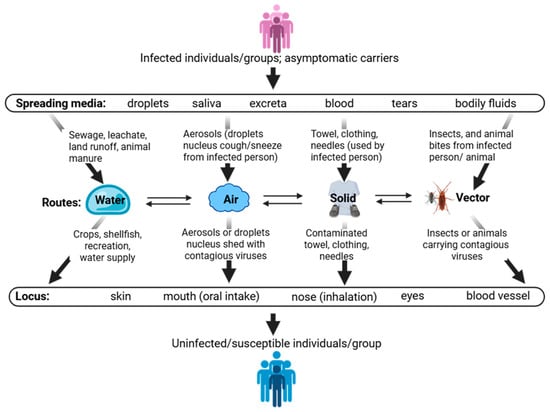
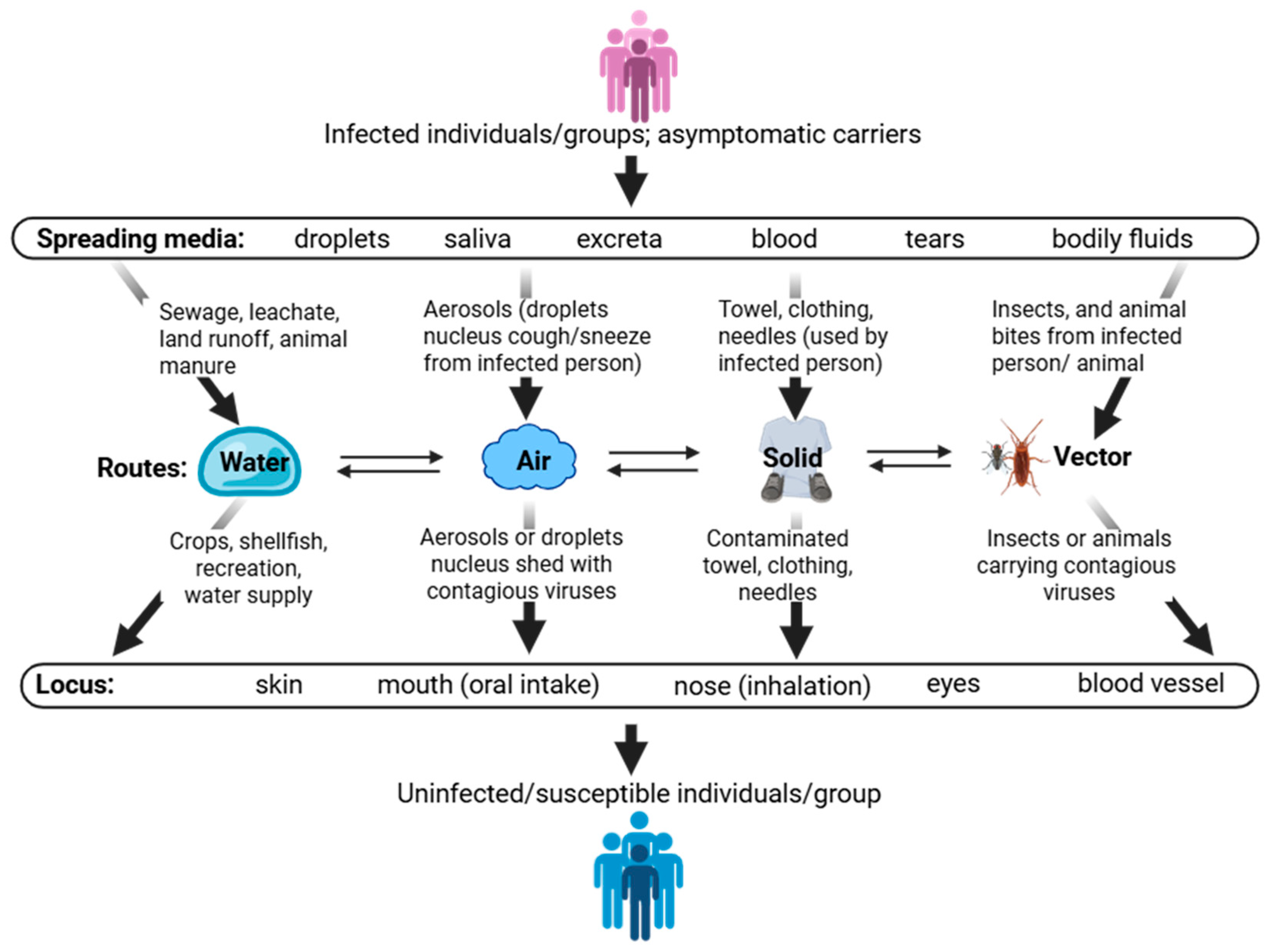
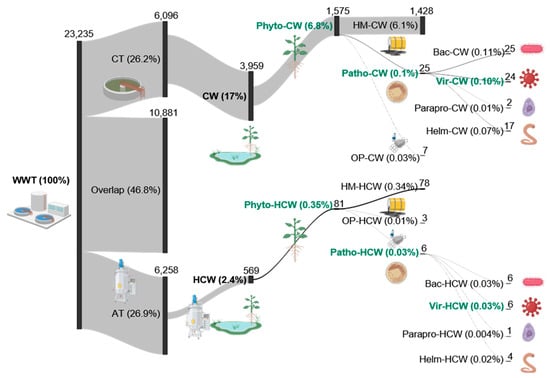
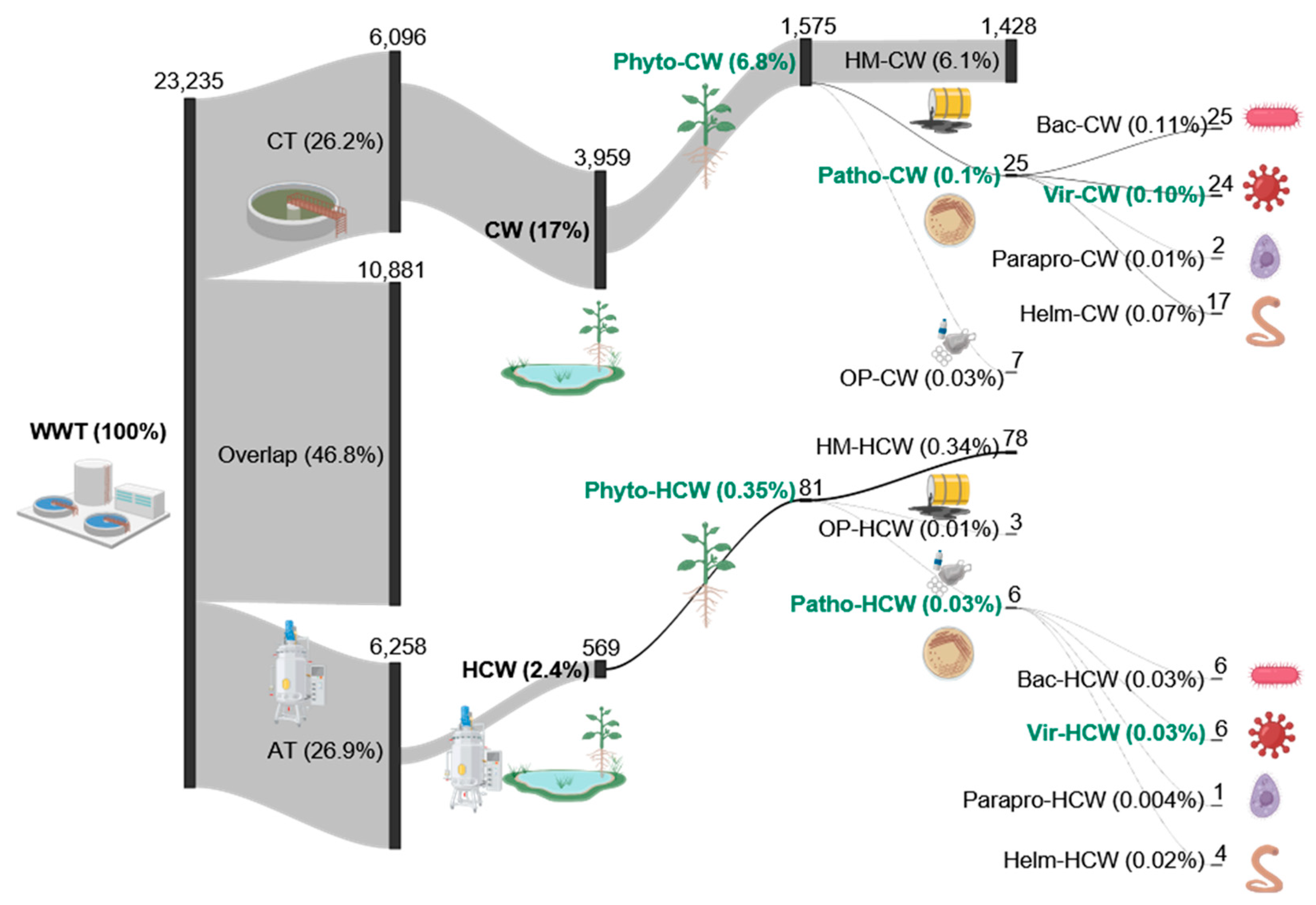
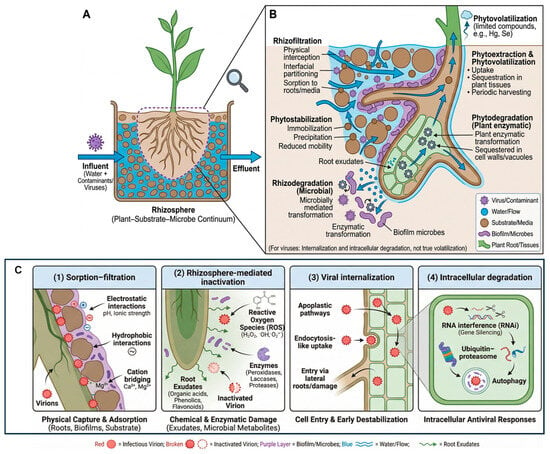
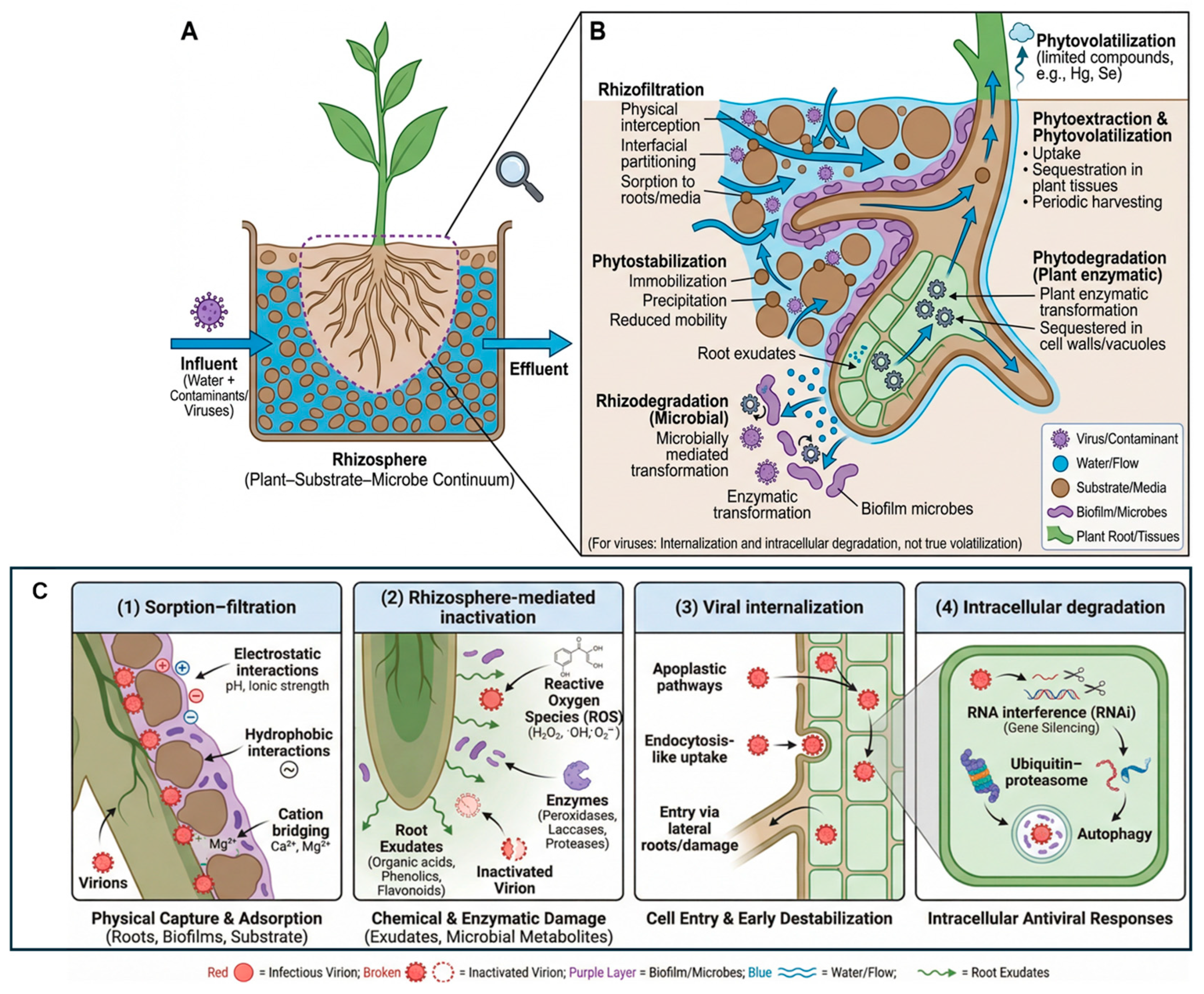
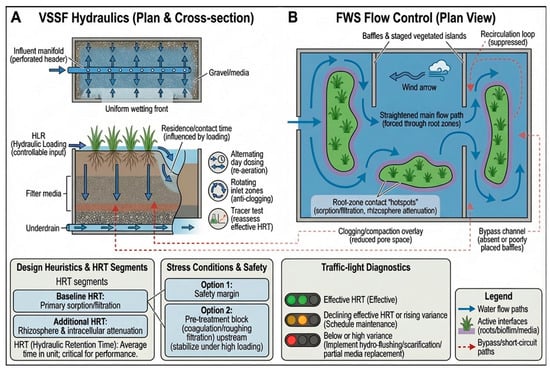
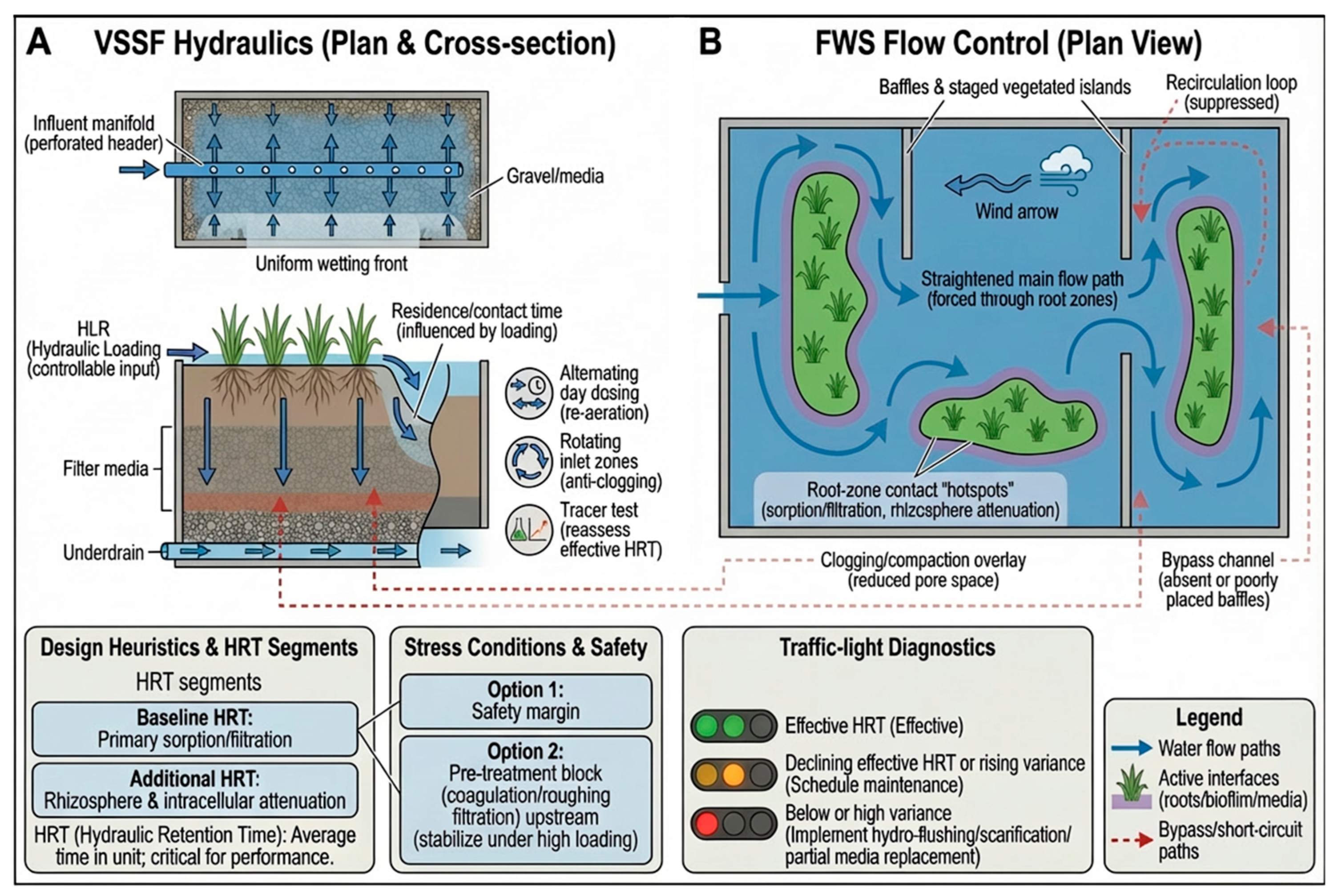
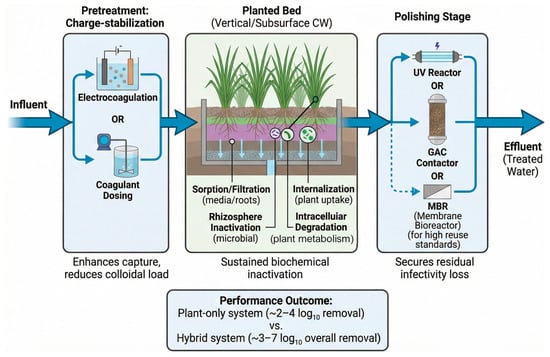
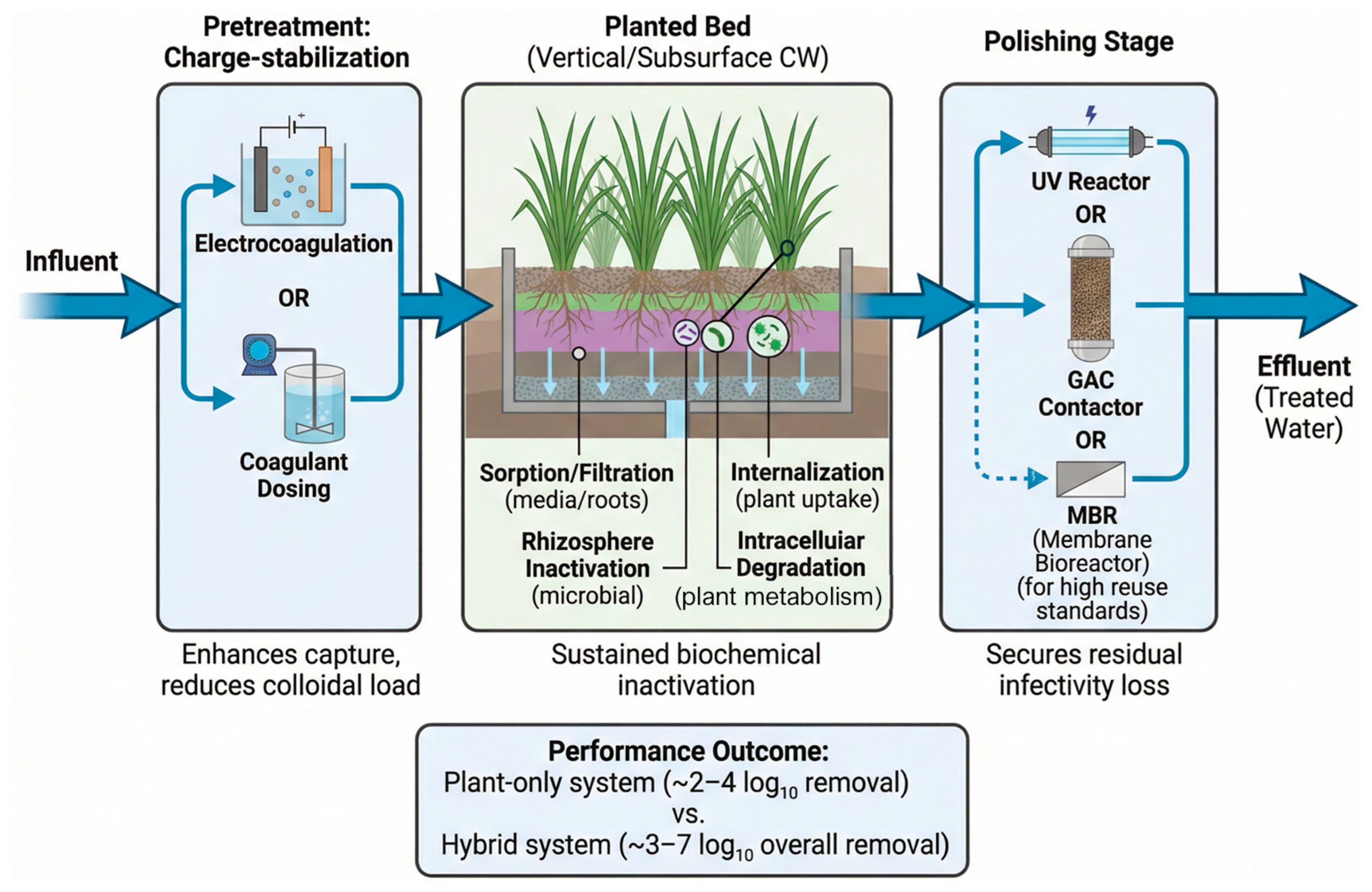
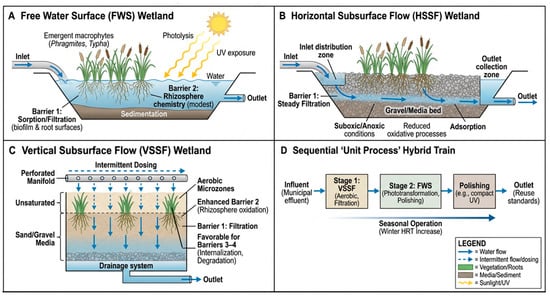
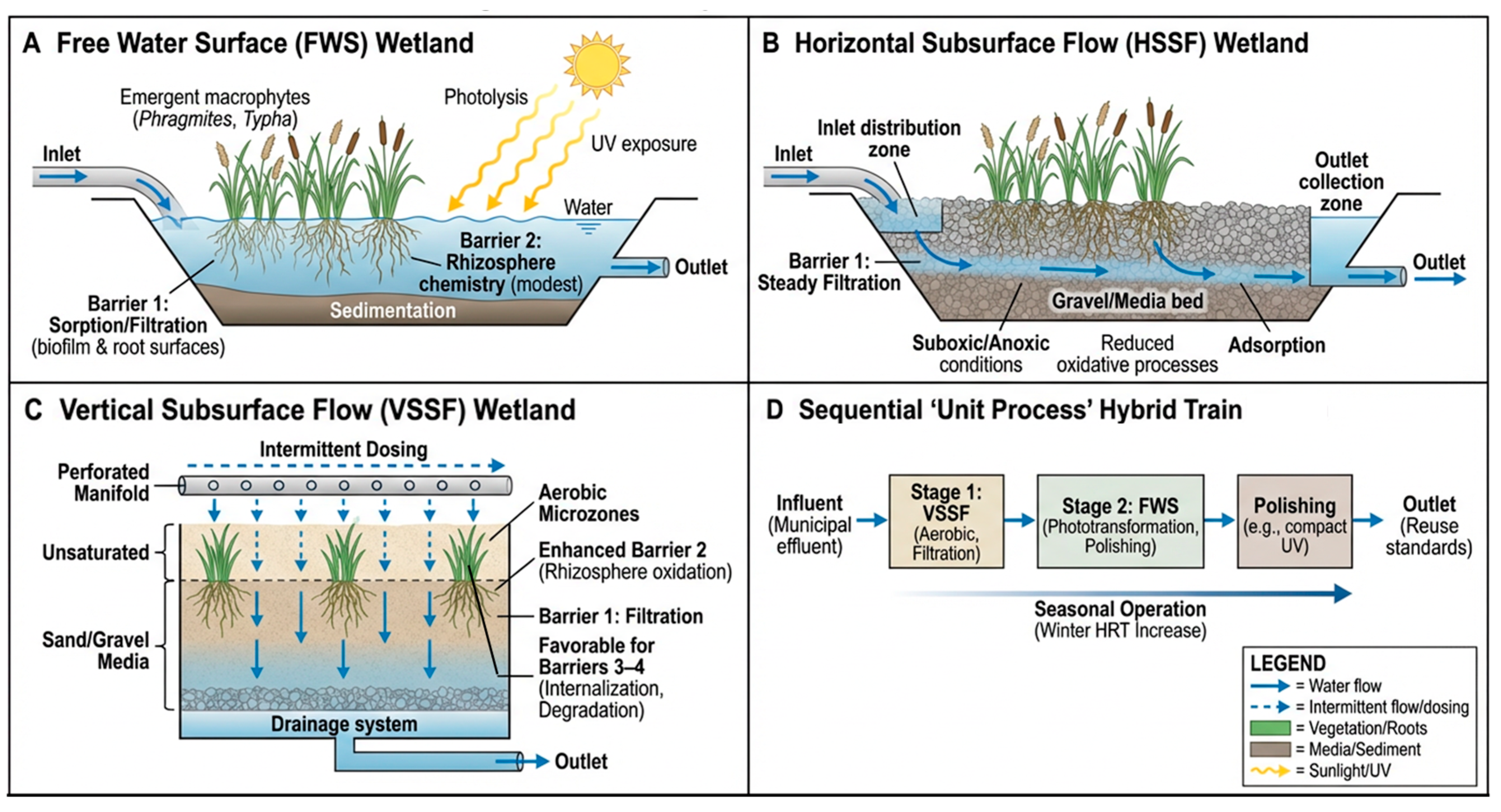
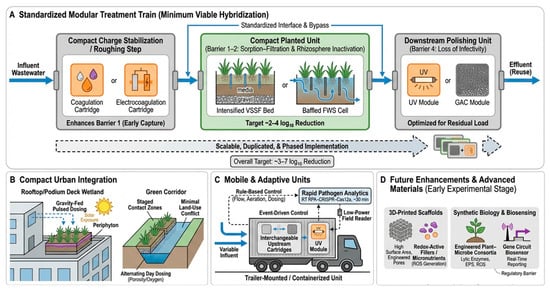
Disclaimer/Publisher’s Note: The statements, opinions and data contained in all publications are solely those of the individual author(s) and contributor(s) and not of MDPI and/or the editor(s). MDPI and/or the editor(s) disclaim responsibility for any injury to people or property resulting from any ideas, methods, instructions or products referred to in the content. |
© 2026 by the authors. Licensee MDPI, Basel, Switzerland. This article is an open access article distributed under the terms and conditions of the Creative Commons Attribution (CC BY) license.