


Abstract
In response to mounting resource and environmental pressures in the textile industry, this study investigates the feasibility of fiber-to-fiber closed-loop recycling for used firefighting protective clothing—a waste stream characterized by material homogeneity and large-scale disposal. Employing a mixed-methods approach combining stakeholder questionnaires, field investigations (n = 3650), and performance testing of retired aramid fabrics, this research systematically evaluates the technical, market, and systemic potential for circular regeneration. Results demonstrate strong multi-stakeholder support (over 89%) and significant consumer willingness to purchase recycled products (81.01–84% across categories), while material tests confirm the retained flame resistance and mechanical properties of the fabrics, enabling high-value applications. By constructing an integrated framework spanning technical, policy, market, and cultural dimensions, and proposing strategies of “targeted recycling” and “value reconstruction,” this work confirms the commercial viability and environmental benefit of recycling firefighting gear. It further offers a transferable model for advancing the circularity of other safety and protective textiles, with key innovations lying in its comprehensive full-chain assessment and the concurrent validation of stakeholder dynamics and material performance.
1. Introduction
Over the past five decades, global resource consumption has tripled, yet the circularity rate has declined from 9.1% to 6.9%, making the establishment of an efficient circular system an urgent priority [1]. In sectors like construction and new energy, researchers such as Prof. Alessandra Zanelli have conducted comprehensive cradle-to-cradle assessments, integrating life cycle cost analysis for technologies like building-integrated photovoltaics, providing valuable insights for waste recycling research [2]. Among various waste streams, municipal solid waste holds significant carbon reduction potential through recycling, with increased recovery rates following classification policies—waste plastics being a key focus for emission reduction [3]. Addressing plastic waste relies on technological innovations like chemical recycling, which has enabled the high-value conversion of plastics at low temperatures [4,5]. Construction and demolition waste, generated annually in vast quantities, achieves a resource utilization rate of only about 40%. Advancing high-value applications such as recycled concrete and studying the evolution of durability-related microcracks are therefore critical [6,7]. In contrast, the recycling rate for post-consumer textiles remains below 30%, hindered by challenges such as material complexity and low economic viability. Consequently, in-depth research into efficient recycling technologies for waste textiles is essential to unlocking their resource value and addressing gaps in the circular system.
The global textile industry is facing dual pressures of excessive resource consumption and environmental pollution. With continuous population growth and the widespread prevalence of fast-fashion consumption models, the annual production of virgin fibers is projected to reach a historical peak of 160 million tons by 2030, with polyester and cotton fibers remaining dominant [8]. This linear economic model, characterized by “take-make-dispose,” leads to significantly shortened textile lifecycles, while its environmental costs have long been underestimated [9,10]. Against this backdrop, promoting a transition towards a circular economy in the textile industry has become an international consensus, wherein closed-loop “fiber-to-fiber” recycling is regarded as a crucial pathway for achieving sustainable development [11,12].
However, recycled fibers currently account for only 8% of total global fiber production, with less than 1% genuinely originating from textile waste [13]. The majority of recycling feedstock still comes from the conversion of Polyethylene terephthalate (PET) bottles, highlighting significant shortcomings in building a robust textile recycling system [8,14]. Current textile-to-textile recycling technologies primarily focus on common fibers like cotton, polyester, and nylon, while the recycling of fibers used for safety and protection-such as aramid, ultra-high molecular weight polyethylene, and polyimide-remains in the exploratory stages [15,16,17]. It is noteworthy that high-performance fibers like aramid are considerably expensive, costing approximately 10–20 times more than cotton or polyester, which provides a strong economic incentive for their recovery. Growing consumer awareness of renewable textiles and the increasing usage of safety and protective textiles further underscore the positive implications of developing related recycling industries for advancing the global circular economy [9]. Focusing specifically on firefighting protective clothing, China sees an annual retirement of 300,000 to 400,000 units. This waste stream, sourced predominantly from professional institutions, offers unique advantages including stable supply, homogeneous composition, and ease of segregation, making it an ideal entry point for promoting the circular utilization of safety and protective textiles.
Current research on the recycling and reuse of safety and protective textiles, such as used firefighting protective clothing, remains noticeably limited. Technologically, while physical and chemical recycling pathways have been explored, mature processes capable of efficiently and energy-efficiently recovering these materials at scale while preserving the performance characteristics of high-performance fibers like aramid are still lacking. Systematically, a dedicated recycling network and a complete industrial chain covering collection, sorting, and regeneration have not yet been established, leaving a significant volume of retired garments outside effective resource cycles. From a market perspective, the development of high-value end products, consumer trust in recycled materials, and viable business models all require deeper exploration. These systemic shortcomings collectively form the key bottlenecks hindering progress in this field. This article focuses on used firefighting clothing-composed of high-value aramid fibers-as the research subject. Building on its ability to retain key properties after recycling and integrating insights from existing circular industrial chain practices, we analyze the feasibility of circular utilization for such textiles. The aim is to propose a reference pathway and practical template for advancing circular development in the field of safety and protective textiles. The following sections will begin with a systematic examination of the current state of circulation and recycling for used Firefighting protective clothing.
2. Literature Review
Currently, a basic system for collecting used clothing has been established, and there is a substantial research foundation concerning the development of collection networks and recycled products [18,19]. However, research focused on the recycling and reuse of safety and protective textiles, such as firefighting protective clothing, remains relatively scarce. For a long time, used safety protective apparel and their offcuts have predominantly been disposed of via landfill or incineration. These garments widely utilize high-performance fibers like meta-aramid (e.g., aramid 1313) and para-aramid (e.g., aramid 1414), which can take over a century to degrade in the natural environment, exerting persistent environmental pressure. Presently, dedicated recycling mechanisms specifically for safety and protective textiles are lacking both domestically and internationally, indicating significant room for improvement in the recycling and reuse within this sector. Therefore, improving the relevant recycling systems not only aids environmental protection and resource reuse but could also support social welfare initiatives. Exploring suitable circular utilization models for used firefighting protective clothing holds considerable theoretical and practical significance for building a green, low-carbon, circular economy system. It will also provide a transferable pathway for the recycling and reuse of other safety and protective textiles.
2.1. Regulatory Environment for Textile Circularity and Recyclability
A policy framework promoting textile recycling is being progressively established globally, providing institutional support for the resource recovery of used firefighting protective clothing. At the international level, the European Union (EU) has constructed a comprehensive policy framework through its Strategy for Sustainable and Circular Textiles and accompanying regulations, encompassing elements such as ecodesign, standards for recycled material content, and Digital Product Passports [20]. Notably, the implementation of Extended Producer Responsibility (EPR) schemes effectively incentivizes green product design and integration with recycling systems through economic leverage. Optimizing resource efficiency has become an important strategy for companies to reduce costs, enhance efficiency, and achieve carbon emission reduction and neutrality goals. As the world’s largest textile producer and supply chain hub, China possesses broad prospects in its waste resource recycling and remanufacturing industry. In recent years, China has also issued several guiding documents explicitly listing used uniforms as a key development area, providing policy direction for the specialized recycling and high-value utilization of firefighting gear.
Regarding specific policy instruments, the EU’s Ecodesign for Sustainable Products Regulation categorizes textiles as a priority sector for control, imposing systemic requirements from a full product lifecycle perspective. These focus on enhancing durability, repairability, and recyclability, while encouraging the use of recycled materials [21]. The Circular Economy Action Plan further targets the textile and apparel industry, given its high resource consumption and recycling potential, to drive industrial transformation towards waste reduction. Furthermore, the EU Strategy for Sustainable and Circular Textiles sets explicit targets: by 2030, textile products on the market must be durable, repairable, and recyclable, incorporating a substantially increased proportion of recycled fibers.
As a key technological enabler for achieving these goals, the introduction of the Digital Product Passport provides crucial support for product information transparency and recycling traceability [20]. This system uses electronic identifiers to record information such as product composition, maintenance guidelines, and recycling instructions, helping to build consumer trust and providing a data foundation for specialized sorting and high-value recycling. Although challenges remain in data collection, format standardization, and identifier durability, its developmental direction creates favorable conditions for industrial chain collaboration and closed-loop management.
The increasingly robust international policy framework and domestic policy orientation collectively foster a favorable institutional environment for transitioning used firefighting protective clothing recycling from exploration to industrialization. These policies not only clarify the development path for the circular economy but also provide sustained momentum for overcoming technical bottlenecks in firefighting gear recycling and cultivating a recycling market through standard setting, extended EPR, and guidance for technological innovation. This further validates, at the institutional level, the feasibility and development prospects of the recycling industrial chain proposed in this study.
In the field of textile recycling, closed-loop fiber-to-fiber recycling is paramount. Currently, using recycled materials from non-textile sources, such as PET bottles, to produce garments not only potentially misleads consumers but also disrupts the more suitable closed-loop recycling system for food-grade PET bottles. Furthermore, it exacerbates environmental pollution through the shedding of microplastics from synthetic fibers [22]. To ensure the accuracy of green claims and effectively promote the efficient recycling of plastic polymers, the European Commission addresses this issue within policies like the Green Claims Initiative, the revision of Ecolabel criteria, and ecodesign regulations. These explicitly encourage companies to prioritize and communicate fiber-to-fiber recycling achievements to tackle the core challenges of closed-loop recycling for textile products.
Currently, recycling high-performance fibers like aramid lacks sufficient industrial support, and the acceptance and support levels among consumers, governments, and businesses for recycling used safety and protective textiles like firefighting protective clothing remain unclear. Therefore, this study systematically investigates key stages-including market research, recycling processes, product design, and promotion-to validate critical aspects of the recycling chain. It aims to provide practical experience for more enterprises to engage in this field and tangibly advance the recycling process for safety and protective textiles like firefighting protective clothing.
2.2. Analysis of the Current Status of Recycling Technology, Systems, and Market for Used Firefighting Protective Clothing
Firefighting protective clothing primarily utilizes high-performance fiber materials such as aramid due to its special protective requirements. While these materials possess excellent flame retardancy, thermal stability, and mechanical strength, their stable chemical structure also makes them difficult to recycle through conventional means. Currently, the circular development in this field faces distinct and interconnected challenges across three dimensions: technology, systemic infrastructure, and the market.
At the technological level, international forefront research primarily explores two pathways: physical and chemical recycling [23,24,25]. Physical recycling involves specialized sorting, cleaning, and mechanical processing to transform decommissioned protective gear into cultural and creative products, industrial materials, or short fiber reinforcements [26,27]. Chemical recycling, on the other hand, employs novel solvents or catalytic depolymerization processes to break down aramid fibers into monomers or nanofibers for high-value regeneration [28,29]. However, both technological paths face bottlenecks that hinder their path to industrialization: physical methods grapple with issues like low sorting efficiency and degradation of fiber properties, whereas chemical methods are constrained by complex processes, high solvent costs, and significant energy consumption.
Regarding the construction of recycling systems, although several regional textile recycling clusters have formed in China, the overall industry still relies mainly on low-value-added refurbishment and reuse. A dedicated recycling network for high-performance textiles is notably absent [30,31]. The recycling of used firefighting protective clothing requires establishing a complete industrial chain encompassing collection, storage, transportation, sorting, and remanufacturing. Presently, a large volume of decommissioned garments is merely stored in warehouses, failing to enter an effective resource cycle. This not only reflects a lack of a cohesive recycling system and synergistic industrial chain mechanisms but also results in resource waste and increased environmental pressure [30,31].
In terms of market cultivation and product development, while overall awareness of recycled textiles is growing, the recycling of safety and protective textiles remains in its nascent exploratory stage, with only a few enterprises engaged in practical initiatives. For instance, the Spanish company Hilaturas Arnau reprocesses aramid waste into new yarns for cut-resistant gloves and flame-retardant fabrics [32]; the British company Vollebak transforms materials from firefighting clothing into new types of fabrics [33]; and Stuff4life focuses on recycling complex-structure protective equipment to achieve closed-loop polyester utilization [34]. In contrast, China still lacks large-scale enterprises in this field, and practices in high-value utilization are insufficient. Development is constrained by multiple factors, including low trust in the quality of recycled materials, limited market price acceptance, and immature consumption habits [32,33,34].
In summary, the recycling of used firefighting protective clothing is a systematic engineering project that requires synchronous advancement in technological innovation, systemic construction, and market development.
3. Methods
This study focuses on firefighting protective clothing within the category of safety and protective textiles. Investigation reveals that the China Fire and Rescue Brigade is equipped with nine types of protective garments, including firefighting protective clothing, rescue suits, bee-proof suits, proximity firefighting suits, heat insulation suits, water rescue suits, chemical protective suits, training uniforms, and routine service uniforms [35]. Among these, firefighting protective clothing, training uniforms, and routine service uniforms exhibit relatively high replacement rates. While training and routine service uniforms can be processed as conventional textiles, firefighting protective clothing-due to its specialized material composition-should not be disposed of together with ordinary textile waste.
Furthermore, more than 500,000 mini fire stations have been deployed nationwide in settings such as manufacturing enterprises, shopping malls, and residential communities [36]. As firefighting protective clothing is one of the essential pieces of personal protective equipment in these stations, a substantial amount of it is phased out each year during fire and rescue operations. The continuous accumulation of decommissioned firefighting gear has made it increasingly urgent to develop effective disposal methods. Therefore, this research explores and analyzes the recycling and reuse of firefighting protective clothing as a case study.
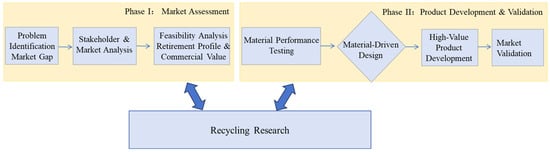
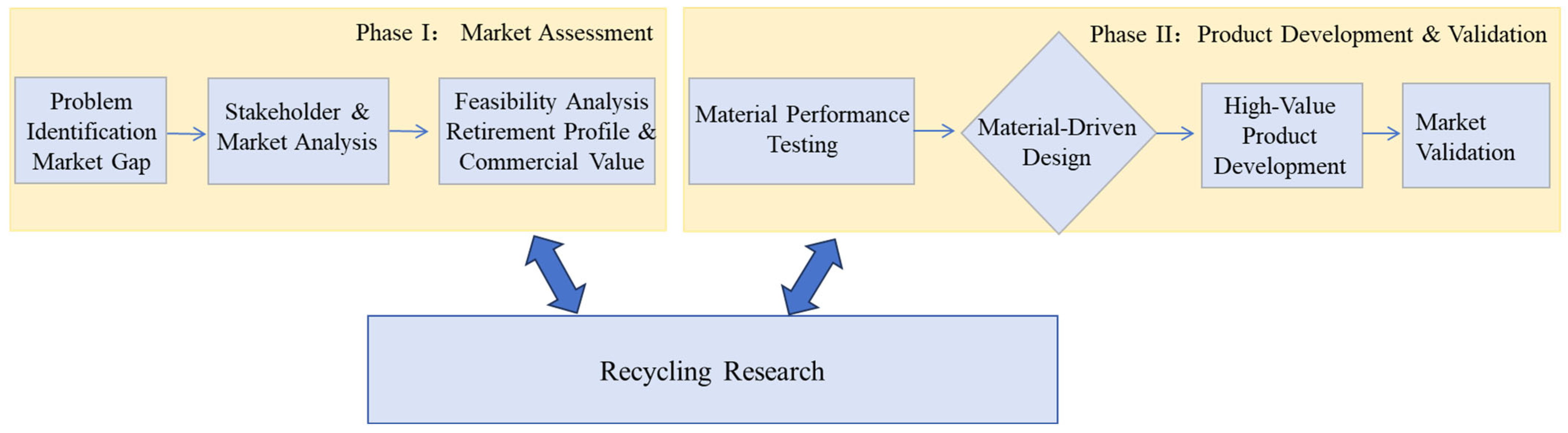
Given the market gap in the recycling of decommissioned firefighting protective clothing, this study employed a mixed-methods approach to qualitatively and quantitatively evaluate its feasibility as a textile-to-textile recycling feedstock. The research roadmap is illustrated in Figure 1. This study first conducted an in-depth market survey to gather opinions from multiple stakeholders. Structured questionnaires were distributed to two key groups: (1) professionals with direct knowledge of firefighting equipment, including firefighters, government officials, and industry representatives; and (2) potential end-consumers, such as office workers, students, and freelancers, to gain insights into product design and market acceptance. Furthermore, field visits were carried out to manufacturers of firefighting protective clothing, fire and rescue departments, textile recycling enterprises, and relevant government departments. The survey focused on two primary aspects: (a) the decommissioning status of firefighting protective clothing, including service life and wear patterns; and (b) the commercial viability of recycling, encompassing the level of stakeholder support and market acceptance of recycled products.
Figure 1.
Recycling Research Roadmap.
Building upon the market survey findings, this research proceeded to the product development stage. A comprehensive performance analysis was first conducted on the decommissioned firefighting protective clothing to assess the mechanical properties and flame resistance of its constituent fibers and fabrics. Guided by the principle of “material-driven design,” subsequent product development explored two main pathways: the direct reuse of intact fabrics and open-loop fiber recycling through opening and re-spinning. Finally, the developed prototype products were introduced to the market to empirically validate the commercial potential and practical feasibility of this recycling initiative.
4. Results
4.1. Market Survey Analysis
During the questionnaire design phase, this study determined the need to engage multiple stakeholders, including consumers, government agencies, recycling enterprises, as well as producers and users of firefighting protective clothing. The identification of relevant dimensions and items was informed by a combination of literature review, field visits, and research team discussions. To address the limitations often associated with interview surveys, such as spatiotemporal constraints, high costs, and low standardization, a structured questionnaire survey was adopted to improve the efficiency and comparability of data collection.
Respondents were selected from key stakeholder groups: personnel from firefighting protective clothing manufacturers and user units, employees of waste textile recycling companies, experts in functional apparel materials research, and young consumer groups such as university students. These individuals possess relevant domain knowledge or practical experience, enabling them to provide professional and valid responses. This approach helped ensure the expertise and reliability of the collected data.
The questionnaire was developed based on insights from the literature and field visits, and was distributed to four main stakeholder categories: fire departments, government agencies, manufacturers, and consumers. A total of 3650 questionnaires were issued, covering fire product producers, firefighting practitioners, government staff, and consumer groups. The relatively broad and diverse sample enhances the representativeness of the data and strengthens the reliability of the research findings.
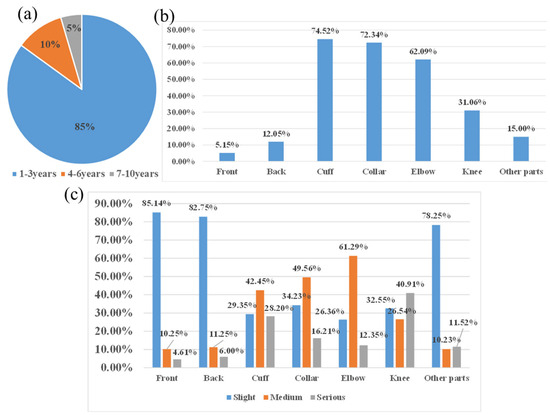
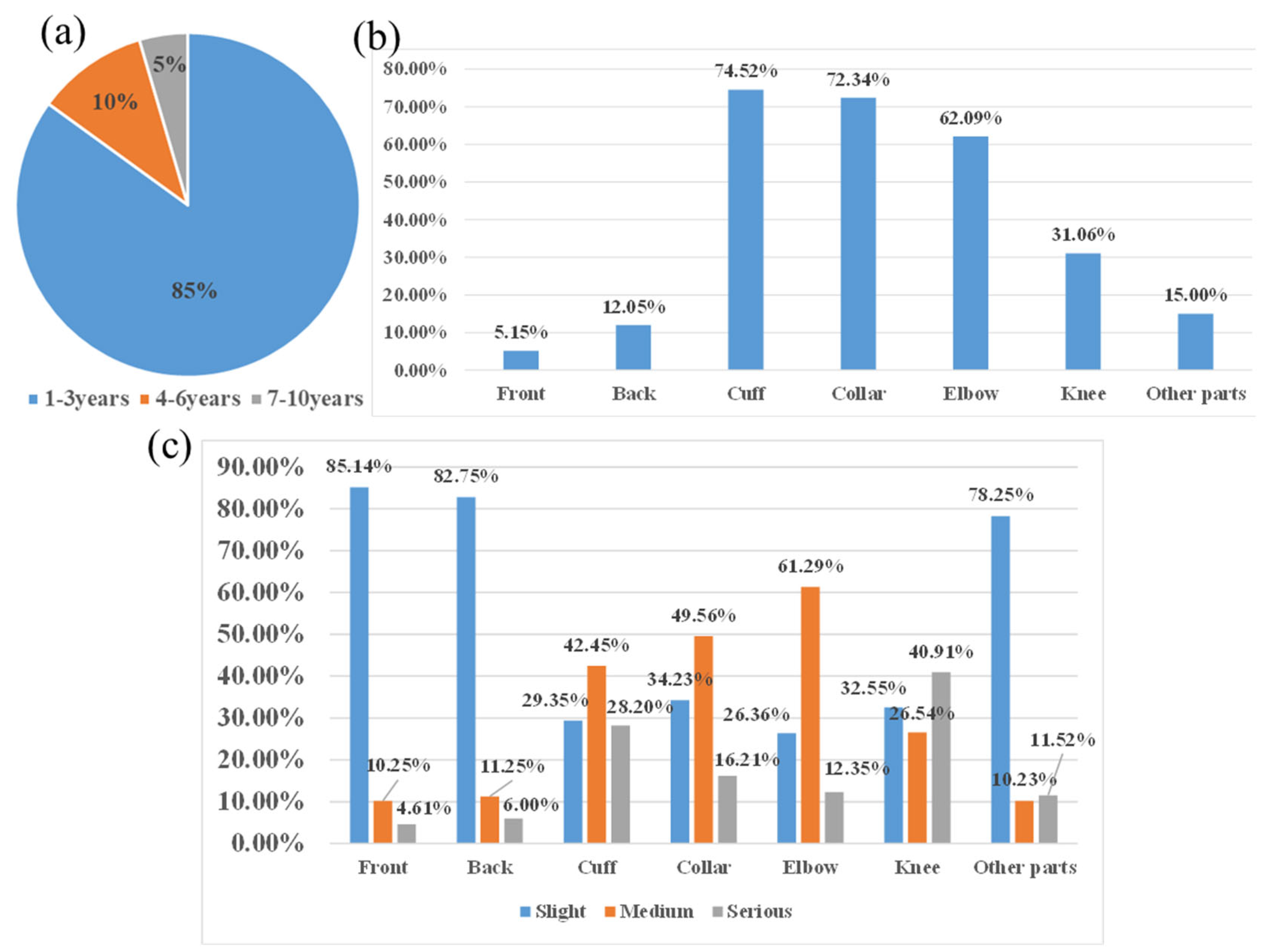
This study specifically conducted a detailed analysis of Firefighting protective clothing. Figure 2 shows the service life of such garments. The survey results indicate that approximately 85% of Firefighting protective clothing requires replacement within three years. During use scenarios such as rescue training and emergency response, the clothing is prone to damage, which affects its overall protective performance. For example, surface fabric damage can lead to liquid (e.g., water) penetration and reduced thermal insulation. Among the statistically documented wear areas, elbows, knees, cuffs, and collars are the most vulnerable, with damage rates of 62.09%, 31.06%, 74.52%, and 72.34%, respectively. Currently, due to limitations in repair technology, damaged garments are difficult to restore, which also restricts their direct reuse as fabric material. However, the back and chest areas show relatively lower damage rates, at 12.05% and 5.15%, respectively. Survey results further indicate that the extent of damage in these areas is minor, which helps improve the overall utilization rate of the garment fabric. Field surveys also revealed that the overall appearance integrity of used Firefighting protective clothing generally remains above 92%, allowing larger sections of the fabric to be potentially reused after cutting. The United States conducted post-use evaluations of structural Firefighting protective clothing as early as 2015, focusing on service life and performance degradation [37]. That study pointed out that although the theoretical protective performance of such equipment can last over ten years, actual data from fire departments show that 99% of equipment is retired within ten years.
Figure 2.
Investigation and analysis of the service life and damage of used firefighting protective clothing: (a) Useful life of firefighting protective clothing; (b) Common damaged areas in firefighting protective clothing; (c) Wear and tear of damaged areas.
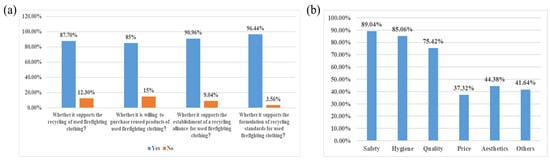
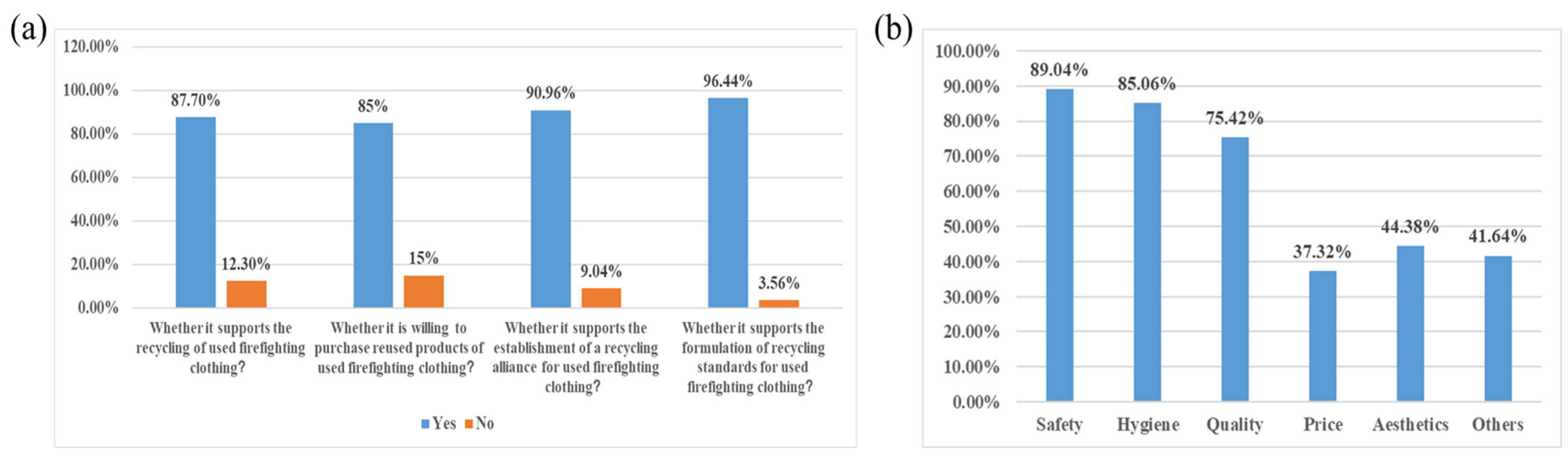
Figure 3 reflects public attitudes toward the disposal of used firefighting clothing and the degree of support for its recycling and reuse. The survey found that 87.7% of respondents support the recycling of safety textiles such as firefighting clothing, considering it a measure that helps reduce carbon emissions and improve the ecological environment—a worthwhile initiative. For the minority who expressed opposition, further investigation revealed that their concerns mainly stem from the potential contamination of some protective garments by toxic and hazardous substances during chemical accident responses, posing potential health risks. This finding highlights the need for enhanced safety measures in promoting the recycling of used firefighting clothing. In addition, data in Figure 3 show that 90.96% and 96.44% of respondents, respectively, hold positive attitudes toward establishing a recycling alliance for used firefighting clothing and developing relevant recycling standards, reflecting strong public recognition of the need for a systematic recycling system.
Figure 3.
Investigation and analysis of the recycling attitude of retired fire uniforms: (a) Attitude towards a recycling system for used firefighting protective clothing. (b) Problems in recycling used firefighting protective clothing.
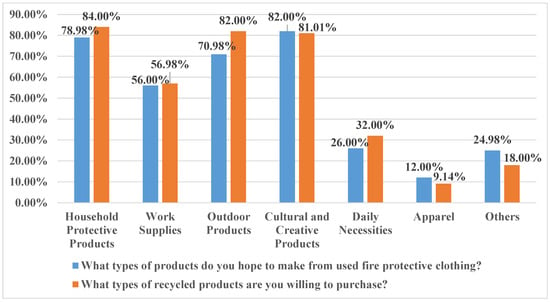
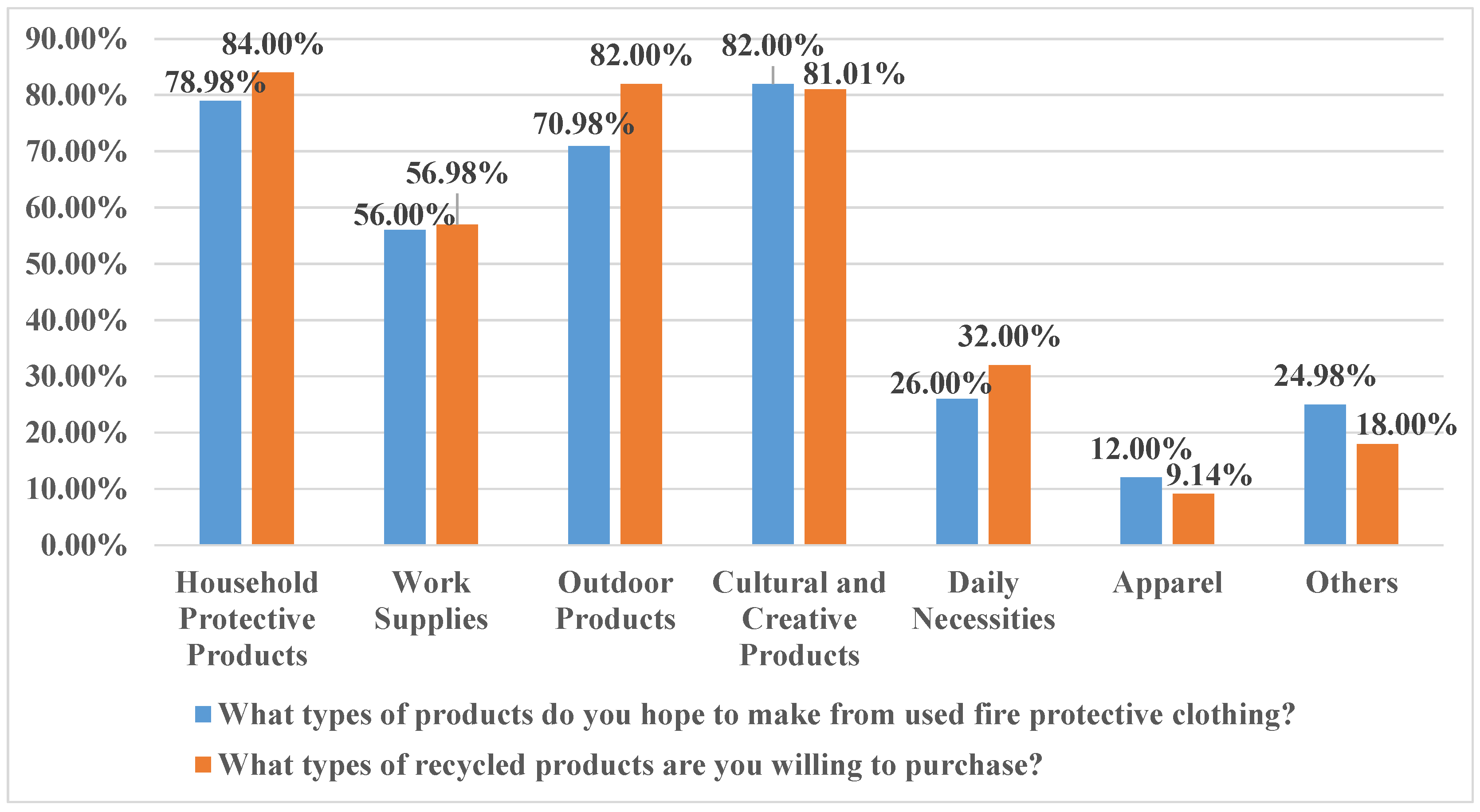
Figure 4 presents consumer design suggestions and purchase intentions for products made from recycled decommissioned Firefighting protective clothing. During the reuse process, the high strength, heat resistance, and chemical resistance of aramid fibers should be leveraged to develop high-value-added products such as outdoor backpacks, fire blankets, heat-resistant aprons, and insulated gloves. The questionnaire categorized recycled products into multiple types to comprehensively reflect actual consumer demand. Analysis results show that participating organizations and consumers showed a stronger preference for cultural and creative products, outdoor products, and household protective products, with preference rates of 82%, 70.98%, and 78.98%, respectively. The design inclination toward work-related products also reached 56%. In terms of purchase intention, cultural and creative products, outdoor products, household protective products, and work-related products were also favored by consumers, with willingness rates of 81.01%, 82%, 84%, and 56.98%, respectively. The survey results indicate that the reuse direction of retired firefighting clothing aligns well with consumers’ purchase intentions, which helps promote market circulation of recycled products and facilitates comprehensive resource utilization.
Figure 4.
Investigation and analysis of product design and purchase intention of retired fire service reengineering.
By designing and implementing a questionnaire on the recycling and reuse of used firefighting clothing, this study reveals several issues in this field. The results show that although mature degradation treatment and chemical recycling technologies for used firefighting clothing are not yet available, effective reuse can be achieved through physical recycling methods. Meanwhile, support from government departments, industry associations, and related enterprises for the resource utilization of used firefighting clothing, combined with a high level of consumer acceptance of innovative recycled products, indicates that recycling Firefighting protective clothing is highly feasible.
4.2. Performance Analysis of Used Firefighting Protective Clothing
To evaluate the feasibility of using decommissioned firefighting protective clothing as a raw material for recycling, this study conducted a systematic analysis of the key properties of its core material—aramid fibers. Although aramid fibers are widely used in firefighting protective clothing due to their excellent flame resistance, high strength, and chemical corrosion resistance, their inherent chemical stability also leads to difficulties in natural degradation after decommissioning [38].
Sample Pretreatment: Test samples were taken from the outer shell fabric of decommissioned Firefighting protective clothing, primarily composed of aramid 1414. The garments were manually disassembled by removing non-textile components such as buttons and zippers, and then cut along the seams to obtain single-layer fabric pieces. After detergent cleaning and drying, the fabric was further disassembled into yarns, and single fibers were separated by untwisting. Samples were taken from key areas including cuffs, collars, knees, elbows, chest, and back to comprehensively assess wear and performance variations across different garment sections.
Testing Methods: All tests were conducted under standard atmospheric conditions. The specific methods were as follows:
- Fiber Mechanical Properties: Single fiber breaking strength and elongation at break were measured according to GB/T 9997 [39] using a YG001D electronic single fiber strength tester (Textile Equipment CO., Ltd., Changzhou, China), with a gauge length of 10 mm and a tensile speed of 10 mm/min.
- Limiting Oxygen Index (LOI): The flame retardancy of the fabric was evaluated according to GB/T 5454-1997 [40] using an LFY-606 oxygen index tester (Shandong Textile Science Research Institute Co., Ltd., Jinan, China).
- Moisture Regain: Tested according to the method specified in GB/T 6503-2017 [41].
- Thermal Decomposition Properties: A Q250 thermogravimetric analyzer (TA Instruments, New Castle, DE, USA) was used to analyze the thermal stability of the fibers, heating from 30 °C to 800 °C at a rate of 10 °C/min in an air atmosphere.
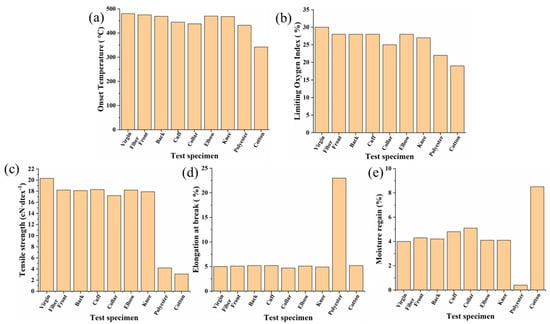
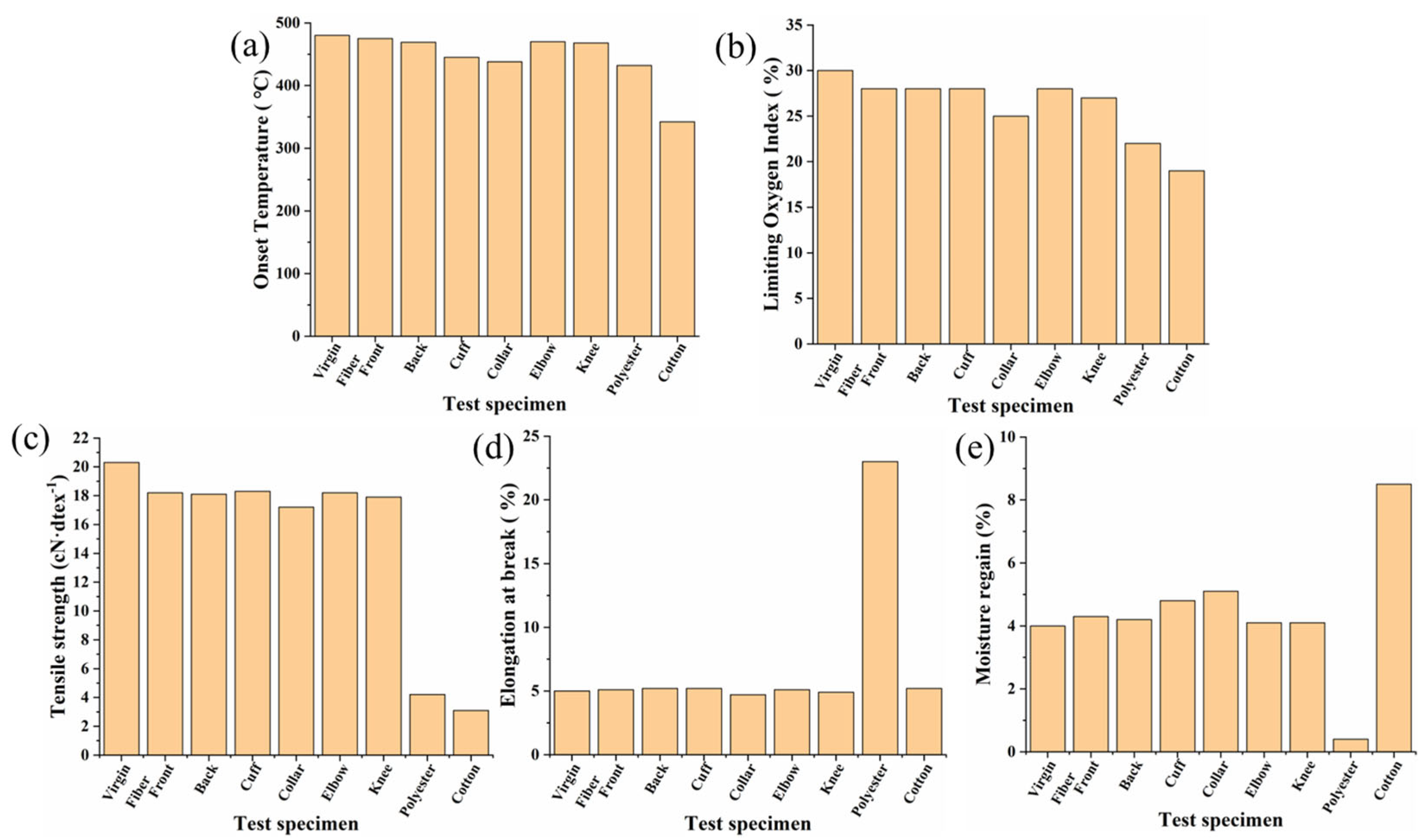
Results and Discussion: The performance test results are shown in Figure 5. The data indicate that the aramid 1414 fibers from different parts of the decommissioned firefighting protective clothing exhibit comparable performance to unused virgin fibers in key indicators such as thermal decomposition temperature, limiting oxygen index, breaking strength, elongation at break, and moisture regain, demonstrating that they retain excellent usability. Compared to conventional polyester and cotton fibers, the recycled aramid fibers maintain significant advantages in flame retardancy and mechanical strength, confirming their full potential to continue serving a core role in recycled safety and protective textiles. These results provide crucial material science evidence for subsequent high-value-added product development and establish the economic foundation for recycling.
Figure 5.
Fiber properties from different parts of used firefighting protective clothing, compared with unused aramid 1414, polyester fiber, and cotton: (a) Initial thermal decomposition temperature (heat resistance); (b) Limiting Oxygen Index (flame retardancy); (c) Breaking strength; (d) Elongation at break; (e) Moisture regain.
4.3. Product Design and Creative Integration
Market research confirms broad recognition and support for the recycling of used firefighting protective clothing from government departments, manufacturers, user units, and end consumers. With assistance from the National Fire and Rescue Administration, the research team obtained samples of decommissioned Firefighting protective clothing and other rescue garments. Systematic performance analysis of the primary constituent material-aramid 1414 fibers-revealed that the fibers retain good functional properties, with key indicators like mechanical strength and flame retardancy surpassing those of conventional materials like polyester and cotton, highlighting significant potential for high-value recycling. The recycled fabrics, fibers, and ancillary materials such as buttons, zippers, and reflective strips can be widely applied to develop various functional products through rational design. This research focuses on two main directions: fabric reuse and fiber regeneration. Guided by the “Assessment-Design-Culture-Digital” recycling concept, product validation and development were systematically carried out following the technical pathway of “Design Screening-Product Realization-Value Enhancement.”
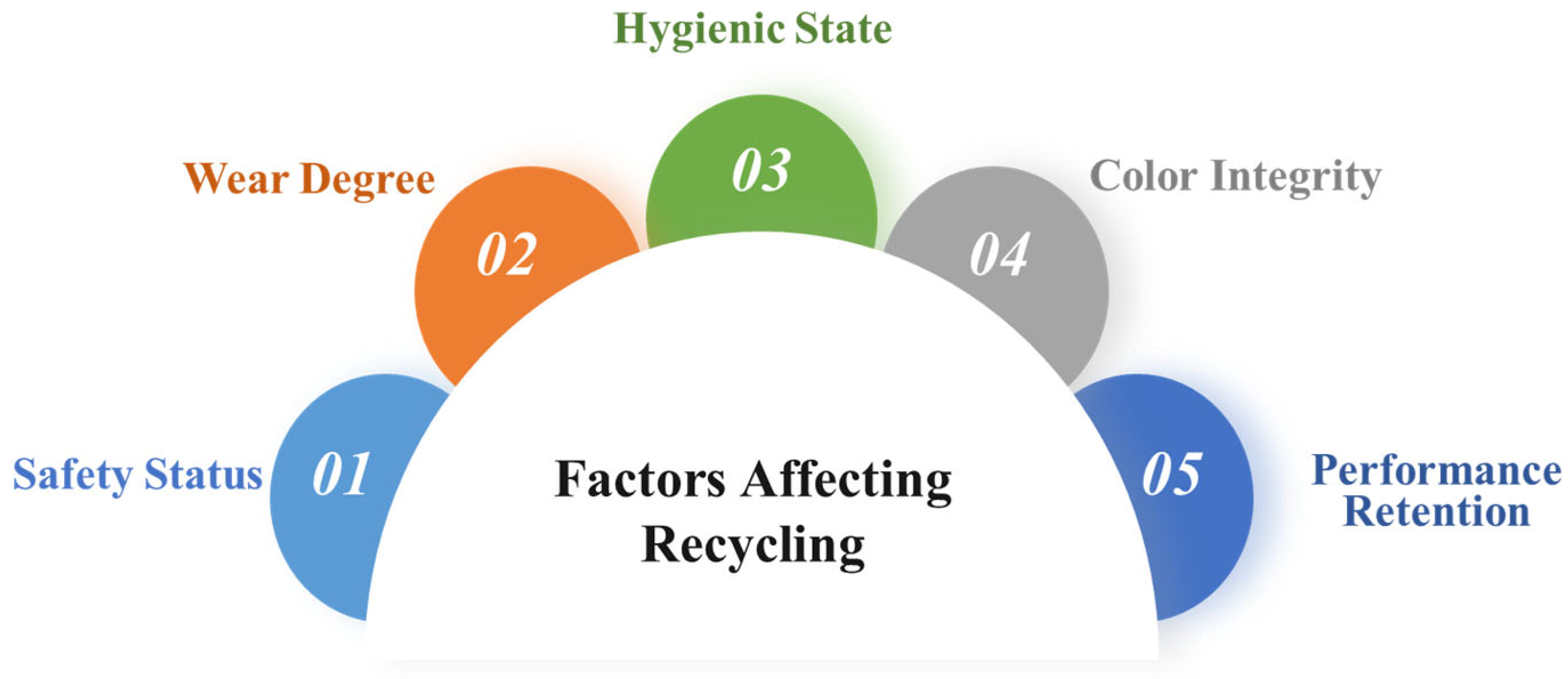
Before determining the recycling path, the project team established a five-dimensional assessment system, as shown in Figure 6, to evaluate the recycling value of decommissioned firefighting protective clothing and identify suitable product directions:
Figure 6.
Schematic diagram of the assessment dimensions for recycled products.
- ♦
- Safety Status: Whether the garment has been exposed to toxic or hazardous substances is the primary criterion determining its suitability for consumer product development. Garments used in high-risk rescue operations involving chemical spills or biological contamination must be incinerated or landfilled and cannot enter the recycling stream.
- ♦
- Wear Degree: The overall wear condition determines whether intact fabric can be directly reused or if the material should be processed into regenerated fibers through opening and spinning.
- ♦
- Hygienic State: Inspection for contaminants like oil stains or blood determines the need for deep cleaning or local cutting to remove unusable sections.
- ♦
- Color Integrity: Uniformity and brightness of color directly impact the product’s esthetic appeal. Fabric with significant color variation can be used for non-prominent parts or considered for re-dyeing (weighing cost and carbon emissions).
- ♦
- Performance Retention: Testing the mechanical properties and flame retardancy of both the fabric and components (e.g., zippers, reflective strips) assesses whether they meet the functional requirements of the recycled product.
Furthermore, we have established a Safety Screening and Handling Protocol for recycling (as outlined in Table 1). This model constructs an auditable safety governance framework through standardized testing procedures, evidence-based classification decisions, and transparent disposal reporting. It not only directly addresses concerns regarding toxic exposure by safely isolating non-conforming items (Category C) and mandating their transfer to specialized handlers, but also provides an operational basis for achieving high-quality, low-risk closed-loop recycling. This framework can serve as a significant reference for policy formulation and the development of industry standards.
Table 1.
Safety Screening and Handling Protocol for Recycling Used Firefighting Protective Clothing.
4.3.1. Product Design and High-Value Development
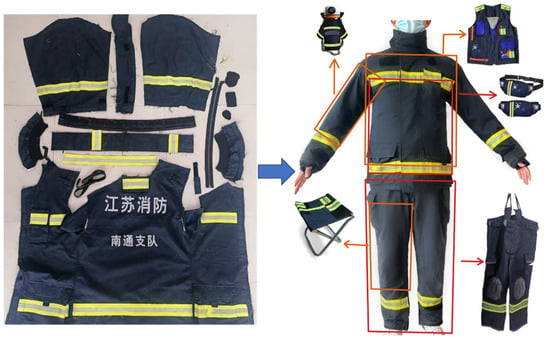
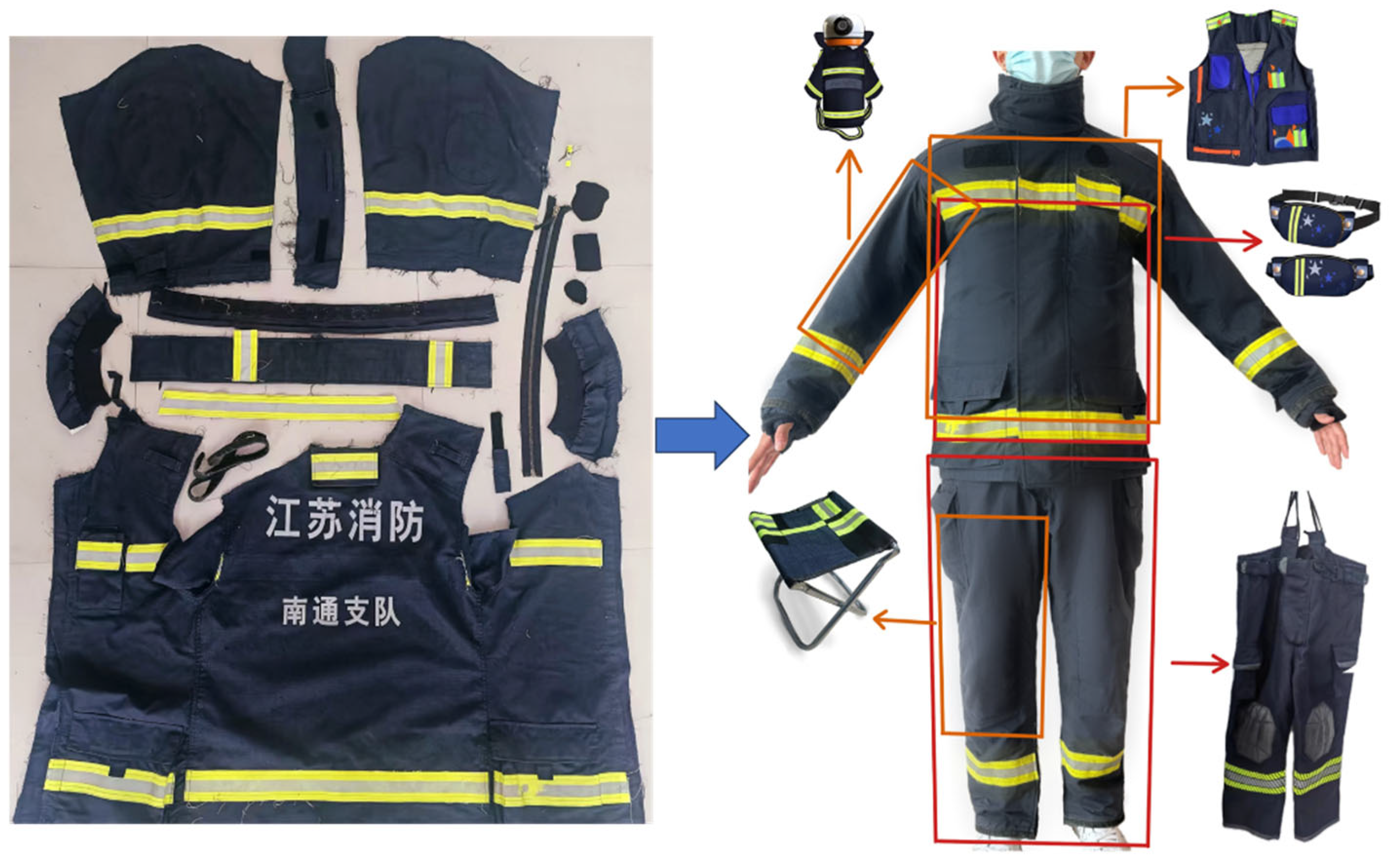
Based on this assessment system, this project utilized decommissioned Firefighting protective clothing to design and develop a range of functional products, including cross-body bags, tool vests, cup sleeves, and outdoor stools. As shown in Figure 7, the firefighting garments were disassembled along the seams to obtain fabric sections and components. After strict sterilization and cleaning, these were categorized and used for product prototyping. Analysis revealed that the chest and back areas of the garments often have high fabric integrity, suitable for direct cutting. Ancillary materials like zippers, reflective strips, and buttons also possess good reuse value.
Figure 7.
Disassembly of used firefighting protective clothing and schematic of component design potential. Note: The term “江苏消防南通支队” that appears in the figure in Chinese translates to “Jiangsu Fire and Rescue Corps Nantong Detachment” in English.
To enhance the added value of the recycled products, this project fully utilized the properties of aramid fibers, such as flame retardancy, abrasion resistance, cut resistance, and chemical corrosion resistance. Several development projects for home safety products are listed below, aiming to transform the “battle gear” of firefighting heroes into “safety shields” for daily life:
- Dual-Mode Fire Blanket (Daily Use and Emergency)
- ∗
- Materials and Process: Uses recycled firefighting protective clothing fabric, crushed and blended with flame-retardant viscose, aramid 1414/1313, and other soft fibers, then rewoven into a new fabric combining flame resistance with a home-textile feel.
- ∗
- Scenario-Integrated Design: Can be folded for use as a sofa throw or air-conditioning blanket, or filled to create cushions and pillows, seamlessly integrating into the home environment and increasing frequency of use. Can be quickly deployed to extinguish pan fires or electrical fires, or used as a protective covering for escape, achieving a seamless transition “from home living to rescue.”
- High-Performance Kitchen Protective Apron
- ∗
- Materials and Process: Made directly from recycled flame-retardant fabric from firefighting protective clothing, retaining its intrinsic flame-retardant and high-abrasion-resistant properties.
- ∗
- Function and Esthetic Design: Besides providing protection against flash fires during cooking, the apron features convenient tool pockets and is available in various home-friendly color schemes, balancing practicality with modern kitchen esthetics.
- Flame-Retardant Sofa Cover
- ∗
- Materials and Process: Uses recycled flame-retardant blended fabric, combined with jacquard or printing techniques, to develop sofa cover products that offer both flame retardancy and decorative appeal.
- ∗
- Usage Scenario: Suitable for high-frequency areas like living rooms and studies, effectively mitigating fire risks from overheated electronics or cigarette embers, realizing the design philosophy of “integrating protection into daily life.”
4.3.2. Integration of Cultural Symbols and Intangible Cultural Heritage Crafts
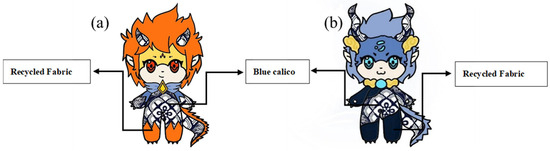
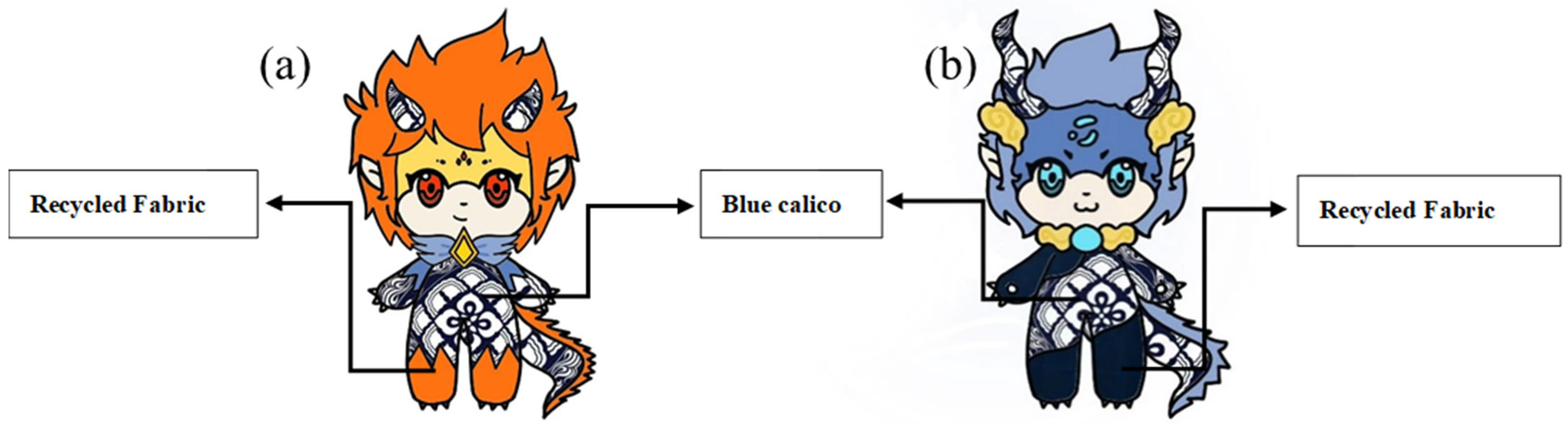
To further enhance the cultural connotation and emotional value of the products, this project integrated firefighting elements with traditional Chinese cultural symbols and intangible cultural heritage crafts, promoting the upgrade from functional products to cultural and creative products. As shown in Figure 8, the design team developed a series of textile products inspired by mythical beasts like the “Fire Qilin” and “Water Qilin”. These designs retain the material’s inherent flame-retardant and protective properties while imbuing them with cultural implication such as “Auspicious Protection” and “Guarding Home and Safety”. Additionally, this project explored combining intangible heritage techniques (e.g., tie-dyeing, embroidery) with recycled fabrics to create handicrafts possessing both protective function and artistic value, expanding their potential application in markets like gifts and promotional items.
Figure 8.
Examples of fire and rescue cultural symbols: (a) Yan Xiaoqi (Fire Qilin); (b) Lan Xiaoxi (Water Qilin).
4.3.3. Digital Traceability and Brand Storytelling
To enhance consumer trust and build emotional connections behind the products, this project developed a traceability management system for used firefighting protective clothing (software copyright obtained). This system assigns a unique digital identity to each recycled product. By scanning a tag, consumers can access information such as the service history of the firefighting team the garment belonged to, major rescue missions it participated in, material test reports, and the recycling process. Through digital means, transparent full-cycle management from the “battlefield” to the “marketplace” is achieved. This not only provides a basis for quality traceability but also strengthens the brand’s emotional value and cultural communication function by telling the stories of the firefighting heroes.
5. Discussion
The recycling of used firefighting protective clothing represents a multidimensional challenge spanning technological, policy, social, and market domains, requiring coordinated advancement across all components for successful implementation [50,51]. Current global research on recycling safety and protective textiles remains inadequate, leading to significant waste of high-value textile resources. This study conducted systematic market research and analyzed comprehensive utilization technologies, recycling system development, consumer acceptance, and policy support mechanisms. Our findings demonstrate that scientific recycling and high-value utilization of used firefighting protective clothing can substantially reduce environmental pressure, enhance resource efficiency, and create new economic opportunities for related industries, ultimately achieving synergistic economic and environmental benefits. This approach provides both a sustainable solution for the fire service sector and a transferable model for recycling other safety and protective textiles.
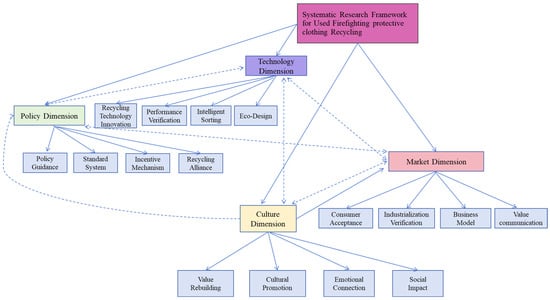
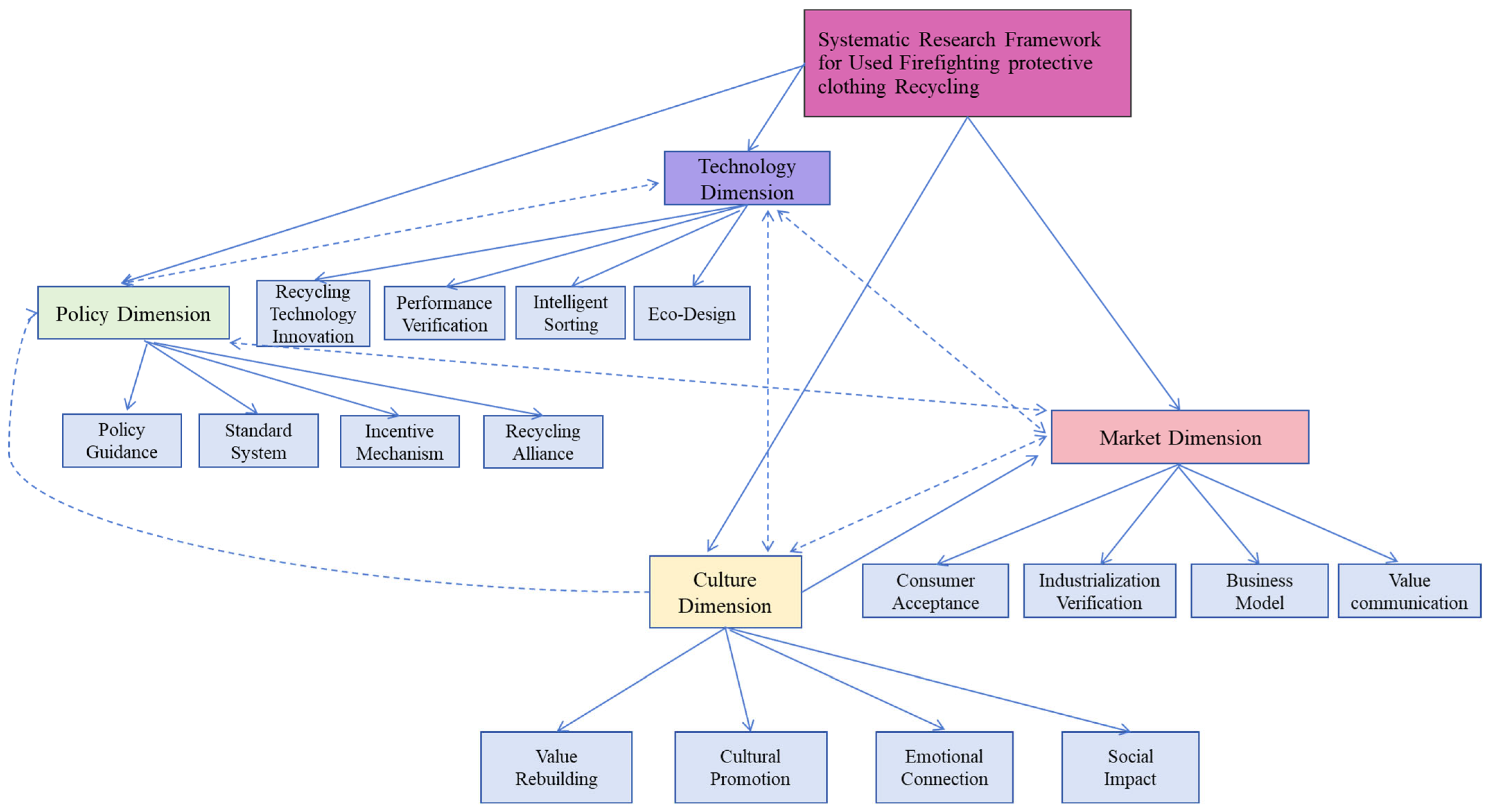
With continuously evolving global safety standards for fire and rescue personnel, inventories of used firefighting protective clothing are accumulating rapidly [52]. Currently, most decommissioned garments are either stockpiled or disposed of as general textile waste, lacking established resource recovery pathways. Against the backdrop of growing green consumer awareness and advancing textile technologies, used firefighting protective clothing now presents a viable opportunity for integration into circular economy systems. Based on systematic research, we propose a conceptual model (Figure 9) illustrating the recycling mechanism through a framework encompassing four dimensions: Technology, Policy, Market, and Culture. The technological dimension focuses on recycling processes and performance validation; policy emphasizes regulatory guidance and incentives; market addresses consumer acceptance and business model innovation; and culture concentrates on value reconstruction and fire service identity. Through synergistic interactions among these dimensions, the framework facilitates development of a comprehensive used firefighting protective clothing recycling ecosystem. Market-driven product design optimization serves as the core strategy for enhancing consumer acceptance and enabling successful commercialization of recycled products. Consistent government support for textile recycling, combined with growing consumer recognition, is expected to further stimulate corporate investment and innovation in this sector [53]. Through practical recycling implementation, product development, and market promotion, this study has established effective connections between recycled products and market demand, generating participation momentum throughout the industrial chain and accelerating development of the used firefighting protective clothing recycling system.
Figure 9.
Systematic Research Framework for Used Firefighting protective clothing Recycling.
5.1. Theoretical and Practical Implications
This study contributes significantly to theoretical understanding of circular economy applications for safety and protective textiles, while demonstrating through a comprehensive approach-from technical validation and market analysis to product commercialization-how environmental challenges can be transformed into opportunities delivering economic, environmental, and social benefits.
5.1.1. Theoretical Implications
- 1.
- Expands circular economy theory into high-performance textiles:
This research extends circular economy principles from conventional textiles (e.g., cotton, polyester) to technically complex safety and protective textiles. It addresses recycling challenges posed by materials with high chemical stability, providing theoretical insights and practical paradigms for managing other high-performance, difficult-to-recycle industrial textiles.
- 2.
- Develops a multidimensional “Technology-Policy-Market-Culture” framework:
Moving beyond purely technical considerations, this study systematically analyzes four critical pillars for advancing used firefighting protective clothing recycling: policy regulation, technological innovation, system infrastructure, and market cultivation. This comprehensive analytical framework offers valuable methodological references for recycling complex waste streams.
- 3.
- Advances “Targeted Recycling” and “Value Reconstruction” concepts:
This research identifies firefighting protective clothing-with its stable composition, material homogeneity, and ease of sorting-as an ideal entry point for circular economy implementation, exemplifying a strategic shift from “broad-spectrum” to “targeted” recycling approaches that prioritize waste streams with high environmental impact and recovery potential. Through cultural innovation and digital storytelling (e.g., embedding “hero narratives” into products), this work demonstrates “Value Reconstruction” theory-transforming recycled materials from basic “eco-products” into carriers of both functional and emotional value, thereby overcoming market acceptance barriers.
5.1.2. Practical Implications
- 1.
- Provides implementable solutions for textile industry transformation:
Comprehensive performance testing validates that recycled aramid fibers retain excellent properties, supporting both physical recycling (direct fabric reuse) and chemical recycling (depolymerization) approaches. Developed product prototypes (e.g., fire blankets, protective aprons, cultural products) establish complete “waste-to-product” case studies, offering clear implementation pathways for industrial adoption.
- 2.
- Supports evidence-based policy and business decisions:
Market research data demonstrating strong stakeholder support provides reliable foundation for policy development (e.g., recycling alliances, standards) and corporate investment decisions.
- 3.
- Generates tangible environmental and economic benefits:
Environmental: Addresses critical waste management challenges associated with landfilling (slow degradation) and incineration (hazardous emissions) of firefighting protective clothing.
Economic: Transforms waste disposal liabilities into valuable consumer products, creating economic value through resource circulation.
- 4.
- Enhances public engagement and cultural identity:
Daily-use products incorporating recycled materials help disseminate fire safety knowledge and raise public safety awareness. Digital traceability systems embedding “hero stories” foster emotional connections with fire service culture, promoting social EPR while advancing environmental goals.
5.2. Future Research Directions
Future research should transition from “feasibility verification” to “industrial optimization and scaling,” focusing on overcoming technical bottlenecks, establishing standardized systems, deepening market understanding, and exploring new value creation through interdisciplinary innovation.
Priority research areas include:
- Developing intelligent sorting and assessment systems using computer vision and machine learning for rapid identification of wear, contamination, and composition;
- Establishing material safety protocols and certification standards for garments exposed to various rescue scenarios;
- Designing efficient collection, storage, and transportation networks with effective participation mechanisms;
- Investigating consumer decision-making drivers beyond surface-level acceptance, including psychological barriers and value perception;
- Exploring eco-design strategies for next-generation firefighting protective clothing to enhance recyclability;
- Expanding applications of recycled materials into composites, construction materials, and other high-value sectors;
- Advancing digital platforms for supply chain optimization, carbon accounting, and performance assessment;
- Adapting successful models to other specialized uniforms and high-performance textiles.
5.3. Limitations
This research focused specifically on developing a recycling framework for used firefighting protective clothing within the Chinese context, examining pathways from market support and material validation to product design and manufacturing. The geographical limitation helped control for variations in regulatory frameworks and consumer perceptions, though it may affect generalizability to other regions. Future comparative studies across different regulatory environments and market conditions would enhance the external validity of these findings.
6. Conclusions
This study presents a systematic paradigm for advancing the circular economy of safety and protective textiles. It demonstrates that targeted high-performance waste streams, exemplified by end-of-life firefighting gear, can effectively address recycling challenges through a dedicated “targeted recycling” strategy. This research confirms that the circular utilization of such materials aligns commercial feasibility with technical potential and environmental urgency: key stakeholders exhibit clear consensus, consumer markets show significant receptivity to recycled products, and material performance evaluations confirm viable high-value reuse pathways without downcycling. Moving beyond a singular technological focus, this work innovatively proposes a four-dimensional synergistic framework encompassing “technology verification, policy guidance, market cultivation, and cultural reshaping.” It operationalizes the concept of “value reconstruction” through product storytelling, leading to the development of high-value-added demonstrative products and completing the loop from theory to practice. To enable industrialization, future efforts should prioritize overcoming key bottlenecks-such as intelligent sorting technologies and standardized safety certification-while establishing sustainable recycling business models, fostering cross-sector alliances, and integrating eco-design principles at the product development stage. Ultimately, the insights and framework derived here offer a transferable blueprint for the broader safety and protective textiles sector, contributing to the profound transformation of the textile industry toward resource circularity and value regeneration.
Author Contributions
Conceptualization, X.Z.; Methodology, X.Z., H.G., H.Z. (Huifang Zhang), Q.S. and W.Y.; Market research, H.Z. (Hongjing Zhong), Z.S., W.W., Y.W., H.N., H.G., H.Z. (Huifang Zhang) and Q.S.; Formal analysis, H.Z. (Hongjing Zhong) and W.W.; Writing—original draft preparation, X.Z., H.Z. (Hongjing Zhong), Z.S., W.W., Y.W., Q.S. and W.Y.; writing—review and editing, X.Z. and W.Y.; Product Design, H.N. and X.W. All authors have read and agreed to the published version of the manuscript.
Funding
This work was supported by Zhejiang Provincial Market Supervision and Administration Bureau 2026 Annual Science and Technology Plan Project (JB2026005).
Institutional Review Board Statement
This study was conducted in accordance with the Declaration of Helsinki, and the protocol was approved by the Ethics Committee of Nantong University (Document No. Tong Dalun Shen (2024) No. 125) on 12 September 2024.
Informed Consent Statement
Verbal informed consent was obtained from the participants. Verbal consent was obtained rather than written because this study was conducted using an anonymous questionnaire that did not collect any personally identifiable information. This research posed minimal risk to participants, and requiring written consent would have created the sole record linking participants to this study, thereby unnecessarily compromising their anonymity. This procedure was explicitly approved by the Ethics Committee of Nantong University.
Data Availability Statement
The original contributions presented in this study are included in the article. Further inquiries can be directed to the corresponding author.
Conflicts of Interest
The authors declare no conflicts of interest.
References
- Circularity Gap Report 2025. Available online: https://www.circularity-gap.world/ (accessed on 9 December 2025).
- Li, Q.; Li, T.; Kutlu, A.; Zanelli, A. Life Cycle Cost Analysis and Life Cycle Assessment of ETFE Cushion Integrated Transparent Organic/Perovskite Solar Cells: Comparison with PV Glazing Skylight. J. Build. Eng. 2024, 87, 109140. [Google Scholar] [CrossRef] [Scilit]
- Fu, H.; Chen, L.; Fang, W.; Gao, W.; Hu, K.; Zhang, P.; Zhang, G. Characteristics and Life Cycle Carbon Emission Reduction Potential of Waste Recycling after Implementing New Waste Classification Policy in China: From Case Study to National Perspective. J. Environ. Sci. 2025, 155, 645–657. [Google Scholar] [CrossRef] [Scilit] [PubMed]
- Anuar, S.Z.K.; Nordin, A.H.; Husna, S.M.N.; Yusoff, A.H.; Paiman, S.H.; Noor, S.F.M.; Nordin, M.L.; Ali, S.N.; Ismail, Y.M.N.S. Recent Advances in Recycling and Upcycling of Hazardous Plastic Waste: A Review. J. Environ. Manag. 2025, 380, 124867. [Google Scholar] [CrossRef] [Scilit] [PubMed]
- Zhang, W.; Kim, S.; Wahl, L.; Khare, R.; Hale, L.; Hu, J.; Camaioni, D.M.; Gutiérrez, O.Y.; Liu, Y.; Lercher, J.A. Low-Temperature Upcycling of Polyolefins into Liquid Alkanes via Tandem Cracking-Alkylation. Science 2023, 379, 807–811. [Google Scholar] [CrossRef] [Scilit]
- Ma, Z.; Wu, Y.; Fang, K.; Zhang, Y.; Wang, C. Developing Fully Recycled Alkali-Activated Mortar Made with Waste Concrete Fines as a Substitute for Both Binder and Sand: Multi-Properties Evaluation. Constr. Build. Mater. 2025, 477, 141323. [Google Scholar] [CrossRef] [Scilit]
- Wang, C.; Lu, Y.; Dai, Y.; Wu, H.; Ma, Z. In-Situ 4D CT Analysis of Microcrack Evolution in Carbonated Fiber-Reinforced Recycled Aggregate Concrete. Cem. Concr. Compos. 2025, 163, 106161. [Google Scholar] [CrossRef] [Scilit]
- Textile Exchange. Materials Market Report 2024; Textile Exchange: Lamesa, TX, USA, 2024. Available online: https://textileexchange.org/app/uploads/2024/09/Materials-Market-Report-2024.pdf (accessed on 18 November 2025).
- Das, A.K.; Hossain, M.F.; Khan, B.U.; Rahman, M.M.; Asad, M.A.Z.; Akter, M. Circular Economy: A Sustainable Model for Waste Reduction and Wealth Creation in the Textile Supply Chain. SPE Polym. 2025, 6, e10171. [Google Scholar] [CrossRef] [Scilit]
- Schumacher, K.A.; Forster, A.L. Textiles in a Circular Economy: An Assessment of the Current Landscape, Challenges, and Opportunities in the United States. Front. Sustain. 2022, 3, 1038323. [Google Scholar] [CrossRef] [Scilit]
- Wang, Y.; Lee, C.H.; Kumar, S. Advancing Textile Waste Recycling: Challenges and Opportunities Across Polymer and Non-Polymer Fiber Types. Polymers 2025, 17, 628. [Google Scholar] [CrossRef] [Scilit]
- Rossi, E.; Ferrari, F. Circularity for Sustainable Textiles: Aligning Fiber Compositions of T-Shirts with Ecodesign and Recyclability. Sustainability 2024, 16, 2468. [Google Scholar] [CrossRef] [Scilit]
- Juanga-Labayen, J.P.; Labayen, I.V.; Yuan, Q. A Review on Textile Recycling Practices and Challenges. Textiles 2022, 2, 174–188. [Google Scholar] [CrossRef] [Scilit]
- Seval, U. The Bursting Strength Properties of Knitted Fabrics Containing Recycled Polyester Fiber. J. Text. Inst. 2020, 112, 1998–2003. [Google Scholar] [CrossRef] [Scilit]
- Johnson, S.; Echeverria, D.; Venditti, R.; Jameel, H.; Yao, Y. Supply Chain of Waste Cotton Recycling and Reuse: A Review. AATCC J. Res. 2022, 7, 19–31. [Google Scholar] [CrossRef] [Scilit]
- Tonsi, G.; Maesani, C.; Alini, S.; Ortenzi, M.A.; Pirola, C. Nylon Recycling Processes: A Brief Overview. Chem. Eng. Trans. 2023, 100, 727–732. [Google Scholar] [CrossRef]
- Schmidt, J.; Wagner, M. Recycling Processes of Polyester-Containing Textile Waste—A Review. Waste Manag. 2025, 188, 98–115. [Google Scholar] [CrossRef] [Scilit]
- Tichaawa, T.M.; Mhlanga, S. Fashion and Textile Waste Management in the Circular Economy: A Systematic Review. Sustainability 2023, 15, 12345. [Google Scholar] [CrossRef] [Scilit]
- Guo, Y. Research on the Recycling and Reuse System and Regulations of Used Clothing in China and Abroad; China Textile & Apparel Press: Beijing, China, 2021; pp. 55–80. (In Chinese) [Google Scholar]
- European Commission. EU Strategy for Sustainable and Circular Textiles. Available online: https://environment.ec.europa.eu/strategy/textiles-strategy_en (accessed on 18 November 2025).
- European Parliament and Council. Regulation (EU) 2024/1781 Establishing a Framework for the Setting of Ecodesign Requirements for Sustainable Products and Repealing Directive 2009/125/EC. Off. J. Eur. Union 2024, L 2024/1781, 1–105. [Google Scholar]
- Athey, S.N.; Erdle, L.M. Are We Underestimating Anthropogenic Microfiber Pollution? A Critical Review of Occurrence, Methods, and Reporting. Environ. Toxicol. Chem. 2022, 41, 822–837. [Google Scholar] [CrossRef] [Scilit]
- Huang, X.X.; Tan, Y.H.; Huang, J.W.; Zhu, G.Z.; Yin, R.; Tao, X.M.; Tian, X. Industrialization of Open- and Closed-Loop Waste Textile Recycling towards Sustainability: A Review. J. Clean. Prod. 2024, 436, 140676. [Google Scholar] [CrossRef] [Scilit]
- Guo, Z.; Eriksson, M.; Motte, H.D.L.; Adolfsson, E. Circular Recycling of Polyester Textile Waste Using a Sustainable Catalyst. J. Clean. Prod. 2021, 283, 124579. [Google Scholar] [CrossRef] [Scilit]
- Ma, Y.; Zeng, B.; Wang, X.; Byrne, N. Circular Textiles: Closed Loop Fiber to Fiber Wet Spun Process for Recycling Cotton from Denim. ACS Sustain. Chem. Eng. 2019, 7, 11937–11943. [Google Scholar] [CrossRef] [Scilit]
- Liao, Y.; Chen, C.; Wei, B.; Yang, S.; Bai, S. Green Recycling of Aramid Fiber Waste as the Friction Modifier of POM by Solid State Shear Milling Technology. Polym. Adv. Technol. 2022, 33, 3100–3112. [Google Scholar] [CrossRef] [Scilit]
- Gore, P.M.; Kandasubramanian, B. Functionalized Aramid Fibers and Composites for Protective Applications: A Review. Ind. Eng. Chem. Res. 2018, 57, 16537–16563. [Google Scholar] [CrossRef] [Scilit]
- Bin, Y.; Weiwei, L.; Meiyun, Z.; Lin, W.; Xueyao, D. Recycling of High-Value-Added Aramid Nanofibers from Waste Aramid Resources via a Feasible and Cost-Effective Approach. ACS Nano 2021, 15, 6456–6467. [Google Scholar] [CrossRef] [Scilit]
- Chen, H.J.; Bai, Q.Y.; Liu, M.C.; Wu, G.; Wang, Y.Z. Ultrafast, Cost-Effective and Scaled-Up Recycling of Aramid Products into Aramid Nanofibers: Mechanism, Upcycling, Closed-Loop Recycling. Green Chem. 2021, 23, 7646–7658. [Google Scholar] [CrossRef] [Scilit]
- Zhu, H.; Ye, X.; Lou, C.; Yang, Y.; Cao, L.Q.; Liu, F.R. Thoughts and Suggestions on the Recycling and Reuse of Waste Textiles in Zhejiang Province. China Fiber Insp. 2021, 5, 44–45. (In Chinese) [Google Scholar] [CrossRef]
- Jiang, T.; Duan, X.Y.; Peng, G.F.; Cai, Y.L. Development Space and Promotion Mechanism for the Recycling and Utilization Industry of Waste Textiles. Wool Text. J. 2023, 51, 132–139. (In Chinese) [Google Scholar] [CrossRef]
- Hilaturas Arnau. Available online: https://www.hilaturasarnau.com/ (accessed on 18 November 2025).
- Vollebak. Available online: https://vollebak.com/ (accessed on 18 November 2025).
- Stuff4life. Available online: https://ukgbc.org/members/stuff4life-2/ (accessed on 18 November 2025).
- National Fire and Rescue Administration. News Update on Firefighting Equipment Recycling. Available online: https://www.119.gov.cn/site1/xw/mtbd/tpbd/2022/18262.shtml (accessed on 18 November 2025).
- National Fire and Rescue Administration. Official Announcement on the Management of Decommissioned Firefighting Gear. Available online: https://www.119.gov.cn/site1/gk/tzgg/2022/28894.shtml (accessed on 18 November 2025).
- National Fire Protection Association. A Post-Use Evaluation of Turnout Gear Using NFPA 1971 Standard on Protective Ensembles for Structural Fire Fighting and NFPA 1851 on Selection, Care and Maintenance; NFPA: Quincy, MA, USA, 2023. [Google Scholar]
- Cheng, Z.; Zhang, L.J.; Jiang, C.; Dai, Y.; Meng, C.; Luo, L.; Liu, X. Aramid Fiber with Excellent Interfacial Properties Suitable for Resin Composite in a Wide Polarity Range. Chem. Eng. J. 2018, 347, 483–492. [Google Scholar] [CrossRef] [Scilit]
- GB/T 9997-1988; Man-Made Fibres—Determination of Breaking Strength and Elongation of Individual Fibres. Chinese Standard: Beijing, China, 1988.
- GB/T 5454-1997; Textiles. Burning Behaviour. Oxygen Index Method. Chinese Standard: Beijing, China, 1997.
- GB/T 6503-2017; Man-Made Fibers—Test Method of Moisture Regain. Chinese Standard: Beijing, China, 2017.
- ISO 3071; Textiles—Determination of pH of Aqueous Extract. ISO: Geneva, Switzerland, 2020.
- Furferi, R.; Governi, L. The recycling of wool clothes: An artificial neural network colour classification tool. Int. J. Adv. Manuf. Technol. 2008, 37, 722–731. [Google Scholar] [CrossRef] [Scilit]
- Johnson-Restrepo, B.; Blain, E.; Judd, C.; Tysoe, A.; Parson, P.K. New developments in monochromatic energy dispersive X-ray fluorescence instrumentation for monitoring toxic elements in food matrices: Advantages and limitations. Radiat. Phys. Chem. 2025, 234, 112749. [Google Scholar] [CrossRef] [Scilit]
- Reungoat, J.; Macova, M.; Escher, B.I. Removal of micropollutants and reduction of biological activity in a full scale reclamation plant using ozonation and activated carbon filtration. Water Res. 2010, 44, 625–637. [Google Scholar] [CrossRef] [Scilit] [PubMed]
- GB/T 2912.1; Textiles—Determination of Formaldehyde—Part 1: Free and Hydrolyzed Formaldehyde (Water Extraction Method). Chinese Standard: Beijing, China, 2009.
- GB 18401; National General Safety Technical Code for Textile Products. Chinese Standard: Beijing, China, 2010.
- Vaye, O.; Ngumbu, R.S.; Xia, D. A review of the application of comprehensive two-dimensional gas chromatography MS-based techniques for the analysis of persistent organic pollutants and ultra-trace level of organic pollutants in environmental samples. Rev. Anal. Chem. 2022, 41, 63–73. [Google Scholar] [CrossRef] [Scilit]
- ISO/IEC 17025; General Requirements for the Competence of Testing and Calibration Laboratories. ISO: Geneva, Switzerland, 2017.
- Thomas, A.; Cobb, K.; Smith, J. Scaling a Circular Supply Chain for Recycled Textiles. Resour. Conserv. Recycl. 2025, 208, 107654. [Google Scholar] [CrossRef] [Scilit]
- Cobb, K.; Thomas, A.; Johnson, L. An Approach to Scaling a Circular System for Textile Recycling and Sustainable Textile Innovation through Convergence Research. Sustainability 2025, 17, 5678. [Google Scholar] [CrossRef] [Scilit]
- Zhang, Y.N. Latest Progress in the Global Market of Safety and Protective Textiles. China Text. Lead. 2017, S1, 10–26. (In Chinese) [Google Scholar] [CrossRef]
- Wang, J.; Li, X. Impact of Government Fund Policy and Blockchain Technology on Closed-Loop Supply Chains in Textile and Apparel Industry. J. Clean. Prod. 2024, 434, 140123. [Google Scholar] [CrossRef] [Scilit]

Disclaimer/Publisher’s Note: The statements, opinions and data contained in all publications are solely those of the individual author(s) and contributor(s) and not of MDPI and/or the editor(s). MDPI and/or the editor(s) disclaim responsibility for any injury to people or property resulting from any ideas, methods, instructions or products referred to in the content. |
© 2025 by the authors. Licensee MDPI, Basel, Switzerland. This article is an open access article distributed under the terms and conditions of the Creative Commons Attribution (CC BY) license.