


Abstract
This paper aims to identify the trending topics of sustainability communication and to empirically verify them (in terms of the content and extent) in sustainability reports of multinational corporations (MNCs), utilizing the introduced analytical framework. A systematic literature review identified eleven key themes that currently shape the discourse on sustainability communication. An empirical study of 10 multinational companies across five industries was conducted using an analytical framework developed by the authors. This framework assessed the significance of identified themes (measured by exposure) and the comprehensiveness of approaches to each theme (goal–action–measure–progress, GAMP). The findings indicate that some aspects of sustainability communication are inconsistently addressed by these MNCs, and a few aspects are being reported comprehensively. The analysis revealed that climate-related themes and circular economy are communicated most comprehensively across all companies, while engagement with the SDGs, multi-stakeholder partnerships, and sustainable value creation shows the lowest levels of goal-setting, measurement, and time-based progress disclosure. Materiality assessments are the only theme reported consistently across all four GAMP components. When comparing reporting patterns with sustainability paradigms, no MNC demonstrates a holistic approach, and most show a clear inclination toward win–win or instrumental orientations. The study extends existing models of sustainability reporting by providing a replicable analytical framework bridging descriptive and evaluative approaches. Practical and policy implications are outlined for both corporations and regulators aiming to enhance reporting alignment with EU standards such as CSRD and ESRS.
1. Introduction
The long-term coexistence of humanity on Earth depends on a profound commitment to sustainable development [1]. Communicating sustainability is identified as a crucial manifestation of a company’s commitment to sustainable development. As Damiano and Picciotto emphasize, such communication indeed serves as an important signal of corporate engagement; however, its credibility depends on whether it conveys substantive actions and measurable progress rather than merely symbolic declarations [2]. The systematic approach to sustainability reporting is important for companies themselves in recognizing and managing socially and environmentally significant issues. Effective communication enhances transparency and accountability, builds trust and legitimacy with diverse groups of stakeholders [3,4,5], fosters engagement, and facilitates the enactment of sustainability practices [6,7,8] and is considered a driver of product and process innovations for sustainability [9].
However, the absence of a universally accepted reporting standard presents challenges to the reliability and comparability of sustainability disclosures [10]. Research findings and media coverage also highlight several limitations in the information disclosed, including selective topic coverage [11], superficial and biased reporting [12], and a lack of clarity in reported issues [13]. In response to these challenges, recent policy developments—most notably the Corporate Sustainability Reporting Directive (CSRD) and the European Sustainability Reporting Standards (ESRS)—aim to establish a more coherent and comparable framework for sustainability reporting. In 2024, a report was published providing guidelines for the interoperability of the ESRS and ISSB standards [14]; however, researchers emphasize that the approaches of the European Commission and the ISSB remain contrasting and significantly different [15]. Although not all multinational corporations (MNCs) are directly subject to these regulations, the standards are expected to influence global practices by setting a reference point for comprehensive and transparent sustainability communication.
The absence of standardized guidelines in sustainability reporting can be attributed in part to the evolving scope of issues being reported. This evolution stems from the still-limited understanding of sustainability issues, in general, and the specific role of companies in sustainable development. As a result, an important theoretical challenge is the identification of current sustainability communication topics that are deemed key in theory and evaluating to what extent these topics are practically communicated. This highlights the need for a more cohesive framework that aligns theoretical priorities with practical applications, ensuring that sustainability communications effectively address emerging and critical issues.
The primary aim of the paper is to identify the current trending topics of sustainability communication and to empirically verify them (in terms of the content and extent) in sustainability reports of multinational corporations (MNCs), utilizing the introduced analytical framework. The current study addresses three main research questions:
RQ1. What key trending topics of sustainability communication are indicated in the current literature?
RQ2. To what extent do the multinational companies (MNCs) across various sectors communicate identified sustainability themes?
RQ3. Do MNCs demonstrate a holistic approach to reporting identified sustainability themes?
The systematic literature review was performed to identify and characterize sustainability themes that are recognized as significant by researchers. An empirical study of 10 multinational companies across five industries was conducted using an analytical framework developed by the authors. This framework assessed the significance of identified themes (measured by exposure) and the comprehensiveness of approaches to each theme (goal–action–measure–progress). Our case study research was focused on how chosen cases communicate their sustainability efforts by means of a qualitative content analysis of their sustainability reports. The identified practices of communicating trending sustainability themes by multinational corporations (MNCs) from different sectors have been confronted with essential approaches to business sustainability rooted in different sustainability paradigms [16].
2. Sustainability Communication
The definition of sustainability varies with studies, context, and time [17]. In general, sustainability has three main dimensions, including environmental (e.g., removing plasticware, reducing carbon emissions, protecting biodiversity, and conserving water), economic (e.g., using clean energy, adopting energy-efficient strategies, and promoting fair trade), and social (e.g., improving work–life balance and ensuring fair wages) [18,19].
Business sustainability is a multifaceted and complex phenomenon that has been explored through various approaches in both literature and management practice [20]. Different sustainability paradigms ground these approaches [16]. Some approaches originate from the conventional sustainability paradigm, emphasizing the creation of long-term shareholder value. In this context, integrating social and environmental concerns as part of the opportunities, risks, benefits, and costs is essential for building value. This perspective, representing an instrumental approach, focuses on the survival and development of the organization as a system [21,22]. In contrast, a radically different perspective involves organizational commitments to fostering a broader socio-ecological system. This view regards business as a potentially powerful means of achieving sustainable development, where organizations strive to create significant positive impacts in areas critical to society and the planet (e.g., [23]). This holistic, integrative approach [21] is rooted in the regenerative paradigm [16]. Intermediate approaches exist between the extremes of instrumental and holistic ones; the win–win approach is prevalent, which is focused on the simultaneous, synergistic, systematic provision of economic, social and environmental benefits (e.g., [24]). This approach often avoids deeper reflection on the systematic responsibilities of the organization, relying instead on the contemporary paradigm that advances the idea of acting in one’s self-interest [16].
Communication holds increased significance for organizations as they engage in interactions with stakeholders, where it plays a crucial role. The concept of sustainability has risen to prominence as a significant organizational strategy, demanding actions to address present requirements while also considering the future availability of financial, human, and environmental resources and their gradual depletion [25].
Sustainability communication is a worldwide social process characterized by a continuous cycle of contributions and discussions aimed at improving ecological, economic, and social well-being [26]. It aims to “critically evaluate and introduce an understanding of the human-environment relationship into social discourse” [27]. In other words, sustainability communication brings sustainability-related issues into society’s agenda [28].
It is critical to strategically consider who will be affected by the company’s sustainability communication and how it will be delivered. The literature demonstrates that companies from different sectors communicate sustainability differently. For instance, in research conducted by Primožič and Kutnar [29], it was shown that firms in the wood sector communicate environmental concerns, concentrating less frequently on economic and social concerns. Several strategies for communication sustainability were proposed by a study conducted on ceramics companies [30]. These included publishing environmental actions, incorporating sustainability indicators into products, publishing certificates related to sustainability, and encouraging corporate social responsibility initiatives.
However, sustainability communication often faces significant challenges related to the persistent gap between organizational rhetoric and actual practices [31]. Many companies engage primarily in symbolic communication, emphasizing image building, reputation management, or compliance-oriented narratives, while substantive communication, reflecting authentic, measurable sustainability performance, remains relatively rare [2,31]. This imbalance reveals the ongoing struggle to convey complex, multidimensional sustainability outcomes in a transparent and comparable manner, and underlines the importance of developing communication practices that align reporting discourse with real organizational change [21,22].
Sustainability communication can be carried out through a variety of channels, including web pages, social media, and dedicated publications such as sustainability reports—the latter being the focus of this article. Studies on sustainability reports often use content analysis [32,33,34,35]. Landrum and Ohsowski [34] found that, in sustainability reports, several worldviews of corporate sustainability coexist, though the business-case perspective remains the most dominant. Aktaş et al. [33] revealed that sustainability reports fulfill requirements related to “profile disclosures” and “disclosures on management approach” while failing to consistently disclose “performance indicators”. Leszczyńska [36] has observed an in-time improvement of sustainability reporting. Her results show greater attention to comprehensive reporting in the fundamental economic, environmental, and social spheres. Roca and Searcy [37] identified 585 indicators disclosed in corporate sustainability reports and indicated differences in the use of indicators between sectors.
3. Methods
This study was based on a systematic literature review and multiple case studies. The aim of the literature review was to identify already established substantive areas that are subjects of communication regarding corporate sustainability (Figure 1). The literature sampling was conducted in SCOPUS following the PRISMA protocol.
Figure 1.
Procedure of the systematic literature review.
Our first step consisted of the definition of the specific search terms. Drawing from the methodology of Pennesi and Giuliani [38], we consulted five review articles [38,39,40,41,42] and, from these, developed a preliminary list encompassing the various dimensions of the topic under study. After an extensive discussion on the list, we decided to apply 4 search terms used in the previously studied review articles. Using a set of key terms (communicat*, report*, sustainab*, and ESG), we have sampled 669 articles published in English between the years 2019 and 2024, in the field of “business, management and accounting”. Further selection was based on keywords, exclusion criteria and qualitative abstract reading. To ensure reliability of the screening and categorization process, before applying qualitative criteria, 10% of the articles were independently assessed by two researchers. Agreement between researchers regarding inclusion/exclusion decisions resulted in a kappa value of 0.85. Any discrepancies were resolved through discussion, and the agreed decisions were subsequently used to refine the final screening protocol. This selection resulted in 91 literature items. The analysis of the sampled literature resulted in the identification of sustainability communication trends.
An instrumental multiple case study approach was adopted. Multiple cases, defined as “bounded systems” [43], were studied to illustrate one issue. Following the assumption that an organization can be the unit of analysis [44], in our study, the unit of analysis was a multinational company. The study was instrumental in its nature—cases were chosen in order to deepen knowledge about a broader phenomenon based on a specific case [45]. Case selection was aimed at typical cases [46]. The criteria for the selection of the companies include the following:
- Industry sector—we decided to perform a cross-industry analysis, because most of the studies are industry-oriented [47,48,49,50]; we have randomly chosen 5 industries: IT, chemicals, automotive, food, and aviation;
- Geographic location—we chose companies whose operations, revenue sources, supply chains, and strategic presence extend across multiple world regions;
- Specific sustainability practices, e.g., publishing sustainability reports in English.
Among companies fulfilling these criteria, we have randomly selected a sample of 10 multinational companies, representing five industries: IT (Microsoft [51] and Apple [52]), chemicals (BASF [53] and Dow [54]), automotive (Daimler [55] and VW [56]), food (Nestle [57] and Danone [58]), and Aviation (Lufthansa [59] and American Airlines [60]). The number of cases was adopted, following Eisenhardt’s [61] recommendation. Our case study research was focused on how chosen cases communicate their sustainability efforts by means of a qualitative content analysis of their sustainability reports. The analyzed reports are summarized in Table 1.
Table 1.
Sustainability reports included in the analysis.
The sample of 10 reports was analyzed using theming [62]—a priori codes were developed based on categories (trends) found in the literature. The analysis of the literature resulted in 11 trends used for the final analysis. We have focused on the representation of the identified trends in the studied reports, taking into account specified measures. Each of these trends was analyzed taking into account representation (0—absence in the report, 1—just mentioned in the report, 2—separate section in the report); and the comprehensiveness of approaches to each theme: defined measurable and specific goals; description of specific activities; defined measures; and change over time defined as change from past till now, not a prognosis. These criteria were established based on our experience and expertise. The comprehensiveness (goal–action–measure–progress) analysis of sustainability communication aims to answer the following questions:
Goals: What do companies want to achieve?
Activities: How do they want to achieve this?
Measures: How will it be known that they achieved this?
Change in time: What is their progress so far?
Without the goals, companies may dream about actual change, but never precisely adjust their means to become a part of that change. Without activities and actions, sustainability is just a phrase that never goes beyond the symbolic sphere. Without measures, it is impossible to verify the appropriateness and effectiveness of the efforts. And without reflecting on the past and changing the rate of progress thus far, it is impossible to improve the efforts in order to achieve the set goals.
Therefore, our analysis answers not only the question of whether the multinational companies follow main trends when communicating sustainability in their annual reports, but also to what extent they do so.
4. Literature Review Results: Trending Topics in Communicating Sustainability
Our systematic literature review revealed 11 main trending topics in sustainability communication, presented in Table 2. When communicating sustainability efforts, it is crucial to focus on social and environmental issues, as the economic ones are never neglected by MNCs due to the nature of their existence in the global market.
Table 2.
Trending topics in sustainability communication.
In the social dimension, appropriate reporting practices are embedded in stakeholder theory, referring to the impact of a company’s products and activities on various stakeholder groups, stakeholder engagement for sustainability, and the company’s participation in the development of formal and informal processes, systems, structures, and relationships that support the capacity of present and future generations to create healthy and livable communities [83]. The literature review revealed that the first aspect is manifested through social disclosures toward key stakeholder groups [63,64]. Therefore, our study analyzed whether issues related to employees (incl.: diversity and equal opportunities; health and safety; training and education; human rights; and labor and industrial relations) and customers (incl.: equal opportunities/inclusiveness, health and safety, privacy, and product and service information) are addressed in reports. The influence exerted by a company on the business practices of its partners, particularly within the context of social sustainability, constitutes a critical aspect of another emerging trend in reporting known as “supply chain transparency”. Additionally, “stakeholder engagement” and “multi-stakeholder partnerships” trends of reporting are pivotal in considering the interests of other stakeholders.
The second issue of the social dimension relates to stakeholder engagement (SE). According to a review of literature and sustainability reporting standards, disclosure of SE practices and outcomes emerges as particularly important, as it enhances the significance and materiality of the report [63,64,65,84]. Furthermore, Bellucci et al. [65] postulate that this issue warrants a dedicated section to improve the effectiveness of SE communication. Nevertheless, empirical research findings (646 sustainability reports from 2015 to 2017) conducted by Ardiana [63] indicate that SE remains inadequately integrated into sustainability reporting. In our study, we examine whether the analyzed reports include a dedicated section for SE and identify the target groups of engagement activities and whether the report concerns multiple stakeholders (incl. customers, employees, business partners, suppliers, governments, NGOs, shareholders and other investors, academia, local communities, trade unions, vulnerable groups, and media). Utilizing the classification method of SE levels developed by Stocker et al. [66], we applied an element of communication strategy levels to verify which SE strategies dominate in the analyzed reports (informative, responsive, or engagement strategy are included).
The final aspect in social dimension refers to the conceptualization of the business contribution to solving problems that extend beyond the boundaries of a single organization or even a single community, which are conceptually and operationally the most complex faced by modern science [67]. Business partnerships for sustainability, which are defined as voluntary collaborative arrangements between companies and other stakeholders with the aim of exchanging or codeveloping knowledge to create shared value, are seen as a potent means of business participation in sustainable development [68,85]. A systematic examination of the literature reveals a gap in research regarding the disclosure of information about multi-stakeholder partnerships within sustainability reports. However, given the increasing theoretical significance of this issue, an analysis of the reports was undertaken to ascertain whether the corporations under study assert their participation in sustainability-focused multi-stakeholder partnerships.
In the environmental dimension, since the Circular Economy Package and Action Plan was adopted in 2015 by the European Commission, the need to disclose information on the circular economy (CE) in sustainability reports has been highlighted and studied [69,71]. Empirical studies to date show that due to the lack of CE disclosure guidelines, not only are different approaches to CE reporting being taken [70], but reports are selective, without comprehensive reference to CE practices and performances [86]. Our study examines whether CE-related terms are included in the surveyed reports, which environmental issues are addressed (incl.: biodiversity, non-renewable and renewable materials, energy, water and effluents, emissions, and waste), and the focus on which elements of the 4R framework dominate (reduction, reuse, recycling, and recovery). Additionally, climate risks are identified as one that should be at the center of disclosure strategies to meet the growing stakeholder demand for this information [87]. Research by Kim et al. [72] supports the claim that climate risk disclosure changes corporate behavior and helps mitigate climate change. This study examines whether climate risk issues are addressed in reports.
An increasing number of multinational corporations are committing to collaborating with suppliers who adhere to sustainable social and environmental practices. Additionally, these corporations are advancing supply chain transparency by proactively disclosing information about products and processes to stakeholders, information that would otherwise not be readily accessible [74,75]. Recognizing the complexities involved in analyzing sustainable supply chain disclosures among actors both within and outside the supply chain [4], our study investigated whether companies address supply chain transparency issues in their reports.
Materiality is widely recognized as a foundational principle in sustainability reporting [64,80]. It is recommended as a critical instrument for determining and defining the content of sustainability reports or disclosures [84,88]. Materiality highlights issues that reflect the organization’s significant economic, environmental, and social impacts, which substantially influence stakeholder assessments and decisions [64]; it encompasses matters that substantially affect the organization’s ability to create value over the short, medium and long term [89]. This analysis examines whether material topics are disclosed in the surveyed reports.
Since 2018, due to the United Nations Global Compact (UNGC) and Global Reporting Initiative (GRI) recommendations, there has been a growing trend towards disclosure on Sustainable Development Goals (SDGs) [76,90]. Although sometimes using SDGs is rather a symbolic tool to enhance reputation without implementing substantial changes, several studies demonstrate that a shift in reporting of business engagement with the SDGs plays a pivotal role in enabling perception of sustainability in the context of the broader system [77,91]. Companies’ approaches to reporting the issue vary in content and quality, and are pointed out as not being wholly, fully integrated and systematic [76,91]. In this study, we investigate whether the engagement with SDGs is reported and which SDGs are addressed.
The challenges of sustainable development (SD) are recognized as a significant motivator for corporate innovation, which should not only secure a competitive advantage for the business but also deliver environmental benefits and promote social well-being [92,93]. Empirical research underscores the importance of disclosing innovative information in sustainability reports for enhancing organizational performance, and revealed that references to innovation—encompassing both product and process innovations—are prominent in these documents [78,79]. In our study, we investigate whether companies report the development of sustainable innovations and the types of sustainable innovations reported, including environmental or social innovations, as well as process or product innovations, as defined by the Oslo Manual [94].
The concept of shared, sustainable, or long-term value is commonly referenced in the literature on sustainable business, sustainability reporting and within reporting standards [64,82,95], and also consistent with Elkington’s Triple Bottom Line concept [96]. This concept is recognized as crucial because it pertains to maximizing benefits not only for the company (shareholders) and its customers but also for multiple categories of stakeholders, both in the short term and the long term. In this study, we investigate whether the concept is utilized as a comprehensive, distinct, and significant aspect of reporting.
Ultimately, we conducted a review of selected reports to ascertain whether sustainability is indeed the forefront of decision-making, which is recommended [64]. Additionally, we examined whether these reports feature a declaration from the highest governing body or the most senior executive of the organization regarding the significance of sustainable development to the organization and its strategic approach to contributing to sustainable development.
5. Cross-Case Analysis Results
Each MNC’s communication effort was analyzed on the basis of its sustainability reports. The absence/presence of identified trending topics of sustainability communication was assessed using scores 0/1 for goals, specific activities, defined measures and change in time; and the representation of a description of a particular topic was assessed using scores 0–2: 0 for absence, 1 for mentioning, and 2 for a separate section in the report. Sustainability as the forefront of decision-making was assessed, taking into account whether the report includes a statement from the highest governance body or the most senior executive of the organization about the relevance of sustainable development to the organization and its strategy for contributing to sustainable development. In Table 3, we present overall results for MNCs in each topic. Percentages refer to how many companies communicated using a given topic (where 100% is all 10). The results are discussed below.
Table 3.
Sustainability communication trending topics in MNC sustainability reports.
5.1. Social Disclosures
The trend is to communicate social disclosures regards both employees and customers, hence we decided to discuss those stakeholders separately. Every studied MNC dedicated a separate section in their reports to address employees’ social disclosures. This topic was fully represented by describing goals, activities, measures, and change over time by 7 out of 10 companies (Microsoft, Dow, and American Airlines did not fulfill our goal–action–measure–progress criteria).
This particular topic is clearly visible, as each company communicates about specific activities targeted at employees. Thanks to the qualitative nature of the study we were able to identify substantive issues of this topic and how many of studied MNC’s refer to them in their sustainability communication: (a) health and safety—100%, (b) training and education—100%, (c) diversity and equal opportunities—90%, (d) human rights—90%.
Social disclosures regarding customers were less often communicated. While 90% of studied MNCs described specific activities aimed to positively affect customers, only 20% defined measurable goals. This may suggest that actions taken towards sustainable customer service are not aimed at achieving particular goals. The fully comprehensive description of customers’ social disclosure goals, activities, measures and change over time was communicated by Danone.
While communicating about customers’ social disclosures, companies usually list issues related to health and safety (90%), product or service information (90%), equal opportunities and inclusiveness (80%), as well as privacy (70%).
5.2. Stakeholder Engagement
When communicating stakeholder engagement, MNCs always pay attention to undertaken activities, but only 3 out of 10 (Apple, Danone, and Volkswagen) refer to specific measures or changes in time. Such a discrepancy may suggest that either the real impact of those activities is not measured, or it does not bring satisfactory results to be communicated in the reports.
In this study, we have identified 12 groups of stakeholders and how many studied MNCs refer to them. The results are presented in Table 4:
Table 4.
Identified groups of stakeholders and how many reports refer to them.
Only 4 out of 10 companies refer to vulnerable groups when communicating their sustainability reports, while stakeholders included in creating economic value are never omitted. These four MNCs are Apple, Microsoft, Danone, and Nestle, which may suggest that the aim to engage vulnerable groups is specific to the food and IT industries.
All 10 MNCs described specific activities undertaken as a part of multi-stakeholder partnerships or collaborations. However, this topic was most weakly represented in terms of goals (10%), measures (20%), and change in time (20%). There was not a single case of representing this topic in all four components of the goal–action–measure–progress framework. Hence, companies communicate what they do and with whom, but they do not mention how they do this, what for and with what outcome.
5.3. Climate Risks and Circularity
Circular economy and climate risks were most represented terms in all components of the goal–action–measure–progress framework. Every company communicates precisely about their goals, activities and measures when it comes to both circularity and climate change. Also, 9 out of 10 companies describe the actual changes they make when it comes to climate risks, and 8 out of 10 do so in terms of circular economies. The presence and comprehensive representation of these trending topics in sustainability reports reveal the great overall handling of climate-related topics. These results show that MNCs are precise when it comes to communicating environmental issues, while other issues are communicated rather imprecisely.
Based on our literature review, we have identified six substantive issues related to the circular economy, and checked if they are taken up in MNCs’ sustainability reports. The results are presented in Table 5:
Table 5.
Identified substantive issues of circular economy and how many reports refer to them.
This proves that multinational companies communicate environmental issues in an exhaustive manner.
Our analysis aimed to indicate the dominant 4R framework focus of each company. All companies put great emphasis on “reduce”. The indication to “reuse” was rather limited in five reports and absent in four of them. Half of the companies communicated “recycle” as the dominant focus, while four of them indicated recycling in a limited manner. “Recover” was the main focus of three companies, two MNCs referred to “recover” but were not focused on it, and five did not mention recovering (or mentioned very scantily) when addressing their circular economy efforts.
5.4. Supply Chain Transparency
The topic of supply chain transparency is not easy to grasp, since companies often use language of promise instead of communicating actual activities and their impact. Our coding framework helped to analyze the issue of communicating transparency in an organized manner. Therefore, we may conclude that, unlike in the case of climate and environment, MNCs are not so precise when it comes to their supply chains. Not even one component of our framework (either goals, activities, measures, or change over time) was represented in 100% of cases. Goals were defined by 6 out of 10 companies, and only half of the companies described their impact in time. Whether this is an issue of improving supply chain management (to have more to be proud of) or improving sustainability communication (to describe facts rather than dreams) requires further investigation.
5.5. Engagement with the SDGs
Overall engagement with the SDGs is one of the three least described aspects visible in the studied sustainability reports. This topic also has the lowest score in terms of specific activities described—only 60% of reports contained a description of any activities regarding SDGs, which makes this topic the least described in terms of activities. Less than half of companies communicated about measures (40%), change over time (40%), and their goals (30%) in relation to SDGs.
The companies differ in communicating engagement with the SDGs: some do not mention SDGs at all (20%), and others mention but do not address any specific one (30%). Apple and Nestle listed all 17 SDGs. Overall, the most often addressed SDGs were 13 (in six reports), as well as 5, 8, and 9 (each in five reports).
5.6. Innovations for Sustainability
When communicating their efforts in creating sustainable innovations and innovations for sustainability, multinational companies always described their actions (100%), but measurable, specific goals were only presented by 7 out of 10. In only 30% of cases, measures for innovation gauge were presented, and only half of the companies described any innovation-related change in time. This again reveals that companies often describe their efforts in a non-measurable way, without indicating their goals or actual impact. They focus on what their actions are and not why they perform them or how they plan to measure the outcomes.
Our analysis of sustainable innovations communication included types of innovations described by MNCs. Both process and product innovations were described in all cases. Also, while all organizations focused on environmental organizations, only three mentioned social ones. It is also noticeable that in the food industry, social innovations are emphasized more than environmental ones.
5.7. Materiality Assessments and Sustainable Value Creation
While all cases communicated their materiality topics, it was not always an obvious issue. Not every report addressed this topic directly in a separate section, and terms such as “materiality” or “material topics” were not always used. Thanks to our qualitative analysis, we were able to identify materiality communication in sustainability reports, which has significantly developed. This topic is the only one represented by 100% of MNCs in terms of goals, activities, measures and change over time. The comprehensive description of materiality topics shows that there are particular issues about which MNCs communicate very precisely. It is worth reflecting on why such precision does not refer to other topics.
For example, when describing their efforts in creating a sustainable value, multinational companies often refer to specific activities (90% cases), but very rarely do they define measures (30%), goals (20%), and change over time (20%). This topic was fully represented in reports published by BASF and Nestle; therefore, a comprehensive approach to sustainable value creation does not necessarily result from the specificity of the industry.
5.8. Bringing Sustainability to the Forefront of Decision-Making
Every MNC’s sustainability report included a statement from the highest governance body or most senior executive of the organization about the relevance of sustainable development to the organization and its strategy for contributing to sustainable development. We have identified this as a sign of bringing sustainability to the forefront of decision-making. Those sections of the reports represented the topic in all four components of the goal–action–measure–progress framework in the cases of Volkswagen and Microsoft. Overall, goals (90%), activities (90%), and measures (80%) were often indicated, while a change in time was only acknowledged in 2 out of 10 cases.
5.9. The Comprehensiveness of Sustainability Communication (The Goal-Action-Measure-Progress Framework)
In this study, we have identified sustainability communication topics and their presence in MNCs’ annual reports. Apart from discussing the representation of each topic, we would like to focus on the comprehensiveness of sustainability communication using the framework which we have introduced in this article (the goal–action–measure–progress framework). Summarizing results for all topics, we have discovered following regularity: the description of specific activities is the component most often fulfilled (93%). Therefore, sustainability reports most often include a description of what has been accomplished instead of why it has been accomplished and how to measure the impact. Measures and goals are less often provided (62%), which makes sustainability communication unprecise and sometimes even blurry. The change in time, defined as the impact made so far, is least often communicated (53%). These results show that companies are eager to describe what they do, less likely they provide goals and measures, but least often, the progress assessment is provided.
Additionally, when relating the results to business sustainability approaches rooted in different sustainability paradigms, it was revealed that none of the enterprises adopted a holistic approach, while some of the 10 MNCs align with an instrumental approach.
6. Discussion
The trending topics on sustainability communication identified through the systematic literature review (SLR) provide a robust foundation for reporting in line with a holistic business sustainability approach. Identified 11 key themes that potentially support reporting focused on business commitments, actions, and results aimed at fostering a broader socio-ecological system in the long term (RQ1).
6.1. Representation of Sustainability Themes in MNCs’ Reporting (RQ2)
We have empirically explored these trending topics (in terms of the content and extent) in sustainability reports of multinational corporations (MNCs), utilizing the introduced analytical framework. Reports of 10 MNCs across five industries were assessed, including the significance of identified themes in the reports (measured by exposure) and the comprehensiveness of approaches to each theme using our own goal–action–measure–progress framework (the GAMP framework).
The research revealed that most of the identified trending topics were incorporated into MNCs’ sustainability reports. However, it was observed that while MNCs (regardless of sector) are eager to describe their ESG practices within specific sustainability topics, only a portion of these practices were linked to specified goals. Even less frequently were the metrics of business practices communicated, and changes over time were the least disclosed.
The results indicate that the lack of a standard for disclosure leads to varied reporting practices, characterized by divergent report structures, varying degrees of importance assigned to reported issues, and inconsistent interpretations of these issues. Consequently, certain aspects of sustainability communication are inadequately addressed by the surveyed companies, with some topics merely mentioned without sufficient detail or context. This inconsistency not only hampers comparability across reports but also undermines stakeholders’ ability to assess the true sustainability performance of these organizations. To enhance clarity and effectiveness in sustainability communication, a standardized approach could facilitate more uniform reporting practices and improve the overall transparency of sustainability initiatives.
The following section discusses the significance of the results concerning the sustainability topics communicated in the analyzed, also in relation to business sustainability approaches.
The environmental dimension of sustainability is reported by MNCs in the most systematic manner, utilizing a consistent selection of substantive issues, and in a comprehensive way through the GAMP framework. This approach pertains to both of the identified trending topics: addressing climate risks and the transformation towards a circular economy. However, a qualitative analysis of the circular economy topic reveals limited use of all 4R framework dimensions, showing a predominant focus on resource reduction, with less emphasis on reuse or recycling practices, and a notable absence of recovery efforts. This is in line with results by Dagiliene et al. [86] about selective reporting practices related to CE.
In the social dimension, reporting practices cover social disclosures related to key stakeholders, stakeholders’ engagement and multi-stakeholder partnerships for sustainability. The analysis of specific types of social disclosures toward key stakeholder groups, specifically employees and customers, revealed that all surveyed companies recognize social disclosures toward employees as a fundamental part of their reports, dedicating a separate section to it. Furthermore, they report in a predominantly systematic manner, with over 80% defining objectives, actions, metrics, and progress in this area. However, in relation to customers, the majority do not include a distinct section discussing objectives, actions, and outcomes, with only 20% providing comprehensive reporting on this front.
According to Ardiana [63], stakeholder engagement is inadequately integrated into sustainability reporting, based on analyses of reports from 2015 to 2017. The results of our analysis indicate that this topic is recognized as a significant reporting element by all surveyed companies, with 70% highlighting it in a separate section. In our study, we considered several stakeholders involved in engagement activities, and most of the surveyed organizations account for key stakeholder groups in their reports, including customers, employees, business partners, suppliers, governments, shareholders, and other investors, as well as academia, local communities, and non-governmental organizations (lesser representation is noted for trade unions, vulnerable groups, and the media). However, there remains a lack of comprehensiveness in reporting stakeholder engagement; only 60% of these companies define goals in this area, and merely 30% measure outcomes and report changes over time. Furthermore, considering the stakeholder engagement levels developed by Stocker et al. [66] and their communication strategy levels, which cover informative, responsive, and engagement strategies, additional insights can be formulated. In the majority of cases (six companies), the dominant strategy employed is the response strategy. Only in four companies (Danone, American Airlines, Microsoft, and BASF) is the involvement strategy identified as their primary approach, while most apply this strategy infrequently and only toward selected stakeholders. This suggests a tendency among companies to prioritize reactive over proactive engagement, which may limit opportunities for more meaningful dialog and collaboration with stakeholders.
In the theoretical part of this paper, we highlighted the theoretical significance of multi-stakeholder partnerships for sustainability [67,97], although there exists a research gap regarding this issue within the context of sustainability reporting studies. Our research revealed that among the surveyed companies, all acknowledged the importance of reporting on partnerships for sustainability, with 40% dedicating a separate section in their reports to this topic. However, only 10% define objectives in this area, and just 20% formulate metrics and report changes over time. Considering the theoretical importance of corporate participation in inter-organizational partnerships aimed at contributing to the resolution of sustainability challenges that extend beyond the boundaries of an organization, it appears that this area represents a weakness in the reports examined.
According to our analysis, corporations consider supply chain transparency to be an important element of their reports—80% allocate a separate section for communicating these matters, and 70% have defined measures in this area, in line with theoretical recommendations [74,75]. However, the analysis using the adopted GAMP framework revealed that this reporting is not comprehensive—only 60% of companies set targets related to sustainability issues within the supply chain, and only half report changes regarding sustainable supply chain disclosures.
6.2. Holistic Versus Sustainability Approaches in MNCs (RQ3)
In reference to Senge et al. [98], it can be stated that the holistic approach, which signifies a commitment to the development of the wider socio-ecological system, is characterized by a broad, long-term, and dynamic logic of the whole. Within this approach, social and environmental issues are treated as an integral part of business activity, and it is dominated by the perspective of the dynamic interdependence of all sustainability dimensions and the diverse needs of stakeholders, both current and future. The relations and interactions between social, environmental, and economic impacts, and between different stakeholders, in both short-term and long-term contexts, are also complex, dynamic, and unpredictable [99]. Tensions and conflicts between stakeholders, sustainability dimensions, and spatial and temporal perspectives are normal and need to be addressed [20]. Our study reveals that the majority of the surveyed enterprises (70%) report across all sustainability dimensions; however, in several cases, the environmental dimension is prioritized, and in one instance, social issues are effectively neglected. Moreover, only one enterprise in its report explicitly addresses the tensions or contradictions between different stakeholder needs and ESG dimensions. In one report, spatial tensions are observed in the social dimension, and in another, space tensions are noted in the environmental dimension. This indicates that the vast majority of reports avoid the complexity associated with multidimensionality, reporting performance separately for each dimension. There is still a lack of a coherent approach to sustainability reporting that considers the distinctiveness of each dimension and the relationships between them, including the occurring tensions.
The holistic approach assumes that the organization is a mesoscale social artifact in need of consideration as a potentially potent means of approaching sustainable development [23]. Individual organizations can simply contribute to the larger system, where sustainability may or may not be achieved [100]. Reporting of business engagement with the SDGs clearly situates business sustainability in the context of the broader system [77]. However, our research confirms previous indications (see) that reporting the issue is not entirely systematic. Except for one enterprise, reports only included references to selected SDGs, lacking systematic consideration of all SDGs. Only 30% reported comprehensively according to the GAMP framework, while 20% of the surveyed reports did not consider the SDGs at all. SDGs have still not been integrated into sustainable reporting, which distances MNCs from a holistic approach to business sustainability, assuming that SDGs are meant to guide and integrate global actions towards sustainable development.
In the surveyed enterprises, selected materiality assessments were comprehensively reported in each report according to the GAMP framework. The concept of materiality can pertain to disclosing various information, as it is directed at different audiences and serves different purposes [101]. A holistic approach requires recognizing that topics important for disclosure are those related to significant impacts of the organization on the economy, environment, and people, and are significant for various stakeholder groups. However, many enterprises still deem material those pieces of information that serve economic decision-making, thus only including sustainability issues relevant to enterprise value creation. An in-depth analysis revealed that a significant majority (80%) of the surveyed enterprises present both perspectives on materiality, which can support both a holistic and a win–win approach to business sustainability. However, two enterprises are firmly rooted in the second perspective (an instrumental business sustainability approach).
In our research, we also investigated whether the concept of sustainable value is utilized as a comprehensive, distinct, and significant aspect of reporting, and it is not. Only two enterprises report in this area consistently, while in the remaining reports, the concept is used in a more general manner, perhaps even colloquially, and not treated as an important, specific, and measurable category (in one report, there is no reference to this concept at all). Therefore, the vast majority of the surveyed enterprises do not report on sustainability issues in an integrated, holistic manner.
Relating the study results to business sustainability approaches rooted in different sustainability paradigms, it was revealed that none of the enterprises adopted a holistic approach (BASF stands out as the closest to achieving this ideal), while some of the 10 MNCs are close to aligning with an instrumental approach. Most reports are manifestations of the win–win approach to business sustainability, which, in reality, makes the role of the organization unclear in sustainable development. Furthermore, although a sustainability report may serve as a significant tool supporting decision-making in an integrated manner, most reports do not provide information about the full impact of business activities on stakeholders, society, and the environment, and they are still not comparable both within separate organizations and across different companies, highlighting the very noticeable lack of standardization. Such selective and often organization-centered orientations inherently constrain transparency, thereby increasing the likelihood that sustainability reporting serves reputational rather than genuinely transformative functions. In this sense, instrumental orientations not only limit the breadth of disclosed sustainability issues but also reduce the extent to which reporting reflects actual organizational practices, thereby increasing susceptibility to symbolic communication.
Taken together, these findings indicate that the prevalence of win–win and instrumental orientations creates conditions under which corporate disclosures may drift toward symbolic rather than fully substantive communication. This gap between declared sustainability commitments and the uneven integration of goals, measures, and demonstrated progress provides an important lens for interpreting the nature of corporate communication in the analyzed reports.
The findings also resonate with earlier research on the tension between symbolic and substantive sustainability communication. As Cho et al. [31] noted, sustainability reports may function as organizational façades, structures that project an image of responsibility and responsiveness without necessarily reflecting genuine behavioral change. Similarly, Damiano and Picciotto [2] emphasized that the credibility of sustainability communication depends on whether it conveys measurable and substantive actions rather than rhetorical or reputational signaling. The results of this study confirm that, although sustainability reporting among MNCs is becoming more structured and widespread, many organizations still exhibit features of organized hypocrisy, publicly highlighting sustainability commitments that are not consistently supported by transparent goals, indicators, or demonstrated progress.
Addressing this gap between discourse and action remains a central challenge for advancing credible and effective sustainability communication. Future research should further explore how emerging reporting standards (e.g., CSRD, ESRS, and ISSB) can reduce the space for symbolic reporting and promote substantive integration of sustainability into corporate strategies and governance.
6.3. Cross-Industry Patterns
Finally, it is often emphasized that there is a need to tailor reports to account for differences across industries. However, the analyzed reports, based on the adopted trending topics and the proprietary GAMP framework, indicate that while differences do exist among sectors, they are relatively not so significant. Upon initiating the study, we anticipated significant differences in the reported sustainability issues based on industry sector. For instance, we expected that companies heavily reliant on the natural environment and those potentially having a considerable impact on it—due to their dependence on access to limited resources, as well as the nature of their products and processes—would be more inclined to report on environmental dimensions of sustainability. Industries such as chemicals, automotive, and aerospace were expected to demonstrate this trend. However, the analysis of the reports revealed that the environmental dimension is reported comprehensively (based on the GAMP framework) by all organizations, regardless of their sector. The only exception is Dow, which does not fulfill all components of the adopted framework regarding environmental reporting, as it fails to report progress on achieved outcomes. Furthermore, there is also no established rule concerning the social dimension of sustainability reporting. Danone, from the food industry, stands out as the most comprehensive reporter in this area, followed closely by Apple in the IT sector. Following these, Volkswagen AG (automotive), Nestlé (food), and the airline companies Lufthansa and American Airlines also provide substantial reporting, albeit to a lesser extent. In contrast, Microsoft (also operating in the IT industry) performs poorly in this area. Only with regard to one of the examined sustainability trending topics, “innovations for sustainability”, there is a noticeable trend associated with specific industries. In most reports, the focus is predominantly on environmental innovations, which is consistent across all sectors except for the food industry, where reporting emphasizes engagement in developing primarily social innovations. An exception in this area is Apple, which predominantly addresses environmental innovations while also showcasing its efforts to foster various social innovations. This suggests that despite the distinct contexts in which various industries operate, there are underlying commonalities in sustainability reporting practices. The limited variation may reflect a growing recognition across industries of the importance of standardized approaches to sustainability communication, which could facilitate greater transparency and comparability in reporting outcomes.
7. Conclusions
This study aimed to identify trending topics in sustainability communication and to empirically verify their representation and comprehensiveness in multinational corporations’ (MNCs) reports using the goal–action–measure–progress (GAMP) framework.
In response to RQ1, the systematic literature review identified eleven key themes that currently define the research and practice of sustainability communication. These topics provide a basis for assessing how organizations structure and disclose sustainability information in the context of increasing expectations for transparency and harmonization in reporting. Relating to RQ2, the empirical analysis of ten MNCs’ sustainability reports showed that most of these topics are addressed, though with differing levels of depth. Companies tend to focus on describing activities rather than setting measurable goals or reporting progress over time, which limits the comparability and evaluative potential of their disclosures. Addressing RQ3, the results revealed that none of the analyzed corporations fully adopted a holistic approach integrating social, environmental, and governance dimensions. Most reports reflect instrumental or win–win orientations, focusing on selected aspects rather than a systemic, long-term sustainability perspective.
These findings have both theoretical and practical implications. For regulators and reporting standard-setters (e.g., CSRD, ESRS, and ISSB), the findings highlight the need to harmonize disclosure frameworks around the four GAMP elements—goals, actions, measures, and progress—to enhance comparability and transparency. For standard setters, this involves clarifying requirements related to time-based progress and explicit goal–indicator linkages. For corporate practitioners, the GAMP framework can serve as a diagnostic tool, shifting communication from symbolic to substantive and evidence-based sustainability reporting. Beyond its practical implications, the study contributes to future research by providing a replicable analytical structure that combines the GAMP framework with the eleven identified trends in sustainability communication. This structure can serve as a foundation for longitudinal or comparative studies, enabling researchers to systematically monitor how corporate sustainability reporting evolves over time.
This paper has some limitations. The first is that the literature analysis might not fully capture the diverse practices and strategies used by MNCs across various industries and regions. The second limitation is the fact that the study focused on a limited set of companies. Moreover, the lack of triangulation, such as interviews or external assessments, may limit the depth of interpretation and understate differences between symbolic and substantive communication. Future studies should include interviews and third-party assessments to enhance the robustness of findings. Despite these limitations, the paper provides a welcome addition to the literature, since it sheds some light on the ways MNCs perceive sustainability and communicate their sustainability efforts.
Further research is needed to address other knowledge gaps. For instance, studies are needed on how to implement effective sustainability communication, involving both internal and external efforts. Also, further work is needed on how communication within the organizations may be better pursued, since this is essential for implementing sustainable practices and fostering a culture of sustainability. Moreover, studies are needed on how to foster transparent communication with customers, investors, and other stakeholders, since this is important in avoiding skepticism and enhancing corporate reputation.
Author Contributions
Conceptualization, W.L.F., A.Z.-Z. and B.C.; Methodology, A.Z.-Z. and B.C.; Validation, A.Z.-Z.; Formal analysis, A.Z.-Z. and B.C.; Investigation, A.Z.-Z. and B.C.; Resources, B.C.; Writing—original draft, A.Z.-Z., B.C. and H.A.; Writing—review and editing, A.Z.-Z. and B.C.; Visualization, A.Z.-Z. All authors have read and agreed to the published version of the manuscript.
Funding
This research received no external funding.
Institutional Review Board Statement
Not applicable.
Informed Consent Statement
Not applicable.
Data Availability Statement
The original contributions presented in this study are included in the article. Further inquiries can be directed to the corresponding author.
Conflicts of Interest
The authors declare no conflicts of interest.
References
- Skene, K.R. No Goal Is an Island: The Implications of Systems Theory for the Sustainable Development Goals. Environ. Dev. Sustain. 2021, 23, 9993–10012. [Google Scholar] [CrossRef] [Scilit] [PubMed]
- Damiano, R.; Picciotto, L. Mentioning Sustainable Development Goals in Large Hotel Companies’ Sustainability Reports: Signals of Substantive or Symbolic Commitment. Corp. Soc. Responsib. Environ. Manag. 2025, 32, 1–14. [Google Scholar] [CrossRef] [Scilit]
- Garcia-Sanchez, I.M.; Aibar-Guzmán, B.; Aibar-Guzmán, C.; Rodriguez-Ariza, L. “Sell” Recommendations by Analysts in Response to Business Communication Strategies Concerning the Sustainable Development Goals and the SDG Compass. J. Clean. Prod. 2020, 255, 120194. [Google Scholar] [CrossRef] [Scilit]
- Men, R.L.; Neill, M.S.; April Yue, C.; Verghese, A.K. The Role of Channel Selection and Communication Transparency in Enhancing Employee Commitment to Change. Journal. Mass Commun. Q. 2022. [Google Scholar] [CrossRef] [Scilit]
- Urmínová, M.; Kusá, A. Innovative Approaches in Marketing Communication in Sustainable Fashion Business. In Proceedings of the European Conference on Innovation and Entrepreneurship, Roma, Italy, 17–18 September 2020; Academic Conferences International Limited: Reading, UK, 2020; pp. 834–XIX. [Google Scholar]
- Altaf, M. Strategic Communication: A Tool to Engage Multiple Stakeholders for Corporate Sustainability. J. Manag. Res. 2022, 9, 95–117. [Google Scholar] [CrossRef] [Scilit]
- Syakur, A.; Susilo, T.A.B.; Wike, W.; Ahmadi, R. Sustainability of Communication, Organizational Culture, Cooperation, Trust and Leadership Style for Lecturer Commitments in Higher Education. BIRCI J. Humanit. Soc. Sci. 2020, 3, 1325–1335. [Google Scholar] [CrossRef] [Scilit]
- Zwicker, M.V.; Bosshard, A.; Brick, C. Organizations Can Make a Real Impact on Sustainable Development. One Earth 2022, 5, 751–753. [Google Scholar] [CrossRef] [Scilit]
- Atkočiūnienė, Z.O.; Siudikienė, D.; Girnienė, I. The Role of Communication and Creativity in the Implementation of Sustainability and Sustainable Innovations. Creat. Stud. 2024, 17, 223–243. [Google Scholar] [CrossRef] [Scilit]
- Paridhi; Arora, A. Sustainability reporting: Current state and challenges. Bus. Strategy Dev. 2023, 6, 362–381. [Google Scholar] [CrossRef] [Scilit]
- Dincer, B.; Dincer, C. Insights into Sustainability Reporting: Trends, Aspects, and Theoretical Perspectives from a Qualitative Lens. J. Risk. Financ. Manag. 2024, 17, 68. [Google Scholar] [CrossRef] [Scilit]
- Kwarto, F.; Nurafiah, N.; Suharman, H.; Dahlan, M. The potential bias for sustainability reporting of global upstream oil and gas companies: A systematic literature review of the evidence. Manag. Rev. Q. 2024, 74, 35–64. [Google Scholar] [CrossRef] [Scilit]
- Higgins, C.; Tang, S.; Stubbs, W. On managing hypocrisy: The transparency of sustainability reports. J. Bus. Res. 2020, 114, 395–407. [Google Scholar] [CrossRef] [Scilit]
- IFRS Foundation. ESRS–ISSB Standards Interoperability Guidance. In EFRAG Sustainability Reporting 2023; IFRS Foundation: London, UK, 2023. [Google Scholar]
- Krivogorsky, V. Sustainability Reporting with Two Different Voices: The European Union and the International Sustainability Standards Board. J. Int. Account. Audit. Tax. 2024, 56, 100635. [Google Scholar] [CrossRef] [Scilit]
- Gibbons, L.V. Regenerative—The New Sustainable? Sustainability 2020, 12, 5483. [Google Scholar] [CrossRef] [Scilit]
- Ruggerio, C.A. Sustainability and Sustainable Development: A Review of Principles and Definitions. Sci. Total Environ. 2021, 786, 147481. [Google Scholar] [CrossRef] [Scilit] [PubMed]
- Janker, J.; Mann, S. Understanding the Social Dimension of Sustainability in Agriculture: A Critical Review of Sustainability Assessment Tools. Environ. Dev. Sustain. 2020, 22, 1671–1691. [Google Scholar] [CrossRef] [Scilit]
- Mies, A.; Gold, S. Mapping the Social Dimension of the Circular Economy. J. Clean. Prod. 2021, 321, 128960. [Google Scholar] [CrossRef] [Scilit]
- Hahn, T.; Figge, F.; Pinkse, J.; Preuss, L. A Paradox Perspective on Corporate Sustainability: Descriptive, Instrumental, and Normative Aspects. J. Bus. Ethics 2018, 148, 235–248. [Google Scholar] [CrossRef] [Scilit]
- Gao, J.; Bansal, P. Instrumental and Integrative Logics in Business Sustainability. J. Bus. Ethics 2013, 112, 241–255. [Google Scholar] [CrossRef] [Scilit]
- Ihlen, Ø. “It Is Five Minutes to Midnight and All Is Quiet”: Corporate Rhetoric and Sustainability. Manag. Commun. Q. 2015, 29, 145–152. [Google Scholar] [CrossRef] [Scilit]
- Dyllick, T.; Muff, K. Clarifying the Meaning of Sustainable Business: Introducing a Typology From Business-as-Usual to True Business Sustainability. Organ. Environ. 2016, 29, 156–174. [Google Scholar] [CrossRef] [Scilit]
- Porter, M.; Kramer, M.R. Creating Shared Value. Harv. Bus. Rev. 2011, 89, 1–17. [Google Scholar]
- Saxena, S.; Rastogi, P.; Gupta, S.S.; Nesamony, S.R. Role of Communication Skills: A Review. World J. Engl. Lang. 2022, 12, 18–24. [Google Scholar] [CrossRef] [Scilit]
- Golob, U.; Podnar, K.; Zabkar, V. Sustainability Communication. Int. J. Advert. 2022, 42, 42–51. [Google Scholar] [CrossRef] [Scilit]
- Godemann, J.; Michelsen, G. Sustainability Communication—An Introduction. In Sustainability Communication; Springer: Dordrecht, The Netherlands, 2011. [Google Scholar]
- Fischer, D.; Heinrichs, H.; Martens, P.; Michelsen, G.; Wiek, A. Sustainability Communication. In Sustainability Science; Springer: Dordrecht, The Netherlands, 2016. [Google Scholar]
- Primožič, L.; Kutnar, A. Sustainability Communication in Global Consumer Brands. Sustainability 2022, 14, 13586. [Google Scholar] [CrossRef] [Scilit]
- dos Santos, R.S. A Sustentabilidade e o Novo Modelo de Negócio: Branding Como Impulsionador de Oportunidades [Sustainability and the New Business Model: Branding as a Driver of Opportunities]; Universidade da Beira Interior: Covilhã, Portugal, 2019. [Google Scholar]
- Cho, C.H.; Laine, M.; Roberts, R.W.; Rodrigue, M. Organized Hypocrisy, Organizational Façades, and Sustainability Reporting. Account. Organ. Soc. 2015, 40, 78–94. [Google Scholar] [CrossRef] [Scilit]
- Aggarwal, P.; Singh, A.K. CSR and Sustainability Reporting Practices in India: An in-Depth Content Analysis of Top-Listed Companies. Soc. Responsib. J. 2019, 15, 1033–1053. [Google Scholar] [CrossRef] [Scilit]
- Aktas, R.; Kayalidere, K.; Kargin, M. Corporate Sustainability Reporting and Analysis of Sustainability Reports in Turkey. Int. J. Econ. Financ. 2013, 5, 113–125. [Google Scholar] [CrossRef] [Scilit]
- Landrum, N.E.; Ohsowski, B. Identifying Worldviews on Corporate Sustainability: A Content Analysis of Corporate Sustainability Reports. Bus. Strategy Environ. 2018, 27, 128–151. [Google Scholar] [CrossRef] [Scilit]
- Torelli, R.; Balluchi, F.; Furlotti, K. The Materiality Assessment and Stakeholder Engagement: A Content Analysis of Sustainability Reports. Corp. Soc. Responsib. Environ. Manag. 2020, 27, 470–484. [Google Scholar] [CrossRef] [Scilit]
- Leszczynska, A. Towards Shareholders’ Value: An Analysis of Sustainability Reports. Ind. Manag. Data Syst. 2012, 112, 911–928. [Google Scholar] [CrossRef] [Scilit]
- Roca, L.C.; Searcy, C. An Analysis of Indicators Disclosed in Corporate Sustainability Reports. J. Clean. Prod. 2012, 20, 103–118. [Google Scholar] [CrossRef] [Scilit]
- Pennesi, A.; Giuliani, M. Social Media and Sustainability Reporting: A Literature Review. Sustain. Dev. 2025, 33, 7314–7335. [Google Scholar] [CrossRef] [Scilit]
- Aluchna, M.; Roszkowska-Menkes, M.; Jastrzębska, E.; Bohdanowicz, L. Sustainability Reporting as a Social Construct: The Systematic Literature Review within Socio-Political View. Soc. Responsib. J. 2023, 19, 1535–1554. [Google Scholar] [CrossRef] [Scilit]
- Benvenuto, M.; Aufiero, C.; Viola, C. A Systematic Literature Review on the Determinants of Sustainability Reporting Systems. Heliyon 2023, 9, e14893. [Google Scholar] [CrossRef] [Scilit]
- Braga, L.D.; Tardin, M.G.; Perin, M.G.; Boaventura, P. Sustainability Communication in Marketing: A Literature Review. RAUSP Manag. J. 2024, 59, 293–311. [Google Scholar] [CrossRef] [Scilit]
- Durana, M. Sustainability Reporting: A Literature Review. 2020. Available online: https://ssrn.com/abstract=3608500 (accessed on 10 November 2024).
- Creswell, J.W. Qualitative Inquiry and Research Design: Choosing Among Five Approaches; Sage Publications: Thousand Oaks, CA, USA, 2007. [Google Scholar]
- De Vaus, D. Research Design in Social Research; Sage Publications Ltd.: London, UK, 2001. [Google Scholar]
- Stake, R.E. Qualitative Case Studies. In The Sage Handbook of Qualitative Research; Sage Publications Ltd.: Thousand Oaks, CA, USA, 2005; pp. 443–466. [Google Scholar]
- Yin, R.K. Case Study Research: Design and Methods; Sage: Thousand Oaks, CA, USA, 2003. [Google Scholar]
- Dabic, M.; Colovic, A.; Lamotte, O.; Painter-Morland, M.; Brozovic, S. Industry-Specific CSR: Analysis of 20 Years of Research. Eur. Bus. Rev. 2016, 28, 250–273. [Google Scholar] [CrossRef] [Scilit]
- de Oliveira, U.R.; Menezes, R.P.; Fernandes, V.A. A Systematic Literature Review on Corporate Sustainability: Contributions, Barriers, Innovations and Future Possibilities. Env. Dev Sustain 2024, 26, 3045–3079. [Google Scholar] [CrossRef] [Scilit]
- Iliopoulou, E.; Vlachvei, A.; Koronaki, E.; Iliopoulou, E.; Vlachvei, A.; Koronaki, E. Environmental Drivers, Environmental Practices, and Business Performance: A Systematic Literature Review and Future Research Directions. Sustainability 2024, 16, 4725. [Google Scholar] [CrossRef] [Scilit]
- Veera, S.; Bietsch, S.; Jones, S.; Ward, P. Systematic Literature Review of Corporate Sustainability and Financial Performance Linkages. Manag. Organ. Syst. Res. 2024, 91, 115–142. [Google Scholar] [CrossRef] [Scilit]
- Microsoft. How Can We Advance Sustainability? 2024 Environmental Sustainability Report. Reporting on Our 2023 Fiscal Year 2024; Microsoft: Redmond, WA, USA, 2024. [Google Scholar]
- Apple. Environmental Social Governance Report 2023; Apple: Cupertino, CA, USA, 2023. [Google Scholar]
- BASF Rethinking Chemistry. Sustainability Report. 2023. Available online: https://report.basf.com/2023/en/services/downloads.html (accessed on 10 November 2024).
- DOW Annual Report. 2023. Available online: https://s23.q4cdn.com/981382065/files/doc_financials/2023/ar/dow_2023-annual-report_final.pdf (accessed on 10 November 2024).
- Daimler Annual Report. 2023. Available online: https://www.daimlertruck.com/fileadmin/user_upload/documents/investors/reports/annual-reports/2023/daimler-truck-ir-annual-report-2023-incl-combined-management-report-dth-ag.pdf (accessed on 10 November 2024).
- Volkswagen Sustainability Report. 2023. Available online: https://www.volkswagen-group.com/en/publications/more/group-sustainability-report-2023-2674 (accessed on 10 November 2024).
- Nestlé Creating Shared Value and Sustainability Report. 2023. Available online: https://www.nestle.com/sites/default/files/2024-02/creating-shared-value-sustainability-report-2023-en.pdf (accessed on 10 November 2024).
- Danone Annual Integrated Report. 2023. Available online: https://www.danone.com/content/dam/corp/global/danonecom/investors/en-all-publications/2023/integratedreports/integratedannualreport2023.pdf (accessed on 10 November 2024).
- Lufthansa Annual Report. 2023. Available online: https://report.lufthansagroup.com/2023/annual-report/en/ (accessed on 10 November 2024).
- American Airlines Sustainability Report. 2023. Available online: https://s202.q4cdn.com/986123435/files/images/esg/American-Airlines-Sustainability-Report-2023.pdf (accessed on 10 November 2024).
- Eisenhardt, K.M. Building Theories from Case Study Research. Acad. Manag. Rev. 1989, 14, 532–550. [Google Scholar] [CrossRef] [Scilit]
- Saldaña, J. The Coding Manual for Qualitative Researchers; Sage Publications Ltd.: London, UK, 2021. [Google Scholar]
- Ardiana, P.A. Stakeholder Engagement in Sustainability Reporting by Fortune Global 500 Companies: A Call for Embeddedness. Meditari Account. Res. 2023, 31, 344–365. [Google Scholar] [CrossRef] [Scilit]
- GRI Consolidated Set of the GRI Standards. 2025. Available online: https://www.globalreporting.org/standards/ (accessed on 15 October 2025).
- Bellucci, M.; Simoni, L.; Acuti, D.; Manetti, G. Stakeholder Engagement and Dialogic Accounting: Empirical Evidence in Sustainability Reporting. Account. Audit. Account. J. 2019, 32, 1467–1499. [Google Scholar] [CrossRef] [Scilit]
- Stocker, F.; de Arruda, M.P.; de Mascena, K.M.C.; Boaventura, J.M.G. Stakeholder Engagement in Sustainability Reporting: A Classification Model. Corp. Soc. Responsib. Environ. Manag. 2020, 27, 2071–2080. [Google Scholar] [CrossRef] [Scilit]
- MacDonald, A.; Clarke, A.; Huang, L. Multi-Stakeholder Partnerships for Sustainability: Designing Decision-Making Processes for Partnership Capacity. In Business and the Ethical Implications of Technology; Martin, K., Shilton, K., Smith, J., Eds.; Springer Nature: Cham, Switzerland, 2022; pp. 103–120. [Google Scholar]
- Riegler, M.; Burton, A.M.; Scholz, M.; de Melo, K. Why Companies Team up for Sustainable Development: Antecedents of Company Engagement in Business Partnerships for Sustainability. Bus. Strategy Environ. 2023, 32, 4767–4781. [Google Scholar] [CrossRef] [Scilit]
- Esposito, B.; Raimo, N.; Malandrino, O.; Vitolla, F. Circular Economy Disclosure and Integrated Reporting: The Role of Corporate Governance Mechanisms. Bus. Strategy Environ. 2023, 32, 5403–5419. [Google Scholar] [CrossRef] [Scilit]
- Opferkuch, K.; Caeiro, S.; Salomone, R.; Ramos, T.B. Circular Economy in Corporate Sustainability Reporting: A Review of Organisational Approaches. Bus. Strategy Environ. 2021, 30, 4015–4036. [Google Scholar] [CrossRef] [Scilit]
- Tiscini, R.; Martiniello, L.; Lombardi, R. Circular Economy and Environmental Disclosure in Sustainability Reports: Empirical Evidence in Cosmetic Companies. Bus. Strategy Environ. 2022, 31, 892–907. [Google Scholar] [CrossRef] [Scilit]
- Kim, J.-B.; Wang, C.; Wu, F. The Real Effects of Risk Disclosures: Evidence from Climate Change Reporting in 10-Ks. Rev. Account. Stud. 2023, 28, 2271–2318. [Google Scholar] [CrossRef] [Scilit]
- Kouloukoui, D.; Gomes, S.M.S.; Marinho, M.M.O.; Torres, E.A.; Kiperstok, A.; de Jong, P. Disclosure of Climate Risk Information by the World’s Largest Companies. Mitig. Adapt. Strateg. Glob. Change 2018, 23, 1251–1279. [Google Scholar] [CrossRef] [Scilit]
- Duan, Y.; Aloysius, J.A.; Mollenkopf, D.A. Communicating Supply Chain Sustainability: Transparency and Framing Effects. Int. J. Phys. Distrib. Logist. Manag. 2021, 52, 68–87. [Google Scholar] [CrossRef] [Scilit]
- Villena, V.H.; Gioia, D.A. A More Sustainable Supply Chain. Harv. Bus. Rev. 2020, 98, 84–93. [Google Scholar]
- Buil, P.; Martin, E.L.S.-S.; Alfaro-Tanco, J.A. Dissemination Analysis of SDGs in Sustainability Reports to Enhance Corporate Communication Strategy. Cuad. Gestión 2024, 24, 73–84. [Google Scholar] [CrossRef] [Scilit]
- Nicolò, G.; Zanellato, G.; Tiron-Tudor, A.; Tartaglia Polcini, P. Revealing the Corporate Contribution to Sustainable Development Goals through Integrated Reporting: A Worldwide Perspective. Soc. Responsib. J. 2023, 19, 829–857. [Google Scholar] [CrossRef] [Scilit]
- Bronzetti, G.; Rija, M.; Sicoli, G.; Ippolito, D. Disclosure of Innovation on Sustainability Report. Eur. J. Innov. Manag. 2023, 26, 885–907. [Google Scholar] [CrossRef] [Scilit]
- Vieira, A.P.; Radonjič, G. Disclosure of Eco-Innovation Activities in European Large Companies’ Sustainability Reporting. Corp. Soc. Responsib. Environ. Manag. 2020, 27, 2240–2253. [Google Scholar] [CrossRef] [Scilit]
- Padilla-Garrido, N.; Aguado-Correa, F.; Rabadán-Martín, I.; López-Jiménez, J.M.; de la Vega-Jiménez, J.J.; Peletier-Ribera, I. Materiality Analysis in Sustainability Reporting: Insights from Large Spanish Companies. Corp. Soc. Responsib. Environ. Manag. 2024, 31, 5391–5412. [Google Scholar] [CrossRef] [Scilit]
- Bose, S. Evolution of ESG Reporting Frameworks. In Values at Work: Sustainable Investing and ESG Reporting; Springer: Cham, Switzerland, 2020; pp. 13–33. [Google Scholar]
- Busco, C.; Fiori, G.; Frigo, M.; Riccaboni, A. Sustainable Development Goals: Integrating Sustainable Initiatives with Long-Term Value Creation. Strateg. Financ. 2017, 9, 28–37. [Google Scholar]
- Zgrzywa-Ziemak, A. Model Zrównoważenia Przedsiębiorstwa [Business Sustainability Model]; Wrocław University of Science and Technology Publishing House: Wrocław, Poland, 2019. [Google Scholar]
- Ngu, S.B.; Amran, A. Materiality Disclosure in Sustainability Reporting: Fostering Stakeholder Engagement. Strateg. Dir. 2018, 34, 1–4. [Google Scholar] [CrossRef] [Scilit]
- Niesten, E.; Jolink, A. Motivations for Environmental Alliances: Generating and Internalizing Environmental and Knowledge Value. Int. J. Manag. Rev. 2020, 22, 356–377. [Google Scholar] [CrossRef] [Scilit]
- Dagiliene, L.; Frendzel, M.; Sutiene, K.; Wnuk-Pel, T. Wise Managers Think about Circular Economy, Wiser Report and Analyze It. Research of Environmental Reporting Practices in EU Manufacturing Companies. J. Clean. Prod. 2020, 274, 121968. [Google Scholar] [CrossRef] [Scilit]
- Arian, A.; Sands, J.S. Corporate Climate Risk Disclosure: Assessing Materiality and Stakeholder Expectations for Sustainable Value Creation. Sustain. Account. Manag. Policy J. 2023, 15, 457–481. [Google Scholar] [CrossRef] [Scilit]
- Mio, C.; Fasan, M.; Costantini, A. Materiality in Integrated and Sustainability Reporting: A Paradigm Shift? Bus. Strategy Environ. 2020, 29, 306–320. [Google Scholar] [CrossRef] [Scilit]
- IIRC. The International <IR> Framework. 2021. Available online: https://integratedreportingsa.org/ircsa/wp-content/uploads/2021/01/International-IR-Framework-2021-with-changes-highlighted.pdf (accessed on 10 November 2024).
- Subramaniam, N.; Akbar, S.; Situ, H.; Ji, S.; Parikh, N. Sustainable Development Goal Reporting: Contrasting Effects of Institutional and Organisational Factors. J. Clean. Prod. 2023, 411, 137339. [Google Scholar] [CrossRef] [Scilit]
- Whittingham, K.L.; Earle, A.G.; Leyva-de la Hiz, D.I.; Argiolas, A. The Impact of the United Nations Sustainable Development Goals on Corporate Sustainability Reporting. BRQ Bus. Res. Q. 2023, 26, 45–61. [Google Scholar] [CrossRef] [Scilit]
- Cillo, V.; Petruzzelli, A.M.; Ardito, L.; Del Giudice, M. Understanding Sustainable Innovation: A Systematic Literature Review. Corp. Soc. Responsib. Environ. Manag. 2019, 26, 1012–1025. [Google Scholar] [CrossRef] [Scilit]
- Nidumolu, R.; Prahalad, C.K.; Rangaswami, M.R. Why Sustainability Is Now the Key Driver of Innovation. Harv. Bus. Rev. 2009, 87, 56–64. [Google Scholar]
- OECD. Eurostat Oslo Manual 2018: Guidelines for Collecting, Reporting and Using Data on Innovation 2018; OECD Publishing: Paris, France, 2018. [Google Scholar]
- Sternad, D.; Kennelly, J.J.; Bradley, F. Digging Deeper: How Purpose-Driven Enterprises Create Real Value; Routledge: London, UK, 2017. [Google Scholar]
- Elkington, J. Cannibals with Forks: The Triple Bottom Line of 21st Century Business; New Society Publishers: Gabriola Island, BC, Canada, 1998; ISBN 978-0-86571-392-5. [Google Scholar]
- Sulkowski, A.J.; Edwards, M.; Freeman, R.E. Shake Your Stakeholder: Firms Leading Engagement to Cocreate Sustainable Value. Organ. Environ. 2018, 31, 223–241. [Google Scholar] [CrossRef] [Scilit]
- Senge, P.M.; Smith, B.; Kruschwitz, N.; Laur, J.; Schley, S. The Necessary Revolution: Working Together to Create a Sustainable World; Crown Currency: New York, NY, USA, 2010. [Google Scholar]
- Zgrzywa-Ziemak, A. Towards Reporting for Sustainable Development. In Efficiency in Business and Economics: Proceedings from the 7th International Conference on Efficiency as a Source of the Wealth of Nations (ESWN), Wrocław 2017; Springer International Publishing: Cham, Switzerland, 2018; pp. 293–309. [Google Scholar]
- Jennings, P.D.; Zandbergen, P.A. Ecologically Sustainable Organizations: An Institutional Approach. Acad. Manag. Rev. 1995, 20, 1015–1052. [Google Scholar] [CrossRef] [Scilit]
- CDP; CDSB; GRI; IIRC. SASB Statement of Intent to Work Together towards Comprehensive Corporate Reporting: Summary of Alignment Discussions among Leading Sustainability and Integrated Reporting Organisations. 2020. Available online: https://sasb.ifrs.org/wp-content/uploads/2023/01/Statement-of-Intent-to-Work-Together-Towards-Comprehensive-Corporate-Reporting.pdf (accessed on 10 November 2024).
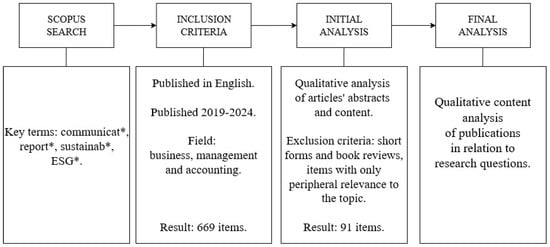
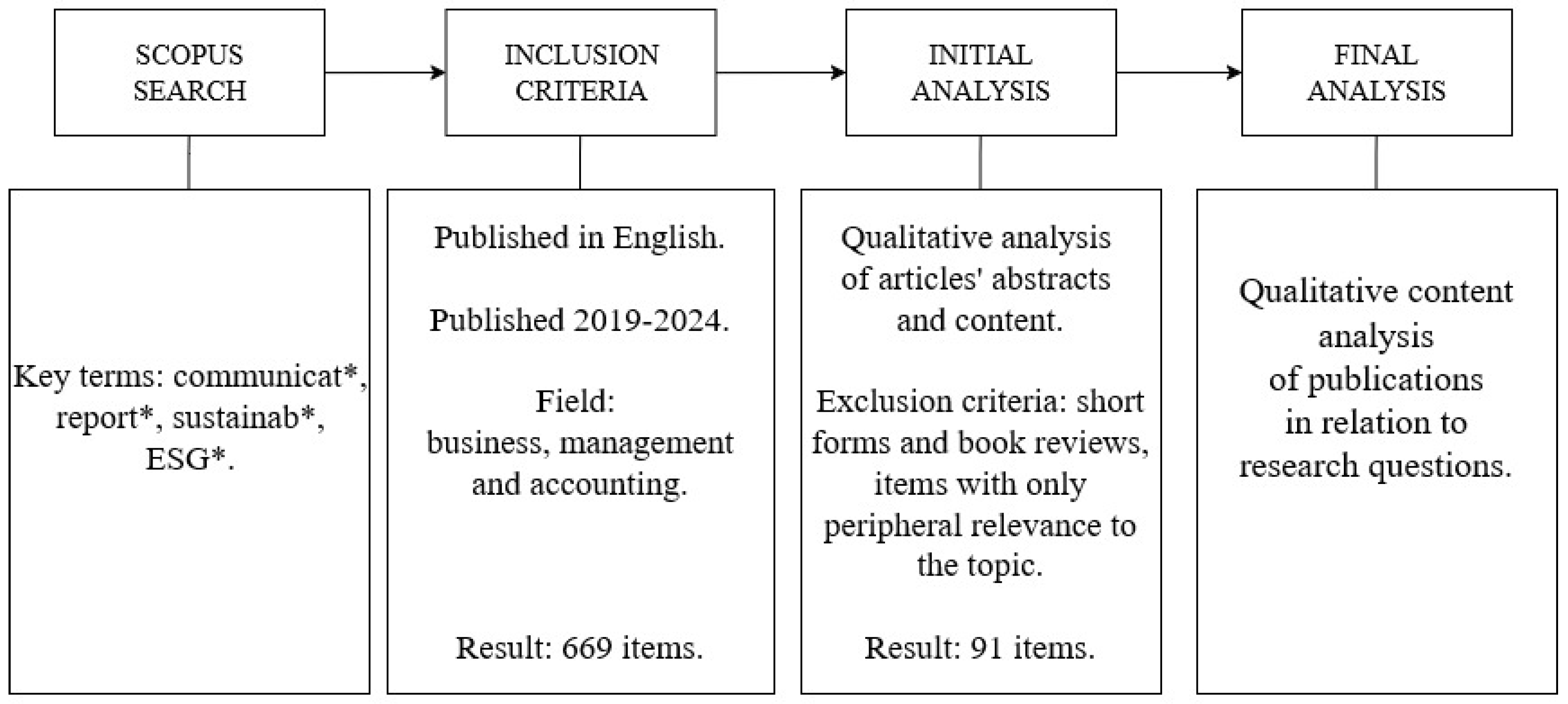

Disclaimer/Publisher’s Note: The statements, opinions and data contained in all publications are solely those of the individual author(s) and contributor(s) and not of MDPI and/or the editor(s). MDPI and/or the editor(s) disclaim responsibility for any injury to people or property resulting from any ideas, methods, instructions or products referred to in the content. |
© 2025 by the authors. Licensee MDPI, Basel, Switzerland. This article is an open access article distributed under the terms and conditions of the Creative Commons Attribution (CC BY) license (https://creativecommons.org/licenses/by/4.0/).