

Article

The Effect of Eco-Recreational and Environmental Attitudes on Environmental Behavior

1
Department of Recreation Management, Tourism Faculty, Ankara Hacı Bayram Veli University, 06830 Ankara, Türkiye
2
Department of Recreation Management, Manavgat Tourism Faculty, Akdeniz University, 07600 Antalya, Türkiye
*
Author to whom correspondence should be addressed.
Sustainability 2025, 17(23), 10660; https://doi.org/10.3390/su172310660
Submission received: 23 October 2025 / Revised: 18 November 2025 / Accepted: 24 November 2025 / Published: 27 November 2025

Abstract

The main purpose of this study is to analyze the effects of environmental (New Environmental Paradigm) and eco-recreational attitudes on environmental behavior using structural equation modeling (SEM). In the context of increasing environmental problems, individuals’ attitudinal and experiential relationships with the environment play a critical role in shaping sustainable environmental behaviors. In this context, a multidimensional model incorporating cognitive, affective, and behavioral orientations toward nature has been developed. In the study, environmental attitude was addressed in terms of environmentalist and human approaches, while eco-recreational attitude was addressed in terms of its cognitive, affective, and behavioral sub-dimensions. Environmental behavior was modeled as recycling efforts and responsible citizenship. Data were collected using validated scales and tested using SEM. The findings have revealed that both environmental and eco-recreational attitudes have direct effects on environmental behavior. The obtained results suggest that supporting individuals with nature-based experiences is considered to be an effective strategy for the development of environmentally conscious behaviors regarding environmental education and sustainability policies. Nevertheless, it bears several limitations, particularly in terms of its generalizability for diverse socio-demographic groups and cultural contexts. The contribution of this study is that it empirically demonstrates the mutually supportive and descriptive potential of environmental attitudes and eco-recreational attitudes in the process of behavioral transformation. The study makes a significant contribution to the theoretical discussions in the literature by revealing the integrated effect of environmental attitudes and eco-recreational attitudes in shaping environmental behavior.

1. Introduction

Today, due to globally ever-increasing environmental problems, both the sustainability of ecosystems and the reevaluation of individuals’ psychological and behavioral relationships with nature have become a necessity. At the individual level, the development of environmental awareness and responsibility has become a critical issue on account of the threats such as climate change, resource scarcity, and environmental pollution. In the solution of environmental crisis, for this reason, individual behavioral change has been accepted as a prerequisite to achieve collective sustainability targets. The attitude reflection of the individuals to their daily life practices and behavioral habits lies at the center of the sustainable transformation process. In this sense, the environmental attitudes of the individuals and how these attitudes turn into behaviors in order to attain environmental sustainability targets have become one of the key discussion fields in environmental psychology and sustainability.
It is evident in recent research that the gap between environmental attitude and behaviors regarding the environment is still an important discussion topic. This attitude–behavior gap is of critical importance in explaining the transformation of individuals’ environmental knowledge and awareness levels into behaviors.
Environmental problems have been increasing on a global scale. Therefore, the issue of attaining environmental sustainability in addition to reassessing the psychological and behavioral relationships that individuals establish with nature has become a necessity. Climate change, the scarcity of resources, and environmental pollution have made the development of environmental awareness and responsibility critical at the individual level. In this respect, the attitudes of individuals towards the environment and the ways to convert these attitudes into behavior in reaching environmental sustainability targets have arisen as a core subject of environmental psychology and sustainability research. For example, it has been reported that the CO2 emission levels have been recorded as approximately 37.8 gigaton, and this level is stated to be the highest level of all times [1]. Within the same period, worldwide, the loss of tropical primary forests reached a record level with a total of 6.7 million hectares. As for the biodiversity levels, wildlife populations have decreased by an average of 73% over the last 50 years. Therefore, the development of environmentally responsible behaviors of individuals by means of nature-based experiences is of great importance [2,3]. What’s more, annually, approximately 350 million tons of plastic waste are produced, but only a small amount of it has been recycled. Thus, these facts indicate that plastic pollution is a significant global concern [4]. Within this context, investigating the direct and indirect effects of environmental and eco-recreational attitudes on environmental behaviors is considered to be critically important in terms of clarifying the attitude–behavior gap in the literature.
It is observed that, especially the potential of the eco-recreational attitude to strengthen the relationship between environmental attitude and behavior, and transform it into individual behavior, has been examined at a limited level. This issue creates a significant gap in understanding individual behavioral change. The studies conducted in recent years have indicated that the environmental crisis shapes the lives, consumption habits, and social interactions of individuals [5,6]. These outcomes prove that environmental awareness and responsibility should be considered within the context of both through the knowledge provision of individuals and consideration of their social and cultural contexts. The success of sustainability targets depends not only on individual behavioral changes, but on the transformation of collective consciousness and social norms, as well [7,8,9]. Accordingly, the theoretical approaches analyzing the relationships among environmental attitude, eco-recreational attitude, and environmental behavior have been discussed in detail.

2. Theoretical Framework and Hypothesis Development

Environmental attitude is a multidimensional construct that reflects individuals’ feelings, thoughts, and tendencies regarding environmental issues and is often structured in terms of affective, cognitive, and behavioral sub-dimensions [10,11,12]. This structure stands out as an explanatory variable in the development of environmentally friendly behaviors [13].
As a matter of fact, the dimensions of environmental attitude, such as affective, cognitive, and behavioral dimensions, increase the possibility of developing environmentally friendly behavior. Especially, strong environmental attitudes emerge as an important determinant in voluntary actions such as recycling, conserving natural resources, and avoiding harm to the environment [13,14,15]. Moreover, it has been observed that the positive attitudes towards the environment are not limited only to preservation behaviors, but they also include repair, ecological restoration, and newer sustainable practices [16]. This situation demonstrates that the environmental awareness of an individual can directly contribute to the social and ecological recovery processes. Considering the recent literature, cognitive components play a more significant role compared to other attitude dimensions. The studies conducted on university students and knowledge-based samples, in particular, have shown that individuals with higher environmental knowledge levels present a more systematic and consistent approach within the behavioral transformation process [17,18]. This finding stems from the fact that the academic participants evaluate the environmental problems with a rational and analytical perspective. Therefore, besides increasing the affective and behavioral awareness through environmental training programs, strengthening the environmental knowledge and theoretical framework is of critical importance in terms of enhancing the permanence of environmentally friendly behaviors.
However, it has been stated in several studies that the relationship between environmental attitude and behavior is not direct and strong. This inconsistency has been repeatedly highlighted in the attitude–behavior gap and draws attention to the roles of some other structural mechanisms that could be influential [19,20,21,22]. For this reason, Ajzen’s [23] Theory of Planned Behavior (TPB) and Stern’s [19] Value-Belief-Norm (VBN) theory emphasizes the importance of variables (intention, norm, value, etc.) that intervene in the process of converting attitudes into behavior. These theories suggest that environmental behavior is shaped not only by cognitive attitudes but also by values, emotions, and experiential connections [13,19,23,24]. The studies carried out within the context of environmental behaviors have indicated that individuals shape their behaviors through the combination of several multidimensional factors, such as intention, knowledge, values, and social norms. The study conducted by Kollmuss and Agyeman [14] stated that there is no relationship between environmental awareness and individual behavior. They also expressed that behavior is determined through social norms and personal values [14]. As for Stern [19], he demonstrated in his study that ecological values, individual beliefs, and normative pressures are the key factors that trigger environmentally conscious behaviors. Bamberg ve Möser [13] found similar results in the study they conducted on the relationships among environmental knowledge, attitude, and behavioral intentions of individuals. They concluded that these relationships are shaped by personal values and experiential contexts. All these studies demonstrate the importance that environmental behavior is not only explained by cognitive dimensions, but by values, emotions, and experiential ties [13]. In the study carried out by Yıldırım et al. [25], the effect of environmental literacy and ecological footprint awareness in adults on environmental behavior was analyzed, and it was concluded that affective knowledge is not solely sufficient, but the value-awareness process is of critical importance.
At this juncture, personal connections with the environment, value orientations, and nature-based experiences are regarded as significant variables in elucidating environmental behavior [26]. The cognitive dimension of environmental attitude is defined by individuals’ knowledge and beliefs concerning environmental problems [14]. Particularly, the recreational activities through which individuals interact directly with nature can serve a critical function in terms of environmental responsibility, knowledge, and the development of beliefs. Consequently, one of the structures that has emerged and is increasingly featured in research is the eco-recreational attitude. This concept involves environmental awareness, responsibility, and tendency to connect with nature that individuals develop through nature-based recreational activities [27,28,29]. It is a well-known fact that individuals who develop a positive attitude towards the environment have higher levels of participation in nature-based activities, and their attitude towards nature also develops during this process [29,30,31].
Since eco-recreational attitudes are formed through an individual’s direct experiential relationship with the environment, they have the potential to influence both attitudinal change and behavioral orientation. As a matter of fact, it has been emphasized in many studies that experiential connections with nature strengthen individuals’ sense of responsibility towards the environment and positively support the development of environmental behaviors [30,32,33]. Nature-based experiences strengthen the individuals’ orientation towards environmentally friendly behaviors by increasing their sensitivity to nature [27,30]. In particular, concepts such as “environmental identity” and “place attachment” play critical roles in the permanence and transformation into behavior of the experiential bonds individuals build with nature. These structures demonstrate the notion that the eco-recreational attitude is not merely an ephemeral tendency but rather an intrinsic orientation of the individual’s self [34].
On the other hand, the “eco-recreational attitude” explains the cognitive, affective, and behavioral relationship that individuals establish with nature in a recreational context, different from environmental identity. Environmental identity focuses on the perception of the individual himself as part of nature [27]. Eco-recreational attitude reveals the behavioral reflections of this perception through nature-based activities [35]. Thus, while there is an intersection between the two concepts, eco-recreational attitude puts greater emphasis on the experiential aspect of interaction with the environment.
Cognitive awareness alone is not sufficient for the development of positive environmental behaviors. The literature shows that emotional closeness, empathy, and experiential bonds motivate environmental behavior more strongly [36]. Therefore, both environmental attitude and eco-recreational attitude should be considered multidimensional structures that influence environmental behavior. However, this study suggests that rather than treating the two constructs as completely independent variables, they should be considered as structures that can mutually reinforce each other’s effects or mediate the relationship between them. In particular, how eco-recreational attitudes transform the relationship between environmental attitudes and environmental behavior can be explained from an experiential learning perspective. Ballantyne and Packer [37] conducted a study in which they emphasized the effects of experiential learning; accordingly, similar results have also been supported in the literature within the context of recreation and tourism. The emphasis of recent empirical studies has indicated that nature-based experiences increase environmental awareness and commitment through both cognitive and affective pathways. In this respect, the intentions and practices of visitors concerning responsible/environmentally friendly behavior are also enhanced [38,39,40]. What’s more, some studies reveal that quality natural recreational experiences encourage conservation-oriented actions through place attachment, nature connectedness, and behavioral spillover mechanisms [41,42]. These studies empirically support the idea that eco-recreational attitudes function as a concrete bridge in developing environmental attitudes and converting them into behavior by means of experiential learning processes.
It has been demonstrated that environmental attitudes and eco-recreational attitudes can influence environmental behavior through each other, and that eco-recreational attitudes play an important bridging role in the process of translating environmental attitudes into behavior. Similarly, it is stated that nature experiences transform environmental attitudes and that this transformation is reflected in environmentally friendly behavior. Eco-recreational attitudes can support environmental behavior by enriching environmental attitudes. However, this structure has often been evaluated only in terms of general constructs such as connection to nature or love of nature, neglecting its direct structural role between environmental attitudes and environmental behavior. Similarly, whether environmental attitudes are a supporting factor in explaining the effect of eco-recreational attitudes on environmental behavior has rarely been tested empirically. For this reason, the study not only contributes to the limited findings in the literature but also offers a new perspective in terms of theoretical integrity. In addition, the literature has evaluated eco-recreational attitudes solely under the concept of “connection with nature” and ignored their impact on behavioral outcomes. The major contribution of this study to the literature is that it tests the potential of both variables to be mutually supportive and explanatory in a multidimensional perspective [28]. In this regard, the study is innovative in that it structurally links the variables of environmental attitude, eco-recreational attitude, and environmental behavior within a holistic model, which have mostly been examined separately in the literature. Thus, the research extends the theoretical approaches to explaining individual behavior in environmental psychology and sustainability studies in a more functional and measurable way.
The studies carried out in recent years have indicated that emotional attachment, identification, and experiential learning are determinative in the transformation of environmental attitudes into environmental behaviors. For example, it has been found that participating in nature-based recreational activities promotes the perceptions of environmental awareness, empathy, and self-sufficiency, and these elements positively increase attitudes towards the environment [33,43]. Moreover, it has been stated that the emotional bond established with nature deepens the cognitive attitudes and mediates the internalization of individuals’ environmental responsibility perceptions. The function of eco-recreational attitude in this process is that the experiential contact with nature facilitates the transition between psychological attachment and behavioral action. Thus, environmental behavior takes shape not only based on knowledge, but on the meaningfully and emotionally established bond of the individual with nature [28,44].
In the study, while the Ecological Creative Attitude Scale measured the nature-centered attitudes of individuals with its affective, cognitive, and behavioral sub-dimensions, the New Environmental Paradigm Scale determined the environmentalist and human approaches. In this way, the value-based attitudes of individuals towards the environment have been revealed. As for the environmental behavior, it has been measured by means of recycling efforts and responsible citizenship sub-dimensions. It has been observed in the literature that ecological values and nature-based experiences positively affect environmental attitudes and behaviors. For example, in a study conducted in China on rural couples, it was found that the individuals with a high level of ecological value consciousness were more active in performing environmentally sensitive behaviors, and environmental attitude played a mediating role in these behaviors [45]. Similarly, it was revealed that among young adults participating in recreational nature activities, environmental attitudes, and recycling behaviors significantly increased through the strengthening of natural ties [29]. Moreover, it was concluded that environmental values and attitudes triggered environmentally sensitive behaviors by means of risk perception and emotional orientations [46]. In the study conducted by Tosun et al. [47], it was stated that environmental concerns and anxiety levels in individuals who participate in recreation are related to nature-based behaviors, and that eco-recreational attitudes are determinative in the process of behavioral transformation. In this respect, the study has aimed to determine whether the environmentalist and human approaches influence affective, cognitive, and behavioral attitudes, and whether these attitudes are influential on the sub-dimensions of environmental behavior, such as recycling efforts and responsible citizenship, through the research hypothesis. Thus, the following hypotheses have been formulated to determine the interactions and relationships between the variables.
Hypothesis 1a (H1a).
Environmentalist approach positively affects affective attitude.
Hypothesis 1b (H1b).
Environmentalist approach positively affects cognitive attitude.
Hypothesis 1c (H1c).
Environmental-centered approach positively affects behavioral attitude.
Hypothesis 2a (H2a).
Human approach positively affects affective attitude.
Hypothesis 2b (H2b).
Human approach positively affects cognitive attitudes.
Hypothesis 2c (H2c).
Human approach positively affects behavioral attitudes.
Hypothesis 3a (H3a).
Affective attitudes significantly affect recycling efforts.
Hypothesis 3b (H3b).
Affective attitudes positively affect responsible citizenship.
Hypothesis 4a (H4a).
Cognitive attitude positively affects recycling efforts.
Hypothesis 4b (H4b).
Cognitive attitude positively affects responsible citizenship.
Hypothesis 5a (H5a).
Behavioral attitude positively affects recycling efforts.
Hypothesis 5b (H5b).
Behavioral attitude positively affects responsible citizenship.
Within this scope, the hypotheses developed in the study were structured based on both the theoretical framework and the sub-dimensions of the measurement tools used. This provided the opportunity to test which dimensions of environmental behavior have a greater impact on the relevant environmental attitudes.
In light of all this information, it tests a multidimensional model that goes beyond approaches that reduce environmental behavior to merely cognitive and affective attitudes, incorporating the individual’s interaction with nature and experiential processes.
A rigorous examination of the interplay between eco-recreational attitudes and environmental attitudes concerning environmental behavior holds the promise of making substantial theoretical and practical contributions to the domains of environmental psychology, recreation planning, and environmental education. In this context, an analysis of the direct relationships between eco-recreational attitudes and environmental attitudes toward environmental behavior has the potential to make significant theoretical and practical contributions to the fields of environmental psychology, recreation planning, and environmental education. A rigorous examination of the direct relationships between eco-recreational attitudes and environmental attitudes on environmental behavior holds considerable potential to make significant theoretical and practical contributions to the fields of environmental psychology, recreation planning, and environmental education. In this respect, the study provides a more comprehensive understanding of the interactive processes that shape environmental behavior, demonstrating that nature-based experiences are important not only from an aesthetic or psychological perspective but also from a behavioral transformation perspective.

3. Methodology

3.1. Research Model

This study is structured within the framework of a correlational survey model and adopts an explanatory approach aimed at testing causal relationships between variables. The primary objective of the study is to reveal the direct and indirect effects of environmental attitude and eco-recreational attitude on environmental behavior, as well as to analyze the relational dynamics between these two attitudinal constructs. The model developed in the study was created based on literature-based hypotheses. After testing the validity of the model using confirmatory factor analysis (CFA), hypothesis testing was performed using structural equation modeling (SEM).

3.2. Participants

The sample of the study consists of research assistants, instructors, assistant professors, and professors engaged in academic activities at various universities in Turkey as of 2025. The sample was determined using a purposive sampling method and selected from individuals with a history of participating in nature-based recreational activities and a high level of environmental awareness. Volunteering was the basis for participant selection, and the criterion of having at least one direct experience related to the environment was considered. A total of n = 422 people participated in the study. Demographic information regarding the participants’ gender, age, academic title, and frequency of participation in nature activities was used as control variables in the analysis process. The survey data was collected online from March to May of 2025. Participants were contacted via email and academic communication networks, and the data collection process was conducted on the basis of anonymity and volunteerism. However, the sample consisted exclusively of academics employed at universities, despite a relatively high level of environmental awareness, and the homogeneous nature of the sample limits the generalizability of the findings. This observation underscores the necessity for a meticulous approach when interpreting the study’s findings for a general audience.

3.3. Data Collection Tool and Data Collection Process

In the study, three different scales with proven validity and reliability in the literature were used to measure the conceptual structures included in the working model.
New Environmental Paradigm: Developed by Furman [48] and adapted into Turkish by Aytaç and Öngen [49], this scale offers a multidimensional structure for measuring individuals’ human and environmentalist approaches to the environment. The scale consists of two sub-dimensions that allow for a detailed analysis of environmental attitudes.
Eco-Recreational Attitude Scale: Developed by Kement, Karaküçük, and Çavuşoğlu [35], this scale measures individuals’ affective, cognitive, and behavioral tendencies toward nature-based recreational activities. It aims to measure emotional, cognitive, and behavioral tendencies toward nature-based recreational activities.
Environmental Behavior Scale: Developed by Goldman, Yavetz, and Pe’er [50] and adapted into Turkish by Timur and Yılmaz [51], the environmental behavior scale measures individuals’ behavioral tendencies regarding environmental responsibilities. The scale consists of two subscales: recycling efforts and responsible citizenship and allows for the assessment of action-based behavioral patterns toward the environment [50,51].
The data was collected using an online survey method. The survey was distributed to participants via email and academic groups. The data collection process took a total of 4 weeks, and only fully completed forms were evaluated.

3.4. Data Analysis

Data analysis was performed using SPSS 26.0 and AMOS 24.0 software. Descriptive statistics and reliability analyses were first conducted, followed by testing the structural validity of measurement models using Confirmatory Factor Analysis (CFA). According to CFA results, fit indices were acceptable (χ2/df < 3, RMSEA < 0.08, CFI > 0.90), and then hypotheses were tested using Structural Equation Modeling (SEM).

4. Results

4.1. Demographic Profile

50.9% of the participants in the study were women, and 49.1% were men. When examined by age distribution, 23.5% of academics were aged 21–30, 20.4% were aged 31–40, 20.6% were aged 41–50, 18.5% were aged 51–60, and 17.1% were aged 61 and above. Furthermore, 19% of the respondents were research assistants, 18.2% were instructors, 22% were assistant professors, 21.1% were associate professors, and 19.7% were full professors. Information on the demographic characteristics of the participants is presented in Table 1.

4.2. Confirmatory Factor Analysis

The two-stage process proposed by Anderson and Gerbing [52] was applied in the study. Therefore, confirmatory factor analysis was tested to determine the extent to which the collected data matched the model before proceeding to path analysis. The first values to be examined in confirmatory factor analysis are factor loadings. Hair et al. [53] argue that factor loadings should be at least 0.50 and that items below this value should be excluded from the analysis. Based on this information, the factor load values were examined, and a total of 6 statements were excluded from the analysis due to low factor loadings: one from the environmentalist approach, three from the human approach, and two from responsible citizenship efforts. The second evaluation revealed that the factor loadings of the 37 statements across the 7 latent variables ranged from 0.589 to 0.907. Additionally, the t-values for all statements were significant at the 0.001 level.
Furthermore, considering the goodness-of-fit values examined within the scope of confirmatory factor analysis, the results indicate that the model fits well (χ2 = 1309.747, χ2/df = 2.212, NFI = 0.903, IFI = 0.941, TLI = 0.933, RMSEA = 0.054, and CFI = 0.941). In terms of scale reliability, the Cronbach alpha values of each scale were examined and determined to be a minimum of 0.821. This result is above the value recommended in the literature. The results of the findings are presented in Table 1. AVE and CR values are also used to measure the internal consistency and discriminant validity of each sub-structure representing the latent variable [54]. At this point, it is recommended that the AVE values of each structure be above 0.50 and the CR values be above 0.70 [55]. As a result of the evaluation, it was determined that the minimum AVE value was 0.561 and the minimum CR value was 0.825. The results obtained are shown in Table 2.

4.3. Hypothesis Tests

Based on the results obtained from the confirmatory factor analysis, which was the first stage of the research, the second stage, the path analysis process was initiated. The goodness-of-fit values obtained from the path analysis are acceptable and show similarity to the values in the confirmatory factor analysis. (χ2 = 1419.367, χ2/df = 2.366, NFI = 0.901, IFI = 0.933, TLI = 0.925, RMSEA = 0.057, and CFI = 0.932). When the results were evaluated, it was determined that the eco-recreational attitude scale, which is a sub-dimension of the new environmental paradigm, positively affected all sub-dimensions (affective attitude: β = 0.44, t = 5.948; p < 0.001; cognitive attitude: β = 0.56, t = 9.297, p < 0.001; behavioral attitude: β = 0.77, t = 10.652, p < 0.001). In summary, a one-unit positive change in the environmentalist approach has been shown to increase the affective attitude by 44%, the scientific attitude by 56%, and the behavioral attitude by 77%. Similarly, the human approach, another sub-dimension of the new environmental paradigm, was positively and significantly associated with affective attitude (β = 0.42, t = 5.679; p < 0.001), cognitive attitude (β = 0.43, t = 7.366; p < 0.001), and behavioral attitude (β = 0.16, t = 2.821; p < 0.05). The findings suggest that the adoption of the human approach enhances the affective attitude by 42%, the cognitive attitude by 43%, and the behavioral attitude by 16%. In light of these results, H1a, H1b, H1c, H2a, H2b, and H2c were accepted. On the other hand, the effects of all sub-dimensions of eco-recreational attitude on environmental behavior were examined, and it was found that affective attitude positively and significantly affects the environmental behavior sub-dimension of recycling efforts (β = 0.16, t = 2.017; p < 0.05), it had no significant effect on the other sub-dimension, responsible citizenship (p > 0.05). In other words, a positive change in affective attitude increases recycling efforts. In this case, H3a was accepted while H3b was rejected. The effect of cognitive attitude is significant on both recycling efforts (β = 0.65, t = 5.947; p < 0.001) and responsible citizenship (β = 0.61, t = 5.053; p < 0.001). According to the results, as cognitive attitudes increase, recycling efforts increase by 65% and responsible citizenship increases by 61%. Based on these findings, H4a and H4b were accepted. The final hypothesis of the study, the effects of behavioral attitude on environmental behavior sub-dimensions, was examined, and behavioral attitude similarly significantly affected recycling efforts (β = 0.27, t = 2.729; p < 0.05) and responsible citizenship behavior (β = 0.26, t = 2.527; p < 0.05) sub-dimensions. In summary, it can be said that the positive change in behavioral attitude increased recycling efforts by 27% and responsible citizenship by 26%. Consequently, H5a and H5b were accepted. Path coefficients related to the hypotheses have been presented in Figure 1.
The results based on the findings are presented in Table 3.

5. Discussion and Conclusions

The structural equation modeling conducted in line with the main objective of the study revealed the significant effects of the sub-dimensions of environmental attitude (New Environmental Paradigm—NEP) on the sub-dimensions of eco-recreational attitude. It was determined that the environmentalist approach significantly and positively affected affective (β = 0.44, p < 0.001), cognitive (β = 0.56, p < 0.001), and behavioral attitudes (β = 0.77, p < 0.001), respectively. Similarly, the human approach was also found to positively affect affective (β = 0.42, p < 0.001), cognitive (β = 0.43, p < 0.001), and behavioral (β = 0.16, p < 0.05) attitudes. These findings have shown that the effects of the environmentalist and human approaches on recreational attitudes are compatible with the relationships between ecological awareness and environmental behavior previously presented in the literature [56,57]. Particularly, the strong effect of eco-centric attitudes on behavioral attitudes supports the findings of previous studies that emphasized the positive relationship between environmental values and behavioral intentions [56,58].
When examining the effects of the sub-dimensions of eco-recreational attitudes on environmental behavior, affective attitude only significantly affects recycling efforts (β = 0.16, p < 0.05), while no significant effect on responsible citizenship behavior was detected (p > 0.05). Cognitive attitude was found to have strong and significant effects on both recycling (β = 0.65, p < 0.001) and responsible citizenship (β = 0.61, p < 0.001). Behavioral attitude was found to significantly affect both environmental behavior dimensions (recycling: β = 0.27, p < 0.05; responsible citizenship: β = 0.26, p < 0.05). This finding indicates that affective awareness may influence certain environmental behavioral dimensions to a limited extent, but cognitive and behavioral dimensions have broader and more direct effects. Similarly, the current literature reveals that cognitive and behavioral dimensions play a critical role in environmental behaviors [45,59,60]. The model’s overall fit indices (χ2/df = 2.366; RMSEA = 0.057; CFI = 0.932; TLI = 0.925) are within acceptable limits. Additionally, the explanatory coefficient (R2) for environmental behavior is quite high.
The study’s findings indicated that eco-recreational and environmental attitudes have substantial and indirect influences on environmental conduct. Furthermore, the sub-dimensions of environmental attitudes were identified as crucial mediators in the transition process between environmental awareness and conduct. These sub-dimensions were found to be effective instruments in the transformation of individuals’ eco-recreational tendencies into environmentally friendly behaviors. Previous studies have demonstrated that environment-centered values and environmentally conscious attitudes interact with cognitive and affective processes in shaping the environmental behaviors of individual [29,61,62].
The findings of the study reveal that eco-recreational attitudes and environmental attitudes have significant and direct effects on environmental behavior. It has been determined that the sub-dimensions of environmental attitudes play a critical role in the transition process between environmental awareness and behavior and are an effective tool in transforming individuals’ eco-recreational tendencies into environmentally friendly behaviors.
Unlike classic studies in the literature on the relationship between environmental attitudes and behavior, this research modeled the multidimensional effects of an environmental attitude structure shaped in a recreational context (eco-recreational attitude) and examined in detail the interactions between attitudes in the process leading to environmental behavior. Therefore, it was concluded that both eco-recreational and environmentally centered attitudes function as complementary and mutually interactive structures in the formation of environmentally friendly behaviors.
Theoretically, the model demonstrating the direct effect of environmental attitudes on environmental behavior provides a meaningful contribution to the literature aimed at understanding sustainable behavior change at the individual level. The model can serve as a guide in understanding the mechanisms of transition from attitude to behavior in the fields of sustainability and environmental psychology. At the practical level, it has been concluded that eco-recreational attitudes can be positively developed by strengthening eco-centric attitudes, thereby increasing environmentally conscious individual behaviors. In this context, policymakers and environmental educators should ensure that environmentalist approaches are made more visible in educational programs. Recreation area managers, in particular, should reinforce individuals’ behavioral attitudes through practices and guidance that promote eco-centric values.
The research also serves as a guide for supporting sustainable recreation policies and environmentally conscious individual behaviors at the institutional level. Since the cognitive and behavioral attitudes of individuals with high environmental sensitivity can directly influence environmental behavior, education, campaigns, and spatial arrangements aimed at developing these attitudes are important. In this sense, it has been suggested in the relevant literature that the practices which strengthen environmentally friendly infrastructure and social norms could be influential in increasing the environmentally friendly behaviors [63,64]. Moreover, when compared to the similar studies in the literature, the findings of this study coincide with the outcomes of previous studies which specifically found that demonstrating environmentally friendly behaviors is strengthened when supported by education, awareness, and social norms [65,66].
One of the strengths of this study is the detailed analysis of eco-recreational attitudes, environmental attitudes, and environmental behavior using multidimensional scales. The study makes an important contribution to the literature by demonstrating that environmental behavior can be shaped by both cognitive and behavioral attitudes. This research reveals that both eco-recreational attitudes and attitudes toward the environment play a decisive role in encouraging environmentally friendly individual behaviors. In particular, it is seen that environmentalist approaches positively influence environmentally friendly recreational attitudes, enabling these attitudes to translate into environmental behavior. In addition, it was also confirmed by previous studies that the environmental values and beliefs of individuals play a mediating role in shaping tangible environmental behaviors [67,68,69].
In the study, the main reason for choosing academicians as a group with a high level of environmental awareness and knowledge is to be able to observe the cognitive foundations of ecological attitudes and eco-recreational tendencies more clearly. The fact that academicians have a high level of environmental sensitivity and critical thinking skills has enabled us to analyze the behavioral reflections of environmentalist and human-centered attitudes in a more reliable manner. This sample selection has aimed to test the theoretical validity of the model by analyzing the attitude–behavior relationship of individuals with a high level of environmental consciousness.
In future studies, cultural validity and generalizability can be increased by testing similar models with samples from different occupational groups and socio-demographic profiles. Furthermore, including other psychological variables such as environmental norms, value orientations, and emotional responses in the model may provide a more comprehensive framework. In addition to quantitative methods, studies using qualitative data collection techniques are recommended to gain a deeper understanding of individuals’ perceptions of environmental attitudes and behaviors. In future research, how the relationships between recreational attitudes, environmental attitudes, and environmental behavior are shaped, especially by the cultural context, should be an important focal point.
The research findings show that environmental attitudes must be integrated with behavioral tendencies for sustainability goals to be achieved at the individual level. Considering eco-recreational and environmental attitudes as key determinants in developing strategies to transform environmental behaviors is critically important for both environmental policies and educational content. As a result, it has been concluded that the findings of the study are compatible with previous studies, and the importance of environmental attitude and behavior relations in terms of the recreational context has also been emphasized.

Author Contributions

This research paper was agreed and carried out collaboratively by all authors, but each one of the authors has made contributions to the paper individually. H.D.S. provided project management and language supervision. A.U. and O.Y. performed the analyses and focused on the process of testing the hypotheses and the scales of the article. A.U., O.Y. and O.T. conducted an extensive literature review, contributed to the original draft, and formulated the research hypotheses. H.D.S. contributed to the completion of the discussion, implications, limitations, and conclusion chapters. In addition, the authors used an internal audit system during the preparation phase and monitored each other for any potential setbacks. All authors have read and agreed to the published version of the manuscript.

Funding

This research received no external funding.

Institutional Review Board Statement

Not applicable.

Informed Consent Statement

Informed consent was obtained from all participants involved in the research.

Data Availability Statement

The data analyzed during this study are available on request from the corresponding author.

Conflicts of Interest

The authors declare no conflict of interest.

References

  1. International Energy Agency (IEA). Global Energy Review 2025: CO2 Emissions. 2025. Available online: https://iea.org (accessed on 7 July 2025).
  2. Forest Declaration Assessment Partners. 2024 Forest Declaration Assessment: Forests Under Fire. 2024. Available online: https://forestdeclaration.org (accessed on 11 July 2025).
  3. World Wildlife Fund (WWF). Living Planet Report 2024: A Planet in Crisis. 2024. Available online: https://wwf.panda.org (accessed on 9 September 2025).
  4. Ritchie, H. Plastic Pollution. Our World in Data. 2023. Available online: https://ourworldindata.org/plastic-pollution (accessed on 11 September 2025).
  5. OECD. OECD Tourism Trends and Policies; OECD Publishing: Paris, France, 2024. [Google Scholar] [CrossRef]
  6. Zulfa, V.; Septiana, A. Impact of Climate Change on Environmental Health: Challenges and Opportunities to Improve Quality of Life. Environ. Educ. Conserv. 2024, 1. [Google Scholar] [CrossRef]
  7. Koessler, A.-K.; Vorlaufer, T.; Fiebelkorn, F. Social Norms and Climate-Friendly Behavior of Adolescents. PLoS ONE 2022, 17, e0266847. [Google Scholar] [CrossRef]
  8. Pereira, V.; Gupta, J.J.; Hussain, S. Impact of Travel Motivation on Tourist’s Attitude Toward Destination: Evidence of Mediating Effect of Destination Image. J. Hosp. Tour. Res. 2022, 46, 946–971. [Google Scholar] [CrossRef]
  9. Piao, X.; Managi, S. Determinants of Pro-Environmental Behaviour: Effects of Socioeconomic, Subjective, and Psychological Well-Being Factors from 37 Countries. Humanit. Soc. Sci. Commun. 2024, 11, 1–17. [Google Scholar] [CrossRef]
  10. Milfont, T.L.; Duckitt, J. The Environmental Attitudes Inventory: A Valid and Reliable Measure to Assess the Structure of Environmental Attitudes. J. Environ. Psychol. 2010, 30, 80–94. [Google Scholar] [CrossRef]
  11. Gifford, R.; Nilsson, A. Personal and Social Factors That Influence Pro-Environmental Concern and Behaviour: A Review: Personal And Social Factors That Influence Pro-Environmental Behaviour. Int. J. Psychol. 2014, 49, 141–157. [Google Scholar] [CrossRef]
  12. Wittenberg, I.; Fleury-Bahi, G.; Navarro, O. Environmental Attitudes in Context: Conceptualisations, Measurements and Related Factors of Environmental Attitudes. Front. Psychol. 2023, 14, 1219471. [Google Scholar] [CrossRef]
  13. Bamberg, S.; Möser, G. Twenty Years after Hines, Hungerford, and Tomera: A New Meta-Analysis of Psycho-Social Determinants of pro-Environmental Behaviour. J. Environ. Psychol. 2007, 27, 14–25. [Google Scholar] [CrossRef]
  14. Kollmuss, A.; Agyeman, J. Mind the Gap: Why Do People Act Environmentally and What Are the Barriers to pro-Environmental Behavior? Environ. Educ. Res. 2002, 8, 239–260. [Google Scholar] [CrossRef]
  15. Corrado, L.; Fazio, A.; Pelloni, A. Pro-Environmental Attitudes, Local Environmental Conditions and Recycling Behavior. J. Clean. Prod. 2022, 362, 132399. [Google Scholar] [CrossRef]
  16. Zhang, K. Recreational Landscape Perception and Pro-Environmental Behavior: The Mediating Roles of Place Identity and pro-Environmental Behavioral Spillover. Front. Psychol. 2025, 16, 1616154. [Google Scholar] [CrossRef]
  17. Cayolla, R.; Escadas, M.; McCullough, B.P.; Biscaia, R.; Cabilhas, A.; Santos, T. Does Pro-Environmental Attitude Predicts pro-Environmental Behavior? Comparing Sustainability Connection in Emotional and Cognitive Environments among Football Fans and University Students. Heliyon 2023, 9, e21758. [Google Scholar] [CrossRef] [PubMed]
  18. Burgos-Espinoza, I.I.; García-Alcaraz, J.L.; Gil-López, A.J.; Díaz-Reza, J.R. Effect of Environmental Knowledge on Pro-Environmental Attitudes and Behaviors: A Comparative Analysis between Engineering Students and Professionals in Ciudad Juárez (Mexico). J. Environ. Stud. Sci. 2025, 15, 861–875. [Google Scholar] [CrossRef]
  19. Stern, P.C. New Environmental Theories: Toward a Coherent Theory of Environmentally Significant Behavior. J. Soc. Issues 2000, 56, 407–424. [Google Scholar] [CrossRef]
  20. Vieira, J.; Castro, S.L.; Souza, A.S. Psychological Barriers Moderate the Attitude-Behavior Gap for Climate Change. PLoS ONE 2023, 18, e0287404. [Google Scholar] [CrossRef]
  21. Hoffmann, R.; Kanitsar, G.; Seifert, M. Behavioral Barriers Impede Pro-Environmental Decision-Making: Experimental Evidence from Incentivized Laboratory and Vignette Studies. Ecol. Econ. 2024, 225, 108347. [Google Scholar] [CrossRef]
  22. Colombo, S.L.; Chiarella, S.G.; Raffone, A.; Simione, L. Understanding the Environmental Attitude-Behaviour Gap: The Moderating Role of Dispositional Mindfulness. Sustainability 2023, 15, 7285. [Google Scholar] [CrossRef]
  23. Ajzen, I. The Theory of Planned Behavior. Organ. Behav. Hum. Decis. Process. 1991, 50, 179–211. [Google Scholar] [CrossRef]
  24. Steg, L. Values, Norms, and Intrinsic Motivation to Act Proenvironmentally. Annu. Rev. Environ. Resour. 2016, 41, 277–292. [Google Scholar] [CrossRef]
  25. Yildirim, M.S.; Elkoca, A.; Gökçay, G.; Yilmaz, D.A.; Yıldız, M. The Relationship between Environmental Literacy, Ecological Footprint Awareness, and Environmental Behavior in Adults. BMC Public Health 2025, 25, 551. [Google Scholar] [CrossRef]
  26. Pereira, M.; Forster, P. The Relationship between Connectedness to Nature, Environmental Values, and pro-Environmental Behaviours. Reinvention Int. J. Undergrad. Res. 2015, 8. Available online: https://warwick.ac.uk/fac/cross_fac/iatl/research/reinvention/archive/volume8issue2/pereira/ (accessed on 11 August 2025).
  27. Lee, T.H.; Jan, F.-H. The Effects of Recreation Experience, Environmental Attitude, and Biospheric Value on the Environmentally Responsible Behavior of Nature-Based Tourists. Environ. Manag. 2015, 56, 193–208. [Google Scholar] [CrossRef] [PubMed]
  28. Cheng, J.C.-H.; Monroe, M.C. Connection to Nature: Children’s Affective Attitude Toward Nature. Environ. Behav. 2012, 44, 31–49. [Google Scholar] [CrossRef]
  29. Han, G.-S. Relationships between Outdoor Recreation-Associated Flow, pro-Environmental Attitude, and pro-Environmental Behavioral Intention. Sustainability 2023, 15, 10581. [Google Scholar] [CrossRef]
  30. Rosa, C.D.; Profice, C.C.; Collado, S. Nature Experiences and Adults’ Self-Reported pro-Environmental Behaviors: The Role of Connectedness to Nature and Childhood Nature Experiences. Front. Psychol. 2018, 9, 1055. [Google Scholar] [CrossRef]
  31. Flecke, S.L.; Huber, J.; Kirchler, M.; Schwaiger, R. Nature Experiences and Pro-Environmental Behavior: Evidence from a Randomized Controlled Trial. J. Environ. Psychol. 2024, 99, 102383. [Google Scholar] [CrossRef]
  32. Hinds, J.; Sparks, P. Engaging with the Natural Environment: The Role of Affective Connection and Identity. J. Environ. Psychol. 2008, 28, 109–120. [Google Scholar] [CrossRef]
  33. Guazzini, A.; Valdrighi, G.; Fiorenza, M.; Duradoni, M. The Relationship Between Connectedness to Nature and Pro-Environmental Behaviors: A Systematic Review. Sustainability 2025, 17, 3686. [Google Scholar] [CrossRef]
  34. Clayton, S. Environmental Identity: A Conceptual and an Operational Definition. In Identity and the Natural Environment: The Psychological Significance of Nature; The MIT Press: Cambridge, MA, USA, 2003; pp. 45–65. [Google Scholar]
  35. Kement, Ü.; Karaküçük, S.; Çavuşoğlu, S. Ekorekreatif Tutum Ölçeği Geliştirilmesi: Geçerlik ve Güvenilirlik Çalışması. Tour. Recreat. 2021, 3, 34–54. [Google Scholar]
  36. Anderson, D.J.; Krettenauer, T. Connectedness to Nature and Pro-Environmental Behaviour from Early Adolescence to Adulthood: A Comparison of Urban and Rural Canada. Sustainability 2021, 13, 3655. [Google Scholar] [CrossRef]
  37. Ballantyne, R.; Packer, J. Promoting Environmentally Sustainable Attitudes and Behaviour through Free-choice Learning Experiences: What Is the State of the Game? Environ. Educ. Res. 2005, 11, 281–295. [Google Scholar] [CrossRef]
  38. Liu, Z.; Zhang, M.; Osmani, M. Building Information Modelling (BIM) Driven Sustainable Cultural Heritage Tourism. Buildings 2023, 13, 1925. [Google Scholar] [CrossRef]
  39. Tang, T.; Zhao, M.; Wang, D.; Chen, X.; Chen, W.; Xie, C.; Ding, Y. Does Environmental Interpretation Impact Public Ecological Flow Experience and Responsible Behavior? A Case Study of Potatso National Park, China. Int. J. Environ. Res. Public Health 2022, 19, 9630. [Google Scholar] [CrossRef] [PubMed]
  40. Zhao, S.; Teng, L.; Ji, J. Impact of Environmental Regulations on Eco-Innovation: The Moderating Role of Top Managers’ Environmental Awareness and Commitment. J. Environ. Plan. Manag. 2024, 67, 2229–2256. [Google Scholar] [CrossRef]
  41. Carvajal-Trujillo, E.; Pérez-Gálvez, J.C.; Orts-Cardador, J.J. Exploring Tourists’ pro-Environmental Behavior: A Bibliometric Analysis over Two Decades (1999–2023). J. Tour. Futur. 2024; ahead-of-print. [Google Scholar] [CrossRef]
  42. Chen, Y.; Zhang, S.; Peng, P.; Fan, S.; Liang, J.; Ye, J.; Ma, Y. Formation Mechanism of Tourists’ pro-Environmental Behavior in Wuyishan National Park, China, Based on Ecological Values. Forests 2024, 15, 777. [Google Scholar] [CrossRef]
  43. Whitburn, J.; Linklater, W.; Abrahamse, W. Meta-analysis of Human Connection to Nature and Proenvironmental Behavior. Conserv. Biol. 2020, 34, 180–193. [Google Scholar] [CrossRef]
  44. Kim, K.; Wang, Y.; Shi, J.; Guo, W.; Zhou, Z.; Liu, Z. Structural Relationship between Ecotourism Motivation, Satisfaction, Place Attachment, and Environmentally Responsible Behavior Intention in Nature-Based Camping. Sustainability 2023, 15, 8668. [Google Scholar] [CrossRef]
  45. Meng, L.; Si, W. Pro-Environmental Behavior: Examining the Role of Ecological Value Cognition, Environmental Attitude, and Place Attachment among Rural Farmers in China. Int. J. Environ. Res. Public Health 2022, 19, 17011. [Google Scholar] [CrossRef]
  46. Li, X.; Liu, Z.; Wuyun, T. Environmental Value and Pro-Environmental Behavior among Young Adults: The Mediating Role of Risk Perception and Moral Anger. Front. Psychol. 2022, 13, 771421. [Google Scholar] [CrossRef]
  47. Tosun, C.; Soylu, Y.; Atay, L.; Timothy, D.J. Environmentally Friendly Behaviors of Recreationists and Natural Area Tourists: A Comparative Perspective. Sustainability 2023, 15, 10651. [Google Scholar] [CrossRef]
  48. Furman, A. A Note on Environmental Concern in a Developing Country: Results From an Istanbul Survey. Environ. Behav. 1998, 30, 520–534. [Google Scholar] [CrossRef]
  49. Aytaç, M.; Öngen, B. Doğrulayıcı Faktör Analizi Ile Yeni Çevresel Paradigma Ölçeğinin Yapı Geçerliliğinin Incelenmesi. İstatistikçiler Derg. İstatistik Ve Aktüerya 2012, 5, 14–22. [Google Scholar]
  50. Goldman, D.; Yavetz, B.; Pe’er, S. Environmental Literacy in Teacher Training in Israel: Environmental Behavior of New Students. J. Environ. Educ. 2006, 38, 3–22. [Google Scholar] [CrossRef]
  51. Timur, S.; Yılmaz, M. Çevre Davranış Ölçeğinin Türkçe’ye Uyarlanması. Gazi Üniversitesi Gazi Eğitim Fakültesi Derg. 2013, 33, 317–333. [Google Scholar]
  52. Anderson, J.C.; Gerbing, D.W. Structural Equation Modeling in Practice: A Review and Recommended Two-Step Approach. Psychol. Bull. 1988, 103, 411. [Google Scholar] [CrossRef]
  53. Hair, J.F. Multivariate Data Analysis; Pearson: London, UK, 2009. [Google Scholar]
  54. Fornell, C.; Larcker, D.F. Evaluating Structural Equation Models with Unobservable Variables and Measurement Error. J. Mark. Res. 1981, 18, 39–50. [Google Scholar] [CrossRef]
  55. Carmines, E.G. Reliability and Validity Assessment. In Quantitative Applications in the Social Sciences; Sage: Thousand Oaks, CA, USA, 1979. [Google Scholar]
  56. Zhang, Z.; Xiong, K.; Huang, D. Natural World Heritage Conservation and Tourism: A Review. Herit. Sci. 2023, 11, 55. [Google Scholar] [CrossRef]
  57. Cocks, S.; Simpson, S. Anthropocentric and Ecocentric: An Application of Environmental Philosophy to Outdoor Recreation and Environmental Education. J. Exp. Educ. 2015, 38, 216–227. [Google Scholar] [CrossRef]
  58. Kaiser, F.G.; Ranney, M.; Hartig, T.; Bowler, P.A. Ecological Behavior, Environmental Attitude, and Feelings of Responsibility for the Environment. Eur. Psychol. 1999, 4, 59. [Google Scholar] [CrossRef]
  59. Sawitri, D.R.; Hadiyanto, H.; Hadi, S.P. Pro-Environmental Behavior from a Socialcognitive Theory Perspective. Procedia Environ. Sci. 2015, 23, 27–33. [Google Scholar] [CrossRef]
  60. Akçakese, A.; Demirel, M.; Yolcu, A.F.; Gümüş, H.; Ayhan, C.; Sarol, H.; Işık, Ö.; Harmandar Demirel, D.; Stoica, L. Nature Relatedness, Flow Experience, and Environmental Behaviors in Nature-Based Leisure Activities. Front. Psychol. 2024, 15, 1397148. [Google Scholar] [CrossRef]
  61. Høyem, J. Outdoor Recreation and Environmentally Responsible Behavior. J. Outdoor Recreat. Tour. 2020, 31, 100317. [Google Scholar] [CrossRef]
  62. Thapa, B. The Mediation Effect of Outdoor Recreation Participation on Environmental Attitude-Behavior Correspondence. J. Environ. Educ. 2010, 41, 133–150. [Google Scholar] [CrossRef]
  63. Perry, G.L.; Richardson, S.J.; Harré, N.; Hodges, D.; Lyver, P.O.; Maseyk, F.J.; Taylor, R.; Todd, J.H.; Tylianakis, J.M.; Yletyinen, J. Evaluating the Role of Social Norms in Fostering Pro-Environmental Behaviors. Front. Environ. Sci. 2021, 9, 620125. [Google Scholar] [CrossRef]
  64. Dipeolu, A.A.; Ibem, E.O.; Oriola, O.A. Influence of Green Infrastructure on Residents’ Endorsement of the New Ecological Paradigm in Lagos, Nigeria. J. Contemp. Urban Aff. 2022, 6, 159–173. [Google Scholar] [CrossRef]
  65. Kement, U.; Dogan, S.; Baydeniz, E.; Bayar, S.B.; Erkol Bayram, G.; Basar, B. Effect of Environmental Attitude on Environmentally Responsible Behavior: A Comparative Analysis among Green and Non-Green Hotel Guests in Turkiye. J. Hosp. Tour. Insights 2025, 8, 1640–1664. [Google Scholar] [CrossRef]
  66. Yılmaz, Y.; Anasori, E. Environmentally Responsible Behavior of Residents: Impact of Mindfulness, Enjoyment of Nature and Sustainable Attitude. J. Hosp. Tour. Insights 2022, 5, 1–14. [Google Scholar] [CrossRef]
  67. Corraliza, J.A.; Berenguer, J. Environmental Values, Beliefs, and Actions: A Situational Approach. Environ. Behav. 2000, 32, 832–848. [Google Scholar] [CrossRef]
  68. Karp, D.G. Values and Their Effect on Pro-Environmental Behavior. Environ. Behav. 1996, 28, 111–133. [Google Scholar] [CrossRef]
  69. Davari, D.; Nosrati, S.; Kim, S. Do Cultural and Individual Values Influence Sustainable Tourism and Pro-Environmental Behavior? Focusing on Chinese Millennials. J. Travel Tour. Mark. 2024, 41, 559–577. [Google Scholar] [CrossRef]
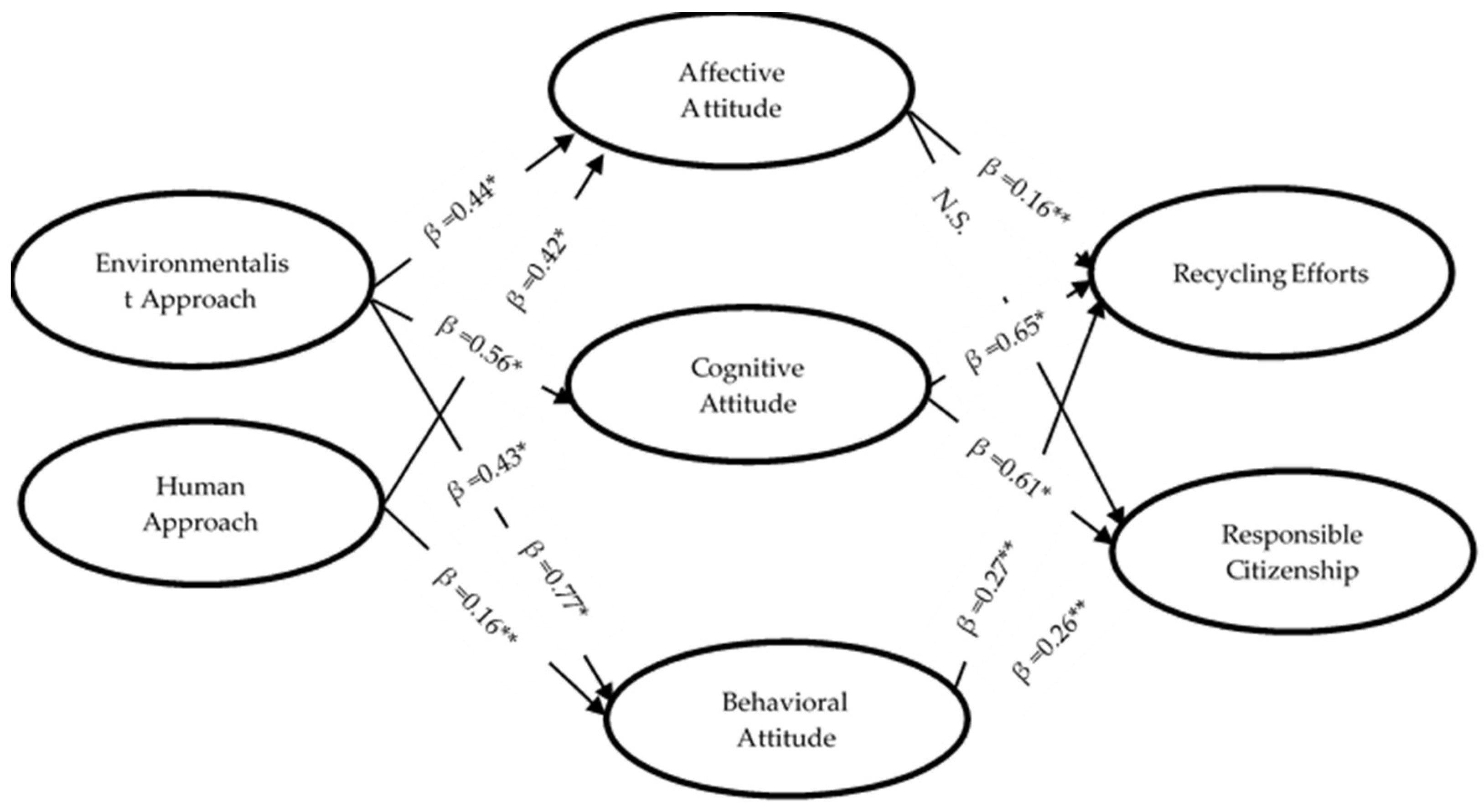
Figure 1. Path coefficients. * p < 0.001, ** p < 0.05 N.S.: No significant.
Sustainability 17 10660 g001
Table 1. Demographic characteristics of participants.
Variablesf%
Gender
Male20749.1
Female21550.9
Age
21–309923.5
31–408620.4
41–508720.6
51–607818.5
61 or more7217.1
Marial Status
Married16839.8
Single25460.2
Status
Research Assistant8019.0
Lecturer7718.2
Assist. Prof. Dr.9322.0
Assoc. Prof. Dr.8921.1
Prof. Dr.8319.7
Table 2. Confirmatory Factor Analysis Results.
Factors/ExpressionsStandard Deviationt-Value R 2 CRAVECA
New Environmental Paradigm
Environmentalist Approach 0.8890.6270.874
The population is growing at a rate that exceeds the carrying capacity of the world.0.787 0.61
People are overusing and consuming nature and natural resources.0.68014.66 *0.46
Animals and plants have at least as much right to life as humans.0.67514.54 *0.45
Although humans possess unique abilities such as intelligence, they are still subject to the laws of nature.0.58912.32 *0.34
Nature has a delicate balance that can be easily disrupted.0.83819.00 *0.70
If current consumption habits are not changed, we will face major environmental problems in the future.0.80618.10 *0.65
Human Approach 0.8410.6390.837
People have the right to change nature according to their own desires and wishes.0.768 0.59
Thanks to their intellect and creativity, humans will make the world livable in all circumstances.0.81020.76 *0.65
In fact, if we know how to use and develop it correctly, the world’s natural resources are unlimited.0.82121.14 *0.67
Eco-Recreational Attitude
Emotional Attitude 0.8780.5920.884
I enjoy participating in eco-recreational activities.0.80114.85 *0.64
Participating in eco-recreational activities gives me pleasure.0.80514.92 *0.65
Participating in eco- recreational activities brings me peace.0.87315.95 *0.76
Participating in eco- recreational activities is fun.0.66418.12 *0.44
Failure to comply with the carrying capacity (physical) of eco- recreational activity areas worries me about the loss of natural areas for future generations.0.686 0.47
Cognitive Attitude 0.9170.6140.926
Responsible local governments must regularly collect waste from eco-recreational activity areas.0.75817.41 *0.57
Signage must be present in areas where eco-recreational activities take place.0.77218.17 *0.59
Plants and animals must be protected while eco-recreational activities are being carried out.0.78518.74 *0.61
Even if eco-recreational activities restrict mobility, natural areas with sensitive structures must be protected.0.78618.78 *0.62
Eco-recreational activities contribute to economic growth.0.80018.70 *0.64
People do not have the right to harm the environment to gain economic benefits from eco-recreational activities.0.77718.02 *0.60
Eco-recreationists should be educated on the conscious use of natural resources.0.809 0.65
Behavioral Attitude 0.9270.5610.928
I avoid using motor vehicles when going to eco-recreational activity areas.0.68414.08 *0.46
I try to dispose of the waste I generate during my eco-recreational activities in recycling bins.0.79616.62 *0.63
I pick up litter I find on the ground during my eco-recreational activities.0.72414.97 *0.52
In my eco-recreational activities, I prefer to stay within the permitted area when using protected areas.0.80516.84 *0.65
In my eco-recreational activities, I consume organic food and beverages.0.68814.19 *0.47
I use recyclable materials (tools, clothing, etc.) in my eco-recreational activities.0.71014.65 *0.50
In my eco-recreational activities, I take care not to harm plants and animals.0.82017.18 *0.67
When participating in eco-recreational activities, I prefer to stay at environmentally conscious facilities (such as green hotels).0.81617.08 *0.66
I would like to purchase the food and beverages I consume during my eco-recreational activities from local producers operating in the area.0.68814.18 *0.47
I follow social media groups (Facebook, Instagram, Twitter, LinkedIn, etc.) focused on environmental protection and eco-recreational activities.0.740 0.54
Environmental Behavior
Recycling Efforts 0.8540.6650.845
I take waste such as newspapers and plastic bottles to recycling collection points.0.848 0.72
I return beverage bottles with a deposit.0.90723.57 *0.82
I put used batteries in appropriate collection boxes for batteries instead of trash cans.0.67516.43 *0.45
Responsible Citizenship 0.8250.6130.821
I send letters to the media about environmental issues.0.826 0.68
I participate in campaigns for the protection and cleaning of public places.0.77721.01 *0.60
I warn people who litter in public areas or harm the environment.0.74418.95 *0.55
* p < 0.001.
Table 3. Analyses for Hypothesis Tests.
RelationshipsβpHypotheses
H1a: Environmentalist approach → Affective attitude0.440.001Accepted
H1b: Environmentalist approach → Cognitive attitude0.560.001Accepted
H1c: Environmentalist approach → Behavioral attitude0.770.001Accepted
H2a: Human approach → Affective attitude0.420.001Accepted
H2b: Human approach → Cognitive attitude0.430.001Accepted
H2c: Human approach → Behavioral attitude0.160.032Accepted
H3a: Affective attitude → Recycling efforts0.160.029Accepted
H3b: Affective attitude → Responsible citizenship0.030.540Rejected
H4a: Cognitive attitude → Recycling efforts0.650.001Accepted
H4b: Cognitive attitude → Responsible citizenship0.610.001Accepted
H5a: Behavioral attitude → Recycling efforts0.270.048Accepted
H5b: Behavioral attitude → Responsible citizenship0.260.037Accepted
Disclaimer/Publisher’s Note: The statements, opinions and data contained in all publications are solely those of the individual author(s) and contributor(s) and not of MDPI and/or the editor(s). MDPI and/or the editor(s) disclaim responsibility for any injury to people or property resulting from any ideas, methods, instructions or products referred to in the content.



