Article

A Resilient Integrated Resource Planning Framework for Transmission Systems: Analysis and Optimization


1
Electricity Infrastructure & Buildings Division, Pacific Northwest National Laboratory, Richland, WA 99354, USA
2
Power & Energy Systems Department, Idaho National Laboratory, Idaho Falls, ID 83415, USA
3
Critical Infrastructure Security and Resilience Department, Idaho National Laboratory, Idaho Falls, ID 83415, USA
*
Author to whom correspondence should be addressed.
Sustainability 2024, 16(6), 2449; https://doi.org/10.3390/su16062449
Submission received: 2 February 2024 / Revised: 8 March 2024 / Accepted: 13 March 2024 / Published: 15 March 2024

Abstract

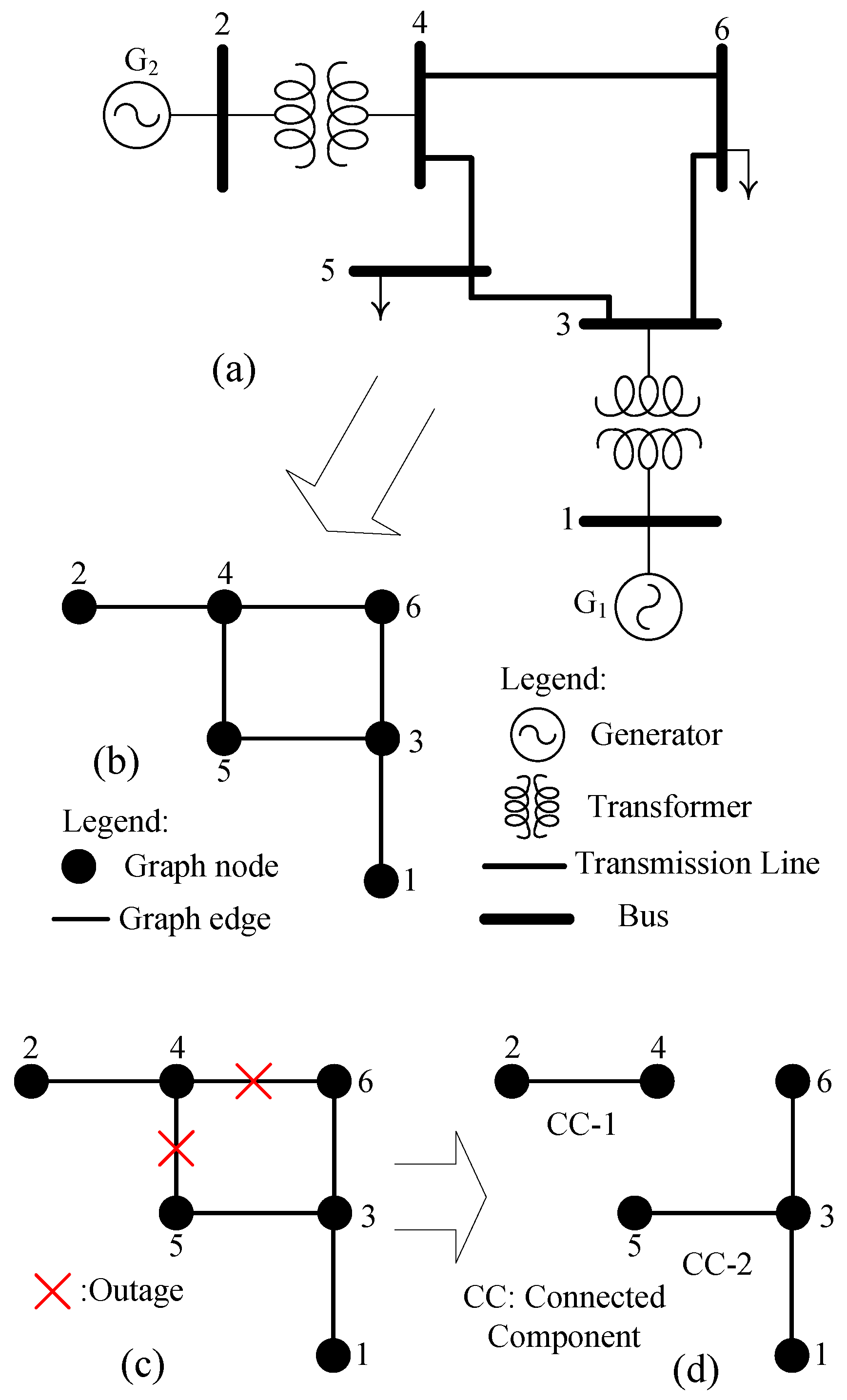
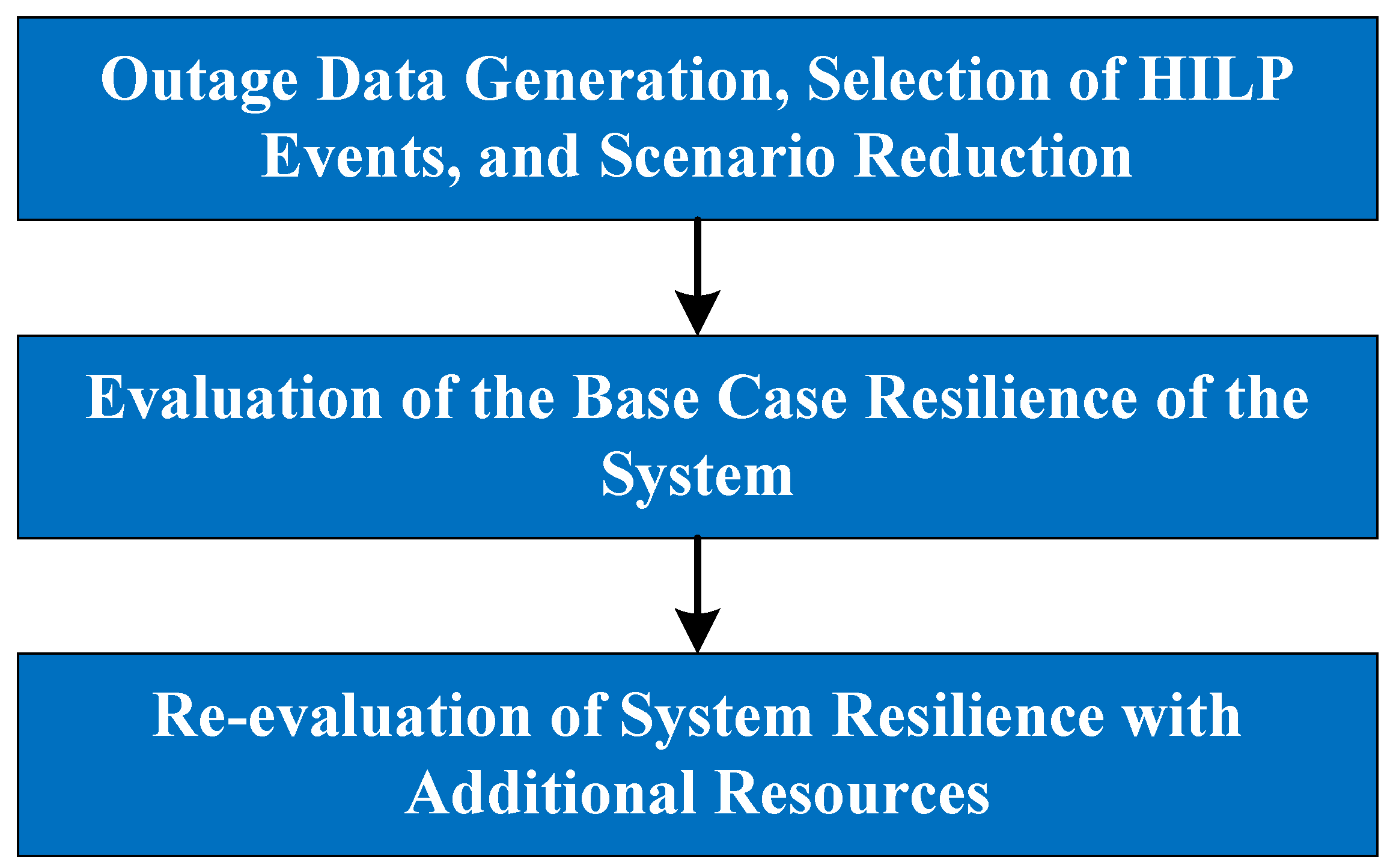
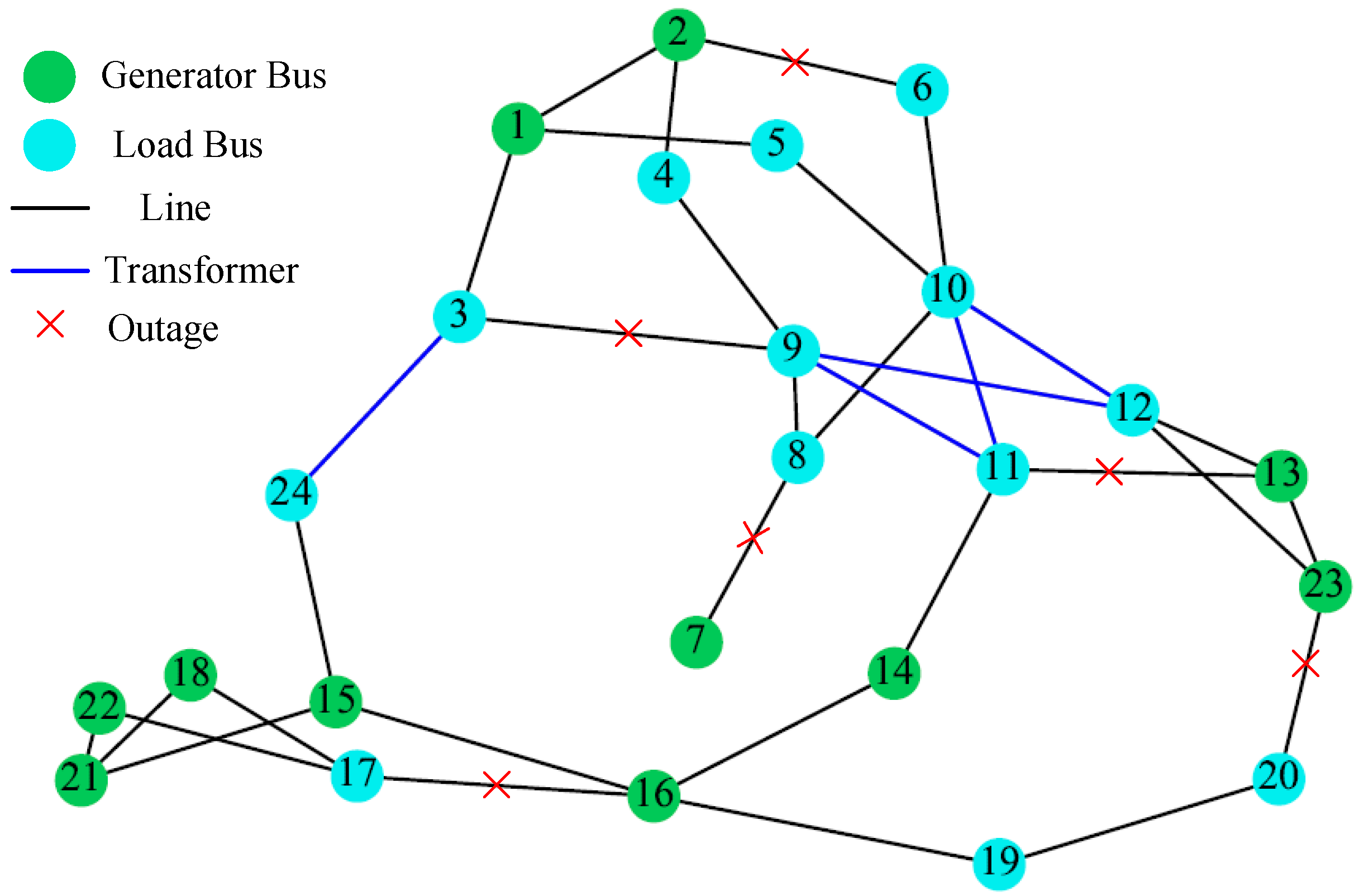
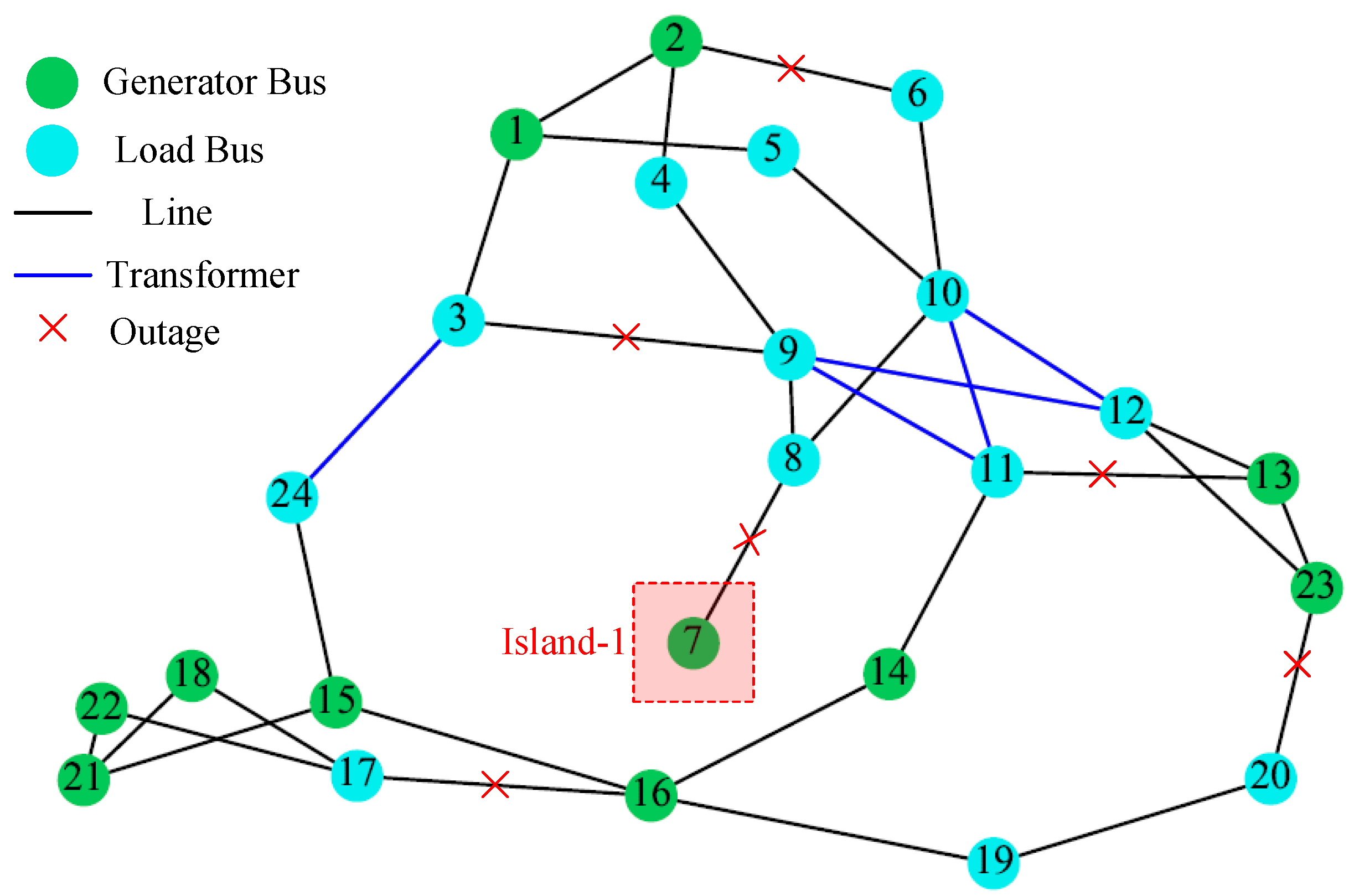
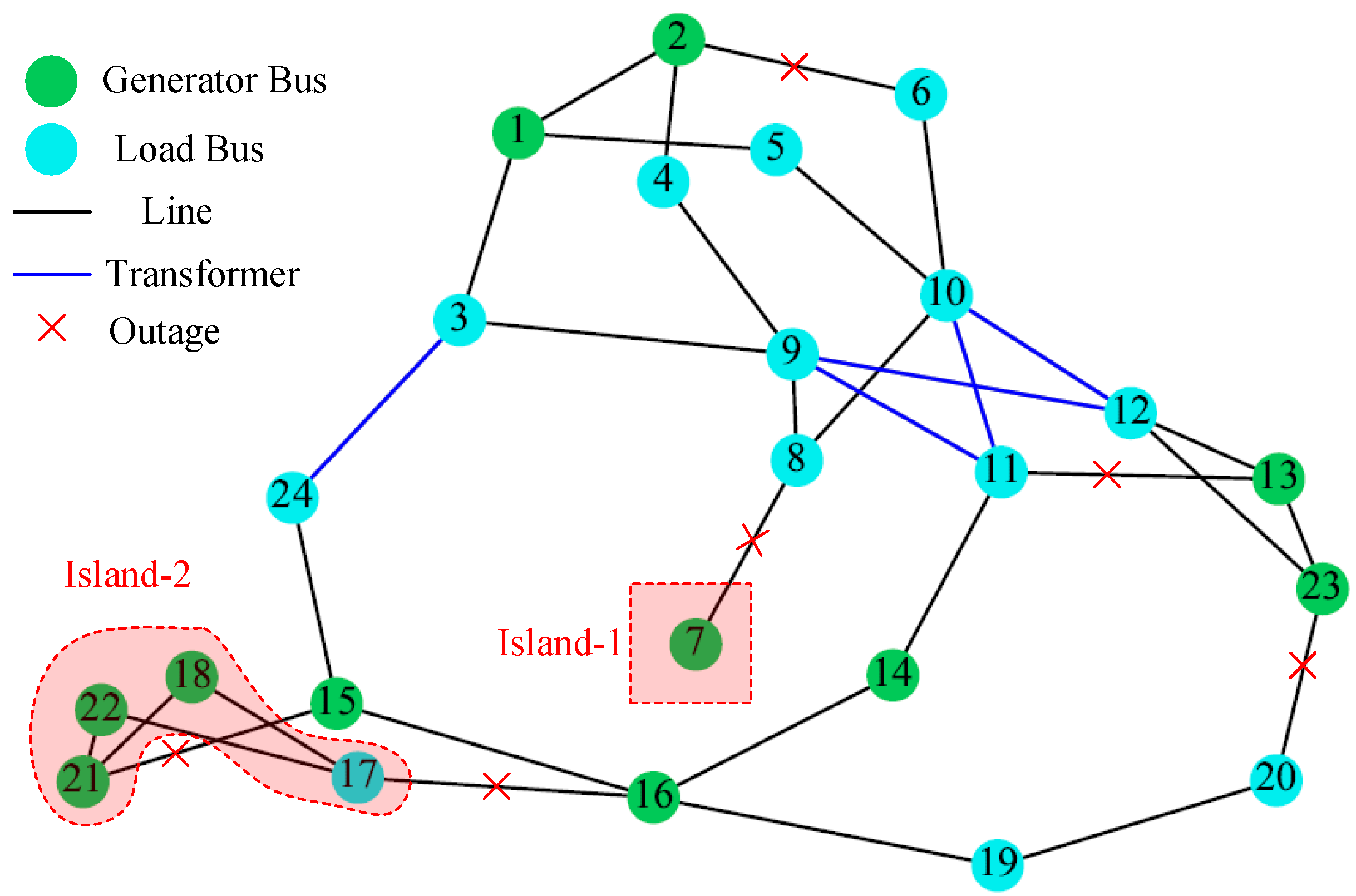
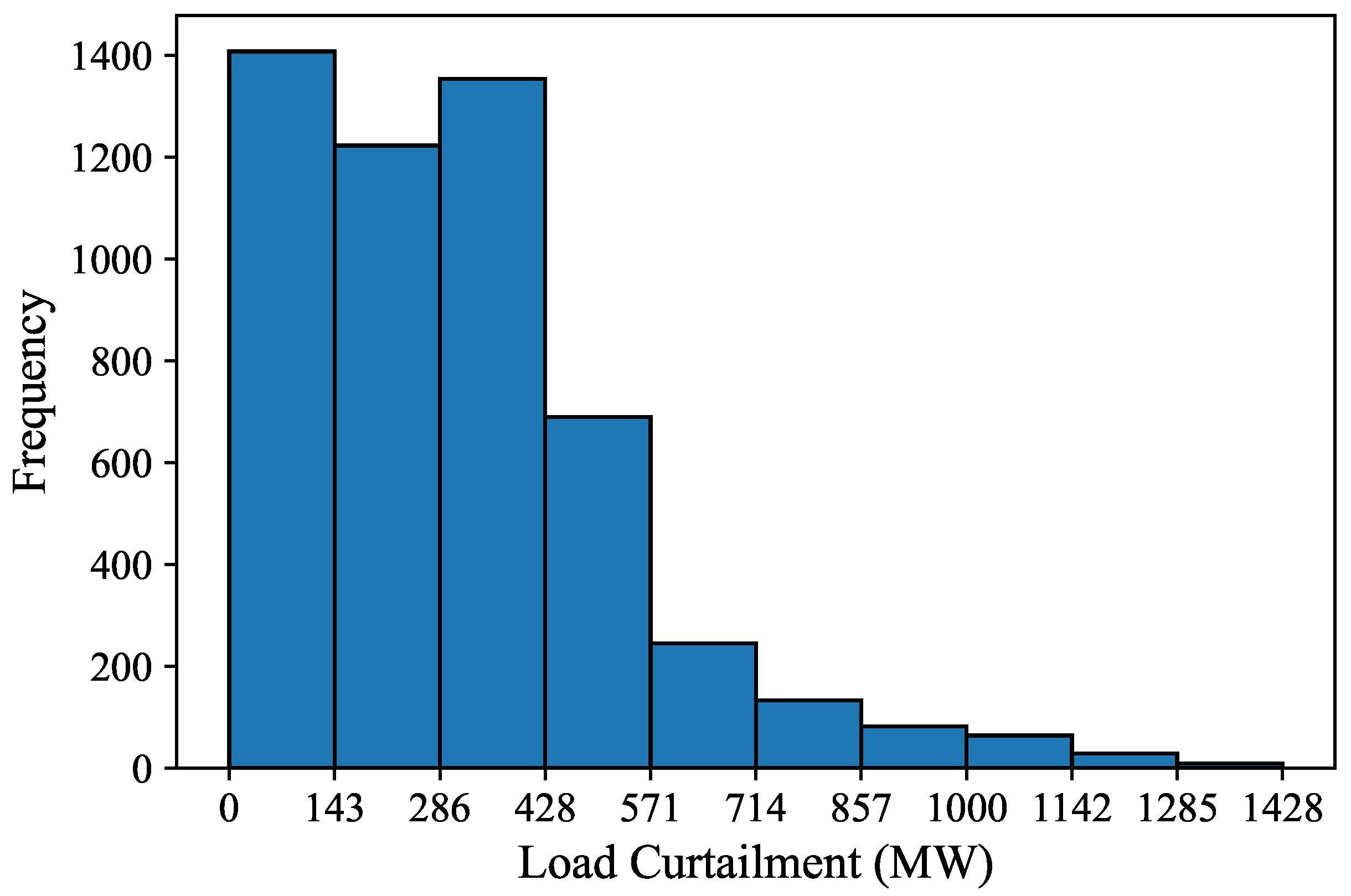
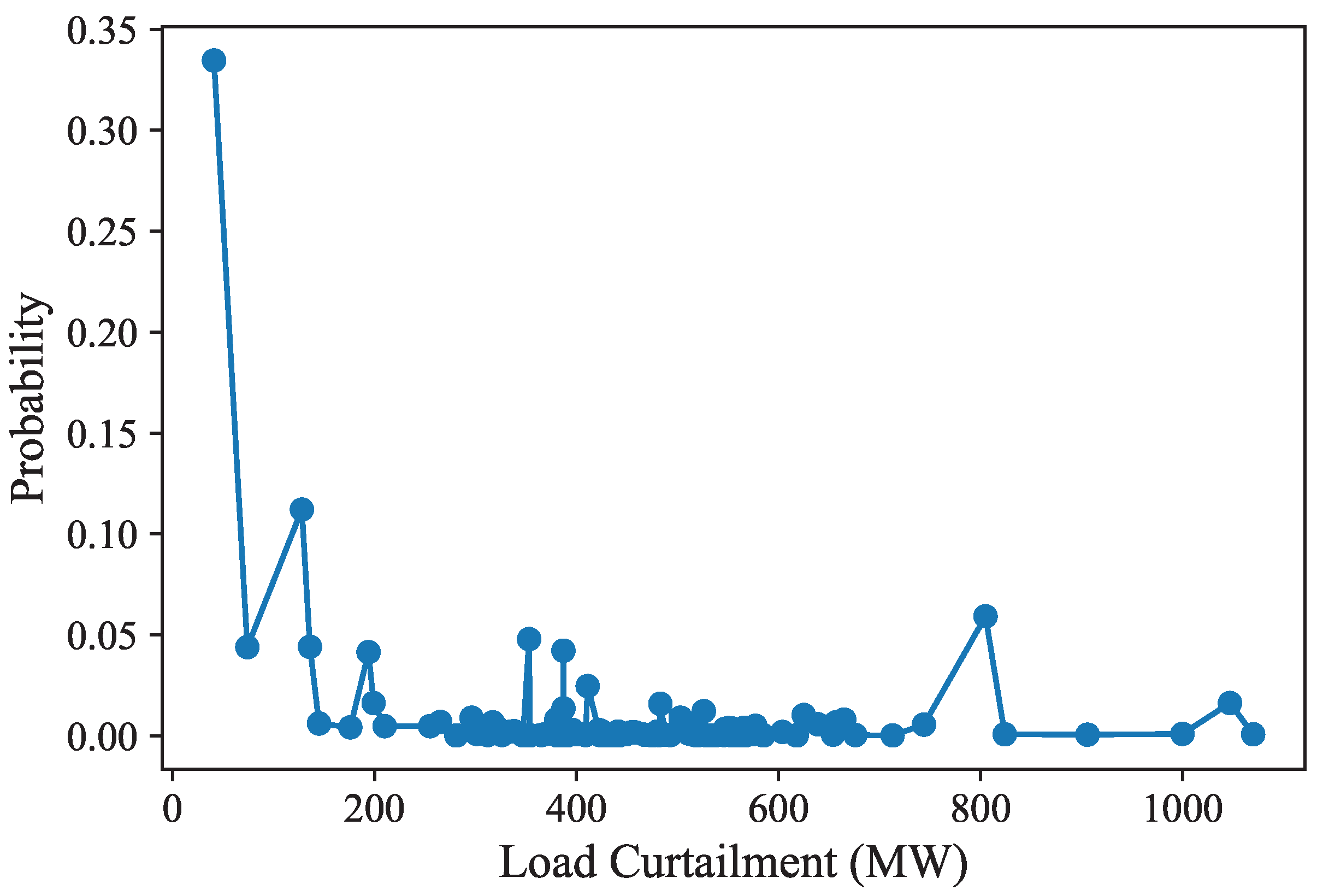
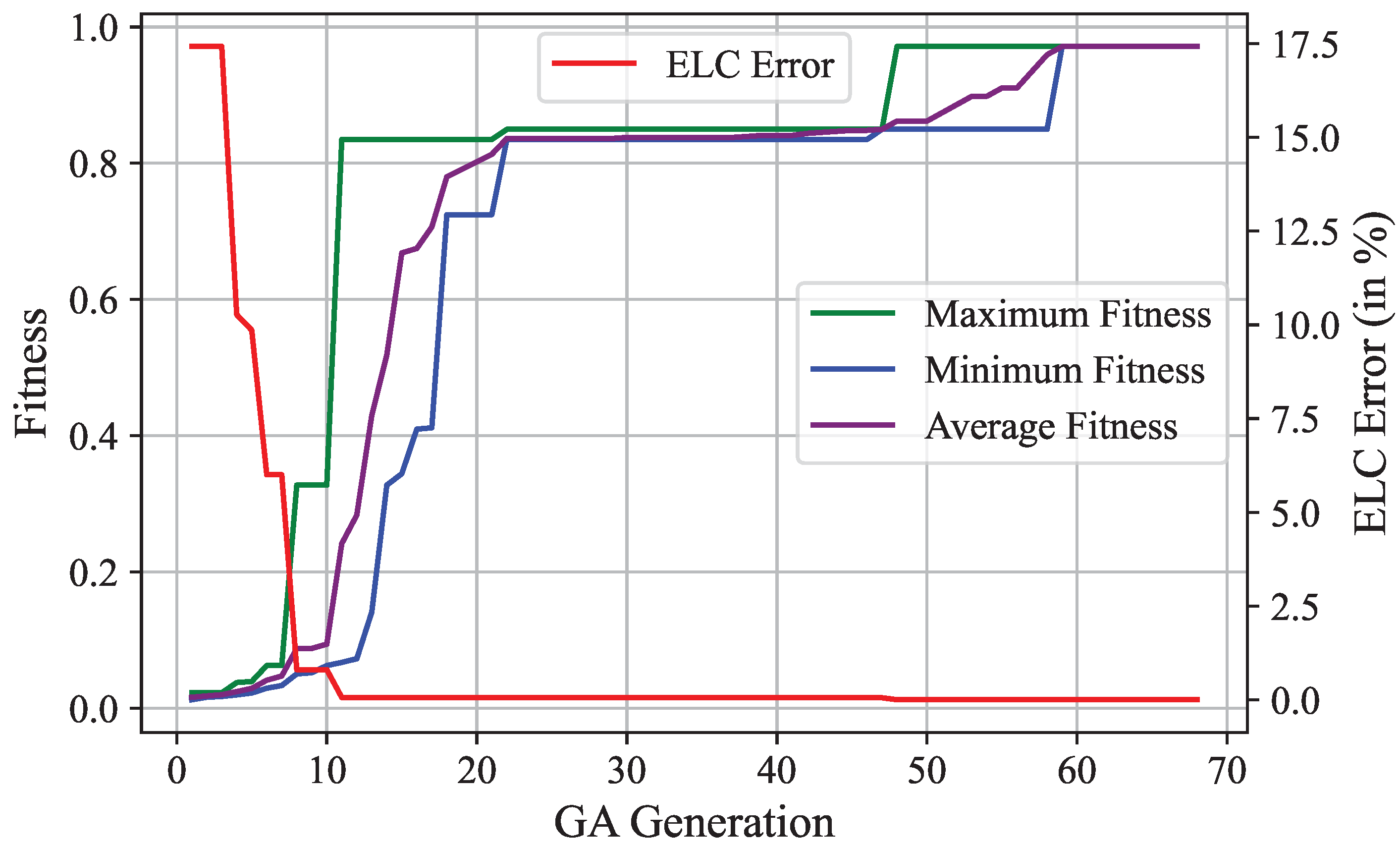
This article presents a resilient Integrated Resource Planning (IRP) framework designed for transmission systems, with a specific focus on analyzing and optimizing responses to High-Impact Low-Probability (HILP) events. The framework aims to improve the resilience of transmission networks in the face of extreme events by prioritizing the assessment of events with significant consequences. Unlike traditional reliability-based planning methods that average the impact of various outage durations, this work adopts a metric based on the proximity of outage lines to generators to select HILP events. The system’s baseline resilience is evaluated by calculating load curtailment in different parts of the network resulting from HILP outage events. The transmission network is represented as an undirected graph. Graph-theoretic techniques are used to identify islands with or without generators, potentially forming segmented grids or microgrids. This article introduces Expected Load Curtailment (ELC) as a metric to quantify the system’s resilience. The framework allows for the re-evaluation of system resilience by integrating additional generating resources to achieve desired resilience levels. Optimization is performed in the re-evaluation stage to determine the optimal placement of distributed energy resources (DERs) for enhancing resilience, i.e., minimizing ELC. Case studies on the IEEE 24-bus system illustrate the effectiveness of the proposed framework. In the broader context, this resilient IRP framework aligns with energy sustainability goals by promoting robust and resilient transmission networks, as the optimal placement of DERs for resilience enhancement not only strengthens the system’s ability to withstand and recover from disruptions but also contributes to efficient resource utilization, advancing the overarching goal of energy sustainability.
Keywords: high-impact low-probability events; integrated resource planning; optimization; resilience planning; resilience metrics; transmission systems high-impact low-probability events; integrated resource planning; optimization; resilience planning; resilience metrics; transmission systems