


Abstract
While individual SMEs may have a minor environmental footprint, their collective influence is characterized as significant. Through the dynamics of their employees, green human resource management can help SMEs reduce their environmental footprint. However, SMEs face difficulties in implementing such strategies and achieving sustainable business continuity. The current research aims to propose the theoretical framework of a business model that will help SMEs adjust to the new environment, address their sustainable goals and gaps in the field, and build a resilient, agile business ecosystem. To approach the research issue, we used the R-based Bibliometrix tool. Using the Scopus database, 368 papers were selected and analyzed as part of the study’s five steps. Bibliometric tools such as Biblioshiny, VOSviewer, and R Studio have been used to illustrate the findings. The study’s findings highlight a few different factors that will serve as the foundation for the proposed model. Green competencies, both natural and acquired, as well as the requirement to provide green motivation, are identified as critical for the development of the new business model. Furthermore, the combination of this set of factors contributes to the achievement of green organizational citizenship behavior, which is one of the most important factors in helping SMEs adopt green human resource management methods. Finally, all the above factors are under the wing of the principles of environmental management, which drive businesses to enhance and boost their environmental performance.
1. Introduction
For decades, the primary focus of business has been to pursue short-term financial objectives. During the industrial revolution and the population crisis, however, the inadequacy of this development model and the necessity for activities that respect the environment and society became obvious. The capacity to accept or reject any organizational policies determines how smoothly activities are carried out. Employees are an essential part of every business. Active participation and organizational actions, such as incorporating environmental projects into daily operations, may have a substantial influence on the work environment. Workers are critical to a sustainable company environment due to their attitudes toward environmental measures [1]. Employee behavior that is characterized as pro-environmental behavior (PEB) contributes to decrease a company’s environmental footprint, which reduces future environmental degradation and climate change. PEB promotes consistency in the organization’s socially and ecologically responsible aims, which helps to the organization’s long-term success and development [2]. The direct effects of voluntary PEB contribute to decreased energy and raw material consumption, pollution, and waste, while indirectly impacting the identification of environmental damage to facilities and equipment, as well as the modification of ecological practices in the business [3,4].
Green human resource management has the potential to influence both voluntary and mandated employee pro-environmental behavior (PEB) by acting as a guiding mechanism for organizational workers to engage in green behaviors aimed at conserving organizational resources and thus contributing to corporate sustainability [5,6]. GHRM is a groundbreaking management concept and pattern that applies the “green” concept to human resource management to achieve the strategic aim of corporate environmental management via the use of green management practices. It is an essential component of a green management system [7]. Green recruitment, green training, and environmental performance are examples of complementary and coordinated practices aimed at cultivating green values, knowledge, and skills while also encouraging employees to participate in corporate social responsibility activities and, as a result, corporate environmental performance. Since the concept’s inception, the amount of research dedicated to studying the impact of GHRM has expanded [8]. According to current research, green job analysis, green hiring, green performance evaluation, green training, and green awards significantly improve corporate green performance. Many experts believe that environmentally friendly initiatives and environmental management practices cannot be adequately implemented without GHRM [9,10]. GHRM reflects human resource management in environmental management by highlighting the importance of human resource management in pollution prevention, control, and environmental protection in business operations. As a result, GHRM is becoming a prominent issue in corporate environmental management.
Even though the number of SMEs has recently expanded worldwide, only a few of them have sought to include green human resource management practices into their plans [11]. In this sense, it appears that obstacles fluctuate depending on the size of the company. Compared to large organizations, small- and medium-sized firms (SMEs) face distinct obstacles when it comes to green HR uptake. However, several impediments are shared by all businesses, regardless of size. The most common is a lack of understanding of green policies and principles [12,13]. This issue might be the result of inadequate and poor corporate communication. It might also be attributed to a lack of environmental education and awareness. In addition, green HR practices may be hampered by a shortage of financial and human resources. Such restrictions would have a direct impact on the capacity to carry out long-term operations and initiatives [9].
As a result, the goal of this study is to lay the theoretical groundwork for a new business model that would aid SMEs incorporate green human resource management practices into their systems. Furthermore, the proposed strategy would be based on notions of environmental and agile management. The primary goal of environmental management is to keep people healthy and to establish a safe workplace. Furthermore, environmental management in the workplace is linked to organizational management. The notion of environmental management in the workplace requires clear protocols, expertise, task distribution in the workplace, and employee participation. Moreover, employees should adhere to agile management archetypes to comply with the new model of green human resource management as quickly as feasible. The term “agile human resource management” refers to the implementation of agile concepts in the HR department [11,14]. It is about being adaptable to change and aware of the needs of the environment. This method is becoming increasingly common as businesses attempt to become more adaptable and responsive to a constantly changing business environment.
To approach the issue of the current study, a six-step methodological approach based on bibliometric analysis was applied. The findings of the bibliometric analysis are used to map the theoretical foundation of the subject area and to identify prospective future research areas. Furthermore, bibliometric analysis revealed the worldwide author cooperation network while detecting and analyzing research clusters that emerged in the issue under review. The procedure culminates with a data synthesis and recommendations for further research. The bibliographic information of 368 articles published between 2011 and 2022 was obtained from the Scopus database and assessed using R package tools such as Biblioshiny, VOSviewer, and R Studio.
The body of this study has been structured as follows. The review of the literature is presented in Section 2. Section 3 describes the materials and methods that were applied to address the research topic. Section 4 illustrates the bibliometric analysis’s results, whereas Section 5 discusses the findings and provides a list of limitations as well as proposals for further research. Section 6 concludes the paper.
2. Green Human Resource Management and SMEs: A Theoretical Review
Companies’ commercial plans and activities will shift toward a more ecologically focused agenda, requiring HRM to adapt and widen its area by adopting environmental management policies to modify the way it executes its core responsibilities. Human resource management, according to academics, has the power to assess and affect employee sustainability-related behavior, attitudes, knowledge, and motivation. As a result, corporations may efficiently leverage human resources to execute ecologically friendly strategies. “Green HRM” refers to the implementation of HR policies that promote the efficient use of resources inside enterprises. Quite often, the term “green human resource” refers to people management policies and practices that are concerned with the entire business environmental strategy. As Mandip (2012) mentions, the term refers to the utilization of every employee touchpoint or interaction to promote sustainable behaviors for increasing the employee’s understanding and commitment to sustainability concerns [15]. Green human resource management entails implementing green HR initiatives that increase efficiency, lower costs, and improve employee engagement and retention, thereby assisting organizations in reducing employee carbon footprints through strategies such as electronic filing, shared car use, video conferencing, virtual interviews, recycling, telecommuting, and so on.
Indeed, academics in the field underline that the workforce is critical to the success or failure of an organization’s ecological operations. Thus, practices on green human resources are crucial not just at the organizational level, but also at the personal level. As an employee has a private life in addition to a professional one, environmental consciousness on one of the two levels aids and encourages the other. Furthermore, green human resource management can help in enhancing competitive advantage from existing possibilities in changing markets and minimizing labor turnover as employees are more satisfied with the company. Moreover, the following arguments demonstrate the need and requirement for firms to embrace green human resource management practices [8,16]. First, adoption of green human resource management practices within the business can lead to the enhancement of human resources. This is due to the fact that the expanding green economy creates workforce development demands, which benefits employees. Furthermore, because employees are more involved and give more inventive solutions to business challenges connected to dynamic change, the new model aids in fast HR problem solving. Moreover, green human resource management aids in the retention of personnel, since human resources want to work for organizations that adhere to the philosophy of green enterprises that adopt strategies which are eco-friendly. Furthermore, green human resource management strategies assist firms in improving their environmental performance [17,18].
As a result, green human resource management is a win-win strategy for both people and businesses. By implementing this strategy, a corporation may be able to successfully recruit and retain high-quality employees through rewards and engagement in the workplace. This can improve employee happiness and productivity. All the above may be achieved with the right help and direction provided through strong leadership, emotional support, improved possibilities for professional growth, opportunities that make them feel empowered, and flexible hours, resulting in better work-life balance. A green psychological environment, on the other hand, is required for the effective implementation of green human resource management practices inside a company. A “green psychological environment” is a social and psychological process in which green human resource management impacts workplace green behavior [3,4]. Individuals’ subjective judgments of features of their work environment are represented by the psychological climate. In the literature, the “green” climate is described as the climate found in companies that achieve long-term goals by engaging in a variety of ecologically beneficial activities. As a result, a “green psychological climate” refers to an individual’s view of the firm’s ecologically friendly policies, processes, and practices, which exemplify the green ideals of the business. Furthermore, psychological climate may be defined as the result of workers’ social interactions, in which employees develop the values of organizational norms, practices, and processes that they confront and follow in the workplace [19]. Recent studies on the green psychological environment revealed that a favorable green psychological climate had a considerable influence on employees’ in-role and extra-role green conduct [20,21,22]. Furthermore, studies show that if workers communicate things in the same way that a corporation does, the former will consciously follow the latter’s desired purpose and strategy. Employees who feel the company’s environmental plan is sound are more inclined to engage in autonomous environmental activities.
Scholars are primarily interested in researching green human resource management practice adoption in small- and medium-sized organizations, which account for more than 95% of all enterprises and approximately two-thirds of employment in OECD nations. SMEs have the potential to be important drivers of “green innovation” or of creative approaches for minimizing environmental impact through company operations due to their modest size [23]. Although SMEs’ individual environmental footprints are smaller than those of larger enterprises, their overall impact can exceed that of many large corporations. As a result, minimizing the negative environmental impacts of SMEs may be a first step toward greening the economy [24]. Therefore, becoming green may provide SMEs with instant benefits both internally (e.g., better staff ethical behavior) and globally. SMEs confront a variety of hurdles in implementing green practices into their operations, which can be sluggish and challenging at times, regardless of their exact size and industrial sector(s). SMEs reported a broad readiness to participate in voluntary environmental initiatives as long as the method was not prohibitively expensive or difficult [25,26]. Many SMEs, however, are unaware that there are several financially appealing possibilities for environmental growth, including tax rebates and government incentives. Usually, these SMEs are frequently obsessed with growing output and focused entirely on product outputs. A lack of requisite skills and knowledge usually prohibits SMEs from capitalizing on new prospects, even when they are typically aware of the possibility of increased competitiveness [27].
The following are the main challenges that SMEs face when implementing green business practices: (i) Organizational or managerial; (ii) Technological; (iii) Financial and economic; (iv) External partnership and stakeholder engagement; (v) Government support; (vi) Market and customer barriers; (vii) Knowledge- and information-related barriers [24,28]. Organizational or managerial barriers are typically caused by management’s lack of commitment to green practices, since they want to run a business in the usual manner and strive to avoid unintended risk from innovation. Furthermore, financial and economic considerations may act as both a motivator and a deterrent to using green business approaches for green human resource management. While financial incentives to cut expenses may drive some SMEs to embrace green practices in human resources, the cost of investing in such practices often prevents SMEs from adopting such strategies [28,29]. Thus, the goal of this study is to propose a theoretical foundation for a business model that would aid SEMs in overcoming any impediments and effortlessly moving from traditional human resource management to green human resource management.
3. Materials and Methods
Bibliometric analysis is a popular research method among researchers and academics globally because it allows management of vast volumes of data while still producing high-quality research findings. This method seeks to categorize academic articles on a research topic by analyzing and categorizing scientific materials using a set of criteria [30,31]. We conducted our present study’s research using Bibliometrix, which provides all of the tools required to do a thorough bibliometric analysis in line with the science mapping workflow [32,33]. Its fame originates from several factors, including the development, availability, and application of various bibliometric tools included in the R package, a code-generating language used for statistical calculation and visualization. Biblioshiny, a software-based bibliometric tool, and the VOSviewer program were also utilized. The first step in doing a bibliometric study was to obtain the necessary data from the Scopus bibliographic database. The data were then entered into R studio, the R environment used to analyze the study subject and export dynamic graphics.
3.1. Bibliometric Analysis
To address the study’s topic, a bibliometric analysis involving six steps was applied in the current study (Figure 1). Step 1 refers to the information gained via significant literature research. The second step is divided into two parts: the first part, which is presented as 2a, focuses on a comprehensive evaluation of the field through bibliometric citation analysis; the second part, 2b, presents a network analysis to identify the most impactful journals, scientific documents, affiliations, and authors, with the goal of highlighting the global network of academic collaboration. The content analysis is shown in Step 3, and the bibliographic correlation analysis is shown in Step 4. Step 5 includes cluster analysis, which combines MCA and factorial analysis. Step 6 concludes the research by summarizing the findings and contributes to the creation of a new typology in green human resource management that will aid enterprises in adjusting to changing environmental conditions and employee expectations.
Figure 1.
Workflow of methodology. Source: Authors’ elaboration.
After retrieving the bibliographic data of 368 scientific documents from the Scopus database, a set of different bibliometric citation analysis measures were used to achieve the following objectives: (i) Test Lotka’s law; (ii) Present an overview of research trends; (iii) Investigate the most relevant and impactful journals and scientific documents, as well as the most influential authors globally; (iv) Develop the thematic map; (v) Develop the collaboration world map. Lotka’s rule governs how frequently writers publish in scientific journals. Lotka’s law holds that, whereas many writers only produce one paper, a tiny number of authors are extremely productive in any scientific subject. According to Lotka’s law, the number of writers who publish x number of publications is about 1/xb of those who participate in only one scientific effort [34,35,36,37]. As a result, a high b value implies more author concentration, whereas a low value shows a lack of a certain group of writers in a given scientific area. Lotka’s formula is as follows:
where
xn × y = c,
c is a coefficient of determination;
y represents the relative frequency of authors with frequency x number of articles;
n represents a constant exponent for a particular set of data;
x is the number of published papers in the subject.
A three-field plot or Sankey diagram, in addition to Lotka’s law, has been developed to explain the relationship between journals, keywords, and countries [34,35,38,39]. Furthermore, the underlying research cluster was investigated, and a map of current research trends was developed by using bibliographic coupling analysis. The multiple correspondence analysis (MCA) approach was eventually fulfilled, with the main objective of analyzing the bibliographic data and integrating it into a set of components. Authors can apply this method to emphasize the research trend in a certain scientific area and summarize the bibliographic data.
3.2. Data
In the context of the current bibliometric analysis the data were acquired form the Scopus database. Elsevier launched Scopus in 2004; Scopus serves as a repository for scientific reports from various research areas. The database of Scopus is one of the world’s largest “peer-reviewed” databases, which includes around 24,000 academic journal titles and covers a wide range of areas with important research interests, such as the life, social, and health sciences. Additionally, Scopus has more than 230,000 book titles and over 10 million conference papers.
The keyword search is presented and explained in depth in Table 1; the bibliographic data were obtained from Scopus in December 2022. In Step 10, a final keyword with five parts emerged. Green human resource management-related articles were considered in the first portion (“green human resource management” OR “sustainable human resource management” OR “green human resource” OR “sustainable human resource”). The second portion of the research equation (“corporate governance» OR «governance» OR “sustainable governance”) presents the link between green human resource management practices and corporate governance while indicating the evolution of the conventional term to that of sustainable or green corporate governance. Green or sustainable corporate governance can be characterized as a multidimensional aspect of sustainable development that necessitates a planned and participative approach to foster the sustainable management of a company. In addition, the third part of the formula (“sustainable work” OR “green job”) demonstrates the importance for employees of working in a sustainable work environment. A sustainable or green work environment can contribute to the creation and development of living and working conditions that encourage employees to engage in and stay in employment for a prolonged period. Moreover, the work environment should be transformed and modified in order to restrict or eliminate the barriers that may discourage or prevent employees from entering or remaining in the labor force. The fourth component of the research formula (“employee environmental behavior”) illustrates the interplay of the organizational environment, environmental awareness, and environmental motivation results in pro-environmental behavior among employees. The notion of the dynamic interaction between employees and the organization is referred to as psychological distance. The fifth and last element of the Boolean function (“small enterprises” OR “medium enterprises”) highlights the need of SMEs to come up with better strategies for greening the environment by ensuring green performance, through the dynamic and contribution of green human resource management. Following the purification of the study, 368 papers were retained for review and bibliometric analysis. All other document types (conference paper, review, book, book chapter, editorial) were removed because only articles were included in the chosen papers. Only publications published between 2011 and 2022 were included in the analysis. The bibliometric search data were coupled with the following information: (i) The paper title; (ii) The date of publication; (iii) The major author details (name/s and affiliation/s); (iv) The article title; (v) The authors’ keywords; (vi) The abstract; (vii) The number of citations. R Studio’s Biblioshiny packages and VOSviewer were used to analyze and display the data. Both tools included graphs and maps, such as topic maps, nation cooperation maps, and network visualizations that showed the study situation and the dynamics of the new information management model which enhances the operational performance of businesses globally.
Table 1.
Keyword search process in Scopus database.
4. Results
The purpose of this study is to emphasize the importance of green human resource management and to present a theoretical framework for a business model that would assist SMEs in achieving green performance and building a sustainable, resilient, and agile ecosystem. The examined sample contains 368 relevant studies published between 2011 and 2022. These publications were produced by 690 people and received an average of 6.706 citations. Most of the authors (97.1% of the total) are part of multi-authored research (670 authors), while single-authored studies account for just 2.9% of the total (20 authors).
4.1. Green Human Resource Management in SMEs: A Discrete Research Domain
Lotka’s approach was used to assess authors’ scientific production (Table 2). According to the findings, 589 authors in the field of green human resource management strategies within SMEs contributed to one scientific paper, while just one author contributed to a maximum of eleven published articles in the subject area. Thus, the subject of Green Human Resource Management and the adoption of green practices by SMEs may be defined as a distinct scientific domain with a high degree of authorship concentration.
Table 2.
Author productivity through Lotka’s Law.
4.2. Annual Scientific Publication and Timespan Trend
Figure 2 depicts the number of studies conducted on the subject of green human resource management inside SMEs, as well as the techniques created to assist them in achieving green performance. Prior to 2017, there was little development in research, but after 2018, publications began to surge. To be more specific, just 23 papers were published over the first 7 years of the research (2011–2017), far fewer than the 224 publications published during the previous 5 years (2018–2022). The year 2021 had the most publications, but 2022 seems to have a large number of articles as well, as indicated by the statistics in Figure 2. This illustrates that there is a continual growth in academic interest in the need for SMEs to transition from the conventional human resource management model to that of green or sustainable one. Furthermore, Figure 2 displays the influence of published papers by the number of citations (TCpY and TCpA) in the study domain each year. The first index shows the total citations per year, whereas the second presents the total citations per article. Both indicators highlight that there are few citations for recent scientific papers, which is due to the fact that new research takes time to sink in and has an impact on the academic community.
Figure 2.
Annual research growth (TCpY: total citation per year, TCpA: total citation per article). Source: Scopus/Biblioshiny.
4.3. Most Influential Journals, Institutions, Authors, and Documents
Table 3 lists the journals that published the most papers on green human resource management and its impact on SMEs between 2011 and 2022. From 2011 to 2022, the “Journal of Cleaner Production” and “Sustainability,” two frontier journals with the most papers published in the study area (26) each, had a significant impact on the corpus of knowledge on green human resource management. With 15 articles, the magazine “Business Strategy and the Environment” came in second, while the “International Journal of Manpower” came in third with 12 published scientific studies. Furthermore, the journal “Corporate Social Responsibility and Environmental Management” has published eight papers in the topic under investigation. Finally, by publishing seven papers on green human resource management, the “International Journal of Human Resource Management” rounded out the top five research-related publications. Scopus, Scimago, and ABS List have indexed many of the most widely read papers on green human resource management and its impact on SMEs’ long-term success.
Table 3.
Most relevant resources in the research field.
Table 4 presents the most significant affiliations for disseminating research on green human resource management and its contribution to developing employee environmental consciousness, which can contribute to improved long-term performance of SMEs. The top five institutions, which account for the vast bulk of research-related publications, have offices in a variety of places. China’s Xi’an Jiaotong University has published the most (16 research publications) about green human resource management. Montpellier Business School, and Universiti Malaysia Terengganu are rated second and third, respectively, with twelve published articles. The University of Otago is ranked third, with the most relevant affiliations in the topic field. However, the majority of the most relevant affiliations for the current study’s research subject are Malaysian. This is due to the fact that many corporations have relocated their operations to Malaysia, which has the potential to break through barriers. As a result, human resources are one of Malaysia’s industries with the most continuous development. Actually, it provides a wide range of job opportunities each year. Moreover, human resource programs in Malaysia provide training and development courses to help employees prepare for a career in this dynamic, people-focused industry. Malaysia, with thirteen states and three federal territories, is also a cultural melting pot. It has proved to the rest of the world that it is an accurate picture of all races and ethnic groups coexisting together in a multicultural setting. As a result, researchers and scholars from Malaysian universities are interested in researching disciplines that will assist employees in SMEs in finding numerous career paths and professional positions as well as increasing their environmental consciousness via green human resource management.
Table 4.
Most relevant institutions.
Based on the results of the bibliometric study of the most influential authors in the research field, Table 5 displays the authors with the greatest effect on the research community of the researched topic area. The third column of Table 5 displays the measure of articles fractionalized by individual authors, which shows the percentage of their co-authored publications. Jabbour C.J. is the most influential author in the subject field, according to Table 5, followed by Guerci M. Jabbour Cjc’s scholarly paper, “Green Human Resource Management and Green Supply Chain Management: Linking Two Emerging Agendas;” this is one of the most significant in the field of green human resource management. This is the first time that a scientific paper has integrated research trends, such as green human resource management and operational management, in human resource management.
Table 5.
Most impactful authors.
Finally, Table 6 summarizes the most important scientific papers on green human resource management and its impact on the promotion of environmental consciousness among SME employees. The following table contains scientific publications based on both qualitative and quantitative research. Some of the most prominent scholarly publications focus on the sustainability pillar and its influence on human resource management. Furthermore, there are articles that support the assumption that the green human resource management model is at the top of business agendas, while others investigate employee attitudes toward sustainability and their desire to implement green practices. However, neither study has addressed the relevance of green human resource management in SMEs or the establishment of a business model that would aid SME employees in developing their environmental awareness and implementing green strategies.
Table 6.
Most impactful scientific articles in the field of green human resource management.
4.4. Network, Content, and Cluster Analysis
The visualization of the relationship between authors, countries, and keywords can provide unique insights into the scientific community. Figure 3 shows a three-field plot, also known as Sankey diagram, that displays the interaction between the most relevant authors (left), nations (middle), and keywords (right) in the research area of green human resource management. Malaysian scholars, according to the findings, are primarily concerned with issues such as green human resource management and sustainability. Additionally, Chinese academics appear to be experts in green human resource management, sustainability, and corporate social responsibility. The Chinese economy is rapidly developing, with far-reaching environmental consequences. As a result, scholarly interest in the investigated subject has grown.
Figure 3.
Three field plot or Sankey diagram. Source: Scopus/Biblioshiny.
Furthermore, Figure 4 depicts the authors’ geographical collaboration in the study disciplines of information management and big data analytics. This scientific collaboration was exhibited utilizing the program Bibliometrix, often known as Biblioshiny. The purpose of this geographical collaboration study is to show the social structure of the research community on the topic at hand. The network’s nodes represent the writers, while the links indicate their collaboration. According to the map, Europe is the birthplace of the great majority of scientific collaborations in the sector. Europe, India, and Australia are linked via the most dependable scientific channel. Scholars from Latin America and Europe have also established significant scientific links. The British, in particular, are linked with experts in Latin America, India, and China in green human resource management and its contribution to the promotion of environmental consciousness among employees in SMEs. Furthermore, the bibliographic coupling map, which is provided in Figure 5, validates the academics’ collaboration.
Figure 4.
Collaboration map. Source: Scopus/Biblioshiny.
Figure 5.
Bibliographic coupling based on documents. Source: Scopus/VOSviewer.
Keyword analysis, an important component of network analysis, is a helpful method that delivers insightful information for a research area. Keyword analysis is used to district the research trends within a study field. Figure 6 illustrates a network representation based on the co-occurrences of the authors’ keywords. The co-occurrence of authors’ keywords was displayed with the use of VOSviewer. This software aids in the mapping of the bibliometric network. Each circle in the graph indicates a co-occurrence case. The wider the circle, the more frequently the terms appear together. The circles of the same color indicate a cluster of keywords, and the lines connecting the circles reflect the keywords’ association. There were 72 keywords that appeared and were classified into 5 clusters. Cluster 1 (red color) relates to “Environmental management and green human resource management”. This relationship indicates that HR management should be a fundamental pillar of activity for environmental management by combining organizational and HR development [52,53]. In this point, managers must play a critical role in winning over employees’ hearts and minds when it comes to environmental sustainability goals. Green mentoring, green coaching, and green cross-organizational networking are some of the most important strategies of green human resource management. To prevent the hazards of unconscious prejudice, training in environmental management or in the production of creative ideas is also encouraged, as is fostering information transfer across employees. Cluster 2 (green color) is related to the topic of “Green human resource management sustainability”, which highlights the way that SMEs can achieve sustainable HR. Moreover, sustainable green human resource management practices enable an organization’s internal and external stakeholders to meet their financial, social, and environmental goals. Furthermore, sustainable approaches can avoid unexpected repercussions and negative feedback, while aiming for outcomes that match stakeholders’ expectations. The third cluster (purple color) relates to “Green human resource management and environmental performance”. For example, employee training is crucial for equipping them with the knowledge and skills required to make educated decisions regarding green HRM practices. As a result, they will be inspired to apply green HRM practices. Moreover, green HRM practices include another critical component: green training and development. The process of preparing multi-talented persons to enhance the teaching required for innovations is known as training. Green HRM techniques involve providing personnel with fundamental competencies such as educating them on how to collect waste information and raising the company’s efficiency and environmental competency standards. Employees’ desire to participate in environmentally friendly activities requires environmental education. Training may assist employees in learning about different issues and challenges in the workplace, enhancing and improving their talents, and motivating them to complete their activity [54,55]. Thus, the above shows a direct relationship between practices of green human resource management, such as green training, and the enhancement of environmental performance. Cluster 4 (blue color) refers to the motivations that can help employees increase their awareness regarding the environment and the practices of green human resource management. The cluster indicates the importance of “green creativity in the workplace for achieving human resources management practices" [56]. The association among GHRM and environmental performance has been clearly described previously. The current study highlights another crucial issue related to that of green human resource management practices; it involves the motivations that can be offered by SMEs to help employees focus more on the adoption of green human resource management strategies. One important factor is to increase “Green creativity” of the human resource [57,58,59]. Green creativity can be understood as the innovative ideas necessary for the development of environmentally friendly goods, services, and processes. SMEs can follow strategies that help push more GHRM to foster and encourage green creativity [60]. Finally, cluster 5 (yellow color) is related to the method that experts in the field use to approach and investigate the research area of green human resource management and SMEs. Findings highlight the bibliometric analysis as the core methodology to adopt the studied field of green human resources and sustainable management.
Figure 6.
Co-occurrence of authors’ keywords. Source: Scopus/VOSviewer.
Even though green human resource management methods are connected with pro-environmental behavior, environmental management, and sustainability, the theme map (Figure 7) demonstrates new study opportunities in the field. A thematic map of authors’ keywords illustrates the study subjects produced from the conceptual structure of the documents included in the Bibliometrix analysis. The map is divided into four quadrants, each indicating a distinct study topic linked to the issue under consideration. The cluster sizes represent the proportion of words. The density and centrality dimensions are utilized as the primary criterion in the thematic map to categorize the many subjects that developed. The density dimension represents the level of development of each subject as evaluated by internal links between the authors’ keywords. The second dimension, centrality, defines the importance of each subject as determined by the external relationships between the writers’ keywords. The thematic map is divided into four quadrants, as previously stated: (i) The motor themes are depicted in the upper-right quadrant and are distinguished by both high density and centrality; (ii) The basic themes are depicted in the lower-right quadrant and are distinguished by high centrality but low density; (iii) The niche themes are depicted in the upper-left quadrant and are distinguished by high centrality but low density; (iv) The emerging themes are placed in the upper-left quadrant and are themes that are characterized by both high density and high centrality [30,61].
Figure 7.
Thematic map based on authors’ keywords. Source: Scopus/Biblioshiny.
Among the issues that emerged from each quadrant, green competencies attract the most interest and is categorized as a niche theme in the thematic map. The general meaning of the term competencies is that competencies indicate the actions and attitudes that employees require to perform their duties effectively. On the other hand, the term professional competencies, includes personal qualities and circumstances, actions, knowledge, skills, attitudes, values, and beliefs. However, SMEs should respond to current difficulties in a proactive and methodical manner and have a variety of green measures in place to raise employees’ pro-environmental understanding and capabilities [62,63]. Furthermore, human attitudes and beliefs are critical factors influencing green competence. There are four types of green competencies: natural, learned, adaptive, and performance. Natural green competences are characteristics and beliefs created throughout a person’s formative years, whereas acquired green competencies represent green knowledge gained through experience [64]. According to experts in the field of green competencies, employees acquired green competences have contributed to the integration of pro-environmental thinking into firms’ human resource activities. The combination of innate and learned green competences results in effective green competencies that are required for environmental performance. Therefore, green human resource management might benefit from assessing green behavior to identify employees’ green performance, which is a combination of innate, learned, and adaptable competencies [3]. Green competencies are crucial, but so is a desire to assist the environment attain environmental performance.
Additionally, emerging themes underline the need for enhancing SME employee green behavior using several means. Green knowledge exchange has evolved as one of the most critical components of green human resource management approaches employed by SMEs. The process of transferring or sharing green knowledge among colleagues, competitors, suppliers, or other stakeholders in order to develop new strategies and methods, technologies, tools, and techniques that effectively offset or mitigate the negative effects of business activities on the natural environment is known as green knowledge sharing. [65,66]. Green knowledge sharing refers to the incorporation of new green information into decision making, product development, or service delivery. SMEs strive to incorporate eco-friendly technology and practices into their operations through “green knowledge” applications in order to achieve zero or minimal environmental impact [66,67]. By introducing unique and creative ideas, processes, and technology, green expertise may help SMEs obtain a competitive advantage. The process of transferring or sharing green knowledge among colleagues, competitors, suppliers, or other stakeholders in order to develop new strategies and methods, technologies, tools, and techniques that effectively offset or mitigate the negative effects of business activities on the natural environment is known as green knowledge sharing [66,68]. Green knowledge sharing involves incorporating innovative green knowledge into decision making, product development, or service delivery. To achieve zero or low environmental effect, SMEs attempt to incorporate eco-friendly technologies and practices into their operations through “green knowledge” applications. Green expertise may help SMEs gain a competitive advantage by bringing innovative and creative ideas, methods, and technology.
Furthermore, multiple correspondence analysis (MCA) reveals a novel link that may aid SMEs’ implementation of green human resource management strategies (Figure 8). Starting with the significance of MCA, the technique is a matrix that combines co-word analysis with a two-dimensional map of the most cited terms. The MCA technique categorizes the keywords of the recoverable scientific documents based on the frequency of each keyword and the joint reference of the keywords in each recovered document. The MCA approach produces data that may be analyzed in terms of point placements and distribution along each dimension. As a result, the closer the words are depicted on the MCA map, the more similar their distributions are. The map shows two clusters. The first cluster (red) illustrates the issues that have already been discussed in the literature, while the second cluster (blue) indicates the gap in the literature. Specifically, the cluster in blue depicts the connection between organizational citizenship and the behavior of the environment; this can lead to a new term, that of green organizational citizenship. Green organizational citizenship behaviors include the individual discretionary activities that enhance green organizational environmental management and green human resource management but are not explicitly rewarded. This category of green behaviors is additional environmental protection-related services provided by employees on their own initiative outside of the workplace’s expectations. According to prior studies, green HRM practices have a considerable impact on employee performance. Previous research found that employee behaviors and competencies improve company effectiveness [13]. However, individualistic green organizational citizenship behavior can evolve into a self-motivated conduct that emerges naturally within the employee [5,47,69]. Employees are encouraged to participate in green activities by adopting green habits and fostering a culture of green corporate citizenship among them. Therefore, green organizational citizenship behavior is heavily reliant on an individualized approach [69].
Figure 8.
Thematic map based on the keywords of authors. Source: Scopus/Biblioshiny.
5. Discussion
In the previous three decades, the strategic approach of human resource management (HRM) has been prevalent. HRM operations have attempted to contribute to the organization’s economic goals, with an emphasis on legal compliance, litigation reduction, cost per employee minimization, employee attitudes, and incentive programs. As a result, human resource strategy management has been associated with a set of procedures created to fulfill the company’s objectives, mostly financial ones. However, the crucial factor of sustainability has grown in the business world, with the belief that it is impossible to establish a sustainable society without the active engagement of the businesses. This setting may be utilized to explore the function of the HRM process in the sustainable growth of organizations [11]. Experts in the field of HRM have uncovered different aspects regarding the reasons why sustainability is connected to HRM functions and the relevance of sustainability in HRM. One of these aspects is the macro view, which focuses on the contributions of organizations to their social and economic worlds. This viewpoint is commonly related to discussions about social and environmental sustainability [56,70]. According to this point of view, HRM practices enable firms to make long-term contributions to the social and environmental sectors. Another aspect of these arguments focuses on the intrinsic causes and relationships inside the HRM system and examines sustainability at the person and HRM levels (micro level).
HRM may refer to organizational sustainability as something to consider while creating procedures or as an ultimate aim. Based on the first approach, HRM policies and practices are intended to aid in the development of a corporate sustainability mentality and actions. In the second perspective, sustainability ideas are integrated into human resource management practices that are meant to offer employees long-term physical, social, and economic well-being [71]. The sustainability of the company’s professionals leads to the sustainability of the organization’s other resources. As a result, there are two premises: the role of HRM in aiding businesses, particularly SMEs, in formulating and executing sustainable strategies; and the development of the HRM process itself in a sustainable way. In short, HRM both supports and benefits from corporate sustainability. The relationship between sustainability and HRM practices has given rise to a new modern idea known as “green human resources management” in the literature [9]. GHRM is defined as a collection of behaviors that promote professional well-being, devotion, and happiness while also contributing to a company’s long-term economic, social, and environmental sustainability. As a result, GHRM plays an important role in balancing elements related to the triple bottom line [8]. Furthermore, GHRM argues for the preservation and enhancement of the well-being of current and future generations, the creation of a harmonious organizational environment, the improvement of quality of life, and a reduction in social injustices [8,19,72].
Although SMEs have yet to overcome difficulties in implementing green human resource management practices, employees’ lack of knowledge of the significant advantages of green human resource management is the biggest hurdle for SMEs in adopting green human resource management practices [73]. This is because SMEs do not give green training, encouragement, or awards to their staff, which could help them become more ecologically conscious. As a result, SMEs should create a business model based on green human resource management and sustainability concepts [74,75]. The current study’s goal is to offer a theoretical framework for a business model that would guide SMEs in investing in green human resource management practices. A bibliometric study was conducted to approach the research scope. From the total of scientific documents in the field, 368 were selected from the Scopus database and evaluated using Bibliometrix tools in the context of this study. The bibliometric analysis was completed in six phases.
The outcomes of the research indicated a set of characteristics deemed as crucial for the presentation of a new business model to assist SMEs in integrating green human resource management practices. As a first step, the map of co-occurrence analysis shows the close relationship between green human resource management and environmental management. Human capital, and hence the roles of managers and employees, are seen as critical in environmental management. Environmental management may benefit from improved human resource management, particularly green human resource management, which strives to assist SMEs in achieving environmental goals and ensuring long-term sustainability. GHRM strategies, in particular, build operational processes strategically to support the firm’s long-term sustainable success. Moreover, the contribution of employees’ green capabilities is seen as crucial to SMEs’ environmental performance [11,76]. In order for SMEs to achieve successful green performance, they must have both innate and developed green competences. Figure 9 is stated as crucial for the current research since it provides a new component for achieving green performance: the willing moment. For example, an employee may have extraordinary natural green competences as well as advanced degrees of acquired green competencies. Green performance, on the other hand, cannot be attained if an individual is hesitant to utilize their effective green talents; consequently, the willingness moment is seen as a key component of the suggested model [8,72]. The willingness moment can also predict an employee’s environmental attitude or capacity to adopt green skills.
Figure 9.
Contribution of green competencies in the model of green human resource management. Source: Own elaboration.
Additionally, green knowledge sharing is categorized as another crucial factor that should be considered in the proposed business model for the adoption of green human resource management practices by SMEs [18,67]. The extent to which members of organizations exchange green information to improve organizational environmental performance is referred to as green knowledge sharing. Prior research has recognized the importance of knowledge management in the workplace. Many performance outcomes are known to be influenced by knowledge management. However, information sharing is the most important aspect of knowledge management. Previous research has investigated knowledge sharing at the individual and organizational levels. Employees can produce “collaborative” knowledge on their own by sharing their expertise with other employees. Green knowledge sharing is critical to firms’ long-term competitive advantage. As a result, effective green knowledge management leads to increased organizational understanding of environmental management [68,72]. Green organizational citizenship is also important for the proposed model oriented towards green human resource management [69]. Green organizational citizenship is characterized as the voluntary and positive conduct of employees at the workplace to contribute to environmental protection and profit indirectly from the organization’s environmental success and sustainability. Furthermore, green organizational citizenship behavior assists the firm in lowering its environmental costs and improving its environmental image.
Based on the above factors, a proposed business model for the effective development of green human resource management strategies by SMEs is described in Figure 10. The business model is based on the power of the combination of factors, such as green organizational citizenship behavior, green competencies, and environmental management [47,77]. The above scheme, and the integration of green motivations into employees by SMEs, can help them adjust to the new environment and achieve their goal of sustainable continuity. Given that the goal of SMEs is to achieve environmental performance, green human resource management practices can help them achieve this goal by combining a set of factors, such as green competencies and green motivations, for employees. This set of factors will result in green organizational citizenship behavior; all the previous are subjected to the principles and archetypes of environmental management [5,69]. Finally, if the process described below is achieved and implemented, then SMEs can reach their goal of continuing their business in a sustainable and green manner. In terms of further research, we propose the integration of environmental, social, and corporate governance factors in the new business model [78,79]. This set of factors enable SMEs to enhance environmental awareness and to provide their employees with appropriate green training and motivation; this in turn leads to an ideal array of green human resource management strategies.
Figure 10.
Proposed business model for the adoption of green human resource management strategies by SMEs. Source: Own elaboration.
Finally, the current study presents a set of limitations. Specifically, one of the limitations is that agile methodologies are difficult to implement. The agile approach is built on multiple concepts and broad ideas, rather than on a standardized technique that can be simply adapted to any project. This necessitates broader cultural change and the participation of all parties involved. Another possible limitation of agile methodologies is the higher degree of commitment required, not just from project developers and project managers, but also from active user engagement. In general, agile projects proceed based on user feedback throughout the project life cycle. Internal departments must also be ready to collaborate and communicate, and managers may be required to enroll in an agile project management course. This suggests that more individuals are investing time and effort into the project’s success or failure. Thus, one of our future research plans is to integrate the factors of different business cultures and cultural change into the proposed business plan presented above.
6. Conclusions
Firms are the primary source of environmental problems. As a result, businesses should play a significant role in addressing environmental management challenges. Different entities are pressuring businesses to follow this trend since it will have an influence on society; several businesses have already established eco-initiatives and are looking for innovative solutions to address environmental management challenges. One of the methods that has emerged in reaction to environmental deterioration is green human resource management. The term GHRM refers to an organization’s initial focus on human resource operations for long-term development. GHRM practices promote ecological resource consumption to emphasize environmental sustainability, improve human resource behavior, and instill a sense of accountability toward environmental health [17,71,80]. The GHRM promotes social and economic well-being while also encouraging environmentally conscious behavior. Strategic human resources are assumed to exist to be used and exploited rather than produced and maintained; a broader GHRM approach would assist in placing sustainability at the center of people management. According to research, GHRM refers to the HRM elements of environmental management. GHRM methods were found to improve corporate reputation and performance and were effective in assisting personnel. The notion of “going green” across corporate functions was proposed as a way of motivating employees toward a greener environment [81].
SMEs are among the organizations that must prioritize green human resource management strategies immediately. Small- and medium-sized businesses face difficulties in reducing their environmental effects (SMEs). Furthermore, market and environmental restrictions will increase pressure on SMEs to generate low-impact items and processes in the near future. This is a problem for European SMEs which employ over 70% of the workforce and generate almost 60% of total manufacturing and services income. However, SMEs encounter challenges in implementing green human resource management techniques [82]. The primary barriers for SMEs are a shortage of executives participating in such initiatives and a lack of knowledge. The most important concern, however, is the lack of a business model that can assist SMEs in adapting to the new climate. The current study suggests a business model based on environmental management and green human resource management concepts. The proposed model has three layers. The first is the incorporation of inherent and developed green capabilities, as well as the provision of green incentives to personnel. This combination results in improved green organizational citizenship behavior and, in turn, good environmental management in SMEs. Finally, suitable collaboration of the variables aids SMEs in achieving their sustainability and green continuity goals.
Author Contributions
Conceptualization, K.R. and A.G.; methodology, K.R. and C.P.; software, K.R. and A.G.; validation, I.P., A.G. and K.R.; formal analysis, K.R., A.G. and I.P.; investigation, I.P.; resources, A.G. and C.P.; data curation, K.R. and I.P.; writing—original draft preparation, C.P., K.R., A.G. and I.P.; writing—review and editing, C.P., K.R., A.G. and I.P.; visualization, K.R.; supervision, K.R. and A.G.; project administration, A.G., K.R. and C.P. All authors have read and agreed to the published version of the manuscript.
Funding
This research received no external funding.
Institutional Review Board Statement
Not applicable.
Informed Consent Statement
Not applicable.
Data Availability Statement
Not applicable.
Conflicts of Interest
The authors declare no conflict of interest.
References
- Latif, B.; Gunarathne, N.; Gaskin, J.; Ong, T.S.; Ali, M. Environmental corporate social responsibility and pro-environmental behavior: The effect of green shared vision and personal ties. Resour. Conserv. Recycl. 2022, 186, 126–131. [Google Scholar] [CrossRef] [Scilit]
- Chen, S.; Wan, F.; Yang, S. Normative misperceptions regarding pro-environmental behavior: Mediating roles of outcome efficacy and problem awareness. J. Environ. Psychol. 2022, 84, 101917. [Google Scholar] [CrossRef] [Scilit]
- Dumont, J.; Shen, J.; Deng, X. Effects of Green HRM Practices on Employee Workplace Green Behavior: The Role of Psychological green climate and employee green values. Hum. Resour. Manag. 2017, 56, 613–627. [Google Scholar] [CrossRef] [Scilit]
- Topf, S.; Speekenbrink, M. Evidence of ‘Green’ behaviours: Exploring behavioural traces of pro- and anti-environmental behaviors. J. Environ. Psychol. 2022, 84, 101886. [Google Scholar] [CrossRef] [Scilit]
- De Clercq, D. Organizational disidentification and change-oriented citizenship behavior. Eur. Manag. J. 2022, 40, 90–102. [Google Scholar] [CrossRef] [Scilit]
- Zafar, H.; Ho, J.A.; Cheah, J.-H.; Mohamed, R. Catalyzing voluntary pro-environmental behavior in the textile industry: Environmentally specific servant leadership, psychological empowerment and organizational identity. J. Clean. Prod. 2022, 378, 134366. [Google Scholar] [CrossRef] [Scilit]
- Ren, S.; Tang, G.; Jackson, S.E. Green human resource management research in emergence: A review and future directions. Asia Pac. J. Manag. 2018, 35, 769–803. [Google Scholar] [CrossRef] [Scilit]
- Chams, N.; García-Blandón, J. On the importance of sustainable human resource management for the adoption of sustainable development goals. Resour. Conserv. Recycl. 2019, 141, 109–122. [Google Scholar] [CrossRef] [Scilit]
- Tang, G.; Chen, Y.; Jiang, Y.; Paillé, P.; Jia, J. Green human resource management practices: Scale development and validity. Asia Pac. J. Hum. Resour. 2018, 56, 31–55. [Google Scholar] [CrossRef] [Scilit]
- Jabbour, C.J.C.; Sarkis, J.; Jabbour, A.B.L.D.S.; Renwick, D.W.S.; Singh, S.K.; Grebinevych, O.; Kruglianskas, I.; Filho, M.G. Who is in charge? A review and a research agenda on the ‘human side’ of the circular economy. J. Clean. Prod. 2019, 222, 793–801. [Google Scholar] [CrossRef] [Scilit]
- Saeidi, P.; Mardani, A.; Mishra, A.R.; Cajas, V.E.C.; Carvajal, M.G. Evaluate sustainable human resource management in the manufacturing companies using an extended Pythagorean fuzzy SWARA-TOPSIS method. J. Clean. Prod. 2022, 370, 133380. [Google Scholar] [CrossRef] [Scilit]
- Demestichas, K.; Costopoulou, C.; Ntaliani, M.; Remoundou, K.; Adamopoulou, E.; Papagiannaki, A. Corporate social responsibility in the agri-food sector: Evidence from Greece. J. Agric. Inform. 2019, 10, 48–59. [Google Scholar] [CrossRef] [Scilit]
- Xin, Y.; Khan, R.U.; Dagar, V.; Qian, F. Do international resources configure SMEs’ sustainable performance in the digital era? Evidence from Pakistan. Resour. Policy 2023, 80, 103169. [Google Scholar] [CrossRef] [Scilit]
- Jabbour, C.J.C.; Jugend, D.; de Sousa Jabbour, A.B.L.; Gunasekaran, A.; Latan, H. Green product development and performance of Brazilian firms: Measuring the role of human and technical aspects. J. Clean. Prod. 2015, 87, 442–451. [Google Scholar] [CrossRef] [Scilit]
- Mandip, G. Green HRM: People management commitment to environmental sustainability. Res. J. Recent Sci. ISSN 2012, 2277, 2502. [Google Scholar]
- Wagner, M. ‘Green’ human resource benefits: Do they matter as determinants of environmental management system implementation? J. Bus. Ethic. 2013, 114, 443–456. [Google Scholar] [CrossRef] [Scilit]
- Munawar, S.; Yousaf, H.Q.; Ahmed, M.; Rehman, S. Effects of green human resource management on green innovation through green human capital, environmental knowledge, and managerial environmental concern. J. Hosp. Tour. Manag. 2022, 52, 141–150. [Google Scholar] [CrossRef] [Scilit]
- Farrukh, M.; Ansari, N.; Raza, A.; Wu, Y.; Wang, H. Fostering employee’s pro-environmental behavior through green transformational leadership, green human resource management and environmental knowledge. Technol. Forecast. Soc. Chang. 2022, 179, 121643. [Google Scholar] [CrossRef] [Scilit]
- Amrutha, V.; Geetha, S. A systematic review on green human resource management: Implications for social sustainability. J. Clean. Prod. 2020, 247, 119131. [Google Scholar] [CrossRef] [Scilit]
- Liu, L.; Qu, H.; Ma, Y.; Wang, K.; Qu, H. Restorative benefits of urban green space: Physiological, psychological restoration and eye movement analysis. J. Environ. Manag. 2022, 301, 113930. [Google Scholar] [CrossRef] [Scilit]
- Fawehinmi, O.; Yusliza, M.Y.; Wan Kasim, W.Z.; Mohamad, Z.; Sofian Abdul Halim, M.A. Exploring the interplay of green human resource management, employee green behavior, and personal moral norms. SAGE Open 2020, 10, 2158244020982292. [Google Scholar] [CrossRef] [Scilit]
- Biswas, S.R.; Dey, M.; Bhattacharjee, S.; Uddin, A. How does corporate environmental strategy contribute to voluntary environmental behavior? Influence of psychological green climate, firms’ size, and employees’ age. SAGE Open 2021, 11, 21582440211006054. [Google Scholar] [CrossRef] [Scilit]
- OECD. SME and Entrepreneurship Outlook 2021; OECD: Paris, France, 2021. [Google Scholar] [CrossRef]
- Yadegaridehkordi, E.; Foroughi, B.; Iranmanesh, M.; Nilashi, M.; Ghobakhloo, M. Determinants of environmental, financial, and social sustainable performance of manufacturing SMEs in Malaysia. Sustain. Prod. Consum. 2023, 35, 129–140. [Google Scholar] [CrossRef] [Scilit]
- Rodríguez-Espíndola, O.; Cuevas-Romo, A.; Chowdhury, S.; Díaz-Acevedo, N.; Albores, P.; Despoudi, S.; Malesios, C.; Dey, P. The role of circular economy principles and sustainable-oriented innovation to enhance social, economic and environmental performance: Evidence from Mexican SMEs. Int. J. Prod. Econ. 2022, 248, 108495. [Google Scholar] [CrossRef] [Scilit]
- Sahu, A.K.; Padhy, R.; Das, D.; Gautam, A. Improving financial and environmental performance through MFCA: A SME case study. J. Clean. Prod. 2020, 279, 123751. [Google Scholar] [CrossRef] [Scilit]
- Munir, A.; Lim, M.K.; Knight, L. Sustaining competitive advantage in SMEs. Procedia Soc. Behav. Sci. 2011, 25, 408–412. [Google Scholar] [CrossRef] [Scilit]
- Bashir, M.; Alfalih, A.; Pradhan, S. Managerial ties, business model innovation & SME performance: Moderating role of environmental turbulence. J. Innov. Knowl. 2023, 8, 100329. [Google Scholar] [CrossRef] [Scilit]
- Perdana, A.; Lee, H.H.; Arisandi, D.; Koh, S. Accelerating data analytics adoption in small and mid-size enterprises: A Singapore context. Technol. Soc. 2022, 69, 101966. [Google Scholar] [CrossRef] [Scilit]
- Ardito, L.; Scuotto, V.; Del Giudice, M.; Petruzzelli, A.M. A bibliometric analysis of research on Big Data analytics for business and management. Manag. Decis. 2019, 57, 1993–2009. [Google Scholar] [CrossRef] [Scilit]
- Marcucci, G.; Ciarapica, F.; Poler, R.; Sanchis, R. A bibliometric analysis of the emerging trends in silver economy. IFAC-PapersOnLine 2021, 54, 936–941. [Google Scholar] [CrossRef] [Scilit]
- Valderrama-Zurián, J.C.; García-Zorita, C.; Marugán-Lázaro, S.; Sanz-Casado, E. Comparison of MeSH terms and KeyWords Plus terms for more accurate classification in medical research fields. A case study in cannabis research. Inf. Process. Manag. 2021, 58, 102658. [Google Scholar] [CrossRef] [Scilit]
- Gan, Y.-N.; Li, D.-D.; Robinson, N.; Liu, J.-P. Practical guidance on bibliometric analysis and mapping knowledge domains methodology—A summary. Eur. J. Integr. Med. 2022, 56, 102203. [Google Scholar] [CrossRef] [Scilit]
- Kumar, S.; Sharma, P.; Garg, K. Lotka’s law and institutional productivity. Inf. Process. Manag. 1998, 34, 775–783. [Google Scholar] [CrossRef] [Scilit]
- Egghe, L. Consequences of Lotka’s law in the case of fractional counting of authorship and of first author counts. Math. Comput. Model. 1993, 18, 63–77. [Google Scholar] [CrossRef] [Scilit]
- Huber, J.C. The underlying process generating Lotka’s Law and the statistics of exceedances. Inf. Process. Manag. 1998, 34, 471–487. [Google Scholar] [CrossRef] [Scilit]
- Fang, P.; Fang, J.M. A modification of Lotka’s function for scientific productivity. Inf. Process. Manag. 1995, 31, 133–137. [Google Scholar] [CrossRef]
- Ouyang, J.; Mativenga, P.; Liu, Z.; Goffin, N.; Jones, L.; Woolley, E.; Li, L. Sankey diagrams for energy consumption and scope 2 carbon emissions in laser de-coating. Energy 2022, 243, 123069. [Google Scholar] [CrossRef] [Scilit]
- De-Córdoba, G.F.; Molinari, B. Sankey diagrams for macroeconomics: A teaching complement bridging undergraduate and graduate Macro. Heliyon 2022, 8, e10717. [Google Scholar] [CrossRef] [Scilit]
- Renwick, D.W.S.; Redman, T.; Maguire, S. Green Human Resource Management: A Review and Research Agenda. Int. J. Manag. Rev. 2013, 15, 1–14. [Google Scholar] [CrossRef] [Scilit]
- Jackson, S.E.; Schuler, R.S.; Jiang, K. An Aspirational Framework for Strategic Human Resource Management. Acad. Manag. Ann. 2014, 8, 1–56. [Google Scholar] [CrossRef]
- Jackson, S.E.; Renwick, D.W.S.; Jabbour, C.J.C.; Muller-Camen, M. State-of-the-art and future directions for green human resource management: Introduction to the special issue. Ger. J. Hum. Resour. Manag. 2011, 25, 99–116. [Google Scholar] [CrossRef]
- Amui, L.B.L.; Jabbour, C.J.C.; de Sousa Jabbour, A.B.L.; Kannan, D. Sustainability as a dynamic organizational capability: A systematic review and a future agenda toward a sustainable transition. J. Clean. Prod. 2017, 142, 308–322. [Google Scholar] [CrossRef] [Scilit]
- Roscoe, S.; Subramanian, N.; Jabbour, C.J.; Chong, T. Green human resource management and the enablers of green organisational culture: Enhancing a firm’s environmental performance for sustainable development. Bus. Strat. Environ. 2019, 28, 737–749. [Google Scholar] [CrossRef] [Scilit]
- Ehnert, I.; Parsa, S.; Roper, I.; Wagner, M.; Muller-Camen, M. Reporting on sustainability and HRM: A comparative study of sustainability reporting practices by the world’s largest companies. Int. J. Hum. Resour. Manag. 2015, 27, 88–108. [Google Scholar] [CrossRef] [Scilit]
- Chan, E.S.; Hon, A.H.; Chan, W.; Okumus, F. What drives employees’ intentions to implement green practices in hotels? The role of knowledge, awareness, concern and ecological behaviour. Int. J. Hosp. Manag. 2014, 40, 20–28. [Google Scholar] [CrossRef] [Scilit]
- Pinzone, M.; Guerci, M.; Lettieri, E.; Redman, T. Progressing in the change journey towards sustainability in healthcare: The role of ‘Green’ HRM. J. Clean. Prod. 2016, 122, 201–211. [Google Scholar] [CrossRef] [Scilit]
- Nejati, M.; Rabiei, S.; Jabbour, C.J.C. Envisioning the invisible: Understanding the synergy between green human resource management and green supply chain management in manufacturing firms in Iran in light of the moderating effect of employees’ resistance to change. J. Clean. Prod. 2017, 168, 163–172. [Google Scholar] [CrossRef] [Scilit]
- Yong, J.Y.; Yusliza, M.Y.; Ramayah, T.; Chiappetta Jabbour, C.J.; Sehnem, S.; Mani, V. Pathways towards sustainability in manufacturing organizations: Empirical evidence on the role of green human resource management. Bus. Strategy Environ. 2020, 29, 212–228. [Google Scholar] [CrossRef] [Scilit]
- Macke, J.; Genari, D. Systematic literature review on sustainable human resource management. J. Clean. Prod. 2019, 208, 806–815. [Google Scholar] [CrossRef] [Scilit]
- Mousa, S.K.; Othman, M. The impact of green human resource management practices on sustainable performance in healthcare organisations: A conceptual framework. J. Clean. Prod. 2020, 243, 118595. [Google Scholar] [CrossRef] [Scilit]
- Reyes-Rodríguez, J.F. Explaining the business case for environmental management practices in SMEs: The role of organisational capabilities for environmental communication. J. Clean. Prod. 2021, 318, 128590. [Google Scholar] [CrossRef] [Scilit]
- Johnstone, L. A systematic analysis of environmental management systems in SMEs: Possible research directions from a management accounting and control stance. J. Clean. Prod. 2020, 244, 118802. [Google Scholar] [CrossRef] [Scilit]
- Esztergár-Kiss, D.; Zagabria, C.B. Method development for workplaces using mobility plans to select suitable and sustainable measures. Res. Transp. Bus. Manag. 2021, 40, 100544. [Google Scholar] [CrossRef] [Scilit]
- Holdsworth, S.; Sandri, O.; Thomas, I.; Wong, P.; Chester, A.; McLaughlin, P. The assessment of graduate sustainability attributes in the workplace: Potential advantages of using the Theory of Planned Behaviour (TPB). J. Clean. Prod. 2019, 238, 117929. [Google Scholar] [CrossRef] [Scilit]
- Paillé, P.; Amara, N.; Halilem, N. Greening the workplace through social sustainability among co-workers. J. Bus. Res. 2018, 89, 305–312. [Google Scholar] [CrossRef] [Scilit]
- Li, W.; Bhutto, T.A.; Xuhui, W.; Maitlo, Q.; Zafar, A.U.; Bhutto, N.A. Unlocking employees’ green creativity: The effects of green transformational leadership, green intrinsic, and extrinsic motivation. J. Clean. Prod. 2020, 255, 120229. [Google Scholar] [CrossRef] [Scilit]
- Paruzel, A.; Schmidt, L.; Maier, G.W. Corporate social responsibility and employee innovative behaviors: A meta-analysis. J. Clean. Prod. 2023, 393, 136189. [Google Scholar] [CrossRef] [Scilit]
- Liu, J.; Liu, J. The greater the incentives, the better the effect? Interactive moderating effects on the relationship between green motivation and green creativity. Int. J. Contemp. Hosp. Manag. 2022, 35, 919–932. [Google Scholar] [CrossRef] [Scilit]
- Göçmen, Ö.; Coşkun, H. Do De Bono’s green hat and green-red combination increase creativity in brainstorming on individuals and dyads? Think. Ski. Creativity 2022, 46, 101185. [Google Scholar] [CrossRef] [Scilit]
- Tamala, J.K.; Maramag, E.I.; Simeon, K.A.; Ignacio, J.J. A bibliometric analysis of sustainable oil and gas production research using VOSviewer. Clean. Eng. Technol. 2022, 7, 100437. [Google Scholar] [CrossRef] [Scilit]
- Ojala, M. Hope and climate-change engagement from a psychological perspective. Curr. Opin. Psychol. 2023, 49, 101514. [Google Scholar] [CrossRef] [Scilit] [PubMed]
- Irawan; Elia, A. Benius Interactive effects of citizen trust and cultural values on pro-environmental behaviors: A time-lag study from Indonesia. Heliyon 2022, 8, e09139. [Google Scholar] [CrossRef] [Scilit]
- Ismail, D.; Domil, A.K.A.; Isa, A.M. Managerial competence, relationship quality and competitive advantage among SME exporters. Procedia Soc. Behav. Sci. 2014, 115, 138–146. [Google Scholar] [CrossRef] [Scilit]
- Zhou, M.; Govindan, K.; Xie, X. How fairness perceptions, embeddedness, and knowledge sharing drive green innovation in sustainable supply chains: An equity theory and network perspective to achieve sustainable development goals. J. Clean. Prod. 2020, 260, 120950. [Google Scholar] [CrossRef] [Scilit]
- Cheng, J.-H. Inter-organizational relationships and knowledge sharing in green supply chains—Moderating by relational benefits and guanxi. Transp. Res. Part E Logist. Transp. Rev. 2011, 47, 837–849. [Google Scholar] [CrossRef] [Scilit]
- Magyari, J.; Zavarkó, M.; Csedő, Z. Smart knowledge management driving green transformation: A comparative case study. Smart Energy 2022, 7, 100085. [Google Scholar] [CrossRef] [Scilit]
- Yu, S.; Abbas, J.; Álvarez-Otero, S.; Cherian, J. Green knowledge management: Scale development and validation. J. Innov. Knowl. 2022, 7, 100244. [Google Scholar] [CrossRef] [Scilit]
- Tuan, L.T. Promoting employee green behavior in the Chinese and Vietnamese hospitality contexts: The roles of green human resource management practices and responsible leadership. Int. J. Hosp. Manag. 2022, 105, 103253. [Google Scholar] [CrossRef] [Scilit]
- Süßbauer, E.; Schäfer, M. Corporate strategies for greening the workplace: Findings from sustainability-oriented companies in Germany. J. Clean. Prod. 2019, 226, 564–577. [Google Scholar] [CrossRef] [Scilit]
- Blok, V.; Wesselink, R.; Studynka, O.; Kemp, R. Encouraging sustainability in the workplace: A survey on the pro-environmental behaviour of university employees. J. Clean. Prod. 2015, 106, 55–67. [Google Scholar] [CrossRef] [Scilit]
- Olaisen, J.; Revang, O. Working smarter and greener: Collaborative knowledge sharing in virtual global project teams. Int. J. Inf. Manag. 2017, 37, 1441–1448. [Google Scholar] [CrossRef] [Scilit]
- Malik, M.; Ali, M.; Latan, H.; Jabbour, C.J.C. Green project management practices, green knowledge acquisition and sustainable competitive advantage: Empirical evidence. J. Knowl. Manag. 2023; online ahead of print. [CrossRef] [Scilit]
- Neirotti, P.; Raguseo, E. On the contingent value of IT-based capabilities for the competitive advantage of SMEs: Mechanisms and empirical evidence. Inf. Manag. 2017, 54, 139–153. [Google Scholar] [CrossRef] [Scilit]
- Ju, X.; Ferreira, F.A.; Wang, M. Innovation, agile project management and firm performance in a public sector-dominated economy: Empirical evidence from high-tech small and medium-sized enterprises in China. Socio-Econ. Plan. Sci. 2019, 72, 100779. [Google Scholar] [CrossRef] [Scilit]
- Wang, S.; Abbas, J.; Sial, M.S.; Álvarez-Otero, S.; Cioca, L.-I. Achieving green innovation and sustainable development goals through green knowledge management: Moderating role of organizational green culture. J. Innov. Knowl. 2022, 7, 100272. [Google Scholar] [CrossRef] [Scilit]
- Lai, Y.; Sun, H.; Ren, J. Understanding the determinants of big data analytics (BDA) adoption in logistics and supply chain management: An empirical investigation. Int. J. Logist. Manag. 2018, 29, 676–703. [Google Scholar] [CrossRef] [Scilit]
- D’Hondt, C.; Merli, M.; Roger, T. What drives retail portfolio exposure to ESG factors? Finance Res. Lett. 2021, 46, 102470. [Google Scholar] [CrossRef] [Scilit]
- He, F.; Qin, S.; Liu, Y.; Wu, J. CSR and idiosyncratic risk: Evidence from ESG information disclosure. Finance Res. Lett. 2022, 49, 102936. [Google Scholar] [CrossRef] [Scilit]
- Mateen, A.U.; Nisar, Q.A.; Nasir, N. Fostering pro-environmental behaviors in the healthcare organizations: An empirical analysis of psychological and strategic factors. Asia Pac. Manag. Rev. 2022; online ahead of print. [CrossRef] [Scilit]
- Saleh, R.; Brem, A. Creativity for sustainability: An integrative literature review. J. Clean. Prod. 2023, 388, 2629. [Google Scholar] [CrossRef] [Scilit]
- Fathalizadeh, A.; Hosseini, M.R.; Silvius, A.G.; Rahimian, A.; Martek, I.; Edwards, D.J. Barriers impeding sustainable project management: A Social Network Analysis of the Iranian construction sector. J. Clean. Prod. 2021, 318, 128405. [Google Scholar] [CrossRef] [Scilit]
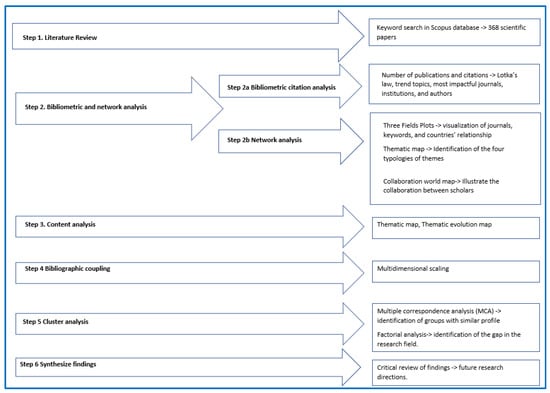
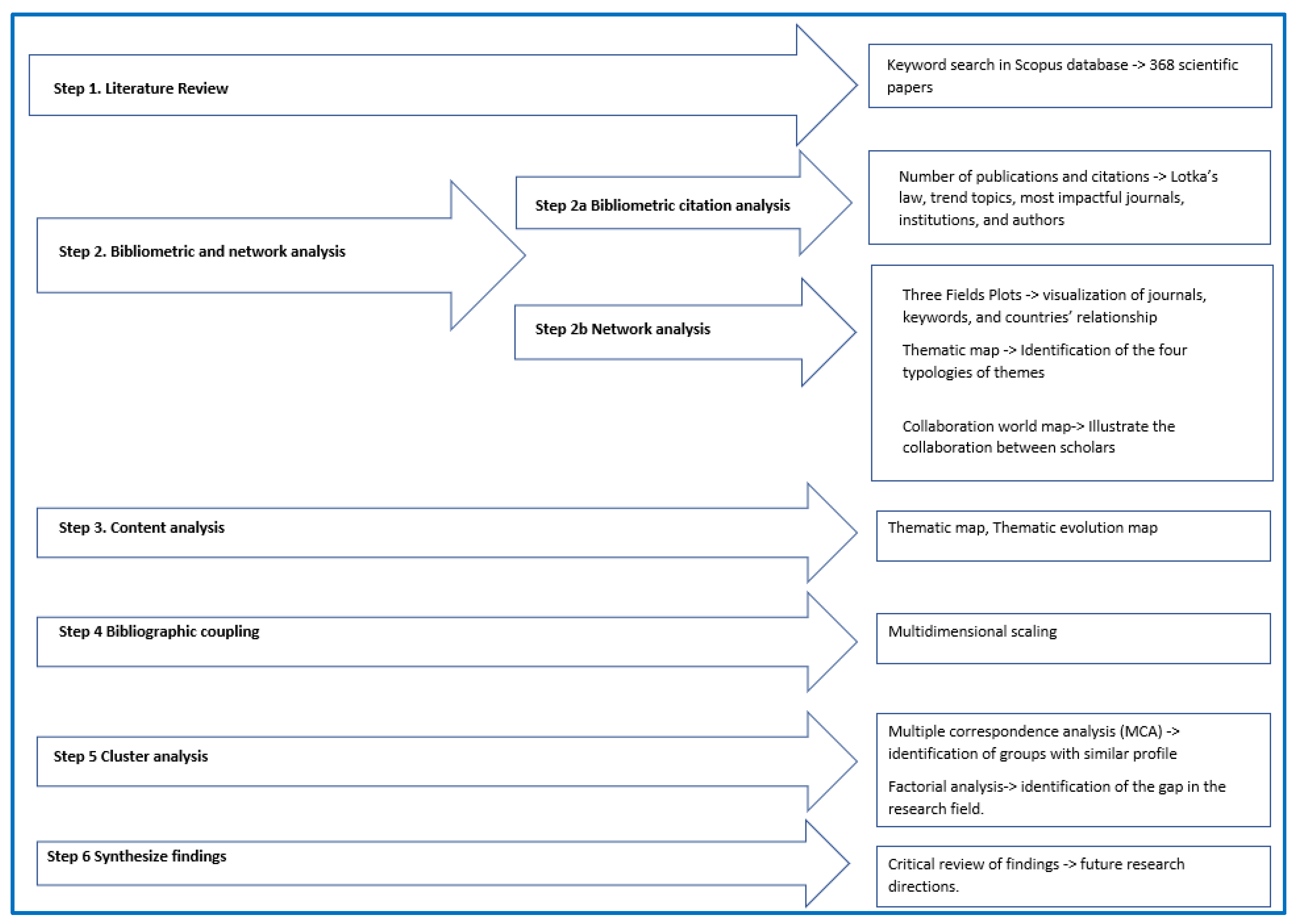
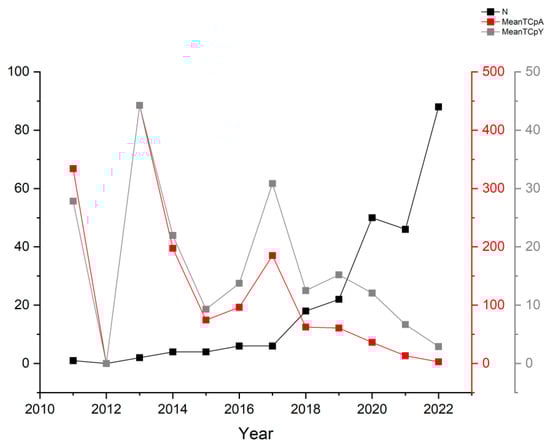
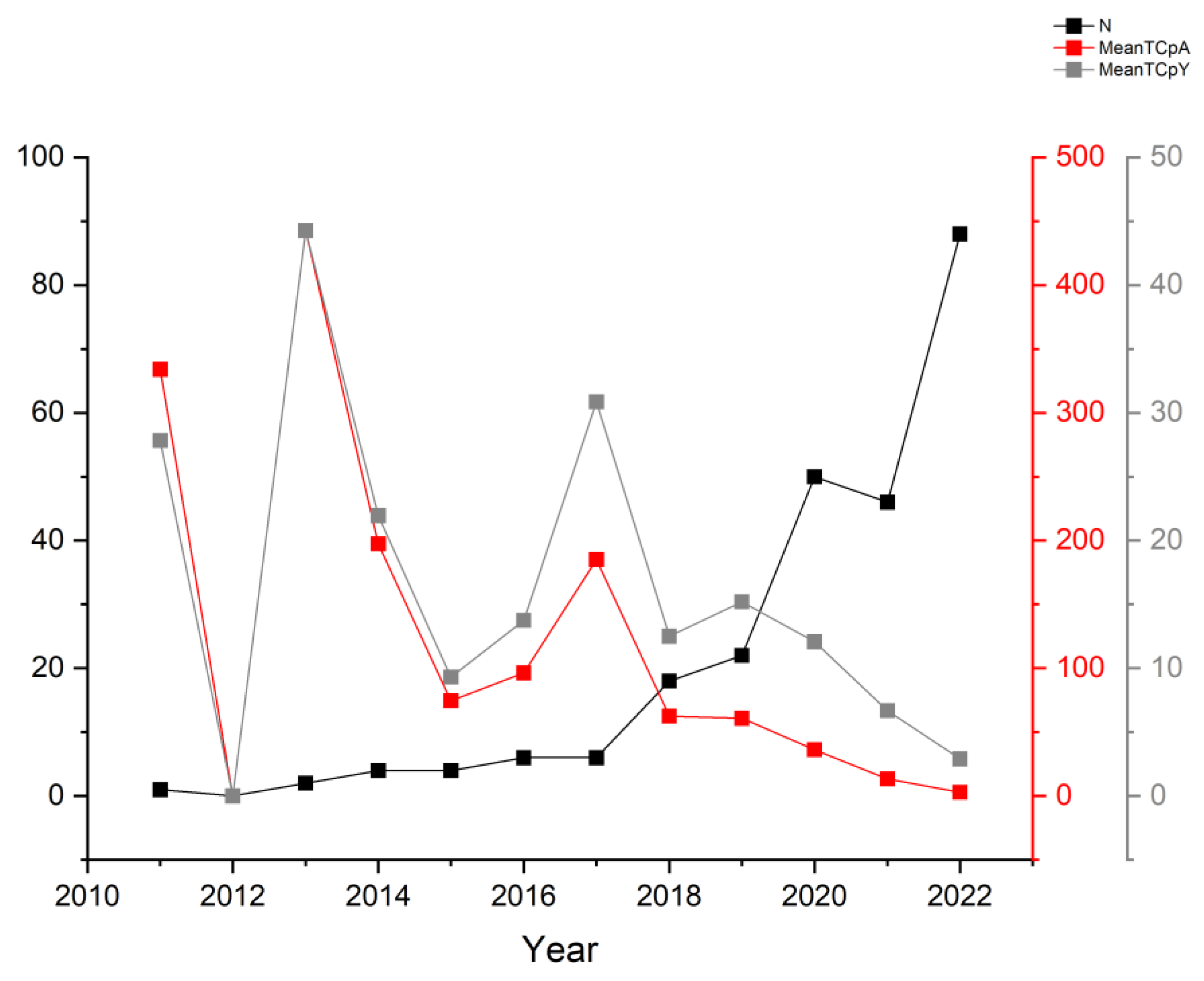
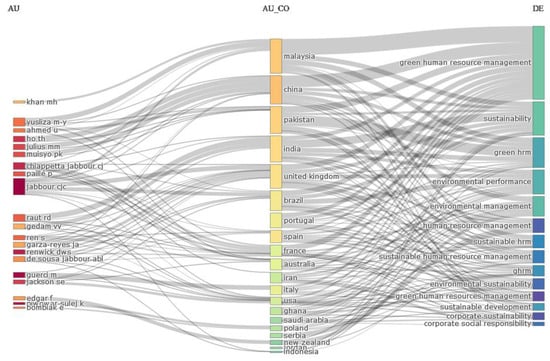
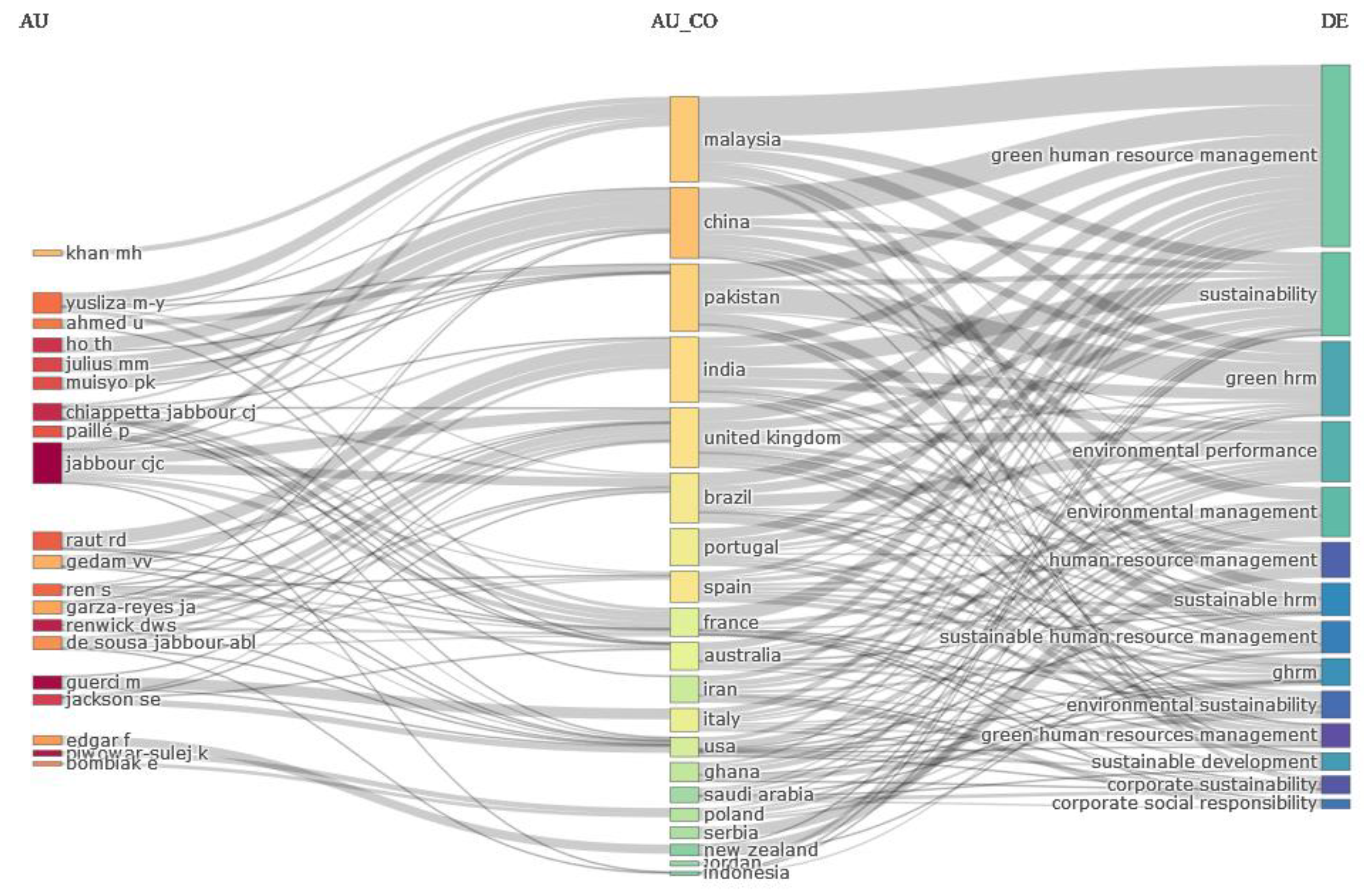
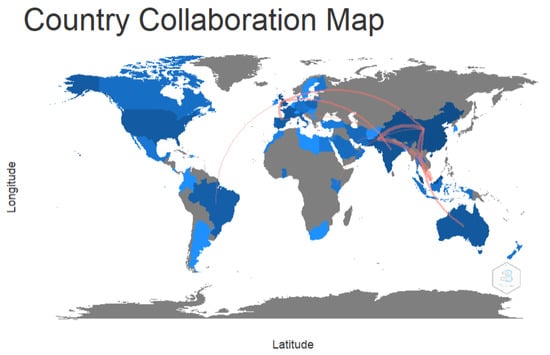
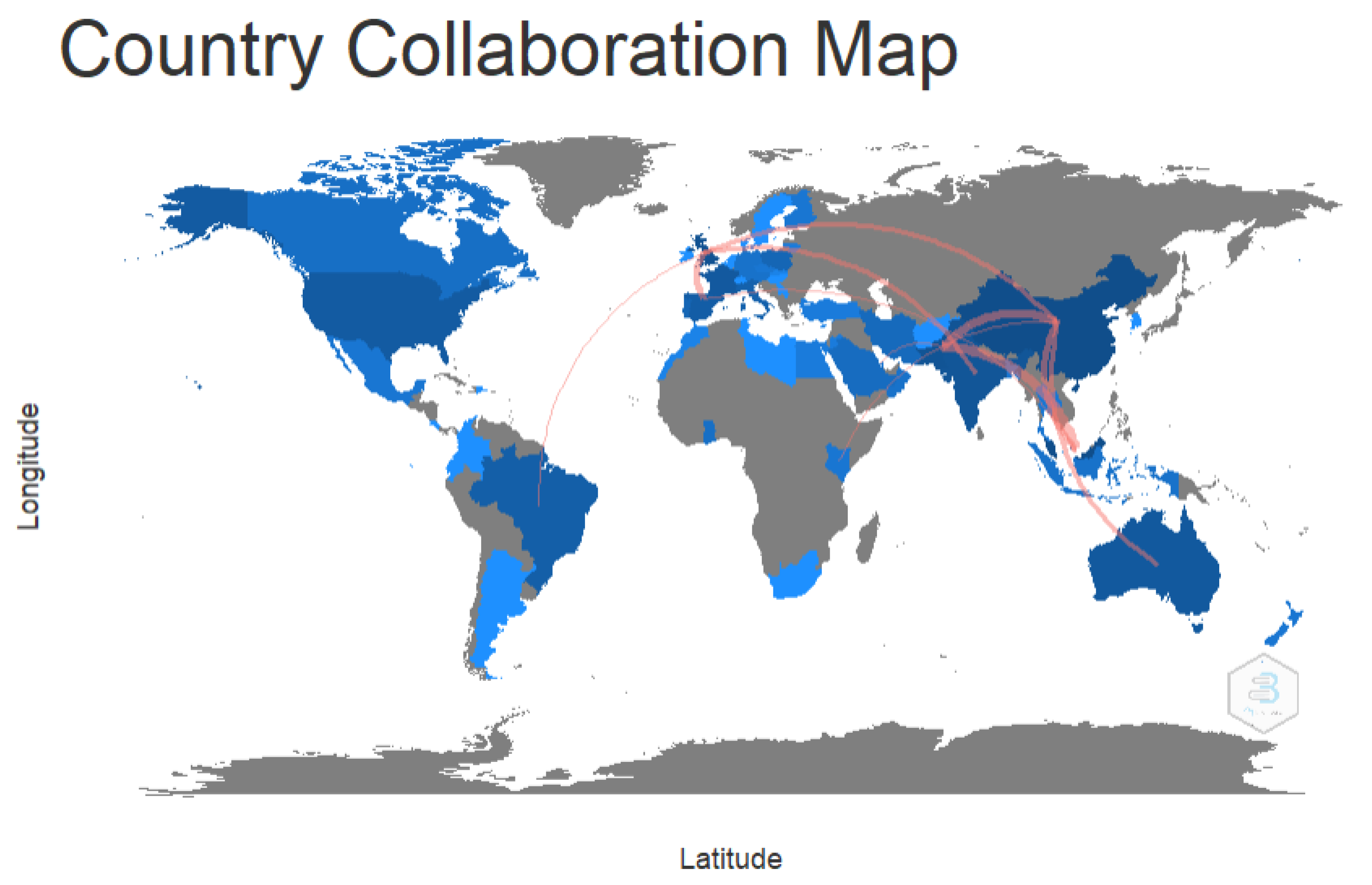
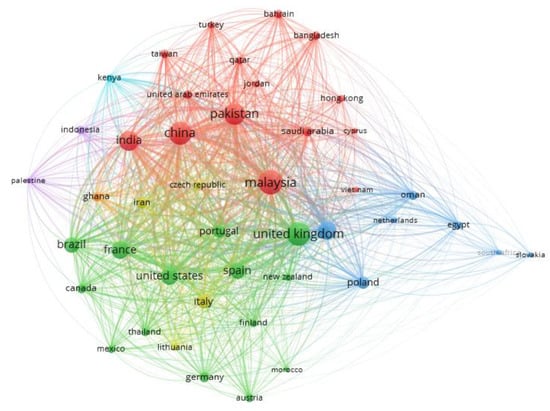
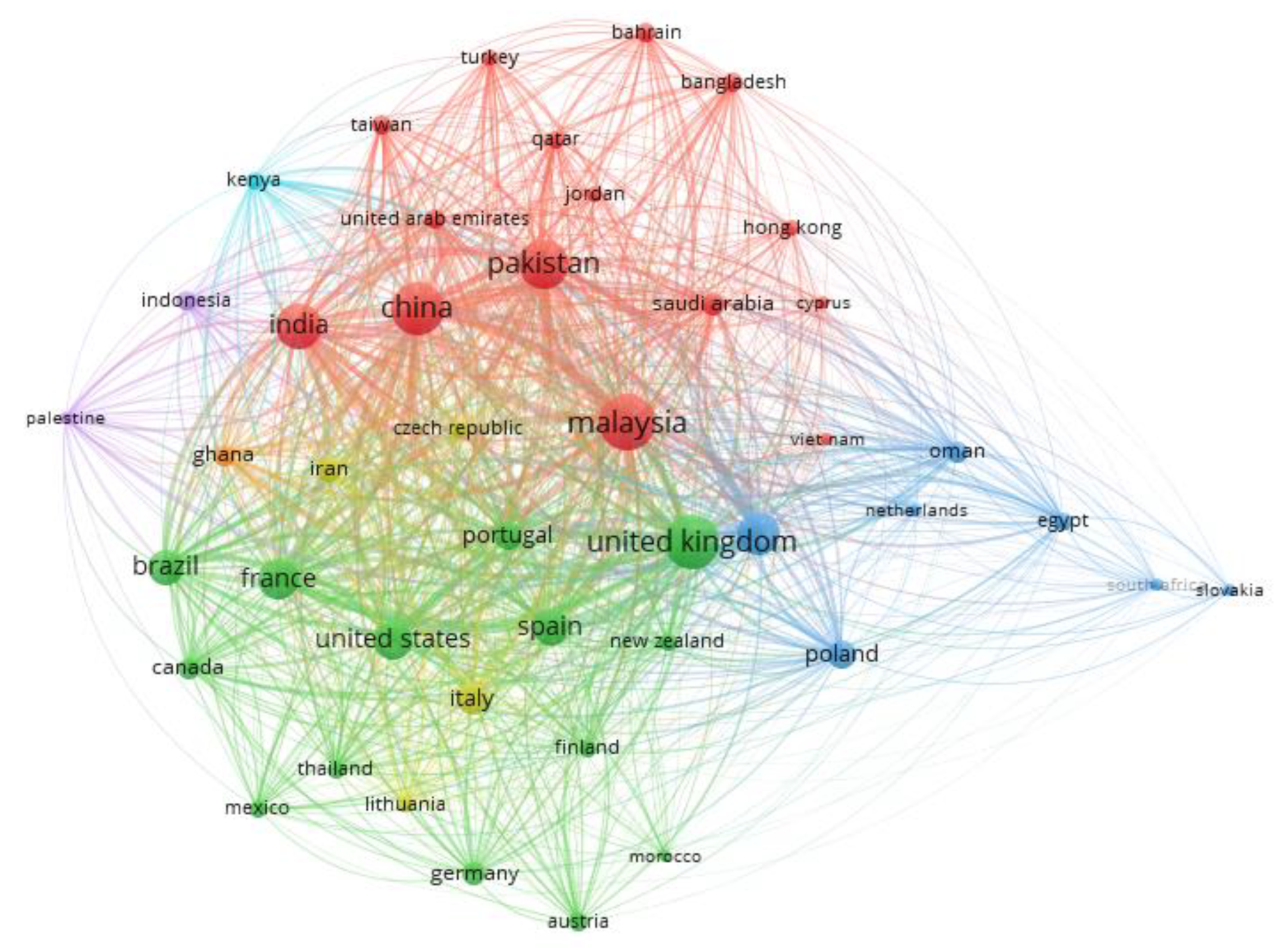
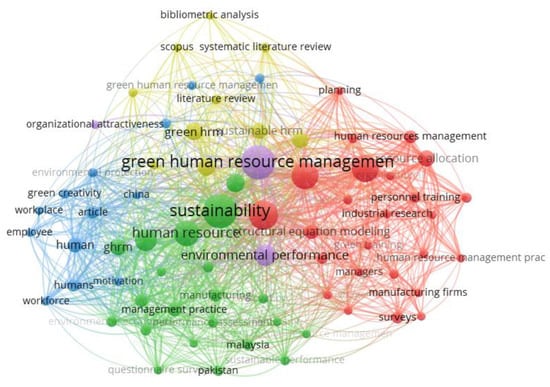
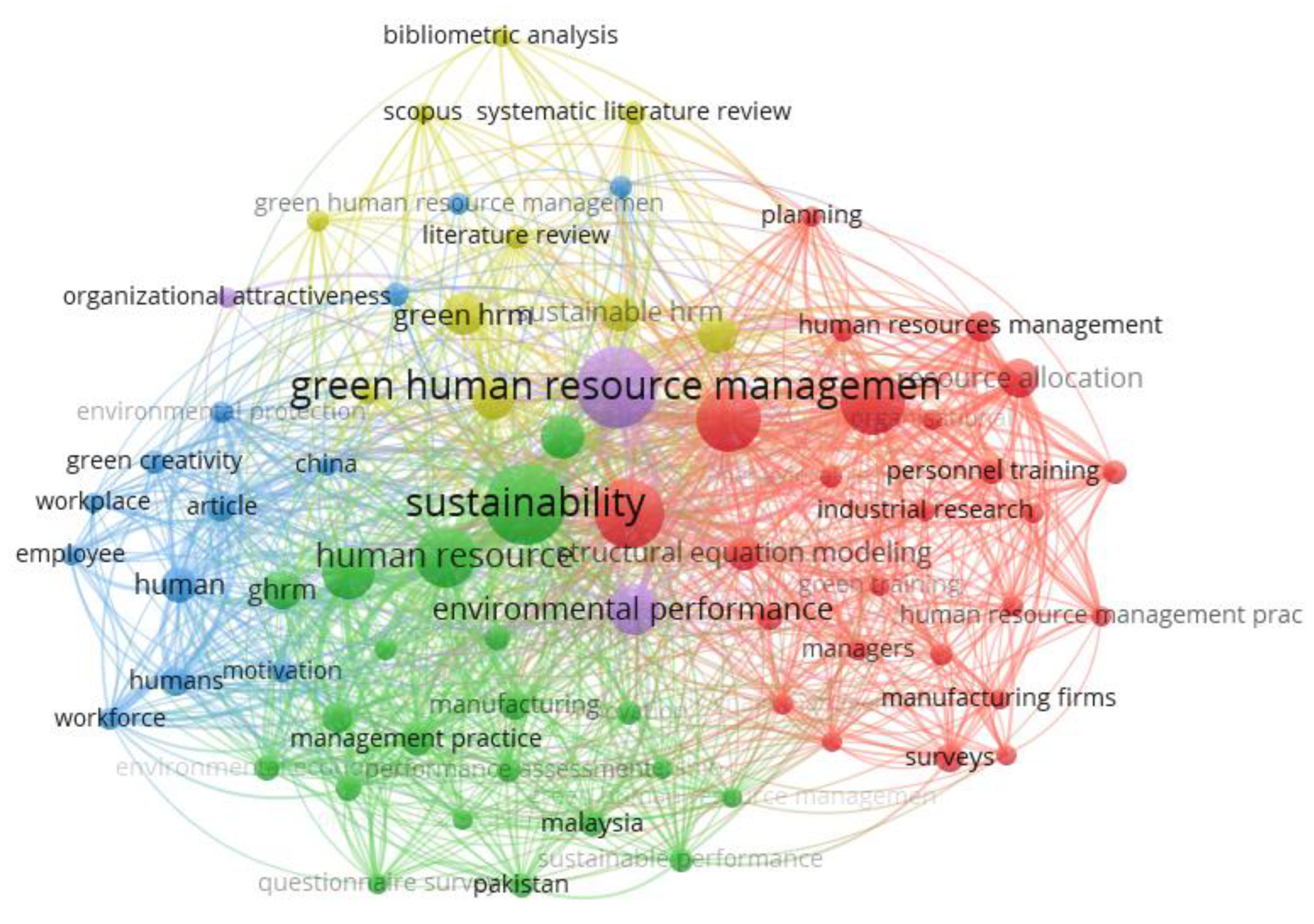
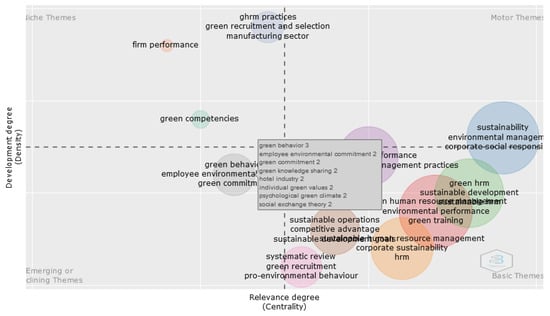
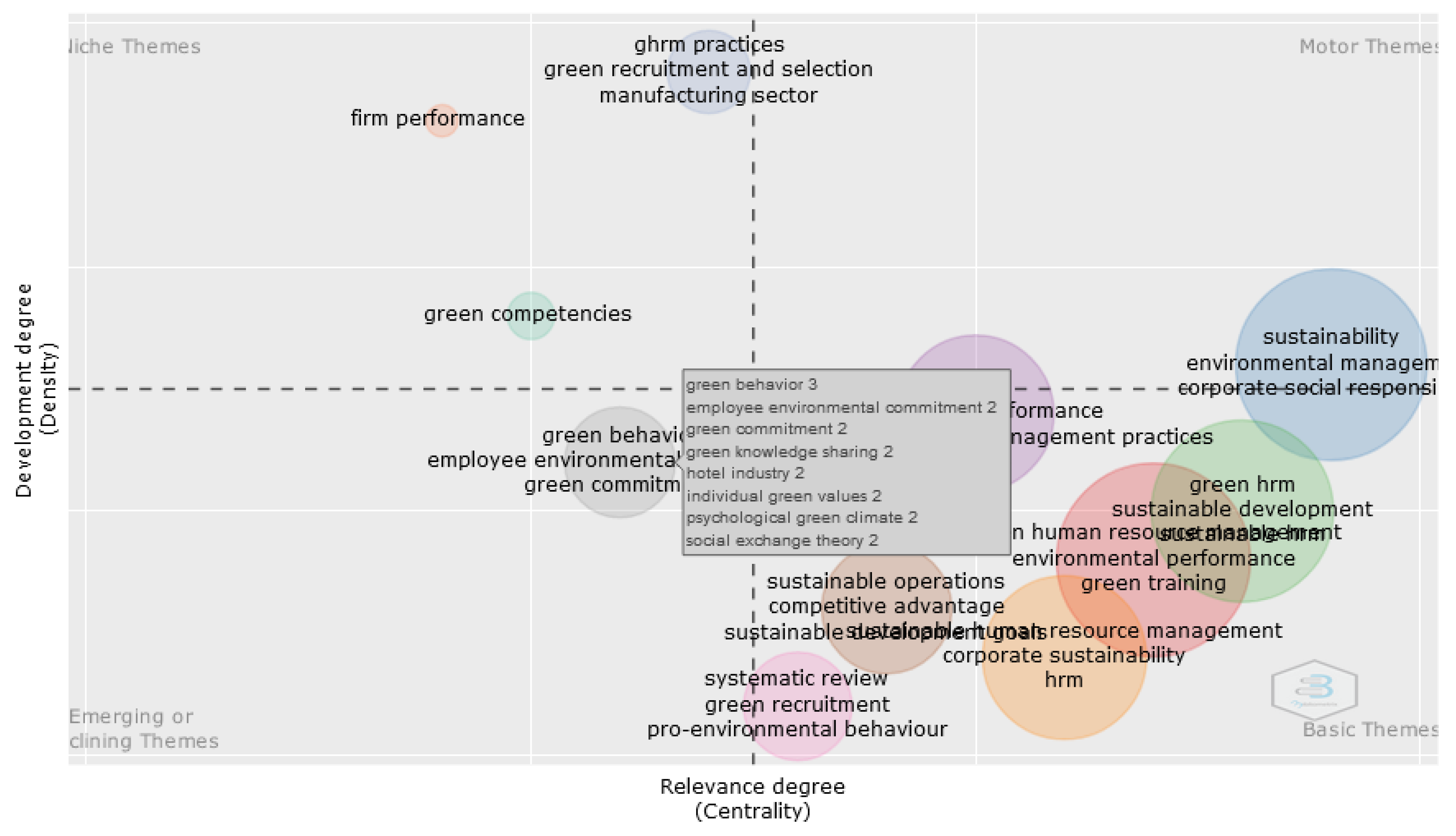
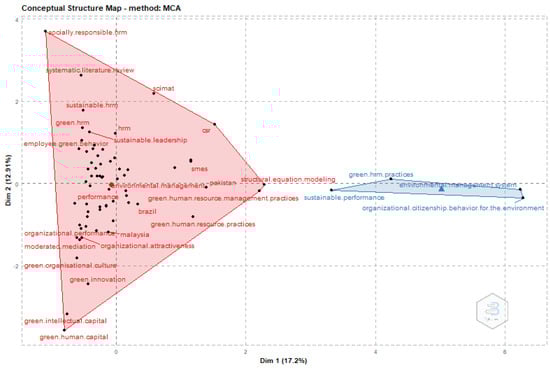
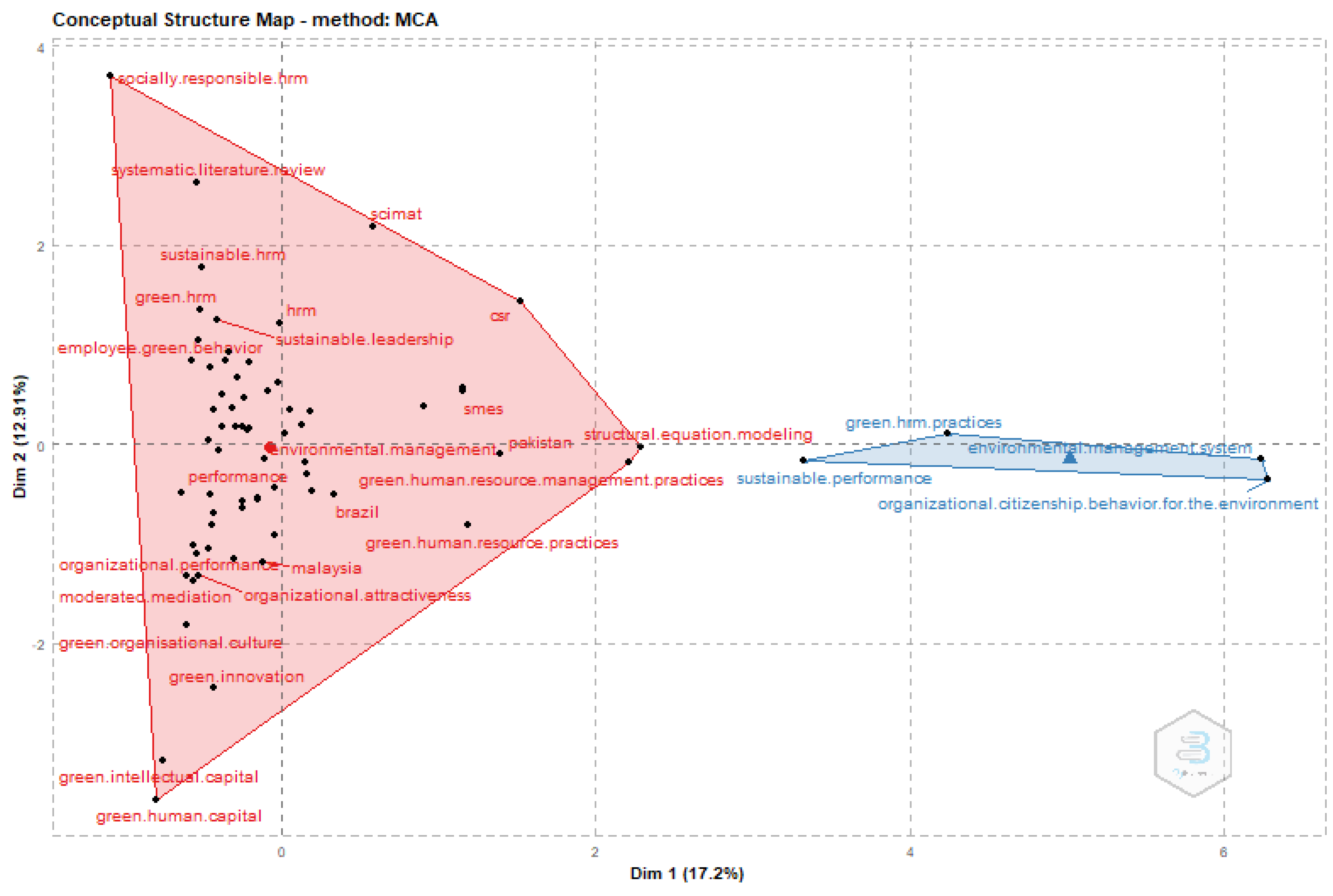
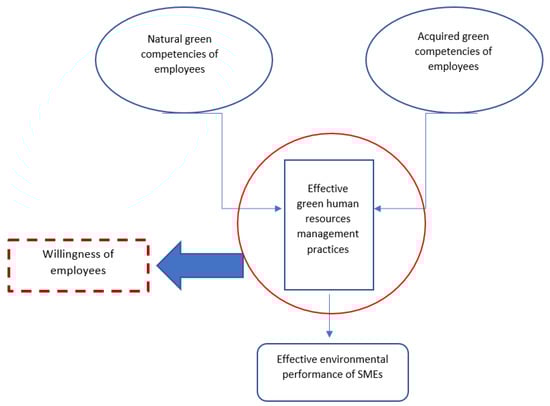
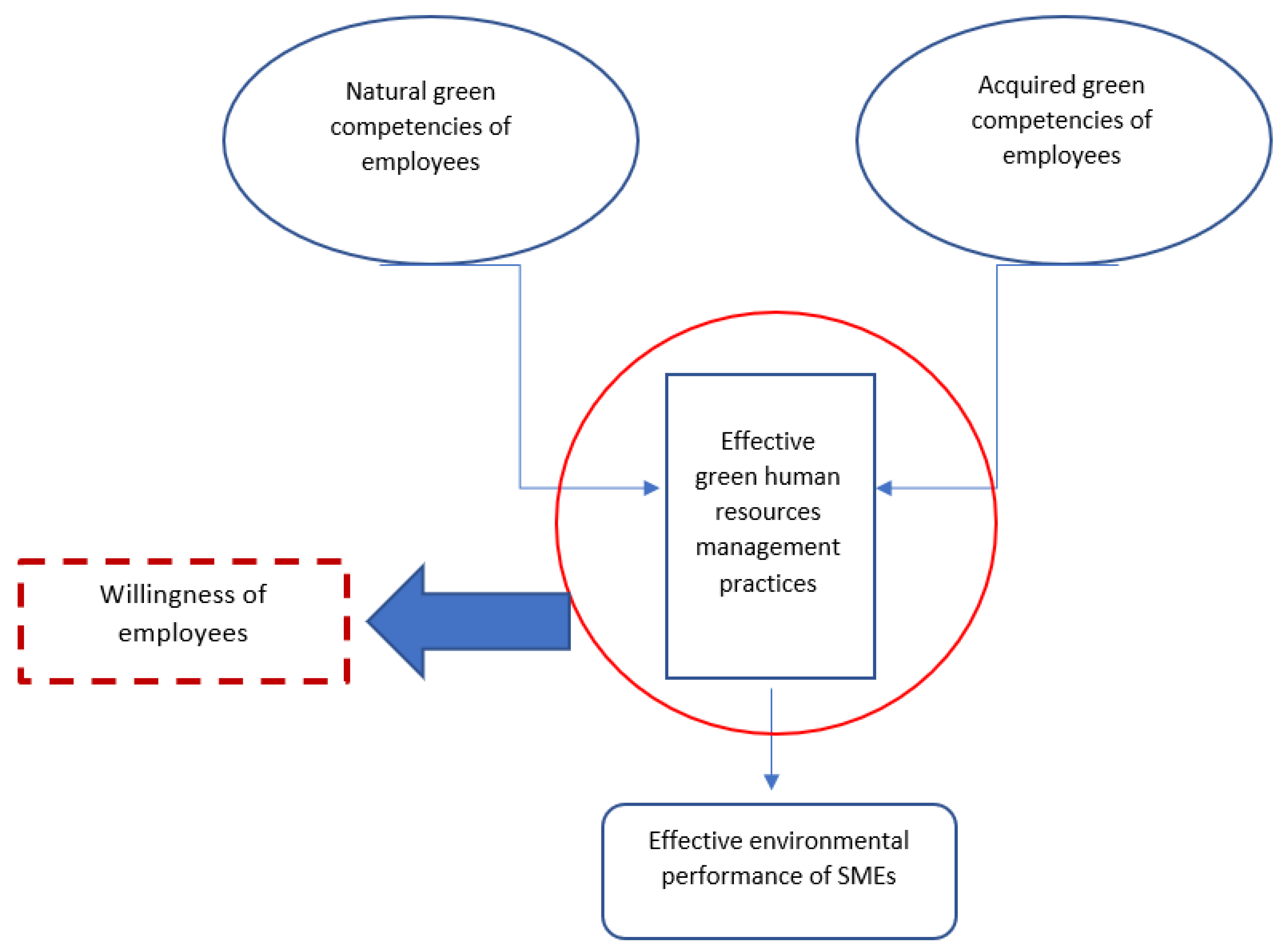
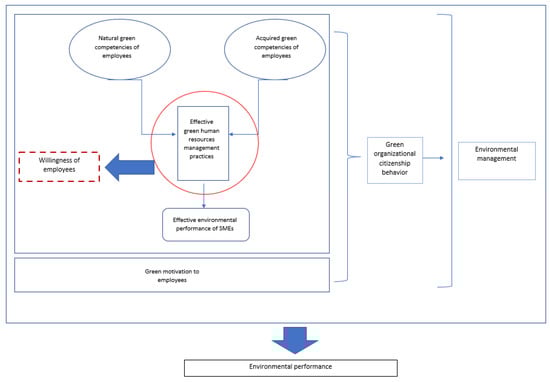
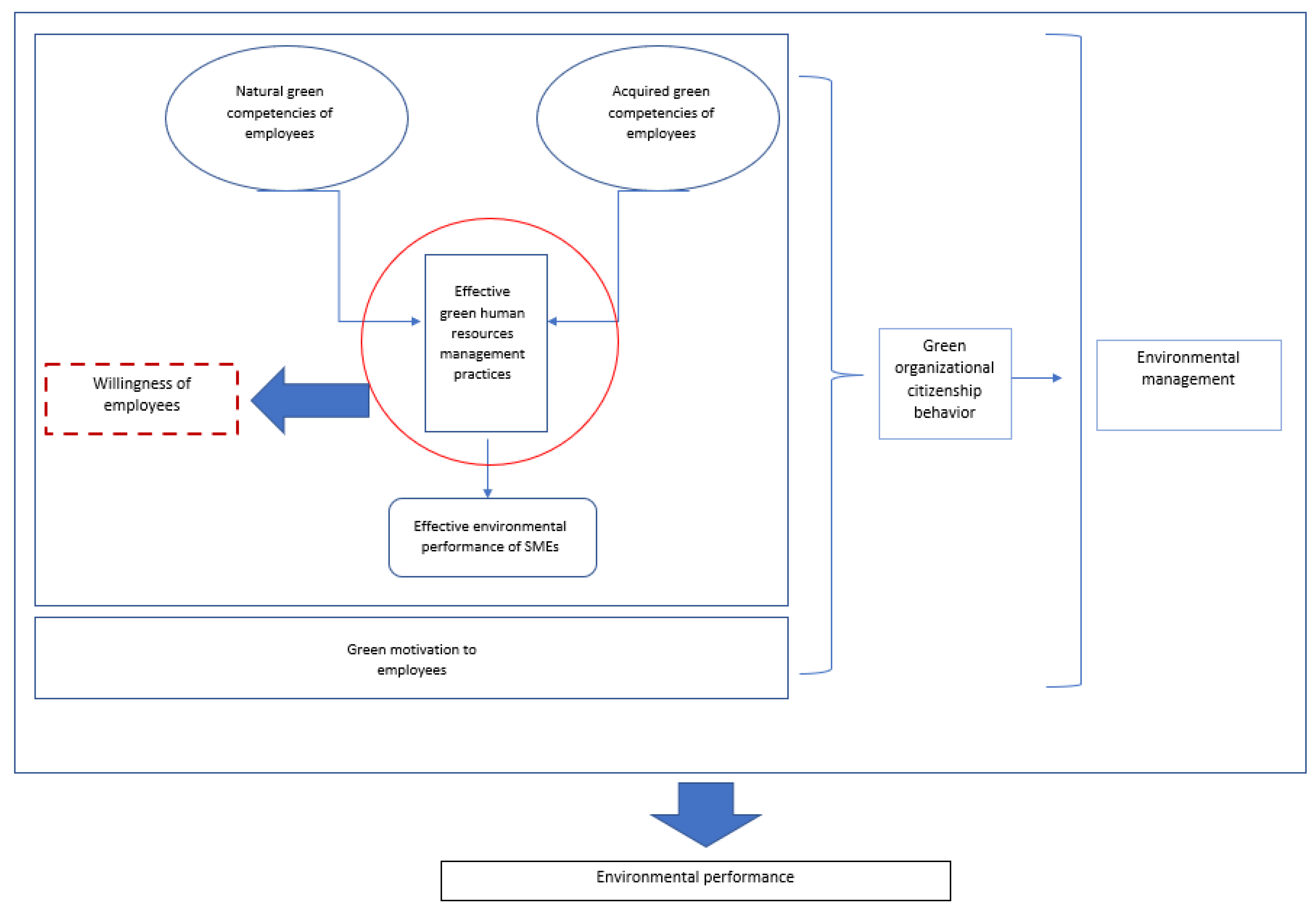

Disclaimer/Publisher’s Note: The statements, opinions and data contained in all publications are solely those of the individual author(s) and contributor(s) and not of MDPI and/or the editor(s). MDPI and/or the editor(s) disclaim responsibility for any injury to people or property resulting from any ideas, methods, instructions or products referred to in the content. |
© 2023 by the authors. Licensee MDPI, Basel, Switzerland. This article is an open access article distributed under the terms and conditions of the Creative Commons Attribution (CC BY) license (https://creativecommons.org/licenses/by/4.0/).