Article

Spatio-Temporal Evolution of the Thermo-Hygrometric Index (THI) during Cold Seasons: A Trend Analysis Study in Iran


by
Mehdi Asghari
1,
Gholamabbas Fallah Ghalhari
2,
Elham Akhlaghi Pirposhteh
3 and
Somayeh Farhang Dehghan
4,*
1
Department of Occupational Health Engineering, Faculty of Health, Arak University of Medical Sciences, Arak 38481-70001, Iran
2
Faculty of Geography and Environmental Sciences, Hakim Sabzevari University, Sabzevar 96186-76115, Iran
3
Department of Occupational Health Engineering, School of Medical Sciences, Tarbiat Modares University, Tehran 14117-13116, Iran
4
Environmental and Occupational Hazards Control Research Center, School of Public Health and Safety, Shahid Beheshti University of Medical Sciences, Tehran 14117-13116, Iran
*
Author to whom correspondence should be addressed.
Sustainability 2022, 14(24), 16774; https://doi.org/10.3390/su142416774
Submission received: 12 September 2022 / Revised: 11 October 2022 / Accepted: 12 December 2022 / Published: 14 December 2022
(This article belongs to the Section Air, Climate Change and Sustainability)

Abstract

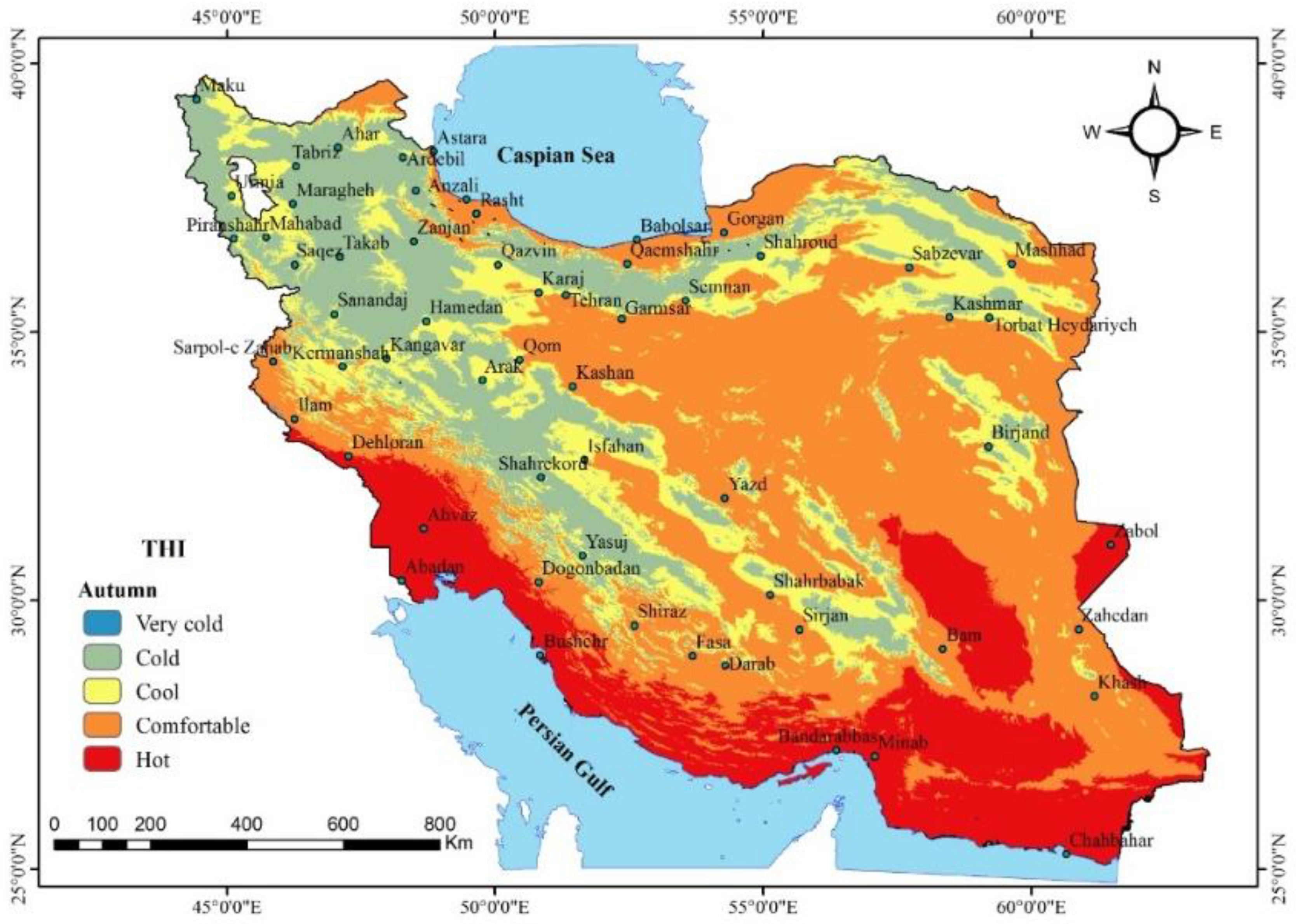
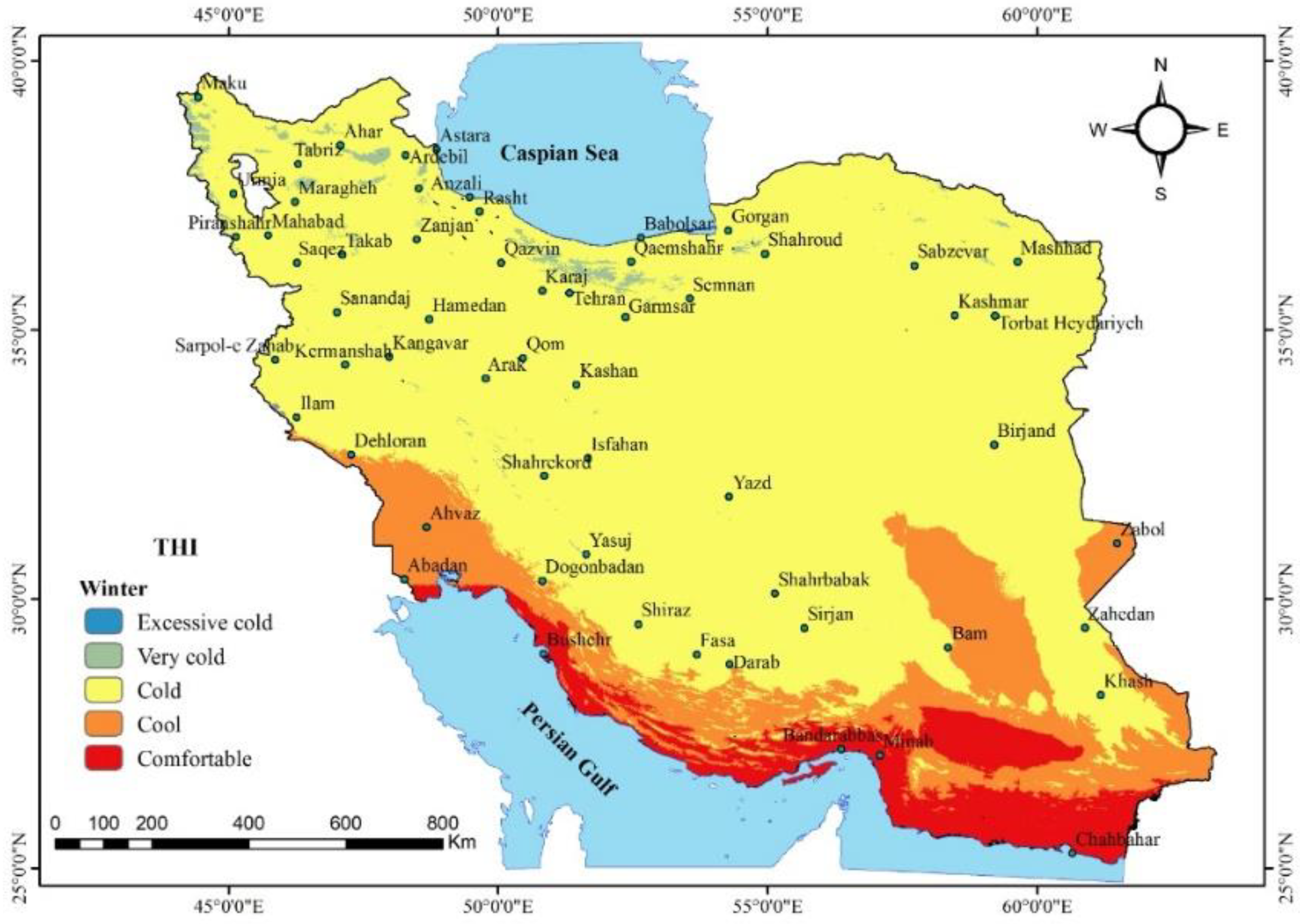
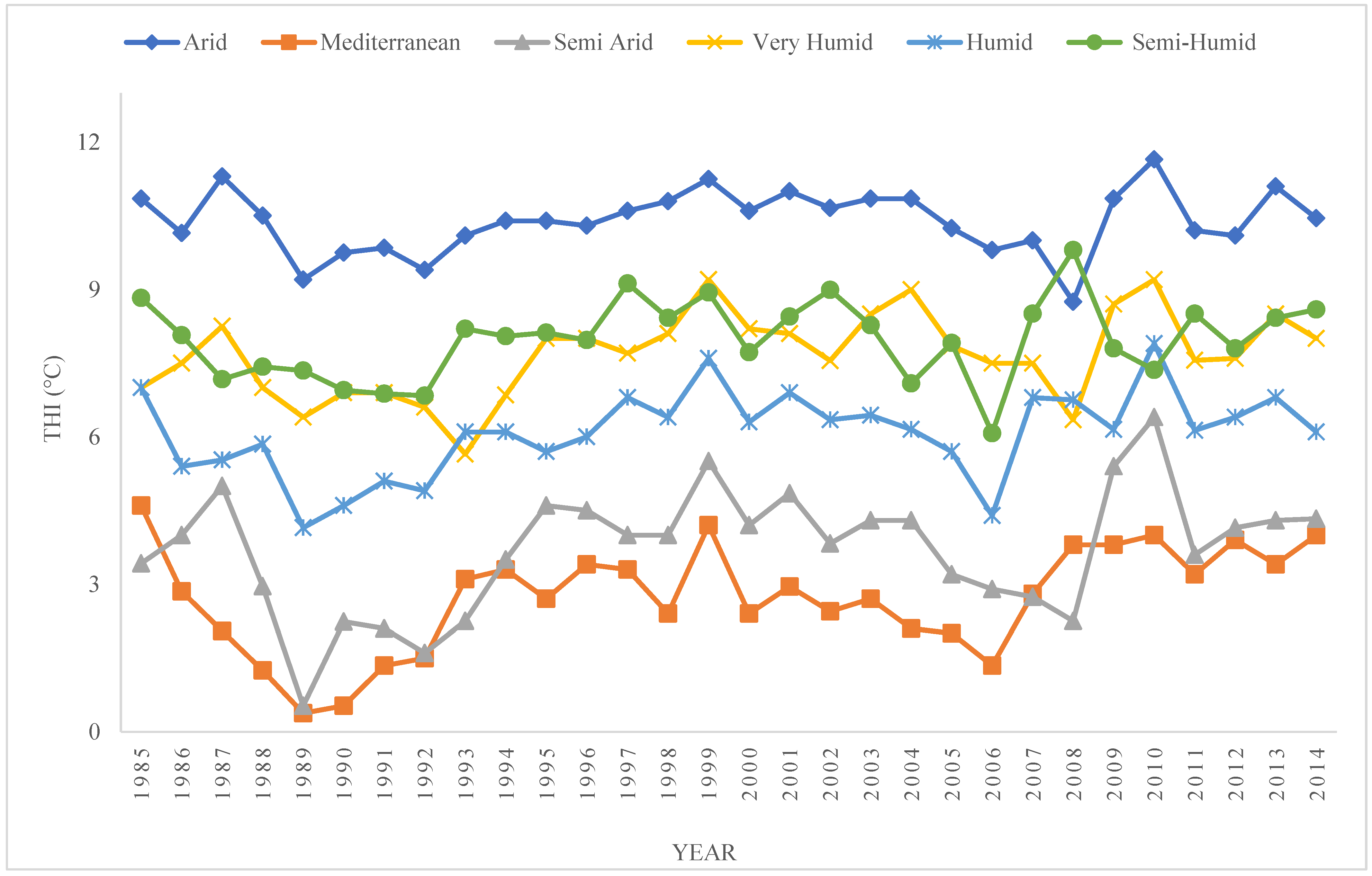
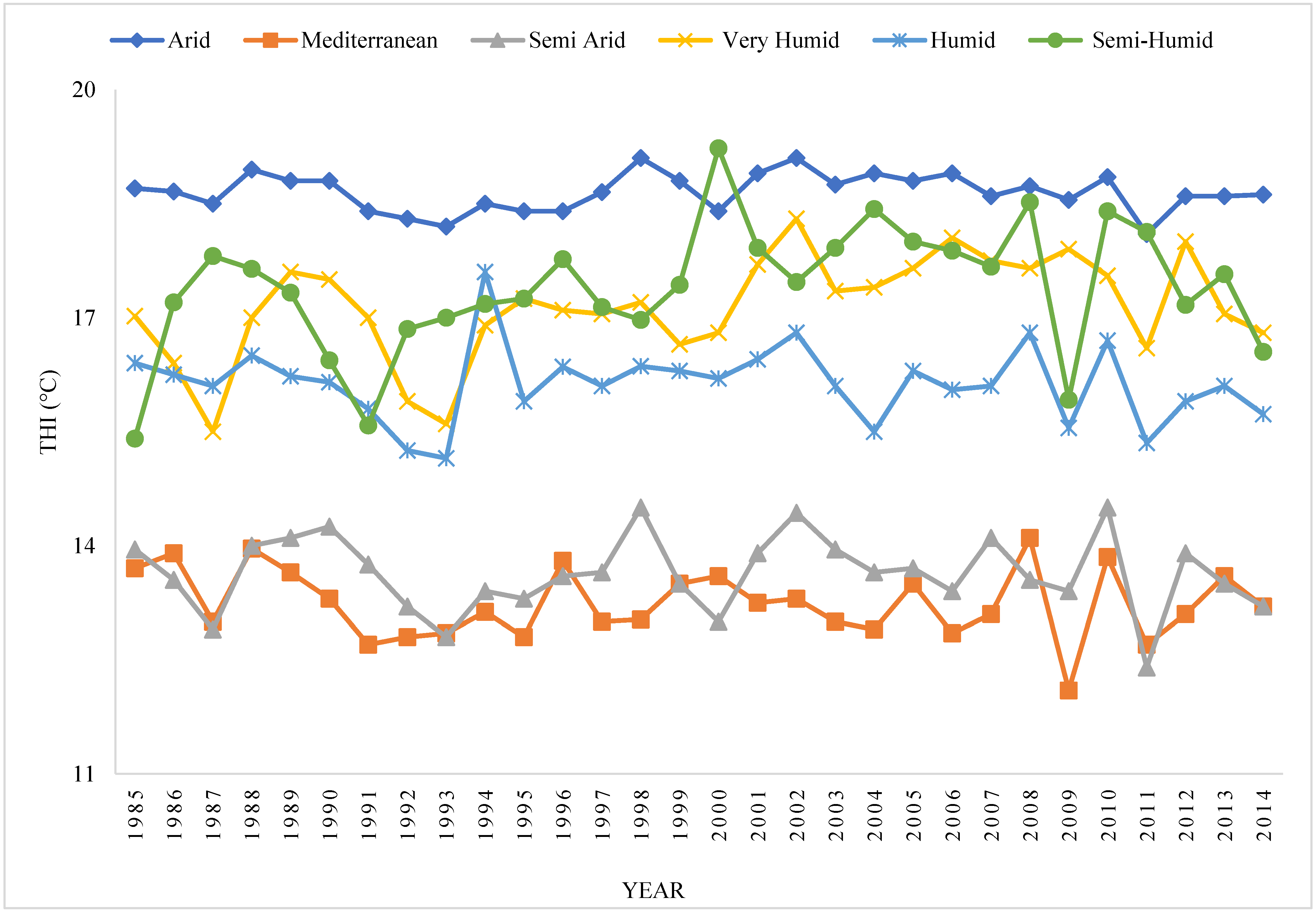
Global warming can cause deep and extensive changes in the Earth’s climate and changes in the time and place of climatic phenomena. The present trend analysis study assesses cold stress using the thermo-hygrometric index (THI) in the two seasons of autumn and winter in outdoor environments in Iran. The data related to the average of the two variables of daily air temperature and relative humidity from 60 synoptic meteorological stations for a statistical period of 30 years were obtained from the Iranian Meteorological Organization. The THI index was calculated for autumn and winter, and the level of thermal discomfort was determined for each station. The Mann–Kendall statistical test with the help of Minitab ver17.1.0 software was also used to investigate the changes in air temperature, relative humidity and THI index. The THI for autumn increased in 68% of the stations, and this increasing trend is statistically significant in 51% of these stations. The THI for winter increased in 83% of the stations, and this increasing trend is statistically significant in 51% of these stations. In autumn, 53% of the stations were in the range of thermal discomfort, and in winter only 5% were in the range of thermal comfort. The decreasing trend in THI in some climatic types, along with the increasing trend in air temperature, can indicate the decrease in relative humidity in the monitored stations during the studied years. It is recommended to know the temporal and spatial distribution and the probability of occurrence of cold stress through the use of THI in order to adopt preventive measures and policies in the outdoors in Iran.
Keywords: temperature; humidity; cold stress; trend analysis; climate change; aridity; outdoors; exposures temperature; humidity; cold stress; trend analysis; climate change; aridity; outdoors; exposures