Article

Evaluation of Essential Oils as Potential Antimicrobial and Biofilm-Disrupting Agents

by
Sabīna Ribačuka
1,
Viktorija Bankoviča
1 and
Ingus Skadiņš
2,*
1
Faculty of Medicine, Riga Stradiņš University, LV-1007 Riga, Latvia
2
Department of Biology and Microbiology, Riga Stradiņš University, LV-1007 Riga, Latvia
*
Author to whom correspondence should be addressed.
Microbiol. Res. 2026, 17(4), 68; https://doi.org/10.3390/microbiolres17040068
Submission received: 16 February 2026 / Revised: 19 March 2026 / Accepted: 26 March 2026 / Published: 29 March 2026

Abstract

The global rise in antimicrobial resistance has spurred increased interest in alternative antimicrobial agents, particularly essential oils (EOs). These oils are complex mixtures of volatile compounds that exhibit documented biological activity. This study evaluated antimicrobial and antibiofilm effects of selected EOs against clinically relevant bacterial and fungal pathogens. Antimicrobial activity against planktonic cells was assessed using disc diffusion assays with DMSO-diluted EO solutions against Escherichia coli (E.coli), Staphylococcus aureus (S.aureus), Pseudomonas aeruginosa, Klebsiella pneumoniae, and Candida albicans. Antibiofilm activity of E. coli and S. aureus was examined using ethanol-based EO formulations, with biofilm viability quantified by colony forming unit (CFU) enumeration. Cinnamon (Cinnamomum verum) oil showed the strongest and most consistent activity, inhibiting planktonic and biofilm models. Tea tree (Melaleuca alternifolia), lemongrass (Cymbopogon citratus), rosemary (Rosmarinus officinalis), rose (Rosa damascena), and jasmine (Jasminum officinale) oils showed significant planktonic antimicrobial effects, while jasmine oil (Jasminum officinale) demonstrated pronounced antibiofilm activity against S. aureus, including strong biofilm eradication in several replicates. In contrast, chamomile (Matricaria chamomilla) and sandalwood (Santalum austocaledonicum) oils showed limited or no activity. These findings highlight differences between planktonic and biofilm responses, emphasizing the importance of incorporating biofilm models into antimicrobial evaluation. Overall, Cinnamomum verum and Jasminum officinale oils may serve as complementary antimicrobial agents, warranting further investigation.

1. Introduction

Medicinal plants have historically served as a significant source of bioactive compounds, recognized for their pharmacological properties, low toxicity, and comparatively modest cost compared to synthetic pharmaceuticals [1]. Essential oils (EOs), which are complex volatile secondary metabolites derived from these plants, have garnered considerable scientific interest. While traditionally applied in medicine, EOs are now being extensively studied for their antimicrobial, antifungal, antiviral, antioxidant, and anti-inflammatory effects [2,3].
Essential oils are derived from a wide range of edible and medicinal plants and can be extracted from various plant organs, including leaves, flowers, fruits, seeds, bark, and roots [4]. The selected essential oils were chosen based on previous reports describing their antimicrobial potential and widespread use in traditional medicine. Depending on the botanical source, extraction is performed using methods such as distillation, cold pressing, solvent-based techniques for delicate floral materials, or advanced approaches including supercritical CO2 and microwave-assisted extraction [5]. Owing to their chemically complex composition, essential oils often exhibit broad-spectrum antimicrobial activity, with oils such as lemon, lemongrass, and cinnamon demonstrating efficacy against methicillin-resistant Staphylococcus aureus (MRSA) and antifungal-resistant Candida strains [6].
The rapid emergence of antimicrobial resistance, largely driven by the misuse of antibiotics, poses a major global health challenge. The World Health Organization has identified several resistant pathogens as critical threats, including Klebsiella pneumoniae, Escherichia coli, Staphylococcus aureus, Streptococcus pneumoniae, and Salmonella spp. In particular, multidrug-resistant (MDR) strains—such as ESBL-producing E. coli, ESBL-producing Klebsiella pneumoniae, ESBL-producing Proteus mirabilis, carbapenem-resistant Klebsiella pneumoniae (CRKP), carbapenem-resistant Acinetobacter baumannii (CRAB), and methicillin-resistant Staphylococcus aureus (MRSA)—represent significant challenges for global public health. Opportunistic fungi, particularly Candida albicans, also impose a substantial burden in clinical settings [6,7,8].
Multidrug-resistant (MDR) pathogens are associated with a broad spectrum of clinically significant infections in both hospital and community settings. These include surgical site infections (SSIs), urinary tract infections (UTIs), bloodstream infections (bacteremia), respiratory tract infections, and other healthcare-associated infections. Collectively, these conditions contribute substantially to increased morbidity and mortality, prolonged hospital stays, and rising healthcare costs worldwide [9].
One of the major challenges in managing microbial infections is the ability of pathogens to form biofilms—structured microbial communities encased in a self-produced extracellular matrix. Biofilms not only protect microorganisms from host immune defenses but also significantly increase their tolerance to antimicrobial agents. In contrast, planktonic cells (free-living microbial cells) are generally more susceptible to treatment [10,11,12,13]. Consequently, biofilm-associated infections, particularly those associated with chronic wounds, are considerably more difficult to eradicate and are often prone to recurrence [14].
Owing to their multicomponent composition and diverse mechanisms of action, essential oils are increasingly being investigated as potential antibiofilm agents. They have been shown to inhibit microbial growth, disrupt biofilm formation, and eradicate preformed biofilms; however, their reported efficacy varies widely depending on the type of oil, microorganism, and experimental model. Notably, activity against planktonic cells does not necessarily correlate with antibiofilm effects, underscoring the need for systematic evaluation across different microbial growth states [15,16,17,18].
This study evaluated the antimicrobial and antibiofilm activities of fifteen essential oils against clinically relevant bacterial and fungal strains using a two-phase approach that compared planktonic and biofilm-associated growth states. We hypothesized that selected essential oils would exhibit measurable antimicrobial and antibiofilm effects, with potential differences between planktonic and biofilm conditions. The results revealed pronounced differences between these models, with certain essential oils demonstrating enhanced antibiofilm activity. These findings underscore the importance of biofilm-based evaluation and highlight the potential of essential oils as complementary strategies for addressing antimicrobial resistance.

2. Materials and Methods

2.1. Essential Oils and Extraction Methods

The essential oils (EOs) used in this study were obtained from a commercial source (PHATOIL Essential Oils Gift Set, 15 × 5 mL; PHATOIL, Guangzhou, China). According to the manufacturer, the oils are 100% pure plant-derived extracts obtained from different plant parts such as flowers, leaves, and stems. Oils were used as supplied by the manufacturer without additional compositional standardization. The set included fifteen essential oils: lavender (Lavandula angustifolia), eucalyptus (Eucalyptus globulus), jasmine (Jasminum grandiflorum), sweet orange (Citrus sinensis), sandalwood (Santalum austocaledonicum), peppermint (Mentha piperita), vanilla (Vanilla planifolia), lemongrass (Cymbopogon citratus), rose (Rosa damascena), lemon (Citrus limonum), ylang-ylang (Cananga odorata), tea tree (Melaleuca alternifolia), chamomile (Matricaria chamomilla), cinnamon (Cinnamomum verum), and rosemary (Rosmarinus officinalis). Each essential oil was supplied in 5 mL amber glass bottles and stored in a cool, dark place according to the manufacturer’s recommendations until use in antimicrobial assays [19].
Depending on the plant species, different extraction methods were applied. A detailed overview is provided in Table 1.

2.2. Microorganisms and Culture Conditions

Reference strains of Escherichia coli American Type Culture Collection (ATCC) 25922, Staphylococcus aureus ATCC 25923, Pseudomonas aeruginosa ATCC 27853 and ATCC 14209, Klebsiella pneumoniae ATCC 13883, and Candida albicans ATCC 10231 were obtained from ATCC culture collection. Bacteria were maintained on Mueller–Hinton agar (MHA) (Oxoid, Oxoid-Hampshire, UK), while Candida albicans was cultured on Sabouraud dextrose agar (SDA) (Oxoid, Oxoid-Hampshire, UK). No additional molecular identification or antimicrobial susceptibility profiling was performed, as the objective of this study was to evaluate the antimicrobial and antibiofilm activity of selected essential oils rather than to assess resistance phenotypes.

2.3. Preparation of Microbial Suspensions

For all assays, standardized microbial inocula were prepared by adding 0.1 mL of microbial suspension to 9.9 mL of tryptic soy broth (TSB) (Oxoid, Oxoid-Hampshire, UK) and incubating at 37 °C for 24 h under standard laboratory conditions. This step ensured adequate growth and physiological adaptation prior to experimental testing. The turbidity of the microbial suspension was visually adjusted to obtain a standardized inoculum prior to antimicrobial testing. Essential oil solutions were prepared using different solvents depending on the assay type. For planktonic assays, oils were diluted in dimethyl sulfoxide (DMSO) (Merck KGaA, Darmstadt, Germany) to final concentrations of 100%, 50%, 25%, and 12.5%. For biofilm assays, oils were prepared by mixing 1 mL of essential oil with 6 µL ethanol, corresponding to an undiluted (100%) exposure. This modification was implemented after preliminary testing showed that DMSO caused agar to solidify and destabilize biofilm models, whereas ethanol provided stable, reproducible conditions.

2.4. Antimicrobial and Antifungal Activity (Disc Diffusion Assay)

Antimicrobial and antifungal activities of the essential oils were evaluated using the Kirby–Bauer disc diffusion method in accordance with CLSI guidelines [20,21]. Disc diffusion was used as a preliminary screening method to compare antimicrobial activity of essential oils, despite known limitations related to the hydrophobic and volatile nature of these compounds.
Microbial suspensions were adjusted to approximately 108 CFU/mL (corresponding to 0.5 McFarland standard) and uniformly inoculated onto MHAplates for bacterial strains and SDAplates for Candida albicans. Sterile filter paper discs (6 mm in diameter) were aseptically impregnated with 10 µL of essential oil solution and placed on the agar surface.
The assay was performed in two phases. In the first phase, four discs were applied per plate; in the second phase, three discs were used to improve readability and minimize overlapping of inhibition zones. Plates were incubated at 37 °C for 22 h in a thermostat (Memmert, Schwabach, Germany). Plates were sealed to minimize evaporation during incubation. Then, the inhibition zones were measured. For comparative purposes, inhibition diameters were classified semi-quantitatively: absence of inhibition was recorded as “–” (normal growth), strong inhibition resulting in sterile plates was denoted as “0”, weak inhibition (“+”) corresponded to zones of 0.7–1.7 (± 0.1) cm, moderate inhibition (“++”) to zones of 1.8–2.8 (± 0.1) cm, and strong inhibition (“+++”) to zones ≥ 2.9 (± 0.1) cm.
Solvent-only discs (DMSO) were included as negative controls. All assays were performed in triplicate, and results were expressed as mean values with corresponding standard deviations (SD).

2.5. Biofilm Preparation and Treatment Workflow

Escherichia coli and Staphylococcus aureus were selected for the biofilm experiments as representative Gram-negative and Gram-positive pathogens, well known for their ability to form biofilms and frequently used as model organisms in antimicrobial and biofilm research. Pre-cultures were prepared as described for planktonic tests by inoculating 9.9 mL of tryptic soy broth (TSB) with 0.1 mL of microbial suspension, then incubating at 37 °C for 24 h. To allow biofilm formation, the cultures were transferred into 96-well plates (SarsTEDT, Nümbrecht, Germany) fitted with removable pin lids (Calgary Biofilm Device model) and incubated under static conditions at 37 °C for an additional 24 h [22,23].
After biofilm establishment, non-adherent planktonic cells were removed by gentle washing with sterile 0.9% NaCl. Essential oil solutions (1 mL of essential oil supplemented with 6 µL of ethanol) were then added, and plates were incubated at 37 °C for 22 h. The amount of ethanol added was minimal and served only to assist in the mixing of the essential oil prior to application. Untreated biofilms and solvent-only (ethanol)-treated biofilms served as controls. Solvent control wells containing ethanol without essential oils were included to assess potential solvent effects on biofilm viability. Following treatment, the supernatant was carefully removed, leaving biofilms attached to the pin surfaces.
The pins were subsequently transferred to fresh plates containing sterile saline and shaken at 37 °C for 15 min to dislodge biofilm-embedded cells. The resulting biofilm suspensions were transferred into new plates, and viable cells were quantified as colony-forming units (CFU) using the drop-plate method described below.

2.6. Alternative Drop-Plate Enumeration for Biofilm Cells

To validate antibiofilm effects, biofilm biomass was resuspended in sterile NaCl solution and serially diluted (10−1–10−4). From each dilution, 20 µL of each was applied in quadruplicate onto agar plates [24].
After incubation, CFUs were counted. For analysis, the 10−2 dilution was used as the primary reference, since it consistently yielded countable colonies across all replicates. In some cases, counts from 10−3 and 10−4 dilutions were also considered to ensure reliable quantification. No specific formula was used for CFU calculations. CFU count was obtained by automatic counting of colonies on agar plates with SCAN-300 device (Interscience, Saint-Nom-la-Bretèche, France).

2.7. Data Analysis

All experiments were performed in triplicate. For planktonic assays, antimicrobial activity was expressed as mean inhibition zone diameters (cm ± standard deviation [SD]). For antibiofilm assays, viable biofilm-associated cells were quantified as mean colony-forming unit (CFU) counts (± SD). Results from essential oil-treated groups were compared descriptively with those from untreated controls. No formal statistical hypothesis testing was performed, as the study was designed as a comparative screening analysis.

2.8. Method Optimization

Prior to establishing the final antibiofilm assay protocol, preliminary experiments were conducted using a 96-well microplate model. Bacterial strains were first cultured in tryptic soy broth (TSB) and incubated at 37 °C for 24 h to obtain actively growing cultures. The bacterial suspensions were then transferred into 96-well plates containing TSB to allow biofilm formation. The plates were incubated under static conditions at 37 °C for an additional 24 h to facilitate biofilm development on the well surfaces.
Initially, biofilm biomass was intended to be quantified spectrophotometrically using a microplate reader by measuring optical density. However, this approach could not be successfully implemented due to methodological limitations observed during the experiments.
After biofilm establishment, non-adherent planktonic cells were removed by gently washing the wells with sterile 0.9% NaCl solution. Essential oil solutions prepared with dimethyl sulfoxide (DMSO) as the solvent were then added to the wells, and the plates were incubated at 37 °C for 24 h. Untreated biofilms and solvent-only treated wells served as controls.
Following treatment, attempts were made to recover biofilm cells by removing the supernatant and transferring the remaining material for further analysis. However, during these experiments, a strong interaction between DMSO and several essential oils resulted in the formation of a viscous gel-like phase within the wells. This caused partial solidification of the mixture, preventing the removal of material from the wells and making it impossible to obtain reliable biofilm suspensions for further analysis. The gel-like consistency also interfered with spectrophotometric measurements, making optical density readings unreliable.
Due to these limitations, the 96-well microplate method using DMSO as the solvent was discontinued, and the experimental protocol was subsequently modified to use ethanol as the solvent, along with the Calgary Biofilm Device model and CFU enumeration.

Overview of Experimental Design

A summary of the antimicrobial assays, tested microorganisms, solvents, essential oil concentrations, and outcome measurements used in this study is presented in Table 2.

3. Results

3.1. Phase I—Antimicrobial Activity on Planktonic Cells

The disc diffusion assay revealed variability in the antimicrobial activity of all fifteen essential oils. The inhibition zones differed not only between oils but also between microbial species and concentrations (Supplementary Tables S1–S4).
At 100% concentration, cinnamon (Cinnamomum verum) oil exhibited the strongest and broadest antimicrobial activity, producing sterile inhibition zones (0, strong growth suppression) against E. coli, S. aureus, P. aeruginosa strains, and K. pneumoniae. Tea tree (Melaleuca alternifolia) and lemongrass (Cymbopogon citratus) oils were also highly active, showing either sterile zones or strong inhibition (++/+++) against E. coli, S. aureus, and K. pneumoniae, as well as antifungal activity against C. albicans. Rosemary (Rosmarinus officinalis) and rose (Rosa damascena) oils consistently inhibited S. aureus, K. pneumoniae, and C. albicans.
Other oils showed more selective activity. Peppermint (Mentha piperita), lavender (Lavandula angustifolia), eucalyptus (Eucalyptus globulus), jasmine (Jasminum grandiflorum), and ylang-ylang (Cananga odorata) oils demonstrated moderate inhibition at higher concentrations but lost activity at lower dilutions. Chamomile (Matricaria chamomilla), lemon (Citrus limonum), sandalwood (Santalum austocaledonicum), and sweet orange (Citrus sinensis) oils were the weakest overall, producing small or absent inhibition zones even at 100%.
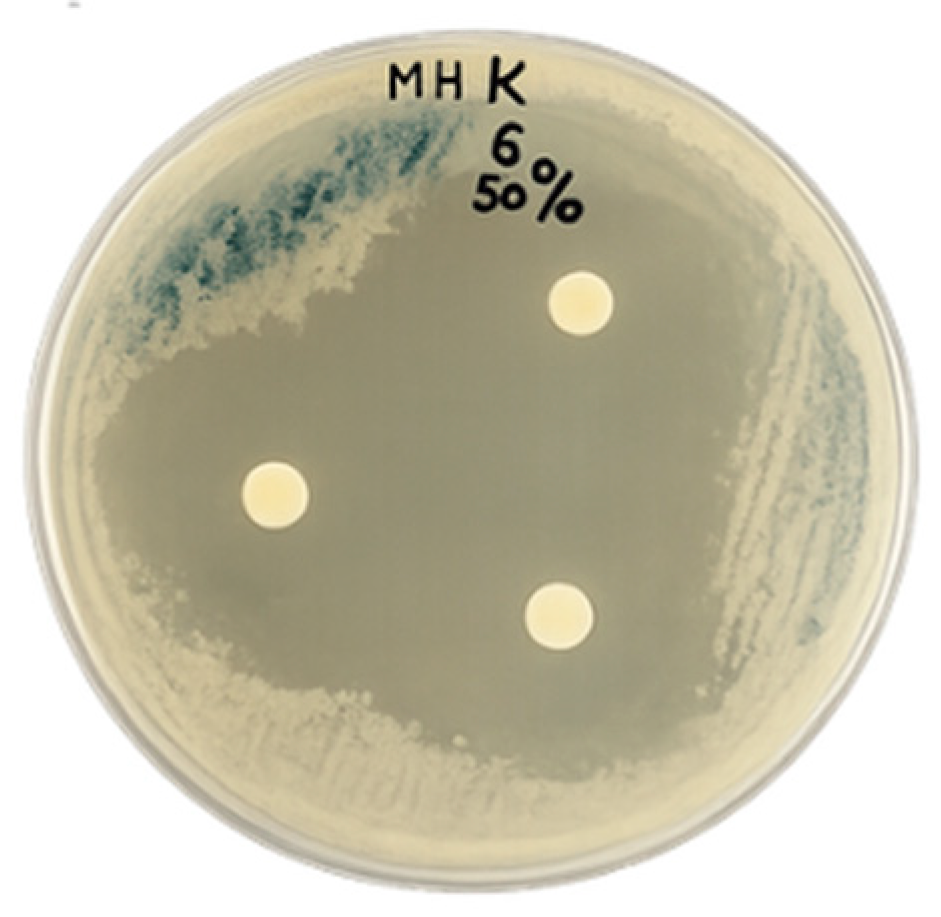
At 50% and 25%, the general trends persisted, though inhibition zones became smaller. Notably, cinnamon (Cinnamomum verum) maintained its activity across all dilutions, as illustrated in Figure 1. Peppermint (Mentha piperita) and lemongrass (Cymbopogon citratus) retained measurable antifungal activity against C. albicans.
To better illustrate the antimicrobial patterns observed in the disc diffusion assays, a summary of the activity of the tested essential oils against planktonic microorganisms is provided in Table 3.

3.2. Phase II—Antibiofilm Activity

To further evaluate their potential, all fifteen essential oils were tested against preformed biofilms of E. coli and S. aureus. Biofilm-associated cells were quantified by CFU enumeration (Table 4 and Table 5).
For E. coli biofilms, several oils—including cinnamon (Cinnamomum verum), lemongrass (Cymbopogon citratus), rosemary (Rosmarinus officinalis), rose (Rosa damascena), jasmine (Jasminum grandiflorum), sandalwood (Santalum austocaledonicum), and sweet orange (Citrus sinensis)—completely eradicated viable biofilm cells, resulting in sterile outcomes (0 CFU, total elimination). Eucalyptus (Eucalyptus globulus) oil significantly reduced counts to 100 CFU, while tea tree (Melaleuca alternifolia) oil achieved partial reductions (400–500 CFU). In contrast, vanilla (Vanilla planifolia), chamomile (Matricaria chamomilla), lemon (Citrus limonum), lavender (Lavandula angustifolia), peppermint (Mentha piperita), and ylang-ylang (Cananga odorata) oils failed to reduce biofilms, with CFU counts similar to or exceeding the untreated control.
In Staphylococcus aureus biofilms, antibiofilm activity varied markedly among the essential oils tested. Jasmine (Jasminum grandiflorum), cinnamon (Cinnamomum verum), lemon (Citrus limonum), peppermint (Mentha piperita), rose (Rosa damascena), and eucalyptus (Eucalyptus globulus) oils reduced viable biofilm cell counts, with jasmine (Jasminum grandiflorum) consistently achieving sterile outcomes (0 CFU, strong eradication) in multiple replicates. Tea tree (Melaleuca alternifolia) oil exhibited variable activity, resulting in partial reductions in some experiments but CFU counts comparable to untreated controls in others.
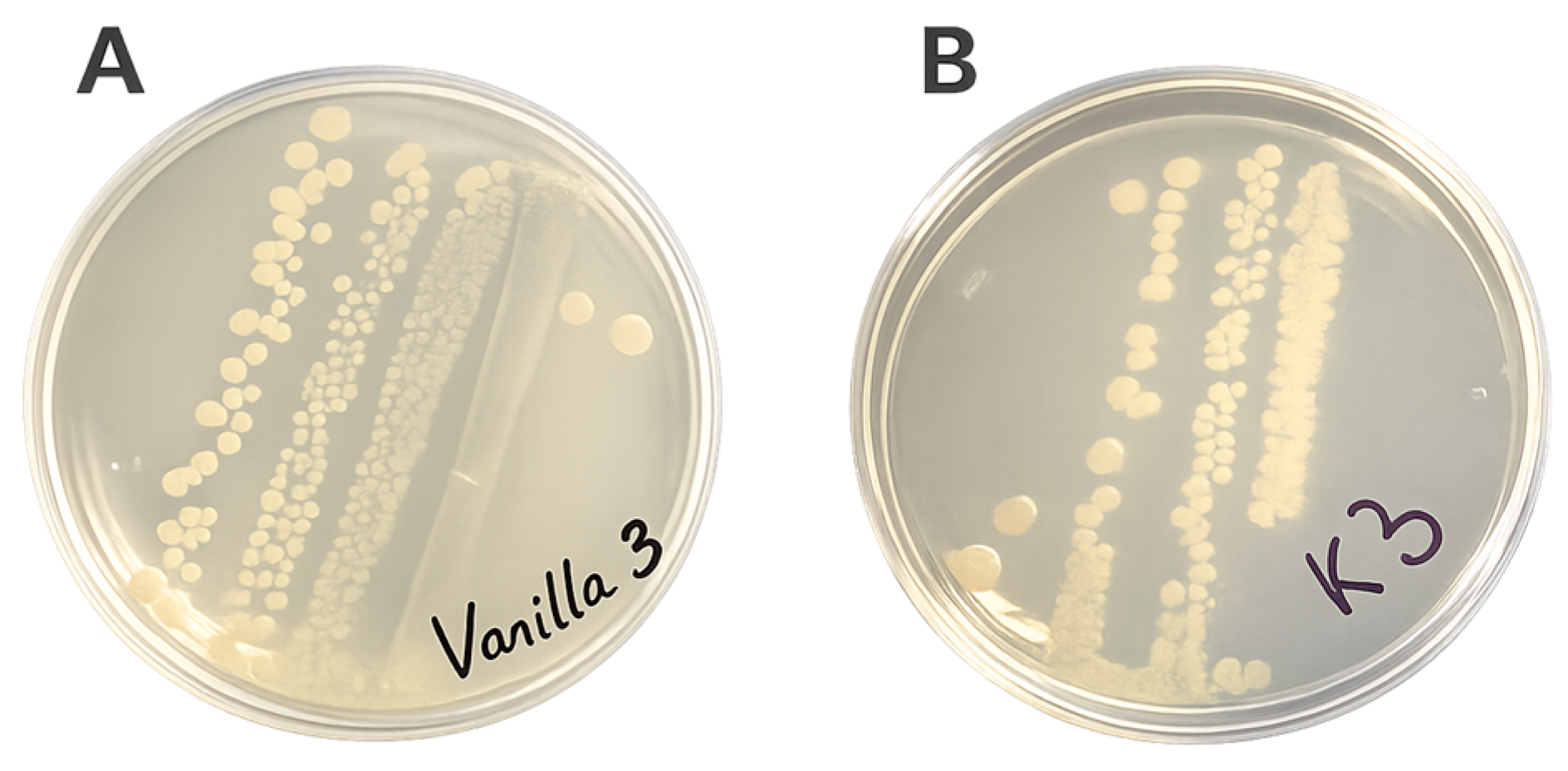
In contrast, essential oils of lemongrass (Cymbopogon citratus), lavender (Lavandula angustifolia), rosemary (Rosmarinus officinalis), and chamomile (Matricaria chamomilla) did not reduce S. aureus biofilm viability and frequently yielded CFU counts equal to or higher than those observed in the control samples. As shown in Figure 2, treatment with vanilla (Vanilla planifolia) essential oil (100%) did not result in a visible reduction in Staphylococcus aureus biofilm formation compared with the untreated control. Notably, lavender (Lavandula angustifolia) essential oil showed pronounced variability, with CFU values ranging from approximately 1.1 × 10³ to 9.0 × 10³ across replicates.

4. Discussion

The findings of this study contribute to the growing body of evidence that essential oils (EOs) represent a promising source of antimicrobial and antibiofilm agents. As expected, their activity was not uniform across strains or experimental models, reflecting both the chemical diversity of EOs and the complexity of microbial physiology. In planktonic assays, several oils—most notably cinnamon (Cinnamomum verum), tea tree (Melaleuca alternifolia), lemongrass (Cymbopogon citratus), rosemary (Rosmarinus officinalis), rose (Rosa damascena), and jasmine (Jasminum grandiflorum)—produced pronounced inhibition, whereas others, such as chamomile (Matricaria chamomilla), sandalwood (Santalum austocaledonicum), lemon (Citrus limon), and sweet orange (Citrus sinensis), exhibited only marginal effects. These findings are consistent with previous studies identifying cinnamaldehyde-, terpinen-4-ol-, and citral-rich oils as potent inhibitors of bacterial growth [21]. The antimicrobial activity of essential oils is often attributed to their complex phytochemical composition. Compounds such as cinnamaldehyde in cinnamon oil, terpinen-4-ol in tea tree oil, and citral in lemongrass oil have been reported as key bioactive constituents responsible for antimicrobial effects. These compounds can disrupt microbial cell membranes, increase membrane permeability, and interfere with essential metabolic processes [2].
The shift from planktonic to biofilm models revealed important discrepancies. Jasmine (Jasminum grandiflorum), which showed only moderate planktonic inhibition, completely eradicated S. aureus biofilms in multiple replicates, highlighting the importance of evaluating alternative growth modes. In contrast, oils such as tea tree (Melaleuca alternifolia) and lemongrass (Cymbopogon citratus) retained strong activity against planktonic cells but exhibited reduced effectiveness against biofilms, a phenomenon frequently reported in previous studies [25,26]. Lavender (Lavandula angustifolia) oil showed particularly pronounced variability: in some cases, it substantially inhibited biofilm formation, whereas in others it appeared to enhance microbial survival. Such inconsistencies are well documented and are often attributed to batch-dependent variations in chemical composition [27]. In contrast, rose (Rosa damascena) and rosemary (Rosmarinus officinalis) oils maintained activity in both models, with several assays yielding complete inhibition, consistent with studies linking their antimicrobial effects to phenolic and flavonoid constituents [28,29].
Together, these observations underscore the multifaceted nature of EO action. Their ability to target membranes, metabolic pathways, and quorum-sensing systems through a cocktail of active constituents reduces the likelihood of resistance development [29]. Yet the heterogeneity we observed—between oils, strains, and experimental models—highlights the challenges of translating in vitro findings into reliable therapeutic strategies.
Several methodological considerations must also be acknowledged. Variability in EO composition is a major limitation, as it depends on factors such as botanical source, extraction method, and storage. Moreover, solvent choice influenced our assays: DMSO, used in planktonic tests, reacted with some oils and caused agar solidification, forcing us to employ ethanol in biofilm assays. These technical nuances may partially explain differences between our findings and those reported elsewhere.
Looking ahead, research should move beyond single-agent testing. Combinatorial approaches, particularly EO–antibiotic combinations, may help address multidrug resistance, as synergistic effects have already been reported. Overall, essential oils should not be considered replacements for antibiotics but rather complementary agents in the fight against antimicrobial resistance [30].
The growing problem of antimicrobial resistance (AMR) highlights the urgent need for new therapeutic approaches against resistant bacterial pathogens. In addition to the natural antimicrobial compounds, such as plant-derived essential oils, investigated in this study, several innovative strategies are being explored. One example is the development of “Trojan Horse” antibiotics, which exploit bacterial iron-uptake systems by linking antibiotics to siderophores that bacteria actively transport into the cell. Another emerging direction involves targeting bacterial metallophores, metal-binding molecules important for bacterial virulence and metal acquisition. In addition, bacteriophage therapy, which uses viruses that specifically infect and kill bacteria, has gained renewed attention as a potential alternative for treating infections caused by multidrug-resistant pathogens [31]. These emerging approaches, together with natural antimicrobial agents such as essential oils, may contribute to the development of more effective strategies for combating antimicrobial resistance.

5. Conclusions

Cinnamon (Cinnamomum verum), tea tree (Melaleuca alternifolia), and lemongrass (Cymbopogon citratus) oils showed the strongest antimicrobial activity against planktonic microorganisms. In biofilm assays, cinnamon (Cinnamomum verum), jasmine (Jasminum grandiflorum), rosemary (Rosmarinus officinalis), rose (Rosa damascena), and lemongrass (Cymbopogon citratus) oils demonstrated notable activity against E. coli biofilms, with several experiments showing complete eradication of viable cells. Activity against S. aureus biofilms was more variable, although jasmine (Jasminum grandiflorum) showed strong inhibitory effects in some replicates. These observations emphasize the importance of evaluating antimicrobial activity in both planktonic and biofilm growth states. Overall, the results suggest that certain essential oils may represent potential complementary antimicrobial agents; however, further studies are required to determine their MIC and MBEC values and evaluate possible synergistic effects with conventional antibiotics.

Supplementary Materials

The following supporting information can be downloaded at: https://www.mdpi.com/article/10.3390/microbiolres17040068/s1, Table S1: Efficacy of each essential oil at concentration of 100%. Table S2: Efficacy of each essential oil at concentration of 50%. Table S3: Efficacy of each essential oil at concentration of 25%. Table S4: Efficacy of each essential oil at concentration of 12.5%.

Author Contributions

Conceptualization, S.R., V.B. and I.S.; methodology, I.S.; validation, S.R., V.B. and I.S.; formal analysis, S.R. and V.B.; investigation, S.R., V.B. and I.S.; data curation, S.R. and V.B.; writing—original draft preparation, S.R. and V.B.; visualization, S.R. and V.B.; supervision, I.S.; project administration, I.S. All authors have read and agreed to the published version of the manuscript.

Funding

This research received no external funding.

Institutional Review Board Statement

Not applicable.

Informed Consent Statement

Not applicable.

Data Availability Statement

Data is contained within the article or Supplementary Materials.

Acknowledgments

During the preparation of this manuscript, the authors used ChatGPT (OpenAI, GPT-4) and Grammarly for language editing and stylistic improvements. The authors have reviewed and edited the output and take full responsibility for the content of this publication.

Conflicts of Interest

The authors declare no conflicts of interest.

Abbreviations

The following abbreviations are used in this manuscript:
ATCCAmerican Type Culture Collection
C. albicansCandida albicans
CFUColony-Forming Units
CLSIClinical and Laboratory Standards Institute
DMSODimethyl Sulfoxide
E. coliEscherichia coli
EOEssential Oil
EtOHEthanol
GC–MSGas Chromatography–Mass Spectrometry
K. pneumoniaeKlebsiella pneumoniae
MHAMueller–Hinton Agar
MRSAMethicillin-Resistant Staphylococcus aureus
P. aeruginosaPseudomonas aeruginosa
S. aureusStaphylococcus aureus
SDASabouraud Dextrose Agar
SDStandard Deviation
TSBTryptic Soy Broth

References

  1. Bakkali, F.; Averbeck, S.; Averbeck, D.; Idaomar, M. Biological effects of essential oils—A review. Food Chem. Toxicol. 2008, 46, 446–475. [Google Scholar] [CrossRef]
  2. Burt, S. Essential oils: Their antibacterial properties and potential applications in foods—A review. Int. J. Food Microbiol. 2004, 94, 223–253. [Google Scholar] [CrossRef]
  3. Chouhan, S.; Sharma, K.; Guleria, S. Antimicrobial Activity of Some Essential Oils—Present Status and Future Perspectives. Medicines 2017, 4, 58. [Google Scholar] [CrossRef]
  4. World Health Organization (WHO). Antimicrobial Resistance: Global Report on Surveillance; WHO: Geneva, Switzerland, 2014; Available online: https://apps.who.int/iris/handle/10665/112642 (accessed on 11 February 2026).
  5. Pfaller, M.A.; Diekema, D.J. Epidemiology of invasive candidiasis: A persistent public health problem. Clin. Microbiol. Rev. 2007, 20, 133–163. [Google Scholar] [CrossRef]
  6. Magiorakos, A.P.; Srinivasan, A.; Carey, R.B.; Carmeli, Y.; Falagas, M.E.; Giske, C.G.; Harbarth, S.; Hindler, J.F.; Kahlmeter, G.; Olsson-Liljequist, B.; et al. Multidrug-resistant, extensively drug-resistant and pandrug-resistant bacteria: An international expert proposal for interim standard definitions. Clin. Microbiol. Infect. 2012, 18, 268–281. [Google Scholar] [CrossRef]
  7. Bjarnsholt, T. The role of bacterial biofilms in chronic infections. APMIS Suppl. 2013, 136, 1–58. [Google Scholar] [CrossRef] [PubMed]
  8. Kayastha, K.; Dhungel, B.; Karki, S.; Adhikari, B.; Banjara, M.R.; Rijal, K.R.; Ghimire, P. Extended-Spectrum β-Lactamase-Producing Escherichia Coli and Klebsiella Species in Pediatric Patients Visiting International Friendship Children’s Hospital, Kathmandu, Nepal. Infect. Dis. Res. Treat. 2020, 13, 1178633720909798. [Google Scholar] [CrossRef] [PubMed]
  9. Van Duin, D.; Paterson, D.L. Multidrug-Resistant Bacteria in the Community. Infect. Dis. Clin. N. Am. 2020, 34, 709–722. [Google Scholar] [CrossRef]
  10. Kavanaugh, N.L.; Ribbeck, K. Selected antimicrobial essential oils eradicate Pseudomonas aeruginosa biofilms. Appl. Environ. Microbiol. 2012, 78, 4057–4061. [Google Scholar] [CrossRef] [PubMed]
  11. Nostro, A.; Papalia, T. Antimicrobial activity of carvacrol: Current progress and future prospectives. Recent Pat. Anti-Infect. Drug Discov. 2012, 7, 28–35. [Google Scholar] [CrossRef]
  12. Mah, T.F.; O’Toole, G.A. Mechanisms of biofilm resistance to antimicrobial agents. Trends Microbiol. 2001, 9, 34–39. [Google Scholar] [CrossRef]
  13. Costerton, J.W.; Stewart, P.S.; Greenberg, E.P. Bacterial biofilms: A common cause of persistent infections. Science 1999, 284, 1318–1322. [Google Scholar] [CrossRef] [PubMed]
  14. Nuță, D.C.; Limban, C.; Chiriță, C.; Chifiriuc, M.C.; Costea, T.; Ioniță, P.; Nicolau, I.; Zarafu, I. Contribution of Essential Oils to the Fight against Microbial Biofilms—A Review. Processes 2021, 9, 537. [Google Scholar] [CrossRef]
  15. Ezzariga, N.; Moukal, A.; Asdadi, A.; Lemkhente, Z.; Moustaoui, F.; Kaaya, A.; Aghrouch, M. Evaluation of the Antimicrobial Activity of 20 Essential Oils and Their Combinations on Bacterial and Fungal Strains. Cureus 2025, 17, e79499. [Google Scholar] [CrossRef]
  16. Bassolé, I.H.N.; Juliani, H.R. Essential oils in combination and their antimicrobial properties. Molecules 2012, 17, 3989–4006. [Google Scholar] [CrossRef]
  17. Touati, A.; Mairi, A.; Ibrahim, N.A.; Idres, T. Essential Oils for Biofilm Control: Mechanisms, Synergies, and Translational Challenges in the Era of Antimicrobial Resistance. Antibiotics 2025, 14, 503. [Google Scholar] [CrossRef]
  18. Langeveld, W.T.; Veldhuizen, E.J.A.; Burt, S.A. Synergy between Essential Oil Components and Antibiotics: A Review. Crit. Rev. Microbiol. 2013, 40, 76–94. [Google Scholar] [CrossRef]
  19. PHATOIL. Available online: https://phatoil.com/ (accessed on 1 November 2025).
  20. Hyldgaard, M.; Mygind, T.; Meyer, R.L. Essential oils in food preservation: Mode of action, synergies, and interactions with food matrix components. Front. Microbiol. 2012, 3, 12. [Google Scholar] [CrossRef]
  21. Kalemba, D.; Kunicka, A. Antibacterial and antifungal properties of essential oils. Curr. Med. Chem. 2003, 10, 813–829. [Google Scholar] [CrossRef] [PubMed]
  22. Carson, C.F.; Hammer, K.A.; Riley, T.V. Melaleuca alternifolia (Tea tree) oil: A review of antimicrobial and other medicinal properties. Clin. Microbiol. Rev. 2006, 19, 50–62. [Google Scholar] [CrossRef] [PubMed]
  23. Lambert, R.J.W.; Skandamis, P.N.; Coote, P.J.; Nychas, G.-J.E. A Study of the Minimum Inhibitory Concentration and Mode of Action of Oregano Essential Oil, Thymol and Carvacrol. J. Appl. Microbiol. 2001, 91, 453–462. [Google Scholar] [CrossRef] [PubMed]
  24. Sienkiewicz, M.; Głowacka, A.; Kowalczyk, E.; Wiktorowska-Owczarek, A.; Jóźwiak-Bębenista, M.; Łysakowska, M. The Biological Activities of Cinnamon, Geranium and Lavender Essential Oils. Molecules 2014, 19, 20929–20940. [Google Scholar] [CrossRef] [PubMed]
  25. Kwiatkowski, P.; Pruss, A.; Wojciuk, B.; Dołęgowska, B.; Wajs-Bonikowska, A.; Sienkiewicz, M.; Mężyńska, M.; Łopusiewicz, Ł. The Influence of Essential Oil Compounds on Antibacterial Activity of Mupirocin-Susceptible and Induced Low-Level Mupirocin-Resistant MRSA Strains. Molecules 2019, 24, 3105. [Google Scholar] [CrossRef]
  26. Gao, S.; Liu, G.; Li, J.; Chen, J.; Li, L.; Li, Z.; Zhang, X.; Zhang, S.; Zhang, S.; Thorne, R.F.; et al. Antimicrobial Activity of Lemongrass Essential Oil (Cymbopogon Flexuosus) and Its Active Component Citral Against Dual-Species Biofilms of Staphylococcus Aureus and Candida Species. Front. Cell. Infect. Microbiol. 2020, 10, 603858. [Google Scholar] [CrossRef]
  27. Stamova, S.; Ermenlieva, N.; Tsankova, G.; Georgieva, E. Antimicrobial Activity of Lavender Essential Oil from Lavandula Angustifolia Mill.: In Vitro and In Silico Evaluation. Antibiotics 2025, 14, 656. [Google Scholar] [CrossRef] [PubMed]
  28. Brożyna, M.; Dudek, B.; Kozłowska, W.; Malec, K.; Paleczny, J.; Detyna, J.; Fabianowska-Majewska, K.; Junka, A. The Chronic Wound Milieu Changes Essential Oils’ Antibiofilm Activity—An in Vitro and Larval Model Study. Sci. Rep. 2024, 14, 2218. [Google Scholar] [CrossRef]
  29. Gochev, V.; Wlcek, K.; Buchbauer, G.; Stoyanova, A.; Dobreva, A.; Schmidt, E.; Jirovetz, L. Comparative Evaluation of Antimicrobial Activity and Composition of Rose Oils from Various Geographic Origins, in Particular Bulgarian Rose Oil. Nat. Prod. Commun. 2008, 3, 1934578X0800300706. [Google Scholar] [CrossRef]
  30. El Atki, Y.; Aouam, I.; El Kamari, F.; Taroq, A.; Lyoussi, B.; Abdellaoui, A.; Lyoussi, B. Antibacterial activity of cinnamon essential oils and their synergistic potential with antibiotics. J. Food Qual. 2019, 2019, 5614560. [Google Scholar] [CrossRef]
  31. Tillotson, G.S. Trojan Horse Antibiotics–A Novel Way to Circumvent Gram-Negative Bacterial Resistance? Infect. Dis. Res. Treat. 2016, 9, 45–52. [Google Scholar] [CrossRef]
Figure 1. Disc diffusion test showing strong antimicrobial activity (+++) of cinnamon essential oil at 50% concentration against Klebsiella pneumoniae.
Microbiolres 17 00068 g001
Figure 2. Effect of 100% vanilla (Vanilla planifolia) essential oil on Staphylococcus aureus biofilm formation compared with the untreated control. (A) Sample treated with vanilla (Vanilla planifolia) essential oil. (B) Untreated control.
Microbiolres 17 00068 g002
Table 1. Extraction methods of essential oils used in this study [19].
Extraction MethodTypical Plant SourcesDescriptionExamples from This Study
Steam distillationLeaves, flowers, woody tissuesSteam passes through plant material, releasing volatile compounds that are condensed and separated.Tea tree (Melaleuca alternifolia), Peppermint (Mentha piperita), Lavender (Lavandula angustifolia), Rosemary (Rosmarinus officinalis), Lemongrass (Cymbopogon citratus), Cinnamon (Cinnamomum verum), Chamomile (Matricaria chamomilla)
Cold pressingCitrus fruitsMechanical pressing of the rind separates essential oil from fruit juice.Lemon (Citrus limonum), Sweet orange (Citrus sinensis)
Solvent extractionDelicate flowersAromatic compounds are dissolved in organic solvents, which are subsequently removed.Jasmine (Jasminum grandiflorum), Rose (Rosa damascena), Ylang-ylang (Cananga odorata)
Supercritical CO2 extractionPlants with delicate aromatic profilesCarbon dioxide under controlled temperature and pressure extracts volatile compounds without thermal degradation.Sandalwood (Santalum austocaledonicum), Vanilla (Vanilla planifolia)
Table 2. Experimental design summary for planktonic and biofilm assays.
Assay TypeOrganisms TestedSolvent UsedConcentrations of OilsMethod AppliedOutcome Measured
Planktonic assays (disc diffusion)E. coli, S. aureus, P. aeruginosa, K. pneumoniae, C. albicansDMSO100%, 50%, 25%, 12.5%Kirby– Bauer disc diffusion [15,20]Inhibition zone diameters (cm)
Biofilm assays (pin-lid model)E. coli, S. aureusEthanol (1 mL oil + 6 µL EtOH)100%Calgary Biofilm Device [22,23]CFU counts from disrupted biofilms
Biofilm assays (drop-plate validation)E. coli, S. aureusEthanol (same prep as above)100%Drop-plate method [24]CFU counts (mainly 10−2 dilution; 10−3 and 10−4 used additionally)
Table 3. Summary of antimicrobial activity of essential oils against planktonic microorganisms.
Essential OilSpectrum of ActivityEffective ConcentrationNotable Observations
Cinnamon (Cinnamomum verum)All bacteria +
C. albicans
100%, 50%, 25%, 12.5%Sterile inhibition (0) in multiple strains
Tea tree (Melaleuca alternifolia)E. coli, S. aureus,
K. pneumoniae
100%, 50%, 25%, 12.5%Strongest vs. S. aureus
Lemongrass (Cymbopogon citratus)E. coli, S. aureus,
K. pneumoniae,
C. albicans
100%, 50%, 25%, 12.5%Sterile (0) vs. E. Coli and K. pneumoniae
Rosemary (Rosmarinus officinalis)S. aureus,
K. pneumoniae,
C. albicans
100%, 50%, 25%Stable moderate–strong activity
Rose (Rosa damascena)S. aureus,
K. pneumoniae,
C. albicans
100%, 50%Strong at higher conc.
Peppermint (Mentha piperita)K. pneumoniae,
C. albicans
100%, 50%, 25%Notable antifungal effect
Lavender (Lavandula angustifolia)K. pneumoniae,
C. albicans
100%, 50%, 25%Moderate antifungal activity
Eucalyptus (Eucalyptus globulus)E. coli, S. aureus,
K. pneumoniae,
C. albicans
100%, 50%Strong inhibition at 100%
Jasmine (Jasminum grandiflorum)K. pneumoniae,
C. albicans
100%, 50%Selective inhibition
Ylang-ylang (Cananga odorata)K. pneumoniae100%Narrow spectrum
Vanilla (Vanilla planifolia)S. aureus,
K. pneumoniae,
C. albicans
100%Weak inhibition
Chamomile (Matricaria chamomilla)Limited activity100%Weak, strain-specific
Lemon (Citrus limonum)Limited activity100%Weak inhibition
Sandalwood (Santalum austocaledonicum)Limited activity100%Weak inhibition
Sweet orange (Citrus sinensis)Limited activity100%Weak inhibition
Note: Full inhibition profiles at four concentrations (100%, 50%, 25%, and 12.5%) are provided in Supplementary Tables S1–S4.
Table 4. Effects of essential oils on E. coli biofilms (10−2 dilution counts).
Essential OilMean CFU (102) ± SDCompared to Control
Cinnamon (Cinnamomum verum)0Sterile (strong inhibition)
Lemongrass (Cymbopogon citratus)0Sterile (strong inhibition)
Rosemary (Rosmarinus officinalis)0Sterile (strong inhibition)
Rose (Rosa damascena)0Sterile (strong inhibition)
Jasmine (Jasminum grandiflorum)0Sterile (strong inhibition)
Sandalwood (Santalum austocaledonicum)0Sterile (strong inhibition)
Sweet orange (Citrus sinensis)0Sterile (strong inhibition)
Tea tree (Melaleuca alternifolia)450 ± 3000Lower
Eucalyptus (Eucalyptus globulus)100 ± 3000Strong reduction
Peppermint (Mentha piperita)5500 ± 3000Equal
Lavender (Lavandula angustifolia)5800 ± 3000Equal
Ylang-ylang (Cananga odorata)6500 ± 3000Equal
Chamomile (Matricaria chamomilla)6500 ± 3000Equal
Lemon (Citrus limonum)6500 ± 3000Equal
Vanilla (Vanilla planifolia)6500 ± 3000Equal/Higher
Control (K)6500 ± 3000
Table 5. Effects of essential oils on S. aureus biofilms (10−2 dilution counts).
Essential OilMean CFU (102) ± SDCompared to Control
Jasmine (Jasminum grandiflorum)0 ± 1500Sterile (strong inhibition)
Cinnamon (Cinnamomum verum)1700 ± 1500Lower
Rose (Rosa damascena)3200 ± 1500Lower
Lemon (Citrus limonum)2233 ± 1500Lower
Peppermint (Mentha piperita)2500 ± 1500Lower
Eucalyptus (Eucalyptus globulus)2333 ± 1500Lower
Tea tree (Melaleuca alternifolia)4000 ± 1500Equal/Lower
Lemongrass (Cymbopogon citratus)5466 ± 1500Higher
Lavender (Lavandula angustifolia)3900 ± 1500Lower
Rosemary (Rosmarinus officinalis)4766 ± 1500Equal
Chamomile (Matricaria chamomilla)4400 ± 1500Equal
Sweet orange (Citrus sinensis)3033 ± 1500Lower
Sandalwood (Santalum austocaledonicum)2666 ± 1500Equal
Vanilla (Vanilla planifolia)3933 ± 1500Equal
Ylang-ylang (Cananga odorata)5021 ± 1500Equal
Control (K)5033 ± 1500
Disclaimer/Publisher’s Note: The statements, opinions and data contained in all publications are solely those of the individual author(s) and contributor(s) and not of MDPI and/or the editor(s). MDPI and/or the editor(s) disclaim responsibility for any injury to people or property resulting from any ideas, methods, instructions or products referred to in the content.