Article

Curcumin-Loaded Microemulsion Gel: An Optimized and Rheologically Acceptable Formulation with Conducive Dermatokinetics for Topical Breast Cancer Therapy


by
Md. Abul Barkat
1,*,
Shakilur Rahman
2,
Harshita Barkat
1,
Abdulkareem A. Alanezi
1,
Nader I. Namazi
3,
Afaf F. Almuqati
4,
Abrar Turki
5,
Zahraa Alali
6,
Mahesh Kumar Sharma
7 and
Kaisar Raza
8
1
Department of Pharmaceutics, College of Pharmacy, University of Hafr Al Batin, Al Jamiah, Hafr Al Batin 39524, Saudi Arabia
2
Department of Biology, College of Science, Imam Mohammad Ibn Saud Islamic University (IMSIU), Riyadh 11623, Saudi Arabia
3
Department of Pharmaceutics and Pharmaceutical Industries, College of Pharmacy, Taibah University, Madinah 42353, Saudi Arabia
4
Department of Pharmaceutical Chemistry, College of Pharmacy, University of Hafr Al Batin, Al Jamiah, Hafr Al Batin 39524, Saudi Arabia
5
Clinical Nutrition Department, College of Applied Medical Sciences, University of Hafr Al Batin, Hafr Al Batin 39524, Saudi Arabia
6
Department of Clinical Laboratory, College of Applied Medical Sciences, University of Hafr Al Batin, Hafr Al Batin 31991, Saudi Arabia
7
ICFAI School of Pharmaceutical Sciences, The ICFAI University, Jaipur, Agra Road, Jamdoli, Jaipur 302031, Rajasthan, India
8
Department of Pharmacy, Central University of Rajasthan, Bandarsindri, Ajmer 305817, Rajasthan, India
*
Author to whom correspondence should be addressed.
Pharmaceutics 2026, 18(7), 897; https://doi.org/10.3390/pharmaceutics18070897

Submission received: 2 June 2026 / Revised: 12 July 2026 / Accepted: 18 July 2026 / Published: 21 July 2026

Abstract

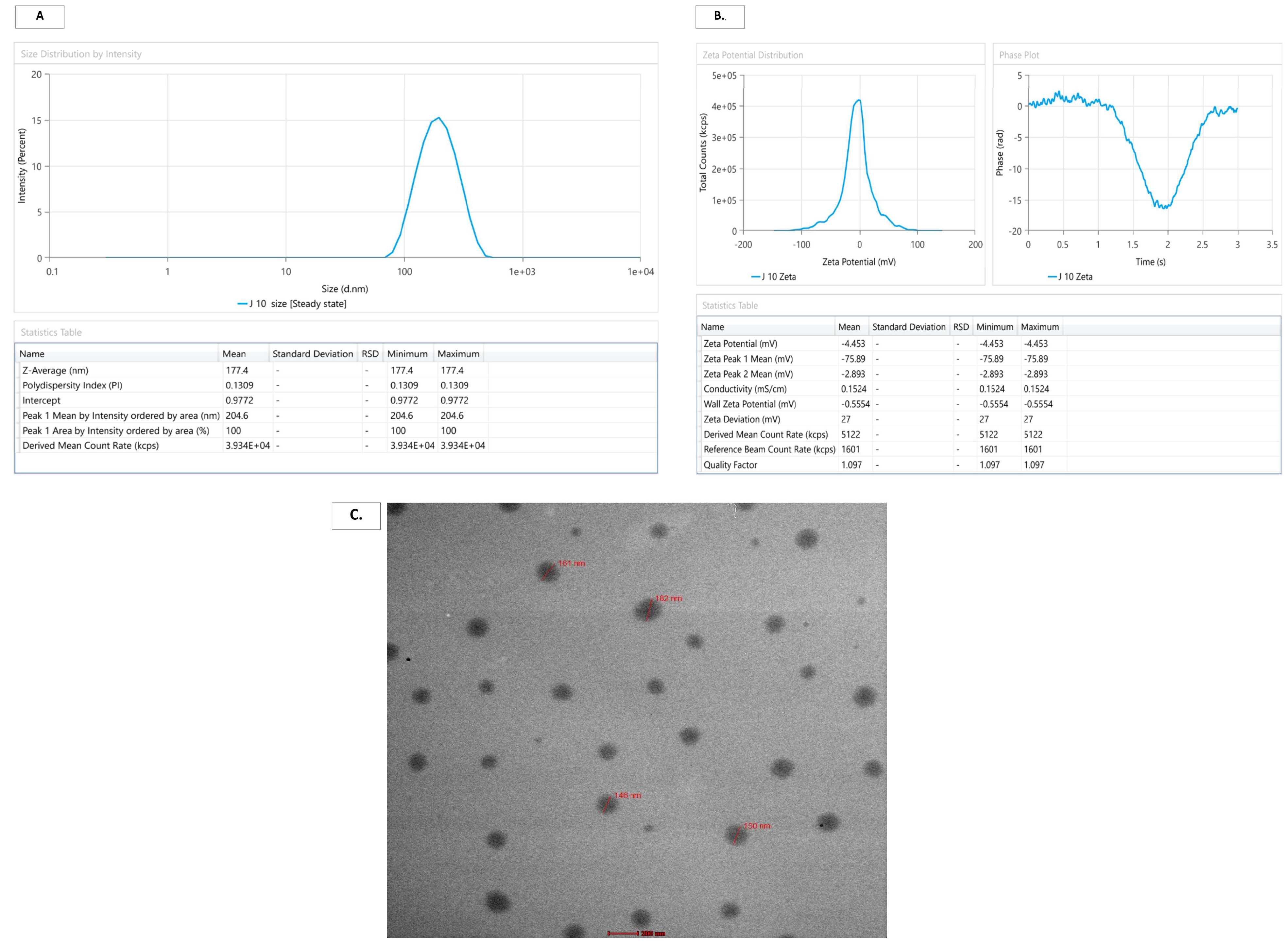
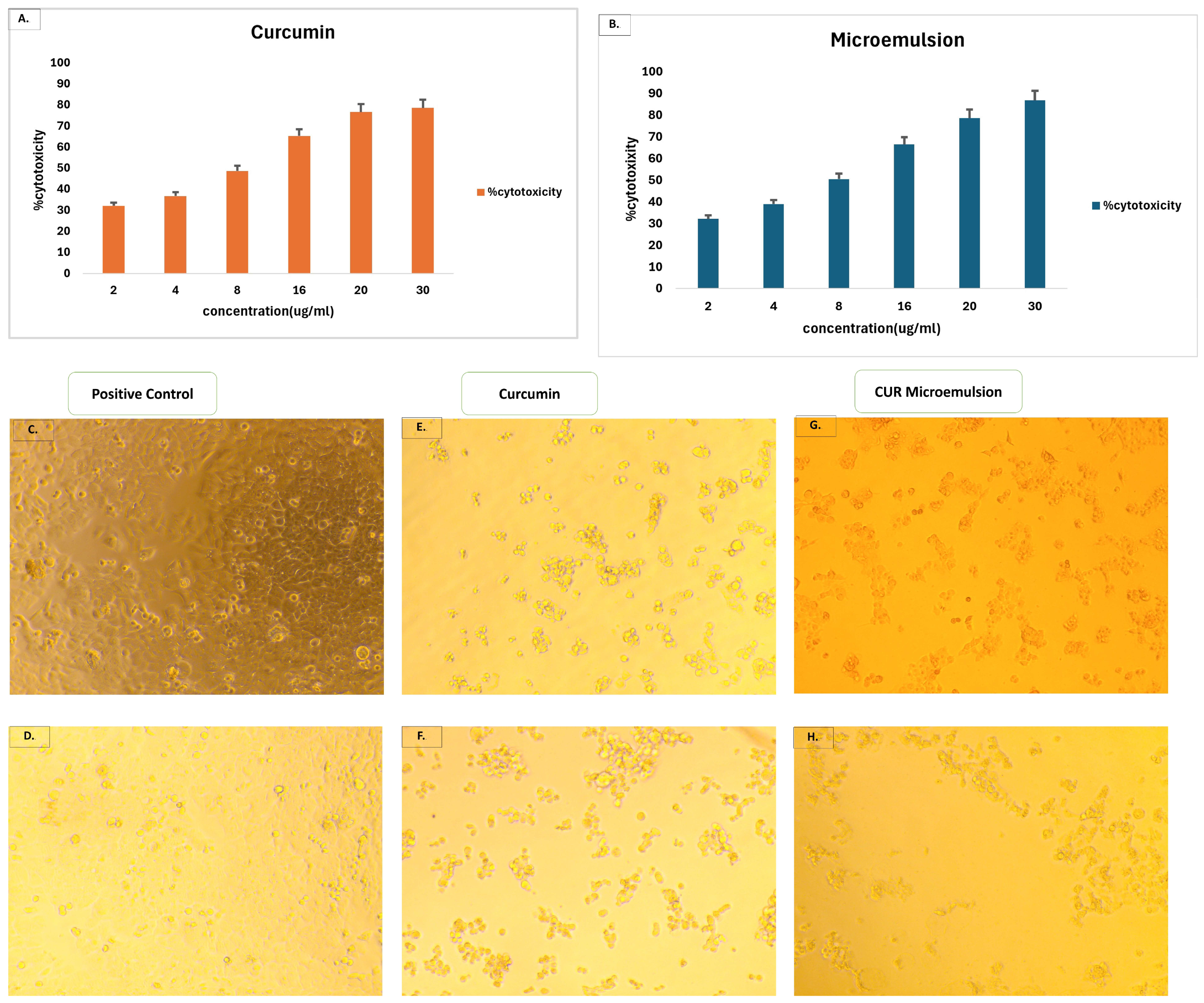
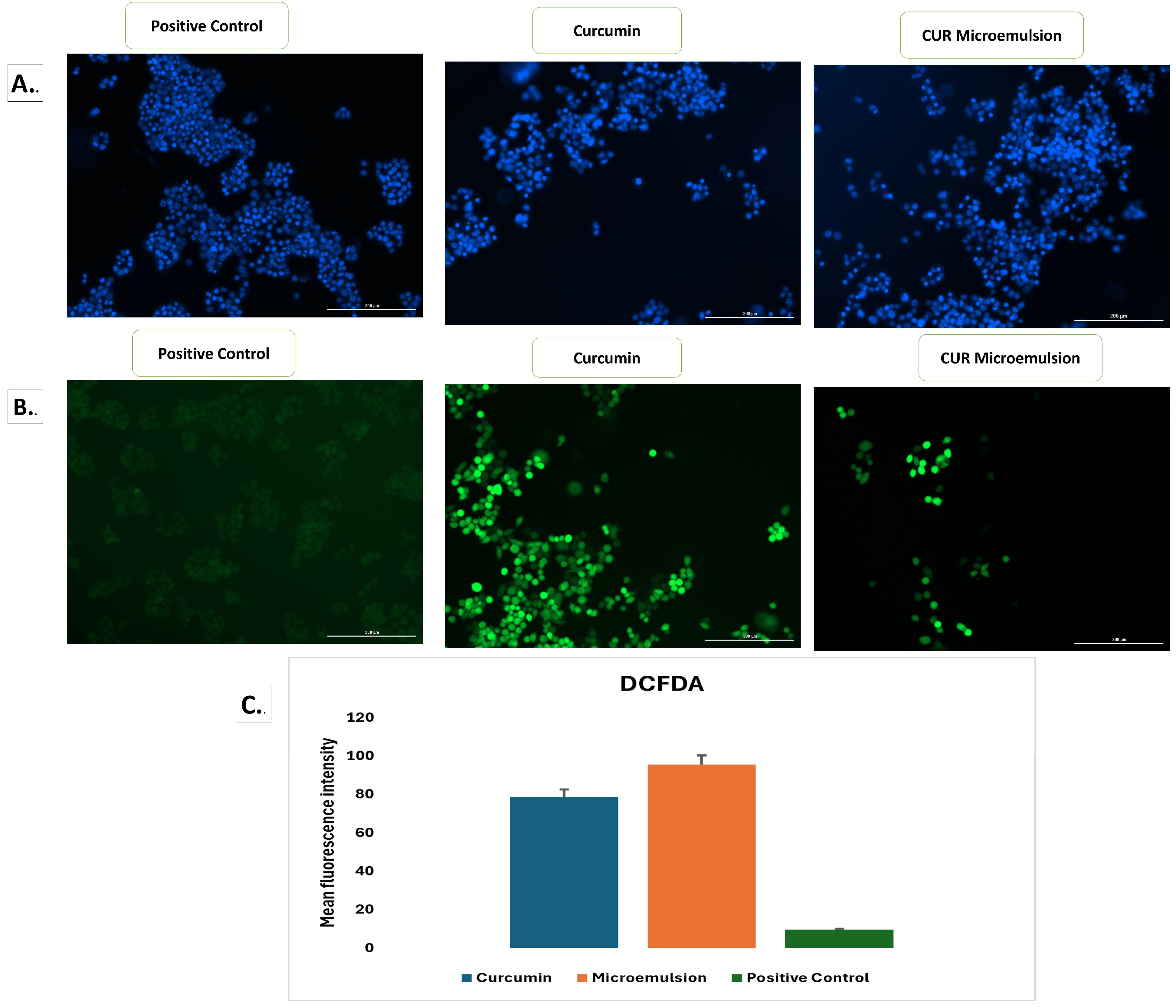
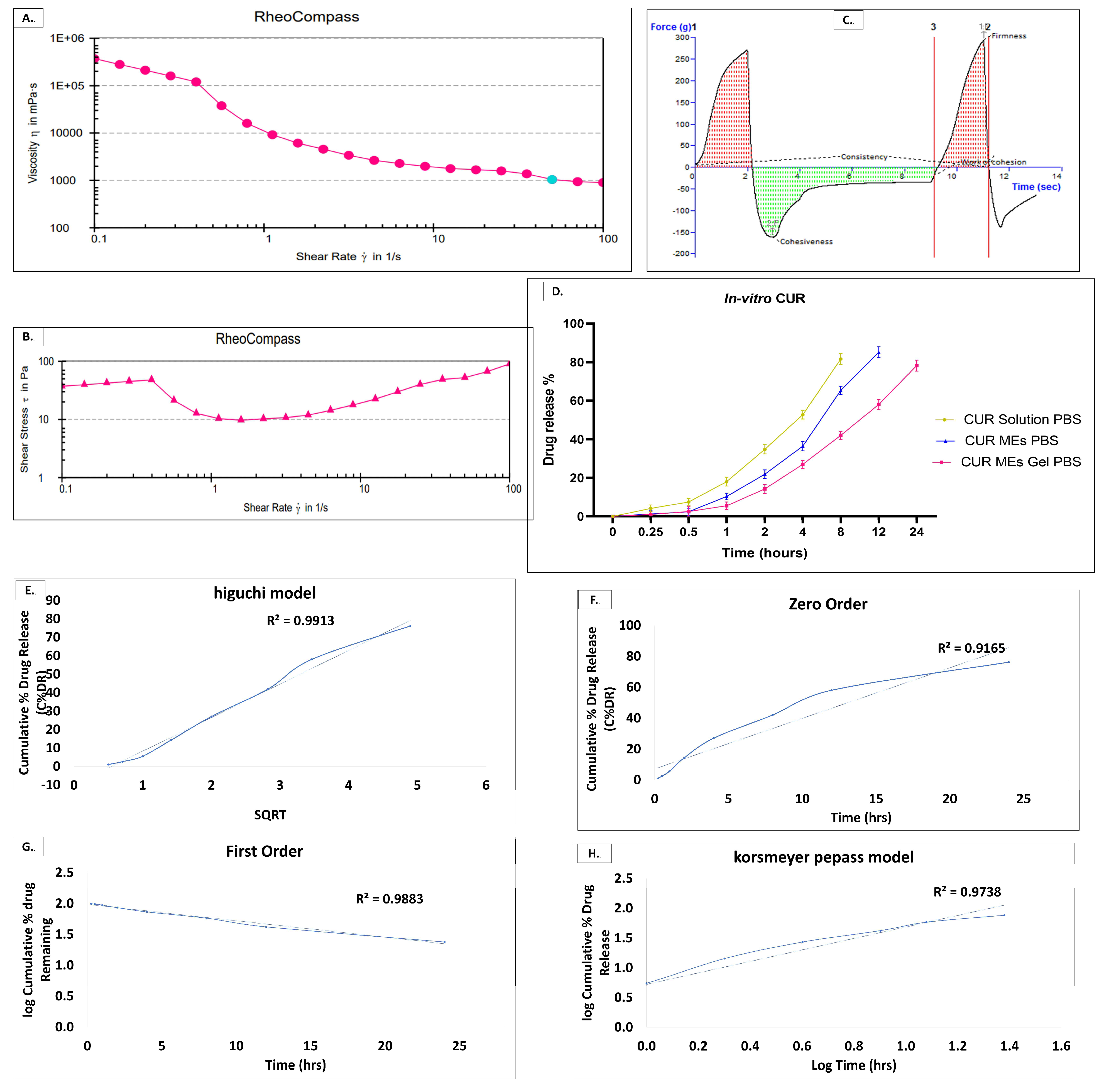
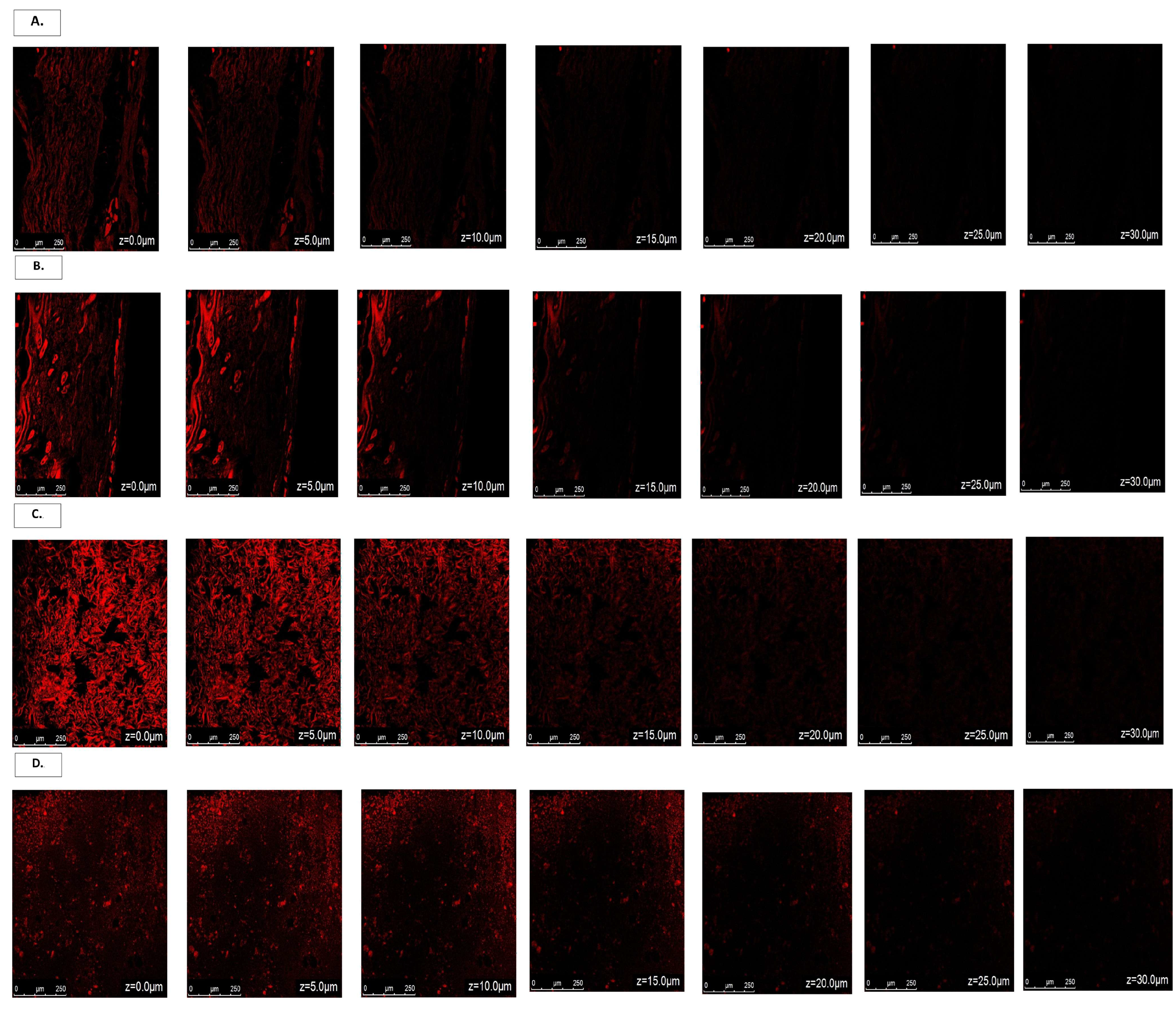
Background/Objectives: Breast cancer remains one of the most prevalent malignancies worldwide, highlighting the need for safer and more effective therapeutic strategies. Curcumin has shown considerable anticancer potential; however, its clinical application is limited by poor aqueous solubility and low skin permeability. Methods: Therefore, a curcumin-loaded microemulsion (CUR-ME) was developed and optimized using a Box–Behnken design, followed by incorporation into a Carbopol 934 gel for topical breast cancer therapy. Results: The optimized formulation exhibited a particle size of 177.4 nm, a polydispersity index of 0.1309, and a zeta potential of −4.45 mV, indicating favorable physicochemical characteristics. CUR-ME demonstrated superior dose-dependent cytotoxicity against MCF-7 breast cancer cells, with a lower IC50 8.89 µg/mL than free curcumin IC50 9.83 µg/mL. Furthermore, Hoechst 33342 staining and the DCFDA assay confirmed enhanced apoptosis and intracellular reactive oxygen species generation in CUR-ME-treated cells, indicating improved cellular uptake and anticancer activity. Rheological and texture profile analyses demonstrated suitable viscosity, firmness, and spreadability for topical application. In vitro drug release revealed sustained release from the CUR-ME gel, achieved through the polymeric gel matrix, which increased viscosity, entrapped microemulsion droplets, and acted as a diffusion barrier to prolong drug retention and release. Confocal laser scanning microscopy further confirmed enhanced skin penetration of CUR-ME. Conclusions: Collectively, these findings demonstrate that the developed CUR-ME gel is a promising topical drug delivery system with sustained release, improved skin retention, and enhanced therapeutic potential for breast cancer management.
Keywords: breast cancer; curcumin; microemulsion; Carbopol gel; MCF7 cell line breast cancer; curcumin; microemulsion; Carbopol gel; MCF7 cell line
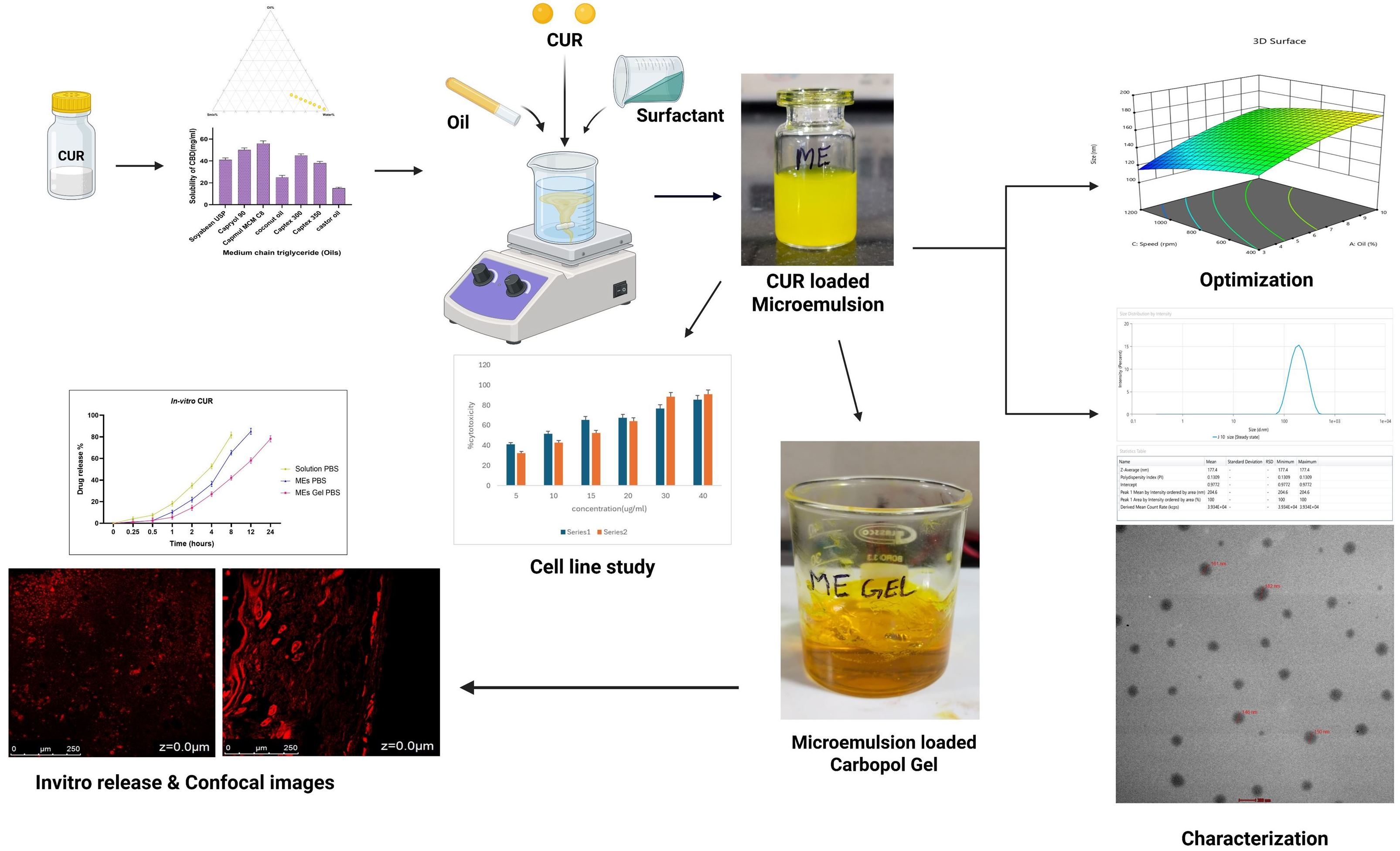
Graphical Abstract