Benzofuran-Annulated Naphthalimides Trigger Replication Stress, DNA Damage, and p53-Dependent Cell Cycle Arrest

 , , ,
, , ,  , , , and
Abstract
1. Introduction
2. Materials and Methods
2.1. Synthesis
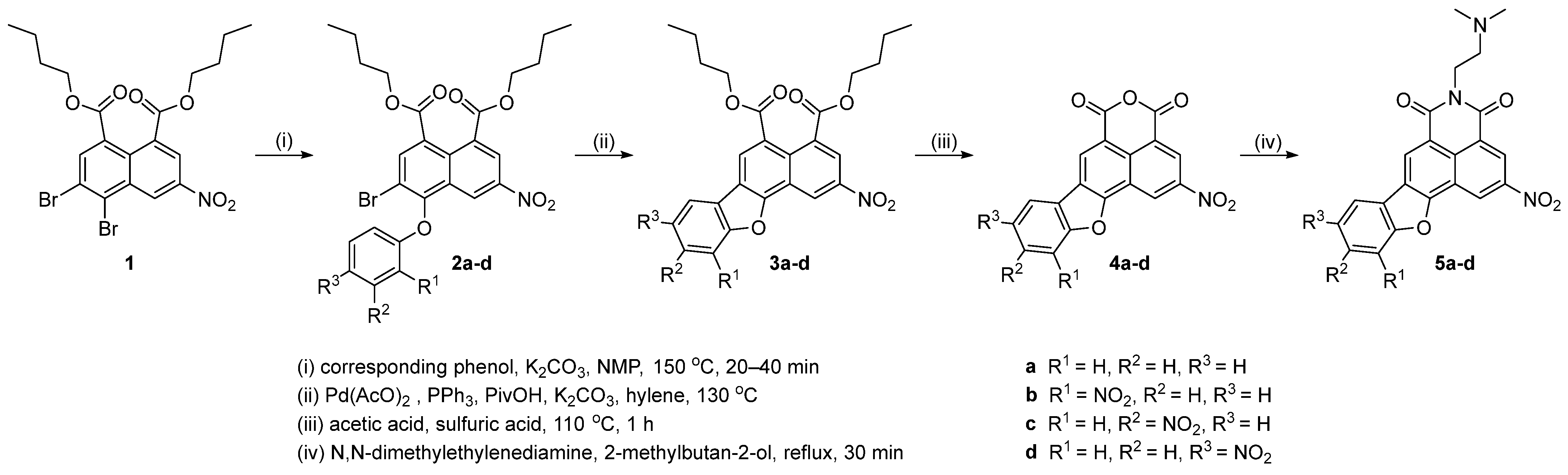
2.1.1. Dibutyl 3-Bromo-6-nitro-4-phenoxynaphthalene-1,8-dicarboxylate 2a
2.1.2. Dibutyl 3-Bromo-6-nitro-4-(2-nitrophenoxy)naphthalene-1,8-dicarboxylate 2b
2.1.3. Dibutyl 3-Bromo-6-nitro-4-(3-nitrophenoxy)naphthalene-1,8-dicarboxylate 2c
2.1.4. Dibutyl 3-Bromo-6-nitro-4-(4-nitrophenoxy)naphthalene-1,8-dicarboxylate 2d
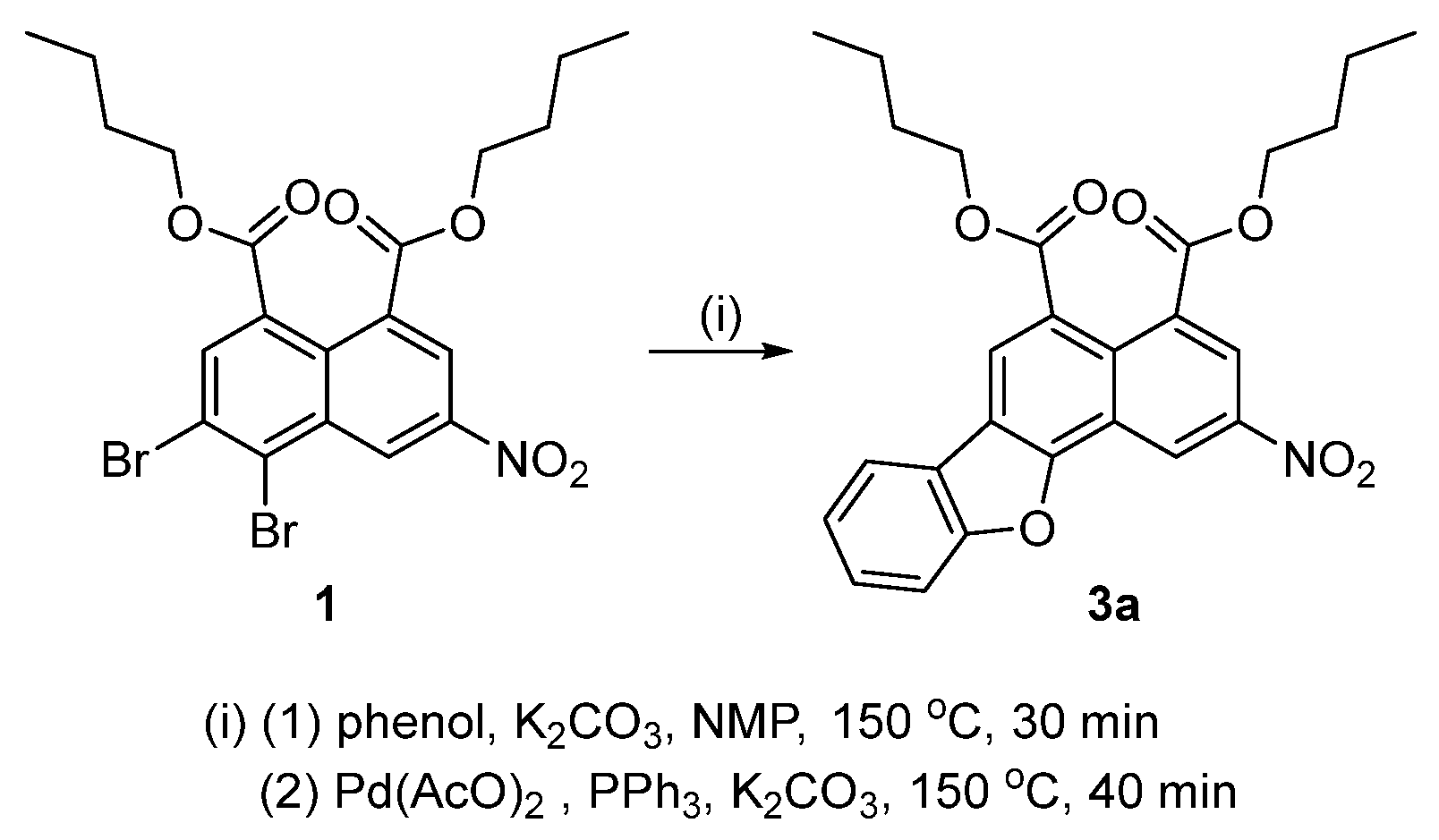
2.1.5. Dibutyl 2-Nitronaphtho[1,2-b]benzofuran-4,5-dicarboxylate 3a
2.1.6. Dibutyl 2,10-Dinitronaphtho[1,2-b]benzofuran-4,5-dicarboxylate 3b
2.1.7. Dibutyl 2,9-Dinitronaphtho[1,2-b]benzofuran-4,5-dicarboxylate 3c
2.1.8. Dibutyl 2,8-dinitronaphtho[1,2-b]benzofuran-4,5-dicarboxylate 3d
2.1.9. 2-Nitro-4H,6H-benzo[de]benzofuro[2,3-g]isochromene-4,6-dione 4a
2.1.10. 2,11-Dinitro-4H,6H-benzo[de]benzofuro[2,3-g]isochromene-4,6-dione 4b
2.1.11. 2,10-Dinitro-4H,6H-benzo[de]benzofuro[2,3-g]isochromene-4,6-dione 4c
2.1.12. 2,9-Dinitro-4H,6H-benzo[de]benzofuro[2,3-g]isochromene-4,6-dione 4d
2.1.13. 5-(2-(Dimethylamino)ethyl)-2-nitro-4H-benzo[de]benzofuro[2,3-g]isoquinoline-4,6(5H)-dione 5a
2.1.14. 5-(2-(Dimethylamino)ethyl)-2,11-dinitro-4H-benzo[de]benzofuro[2,3-g]isoquinoline-4,6(5H)-dione 5b
2.1.15. 5-(2-(Dimethylamino)ethyl)-2,10-dinitro-4H-benzo[de]benzofuro[2,3-g]isoquinoline-4,6(5H)-dione 5c
2.1.16. 5-(2-(Dimethylamino)ethyl)-2,9-dinitro-4H-benzo[de]benzofuro[2,3-g]isoquinoline-4,6(5H)-dione 5d
2.2. Biology
2.2.1. Cell Culture and Compounds
2.2.2. Cytotoxicity Test
2.2.3. Colony Formation Assay
2.2.4. Flow Cytometry
Apoptosis Assessment
Analysis of Cell Cycle Distribution
2.2.5. Immunofluorescence Microscopy
2.2.6. Western Blot Analysis
2.2.7. Statistical Analysis
3. Results
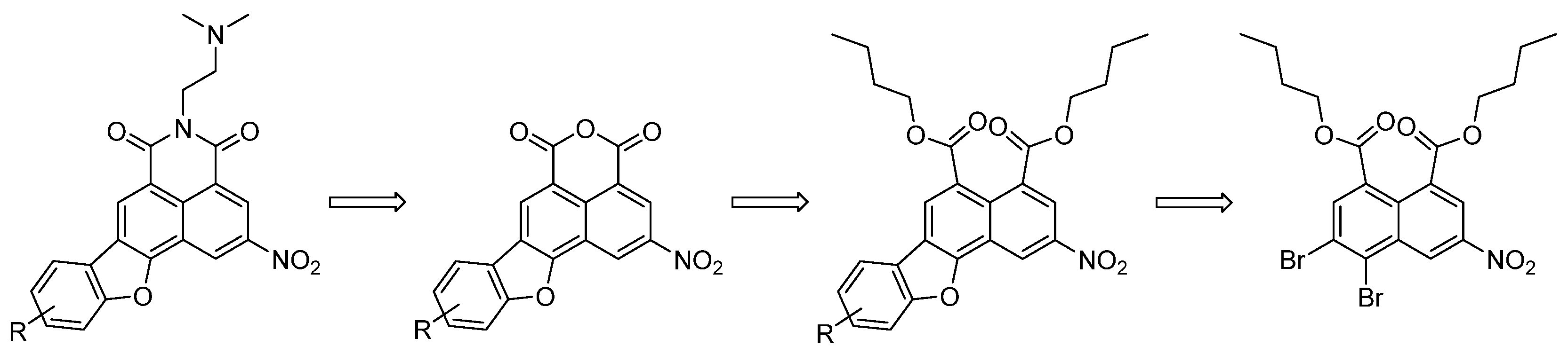
3.1. Chemistry
3.2. Biology
3.2.1. Cytotoxic Activity of Benzofuran-Containing Naphthalimide Derivatives
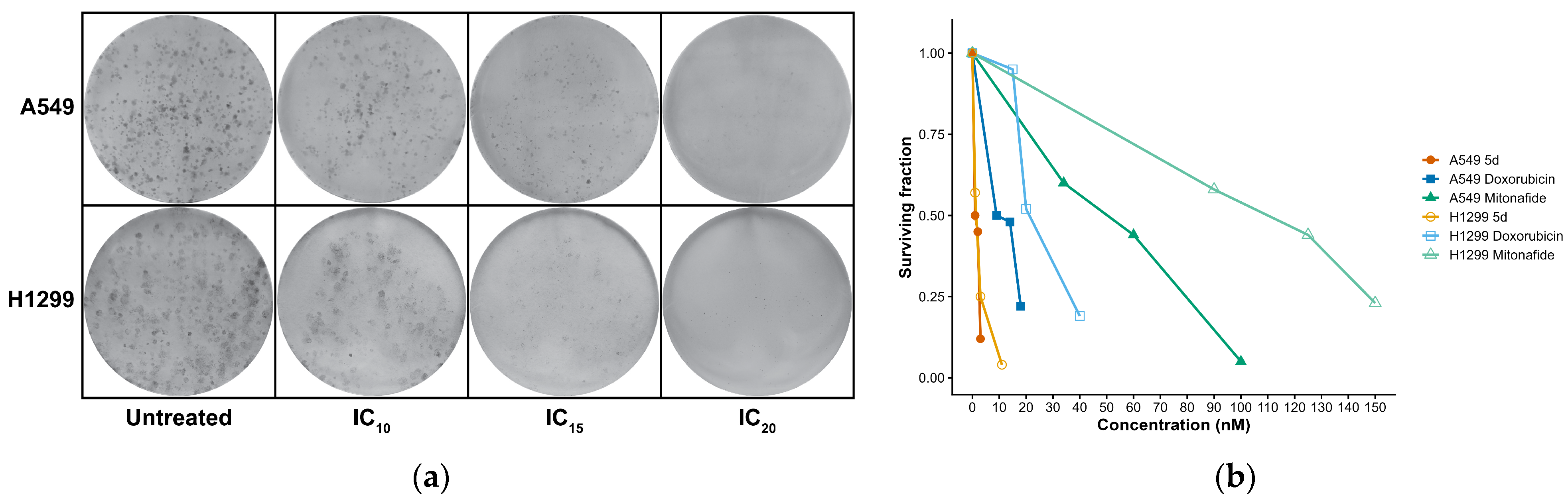
3.2.2. Doxorubicin- and Naphthalimide-Induced Inhibition of Clonogenic Survival
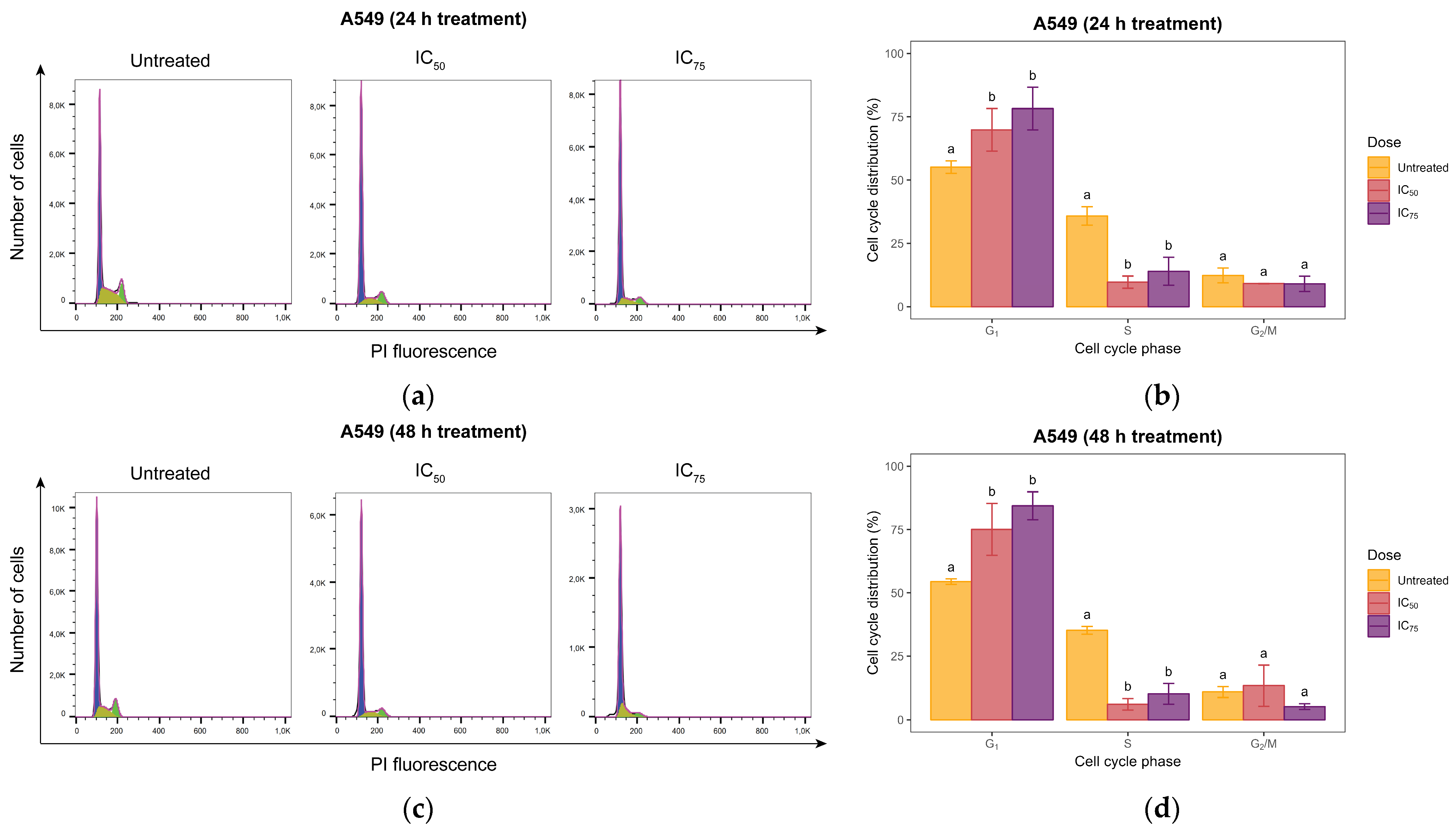
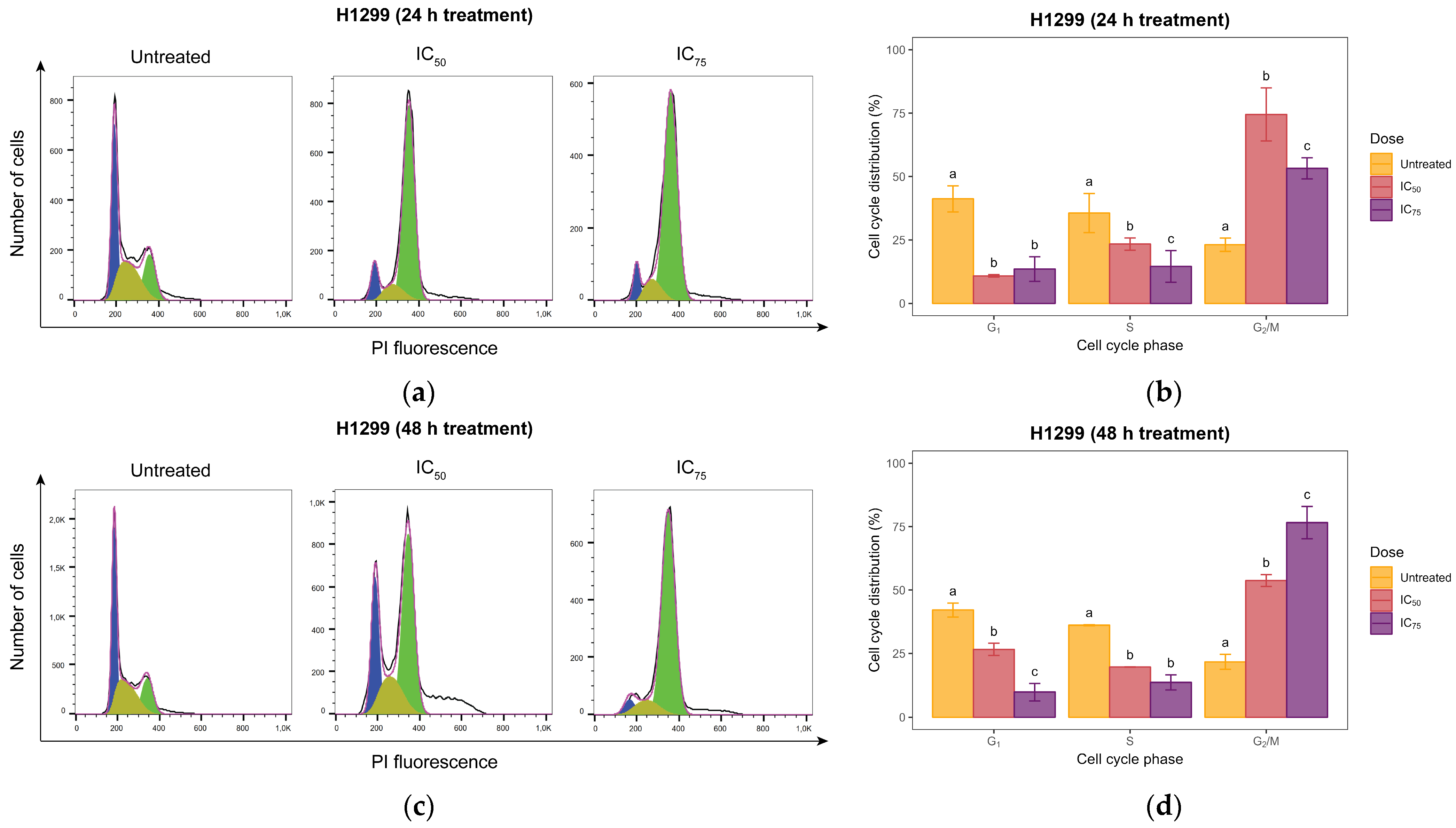
3.2.3. Effect of 5d on Cell Cycle Progression
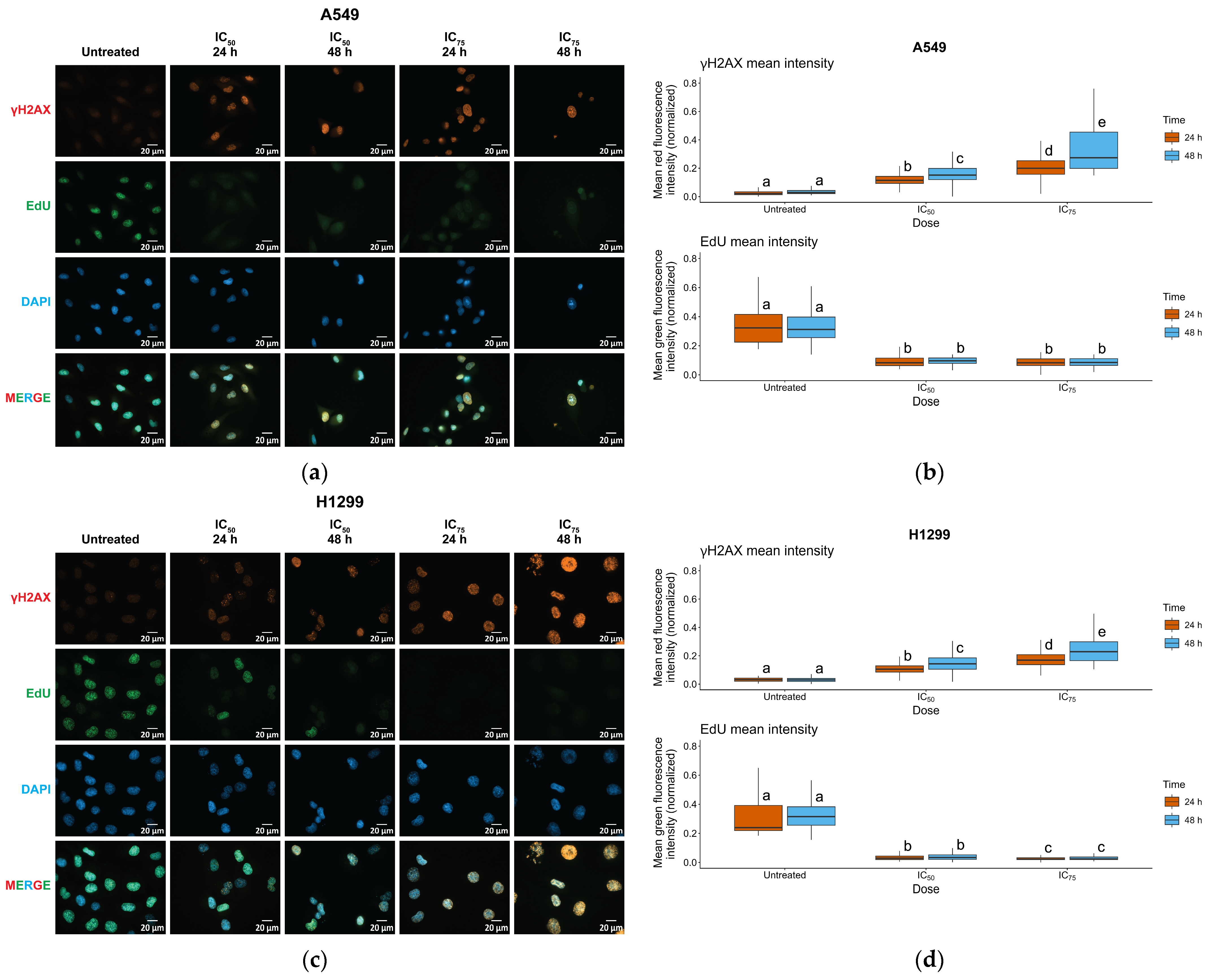
3.2.4. Induction of Replication Stress and DNA Damage
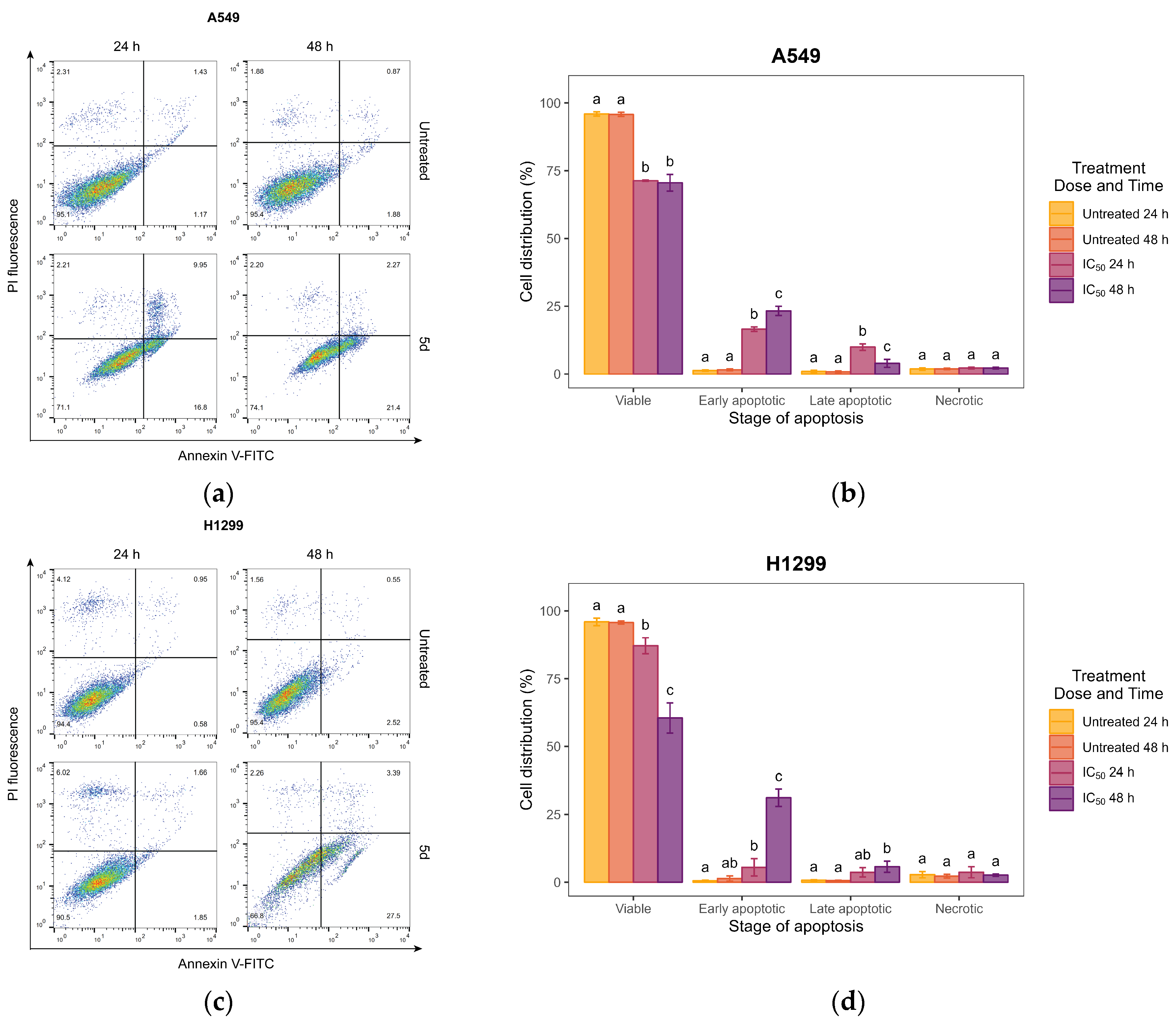
3.2.5. Induction of Apoptosis by 5d
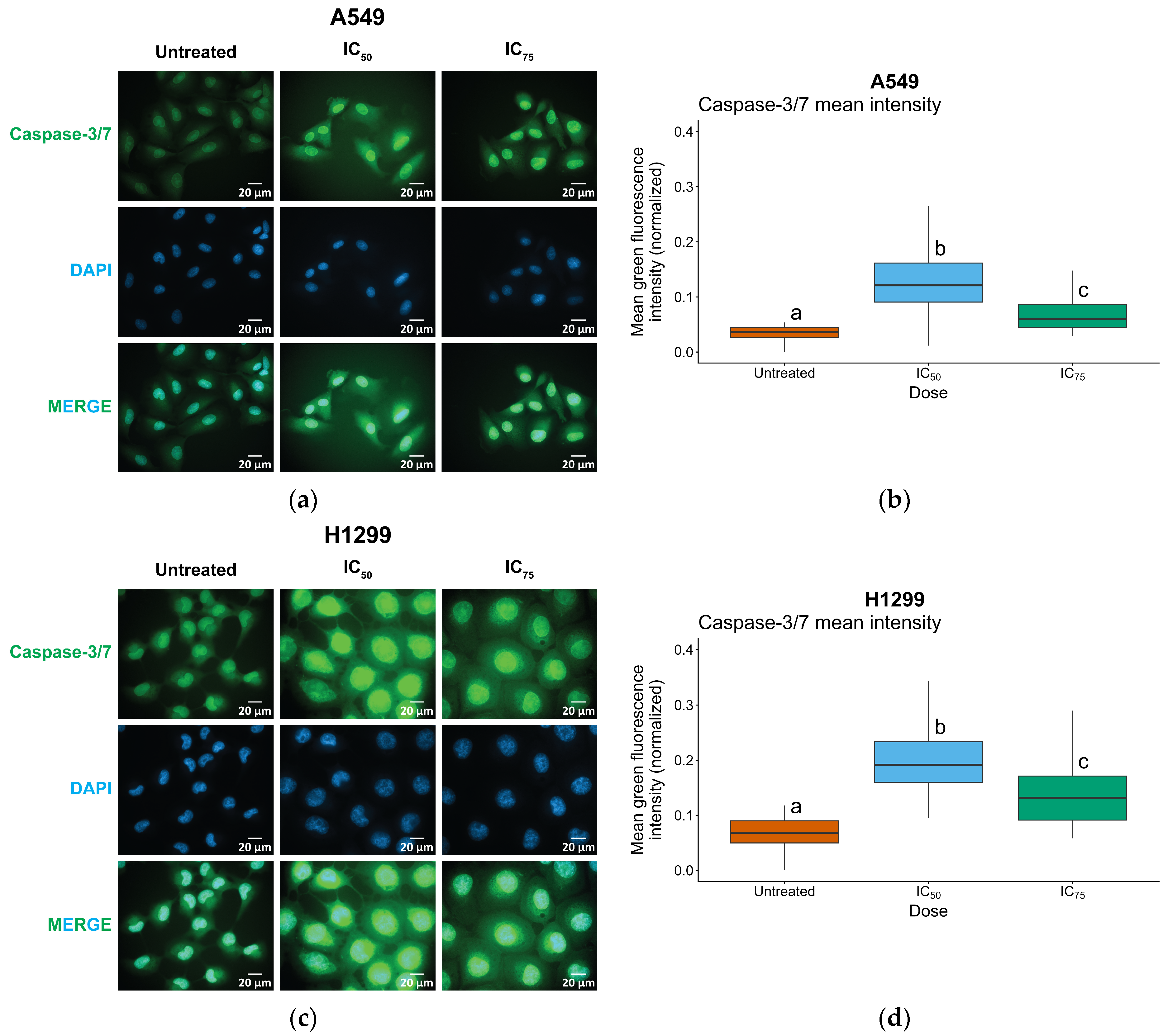
3.2.6. Activation of Executioner Caspases by 5d
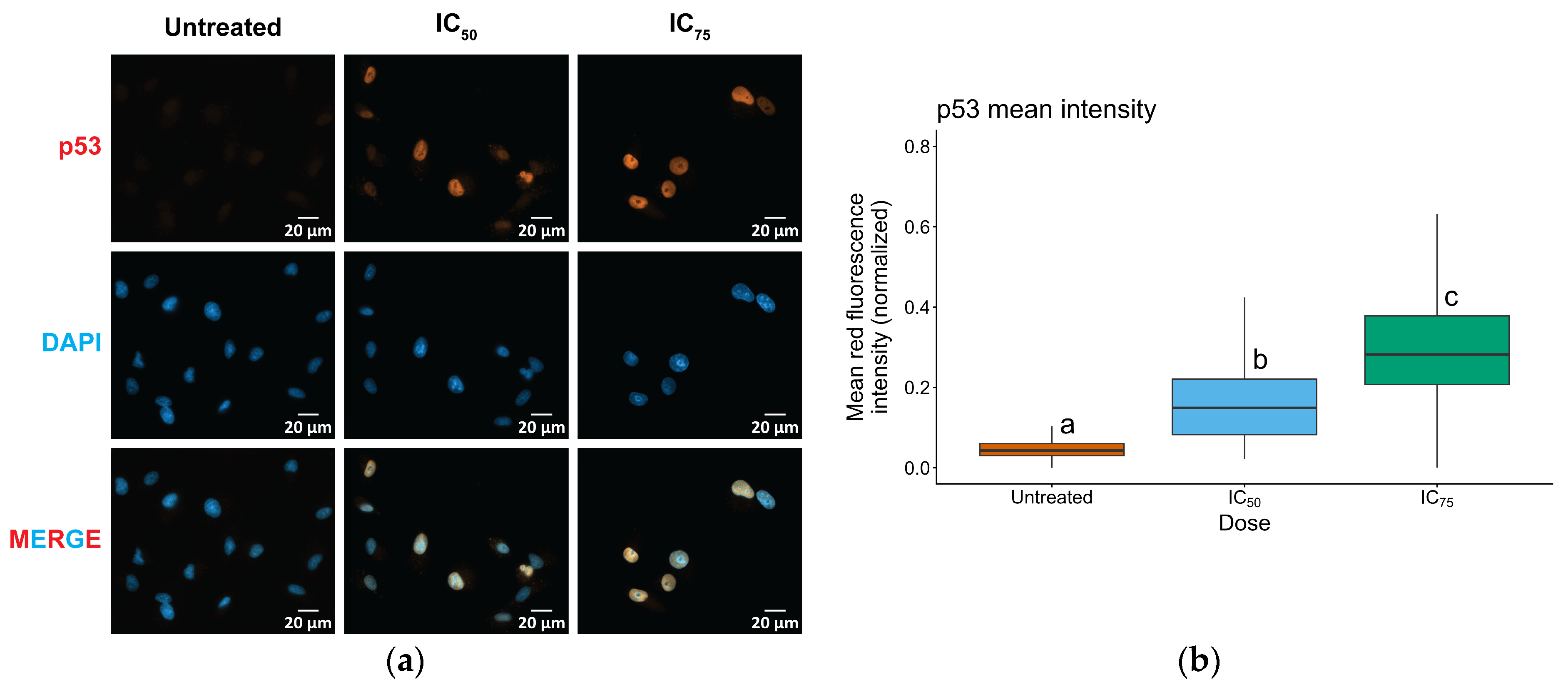
3.2.7. Nuclear Accumulation of p53 in A549 Cells
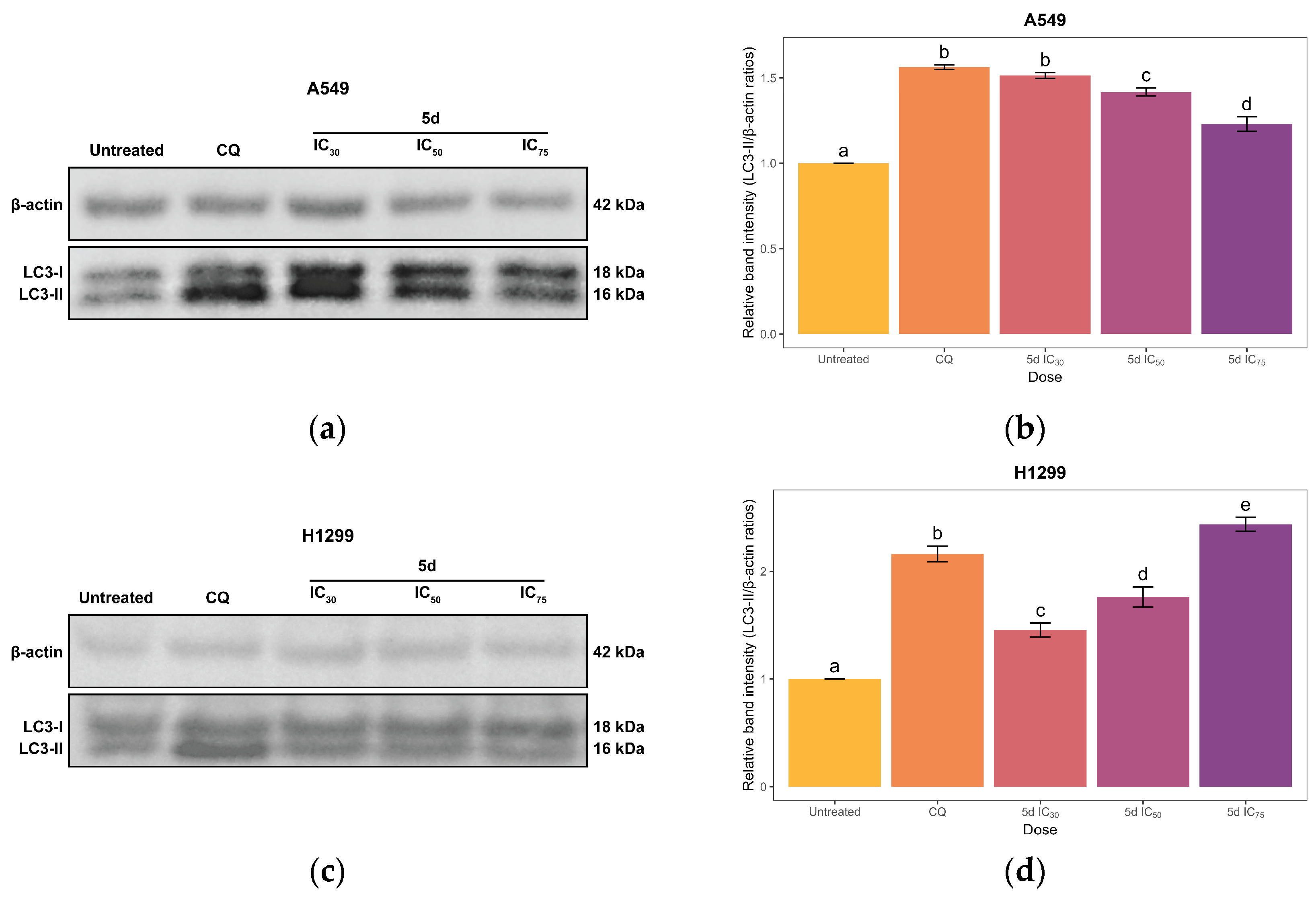
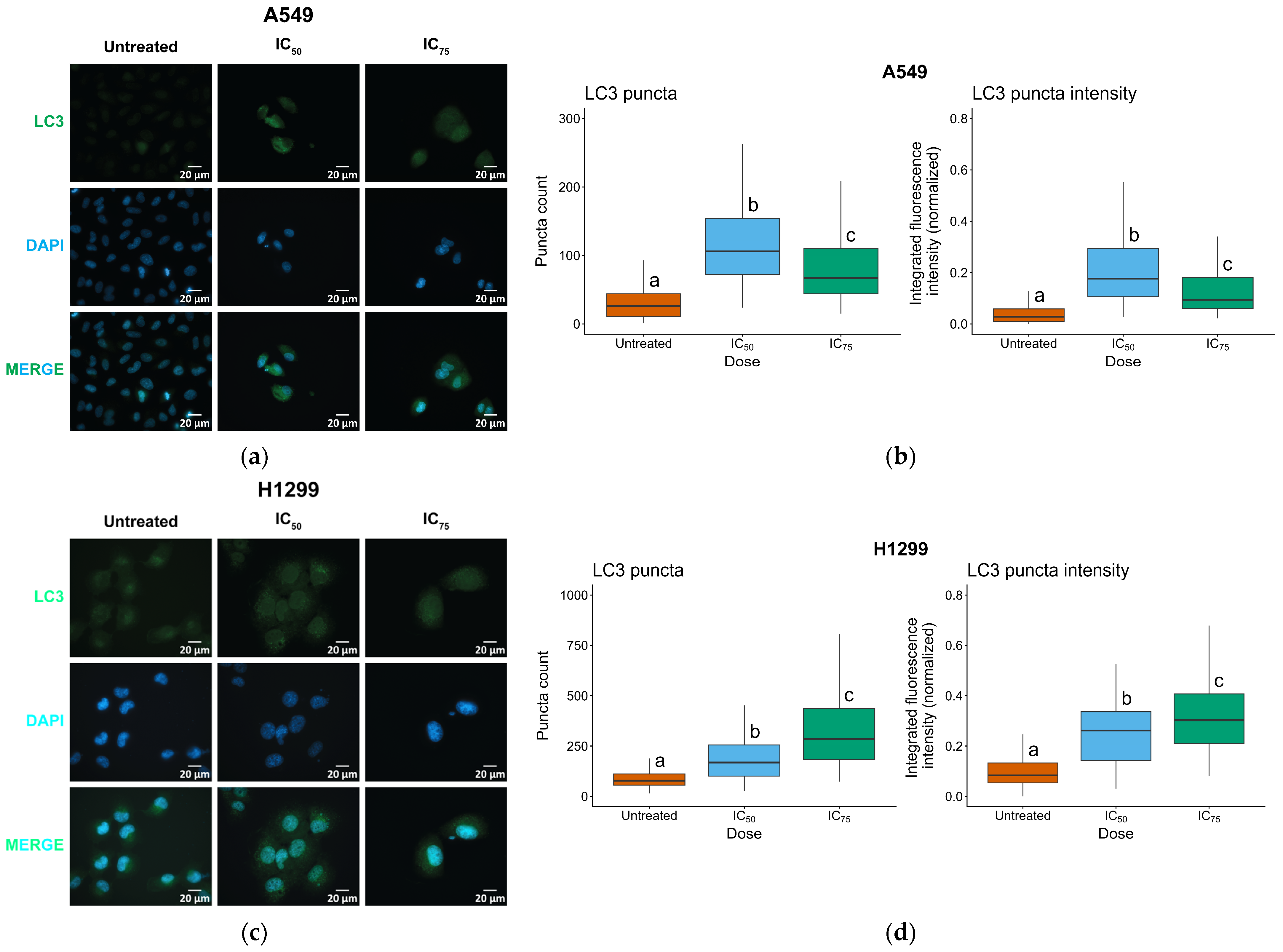
3.2.8. Autophagy-Related LC3 Responses Following 5d Treatment
4. Discussion
5. Conclusions
Supplementary Materials
Author Contributions
Funding
Data Availability Statement
Acknowledgments
Conflicts of Interest
Abbreviations
| ATR | Ataxia Telangiectasia and Rad3-related protein |
| ANOVA | Analysis of variance |
| ATCC | American Type Culture Collection |
| BSA | Bovine serum albumin |
| CHK1 | Checkpoint kinase 1 |
| DAPI | 4′,6-diamidino-2-phenylindole |
| DDR | DNA damage response |
| DMSO | Dimethyl sulfoxide |
| DSB | DNA double-strand break |
| EdU | 5-ethynyl-2′-deoxyuridine |
| FITC | Fluorescein isothiocyanate |
| IC50 | Half-maximal inhibitory concentration |
| LC3 | Microtubule-associated protein 1A/1B-light chain 3 |
| MTT | 3-(4,5-dimethylthiazol-2-yl)-2,5-diphenyltetrazolium bromide |
| NI | Naphthalimide |
| PE | Plating efficiency |
| SF | Surviving fraction |
| SI | Selectivity index |
| γH2AX | Phosphorylated histone H2AX (Ser139) |
References
- Hanahan, D.; Weinberg, R.A. Hallmarks of Cancer: The next Generation. Cell 2011, 144, 646–674. [Google Scholar] [CrossRef] [PubMed]
- Hanahan, D. Hallmarks of Cancer: New Dimensions. Cancer Discov. 2022, 12, 31–46. [Google Scholar] [CrossRef] [PubMed]
- Zeman, M.K.; Cimprich, K.A. Causes and Consequences of Replication Stress. Nat. Cell Biol. 2014, 16, 2–9. [Google Scholar] [CrossRef] [PubMed]
- Ubhi, T.; Brown, G.W. Exploiting DNA Replication Stress for Cancer Treatment. Cancer Res. 2019, 79, 1730–1739. [Google Scholar] [CrossRef] [PubMed]
- Maya-Mendoza, A.; Moudry, P.; Merchut-Maya, J.M.; Lee, M.; Strauss, R.; Bartek, J. High Speed of Fork Progression Induces DNA Replication Stress and Genomic Instability. Nature 2018, 559, 279–284. [Google Scholar] [CrossRef] [PubMed]
- Pommier, Y.; Leo, E.; Zhang, H.; Marchand, C. DNA Topoisomerases and Their Poisoning by Anticancer and Antibacterial Drugs. Chem. Biol. 2010, 17, 421–433. [Google Scholar] [CrossRef] [PubMed]
- Pommier, Y. Drugging Topoisomerases: Lessons and Challenges. ACS Chem. Biol. 2013, 8, 82–95. [Google Scholar] [CrossRef] [PubMed]
- Lord, C.J.; Ashworth, A. The DNA Damage Response and Cancer Therapy. Nature 2012, 481, 287–294. [Google Scholar] [CrossRef] [PubMed]
- Jurkovicova, D.; Neophytou, C.M.; Gašparović, A.Č.; Gonçalves, A.C. DNA Damage Response in Cancer Therapy and Resistance: Challenges and Opportunities. Int. J. Mol. Sci. 2022, 23, 14672. [Google Scholar] [CrossRef] [PubMed]
- O’Connor, M.J. Targeting the DNA Damage Response in Cancer. Mol. Cell 2015, 60, 547–560. [Google Scholar] [CrossRef] [PubMed]
- Williams, R.M.; Zhang, X. Roles of ATM and ATR in DNA Double Strand Breaks and Replication Stress. Prog. Biophys. Mol. Biol. 2021, 161, 27–38. [Google Scholar] [CrossRef] [PubMed]
- Braña, M.F.; Cacho, M.; Gradillas, A.; de Pascual-Teresa, B.; Ramos, A. Intercalators as Anticancer Drugs. Curr. Pharm. Des. 2001, 7, 1745–1780. [Google Scholar] [CrossRef] [PubMed]
- Braña, M.F.; Ramos, A. Naphthalimides as Anti-Cancer Agents: Synthesis and Biological Activity. Curr. Med. Chem. Anticancer Agents 2001, 1, 237–255. [Google Scholar] [CrossRef] [PubMed]
- Ge, C.; Liu, L.; Wang, Y.; Di, X.; Luo, X.; Liu, H.; Qian, Y. Novel 1,8-Naphthalimide Derivatives As Antitumor Agents and Potent Demethylase Inhibitors. ACS Med. Chem. Lett. 2023, 14, 1551–1557. [Google Scholar] [CrossRef] [PubMed]
- Ruan, W.; Xie, Z.; Wang, Y.; Xia, L.; Guo, Y.; Qiao, D. An Overview of Naphthylimide as Specific Scaffold for New Drug Discovery. Molecules 2024, 29, 4529. [Google Scholar] [CrossRef] [PubMed]
- Bhat, A.A.; Gacem, A.; Qasim, M.T.; Almulla, N.; Muzammil, K.; Shalabi, M.G. 1,8-Naphthalimide-Based DNA Intercalators and Anticancer Agents: A Systematic Review. Mol. Divers. 2025. [Google Scholar] [CrossRef] [PubMed]
- Zhang, H.-Y.; Han, L.-L.; Wu, H.-Y.; Xu, X.-X.; Yu, M.-B.; Chen, G.-Y.; Qi, X.-L. Research Progress on Structure-Activity Relationship of 1,8-Naphthalimide DNA Chimeras Against Tumor. Technol. Cancer Res. Treat. 2024, 23, 15330338231225860. [Google Scholar] [CrossRef] [PubMed]
- Khanam, H. Shamsuzzaman Bioactive Benzofuran Derivatives: A Review. Eur. J. Med. Chem. 2015, 97, 483–504. [Google Scholar] [CrossRef] [PubMed]
- Khodarahmi, G.; Asadi, P.; Hassanzadeh, F.; Khodarahmi, E. Benzofuran as a Promising Scaffold for the Synthesis of Antimicrobial and Antibreast Cancer Agents: A Review. J. Res. Med. Sci. 2015, 20, 1094–1104. [Google Scholar] [CrossRef] [PubMed]
- Abd El-Karim, S.S.; Anwar, M.M.; Ahmed, N.S.; Syam, Y.M.; Elseginy, S.A.; Aly, H.F.; Younis, E.A.; Khalil, W.K.B.; Ahmed, K.A.; Mohammed, F.F.; et al. Discovery of Novel Benzofuran-Based Derivatives as Acetylcholinesterase Inhibitors for the Treatment of Alzheimer’s Disease: Design, Synthesis, Biological Evaluation, Molecular Docking and 3D-QSAR Investigation. Eur. J. Med. Chem. 2023, 260, 115766. [Google Scholar] [CrossRef] [PubMed]
- Abbas, A.A.; Dawood, K.M. Anticancer Therapeutic Potential of Benzofuran Scaffolds. RSC Adv. 2023, 13, 11096–11120. [Google Scholar] [CrossRef] [PubMed]
- Napiórkowska, M.; Cieślak, M.; Kaźmierczak-Barańska, J.; Królewska-Golińska, K.; Nawrot, B. Synthesis of New Derivatives of Benzofuran as Potential Anticancer Agents. Molecules 2019, 24, 1529. [Google Scholar] [CrossRef] [PubMed]
- Prabhu, K.S.; Kuttikrishnan, S.; Ahmad, N.; Habeeba, U.; Mariyam, Z.; Suleman, M.; Bhat, A.A.; Uddin, S. H2AX: A Key Player in DNA Damage Response and a Promising Target for Cancer Therapy. Biomed. Pharmacother. 2024, 175, 116663. [Google Scholar] [CrossRef] [PubMed]
- Fernandez, A.; Artola, M.; Leon, S.; Otegui, N.; Jimeno, A.; Serrano, D.; Calvo, A. Cancer Vulnerabilities Through Targeting the ATR/Chk1 and ATM/Chk2 Axes in the Context of DNA Damage. Cells 2025, 14, 748. [Google Scholar] [CrossRef] [PubMed]
- Fragkos, M.; Choleza, M.; Papadopoulou, P. The Role of ΓH2AX in Replication Stress-Induced Carcinogenesis: Possible Links and Recent Developments. Cancer Diagn. Progn. 2023, 3, 639–648. [Google Scholar] [CrossRef] [PubMed]
- Sethi, A.; Fernández-Casañas, M.; Delpino, B.; Coster, G. How DNA Secondary Structures Drive Replication Fork Instability. DNA Repair 2025, 156, 103913. [Google Scholar] [CrossRef] [PubMed]
- Macheret, M.; Halazonetis, T.D. DNA Replication Stress as a Hallmark of Cancer. Annu. Rev. Pathol. 2015, 10, 425–448. [Google Scholar] [CrossRef] [PubMed]
- Vlahova, Z.; Lazarov, L.; Petrova, M.; Yusein-Myashkova, S.; Mutovska, M.; Stoyanov, S.; Zagranyarski, Y.; Ugrinova, I. Benzodioxin-Annulated Naphthalimides as Potent DNA Replication Stress Inducers with Dual P53-Dependent and Independent Antitumor Activity. Pharmaceutics 2026, 18, 167. [Google Scholar] [CrossRef] [PubMed]
- Mosmann, T. Rapid Colorimetric Assay for Cellular Growth and Survival: Application to Proliferation and Cytotoxicity Assays. J. Immunol. Methods 1983, 65, 55–63. [Google Scholar] [CrossRef] [PubMed]
- Schindelin, J.; Arganda-Carreras, I.; Frise, E.; Kaynig, V.; Longair, M.; Pietzsch, T.; Preibisch, S.; Rueden, C.; Saalfeld, S.; Schmid, B.; et al. Fiji: An Open-Source Platform for Biological-Image Analysis. Nat. Methods 2012, 9, 676–682. [Google Scholar] [CrossRef] [PubMed]
- Franken, N.A.P.; Rodermond, H.M.; Stap, J.; Haveman, J.; van Bree, C. Clonogenic Assay of Cells in Vitro. Nat. Protoc. 2006, 1, 2315–2319. [Google Scholar] [CrossRef] [PubMed]
- Burnette, W.N. “Western Blotting”: Electrophoretic Transfer of Proteins from Sodium Dodecyl Sulfate-Polyacrylamide Gels to Unmodified Nitrocellulose and Radiographic Detection with Antibody and Radioiodinated Protein A. Anal. Biochem. 1981, 112, 195–203. [Google Scholar] [CrossRef] [PubMed]
- Mutovska, M.; Skabeev, A.; Konstantinov, K.; Cabanetos, C.; Stoyanov, S.; Zagranyarski, Y. One-Pot Synthesis of Fused-Rings Heterocyclic Systems Based on Symmetrically Benzofuran Annulated 1,8-Naphthalimides. Dye. Pigment. 2023, 220, 111701. [Google Scholar] [CrossRef]
- Mutovska, M.; Anastasova, D.; Simeonova, N.; Zagranyarska, I.; Vlahova, Z.; Ugrinova, I.; Stoyanov, S.; Zagranyarski, Y. One Pot Synthesis of New Powerful Building Blocks in 1,8-Naphthalimide Chemistry. Molbank 2024, 2024, M1914. [Google Scholar] [CrossRef]
- Tandon, R.; Luxami, V.; Kaur, H.; Tandon, N.; Paul, K. 1,8-Naphthalimide: A Potent DNA Intercalator and Target for Cancer Therapy. Chem. Rec. 2017, 17, 956–993. [Google Scholar] [CrossRef] [PubMed]
- Forgie, B.N.; Prakash, R.; Goyeneche, A.A.; Telleria, C.M. Vitality, Viability, Long-Term Clonogenic Survival, Cytotoxicity, Cytostasis and Lethality: What Do They Mean When Testing New Investigational Oncology Drugs? Discov. Oncol. 2024, 15, 5. [Google Scholar] [CrossRef] [PubMed]
- Lee, C.-C.; Chang, C.-H.; Huang, Y.-C.; Shih, T.-L. Novel 1,8-Naphthalimide Derivatives Inhibit Growth and Induce Apoptosis in Human Glioblastoma. Int. J. Mol. Sci. 2024, 25, 11593. [Google Scholar] [CrossRef] [PubMed]
- Singh, A.; Xu, Y.-J. The Cell Killing Mechanisms of Hydroxyurea. Genes 2016, 7, 99. [Google Scholar] [CrossRef] [PubMed]
- Lukášová, E.; Řezáčová, M.; Bačíková, A.; Šebejová, L.; Vávrová, J.; Kozubek, S. Distinct Cellular Responses to Replication Stress Leading to Apoptosis or Senescence. FEBS Open Bio 2019, 9, 870–890. [Google Scholar] [CrossRef] [PubMed]
- Murrow, L.; Debnath, J. Autophagy as a Stress-Response and Quality-Control Mechanism: Implications for Cell Injury and Human Disease. Annu. Rev. Pathol. 2013, 8, 105–137. [Google Scholar] [CrossRef] [PubMed]
- Gao, C.; Sun, X.; Wu, Z.; Yuan, H.; Han, H.; Huang, H.; Shu, Y.; Xu, M.; Gao, R.; Li, S.; et al. A Novel Benzofuran Derivative Moracin N Induces Autophagy and Apoptosis Through ROS Generation in Lung Cancer. Front. Pharmacol. 2020, 11, 391. [Google Scholar] [CrossRef] [PubMed]
- Khamidullina, A.I.; Abramenko, Y.E.; Bruter, A.V.; Tatarskiy, V. V Key Proteins of Replication Stress Response and Cell Cycle Control as Cancer Therapy Targets. Int. J. Mol. Sci. 2024, 25, 1263. [Google Scholar] [CrossRef] [PubMed]





| Entry | Solvent | Catalytic System * | Temperature (°C) | Base | Additives | Yield (%) ** |
|---|---|---|---|---|---|---|
| 1 | NMP | Pd(OAc)2/PPh3 | 150 | K2CO3 | - | 43 |
| 2 | NMP | Pd(OAc)2/PPh3 | 120 | K2CO3 | - | 50 |
| 3 | NMP | Pd(OAc)2/PPh3 | 120 | Cs2CO3 | - | traces |
| 4 | NMP | Pd(OAc)2/PPh3 | 120 | K2CO3 | pivalic acid | 51 |
| 5 | NMP | Pd(OAc)2/PCy3 | 120 | K2CO3 | - | 42 |
| 6 | DMA | Pd(OAc)2/PCy3 | 120 | K2CO3 | - | 48 |
| 7 | DMA | Pd(OAc)2/PPh3 | 120 | K2CO3 | - | 45 |
| 8 | DMSO | Pd(OAc)2/PPh3 | 120 | K2CO3 | - | 36 |
| 9 | xylene | Pd(OAc)2/PPh3 | 130 | K2CO3 | pivalic acid, 18-crown-6 | 96 |
| 10 | toluene | Pd(OAc)2/PPh3 | 110 | K2CO3 | pivalic acid, 18-crown-6 | 87 |
| Compound | A549 | H1299 | MRC-5 | ||
|---|---|---|---|---|---|
| IC50 ± SD | SI | IC50 ± SD | SI | IC50 ± SD | |
| doxorubicin | 242 ± 3.8 | 1.8 | 120 ± 9.5 | 3.6 | 441 ± 3.4 |
| mitonafide | 644 ± 4.1 | 4.8 | 490 ± 2.3 | 6.2 | 3064 ± 4.8 |
| 5a | 82 ± 2.5 | 7.7 | 55 ± 4.9 | 11.5 | 630 ± 9.4 |
| 5b | 213 ± 3.5 | 3.9 | 321 ± 1.9 | 2.6 | 832 ± 2.2 |
| 5c | 93 ± 1.7 | 2.3 | 28 ± 8.1 | 7.6 | 213 ± 4.9 |
| 5d | 61 ± 5.9 | 5.8 | 11 ± 1.7 | 32 | 352 ± 4.6 |
Disclaimer/Publisher’s Note: The statements, opinions and data contained in all publications are solely those of the individual author(s) and contributor(s) and not of MDPI and/or the editor(s). MDPI and/or the editor(s) disclaim responsibility for any injury to people or property resulting from any ideas, methods, instructions or products referred to in the content. |
© 2026 by the authors. Licensee MDPI, Basel, Switzerland. This article is an open access article distributed under the terms and conditions of the Creative Commons Attribution (CC BY) license.
Share and Cite
Vlahova, Z.; Lazarov, L.; Petrova, M.; Yusein-Myashkova, S.; Todorova, J.; Schröder, M.; Mutovska, M.; Stoyanov, S.; Zagranyarski, Y.; Ugrinova, I. Benzofuran-Annulated Naphthalimides Trigger Replication Stress, DNA Damage, and p53-Dependent Cell Cycle Arrest. Pharmaceutics 2026, 18, 754. https://doi.org/10.3390/pharmaceutics18060754
Vlahova Z, Lazarov L, Petrova M, Yusein-Myashkova S, Todorova J, Schröder M, Mutovska M, Stoyanov S, Zagranyarski Y, Ugrinova I. Benzofuran-Annulated Naphthalimides Trigger Replication Stress, DNA Damage, and p53-Dependent Cell Cycle Arrest. Pharmaceutics. 2026; 18(6):754. https://doi.org/10.3390/pharmaceutics18060754
Chicago/Turabian StyleVlahova, Zlatina, Lazar Lazarov, Maria Petrova, Shazie Yusein-Myashkova, Jordana Todorova, Maria Schröder, Monika Mutovska, Stanimir Stoyanov, Yulian Zagranyarski, and Iva Ugrinova. 2026. "Benzofuran-Annulated Naphthalimides Trigger Replication Stress, DNA Damage, and p53-Dependent Cell Cycle Arrest" Pharmaceutics 18, no. 6: 754. https://doi.org/10.3390/pharmaceutics18060754
APA StyleVlahova, Z., Lazarov, L., Petrova, M., Yusein-Myashkova, S., Todorova, J., Schröder, M., Mutovska, M., Stoyanov, S., Zagranyarski, Y., & Ugrinova, I. (2026). Benzofuran-Annulated Naphthalimides Trigger Replication Stress, DNA Damage, and p53-Dependent Cell Cycle Arrest. Pharmaceutics, 18(6), 754. https://doi.org/10.3390/pharmaceutics18060754