Article

The Immunosuppressive Properties of Cyclo-[D-Pro-Pro-β3-HoPhe-Phe-] Tetrapeptide Selected from Stereochemical Variants of Cyclo-[Pro-Pro-β3-HoPhe-Phe-] Peptide


1
Institute of Organic Chemistry, Łódź University of Technology, S. Żeromskiego Str. 116, 90-924 Łódź, Poland
2
Department of Experimental Therapy, Hirszfeld Institute of Immunology and Experimental Therapy, R. Weigla Str. 12, 53-114 Wrocław, Poland
3
Institute of Inorganic and Ecological Chemistry, Chemistry Department, Łódź University of Technology, S. Żeromskiego Str. 116, 90-924 Łódź, Poland
4
Department of Physical Chemistry, Slovak Technical University, Radlinskeho 9, SK-81237 Bratislava, Slovakia
*
Authors to whom correspondence should be addressed.
Pharmaceutics 2024, 16(8), 1106; https://doi.org/10.3390/pharmaceutics16081106

Submission received: 18 July 2024 / Revised: 8 August 2024 / Accepted: 20 August 2024 / Published: 22 August 2024

Abstract

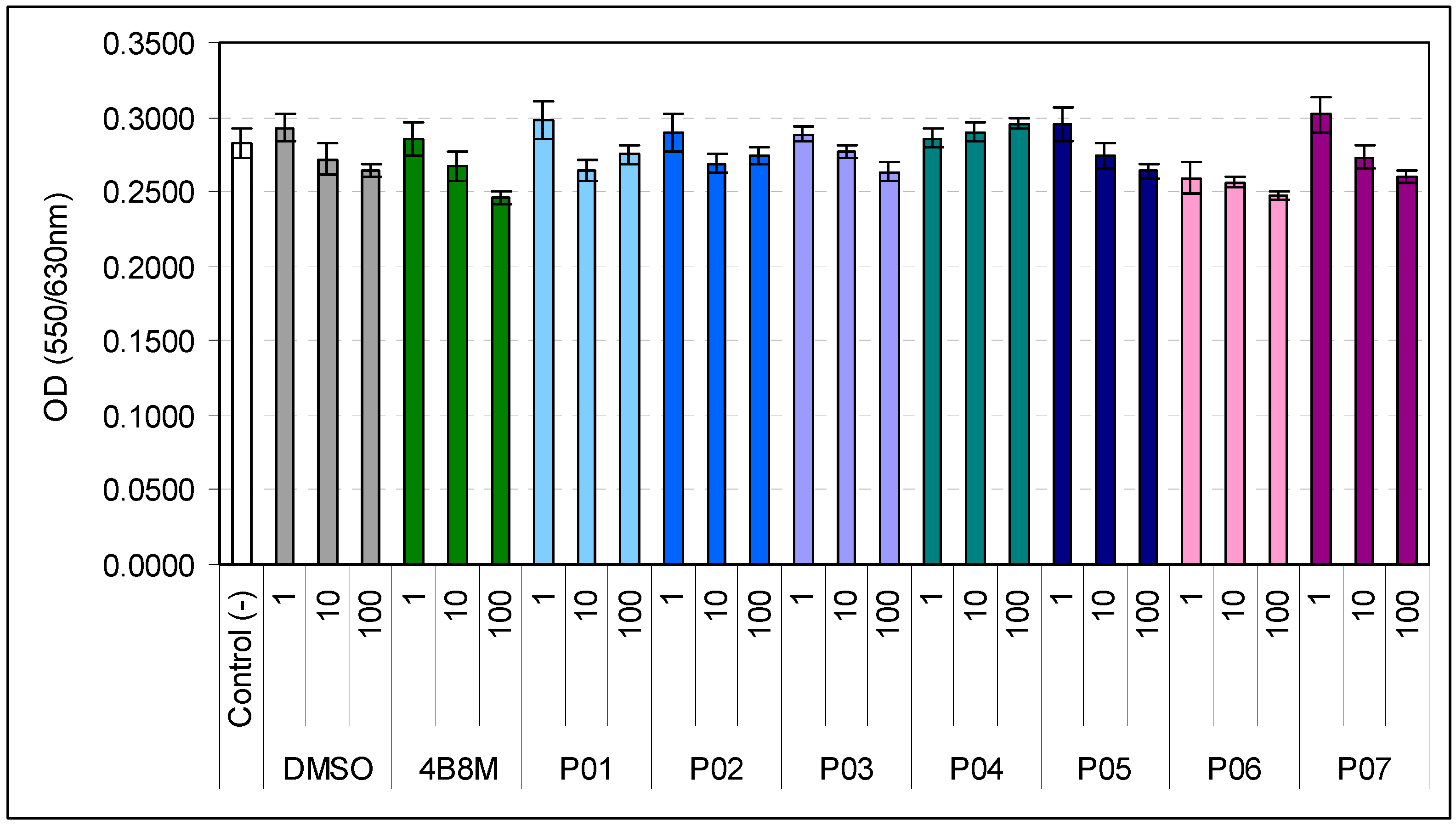
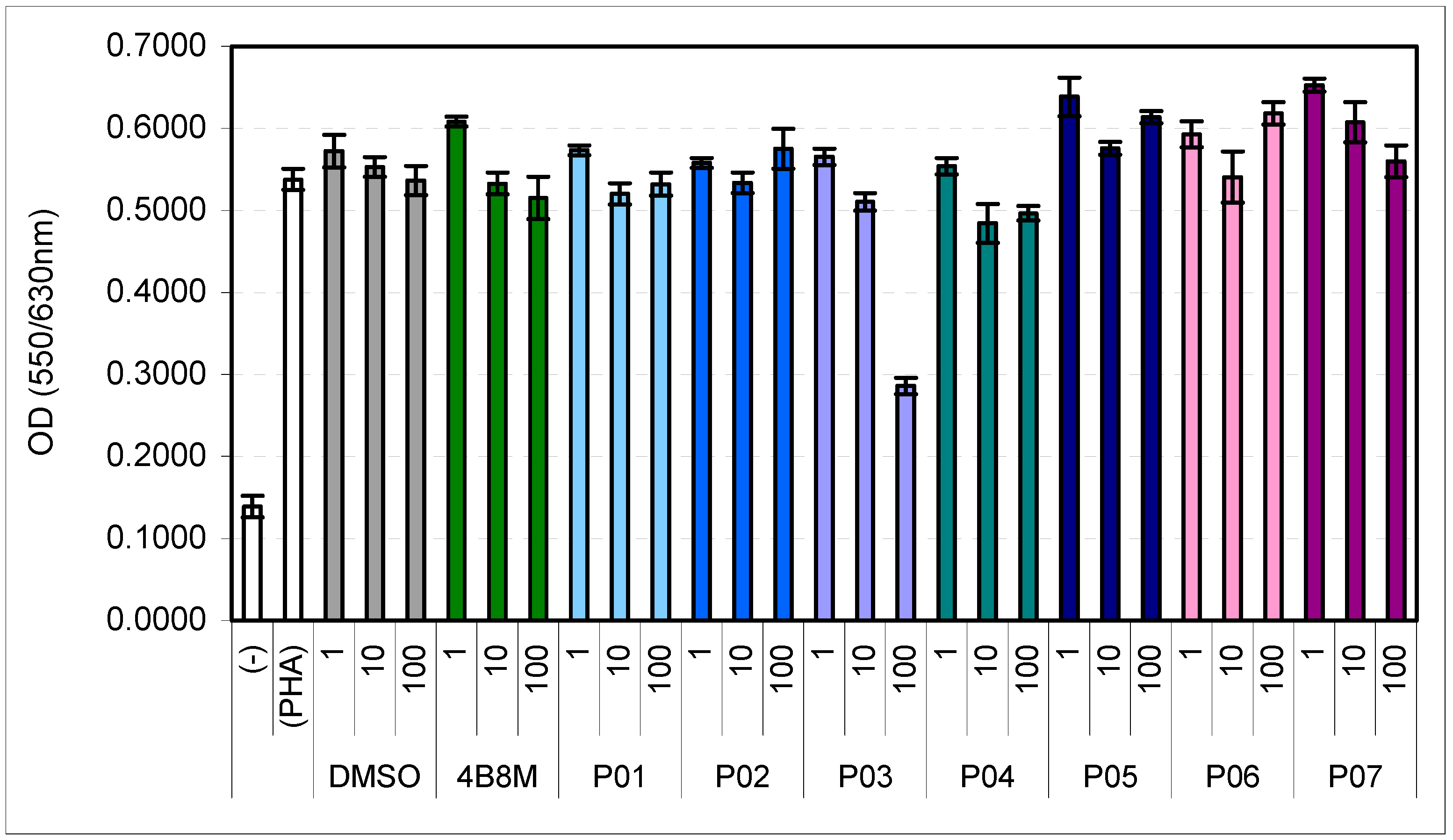
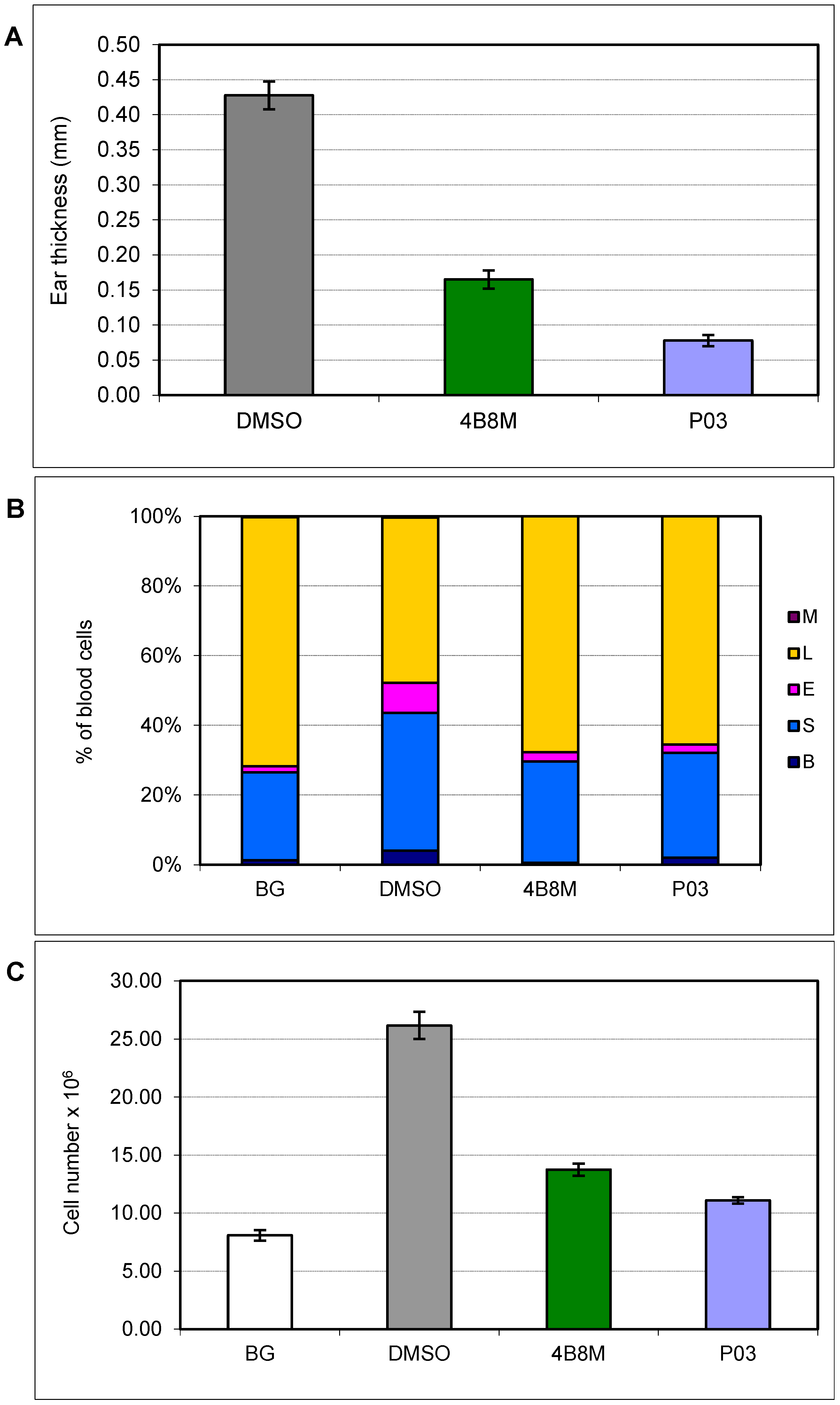
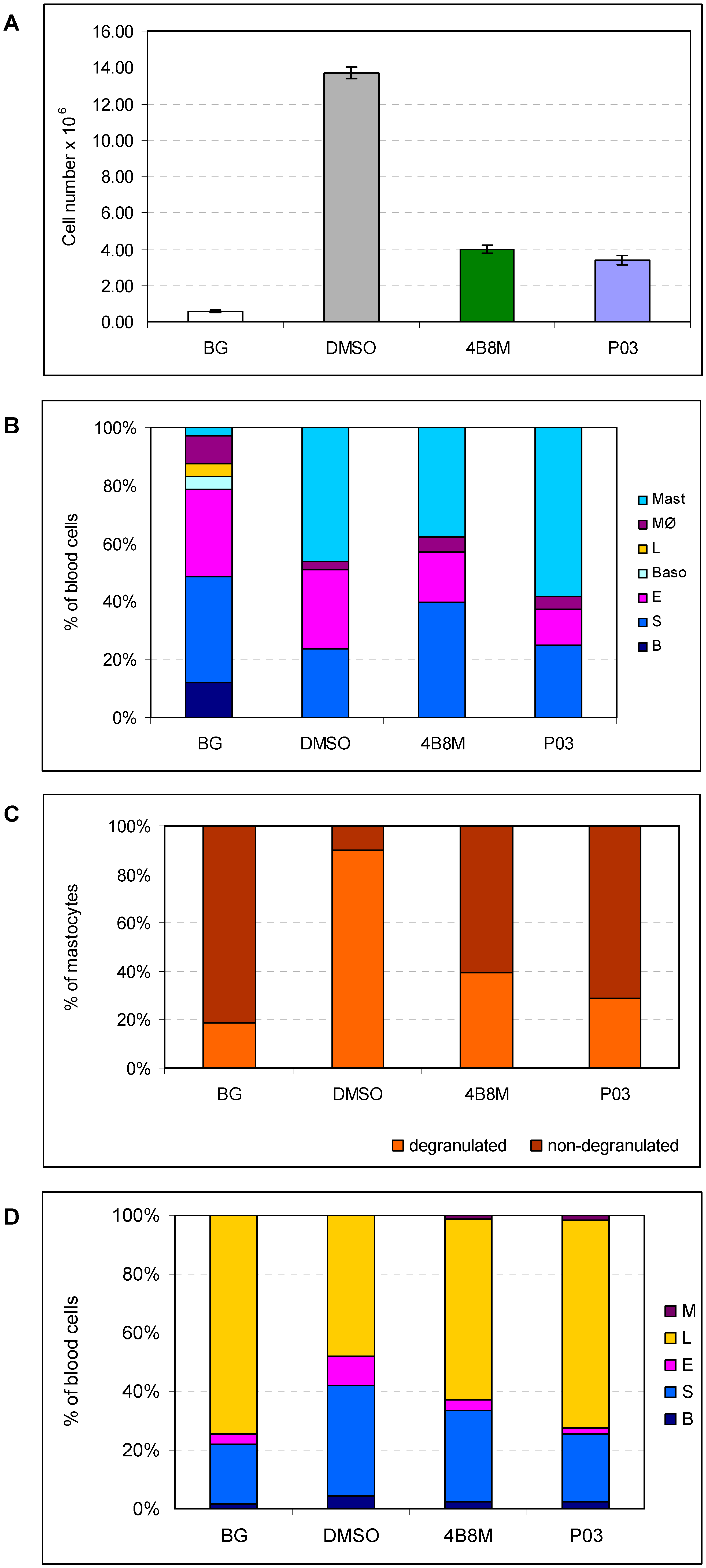
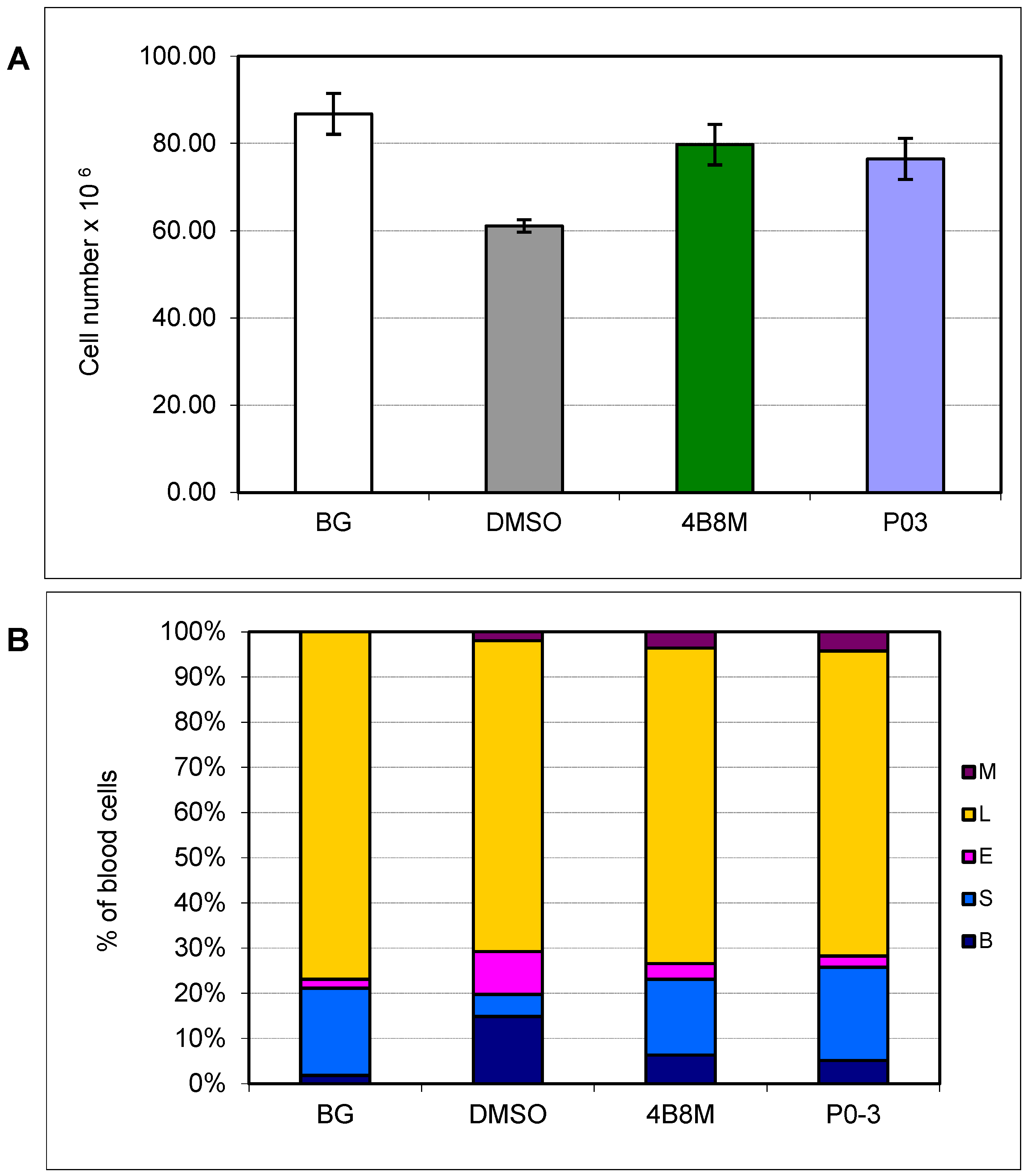
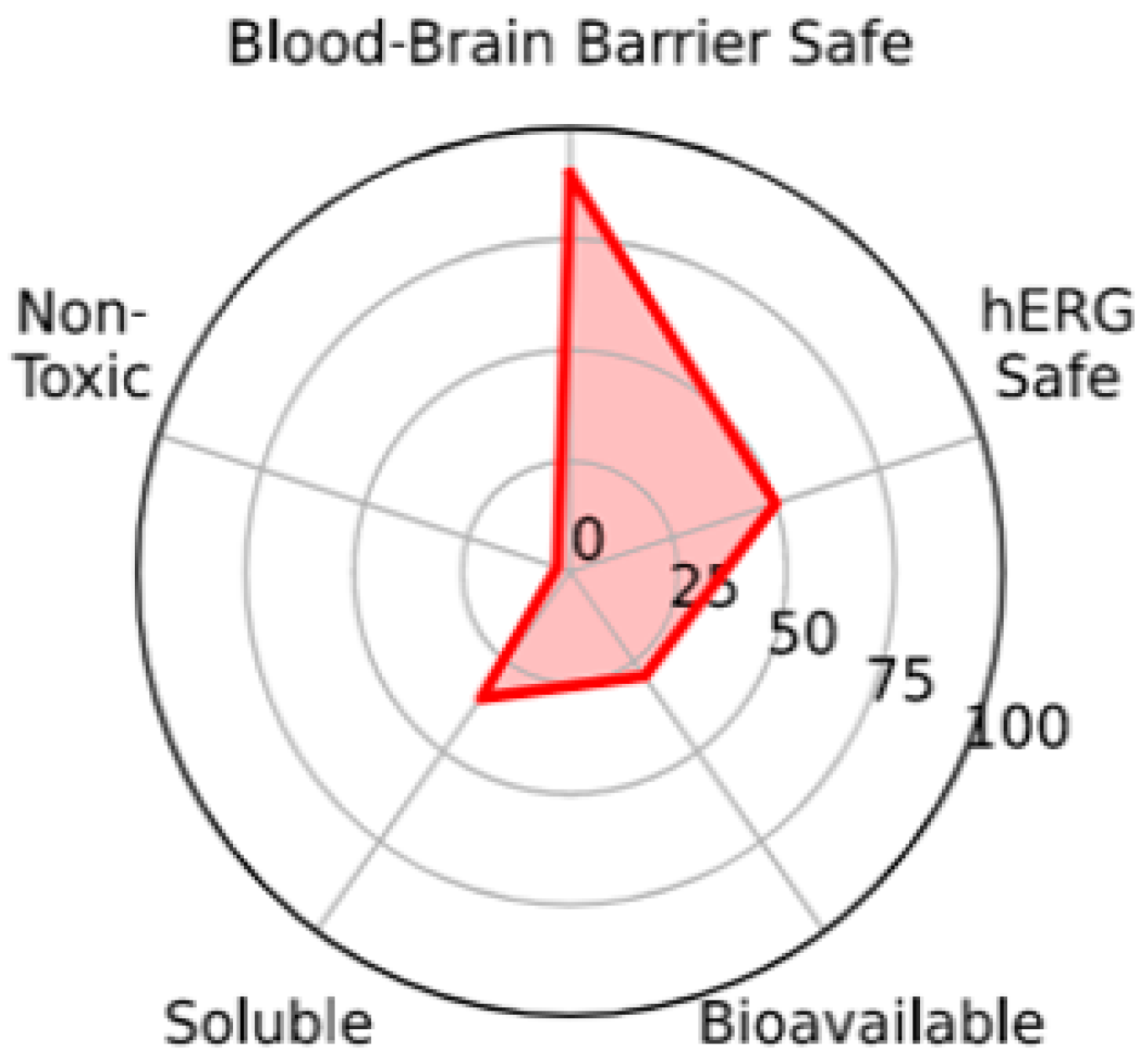
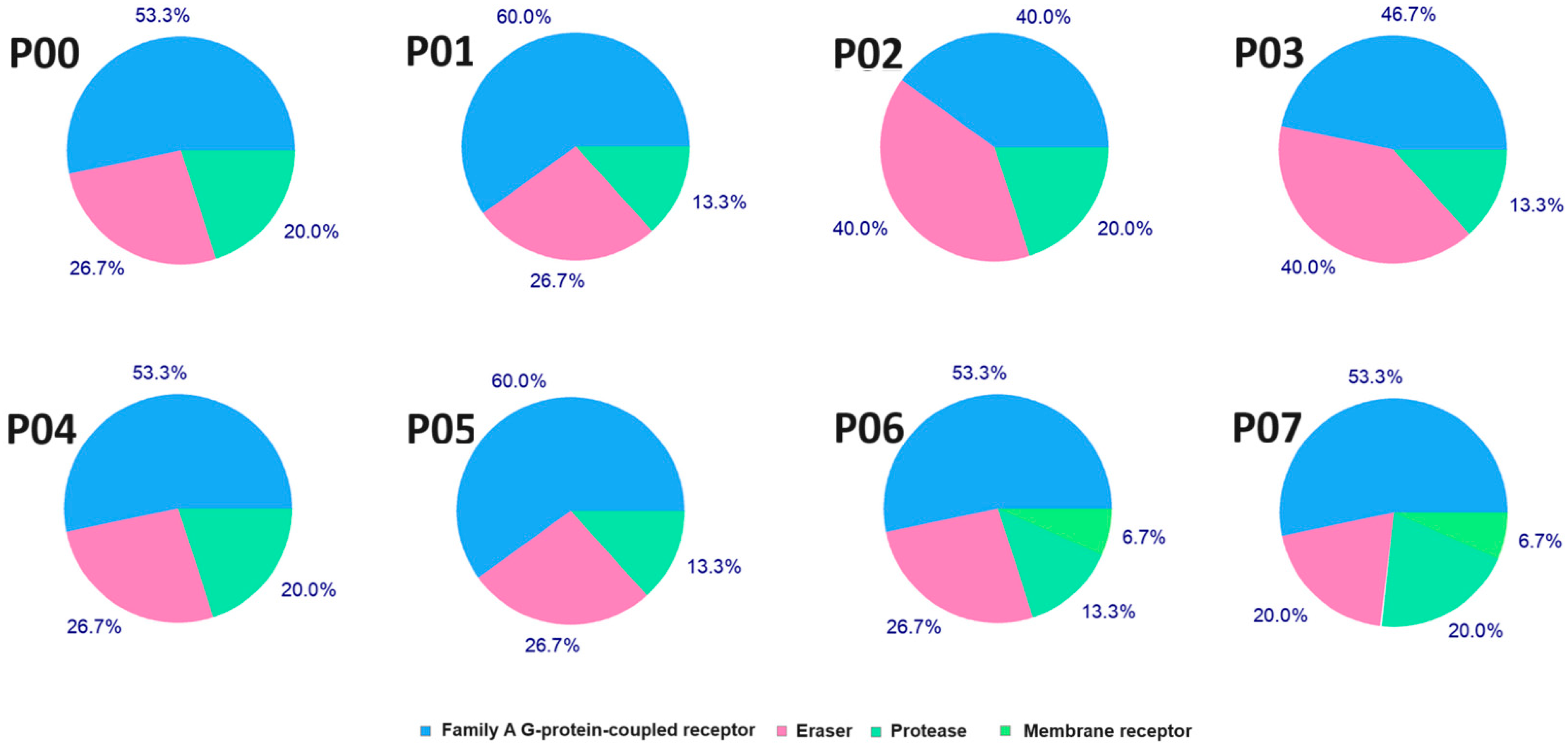
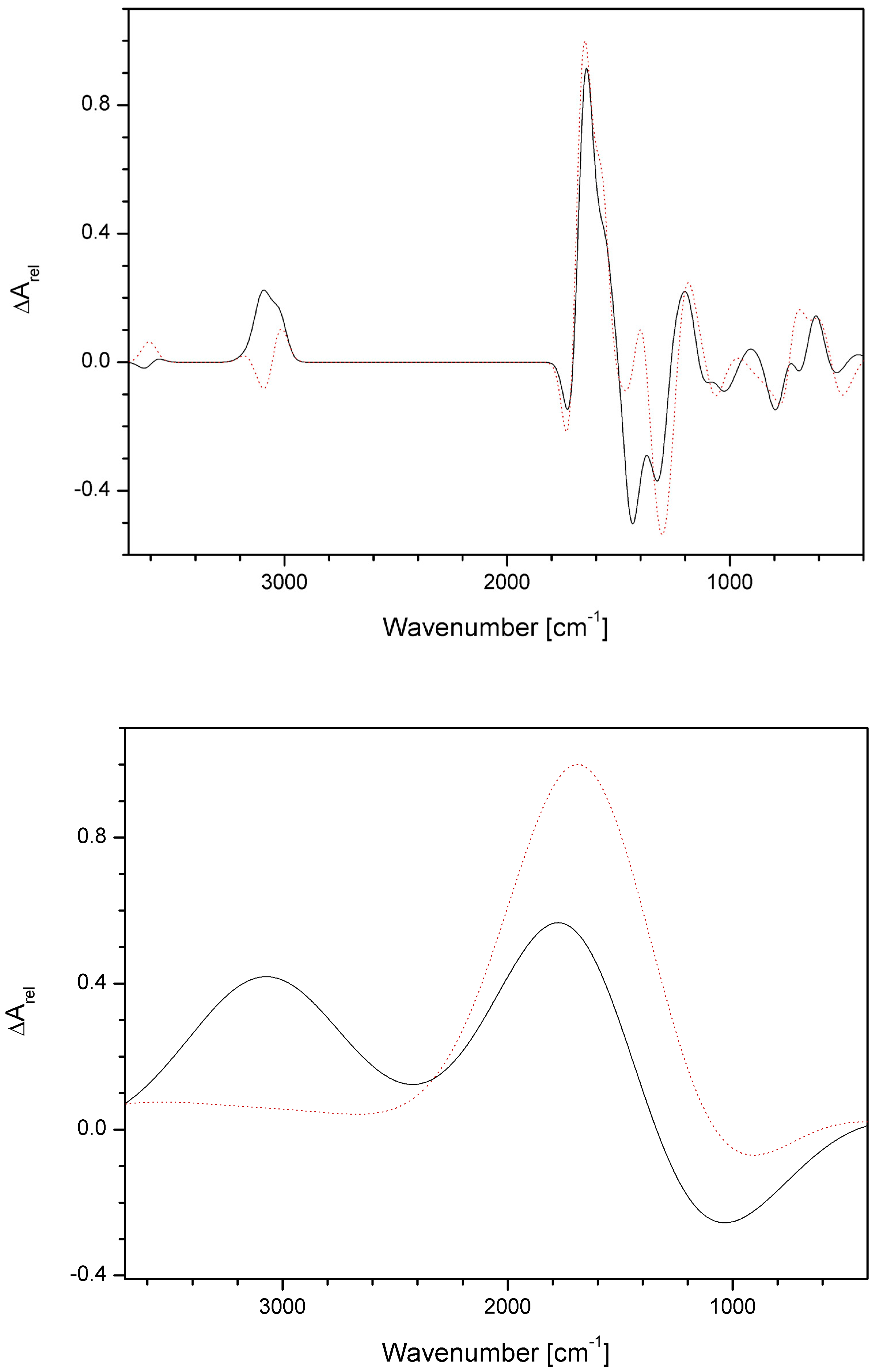
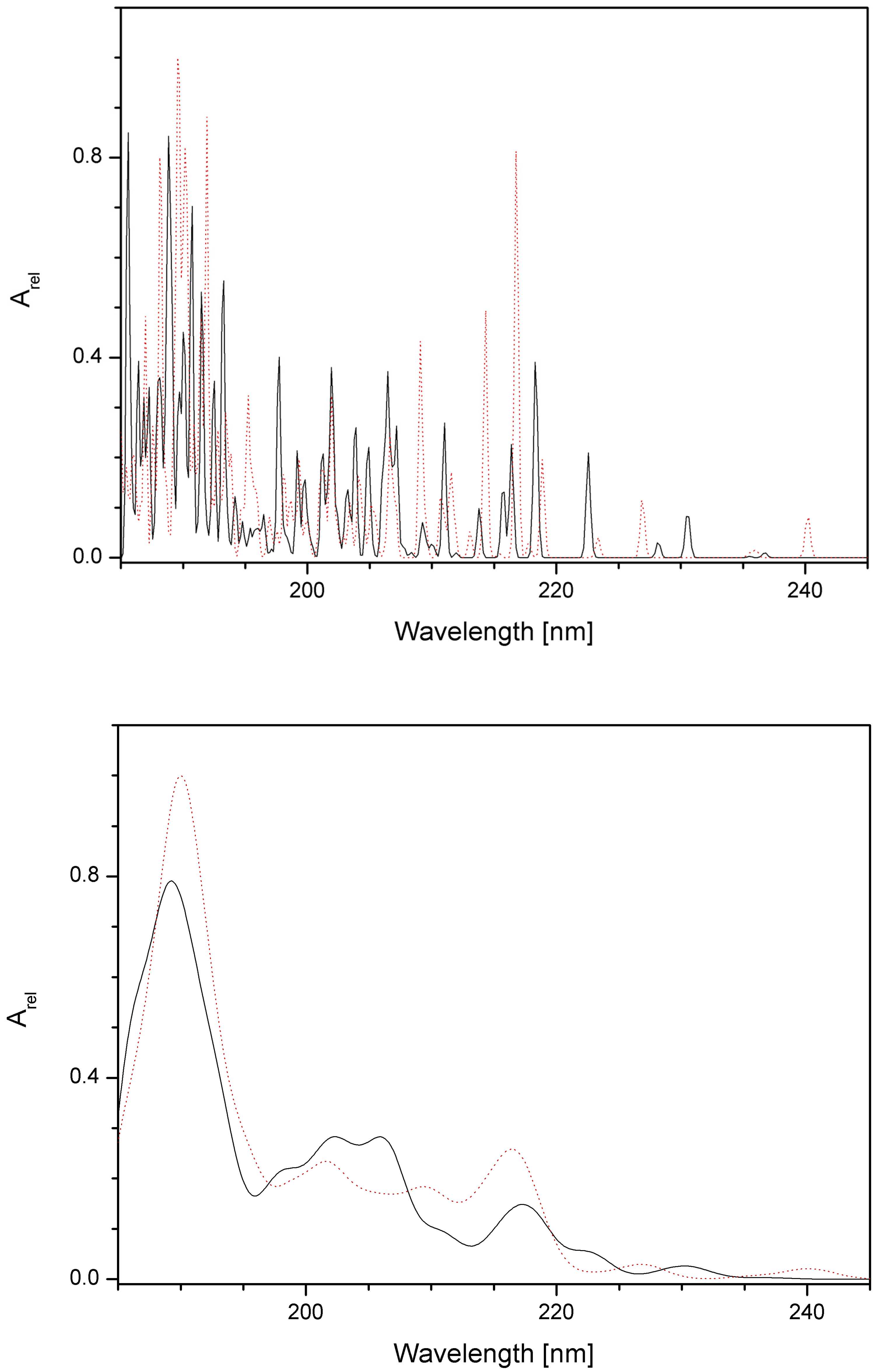
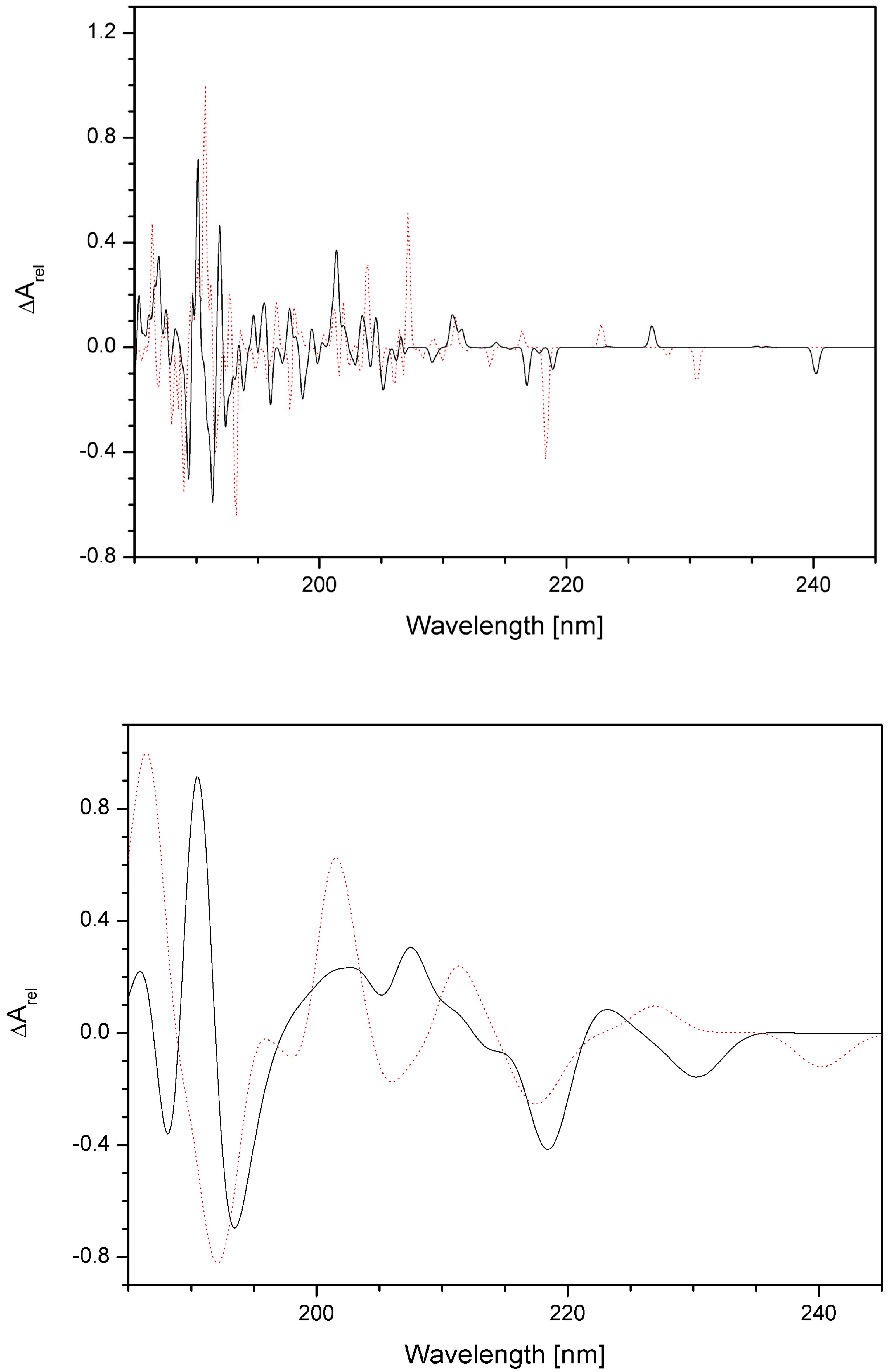
The anti-inflammatory, antiviral, and anti-cancer properties, as well as the mechanism of action of cyclo-[Pro-Pro-β3-HoPhe-Phe-] tetrapeptide (denoted as 4B8M), were recently described. The aim of this work was to synthesize and evaluate the immunosuppressive actions of the stereochemical variants of 4B8M by sequential substitution of L-amino acids by D-amino acids (a series of peptides denoted as P01–P07) using parent 4B8M as a reference compound. In addition, diverse available bioinformatics tools using machine learning and artificial intelligence were tested to find the bio-pharmacokinetic and polypharmacological attributes of analyzed stereomers. All peptides were non-toxic to human peripheral blood mononuclear cells (PBMCs) and only cyclo-[D-Pro-Pro-β3-HoPhe-Phe-] peptide (P03) was capable of inhibiting mitogen-induced PBMC proliferation. The peptides inhibited the lipopolysaccharide (LPS)-induced production of tumor necrosis factor-alpha (TNF-α) to various degrees, with P04 (cyclo-[Pro-Pro-D-β3-HoPhe-Phe-]) and P03 being the most potent. For further in vivo studies, P03 was selected because it had the combined properties of inhibiting cell proliferation and TNF-α production. P03 demonstrated a comparable ability to 4B8M in the inhibition of auricle edema and lymph node cell number and in the normalization of a distorted blood cell composition in contact sensitivity to the oxazolone mouse model. In the mouse model of carrageenan-induced inflammation of the air pouch, P03 exhibited a similar inhibition of the cell number in the air pouches as 4B8M, but its inhibitory effects on the percentage of neutrophils and eosinophils in the air pouches and blood, as well as on mastocyte degranulation in the air pouches, were stronger in comparison to 4B8M. Lastly, in a mouse model of dextran sulfate-induced colitis, similar effects to 4B8M regarding thymocyte number restoration and normalization of the blood cell pictures by P03 were observed. In summary, depending on either experimental findings or in silico predictions, P03 demonstrated comparable, or even better, anti-inflammatory and bio-pharmacokinetic properties to 4B8M and may be considered as a potential therapeutic. The possibility of P00 and P03 identification by circular dichroism measurements was tested by quantum-chemical calculations.
Keywords: cyclic tetrapeptide; D-amino acids; contact sensitivity; carrageenan-induced inflammation; dextran sulfate-induced colitis; artificial intelligence; ADME-T profile cyclic tetrapeptide; D-amino acids; contact sensitivity; carrageenan-induced inflammation; dextran sulfate-induced colitis; artificial intelligence; ADME-T profile