Article

Comparative HIV-1 Phylogenies Characterized by PR/RT, Pol and Near-Full-Length Genome Sequences

by
Cicek Topcu
1,
Vasilis Georgiou
1,
Johana Hezka Rodosthenous
1 and
Leondios G. Kostrikis
1,2,*
1
Department of Biological Sciences, University of Cyprus, 1 University Avenue, Aglantzia, 2109 Nicosia, Cyprus
2
Cyprus Academy of Sciences, Letters, and Arts, 60–68 Phaneromenis Street, 1011 Nicosia, Cyprus
*
Author to whom correspondence should be addressed.
Viruses 2022, 14(10), 2286; https://doi.org/10.3390/v14102286
Submission received: 14 September 2022 / Revised: 4 October 2022 / Accepted: 12 October 2022 / Published: 17 October 2022
(This article belongs to the Special Issue HIV Epidemiology and Drug Resistance)

Abstract

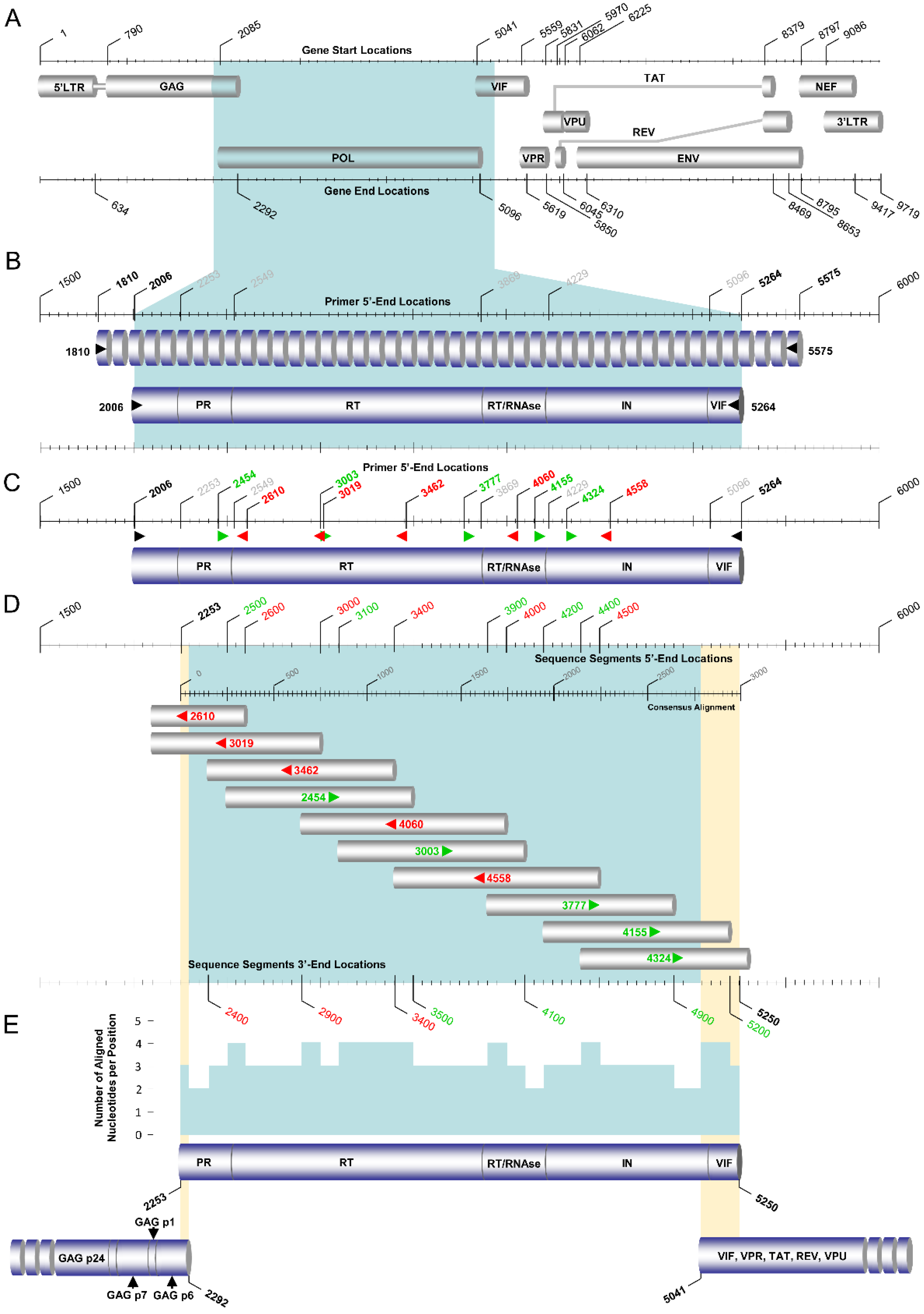
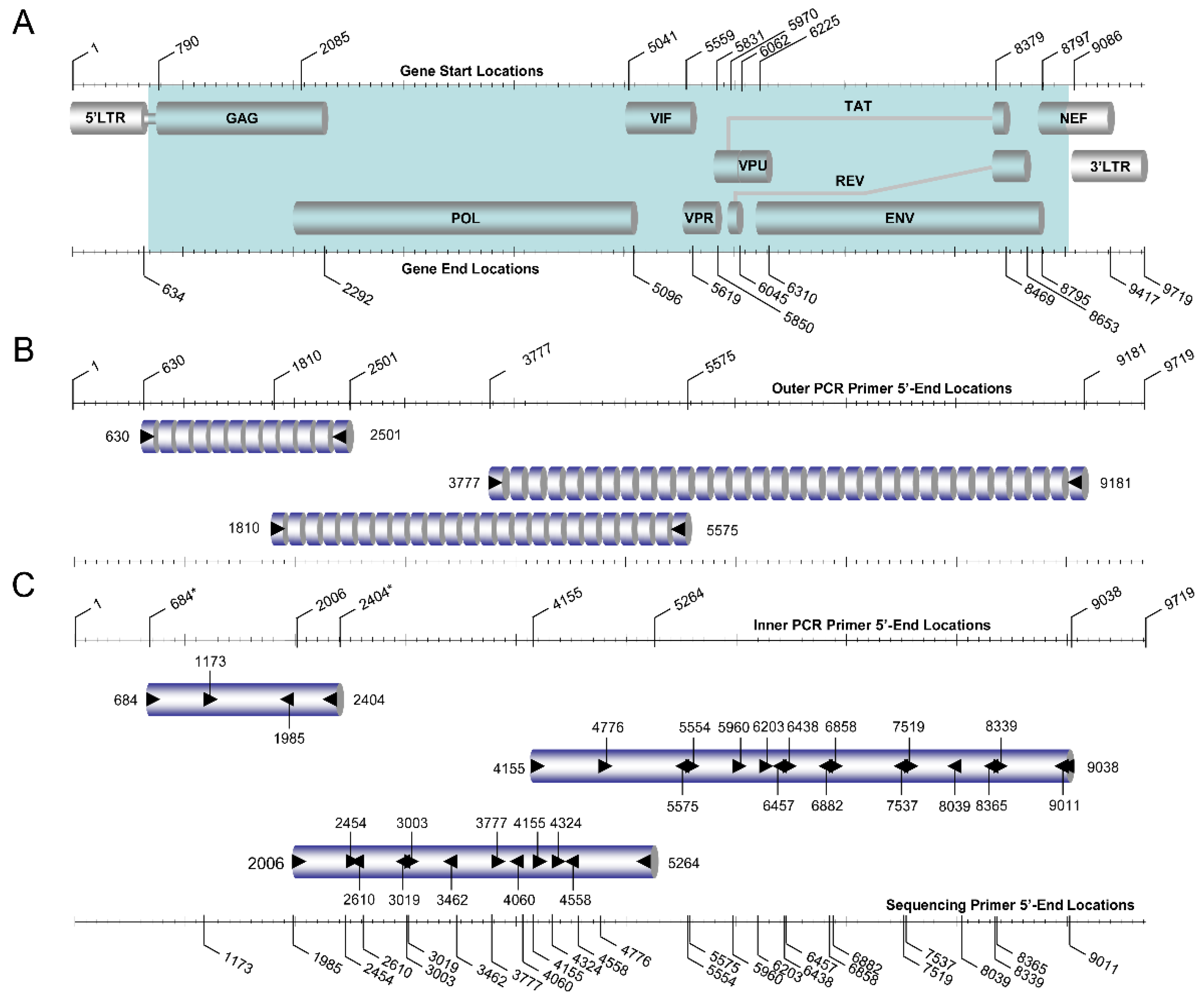
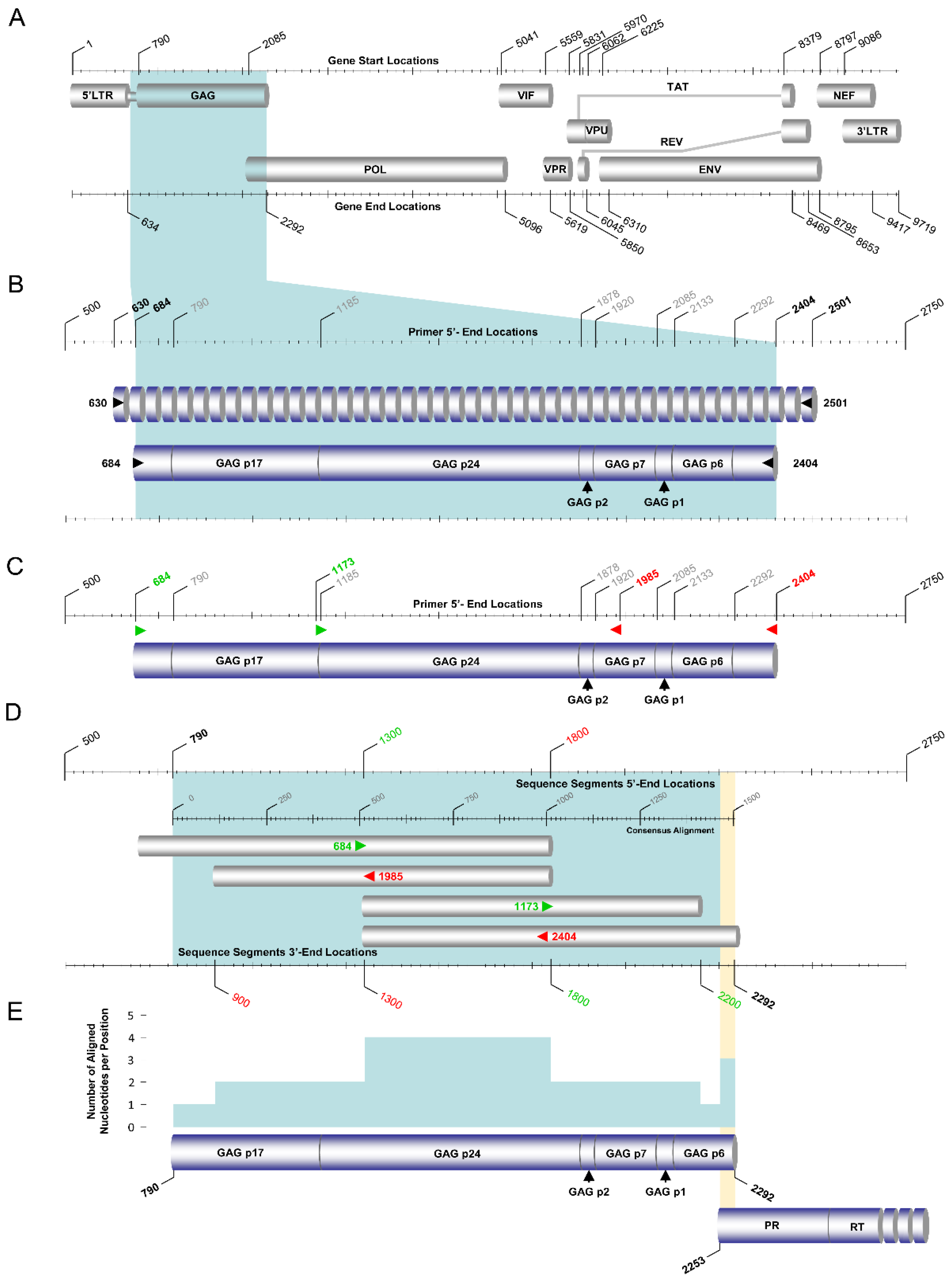
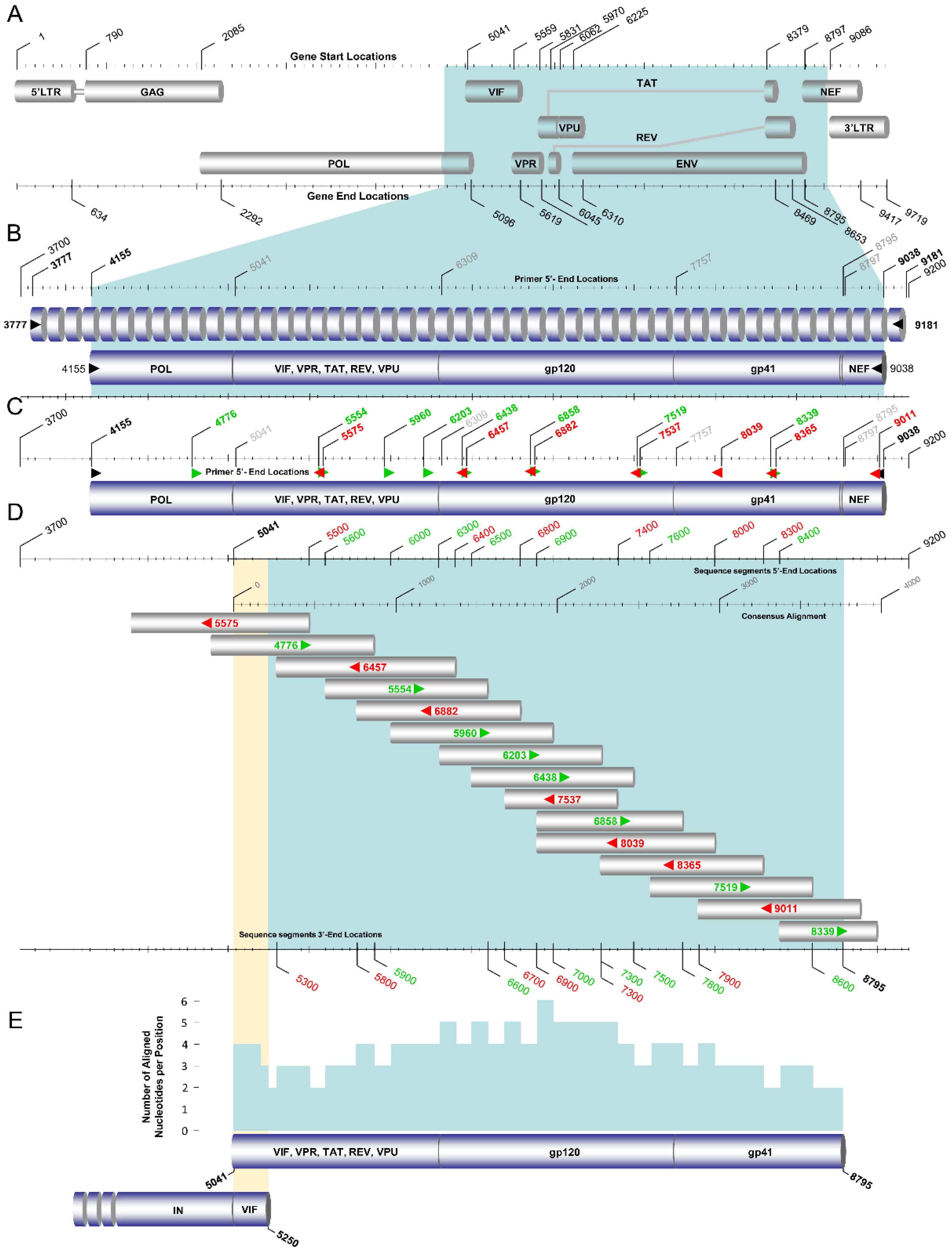
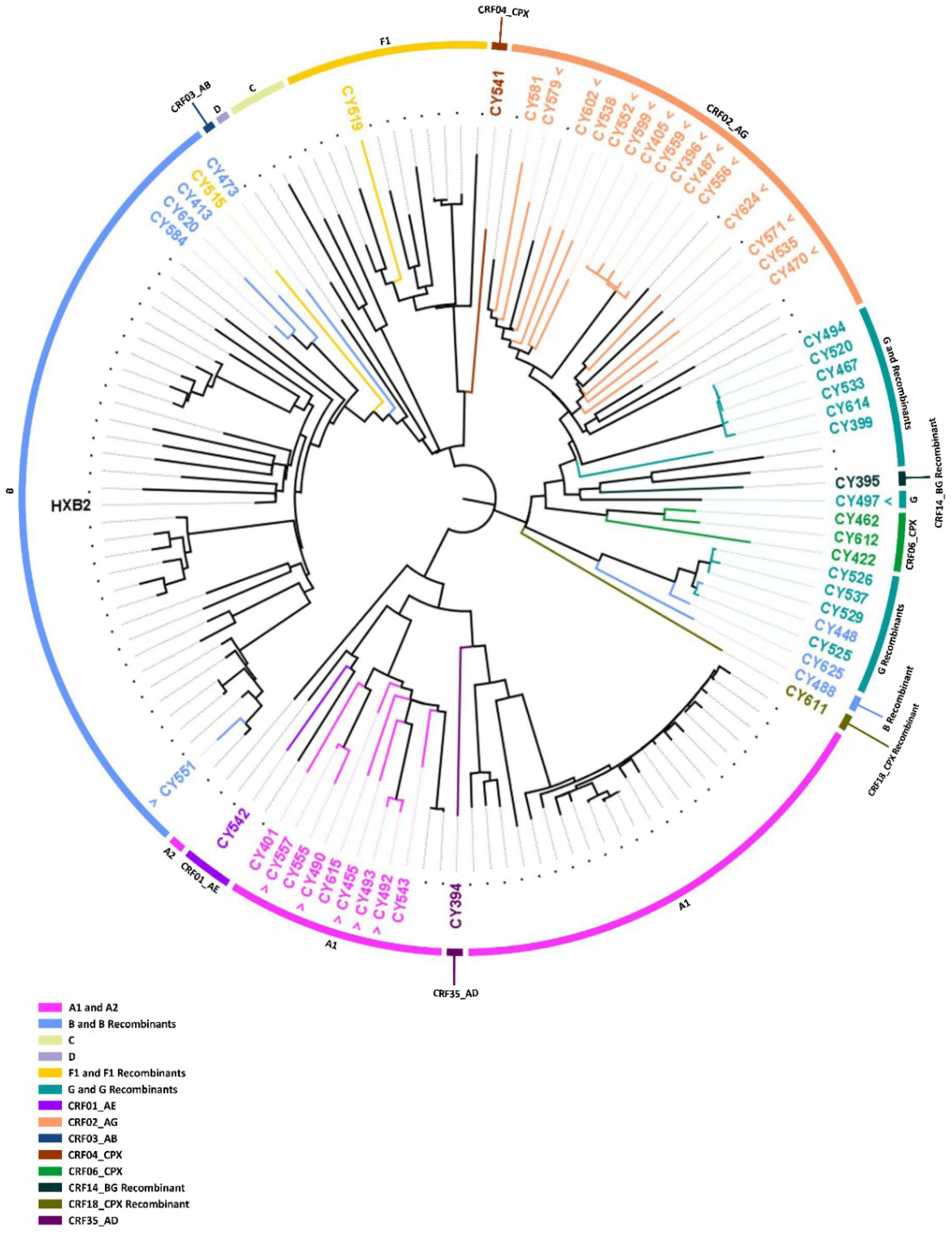
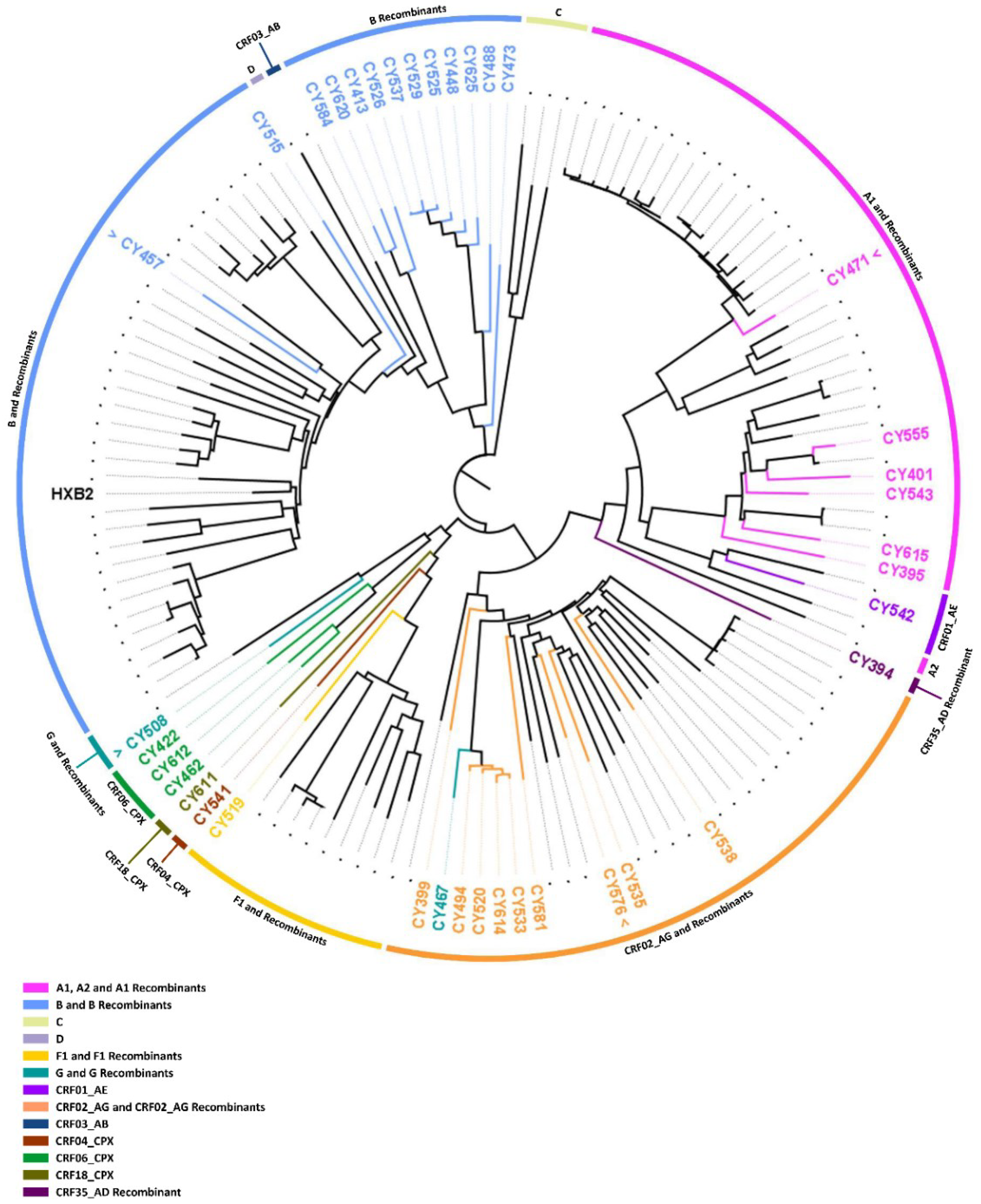
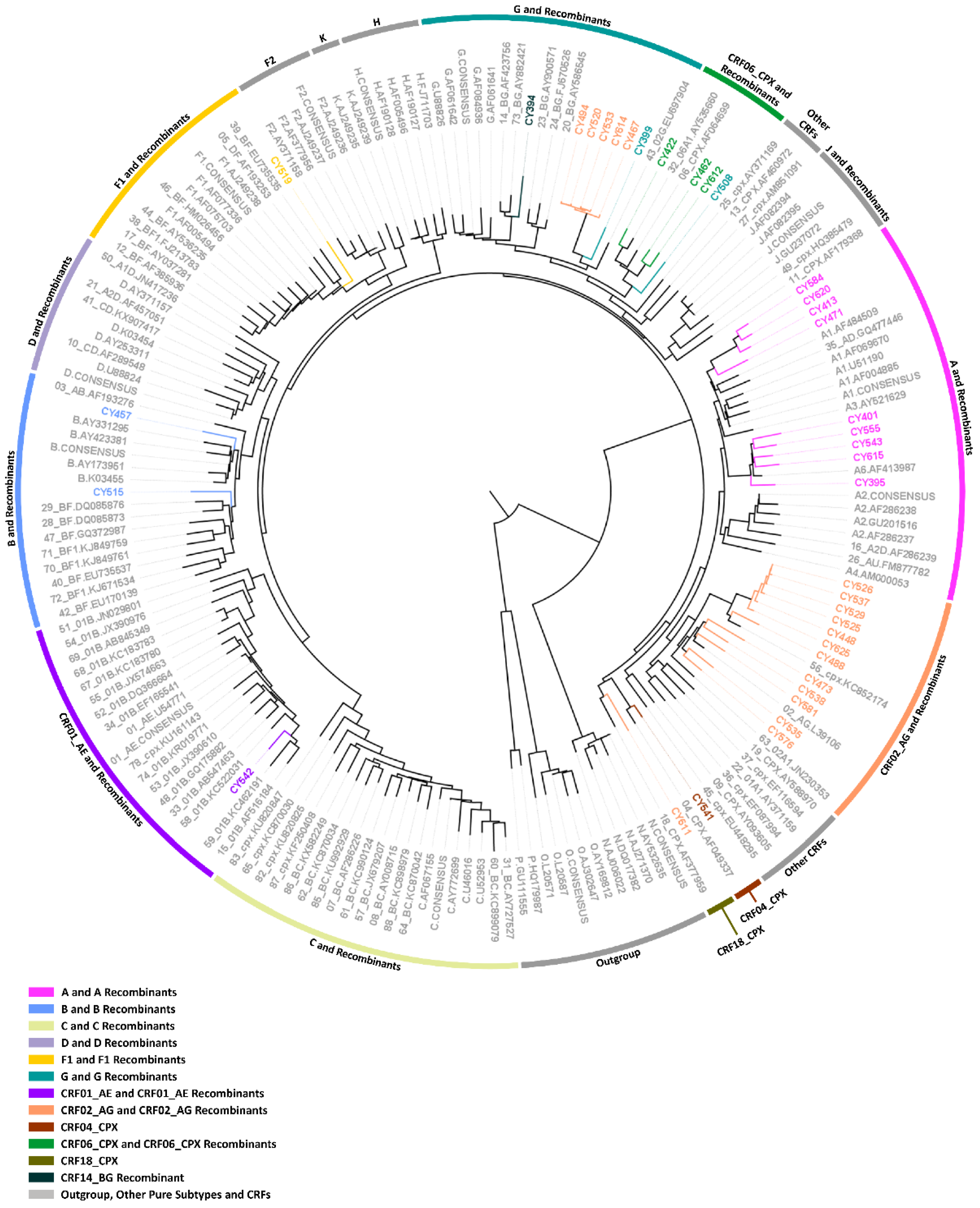
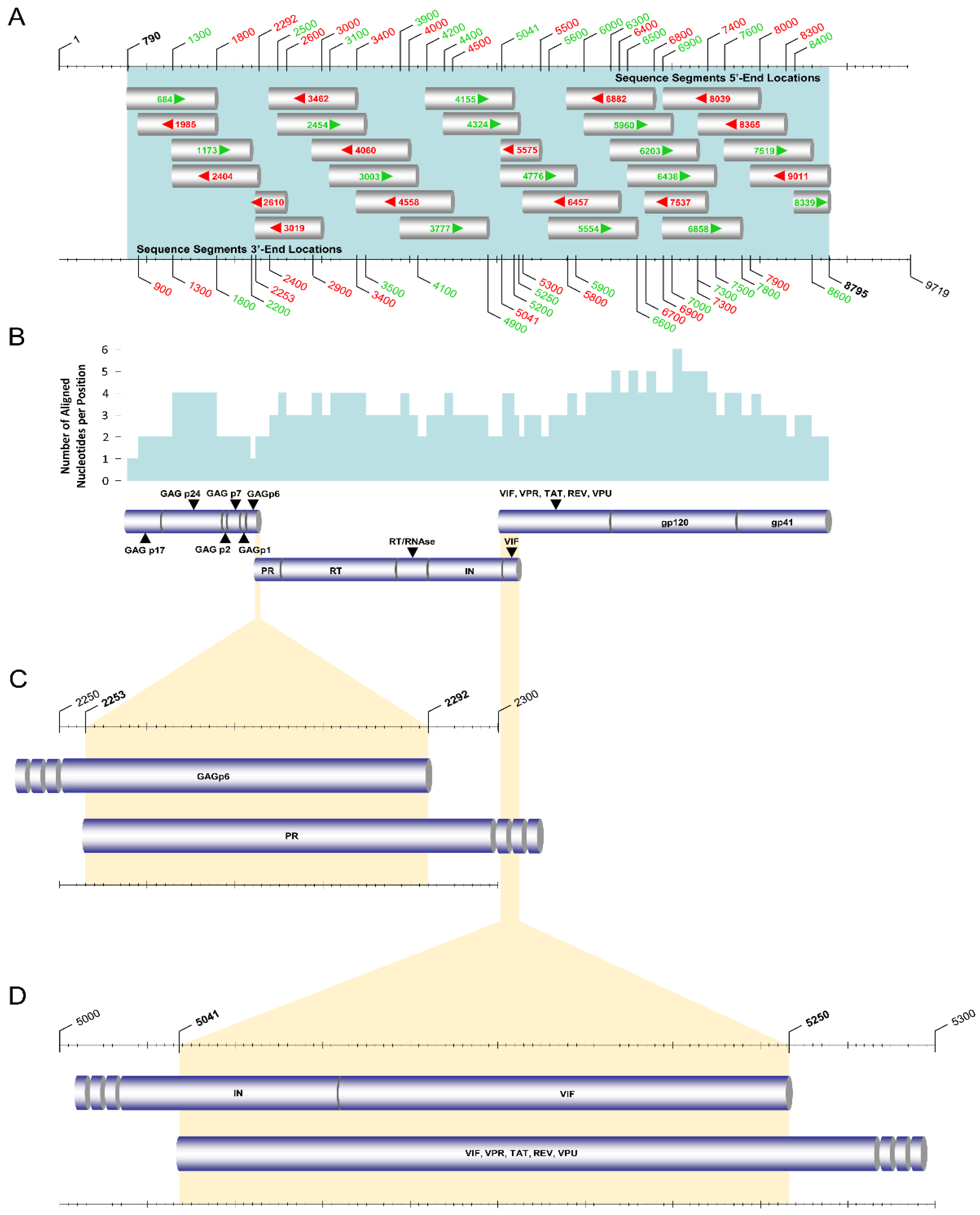
In an effort to evaluate the accuracy of HIV-1 phylogenies based on genomes of increasing length, we developed a comprehensive near-full-length HIV-1 genome RT–PCR assay and performed a comparative evaluation via phylogenetic analyses. To this end, we conducted comparative analyses of HIV-1 phylogenies derived based on HIV-1 PR/RT (2253–3359 in the HXB2 genome) and pol region (2253–5250 in the HXB2 genome) sequences isolated from 134 HIV-1-infected patients in Cyprus (2017–2019). The HIV-1 genotypic subtypes determined using six subtyping tools (REGA 3.0, COMET 2.3, jpHMM, SCUEAL, Stanford, and Geno2pheno) were compared to investigate the discrepancies generated among different tools. To evaluate the accuracy of defined HIV-1 phylogenies, the samples exhibiting at least one discrepant subtyping result among different subtyping tools in both PR/RT and pol regions or only in the pol region (n = 38) were selected for near-full-length HIV-1 genome (790–8795 in HXB2 genome) sequencing using a newly developed RT–PCR/sequencing assay. The obtained sequences were employed for HIV-1 genotypic subtype determination and subjected to comparative phylogenetic-based analyses. It was observed that 39.6% of the 134 samples presented discrepancies in the PR/RT region, while 28.4% presented discrepancies in the pol region. REGA 3.0 produced the fewest discrepancies collectively in both regions and was selected for subsequent subtyping and comparative phylogenetic analyses of near-full-length HIV-1 genome sequences. The analyses of near-full-length HIV-1 genome sequences identified 68.4% of the 38 ‘discrepant samples’ (n = 26) as belonging to uncharacterized recombinant HIV-1 strains, while 21.1% were circulating recombinant forms (CRFs) (n = 8) and 10.5% belonged to pure group M subtypes (n = 4). The findings demonstrated a significant reduction of 11.2% in discrepancies when pol region sequences were used compared to PR/RT region sequences, indicating that increased nucleotide sequence lengths are directly correlated with more consistent subtype classification. The results also revealed that if the discrepancy in pol region subtyping results persists, then there is a high likelihood (89.5%) that the query sequence is a recombinant HIV-1 strain, 68.4% of which belong to uncharacterized recombinant HIV-1 strains. The results of this study showed that REGA 3.0 presented the best performance in subtyping recombinant HIV-1 strains, while Stanford performed better in defining phylogenies of pure group M subtypes. The study highlights that, especially in populations with polyphyletic HIV-1 epidemics resulting in a high prevalence of recombinant HIV-1 strains, neither PR/RT nor pol region sequences are reliable for the determination of HIV-1 genotypic subtypes in samples showing discrepancies among different subtyping tools, and only near-full-length or full-length HIV-1 genome sequences are sufficiently accurate.
Keywords: human immunodeficiency virus type 1; HIV-1 genotypic subtyping; near-full-length HIV-1 genome sequencing; HIV-1 genetic diversity; HIV-1 phylogeny; Cyprus human immunodeficiency virus type 1; HIV-1 genotypic subtyping; near-full-length HIV-1 genome sequencing; HIV-1 genetic diversity; HIV-1 phylogeny; Cyprus