Article

Clinical and Radiological Profiles of COVID-19 Patients with Neurological Symptomatology: A Comparative Study

by
Maria de Fatima Viana Vasco Aragao
1,2,*,
Mariana de Carvalho Leal
3,4,
Pedro Henrique Pereira Andrade
5,
Ocelio Queiroga Cartaxo Filho
4,
Lucas Vasco Aragao
6,
Tatiana Moreira Fonseca
4,
Marcelo Andrade Valenca
5,
Maria Regina Vendas Carneiro Leao
5,
Joao Pedro Vasco Aragao
7,
Maria Lúcia Soares
8,9,
Mirelle Palmeira Lima
4,
Silvio S. Caldas
4,10 and
Marcelo Moraes Valenca
11
1
Centro de Biociências, Anatomy Department, Universidade Federal de Pernambuco, Recife 50670-901, Brazil
2
Centro Diagnostico Multimagem, Recife 50070-450, Brazil
3
Surgery Department, Post Graduation on Helth Human Communation, Universidade Federal de Pernambuco, Recife 50670-901, Brazil
4
Real Hospital Português de Beneficência em Pernambuco, Recife 50050-290, Brazil
5
Centro de Ciências Médicas, Faculdade de Medicina do Recife, Universidade Federal de Pernambuco, Recife 50670-901, Brazil
6
Endoscopy Department, Hospital 9 de Julho, São Paulo 01409-002, Brazil
7
Faculdade de Medicina de Olinda, Olinda 53030-030, Brazil
8
Propedeutics Department, Áreas de Ciências da Saúde, Faculdade de Medicina, Universidade Federal de Alagoas, Alagoas 57072-970, Brazil
9
Department of Morphological and Functional Organization 1, 2 and 3, Centro Universitário Cesmac, Alagoas 57051-160, Brazil
10
Centro de Ciências Médicas, Surgery Department, Universidade Federal de Pernambuco, Recife 50670-901, Brazil
11
Centro de Ciências Médicas, Pós Graduation Neuropsquiatry Department, Universidade Federal de Pernambuco, Recife 50670-901, Brazil
*
Author to whom correspondence should be addressed.
Viruses 2021, 13(5), 845; https://doi.org/10.3390/v13050845
Submission received: 29 March 2021 / Revised: 25 April 2021 / Accepted: 27 April 2021 / Published: 6 May 2021
(This article belongs to the Special Issue COVID-19—Advances in Clinical and Epidemiological Aspects)

Abstract

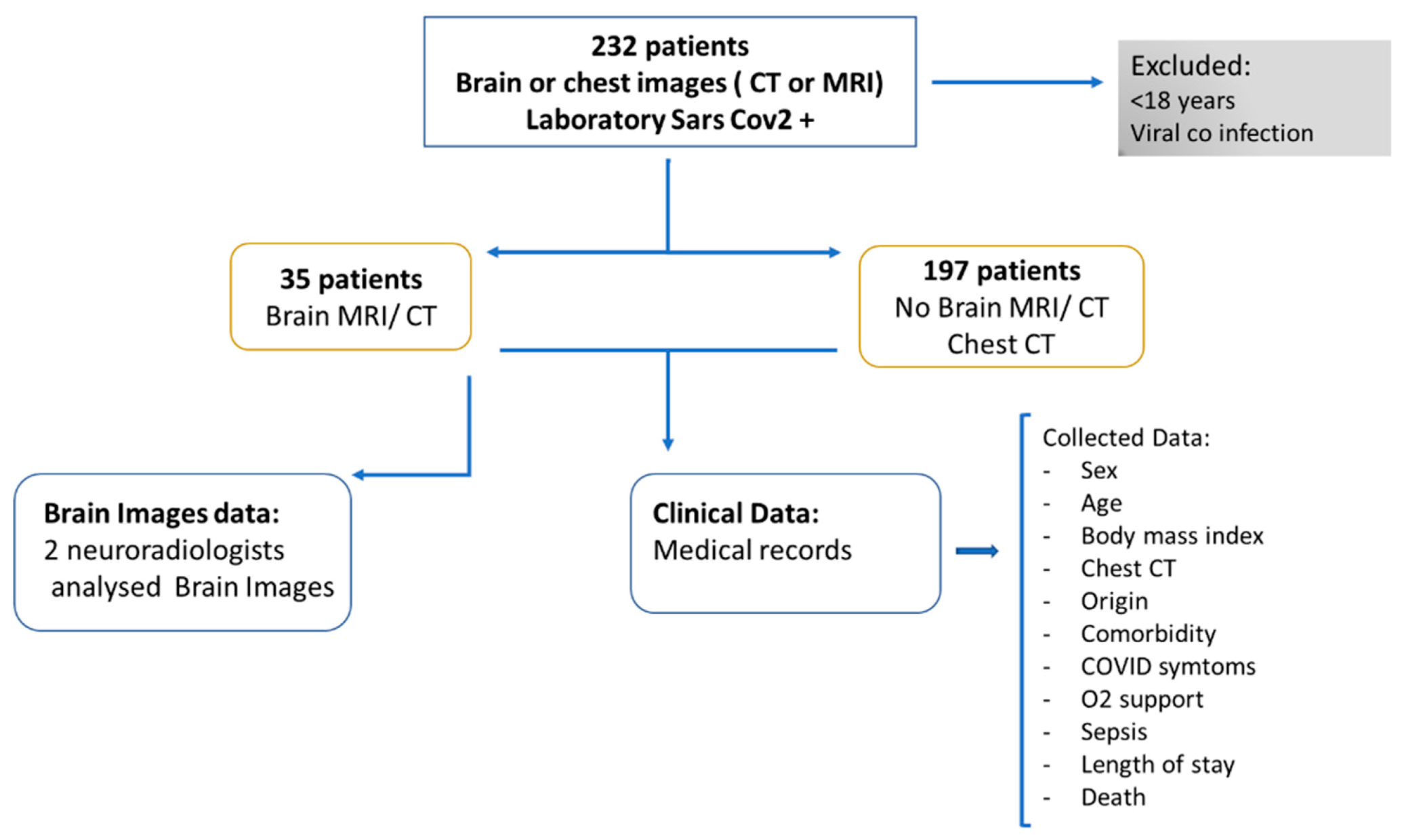
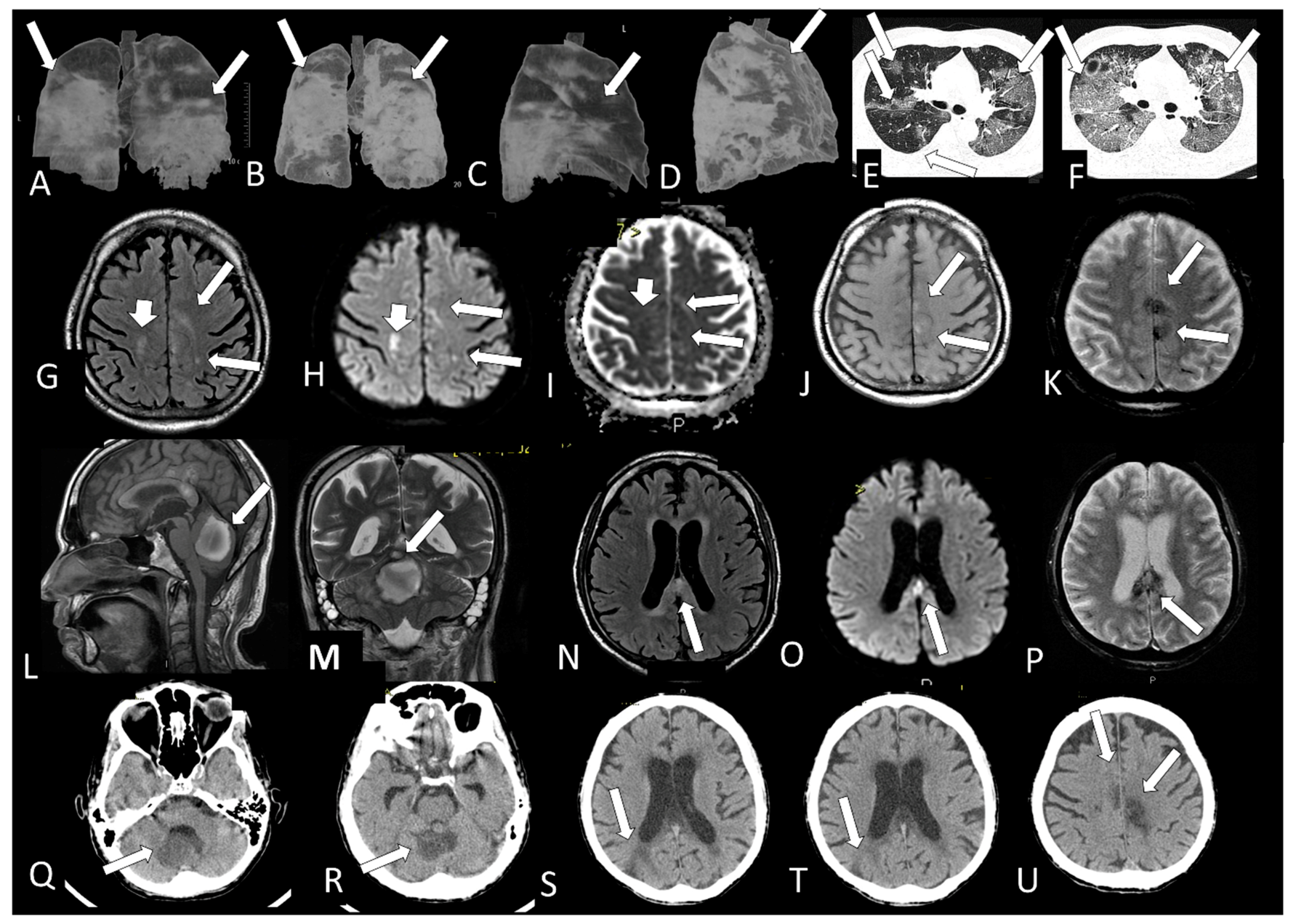
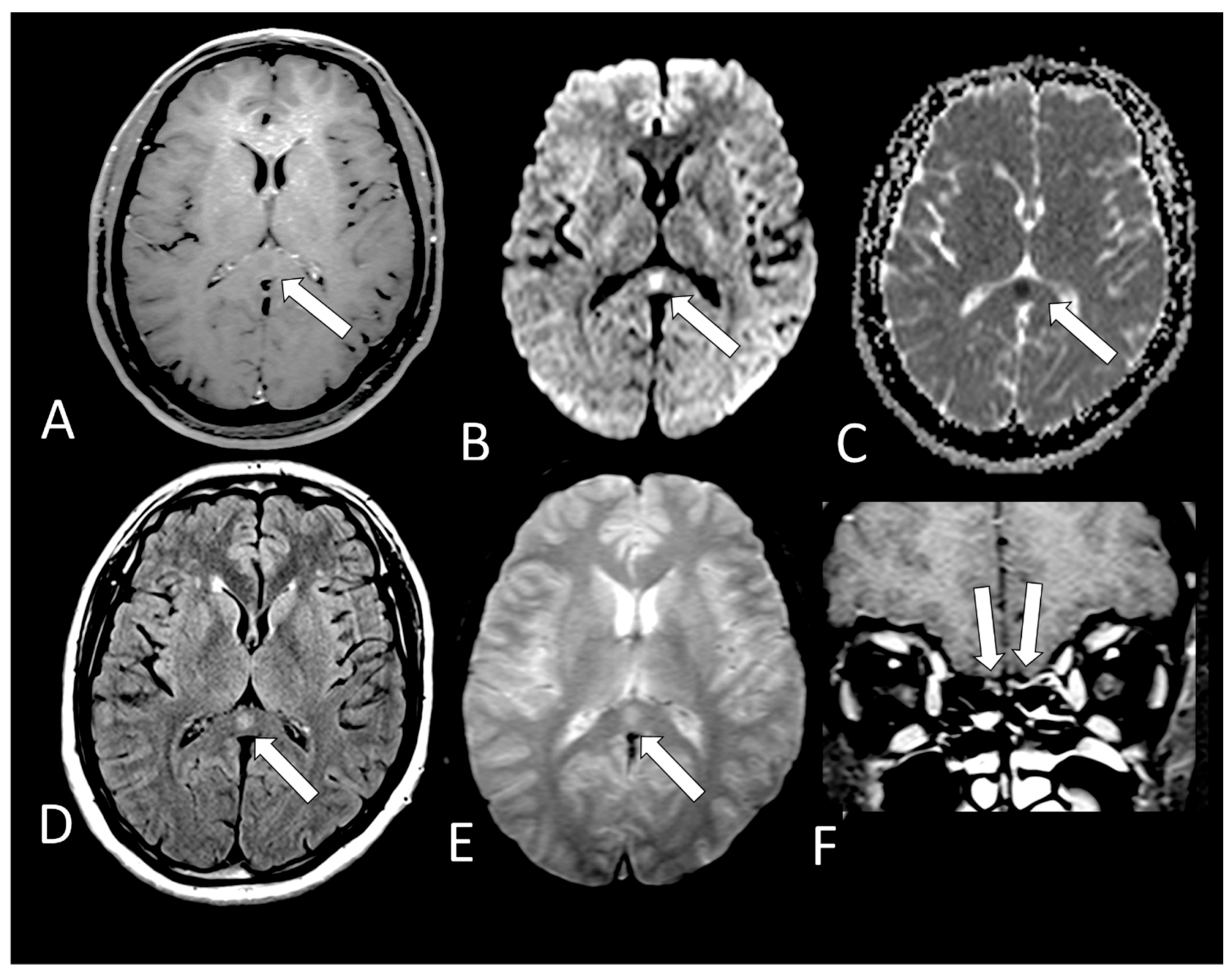
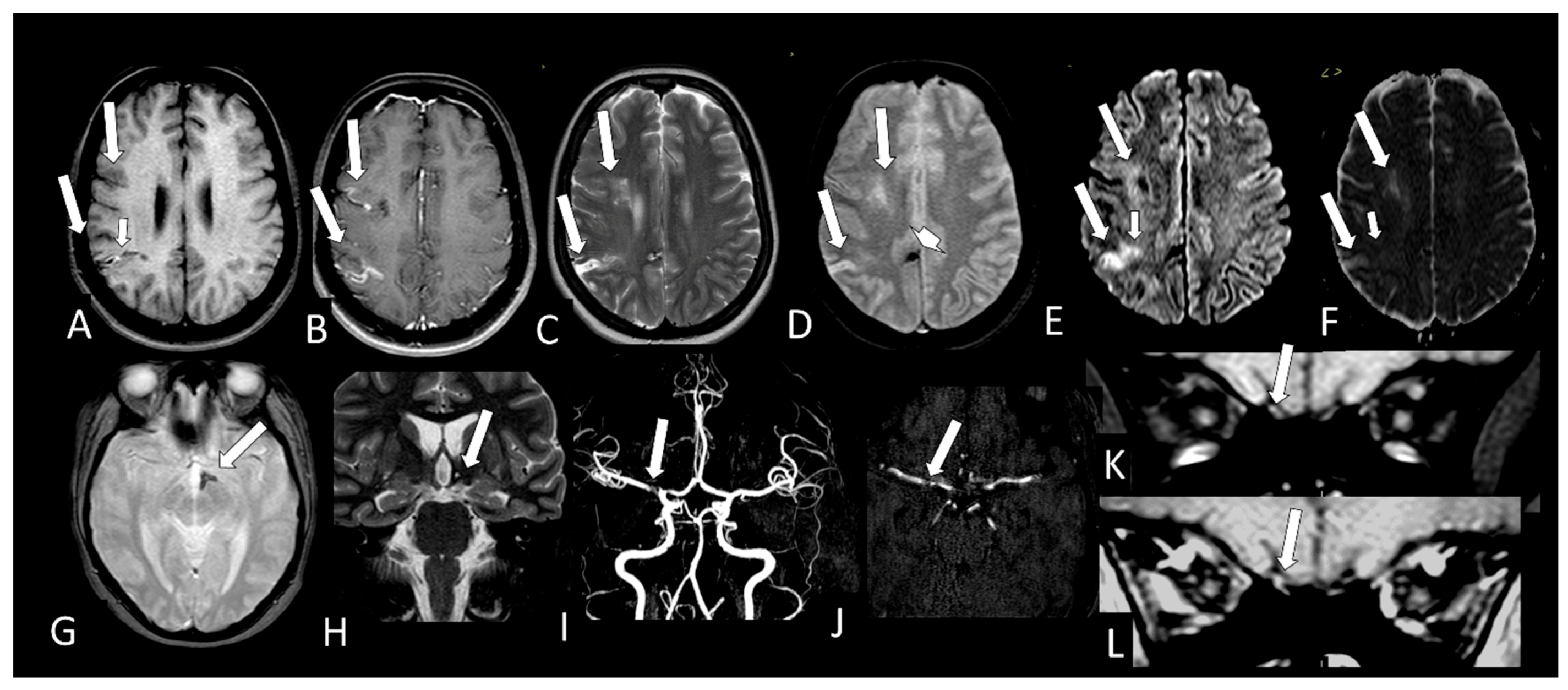
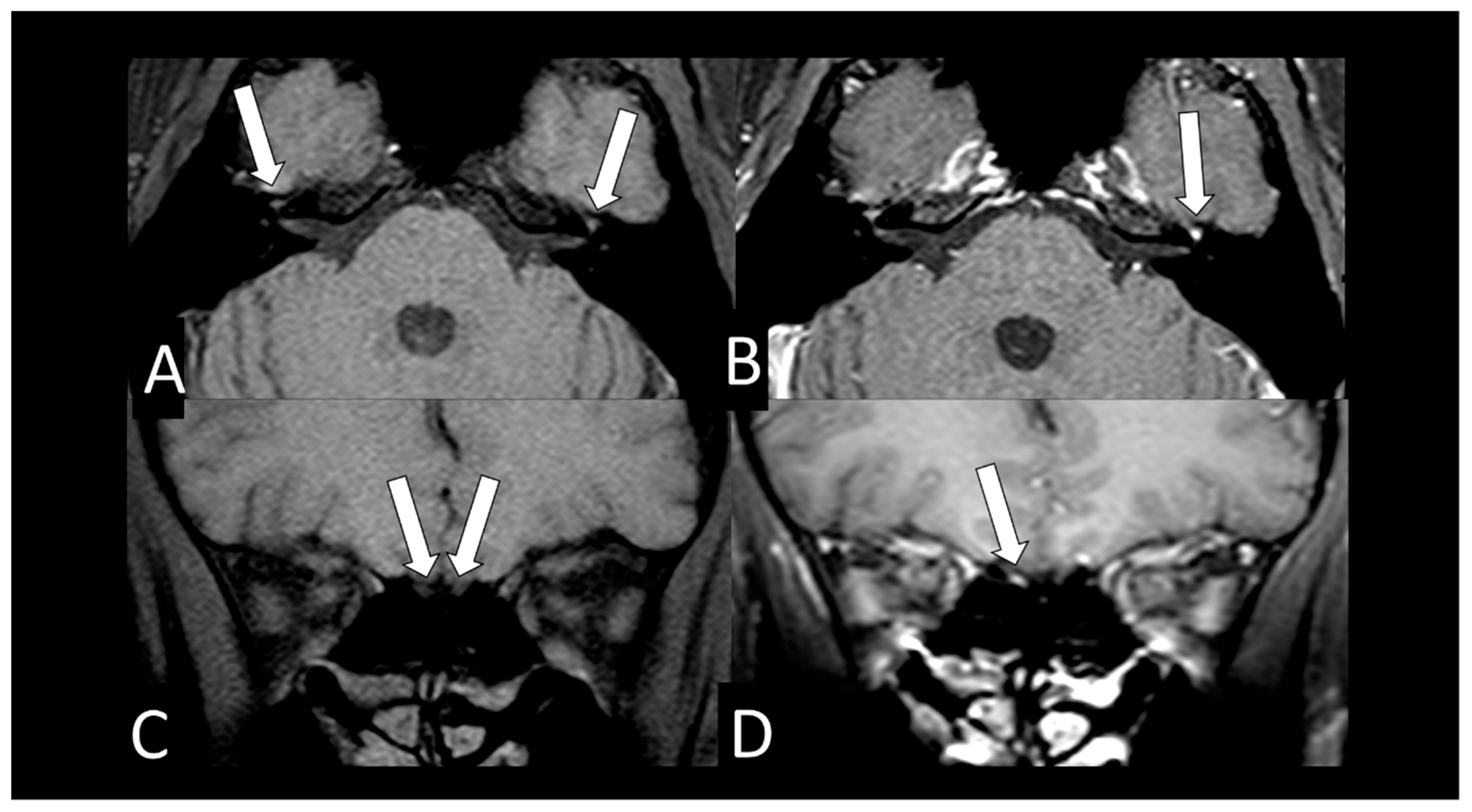
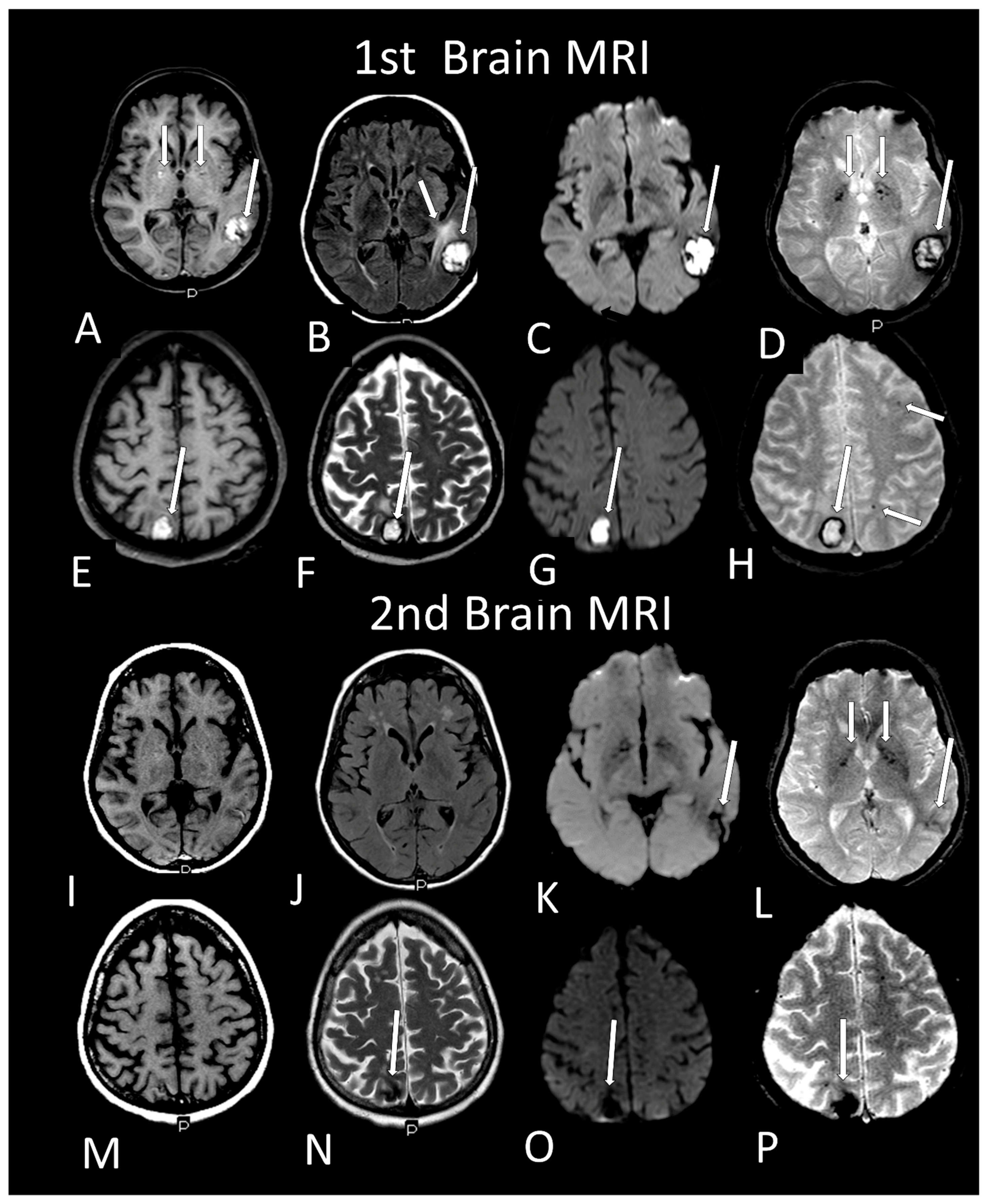
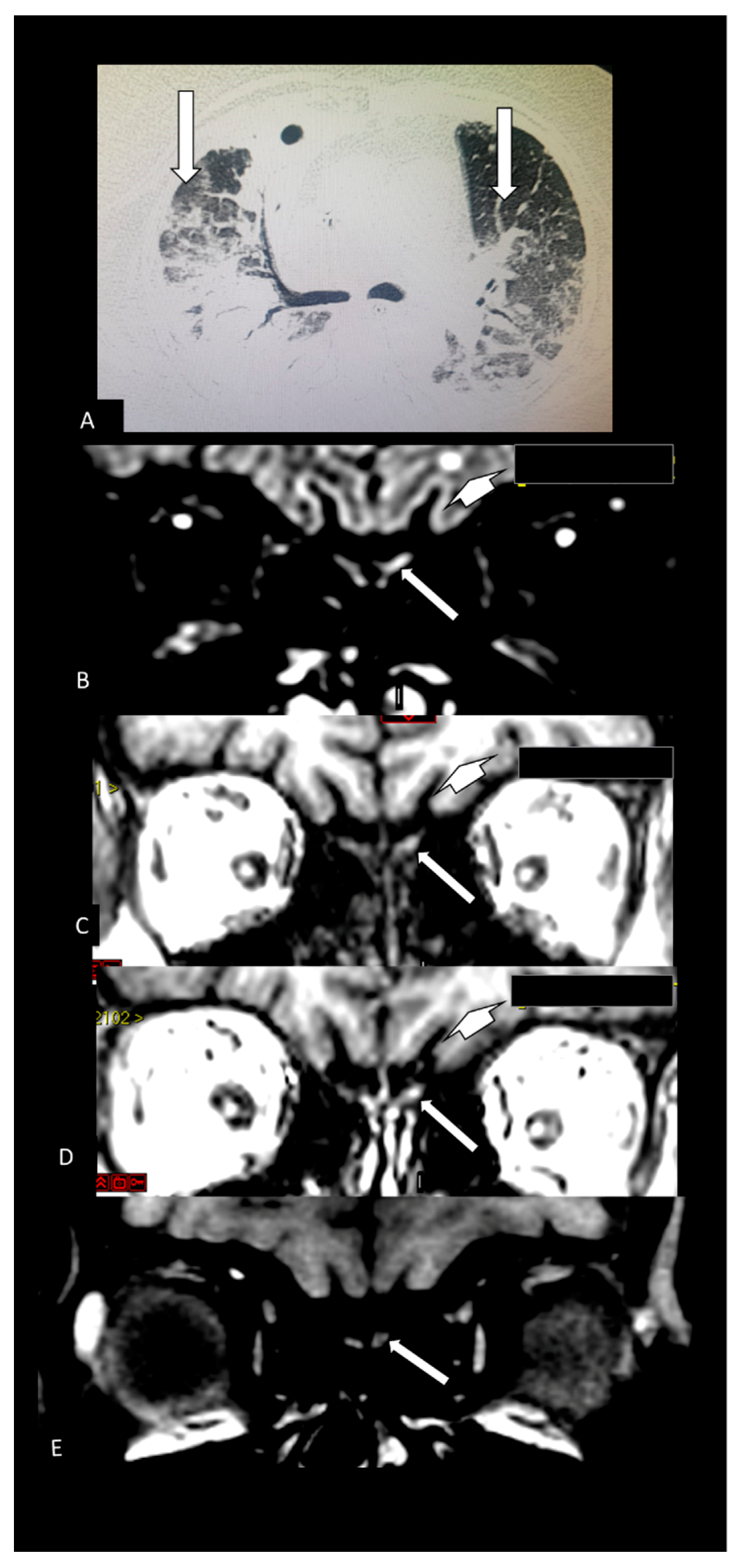
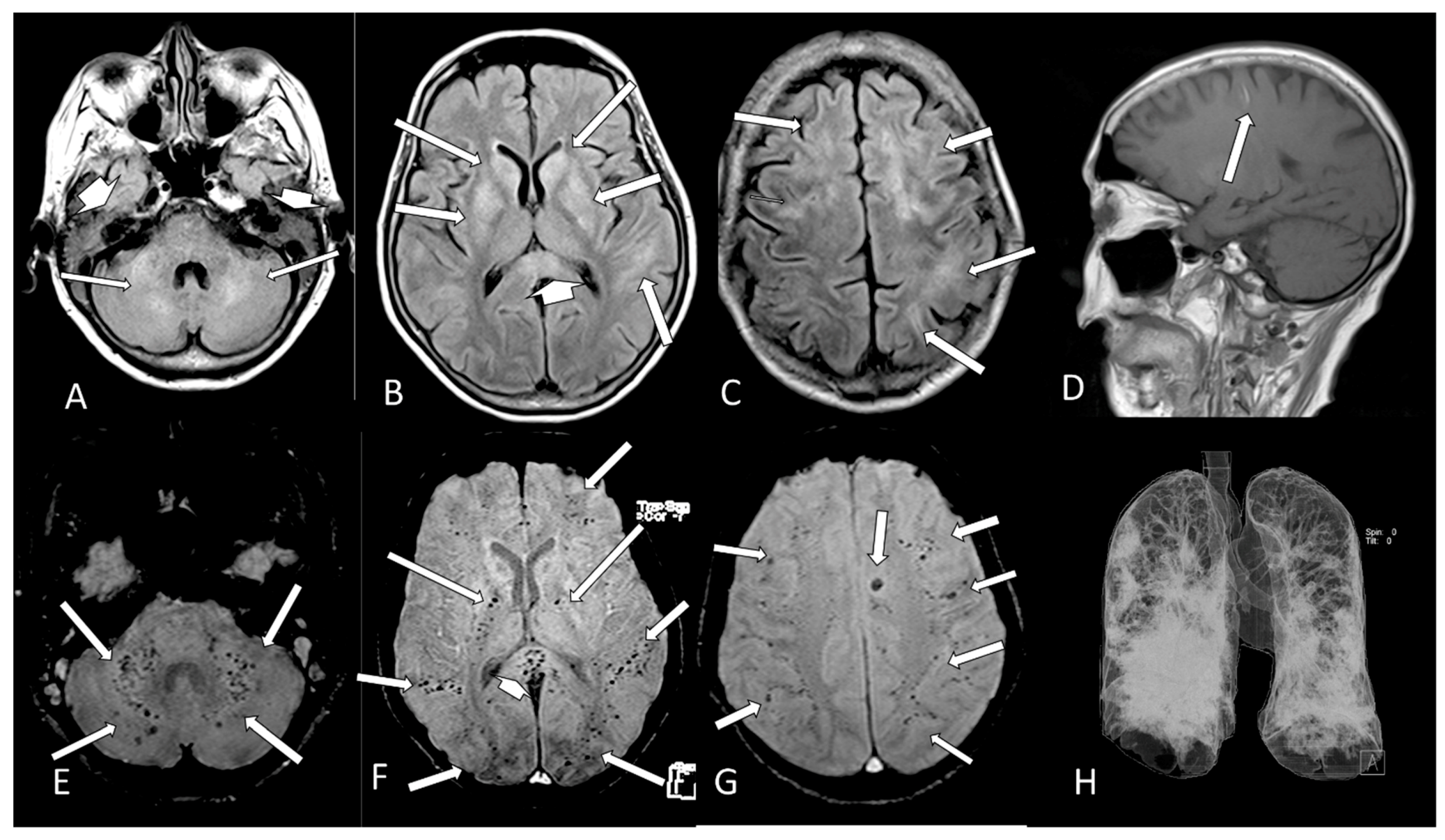
Patients with COVID-19 can require radiological examination, with chest CT being more frequent than neuro-imaging. The objective is to identify epidemiological, clinical and radiological factors considered as predictors of neurological involvement in patients with COVID-19 assessed by neuroimaging and to describe the neuroimaging findings. This retrospective study was performed with 232 consecutive confirmed COVID-19 patients, from two radiological units, which were divided into two groups: (1) those who underwent a brain CT/MRI scan (n = 35) versus (2) those who did not undergo the brain CT/MRI scan, but underwent only chest CT (n = 197). There was a statistically significant difference with associations regarding the COVID-19 brain scan group for: admission to ICU, greater severity of lung injuries, the use of a mechanical ventilator and sepsis. Statistical tendency was found for chronic renal failure and systemic arterial hypertension. Forty-percent of COVID-19 patients from the brain scan group were abnormal on brain CT and/or brain MRI (22.9% of the cases with bleeding or microbleeding, 8.6% with restricted diffusion lesions). One ischemic stroke case was associated with irregularity at the M1 segment of the right middle cerebral artery. There was a case of left facial nerve palsy with enhancement of the left geniculate ganglia. An analysis of the olfactory bulbs was possible in 12 brain MRIs and 100% had enhancement and/or microbleeding. In conclusion, a more severe COVID-19 disease from ICU, a more severe form of lung disease, the use of mechanical ventilator and sepsis were associated to the COVID-19 patients with neurological involvement who had undergone brain scans. Microvascular phenomenon was a frequent finding in the brain and olfactory bulbs evaluated by neuroimaging.
Keywords: COVID-19; MRI; CT; brain; stroke; olfactory bulb; radiology; risk factors COVID-19; MRI; CT; brain; stroke; olfactory bulb; radiology; risk factors