


Abstract
Mangroves are widely recognized as climate-relevant ecosystems, yet the extent to which soils are incorporated into climate mitigation research remains unclear. This study conducted a hierarchical bibliometric analysis (Scopus, 1950–2025) across five progressively restrictive search levels, moving from general mangrove research (Level 1) to studies incorporating climate change (Level 2), mitigation (Level 3), and soil-related processes (Levels 4 and 5). Results show that although 30,084 articles addressed mangrove broadly, only 25 articles (0.08%) explicitly linked mangrove soils to climate change mitigation, with the majority published after the emergence of the blue carbon concept in 2009. Keyword evolution and network analyses indicate a shift from descriptive ecological themes (e.g., distribution and vegetation dynamics) toward carbon-related and soil-associated processes (e.g., blue carbon, carbon sequestration, soil organic carbon), particularly after the late 2000s, accompanied by gradual diversification into Environmental Science, Earth and Planetary Sciences, and chemistry-related domains associated with soil processes and mitigation mechanisms. Despite these conceptual advances, keyword analysis shows that mitigation-related studies (Levels 3 and 5) remain largely focused on terms such as “mangroves” (336 occurrences), “carbon sequestration” (187), “organic carbon” (82), and “carbon storage” (62), with limited representation of mechanistic soil processes (e.g., redox-processes, soil greenhouse gas fluxes, carbon–iron–sulfur coupled dynamic) in climate mitigation frameworks. Expanding this integration represents a key scientific frontier for improving the robustness and scalability of mangrove-based climate mitigation strategies.
1. Introduction
Mangrove forests are among the most important coastal ecosystems due to their role in shoreline stabilization, nutrient cycling, biodiversity maintenance, and the provision of multiple ecosystem services [1]. These services average approximately Int$ 77,928 ha−1 year−1 for mangroves, compared to Int$ 34,018 ha−1 year−1 for inland wetlands, Int$ 15,570 ha−1 year−1 for temperate forests and woodlands, and Int$ 8166 ha−1 year−1 for tropical and subtropical forests, corresponding to values approximately 2.3, 5, and 9.5 times lower, respectively [2]. Distributed along tropical and subtropical coastlines, mangroves contribute significantly to coastal protection [3] and to the regulation of biogeochemical cycles, particularly under conditions of increasing environmental stress such as storms, hurricanes and sea-level rise. In recent decades, growing concern over climate change [4], sea-level rise [5], and coastal degradation [6] has intensified scientific interest in mangrove ecosystems [7,8], leading to a diversification of research themes related to climate variability, ecosystem functioning, and human–environment interactions [9,10].
Within the broader climate change agenda, mangroves have been increasingly discussed for their potential to contribute to climate mitigation, particularly through carbon sequestration and long-term carbon storage [11]. This interest aligns with the emergence of the ‘blue carbon’ concept, which formally recognized coastal ecosystems as significant carbon sinks [12]. Mangroves are widely recognized for their high total carbon stocks (global mean: 739 Mg C ha−1) [13], surpassing those of upland ecosystems (e.g., 314 Mg C ha−1 in tropical forests) [14] and even other coastal ecosystems, such as salt marshes (global mean: 334 Mg C ha−1) [13].
A central feature of carbon dynamics in mangroves is the role of soils as major long-term carbon reservoirs. These soils are typically characterized by waterlogged conditions, high organic matter contents [15], and low decomposition rates, largely driven by anaerobic microbial pathways. Under these conditions, iron and sulfate reduction often dominate terminal electron-accepting processes [16], while methanogenesis may also contribute to organic matter decomposition [17]. These anaerobic pathways present a lower energy yield relative to aerobic metabolism, decreasing organic matter degradation and leading to carbon accumulation [18,19,20]. In parallel, interactions between organic carbon and mineral phases—particularly through organo-mineral associations with Fe and Al oxyhydroxides—enhance carbon stabilization [20]. Moreover, Fe sulfides (e.g., pyrite) may interact with organic matter to form mineral-associated organic matter (MAOM), which is more resistant to decomposition. Previous studies have reported the potential of pyrite–MAOM complexes in stabilizing soil organic matter in mangrove soils [21,22]. These mechanisms promote the accumulation and preservation of carbon over extended timescales, making soils a key component in the functioning of mangrove ecosystems and in the provision of climate-related services [12]. Consequently, understanding how soils are conceptualized and investigated within climate-oriented mangrove research is essential for advancing both scientific knowledge and applied climate strategies.
Despite the recognized importance of mangrove soils as significant carbon reservoirs, they are still poorly represented in climate-related research. Historically, coastal ecosystem studies have been dominated by a vegetation-centric paradigm, which prioritizes aboveground biomass, forest structure, and species composition as primary indicators of ecosystem functioning and carbon storage [23,24,25]. At the same time, a substantial body of research has already advanced the understanding of soil processes in mangroves, including studies on anthropogenic impacts, degradation, and the biogeochemical mechanisms controlling carbon accumulation and storage. However, this knowledge has only rarely been translated into climate-oriented frameworks, particularly those addressing mitigation [8,26,27]. Additionally, disciplinary fragmentation between marine and coastal ecology, geosciences, and soil science has contributed to the limited integration of soil processes into climate-oriented research frameworks. As a result, key biogeochemical processes governing carbon long-term storage in mangrove soils remain comparatively underexplored in the context of climate change mitigation [28,29]. Therefore, the main limitation is not the lack of studies on mangrove soils, but the insufficient integration of mechanistic soil processes into climate mitigation frameworks, which constrains their effective incorporation into climate strategies.
An additional source of conceptual ambiguity arises from the frequent interchangeable use of the terms “soil” and “sediment” in mangrove research. Although this distinction may appear semantic, it reflects fundamentally different analytical perspectives. Studies referring to “sediments” are typically focused on physical processes such as deposition, erosion, and sediment transport, which are essential for understanding coastal dynamics [30]. In contrast, the term “soil” encompasses a functional framework that integrates biogeochemical processes, organic matter accumulation, nutrient cycling, and ecosystem functioning [31]. Therefore, evaluating the role of mangroves in climate change—particularly the contribution of belowground carbon reservoirs—requires approaching these substrates as soils, as this perspective explicitly recognizes their functional role in carbon storage and climate regulation. This conceptual distinction also raises the question of how consistently soil-related perspectives are represented within the broader mangrove–climate research field.
Accordingly, bibliometric analysis has gained attention in recent years [32,33,34,35] and provides a systematic and reproducible framework to examine how scientific knowledge is structured, how research themes evolve over time, and how disciplinary perspectives shape the production of knowledge within a given field. By analyzing publication trends, keyword usage, author networks, and thematic clustering, bibliometric approaches allow for an objective assessment of research emphases and conceptual trajectories without presupposing outcomes. In the context of mangroves and climate change, bibliometric analysis offers a valuable means to explore how mitigation-related themes emerge [36,37], how soils are incorporated into climate-oriented studies, and how the scientific discourse evolves across scales and disciplines. A hierarchical filtering approach, based on progressively restrictive search levels, provides a structured way to examine how thematic focus changes across levels of specificity [38,39,40]. When combined with keyword co-occurrence analysis, this approach enables the identification of how soil-related concepts are progressively reduced or excluded as research shifts toward climate mitigation.
Thus, the present study conducts a comprehensive bibliometric analysis of scientific literature addressing mangroves and climate change, with a specific focus on the inclusion of soils in climate-related research. The objectives of this study were to (i) characterize the temporal evolution of mangrove research in the context of climate change; (ii) examine how mitigation-related themes are represented within this literature; (iii) analyze the integration of soil-related concepts into mangrove–climate studies; and (iv) provide a structured overview of research patterns that can inform future interdisciplinary investigations, policy frameworks, and climate mitigation strategies involving mangrove ecosystems.
2. Materials and Methods
2.1. Data Source and Search Strategy
A bibliometric analysis was conducted to evaluate the scientific literature on mangroves and their relationship with climate change, with particular emphasis on mitigation processes and the role of soils. The Scopus database was selected as the sole source of bibliographic data due to its broad multidisciplinary coverage, standardized indexing system, and frequent use in environmental bibliometric studies. The Scopus database was selected as the sole source of bibliographic data to ensure methodological consistency and internal comparability across the hierarchical search levels. Although other platforms (e.g., Web of Science and Scielo) are widely used in bibliometric analyses, the use of a single database reduces inconsistencies in indexing standards, metadata structure, and subject classification systems that may arise when combining multiple sources [41,42,43]. Such inconsistencies can affect the reproducibility of the analysis and introduce bias during data cleaning and harmonization procedures, particularly in large datasets. Scopus was therefore considered suitable due to its broad multidisciplinary scope, standardized indexing, and extensive coverage of peer-reviewed literature in environmental and earth system sciences [43]. However, we acknowledge that using a single database may limit comprehensiveness, as demonstrated by studies employing both databases.
All searches were performed within the TITLE–ABS–KEY fields to ensure that retrieved records explicitly contained the selected terms in the title, abstract, or author keywords. The temporal coverage ranged from 1950 to December 2025 and only peer-reviewed research articles published in English were included. The wildcard operator (*) was used to capture lexical variations of key terms (e.g., ‘mangrove’ and ‘mangroves’), ensuring broader term coverage while maintaining relevance through restriction to TITLE–ABS–KEY fields. Proximity operators (e.g., W/n) were not applied, as the objective was to capture thematic co-occurrence at the document level rather than impose restrictive proximity constraints. The hierarchical refinement of search levels was used instead to progressively increase conceptual specificity. To encompass the diversity of articles, no restrictions were applied regarding subject area classification. Reviews, book chapters, conference proceedings, editorials, and other document types were excluded to maintain consistency in bibliometric indicators. The date of data retrieval was recorded to ensure reproducibility. As only a single database was used, no duplicate records were generated across datasets.
2.2. Definition of Search Levels
Five hierarchical search levels were defined to progressively refine the thematic scope from general mangrove research to soil-centered climate mitigation studies (Table 1). Boolean operators were applied using explicit parentheses to avoid logical ambiguity. Level 1 consisted of the term mangrove (mangrove*), capturing the broadest body of scientific production related to mangrove ecosystems and serving as the baseline dataset. Level 2 refined this scope by applying the expression mangrove AND (“climate change*” OR “global warming”), thereby retrieving studies explicitly associating mangroves with climate change. Level 3 further restricted the dataset by incorporating mitigation (mangrove AND (“climate change*” OR “global warming”) AND mitigation), isolating publications framing mangroves within climate change mitigation contexts. Level 4 introduced the soil dimension through the expression “mangrove soil*” AND (“climate change*” OR “global warming”), identifying studies addressing soil-related processes under changing climatic conditions. Finally, Level 5 applied the most restrictive combination, “mangrove soil*” AND (“climate change*” OR “global warming”) AND mitigation, retrieving publications explicitly linking mangrove soils to mitigation-relevant processes.All publications retrieved at Levels 4 and 5 were treated as soil-focused based on the search strategy, which explicitly targeted soil-related terminology. Although some studies may use “sediment” terminology within their text, the analysis was conceptually framed within a soil-based perspective to maintain consistency with the study objectives. The use of the term “mitigation” was intended to capture studies explicitly framed within climate mitigation contexts. A sensitivity test using broader search terms for Level 5, including terms such as “carbon sequestration”, “blue carbon”, and “carbon storage”, increased the number of retrieved records from 25 to 51. However, qualitative inspection of the additional records indicated that many did not explicitly address climate mitigation processes, but rather focused on ecological characterization, carbon quantification, or general biogeochemical dynamics without direct linkage to mitigation frameworks. These records were therefore not retained, as they did not align with the soil-centered and process-based scope of this study.
Table 1.
Search strings used in the hierarchical bibliometric analysis across five progressively restrictive levels. All queries were performed in the Scopus database using the TITLE–ABS–KEY fields. The analysis included only peer-reviewed research articles published in English between 1950 and December 2025. Reviews, conference proceedings, book chapters, and other document types were excluded to ensure consistency in bibliometric indicators. No restrictions were applied regarding subject area classification. The * is a wildcard operator used in Scopus to capture multiple word variants by truncation (e.g., “mangrove*” retrieves “mangrove” and “mangroves”).
2.3. Bibliometric Analysis
Bibliographic records were exported, including citation data, abstracts, author keywords, and full bibliographic metadata. Because a single database was used, duplicate records were not present. While the use of a single database may introduce coverage bias, this approach was considered appropriate for capturing relative publication patterns within a consistent dataset. No manual exclusion based on document content was applied beyond the predefined search criteria, thereby preserving methodological transparency and avoiding post hoc selection bias. Author names and keywords were standardized to minimize spelling inconsistencies and semantic redundancy, a common procedure in bibliometric preprocessing workflows [30].
The bibliometric assessment included temporal publication trends, geographic distribution of scientific output, subject area classifications, journal concentration patterns, and author productivity. Comparative analyses across the five hierarchical search levels were conducted to quantify the degree of thematic narrowing from general mangrove research to soil-centered mitigation studies. This structured comparison allows for the evaluation of conceptual specialization while maintaining internal consistency across datasets [43,44].
Geographic distribution maps were generated using QGIS (version 3.44, QGIS Development Team). A global basemap was used under the SIRGAS 2000 geodetic reference system (EPSG:4672), ensuring consistency in geographic coordinates and compatibility with global-scale spatial data. Country-level publication data were spatially represented according to the number of retrieved records for each country. To contextualize scientific production relative to mangrove distribution, the extent of mangrove area was incorporated using country-level estimates for the ten countries with the largest mangrove coverage, based on published data [45]. This approach enables the identification of potential mismatches between the geographic distribution of mangroves and the spatial patterns of scientific production.
Keyword co-occurrence networks were constructed using VOSviewer (version 1.6.20, Centre for Science and Technology Studies, Leiden University, The Netherlands), a widely applied software for bibliometric mapping and science visualization [28]. Only author keywords were considered in order to reduce noise associated with automated indexing terms and database-generated keywords [46]. Co-occurrence was selected as the analysis type, with author keywords defined as the unit of analysis. The full counting method was applied, and normalization was performed using the association strength method, which is recommended for co-occurrence mapping due to its ability to balance link intensity across heterogeneous datasets [33]. The minimum occurrence threshold for keyword inclusion was adjusted according to dataset size to ensure meaningful network structure and readability, avoiding excessive density in larger datasets while preserving sufficient keyword representation in smaller ones. Specifically, a threshold of 10 occurrences was applied for Level 1 and 2 occurrences for Level 5.
A single minimum occurrence threshold was defined and consistently applied across all search levels to ensure methodological comparability. This strategy enables a direct comparison of thematic density while allowing the natural reduction in keyword diversity in progressively restrictive datasets. To enhance semantic coherence, a custom thesaurus file containing 57 standardized replacements was developed and applied during network construction. Conceptually equivalent terms (e.g., singular and plural forms, abbreviations, chemical notation) were merged, and non-conceptual indexing terms were removed. The merging of equivalent concepts and the removal of non-conceptual terms are well-established practices in bibliometric analyses, aimed at reducing conceptual fragmentation and improving network interpretability [33,38]. The thesaurus followed the standard two-column tab-delimited format (“label” and “replace by”) recommended for VOSviewer preprocessing [46]. In this study, the thesaurus file (57 standardized replacements) was manually curated to ensure conceptual consistency and avoid inappropriate term aggregation. The full list of term standardizations is provided as Supplementary Materials.
Keyword co-occurrence networks were generated exclusively for Level 1 and Level 5. Network visualization was performed for Levels 1 and 5, representing the broadest and most restrictive search levels, respectively. Intermediate levels were used for quantitative analysis but not included in network visualization. Level 1 represents the full conceptual breadth of mangrove research, whereas Level 5 isolates the most restrictive dataset explicitly linking mangrove soils and climate mitigation. This contrast provides a clear analytical comparison between broad ecosystem research and soil-explicit mitigation science, maximizing structural interpretability. In the resulting visualizations, node size represents keyword frequency, link strength indicates co-occurrence intensity, and colors denote clusters automatically identified by the VOSviewer clustering algorithm.
3. Results and Discussion
Our study confirms the central premise of this study, namely that although mangrove–climate research has expanded substantially, the role of soils in climate mitigation remains critically underrepresented. This finding has direct implications for climate strategies, as it highlights the need to explicitly incorporate soil processes into mangrove-based mitigation frameworks to improve their effectiveness and reliability. This gap also underscores the need for multidisciplinary approaches integrating terrestrial and aquatic processes in mangrove research.
The temporal distribution of articles retrieved from the Scopus database between 1950 and 2025 reveals a strongly hierarchical and uneven pattern of scientific production across the five predefined search levels (Figure 1). Although the time window spans more than seven decades, research connecting mangroves to climate change and mitigation is clearly recent when compared with the broader mangrove literature, indicating that the explicit integration of mangrove soils into climate mitigation research remains recent and limited in scope (Figure 1).
Figure 1.
Temporal evolution of peer-reviewed scientific publications on mangroves retrieved from the Scopus database between 1950 and 2025, expressed as the absolute number of articles per year. Panel (A) shows publication counts across five hierarchical search levels of increasing thematic specificity: Level 1 (Mangrove), Level 2 (Mangrove AND climate change OR global warming), Level 3 (Mangrove AND climate change OR global warming AND mitigation), Level 4 (Mangrove soil AND climate change OR global warming), and Level 5 (Mangrove soil AND climate change OR global warming AND mitigation). Panel (B) provides a magnified view of Levels 2–5 to highlight temporal differences among climate-, mitigation-, and soil-focused studies. The increase in publication volume after 2009 coincides with the emergence of the blue carbon framework, which recognized coastal ecosystems as climate-relevant carbon sinks. Line colors correspond to search levels as follows: Level 1 (pink), Level 2 (purple), Level 3 (blue), Level 4 (green), and Level 5 (gray).
The highest number of retrieved documents was associated with Level 1 (Mangrove), which encompassed 30,084 peer-reviewed articles. This baseline corpus represents the full thematic breadth of mangrove science (Figure 1A). Despite the long historical coverage, publications remained sparse until the late twentieth century. A gradual increase is noticeable from the 1980s onward, followed by accelerated growth in the late 1990s and early 2000s. Accordingly, between 1950 and 1990, only 1298 articles were retrieved, reflecting an early phase of mangrove science largely centered on forest distribution and mapping [47], basic ecological and socio-economic characterization [48], deforestation drivers, and initial restoration efforts [49]. Scientific output increased during the 1990–2000 period, with 2397 publications, coinciding with the expansion of remote sensing applications [50,51], growing attention to biodiversity conservation [52], and the early integration of sustainability and socio-economic dimensions into mangrove research. In contrast, the period from 2000 to 2025 accounted for 26,896 articles—more than seven times the combined output of the previous five decades—highlighting a substantial intensification of research activity. Notably, 22,607 of these publications were produced after 2010, indicating a sharp rise in publication output. This increase coincides with advances in analytical methods, remote sensing, biogeochemical measurement techniques, and the expansion of international research networks [53,54]. Simultaneously, it indicates a growing global recognition of mangroves as multifunctional ecosystems providing critical services [10,55,56]. These results indicate that the recent expansion (from 2010 to 2025) of mangrove research is not merely a response to emerging environmental concerns, but the outcome of a progressive accumulation of scientific capacity, methodological advancement, and societal demand for evidence-based ecosystem management [11,57,58].
When the scope was restricted to Level 2 (mangrove + climate change/global warming), the number of retrieved documents declined to 2716 articles (Figure 1B), corresponding to approximately 9% of the Level 1 corpus and representing a sevenfold reduction in publication volume. The earliest records at this level date to 1988, indicating a clear temporal lag between the emergence of general mangrove research and the explicit incorporation of climate change as an analytical framework. Additionally, an increased rate in publication output occurred after 2010, similar to the observed at Level 1. This increase reveals a growing scientific emphasis on mangroves within climate-related contexts, particularly their ecosystem services, responses to climate change, conservation, and restoration strategies [31,59,60]. Additionally, the post-2010 expansion aligns with the consolidation of international climate agendas, including successive Intergovernmental Panel on Climate Change assessments and the implementation of the United Nations Sustainable Development Goals, which explicitly recognize coastal ecosystems as critical components of climate change mitigation and adaptation strategies [61,62,63]. Despite this growth, climate-focused mangrove research remains structurally embedded within the broader ecological literature [60]. A further restriction to Level 3 (Mangrove + climate + mitigation) produced a much sharper contraction, with only 536 articles. This corresponds to a quantity of retrieved documents approximately 56-fold smaller than the reference corpus (i.e., Level 1) and only about 20% of the quantity retrieved in Level 2. Publication growth at this level dates to 1991 and intensified after the mid-2010s (Figure 1B). Although mangroves are now widely recognized as climate-relevant ecosystems, their framing as active mitigation systems remains comparatively recent and less prevalent than studies centered on vulnerability, degradation, or ecological description [64,65,66]. This temporal pattern aligns with the consolidation of the Nature-based Solutions (NbS) concept, which gained prominence around 2015, particularly within European policy and research agendas [67]. NbS emerged as an umbrella framework integrating earlier “green” approaches and promoting ecosystem-based strategies for climate adaptation and mitigation [68,69]. Early studies examining mangroves as NbS appeared in the early 2000s, with marked expansion after 2009, reflecting broader shifts in global climate governance and ecosystem-based management discourse [70,71,72]. As a result, while mangroves have increasingly been positioned within global mitigation narratives, the scientific foundation supporting this role remains uneven, particularly regarding the understanding of belowground carbon processes that ultimately determine their mitigation potential.
Including soil in the search for trends further restricted the literature. Level 4 retrieved 82 articles—15% of Level 3 and about 0.3% of Level 1, meaning an amount 360-fold smaller (Figure 1B). The first publication appeared in 2008, approximately 17 years after the emergence of Level 3 (Figure 1B). This delay reflects the historical prioritization of aboveground biomass, coastal protection, and general ecosystem services in mangrove–climate research [63,73,74,75]. Although mangrove soils are now recognized as the dominant carbon pool in these ecosystems—often storing more carbon than aboveground biomass—this recognition consolidated only after the expansion of blue carbon research in the late 2000s [76,77,78]. This underrepresentation is particularly striking given that mangrove soils frequently account for 50% to over 90% of total ecosystem carbon stocks [10,27] containing an average of 5–10.4 Pg of soil C globally [74]. Furthermore, methodological limitations have also partially contributed to the recent advancement of this topic. Quantifying soil carbon stocks requires soil coring, bulk density determination, and carbon concentration analysis [14]. However, interpreting stock variability requires the consideration of geomorphology, hydrology, land use, soil biogeochemical processes, and greenhouse gas (CO2, CH4, N2O) fluxes, requiring analytical capacities that have only expanded substantially over the past two decades [27,79,80,81,82]. The most restrictive scope, Level 5 (Mangrove soil + climate + mitigation), included only 25 articles published between 2018 and 2025-representing 30% of Level 4, 4.7% of Level 3, and less than 0.1% of Level 1. Existing studies primarily focus on carbon sequestration rates, greenhouse gas balances, land-use impacts, restoration outcomes, and, more recently, the economic valuation of soil carbon stocks [83,84,85].
Temporal trends are closely linked to the geographic distribution of scientific production across levels. The expansion observed at Level 1 (Mangrove) is partly explained by the concentration of output in countries with strong research infrastructure and long-standing investment in environmental science (Figure 2A). China, the United States, and India emerged among the leading contributors to the 30,084 publications retrieved at this level. Although these countries do not necessarily host the largest global mangrove areas [50,54,86], they possess advanced technological capacity, consolidated academic networks, and sustained funding mechanisms that support large-scale ecological research. This technological and infrastructural advantage aligns with the thematic profile previously identified for the earlier decades of mangrove science (Figure 1A). From 1950 to 1990, research focused primarily on forest distribution, mapping, ecological characterization, and deforestation drivers. These topics rely heavily on remote sensing, geospatial analysis, and large-scale monitoring programs—approaches that expanded significantly from the 1980s and accelerated throughout the 1990s and 2000s [87,88,89]. Countries with access to satellite imagery, geoprocessing infrastructure, and well-established research institutions were therefore better positioned to lead this phase of mangrove research. The marked increase in publications after 2000 can reflect not only rising global environmental concern but also infrastructure, technology investment, and economic policies [90] that drive scientific production. Furthermore, there is a geographic limitation in scientific production [90]. The temporal growth observed at Level 1 was closely linked to the geographic concentration of scientific capacity supporting it.
Figure 2.
Global distribution of scientific publications on mangroves and climate change across five hierarchical search levels, compared with the global extent of mangrove forests. Panels (A–F) show the spatial distribution of the top 10 publishing countries for each search level based on the number of peer-reviewed articles retrieved from the Scopus database between 1950 and 2025. Panel (A) represents Level 1 (Mangrove), Panel (B) Level 2 (Mangrove AND climate change OR global warming), Panel (C) Level 3 (Mangrove AND climate change OR global warming AND mitigation), Panel (D) Level 4 (Mangrove soil AND climate change OR global warming), and Panel (E) Level 5 (Mangrove soil AND climate change OR global warming AND mitigation). Color intensity reflects the number of retrieved documents per country, with darker shades indicating higher publication output. Panel (F) shows the global distribution of mangrove forest area for the top 10 countries by mangrove extent, expressed as total mangrove area (km2). Countries shown in panels (A–E) are not necessarily those with the largest mangrove areas, allowing for direct visual comparison between scientific production and ecological distribution. Together, the panels illustrate increasing geographic concentration and declining country participation as thematic focus narrows from general mangrove–climate research to soil-based climate change mitigation, as well as a partial mismatch between research output and global mangrove forest distribution.
At Levels 2 and 3, the countries leading publication output at Level 1 retained central positions, and geographic concentration remained evident (Figure 2B,C), consistent with the pronounced contraction in publication volume identified in the temporal analysis (2716 and 536 articles, respectively). Climate-specific and mitigation-oriented studies continue to be led primarily by countries such as the United States and China (Figure 2B,C), reinforcing the structural role of consolidated research infrastructure in shaping this field. Quantitatively, the top three contributing countries accounted for approximately 58% of publications at Level 2 and 61% at Level 3, compared to ~46% at Level 1, indicating increasing concentration as thematic specificity increases. Nevertheless, several countries with extensive mangrove coverage assume more visible positions at these levels. Australia expands its contribution through blue carbon accounting integrated with national carbon inventories [91,92,93]. Indonesia, which hosts the largest mangrove area globally, emphasizes carbon storage in regions such as the Mahakam Delta and links restoration initiatives to national mitigation commitments [94,95,96]. Malaysia frames mangroves as coastal bioshields, incorporating carbon stock assessments and economic valuation approaches [97,98]. Bangladesh focuses on the Sundarbans, addressing sea-level rise, cyclones, salinity intrusion, and infrastructure pressures through remote sensing and ecosystem service assessments [99,100]. Brazil contributes to research on blue carbon and coastal risk mitigation [101,102,103], but does not rank among the leading publishing countries at Level 3.
When the analysis was restricted to studies that integrate soils into mangrove–climate research (Levels 4 and 5), geographic concentration increases. The United States, China, and Australia account for the largest overall number of scientific publications (Figure 2D,E). However, as the thematic focus shifts toward climate processes associated with soil and mitigation, countries with extensive mangrove coverage (e.g., Australia, Brazil, Indonesia, and Malaysia) assume higher prominence in the number of retrieved documents. This pattern indicates that although the early literature was dominated by nations with strong research infrastructure, more specialized soil–climate investigations are increasingly associated with regions where mangroves represent ecologically and socioeconomically strategic ecosystems. Search trends using “mangrove soil” AND (“climate change” OR “global warming”) indicate that the principal areas of interest include: (i) carbon sequestration and blue carbon accounting; (ii) quantification of soil organic carbon stocks and their physicochemical controls; (iii) relationships between aboveground and belowground biomass and soil carbon; and (iv) vulnerability to sea-level rise, salinization, and altered hydrological regimes. Australia and the United States frequently lead regional-scale inventories of CO2 and CH4 fluxes, soil carbon assessments, and spatial modeling, reflecting robust analytical capacity and long-term monitoring frameworks [104,105,106,107]. In Indonesia and Malaysia—home to some of the world’s largest mangrove extents—studies emphasize above and belowground carbon stocks, particularly through comparisons between restored and natural forests [96,108,109]. In Brazil, recent contributions increasingly address blue carbon stocks along environmental gradients (e.g., geoclimatic context and land-use change), restoration effectiveness, and drivers of soil carbon stabilization [110,111]. This distribution verified here and reported in other studies suggests that mitigation-oriented soil research is concentrated in countries where extensive mangrove areas intersect with national climate commitments and ecosystem service valuation agendas. Nevertheless, disparities persist, as several mangrove-rich nations remain underrepresented.
Keyword evolution reinforces this transition. Levels 1 and 2 emphasize ecosystem attributes, species composition, sedimentation, and mapping (Figure 3A,B), whereas Levels 3 to 5 highlight terms associated with climate responses and biogeochemical processes, including “soils”, “carbon sequestration”, “carbon dioxide”, “blue carbon”, “carbon storage”, and “organic carbon” (Figure 3C,D). Rather than indicating a shift toward mechanistic understanding, this pattern reflects an increasing emphasis on carbon accounting and mitigation-oriented framing, as evidenced by the predominance of carbon-related keywords and the limited occurrence of process-based descriptors in mitigation-focused networks. This imbalance suggests that despite their central role in controlling carbon persistence, key soil processes remain weakly represented within climate mitigation frameworks. Mangrove soil carbon persistence is regulated by coupled redox and mineral stabilization processes. Under tidal saturation, decomposition follows alternative thermodynamic pathways in which microorganisms sequentially utilize electron acceptors with decreasing energy yield (O2 → Mn oxides ≈ NO3− → Fe oxides → SO42−) [112,113]. The reduced energetic efficiency of anaerobic respiration slows organic matter mineralization [18]. Simultaneously, stabilization mechanisms operate through (i) physical protection within fine-textured or aggregated matrices, (ii) organo-mineral associations, particularly with poorly crystalline Fe phases, (iii) microbial necromass accumulation, and (iv) partial biochemical recalcitrance of plant-derived compounds [114,115,116,117]. These interacting processes explain the disproportionately large soil carbon stocks observed in mangrove ecosystems.
Figure 3.
Frequency distribution of the 15 most recurrent standardized keywords across five hierarchical search levels related to mangrove research, based on peer-reviewed articles retrieved from the Scopus database between 1950 and 2025. Panel (A) corresponds to Level 1 (Mangrove), Panel (B) Level 2 (Mangrove AND climate change OR global warming), Panel (C) Level 3 (Mangrove AND climate change OR global warming AND mitigation), Panel (D) Level 4 (Mangrove soil AND climate change OR global warming), and Panel (E) Level 5 (Mangrove soil AND climate change OR global warming AND mitigation). Keywords were standardized by merging singular and plural forms and removing generic indexing terms (e.g., “article”, “human”, “nonhuman”) to ensure semantic consistency. Bars indicate the absolute number of occurrences for each term. The figure shows a progressive conceptual transition from general ecological and taxonomic descriptors at Level 1 to climate- and carbon-related terms at Levels 2–3, followed by the increasing prominence of soil- and process-oriented keywords at Levels 4–5, accompanied by a marked reduction in overall frequency, reflecting the growing thematic specificity and smaller size of soil-centered mitigation research.
This processual perspective aligns primarily with soil scientists, whose research, although partially categorized within Agricultural and Biological Sciences, is structurally grounded in the geoscience domains. Consequently, Environmental Science and Earth and Planetary Sciences gain relative prominence as the thematic scope narrows toward soil-focused mitigation research (Figure 4).
Figure 4.
Disciplinary distribution of peer-reviewed articles on mangroves and climate change across five hierarchical search levels based on Scopus subject area classifications. Concentric rings represent, from the innermost to the outermost circle: Level 1 (Mangrove), Level 2 (Mangrove AND climate change OR global warming), Level 3 (Mangrove AND climate change OR global warming AND mitigation), Level 4 (Mangrove soil AND climate change OR global warming), and Level 5 (Mangrove soil AND climate change OR global warming AND mitigation). Percentages indicate the relative contribution of each subject area within each level. Across all levels, publications are predominantly classified within Agricultural and Biological Sciences and Environmental Science, reflecting the ecological and environmental foundations of the field. As the thematic scope narrows toward mitigation- and soil-focused studies (Levels 4–5), a modest but consistent increase is observed in disciplines associated with biogeochemistry and soil-related processes (e.g., Chemistry and Biochemistry, Genetics and Molecular Biology), although soil science does not emerge as an autonomous category. This pattern highlights both the gradual integration of process-oriented perspectives and the limited disciplinary restructuring accompanying soil-centered climate mitigation research. Percentages are calculated independently for each level and may not sum to exactly 100% due to rounding and differences in dataset composition.
Representative studies retrieved within the analyzed dataset illustrate how soil-related processes are addressed in the literature and provide empirical context for the patterns identified in the bibliometric analysis rather than representing a selective or systematic literature review. For instance, in Sri Lanka (Rekawa Mangrove Forest), Wijeratne et al. [118] reported that SOC was strongly associated with soil physicochemical conditions. Positive correlations with salinity, electrical conductivity, moisture, porosity, and phosphate and a negative correlation with bulk density demonstrated that soil structure and hydrological status are primary regulators of carbon stabilization. In India (Kadalundi-Vallikunnu Community Reserve), carbon stocks were partitioned among biomass and soil pools, with soil carbon averaging 145 ± 12 t C ha−1 and representing 66% of total ecosystem carbon. These results reinforce the dominance of belowground carbon in mature mangroves and underscore the necessity of incorporating soil processes into mitigation strategies [119]. In Indonesia (North Sumatra and Aceh Provinces), exceptionally high soil carbon stocks (1200–2500 Mg C ha−1 in some systems) highlight the global relevance of Southeast Asian mangroves, particularly peat-influenced environments, for blue carbon mitigation strategies [120]. At a broader scale, global economic assessments demonstrate that mangrove restoration yields substantial climate and ecosystem service returns, with projected benefit–cost ratios between 6.35 and 15.0 and an estimated 19.4 Tg C potentially sequestered in soils over two decades. These studies, while rooted in ecological contexts, increasingly intersect with Environmental Science and Earth-system perspectives, reflecting a broader analytical framing beyond biodiversity and vegetation structure (Figure 4).
Long-term restoration evidence from the Arabian Gulf (United Arab Emirates) further supports the mitigation potential of mangrove soils under arid conditions [121]. After 35 years of planting, total blue carbon stocks reached 1732 Mg C across 17.5 ha, with 61% stored in soils. SOC in upper 50 cm layers ranged from 51 to 159 Mg C ha−1, demonstrating measurable soil carbon accumulation even in water-limited environments. Such contributions expand the disciplinary interface toward applied environmental science and sustainability-oriented research domains (Figure 4).
Process-oriented investigations in Brazil provide complementary insights into soil redox processes, greenhouse gas balance, and mineral–organic interactions. In northeastern Brazil (Itamaracá), carbon stocks varied along flooding gradients, with permanently inundated zones reaching 259.4 Mg ha−1 due to sustained anaerobic conditions that favored organic matter preservation [122]. In the Brazilian Amazon, soil CO2 and CH4 flux measurements revealed that methane emissions offset up to 37% of carbon sequestration, demonstrating that net climate benefits depend on integrating greenhouse gas partitioning into blue carbon assessments [111], and-use conversion shifted mangroves from carbon sinks to net greenhouse gas sources, highlighting the vulnerability of soil carbon balances to anthropogenic disturbance. At the organomineral scale, recent research in Amazonian mangroves demonstrated that iron-mediated organomineral interactions play a central role in SOC stabilization [123]. Poorly crystalline Fe oxides were identified as the most effective phases in protecting labile SOC fractions from biological degradation, sustaining approximately 8% of total SOC [123]. However, land-use change promoted the degradation or transformation of these reactive Fe phases into more crystalline forms with reduced capacity for SOC retention. Conversion of mangroves to pastures and shrimp ponds therefore disrupted Fe–C associations, with direct implications for long-term carbon storage potential. These advances correspond with the gradual increase in contributions from Environmental Sciences, Earth Science, and Chemistry and Biochemistry, observed in Levels 4 and 5 (Figure 4), signaling expanding engagement with geochemical and molecular-scale processes.
Extreme climatic events further illustrate the sensitivity of soil biogeochemistry. In southeastern Brazil, mangrove dieback led to significant losses of SOC and reactive iron phases, including pyrite and poorly crystalline oxyhydroxides [124]. Disruptions in Fe–S–C coupling reduced pyritization and enhanced trace metal mobilization, indicating that mineral transformations directly affect both carbon stabilization and contaminant retention [125].
Restoration-focused research across Brazil and Australia elucidates mechanisms governing carbon persistence. Replanted mangroves exhibited increases in fine particles, reactive Fe, and pyrite within seven years, promoting mineral-associated organic carbon formation [126]. In Australia, carbon fractionation analyses demonstrated that mature mangroves are dominated by mineral-associated organic carbon, whereas rehabilitating wetlands may mobilize aged SOC as dissolved organic carbon, indicating incomplete stabilization [127]. Climate-driven controls on decomposition also shape blue carbon persistence. Comparative experiments in Amazonian and semiarid Brazilian mangroves revealed regional differences in decomposition rates and stabilization factors, reflecting variability in productivity, sediment composition, and hydrological forcing [110]. Methodological advances, such as calibration of loss-on-ignition and Walkley–Black methods against CHN analysis in Madagascar, further strengthen SOC quantification in data-limited regions [128].
Overall, while Agricultural and Biological Sciences remain quantitatively dominant (accounting for approximately 54% of publications at Level 1), the disciplinary distribution suggests a gradual diversification toward Environmental Science (~41% at Level 1) and, at more restrictive levels, increasing relative contributions from Earth and Planetary Sciences and chemistry-related domains. At Level 5, Environmental Science, Earth and Planetary Sciences, and chemistry-related domains (including Biochemistry and Chemistry) together account for approximately 54% of subject area occurrences (Figure 4). Thus, thematic narrowing toward soil-based climate research is accompanied not by disciplinary replacement, but by progressive multidisciplinarity and deeper integration of biogeochemical and Earth-system perspectives within mangrove science. These shifts are also reflected in authorship patterns (Table 2). This analysis is based on full counting and does not differentiate authorship roles (e.g., first or corresponding author) and therefore reflects patterns of recurrent contribution rather than scientific leadership. Whereas Levels 1 and 2 are dominated by highly prolific authors associated with broad ecological and biodiversity-oriented research, Levels 4 and 5 show a more selective group of recurrent contributors, many of whom are affiliated with institutions in countries with extensive mangrove coverage, such as Australia, Brazil, and Indonesia. This indicates that the progression toward soil- and mitigation-focused research is accompanied by partial reconfiguration of the leading research network, aligning thematic specialization with geographic relevance and long-term engagement in mangrove soil biogeochemistry and blue carbon research (Table 2).
Table 2.
Most recurrent authors across five hierarchical search levels related to mangrove research, based on peer-reviewed articles retrieved from the Scopus database between 1950 and 2025. Levels correspond to: Level 1 (Mangrove), Level 2 (Mangrove AND climate change OR global warming), Level 3 (Mangrove AND climate change OR global warming AND mitigation), Level 4 (Mangrove soil AND climate change OR global warming), and Level 5 (Mangrove soil AND climate change OR global warming AND mitigation). The number of publications indicates the frequency with which each author appears within each level and reflects thematic specialization rather than research impact or authorship position. The table highlights a relatively small but influential group of researchers recurrently associated with soil- and mitigation-focused mangrove studies, particularly at Levels 4 and 5, many of whom are affiliated with institutions located in countries with extensive mangrove coverage or are engaged in long-term international collaborations in mangrove soil science and blue carbon research.
Authors such as Sanders C.J. (Australia), Ferreira T.O. (Brazil), Nóbrega G.N. (Brazil), Queiroz H.M. (Brazil), and Kauffman J.B. (USA) emerge as central contributors to the global literature on mangrove soils, reflecting alignment between thematic specialization and geographic relevance. Additional contributors based in Australia and New Caledonia (e.g., Marchand C., Adame M.F., Allenbach M.) reinforce the importance of regions where mangroves are both extensive and institutionally integrated into soil and biogeochemical research agendas. Meanwhile, researchers such as Otero X.L. (Spain) illustrate the transnational dimension of the field, participating through long-term collaborations with mangrove-rich countries, particularly Brazil.
Rather than merely reflecting differences in publication volume, Table 1 reveals the consolidation of a relatively small but influential network of researchers driving soil biogeochemical mechanistic advances in mangrove soil science. This group operates at the interface of soil science, biogeochemistry, and coastal ecology, and its prominence increases as the thematic scope narrows toward soil-focused research (Levels 4–5). The observed pattern aligns with the disciplinary diversification shown in Figure 4, where greater engagement with Environmental Science, Earth and Planetary Sciences, and chemistry-related domains accompanies the shift toward process-based investigations.
The VOSviewer analysis further reinforces this structural shift (Figure 5). At Level 1 (Figure 5A), the keyword network is expansive and highly interconnected, encompassing clusters related to biodiversity, remote sensing, heavy metals, ecosystem services, microbiology, and conservation. In contrast, Level 5 (Figure 5B) exhibits a markedly reduced and more centralized network dominated by terms such as “blue carbon”, “climate change”, “carbon stocks”, and “SOC”, with strong linkages to restoration and land-use change. This contraction in thematic diversity reflects increasing specialization and conceptual focus.
Figure 5.
Keyword co-occurrence networks generated using VOSviewer. (A) Level 1 (Mangrove) showing a broad and highly interconnected thematic structure encompassing biodiversity, remote sensing, ecosystem services, heavy metals, microbiology, and conservation. (B) Level 5 (Mangrove soil AND climate change OR global warming AND mitigation) showing a reduced and more centralized network dominated by “blue carbon”, “climate change”, “carbon stocks”, and “SOC (soil organic carbon)”, reflecting thematic specialization and mitigation-oriented focus. Node size represents keyword frequency, and link thickness indicates co-occurrence strength.
A notable pattern emerges when comparing Levels 4 and 5. Although Level 4 is clearly led by soil specialists (Table 1), several of these authors are less represented at Level 5, which explicitly targets mitigation [97,129,130]. The centralization of Level 5 around “blue carbon”, “carbon stocks”, and “land-use” with limited representation of terms explicitly linked to soil biogeochemical processes (Table 2; Figure 5) responsible for carbon accumulation and stabilization, suggests that mitigation-oriented research remains predominantly stock-focused rather than mechanistically grounded. This pattern reinforces the bibliometric evidence of conceptual simplification at the interface between soil science and climate policy.
4. Conclusions
This bibliometric analysis demonstrates that mangrove–climate research has expanded rapidly since 2010; however, soil-centered mitigation studies remain structurally marginal. While 30,084 articles addressed mangroves broadly, only 25 explicitly linked mangrove soils to climate mitigation. Thematic progression shows a clear transition from descriptive ecosystem research toward carbon sequestration, greenhouse gas fluxes, and mineral–organic interactions, yet this conceptual deepening is accompanied by sharp reduction in publication volume.
Regarding research areas, partial disconnection between soil biogeochemistry specialists and mitigation-oriented publications suggests partial disconnect between fundamental research and applied climate frameworks. Despite the gradual diversification into Environmental and Earth Sciences, the predominance of Agricultural and Biological Sciences reinforces the disciplinary nature of the research conducted. Authorship patterns reveal the consolidation of a relatively small, specialized network driving mechanistic advances, primarily located in mangrove-rich countries.
Future progress requires expanding soil-centered investigations in underrepresented regions, integrating soil processes into mitigation assessments, and strengthening collaboration between biogeochemical research networks and policy-oriented blue carbon initiatives. Bridging this gap is essential to ensure scientifically robust and scalable mangrove-based climate solutions. Mitigation agendas that rely solely on carbon stock inventories, without integrating these soil processes into permanence and vulnerability assessments, risk misrepresenting long-term sequestration potential under land-use and climate change. Therefore, integration between soil biogeochemical research and climate mitigation actions is essential to ensure scientifically robust and operationally reliable mangrove-based climate strategies.
Supplementary Materials
The following supporting information can be downloaded at: https://www.mdpi.com/article/10.3390/f17040475/s1, Table S1: Thesaurus file used for keyword standardization in the bibliometric analysis. Terms listed under “Original term” were either removed (when no replacement is indicated) or standardized to the corresponding term in the “Replaced by” column to ensure semantic consistency in the co-occurrence analysis.
Author Contributions
Conceptualization, M.M.M. and H.M.Q.; methodology, M.M.M., H.M.Q. and F.A.d.O.M.; data curation, M.M.M., A.E.B.d.S. and G.B.A.L.; investigation, H.M.Q., T.O.F. and M.R.C.; writing—original draft preparation, M.M.M., G.B.A.L., A.E.B.d.S., F.A.d.O.M., M.R.C., T.O.F. and H.M.Q.; writing—review and editing, M.M.M., G.B.A.L. and H.M.Q.; supervision, H.M.Q.; project administration, T.O.F. and H.M.Q.; funding acquisition, T.O.F., M.R.C. and H.M.Q. All authors have read and agreed to the published version of the manuscript.
Funding
This work received financial support provided by the National Council for Scientific and Technological Development (CNPq, grants number 305013/2022-0, 440024/2024-2 to TOF and 307707/2025-3 to HMQ), Coordination of Superior Level Staff Improvement (CAPES, Finance Code 001), the São Paulo Research Foundation (FAPESP, grants number 2026/03739-7 and 2024/18195-7 to G.B.A.L and HMQ, respectively), and USP Process n. 22.1.09345.01.2 (University of São Paulo, project number 10, Notice Program for Support to New Faculty Members 2024/1). We gratefully acknowledge the support of the RCGI—Research Center for Greenhouse Gas Innovation (23.1.8493.1.9), hosted by the University of São Paulo (USP) and sponsored by FAPESP—São Paulo Research Foundation (2020/15230-5), and sponsored by PETRONAS Petróleo Brasil Ltd., and the strategic importance of the support given by ANP (Brazil’s National Oil, Natural Gas and Biofuels Agency) through the R&DI levy regulation (ANP—Project #23.702-4; BlueShore).
Data Availability Statement
The data supporting the findings of this study are available from the corresponding author upon reasonable request.
Acknowledgments
We thank the Center for Carbon Research in Tropical Agriculture (CCARBON) for providing infrastructure support. We are also grateful to CAPES, CNPq, and FAPESP for their institutional support, which enabled the execution of this research.
Conflicts of Interest
The authors declare no conflicts of interest. The funders had no role in the design of the study, data collection, analysis, interpretation, or in the writing of the manuscript. This research was conducted independently, ensuring scientific integrity and objectivity.
References
- Ahmed, M.T. Millennium Ecosystem Assessment. Environ. Sci. Pollut. Res. 2002, 9, 219–220. [Google Scholar] [CrossRef] [Scilit] [PubMed]
- Brander, L.M.; De Groot, R.; Schägner, J.P.; Guisado-Goñi, V.; Van ’T Hoff, V.; Solomonides, S.; McVittie, A.; Eppink, F.; Sposato, M.; Do, L.; et al. Economic Values for Ecosystem Services: A Global Synthesis and Way Forward. Ecosyst. Serv. 2024, 66, 101606. [Google Scholar] [CrossRef] [Scilit]
- Dabalà, A.; Dahdouh-Guebas, F.; Dunn, D.C.; Everett, J.D.; Lovelock, C.E.; Hanson, J.O.; Buenafe, K.C.V.; Neubert, S.; Richardson, A.J. Priority Areas to Protect Mangroves and Maximise Ecosystem Services. Nat. Commun. 2023, 14, 5863. [Google Scholar] [CrossRef] [Scilit]
- Friess, D.A.; Adame, M.F.; Adams, J.B.; Lovelock, C.E. Mangrove Forests under Climate Change in a 2 °C World. WIREs Clim. Change 2022, 13, e792. [Google Scholar] [CrossRef] [Scilit]
- Ellison, J.C. Vulnerability Assessment of Mangroves to Climate Change and Sea-Level Rise Impacts. Wetl. Ecol. Manag. 2015, 23, 115–137. [Google Scholar] [CrossRef] [Scilit]
- Duke, N.C.; Meynecke, J.-O.; Dittmann, S.; Ellison, A.M.; Anger, K.; Berger, U.; Cannicci, S.; Diele, K.; Ewel, K.C.; Field, C.D.; et al. A World Without Mangroves? Science 2007, 317, 41–42. [Google Scholar] [CrossRef] [Scilit] [PubMed]
- Pacheco, C.F.O.; Costa, R.F.; Silva, A.E.B.; Gaurisas, D.Y.; Ferreira, T.O.; Bernardino, A.F. Continued Loss of Mangrove Carbon Stocks Six Years after a Climate Impact in SE Brazil. For. Ecol. Manag. 2026, 603, 123442. [Google Scholar] [CrossRef] [Scilit]
- Arnaud, M.; Baird, A.J.; Morris, P.J.; Dang, T.H.; Nguyen, T.T. Sensitivity of Mangrove Soil Organic Matter Decay to Warming and Sea Level Change. Glob. Change Biol. 2020, 26, 1899–1907. [Google Scholar] [CrossRef] [Scilit]
- Inaku, D.F.; Kurniawan, F.; Adrianto, L.; Kurnia, R.; Kusumo, S. Spatial Patterns and Drivers of Small-Island Mangrove Degradation: Implications for Adaptive Coastal Management in Tanakeke Island, Indonesia. Mar. Policy 2026, 186, 107027. [Google Scholar] [CrossRef] [Scilit]
- Hendarto, T.; Yuniwati, E.D. Ecosystem Services-Based Mangrove Forest with Management Model Strategies, Sustainability of Coastal Natural Resources. Braz. J. Biol. 2024, 84, e280083. [Google Scholar] [CrossRef] [Scilit]
- Alongi, D.M. Global Significance of Mangrove Blue Carbon in Climate Change Mitigation. Sci 2020, 2, 67. [Google Scholar] [CrossRef] [Scilit]
- Donato, D.C.; Kauffman, J.B.; Murdiyarso, D.; Kurnianto, S.; Stidham, M.; Kanninen, M. Mangroves among the Most Carbon-Rich Forests in the Tropics. Nat. Geosci. 2011, 4, 293–297. [Google Scholar] [CrossRef] [Scilit]
- Alongi, D.M. Carbon Balance in Salt Marsh and Mangrove Ecosystems: A Global Synthesis. J. Mar. Sci. Eng. 2020, 8, 767. [Google Scholar] [CrossRef] [Scilit]
- Soares, M.O.; Bezerra, L.E.A.; Copertino, M.; Lopes, B.D.; Barros, K.V.d.S.; Rocha-Barreira, C.A.; Maia, R.C.; Beloto, N.; Cotovicz, L.C. Blue Carbon Ecosystems in Brazil: Overview and an Urgent Call for Conservation and Restoration. Front. Mar. Sci. 2022, 9, 797411. [Google Scholar] [CrossRef] [Scilit]
- Froelich, P.N.; Klinkhammer, G.P.; Bender, M.L.; Luedtke, N.A.; Heath, G.R.; Cullen, D.; Dauphin, P.; Hammond, D.; Hartman, B.; Maynard, V. Early Oxidation of Organic Matter in Pelagic Sediments of the Eastern Equatorial Atlantic: Suboxic Diagenesis. Geochim. Cosmochim. Acta 1979, 43, 1075–1090. [Google Scholar] [CrossRef] [Scilit]
- Yin, X.; Lin, Y.; Li, Y.; Wang, L.; Sun, Z.; Li, G. Sulfate Reduction and Its Important Role in Organic Carbon Mineralization in Sediments of the Pearl River Estuary. Estuar. Coast. Shelf Sci. 2021, 260, 107511. [Google Scholar] [CrossRef] [Scilit]
- Arai, H.; Yoshioka, R.; Hanazawa, S.; Minh, V.Q.; Tuan, V.Q.; Tinh, T.K.; Phu, T.Q.; Jha, C.S.; Rodda, S.R.; Dadhwal, V.K.; et al. Function of the Methanogenic Community in Mangrove Soils as Influenced by the Chemical Properties of the Hydrosphere. Soil Sci. Plant Nutr. 2016, 62, 150–163. [Google Scholar] [CrossRef] [Scilit]
- Kristensen, E.; Bouillon, S.; Dittmar, T.; Marchand, C. Organic Carbon Dynamics in Mangrove Ecosystems: A Review. Aquat. Bot. 2008, 89, 201–219. [Google Scholar] [CrossRef] [Scilit]
- Ferreira, T.O.; Queiroz, H.M.; Nóbrega, G.N.; de Souza Júnior, V.S.; Barcellos, D.; Ferreira, A.D.; Otero, X.L. Litho-Climatic Characteristics and Its Control over Mangrove Soil Geochemistry: A Macro-Scale Approach. Sci. Total Environ. 2022, 811, 152152. [Google Scholar] [CrossRef] [Scilit]
- Alongi, D.M.; Wattayakorn, G.; Pfitzner, J.; Tirendi, F.; Zagorskis, I.; Brunskill, G.J.; Davidson, A.; Clough, B.F. Organic Carbon Accumulation and Metabolic Pathways in Sediments of Mangrove Forests in Southern Thailand. Mar. Geol. 2001, 179, 85–103. [Google Scholar] [CrossRef] [Scilit]
- Iroshaka Gregory Marcelus Cooray, P.L.; Chalmers, G.; Chittleborough, D. A Review of Properties of Organic Matter Fractions in Soils of Mangrove Wetlands: Implications for Carbon Storage. Soil Biol. Biochem. 2025, 201, 109660. [Google Scholar] [CrossRef] [Scilit]
- Barreto, M.B.; Lo Mónaco, S.; Díaz, R.; Barreto-Pittol, E.; López, L.; Peralba, M.d.C.R. Soil Organic Carbon of Mangrove Forests (Rhizophora and Avicennia) of the Venezuelan Caribbean Coast. Org. Geochem. 2016, 100, 51–61. [Google Scholar] [CrossRef] [Scilit]
- Sanderman, J.; Hengl, T.; Fiske, G.; Solvik, K.; Adame, M.F.; Benson, L.; Bukoski, J.J.; Carnell, P.; Cifuentes-Jara, M.; Donato, D.; et al. A Global Map of Mangrove Forest Soil Carbon at 30 m Spatial Resolution. Environ. Res. Lett. 2018, 13, 055002. [Google Scholar] [CrossRef] [Scilit]
- Nagelkerken, I.; Blaber, S.J.M.; Bouillon, S.; Green, P.; Haywood, M.; Kirton, L.G.; Meynecke, J.-O.; Pawlik, J.; Penrose, H.M.; Sasekumar, A.; et al. The Habitat Function of Mangroves for Terrestrial and Marine Fauna: A Review. Aquat. Bot. 2008, 89, 155–185. [Google Scholar] [CrossRef] [Scilit]
- Wimmler, M.-C.; Bathmann, J.; Peters, R.; Jiang, J.; Walther, M.; Lovelock, C.E.; Berger, U. Plant–Soil Feedbacks in Mangrove Ecosystems: Establishing Links between Empirical and Modelling Studies. Trees 2021, 35, 1423–1438. [Google Scholar] [CrossRef] [Scilit]
- Zeng, Y.; Friess, D.A.; Sarira, T.V.; Siman, K.; Koh, L.P. Global Potential and Limits of Mangrove Blue Carbon for Climate Change Mitigation. Curr. Biol. 2021, 31, 1737–1743.e3. [Google Scholar] [CrossRef] [Scilit]
- Kauffman, J.B.; Adame, M.F.; Arifanti, V.B.; Schile-Beers, L.M.; Bernardino, A.F.; Bhomia, R.K.; Donato, D.C.; Feller, I.C.; Ferreira, T.O.; Jesus Garcia, M.d.C.; et al. Total Ecosystem Carbon Stocks of Mangroves across Broad Global Environmental and Physical Gradients. Ecol. Monogr. 2020, 90, e01405. [Google Scholar] [CrossRef] [Scilit]
- Quitain, R.A. Biogeochemical Role of Mangroves: Carbon Sequestration, Oxygen Release, and Their Contribution to Ecosystem Sustainability. J. Angiother. 2024, 8, 1–6. [Google Scholar] [CrossRef] [Scilit]
- Taillardat, P.; Friess, D.A.; Lupascu, M. Mangrove Blue Carbon Strategies for Climate Change Mitigation Are Most Effective at the National Scale. Biol. Lett. 2018, 14, 20180251. [Google Scholar] [CrossRef] [Scilit] [PubMed]
- Mello, F.A.O.; Ferreira, T.O.; Bernardino, A.F.; Queiroz, H.M.; Mello, D.C.; Menillo, R.B.; Cherubin, M.R. Soil Health and Ecosystem Services in Mangrove Forests: A Global Overview. Water 2024, 16, 3626. [Google Scholar] [CrossRef] [Scilit]
- Jimenez, L.C.Z.; Queiroz, H.M.; Cherubin, M.R.; Ruiz, F.; Ferreira, T.O. Tracking Mangrove Restoration Using a Biogeochemical Soil Health Index and Ecosystem Service Indicators. Sci. Rep. 2025, 16, 1236. [Google Scholar] [CrossRef] [Scilit]
- Glänzel, W. Bibliometrics as a Research Field: A Course on Theory and Application of Bibliometric Indicators; Magyar Tudományos Akadémia, Kutatásszervezési Intézet: Budapest, Hungary, 2003. [Google Scholar]
- Aria, M.; Cuccurullo, C. Bibliometrix: An R-Tool for Comprehensive Science Mapping Analysis. J. Informetr. 2017, 11, 959–975. [Google Scholar] [CrossRef] [Scilit]
- Donthu, N.; Kumar, S.; Mukherjee, D.; Pandey, N.; Lim, W.M. How to Conduct a Bibliometric Analysis: An Overview and Guidelines. J. Bus. Res. 2021, 133, 285–296. [Google Scholar] [CrossRef] [Scilit]
- Cobo, M.J.; López-Herrera, A.G.; Herrera-Viedma, E.; Herrera, F. Science Mapping Software Tools: Review, Analysis, and Cooperative Study among Tools. J. Am. Soc. Inf. Sci. Technol. 2011, 62, 1382–1402. [Google Scholar] [CrossRef] [Scilit]
- Macreadie, P.I.; Anton, A.; Raven, J.A.; Beaumont, N.; Connolly, R.M.; Friess, D.A.; Kelleway, J.J.; Kennedy, H.; Kuwae, T.; Lavery, P.S.; et al. The Future of Blue Carbon Science. Nat. Commun. 2019, 10, 3998. [Google Scholar] [CrossRef] [Scilit]
- Zupic, I.; Čater, T. Bibliometric Methods in Management and Organization. Organ. Res. Methods 2015, 18, 429–472. [Google Scholar] [CrossRef] [Scilit]
- Nowakowska, M. A Comprehensive Approach to Preprocessing Data for Bibliometric Analysis. Scientometrics 2025, 130, 5191–5225. [Google Scholar] [CrossRef] [Scilit]
- Chen, C.; Song, M. Visualizing a Field of Research: A Methodology of Systematic Scientometric Reviews. PLoS ONE 2019, 14, e0223994. [Google Scholar] [CrossRef] [Scilit]
- West, J.D.; Wesley-Smith, I.; Bergstrom, C.T. A Recommendation System Based on Hierarchical Clustering of an Article-Level Citation Network. IEEE Trans. Big Data 2016, 2, 113–123. [Google Scholar] [CrossRef] [Scilit]
- A Logical Set Theory Approach to Journal Subject Classification Analysis: Intra-System Irregularities and Inter-System Discrepancies in Web of Science and Scopus|Scientometrics|Springer Nature Link. Available online: https://link.springer.com/article/10.1007/s11192-022-04576-3 (accessed on 28 March 2026).
- Pranckutė, R. Web of Science (WoS) and Scopus: The Titans of Bibliographic Information in Today’s Academic World. Publications 2021, 9, 12. [Google Scholar] [CrossRef] [Scilit]
- Mongeon, P.; Paul-Hus, A. The Journal Coverage of Web of Science and Scopus: A Comparative Analysis. Scientometrics 2016, 106, 213–228. [Google Scholar] [CrossRef] [Scilit]
- de Moya-Anegón, F.; Chinchilla-Rodríguez, Z.; Vargas-Quesada, B.; Corera-Álvarez, E.; Muñoz-Fernández, F.J.; González-Molina, A.; Herrero-Solana, V. Coverage Analysis of Scopus: A Journal Metric Approach. Scientometrics 2007, 73, 53–78. [Google Scholar] [CrossRef] [Scilit]
- Mapping Global Distribution of Mangrove Forests at 10-m Resolution. Sci. Bull. 2023, 68, 1306–1316. [CrossRef] [Scilit]
- Schulz, C.; Mazloumian, A.; Petersen, A.M.; Penner, O.; Helbing, D. Exploiting Citation Networks for Large-Scale Author Name Disambiguation. EPJ Data Sci. 2014, 3, 11. [Google Scholar] [CrossRef] [Scilit]
- Canestri, V.; Ruiz, O. The Destruction of Mangroves. Mar. Pollut. Bull. 1973, 4, 183–185. [Google Scholar] [CrossRef] [Scilit]
- Jennings, J.N.; Coventry, R.J. Structure and Texture of a Gravelly Barrier Island in the Fitzroy Estuary, Western Australia, and the Role of Mangroves in the Shore Dynamics. Mar. Geol. 1973, 15, 145–167. [Google Scholar] [CrossRef] [Scilit]
- Odum, W.E.; Johannes, R.E. Chapter 3. The Response of Mangroves to Man-Induced Environmental Stress. In Elsevier Oceanography Series; Elsevier: Amsterdam, The Netherlands, 1975; Volume 12, pp. 52–62. [Google Scholar] [CrossRef] [Scilit]
- Giri, C.; Ochieng, E.; Tieszen, L.L.; Zhu, Z.-L.; Singh, A.; Loveland, T.R.; Masek, J.G.; Duke, N. Status and Distribution of Mangrove Forests of the World Using Earth Observation Satellite Data. Glob. Ecol. Biogeogr. 2011, 20, 154–159. [Google Scholar] [CrossRef] [Scilit]
- Green, E.P.; Clark, C.D.; Mumby, P.J.; Edwards, A.J.; Ellis, A.C. Remote Sensing Techniques for Mangrove Mapping. Int. J. Remote Sens. 1998, 19, 935–956. [Google Scholar] [CrossRef] [Scilit]
- Martin, F.; Dutrieux, E.; Debry, A. Natural Recolonization of a Chronically Oil-Polluted Mangrove Soil after a de-Pollution Process. Ocean Shorel. Manag. 1990, 14, 173–190. [Google Scholar] [CrossRef] [Scilit]
- Bimrah, K.; Dasgupta, R.; Hashimoto, S.; Saizen, I.; Dhyani, S. Ecosystem Services of Mangroves: A Systematic Review and Synthesis of Contemporary Scientific Literature. Sustainability 2022, 14, 12051. [Google Scholar] [CrossRef] [Scilit]
- Bunting, P.; Rosenqvist, A.; Hilarides, L.; Lucas, R.M.; Thomas, N. Global Mangrove Watch: Updated 2010 Mangrove Forest Extent (v2.5). Remote Sens. 2022, 14, 1034. [Google Scholar] [CrossRef] [Scilit]
- Jack Ruitenbeek, H. Modelling Economy-Ecology Linkages in Mangroves: Economic Evidence for Promoting Conservation in Bintuni Bay, Indonesia. Ecol. Econ. 1994, 10, 233–247. [Google Scholar] [CrossRef] [Scilit]
- De, T.K.; De, M.; Das, S.; Ray, R.; Ghosh, P.B. Level of Heavy Metals in Some Edible Marine Fishes of Mangrove Dominated Tropical Estuarine Areas of Hooghly River, North East Coast of Bay of Bengal, India. Bull. Environ. Contam. Toxicol. 2010, 85, 385–390. [Google Scholar] [CrossRef] [Scilit]
- Marques, A.C.; Migotto, A.E.; Kitahara, M.V.; Dias, G.M.; Costa, T.M.; Oliveira, M.C. Marine and Coastal Biodiversity Studies, 60 Years of Research Funding from FAPESP, What We Have Learned and Future Challenges. Biota Neotropica 2022, 22, e20221385. [Google Scholar] [CrossRef] [Scilit]
- Neelavannan, K.; Pulikkoden, A.; Jinoy, G.; Meleppura, R.; Panickan, P.; Rajaneesh, K.M.; Akurathi, V.S.C.; Dixit, S.; Bawazeer, A.; Reshi, O.; et al. Geospatial Distribution and Anthropogenic Litter Impact on Coastal Mangrove Ecosystems from the Saudi Arabia Coast of the Gulf. Sci. Rep. 2025, 15, 15964. [Google Scholar] [CrossRef] [Scilit]
- Stamoulis, K.A.; Pittman, S.J.; Delevaux, J.M.S.; Antonopoulou, M.; Carpenter, S.; Zaaboul, R.; Chow, A.C.H.; Das, H.S.; Mateos-Molina, D. Conserving Key Coastal Areas for Mangrove Expansion and Eco-Tourism Secures Ecosystem Services under Sea-Level Rise. NPJ Ocean Sustain. 2026, 5, 2. [Google Scholar] [CrossRef] [Scilit]
- Shendryk, Y.; Vilas, M.P. Detecting Mangrove Seedlings from UAV Imagery Using Deep Learning for Restoration Monitoring. Sci. Rep. 2025, 16, 719. [Google Scholar] [CrossRef] [Scilit]
- Das, S.; Dutta, S.; Roy, J.; Roy Choudhury, M.; Sen, P.; Chanda, A.; Dutta, H.; Nandi, S.; Ghosh, T. Mangroves in the Anthropocene: A Global Synthesis of Carbon Storage, Biodiversity, and Coastal Resilience under Climate and Anthropogenic Stressors. Sci. Total Environ. 2026, 1015, 181405. [Google Scholar] [CrossRef] [Scilit]
- Lee, H.; Kim, H.; Park, E.; Lee, B. Beyond Carbon: A Systematic Review of Multiple Ecosystem Services of Mangroves. J. Coast. Conserv. 2025, 29, 58. [Google Scholar] [CrossRef] [Scilit]
- Sunkur, R.; Kantamaneni, K.; Bokhoree, C.; Ravan, S. Mangroves’ Role in Supporting Ecosystem-Based Techniques to Reduce Disaster Risk and Adapt to Climate Change: A Review. J. Sea Res. 2023, 196, 102449. [Google Scholar] [CrossRef] [Scilit]
- Albertin-Santos, C.J.; de Lima, M.C.G.; Souza, R.; Houllou, L.M. Optimizing Nursery Production of Rhizophora mangle L. for Ecological Restoration of Degraded Mangroves. Ecol. Eng. 2026, 225, 107901. [Google Scholar] [CrossRef] [Scilit]
- Ghaedi, Z.; Santos, C.; Monteiro, C. Nature-Based Solutions, Climate Change, and Biodiversity: A Systematic Review of Opportunities and Risks. Nat.-Based Solut. 2026, 9, 100302. [Google Scholar] [CrossRef] [Scilit]
- Liao, J.; Li, G.; Zhang, S.; Yang, Y.; Li, Y.; Dong, Z.; Guo, Y.; Wang, Z. Global Warming Exacerbates the Risk of Habitat Loss for Regional Mangrove Species. Sci. Rep. 2025, 15, 19710. [Google Scholar] [CrossRef] [Scilit]
- Charoenlerkthawin, W.; Burnett, W.C.; Sattabongkot, T.; Srinil, N.; Aye, Y.N.; Pujianiki, N.N.; Bidorn, B. A Bioinspired Hybrid Nature-Based Solution Using Artificial Mangrove Roots to Enhance Coastal Resilience and Mangrove Rehabilitation. J. Environ. Manag. 2026, 397, 128299. [Google Scholar] [CrossRef] [Scilit]
- Wijesinghe, S.M.K.; Karunarathna, B.G.H.D.; Kumarawansha, W.K.M.G.; Liyanage, K.L.A.A.R.; Pahathkumbura, P.H.M.S.R.; Rajawardhana, A.G.M.I.; Samaranayake, W.M.N.K.; Sawmiya, M.I.F.; Wetthasinghe, K.S.; Ratnayake, A.S. Marine Pollution: The Global Challenge of Ocean Contaminants and Mitigation Efforts. Anthr. Coasts 2026, 9, 5. [Google Scholar] [CrossRef] [Scilit]
- Chen, H.-Y.; Ge, Z.-M.; Zhu, K.-H.; Zhao, W.; Chen, X.-C.; Li, X.-Z.; Xin, P.; Zhou, Z.; Chen, S.; Bellerby, R. Ecosystem Carbon and Nitrogen Recovery in Restored Coastal Wetlands. Commun. Earth Environ. 2025, 7, 8. [Google Scholar] [CrossRef] [Scilit]
- Kotsila, P.; Anguelovski, I.; Baró, F.; Langemeyer, J.; Sekulova, F.; Jt Connolly, J. Nature-Based Solutions as Discursive Tools and Contested Practices in Urban Nature’s Neoliberalisation Processes. Environ. Plan. E Nat. Space 2020, 4, 252–274. [Google Scholar] [CrossRef] [Scilit]
- Li, L.; Cheshmehzangi, A.; Chan, F.K.S.; Ives, C.D. Mapping the Research Landscape of Nature-Based Solutions in Urbanism. Sustainability 2021, 13, 3876. [Google Scholar] [CrossRef] [Scilit]
- Wójcik-Madej, J.; Sowińska-Świerkosz, B. Pre-Existing Interventions as NBS Candidates to Address Societal Challenges. Sustainability 2022, 14, 9609. [Google Scholar] [CrossRef] [Scilit]
- Ayassamy, P. Mangroves as a Nature-Based Solution and a Tool for Coastal Resilience. Wetlands 2025, 45, 89. [Google Scholar] [CrossRef] [Scilit]
- Lovelock, C.E.; Bennion, V.; de Oliveira, M.; Hagger, V.; Hill, J.W.; Kwan, V.; Pearse, A.L.; Rossini, R.A.; Twomey, A.J. Mangrove Ecology Guiding the Use of Mangroves as Nature-Based Solutions. J. Ecol. 2024, 112, 2510–2521. [Google Scholar] [CrossRef] [Scilit]
- Lovelock, C.E.; Feller, I.C.; Mckee, K.L.; Thompson, R. Variation in Mangrove Forest Structure and Sediment Characteristics in Bocas Del Toro, Panama. Caribb. J. Sci. 2005, 41, 456–464. [Google Scholar]
- Alongi, D.M. Mangrove Forests: Resilience, Protection from Tsunamis, and Responses to Global Climate Change. Estuar. Coast. Shelf Sci. 2008, 76, 1–13. [Google Scholar] [CrossRef] [Scilit]
- Gilman, E.L.; Ellison, J.; Duke, N.C.; Field, C. Threats to Mangroves from Climate Change and Adaptation Options: A Review. Aquat. Bot. 2008, 89, 237–250. [Google Scholar] [CrossRef] [Scilit]
- Kauffman, J.B.; Bernardino, A.F.; Ferreira, T.O.; Giovannoni, L.R.; De, O.; Gomes, L.E.; Romero, D.J.; Jimenez, L.C.Z.; Ruiz, F. Carbon Stocks of Mangroves and Salt Marshes of the Amazon Region, Brazil. Biol. Lett. 2018, 14, 20180208. [Google Scholar] [CrossRef] [Scilit]
- Alongi, D.M. Impacts of Climate Change on Blue Carbon Stocks and Fluxes in Mangrove Forests. Forests 2022, 13, 149. [Google Scholar] [CrossRef] [Scilit]
- García-Oliva, F.; Masera, O.R. Assessment and Measurement Issues Related to Soil Carbon Sequestration in Land-Use, Land-Use Change, and Forestry (LULUCF) Projects under the Kyoto Protocol. Clim. Change 2004, 65, 347–364. [Google Scholar] [CrossRef] [Scilit]
- Coastal Blue Carbon: Methods for Assessing Carbon Stocks and Emissions Factors in Mangroves, Tidal Salt Marshes, and Seagrass Meadows—UNESCO Digital Library. Available online: https://unesdoc.unesco.org/ark:/48223/pf0000372868 (accessed on 4 March 2026).
- Atwood, T.B.; Connolly, R.M.; Almahasheer, H.; Carnell, P.E.; Duarte, C.M.; Ewers Lewis, C.J.; Irigoien, X.; Kelleway, J.J.; Lavery, P.S.; Macreadie, P.I.; et al. Global Patterns in Mangrove Soil Carbon Stocks and Losses. Nat. Clim. Change 2017, 7, 523–528. [Google Scholar] [CrossRef] [Scilit]
- Nóbrega, G.N.; Ferreira, T.O.; Neto, M.S.; Queiroz, H.M.; Artur, A.G.; Mendonça, E.D.S.; Silva, E.D.O.; Otero, X.L. Edaphic Factors Controlling Summer (Rainy Season) Greenhouse Gas Emissions (CO2 and CH4) from Semiarid Mangrove Soils (NE-Brazil). Sci. Total Environ. 2016, 542, 685–693. [Google Scholar] [CrossRef] [Scilit]
- Zhao, Q.; Dunham-Cheatham, S.; Adhikari, D.; Chen, C.; Patel, A.; Poulson, S.R.; Obrist, D.; Verburg, P.S.J.; Wang, X.; Roden, E.R.; et al. Oxidation of Soil Organic Carbon during an Anoxic-Oxic Transition. Geoderma 2020, 377, 114584. [Google Scholar] [CrossRef] [Scilit]
- Kanagaraj, A.; Kaliappan, S.B.; Shanmugam, T.; Alagirisamy, B.; Ramalingam, K. Quantification Techniques of Soil Organic Carbon: An Appraisal. Anal. Sci. 2025, 41, 759–776. [Google Scholar] [CrossRef] [Scilit]
- Cardinael, R.; Cadisch, G.; Dupraz, C.; Lojka, B.; Oelbermann, M. Guidelines for Improved Quantification and Reporting of Carbon Stocks and Additional Carbon Storage in Agroforestry Systems. Agrofor. Syst. 2025, 99, 82. [Google Scholar] [CrossRef] [Scilit]
- Ma, J.; Guo, Z.; Feng, H.; Zhang, Z.; Xu, W.; Ning, H.; Shen, J. Combining UAV-SfM, SAR, MSI and Field Surveys for Estimation of above Ground Biomass in Mangrove Forest of Chonburi, Thailand. Sci. Rep. 2026, 16, 4200. [Google Scholar] [CrossRef] [Scilit]
- Nandy, S.; Kushwaha, S.P.S. Geospatial Modelling of Biological Richness in Sunderbans. J. Indian Soc. Remote Sens. 2010, 38, 431–440. [Google Scholar] [CrossRef] [Scilit]
- Field, R.; Philipp, K.; Klemas, V.; Young, J. Remote Sensing of the Impact of Accelerated Local Sea Level Rise on Wetlands. In 2010 IEEE/OES Baltic International Symposium (BALTIC); IEEE: Piscataway, NJ, USA, 2010; pp. 1–13. [Google Scholar] [CrossRef] [Scilit]
- King, D.A. The Scientific Impact of Nations. Nature 2004, 430, 311–316. [Google Scholar] [CrossRef] [Scilit]
- Walden, L.; Serrano, O.; Zhang, M.; Shen, Z.; Sippo, J.Z.; Bennett, L.T.; Maher, D.T.; Lovelock, C.E.; Macreadie, P.I.; Gorham, C.; et al. Multi-Scale Mapping of Australia’s Terrestrial and Blue Carbon Stocks and Their Continental and Bioregional Drivers. Commun. Earth Environ. 2023, 4, 189. [Google Scholar] [CrossRef] [Scilit]
- Duarte de Paula Costa, M.; Adame, M.F.; Bryant, C.V.; Hill, J.; Kelleway, J.J.; Lovelock, C.E.; Ola, A.; Rasheed, M.A.; Salinas, C.; Serrano, O.; et al. Quantifying Blue Carbon Stocks and the Role of Protected Areas to Conserve Coastal Wetlands. Sci. Total Environ. 2023, 874, 162518. [Google Scholar] [CrossRef] [Scilit]
- Kwan, V.; Davies, R.M.A.; Bennion, V.; Hagger, V.; Lovelock, C.E. A Chronosequence Approach Assessing Carbon Stock and Fauna Habitat Potential of Restored Coastal Wetlands in Southeast Queensland, Australia. Ocean Coast. Manag. 2026, 272, 108026. [Google Scholar] [CrossRef] [Scilit]
- Diana, R.; Kiswanto, K.; Hardi, E.H.; Palupi, N.P.; Susmiyati, R.H.; Jaslin, J.; Matius, P.; Syahrinudin, S.; Karyati, K. Soil Carbon Stock in Different of Mangrove Ecosystem in Mahakam Delta, East Kalimantan, Indonesia. E3S Web Conf. 2023, 373, 02003. [Google Scholar] [CrossRef] [Scilit]
- Prayoga, S.W.; Kurniawan, R.; Gio, P.U. Remote Sensing-Based Analysis of Land Use/Land Cover Dynamics and Blue Carbon Assessment in Mahakam River Delta, Indonesia. Carbon Neutrality 2026, 5, 7. [Google Scholar] [CrossRef] [Scilit]
- Setiawan, M.A.; Diana, R.; Matius, P.; Hastaniah; Karyati. Estimation of Soil Carbon Stocks In The Mangrove Ecosystem of Labu-Labu Island, Sepatin, Mahakam Delta, Indonesia. IOP Conf. Ser. Earth Environ. Sci. 2025, 1562, 012047. [Google Scholar] [CrossRef] [Scilit]
- Haida, Z.; Kamaruddin, N.; Sanusi, R.; Yusof, N.M.; Samdin, Z. Carbon Credit: Harnessing Green Solutions for Climate Mitigation. BioResources 2025, 20, 8256. [Google Scholar] [CrossRef] [Scilit]
- Suhaili, N.S.; Hatta, S.M.; Salleh, E.; Besar, N.A. Estimating the Total Carbon Stock in the Mangrove Forest of Kota Marudu, Sabah, Malaysia. J. Sustain. Sci. Manag. 2024, 19, 202–214. [Google Scholar] [CrossRef] [Scilit]
- Jabir, A.-A.; Hasan, G.M.J.; Anam, M.M. Correlation between Temperature, Sea Level Rise and Land Loss: An Assessment along the Sundarbans Coast. J. King Saud Univ.–Eng. Sci. 2026, 38, 13. [Google Scholar] [CrossRef] [Scilit]
- Hussain, N.; Rahman, M.A.; Karim, M.R.; Rana, P.; Islam, M.N.; Muzirafuti, A. High-Resolution Satellite-Driven Estimation of Photosynthetic Carbon Sequestration in the Sundarbans Mangrove Forest, Bangladesh. Remote Sens. 2026, 18, 401. [Google Scholar] [CrossRef] [Scilit]
- de Andrade, C.H.; Duarte de Paula Costa, M.; de Freitas, D.M. Assessing the Carbon Sequestration Potential by Mangroves in a Coastal Metropolitan Region. Reg. Stud. Mar. Sci. 2025, 90, 104478. [Google Scholar] [CrossRef] [Scilit]
- Henriques, R.J.; Soares de Oliveira, F.; Gonçalves Reynaud Schaefer, C.E.; Canto Lopes, P.R.; Senra, E.O.; Lourenço, V.R.; Francelino, M.R. Impacts of Anthropocene Sea-Level Rise on People, Environments, and Archaeological Sites in Marajó Island, Brazilian Amazonia. J. S. Am. Earth Sci. 2024, 136, 104836. [Google Scholar] [CrossRef] [Scilit]
- Vegetated Coastal Ecosystems in the Southwestern Atlantic Ocean Are an Unexploited Opportunity for Climate Change Mitigation|Communications Earth & Environment. Available online: https://www.nature.com/articles/s43247-023-00828-z (accessed on 25 February 2026).
- Delaria, E.R.; Wolfe, G.M.; Blanock, K.; Hannun, R.; Thornhill, K.L.; Newman, P.A.; Lait, L.R.; Kawa, S.R.; Alvarez, J.; Blum, S.; et al. Assessment of Landscape-Scale Fluxes of Carbon Dioxide and Methane in Subtropical Coastal Wetlands of South Florida. J. Geophys. Res. Biogeosci. 2024, 129, e2024JG008165. [Google Scholar] [CrossRef] [Scilit]
- Montenegro, J.F.; Mohan, M.; Ewane, E.B.; Friess, D.A.; Selvam, P.P.; Dutta Roy, A.; Althauser, A.; Tidwell, J.; Gamboa-Cutz, J.; Shoot, C.; et al. Mangrove-Based Carbon Market Projects: Current Trends and Future Perspectives. For. Policy Econ. 2025, 181, 103658. [Google Scholar] [CrossRef] [Scilit]
- Wartman, M.; Palacios, M.M.; Nourice, B.; Macreadie, P.I.; Constance, A.; Waryszak, P.; Duarte De Paula Costa, M. Assessing Blue Carbon in Mangrove Ecosystems of Seychelles. J. Environ. Manag. 2025, 374, 123967. [Google Scholar] [CrossRef] [Scilit]
- Lovelock, C.E.; Adame, M.F.; Butler, D.W.; Kelleway, J.J.; Dittmann, S.; Fest, B.; King, K.J.; Macreadie, P.I.; Mitchell, K.; Newnham, M.; et al. Modeled Approaches to Estimating Blue Carbon Accumulation with Mangrove Restoration to Support a Blue Carbon Accounting Method for Australia. Limnol. Oceanogr. 2022, 67, S50–S60. [Google Scholar] [CrossRef] [Scilit]
- Dharmayasa, I.G.N.P.; Sugiana, I.P.; Simanullang, D.R.; Putri, P.Y.A.; Dewi, P.P.; As-syakur, A.R.; Novanda, I.G.A.; Aryunisha, P.E.P.; Boonyasana, K. Geomorphology-Driven Variations in Mangrove Carbon Stocks and Economic Valuation across Fringing, Estuarine, and Riverine Ecosystems. Anthr. Coasts 2025, 8, 16. [Google Scholar] [CrossRef] [Scilit]
- Arifanti, V.B.; Candra, R.A.; Putra, C.A.S.; Asyhari, A.; Gangga, A.; Ritonga, R.P.; Ilman, M.; Anggoro, A.W.; Novita, N. Greenhouse Gas Fluxes of Different Land Uses in Mangrove Ecosystem of East Kalimantan, Indonesia. Carbon Balance Manag. 2024, 19, 17. [Google Scholar] [CrossRef] [Scilit]
- Beloto, N.; Gmach, M.R.; Cotovicz, L.C., Jr.; Giarrizzo, T.; Nóbrega, G.N.; Pegado, T.; Rodrigues, J.V.M.; Soares, M.O.; Nascimento, F.C.S.; Ward, R.D.; et al. Assessing Blue Carbon Sink through the Soil Decomposition Processes in Tropical Monsoon (Amazon) and Semiarid Mangroves. Reg. Stud. Mar. Sci. 2025, 86, 104212. [Google Scholar] [CrossRef] [Scilit]
- Bernardino, A.F.; Queiroz, H.M.; Nobrega, G.N.; Coppo, G.C.; Sanders, C.J.; Silva, A.E.B.; Kauffman, J.B.; Costa, R.F.; Pacheco, C.F.; Vassoler, A.; et al. Soil Greenhouse Gas Fluxes Partially Reduce the Net Gains in Carbon Sequestration in Mangroves of the Brazilian Amazon. Environ. Res. 2024, 263, 120102. [Google Scholar] [CrossRef] [Scilit]
- Otero, X.L.; Ferreira, T.O.; Huerta-Díaz, M.A.; Partiti, C.S.M.; Souza, V.; Vidal-Torrado, P.; Macías, F. Geochemistry of Iron and Manganese in Soils and Sediments of a Mangrove System, Island of Pai Matos (Cananeia—SP, Brazil). Geoderma 2009, 148, 318–335. [Google Scholar] [CrossRef] [Scilit]
- Yan, L.; Zhang, J.; Xie, X.; Peng, K.; Deng, Y.; Gan, Y.; Li, Q.; Zhang, Y. Coastal SOM Degradation Regulates the Transformation of Iron in Mangrove Sediments and Its Environmental Significance. Appl. Geochem. 2025, 193, 106568. [Google Scholar] [CrossRef] [Scilit]
- Zhao, Q.; Bell, S.; Kukkadapu, R.; Richardson, J.; Cliff, J.; Bowden, M.; Leichty, S.; Hofmockel, K.S. Accumulation of Soil Microbial Necromass Controlled by Microbe–Mineral Interactions. Environ. Sci. Technol. 2025, 59, 17558–17570. [Google Scholar] [CrossRef] [Scilit]
- Hu, P.; Zhang, W.; Nottingham, A.T.; Xiao, D.; Kuzyakov, Y.; Xu, L.; Chen, H.; Xiao, J.; Duan, P.; Tang, T.; et al. Lithological Controls on Soil Aggregates and Minerals Regulate Microbial Carbon Use Efficiency and Necromass Stability. Environ. Sci. Technol. 2024, 58, 21186–21199. [Google Scholar] [CrossRef] [Scilit]
- Chen, S.; Zhang, Y.; Ma, J.; Bai, M.; Long, J.; Liu, M.; Chen, Y.; Guo, J.; Chen, L. Contribution of Soil Microbial Necromass Carbon to Soil Organic Carbon Fractions and Its Influencing Factors in Different Grassland Types. Soil 2025, 11, 883–898. [Google Scholar] [CrossRef] [Scilit]
- Liu, X.; Wang, Y.; Zhao, Y.; Zhang, X.; Wang, Y.; Cao, Q.; Liu, J. Microbial Necromass Carbon Contributed to Soil Organic Carbon Accumulation and Stabilization in the Newly Formed Inland Wetlands. Environ. Res. 2025, 264, 120397. [Google Scholar] [CrossRef] [Scilit]
- Wijeratne, G.; Perera, A.; Ranawaka, D.; Gunathilaka, D.; Wijesundara, W.; Abeysinghe, N.; Thilakarathna, N.; Dissanayake, N.; Andrieu, J.; Ondrasek, G.; et al. Improving Estimates of Mangrove Soil Organic Carbon Stocks by Considering Soil Physicochemical Properties. J. Trop. For. Sci. 2024, 36, 351–363. [Google Scholar] [CrossRef] [Scilit]
- Mathew, S.; Toby, F.; Sujatha, M.P.; Ratheesh Kumar, C.S. Mangroves of Kadalundi-Vallikunnu Community Reserve: A Study on Carbon Sequestration and Biodiversity Indices. Egypt. J. Aquat. Biol. Fish. 2025, 29, 1713–1733. [Google Scholar] [CrossRef] [Scilit]
- Basyuni, M.; Aznawi, A.A.; Rafli, M.; Tinumbunan, J.M.T.; Gultom, E.T.; Lubis, R.D.A.; Sianturi, H.A.; Sumarga, E.; Mukhtar, E.; Slamet, B.; et al. Harnessing Biomass and Blue Carbon Potential: Estimating Carbon Stocks in the Vital Wetlands of Eastern Sumatra, Indonesia. Land 2024, 13, 1960. [Google Scholar] [CrossRef] [Scilit]
- Erftemeijer, P.L.A.; Gorman, D.; Smits, P.W.J.M.; Al Nuaimi, R.; Wadduwage, I.; Selvan, S.; Thangaraj, T. Thirty-Five Years of Mangrove Planting Leads to Measurable Increases in Blue Carbon Stocks in the Arabian Gulf. Mar. Freshw. Res. 2025, 76, MF24060. [Google Scholar] [CrossRef] [Scilit]
- Melo, R.; Piscoya, V.; Feitosa, A.; Yogui, G.; Costa, B.; Pereira, L.; Fernandes, M.; Araújo Filho, R. Blue Carbon Stocks along Flooding Gradients in Mangrove Forests of Ilha de Itamaracá, Pernambuco, Brazil. Rev. Caatinga 2026, 39, e14015. [Google Scholar] [CrossRef] [Scilit]
- Ruiz, F.; Bernardino, A.F.; Queiroz, H.M.; Otero, X.L.; Rumpel, C.; Ferreira, T.O. Iron’s Role in Soil Organic Carbon (de)Stabilization in Mangroves under Land Use Change. Nat. Commun. 2024, 15, 10433. [Google Scholar] [CrossRef] [Scilit]
- Queiroz, H.M.; Ferreira, T.O.; Fandiño, V.A.; Bragantini, I.O.B.F.; Barcellos, D.; Nóbrega, G.N.; Ferreira, A.D.; de Oliveira Gomes, L.E.; Bernardino, A.F. Changes in Soil Iron Biogeochemistry in Response to Mangrove Dieback. Biogeochemistry 2022, 158, 357–372. [Google Scholar] [CrossRef] [Scilit]
- Queiroz, H.M.; Bragantini, I.O.B.F.; Fandiño, V.A.; Bernardino, A.F.; Barcellos, D.; Ferreira, A.D.; de Oliveira Gomes, L.E.; Ferreira, T.O. Degraded Mangroves as Sources of Trace Elements to Aquatic Environments. Mar. Pollut. Bull. 2022, 181, 113834. [Google Scholar] [CrossRef] [Scilit]
- Jimenez, L.C.Z.; Queiroz, H.M.; Nóbrega, G.N.; Romero, D.J.; Deng, Y.; Otero, X.L.; Ferreira, T.O. Recovery of Soil Processes in Replanted Mangroves: Implications for Soil Functions. Forests 2022, 13, 422. [Google Scholar] [CrossRef] [Scilit]
- Cooray, I.G.; Chalmers, G.; Chittleborough, D.; Ghasemzadeh, Z. Soil Carbon Fractionation as a Tool to Monitor Coastal Wetland Rehabilitation. J. Environ. Manag. 2025, 373, 123950. [Google Scholar] [CrossRef] [Scilit]
- Ratefinjanahary, I.; MacKenzie, R.; Sharma, S.; Razakamanarivo, H.; Razafintsalama, V.; Ravelosamiariniriana, K.; Welti, A.; Ramifehiarivo, N. Development of Soil Organic Carbon Quantification Model and Comparison Based on CHN Analyser, Loss on Ignition, and Walkley-Black Methods for Mangrove Soils in Madagascar. Estuar. Coast. Shelf Sci. 2025, 317, 109182. [Google Scholar] [CrossRef] [Scilit]
- Alwis, R.H.N.S.; Pawuluwage, S.M.; Bellanthudawa, B.K.A.; Perera, I.J.J.U.N.; Nawalage, N.M.S.K.; Amarathunga, A.A.D.; Halwatura, D. Small Scale Mangrove Conservation Forests Enhance Significant Above-Ground and below-Ground Carbon Sequestration: A Measure of Blue Carbon Stock for Climate Change Mitigation. Reg. Stud. Mar. Sci. 2025, 91, 104546. [Google Scholar] [CrossRef] [Scilit]
- Deeksha; Shukla, A.K. The Role of Carbon Sequestration in Mitigating Climate Change: A Focus on India. In Geo-Data Revolution: Advances in Spatial Analysis and Natural Hazard Mapping; Pathak, S., Shukla, A.K., Sharma, S., Eds.; Springer Nature: Cham, Switzerland, 2025; pp. 19–30. ISBN 978-3-031-94078-1. [Google Scholar]
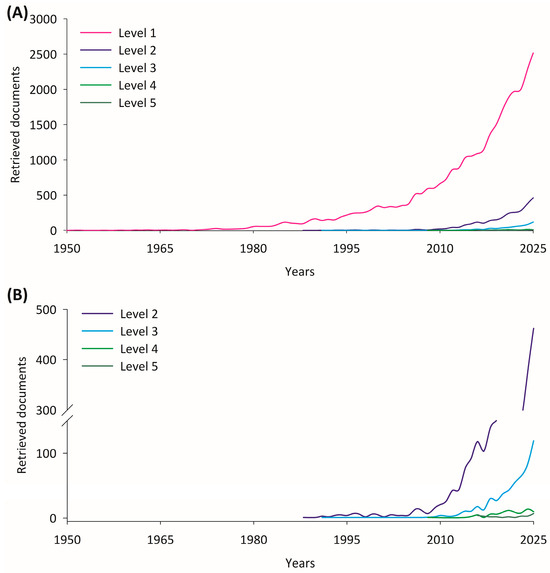
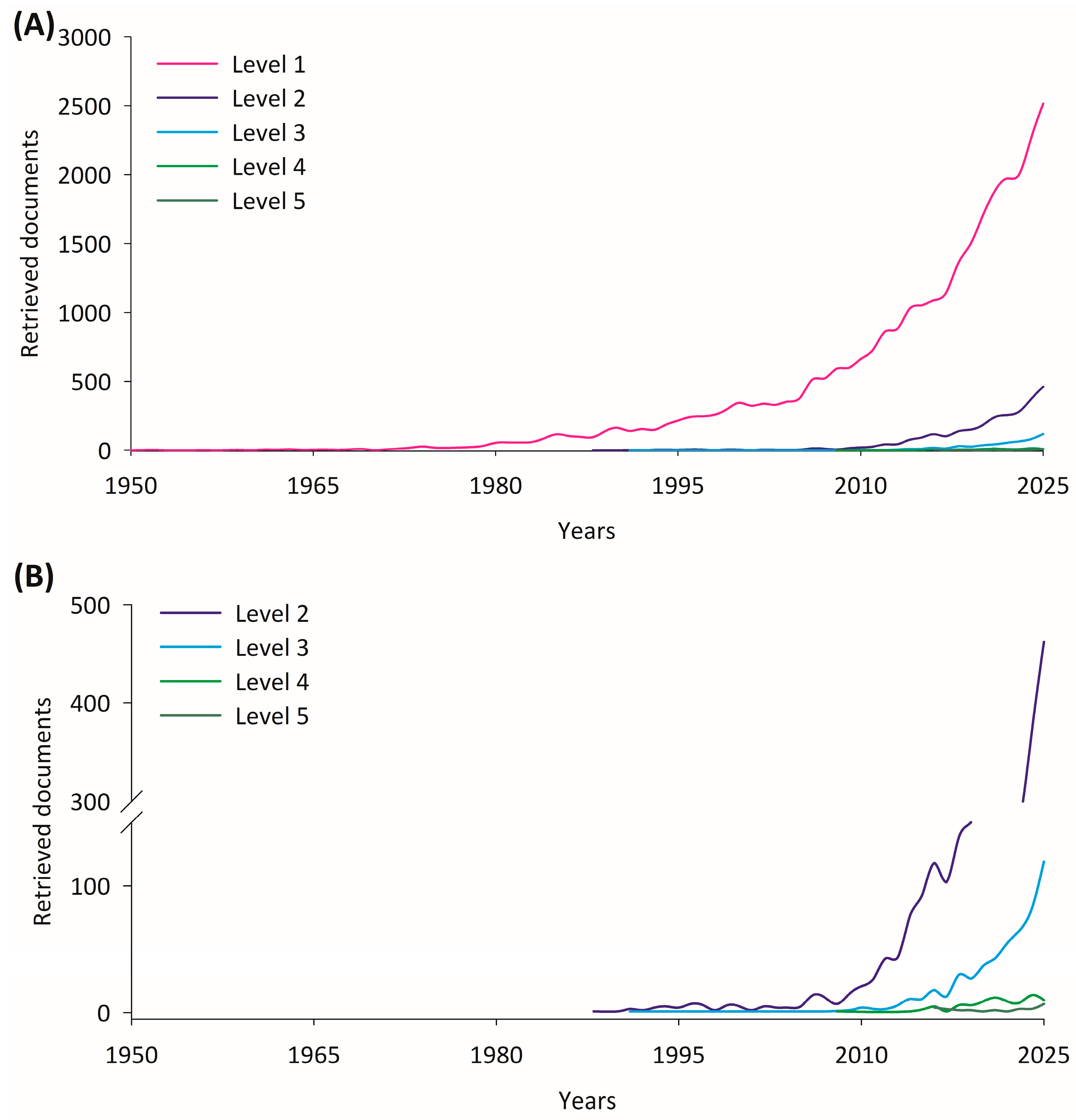
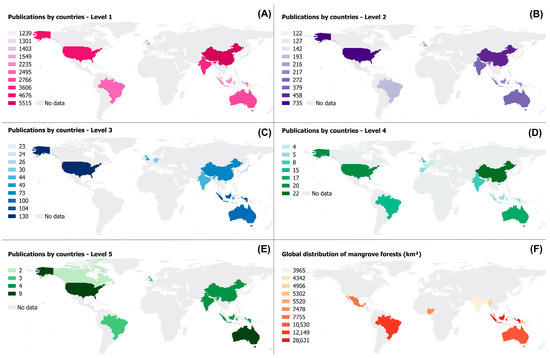
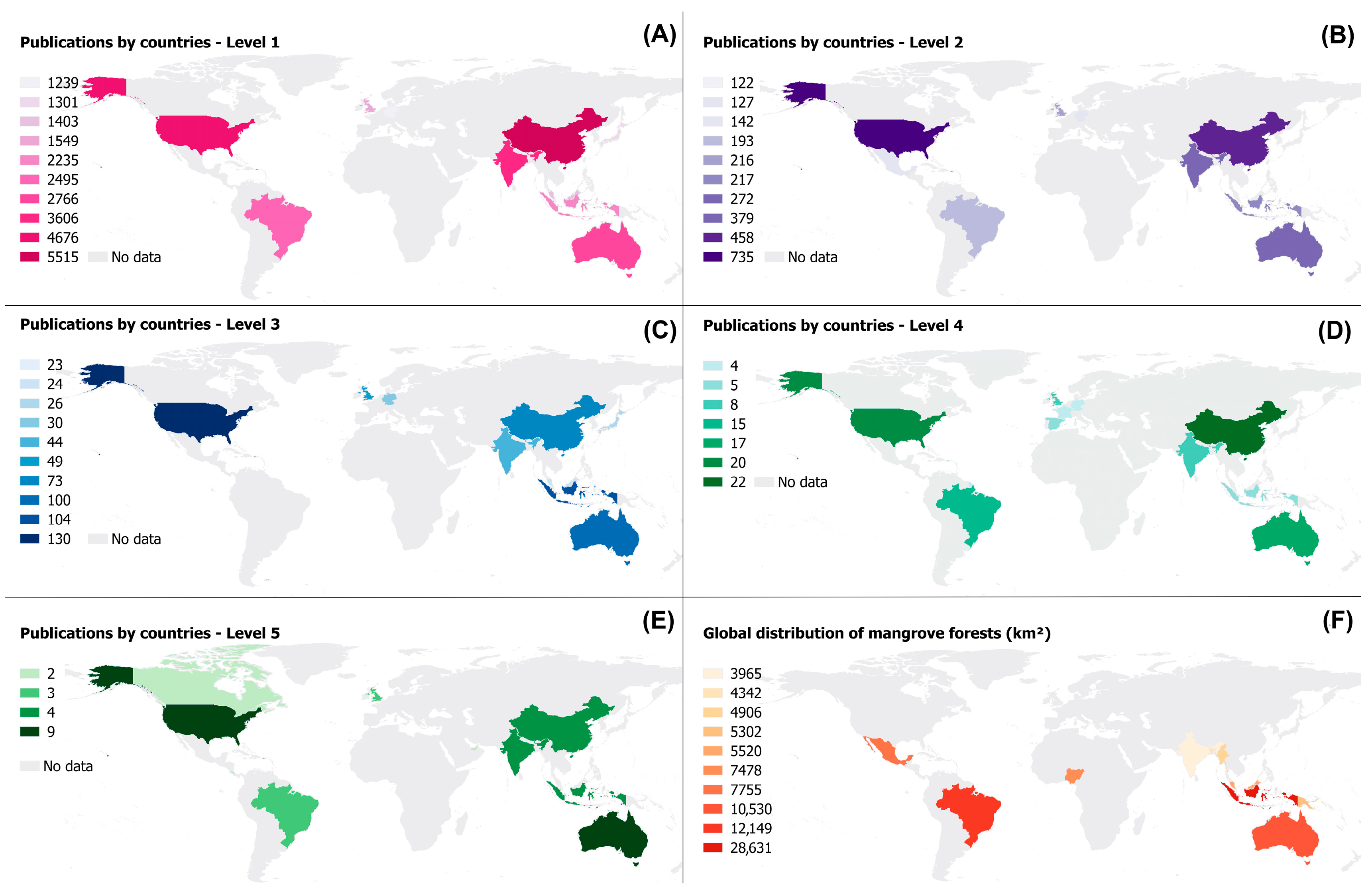
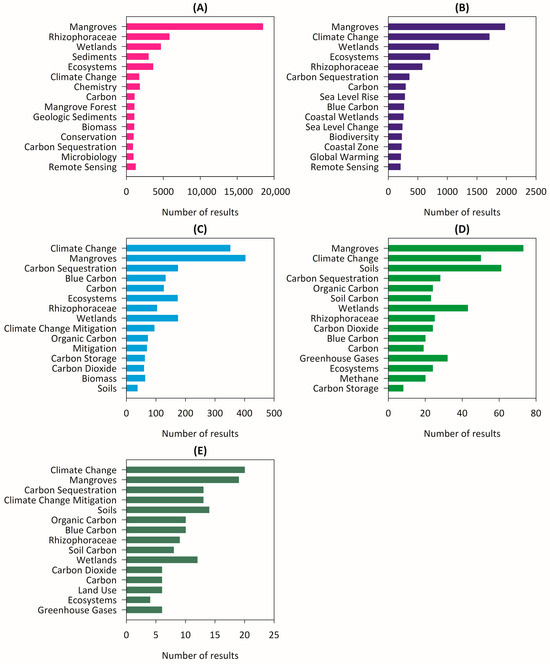
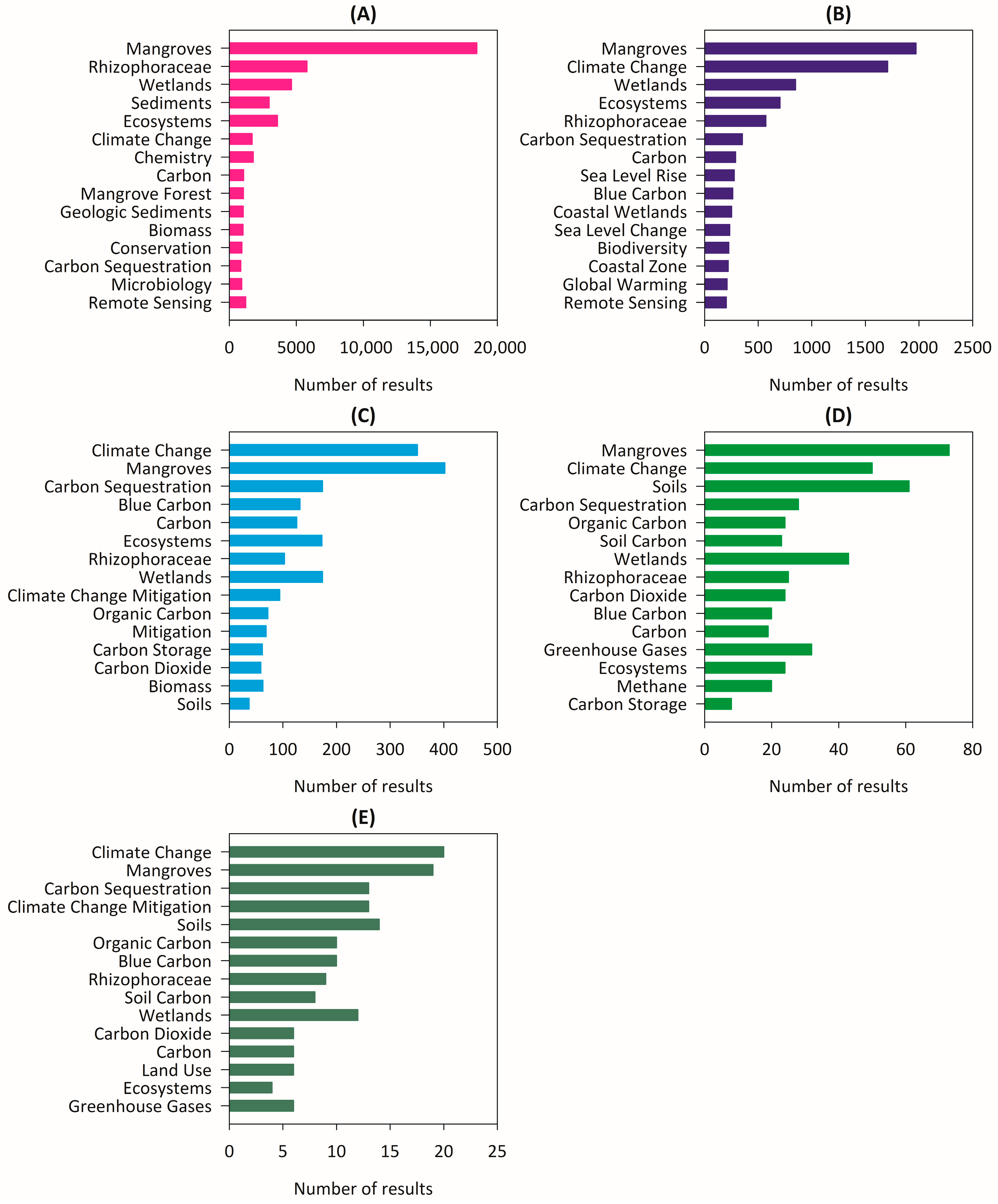
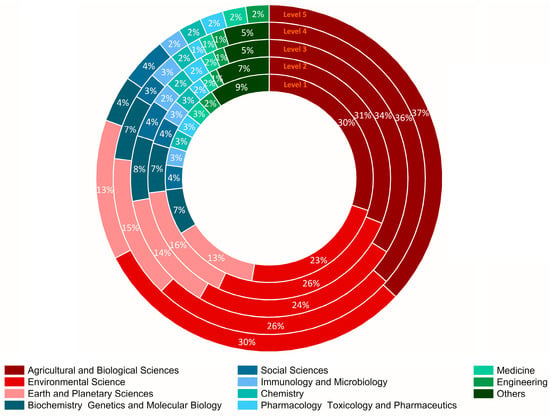
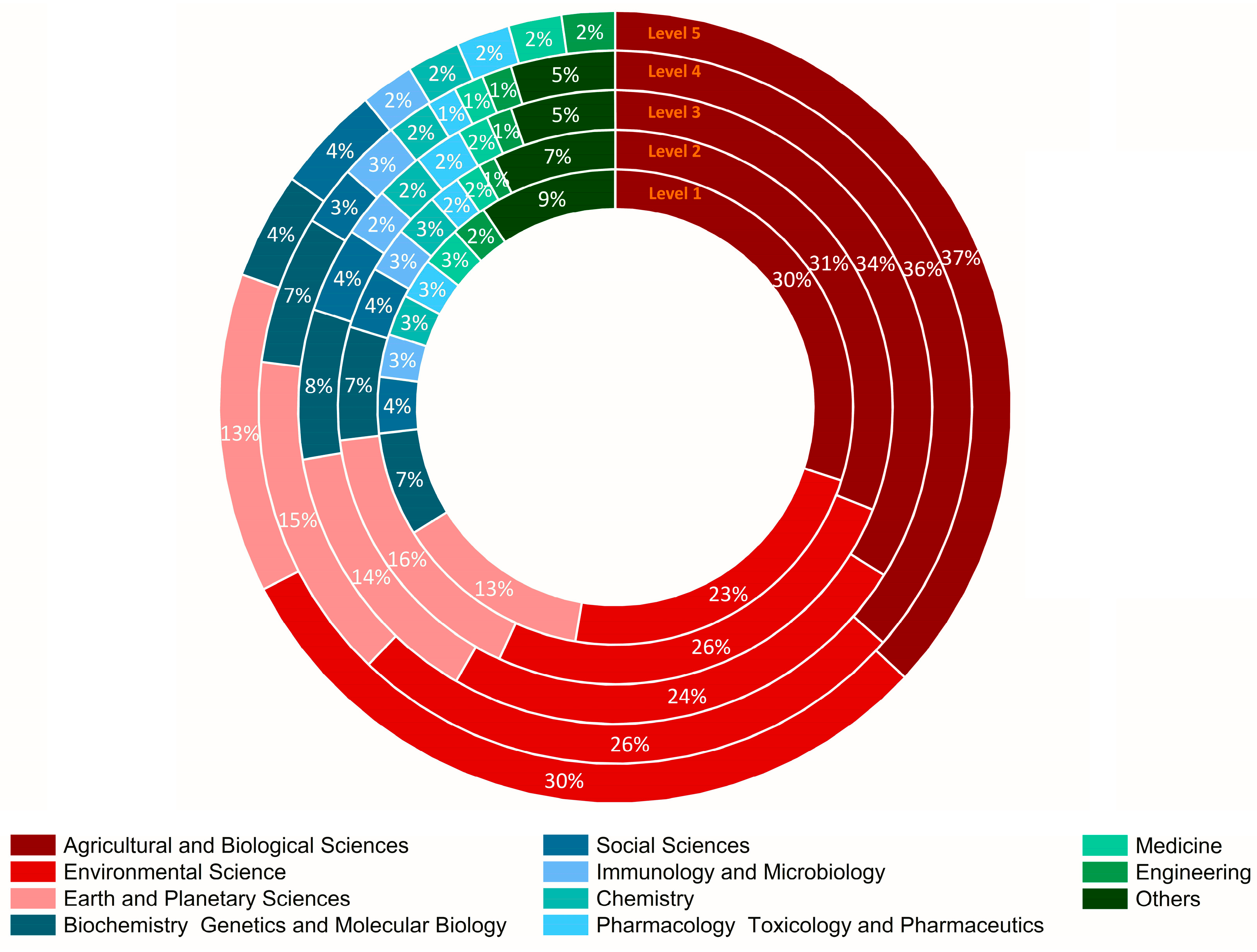
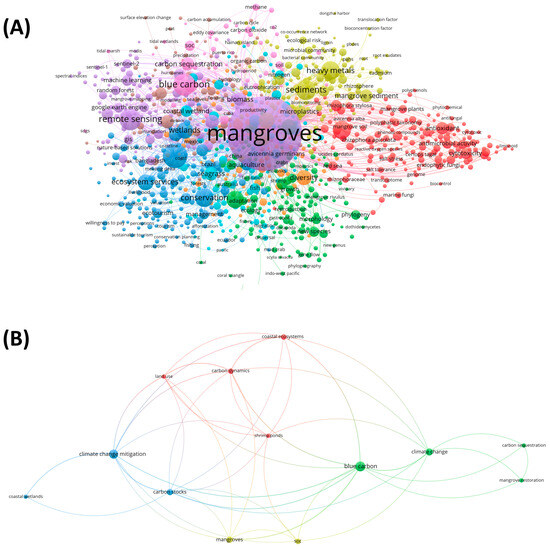
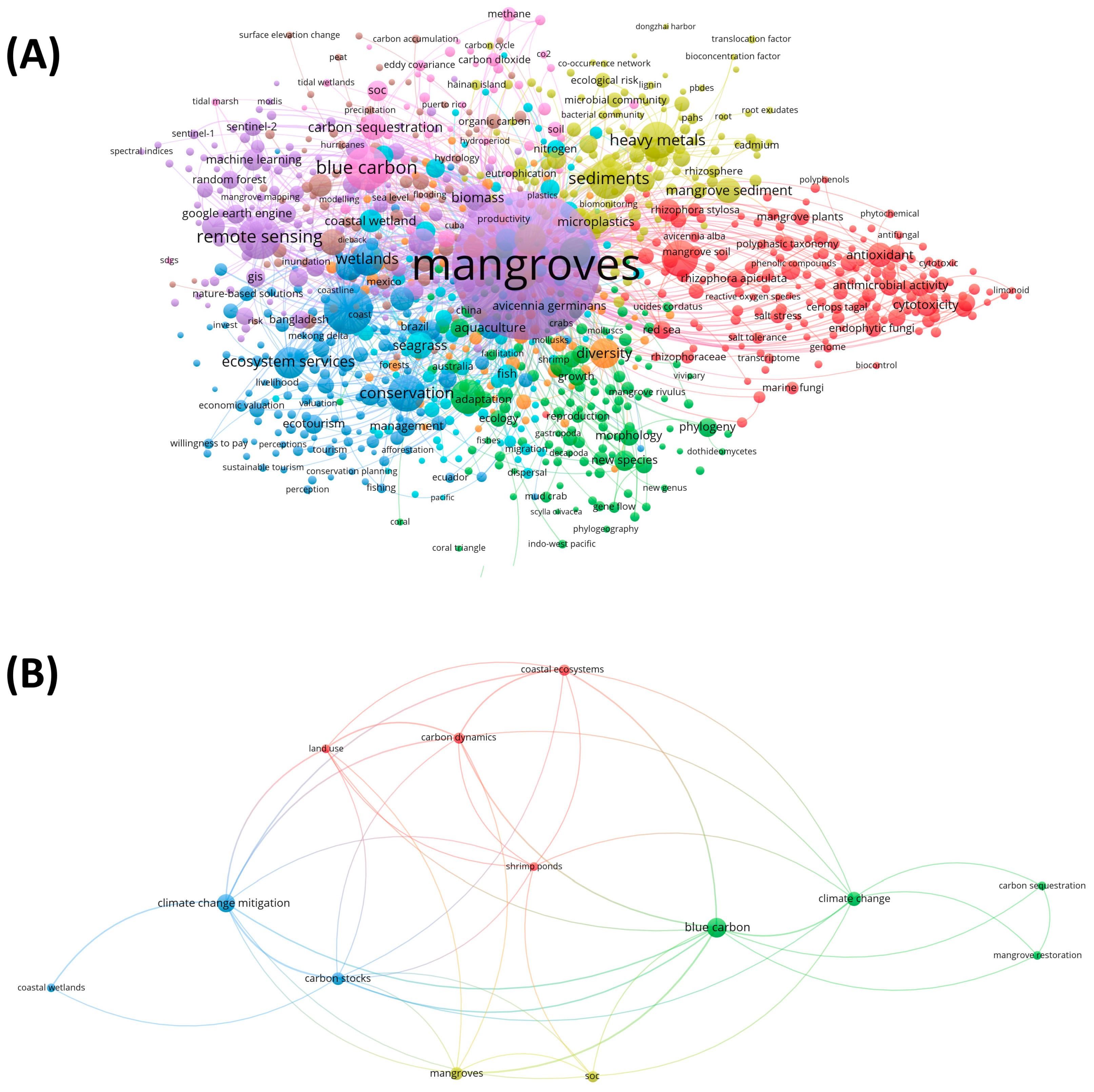

Disclaimer/Publisher’s Note: The statements, opinions and data contained in all publications are solely those of the individual author(s) and contributor(s) and not of MDPI and/or the editor(s). MDPI and/or the editor(s) disclaim responsibility for any injury to people or property resulting from any ideas, methods, instructions or products referred to in the content. |
© 2026 by the authors. Licensee MDPI, Basel, Switzerland. This article is an open access article distributed under the terms and conditions of the Creative Commons Attribution (CC BY) license.