

Impact of Melatonin on Antioxidant Enzymes and Soluble Metabolites in Salt–Alkali-Stressed Poplar (Populus spp.): A Comparative Study of Pretreatment and Post-Treatment Effects

 ,
,
Abstract
1. Introduction
2. Materials and Methods
2.1. Plant Material and Treatments
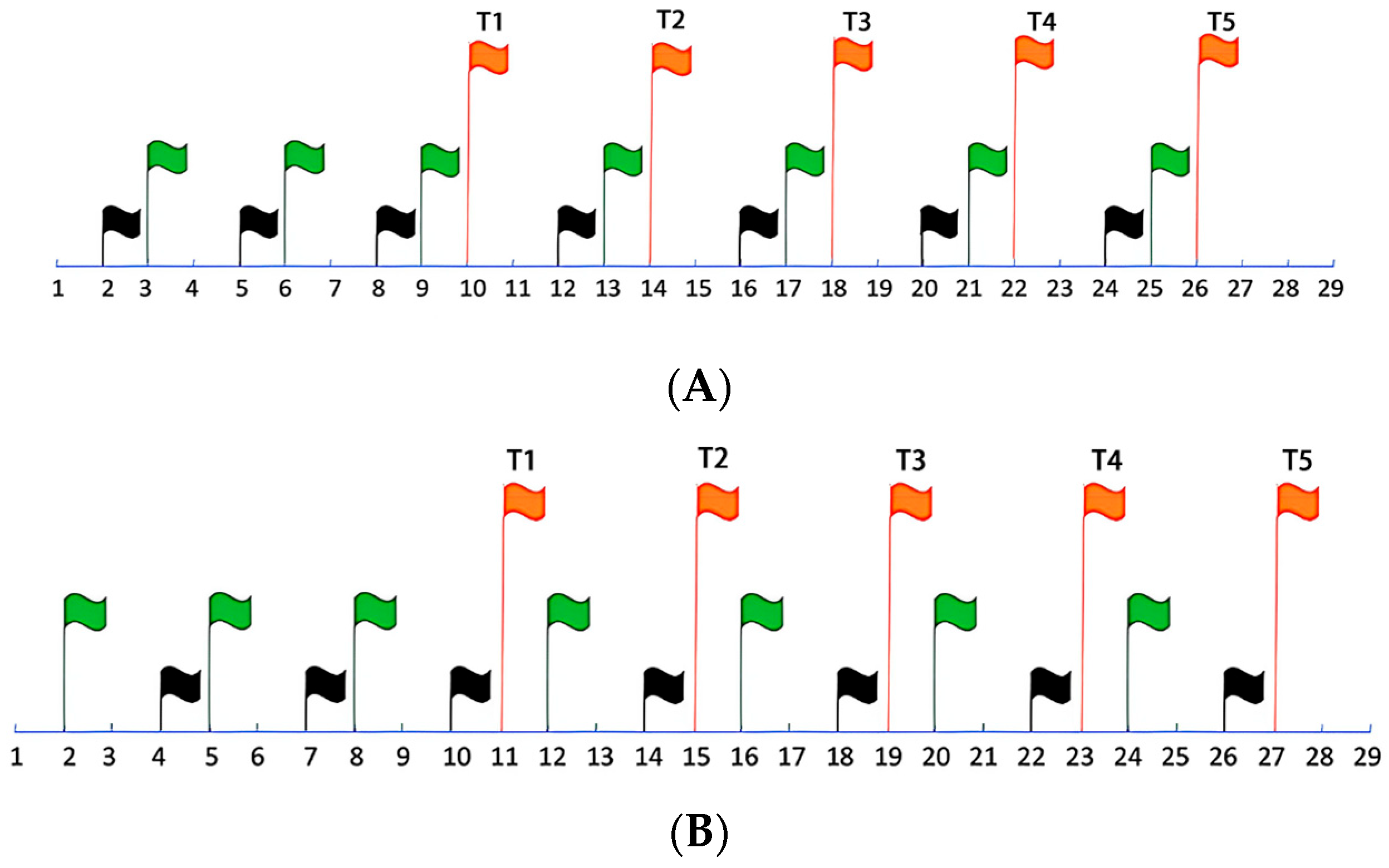
2.2. Experimental Design
2.3. Index Determination
2.4. Data Analysis
3. Results
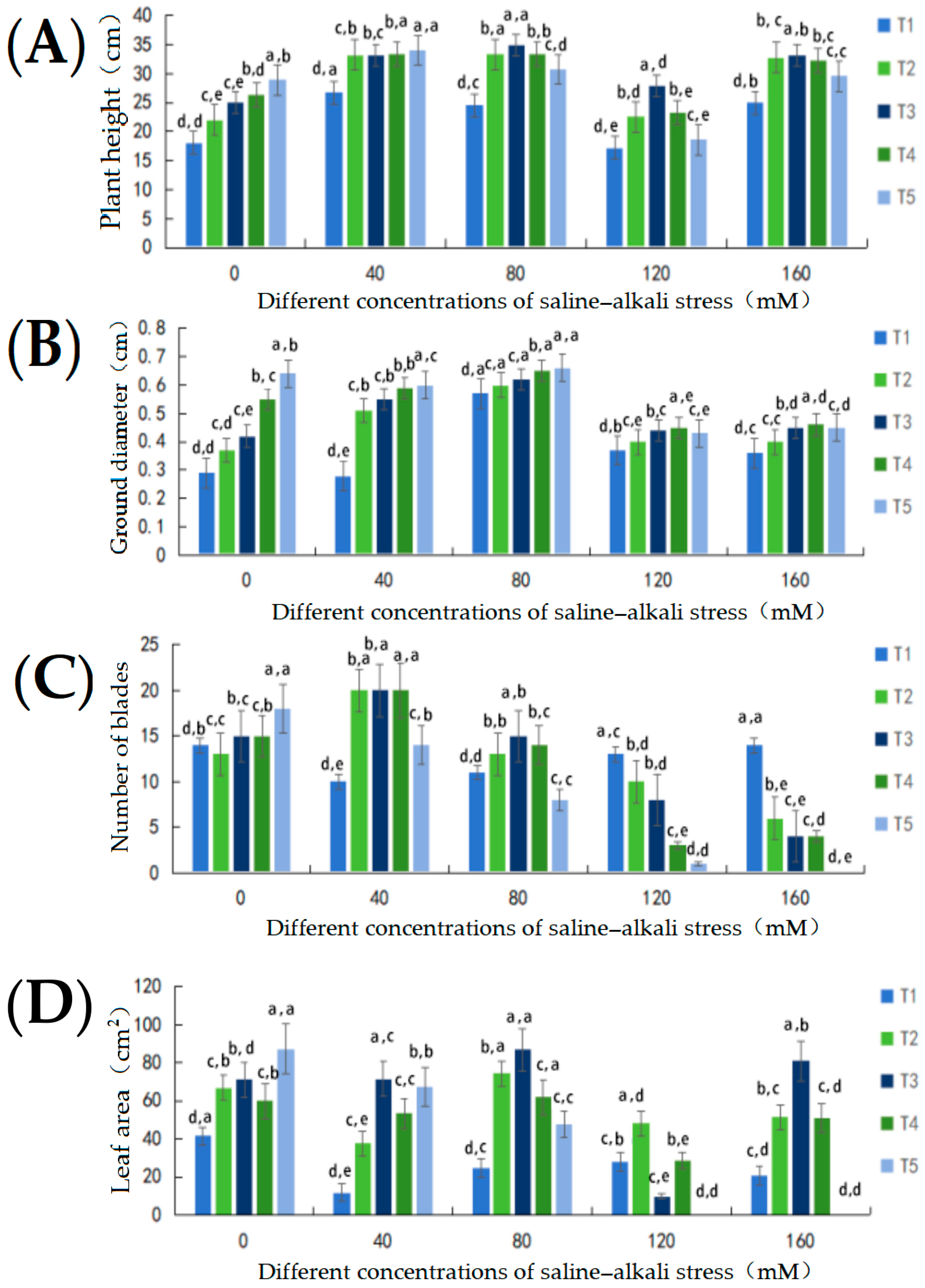
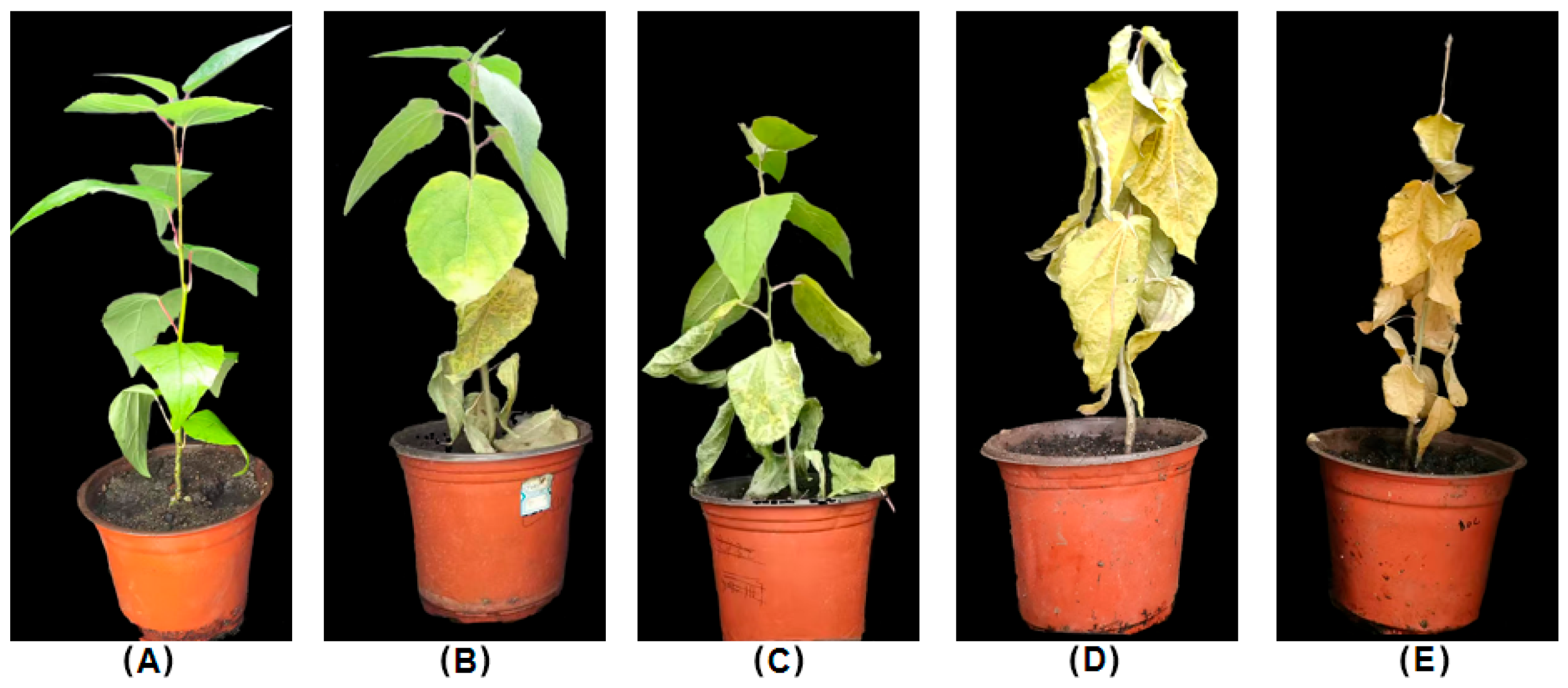
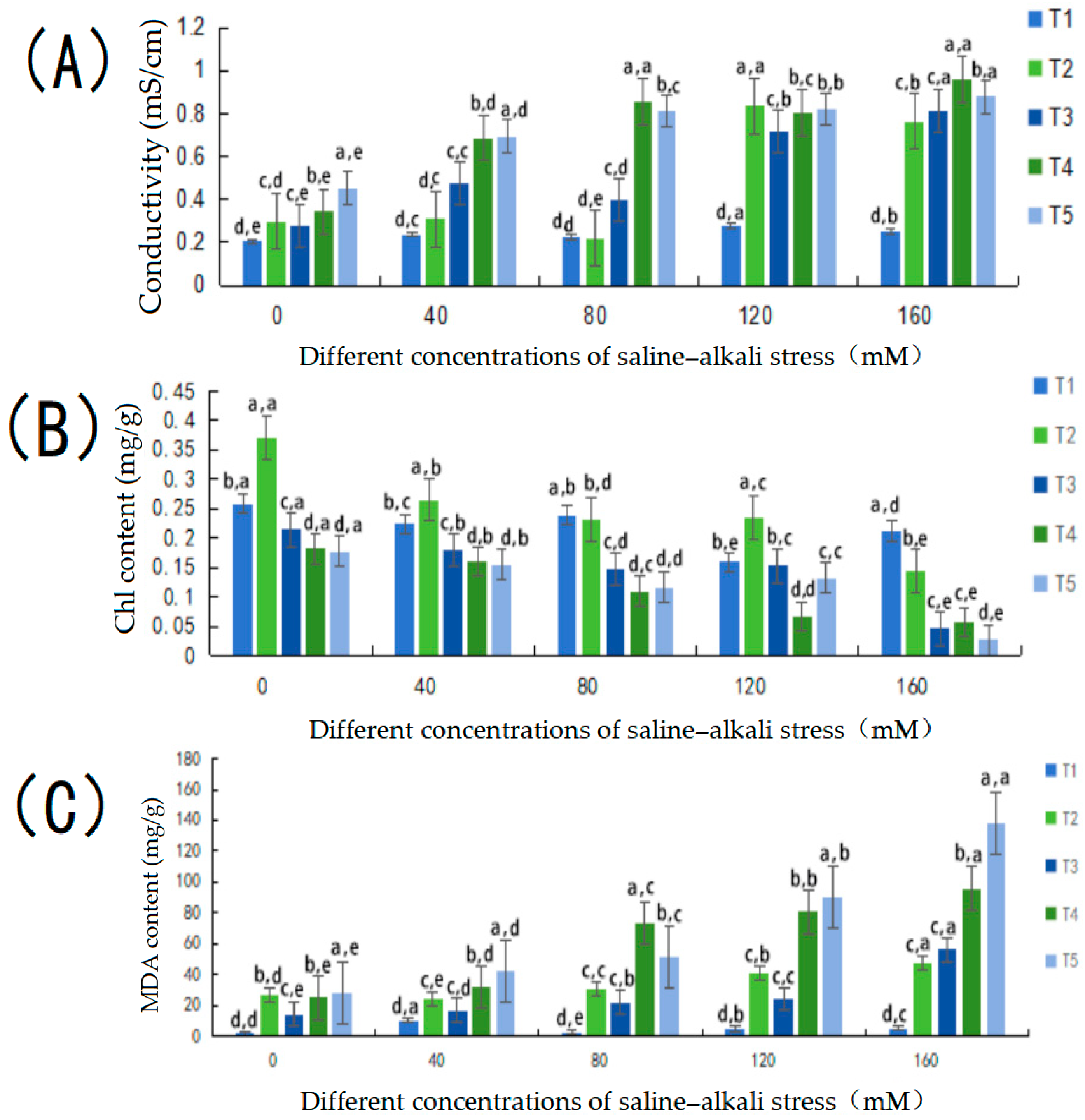
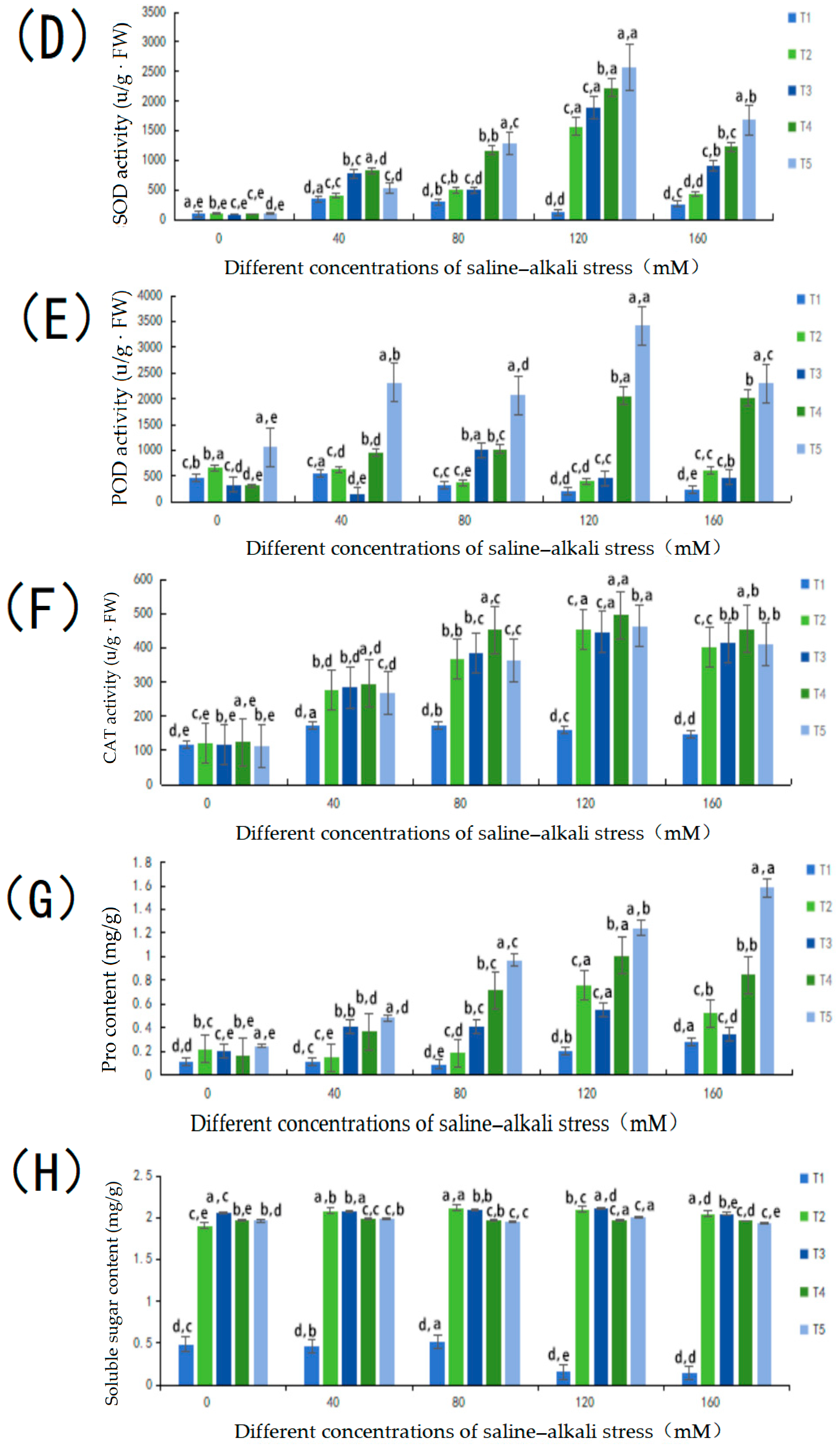
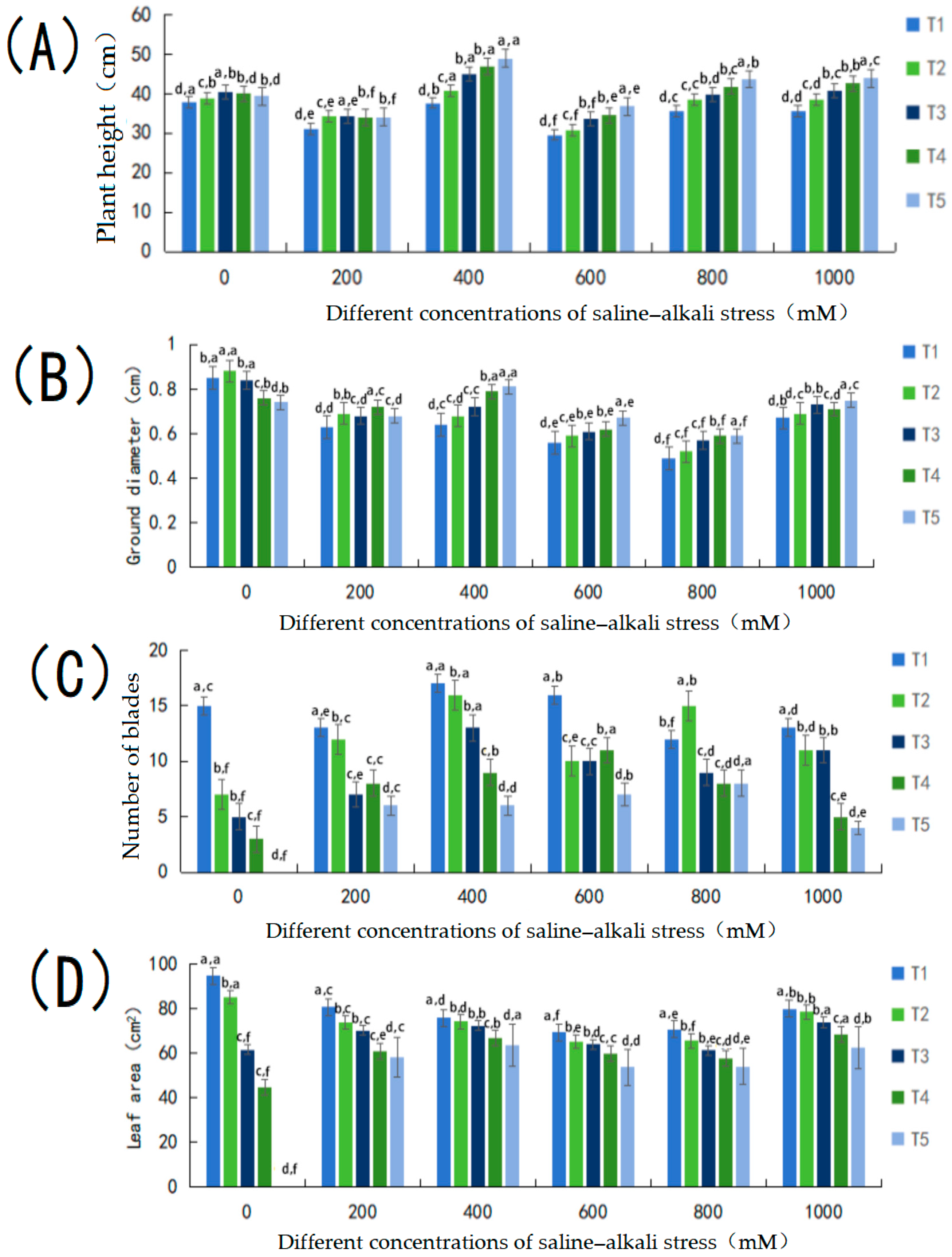
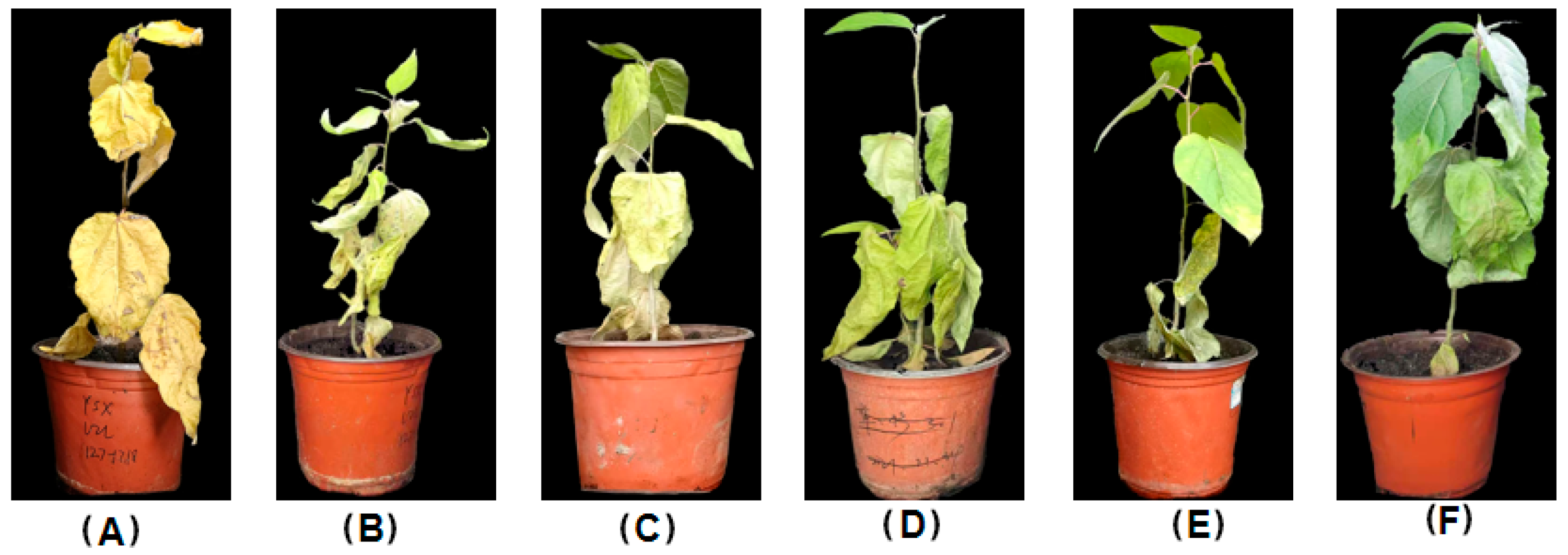
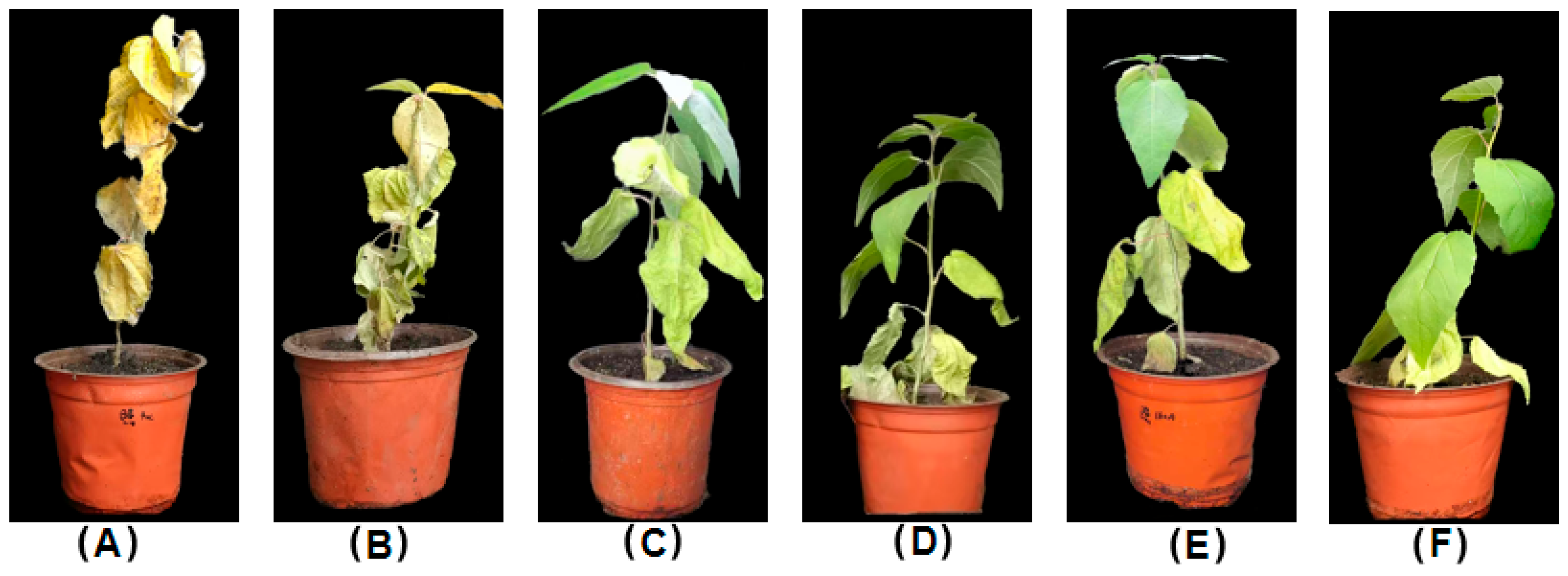
3.1. Effects of Saline–Alkali Stress on Poplar Plant Without Melatonin Treatment
3.2. Effect of Melatonin Pretreatment on Saline–Alkali Stressed Poplar Plant
3.3. Effect of Melatonin Post-Treatment on Saline–Alkali Stressed Poplar Plant
4. Discussion
4.1. Background, Purpose and Significance of the Study
4.2. Regulation of Melatonin on Antioxidant Enzyme Activity in Poplar
4.3. Effects of Melatonin on Morphological Indexes of Poplar
4.4. Introduction to Research and Discussion
5. Conclusions
Author Contributions
Funding
Data Availability Statement
Conflicts of Interest
Appendix A
| Name | Catalog Number | Principle |
| Superoxide dismutase (SOD) kits | AKAO001M-50S | The reaction system of xanthine and xanthine oxidase produces superoxide anion (), which reduces nitroblue tetrazolium to form formazan. The product has a characteristic absorption peak at 560 nm. SOD activity is characterized by changes in absorbance. |
| Peroxidase (POD) kits | AKAO005M | Peroxidase catalyzes the oxidation of guaiacol by H2O2 to produce brown 4-hydroxyphenol. The product has a characteristic absorption peak at 470 nm. POD activity is characterized by changes in absorbance. |
| Catalase (CAT) kits | AKAO003-2M | H2O2 oxidizes Mo to Mo, which accepts electrons from hydroxide ions, dehydrates and condenses to form a stable yellow complex (H2MoO4·× H2O)n. The product has a characteristic absorption peak at 405 nm. CAT activity is characterized by changes in absorbance. |
| Malondialdehyde (MDA) kits | AKFA013M | Under acidic and high-temperature conditions, malondialdehyde reacts with thiobarbituric acid (TBA) to form a red product. MDA content is quantified by absorbance values at 532 nm, 450 nm, and 600 nm. |
| Proline (Pro) kits | AKAM003M | Proline is extracted by sulfosalicylic acid and reacts with acidic ninhydrin to form a red substance. After extraction with toluene, proline content is quantified by absorbance at 520 nm. |
| Soluble sugar kits | AKPL008M | Under sulfuric acid, sugars dehydrate to form furfural or hydroxymethylfurfural, which condenses with anthrone to form a blue-green derivative. The product has a characteristic absorption peak at 620 nm. Soluble sugar content is quantified by changes in absorbance. |
| Soluble protein kits | AKPR001M | Proteins form a purple complex with biuret reagent in a strong alkaline solution. The product has a characteristic absorption peak at 540 nm. Soluble protein content is quantified by changes in absorbance. |
| Chlorophyll kits | AKPL003M | Chlorophyll a and chlorophyll b have characteristic absorption peaks at 663 nm and 645 nm, respectively. Contents of chlorophyll a, chlorophyll b, and total chlorophyll are calculated using empirical formulas. |
References
- Tarolli, P.; Luo, J.; Park, E.; Barcaccia, G.; Masin, R. Soil salinization in agriculture: Mitigation and adaptation strategies combining nature-based solutions and bioengineering. iScience 2024, 27, 108830. [Google Scholar] [CrossRef]
- Xu, Z.; Wang, F.; Ma, Y.; Dang, H.; Hu, X. Transcription Factor SlAREB1 Is Involved in the Antioxidant Regulation under Saline-Alkaline Stress in Tomato. Antioxidants 2022, 11, 1673. [Google Scholar] [CrossRef]
- Hongna, C.; Junmei, S.; Leyuan, T.; Xiaori, H.; Guolin, L.; Xianguo, C. Exogenous Spermidine Priming Mitigates the Osmotic Damage in Germinating Seeds of Leymus chinensis Under Salt-Alkali Stress. Front. Plant Sci. 2020, 12, 701538. [Google Scholar] [CrossRef]
- Fan, Y.; Shen, W.-Y.; Vanessa, P.; Cheng, F.-Q. Synergistic effect of Si and K in improving the growth, ion distribution and partitioning of Lolium perenne L. under saline-alkali stress. J. Integr. Agric. 2021, 20, 1660–1673. [Google Scholar] [CrossRef]
- Wang, Y.; Wang, J.; Guo, D.; Zhang, H.; Che, Y.; Li, Y.; Tian, B.; Wang, Z.; Sun, G.; Zhang, H. Physiological and comparative transcriptome analysis of leaf response and physiological adaption to saline alkali stress across pH values in alfalfa (Medicago sativa). Plant Physiol. Biochem. 2021, 167, 140–152. [Google Scholar] [CrossRef] [PubMed]
- Zhang, H.; Yu, F.; Xie, P.; Sun, S.; Qiao, X.; Tang, S.; Chen, C.; Yang, S.; Mei, C.; Yang, D. A Gγ protein regulates alkaline sensitivity in crops. Science 2023, 379, eade8416. [Google Scholar] [CrossRef] [PubMed]
- Zhao, C.; Zhang, H.; Song, C.; Zhu, J.K.; Shabala, S. Mechanisms of Plant Responses and Adaptation to Soil Salinity. Innovation 2020, 1, 100017. [Google Scholar] [CrossRef] [PubMed]
- Wei, T.-J.; Li, G.; Cui, Y.-R.; Xie, J.; Gao, X.-A.; Teng, X.; Zhao, X.-Y.; Guan, F.-C.; Liang, Z.-W. Variation Characteristics of Root Traits of Different Alfalfa Cultivars under Saline-Alkaline Stress and their Relationship with Soil Environmental Factors. Phyton 2024, 93, 29–43. [Google Scholar] [CrossRef]
- Khan, T.A.; Saleem, M.; Fariduddin, Q. Recent advances and mechanistic insights on melatonin-mediated salt stress signaling in plants. Plant Physiol. Biochem. 2022, 188, 97–107. [Google Scholar] [CrossRef]
- Harfouche, A.; Meilan, R.; Altman, A. Molecular and physiological responses to abiotic stress in forest trees and their relevance to tree improvement. Tree Physiol. 2014, 34, 1181–1198. [Google Scholar] [CrossRef]
- Qi, W.; Wang, F.; Ma, L.; Qi, Z.; Liu, S.; Chen, C.; Wu, J.; Wang, P.; Yang, C.; Wu, Y. Physiological and biochemical mechanisms and cytology of cold tolerance in Brassica napus. Front. Plant Sci. 2020, 11, 1241. [Google Scholar] [CrossRef]
- Zhao, L.; Yang, T.; Xing, C.; Dong, H.; Qi, K.; Gao, J.; Tao, S.; Wu, J.; Wu, J.; Zhang, S.; et al. The β-amylase PbrBAM3 from pear (Pyrus betulaefolia) regulates soluble sugar accumulation and ROS homeostasis in response to cold stress. Plant Sci. 2019, 287, 110184. [Google Scholar] [CrossRef]
- Müller, N.A.; Kersten, B.; Leite Montalvão, A.P.; Mähler, N.; Bernhardsson, C.; Bräutigam, K.; Carracedo Lorenzo, Z.; Hoenicka, H.; Kumar, V.; Mader, M.; et al. A single gene underlies the dynamic evolution of poplar sex determination. Nat. Plants 2020, 6, 630–637. [Google Scholar] [CrossRef] [PubMed]
- Guo, Y.; Wang, S.; Yu, K.; Wang, H.L.; Xu, H.; Song, C.; Zhao, Y.; Wen, J.; Fu, C.; Li, Y.; et al. Manipulating microRNA miR408 enhances both biomass yield and saccharification efficiency in poplar. Nat Commun. 2023, 14, 4285. [Google Scholar] [CrossRef]
- Mei, X.; Dai, T.; Shen, Y. Adaptive strategy of Nitraria sibirica to transient salt, alkali and osmotic stresses via the alteration of Na+/K+ fluxes around root tips. J. For. Res. 2023, 34, 425–432. [Google Scholar] [CrossRef]
- Li, Y.; Song, R.; Cai, K.; Pang, Z.; Qian, C.; Xu, S.; Zhang, Y.; Bai, H.; Zhan, W.; Xiao, R. Exploring the molecular mechanisms of melatonin-induced tolerance to salt-alkali stress in Populus cathayana × canadansis ‘Xinlin 1’. Ind. Crops Prod. 2024, 215, 118638. [Google Scholar] [CrossRef]
- Song, R.; Ritonga, F.N.; Yu, H.; Ding, C.; Zhao, X. Effects of exogenous antioxidant melatonin on physiological and biochemical characteristics of Populus cathayana × canadansis ‘xin lin 1’under salt and alkaline stress. Forests 2022, 13, 1283. [Google Scholar] [CrossRef]
- Zhang, Z.; Liu, L.; Li, H.; Zhang, S.; Fu, X.; Zhai, X.; Yang, N.; Shen, J.; Li, R.; Li, D. Exogenous melatonin promotes the salt tolerance by removing active oxygen and maintaining ion balance in wheat (Triticum aestivum L.). Front. Plant Sci. 2022, 12, 787062. [Google Scholar] [CrossRef]
- Mc Carthy, D.J.; Campbell, K.R.; Lun, A.T.; Wills, Q.E. Scater: Pre-processing quality control, normalization and visualization of single-cell RNA-seq data in R. Bioinformatics 2017, 33, 1179–1186. [Google Scholar] [CrossRef]
- Xian, X.; Zhang, Z.; Wang, S.; Cheng, J.; Gao, Y.; Ma, N.; Li, C.; Wang, Y. Exogenous melatonin strengthens saline-alkali stress tolerance in apple rootstock M9-T337 seedlings by initiating a variety of physiological and biochemical pathways. Chem. Biol. Technol. Agric. 2024, 11, 58. [Google Scholar] [CrossRef]
- Duan, W.; Lu, B.; Liu, L.; Meng, Y.; Ma, X.; Li, J.; Zhang, K.; Sun, H.; Zhang, Y.; Dong, H. Effects of exogenous melatonin on root physiology, transcriptome and metabolome of cotton seedlings under salt stress. Int. J. Mol. Sci. 2022, 23, 9456. [Google Scholar] [CrossRef]
- Khan, Z.; Jan, R.; Asif, S.; Farooq, M.; Jang, Y.-H.; Kim, E.-G.; Kim, N.; Kim, K.-M. Exogenous melatonin induces salt and drought stress tolerance in rice by promoting plant growth and defense system. Sci. Rep. 2024, 14, 1214. [Google Scholar] [CrossRef] [PubMed]
- Awan, S.A.; Khan, I.; Rizwan, M.; Brestic, M.; Wang, X.; Zhang, X.; Huang, L. Exogenous melatonin regulates the expression pattern of antioxidant-responsive genes, antioxidant enzyme activities, and physio-chemical traits in pearl millet under drought stress. J. Plant Growth Regul. 2024, 43, 1061–1075. [Google Scholar] [CrossRef]
- Dou, J.; Tang, Z.; Yu, J.; Wang, G.; An, W.; Zhang, Y.; Yang, Q. Effects of exogenous melatonin on the growth and photosynthetic characteristics of tomato seedlings under saline-alkali stress. Sci. Rep. 2025, 15, 5172. [Google Scholar] [CrossRef] [PubMed]
- Ibrahim, W.; Qiu, C.W.; Zhang, C.; Cao, F.; Shuijin, Z.; Wu, F. Comparative physiological analysis in the tolerance to salinity and drought individual and combination in two cotton genotypes with contrasting salt tolerance. Physiol. Plant. 2019, 165, 155–168. [Google Scholar] [CrossRef]
- Ubaidillah, M.; Farooq, M.; Kim, K.-M. Enhancing salt tolerance in rice genotypes through exogenous melatonin application by modulating growth patterns and antistress agents. Sci. Rep. 2024, 14, 25217. [Google Scholar] [CrossRef]





Disclaimer/Publisher’s Note: The statements, opinions and data contained in all publications are solely those of the individual author(s) and contributor(s) and not of MDPI and/or the editor(s). MDPI and/or the editor(s) disclaim responsibility for any injury to people or property resulting from any ideas, methods, instructions or products referred to in the content. |
© 2026 by the authors. Licensee MDPI, Basel, Switzerland. This article is an open access article distributed under the terms and conditions of the Creative Commons Attribution (CC BY) license.
Share and Cite
Nai, J.; He, W.; Ma, T.; Han, X.; Luo, Z.; Li, X.; Sun, J.; Zhao, X. Impact of Melatonin on Antioxidant Enzymes and Soluble Metabolites in Salt–Alkali-Stressed Poplar (Populus spp.): A Comparative Study of Pretreatment and Post-Treatment Effects. Forests 2026, 17, 373. https://doi.org/10.3390/f17030373
Nai J, He W, Ma T, Han X, Luo Z, Li X, Sun J, Zhao X. Impact of Melatonin on Antioxidant Enzymes and Soluble Metabolites in Salt–Alkali-Stressed Poplar (Populus spp.): A Comparative Study of Pretreatment and Post-Treatment Effects. Forests. 2026; 17(3):373. https://doi.org/10.3390/f17030373
Chicago/Turabian StyleNai, Jiefei, Wanpeng He, Tieming Ma, Xidong Han, Zhenxing Luo, Xinyu Li, Jiatong Sun, and Xiyang Zhao. 2026. "Impact of Melatonin on Antioxidant Enzymes and Soluble Metabolites in Salt–Alkali-Stressed Poplar (Populus spp.): A Comparative Study of Pretreatment and Post-Treatment Effects" Forests 17, no. 3: 373. https://doi.org/10.3390/f17030373
APA StyleNai, J., He, W., Ma, T., Han, X., Luo, Z., Li, X., Sun, J., & Zhao, X. (2026). Impact of Melatonin on Antioxidant Enzymes and Soluble Metabolites in Salt–Alkali-Stressed Poplar (Populus spp.): A Comparative Study of Pretreatment and Post-Treatment Effects. Forests, 17(3), 373. https://doi.org/10.3390/f17030373