Technical Note

Landslide Susceptibility Research Combining Qualitative Analysis and Quantitative Evaluation: A Case Study of Yunyang County in Chongqing, China


1
School of Civil Engineering, Chongqing University, Chongqing 400045, China
2
Department of Civil Engineering, National Institute of Technology Patna, Patna 800005, Bihar, India
3
Department of Geotechnics and Hydrotechnics, Faculty of Civil Engineering, Wroclaw University of Science and Technology, Wybrzeże Wyspiańskiego 27, 50-370 Wrocław, Poland
*
Author to whom correspondence should be addressed.
Forests 2022, 13(7), 1055; https://doi.org/10.3390/f13071055
Submission received: 11 May 2022 / Revised: 26 June 2022 / Accepted: 28 June 2022 / Published: 4 July 2022
(This article belongs to the Special Issue Landslides in Forests around the World: Causes and Mitigation)

Abstract

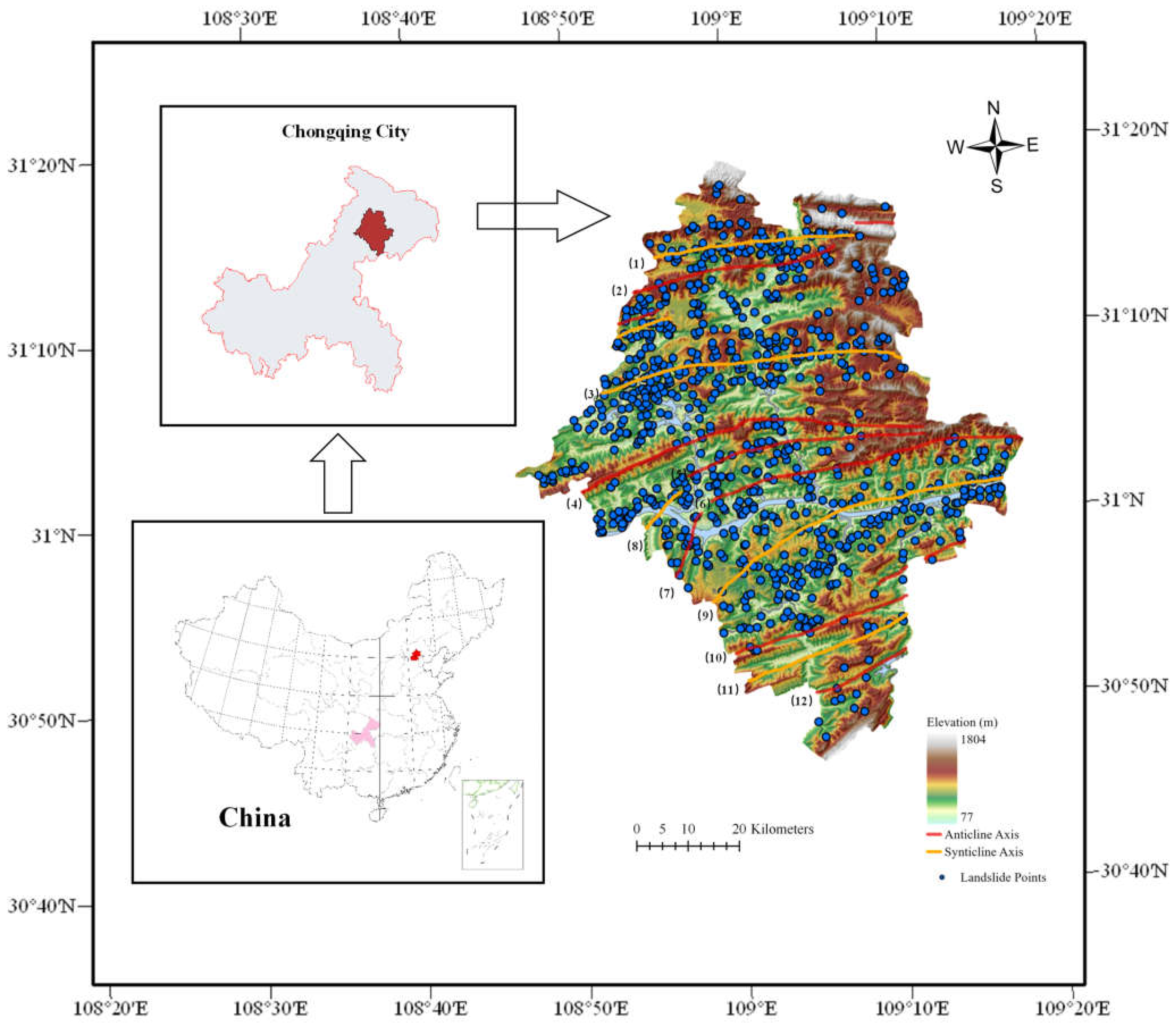
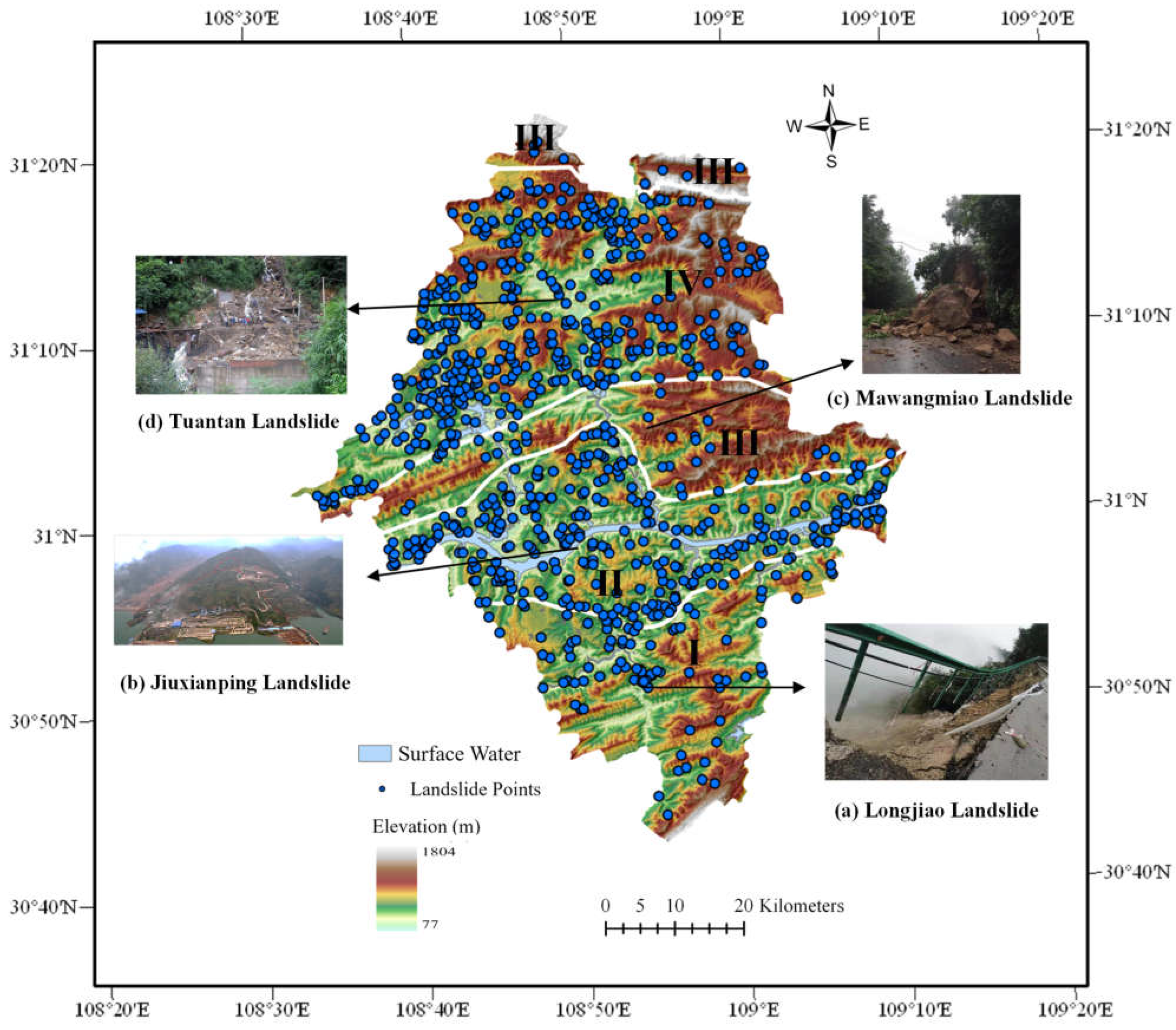
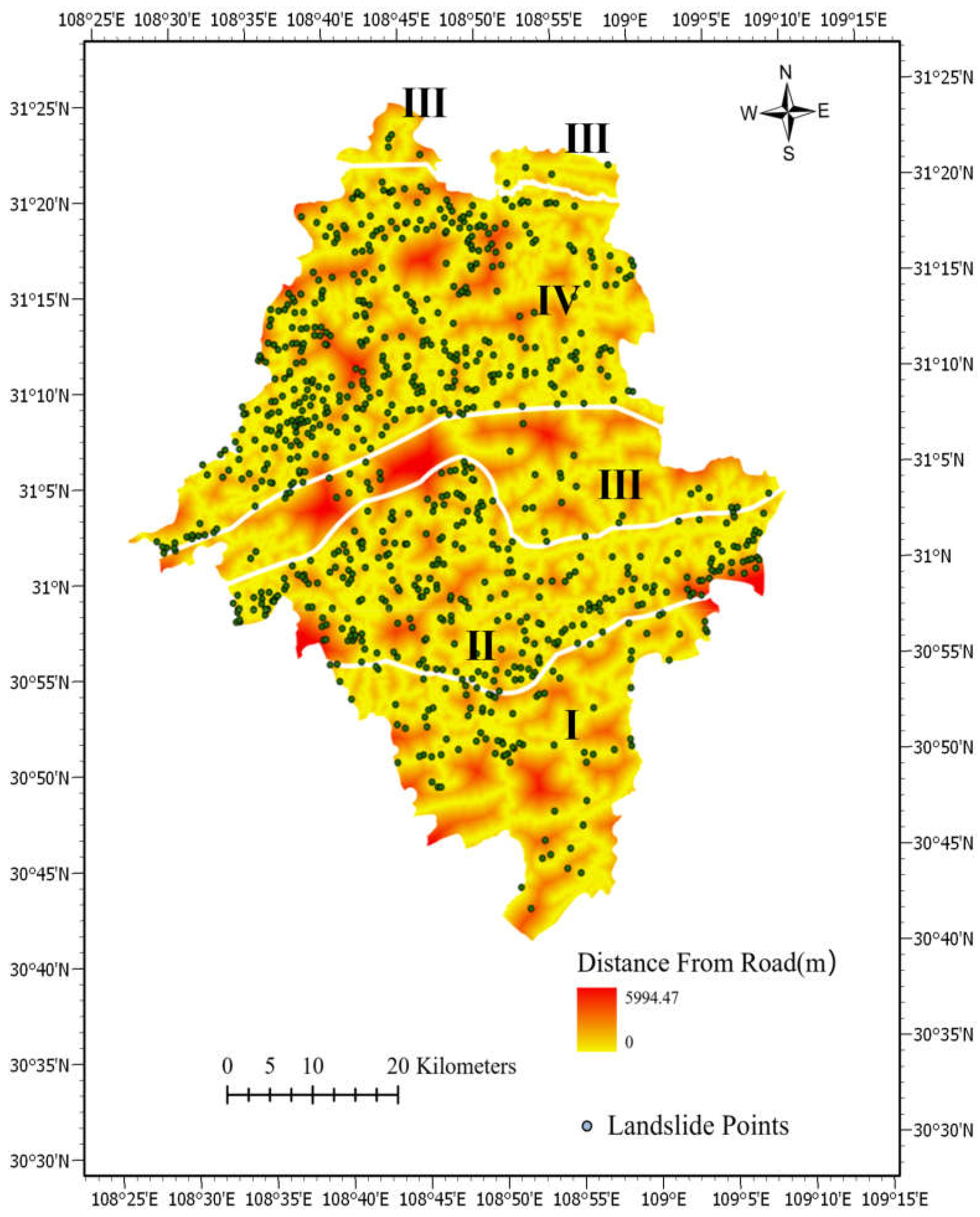
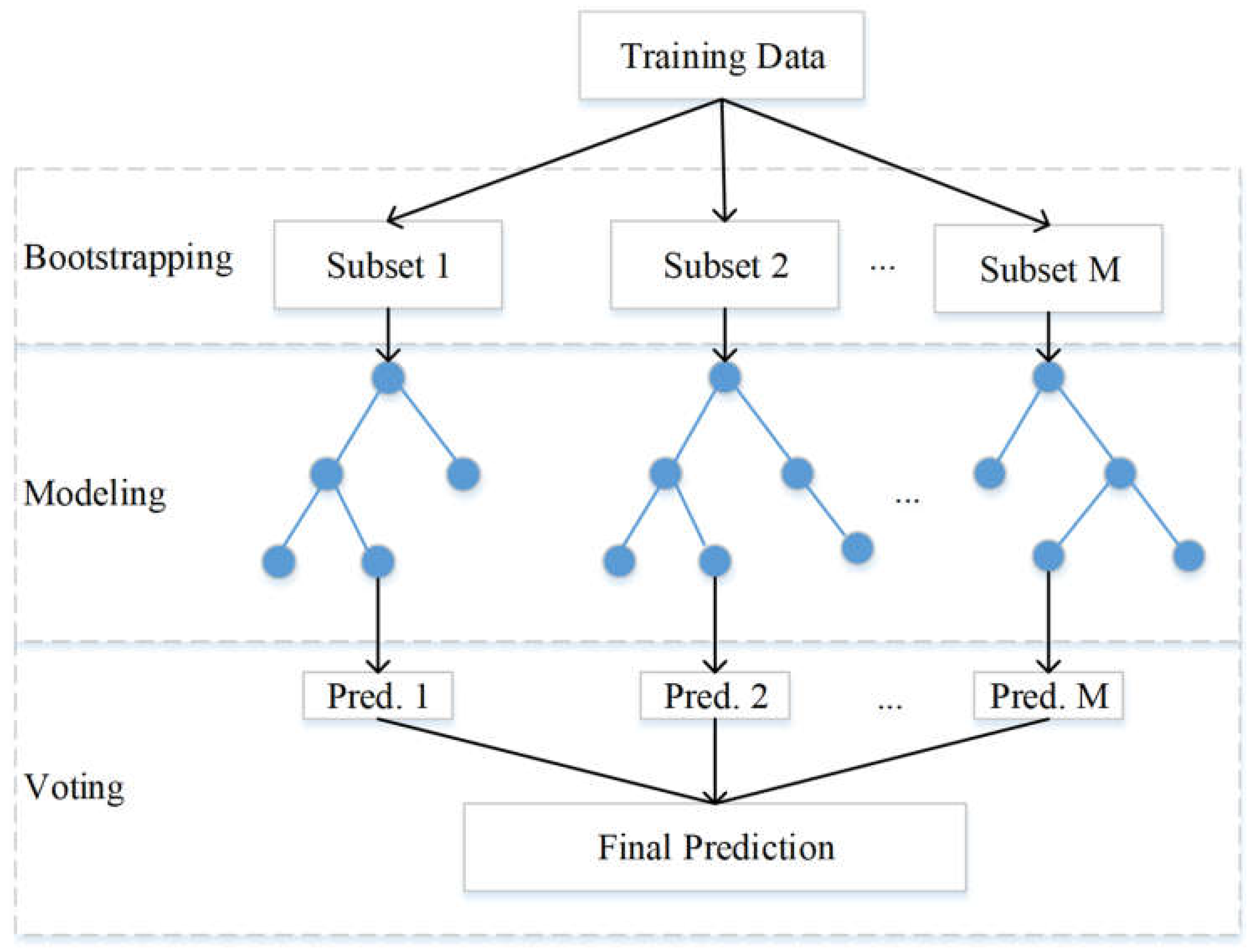
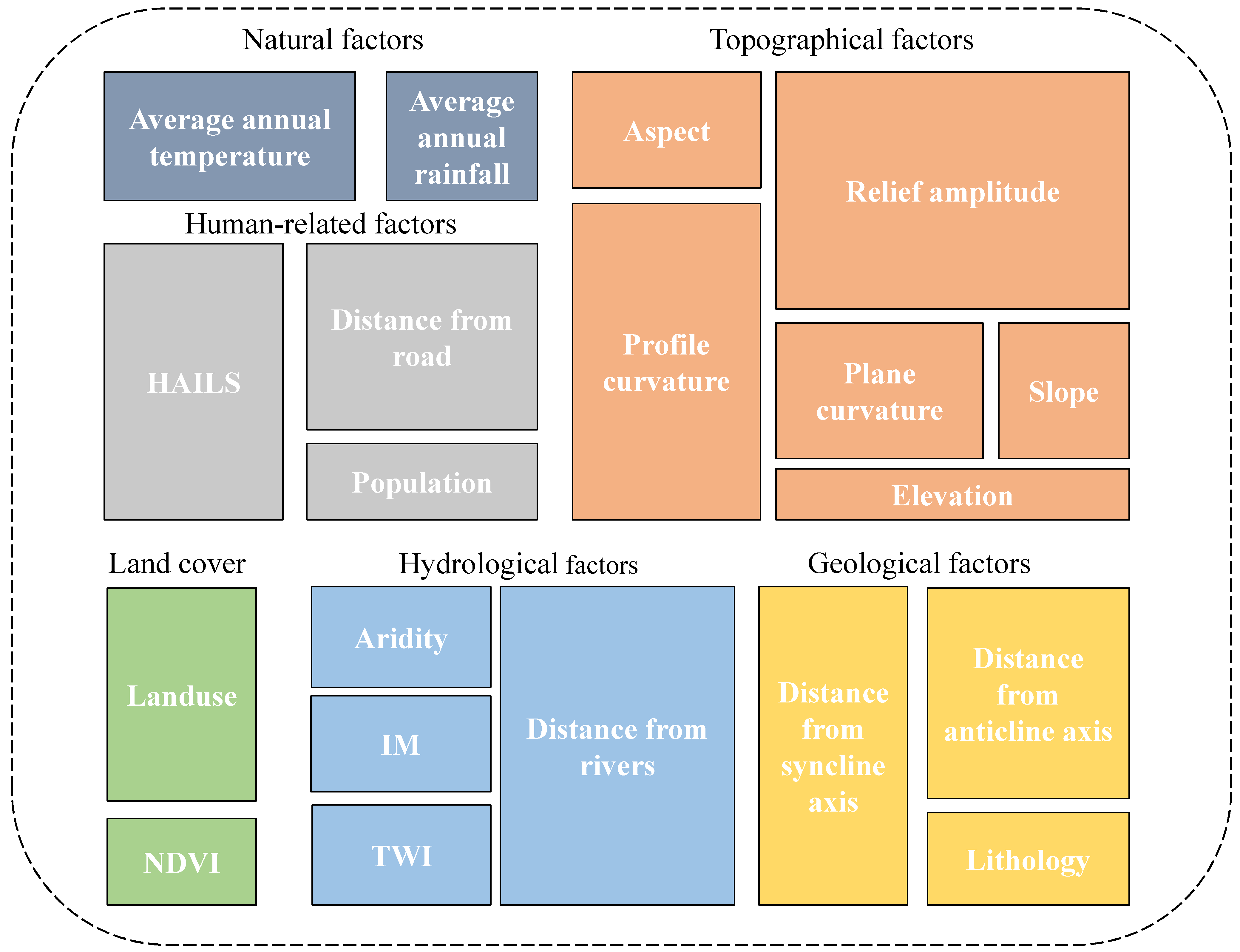
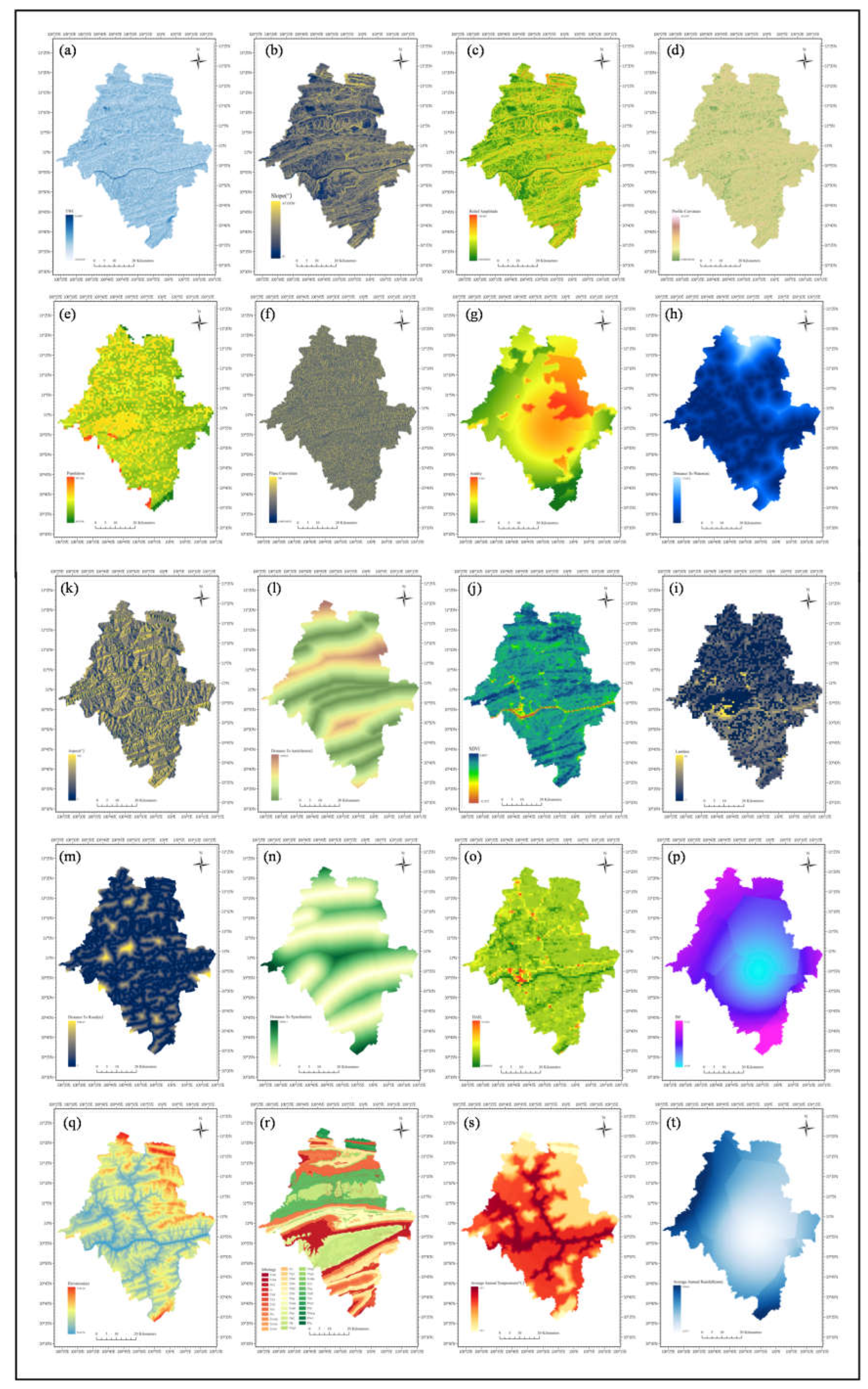
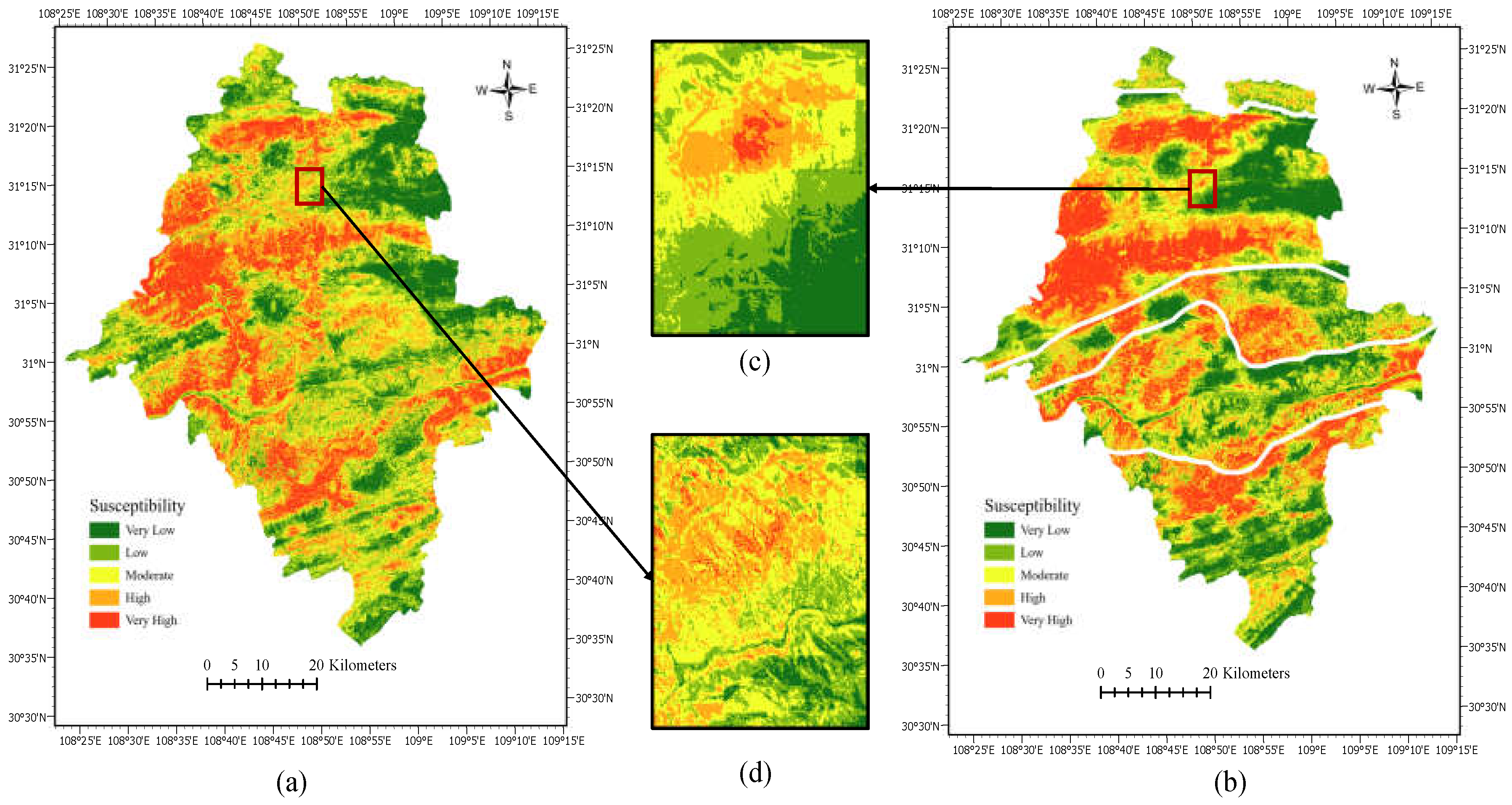
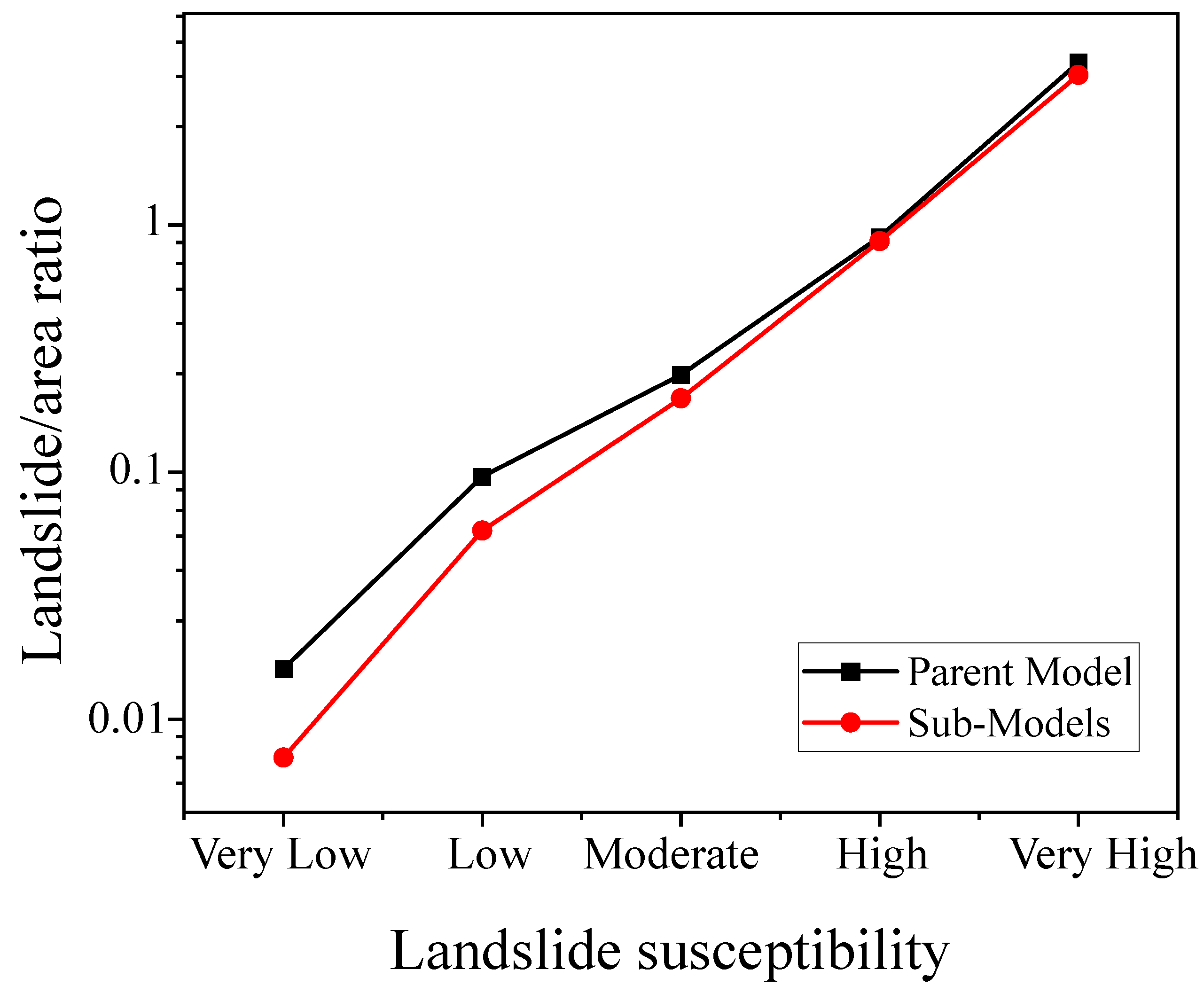
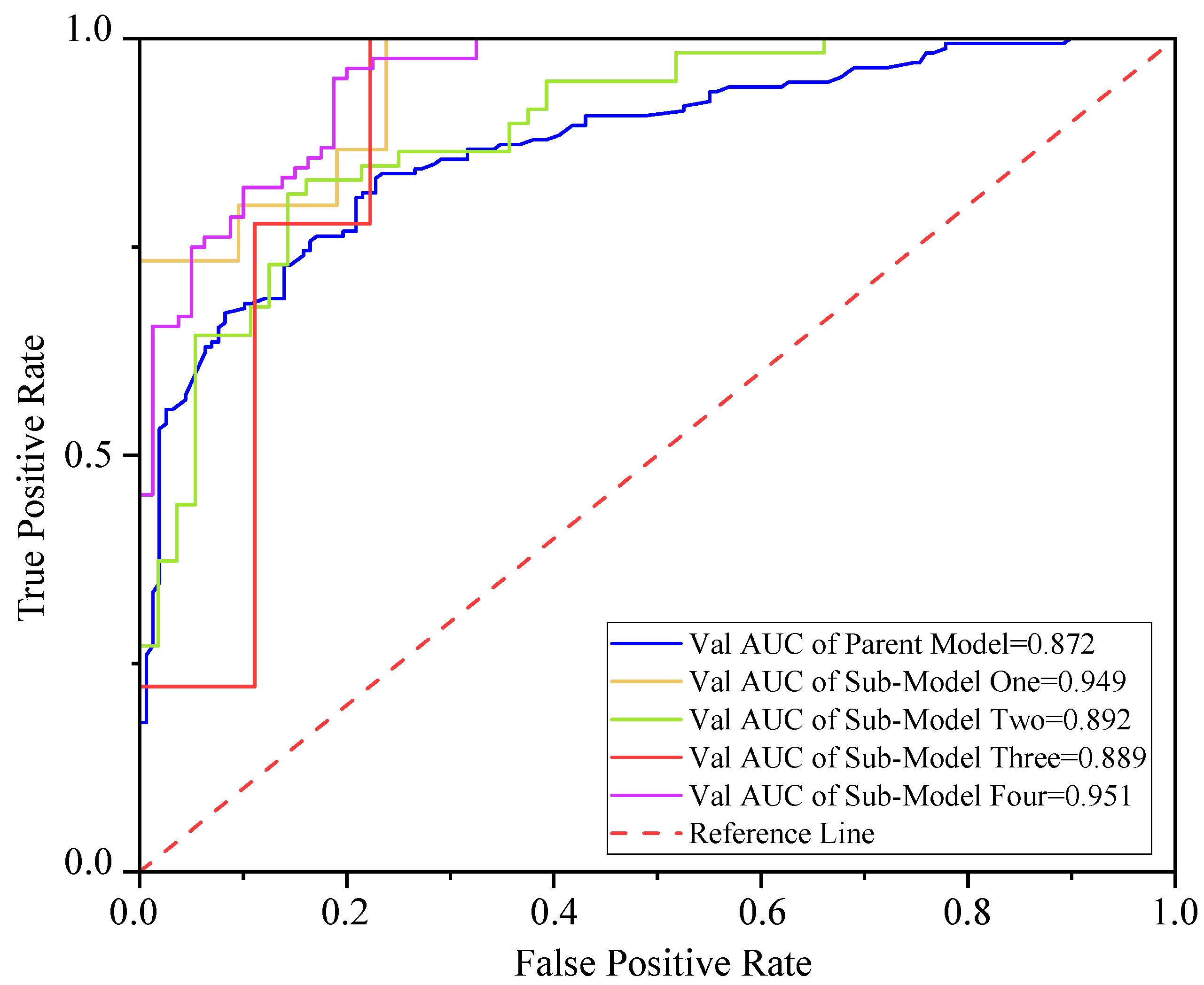
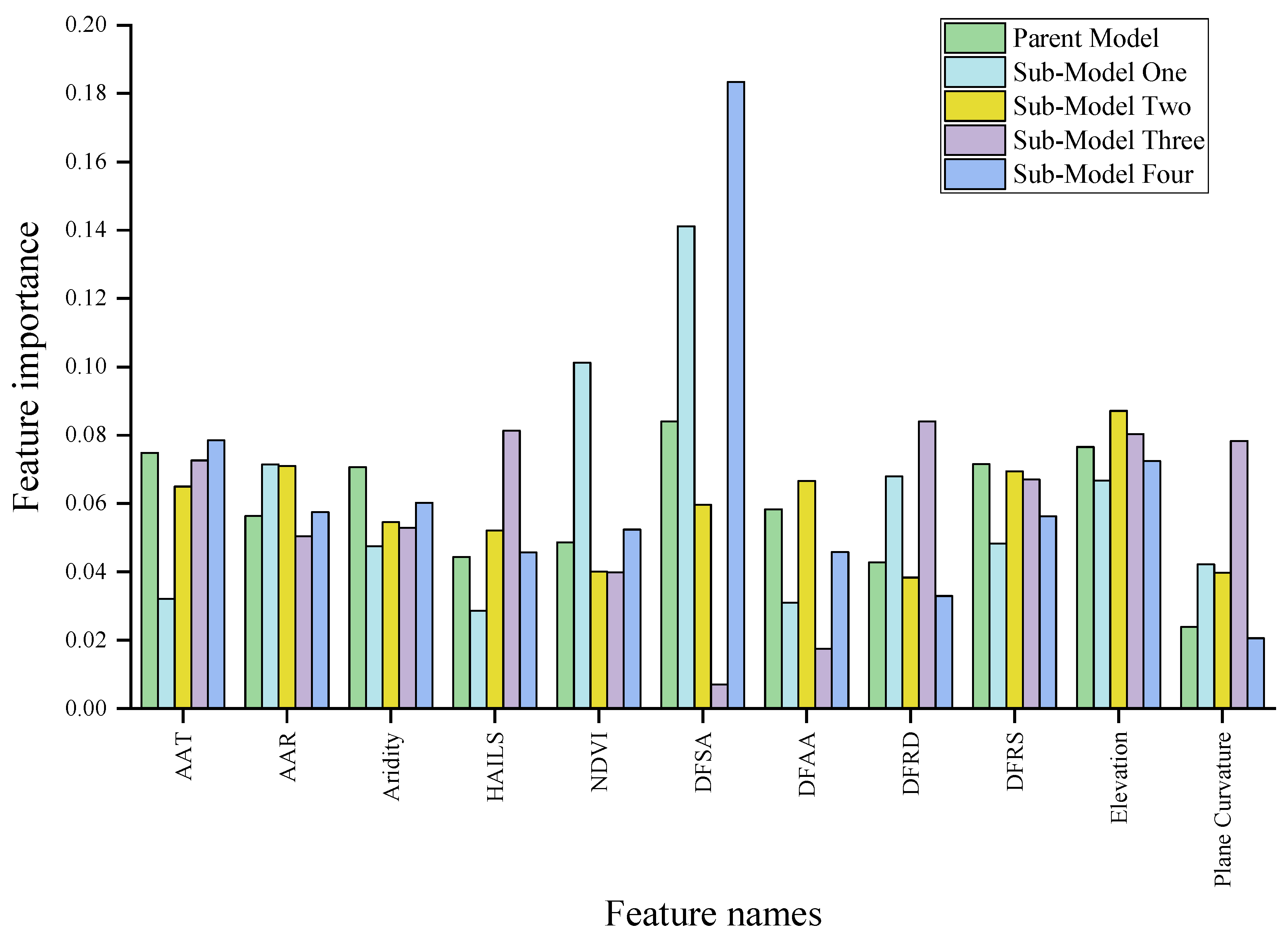
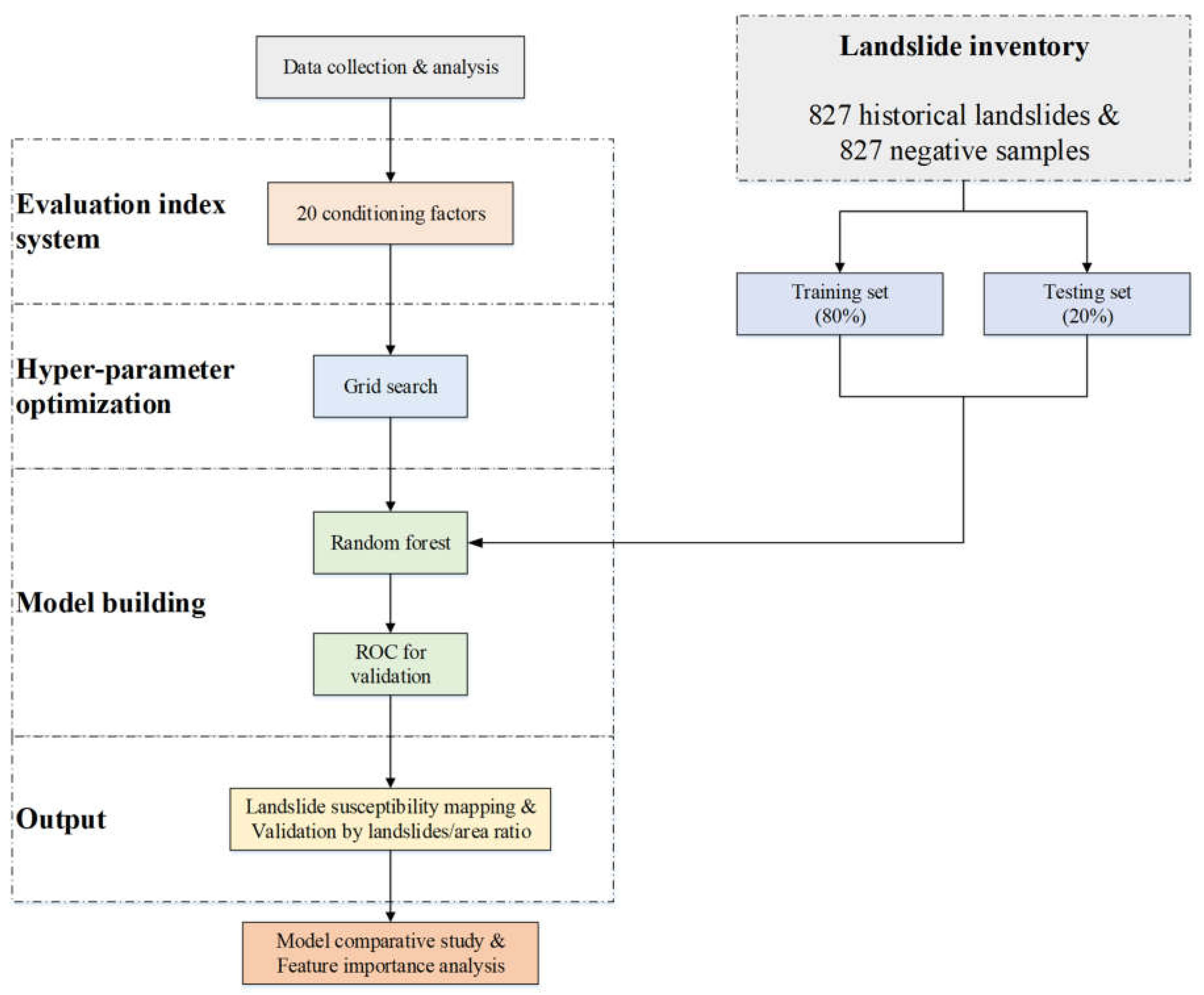
Machine learning-based methods are commonly used for landslide susceptibility mapping. Most of the recent publications focused on quantitative analysis, i.e., improving data processing methods, comparing and perfecting the data-driven model itself, but rarely taking the qualitative aspects of the local landslide occurrences into consideration and the further analysis of the key features was always lacking. This study aims to combine qualitative and quantitative analysis and examine its effect on mapping accuracy; based on the feature importance ranks and the related literature, the key features for identifying landslide/non-landslide points of different sub-zones were further analyzed. Before modeling, the study area Yunyang County, Chongqing City, China, was manually divided into four sub-zones based on the information from geological hazards exploration in Chongqing, including the mechanism of landslide formation and sliding failure and geomorphic unit characteristics. Upon the qualitative analysis basis, five grid searches tuned random forest models (one for the whole region and four for the sub-zones independently) were established by 1654 data points and 20 conditioning features. Compared with the conventional data-driven method, the integrated quantitative evaluation based on the qualitative analysis results showed higher reliability, which not only improved the mapping accuracy but also increased the AUC values of all four sub-models, which were 8.8%, 2.3%, 1.9% and 9.1% higher than that of the parent model. Moreover, the quantitative evaluation based on the qualitative analysis revealed the key factors affecting local landslide formation. Therefore, qualitative analysis is recommended in future landslide susceptibility modeling with the additional combination of data-driven methods.
Keywords: landslide susceptibility mapping; random forest model; qualitative analysis; quantitative evaluation; Yunyang County landslide susceptibility mapping; random forest model; qualitative analysis; quantitative evaluation; Yunyang County