Review

A State-of-the-Art Review on Soil Reinforcement Technology Using Natural Plant Fiber Materials: Past Findings, Present Trends and Future Directions

by
Sivakumar Gowthaman
1,*,
Kazunori Nakashima
2 and
Satoru Kawasaki
2
1
Graduate School of Engineering, Hokkaido University, Sapporo 060-8628, Japan
2
Faculty of Engineering, Hokkaido University, Sapporo 060-8628, Japan
*
Author to whom correspondence should be addressed.
Materials 2018, 11(4), 553; https://doi.org/10.3390/ma11040553
Submission received: 2 March 2018 / Revised: 27 March 2018 / Accepted: 3 April 2018 / Published: 4 April 2018

Abstract

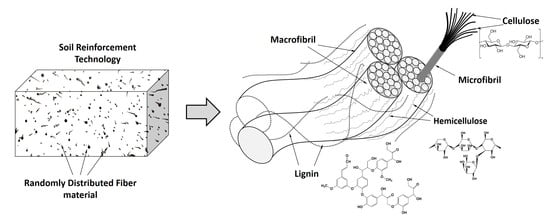
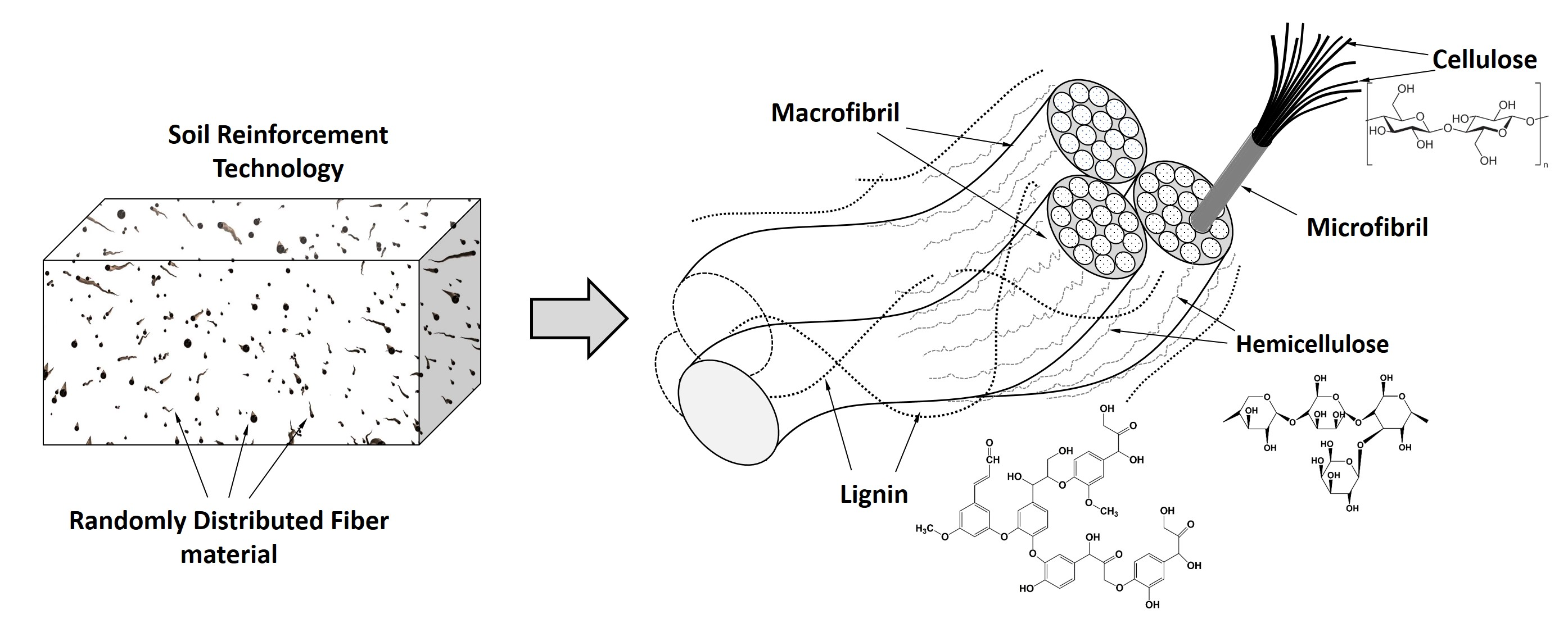
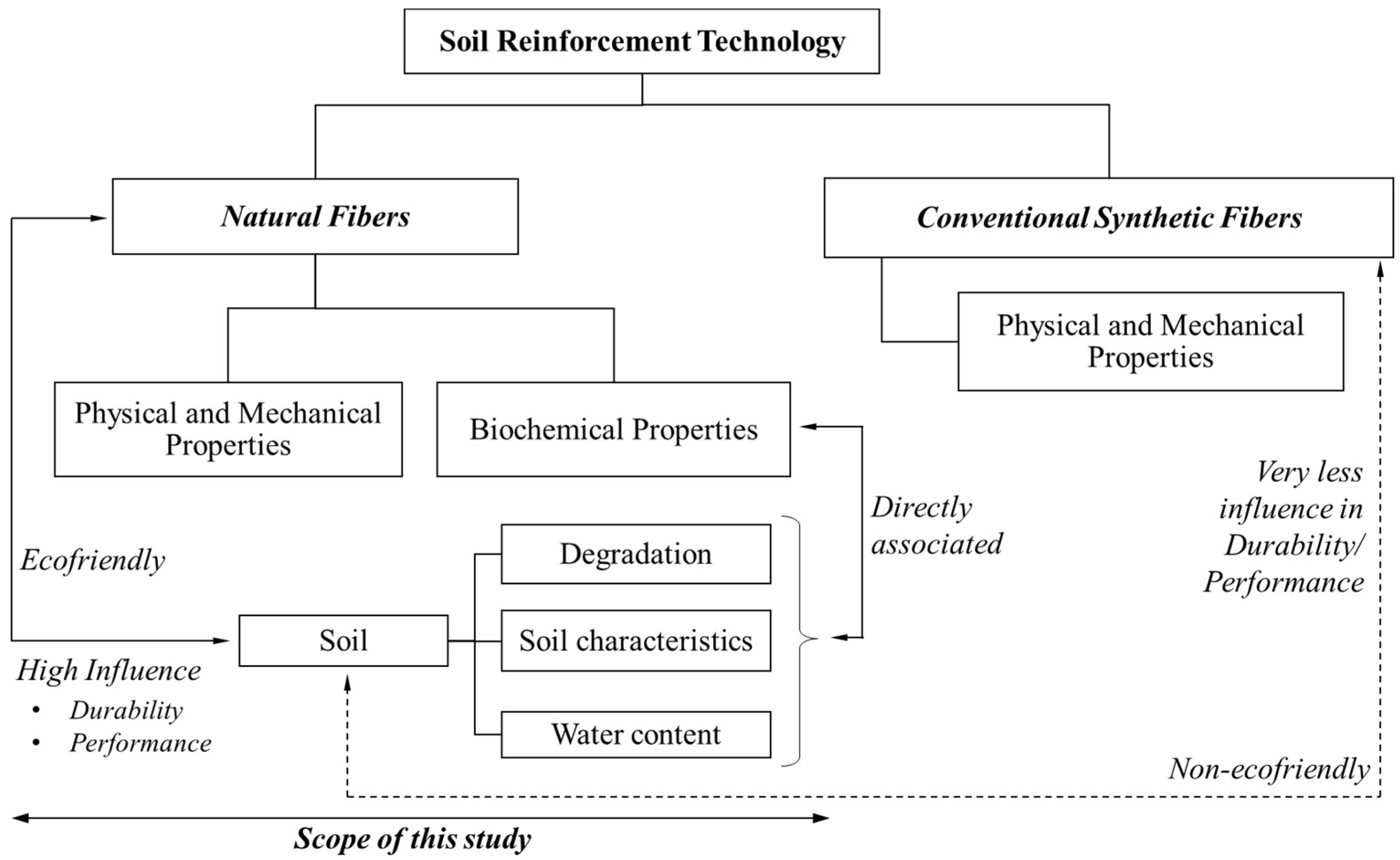
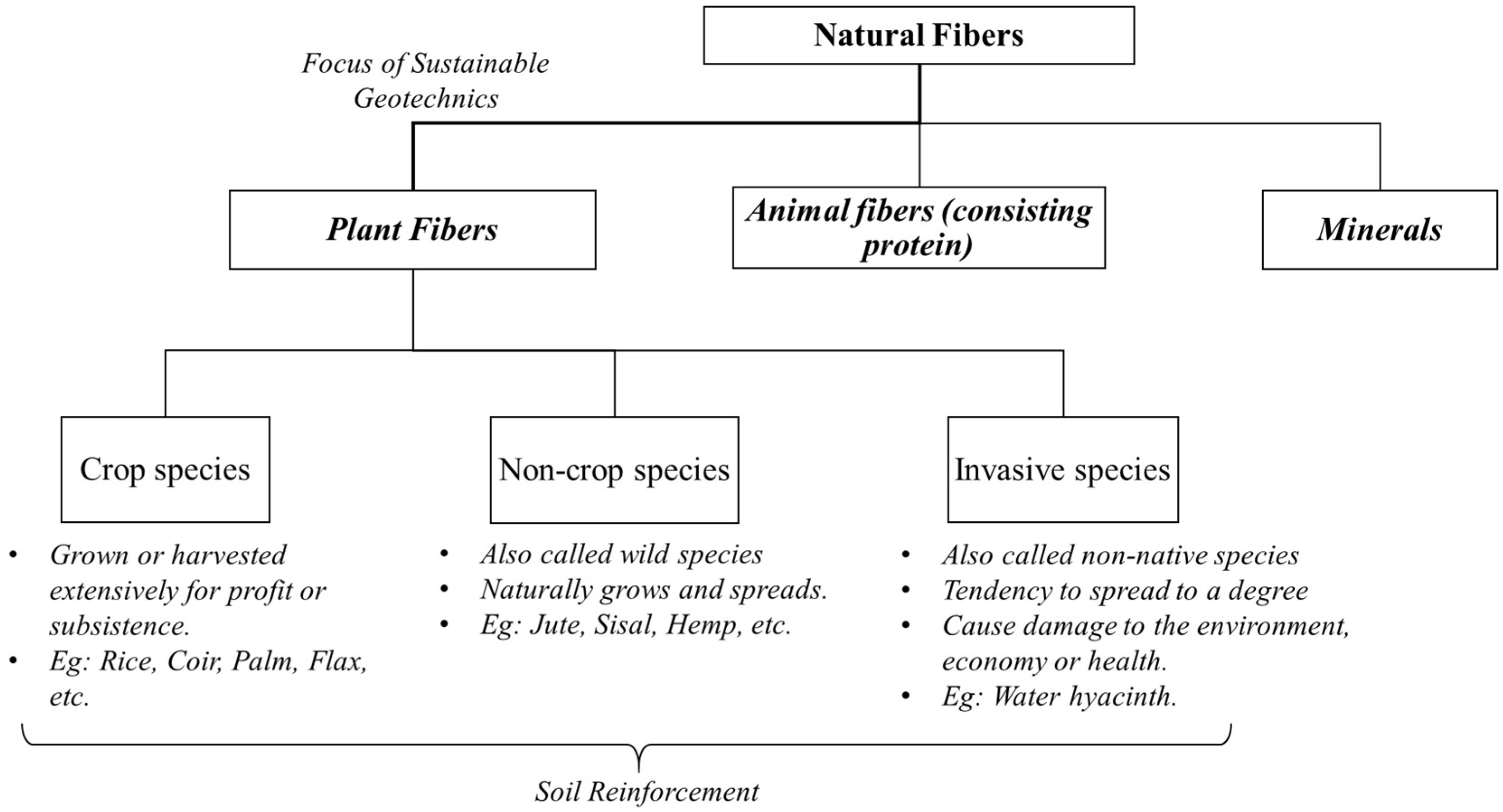
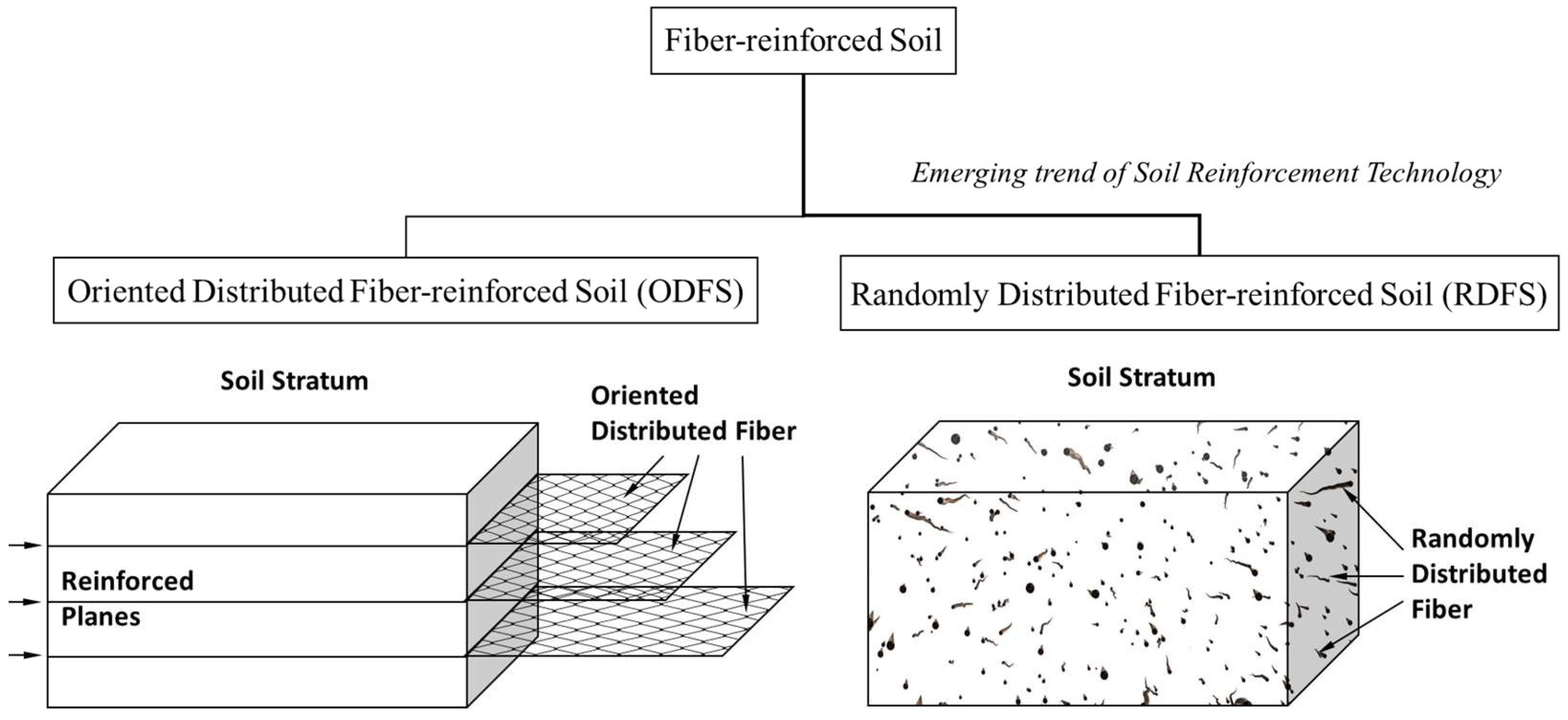
Incorporating sustainable materials into geotechnical applications increases day by day due to the consideration of impacts on healthy geo-environment and future generations. The environmental issues associated with conventional synthetic materials such as cement, plastic-composites, steel and ashes necessitate alternative approaches in geotechnical engineering. Recently, natural fiber materials in place of synthetic material have gained momentum as an emulating soil-reinforcement technique in sustainable geotechnics. However, the natural fibers are innately different from such synthetic material whereas behavior of fiber-reinforced soil is influenced not only by physical-mechanical properties but also by biochemical properties. In the present review, the applicability of natural plant fibers as oriented distributed fiber-reinforced soil (ODFS) and randomly distributed fiber-reinforced soil (RDFS) are extensively discussed and emphasized the inspiration of RDFS based on the emerging trend. Review also attempts to explore the importance of biochemical composition of natural-fibers on the performance in subsoil reinforced conditions. The treatment methods which enhances the behavior and lifetime of fibers, are also presented. While outlining the current potential of fiber reinforcement technology, some key research gaps have been highlighted at their importance. Finally, the review briefly documents the future direction of the fiber reinforcement technology by associating bio-mediated technological line.
Keywords: natural fibers; synthetic material; biochemical properties; sustainable geotechnics; oriented distributed fiber-reinforced soil (ODFS); randomly distributed fiber-reinforced soil (RDFS) natural fibers; synthetic material; biochemical properties; sustainable geotechnics; oriented distributed fiber-reinforced soil (ODFS); randomly distributed fiber-reinforced soil (RDFS)
Graphical Abstract