Next Article in Journal
SMARGE: An AI–Blockchain Smart EV Charging Platform with Cryptocurrency-Based Energy Transactions
Previous Article in Journal
Assessment of the State and Development Trends of Centrifugal Compressors for Marine Power Plants
 
 
Due to scheduled maintenance work on our servers, there may be short service disruptions on this website between 11:00 and 12:00 CEST on March 28th.
Article

Smart Material Technologies for Energy-Efficient Buildings in Iraq

by
Haider I. Alyasari
1,*,
Zahraa Nasser Azzam
2,
Saba Salih Shalal
1,3 and
Zainab Mahmood Malik
1
1
Department of Architecture, College of Engineering, The University of Kerbala, Karbala 56001, Iraq
2
Reconstruction and Projects Department, University of Al-Qadisiyah, Al Diwaniyah 58001, Iraq
3
Department of Architecture, Al Safwa University, Karbala 56001, Iraq
*
Author to whom correspondence should be addressed.
Energies 2026, 19(4), 990; https://doi.org/10.3390/en19040990
Submission received: 6 January 2026 / Revised: 4 February 2026 / Accepted: 5 February 2026 / Published: 13 February 2026
(This article belongs to the Section B: Energy and Environment)

Abstract

This study investigates the use of smart material technologies, particularly smart coatings, to enhance thermal comfort, reduce energy consumption, and lower carbon emissions in residential buildings in Karbala, Iraq, a city with a hot, dry climate. Using DesignBuilder and EnergyPlus simulations, the performance of cool reflective coatings and thermal coatings was compared across various temperature conditions. Results showed that smart coatings significantly reduced indoor temperatures, cooling and heating loads, and overall energy use. The W&R(RS) and W&R(TS) models consistently outperformed their counterparts, offering improved thermal stability and comfort. Life-cycle analysis revealed that the operational phase accounted for the majority (52.6%) of carbon emissions, highlighting the importance of early-stage integration of smart materials. Overall, the findings underscore the potential of smart coatings to enhance energy efficiency and environmental performance in hot-climate architecture.

1. Introduction

Residential buildings in hot, arid climates are among the most energy-intensive sectors, primarily because they rely heavily on mechanical cooling systems to maintain thermal comfort during prolonged summer periods. In countries such as Iraq, this challenge is further intensified by extreme temperatures, unstable electricity grids, and an almost complete dependence on fossil fuels for power generation. These factors collectively contribute to elevated operational loads and increased carbon dioxide emissions within the construction sector [1].
As a result, enhancing energy efficiency in residential buildings has become a critical priority for promoting environmental sustainability and ensuring energy availability. Iraq is situated within a climatic zone characterized by intense solar radiation and prolonged sunshine, with annual solar irradiance ranging from 1800 to 2390 kWh/m2 and daily sunshine exceeding 12 h during the summer [2,3]. The city of Karbala exemplifies a hot, dry, and severe climate, with summer temperatures often exceeding 50 °C. These extreme conditions, combined with rapid urbanization, significantly increase cooling demands in conventional residential buildings constructed with materials of fixed thermal properties [4,5,6].
In this context, the building envelope plays a pivotal role in regulating thermal performance, as it governs heat transfer between the external environment and conditioned indoor spaces. Previous studies have demonstrated that enhancing envelope properties can reduce cooling energy demand by up to 30% in hot climates [7,8]. Among passive, low-intrusion strategies, smart coatings have emerged as a particularly promising solution, offering improved thermal performance without necessitating major structural modifications.
Smart coatings can generally be classified into two main categories: heat-reflective coatings with stable radiative properties and thermochromic (thermally physically changing) coatings with dynamic adaptive behavior that alter their optical and thermal characteristics in response to surface temperature variations [9,10,11,12]. Previous research has primarily examined the effects of these coatings from individual perspectives, such as reducing surface temperatures, lowering energy consumption, or evaluating carbon emissions—rather than through an integrated assessment.
However, systematic comparisons that link the thermal behavior of smart coatings to their influence on energy consumption, thermal comfort, and CO2 emissions across the building’s lifecycle within a unified analytical framework remain scarce, particularly in hot, arid climates. Moreover, lifecycle assessment is often conducted as an isolated analysis rather than directly integrated into evaluations of the building envelope’s thermal and operational performance.
To address this gap, this study presents a comprehensive research framework for evaluating the performance of thermally reflective and thermochromic coatings in a typical residential building in Karbala. This framework integrates energy consumption simulation, thermal comfort assessment per American Society of Heating, Refrigerating and Air-Conditioning Engineers (ASHRAE 55), and operational CO2 emissions analysis into a lifecycle assessment methodology, ensuring consistency across all analytical phases within the same building and under identical climatic and operational conditions. Through this approach, the study aims to describe the true role of adaptive thermal behavior in smart coatings in improving the operational and environmental performance of residential buildings in hot, arid climates.

2. Literature Review

2.1. Cool Coatings

Heat-reflective coatings are among the most commonly applied surface solutions for enhancing the thermal performance of building envelopes in hot climates. Their effectiveness lies in increasing solar reflectivity and thermal emissivity, thereby reducing solar radiation absorption and lowering exterior surface temperatures [9,10,11,12]. Recent advances in passive radiative cooling techniques demonstrate that coatings with high reflectivity (>90%) and high emissivity (>0.9) can achieve substantial daytime cooling without reliance on active mechanical systems [13,14,15].
Modeling and simulation studies have primarily examined the influence of reflective coatings on building energy consumption. Global investigations across 27 cities demonstrate that high-reflectivity coatings (≈0.85) can significantly reduce cooling loads and annual energy use [16]. Research conducted in hot climates such as Egypt, Iran, and China has further confirmed improvements in thermal comfort and reductions in energy demand, particularly when roofs are coated [17,18,19,20]. In the Iraqi context, the limited available studies report comparable outcomes [21,22]. Table 1 presents a comparative summary of the most prominent findings. Nevertheless, the dependence of reflective coatings on fixed radiative properties may constrain their effectiveness under daily and seasonal variations, underscoring the need for more adaptive surface solutions.

2.2. Thermochromic Coatings

Thermally variable color coatings are an advanced class of smart materials that dynamically adjust their optical and thermal properties in response to surface temperature fluctuations. At elevated temperatures, these coatings increase their reflectivity and emissivity, thereby reducing heat gain, while at lower temperatures they become more absorbent, enhancing heat retention [23,24].
Experimental and modeling studies have demonstrated that this adaptive behavior can yield annual energy savings of 20–30% compared to conventional or purely reflective coatings, while simultaneously enhancing indoor thermal stability [25,26,27]. Moreover, research indicates that the effectiveness of these coatings is strongly influenced by climatic conditions and surface orientation, with optimal performance typically observed in warmer regions [28,29,30,31].
Recent advancements have introduced innovative thermal composites that combine carbon-based absorbers with heat-sensitive polymers, alongside the development of temperature-adaptive radiative cooling coatings. These materials are designed to achieve high solar reflectivity during summer while enhancing heat absorption in winter, thereby enabling annual energy savings of up to 20% [32,33,34]. Table 2 presents a comparative synthesis of studies modeling the thermal behavior of these coatings, highlighting their performance across diverse climatic contexts. These findings underscore the importance of evaluating temperature-adaptive coatings against conventional reflective coatings within the same building and under identical operating conditions.

2.3. Energy Efficiency Metrics

Energy efficiency metrics serve as fundamental tools for evaluating the effectiveness of smart coatings in enhancing building thermal performance and mitigating environmental impact. Key indicators include reflectivity, emissivity, and the solar reflectance index (SRI), which together provide a standardized framework for comparing materials and assessing their capacity to regulate heat transfer.
  • Reflectivity
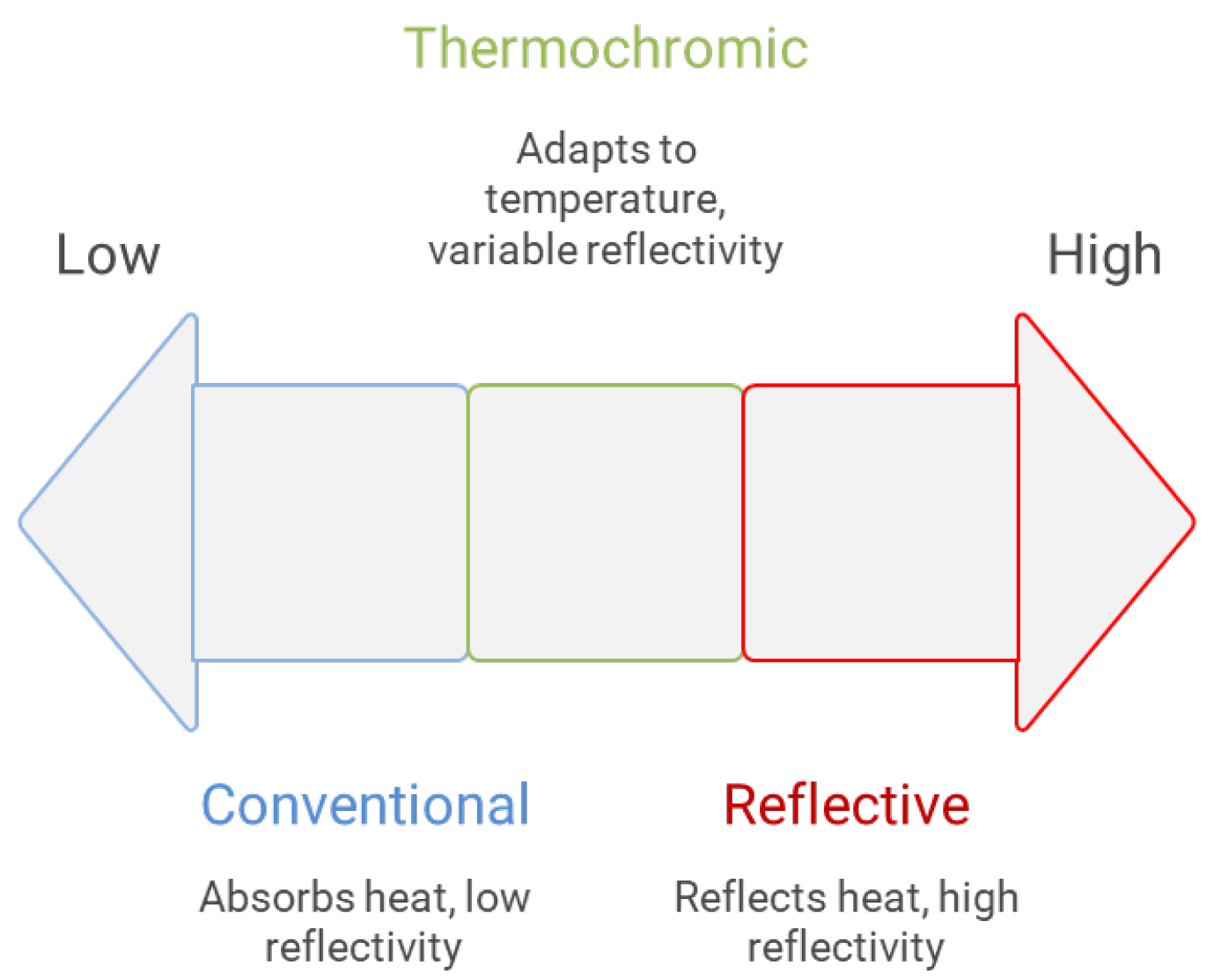
Reflectivity denotes a surface’s capacity to reflect solar radiation within the 0.25–3.0 μm wavelength range, where near-infrared radiation constitutes more than half of the total solar energy [33]. Studies have demonstrated that the application of advanced reflective coatings can lower indoor surface emissivity from 0.9 to approximately 0.25, thereby enhancing thermal regulation within buildings [35]. “Figure 1” illustrates the reflectivity spectrum of coatings, ranging from absorption to reflection.
  • Emissivity
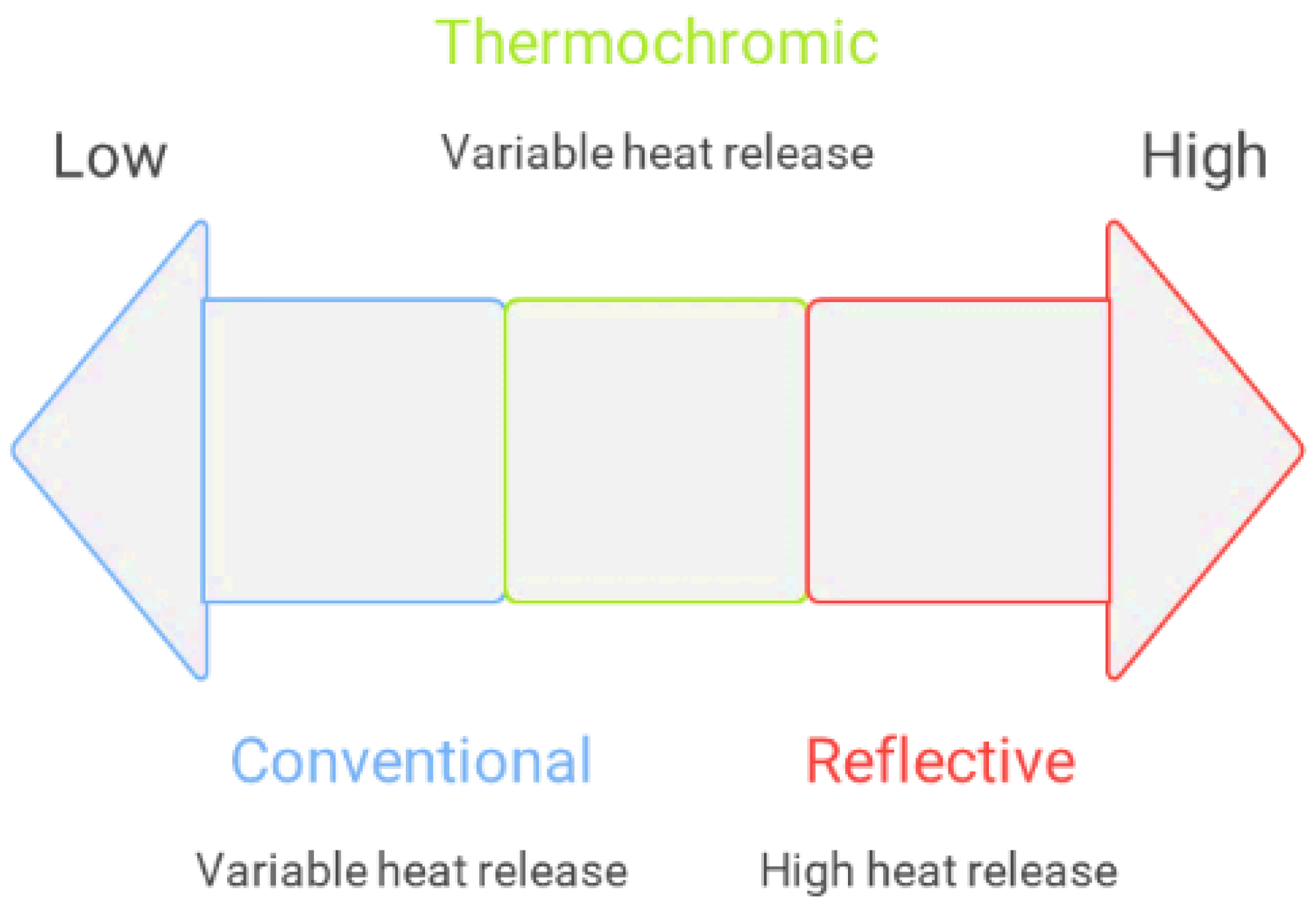
Emissivity is a radiative property that describes a surface’s ability to emit heat, with values ranging from 0 to 1 [36,37,38]. Advances in radiative cooling techniques have strengthened the role of color-coated thermoplastic coatings, which exhibit a transition from low to high emissivity within a temperature range of 25–35 °C [13,39,40,41]. “Figure 2” illustrates this adaptive behavior.
  • Solar Reflectance Index (SRI): A Composite Performance
The solar reflectance index (SRI) is a composite metric that integrates reflectivity and emissivity to evaluate a material’s capacity to minimize solar heat gain. Materials classified as “cool” typically exhibit SRI values above 64, whereas conventional surfaces often fall below 30. Higher SRI values are associated with lower surface temperatures and reduced heat transfer into buildings, thereby improving thermal performance [42,43,44,45,46].

2.4. Linking Thermal Performance with Energy Demand and Carbon Emissions

The construction sector is a significant contributor to greenhouse gas emissions, with residential and commercial buildings accounting for nearly 40% of electricity-related emissions. Moreover, the environmental impact extends across all stages of the building lifecycle [47,48]. Lifecycle assessment (LCA) provides the standard framework for quantifying these emissions, while lifecycle carbon dioxide analysis (LCCO2A) offers a robust quantitative basis for guiding sustainable design decisions [49].
Studies have shown that carbon embedded in structural systems constitutes the largest share of embodied emissions [50,51,52]. However, in hot, arid climates where mechanical cooling dominates, the operational phase (B6) remains the primary source of CO2 emissions [53,54]. Consequently, enhancing the thermal performance of the building envelope represents a highly effective strategy for reducing long-term operational emissions.
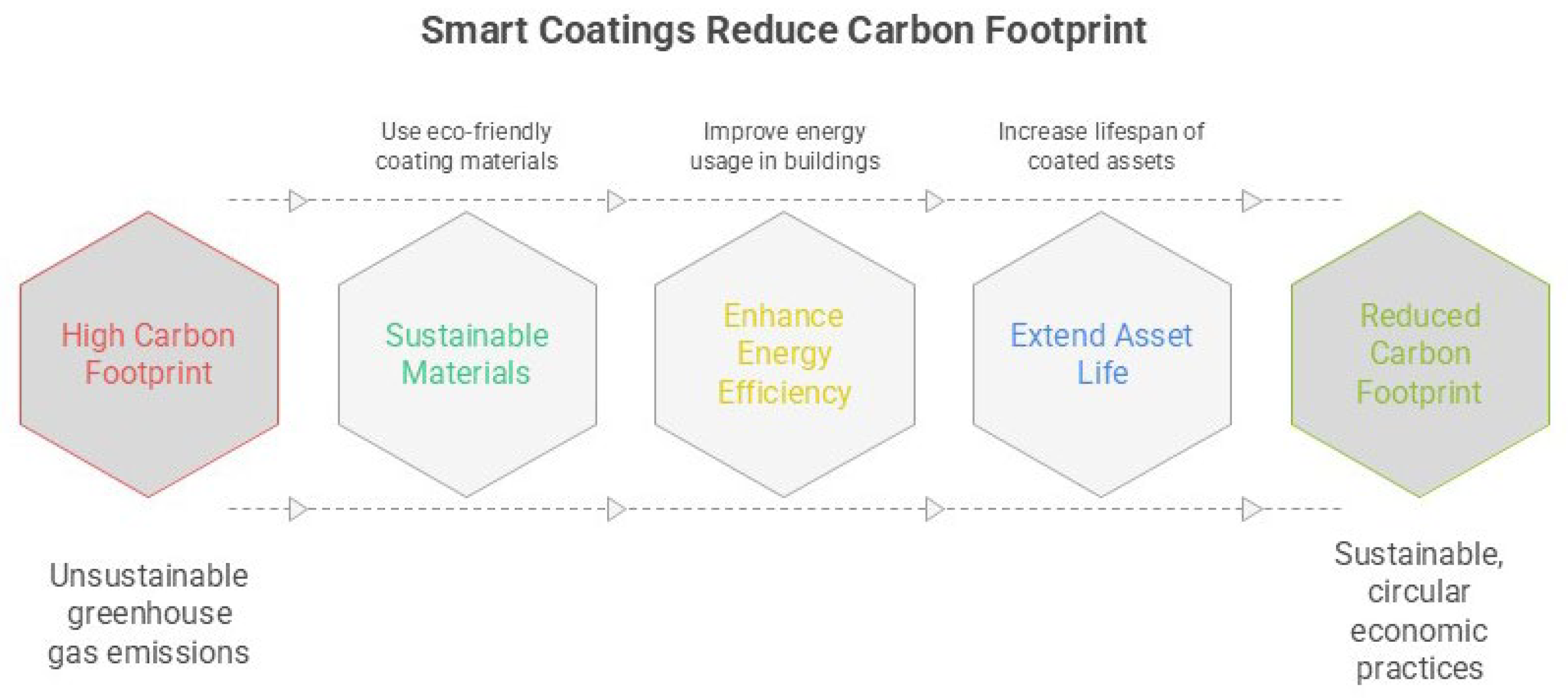
In this context, smart coatings emerge as low-impact surface solutions with respect to embodied carbon, while offering indirect potential to reduce operational emissions through lowered energy demand [54,55]. “Figure 3” presents the conceptual framework illustrating their role in reducing energy consumption and extending the service life of building envelopes. Table 3 provides a comparative overview of their mechanisms of action and highlights their potential to mitigate carbon emissions across their lifecycles.
Nevertheless, the existing literature continues to lack systematic studies that comprehensively integrate the thermal behavior of smart coatings with their impacts on energy consumption, thermal comfort, and carbon dioxide emissions within a unified analytical framework. To address this gap, the present study adopts an integrated approach that enables a rigorous evaluation of the comparative effectiveness of coatings with fixed radiative properties versus those with dynamic adaptive behavior. In doing so, it provides evidence-based support for low-carbon residential building design strategies tailored to hot and arid climates.

3. Methodology

Karbala, located in central Iraq, experiences a hot, arid desert climate with extreme summer temperatures often exceeding 50 °C and winter minima ranging from 7 to 10 °C [1]. Rainfall is scarce, peaking at less than 9 mm during winter, while abundant solar radiation provides over 12 h of sunshine daily during summer. These climatic conditions, combined with limited vegetation and rapid urban expansion, intensify the urban heat island effect and elevate cooling demand, underscoring the need for climate-resilient architectural solutions. This study investigates the effectiveness of smart coating technologies in enhancing the thermal and environmental performance of residential building envelopes in Karbala’s harsh climate. Conventional coatings are compared with reflective and thermochromic alternatives in terms of energy consumption, thermal comfort, and CO2 emissions.
To this end, a calibrated simulation model of a traditional two-story residential building, representative of Karbala’s prevailing urban architecture, was developed using realistic local climate data (Appendix A). Three scenarios were developed to assess smart coatings within a carbon footprint framework:
  • Baseline Scenario (BS): A conventional building envelope consisting of brick masonry walls, a concrete roof, single glazing, traditional coating, and cement mortar, without thermal improvement strategies.
  • Reflective Coating Scenario (RS): Replacement of traditional coatings with advanced reflective cool coatings to mitigate solar heat gain and enhance thermal performance.
  • Thermal Coating Scenario (TS): Application of thermochromic coatings capable of altering reflectivity with temperature fluctuations, enabling dynamic thermal regulation.
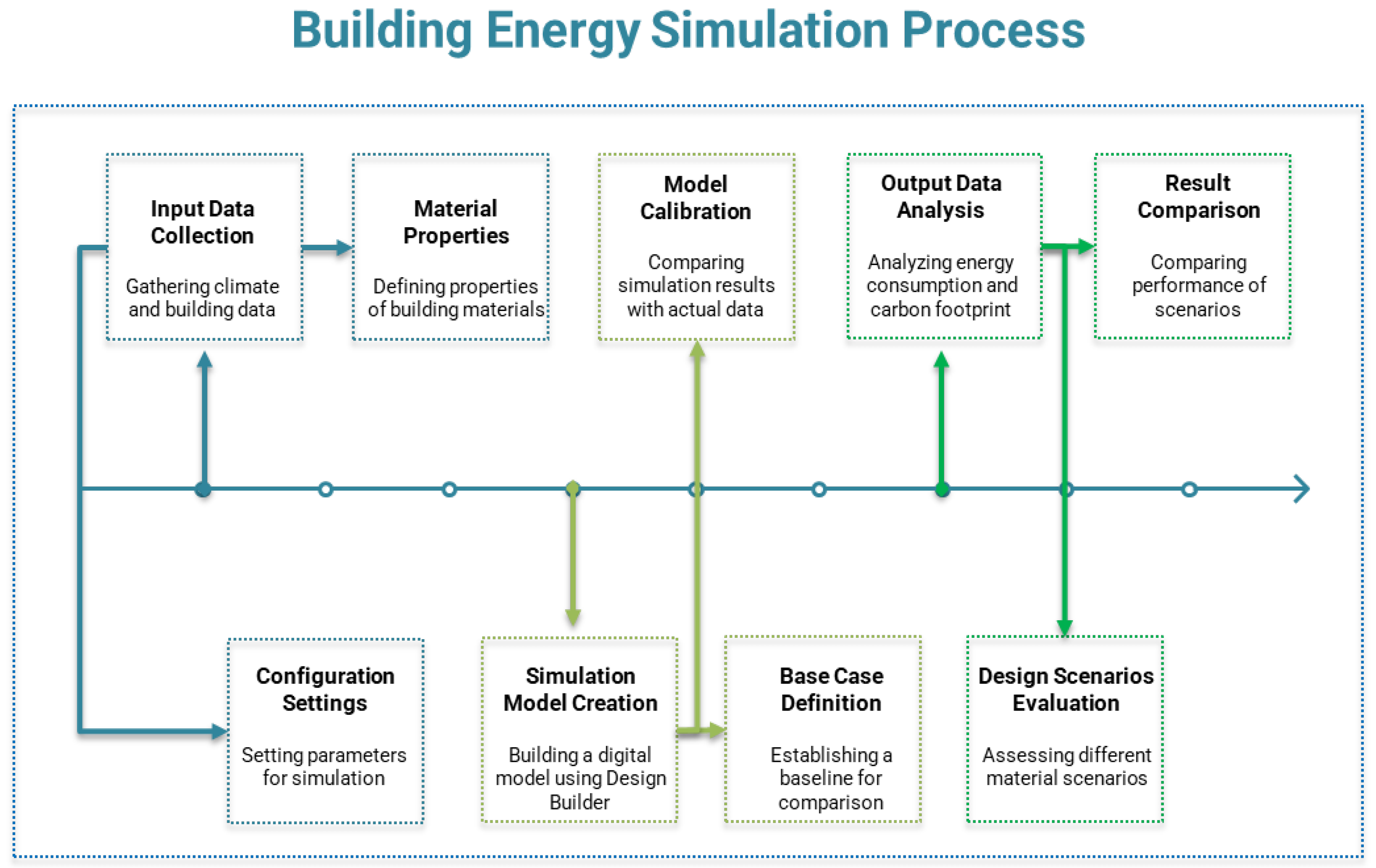
Each scenario was simulated independently, and results on energy consumption and thermal comfort were analyzed to identify the optimal solution that maximizes efficiency and reduces environmental impacts. “Figure 4” illustrates the methodological framework, which integrates smart coating evaluation with building envelope performance. The approach is based on dynamic simulation of a representative two-story residential building, calibrated with local climate data, ensuring accurate quantitative outcomes and realistic design recommendations for hot, dry climates. To emphasize the advantages of innovative coatings over conventional materials, Table 4 provides a comparative overview of their thermal performance under Iraq’s climatic conditions.
Thermal performance and energy consumption were simulated using DesignBuilder v7.0 with the EnergyPlus engine [56], selected for its accuracy in building energy analysis. Annual simulations assessed cooling loads at three indoor setpoints (19, 21, and 24 °C) under extreme summer conditions, with outdoor temperatures reaching 53 °C in August 2025. Thermal comfort was evaluated during peak months (July–August), using August 9th as the reference day for the southeast-facing reception area.
Environmental impacts were analyzed using the One Click LCA platform, a cloud-based tool compliant with EN 15978 and EN/ISO 14040–14044. The platform uses Environmental Product Declarations (EPDs) from globally recognized manufacturers across 40+ certification systems, enabling reliable carbon-emission calculations in early design phases. Finishing materials, including reflective and color-reflective smart coatings, were modeled as equivalent building materials. Their emissions were quantified for production stages (A1–A3) using approved EPD databases. To ensure transparency and comparability, Table 5 presents the variations in material lists across scenarios within phases A1–A3, while all other construction materials remained constant.
In this study, gbXML models and annual energy consumption data from DesignBuilder/EnergyPlus were imported into One Click LCA. The project scope, building type, and structural system were defined in accordance with EN 15978, with conventional and alternative materials linked to a local supplier database to accurately calculate emissions, costs, and energy use. Smart coatings, as thin-film finishing materials, exhibited relatively low embodied carbon compared to structural components; their main environmental benefit was reducing operational emissions (B6) through lower energy demand, as reflected in the LCA results.
The assessment included construction site phases with realistic assumptions (e.g., 55 km transport distance per truck) and adopted a 25-year lifecycle period, consistent with residential building practice. Thermal comfort was evaluated according to ASHRAE Standard 55 using PMV and PPD indices based on the Fanger model [57], with operating temperatures derived from EnergyPlus simulations. Assumptions included a metasbolic rate of 1.0 met, clothing insulation of 0.5 clo, air velocity of 0.1 m/s, and relative humidity of 40–60%. Comfort was deemed acceptable when PMV ranged between −0.5 and +0.5, corresponding to a PPD below 10%, thereby enabling comparison of coating scenarios under standardized conditions [57].
The simulation period was defined to calculate annual electrical energy consumption and CO2 emissions. Cooling loads were assessed during the summer at three indoor set-point temperatures (19, 21, and 24 °C), reflecting Iraq’s hot, arid climate, where outdoor temperatures reached 53 °C in August 2025. Thermal comfort was analyzed for the peak summer months (July and August), with August 9—the hottest day, selected as the reference case. The simulation focused on the reception area located on the southeast-facing façade. Table 6 outlines the detailed characteristics of the baseline scenario, which serves as the reference case for subsequent comparisons.

4. Results

4.1. Baseline Assessment

  • Current energy use (kWh/m2), indoor temperatures.
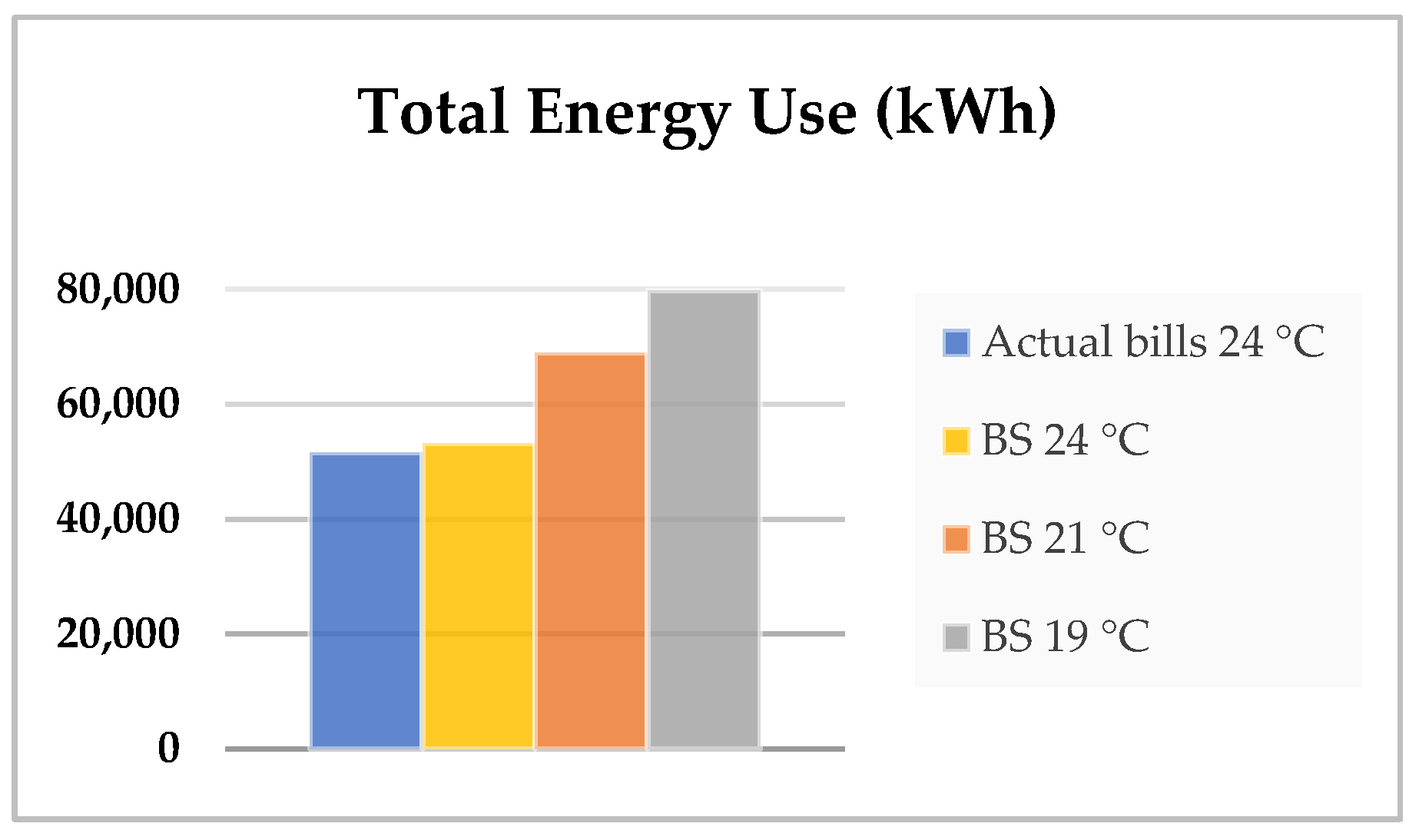
A residential building in Karbala was selected as the case study for energy consumption simulation. Actual electricity bills indicated an annual consumption of 51,637 kWh, while the DesignBuilder model predicted 53,206 kWh at a controlled indoor temperature of 24 °C. The relative deviation of approximately 3% between measured and simulated values falls within acceptable calibration limits for residential energy performance models. This confirms that the physical, thermal, and operational parameters incorporated into the model accurately represent the building’s real behavior, validating its reliability for assessing energy use and operational carbon emissions. It should be noted that the indoor temperature settings (24, 21, and 19 °C) were not applied as independent calibration standards but were later used for comparative scenario analysis and sensitivity testing of energy consumption and emissions. Figure 5 compares total annual energy consumption between actual billing data and simulation results across the different temperature settings.
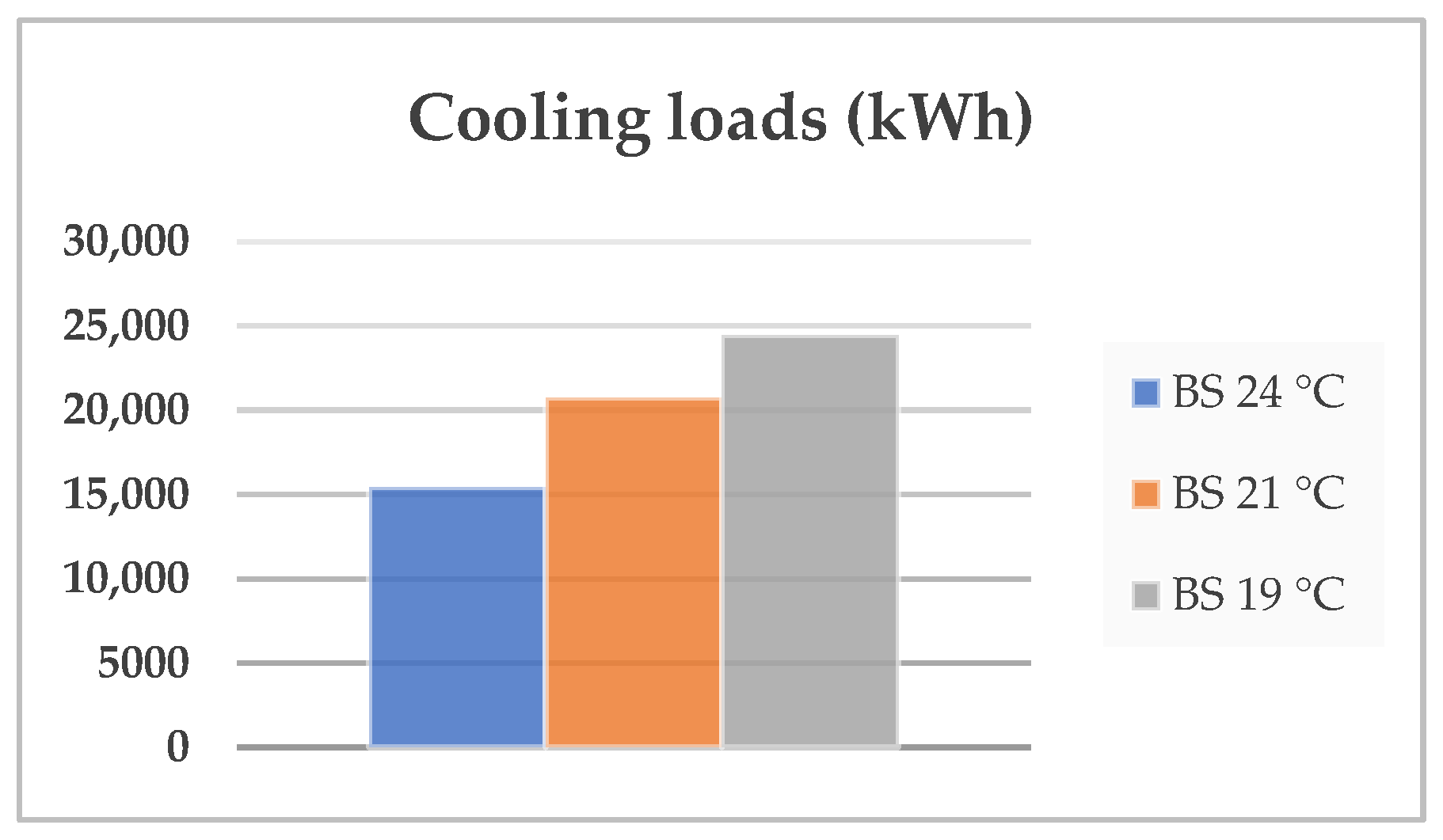
As shown in Figure 6, the simulation results reveal a strong positive correlation between lower cooling set-point temperatures and increased electricity consumption in the baseline (BS) scenario. Annual consumption was 15,426 kWh at 24 °C, rising to 20,751 kWh at 21 °C, and reaching 24,459 kWh at 19 °C. This escalation is attributed to the greater cooling load caused by the wider indoor–outdoor temperature differential, which extends operating times and increases cooling capacity requirements. From an energy-efficiency perspective, reducing the set-point by approximately 5 °C increased energy consumption by more than 58%, underscoring the high sensitivity of cooling demand to temperature settings and their direct impact on system performance.
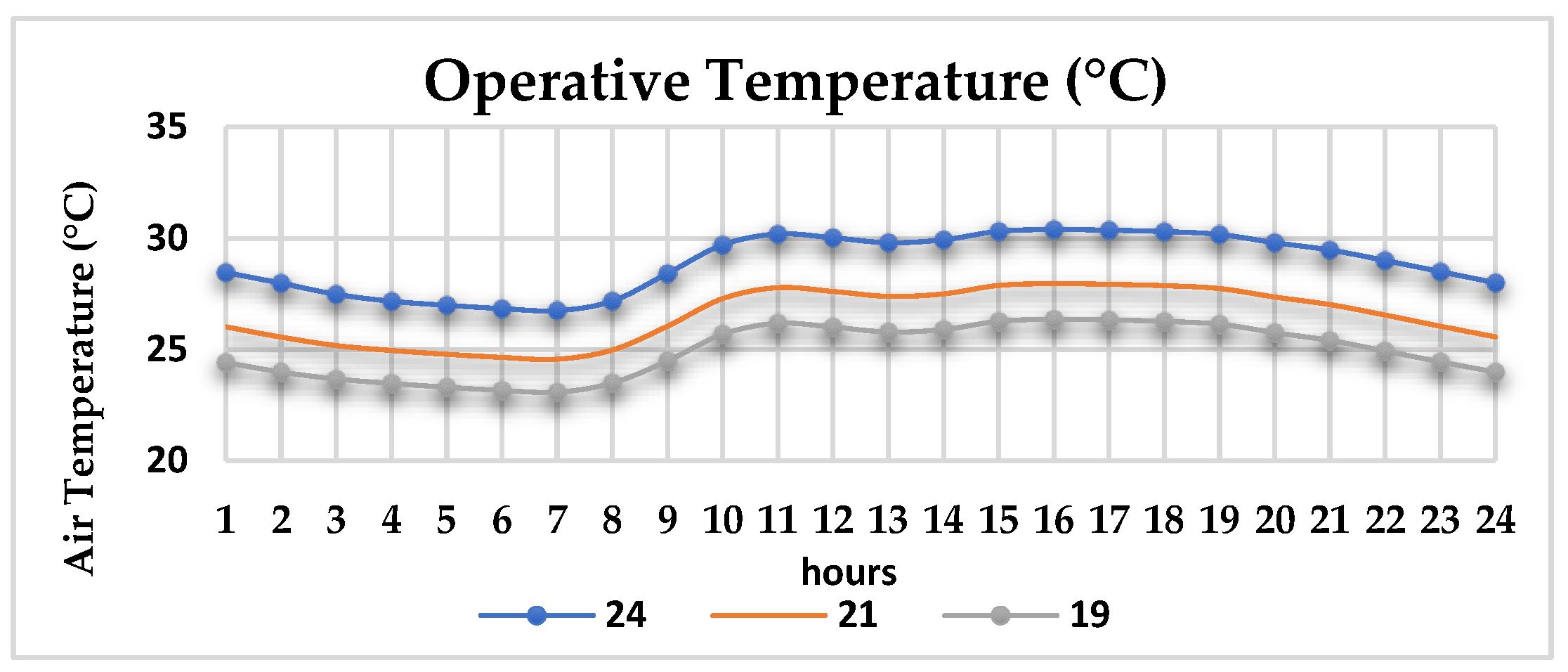
Figure 7 illustrates the impact of varying thermal setpoints on indoor operating temperatures, showing that lower setpoints yield lower daytime temperatures. However, the operating temperature is only a relative thermal indicator, not a direct measure of comfort. According to ASHRAE Standard 55, thermal comfort must be evaluated using the PMV and PPD indices, which account for metabolic rate, clothing insulation, air velocity, and relative humidity in addition to the operating temperature. The results indicate that further reductions in operating temperature, achieved through lower setpoints, lead to a substantial increase in energy consumption. This highlights the need for passive design strategies, particularly building envelope optimization, to ensure compliance with ASHRAE Standard 55 thermal comfort requirements while minimizing reliance on mechanical cooling in hot, arid climates.
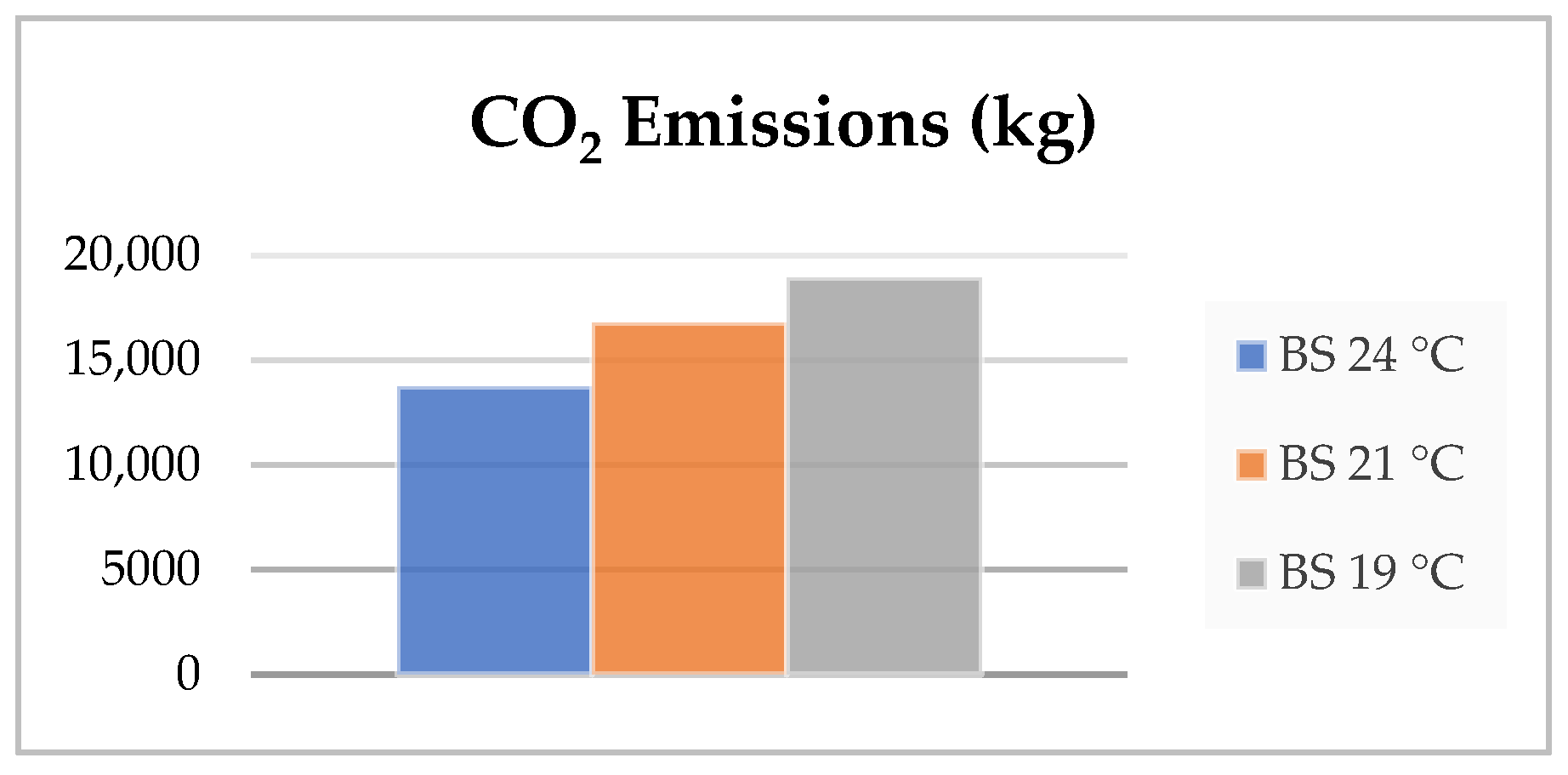
Figure 8 shows that operational CO2 emissions follow the same trend as energy consumption, reaching 13,754 kg at 24 °C, 16,782 kg at 21 °C, and 18,961 kg at 19 °C. This increase is not a direct consequence of the temperature setting itself but results indirectly from higher electricity demand during the operating phase (B6). Accordingly, the relationship between set-point temperature and CO2 emissions is governed by variations in energy demand rather than any intrinsic effect of operating temperature.
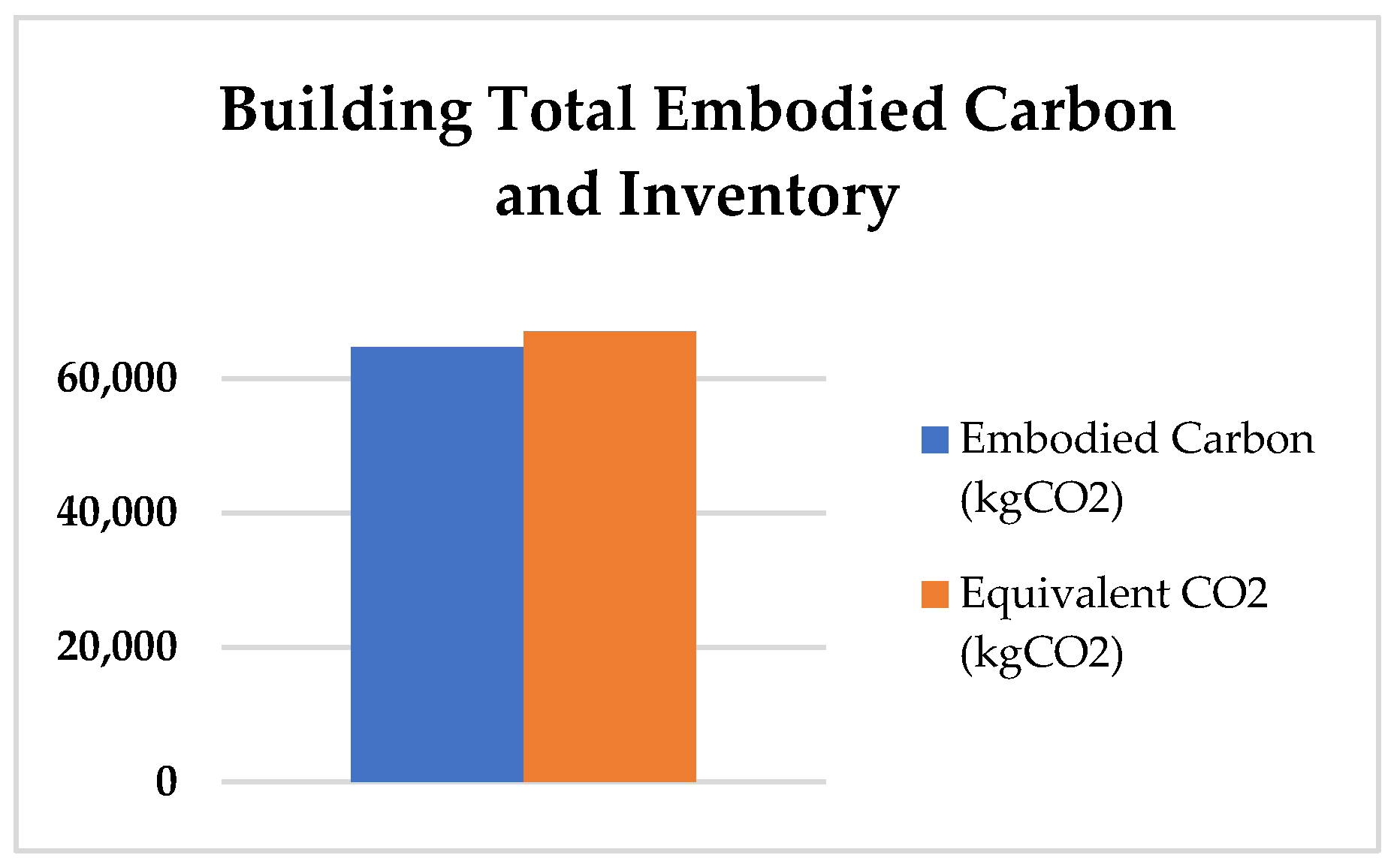
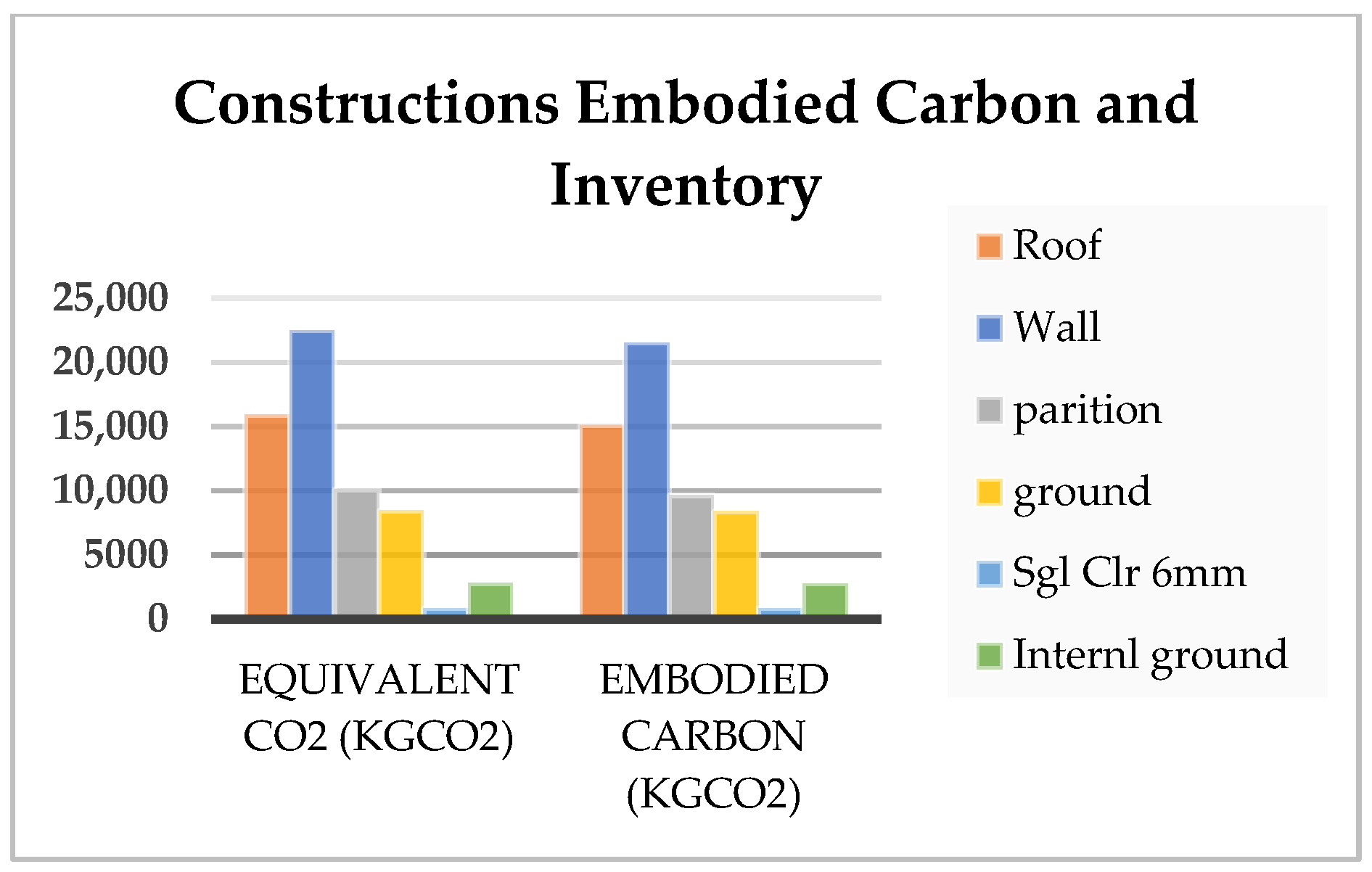
Figure 9 and Figure 10 present the analysis of embedded carbon and equivalent emissions across building components. Total equivalent emissions were 67,065 kg CO2, compared to 64,639 kg CO2 of embedded carbon, with the 2297 kg difference attributable to secondary sources such as transportation and manufacturing. Walls and roofs accounted for the largest share of embedded emissions, while floors, glazing, and interior partitions contributed relatively little. These results indicate that optimizing materials in the primary envelope elements offers the greatest potential for reducing the building’s carbon footprint.
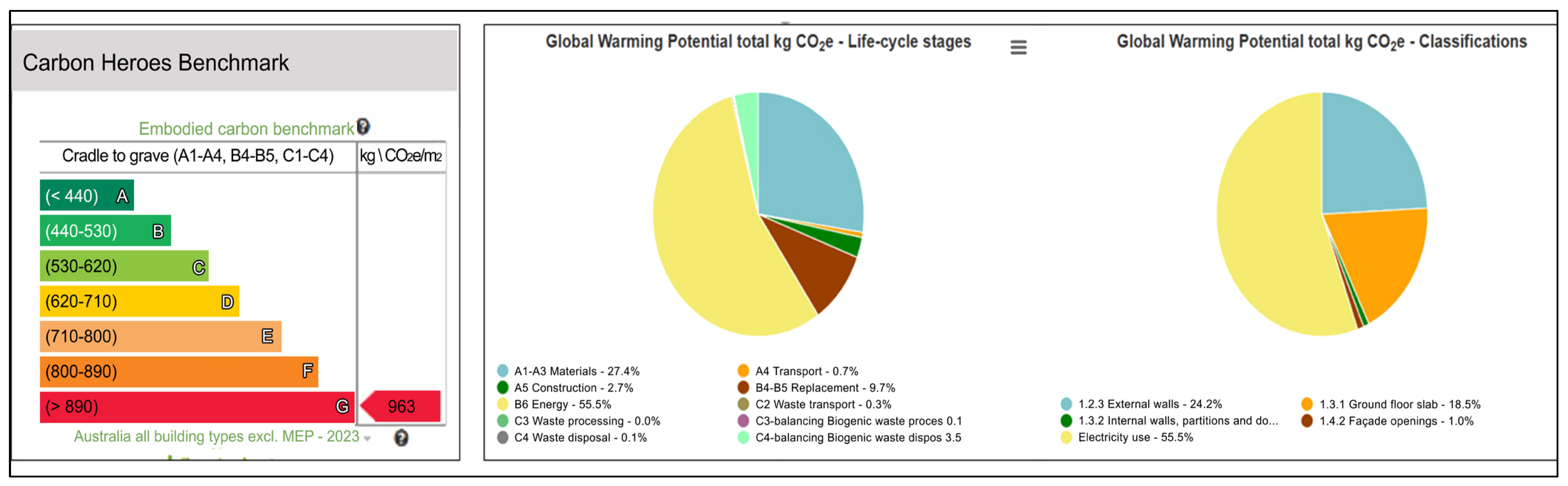
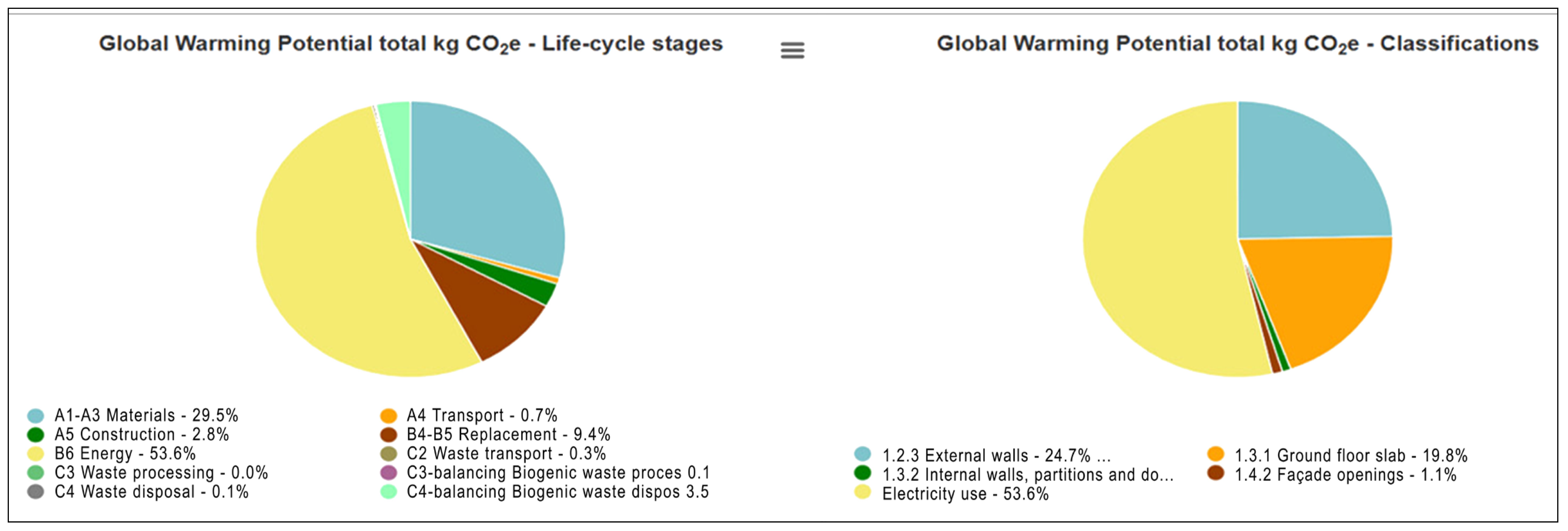
The building’s embedded carbon density was 963 kg CO2 e/m2, placing it in category G according to reference indices and well above the target threshold of <440 kg CO2 e/m2. This highlights the urgent need for low-emission materials and technologies. The 25-year lifecycle assessment revealed that the operational phase contributed the largest share of greenhouse gas emissions (55.5%), followed by material production (27.4%) and replacement (9.7%), while transportation, construction, and end-of-life phases had relatively minor impacts. At the component level, electricity accounted for the highest emissions, with exterior walls (24.2%) and floors (18.5%) also representing significant contributors, as shown in Figure 11.
The baseline scenario results confirm that temperature control alone, despite its direct influence on energy use and emissions, is not a sustainable long-term strategy. A more effective approach combines moderate temperature regulation with enhanced envelope performance and the adoption of low-carbon materials, offering substantial reductions in both energy consumption and the carbon footprint of residential buildings in hot, arid climates.

4.2. Reflective Coating Scenario (RS)

In hot, arid climates, international standards recommend reflective roof coatings (cool roofs) with high radiative properties to reduce solar absorption and surface temperatures, thereby improving energy efficiency and lowering cooling loads. ASHRAE 90.1 and Cool Roof Rating Council guidelines specify a minimum solar reflectance of 75%, with optimal performance achieved at 80–88%. Thermal emittance values below 0.85, measured by ASTM C1371, are advised to enhance nighttime heat dissipation.
Under LEED v4.1 Heat Island Reduction criteria, the Solar Reflectance Index (SRI) should exceed 80 for low-slope roofs, with an aged value of at least 64 after three years. For durability, ASTM D6083 recommends a coating thickness of 0.25–0.50 mm for liquid-applied acrylic and silicone systems [58]. These properties were incorporated into the DesignBuilder simulations, in which reflective coatings (RS) were first applied to walls at three set-point temperatures and subsequently to both walls and roofs (W&R-RS).
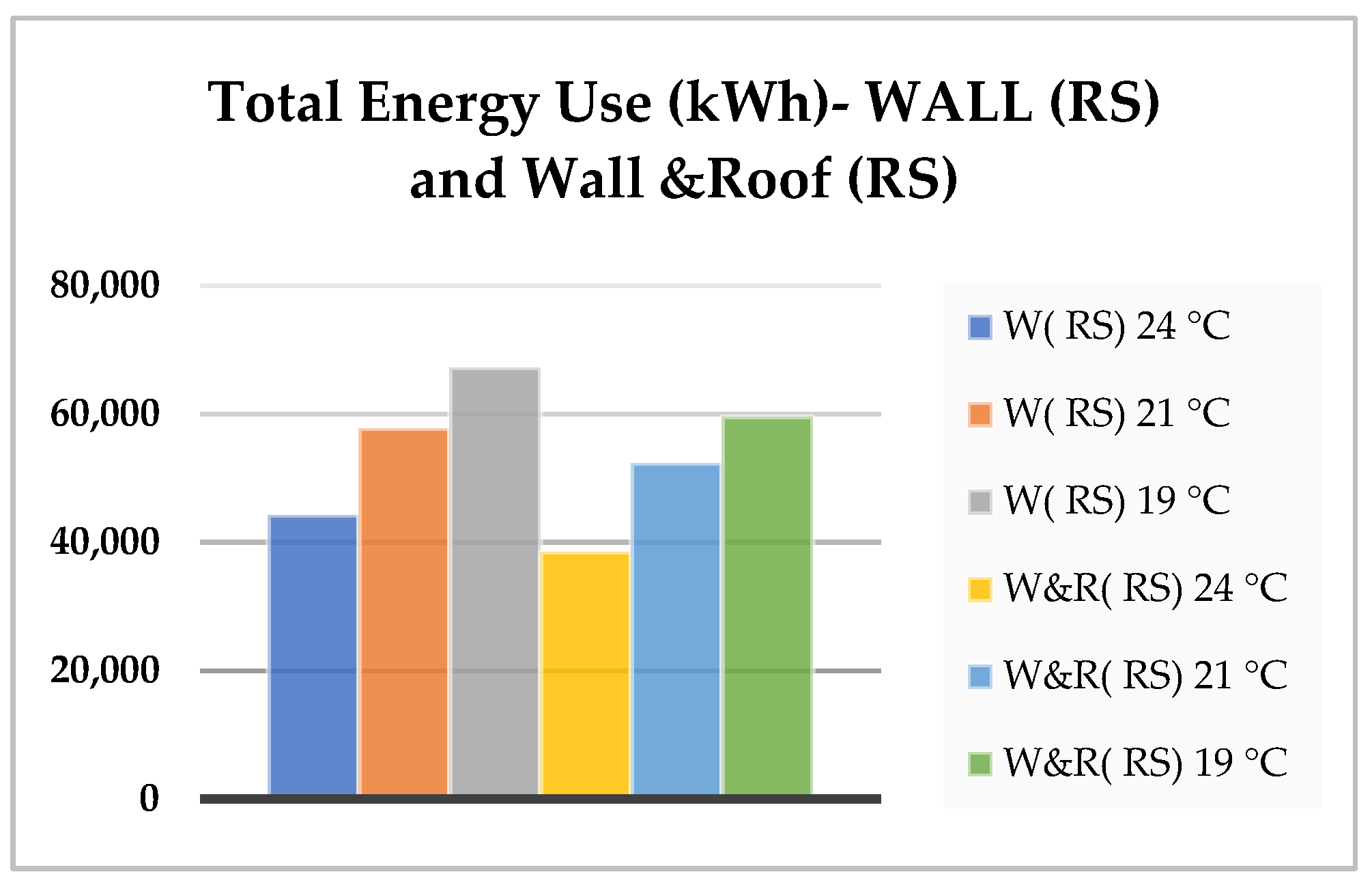
The comparative analysis of energy consumption between the wall-only (W(RS)) and wall-and-roof (W&R(RS)) reflective coating scenarios demonstrates the clear superiority of the combined application. As shown in Figure 12, the W&R(RS) scenario consistently achieved lower energy consumption across all set-point conditions, confirming the enhanced effectiveness of integrating reflective coatings on both walls and roofs.
At a set-point of 19 °C, energy consumption decreased from 67,193 kWh in the wall-only reflective coating scenario (W(RS)) to 59,531 kWh in the wall-and-roof scenario (W&R(RS)), representing an 11.4% reduction. Similar improvements were observed at 21 °C (9.4%) and 24 °C (12.9%). These findings demonstrate that applying reflective coatings to the roof, the element most exposed to solar radiation, provides additional energy benefits beyond wall treatment alone. Overall, the combined application to both walls and roof achieved an extra 9–13% reduction in energy consumption compared to wall-only coatings.
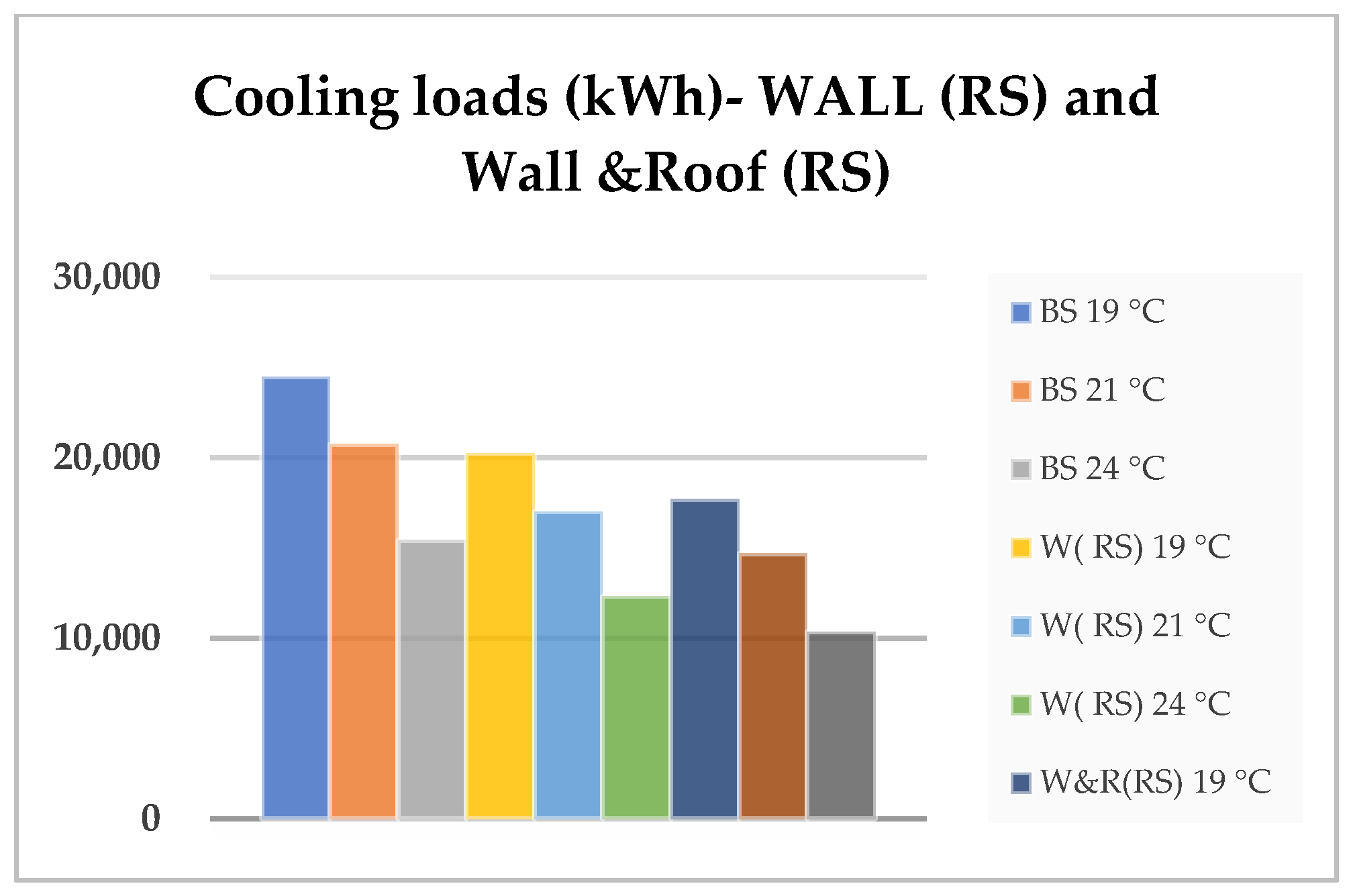
As shown in Figure 13, improvements in energy efficiency are directly reflected in reductions in cooling load. The wall-and-roof reflective coating scenario (W&R(RS)) achieved the lowest cooling loads across all set-point conditions, with reductions of up to 33% at 24 °C compared to the baseline model. In contrast, the wall-only scenario (W(RS)) achieved approximately 20% reductions, confirming the superior performance of the combined application.
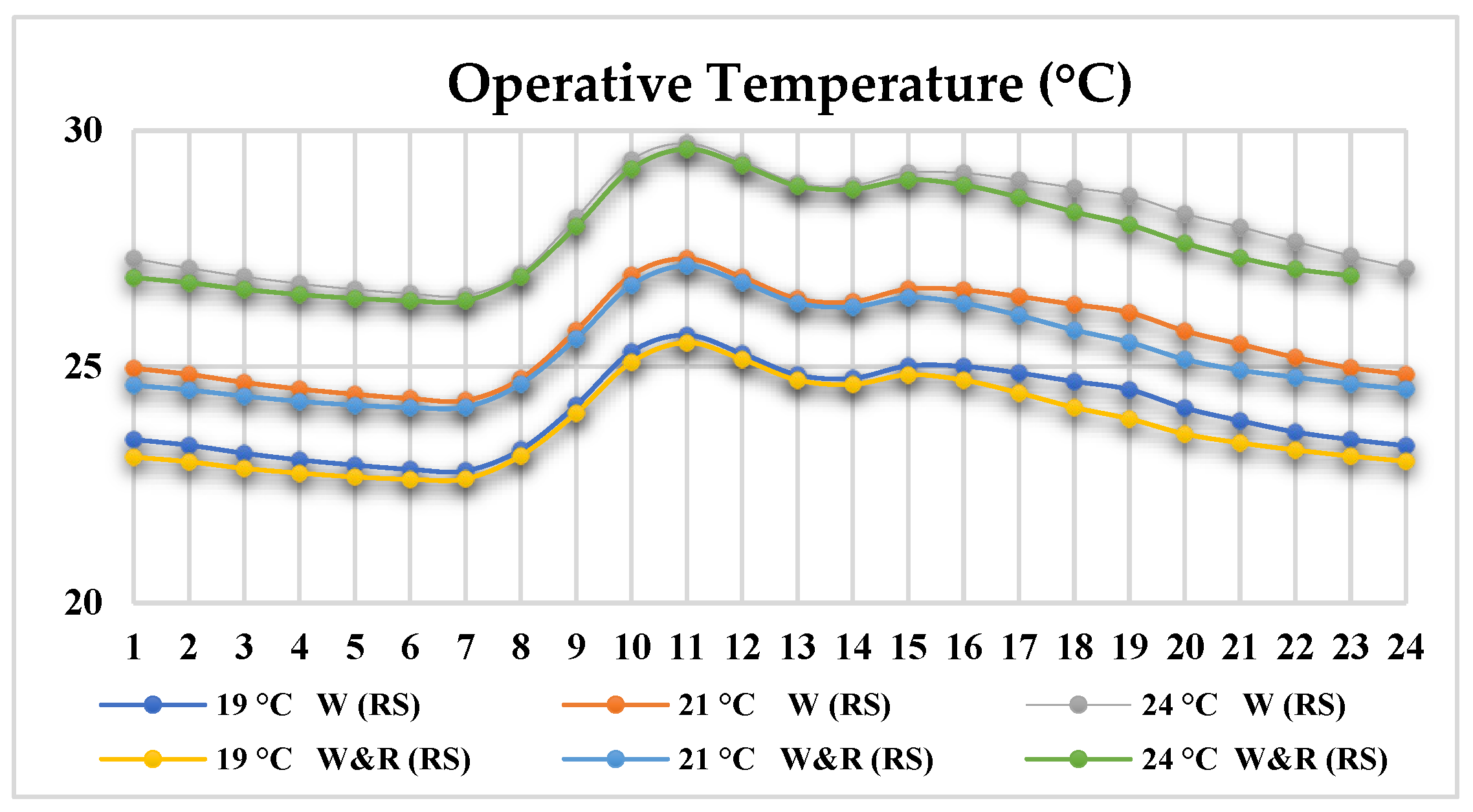
Figure 14 demonstrates that applying reflective coatings to both walls and roofs (W&R(RS)) achieves a greater and more consistent reduction in operating temperatures than wall-only application (W(RS)), particularly during peak heat periods. As operating temperature is a critical variable in thermal comfort assessment under ASHRAE Standard 55, this enhanced thermal stability improves PMV and PPD indices, thereby minimizing deviations from the recommended comfort range in hot, dry climates.
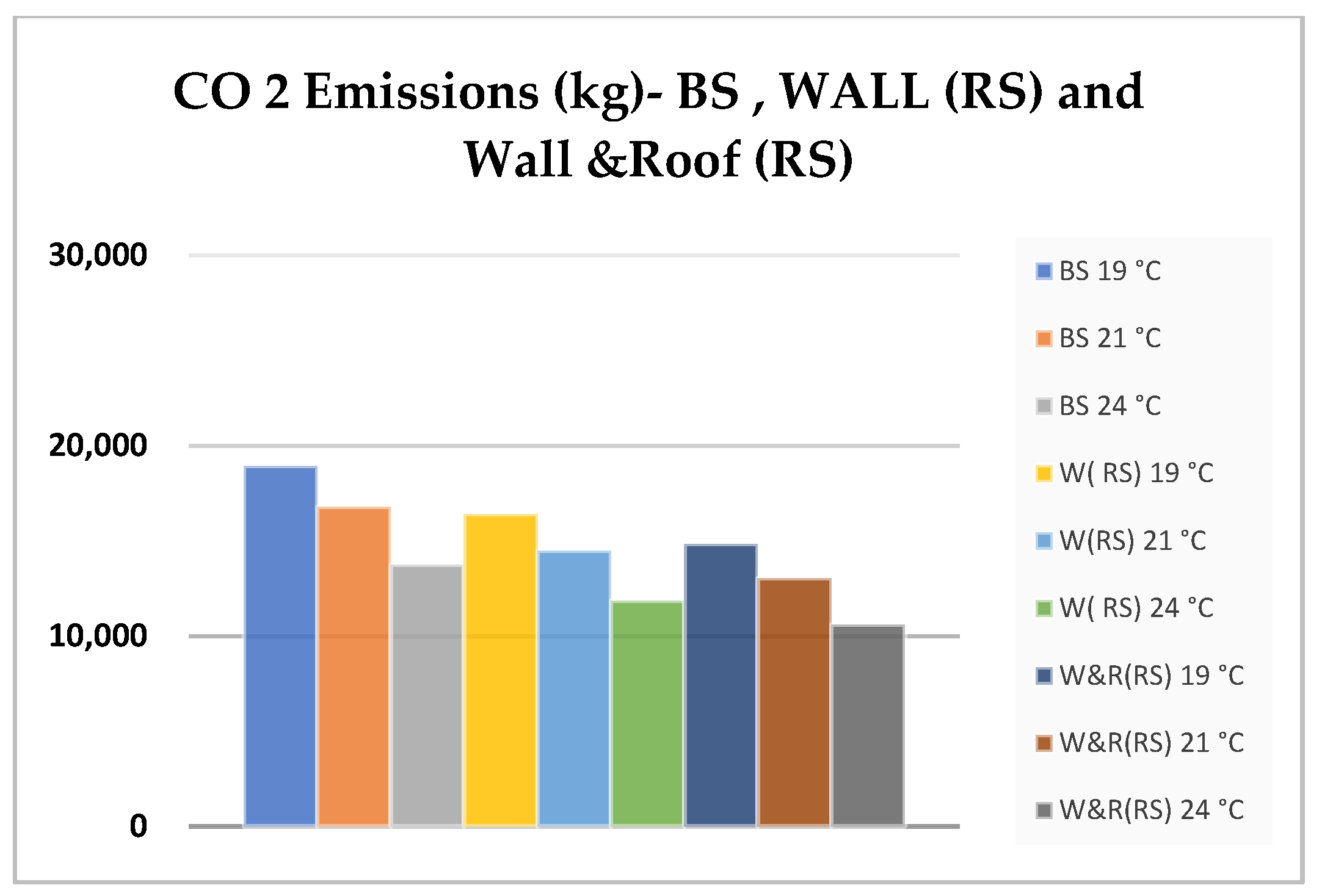
Figure 15 shows that both reflective coating scenarios (RS) achieved notable reductions in operational CO2 emissions compared to the baseline, ranging from 13.5 to 13.8% in W(RS) and 21.8–22.9% in W&R(RS). These reductions are directly linked to lower electricity consumption rather than the temperature setting itself.
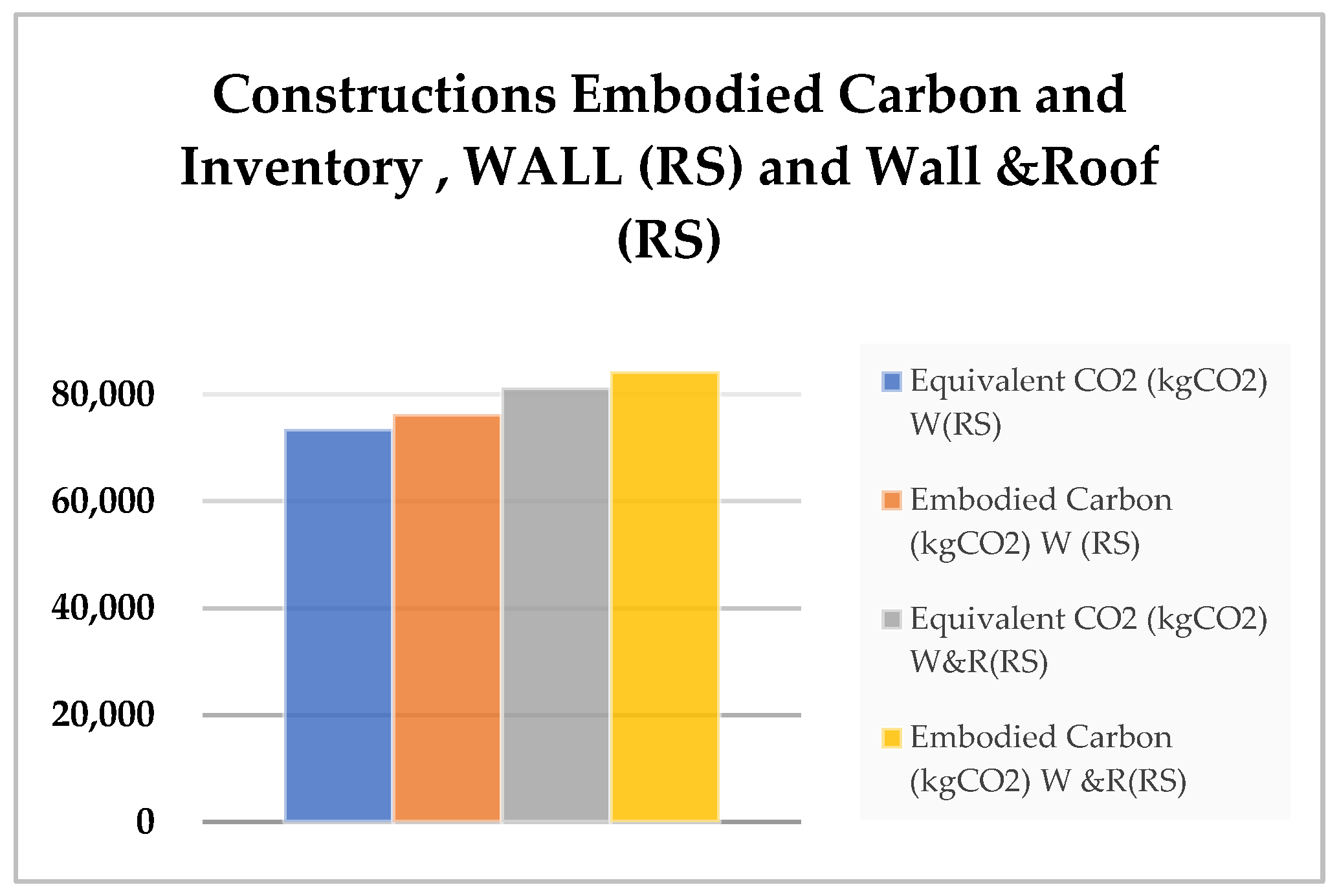
However, the life-cycle analysis Figure 16 reveals a significant environmental trade-off. The W&R(RS) scenario recorded an increase in embodied carbon of approximately 10.5% relative to W(RS), primarily due to the use of additional high-carbon-intensity materials such as concrete during production, transportation, and implementation. This study, for the first time in Iraq’s climatic context, demonstrates that the most operationally efficient solution (W&R(RS)) is not necessarily the environmentally optimal choice when assessed across the full life cycle. These findings underscore the importance of balancing operational emission reductions with embodied carbon impacts in design decision-making for sustainable buildings in hot, arid regions.
Figure 17 shows lifecycle emissions dominated by the operational phase (53.59%), followed by material production (29.53%), with other phases having minor impacts. The key insights are clear: improving operational energy efficiency is the most effective strategy in hot climates, and selecting low-carbon materials early is essential to prevent increment in the overall footprint. Applying reflective coatings to both roofs and walls deliver the greatest reductions in energy consumption and operational emissions. However, this approach also increases embodied carbon, indicating that the optimal environmental solution requires balancing operational performance with life-cycle impacts.

4.3. Thermochromic Coating Scenario (TS)

Smart materials that dynamically adjust their optical and thermal properties in response to temperature variations can significantly reduce cooling loads in hot climates. Such coatings utilize this principle by modifying their properties in response to changes in surface temperature. In thermal simulation platforms such as DesignBuilder, these coatings are typically represented in two states—cold and hot, based on a transition temperature range of 25–35 °C [41]. In this study, the thermochromic coating was modeled in the Energy Management System (EMS) of DesignBuilder software, enabling automatic changes in the material’s properties when a predefined surface-temperature threshold was exceeded.
In the hot state, the coating demonstrates low solar absorption (≈0.20), high visible reflectance (≈0.80), and high thermal emissivity (≈0.93), enabling effective radiative cooling. Under cold conditions, it exhibits higher solar absorption (≈0.60–0.70), facilitating heat gain. The assumed physico-thermal properties were density ≈ 1200 kg/m3, specific heat capacity ≈ 1000 J/(kg·K), and thermal conductivity ≈ 0.20 W/(m·K). Simulations were conducted in two phases: coating applied only to walls (W(TS)) and to both walls and roofs (W&R(TS)) to assess the influence of adaptive behavior on building energy and environmental performance.
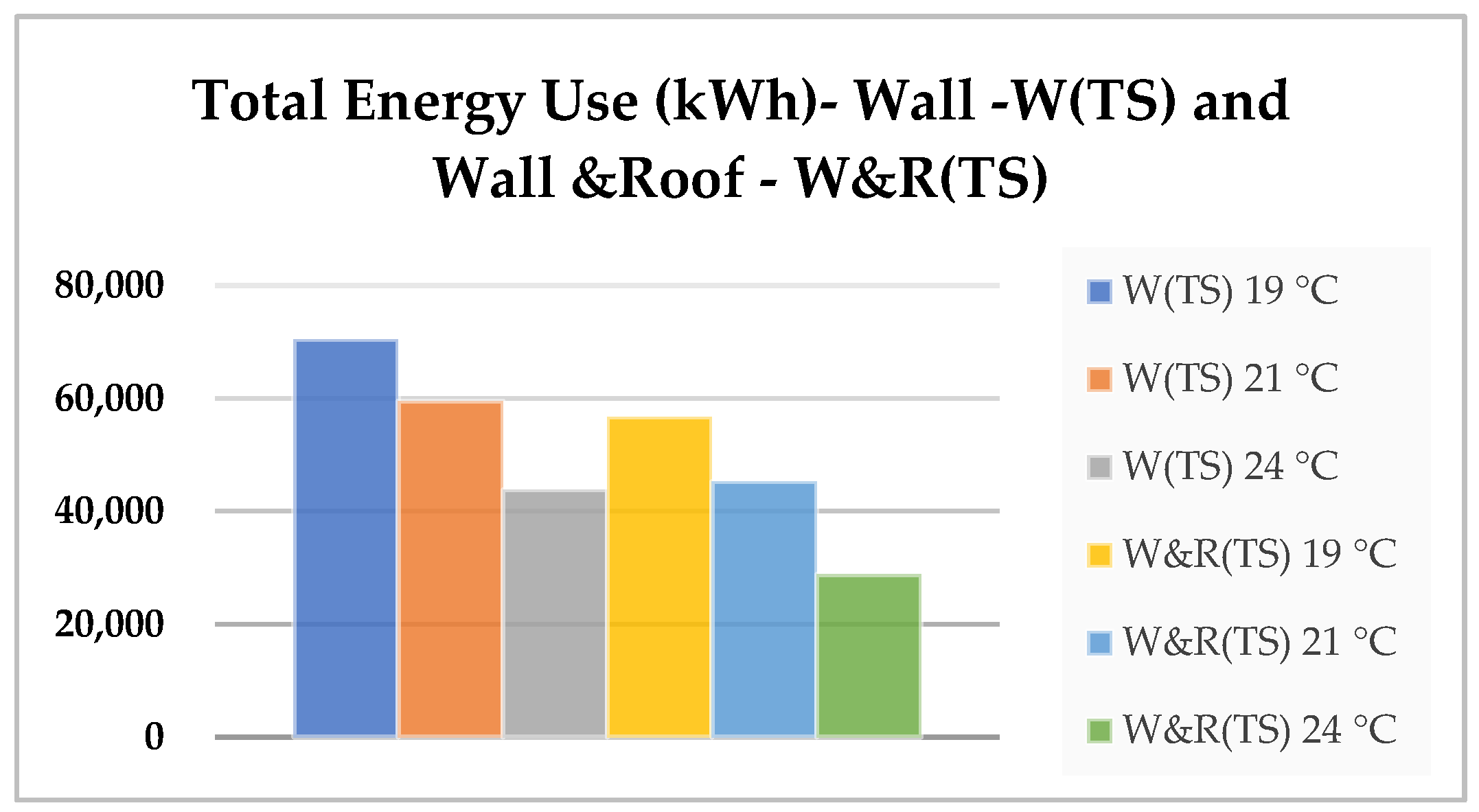
Comparative results show that the wall-and-roof thermochromic coating scenario (W&R(TS)) achieved the greatest reductions in energy consumption across all set-point conditions (19, 21, and 24 °C), consistently outperforming the wall-only scenario (W(TS)). At 19 °C, annual consumption fell from 70,440 kWh in W(TS) to 56,766 kWh in W&R(TS), a reduction of about 19%. The savings increased to 24% at 21 °C and 34% at 24 °C, as illustrated in Figure 18.
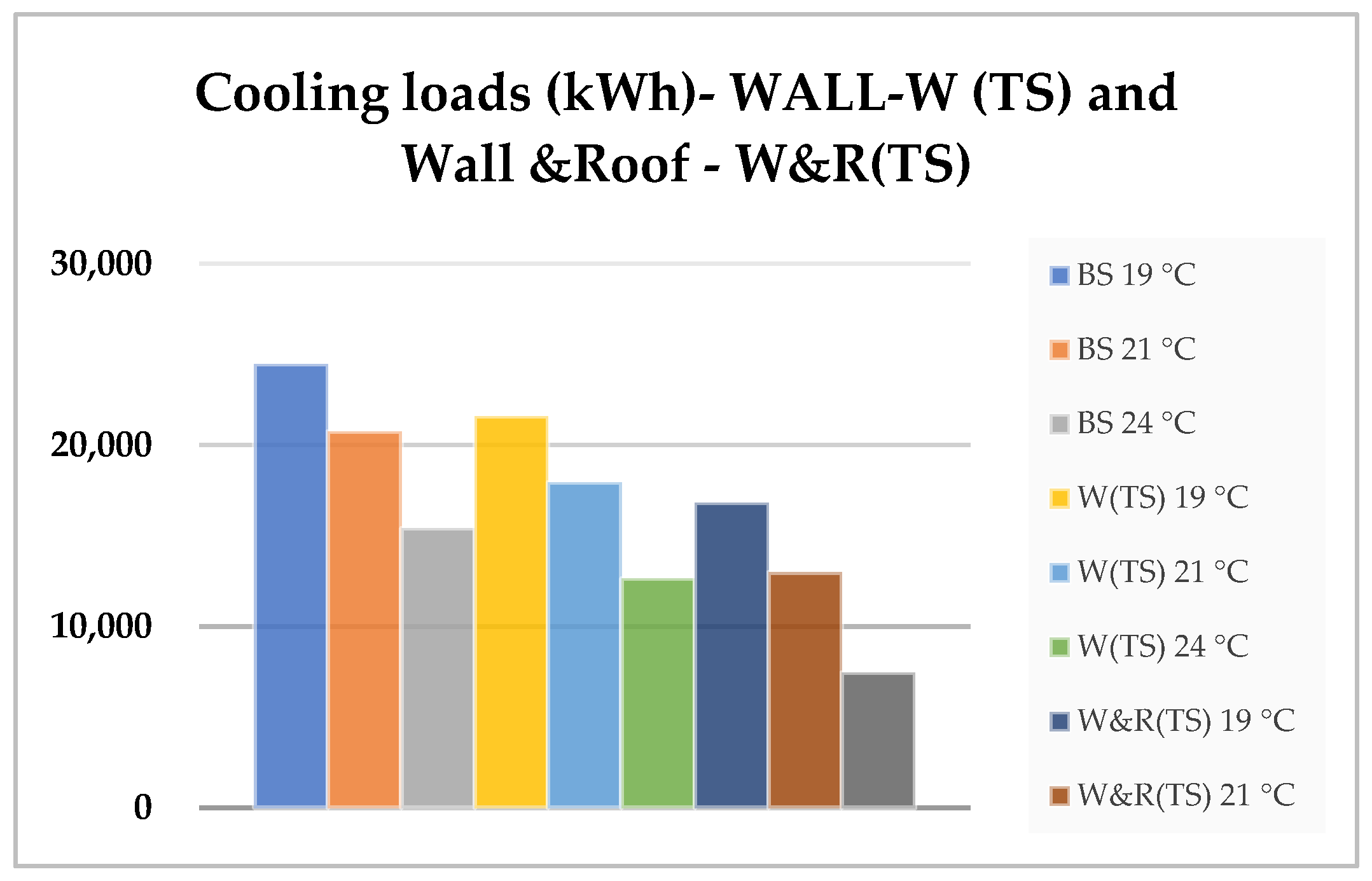
The increasing efficiency at higher temperature settings is attributed to the adaptive behavior of thermochromic coatings, particularly when applied to roofs, the surfaces most exposed to solar radiation. As surface temperatures rise, the coatings transition to a state of higher solar reflectivity and thermal emissivity, thereby reducing radiative heat gain and limiting heat transfer to indoor spaces. Figure 19 shows that the wall-and-roof thermochromic coating scenario (W&R(TS)) achieved cooling load reductions of 31.2%, 37.5%, and 51.7% compared to the baseline (BS) model at 19, 21, and 24 °C, respectively. It also outperformed the wall-only scenario (W(TS)), achieving reductions of 22.1% to 41.1%. These findings confirm that combining the coating’s adaptive behavior with full surface coverage delivers the highest energy efficiency.
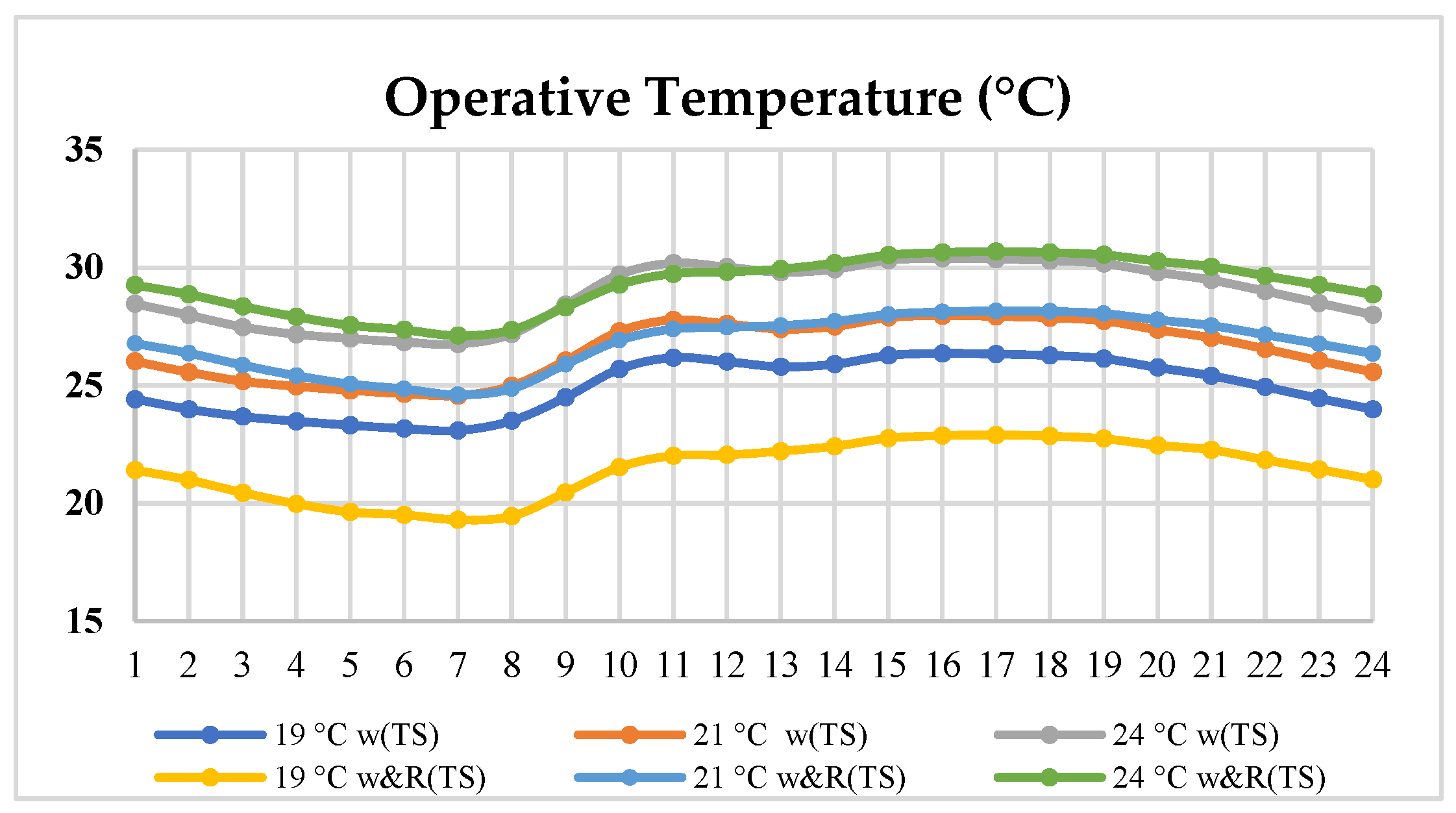
Figure 20 illustrates that the thermally altered color coating scenario applied to walls and ceilings (W&R(TS)) achieves lower and more stable operating temperatures compared to the scenario of application to walls only (W(TS)) at all considered setting temperatures. Since operating temperature is a key input in calculating the PMV and PPD indices according to ASHRAE Standard 55, this consistent decrease contributes to improved thermal comfort indices and a reduction in the percentage of dissatisfied customers, bringing indoor operating conditions closer to the acceptable thermal comfort range (−0.5 ≤ PMV ≤ +0.5), particularly during peak heat hours.
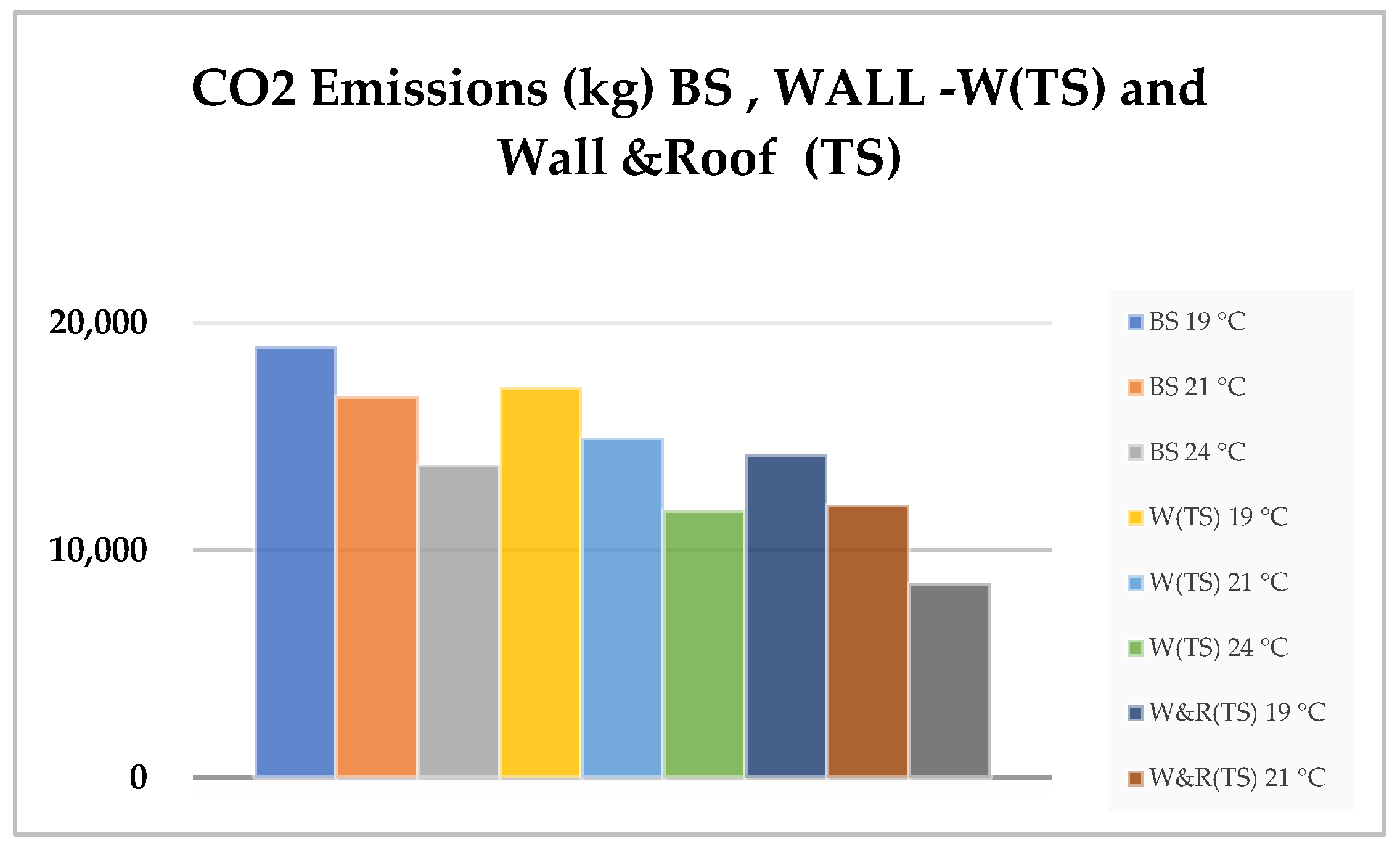
Figure 21 demonstrates that the W&R(TS) scenario consistently achieved the lowest operational CO2 emissions across all temperature settings, with reductions of up to 38% relative to the baseline (BS) model. These reductions should not be interpreted as a direct consequence of higher temperature settings; rather, they result from the substantial decrease in electricity consumption enabled by the improved thermal performance of the building envelope. Accordingly, the observed relationship between operating temperature and CO2 emissions is indirect: emissions decline because energy demand during the operational phase (B6) is reduced, not because temperature itself exerts an intrinsic influence on emissions. This distinction is critical, as it highlights the building envelope’s adaptive performance as the primary driver of operational carbon savings. By clarifying this causal mechanism, the analysis addresses potential misinterpretations and reinforces the robustness of the study’s conclusions regarding energy–emission dynamics in hot climates.
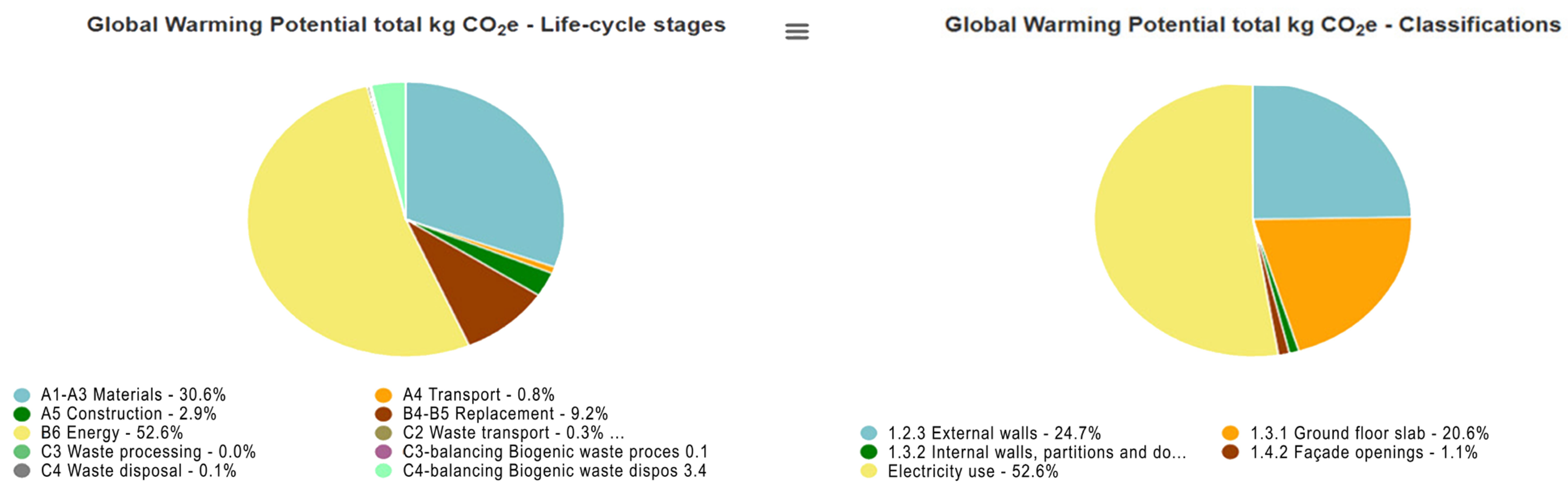
Figure 22 illustrates the life-cycle distribution of carbon emissions, with the operating phase (B6) contributing the largest share at 52.6%, followed by material production (A1–A3) at 36% and replacement and maintenance at 9.2%. This distribution confirms that operational performance is the dominant factor shaping overall environmental outcomes. The superior performance of the W&R(TS) scenario is therefore primarily attributable to its substantial reduction in operational emissions, positioning it as the most effective long-term strategy for buildings in hot, arid climates.
The combined application of thermochromic coatings to both walls and roofs (W&R(TS)) demonstrates a distinct advantage over all other scenarios, yielding superior reductions in energy consumption, enhanced internal thermal stability, and lower operational emissions. This performance is attributable to the coating’s dynamic adaptive behavior, which enables it to adjust its thermal properties in response to temperature fluctuations. Such adaptability fundamentally differentiates thermochromic coatings from conventional reflective coatings with fixed properties, positioning W&R(TS) as a more effective strategy for optimizing building performance in hot, arid climates.

5. Conclusions

This study, conducted in the hot, dry climate of Karbala, evaluates the role of smart coatings in enhancing the energy and environmental performance of residential building envelopes by integrating energy consumption simulations with life-cycle analysis. Unlike prior research that often-reported general trends, this work advances a more detailed physical and applied understanding of how the physical properties of coatings interact with heat transfer, operating loads, and carbon emissions.
The findings demonstrate that energy optimization is not solely dependent on increased solar reflectivity, as in reflective (RS) coatings, but is critically influenced by the adaptive behavior of thermochromic (TS) materials. While RS coatings statically reduce heat gain, TS coatings dynamically adjust their physical and thermal properties in response to surface temperature. This adaptability explains their superior performance on both walls and roofs, as it limits heat gain during peak solar exposure while simultaneously reducing heat loss at lower temperatures. The result shows greater internal thermal stability compared to coatings with fixed properties.
From an environmental perspective, the study confirms that reductions in CO2 emissions are directly linked to decreased operational energy consumption rather than to thermal regulation alone. Life-cycle analysis further reveals that the operational phase is the dominant source of carbon emissions, underscoring that the effectiveness of smart coatings lies primarily in their capacity to reduce long-term energy demand. Within this framework, the W&R(TS) scenario emerges as the most sustainable option, balancing energy performance, thermal stability, and operational emissions more effectively than reflective coatings. Scientifically, the study contributes by systematically linking the thermal behavior of smart materials to energy consumption and emissions within a life-cycle assessment framework. It demonstrates that environmental superiority cannot be explained solely by solar reflectance indices but requires deeper insight into thermal regulation mechanisms and their role in shaping operational loads. Practically, the results provide a quantitative basis for design decisions in hot, arid climates. They show that selecting appropriate smart coatings early in the design process can deliver measurable improvements in energy efficiency, thermal comfort, and carbon footprint reduction without necessitating costly structural interventions.
Finally, while the overall trend of reduced consumption and emissions may appear predictable, the magnitude of the reductions and the clear differences among coating types highlight that not all surface solutions perform equally well. Thermochromic coatings represent a more advanced category of passive solutions that respond to climate variability, offering a promising pathway to enhance building resilience and sustainability in hot, dry environments.

6. Recommendation

Based on thermal simulation results and lifecycle assessment of the studied residential building in Karbala’s hot and dry climate, the study recommends the following:
1.
Retrofit Strategy—Reflective Coatings (W&R(RS)):
  • Recommended for existing residential buildings as a low-intrusion retrofit solution.
  • Achieves 9–13% reduction in operational energy consumption and up to 33% reduction in cooling loads.
  • However, lifecycle assessment reveals an increase in embodied carbon (~10.5%), which must be considered in early-stage design decisions.
2.
New Construction Strategy—Thermochromic Coatings (W&R(TS)):
  • Recommended for new buildings with long operational horizons in hot, arid climates.
  • Provides up to 38% reduction in operational CO2 emissions and improves internal thermal stability.
  • Demonstrates superior lifecycle performance compared to reflective coatings, balancing both operational and embodied carbon impacts.
3.
Envelope Optimization vs. Mechanical Cooling:
  • Lowering thermostat setpoints (e.g., from 24 °C to 19 °C) increases energy consumption by more than 58% in baseline scenarios.
  • Smart coatings achieve ASHRAE 55 thermal comfort without lowering setpoints, proving that envelope optimization is a more efficient and sustainable strategy than aggressive cooling adjustments.

Author Contributions

Conceptualization, H.I.A.; Methodology, H.I.A.; Software, Z.N.A. and S.S.S.; Formal analysis, Z.N.A. and S.S.S.; Investigation, H.I.A.; Resources, Z.N.A.; Data curation, Z.N.A. and S.S.S.; Writing—original draft, Z.N.A. and S.S.S.; Writing—review & editing, H.I.A. and Z.M.M.; Visualization, Z.N.A. and S.S.S.; Supervision, H.I.A. All authors have read and agreed to the published version of the manuscript.

Funding

This research received no external funding.

Data Availability Statement

The data presented in this study are available on request from the corresponding author.

Acknowledgments

The authors would like to thank the College of Engineering, University of Kerbala, Iraq, and the Department of Construction and Projects, University of Al-Qadisiyah, Iraq, for their support. As a group of lecturers working in these departments, they express their gratitude to the department and their university.

Conflicts of Interest

The authors declare no conflicts of interest.

Appendix A

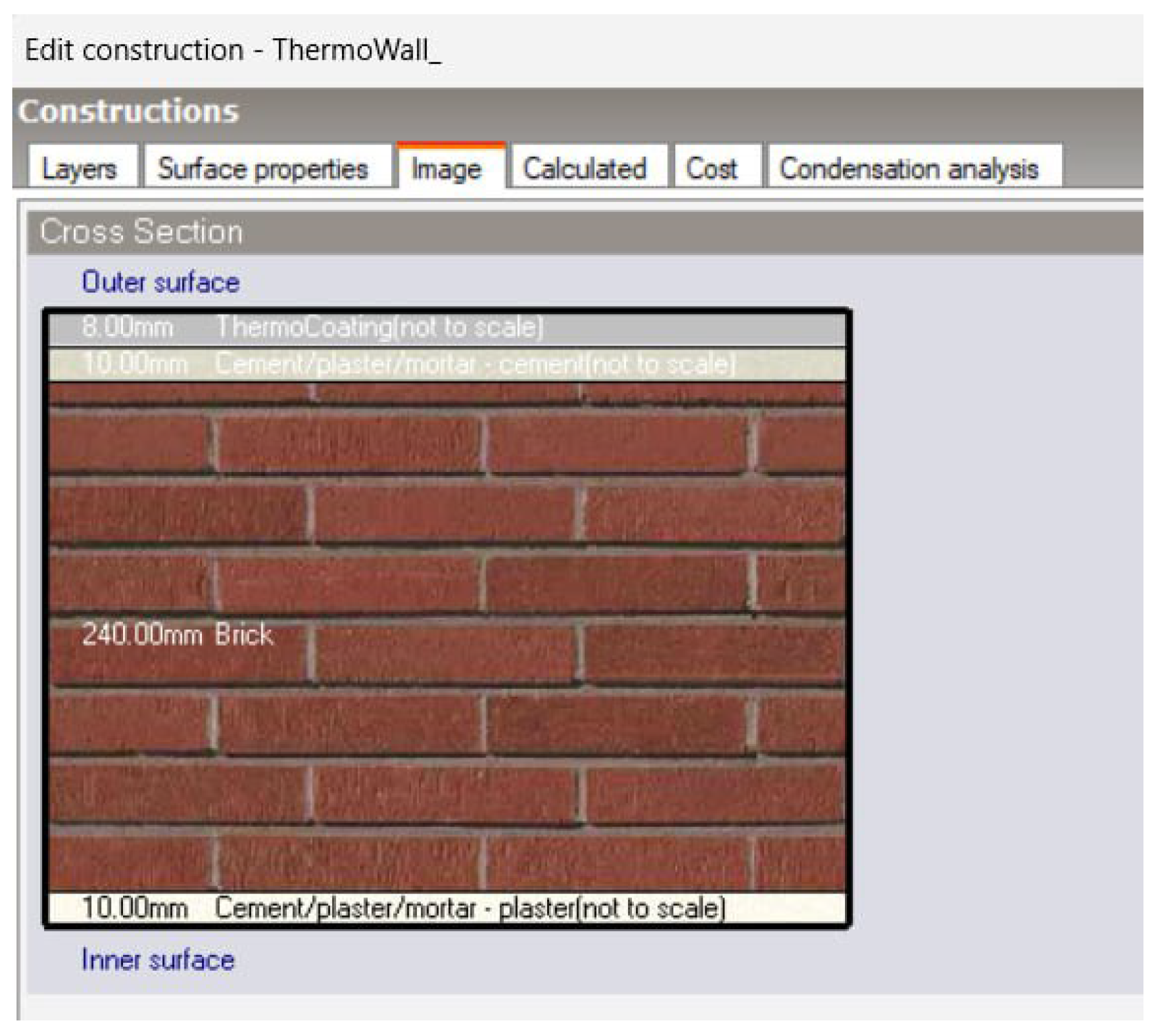
Figure A1. Shows layer of Thermo Wall in DesignBuilder.
Energies 19 00990 g0a1
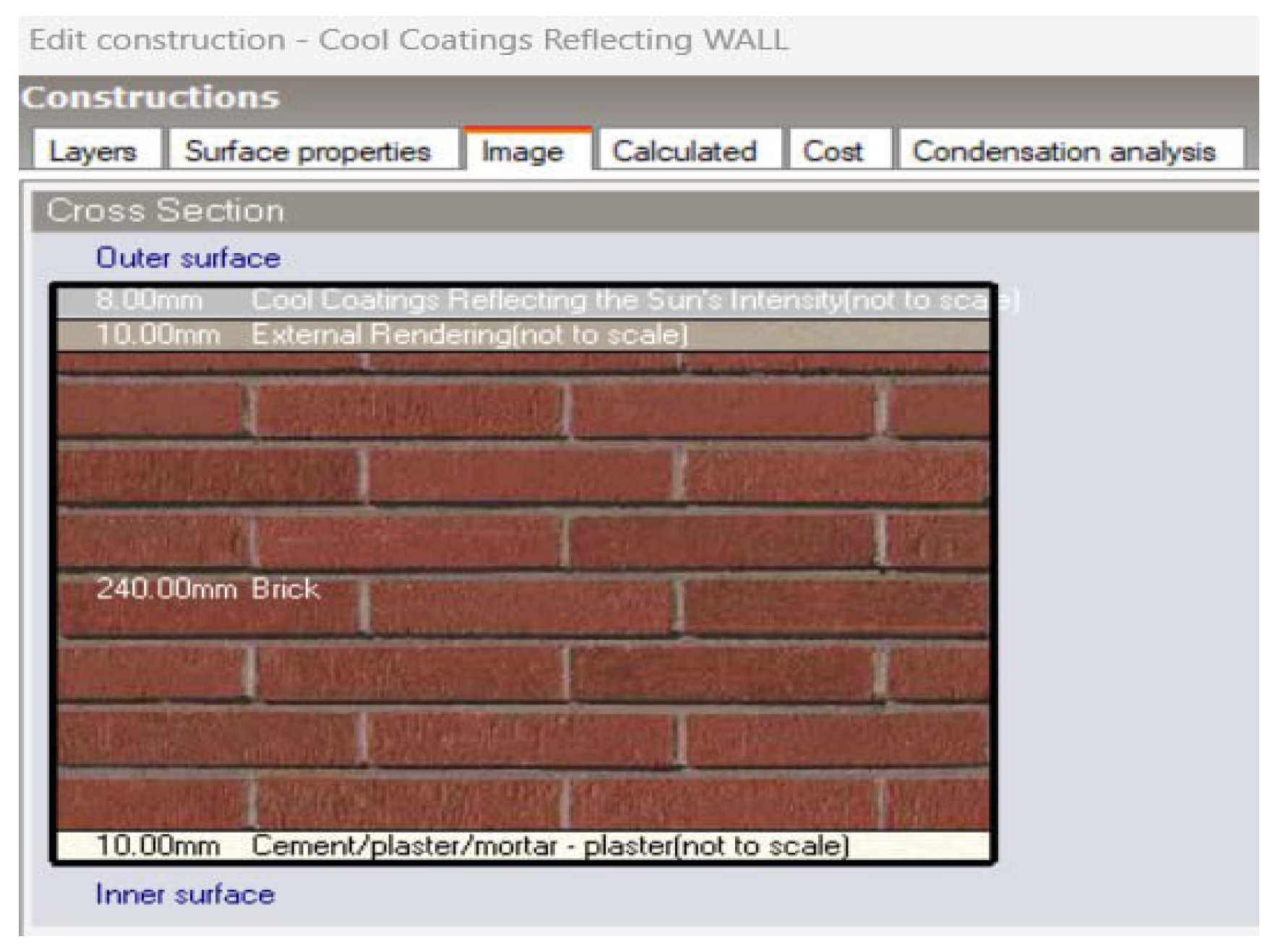
Figure A2. Layer of Cool Coating Reflecting Wall in DesignBuilder.
Energies 19 00990 g0a2
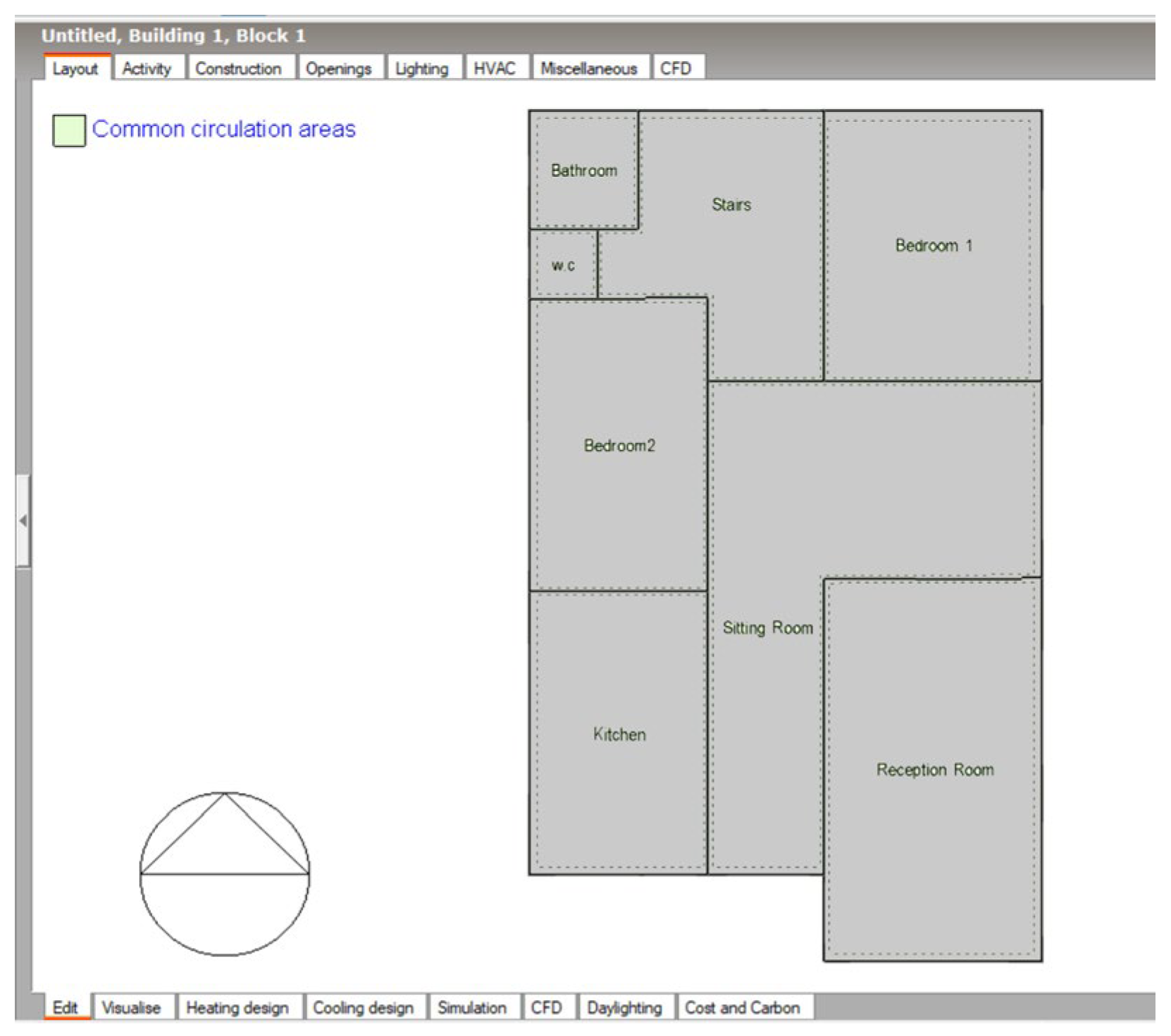
Figure A3. Ground Floor Plan for House.
Energies 19 00990 g0a3
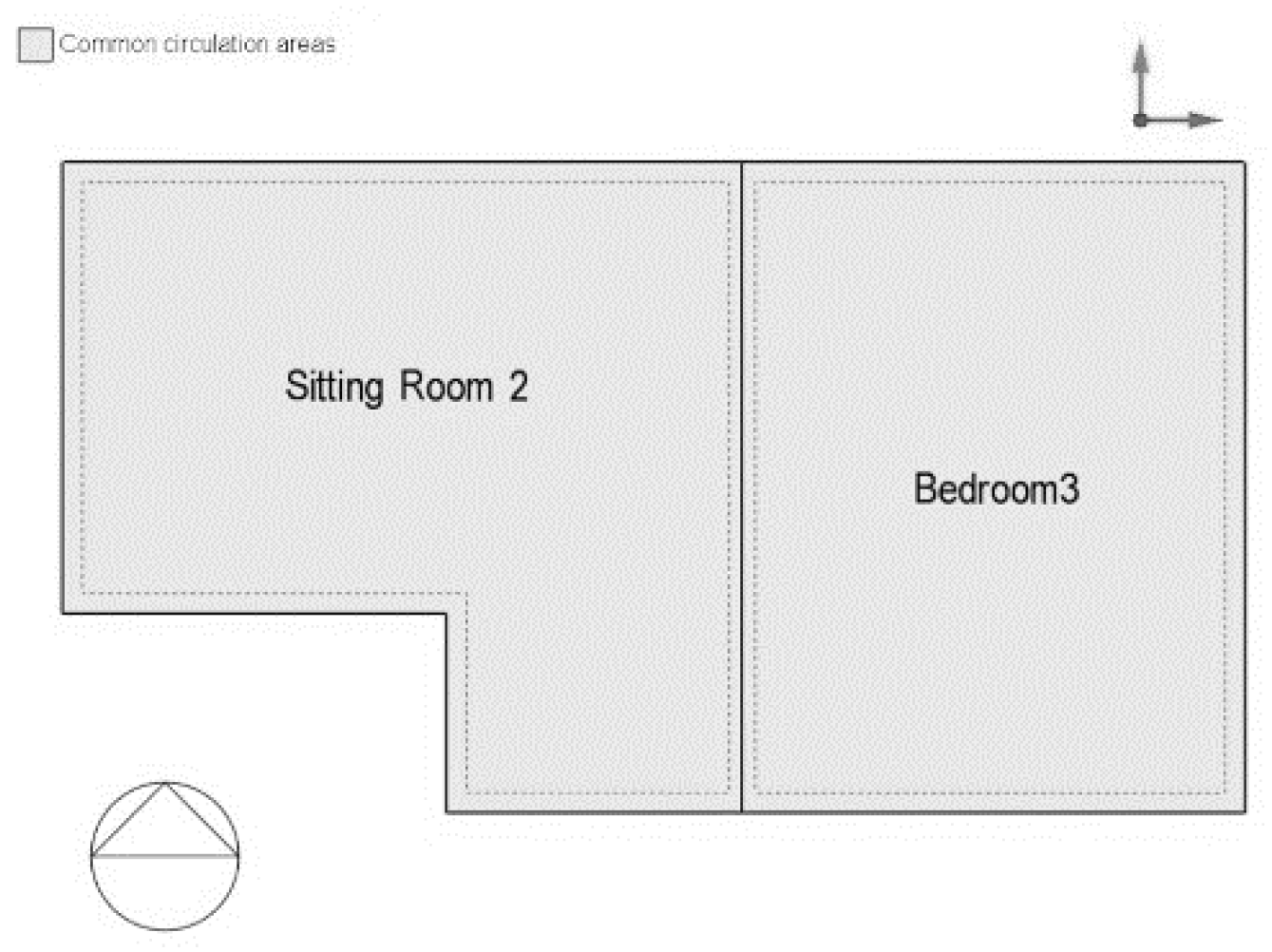
Figure A4. First Floor Plan for House.
Energies 19 00990 g0a4
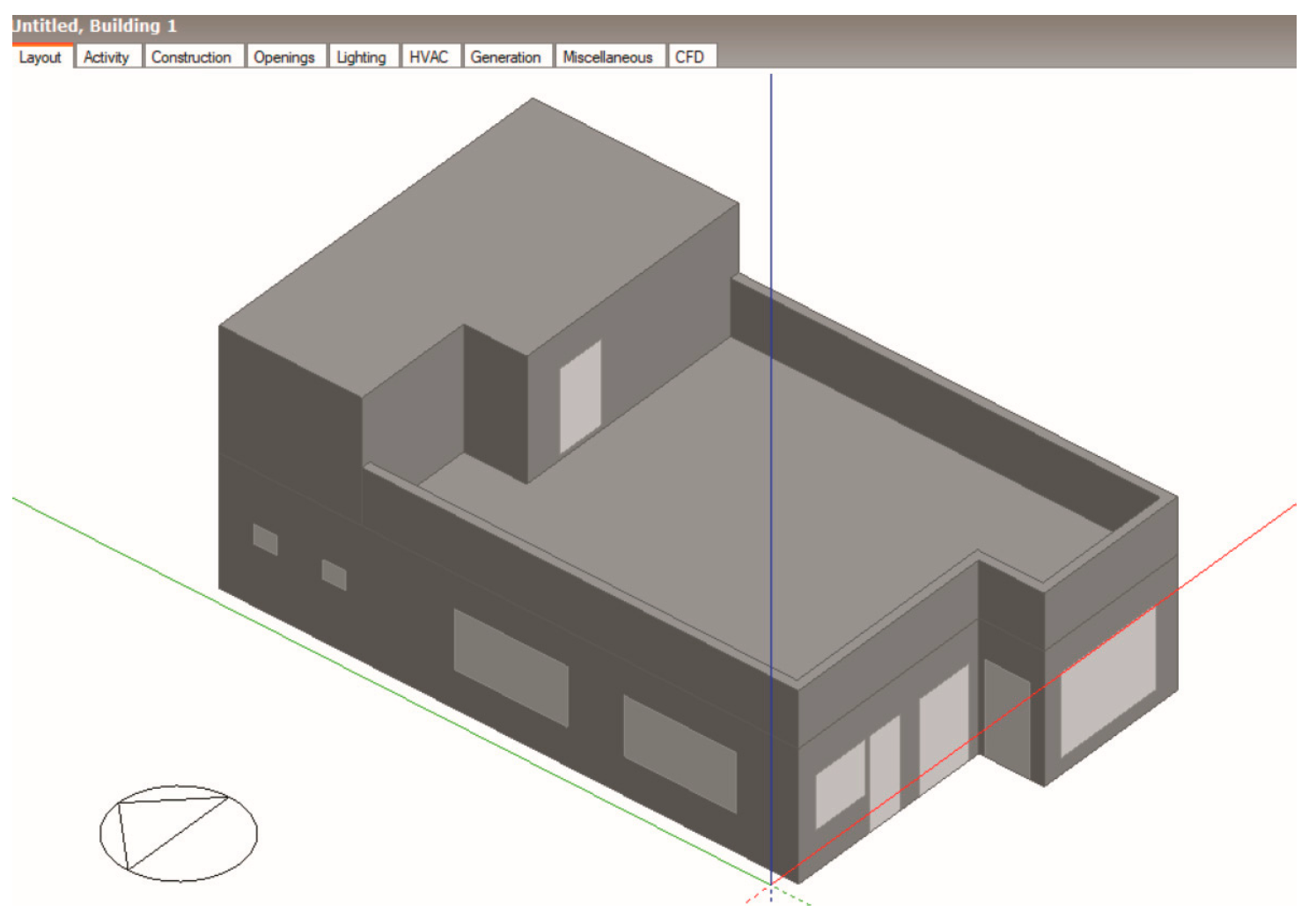
Figure A5. The 3D model of the residential building used in thermal simulation within the DesignBuilder software.
Energies 19 00990 g0a5
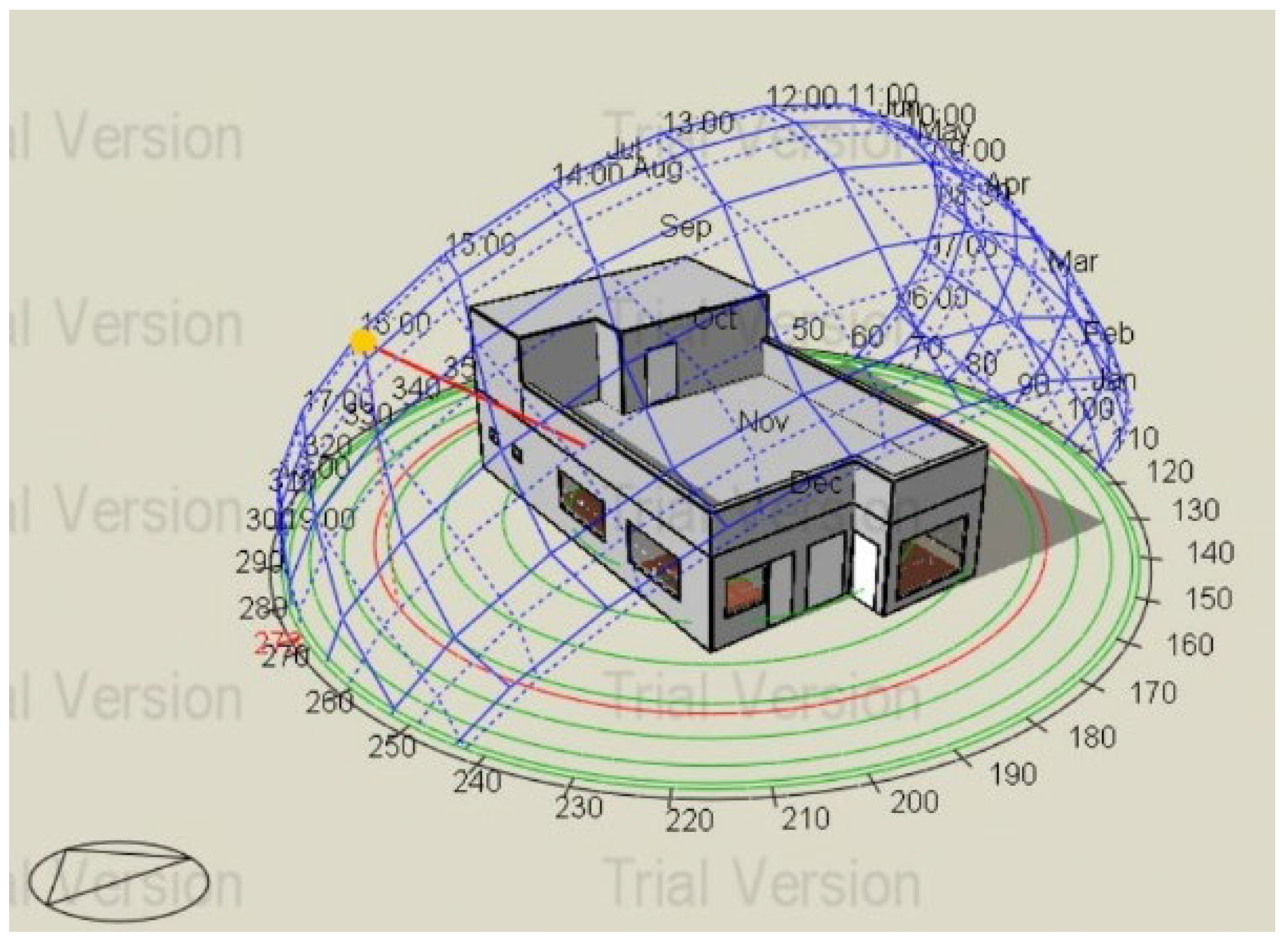
Figure A6. Building orientation and annual solar path of the 3D model within the DesignBuilder software.
Energies 19 00990 g0a6

References

  1. Mills, R.; Salman, M. Powering Iraq: Challenges Facing the Electricity Sector in Iraq; FES: Berlin, Germany, 2020. [Google Scholar]
  2. Al-Yozbaky, O.S.A.-D.; Khalel, S.I. The Future of Renewable Energy in Iraq: Potential and Challenges. Indones. J. Electr. Eng. Inform. (IJEEI) 2022, 10, 273–291. [Google Scholar] [CrossRef]
  3. Burgermeister, J. Iraq Looks to Solar Energy to Help Rebuild Its Economy. Renewable Energy World, 3 March 2009. Available online: http://arizonaenergy.org/News_09/News_Mar09/Iraq%20Looks%20to%20Solar%20Energy%20To%20Help%20Rebuild%20its%20Economy.htm (accessed on 10 January 2026).
  4. Globalcarbonbudget Fossil Fuel CO2 Emissions Hit Record High in 2025. Available online: https://globalcarbonbudget.org/ (accessed on 6 January 2026).
  5. Worldometers Iraq CO2 Emissions in 2025. Available online: https://www.worldometers.info/co2-emissions/iraq-co2-emissions/ (accessed on 6 January 2026).
  6. Al-Kayiem, H.H.; Mohammad, S.T. Potential of Renewable Energy Resources with an Emphasis on Solar Power in Iraq: An Outlook. Resources 2019, 8, 42. [Google Scholar] [CrossRef]
  7. Hailu, G. 8—Energy Systems in Buildings. In Energy Services Fundamentals and Financing; Borge-Diez, D., Rosales-Asensio, E., Eds.; Academic Press: Cambridge, MA, USA, 2021; pp. 181–209. ISBN 978-0-12-820592-1. [Google Scholar]
  8. Kheiri, F. A Review on Optimization Methods Applied in Energy-Efficient Building Geometry and Envelope Design. Renew. Sustain. Energy Rev. 2018, 92, 897–920. [Google Scholar] [CrossRef]
  9. Grande-Acosta, G.K.; Islas-Samperio, J.M. Boosting Energy Efficiency and Solar Energy inside the Residential, Commercial, and Public Services Sectors in Mexico. Energies 2020, 13, 5601. [Google Scholar] [CrossRef]
  10. Zhao, D.; Aili, A.; Yin, X.; Tan, G.; Yang, R. Roof-Integrated Radiative Air-Cooling System to Achieve Cooler Attic for Building Energy Saving. Energy Build. 2019, 203, 109453. [Google Scholar] [CrossRef]
  11. Nie, X.; Flores, R.; Brouwer, J.; Lee, J. Energy and Cost Savings of Cool Coatings for Multifamily Buildings in U.S. Clim Zones. Adv. Appl. Energy 2024, 13, 100159. [Google Scholar] [CrossRef]
  12. Yoon, S.; Kim, M.; Seo, J.; Kim, S.; Lee, H.; Lee, J.; Lee, B.J. Performance Analysis of a Hybrid HVAC System Consisting of a Solar Thermal Collector and a Radiative Cooling Panel. Energy Build. 2021, 241, 110921. [Google Scholar] [CrossRef]
  13. Zhao, B.; Hu, M.; Ao, X.; Chen, N.; Pei, G. Radiative Cooling: A Review of Fundamentals, Materials, Applications, and Prospects. Appl. Energy 2019, 236, 489–513. [Google Scholar] [CrossRef]
  14. Tang, K.; Dong, K.; Li, J.; Gordon, M.P.; Reichertz, F.G.; Kim, H.; Rho, Y.; Wang, Q.; Lin, C.-Y.; Grigoropoulos, C.P. Temperature-Adaptive Radiative Coating for All-Season Household Thermal Regulation. Science 2021, 374, 1504–1509. [Google Scholar] [CrossRef]
  15. Sui, C.; Pu, J.; Chen, T.-H.; Liang, J.; Lai, Y.-T.; Rao, Y.; Wu, R.; Han, Y.; Wang, K.; Li, X. Dynamic Electrochromism for All-Season Radiative Thermoregulation. Nat. Sustain. 2023, 6, 428–437. [Google Scholar] [CrossRef]
  16. Synnefa, A.; Santamouris, M.; Akbari, H. Estimating the Effect of Using Cool Coatings on Energy Loads and Thermal Comfort in Residential Buildings in Various Climatic Conditions. Energy Build. 2007, 39, 1167–1174. [Google Scholar] [CrossRef]
  17. Dabaieh, M.; Wanas, O.; Hegazy, M.A.; Johansson, E. Reducing Cooling Demands in a Hot Dry Climate: A Simulation Study for Non-Insulated Passive Cool Roof Thermal Performance in Residential Buildings. Energy Build. 2015, 89, 142–152. [Google Scholar] [CrossRef]
  18. Yazdani, H.; Baneshi, M. Building Energy Comparison for Dynamic Cool Roofs and Green Roofs under Various Climates. Sol. Energy 2021, 230, 764–778. [Google Scholar] [CrossRef]
  19. Chi, F.; Liu, Y.; Yan, J. Integration of Radiative-Based Air Temperature Regulating System into Residential Building for Energy Saving. Appl. Energy 2021, 301, 117426. [Google Scholar] [CrossRef]
  20. Chen, J.; Lu, L. Comprehensive Evaluation of Thermal and Energy Performance of Radiative Roof Cooling in Buildings. J. Build. Eng. 2021, 33, 101631. [Google Scholar] [CrossRef]
  21. Mohamed, H.I.; Lee, J.; Chang, J.D. The Effect of Exterior and Interior Roof Thermal Radiation on Buildings Cooling Energy. Procedia Eng. 2016, 145, 987–994. [Google Scholar] [CrossRef]
  22. Chen, J.; Lu, L.; Gong, Q. Techno-Economic and Environmental Evaluation on Radiative Sky Cooling-Based Novel Passive Envelope Strategies to Achieve Building Sustainability and Carbon Neutrality. Appl. Energy 2023, 349, 121679. [Google Scholar] [CrossRef]
  23. Tatíčková, Z.; Kudláček, J.; Zoubek, M.; Kuchař, J. Behaviour of Thermochromic Coatings under Thermal Exposure. Coatings 2023, 13, 642. [Google Scholar] [CrossRef]
  24. Fabiani, C.; Castaldo, V.L.; Pisello, A.L. Thermochromic Materials for Indoor Thermal Comfort Improvement: Finite Difference Modeling and Validation in a Real Case-Study Building. Appl. Energy 2020, 262, 114147. [Google Scholar] [CrossRef]
  25. Fabiani, C.; Pisello, A.L.; Bou-Zeid, E.; Yang, J.; Cotana, F. Adaptive Measures for Mitigating Urban Heat Islands: The Potential of Thermochromic Materials to Control Roofing Energy Balance. Appl. Energy 2019, 247, 155–170. [Google Scholar] [CrossRef]
  26. Aburas, M.; Soebarto, V.; Williamson, T.; Liang, R.; Ebendorff-Heidepriem, H.; Wu, Y. Thermochromic Smart Window Technologies for Building Application: A Review. Appl. Energy 2019, 255, 113522. [Google Scholar] [CrossRef]
  27. Li, Q.; Hu, T.; Luo, S.; Gao, L.; Wang, C.; Guan, Y. Evaluation of Cooling Effect and Pavement Performance for Thermochromic Material Modified Asphalt Mixtures under Solar Radiation. Constr. Build. Mater. 2020, 261, 120589. [Google Scholar] [CrossRef]
  28. Zhang, X.; Li, H.; Xie, N.; Jia, M.; Yang, B.; Li, S. Laboratorial Investigation on Optical and Thermal Properties of Thermochromic Pavement Coatings for Dynamic Thermoregulation and Urban Heat Island Mitigation. Sustain. Cities Soc. 2022, 83, 103950. [Google Scholar] [CrossRef]
  29. Soudian, S.; Berardi, U.; Laschuk, N. Development and Thermal-Optical Characterization of a Cementitious Plaster with Phase Change Materials and Thermochromic Paint. Sol. Energy 2020, 205, 282–291. [Google Scholar] [CrossRef]
  30. Dong, Y.; Meng, W.; Wang, F.; Han, H.; Liang, H.; Li, X.; Zou, Y.; Yang, C.; Xu, Z.; Yan, Y. “Warm in Winter and Cool in Summer”: Scalable Biochameleon Inspired Temperature-Adaptive Coating with Easy Preparation and Construction. Nano Lett. 2023, 23, 9034–9041. [Google Scholar] [CrossRef]
  31. Manapragada, N.; Pignatta, G. Climate-Adaptive Building Skins for Building Energy Conservation and Uhi Mitigation: Transient Building Energy Simulation with Thermochromic Coatings. In Proceedings of the CEES 2021—International Conference on Construction, Energy, Environment and Sustainability, Coimbra, Portugal, 12–15 October 2021. [Google Scholar]
  32. Hirai, T.; Kugimoto, K.; Oyama, S.; Takeda, Y. Scalable Thermochromic Composite Based on a Ternary Polymer Blend for Temperature-Adaptive Solar Heat Management. ACS Appl. Mater. Interfaces 2023, 15, 19427–19434. [Google Scholar] [CrossRef]
  33. Duffie, J.A.; Beckman, W.A. Solar Engineering of Thermal Processes; John Wiley & Sons: New Jersey, NJ, USA, 2013; ISBN 0470873663. [Google Scholar]
  34. Crawley, D.B.; Lawrie, L.K.; Winkelmann, F.C.; Buhl, W.F.; Huang, Y.J.; Pedersen, C.O.; Strand, R.K.; Liesen, R.J.; Fisher, D.E.; Witte, M.J. EnergyPlus: Creating a New-Generation Building Energy Simulation Program. Energy Build. 2001, 33, 319–331. [Google Scholar] [CrossRef]
  35. Joudi, A.; Svedung, H.; Bales, C.; Rönnelid, M. Highly Reflective Coatings for Interior and Exterior Steel Cladding and the Energy Efficiency of Buildings. Appl. Energy 2011, 88, 4655–4666. [Google Scholar] [CrossRef]
  36. Young, A. Thermal Imaging for Industrial Applications. Sensors 2002, 19, 49–55. [Google Scholar]
  37. Shi, X. Controlling Thermal Properties of Asphalt Concrete and Its Multifunctional Applications. Ph.D. Thesis, Office of Graduate and Professional Studies, Texas A&M University, College Station, TX, USA, 2014. [Google Scholar]
  38. Marceau, M.; Van Geem, M.G. Solar Reflectance of Concretes for LEED Sustainable Sites Credit: Heat Island Effect; Portland Cement Association: Skokie, IL, USA, 2007. [Google Scholar]
  39. Pourshams-Manzouri, T. Pavement Temperature Effects on Overall Urban Heat Island; Arizona State University: Tempe, AZ, USA, 2013; ISBN 1303047942. [Google Scholar]
  40. Ireddy, V.R.; Chiarotto, I.; Ceneda, D.; Bile, A.; Centini, M.; Larciprete, M.C. Assessing Radiative Cooling Potential of Polymeric Films: A Quality Factor for Energy-Efficient Materials. Opt. Mater. 2025, 159, 116615. [Google Scholar] [CrossRef]
  41. Wang, H.; Zhang, Y.; Ci, E.; Li, X.; Guo, L.; Wu, L.; Li, J. Preparation and Characterization of a Solar-Driven Sodium Acetate Trihydrate Composite Phase Change Material with Ti4O7 Particles. Sol. Energy Mater. Sol. Cells 2022, 238, 111591. [Google Scholar] [CrossRef]
  42. admin-cleanenergybusinesscouncil. Solar Reflectance Index (SRI)—Definition & Detailed Explanation—Solar Energy Glossary Terms, 2025. Available online: https://cleanenergybusinesscouncil.com/solar-energy-glossary/solar-reflectance-index-sri/#:~:text=Solar%20Reflectance%20Index%20%28SRI%29%20is%20a%20measure%20of,indicating%20a%20greater%20ability%20to%20absorb%20solar%20radiation (accessed on 10 January 2026).
  43. ASTM E1980-11; Standard Practice for Calculating Solar Reflectance Index of Horizontal and Low-Sloped Opaque Surfaces. ASTM Internacional: West Conshohocken, PA, USA, 2011.
  44. Jandaghian, Z.; Lacasse, M.; Gaur, A. Solar Reflectance Index of Building Envelope Materials: A Comparative Review of North American and European Standards and Long-Term Performance. Buildings 2025, 15, 888. [Google Scholar] [CrossRef]
  45. US Green Building Council. LEED v4 for Building Design and Construction; (Updated 8 July 2017); US Green Building Council: Washington, DC, USA, 2019. [Google Scholar]
  46. Muscio, A. The Solar Reflectance Index as a Tool to Forecast the Heat Released to the Urban Environment: Potentiality and Assessment Issues. Climate 2018, 6, 12. [Google Scholar] [CrossRef]
  47. Agency USAEP. Inventory of US Greenhouse Gas Emissions and Sinks: 1990–2007; EPA: Washington, DC, USA, 2009. [Google Scholar]
  48. United Nations Environment Programme. Buildings and Climate Change; United Nations Environment Programme: Paris, France, 2009. [Google Scholar]
  49. Biswas, W.K. Carbon Footprint and Embodied Energy Consumption Assessment of Building Construction Works in Western Australia. Int. J. Sustain. Built Environ. 2014, 3, 179–186. [Google Scholar] [CrossRef]
  50. Danatzko, J.M.; Sezen, H. Sustainable Structural Design Methodologies. Pract. Period. Struct. Des. Constr. 2011, 16, 186–190. [Google Scholar] [CrossRef]
  51. Dimoudi, A.; Tompa, C. Energy and Environmental Indicators Related to Construction of Office Buildings. Resour. Conserv. Recycl. 2008, 53, 86–95. [Google Scholar] [CrossRef]
  52. Ji, C.; Hong, T.; Park, H.S. Comparative Analysis of Decision-Making Methods for Integrating Cost and CO2 Emission–Focus on Building Structural Design. Energy Build. 2014, 72, 186–194. [Google Scholar] [CrossRef]
  53. Cole, R.J. Energy and Greenhouse Gas Emissions Associated with the Construction of Alternative Structural Systems. Build. Environ. 1998, 34, 335–348. [Google Scholar] [CrossRef]
  54. Roy, S.; Mishra, H.; Mohapatro, B.G. Creating Sustainable Environment Using Smart Materials in Smart Structures. Indian J. Sci. Technol. 2016, 9, 1–9. [Google Scholar]
  55. Suresh, P.; Paul, A.; Kumar, B.A.; Ramalakshmi, D.; Dillibabu, S.P.; Boopathi, S. Strategies for Carbon Footprint Reduction in Advancing Sustainability in Manufacturing. In Environmental Applications of Carbon-Based Materials; IGI Global: Hershey, PA, USA, 2024; pp. 317–350. [Google Scholar]
  56. Sut, G.; Demirel, B.B.C.; Takva, F.G. Renovation Strategies for Energy Conservation in Multi-Story Residential Buildings in Turkey. Eng. Technol. Appl. Sci. Res. 2024, 14, 16135–16141. [Google Scholar] [CrossRef]
  57. ASHRAE. ANSI/ASHRAE Standard Thermal Environmental Conditions for Human Occupancy; American Society of Heating, Refrigerating and Air-Conditioning Engineers: Troy, MI, USA, 2023. [Google Scholar]
  58. USGBC. LEED Rating System. 2025. Available online: https://www.usgbc.org/leed/ (accessed on 10 January 2026).
Figure 1. Coating reflectivity ranges from heat absorption to reflection.
Energies 19 00990 g001
Figure 2. Coating emissivity ranges from low to high heat release.
Energies 19 00990 g002
Figure 3. The relationship between smart coatings and carbon footprint reduction.
Energies 19 00990 g003
Figure 4. The methodological framework of the study.
Energies 19 00990 g004
Figure 5. Total energy consumption between actual bills and BS at temperatures (24 °C, 21 °C, 19 °C).
Energies 19 00990 g005
Figure 6. Total cooling loads for BS at temperatures (24 °C, 21 °C, 19 °C).
Energies 19 00990 g006
Figure 7. Operative temperature for BS at temperatures (24 °C, 21 °C, 19 °C).
Energies 19 00990 g007
Figure 8. CO2 emissions for BS at temperatures (24 °C, 21 °C, 19 °C).
Energies 19 00990 g008
Figure 9. Total embedded carbon and equivalent carbon (kg CO2) for (BS) at temperatures (24 °C, 21 °C, 19 °C).
Energies 19 00990 g009
Figure 10. Constructions embodied carbon and inventory.
Energies 19 00990 g010
Figure 11. Carbon benchmarks for BM, One-click LCA results interface.
Energies 19 00990 g011
Figure 12. Comparison of total energy consumption using the Reflective Coating Scenario for walls—W(RS), walls and roofs—W&R(RS) at temperatures (24 °C, 21 °C, 19 °C).
Energies 19 00990 g012
Figure 13. Comparison of cooling loads using the Reflective Coating Scenario for walls—W(RS), walls and roofs—W&R (RS) with BS at temperatures (24 °C, 21 °C, 19 °C).
Energies 19 00990 g013
Figure 14. Operative temperature using the Reflective Coating Scenario for walls—W(RS), walls and roofs—W&R (RS) at temperatures (24 °C, 21 °C, 19 °C).
Energies 19 00990 g014
Figure 15. CO2 emissions compared using the RS for walls—W(RS), walls and roofs—W&R (RS) at temperatures (24 °C, 21 °C, 19 °C).
Energies 19 00990 g015
Figure 16. Constructions embodied carbon and inventory for walls—W(RS), walls and roofs—W&R (RS) at temperatures (24 °C, 21 °C, 19 °C).
Energies 19 00990 g016
Figure 17. Carbon benchmarks for RS, One-click LCA results interface.
Energies 19 00990 g017
Figure 18. Comparison of total energy consumption using the Thermal Coating Scenario (TS) for walls—W(TS), walls and roofs—W&R (TS) at temperatures (24 °C, 21 °C, 19 °C).
Energies 19 00990 g018
Figure 19. Comparison of cooling loads using TS for walls-W(TS), walls and roofs—W&R (TS) with BS. at temperatures (24 °C, 21 °C, 19 °C).
Energies 19 00990 g019
Figure 20. Operative temperature using the TS for walls—W(TS), walls and roofs—W&R (TS) at temperatures (24 °C, 21 °C, 19 °C).
Energies 19 00990 g020
Figure 21. CO2 Emissions (kg) BS, using the Thermal Coating Scenario (TS) for walls—W(TS), walls and roofs—W&R (TS) at temperatures (24 °C, 21 °C, 19 °C).
Energies 19 00990 g021
Figure 22. Carbon benchmarks for TS, One-click LCA results interface.
Energies 19 00990 g022
Table 1. Comparative summary of cool coating modeling studies.
Study LocationBuilding TypeSimulation FocusSolar Reflectance/EmissivityKey Findings
27 Cities Worldwide [16] Single-story residentialGlobal performance of cool coatingsUp to 0.85Significant cooling load reduction across diverse climates
Egypt [17]Office buildingCoatings + roof configurationsVariable emissivityEnhanced indoor comfort and reduced energy demand
Iran [18]Mixed-use buildingsDynamic-emissivity coatings vs. green roofsAdaptive emissivityThermally responsive coatings outperform in arid zones
China [19]Adjustable roof geometriesIntegration of cool coatings with dynamic roof designsHigh reflectanceImproved passive cooling with geometric adaptability
China [20]Simple building structuresDirect evaluation across climatic regionsHigh reflectance/emissivityConsistent surface temperature reduction across regions
Iraq [21]Residential buildingsUsing different roofing solutions: external and internal thermal radiation techniquesVariable emissivityReducing solar energy gain, resulting in lower cooling demand.
Global [22]Various building typesCoatings combined with window modificationsCombined envelope strategiesSynergistic effects in reducing overall energy consumption
Table 2. Comparing the performance of adaptive thermochromic coatings and their impact on energy consumption across diverse climates.
AspectDescription
Core FunctionAlters optical properties (e.g., color, transparency) in response to temperature changes
Thermal BehaviorReflects solar radiation at high temperatures; absorbs heat at low temperatures
Energy Efficiency PotentialEstimated annual savings of 20–30% in heating and cooling costs [22,28,34].
Seasonal AdaptabilityProvides passive cooling in summer and heat retention in winter [23]
Material TypesThermoresponsive polymers, carbonaceous absorbers, composite blends [30]
Performance VariabilityEffectiveness varies by climate; superior in warmer regions and Northern Hemisphere [24]
Surface ApplicationsPavements [25], façades [27], roofs [29], windows, and glazing systems [28]
Comparison to Cool CoatingsOffers dynamic response vs. static reflectivity; better suited for variable climates [30]
Recent InnovationsScalable radiative cooling coatings with seasonal color shift and high emissivity [28]
Simulation NeedsRequires tailored modeling based on boundary conditions and climate-specific parameters
Table 3. Smart coating types and carbon mitigation potential.
Coating TypeFunctional
Mechanism
Application AreasCarbon Mitigation
Potential
Lifecycle
Considerations
Cool CoatingsHigh solar reflectance and thermal emissivityRoofs, façades, pavementsReduces cooling loads by 20–30%; lowers operational emissionsLow embodied carbon; long lifespan; minimal maintenance
Thermochromic CoatingsTemperature-responsive optical shift (color/transparency)Windows, façades, roofsSeasonal adaptability reduces both heating and cooling demandRequires climate-specific modeling; moderate durability
Table 4. Comparison of the thermal performance characteristics of conventional coatings, reflective coatings, and thermally changing-color coatings in the hot and dry climate of Iraq.
CharacteristicConventional CoatingsReflective CoatingsThermochromic Coatings
Indoor TemperatureIncreasesDecreases significantlyStabilizes & optimizes
Energy Consumption/CoolingHighSignificantly reducedReduced
Dynamic Response to ClimateNonePassiveActive/Adaptive
ReflectivityLow (absorbs heat)High (reflects heat)Variable (adapts to temp)
EmissivityVariableHigh (releases absorbed heat)Variable
Heat AbsorptionHighLowAdaptive
Thermal Buffer CapacityLowLowModerate
Table 5. Summary of changes in material lists within production stages (A1–A3).
Material Category(BS)(RS)(TS)
Structural SystemFixedFixedFixed
Exterior WallsFixedFixedFixed
Structural RoofFixedFixedFixed
Wall FinishConventional PaintReflective CoatingThermal Coating
Roof FinishConventional PaintReflective CoatingThermal Coating
Other MaterialsFixedFixedFixed
Table 6. Engineering and architectural characteristics and operating settings of the residential building model used in thermal simulation.
TypeDescription
Building Type:Dwelling unit (Detached)
Location:Karbala, Iraq (Hot-Dry Climate)
Fuel Type:Electricity
FormArea/floor: 106 m2
Building shape: Rectangle
Number of floors: 2 Floors
Floor height: 3.20 m2
Occupant Density20 m2/person
Total Number: 6 persons
LightingInstalled Lighting load: 6 W/m2
Electrical System: 300 Lux
WindowsWWR: 30%
Window Location: Distributed across the four façades, with the largest surface areas oriented toward the south and west.
Windowsill height: 0.9 m
Window GlassExternal Glazing U-value: 5.7 W/m2·K, single glazed
Glass Solar Transmittance: 0.85
Glass Visible Transmittance: 0.88
Exterior Wall0.20 m Brick, 0.02 m Plaster (for 2 sides)
R-value: 0.56 m2·K/W
Roof0.02 m Tiles, 0.01 Cement, 0.2 m Concrete slab, 0.015 m Plaster
R-value: 0.26 m2·K/W
Conventional Wall PaintSR: 0.05–0.10, TE: 0.85
HVAC SystemThermostat Setpoint: 19 °C, 21 °C, 24 °C Cooling –17 °C, 19 °C, 22 °C Heating
Thermostat Setback: 22 °C, 23 °C, 26 °C Cooling −15 °C, 17 °C, 20 °C Heating
Supply Air Temperature Max.: 28 °C/min.: 22 °C
Operating hours: 8:00–11:00 a.m., 1:00–4:00 p.m., 7:00–10:00 p.m., and 12:00–5:00 a.m.
Operating Hours24 h × 7 days (permanently occupied residence).
Disclaimer/Publisher’s Note: The statements, opinions and data contained in all publications are solely those of the individual author(s) and contributor(s) and not of MDPI and/or the editor(s). MDPI and/or the editor(s) disclaim responsibility for any injury to people or property resulting from any ideas, methods, instructions or products referred to in the content.