Review

Recent Approaches for the Production of High Value-Added Biofuels from Gelatinous Wastewater
1
Water Pollution Research Department, National Research Centre, Giza 12622, Egypt
2
Shandong Provincial Key Laboratory of Water Pollution Control and Resource Reuse, School of Environmental Science and Engineering, Shandong University, Qingdao 266237, China
3
Department Tanning Materials and Leather Technology & Regulatory Toxicology Lab, National Research Centre, Centre of Excellence, Giza 12622, Egypt
4
Environmental Engineering Department, Zagazig University, Zagazig 44519, Egypt
5
Environmental Biotechnology Group (EBiTG), Department of Civil Engineering, Indian Institute of Technology, Roorkee 247667, India
6
Department of Chemical Engineering, Dhofar University, Salalah 211, Oman
7
School of Chemical Engineering, Yeungnam University, Gyeongsan 712-749, Korea
*
Authors to whom correspondence should be addressed.
Energies 2021, 14(16), 4936; https://doi.org/10.3390/en14164936
Submission received: 9 June 2021 / Revised: 31 July 2021 / Accepted: 3 August 2021 / Published: 12 August 2021

Abstract

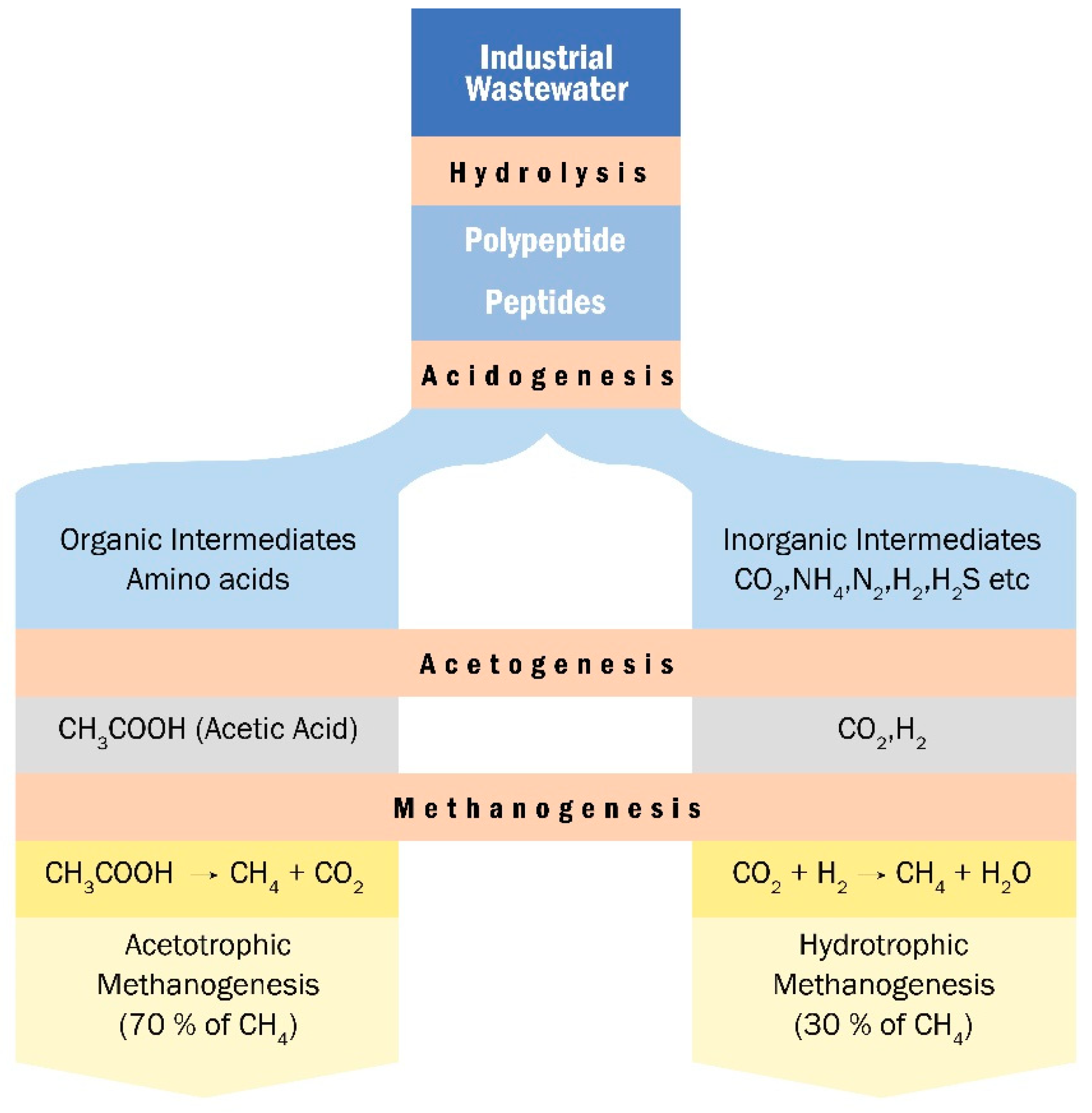
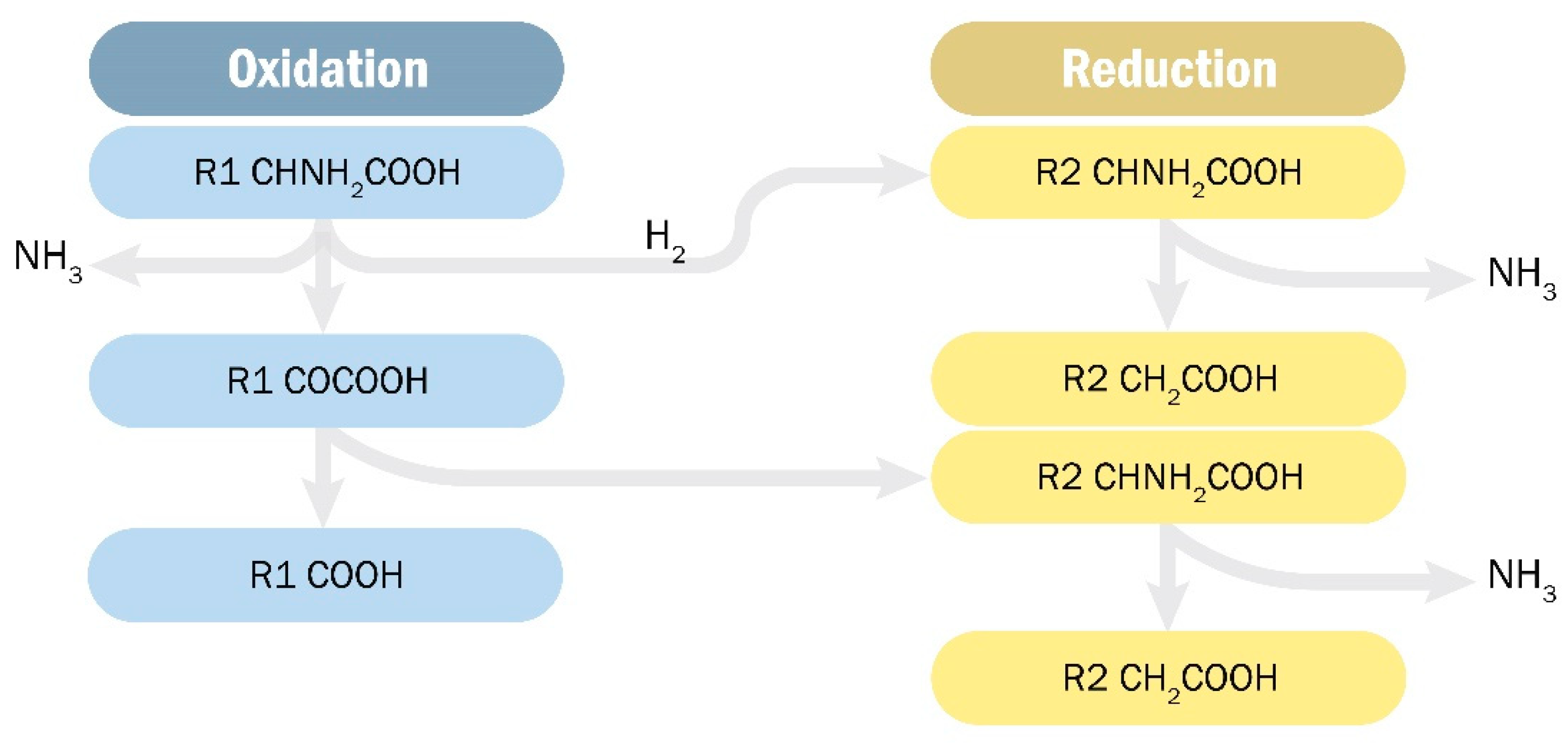
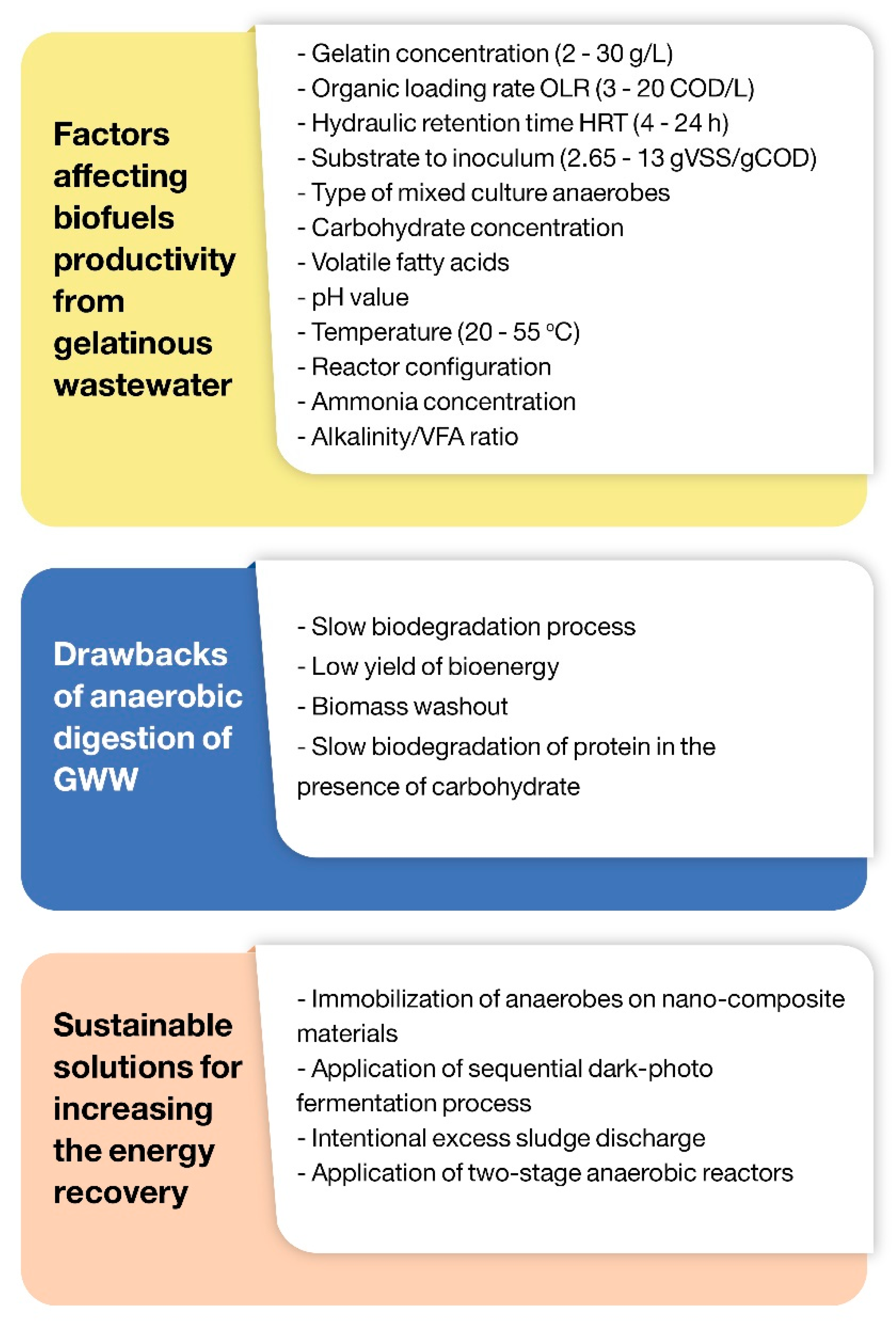
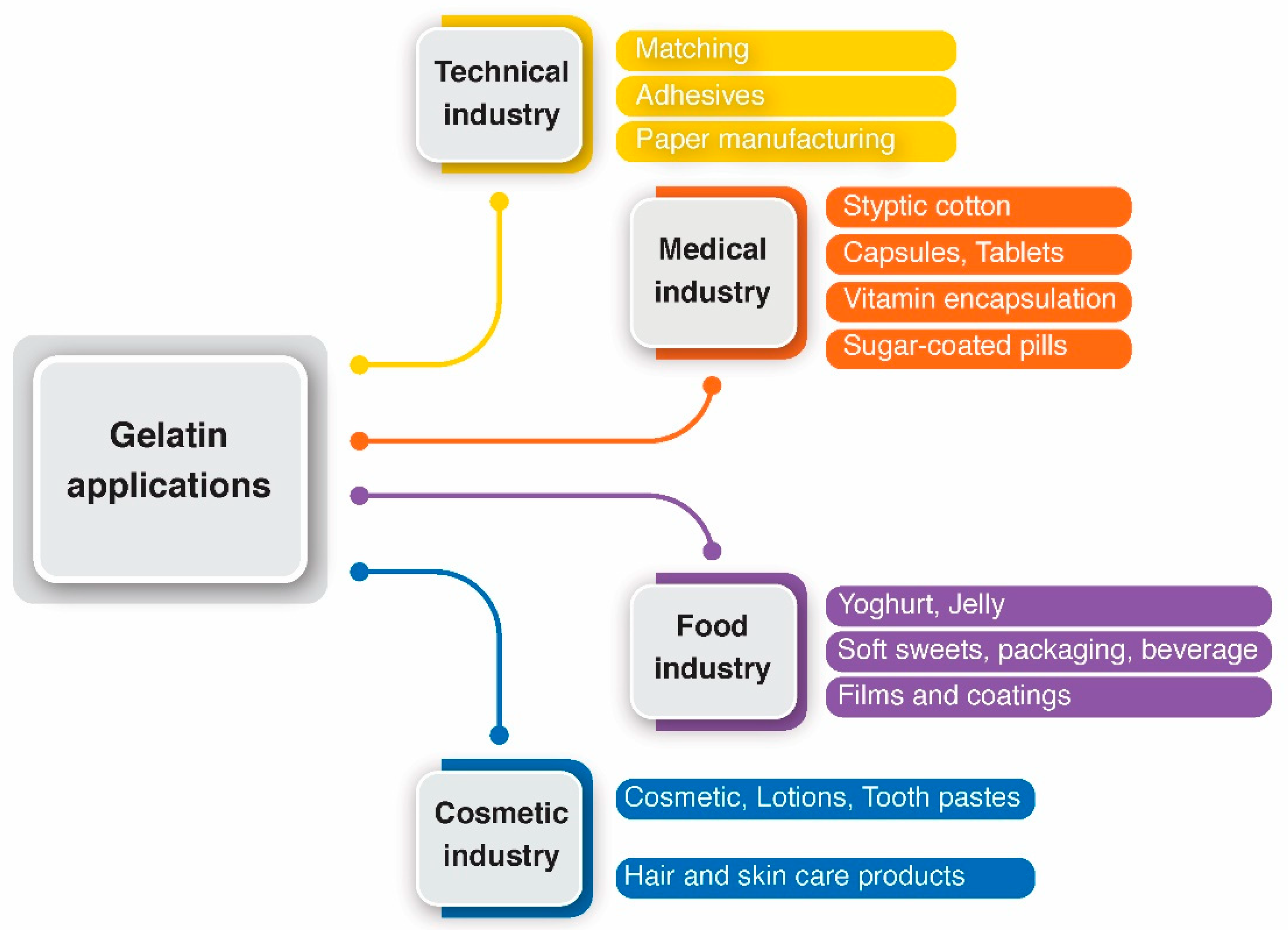
Gelatin production is the most industry polluting process where huge amounts of raw organic materials and chemicals (HCl, NaOH, Ca2+) are utilized in the manufacturing accompanied by voluminous quantities of end-pipe effluent. The gelatinous wastewater (GWW) contains a large fraction of protein and lipids with biodegradability (BOD/COD ratio) exceeding 0.6. Thus, it represents a promising low-cost substrate for the generation of biofuels, i.e., H2 and CH4, by the anaerobic digestion process. This review comprehensively describes the anaerobic technologies employed for simultaneous treatment and energy recovery from GWW. The emphasis was afforded on factors affecting the biofuels productivity from anaerobic digestion of GWW, i.e., protein concentration, organic loading rate (OLR), hydraulic retention time (HRT), the substrate to inoculum (S0/X0) ratio, type of mixed culture anaerobes, carbohydrates concentration, volatile fatty acids (VFAs), ammonia and alkalinity/VFA ratio, and reactor configurations. Economic values and future perspectives that require more attention are also outlined to facilitate further advancement and achieve practicality in this domain.
Keywords: gelatinous wastewater; protein degradation; anaerobic digestion; energy recovery; biofuels gelatinous wastewater; protein degradation; anaerobic digestion; energy recovery; biofuels
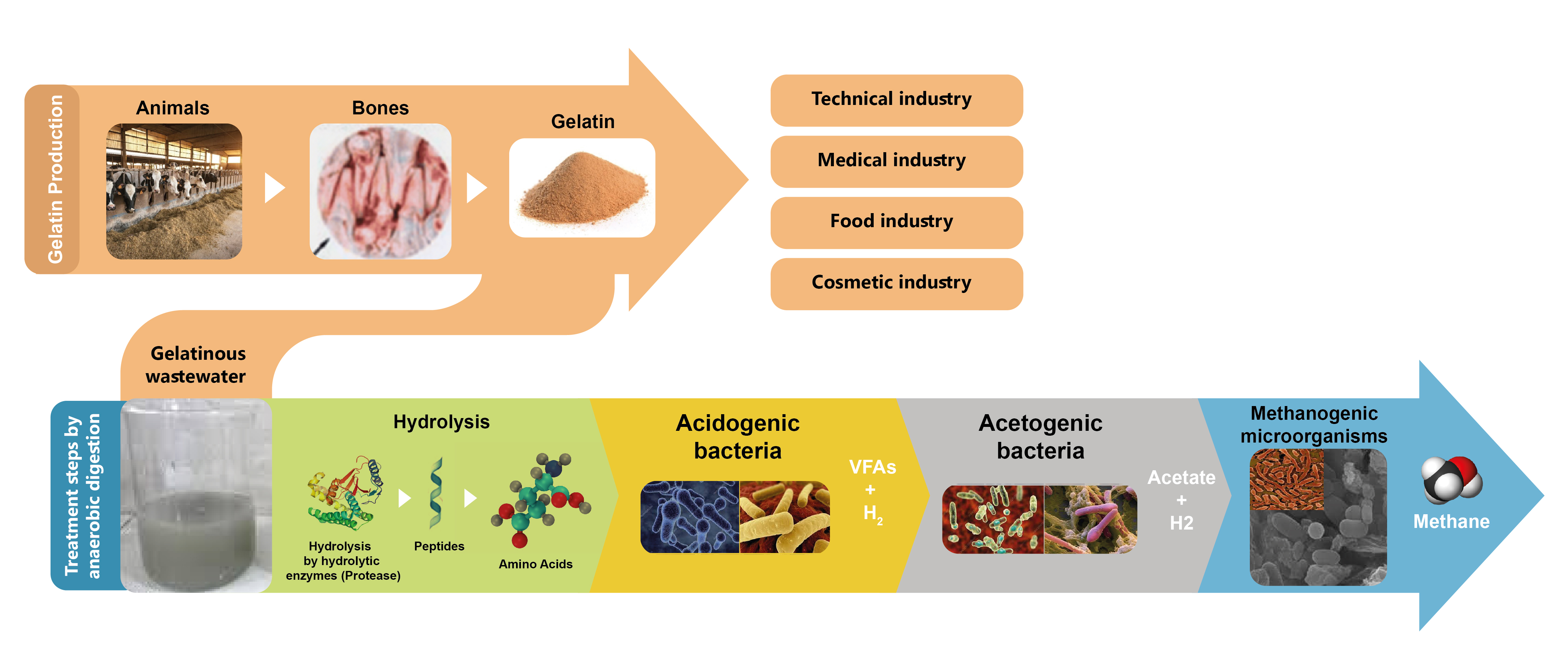
Graphical Abstract