Article

Effect of Rheological Properties of Aqueous Solution of Na-CMC on Spray Angle for Conical Pressure-Swirl Atomizers


by
Krystian Czernek
1,*,
Marek Ochowiak
2 and
Sylwia Włodarczak
2
1
Department of Process and Environmental Engineering, Faculty of Mechanical Engineering, Opole University of Technology, ul. Prószkowska 76, 45-758 Opole, Poland
2
Department of Chemical Engineering and Equipment, Poznan University of Technology, 60-965 Poznan, Poland
*
Author to whom correspondence should be addressed.
Energies 2020, 13(23), 6309; https://doi.org/10.3390/en13236309
Submission received: 11 November 2020 / Revised: 25 November 2020 / Accepted: 26 November 2020 / Published: 30 November 2020
(This article belongs to the Special Issue Multiphase Flows)

Abstract

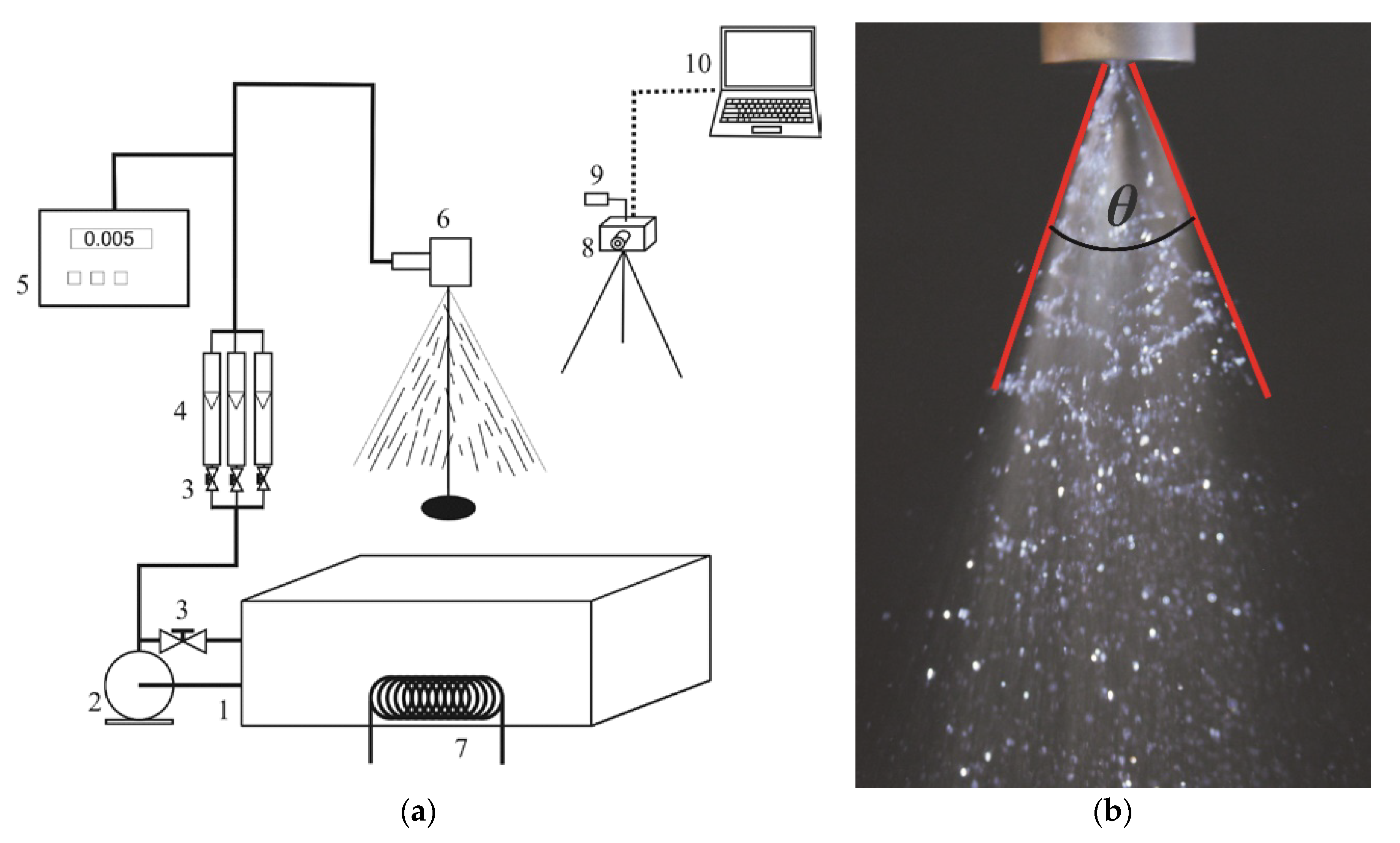
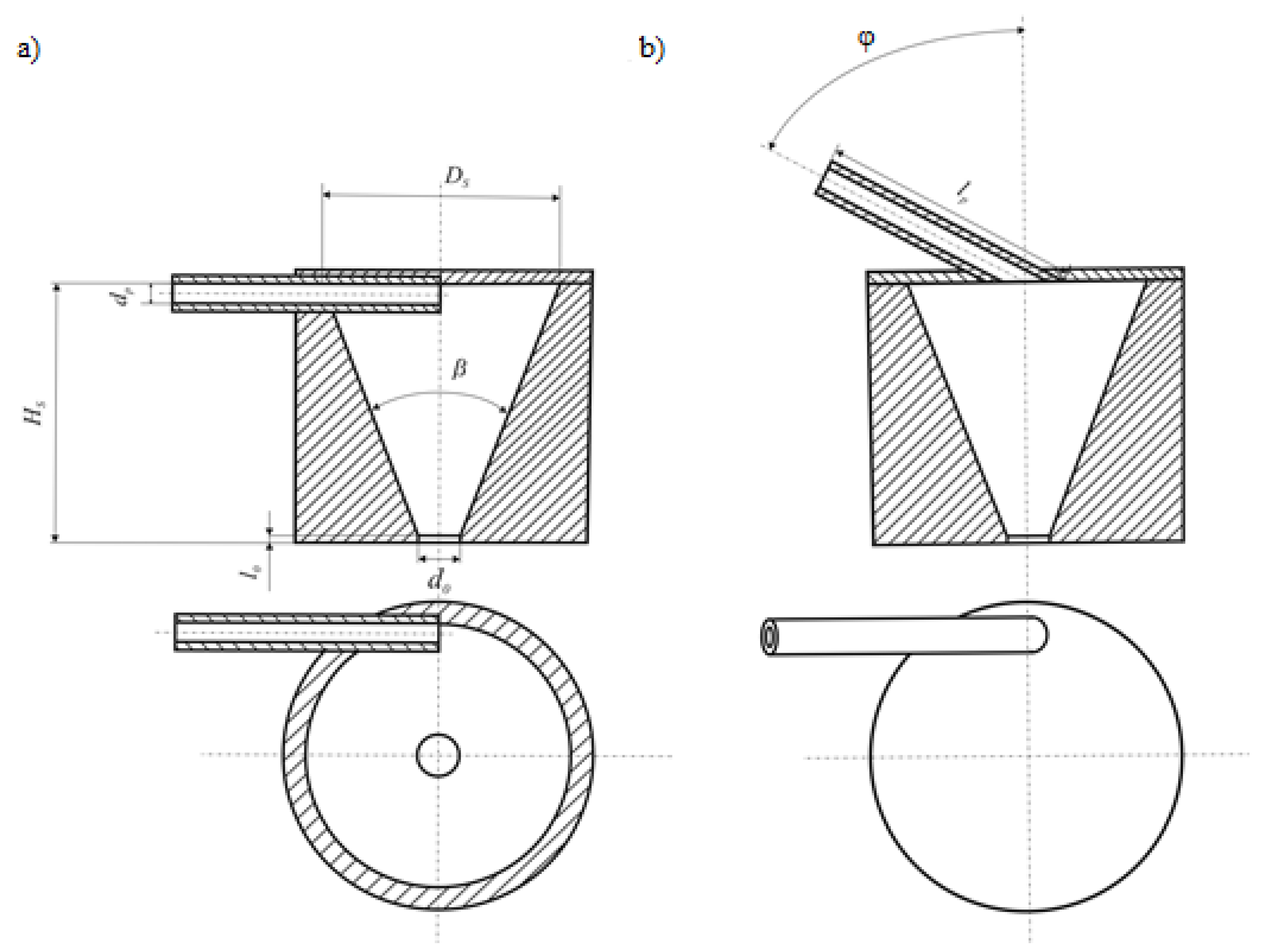
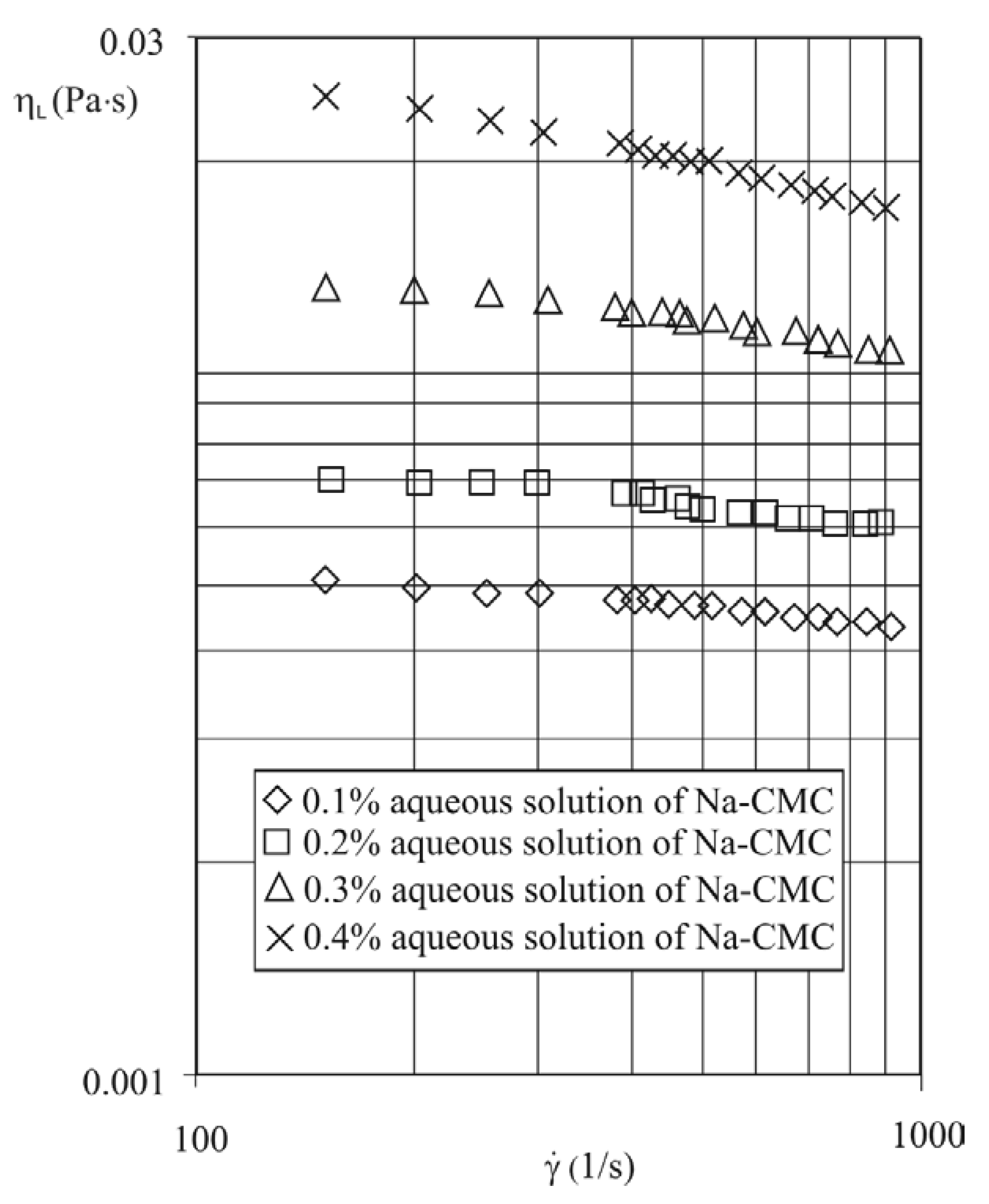
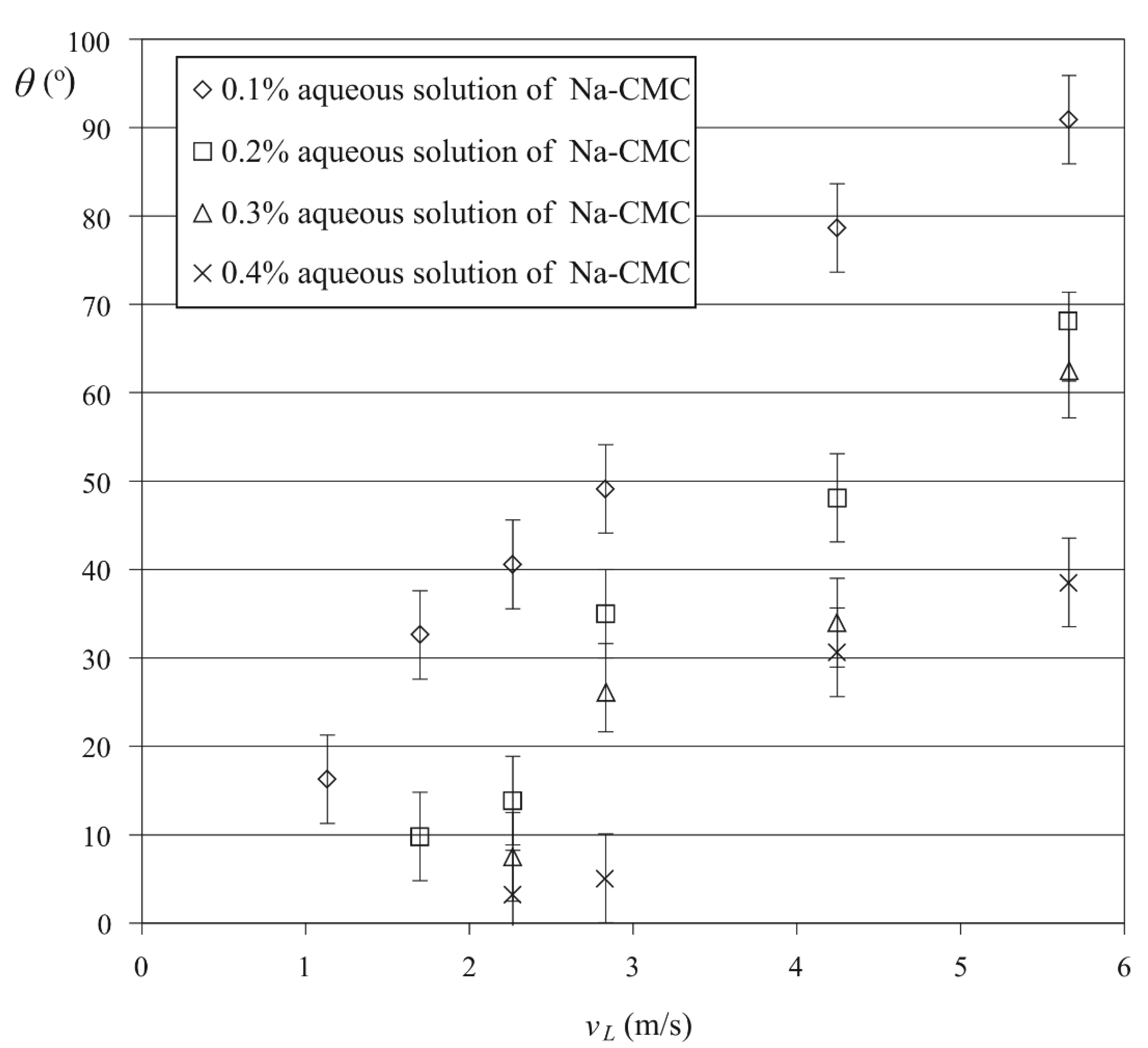
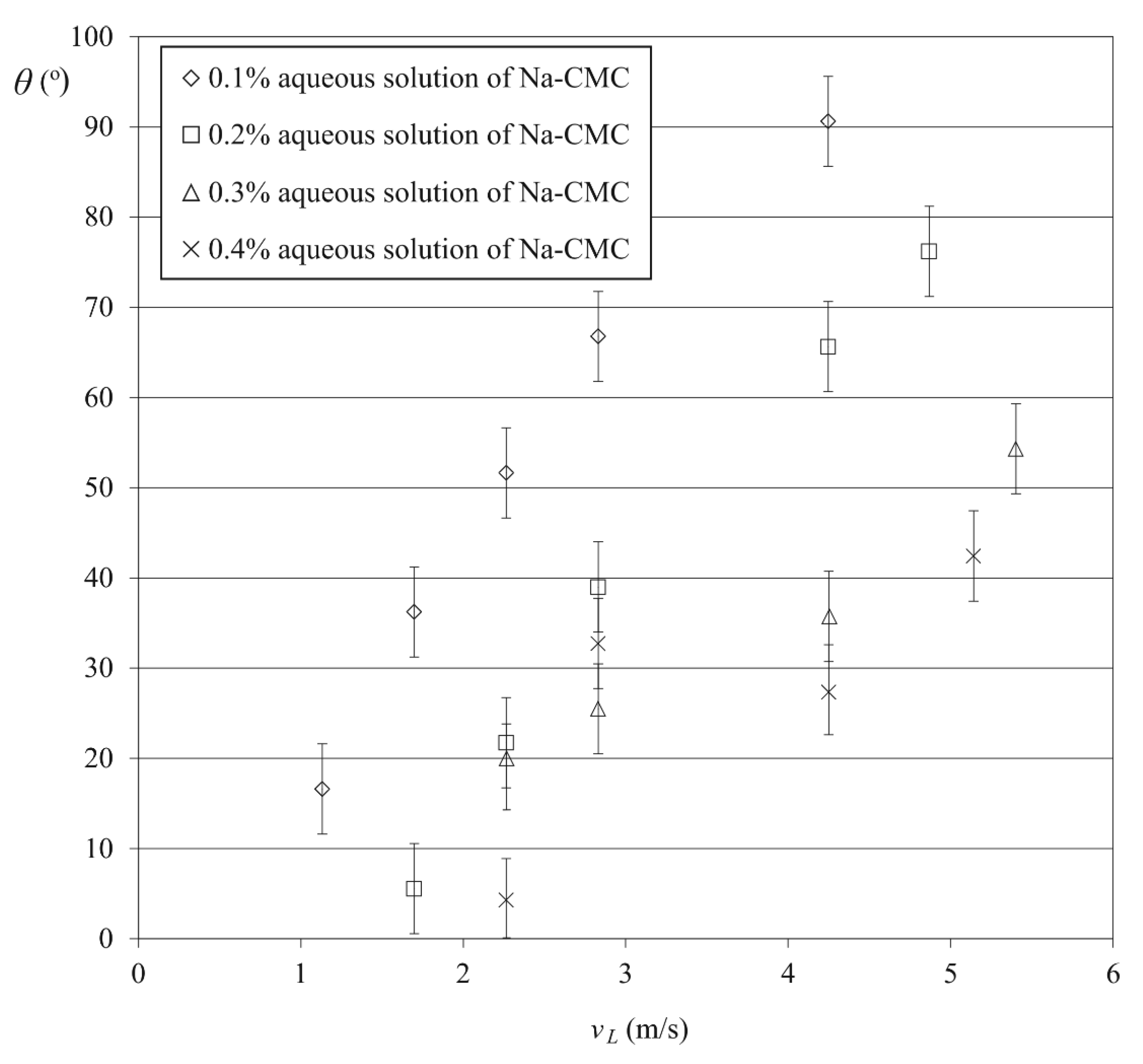
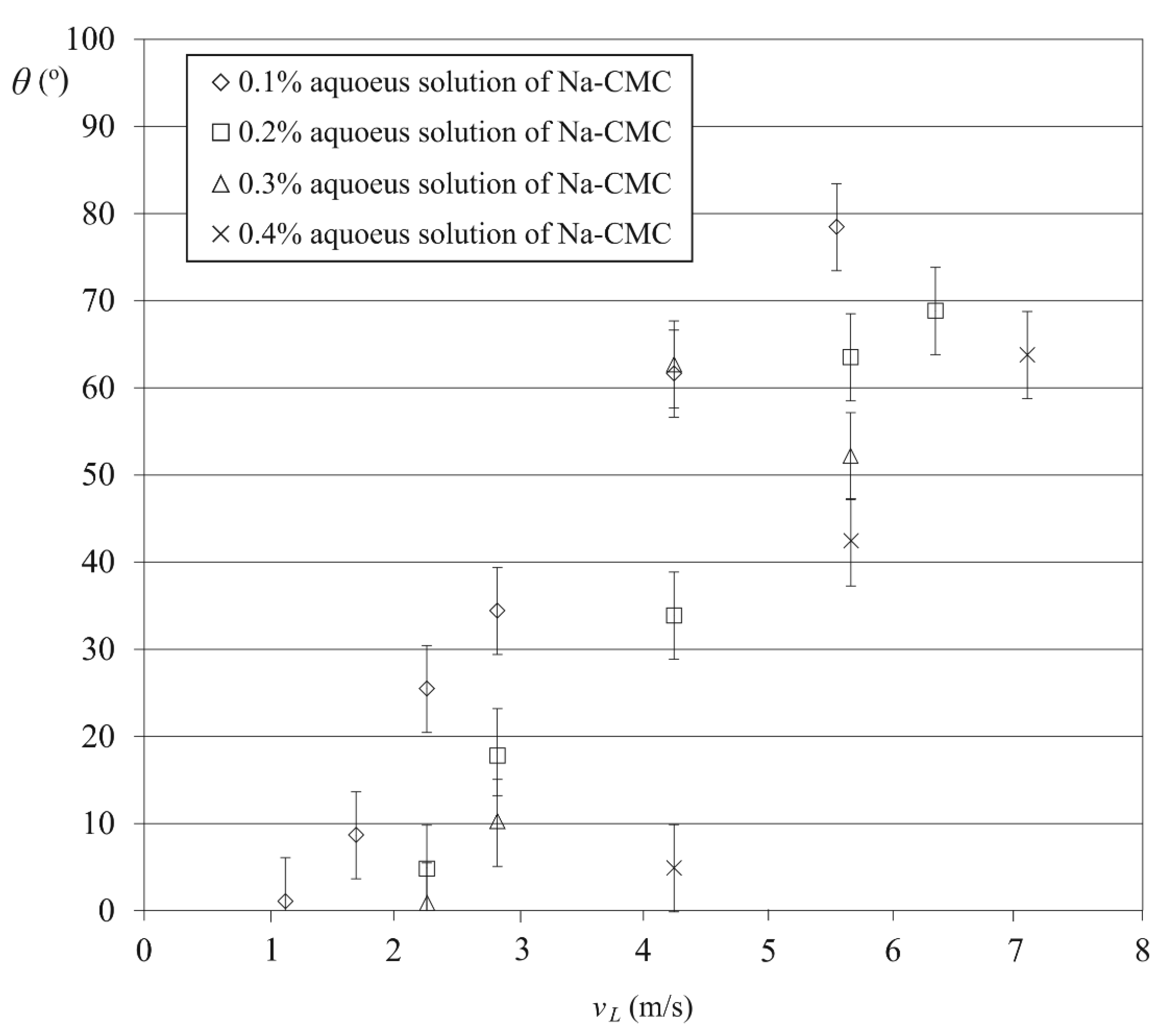
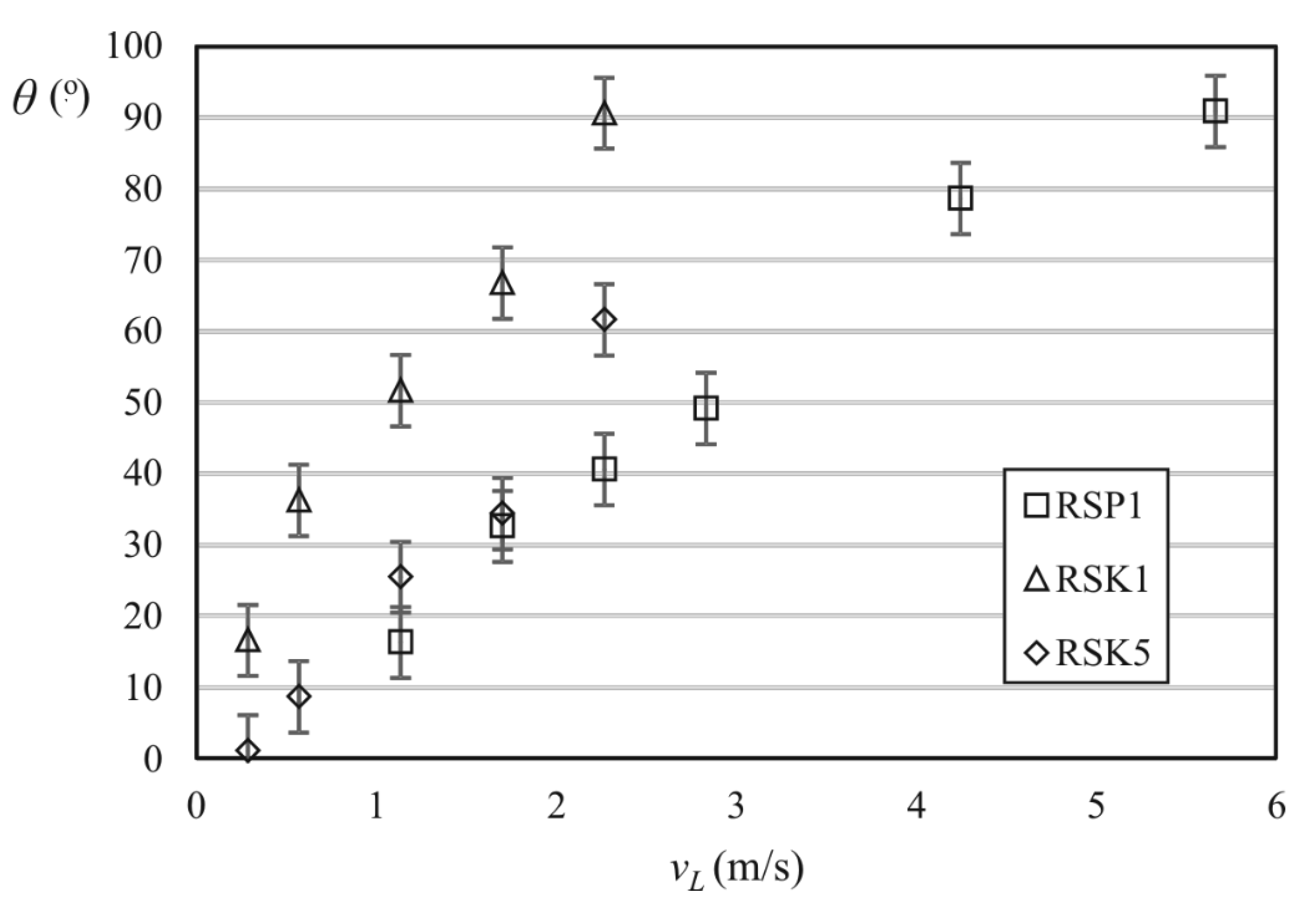
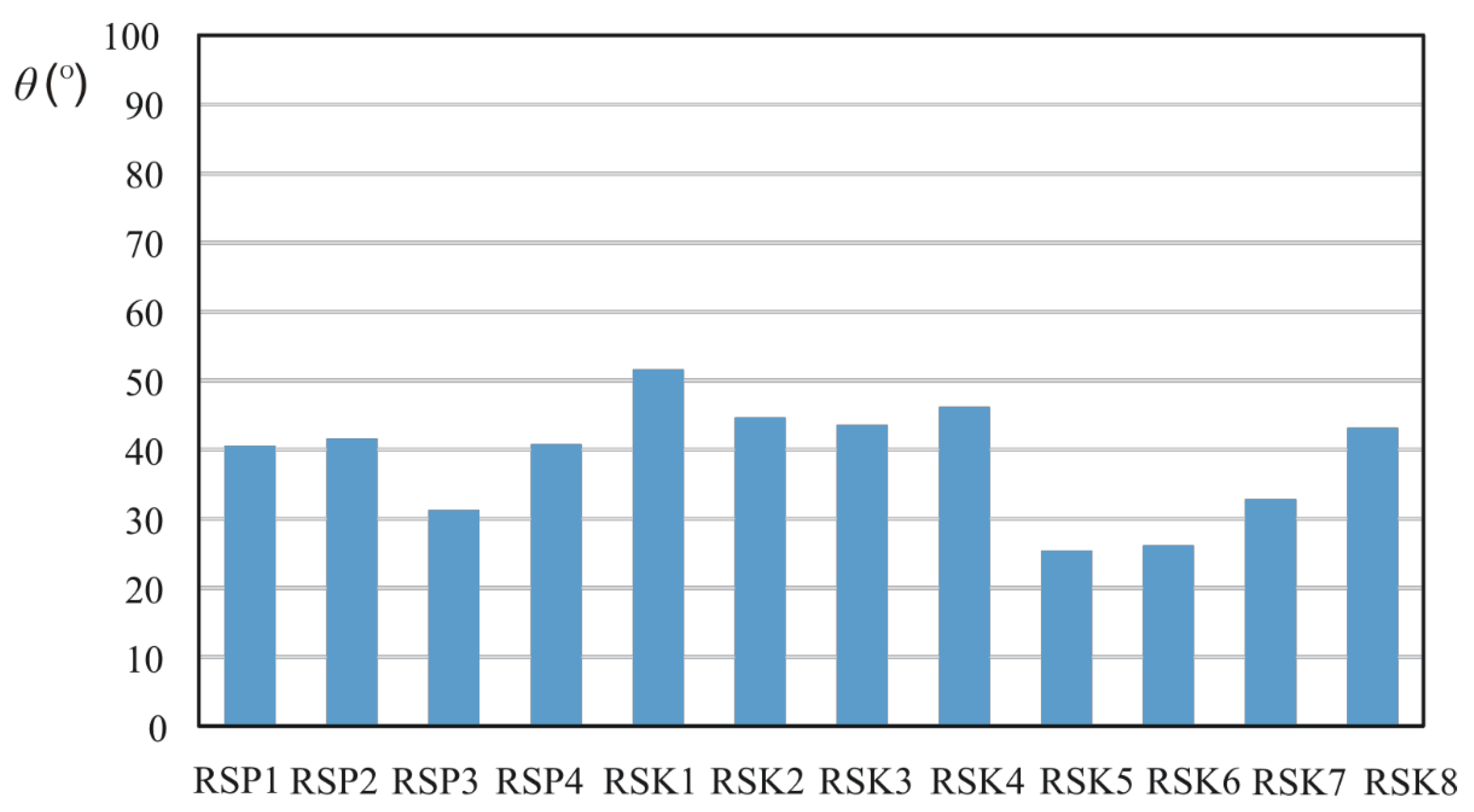
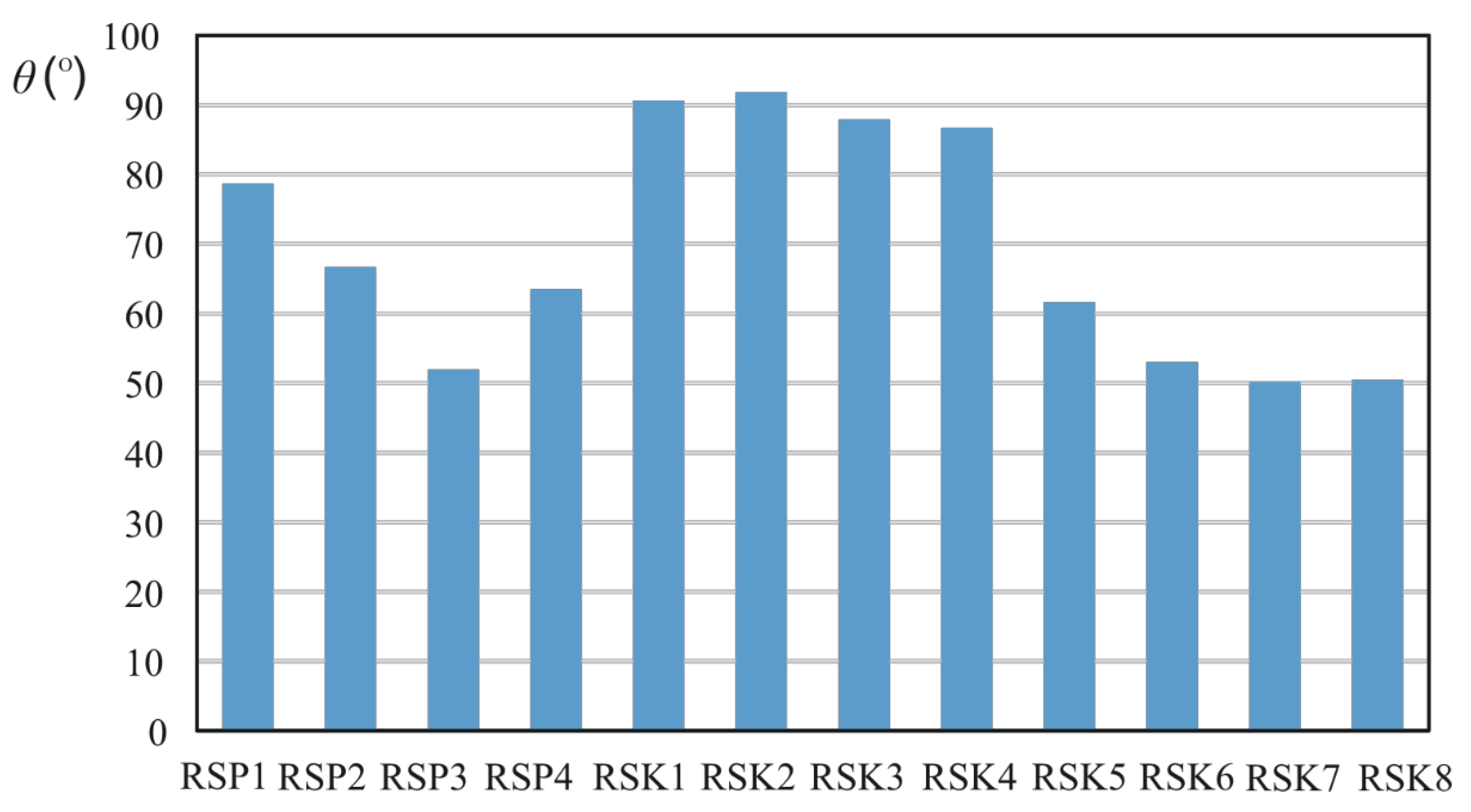
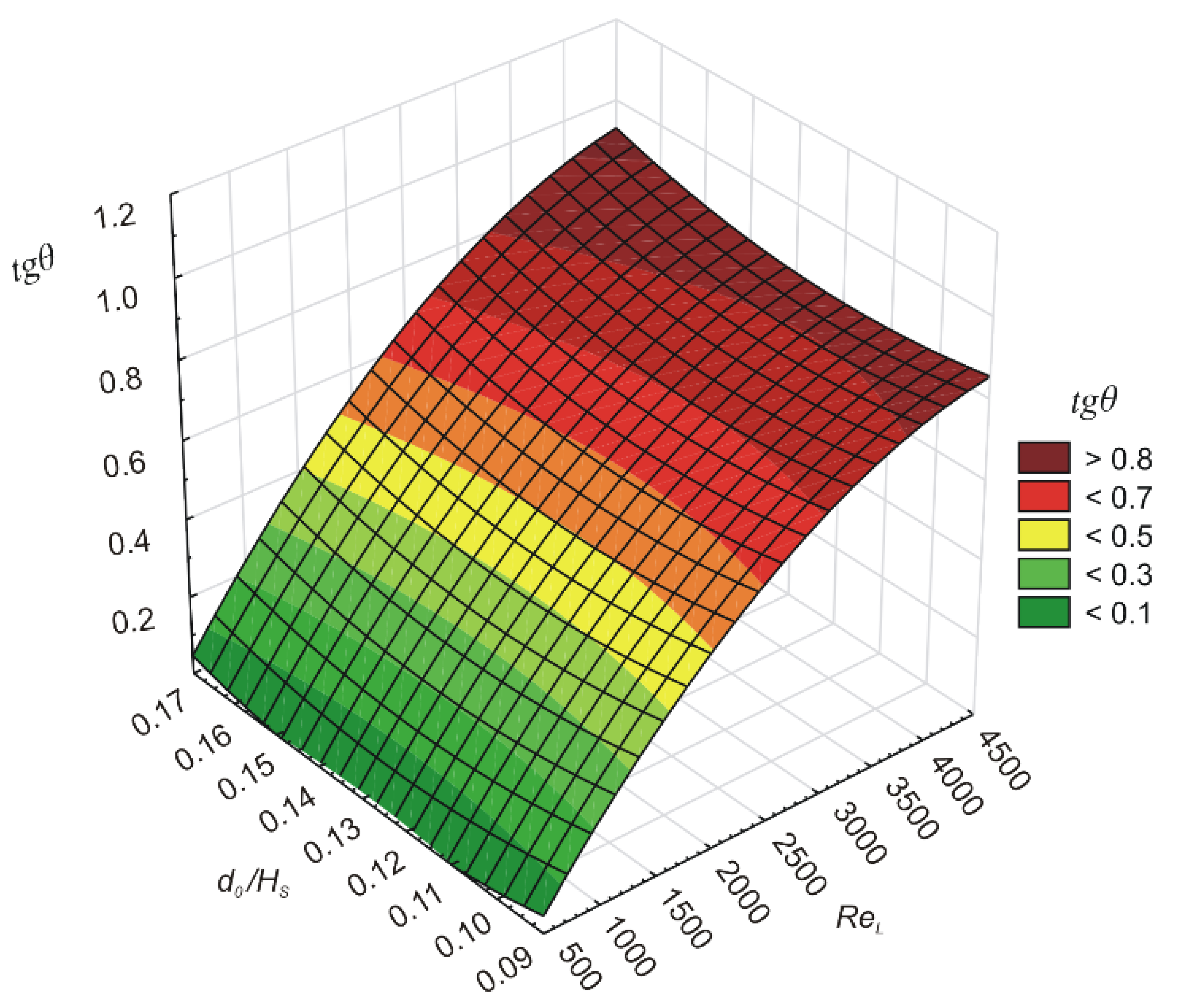
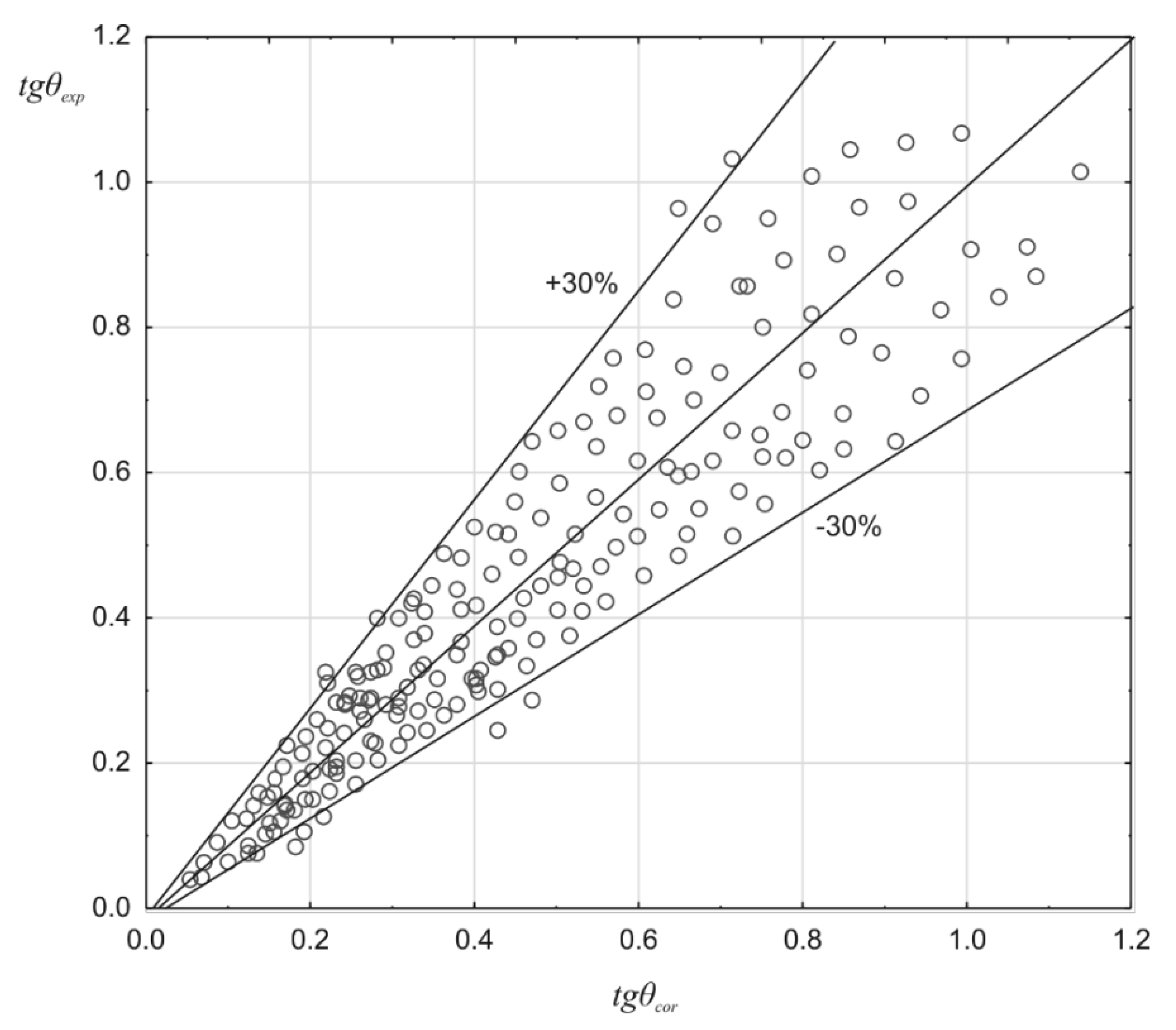
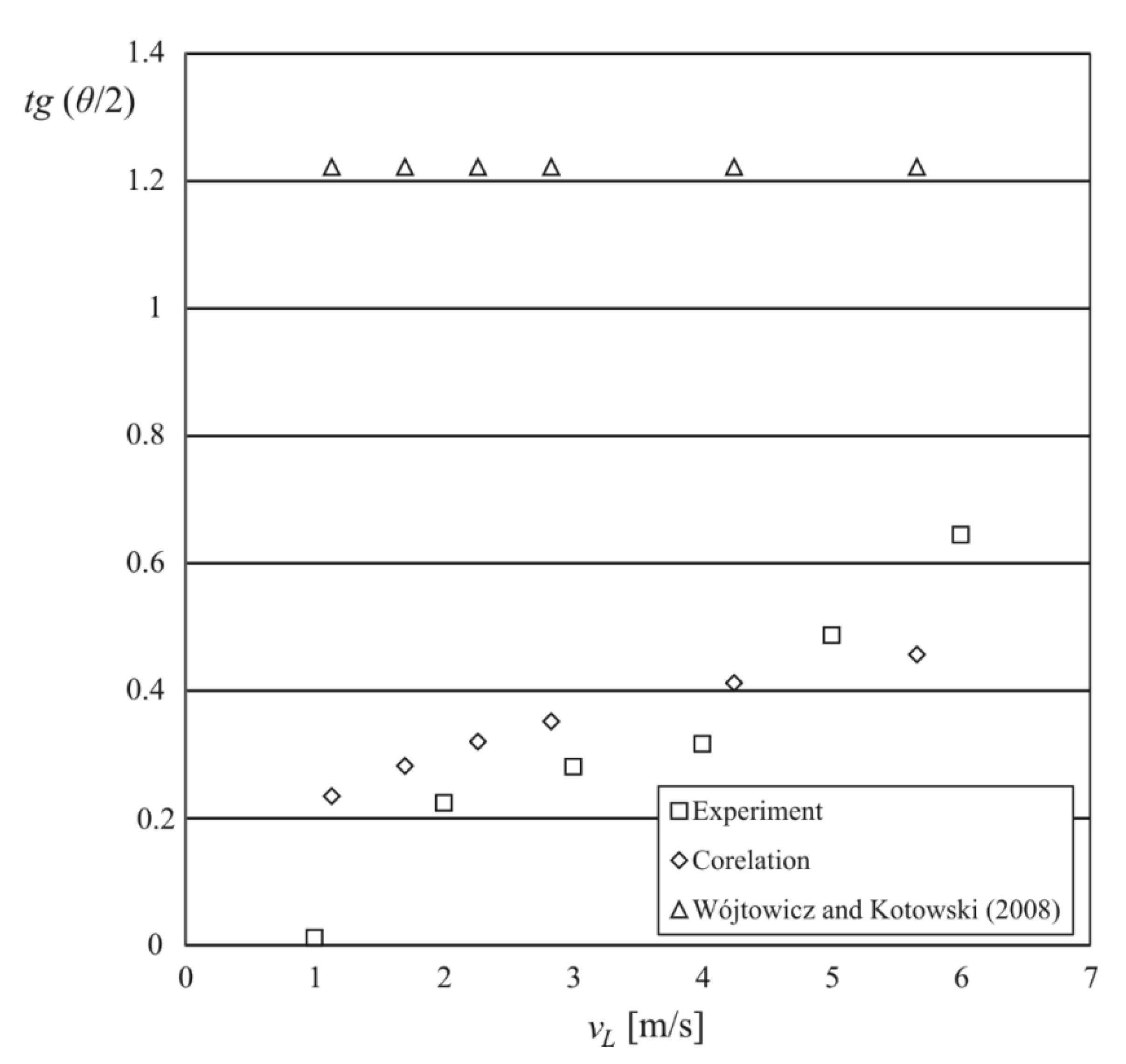
Aerosol is a multiphase system, created as a result of the dispersion of a liquid in a gaseous medium. The atomized liquids are most often water and fuel; however, they can be any other substance. Even a small addition of a substance that changes the rheological properties (i.e., the nature of the flow) can change the properties of the resulting aerosol. The most important parameters that characterize the aerosol are the outflow rate, the droplet diameter, the spray spectrum, and the spray angle. The latter is important when selecting atomizers, especially those working in groups on the sprayer boom. The spray angle is an important parameter of the atomization process, providing a great deal of information about the quality of the spray. This study presents the results of rheological tests and the atomization of aqueous solutions with varying concentrations of sodium carboxymethylcellulose (Na-CMC). We found that the spray angle decreased with increasing Na-CMC concentration in the solution, which is attributable to an increase in shear viscosity. The design of the atomizer is also important. The largest spray angles were obtained for an atomizer with a diameter of 0.02 m and with the inlet port being placed at an angle to the atomizer axis. Based on the experimental results for various liquids and atomizer designs, a correlation equation describing the spray angle is proposed.
Keywords: atomization; spray angle; construction of atomizer; sodium carboxymethylcellulose; rheology atomization; spray angle; construction of atomizer; sodium carboxymethylcellulose; rheology