Article

Analysing the Energy Efficiency of EU Member States: The Potential of Energy Recovery from Waste in the Circular Economy


by
George Halkos
* and
Kleoniki Natalia Petrou
Laboratory of Operations Research, Department of Economics, University of Thessaly, 28is Octovriou, 33888 Volos, Greece
*
Author to whom correspondence should be addressed.
Energies 2019, 12(19), 3718; https://doi.org/10.3390/en12193718
Submission received: 29 August 2019 / Revised: 23 September 2019 / Accepted: 27 September 2019 / Published: 28 September 2019
(This article belongs to the Special Issue Assessment of Energy–Environment–Economy Interrelations)

Abstract

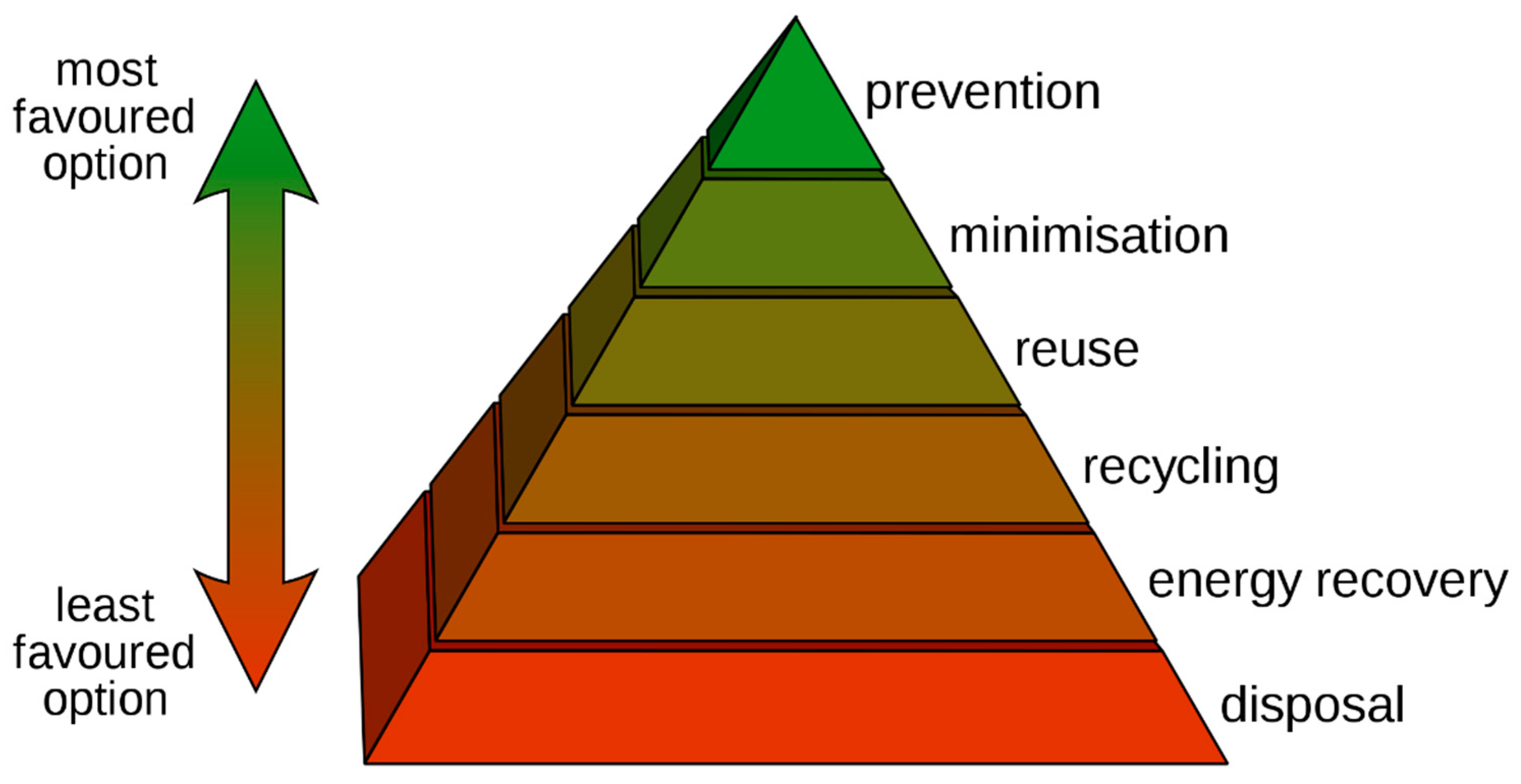
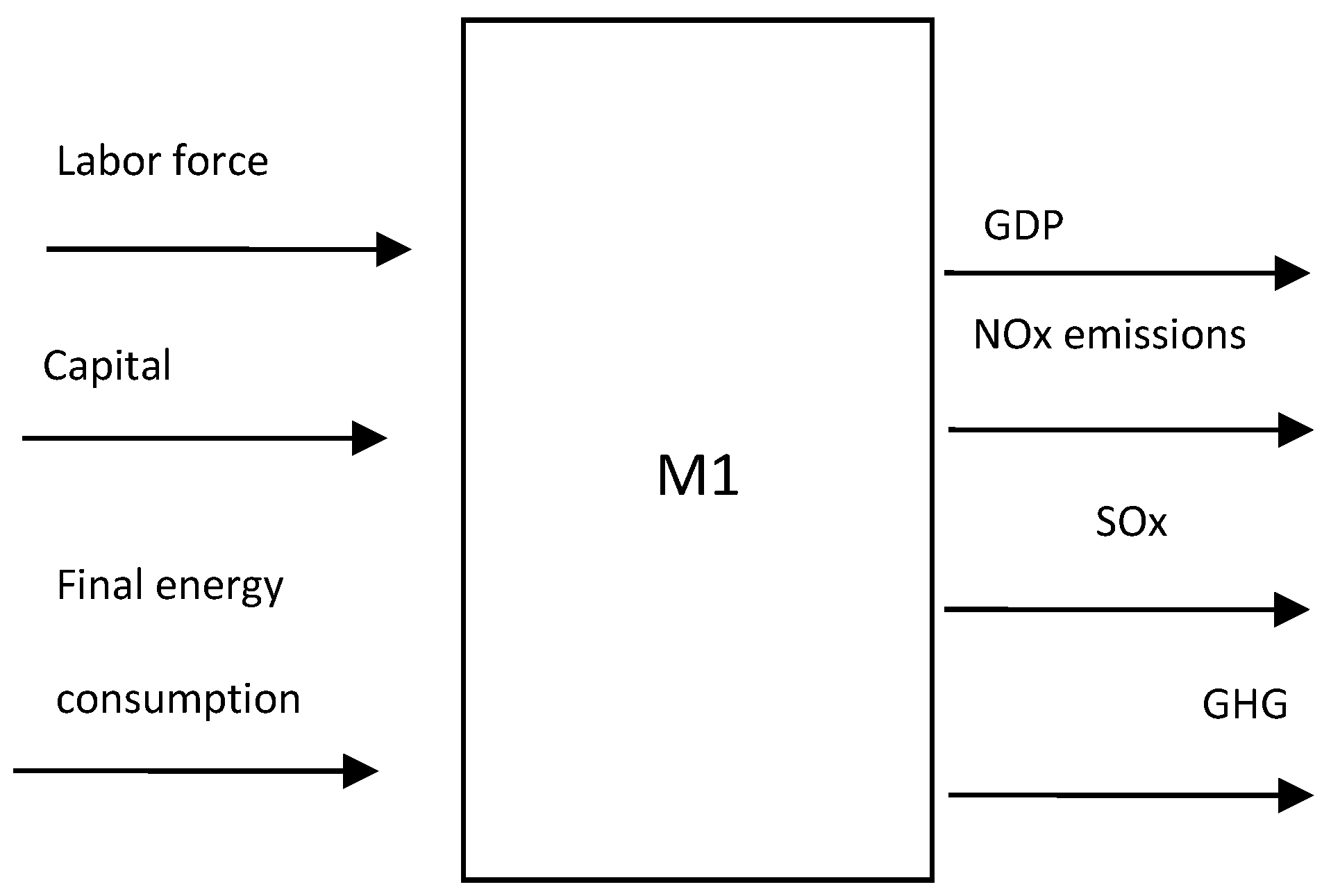
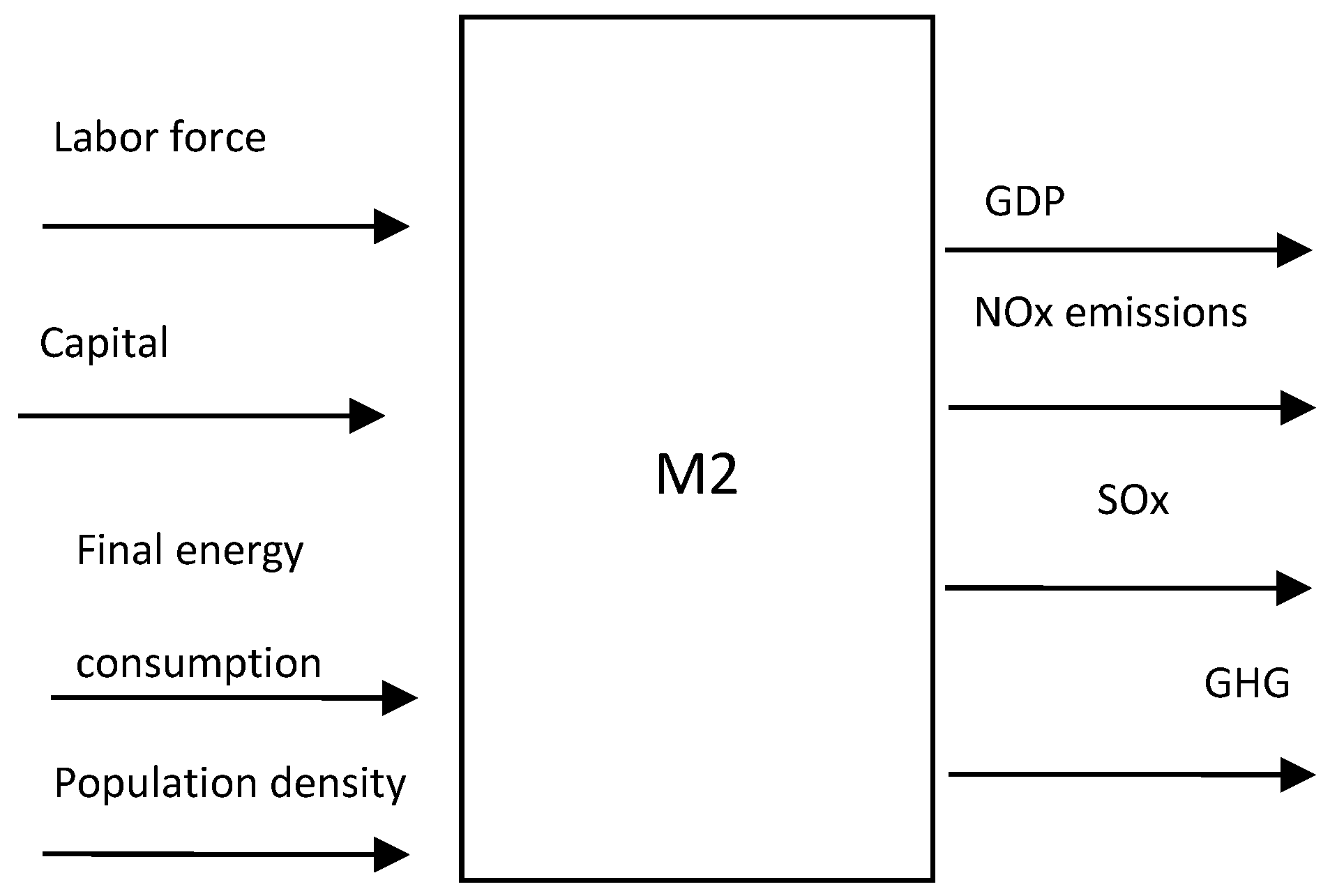
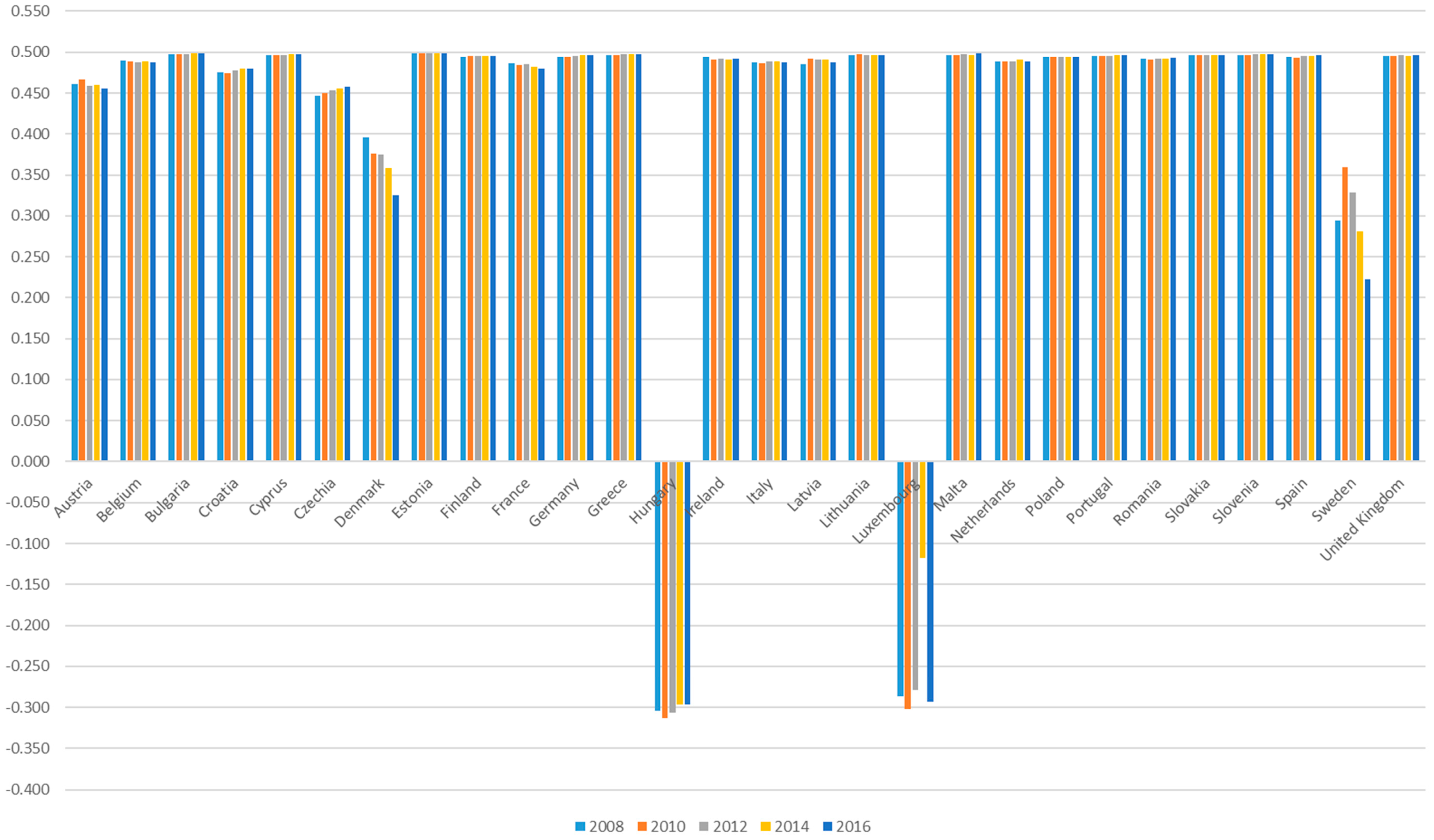
This paper examines energy efficiency across 28 selected European Union (EU) Member States and reviews the potential for energy recovery from waste according to the efficiency scores obtained. The efficiencies are assessed through data envelopment analysis (DEA) and the following variables are used, inputs: final energy consumption, labour, capital, population density and outputs: gross domestic product (GDP), nitrogen oxide (NOx) emissions, sulphur oxide (SOx) emissions and greenhouse gas (GHG) emissions for the years 2008, 2010, 2012, 2014 and 2016. Results show that most countries maintain their efficiency scores with only a few marginally improving theirs and at the same time, it is noticed that most are decreasing after 2012. Based on these efficiency scores, this paper recommends moving towards waste-to-energy with two main objectives, namely sufficient and sustainable energy production and effective treatment of municipal solid waste (MSW). This option would enhance the circular economy, whereas prioritization needs to be given to prevention, preparation for reuse, recycling and energy recovery through to disposal. Together with the EU Commission’s competition strategy, these options would ensure reliable energy supplies at rational prices and with the least environmental impacts. Moreover the efficiency scores need to be examined along the financial crisis which has been affecting the EU since 2008, showing a decrease in those efficiency scores after 2012 under a more imminent crisis.
Keywords: waste; energy; environmental efficiency; energy recovery; data envelopment analysis; circular economy waste; energy; environmental efficiency; energy recovery; data envelopment analysis; circular economy