Article

A Novel Output Power Control of Wireless Powering Kitchen Appliance System with Free-Positioning Feature

by
Supapong Nutwong
,
Anawach Sangswang
*,
Sumate Naetiladdanon
and
Ekkachai Mujjalinvimut
Department of Electrical Engineering, Faculty of Engineering, King Mongkut’s University of Technology Thonburi, Bangkok 10140, Thailand
*
Author to whom correspondence should be addressed.
Energies 2018, 11(7), 1671; https://doi.org/10.3390/en11071671
Submission received: 8 June 2018 / Revised: 22 June 2018 / Accepted: 22 June 2018 / Published: 27 June 2018
(This article belongs to the Special Issue Wireless Power Transfer 2018)

Abstract

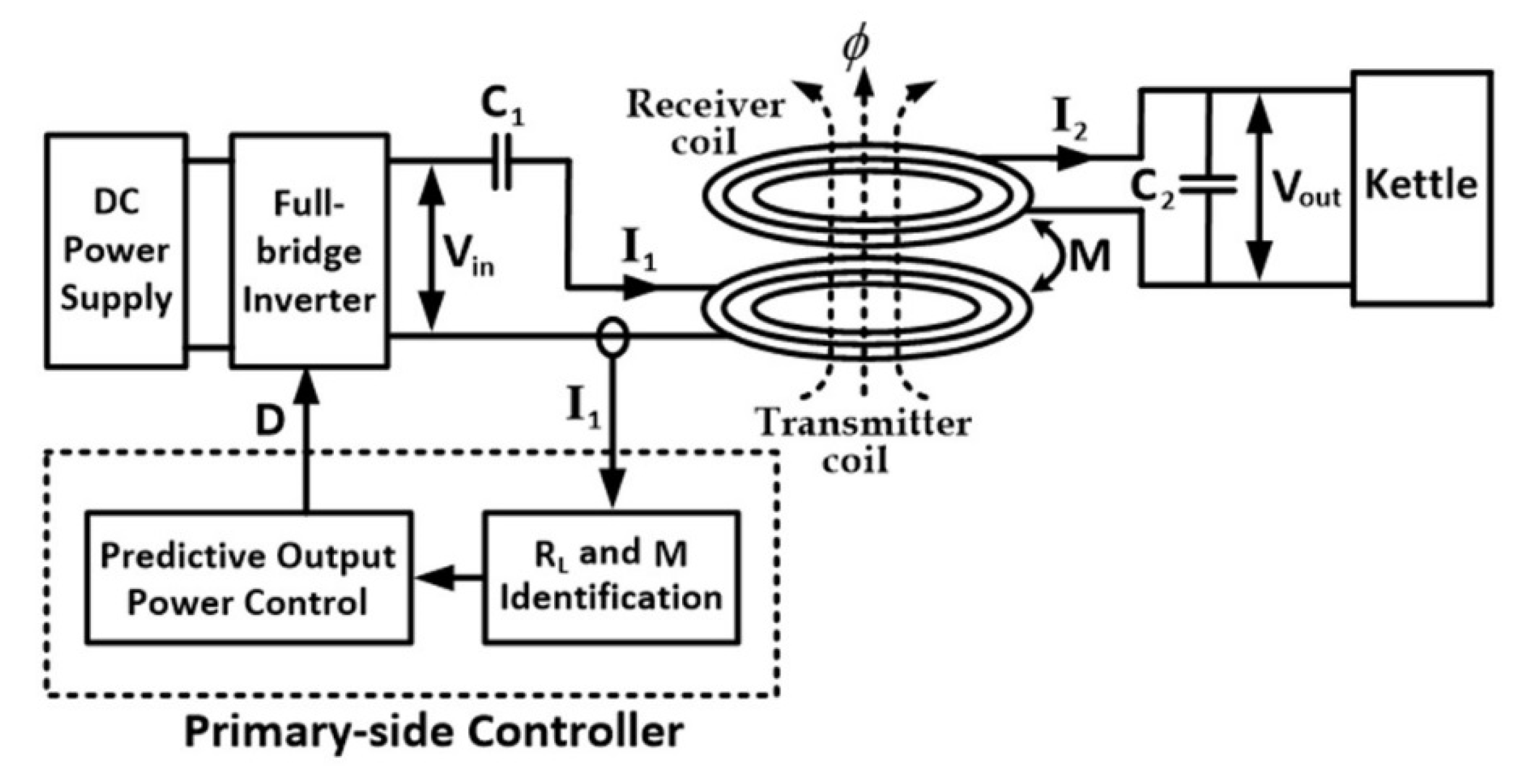
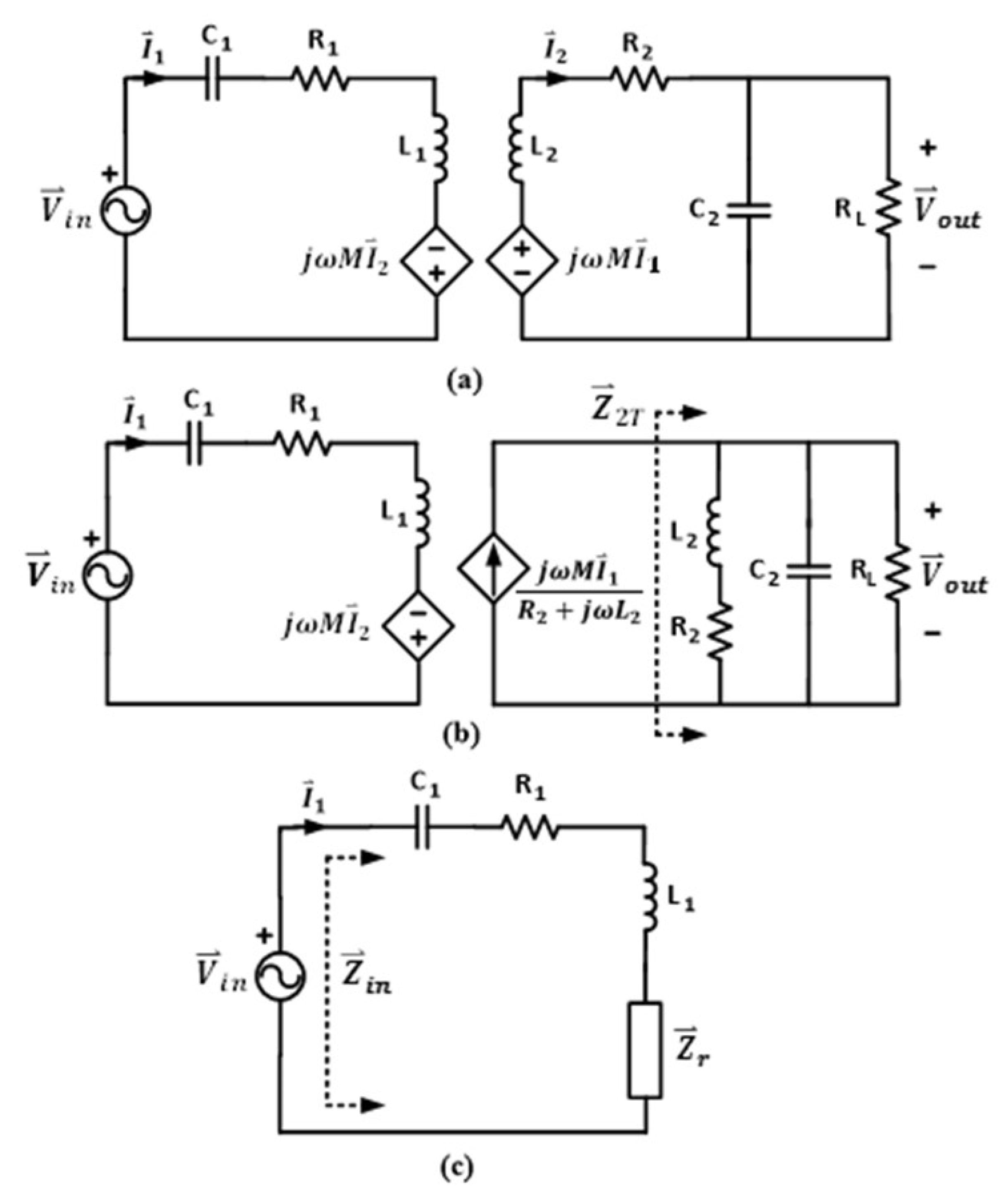
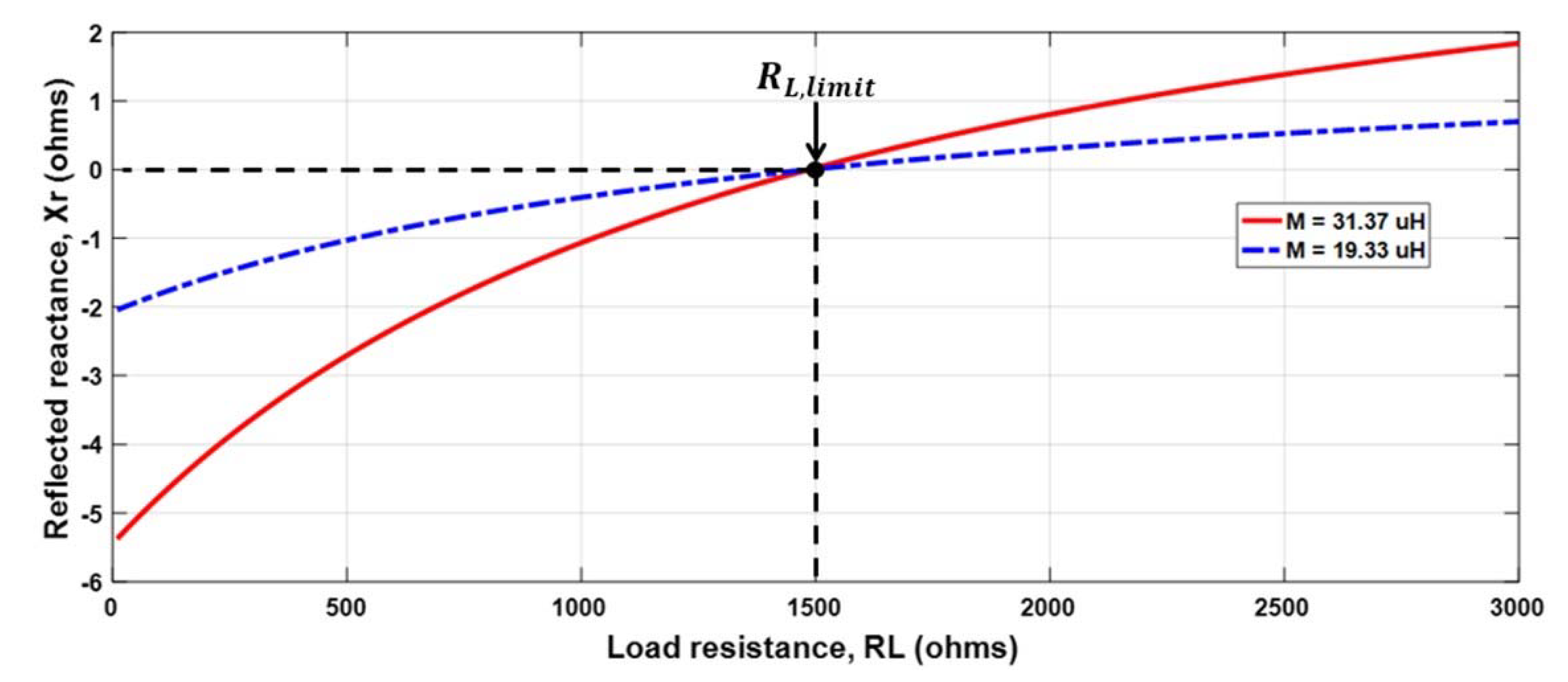
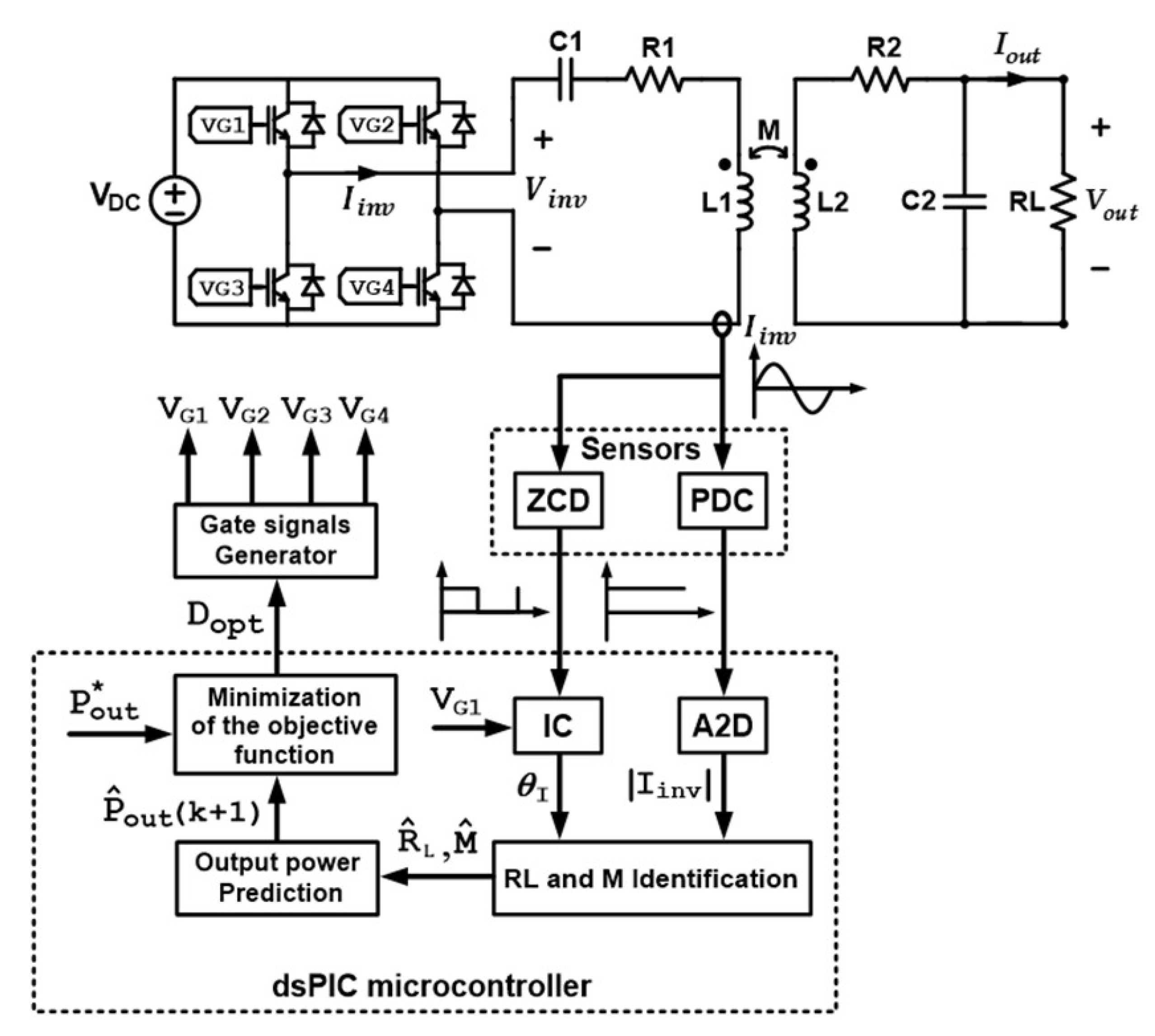
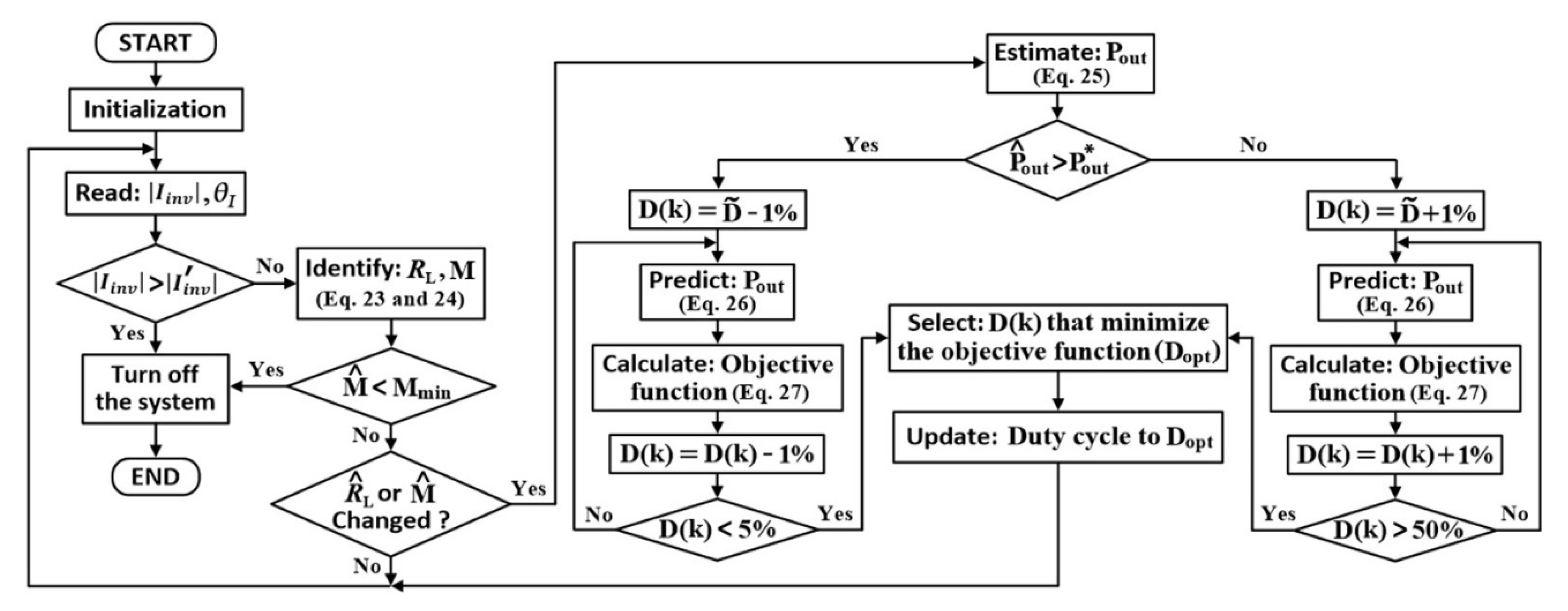
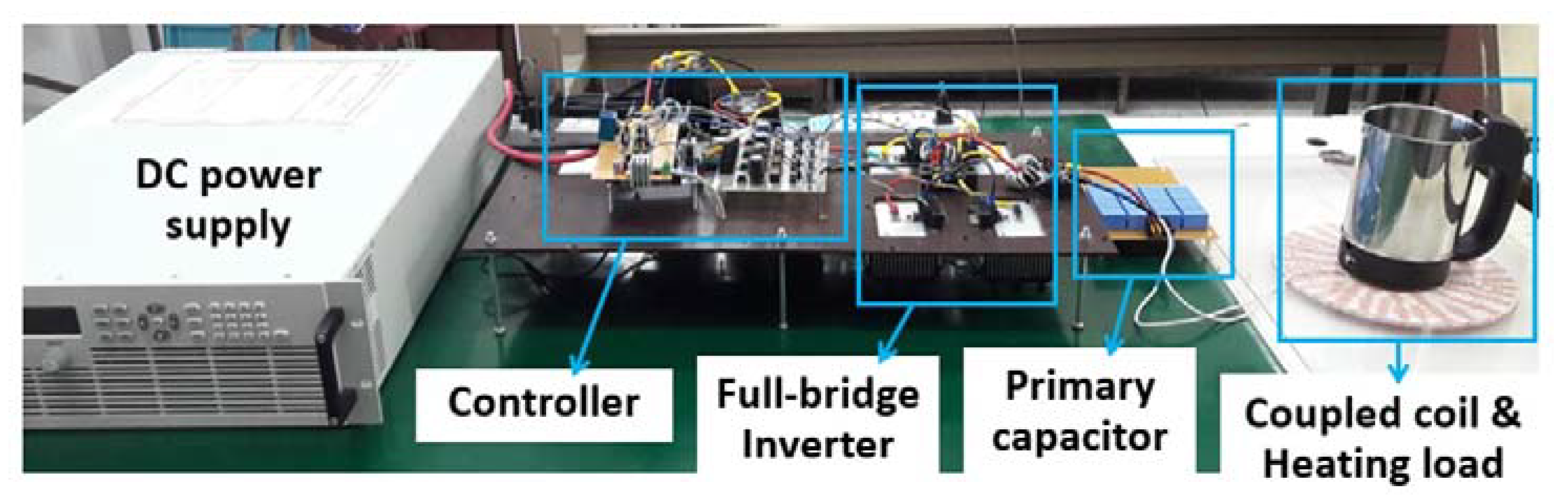
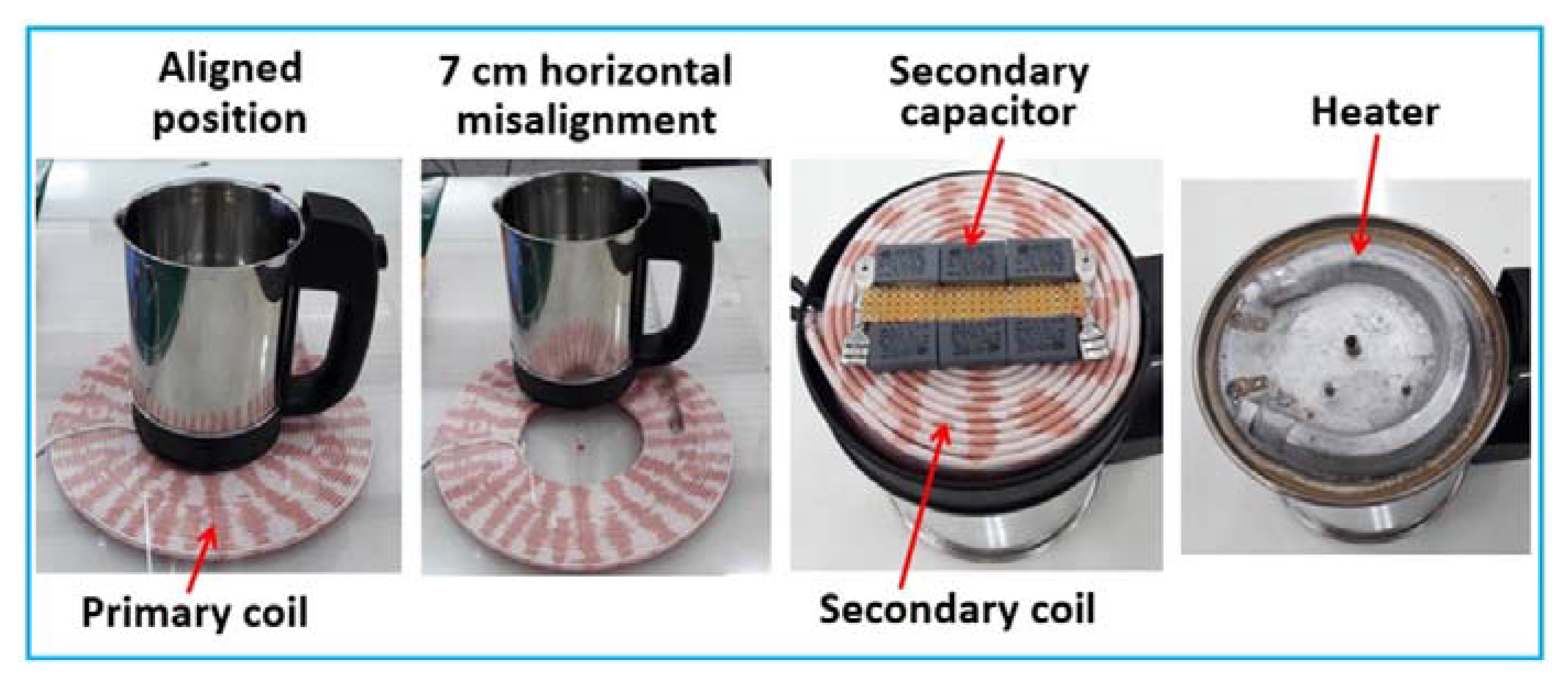
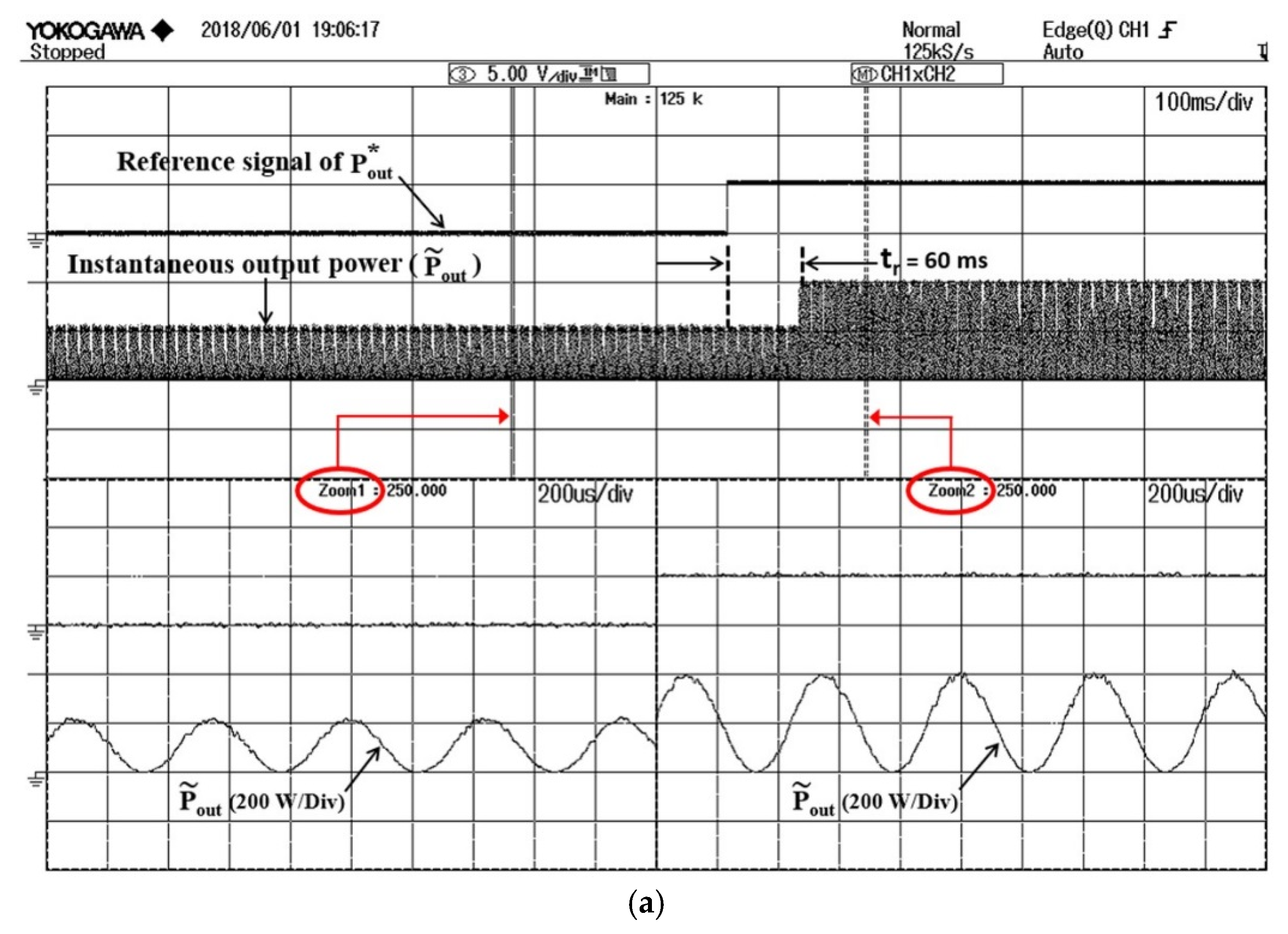
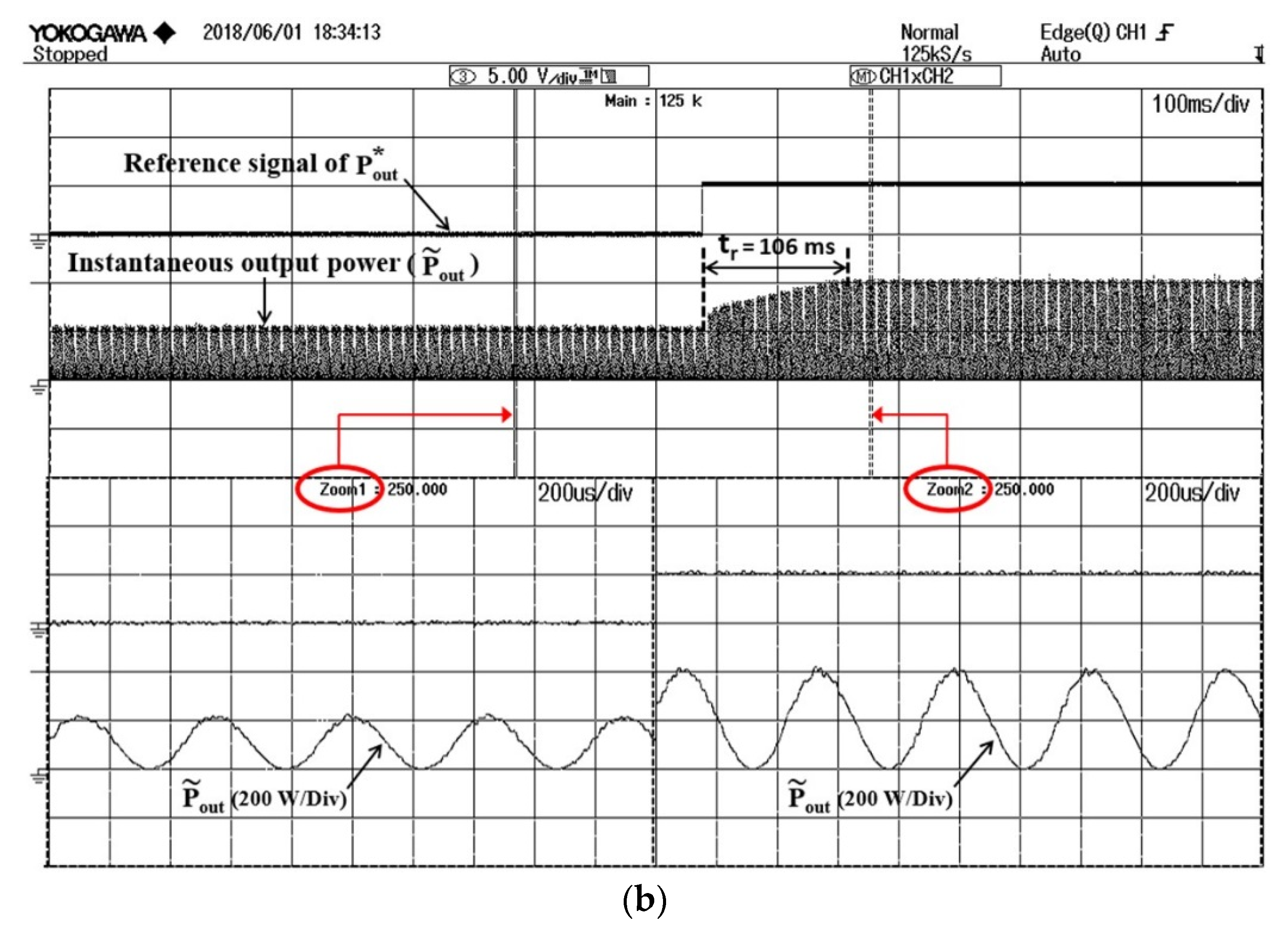
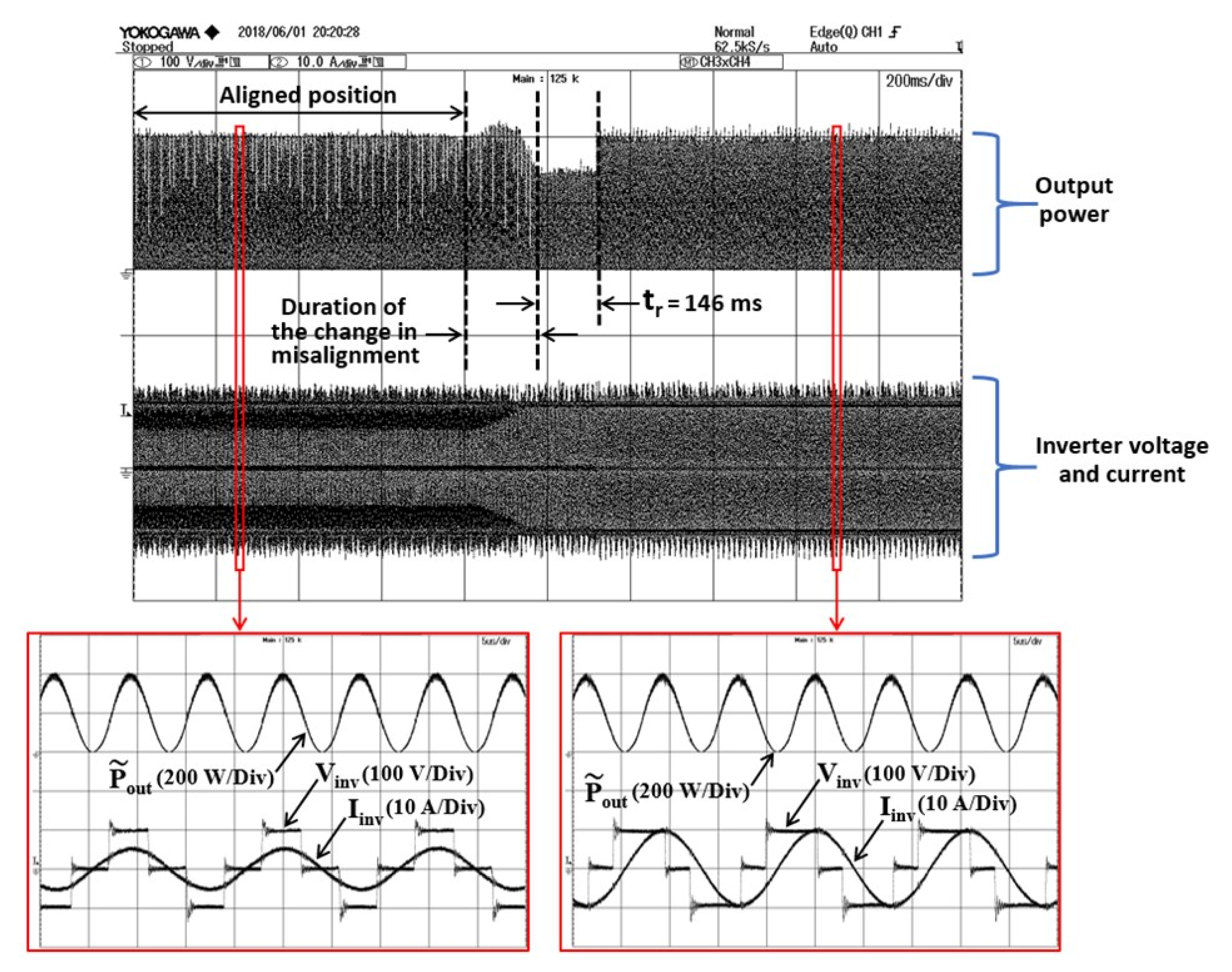
To achieve a free-positioning wireless power transfer (WPT) system, the output power must be regulated throughout the operation. This paper presents a novel output power control of a WPT system, based on the model predictive control (MPC). The output power is predicted by utilizing the system’s mathematical model. The optimal duty cycle for a desired output power is obtained through the minimization of the objective function, which is simple and easy to implement, with no need for gain tuning. The proposed controller is implemented on the primary side, without any measurement or communication devices on the secondary side. This reduces the cost, size, and complexity of the WPT system. The load resistance and mutual inductance identification method is also introduced. It is based on the reflected impedance knowledge, where only the information of primary current is required. Experimental results of the output power step response show better performance compared with conventional Proportional-Integral (PI) control. The proposed controller is experimentally validated on a 200 W kettle. The output power can be kept constant at 200 W while the kettle is laterally moved. With the proposed controller, the kettle can be placed freely up to 7 cm from the align position, which is 63.64% of the primary coil’s outer radius.
Keywords: wireless power transfer; free-positioning; model predictive control; output power regulation; primary-side control; parameters identification; reflected impedance wireless power transfer; free-positioning; model predictive control; output power regulation; primary-side control; parameters identification; reflected impedance