Article

Risk Analysis of Heavy Metals and Groundwater Quality Indices in Residential Areas: A Case Study in the Rajanpur District, Pakistan

1
Department of Environmental Sciences, The University of Lahore, Lahore 54590, Pakistan
2
Department of Food Sciences, Government College University Faisalabad, Sahiwal Campus, Sahiwal 57000, Pakistan
3
Department of Environmental Sciences, Lahore College for Women University, Lahore 540000, Pakistan
4
Key Laboratory of Vegetation Restoration and Management of Degraded Ecosystems, South China Botanical Garden, Chinese Academy of Sciences, Guangzhou 510650, China
5
University of Chinese Academy of Sciences, Beijing 100039, China
6
Tasmanian Institute of Agriculture, University of Tasmania, Hobart, TAS 7001, Australia
*
Author to whom correspondence should be addressed.
Water 2022, 14(21), 3551; https://doi.org/10.3390/w14213551
Submission received: 30 September 2022 / Revised: 26 October 2022 / Accepted: 31 October 2022 / Published: 4 November 2022

Abstract

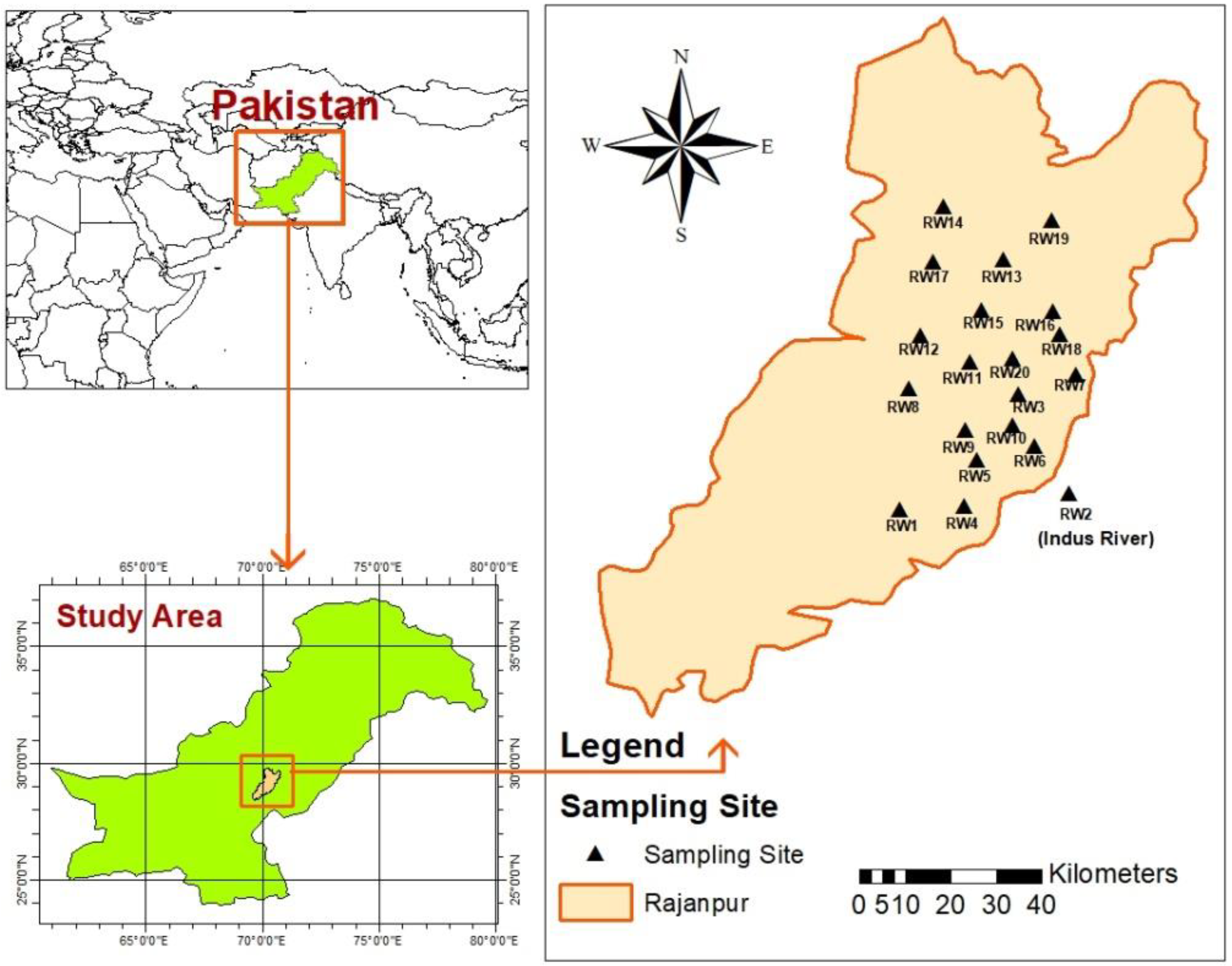
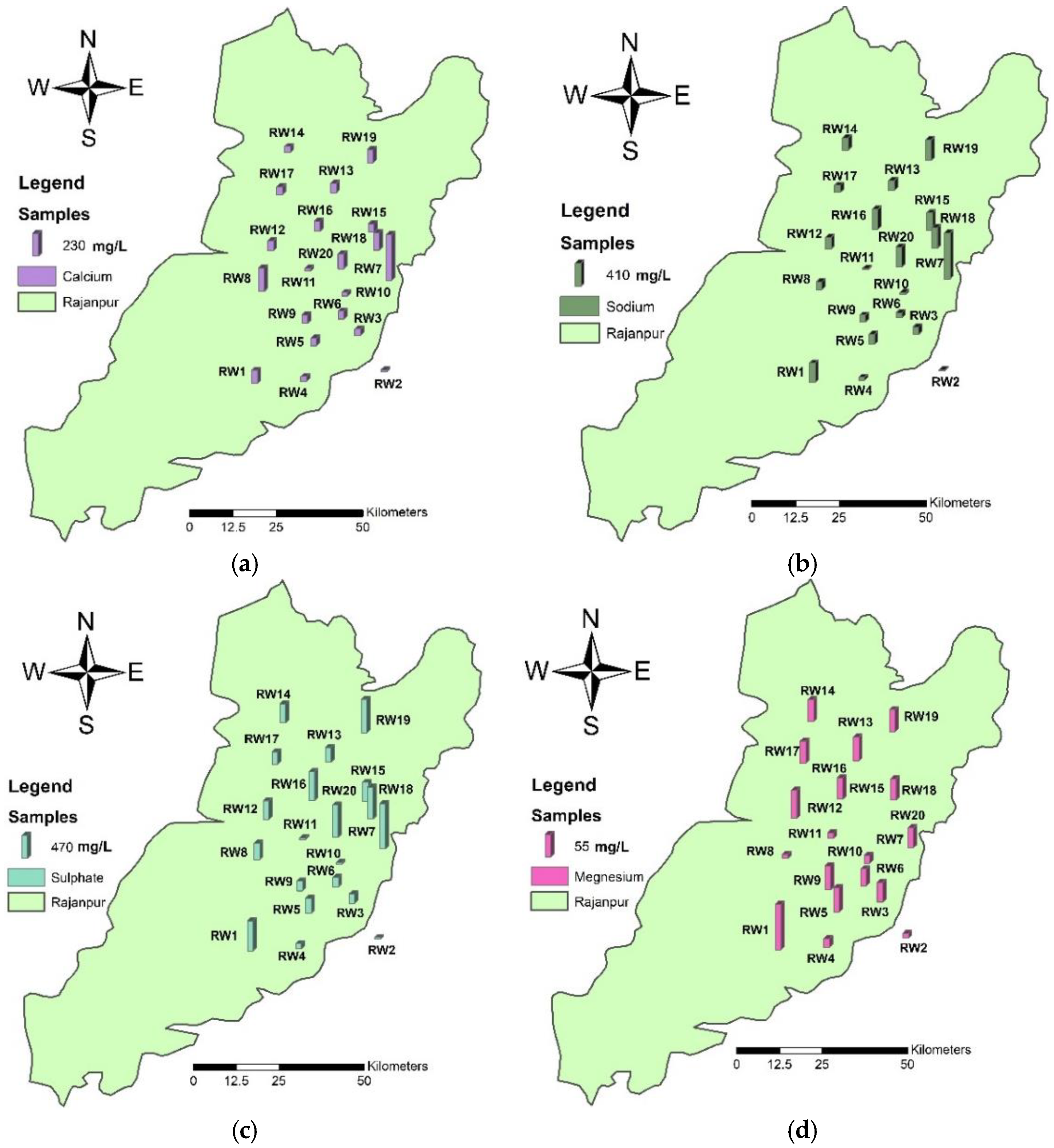
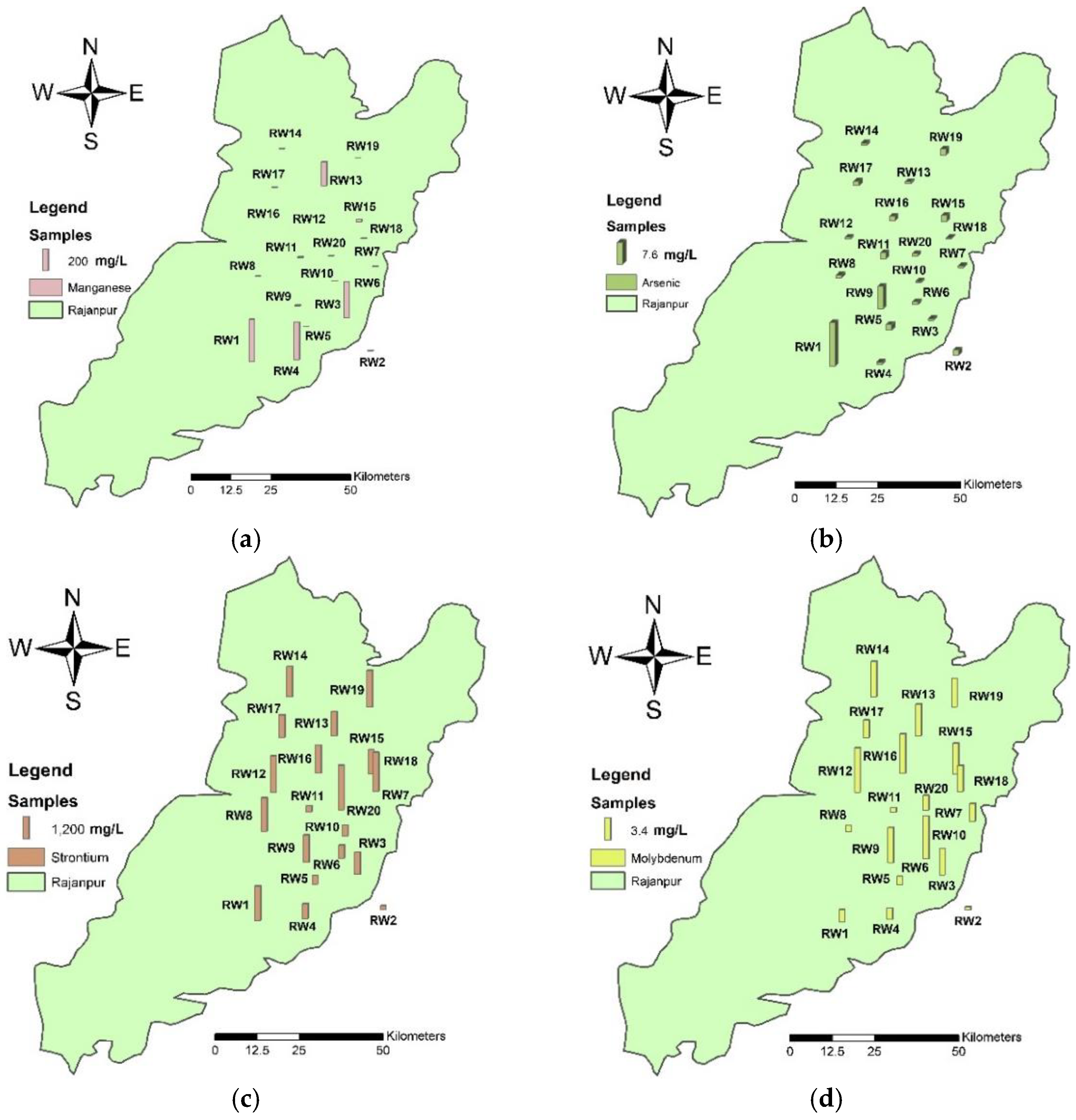
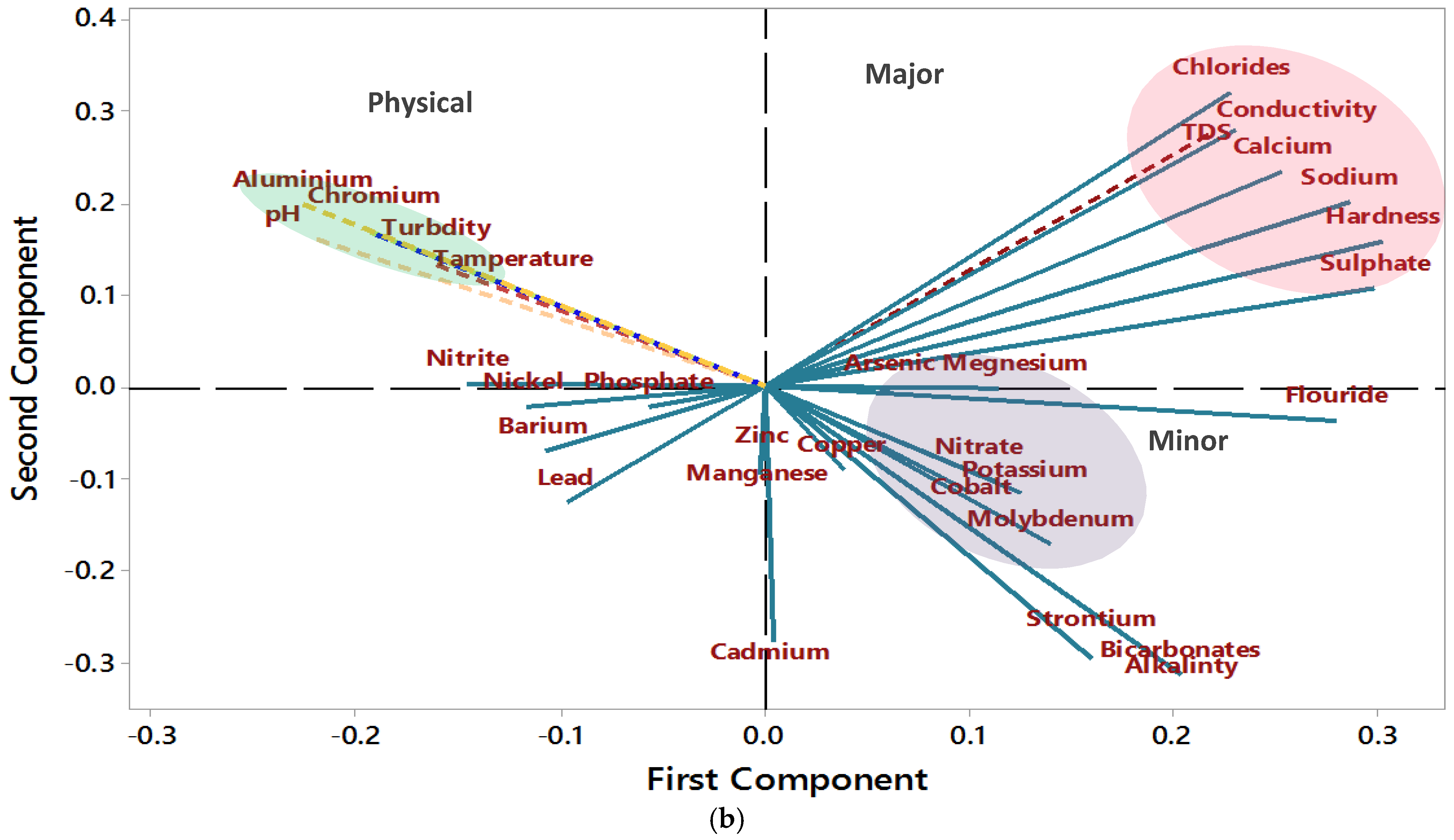
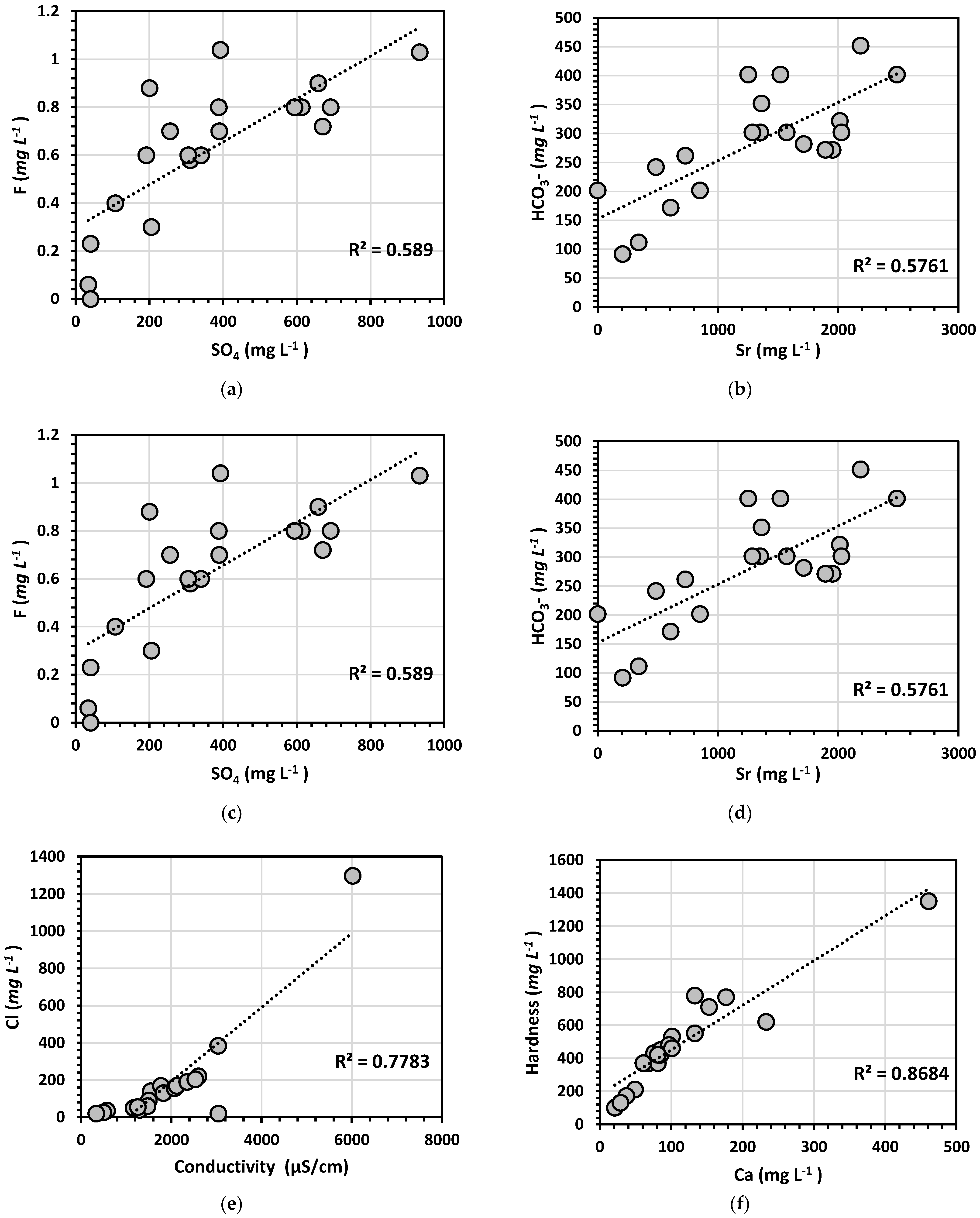
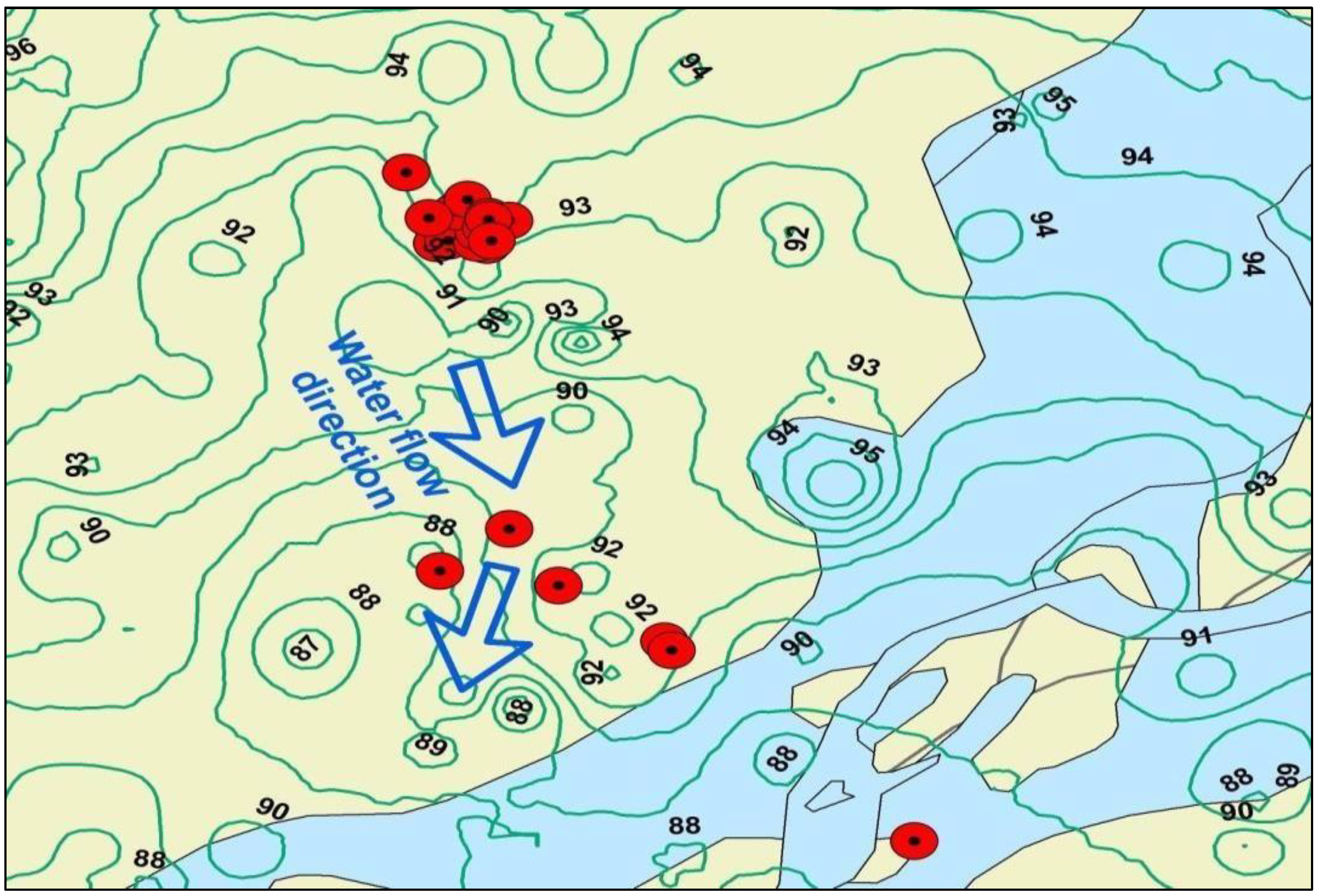
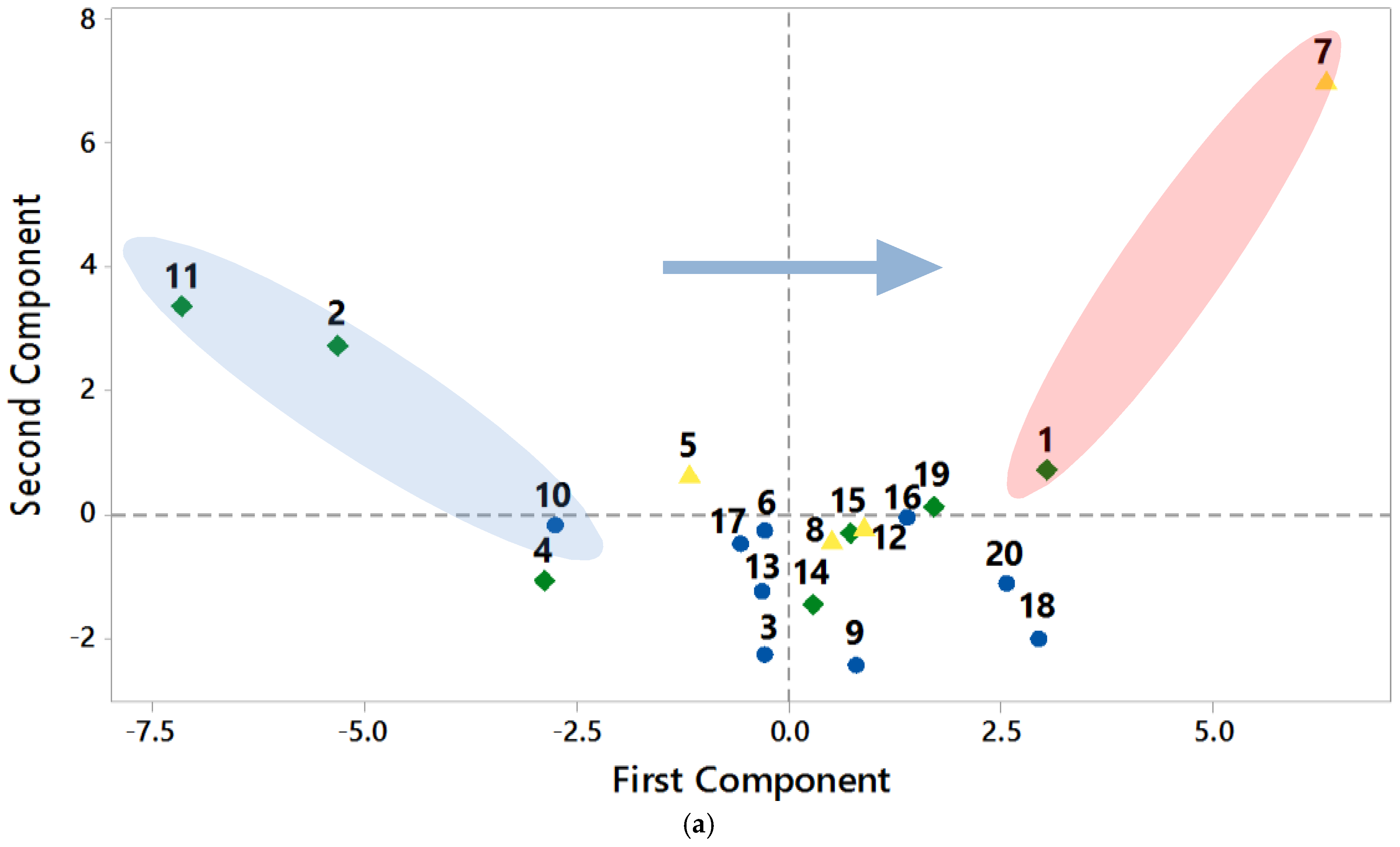
Continuous monitoring of drinking water quality is essential in terms of the levels of heavy metals and toxic substances, especially in developing countries like Pakistan. Therefore, this study aimed to investigate groundwater quality in residential areas of the Rajanpur District, Pakistan. Groundwater samples (n = 200) were collected from various sites in the study area and analyzed by in situ tests (pH, EC, TDS, temperature, and turbidity), and the concentration of 32 dissolved elements and ions was also analyzed. The results showed that higher concentrations of dissolved elements are the primary reason for poor drinking water quality. A few measured parameters (TDS~992 mg L−1 and EC~1921.15 µS/cm) exceeded the permissible limits of the World Health Organization (WHO, Geneva, Switzerland) in most of the samples. Elements that had higher values than the allowable limits in most of the samples were calcium (Ca), sodium (Na), bicarbonates (HCO3), sulfate (SO4), chlorides (Cl), manganese (Mn), and strontium (Sr), with average values of 113 mg L−1, 223 mg L−1, 282 mg L−1, 367 mg L−1, 175 mg L−1, 69 mg L−1, and 1291 mg L−1, respectively. The measured parameters that had no significant issues in terms of drinking water quality were aluminum (Al), nitrite (NO2), phosphate (PO4), pH, and turbidity. The levels of potentially toxic elements such as arsenic (As), lead (Pb), chromium (Cr), and copper (Cu) (average ~2.179 mg L−1, 1.659 mg L−1, 0.092 mg L−1, and 1.032 mg L−1, respectively) were found to be lower than the drinking water guideline values of the WHO. The statistical analysis revealed weak correlations possibly due to multiple sources and localized variations. The physicochemical analysis-based WQI values for all groundwater samples were much lower at the residential sampling locations and in industrial settings, indicating poor water quality. The elevation model indicated that as water moves in the aquifer in the general direction of west to southeast, it gets concentrated by mineral dissolution, with geogenic sources having a major impact on the hydrochemistry. Hence, regular monitoring of water quality is required through advanced technology to overcome groundwater deterioration issues. The quality of water is poor for drinking purposes and the health of the residents of the Rajanpur District may be at risk.
Keywords: water quality; metals; WQI; spatial analysis; correlation; residential; rural water quality; metals; WQI; spatial analysis; correlation; residential; rural