1. Introduction
Despite the growing prominence of environmental, social, and governance (ESG) metrics in shaping corporate accountability, their role in constraining—or enabling—corporate tax avoidance remains fundamentally unresolved. Corporate tax behavior varies substantially across firms, reflecting differences in sectoral characteristics, country-level institutional structures, and firm-specific decision-making processes (
Desai & Dharmapala, 2006;
Slemrod, 2004;
Slemrod & Weber, 2012). These differences are particularly pronounced in multi-country settings characterized by complex accounting standards and tax regulations, where firms respond heterogeneously to regulatory oversight and market discipline. Understanding the firm-level determinants of tax behavior is therefore a central empirical challenge, as it provides insight into how macroeconomic conditions and corporate characteristics translate into observable fiscal outcomes (
Hanlon & Heitzman, 2010).
An increasingly important determinant of corporate tax strategy is ESG performance. Firms are now systematically evaluated based on ESG criteria to promote responsible and sustainable business conduct. These frameworks are intended to shape risk-taking and compliance behavior (
Fu & Zhang, 2025), suggesting that sustainability practices may also influence corporate tax strategies (
Eccles et al., 2014;
Hoi et al., 2013). In this context, a growing body of literature examines whether ESG engagement complements or substitutes traditional tax compliance mechanisms.
The European setting during 2018–2023 provides a particularly relevant context for examining this relationship. During this period, European firms operated under increasing pressure from two parallel regulatory developments: the strengthening of sustainability disclosure requirements and the tightening of anti-tax avoidance rules. On the sustainability side, the EU Taxonomy created a common classification system for environmentally sustainable economic activities (
Regulation (EU) 2020/852, 2020), while the Corporate Sustainability Reporting Directive (CSRD) expanded and standardized corporate sustainability reporting requirements (
Directive (EU) 2022/2464, 2022). These initiatives aimed to improve the transparency, comparability, and reliability of ESG-related information across European firms (
Martinčević et al., 2025;
Rábek, 2025). On the tax side, the Anti-Tax Avoidance Directive (ATAD) and related EU initiatives sought to limit aggressive corporate tax planning and strengthen the fairness and effectiveness of corporate taxation (
Casano, 2019;
Pistone & Weber, 2018;
Spengel et al., 2026). This simultaneous expansion of ESG disclosure harmonization and anti-tax avoidance regulation makes Europe an appropriate institutional setting for examining whether ESG performance reflects substantive accountability or whether it may coexist with sophisticated tax planning strategies. In such a setting, book–tax differences provide a useful empirical lens for observing how these institutional pressures are reflected in firms’ tax reporting outcomes.
Empirical research on corporate tax behavior frequently relies on book–tax differences (BTDs) as a proxy for tax avoidance. BTDs capture discrepancies between financial reporting income and taxable income arising from tax-planning strategies, reporting discretion, and institutional differences between the accounting and tax systems (
Allen & Krever, 2024;
Liu & Zhao, 2022;
Zhang & Yuan, 2025). Large or persistent BTD values are commonly interpreted as indicators of aggressive tax planning (
Frank et al., 2009). Importantly, prior studies suggest that BTDs also reflect firm-level characteristics such as governance quality, reporting incentives (
Desai & Dharmapala, 2006;
Hanlon et al., 2008), managerial risk-taking behavior and discretion (
Armstrong et al., 2015;
Dyreng et al., 2010). Given their close association with ESG performance, BTDs provide a particularly suitable proxy for examining the ESG–tax nexus.
Despite the expanding literature, empirical findings on the ESG–tax avoidance relationship remain mixed and often contradictory. While the dominant perspective suggests that firms with stronger ESG performance are more likely to adhere to ethical norms, preserve reputational capital, and adopt transparent tax practices—implying a negative association—other studies document weak, insignificant, or even positive relationships (
Hoi et al., 2013;
Lanis & Richardson, 2011;
Y. Ma et al., 2025;
Mansour & Alomair, 2026;
Mitroulia et al., 2025;
Yoon et al., 2021). This inconsistency points to a fundamental conceptual limitation in the literature. Most existing studies rely on linear econometric models and aggregated ESG measures, implicitly assuming that ESG performance affects tax behavior in a monotonic and uniform manner. However, such an approach fails to account for the possibility that ESG mechanisms may operate through multiple—and potentially opposing—channels.
This study challenges the prevailing linear paradigm by proposing that the relationship between ESG performance and corporate tax avoidance may be non-linear, threshold-dependent, and strategically contingent. Specifically, ESG engagement may operate through two distinct mechanisms. On the one hand, ESG practices can function as an ethical constraint by strengthening internal controls, enhancing transparency, and aligning firms with stakeholder expectations, thereby reducing tax avoidance. On the other hand, ESG engagement may serve as a strategic legitimacy tool, enabling firms to accumulate reputational capital that can be leveraged to obscure opportunistic behaviors, including sophisticated tax planning. This dual-channel structure implies that the effect of ESG on tax avoidance may reverse beyond certain threshold levels, particularly when higher governance quality enhances managerial capability.
This expectation of non-linearity follows from the dual-channel logic outlined above rather than from a purely statistical assumption. At lower or moderate levels, ESG engagement may be symbolic and have little effect on tax behavior (
Chandrasena et al., 2025;
Mitroulia et al., 2025;
Montenegro, 2021). At higher levels, CSR and stakeholder-oriented practices strengthen public accountability, thereby discouraging aggressive tax planning (
Christensen & Murphy, 2004;
Jiang et al., 2024;
Lanis & Richardson, 2012;
Yoon et al., 2021). However, strong governance also indicates managerial expertise and access to specialized advisors, enabling firms to design complex, less visible tax strategies (
Armstrong et al., 2015;
Lanis & Richardson, 2011;
Minnick & Noga, 2010). Therefore, the ESG–tax avoidance relationship is expected to be threshold-dependent rather than linear.
Building on this theoretical perspective, this study refers to this mechanism as a legitimacy buffer effect. High ESG performance—particularly in governance—allows firms to maintain a responsible image while quietly engaging in complex tax avoidance. Here, ESG acts not just as a constraint, but also as a strategic resource to manage regulatory and stakeholder scrutiny (
Davis et al., 2016;
Sikka, 2013).
The legitimacy buffer effect does not posit that strong ESG performance directly causes tax avoidance. Instead, the resulting legitimacy reduces the reputational risks of complex tax planning. Firms with strong ESG profiles build reputational capital through sustained stakeholder responsiveness. This accumulated credibility gives managers more strategic freedom, particularly for tax strategies that are legally defensible but opaque (
Godfrey et al., 2009).
This dual role is especially relevant to the governance dimension. Traditionally, strong governance is viewed as a disciplining tool that reduces opportunism through monitoring. However, high governance scores also reflect the organizational capacity—such as specialized legal and financial resources—needed to execute difficult-to-detect tax strategies. Thus, governance quality operates through two opposing channels: it constrains opportunism through oversight, but enables sophisticated tax planning through organizational capability (
Armstrong et al., 2015).
The legitimacy buffer effect explains this tension and clarifies the conflicting findings in previous literature. It also highlights the need to look beyond simple linear models when studying ESG and tax avoidance.
Accordingly, the central objective of this study is to examine how specific ESG categories affect corporate tax behavior, focusing on identifying non-linear patterns and threshold effects across different firm conditions. Predictive accuracy is therefore not treated as an end in itself. Instead, building an accurate predictive model is simply a necessary step to ensure the SHAP analyses provide reliable explanations of these complex tax patterns.
To empirically examine these dynamics, this study employs a multi-algorithmic machine learning framework on a large panel dataset of European firms over the period 2018–2023. Given the potentially non-linear and interaction-driven nature of the ESG–tax relationship, machine learning models are particularly well suited to capturing complex patterns, threshold effects, and high-order interactions without imposing restrictive functional form assumptions (
Mullainathan & Spiess, 2017). To address the interpretability challenge associated with such models, the analysis integrates Explainable Artificial Intelligence (XAI) techniques, specifically SHAP (Shapley Additive Explanations), which decompose model predictions into marginal feature contributions.
The empirical findings reveal threshold-dependent and interaction-driven patterns in the ESG–tax avoidance relationship. While certain ESG dimensions—particularly CSR strategy and human rights—are associated with lower tax avoidance beyond specific thresholds, governance-related variables exhibit a contrasting pattern. Specifically, once management quality exceeds a critical level, firms are more likely to engage in sophisticated forms of tax avoidance, supporting the existence of a legitimacy buffer effect. These results demonstrate that ESG performance does not uniformly constrain tax avoidance; rather, its impact depends on the interaction between ethical commitment and managerial capability.
This study makes four key contributions to the literature. First, it challenges the dominant monotonic perspective by introducing a non-linear, multi-theoretical framework—integrating agency theory and the political cost hypothesis—that successfully reconciles conflicting empirical findings regarding ESG and tax behavior. Second, it highlights the limits of traditional statistical models. By using machine learning, the study moves beyond merely predicting outcomes to actually explaining the hidden drivers of corporate tax behavior. Third, it offers practical insights for policymakers. The findings demonstrate that a high ESG score does not automatically mean a company has low tax risk, signaling a need for smarter regulatory monitoring. Fourth, it reveals that companies can use sustainability strategically. Strong management teams often use high ESG scores as a “legitimacy buffer” to distract from and hide aggressive tax avoidance. Ultimately, the study warns that ESG metrics are not perfect measures of corporate responsibility, as an exemplary score does not always guarantee genuinely sustainable practices.
The paper is structured as follows.
Section 2 reviews the relevant literature and develops the theoretical framework.
Section 3 presents the data and methodology.
Section 4 reports the empirical findings.
Section 5 discusses the results, and
Section 6 concludes the paper.
2. Literature Review: ESG Performance and Corporate Tax Avoidance
Corporate tax behavior can be defined as the set of planning, reporting, and compliance strategies that firms adopt in response to legally defined tax obligations (
Hanlon & Heitzman, 2010). Importantly, tax behavior is not determined solely by statutory tax rates or actual tax payments; rather, it is shaped by both external factors—such as regulatory and economic conditions—and internal firm-level characteristics, including corporate culture, governance structures, internal controls, and managerial incentives (
Castelo Branco, 2021;
Fallan & Fallan, 2019;
Scarpa & Signori, 2023). Therefore, tax avoidance is not just a response to high tax rates, but a strategic decision driven by a company’s internal structure and the legal environment.
In this context, ESG performance reflects firms’ internal mechanisms and plays an important role in shaping corporate tax behavior. ESG indicators extend beyond financial metrics by capturing governance quality, stakeholder engagement, and firms’ commitment to corporate responsibility (
Veenstra & Ellemers, 2020;
Wang & Sarkis, 2017). A substantial body of literature suggests that ESG performance is generally associated with lower levels of tax avoidance. Empirical evidence from countries such as South Korea, the United Kingdom, China, and Australia indicates a significant negative relationship between ESG performance and aggressive tax practices (
Yoon et al., 2021;
Jiang et al., 2024;
Binhadab, 2025;
Trireksani et al., 2025). This relationship is often explained by the presence of stronger ethical norms and a broader understanding of taxation as a component of corporate social responsibility (
Yoon et al., 2021). Furthermore, ESG practices contribute to reducing tax avoidance by alleviating financing constraints, enhancing internal control systems, and strengthening external monitoring (
Jiang et al., 2024). Firms with high ESG performance also tend to adopt long-term, sustainable tax strategies rather than short-term tax minimization approaches (
H. Y. Ma & Park, 2021).
From a dimensional and theoretical perspective, each ESG component may influence tax avoidance through a different mechanism. Governance (G) is the ESG component most directly linked to tax avoidance because it shapes managerial discretion, monitoring quality, and internal decision-making processes. From an agency theory perspective, weak governance structures provide managers with greater discretion to engage in aggressive tax planning (
Desai & Dharmapala, 2006). In contrast, strong governance mechanisms—such as effective boards, audit committees, and transparent reporting—can constrain opportunistic behavior and promote more disciplined tax strategies (
Armstrong et al., 2015;
Lanis & Richardson, 2011;
Minnick & Noga, 2010). However, governance may also have a second function: highly developed governance structures may reflect advanced managerial capability, stronger internal coordination, and access to specialized advisory resources, which can increase firms’ capacity to design sophisticated tax planning strategies.
The social (S) dimension is primarily related to stakeholder theory and legitimacy theory. Firms with strong social responsibility performance are more likely to respond to broader stakeholder expectations and may therefore treat tax compliance as part of corporate responsibility rather than merely as a cost-minimization issue (
Christensen & Murphy, 2004). Similarly, firms with high public visibility may avoid aggressive tax strategies to protect reputational capital and maintain societal approval.
The environmental (E) dimension is also closely connected to legitimacy concerns, as firms committed to sustainability and long-term value creation may face reputational damage if their tax behavior contradicts their environmental and social disclosures (
Eccles et al., 2014;
Hart & Ahuja, 1996;
Siegrist et al., 2020). Political cost theory further suggests that highly visible firms face stronger public, regulatory, and media scrutiny, making aggressive tax avoidance more costly, particularly when firms claim strong ESG commitments. Taken together, these theoretical perspectives suggest that ESG dimensions are unlikely to affect tax avoidance in a purely linear or uniform manner. ESG may operate as a substantive accountability mechanism that constrains aggressive tax behavior through monitoring, stakeholder pressure, legitimacy concerns, and political costs. At the same time, under certain conditions, ESG may also function as a reputational resource that helps firms manage external perceptions while pursuing complex and less visible tax strategies. This dual theoretical logic provides the basis for the legitimacy buffer argument developed in this study.
Despite this dominant perspective, an alternative stream of research highlights that ESG practices do not always constrain tax avoidance. The “smokescreen” and “greenwashing” arguments suggest that firms may strategically use ESG disclosures to mask aggressive tax behavior and maintain a positive corporate image (
Chandrasena et al., 2025;
Montenegro, 2021). In some cases, ESG investments—particularly those related to environmental initiatives—create financial pressure, leading firms to engage in tax avoidance to sustain cash flows (
Feng et al., 2022;
Souguir et al., 2024). Empirical evidence from the United Kingdom further supports this paradox, showing that higher environmental performance can be associated with increased tax avoidance (
Sastroredjo et al., 2025). Supporting this view, several studies report a positive relationship between ESG performance and tax avoidance, suggesting that ESG engagement may sometimes serve symbolic or strategic purposes rather than reflecting genuine ethical commitment (
Lee, 2024;
H. Y. Ma & Park, 2021;
Mansour & Alomair, 2026;
Mitroulia et al., 2025).
Moreover, the ESG–tax avoidance relationship is highly context-dependent. Institutional quality plays a critical role: in countries with strong regulatory frameworks, ESG more effectively reduces tax avoidance, whereas in weaker governance environments, ESG practices may remain symbolic (
Mansour & Alomair, 2026). Firm-level characteristics also matter; for example, the relationship is more pronounced in large business groups in South Korea, while in China, state ownership (SOEs) and digitalization levels significantly influence tax compliance (
Fu & Zhang, 2025;
Hu & Xiong, 2026;
Jiang et al., 2024;
Yoon et al., 2021;
Zhang et al., 2025). Recent evidence further reinforces this heterogeneous interpretation. Ariff et al. (
Mohamad Ariff et al., 2024) show that the association between tax avoidance and ESG performance depends on financial constraints, while
Okuyama et al. (
2025) suggest that tax responses differ according to changes in ESG risk. Similarly,
Lee (
2024) reports that the ESG–tax avoidance relationship varies by governance quality, with social and governance pillars being positively associated with tax avoidance among well-governed firms. Sectoral differences further shape this relationship, with environmental factors being more influential in non-financial firms and social and governance dimensions playing a stronger role in financial institutions (
Binhadab, 2025). Meta-analytic evidence suggests that the overall relationship between ESG and tax avoidance is generally weak to moderate and often characterized by “decoupling,” where firms separate ESG strategies from tax practices (
Mitroulia et al., 2025). Taken together, the literature indicates that the ESG–tax avoidance nexus is multidimensional, heterogeneous, and potentially non-linear, shaped by interacting institutional, organizational, and strategic factors (
Sastroredjo et al., 2025).
The existing studies mentioned above predominantly rely on traditional linear econometric models, which may fail to capture the complex, nonlinear, and interaction-driven nature of the relationship between ESG practices and corporate tax avoidance. This limitation is particularly important given the mixed empirical findings in the literature, suggesting that the ESG–tax avoidance nexus may involve threshold effects, nonlinear patterns, and heterogeneous responses across firms and institutional settings. Given these limitations, machine learning models offer a more suitable analytical framework by effectively capturing nonlinearities and high-order interactions (
Kim & Lee, 2025). Empirical evidence shows that ensemble methods such as random forest achieve significantly higher explanatory power and lower prediction error (
Gu et al., 2020;
Kim & Lee, 2025). Moreover, these methods can handle high-dimensional data (including P > N) with fewer restrictive assumptions (
Mullainathan & Spiess, 2017).
In response to these limitations, this study proposes an approach involving employing machine learning techniques to investigate the potentially non-linear and interaction-driven effects of ESG practices on corporate tax avoidance. Specifically, by integrating advanced algorithms with SHAP (Shapley Additive Explanations) analysis, the study not only improves predictive accuracy but also enhances interpretability by identifying the relative importance and marginal effects of ESG dimensions on tax avoidance decisions. This approach contributes to the literature by uncovering hidden patterns, interaction effects, and threshold dynamics that remain undetected in traditional models. Ultimately, the study provides a more nuanced and data-driven understanding of how ESG practices influence corporate tax behavior, offering both theoretical and practical implications for policymakers, regulators, and corporate decision-makers. Despite these advances, the literature still lacks a unified framework that explains when ESG constrains versus enables tax avoidance, particularly in the presence of managerial capability and institutional heterogeneity. This study aims to fill this gap by integrating a non-linear, interaction-driven perspective into the ESG–tax avoidance nexus.
4. Results
4.1. Model Comparison and Selection
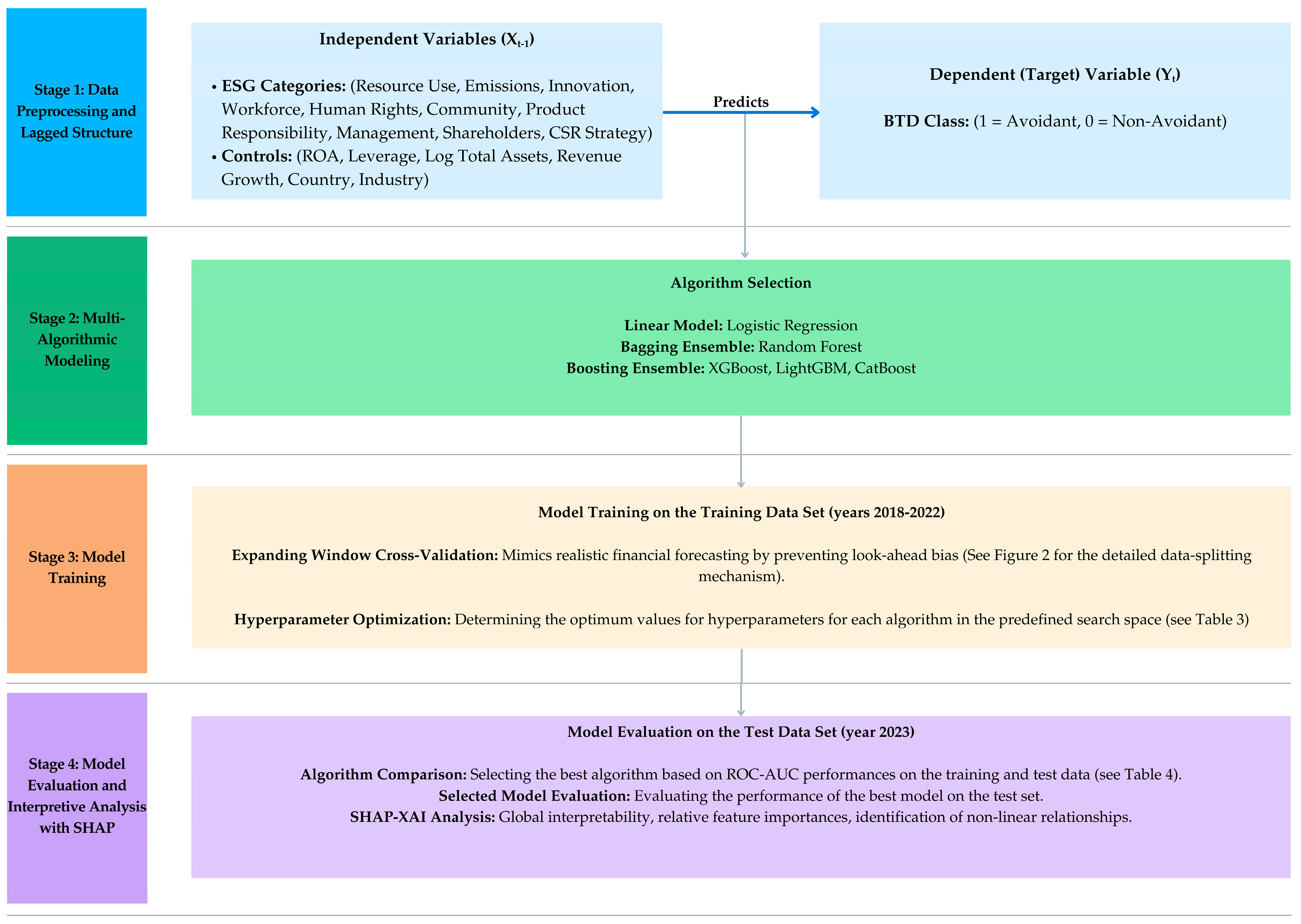
The results of the expanding window cross-validation indicate that CatBoost is the best-performing model, followed by LightGBM, as reported in
Table 4. For the CatBoost model, the training AUC is 0.8404, while the average cross-validation AUC is 0.7538. Furthermore, the model achieved a Test AUC of 0.7452 on the out-of-sample data (year 2023), indicating a limited gap between validation and test performance.
In contrast, the baseline logistic regression model exhibited the lowest performance (Test AUC: 0.5473), whereas machine learning models significantly outperformed linear approaches. This performance gap suggests that linear specifications may be insufficient for capturing the full structure of the ESG–tax avoidance relationship and motivates the subsequent SHAP-based examination of threshold and interaction patterns. These empirical results show that logistic regression fails to effectively separate the classes. In stark contrast, tree-based ensemble algorithms—which mathematically map complex, non-linear interactions and threshold boundaries—achieve an AUC of 0.75. This substantial performance gap quantitatively proves that the true underlying relationship between ESG features and corporate tax behavior is non-linear.
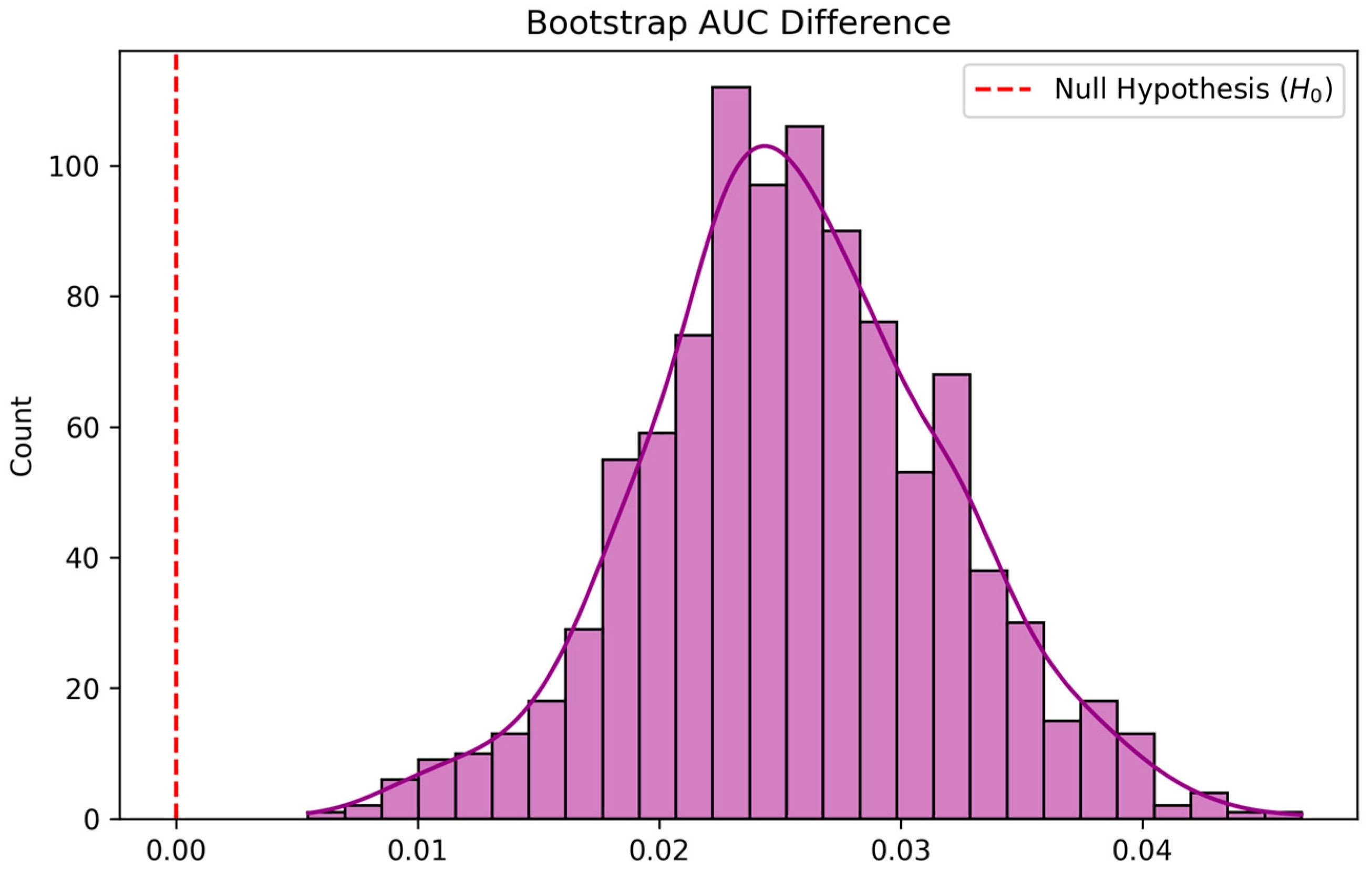
The results of the bootstrapping test show that the difference between the best-performing (CatBoost) and the second-best-performing (LightGBM) classifiers is statistically significant (
p < 0.05), as displayed in
Figure 3. Consequently, CatBoost was selected as the best-performing model for the final evaluation and interpretive analysis.
The hyperparameter tuning process identified an optimal configuration of 400 iterations with a learning rate of 0.02. To enforce a conservative and robust model architecture, a shallow tree depth of 3 and a high L2 leaf regularization were selected. Beyond these tuned parameters, the study leveraged CatBoost’s native Ordered Boosting and Symmetric Tree structures. These built-in constraints are specifically designed to handle high-cardinality categorical features—such as Country and Industry—while significantly reducing gradient bias. The integration of these algorithmic safeguards with the expanding window cross-validation strategy helps ensure that the resulting SHAP interpretations reflect stable economic patterns rather than random data fluctuations.
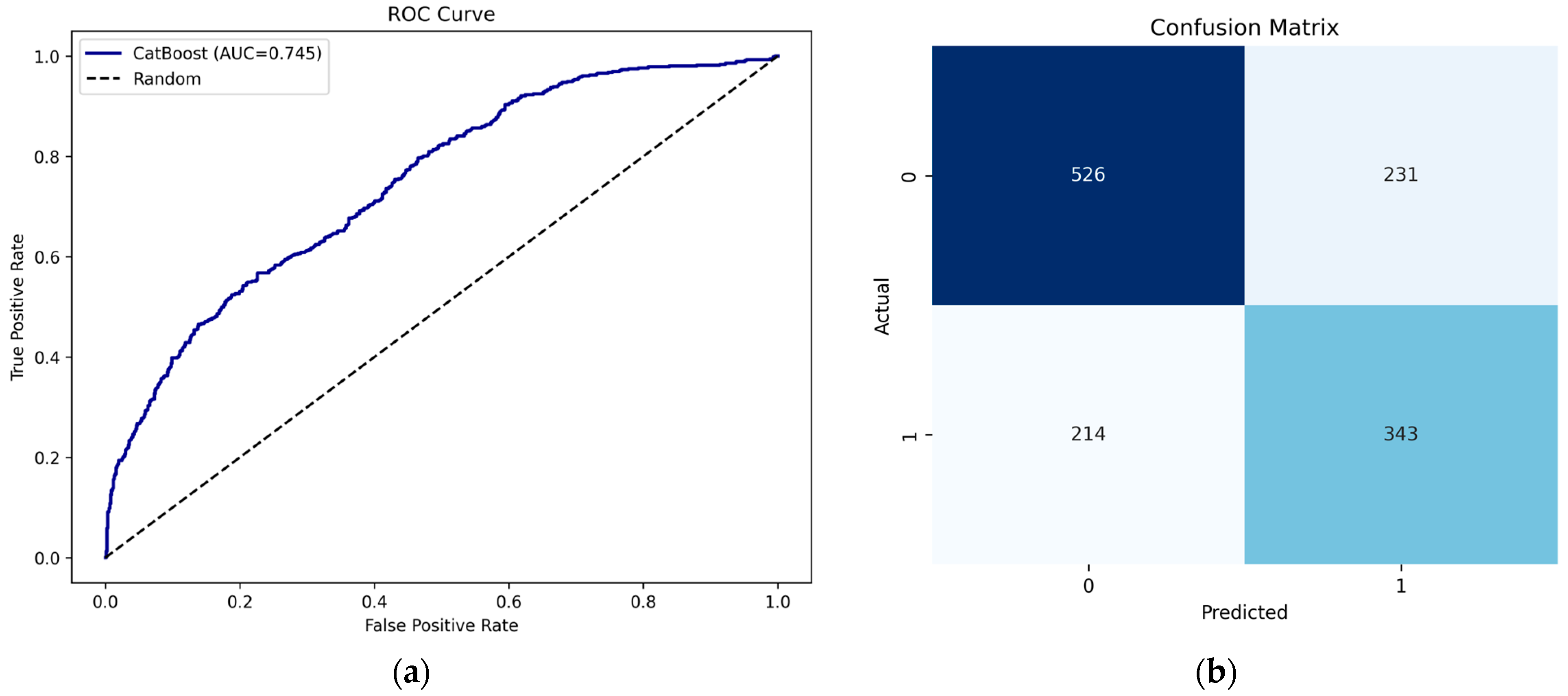
Table 5 presents the detailed performance metrics yielded from the confusion matrix (see
Figure 4) of the CatBoost algorithm on the unseen 2023 data. While the overall accuracy is 66%, the critical metric for this study is the performance on the Avoidant (1) class. The model successfully identified 62%, 343 out of 557 actual tax-avoidant firms (True Positives), resulting in a recall of 61.6%. Out of the firms flagged as avoidant, the model was correct in 343 cases against 231 false positives, yielding a precision of 60%. The balanced F1-score for the minority class is 0.61, which is comparable to the macro average F1-score (0.65) and weighted average F1-score (0.66).
Figure 4 presents that the model achieved an AUC score of 0.745, which is significantly higher than the baseline logistic regression model (0.547) and the random threshold (0.50).
The empirical results reveal that corporate tax avoidance is governed by complex, non-linear decision structures rather than simple additive relationships. The substantial performance gap between the linear baseline (logistic regression AUC: 0.55) and the CatBoost model (AUC: 0.75) provides strong empirical evidence on the economic relevance of interaction effects that remain unobserved in traditional linear models. The reasonable gap between train AUC (0.84) and CV AUC (0.75) indicates that the CatBoost model is not memorizing the training data (overfitting) but rather learning steadily along the expanding windows. Moreover, the minimal divergence between validation and test scores demonstrates the model’s robustness in maintaining predictive performance on strictly out-of-sample data, effectively predicting future (2023) tax behaviors. Finally, all three boosting algorithms outperform random forest and logistic regression algorithms.
The proximity between the macro average and weighted average F1-scores implies that the model’s high predictive capability is not driven solely by the majority class (non-avoidant). Instead, the model is equally effective in identifying the minority class (avoidant), which is the primary focus of this study. This confirms that the chosen cost-sensitive learning strategy successfully mitigated the bias typically observed in imbalanced financial datasets.
4.2. Interpretive SHAP Results
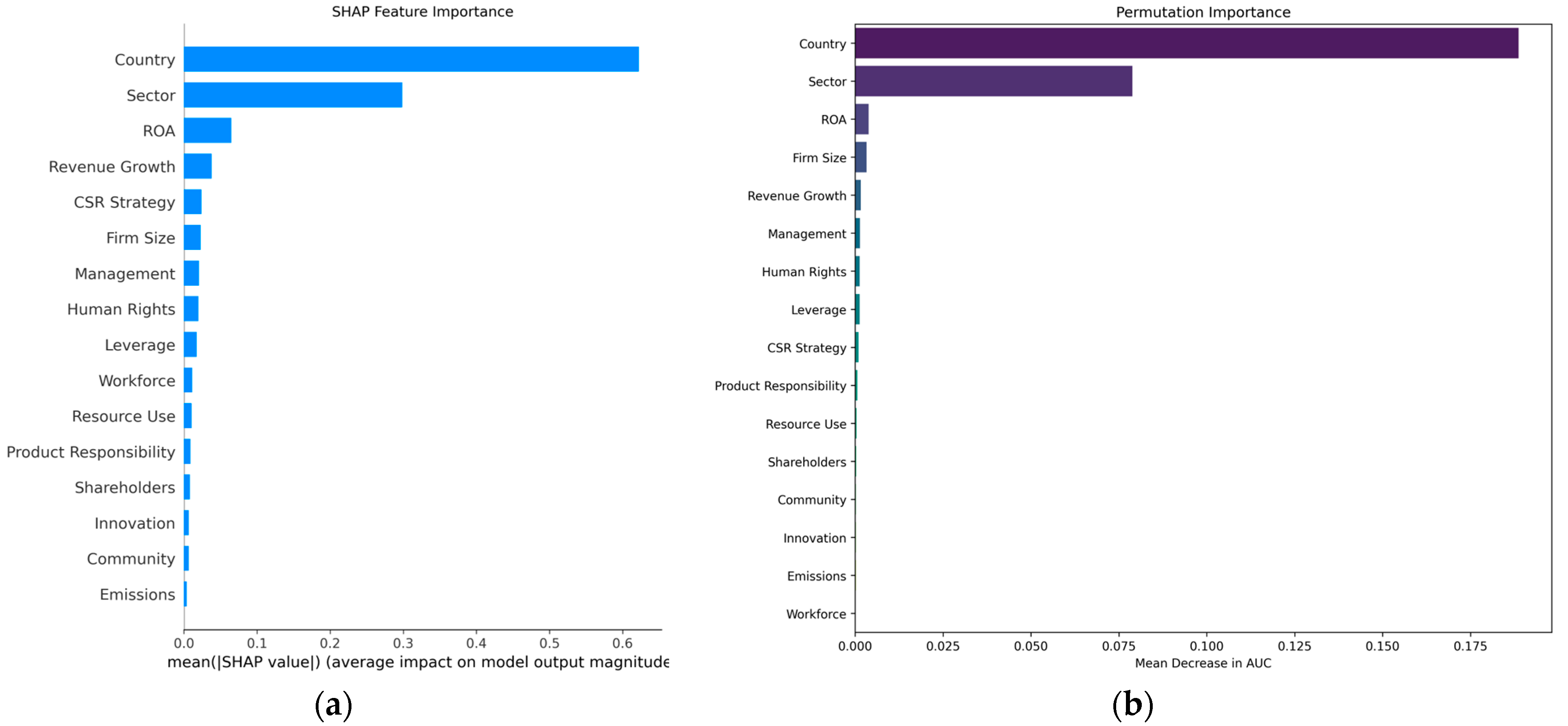
Figure 5 shows SHAP feature importance and permutation importance values. SHAP values measure the magnitude of each feature’s contribution to the prediction. Permutation importance assesses the decrease in model performance (AUC) when the feature’s information is randomized.
Both metrics identified that “Country” and “Industry” are the most influential predictors. The ROA consistently ranked third among the financial controls in both analyses. Minor variations in the ranking of lower-tier ESG variables (CSR Strategy, Management, Human Rights) were expected, given the mathematical foundations of the two methods. It is crucial to acknowledge that these interpretability metrics quantify the relative contribution of features within the model’s context, implying that lower-ranked features (e.g., ESG) are not necessarily insignificant but rather explain the residual variance after structural factors are accounted for.
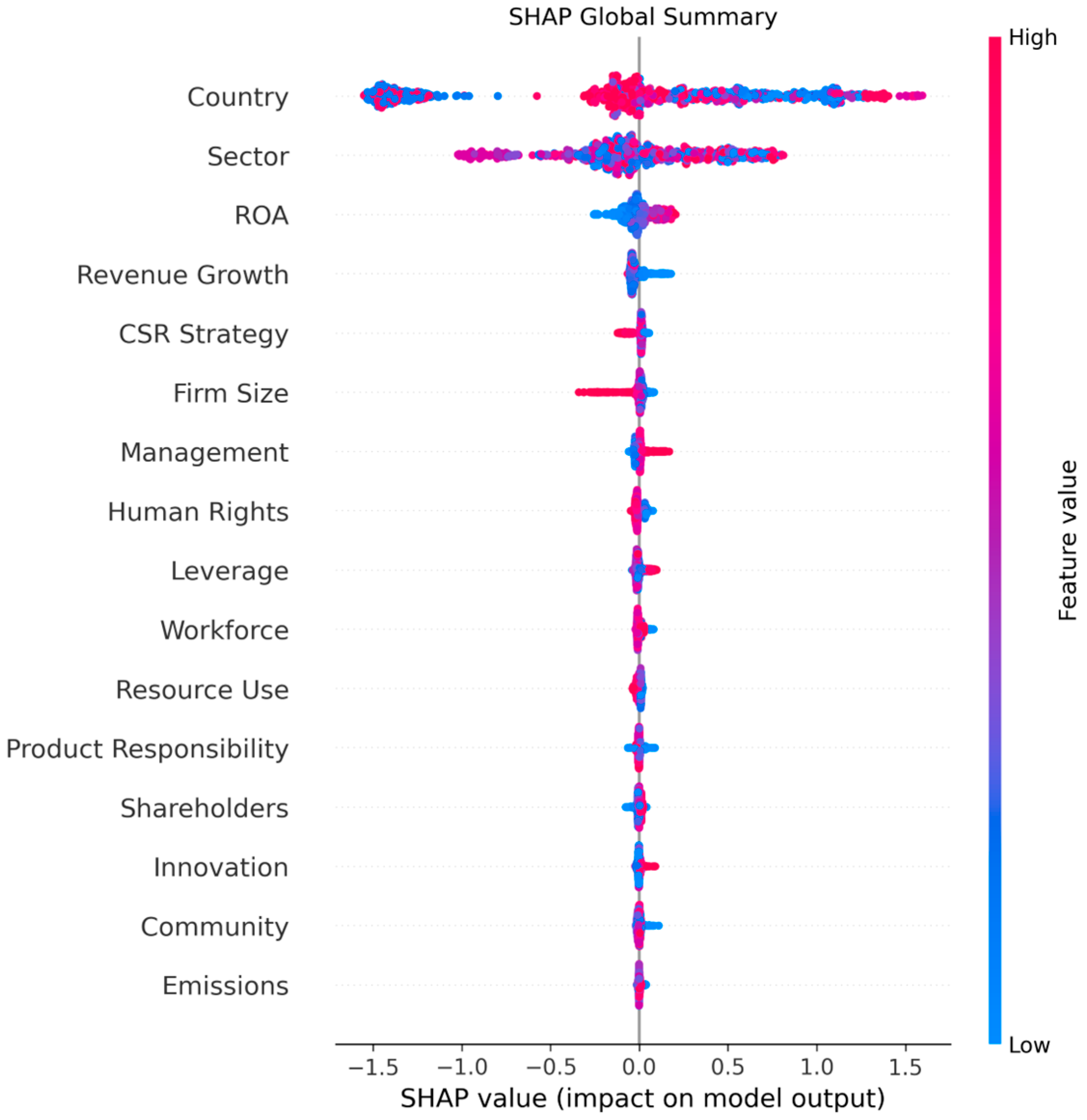
Figure 6 summarizes how the features impact the target feature. Each observation in the test set is represented by a single dot; red dots represent a higher value for the input feature, and blue dots represent a lower value. The SHAP value of the input feature is given on the X-axis, and the accumulation of dots along the X-axis represents the density of the data. Consistent with the feature importance rankings, Country and Industry exhibit the widest dispersion along the X-axis, ranging from highly negative to highly positive SHAP values. Among control variables, ROA shows a pattern where red dots (high profitability) are concentrated on the right side, indicating higher predicted tax-avoidance risk. Conversely, the plot reveals an inverse relationship for revenue growth, where blue points (low growth) are predominantly clustered on the positive side (right) of the SHAP axis. Regarding firm size, red dots (large firms) are largely concentrated on the left side (negative SHAP values).
In terms of ESG attributes, CSR Strategy is associated with lower predicted tax-avoidance risk, with high-scoring firms clustered on the negative side of the SHAP axis. In contrast, Management is associated with higher predicted tax-avoidance risk, as high scores tend to push predictions toward the tax-avoidant class.
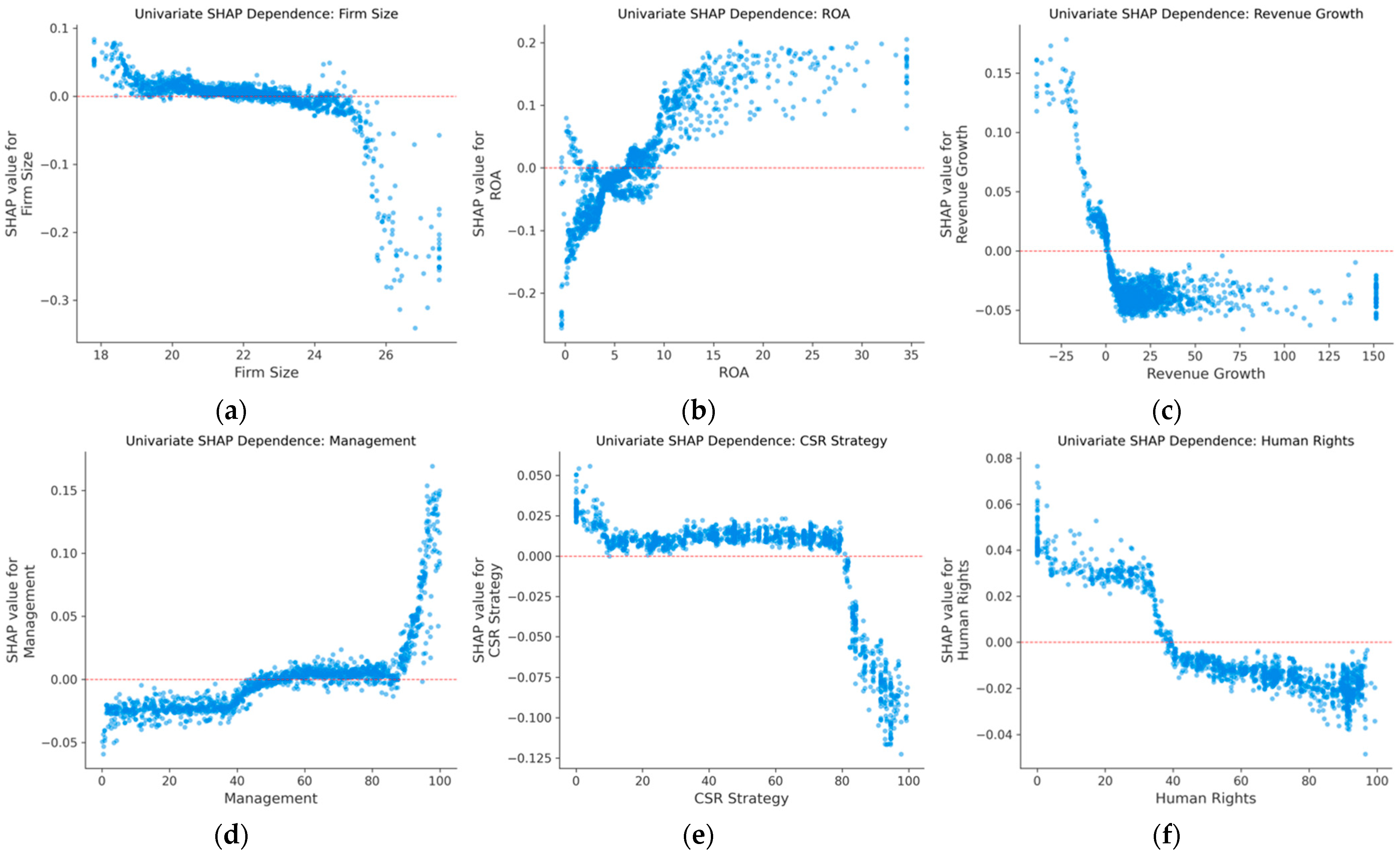
Figure 7 displays univariate dependence scatter plots for six prominent variables (namely ROA, Revenue Growth, Firm Size, CSR Strategy, Management, and Human Rights) and produces further insights. The findings show that higher ROA values are associated with higher predicted tax-avoidance risk. In contrast, Revenue Growth exhibits an inverse relationship, where firms with negative revenue growth show higher SHAP values (increased avoidance risk). Additionally, the largest companies (with the largest total assets) are consistently associated with negative SHAP values, indicating lower predicted tax-avoidance risk.
Management shows a sharp increase in avoidance risk only after a score of 80/100. Conversely, CSR Strategy demonstrates a protective effect (compliance) that becomes effective specifically after the score exceeds 80/100. Finally, the Human Rights score follows a different non-linear trend, showing a drastic drop in tax avoidance risk after a relatively low threshold of 40/100.
SHAP partial dependence plots in
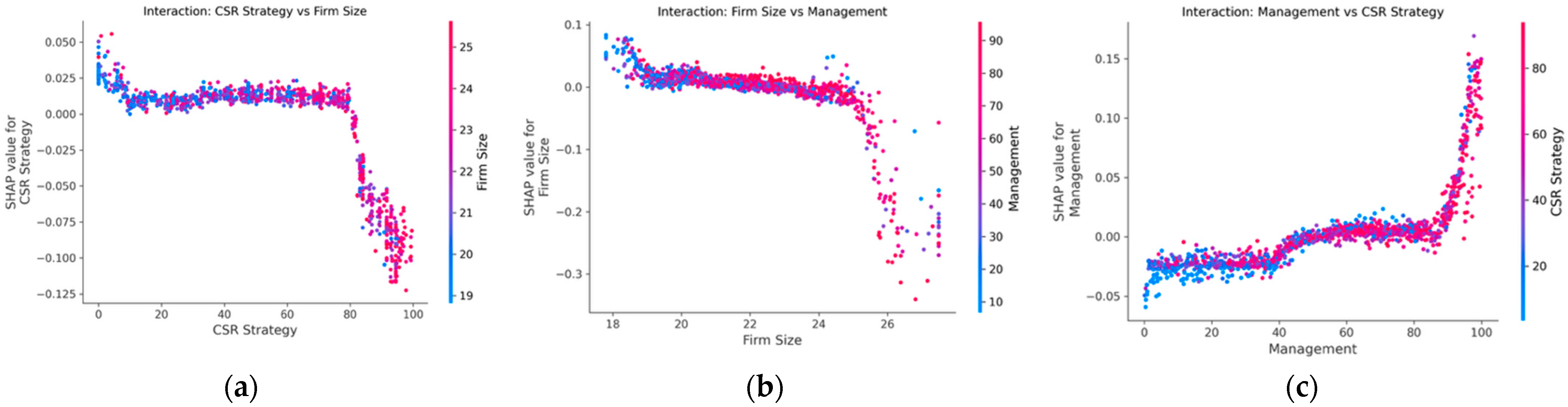
Figure 8 demonstrate dual interaction dynamics. The first plot illustrates that the impact of CSR strategy on tax avoidance remains constant until reaching a score of approximately 80, after which it drops sharply. In this area (where CSR score > 0.80 and SHAP < −0.05), red dots are accumulated, meaning that larger companies with higher management scores are also associated with lower predicted tax-avoidance risk. This suggests that the interplay between high CSR commitment and high visibility (Size) creates the strongest deterrent against tax avoidance.
The results are also similar in the second plot, where larger firms with higher management scores are also associated with lower predicted tax-avoidance risk. However, the third plot illustrating the interaction between Management and CSR Strategy reveals a noteworthy dependency. Once management reaches a high score (85/100), the probability of tax avoidance rises exponentially. Crucially, the peak of the risk curve (top-right corner) is populated by a mix of high-CSR firms.
Overall, the AUC results establish the reliability of the selected model for interpretation, while the SHAP dependence and interaction analyses address the main explanatory objective by showing how ESG effects vary across thresholds, dimensions, and firm-level conditions.
5. Discussion
The empirical results suggest that corporate tax avoidance is shaped by complex and potentially non-linear decision structures rather than simple relationships. This interpretation is not based solely on the performance difference between logistic regression and tree-based machine learning models. The lower AUC of the linear baseline model indicates that linear specifications may be insufficient to capture the full structure of the ESG–tax avoidance relationship. However, the evidence for non-linearity is further supported by the SHAP dependence plots, which reveal threshold effects for Management, CSR Strategy, and Human Rights, and by SHAP interaction patterns showing that ESG effects vary with firm size and management quality. Therefore, the superior performance of non-linear models is interpreted as supporting evidence, while the main basis for the non-linearity argument comes from the observed threshold and interaction patterns in the SHAP analyses (
Lundberg & Lee, 2017).
At the same time, these technical results should be interpreted in relation to their accounting, finance, and economic meaning. In this study, tax avoidance is not treated merely as a classification problem, but as a corporate reporting and resource-allocation decision reflected in book–tax differences (
Blaylock et al., 2012;
Hanlon, 2005;
Hanlon & Heitzman, 2010). From an accounting perspective, BTDs capture the gap between financial reporting income and taxable income, indicating the extent to which firms manage tax outcomes relative to reported accounting performance. Therefore, the model’s predictive performance is consistent with the view that tax avoidance is shaped by a combination of reporting discretion, tax planning incentives, institutional context, and managerial capability (
Desai & Dharmapala, 2006;
Hanlon, 2005;
Hanlon & Heitzman, 2010;
Jackson, 2015).
The model’s out-of-sample performance also has practical relevance. Although tax avoidance is inherently difficult to detect because it is often embedded in complex accounting and legal structures, the CatBoost model provides a meaningful ability to rank firms according to tax-avoidance risk. Rather than replacing professional judgment, such a model can serve as a screening tool for auditors, tax authorities, and investors by identifying firms that deserve closer scrutiny. This interpretation links the technical performance metrics to their practical value in financial monitoring and tax-risk assessment (
Gu et al., 2020;
Kim & Lee, 2025;
Lundberg & Lee, 2017;
Raschka, 2020).
The dominance of Country and Industry highlights the structural nature of corporate tax behavior. Tax avoidance opportunities and constraints are shaped by national tax systems, enforcement intensity, accounting–tax conformity, and sector-specific business models (
Desai & Dharmapala, 2006;
Hanlon & Heitzman, 2010;
Slemrod, 2004;
Slemrod & Weber, 2012). Although tree-based models may sometimes assign high importance to categorical variables, the use of CatBoost helps mitigate this concern through its treatment of categorical features. Therefore, the prominence of Country and Industry should be interpreted not merely as a methodological outcome, but as evidence that firms’ tax behavior is strongly embedded in institutional and sectoral environments.
It is crucial to note that the dominance of Country and Industry does not imply that ESG variables lack meaningful explanatory power. Rather, it indicates that ESG effects should be interpreted as firm-level variations operating within broader structural boundaries. Country and Industry factors establish the baseline tax-risk environment by capturing differences in tax systems, enforcement intensity, accounting–tax conformity, and sector-specific tax planning opportunities. Within the model, ESG sub-dimensions still provide additional explanatory insight by distinguishing how firms operating in similar institutional and sectoral environments differ in their tax behavior. The SHAP results show that variables such as CSR Strategy, Management, and Human Rights continue to shape the direction and intensity of tax-avoidance predictions after the model has incorporated structural predictors. Therefore, ESG provides meaningful firm-level information about firm-level governance quality, reputational exposure, stakeholder orientation, and managerial capability. This supports the interpretation that tax avoidance is shaped by a layered structure: Country and Industry define the broad opportunity set, while ESG-related characteristics help explain firm-specific behavior within that opportunity set.
Among firm-level variables, profitability, growth, and size provide important accounting and economic insights. Higher ROA increases the likelihood of tax avoidance, suggesting that profitable firms have both stronger incentives and greater resources to invest in tax planning. For these firms, reducing taxable income may generate substantial cash-flow benefits while preserving strong accounting performance. This interpretation is consistent with political cost (
Watts & Zimmerman, 1986) and resource-based perspectives (
Barney, 1991), which suggest that higher returns on assets provide firms with the financial capacity to pursue more complex and costly tax planning strategies (
Rego, 2003).
The inverse relationship observed between Revenue Growth and tax avoidance also has a clear finance-based interpretation. Firms facing stagnating or declining revenues may use tax planning defensively, treating tax savings as an internal source of liquidity when operating performance deteriorates. In this European context, firms facing performance pressure and liquidity constraints may therefore view tax savings as a compensatory source of internal financing. This interpretation is consistent with
Edwards et al. (
2016) and
Richardson et al. (
2015), who argue that tax planning can take on a defensive role during periods of financial stress.
As firm size increases, the SHAP values associated with tax avoidance shift in a negative direction. From an economic perspective, this suggests that larger firms are less likely to engage in aggressive tax avoidance because they are more visible to tax authorities, investors, media, and civil society. For these firms, the expected reputational, regulatory, and political costs of aggressive tax planning may outweigh the potential tax savings. This finding is consistent with the political cost hypothesis (
Watts & Zimmerman, 1986), which suggests that greater visibility and regulatory scrutiny associated with larger firms lead to more cautious tax behavior (
Zimmerman, 1983).
With respect to the ESG variables, the decrease in tax-avoidance tendencies associated with higher CSR scores suggests that reputation and legitimacy concerns play a regulatory role in tax policy. Firms with high social responsibility performance appear to make tax decisions not only based on cost minimization, but also in a way that aligns with societal expectations and long-term sustainability goals. Economically, this means that aggressive tax planning may become more costly for firms that publicly present themselves as socially responsible, because such behavior can conflict with stakeholder expectations and damage legitimacy. This finding is consistent with legitimacy theory and the political cost literature, which argue that corporate behavior is shaped by societal approval and political costs (
Lanis & Richardson, 2012;
Suchman, 1995).
Interestingly, the Human Rights score reduces tax risk at a much lower threshold (score > 40) compared to other ESG pillars. This likely reflects the mandatory and fundamental nature of human-rights compliance. This may indicate that even moderate human-rights performance captures a broader compliance orientation that is also reflected in tax behavior. Therefore, even a moderate level of compliance (Score 40) signals a firm’s general adherence to the rule of law, which naturally extends to tax compliance.
The SHAP results indicate that the contribution to tax avoidance remains limited at low and medium levels of the Management score, whereas this contribution increases sharply in a positive direction once the Management score exceeds a certain threshold. This non-linear pattern suggests that governance quality has a dual economic meaning. At ordinary levels, management quality may operate as a monitoring mechanism that constrains managerial tax risk-taking (
Desai & Dharmapala, 2006). However, at very high levels, management quality may also reflect advanced institutionalization, stronger internal coordination, and access to specialized advisory resources, providing firms with the strategic capacity to coordinate and execute complex tax planning more effectively (
Koester et al., 2017).
SHAP partial dependence analyses show that the effect of firm size on tax avoidance is non-linear and interacts with management quality. While the marginal effect remains limited at lower scales, a sharp negative contribution emerges beyond a certain threshold, particularly among firms with high management quality. This finding suggests that large and well-managed firms tend to avoid aggressive tax strategies due to increased reputational costs and heightened regulatory scrutiny (
Dyreng et al., 2010;
Lundberg & Lee, 2017).
Similarly, corporate social responsibility (CSR) strategies exhibit a non-linear relationship with tax avoidance that is contingent on firm size. While the effect of moderate CSR engagement is weak, high levels of CSR—especially among large firms—are associated with a significant reduction in tax avoidance. This indicates that only substantively internalized CSR practices function as an effective deterrent to aggressive tax behavior (
Lanis & Richardson, 2011;
Yoon et al., 2021).
In contrast, the interaction between CSR and management quality reveals a more strategic dimension: high-performing managers may leverage CSR as an ethical “legitimacy buffer” to shield the firm’s image (
Janney & Gove, 2011). This does not imply that strong ESG or governance performance directly causes tax avoidance. Rather, it suggests that strong ESG performance may reduce the reputational risk of complex tax strategies, while high management quality may provide the organizational capability needed to design and implement legally structured, less visible tax planning practices. In this sense, governance quality may operate not only as a monitoring mechanism but also as a source of managerial sophistication. This allows firms to decouple their tax planning from public perception, enabling more sophisticated and less visible avoidance strategies (
Bird & Davis-Nozemack, 2018). Ultimately, this dynamic can result in tax-related greenwashing, using symbolic CSR activities to mask profit-shifting while publicly maintaining a responsible facade (
Sikka, 2013). These findings provide support for the legitimacy buffer hypothesis, suggesting that governance quality does not merely constrain managerial opportunism but may also enhance the strategic sophistication of tax planning under conditions of high organizational capability.
6. Conclusions
This study examined whether ESG sub-dimensions are associated with corporate tax avoidance in a non-linear and threshold-dependent manner among European firms. The central objective was not prediction accuracy alone, but the use of a reliable predictive model to support explainable interpretation of how ESG dimensions, financial characteristics, and structural country–industry conditions jointly shape tax-avoidance risk. In this respect, model performance is methodologically important because reliable classification provides a stronger basis for SHAP-based interpretation. The findings suggest that tax avoidance is not explained by ESG performance in a uniform or purely linear way. Rather, ESG effects vary across dimensions and thresholds: CSR Strategy and Human Rights are associated with lower predicted tax-avoidance risk beyond specific levels, whereas very high Management scores are associated with higher predicted risk, consistent with the legitimacy buffer argument.
The results indicate that while the Country and Industry factors establish the fundamental institutional context for tax avoidance, firm-specific characteristics—notably financial performance and ESG dimensions—account for critical internal variations. This layered structure suggests that tax avoidance is not merely shaped by firm-level incentives but emerges from the interaction between institutional conditions and managerial choices.
The analysis further contributes to the ESG literature by revealing the nuanced and non-linear influence of sustainability factors on tax behavior. While stronger CSR and human-rights performance generally reduce tax avoidance through reputational and legitimacy pressures, managerial quality introduces a strategic dimension. In particular, highly capable managers may leverage ESG engagement as a reputational buffer to support more sophisticated and less transparent tax strategies. This finding aligns with the discussion on ESG-related greenwashing and highlights the distinction between symbolic and substantive sustainability practices.
Several implications arise from these findings. First, the predictive–explanatory framework has methodological value because it enables the identification and interpretation of tax-avoidance risk patterns that may remain hidden in conventional linear models. Its practical relevance lies not only in classification performance but also in supporting SHAP-based interpretation for tax-risk monitoring. Tax authorities could use such models as screening tools to allocate limited enforcement resources more efficiently and improve the detection of aggressive tax planning.
Second, the strong impact of Country and Industry effects suggests that tax avoidance is a structural phenomenon rather than a purely firm-level choice. This means that policies should target structural factors at the country and sector levels, in addition to company-level governance. Differences in regulatory frameworks, enforcement practices, and sector-specific opportunities systematically shape tax behavior; accordingly, harmonizing tax rules, strengthening enforcement, and designing sector-specific measures—complemented by firm-focused approaches—are likely to be more effective.
Third, the findings raise concerns about the potential misuse of ESG practices for reputational shielding. Consistent with legitimacy buffer theory, firms may use ESG engagement to build a protective layer of legitimacy that obscures opportunistic behaviors such as aggressive tax strategies. To address this concern, policy interventions should move beyond aggregate ESG metrics and focus on incentive-aligned governance mechanisms. At the same time, more detailed and reliable ESG disclosures can reduce the use of sustainability claims to hide aggressive tax practices, encouraging more genuine corporate responsibility.
Despite its contributions, the study is subject to several limitations. The use of binary classification for tax avoidance simplifies a fundamentally continuous phenomenon, potentially obscuring variation in the intensity of avoidance strategies. Future research could extend this framework by employing regression-based machine learning models to capture the magnitude of book–tax differences. Additionally, the reliance on a fixed classification threshold and the presence of missing ESG data—particularly in the most recent period—may constrain the generalizability of the findings. Subsequent studies could explore threshold optimization techniques, alternative imbalance-handling strategies, and more comprehensive datasets as ESG reporting becomes increasingly standardized.
Further research avenues include incorporating dynamic panel structures to better capture temporal dependencies, integrating alternative data sources such as textual disclosures through natural language processing, and conducting cross-country comparative analyses to examine how institutional differences moderate ESG–tax relationships. Moreover, a deeper investigation into the mechanisms underlying ESG-related greenwashing in tax behavior would significantly enrich both the tax and sustainability literatures.
Furthermore, the study explicitly acknowledges potential endogeneity concerns inherent in observational ESG research. While the adoption of a one-year lagged feature structure mitigates look-ahead bias and simultaneous causality, it does not eliminate endogeneity. Unobserved firm-level characteristics—such as latent corporate culture, managerial overconfidence, or unmeasured risk appetite—could simultaneously drive both extensive ESG disclosures and aggressive tax planning. Additionally, the possibility of reverse causality cannot be entirely ruled out; firms might utilize the cash flow generated from aggressive tax avoidance to fund highly visible ESG initiatives. Although tree-based machine learning models are robust against many traditional econometric issues, they are primarily predictive rather than causal. Future research could address this limitation by integrating instrumental variable (IV) techniques, difference-in-differences (DiD) designs exploiting exogenous regulatory shocks, or causal machine learning frameworks to definitively isolate the causal mechanisms between sustainability practices and tax behavior.
Overall, this study advances the literature by bridging machine learning methodology with corporate tax and ESG research. It demonstrates that understanding tax avoidance requires both methodological innovation and theoretical integration, while also highlighting that ESG performance should be interpreted as a strategically mediated construct shaped by both institutional context and managerial capability. Therefore, this study highlights the need for a more critical and nuanced interpretation of ESG indicators within the broader sustainability framework, particularly in evaluating corporate contributions to sustainable development.