Next Article in Journal
Valve Prostheses in Cardiac Surgery: Categories and Particularities
Previous Article in Journal
Betreuungskonzept für die Schweiz
 
 
Cardiovascular Medicine is published by MDPI from Volume 28 Issue 1 (2025). Previous articles were published by another publisher in Open Access under a CC-BY (or CC-BY-NC-ND) licence, and they are hosted by MDPI on mdpi.com as a courtesy and upon agreement with Editores Medicorum Helveticorum (EMH).
Editorial

Lifelong Specialised Care of Adults with Congenital Heart Disease a Luxury or State of the Art?

by
Pedro Trigo Trindade
Cardiology, Cardiovascular Center University Hospital, Rämistrasse 100, CH-8091 Zurich, Switzerland
Cardiovasc. Med. 2006, 9(11), 376; https://doi.org/10.4414/cvm.2006.01207
Submission received: 29 August 2006 / Revised: 29 September 2006 / Accepted: 29 October 2006 / Published: 29 November 2006

Abstract

The medical and surgical advances which have occurred in the second half of the twentieth century in the diagnosis and treatment of congenital heart disease allowed the survival of an increasing number of patients to adulthood. After an intervention or cardiac surgery many of these patients consider themselves “cured”, but most of them will have residua and sequelae which require lifelong surveillance. The adult cardiologist dealing with this patient population faces many challenges, such as deciding about the indication and the timing for a re-intervention and/or a re-operation, the treatment of arrhythmias and of systemic ventricular dysfunction, and the prevention of endocarditis and of pulmonary vascular disease. Furthermore, these patients have special needs with respect to reproduction, employment and insurability. The purpose of this article is to emphasise the importance of a specialised lifelong follow-up of adults with congenital heart disease in order to provide optimal care.

Introduction

The advances which have occurred in the diagnostic imaging techniques, intensive care and cardiac surgery in the last 50 years have led to a significant increase in adults born with congenital heart disease. At present, 85% of babies born with congenital cardiac anomalies will survive to adulthood [1] and it is likely that with additional progress, particularly in the surgical techniques, this rate will increase even further.
Although we lack exact figures about the size of this patient population, the number of adult patients born with congenital heart disease living in the US is estimated to be approximately 800 000 [2]. Making similar assumptions and transposing these figures to Switzerland the number of grown-up patients with congenital heart disease living in this country would amount to about 20 000.
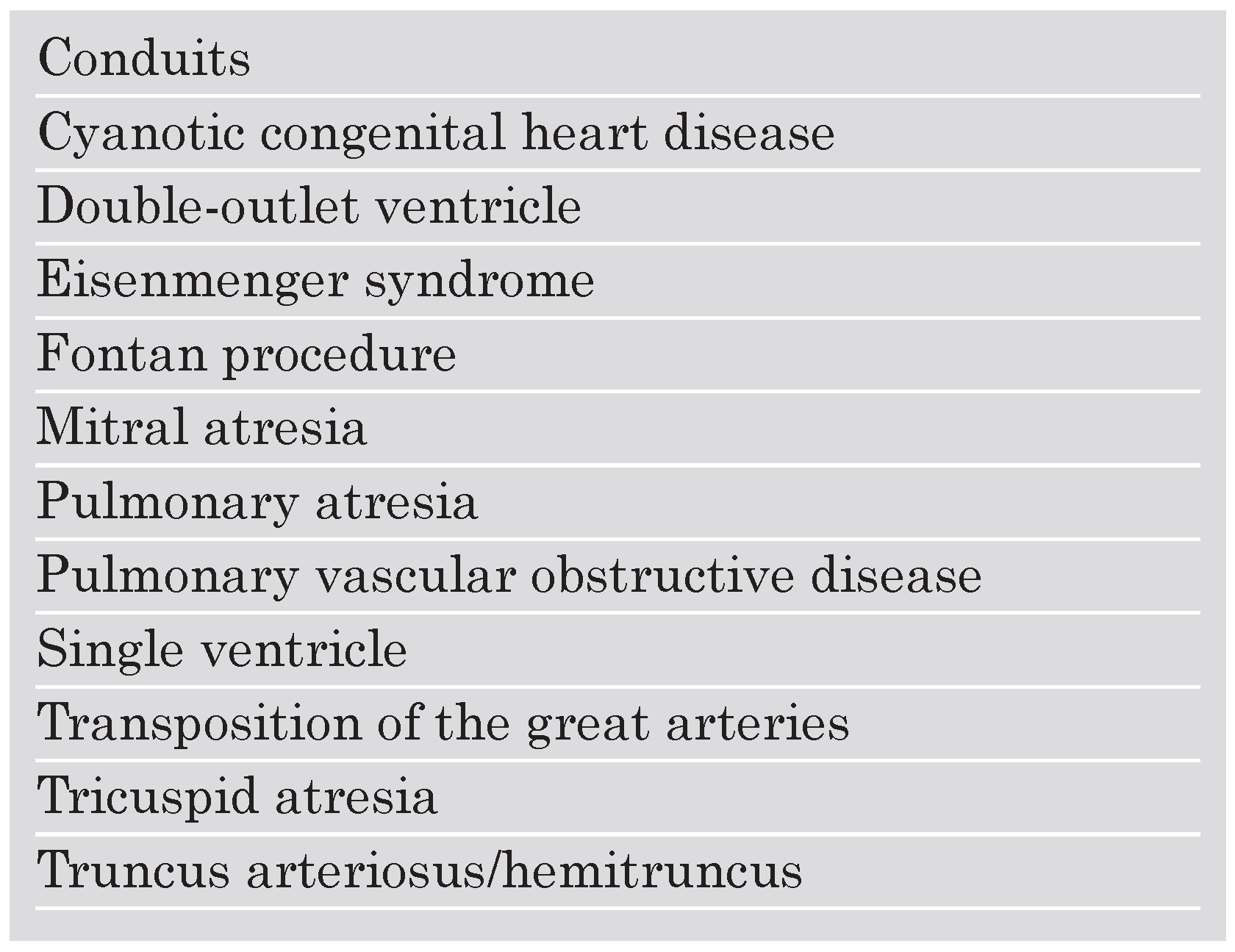
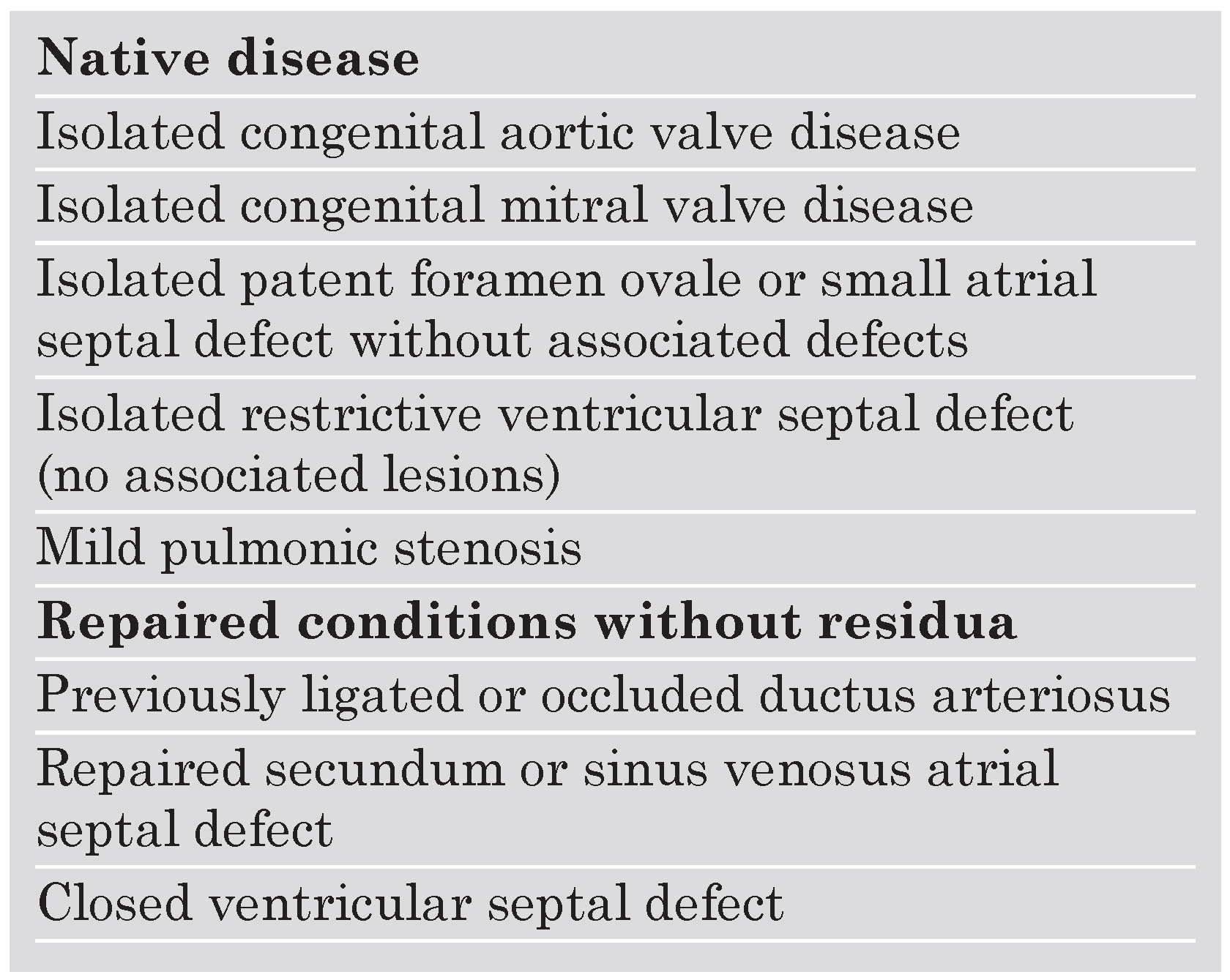
In order to better characterise this patient population, the 32nd Bethesda Conference [2] has subdivided this patient population according to the degree of complexity of the different cardiac lesions as shown in the Table 1, Table 2 and Table 3.
Adult patients with congenital heart disease may present in different ways: some patients have mild defects which have been missed in childhood; others have cardiac anomalies which do not require surgery, the majority of patients, however, will have had previous cardiac surgery. This will often lead to the wrong perception that the patient is “cured” [3]. Unfortunately this is seldom the case, as most surgical procedures have to be considered palliative. This may disappoint patients and their families alike, but this concept emphasises the need to seek regular lifelong specialised medical advice. The purpose of this article is to review briefly the profile of adult patients with congenital heart disease and to discuss one “complex” congenital cardiac anomaly in order to support the thesis that lifelong specialised care is not “a luxury”, but that it is mandatory in patients with adult congenital heart disease in order to prevent significant morbidity and mortality.

Profile of Adult Patients with Congenital Heart Disease

Adult patients born with congenital heart disease of moderate or severe complexity are at increased risk of complications as summarised in Table 4, re-intervention or sudden death. Within this group, patients will often present with tricuspid atresia, “single ventricle physiology”, different variants of transposition of the great arteries, Ebstein’s malformation of the tricuspid valve, Fallot’s tetralogy, pulmonary vascular disease and complex septal defects. This complex anatomy is often unfamiliar to adult cardiologists, who often did not have sufficient exposure during their training to adult congenital heart disease. Thus, it is generally recommended that these patients should be seen regularly in adult congenital heart disease centres [4,5,6,7].
A recent study examined the mortality and the modes of death in 2609 adult patients with congenital heart disease followed in a tertiary care centre and analysed 199 deaths which occurred at a mean age of 37 years [8]. The cardiac lesions with the highest mortality at adult age were the congenital corrected transposition of the great arteries (26% mortality), tricuspid atresia (25% mortality) and the presence of a univentricular connection (23% mortality). The youngest patients at death were also those born with tricuspid atresia, transposition of the great arteries and with a univentricular connection (mean age 27 years for all three entities). Coarctation of the aorta, a congenital anomaly which is too often regarded as simple, followed next (mean age at death 29 years), which shows that this lesion is a significant source of morbidity and mortality. The most frequent modes of death in this study were sudden death (26%), heart failure (21%) and peri-operative death (18%).
Most adult patients followed in congenital heart disease centres are between 20 and 40 years old, but several centres already report that more than a third of their patient population is over 40 years of age. This observation is important as it indicates that these patients require not only surveillance of their congenital heart lesions, management of their residua and sequelae following previous cardiac intervention and cardiac surgery, but that they are also at risk of acquired co-morbidities. To deal with the repercussions of arterial hypertension, coronary artery disease, heart failure, respiratory or kidney diseases, in the context of a congenital heart lesion makes the situation of these patients even more challenging.
There is little doubt that the profile of this patient population will change in the future, as patients will become older and as the survival of patients with more complex lesions will improve. These trends result from the possibility to repair these lesions nowadays, whereas in the past only palliative procedures could be performed. Gatzoulis et al. [9] analysed the surgical profile of adult patients with congenital heart disease followed in a specialised centre between 1987–97 and confirmed these observations. These authors were able to show that the number of patients undergoing repair increased, while the number of non-operated or palliated patients decreased. This study also indicated that patients who had undergone previous surgery face re-operation more often, and that the number of surgical interventions in a given patient is rising.
Thus the cardiac and haemodynamic problems which we face today will certainly be very different from those we will be seeing tomorrow. Let us take as an example the transposition of the great arteries which was treated up into eighties by the Mustard or the Senning procedure (or “atrial switch” procedure), which relied on the morphological right ventricle as the systemic ventricle, with the inherent longterm risk of ventricular failure. This clinical presentation is disappearing following the introduction of the “arterial switch” procedure, which performs an anatomical correction of the transposition of the great arteries, allowing the morphological left ventricle to play its natural role of the systemic ventricle. It is likely, however, that patients who benefit from an “arterial switch” will present other problems, namely at the level of the neo-aorta, the implantation of the coronary arteries, and supravalvular pulmonary stenosis (following the Lecompte manoeuvre) which again emphasises the importance of long-term medical follow-up.

Tetralogy of Fallot

Tetralogy of Fallot (TOF) is one of the most common types of cyanotic congenital heart defects, with an estimated incidence of 5% in patients with congenital heart disease. This malformation involves a subpulmonary infundibular stenosis, a ventricular septal defect, rightward deviation of the aortic valve with biventricular origin of its cusps, and right ventricular hypertrophy. Surgical repair of TOF has been available for more than 50 years, with satisfactory results in most patients. Survival rates at 32 and 36 years have been reported to be 86% and 85% [10,11]. Despite this favourable outcome, life expectancy remains inferior to that of a normal agematched population. Several complications may occur after TOF repair including pulmonary regurgitation, residual or recurrent pulmonary stenosis, right ventricular dysfunction, arrhythmias, left ventricular dysfunction and aortic root dilatation.
  • Pulmonary regurgitation
The common use of a transannular patch to relieve the pulmonary obstruction during initial repair distorts the pulmonary valve apparatus. This leads to pulmonary regurgitation and right ventricular volume overload. Pulmonary regurgitation will be tolerated for many years, without any symptoms or signs of right ventricular failure. However, chronic pulmonary regurgitation will eventually have deleterious effects on the right ventricle. As the right ventricle dilates and the right ventricular function declines, the risk for ventricular arrhythmias increases. Patients may present with decreased exercise tolerance [12] or even sudden cardiac death [13].
Unfortunately patients do not notice symptoms until right ventricular dysfunction is severe. Furthermore pulmonary regurgitation may be missed on cardiac auscultation, and the quantification of pulmonary regurgitation by echocardiography is often difficult. Recently, cardiac magnetic resonance with velocity flow mapping has allowed accurate calculation of the pulmonary regurgitant volume (Figure 1) and has become the method of choice in the evaluation of the severity of pulmonary regurgitation. This imaging technique gives also unrestricted access to the right ventricle and provides accurate measurements of the right ventricular volumes and ejection fraction.
Pulmonary valve replacement can be accomplished with low surgical risk (1%) in experienced centres, but timing is critical in order to avoid irreversible right ventricular dysfunction. However, timing of pulmonary valve replacement remains controversial, because the favourable haemodynamic effects must be balanced against the risk of replacing the valve too early, which leaves the patient facing the prospect of repeated operations for homograft failure [14,15,16,17,18,19].
  • Pulmonary stenosis
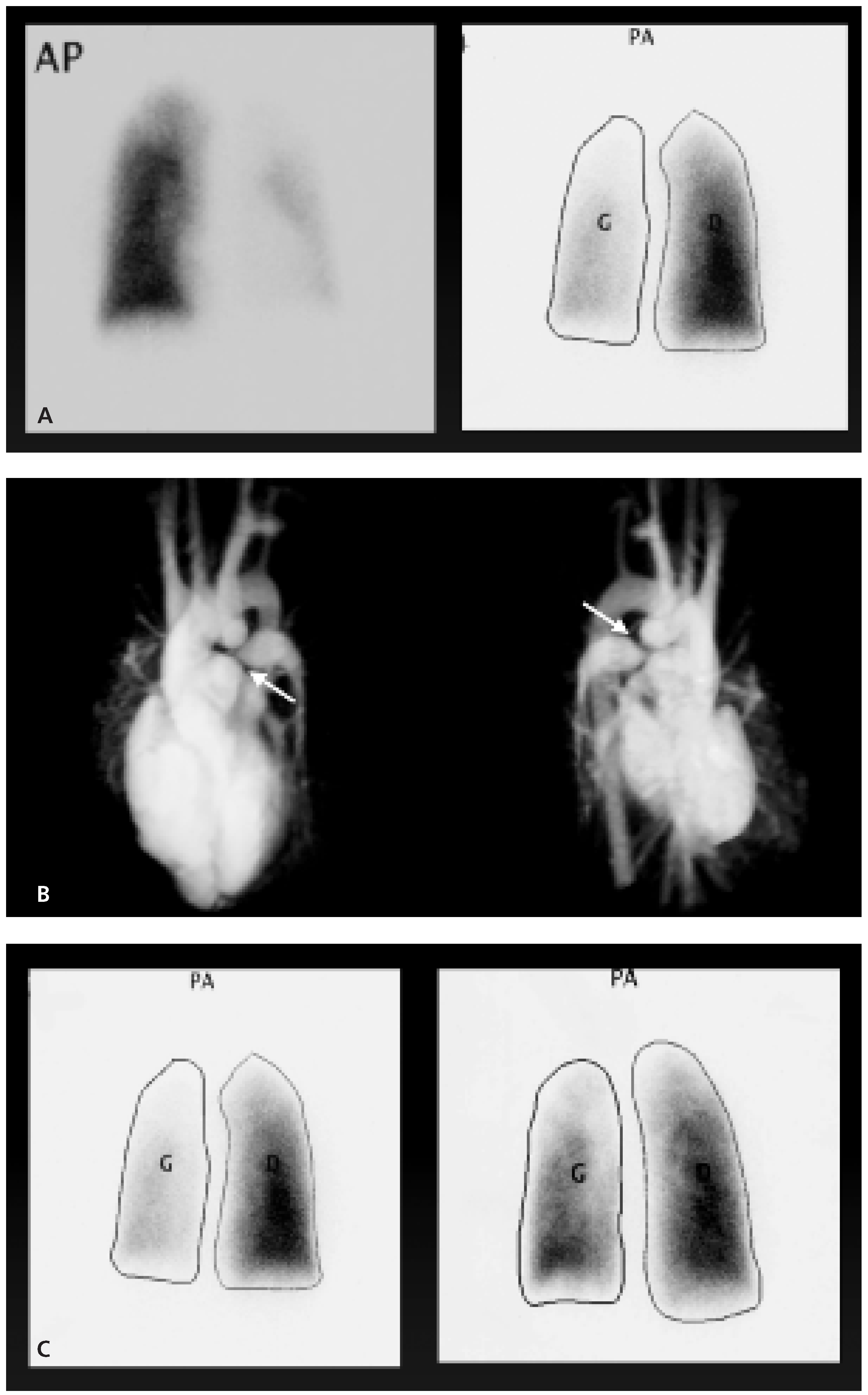
Another haemodynamic problem is residual pulmonary stenosis [9,10], which can be in the infundibulum, at the level of the pulmonary valve, the main pulmonary artery or distal beyond the bifurcation of the pulmonary arteries due to a previous Blalock Taussig shunt. As the right ventricle is exposed to chronic elevated pressures right ventricular hypertrophy ensues. However, in the long run right ventricular contractility is adversely affected by hypertrophy. Furthermore, in the presence of pulmonary regurgitation the association with peripheral pulmonary stenosis aggravates right ventricular dysfunction. Thus, it is paramount to have a high index of suspicion of this complication and to examine the pulmonary artery and its branches adequately, particularly as peripheral pulmonary stenosis may be amenable to percutaneous treatment (Figure 2)
  • Arrhythmias
Arrhythmias are a common complication in the adult patient with previous TOF repair. Atrial arrhythmias may occur in one-third of adult patients and contribute to late morbidity [20]. Older age at repair and moderate to severe tricuspid regurgitation were found to be predictors of late sustained atrial flutter and/or fibrillation in a recent multicenter study [13].
Although nonsustained ventricular tachycardia occurs frequently, sustained monomorphic ventricular tachycardia is relatively uncommon. However, sustained ventricular tachycardia is believed to be responsible for sudden cardiac death in patients after TOF repair. The rate of sudden death has been quoted between 0.5% and 6% and several predictive factors have been reported: older age at repair, postoperative right ventricular hypertension, transannular patching and QRS prolongation > 180 ms [21]. These findings suggest that the main underlying haemodynamic problem seems to be pulmonary regurgitation. Thus, restoration of pulmonary valve function and preservation of right ventricular function is considered to be key in diminishing the risk of sudden cardiac death.
The issue of whether electrophysiological studies are useful to risk stratify these patients, and the indications for implantation of a defibrillator in this patient population have not yet been conclusively answered [22]. However, a recent study was able to show that right ventricular fibrosis, as demonstrated by cardiac magnetic resonance imaging with late gadolinium enhancement, was significantly associated with clinical arrhythmia, which may help guide arrhythmia intervention in the future [23].
  • Left ventricular dysfunction
Left ventricular dysfunction can be another complication after tetralogy of Fallot repair. Several causes may be implicated, such as injury to the left ventricle because of late initial repair, pre- and peroperative hypoxia, or the detrimental right-left ventricular interaction in the setting of a pressure- or volume overloaded right ventricle [24]. Furthermore, in a recent study Geva et al. showed that moderate or severe left ventricular dysfunction is independently associated with impaired clinical status after tetralogy of Fallot correction [25]. Finally, left ventricular dysfunction has also been found to be an independent predictor of adverse long-term prognosis in patients late after tetralogy of Fallot repair [26].
  • Aortic root dilatation
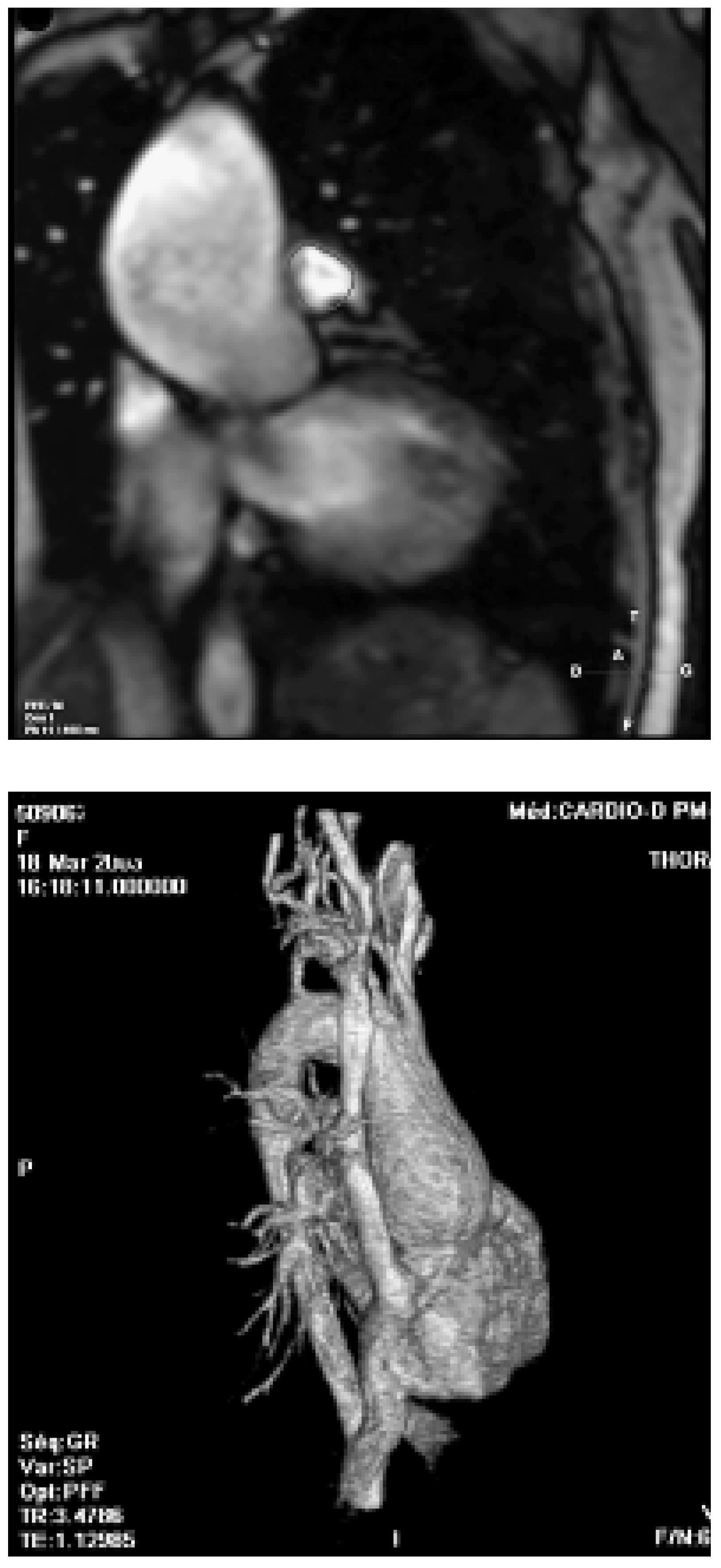
Niwa et al. [27] reported that a subset of patients present with ongoing aortic root dilatation late after TOF repair (Figure 3). In their opinion aortic root dilatation relates to previous long-standing volume overload and possibly to the intrinsic properties of the aortic wall. This may lead to an aneurysmatic aortic root and significant aortic regurgitation. These situations may necessitate surgical intervention, although the timing of surgery for aortic root replacement in view of avoiding aortic dissection remains controversial [28,29].

Conclusions

The previous discussion on tetralogy of Fallot illustrates that in spite of the medical and surgical advances that have occurred in the last 50 years, adult patients born with congenital heart disease are seldom “cured”. Many of these patients present with complex problems, and face multiple interventions, which have to be managed by trained physicians who are experienced in adult congenital heart disease. As we have seen, lifelong specialised care is mandatory if we are to improve the morbidity and mortality of these patients. We can no longer afford the “luxury” not to deal with these issues, which the adult cardiology community has taken so long to address.

References

  1. Moller, J.H.; Taubert, K.A.; Allen, H.D.; et al. Cardiovascular health and disease in children: Current status. Circulation 1994, 89, 923–930. [Google Scholar] [CrossRef]
  2. Warnes, C.A.; Liberthson, R.; et al. 32nd Bethesda Conference: Task Force 1: The changing profile of congenital heart disease in adult life. J Am Coll Cardiol. 2001, 37, 1170–1175. [Google Scholar] [CrossRef]
  3. Warnes, C.A. The adult with congenital heart disease. Born to be bad? 2005, 46, 1–8. [Google Scholar] [PubMed]
  4. Connelly, M.S.; Webb, G.D.; Somerville, J.; et al. Canadian Consensus Conference on adult congenital heart disease 1996. Can J Cardiol. 1998, 14, 395–452. [Google Scholar] [PubMed]
  5. Therrien, J.; Dore, A.; Gersony, W.; et al. CCS Consensus Conference 2001 update: Recommendations for the management of adults with congenital heart disease. Part I. Can J Cardiol. 2001, 17, 940–959. [Google Scholar]
  6. Webb, G.D. Care of adults with congenital heart disease—A challenge for the new millennium. Thorac Cardiovasc Surg. 2001, 49, 30–34. [Google Scholar] [CrossRef]
  7. Kaemmerer, H.; Breithard, G. Clin Res Cardiol. 2006, 95 (Suppl. 4), 76–84, In process citation. [CrossRef]
  8. Oechslin, E.N.; Harrison, D.A.; Connelly, M.S.; et al. Mode of death in adults with congenital heart disease. Am J Cardiol. 2000, 86, 1111–1116. [Google Scholar] [CrossRef]
  9. Gatzoulis, M.A.; Hechter, S.; Siu, S.C.; et al. Outpatient clinics for adults with congenital heart disease: Increasing workload and evolving patterns of referral. Heart 1999, 81, 57–61. [Google Scholar] [CrossRef]
  10. Murphy, J.G.; Gersh, B.J.; Mair, D.D.; et al. Long-term outcome in patients undergoing surgical repair of tetralogy of Fallot. N Engl J Med. 1993, 329, 593–599. [Google Scholar] [CrossRef]
  11. Nollert, G.; Fischlein, T.; Boutewerk, D.M.D.; et al. Long-term survival in patients with repair of tetralogy of Fallot: 36-year follow-up of 490 survivors of the first year after surgical repair. J Am Coll Cardiol. 1997, 30, 1374–1383. [Google Scholar] [CrossRef]
  12. Carvalho, J.S.; Shinebourne, E.A.; Busst, C.; et al. Exercise capacity after complete repair of tetralogy of Fallot: Deleterious effects of residual pulmonary regurgitation. Heart 1992, 67, 470–473. [Google Scholar] [CrossRef]
  13. Gatzoulis, M.A.; Balaji, S.; Webber, S.A.; et al. Risk factors for arrhythmia and sudden cardiac death late after repair of tetralogy of Fallot: A multicentre study. Lancet 2000, 356, 975–981. [Google Scholar] [CrossRef]
  14. Yemets, I.M.; Williams, W.G.; Webb, G.D.; et al. Pulmonary valve replacement late after repair of tetralogy of Fallot. Ann Thorac Surg. 1997, 64, 526–530. [Google Scholar] [CrossRef] [PubMed]
  15. Warner, K.G.; O’Brien, P.K.; Rhodes, J.; et al. Expanding the indications for pulmonary valve replacement after repair of tetralogy of Fallot. Ann Thorac Surg. 2003, 76, 1066–1071. [Google Scholar] [CrossRef] [PubMed]
  16. Therrien, J.; Siu, S.; McLaughlin, P.R.; et al. Pulmonary valve replacement in adults late after repair of tetralogy of Fallot: Are we operating too late? J Am Coll Cardiol. 2000, 36, 1670–1675. [Google Scholar] [CrossRef]
  17. Oechslin, E.N.; Harrison, D.A.; Harris, L.; et al. Re-operation in adults with repair of tetralogy of Fallot: Indications and outcomes. J Thorac Cardiovasc Surg. 1999, 118, 245–251. [Google Scholar] [PubMed]
  18. Vliegen, H.W.; van Straten, A.; de Roos, A.; et al. Magnetic resonance imaging to assess the hemodynamic effects of pulmonary valve replacement in adults late after repair of tetralogy of Fallot. Circulation 2002, 106, 1703–1707. [Google Scholar] [CrossRef]
  19. Therrien, J.; et al. Optimal timing for pulmonary valve replacement in adults after tetralogy of Fallot repair. Am J Cardiol. 2005, 95, 779–782. [Google Scholar] [CrossRef]
  20. Roos-Hesselink, J.; Perlroth, M.J.; McGhie, J.; et al. Atrial arrythmias in adults after repair of tetralogy of Fallot: Correlation with clinical, exercise and echocardiographic findings. Circulation 1995, 91, 2214–2219. [Google Scholar] [CrossRef]
  21. Gatzoulis, M.A.; Till, J.A.; Somerville, J.; et al. Mechano-electrical interaction in tetralogy of Fallot: QRS prolongation relates to right ventricular size and predicts malignant ventricular arrhythmias and sudden death. Circulation 1995, 92, 231–237. [Google Scholar] [CrossRef]
  22. Khairy, P.; Landzberg, M.J.; Gatzoulis, M.A.; et al. Value of programmed ventricular stimulation after tetralogy of Fallot repair: A multicenter study. Circulation 2004, 109, 1994–2000. [Google Scholar]
  23. Babu-Narayan, S.V.; Kilner, P.J.; Li, W.; et al. Ventricular fibrosis suggested by cardiovascular magnetic resonance in adults with repaired tetralogy of Fallot and its relationship to adverse markers of clinical outcome. Circulation 2006, 113, 405–413. [Google Scholar] [CrossRef]
  24. Davlouros, P.A.; Kilner, P.J.; Hornung, T.S.; et al. Right ventricular function in adults with repaired tetralogy of Fallot assessed with cardiovascular magnetic resonance imaging: Detrimental role of right ventricular outflow aneurysms or akinesia and adverse right-to-left ventricular interaction. J Am Coll Cardiol. 2002, 40, 2044–2052. [Google Scholar] [CrossRef] [PubMed]
  25. Geva, T.; Sandweiss, B.M.; Gauvreau, K.; et al. Factors associated with impaired clinical status in long-term survivors of tetralogy of Fallot repair evaluated by magnetic resonance imaging. J Am Coll Cardiol. 2004, 43, 1068–1074. [Google Scholar] [CrossRef] [PubMed]
  26. Ghai, A.; Silversides, C.; Harris, L.; et al. Left ventricular dysfunction is a risk factor for sudden cardiac death in adults late after repair of tetralogy of Fallot. J Am Coll Cardiol. 2002, 40, 1675–1680. [Google Scholar] [CrossRef] [PubMed]
  27. Niwa, K.; Siu, S.C.; Webb, G.D.; et al. Progressive aortic root dilatation in adults late after repair of of tetralogy of Fallot. Circulation 2002, 106, 1374–1378. [Google Scholar] [CrossRef]
  28. Dodds, G.A.; Warnes, C.A.; Danielson, G.K. Aortic valve replacement after repair of pulmonary atresia and ventricular septal defect of tetralogy of Fallot. J Thorac Cardiovasc Surg. 1997, 113, 736–741. [Google Scholar]
  29. Oosterhof, T.; Nollen, G.J.; van der Wall, E.E.; et al. Comparison of aortic stiffness in patients with juvenile forms of ascending aorta dilation with-vs-without the Marfan syndrome. Am J Cardiol. 2005, 95, 75–77. [Google Scholar]
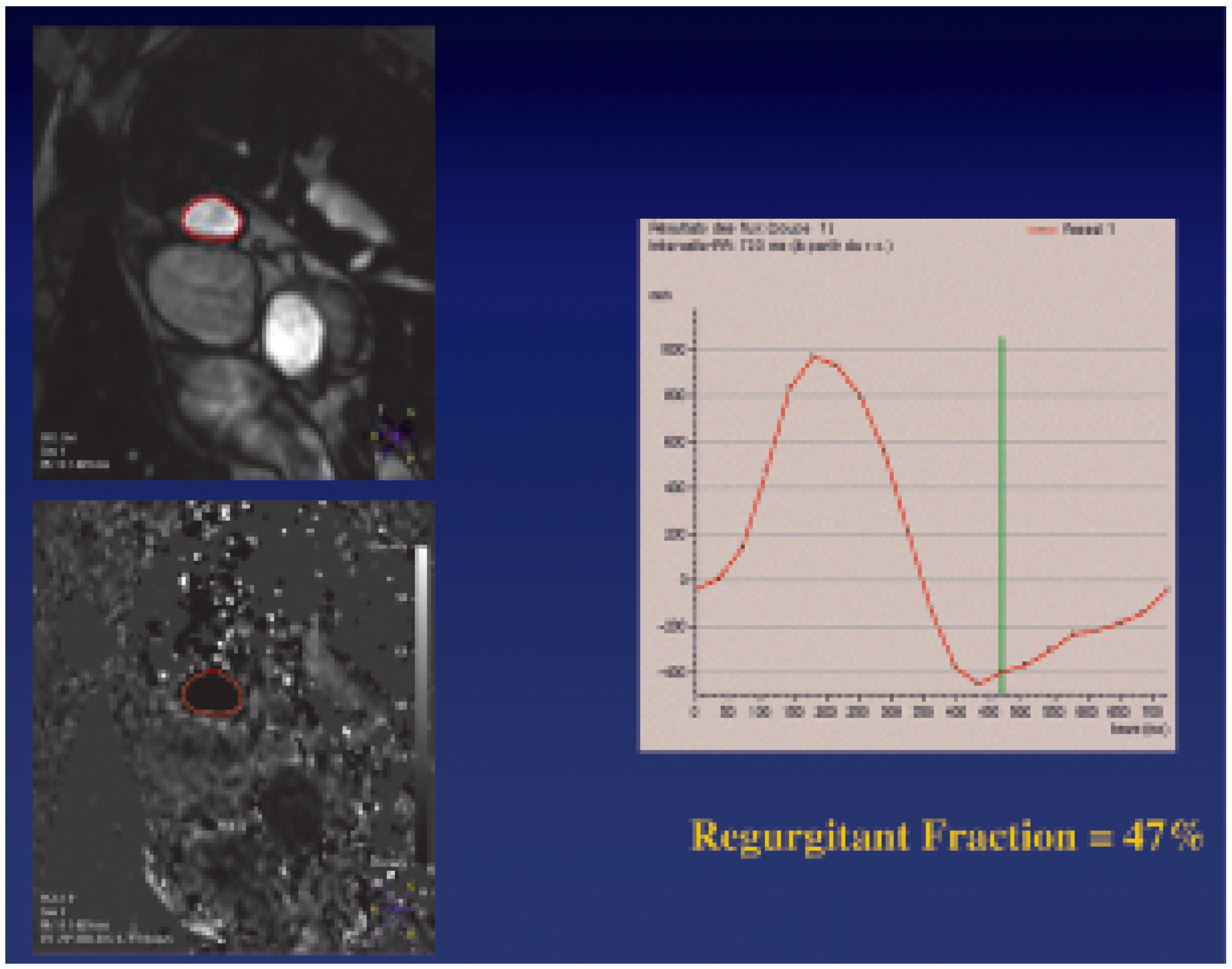
Figure 1. Cardiac magnetic resonance imaging with velocity mapping measuring systolic and diastolic pulmonary artery flow for calculation of regurgitant fraction. The result indicates severe pulmonary regurgitation. (With courtesy D. Didier, MD, University Hospital Geneva.).
Cardiovascmed 09 00376 g001
Figure 2. (A) Quantitative lung perfusion scan indicating severely diminished perfusion in the left lung, compared with the right lung in an adult patient who underwent tetralogy of Fallot repair in childhood. These findings suggest a severe left peripheral pulmonary stenosis. (B) Cardiac magnetic resonance imaging with three-dimensional reconstruction confirmed a severe stenosis at the origin of the left pulmonary artery (arrow). (With courtesy D. Didier, MD, University Hospital Geneva.) (C) Quantitative lung perfusion scans before and after angioplasty with stent implantation of the left pulmonary artery. Note the improvement of perfusion in the left lung.
Cardiovascmed 09 00376 g002
Figure 3. Cardiac magnetic resonance showing aortic root dilatation in a patient with late repair of tetralogy of Fallot. (With courtesy D. Didier, MD, University Hospital Geneva.).
Cardiovascmed 09 00376 g003
Table 1. Examples of types of congenital heart disease of great complexity (modified from [2]).
Cardiovascmed 09 00376 i001
Table 2. Examples of types of congenital heart disease of moderate complexity (modified from [2]).
Cardiovascmed 09 00376 i002
Table 3. Examples of types of simple congenital heart disease (modified from [2]).
Cardiovascmed 09 00376 i003
Table 4. Specific problems in adults born with congenital heart disease.
Cardiovascmed 09 00376 i004