1. Introduction
Traditional foods from ancestral Indigenous lands are a critical public health intervention for promoting Indigenous health and wellbeing and mitigating systemic health inequities. Indigenous peoples in Canada have thrived off the native food stores available to them in their home territories for at least 10,000 years and these foods continue to benefit Indigenous people today [
1]. From a holistic public health perspective, the procurement, preparation and consumption of traditional Indigenous foods is reported to improve physical, mental, emotional, socio-cultural and spiritual health [
2,
3]. Research shows that traditional foods are more nutritionally dense than the market/commercial foods available to Indigenous communities in local grocery stores [
1,
4,
5]. Indigenous traditional foods have significantly higher levels of essential nutrients (e.g., iron, magnesium and vitamin D) compared to market foods [
5]. Conversely, market foods have excess amounts of carbohydrates, salt, fats and sugar, driving poor-quality diets and elevating the risk of metabolic and cardiovascular chronic diseases [
6,
7]. Furthermore, the physically active methods of procuring traditional foods (e.g., hunting or gathering) require higher levels of energy expenditure than market-based food acquisition, serving as a lifestyle factor that protects against chronic illness [
3,
7,
8]. Moreover, traditional foods benefit Indigenous spiritual and socio-cultural health as they constitute a “cultural anchor” for the identity and traditional knowledge of each Indigenous community and the use of these land-based (wild) foods is associated with many important spiritual elements [
7,
8,
9,
10,
11]. Sharing cirlces highlighted that land-based activities such as foraging and hunting for traditional foods not only has the socio-cultural health benefits of enabling community members to gather, build relationships and share stories, but also has the spiritual health benefit of connection with the land and with traditional teachings [
3].
As a primary structural determinant of health, colonization dramatically reduced the daily consumption of traditional foods in the land-based diets of Indigenous people [
1,
8,
10,
12,
13]. The forced removal from traditional and ancestral lands effectively denied Indigenous people access to the sources, knowledge and practices of traditional foods essential for their health and wellbeing [
3]. Canada’s Residential School system and Sixties Scoop “child welfare” program systematically disrupted the intergenerational transmission of language, culture, and traditional land-based knowledge required to maintain these diets. Estimates in the early 2000s indicated only 10–36% of daily dietary energy in Indigenous communities came from traditional foods [
5]. Notably, this radical decline represents an escalating public health trajectory, as the reduction was disproportionately greater among Indigenous children and younger adults than older adults and Elders [
5,
7,
14]. Given the multi-faceted health benefits, low levels of traditional food consumption present a profound threat to the current and future health landscape of Indigenous people in Canada [
4]. Indeed, research and storytellers identify the loss of Indigenous traditional food practices as a root cause of the alarming chronic disease burden among Indigenous communities [
11,
15,
16]. Consequently, there is significant scope to improve population health outcomes through culturally tailored education programs on Indigenous food knowledge and practices [
3,
17,
18].
Some educational initiatives provide publicly available information about what traditional foods are, their nutritional values, and where they can be found, but lack comprehensive data on whole diets [
19,
20]. There is a limited number of educational resources that describe traditional food use across Canada as a whole [
21,
22]. Most public educational materials typically focus on a specific province or territory in Canada [
19,
23,
24,
25], consider one specific Indigenous group [
26,
27,
28], or describe only traditional plant foods [
20,
27,
28,
29,
30]. To address this critical data gap, the purpose of this environmental scan is to comprehensively identify all reported traditional Indigenous foods consumed across Canada, and determine prevalence of different foods overall and by three constitutionally recognized groups (First Nation, Métis and Inuit) or by region. The findings from this research will raise awareness about traditional Indigenous foods, serving as an evidence-based benchmark and public health resource for researchers, policymakers, and Indigenous communities working to support food sovereignty and mitigate health disparities. The need for this study is summed up by the recognition that “food is medicine” and the acknowledgement of Canada’s Truth and Reconciliation Commission that “to deny one’s food is to deny [Indigenous individuals and communities] their culture” [
9,
11,
31,
32].
2. Materials and Methods
We conducted an environmental scan to examine public information sources on traditional Indigenous foods in Canada. An environmental scan is a method used to assess the landscape on a specific topic based on multiple sources including publications, organizational documents and key informants. We used a multi-stage to search for published and grey literature from November 2024 to April 2025. First, we examined Indigenous-led organization websites from each Canadian province and territory using both English and French search terms: English search terms included “traditional Indigenous foods”, “Indigenous foods” and “traditional Indigenous foods from [province/territory]”; French equivalencies included “aliments traditionnels autochtones”, and “aliments autochtones”. This first stage identified 29 resources. Second, we searched every book (e.g., ethnobotany books, recipe books, food guides, and children’s books) pertaining to traditional Indigenous foods in the University of British Columbia X̱wi7x̱wa library collection and the Millennium library collection in Winnipeg, Manitoba, resulting in 62 additional resources from the library collections. Third, we searched online bookstores (e.g., Abebooks, GoodMinds Indigenous Books, Amazon Books) to identify three more books. Finally, we identified 2 additional resources from personal communication with Elder D.S. (co-author), and other Indigenous community members with extensive knowledge about traditional foods used in their communities and families. We determined data saturation was accomplished after no more unique resources were identified using broad Google searches, ending data collection with a total of 96 sources identified.
2.1. Eligible Information Sources
We read each potential written resource in full to screen for relevant content on one or more traditional Indigenous foods and included only those resources reporting specific types of traditional Indigenous foods. We excluded documents focusing on food sovereignty and security without mentioning specific food types. As this study focused traditional Indigenous foods in Canada, we excluded sources featuring Indigenous groups outside of Canada. Our predefined criteria for inclusion of public resources and grey literature were as follows: (1) the source was published by an Indigenous-led organization; (2) the source was published by local government; (3) the source was published in a journal; (4) the source was published by a food-related organization in collaboration with Indigenous peoples; or (5) the source was a magazine or blog article created in partnership with Indigenous peoples and/or Elders.
2.2. Data Analysis
We extracted data from all 96 included resources on resource type, Indigenous group, geographic region and the traditional Indigenous food item(s) in Excel. Indigenous groups included First Nation (FN), Métis (a distinct Indigenous nation in Canada with unique ancestry, culture and history), Inuit and Mixed, where Mixed represented resources specifying more than one Indigenous group or not specifying a particular group. Regions included “Territories”, “British Columbia”, “Prairies”, “Central Canada”, “Maritimes” and “Canada”, where “Canada” represented resources specifying multiple regions or none. Through Elder consultation and reference books, we verified whether each reported traditional Indigenous food item was native to North America and not introduced by settlers from other continents. We identified a dozen culturally relevant naturalized plant foods and other items that were introduced from other continents (i.e., garlic, onion, pheasant, partridge, rhubarb, dandelion, burdock, celery, carrot, asparagus, absinthe and plantain), despite frequent reporting within the 96 resources. These data were recorded separately and removed before analysis. Each traditional Indigenous food reported in all the included resources was organized into individual columns for descriptive statistics using frequency and proportions. The data on foods were sorted and grouped according to predefined criteria of major food groups (i.e., meats, vegetable, fruit, grains and dairy) and minor groups within each major group (e.g., starchy vegetable, leafy green vegetable, etc.), with some additional food subgroup categories generated based on the data. We counted a food item individually when it was reported by 25% or more of the 96 resources and we combined individual food items into broader categories (e.g., “other large wild game”) when each item was reported by less than 25% of the included resources. We calculated total counts and proportions for each food item or grouping to quantitatively synthesize the data and displayed the results in graphs. For overall proportions we used 96 as the denominator, and for separate Indigenous groups or provinces, we used the relevant count of written sources to calculate separate frequencies and percentages of a reported food item or subgroup.
2.3. Positionality Statement
C.D. is an undergraduate (pre-med) student and proud member of the Red River Métis Nation who grew up in Winnipeg and has familial and ancestral ties to St. Laurent, Manitoba. J.M. is an undergraduate biology student who has mixed heritage with familial Cree Métis ties from the Red River region in Manitoba. Elder D.S. is a Manitoba Cree, raised in Devon, Alberta area. A.I.C. is mid-career researcher and a Dutch-Canadian settler, born on Ojibwe territory in South-western Ontario, who holds ancestral ties to Irish indentured servants with marital ties to 5th and 6th generation grandmothers from the Caldwell First Nation of Point Peele Island. Elder D.S. provided Indigenous protocol and principal cultural guidance to the research process. This included not only offering the team a blessing before and after each project meeting, but also sharing personal stories about traditional foods identified from the resources to support data verification and food classification (both C.D. and J.M. also contributed intergenerational family knowledge of traditional foods for data collection and food classification). Elder D.S. also performed fact-checking of some of the data to verify the reported food was indeed traditional (pre-colonial) and sought additional resources from other Indigenous members with knowledge on traditional foods.
3. Results
We found a total of 96 unique resources that reported a total of 401 unique traditional food items (
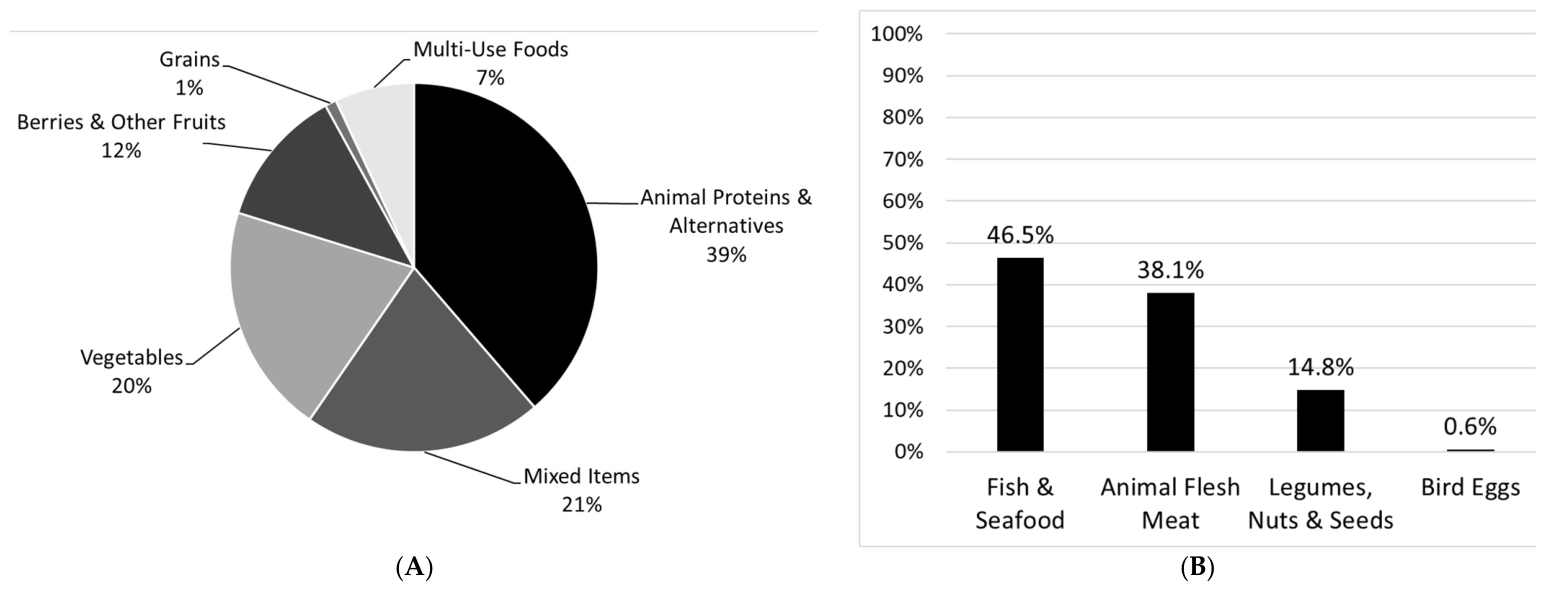
Supplementary Tables S1 and S2). Most of the resources (39%) that we identified originated in British Columbia and one in five resources (22%) represented Indigenous foods from across Canada. Nearly two-thirds (65%) of these resources focused on traditional foods from FN (65%) or from mixed communities (24%), while those specific to Inuit and Métis alone were limited (7% and 4%, respectively). Of the 401 unique food items reported in our sample of resources, 39% belonged to the meat and meat alternatives food group, about a fifth (21%) were mixed group items (mixed dishes, herbs, spices and teas, and trees, shrubs and vines), 20% were vegetables, 12% were berries and other fruits, 7% were multi-use items and only 1% of all food items were grains; none belonged to the dairy group (
Figure 1A). Nearly half of the food items within the meat and meat alternatives food group belonged to the fish and seafood subgroup (46.5%), followed by the animal flesh subgroup (38.1%) and the legumes, nuts and seeds subgroup (14.8%) (
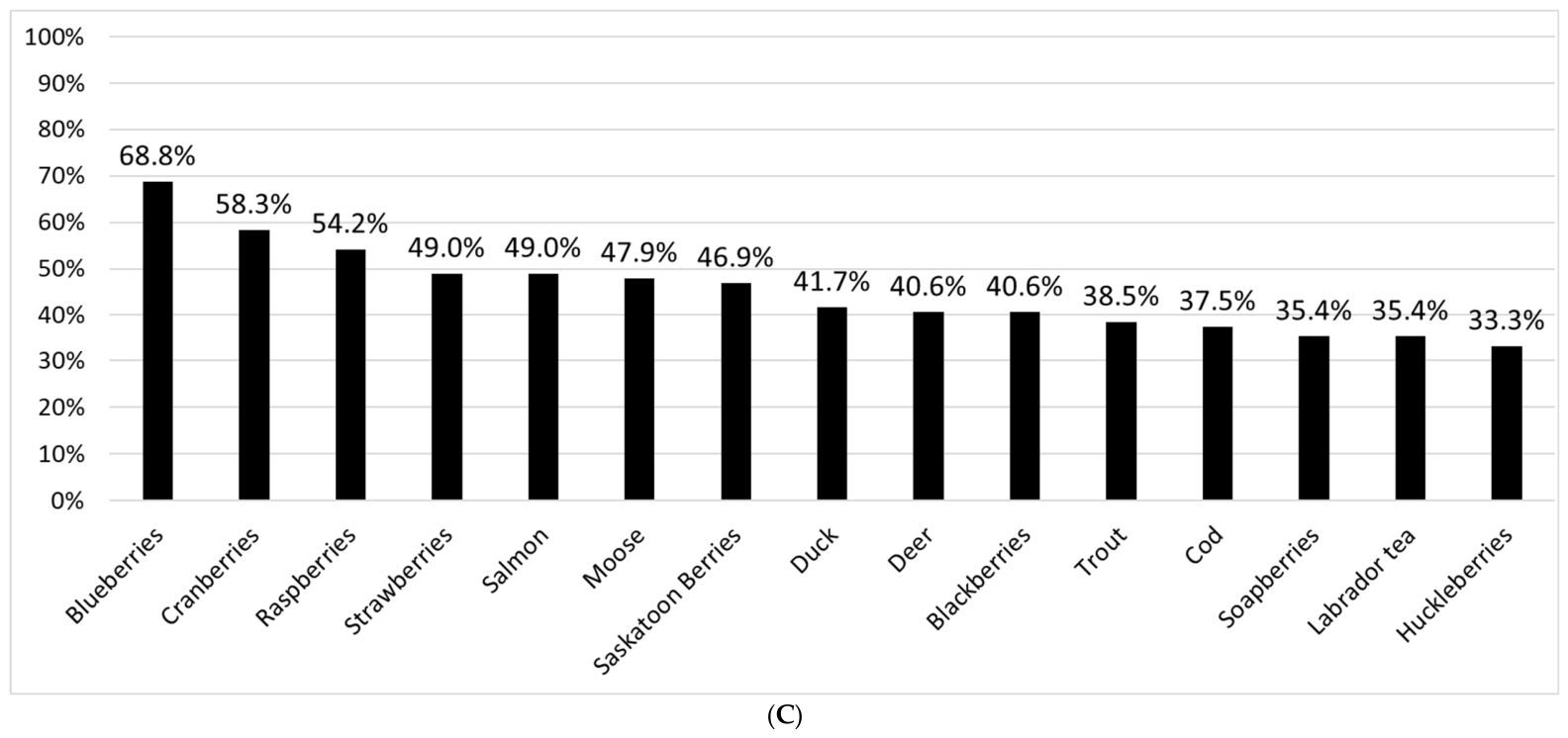
Figure 1B). The top 15 most frequently reported food items among the 96 included studies were berries, wild game, fish and Labrador tea (
Figure 1C).
3.1. Foods Belonging to Meat and Meat Alternatives Food Group
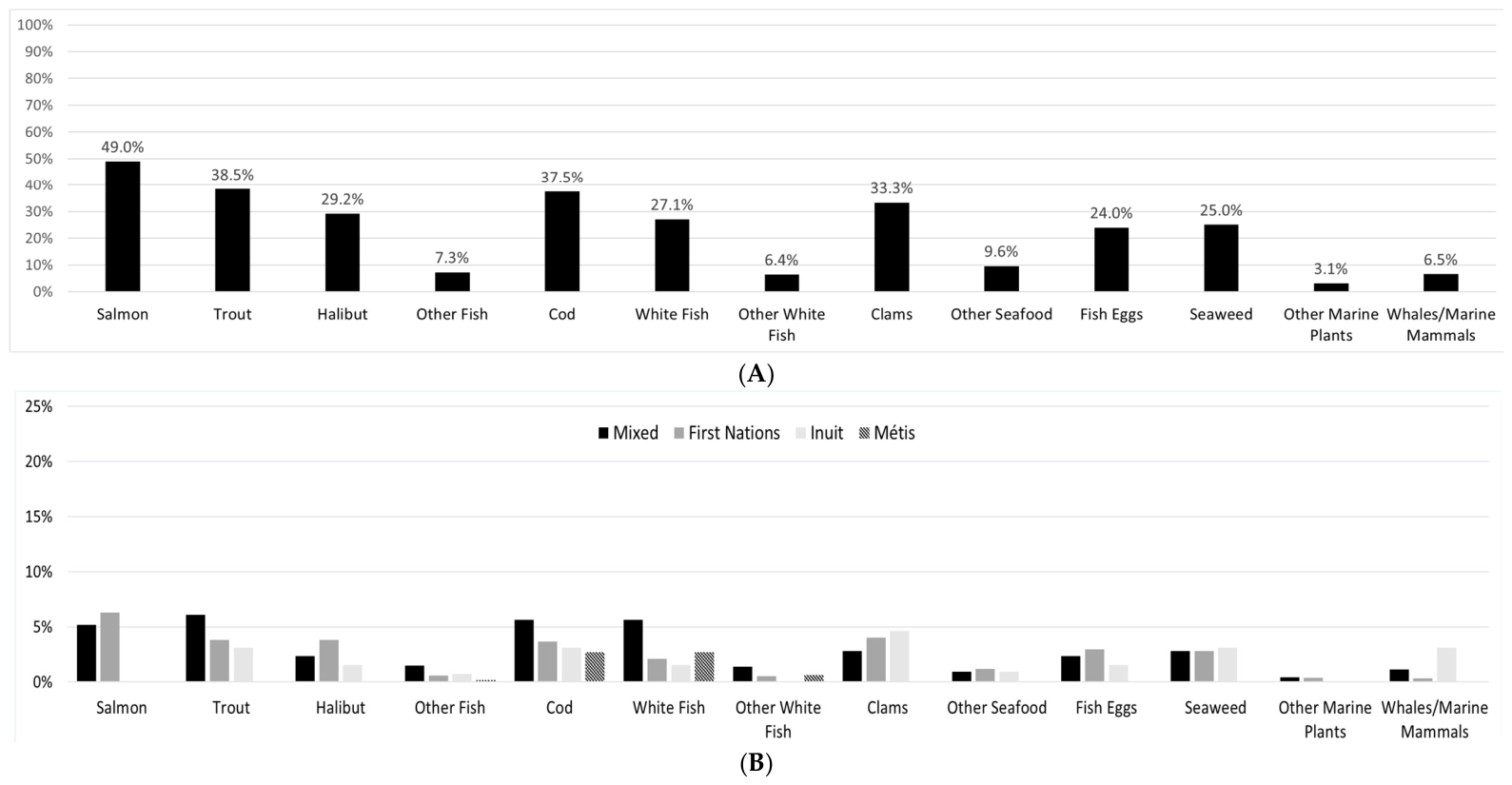
The most common meat subgroup was fish and seafood which comprised 72 different traditional food items cited 677 times (averaging 7 items per resource). As shown in
Figure 2A, the most common traditional food item in the sample of 96 records was salmon (49%), trout (38.5%), cod (37.5%), and clams (33.3%). Traditional fish and seafood items differed across Indigenous groups (
Figure 2B), with mostly white fish or cod prevalent among Métis communities and both clams and marine animals disproportionately prevalent by Inuit. Fish and seafood items were more prevalent in coastal provinces (
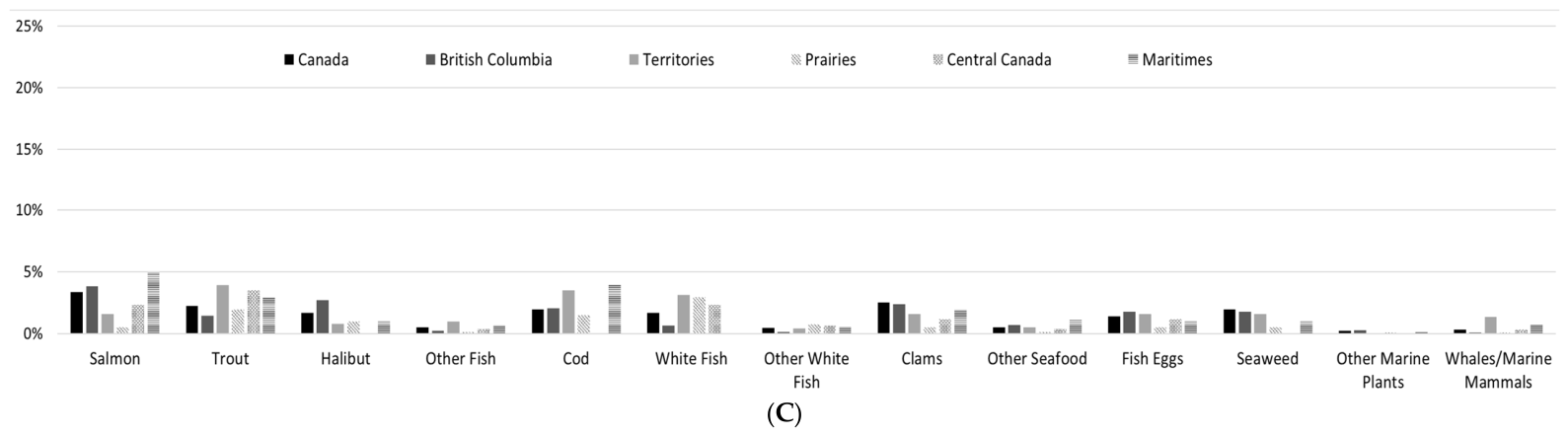
Figure 2C).
There were 59 distinct animal flesh traditional foods covering a wide variety of specific large wild game, small wild game and poultry/birds, with 514 total citations (averaging five items per resource).
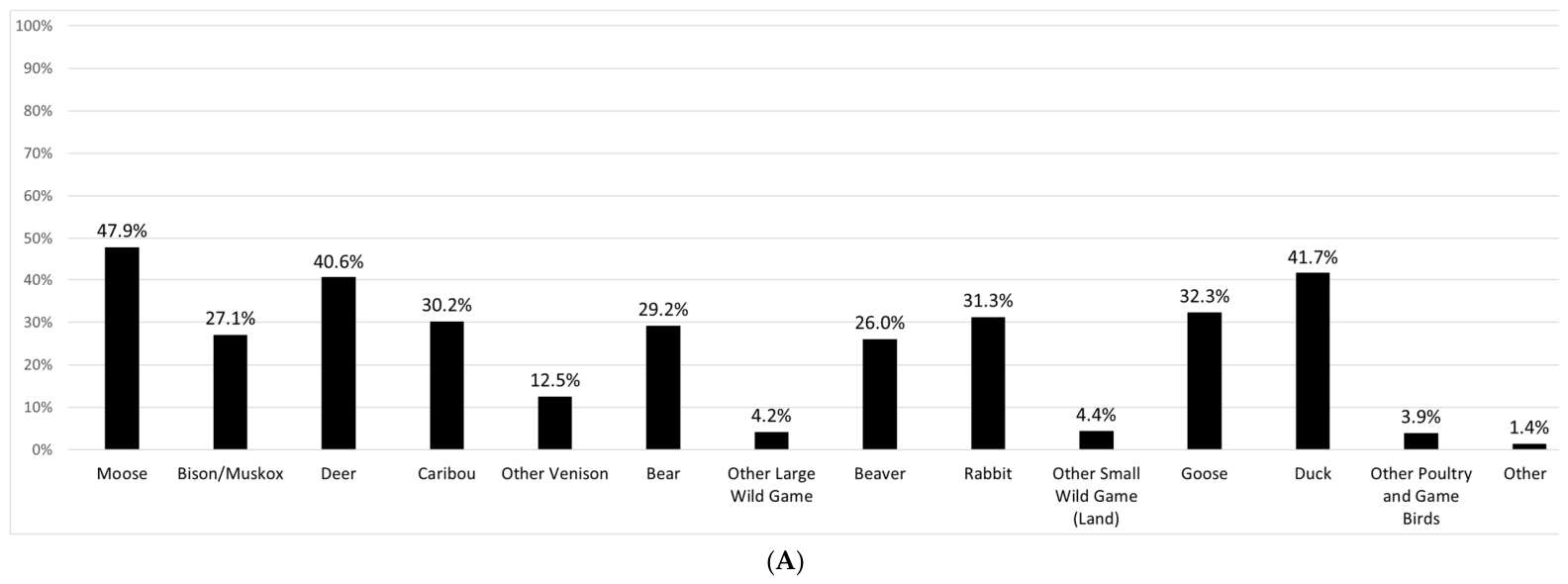
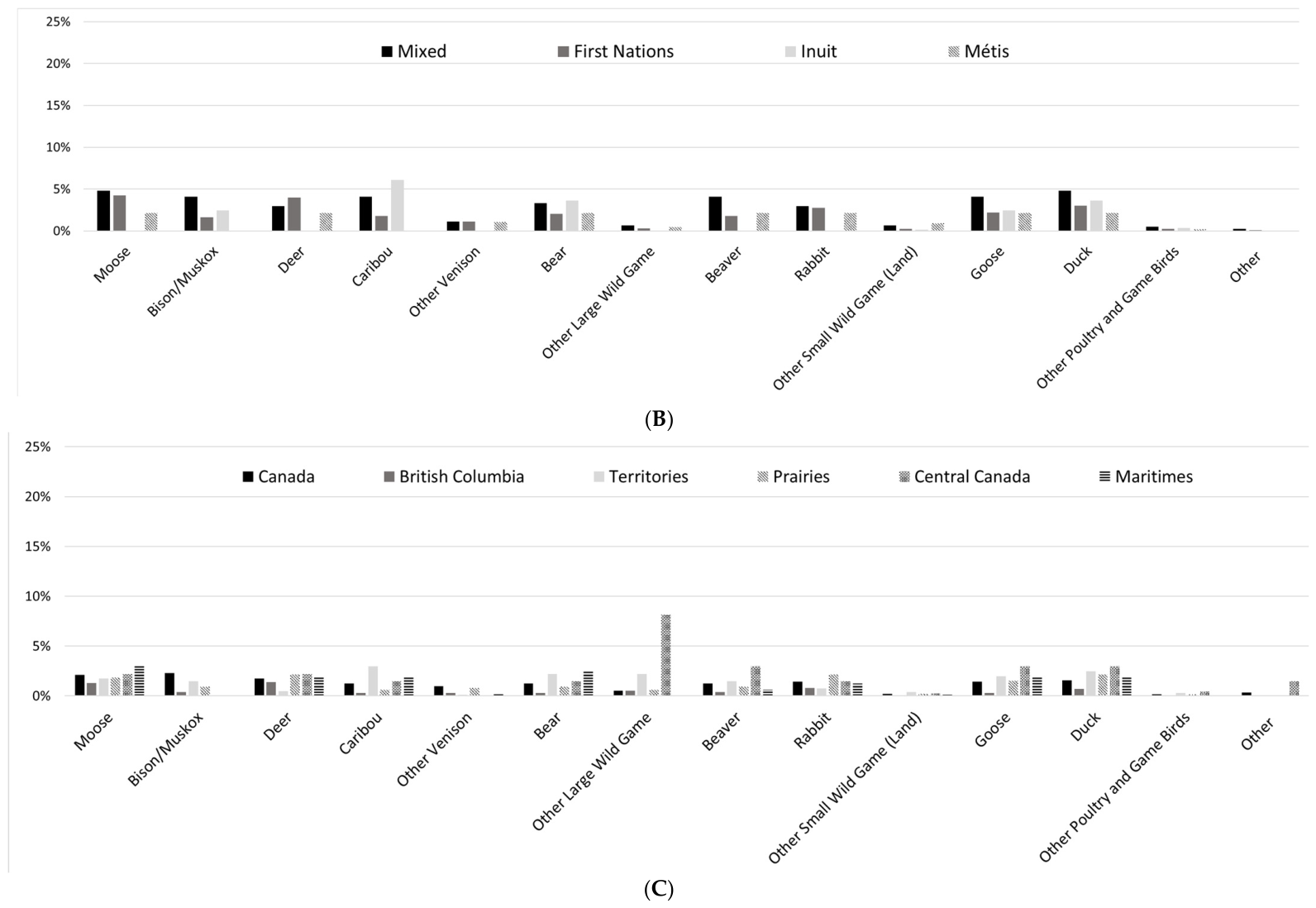
Figure 3 displays the prevalence of individual animal flesh items reported in the sample of 96 resources (panel A), and the uneven distribution across Indigenous groups (Panel B) and regions (Panel C). Caribou and bear were most prevalent among Inuit, whereas mouse, bison, duck and beaver were most common among mixed communities; notably diverse large wild game was most common in Central Canada.
The 23 different items from the subgroup of legumes, nuts and seeds were reported in less than 5% of resources, except for hazelnut (28%), and there was some variation in this subgroup across Indigenous group and region (see
Supplementary Figure S1).
Finally, only four resources identified bird eggs as another traditional food item in this food group. Details of traditional food items in the “other” categories of meat and meat alternatives subgroups are given in
Supplementary Table S3.
3.2. Foods Belonging to the Fruit Food Group
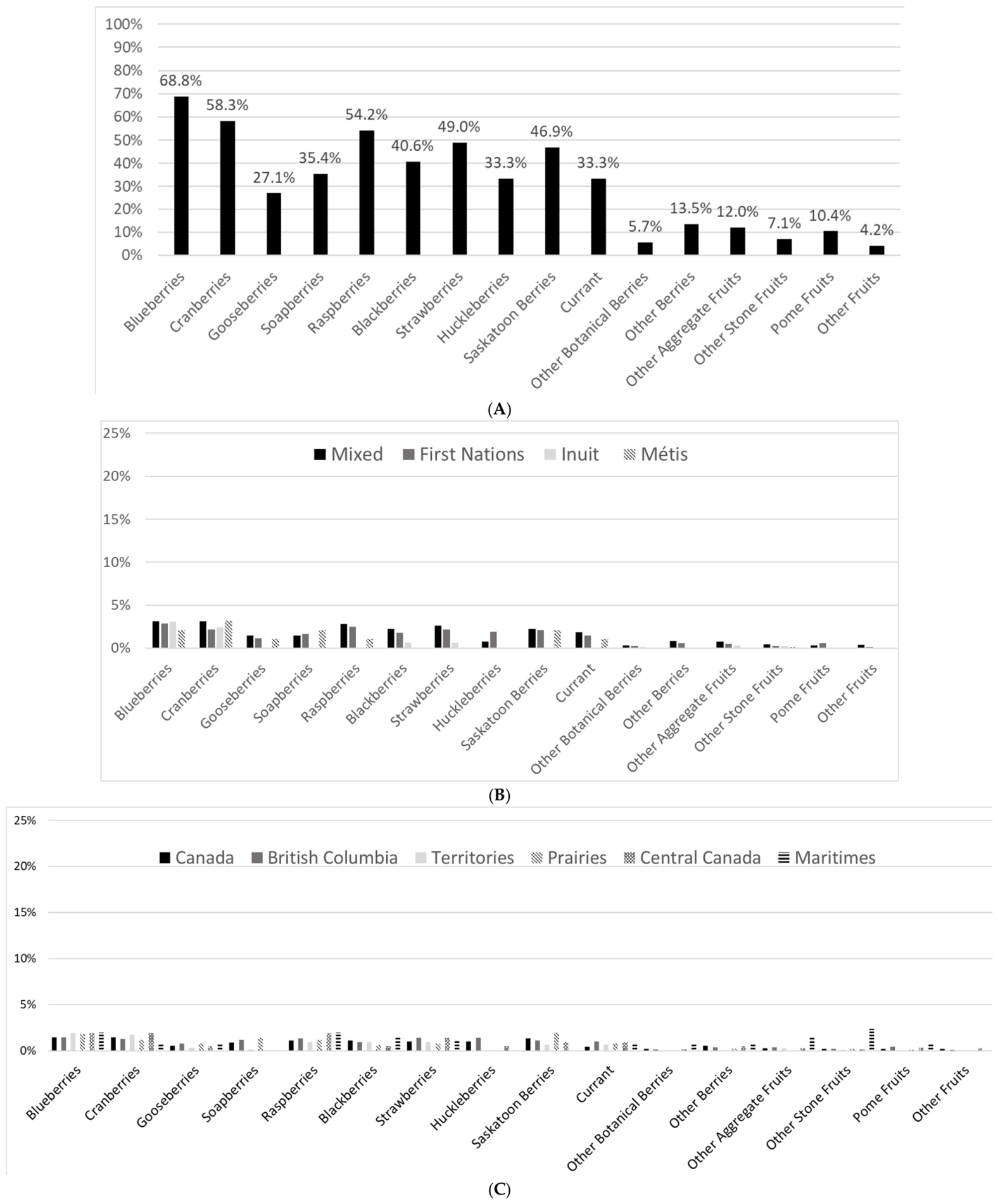
There were 49 traditional Indigenous foods in the fruit food group, of which 44 were a type of berry (
Figure 4A); berries (and other fruits) were cited 718 times overall (averaging 7.5 items per resource). The most prevalent berries reported across the literature were blueberries (68.8%), cranberries (58.3%), raspberries (54.2%), wild strawberries (49%), saskatoon berries (46.9%), blackberries (40.6%), soapberries (35.47%), huckleberries (33.3%) and currants (33.3%). There was a wide variety of botanical berries (lingonberries, deerberry, elderberries, twinberries, etc.), aggregate fruit/berries (salmonberries, cloudberries, mulberries, sunberries), stone fruits (thimbleberry, stoneberry, bayberry, crowberry, bearberry, etc.), and other berries (juniper and salal berries). Plum, cherries, crab apple, prickly pear and pawpaw were the few non-berry fruits identified as traditional foods. The full range of berries and fruits was reported as traditional food among FN and mixed communities whereas a narrower range of berries was identified as traditional in Inuit or Métis groups (
Figure 4B). Blueberries and strawberries were more evenly distributed across regions but the other types of berries and fruits showed wider regional variation (
Figure 4C). Details of traditional food items in the “other” categories of berries and fruits are given in
Supplementary Table S4.
3.3. Foods Belonging to Vegetables Food Group
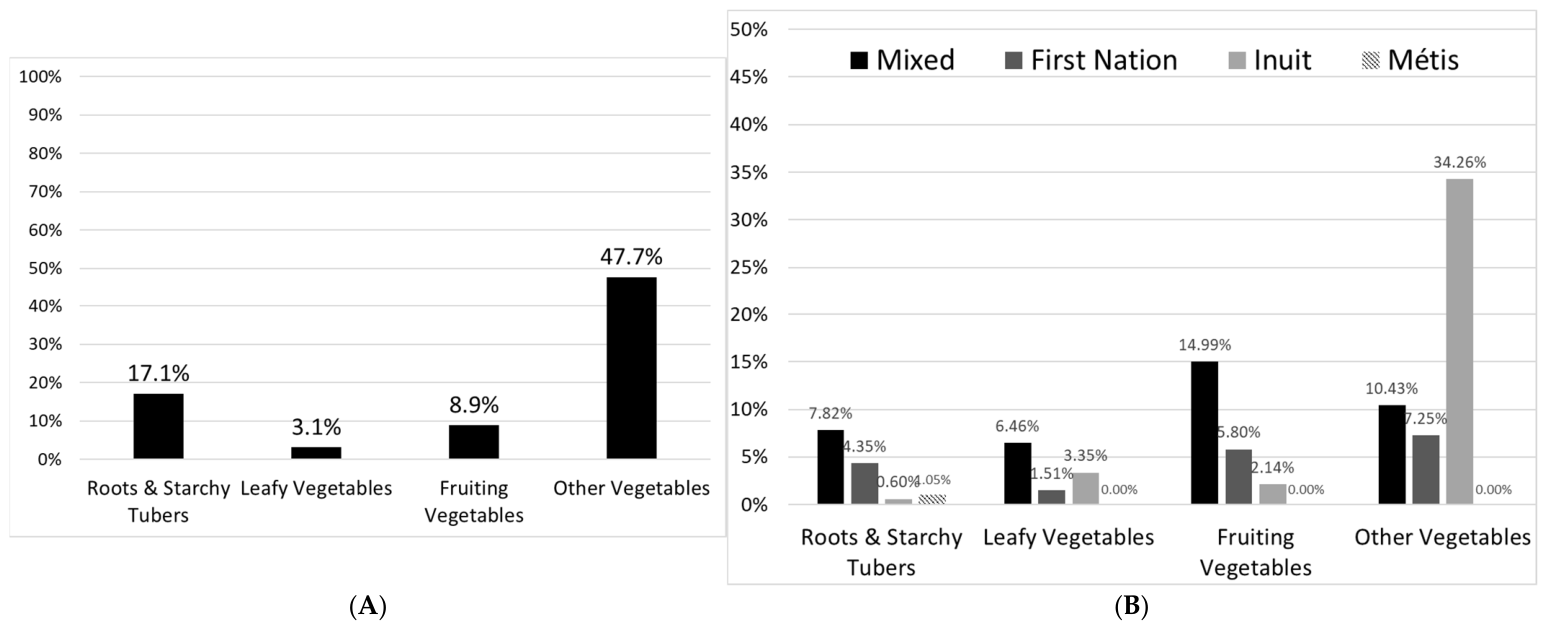
Among the 81 different vegetables identified as traditional foods and cited 384 times (average 4 per resource), the largest subgroup was the other vegetables (47.7%), followed by starchy vegetables (17.1%), fruiting and cruciferous vegetables (8.9%) and leafy vegetables (3.1%) (
Figure 5A). Notably, starchy vegetables had the highest total references in the literature and comprised
43 different traditional food items that could be broadly classified as: (a) “roots or stalks” (e.g., Indian breadroot, water parsley, and caraway; bulbs); (b) “tubers” (e.g., sunchoke, camas, and rice root); and (c) plants used for their shoots (e.g., cow parsnip, sea-blite, and glasswort) (details in
Supplementary Figure S2). There were 23 different leafy vegetables reported as traditional foods, although this vegetable subgroup was rarely cited in the sample of resources. Leafy vegetables were defined as any plant where their leaves are consumed as a vegetable and included plants such as sorrel, smartweed, lomatium, brooklime and anemone (details in
Supplementary Table S5). Only six different fruiting and cruciferous vegetable subgroups were noted in the resources as traditional foods, with the majority of references being pumpkin, squash or butternut squash and wild turnip. And finally, the most prevalent subgroup comprised the nine different traditional items of mushroom (both generic and specific such as morels and chanterelle), wild onion, wild garlic, reed, cactus and general “seasonal fruit and vegetables”; mushrooms and wild onion were five to fifteen times more frequently cited than other items in this subgroup.
Differences in the reported use of vegetable subtypes as traditional foods across Indigenous communities was notable, with a substantially higher prevalence of other vegetables identified as traditional foods among Inuit and none among Métis communities (
Figure 5B).
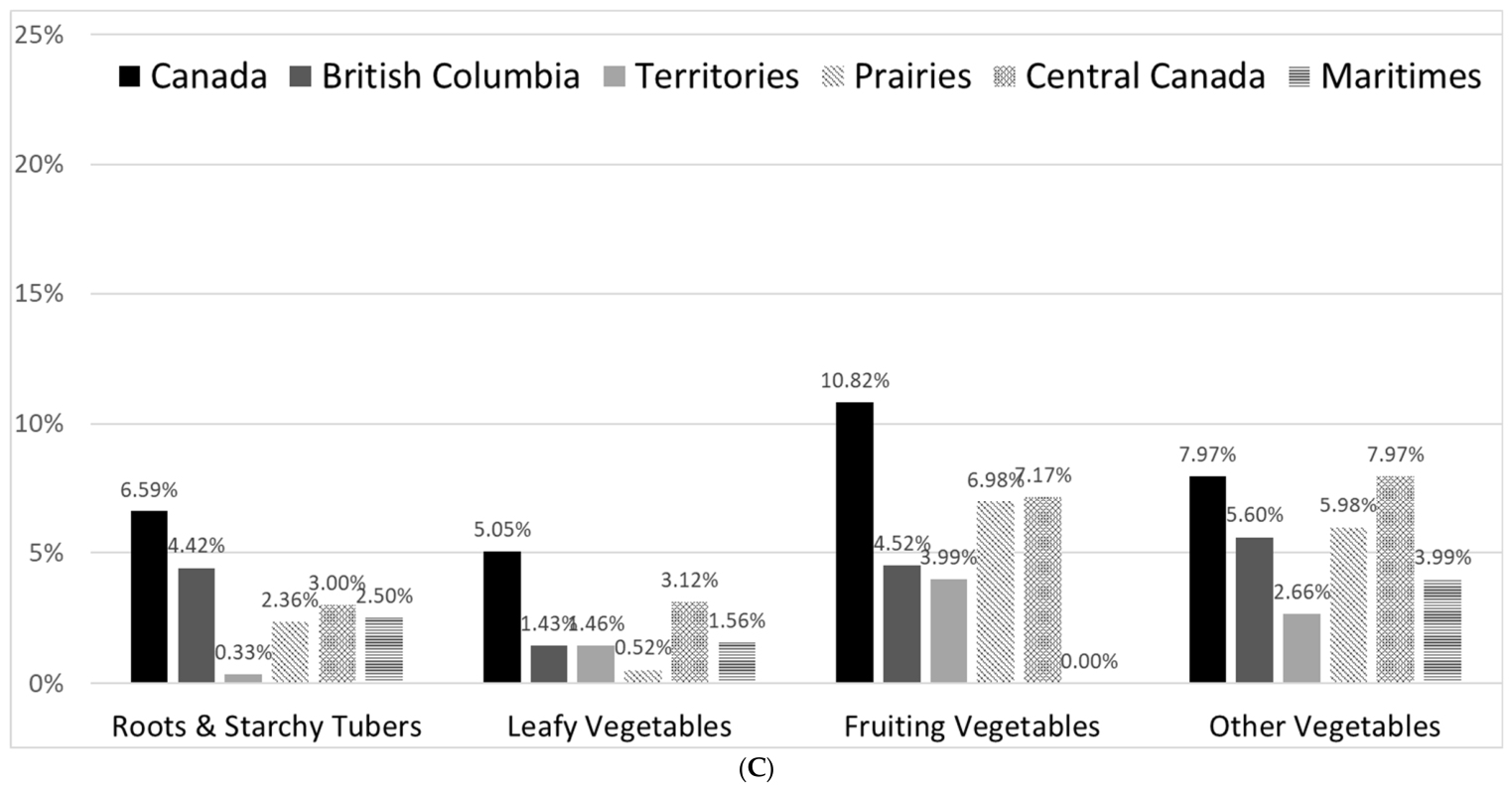
Figure 5C displays the geographic distribution of vegetable subgroups. Starchy vegetables appeared more prevalent in British Columbia than other provinces while leafy and other vegetables were most common in central Canadian provinces.
3.4. Foods Belonging to Grains Food Group
Although grains represented a very small proportion of all the 401 traditional foods identified in this study (1%) overall, over a quarter of the 96 resources reported wild rice as a traditional food item in the grain food group. Buckwheat (a pseudo-cereal), rice grass and foxtail together were grains that were noted in less than 5% of the resources. None of the grain items were reported as traditional foods among Inuit and only wild rice was recorded as a traditional food among FN and Métis. Although all items were identified as traditional foods across Canada overall, only wild rice was identified as a traditional food in all regions except the Territories and the true cereals were only identified as traditional foods in the Prairies. Details are given in
Supplementary Figure S3.
3.5. Foods Belonging to a Mixed Items Group
About a fifth of all the traditional Indigenous foods recorded in the literature comprised a wide mixture of different types of food items that were broadly categorized into “mixed dishes” (25%), “teas, herbs, spices” (86.9%)), and “trees, shrubs, vines” (17.6%).
3.5.1. Mixed Dishes
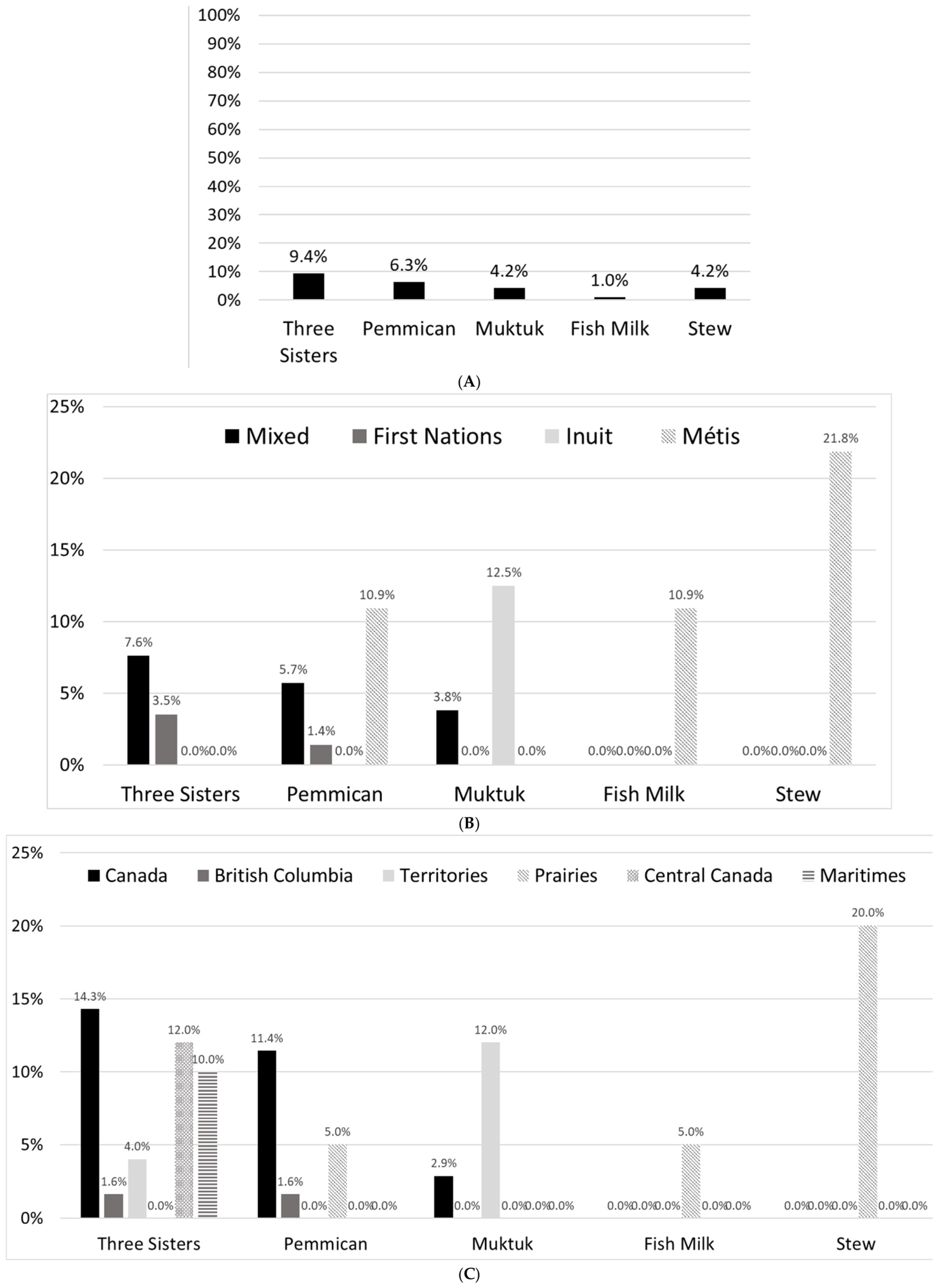
The top two mixed dishes identified in the literature as a traditional Indigenous food item were “Three Sisters” (9.4%) and “Pemmican” (6.3%); the remaining mixed dishes were “muktuk”, “fish milk” and “stew” (game or rabbit) (
Figure 6A). Mixed dish items varied widely by Indigenous group with stew and fish milk (a broth made from fish) being identified as a traditional food only among Métis, and Muktuk only among Inuit; pemmican was most prevalent among Métis (
Figure 6B). A similar geographic variation was also observed (
Figure 6C).
3.5.2. Teas, Herbs and Spices/Condiments
There were 63 different items from the plant family that were identified for use as teas, herbs or spices (
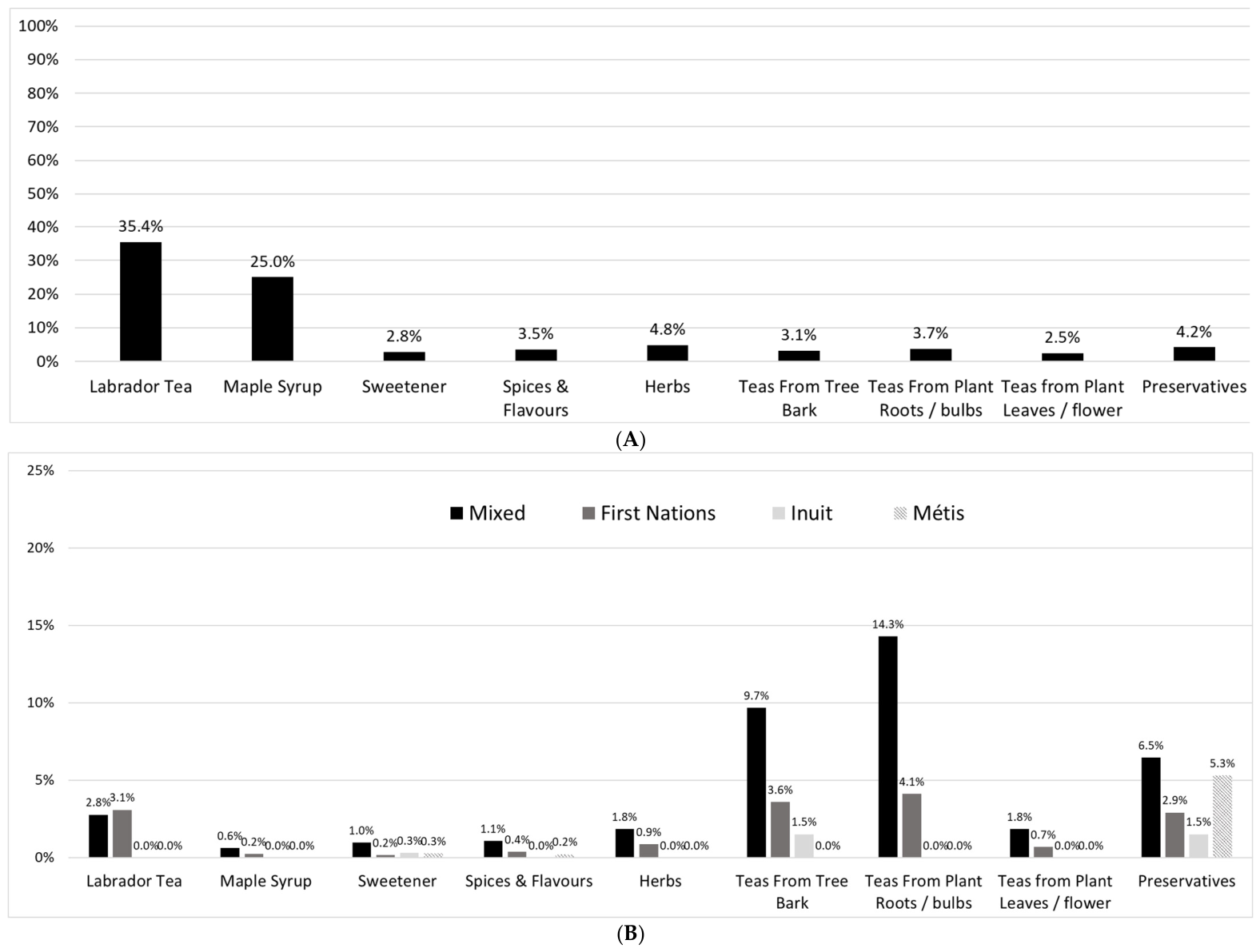
Supplementary Table S6). Over a third of resources identified Labrador tea as a traditional food item (35.4%) followed by maple syrup (25%) among a wide range of different plants that were used as teas, sweeteners, or spices and flavours (
Figure 7A). Teas were made from tree bark (i.e., honeysuckle, mountain ash and cedar), plant roots or bulbs (i.e., balsamroot, sweet flag, ground cone, witch hazel, sassafras, root tea and iris)) and plant leaves or flowers (details in
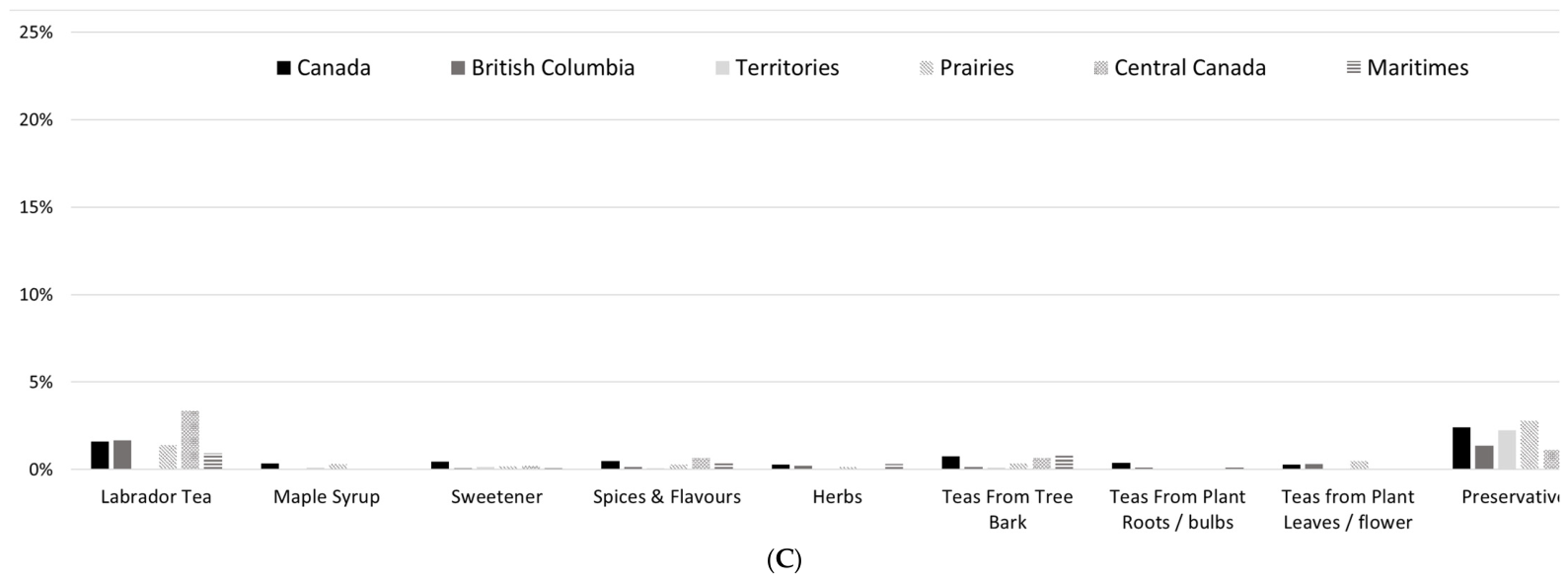
Supplementary Figure S4). Reported use of traditional teas, herbs and spices showed wide variation across Indigenous groups, with all categories reported among FN and mixed communities most especially teas from tree bark and from plant roots/bulbs as well as Labrador tea (
Figure 7B). Panel B also shows that traditional items among Inuit were teas from tree bark and preservatives (lichen and moss). Only preservatives of moss and lichen were traditional foods identified across regions, and Labrador tea covered all regions except the Territories (
Figure 7C).
3.5.3. Trees, Shrubs and Vines
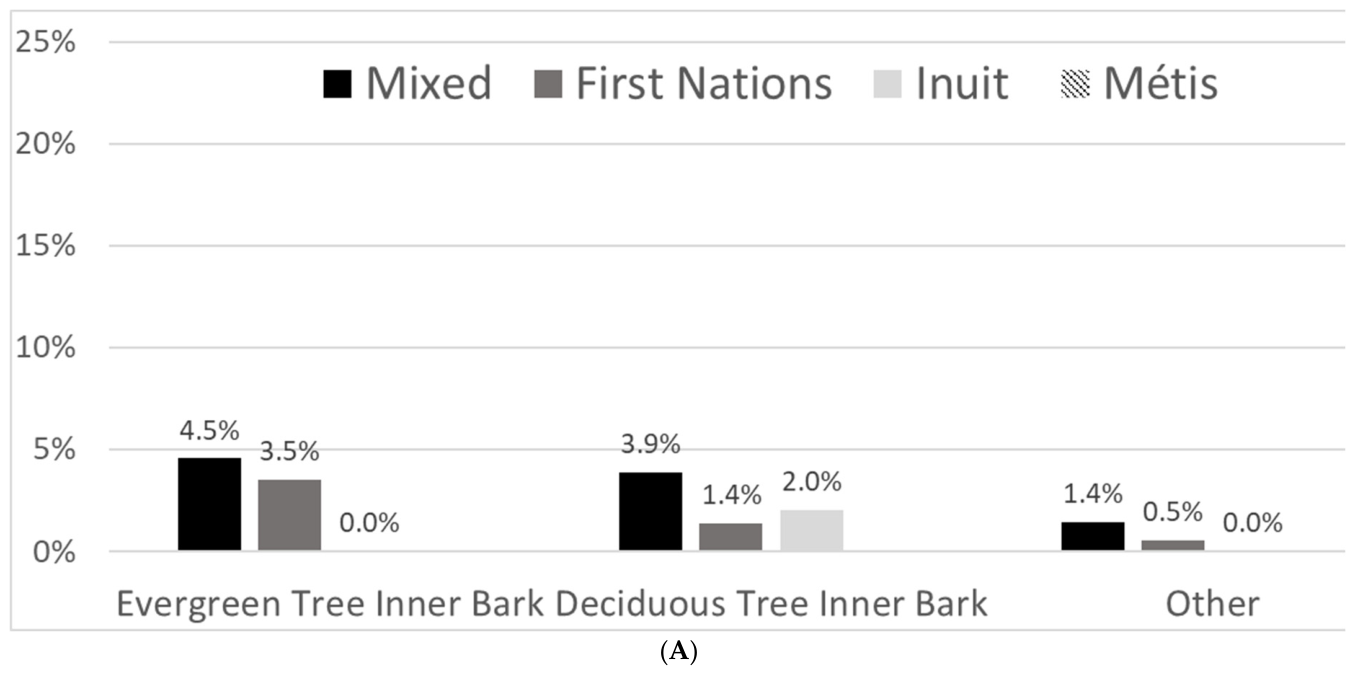
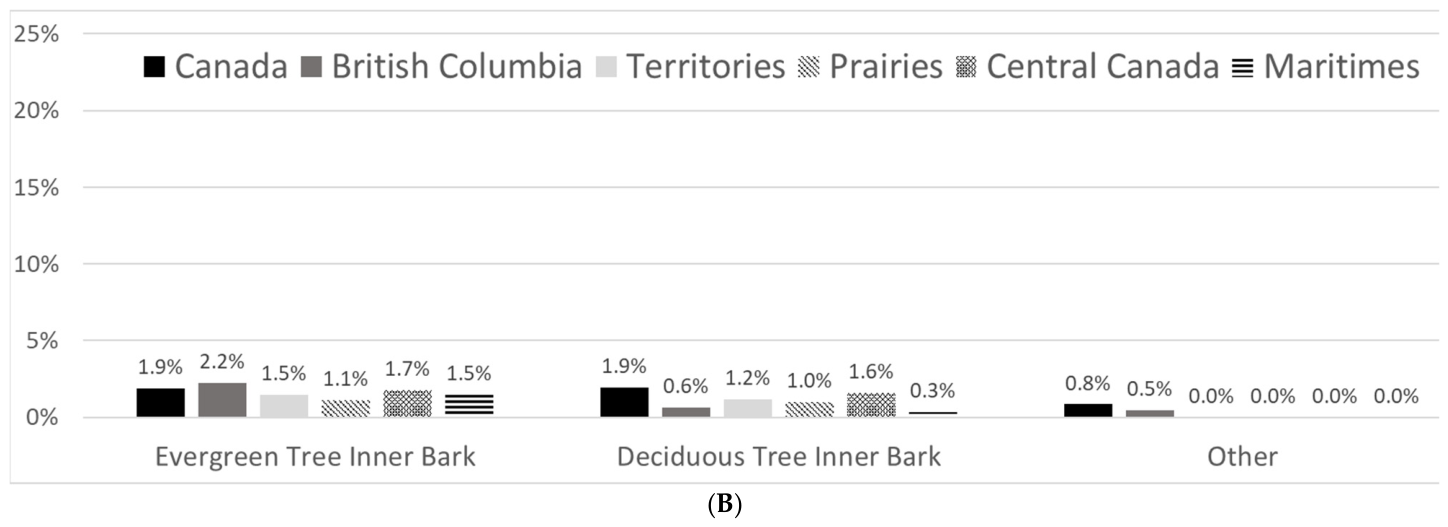
Among the 15 different trees, shrubs and vines that were traditional foods identified in the literature, the top three most reported items were spruce (16%), pine (16%,), and willow (10.4%). More specifically, the inner bark of evergreens (i.e., hemlock, spruce, pine and evergreen) and deciduous trees (i.e., birch, larch, alder, elm, maple, willow, poplar, aspen and oak) were used as traditional foods. In addition, false Virginia creeper was noted in an ethnobotany book covering all of Canada as being a traditional food, and pine pollen occurred in a plant book on FN of the Pacific Northwest. Evergreen inner bark was prevalent only among FN and mixed communities, whereas deciduous tree inner bark was common among FN, mixed and Inuit communities, with each type of inner bark showing regional differences (
Figure 8). The occurrence of each tree in the literature is given in
Supplementary Figure S5.
3.6. Foods with Mixed Use Belonging to Multiple Food Groups
There were 28 unique traditional foods reported in the literature that had multiple uses.
Table 1 shows the majority of these items were used as teas (13), roots and starchy tubers (13), and leafy vegetables (11). Most foods, such as amaranth, cattail, and wintergreen have two distinct uses (typically as both a tea and starchy vegetable), while some plants had three uses.
4. Discussion
This comprehensive study of publicly available grey literature on traditional Indigenous foods resulted in 96 relevant resources covering 401 unique items belonging to four major food groups. The most common meats and fish were bison/buffalo, moose and venison, small wild game, salmon, white fish as well as clams. Eight of the fifteen most represented traditional Indigenous food items were berries, with over 40 different berries reported in the fruit group, highlighting their importance in Indigenous culture. Roots and tubers were the most prominent vegetable subtype reported. A large number of plant-based items were reported, mostly as teas or herbs but also inner bark of trees that is can provide crucial carbohydrates, vitamins and minerals as both an energy-rich and nutrient-rich plant food [
33]. Over two dozen traditional Indigenous foods had multiple uses, typically as both teas and starchy vegetables. Overall, this study demonstrates both the breadth and depth of the food repertoire of Indigenous peoples in Canada, reflecting a non-dairy, very low-carbohydrate dietary pattern.
4.1. Chronic Disease Prevention
Traditional Indigenous foods offer a high nutritional density that serves as a critical, land-based intervention for mitigating systemic health inequities. The health-promoting architecture of traditional food systems is uniquely vital given the disproportionately high and escalating burden of metabolic syndrome, Type II Diabetes, and cardiovascular disease among Indigenous populations [
34,
35]. Reintroducing traditional diets directly addresses these disparities by replacing contemporary, ultra-processed market foods with cardioprotective fats, essential micronutrients, and bioactive compounds that are absent from standard retail options [
1,
36]. For instance, wild game meats provide a dense source of amino acids and macronutrients while remaining modest in total calories [
36]. Unlike commercially farmed livestock, wild game is exceptionally low in saturated fats and cholesterol, while being free from industrial additives like antibiotics and synthetic growth hormones—thereby reducing exogenous drivers of metabolic disruption and systemic inflammation [
37,
38]. Additionally, our findings of close to half of resources reporting cold-water fish (e.g., salmon, trout, and cod) as a traditional food underscores this critical source of omega-3 fatty acids, which exert potent anti-atherosclerotic, anti-inflammatory, and neuroprotective effects, directly lowering the clinical risk profiles for myocardial infarction, hepatic malignancies, and clinical depression [
39,
40].
Crucially, our documentation of 44 distinct berry species underscores a major ecological asset for antioxidant defence. Berries act as functional foods: their rich concentrations of phenolic compounds, organic acids, and vitamins C and K actively combat the oxidative stress and chronic low-grade inflammation that drive vascular degradation and insulin resistance [
41]. Consuming a highly diverse array of these species maximizes the synergistic effect of various bioactive ingredients, offering a multi-pathway defence against chronic disease progression that modern, homogenous Western diets cannot replicate [
41]. This preventative capacity is further amplified by the wide variety of traditional plant- and tree-based foods identified in this scan. When consumed as teas or whole foods, wild greens like stinging nettle deliver superior concentrations of calcium, iron, magnesium, and vitamin C compared to mass-cultivated alternatives, fortifying immune function and bone density [
36]. Finally, while grains were historically rare, the presence of wild rice provides a low-glycemic, fibre- and protein-rich nutritious alternative the supports healthy glucose regulation and metabolic homeostasis [
22]. Taken together, these nutritional profiles demonstrate the traditional food systems are empirically supported frameworks for chronic disease prevention and population-level health restoration.
4.2. Cultural Significance, Identity and Connection to Land
From a public health framework, Indigenous cultural practices do not merely influence lifestyle choices; rather, culture acts as a direct health intervention. Research among Indigenous communities shows that traditional food consumption is deeply linked to connection with nature, sharing cultural and practices, and the transmission of intergenerational knowledge [
42]. A prime example is the “Three Sisters” intercropping system (corn, beans, and squash), which represents a highly sophisticated form of agro-ecological public health infrastructure [
22]. Beyond its vital symbolic value of community and plant kinship, this symbiotic agricultural practice serves as a localized food sovereignty strategy that generates high yields of food energy and enhances the protein content of vegetables compared to monoculture farming [
43,
44]. Nutritionally, this regional asset yields a complete dietary matrix—delivering complex carbohydrates (corn), essential amino acids and protein (beans), and vital vitamins, minerals, and lipid profiles (squash and its seeds). Among the matriarchal Haudenosaunee culture, where these companion plants are recognized as the “foundation of subsistence,” the “Three Sisters” are an agricultural system that reinforces social cohesion and gender equity, both of which are critical social determinants of health [
43]. The strength, resilience, and harmony embedded in Three Sisters origin stories [
45,
46] provide a culturally safe blueprint for sustainable, community-led nutrition programs that counter the instabilities of the commercial market.
Similarly, the development of pemmican illustrates a localized public health adaptation optimized for the ecological realities of the Plains FN and the Métis [
47]. Rather than just a historical survival ration, pemmican represents an Indigenous technological innovation in food security. By blending dried game meat, animal fat and antioxidant-rich regional fruits (such as chokecherries or saskatoon berries), Indigenous communities engineered a shelf-stable, nutrient-dense food preservation system capable of mitigating seasonal food scarcity and supporting populations during extreme migration or environmental stress [
47]. In public health terms, pemmican historically secured the nutritional continuity of entire populations, laying the foundational wellness required for Métis self-governance and political autonomy [
48]. Reclaiming the knowledge behind such regional food innovations is a vital step toward decentralized (and decolonized) food sovereignty, directly shifting power away from volatile global supply chains back to local ecosystems. Importantly, efforts to revitalize traditional Indigenous food systems should be Indigenous-led and centre the priorities, knowledge, and self-determination of the communities they seek to serve.
Ultimately, these regional variations demonstrate that food sovereignty cannot be achieved through a homogenized, one-size-fits-all health policy. Traditional food systems are inherently tied to localized seasonal cycles, specific ecosystems, and community-led ceremonies [
49]. In an Indigenous public health context, harvesting practices are governed by a relational taxonomy where plants and animals are treated as relatives rather than as mere economic commodities [
10,
50]. The practice of plant and animal kinship inherent to Indigenous traditional foods is underpinned by a cultural and spiritual understanding that all humans, plants and animals, an inextricably interconnected [
9,
50]. This mutualistic worldview acts as an environmental health safety net; practices such as rotational foraging, strict catch limits to prevent overfishing, and utilizing all components of an animal ensure long-term ecological sustainability and continuous resource availability. Furthermore, the land-based gathering space functions as an intergenerational health repository. When Elders pass down harvesting techniques through storytelling and song, they are not just preserving heritage—they are actively transmitting protective health knowledge, reinforcing community mental health resilience, and dismantling the structural barriers to health equity caused by historical colonial disruptions [
9].
4.3. Economic Wellbeing as a Social Determinant of Health
Beyond nutritional and cultural assets, traditional food technologies represent a critical engine for economic health, which is recognized globally as a primary social determinant of health. Historically and in contemporary contexts, the capacity of Indigenous communities to manage their own food economies directly impacts population-level wellness by mitigating the poverty and material deprivation that drive health inequities [
49,
51,
52]. Long before colonization, various traditional food products served as forms of currency and stable trade commodities, establishing a foundational baseline of economic security and community resilience [
51,
53]. Pemmican, in particular, was not merely a survival food but a highly valuable commercial commodity that anchored the fur trade and fuelled the macroeconomic stability and the political self-determination of the Métis people [
48]. The large-scale annual trade of this dense energy source with entities like the Hudson’s Bay Company, beginning in the early 17th century, demonstrates that Indigenous food technologies historically functioned as thriving, self-sustaining industries [
53]. Similarly, the strategic trade of regional resources—including salmon, mountain goat, deer, and harvested berries—generated extensive economic networks that fostered inter-community stability, wealth distribution, and diplomatic negotiation [
51,
52].
From a public health policy perspective, the systematic colonial disruption of these land-based economies must be understood as a structural root cause of modern health disparities. When state policies severed Indigenous peoples’ connection to their lands and halted the intergenerational transmission of ecological knowledge, they effectively dismantled a prosperous macroeconomic system, replacing it with systemic poverty, food insecurity, and market dependency [
49,
52,
54]. Therefore, revitalizing traditional Indigenous food systems is not merely an exercise in cultural preservation; it is a structural public health intervention capable of generating self-reliant, sustainable economies. Supporting Indigenous agricultural technologies and food sovereignty initiatives directly combats the economic vulnerabilities that underpin chronic disease, offering a scalable pathway toward economic health equity and long-term population wellness [
9,
44,
45].
4.4. Methodological Considerations
The goal of this study was to scan publicly available resources to determine the scope and prevalence of traditional Indigenous foods. We searched grey literature in both French and English but not in Indigenous languages, thus important resources were likely missed in this study. Since we searched books in the X̱wi7x̱wa library at The University of British Columbia and the Millennium library in Winnipeg, Manitoba, over a third of the resources included in this study were skewed towards Indigenous groups present in British Columbia and other regions may be under-represented. In addition, there may also be uneven representation of traditional Indigenous foods by group as nearly two-thirds (65%) of the resources identified focused on traditional foods from FN groups and 7.3% focused on Inuit whereas FN account for 58% and Inuit account for 3.9% of the Indigenous population in Canada. However, we adjusted the summary statistics of our data for Indigenous groups and region to account for the unequal distribution of the 96 sources. Our study design has an important limitation of restricting information sources to only written materials which likely underestimates the true variation and depth of knowledge of Indigenous foods as we did not capture the locally held, community-specific, ceremonial or intergenerational knowledge that is primarily transmitted in oral form such as through storytelling.
A key strength of this research is the incorporation of Indigenous members in the research team, including an Elder who provided protocols and helped us to conduct our research in a good way. Having Indigenous members in the research team allowed for relevant cultural perspectives during the data collection period and provided important cultural context during the data preparation (food group classification) and analysis. Another key strength of this study was the comprehensive search strategy that enabled us to include rare traditional Indigenous foods and to cover the full scope of geography and communities. Previous studies have excluded certain regions or Indigenous groups, but our research fills the gaps in knowledge of the broader picture of traditional Indigenous food use in Canada.
5. Conclusions
In this study, we comprehensively examined traditional Indigenous foods in the Canadian context, compiling an evidentiary benchmark of publicly available information on a vast array of traditional Indigenous foods across diverse communities and regions. Findings demonstrated that baseline consumption patterns rely on highly nutritious sources, including wild game and fish protein, roots, tubers, leafy vegetables, berries and botanical teas. Our work highlights a profound depth of traditional ecological and nutritional knowledge—a structural dietary diversity that far exceeds the narrow nutritional variety characteristics of modern Western market-based diets [
55,
56]. From a population health perspective, the mandate to revitalize traditional food systems is a critical requirement for mitigating the severe chronic disease burden, metabolic health disparities and cultural disruptions caused by the forced shift to market-dependent diets imposed on Indigenous communities [
3,
12,
13]. Because the decline in traditional food consumption is inextricably linked to systemic disruptions in intergenerational knowledge transfer [
14], our findings provide a critical public health asset by restoring access to traditional food knowledge. This work serves as an empowering resource for Indigenous communities seeking to reclaim historical land-based and sustainable food systems, while simultaneously acting as an educational framework for healthcare providers and public health policymakers to integrate culturally safe, land-based knowledge into clinical interventions and preventative care [
57]. Ultimately, this research privileges Indigenous ways of knowing as a foundational strategy to dismantle systemic health inequities and close the gap in Indigenous health outcomes.