


Exploring Individual Mental Health Issues: A Qualitative Study among Fellowship-Trained Sports Medicine Physicians


Abstract
1. Introduction
2. Material and Methods
3. Results
4. Discussion
4.1. Theme 1
4.2. Theme 2
4.3. Theme 3
4.4. Theme 4
4.5. Theory of Secondary Trauma Stress
- Expand on this current study to look at a larger population outside FTSMPs.
- Utilize the current study using quantitative measures and hypothesis testing to predict a possible outcome.
- Involve an interventional study to improve the findings regarding challenges and barriers.
- Explore educational advancements that may impact the challenges and barriers regarding mental health related to sports medicine, such that healthcare professionals can improve experiences and perceptions for themselves and their patients.
5. Conclusions
Author Contributions
Funding
Institutional Review Board Statement
Informed Consent Statement
Data Availability Statement
Conflicts of Interest
References
- Singh, G.P. Psychological impact of COVID-19 lockdown: An online survey from India. Indian J Psychiatry 2020, 62, 593. [Google Scholar] [CrossRef] [Scilit] [PubMed]
- Stuijfzand, S.; Deforges, C.; Sandoz, V.; Sajin, C.-T.; Jaques, C.; Elmers, J.; Horsch, A. Psychological impact of an epidemic/pandemic on the mental health of Healthcare Professionals: A Rapid Review. BMC Public Health 2020, 20, 1230. [Google Scholar] [CrossRef] [Scilit] [PubMed]
- Gupta, S.; Sahoo, S. Pandemic and mental health of the front-line healthcare workers: A review and implications in the Indian context amidst COVID-19. Gen. Psychiatry 2020, 33, e100284. [Google Scholar] [CrossRef] [Scilit] [PubMed]
- Sultana, A.; Sharma, R.; Hossain, M.M.; Bhattacharya, S.; Purohit, N. Burnout among healthcare providers during COVID-19: Challenges and evidence-based interventions. Indian J. Med. Ethics 2020, 05, 308–311. [Google Scholar] [CrossRef] [Scilit]
- Tattersall, A.J.; Bennett, P.; Pugh, S. Stress and coping in hospital doctors. Stress Med. 1999, 15, 109–113. [Google Scholar] [CrossRef] [Scilit]
- Perrone, M.A.; Youssefzadeh, K.; Serrano, B.; Limpisvasti, O.; Banffy, M. The impact of covid-19 on the Sports Medicine Fellowship Class of 2020. Orthop. J. Sports Med. 2020, 8, 2325967120939901. [Google Scholar] [CrossRef] [Scilit]
- Warnecke, A.J.; Baum, C.A.; Peer, J.R.; Goreczny, A.J. Intercorrelations between Individual Personality Factors and Anxiety. Coll. Stud. J. 2014, 48, 23–33. [Google Scholar]
- Stamm, B.H. Work-related secondary traumatic stress. PsycEXTRA Datase. 1997, 8, 1–3. [Google Scholar]
- Ludick, M.; Figley, C.R. Toward a mechanism for secondary trauma induction and reduction: Reimagining a theory of secondary traumatic stress. Traumatology 2017, 23, 112–123. [Google Scholar] [CrossRef] [Scilit]
- Terry, G.; Hayfield, N.; Clarke, V.; Braun, V. Thematic analysis. Qual. Res. Psy. 2017, 2, 17–36. [Google Scholar] [CrossRef] [Scilit]
- Giorgi, A. The Descriptive Phenomenological Psychological Method. J. Phenomenol. Psychol. 2012, 43, 3–12. [Google Scholar] [CrossRef] [Scilit]
- Morrow, S.L. Quality and trustworthiness in qualitative research in counseling psychology. J. Couns. Psychol. 2005, 52, 250–260. [Google Scholar] [CrossRef] [Scilit]
- Moustakas, C. Phenomenological Research Methods; Sage Publications: Thousand Oaks, CA, USA, 1994. [Google Scholar]
- Belotto, M. Data Analysis Methods for qualitative research: Managing the challenges of coding, interrater reliability, and thematic analysis. Total Qual. Res. J. 2018, 23, 2622–2633. [Google Scholar] [CrossRef] [Scilit]
- Coates, W.C.; Jordan, J.; Clarke, S.O. A practical guide for conducting qualitative research in medical education: Part 2—Coding and thematic analysis. AEM. Educ. Train. 2021, 5, e10645. [Google Scholar] [CrossRef] [Scilit] [PubMed]
- Blanco, M.; Prunuske, J.; DiCorcia, M.; Learman, L.A.; Mutcheson, B.; Huang, G.C. The doctrine guidelines: Defined criteria to report innovations in Education. Acad. Med. 2022, 97, 689–695. [Google Scholar] [CrossRef] [Scilit]
- Birt, L.; Scott, S.; Cavers, D.; Campbell, C.; Walter, F. Member checking. Qual. Health Res. 2016, 26, 1802–1811. [Google Scholar] [CrossRef] [Scilit] [PubMed]
- Fischer, C.T. Bracketing in qualitative research: Conceptual and practical matters. Psychother. Res. 2009, 19, 583–590. [Google Scholar] [CrossRef] [Scilit]
- O’Kane, P.; Smith, A.; Lerman, M.P. Building transparency and trustworthiness in inductive research through computer-aided qualitative data analysis software. Organ. Res. Methods 2019, 24, 104–139. [Google Scholar] [CrossRef] [Scilit]
- Cutcliffe, J.R.; McKenna, H.P. Establishing the credibility of qualitative research findings: The plot thickens. J. Adv. Nurs. 1999, 30, 374–380. [Google Scholar] [CrossRef] [Scilit]
- Wolf, Z.R. Exploring the audit trail for qualitative investigations. Nurse Educ. 2003, 28, 175–178. [Google Scholar] [CrossRef] [Scilit]
- Koch, T. Establishing rigour in qualitative research: The decision trail. J. Adv. Nurs. 1994, 19, 976–986. [Google Scholar] [CrossRef] [Scilit]
- Yilmaz, K. Comparison of quantitative and qualitative research traditions: Epistemological, theoretical, and methodological differences. Eur. J. Educ. 2013, 48, 311–325. [Google Scholar] [CrossRef] [Scilit]
- Woo, H.; Heo, N. A content analysis of qualitative research in select ACA journals (2005–2010). Couns. Outcome Res. Eval. 2013, 4, 13–25. [Google Scholar] [CrossRef] [Scilit]
- Harrison, J.; MacGibbon, L.; Morton, M. Regimes of trustworthiness in qualitative research: The rigors of reciprocity. Qual. Inq. 2001, 7, 323–345. [Google Scholar] [CrossRef] [Scilit]
- Becker, A.E.; Kleinman, A. Mental health and the global agenda. N. Engl. J. Med. 2013, 369, 66–73. [Google Scholar] [CrossRef] [Scilit]
- Brooks, S.K.; Gerada, C.; Chalder, T. Review of literature on the mental health of doctors: Are specialist services needed? J. Ment. Health 2011, 20, 146–156. [Google Scholar] [CrossRef] [Scilit] [PubMed]
- George, S.; Deshpande, S.; Kallivayalil, R.A. Are specialist treatment services needed for doctors with mental health problems? Indian J. Psychol. Med. 2020, 42, 105–107. [Google Scholar] [CrossRef] [Scilit] [PubMed]
- Simmons, S. Striving for work-life balance. Am. J. Nurs. 2012, 112, 25. [Google Scholar] [CrossRef] [Scilit]
Disclaimer/Publisher’s Note: The statements, opinions, and data contained in all publications are solely those of the individual author(s) and contributor(s) and not of MDPI and the editor(s). MDPI and/or the editor(s) disclaim responsibility for any injury to people or property resulting from any ideas, methods, instructions or products referred to in the content. |
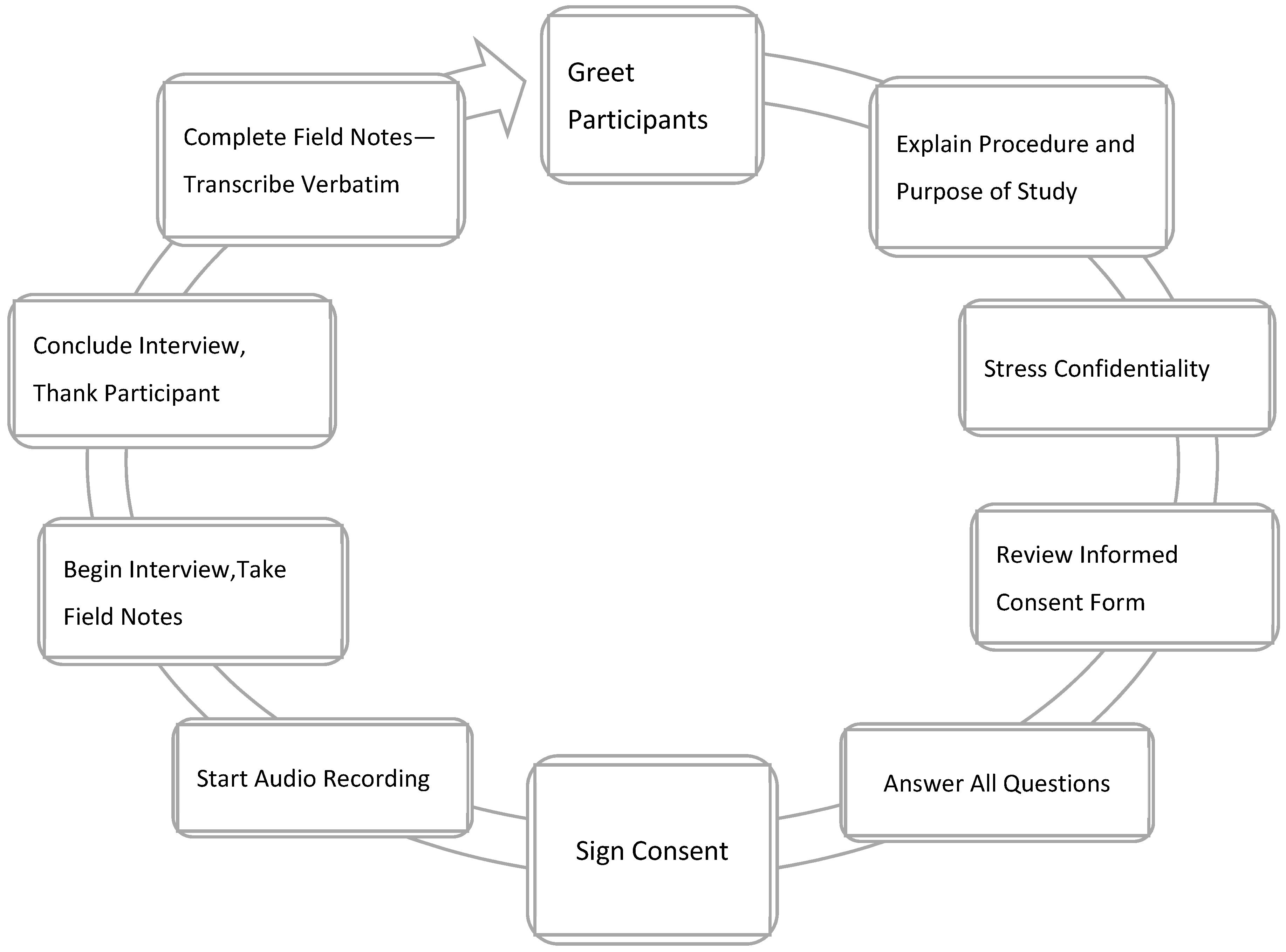
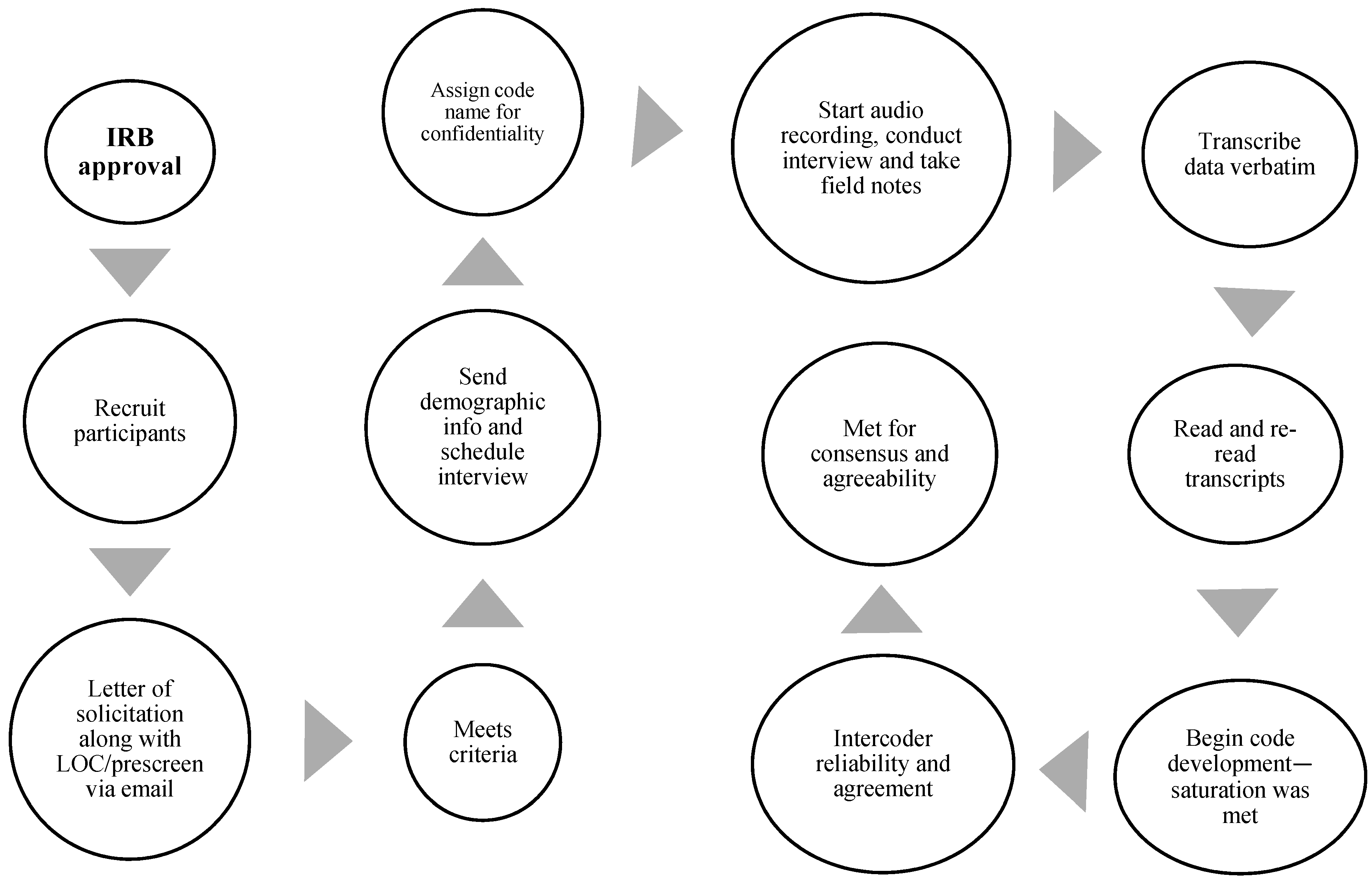
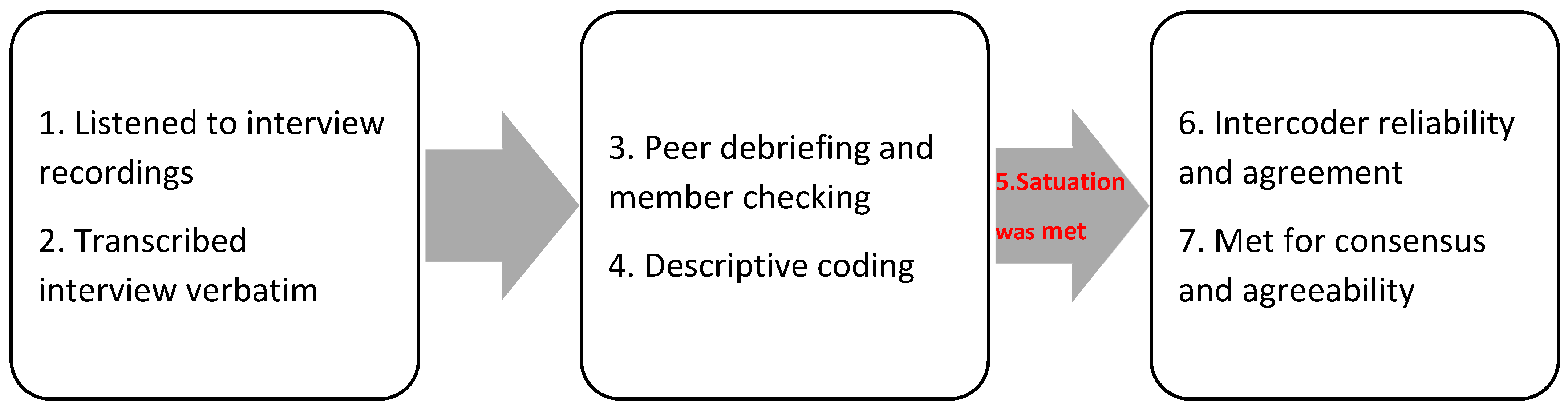

| (1) Exposure to suffering; |
| (2) Empathic concern; |
| (3) Empathic ability; |
| (4) Empathic response; |
| (5) Traumatic memories; |
| (6) Prolonged exposure to suffering; |
| (7) Other life demands; |
| (8) Compassion fatigue resilience; |
| (9) Self-care; |
| (10) Detachment; |
| (11) Sense of satisfaction; and |
| (12) Social support. |
| Gender | Percentage | Number of Contributors |
|---|---|---|
| Men | 71.42% | 25 |
| Women | 28.51% | 10 |
| Prefer not to say | 0% | 0 |
| Location: | ||
| California | 5.71% | 2 |
| Colorado | 2.86% | 1 |
| Connecticut | 11.42% | 4 |
| Delaware | 11.42% | 4 |
| Florida | 17.14% | 6 |
| New Jersey | 20.00% | 7 |
| New York | 14.28% | 5 |
| Pennsylvania | 5.71% | 2 |
| Rhode Island | 2.86% | 1 |
| Texas | 5.71% | 2 |
| Virginia | 2.86% | 1 |
|
|
|
|
|
|
|
|
|
|
|
|
| Introduction | Y/N |
| |
| |
| |
| Curriculum Development | Y/N |
| |
| |
| |
| Curriculum implementation | Y/N |
| |
| |
| |
| |
| |
| Results | Y/N |
| |
| |
| |
| Discussion | Y/N |
| |
| |
| |
| |
|
| Number of Transcript Excerpts Included | Number of Participants Contributing | |
|---|---|---|
| (1) Mental health matters affect individual daily lives of FTSMPs. | 87 | 28 |
| (2) FTSMPs correlate mental health struggles with stress and anxiety. | 43 | 25 |
| (3) FTSMPs experience barricades when looking for support for mental health issues. | 65 | 33 |
| (4) FTSMPs have poor mental health support-seeking behaviors. | 72 | 33 |
| Theme | Quote |
|---|---|
| Theme 1 | Q: As an FTSMP, describe a time, if at all, that you experienced issues with mental health: P9: “Yes. Absolutely. All the time. I have anxiety multiple times throughout the day. I feel like I’ve had it for a while, but I also feel like it has worsened as I’ve gotten older. Perhaps it’s because of more responsibilities. More people relying on you.” Q: As an FTSMP, what is your biggest challenge when dealing with personal mental health? P10: “The biggest challenge I would face probably is time and the perception of seeking help. Where am I going to find the time daily to have these conversations? I work, I have kids, have a family. Where’s the time? My only real time is early morning, and no one is available. I can take off work once a week or twice a week or every other week because of too many responsibilities at work. As far as public perception is concerned, but face the facts, unfortunately, mental health is seen as a weakness in some people’s eyes.” Q: As an FTSMP, what are some pressures that you may face when dealing with personal mental health? P6: “The most pressure I feel is, I guess, from myself. But I also feel pressure from my job to perform at an optimal level mentally, physically, and emotionally. Not only that but intellectually. People come to me for help. They come to me because they are under the impression that I am mentally fit to do my job, and I am. However, many of the patients that we see look at us as providers and don’t realize that we do have our issues. Every day all of us go home and deal with personal issues. It can be tough. But you know what, you do what you gotta do.” |
| Theme 2 | Q: As an FTSMP, describe a time, if at all, that you had to seek professional support to help you deal with a personal mental health issue: P6: “No, I never actually spoke to someone. I probably should have [due to stress]. But no, I never actually saw any professional help. I knew how to get back on track [when dealing with stress and anxiety]. Getting a good night’s sleep and eating better all trickles down to how I can improve not only my mental health but physical and stress. But I can’t comment on what seeking professional help would do because I never actually saw it myself.” Q: As an FTSMP, what is your biggest challenge when dealing with personal mental health? P4: “The biggest challenge, I would say, is balancing work, social life, and family, as well as staying mentally clear and on and on top of that, staying mentally on track. It’s easy to derail yourself. I also enjoy staying physically fit, so I believe that can contribute to a boost in my mental health. Sometimes it just makes me feel better to go for a run. I also notice a big difference when I sleep better. I guess it’s cyclical. Yeah, the biggest challenge is balancing everything and staying mentally focused.” Q: As an FTSMP, what barriers may you experience when dealing with personal mental health? P2: “I don’t know if I would say I have any barriers. It’s hard to say. Some barriers to my mental health? I would say I am my barrier, probably. I have much anxiety. I strive to be a perfectionist. It is stressful. Sometimes my perfection or perception of perfection can get in the way. Maybe a barrier would be trying to convince me that I need to take a step back before I burn myself out, which I’ve done repeatedly.” |
| Theme 3 | Q: As an FTSMP, what barriers may you experience when dealing with personal mental health? P8: “Some barriers, I would say, would be being vocal about a situation. Again, this is my barrier. Some barriers outside of myself? Work, life, trying to find the time. These are all barriers. How am I supposed to find the time when all professional therapists work the same hours as I do?” Q: As an FTSMP, what are some pressures that you may face when dealing with personal mental health? P1: “I would say that all the pressures I experience are from myself. Internal pressure. Very little room for error in my profession. If I make one little mistake, it could cost me my whole career. The pressure can be so intense sometimes that I know I should find someone to talk to, but I would rather focus on my craft so these mistakes do not happen.” Q: As an FTSMP, what are some benefits to dealing with your mental health issue? P1: “Dealing with personal mental health issues as a healthcare provider is extremely important. Not only for myself. For my patients. I can focus more on my patients and their outcomes when I am mentally fit. It’s easier for me to keep up with my mental health and try to catch up with it. It’s a struggle, though, every day. Every day is a new fight. Finding the time, balance, and the right person for the right situation. Let’s face it, every mental health issue needs extra attention. How are you supposed to find the proper attention? It isn’t easy. But we are all works in progress.” |
| Theme 4 | Q: As an FTSMP, what is your biggest challenge when dealing with personal mental health? P1: “I would say my biggest challenge, for me, would be just time. It is hard to find the time. I know that there are not many specialists where I live. Insurance can be an issue as well. Very costly. But yeah, time, finding a specialist, insurance… All are pretty big challenges.” Q: As an FTSMP, what barriers may you experience when dealing with personal mental health? P9: “Barriers for me, personally, would be acknowledging that I have an issue when I do. That always has been my struggle—the acknowledgment…The acknowledgment of the issue itself tends to be a significant barrier for me. That’s what I feel is the hardest part. Once I acknowledge the behavior, I must figure out how to deal with it. I do not always make the best decisions with mental health treatment, but I do the best I can.” Q: As an FTSMP, what are some pressures that you may face when dealing with personal mental health? P11: “The most significant pressure when dealing with a personal health issue is probably from me. If that make any sense? Do you know? It’s tough. Something that you can’t see, you can certainly feel it. No one else can see it. It can certainly be a challenge. It isn’t easy. How are you supposed to differentiate between being in a bad mood versus being overwhelmed versus being burnt out versus just everyday anxiety? How are you supposed to know? If you don’t know, how are you supposed to get help? Is anxiety normal? I don’t know… It’s not talked about a lot. ” |
Disclaimer/Publisher’s Note: The statements, opinions and data contained in all publications are solely those of the individual author(s) and contributor(s) and not of MDPI and/or the editor(s). MDPI and/or the editor(s) disclaim responsibility for any injury to people or property resulting from any ideas, methods, instructions or products referred to in the content. |
© 2023 by the authors. Licensee MDPI, Basel, Switzerland. This article is an open access article distributed under the terms and conditions of the Creative Commons Attribution (CC BY) license (https://creativecommons.org/licenses/by/4.0/).
Share and Cite
Stavitz, J.; Eckart, A.; Ghimire, P. Exploring Individual Mental Health Issues: A Qualitative Study among Fellowship-Trained Sports Medicine Physicians. Int. J. Environ. Res. Public Health 2023, 20, 5303. https://doi.org/10.3390/ijerph20075303
Stavitz J, Eckart A, Ghimire P. Exploring Individual Mental Health Issues: A Qualitative Study among Fellowship-Trained Sports Medicine Physicians. International Journal of Environmental Research and Public Health. 2023; 20(7):5303. https://doi.org/10.3390/ijerph20075303
Chicago/Turabian StyleStavitz, James, Adam Eckart, and Pragya Ghimire. 2023. "Exploring Individual Mental Health Issues: A Qualitative Study among Fellowship-Trained Sports Medicine Physicians" International Journal of Environmental Research and Public Health 20, no. 7: 5303. https://doi.org/10.3390/ijerph20075303
APA StyleStavitz, J., Eckart, A., & Ghimire, P. (2023). Exploring Individual Mental Health Issues: A Qualitative Study among Fellowship-Trained Sports Medicine Physicians. International Journal of Environmental Research and Public Health, 20(7), 5303. https://doi.org/10.3390/ijerph20075303

