Application of Natural Language Processing (NLP) in Detecting and Preventing Suicide Ideation: A Systematic Review


Abstract
1. Introduction
1.1. Rationale
1.2. Research Question
1.3. Aims & Objectives
- Conduct a comprehensive database search for research on the use of NLP for suicidal ideation.
- Collect essential information on the detection and treatment effectiveness of the NLP approach, as well as its limitations.
- Synthesize, analyse, and report findings from included studies.
- Make future suggestions and identify prospective research areas.
- Formulate recommendations for future efforts based on the findings of the included studies.
2. Methodology
2.1. Inclusion & Exclusion
2.2. Search Strategy
2.3. Databases
2.4. Reference Management
2.5. Quality Assessment
2.6. Databases
2.7. Analysis
2.8. Ethics
3. Results
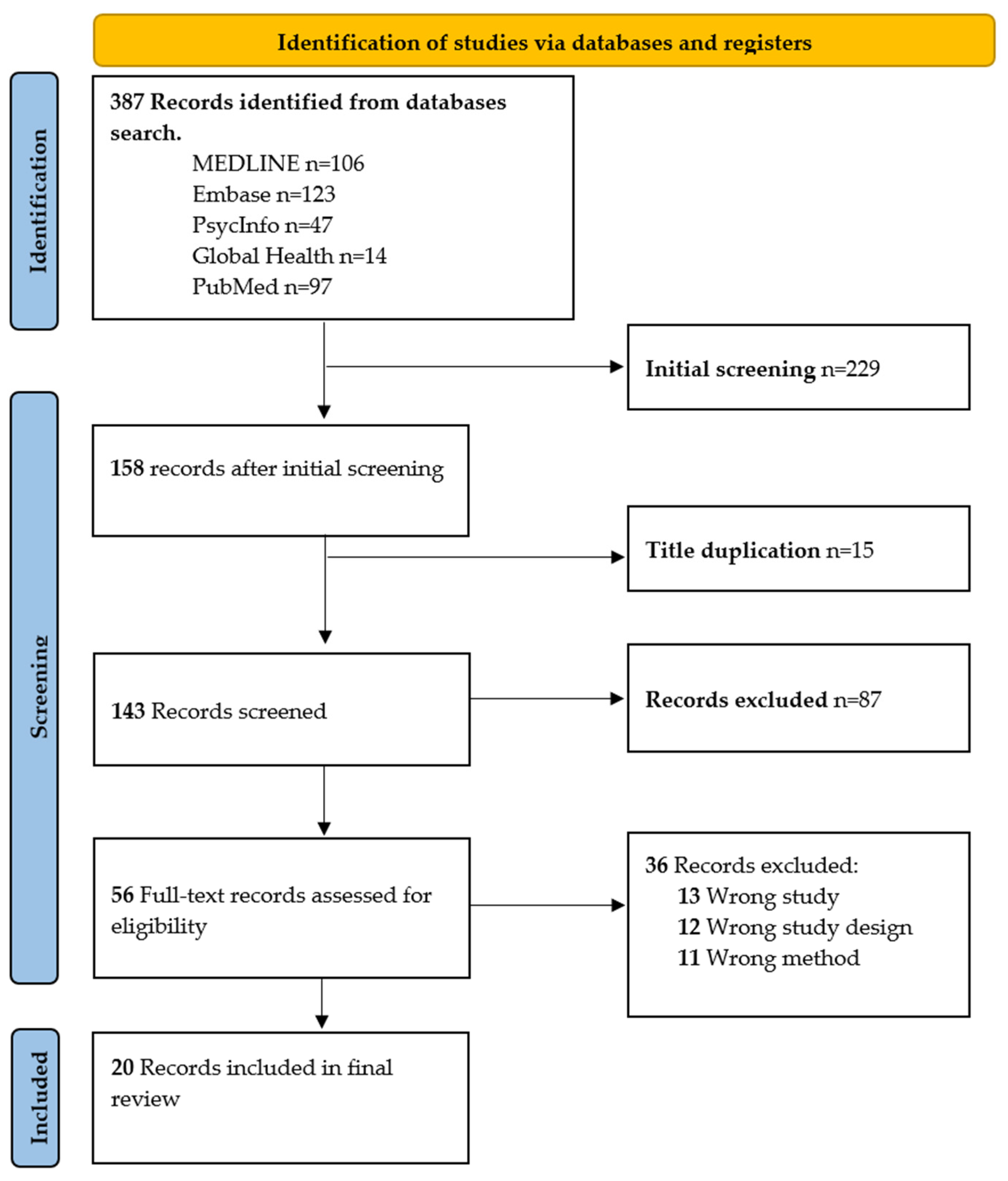
3.1. Study Selection
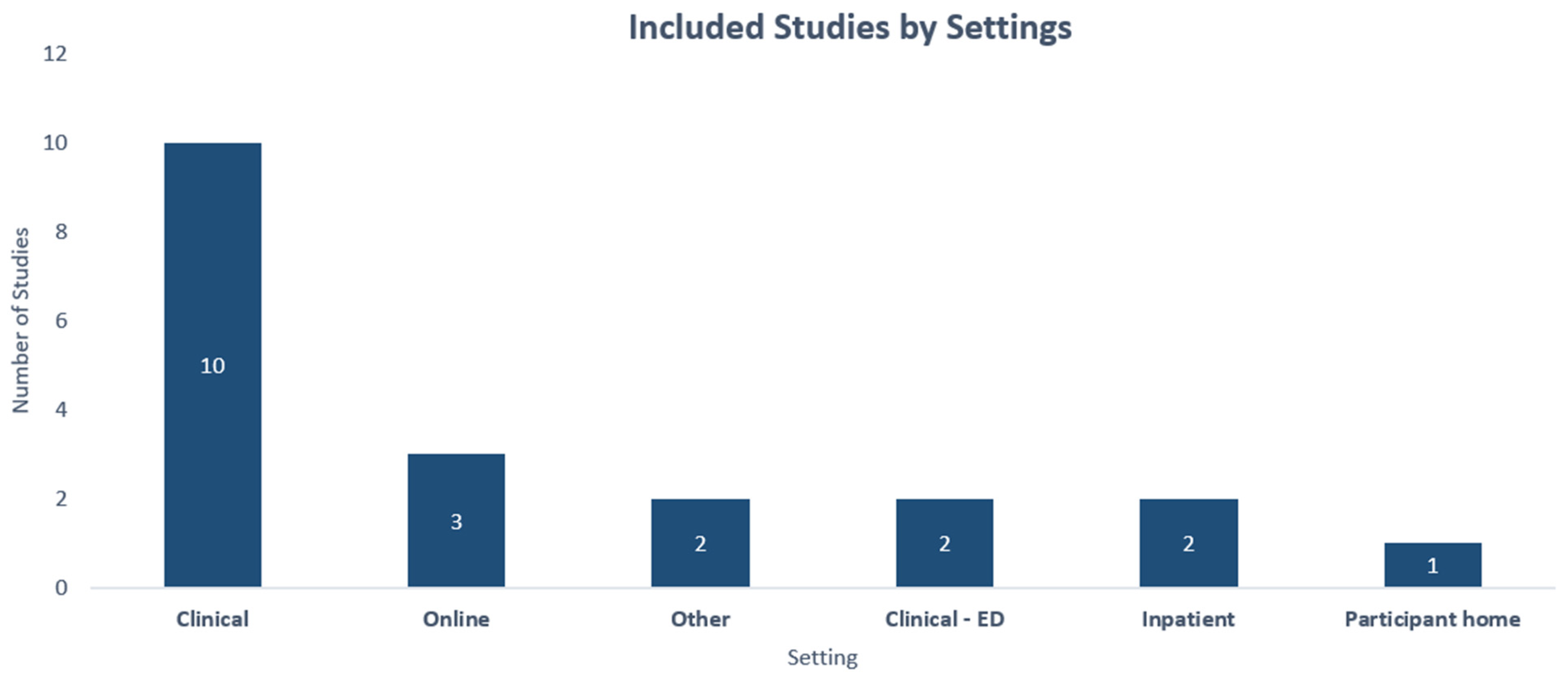
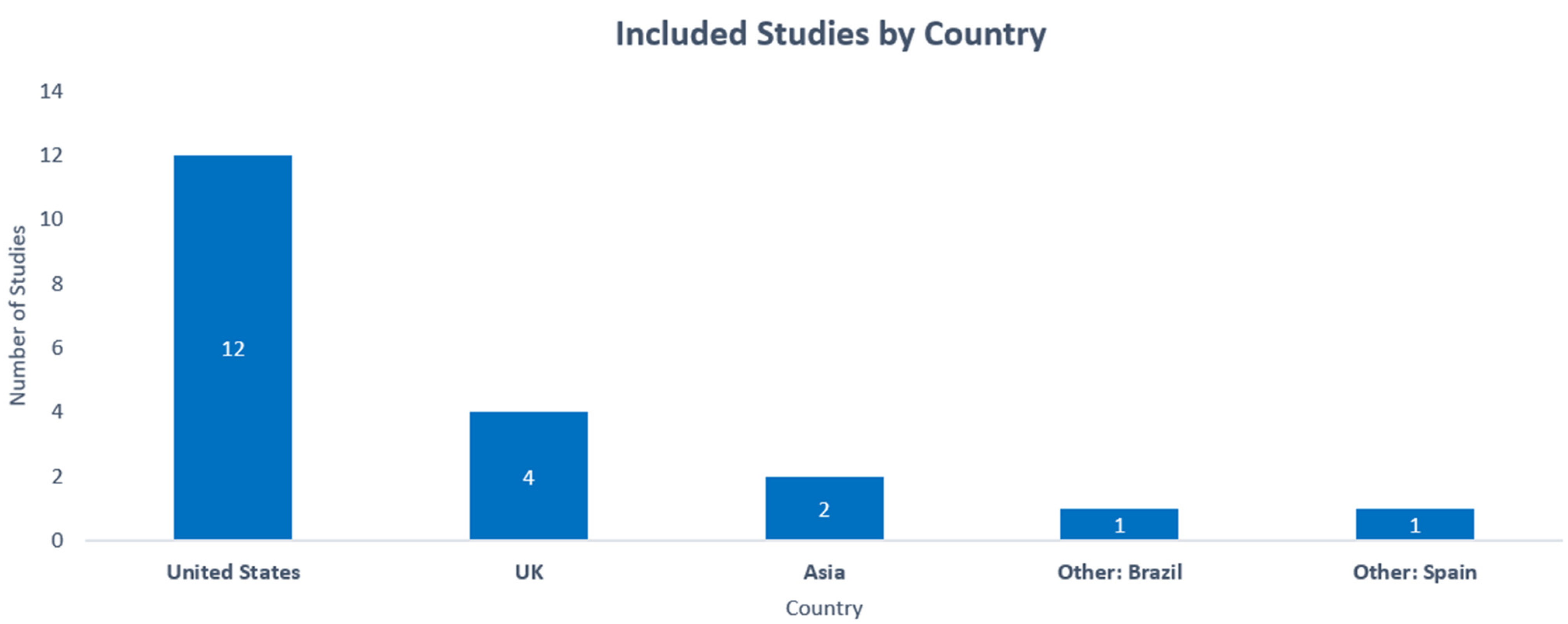
3.2. Study Characterisitics
3.3. Screening in Emergency Departments
3.4. Avoiding Perinatal Suicide
3.5. Digital Applications for Suicide Detection
3.6. Suicide Prevention Using Electronic Health Records EHR
3.7. Racial Disparity
3.8. Quality Assessment
4. Discussion
Limitations
5. Conclusions
Recommendations
- Reducing suicide is a collective effort; the government should form a suicide prevention task group under DHSC to explore technical solutions for early suicide detection.
- Since most people with suicide ideation seek help from ED first, integrating NLP-based CDSS in ED workflow for suicide risk might help identify them early.
- Adequate training should be giving to staff to recognise unconscious racial bias when using EHR systems to record patients’ data.
- Include race-specific data in EHR systems and utilise them as a standard for developing suicide risk prediction tools.
- More study is required to explore privacy issues and ethics of passive data surveillance or monitoring, particularly on those with mental illness.
Funding
Institutional Review Board Statement
Informed Consent Statement
Data Availability Statement
Conflicts of Interest
References
- Lozano, R.; Naghavi, M.; Foreman, K.; Lim, S.; Shibuya, K.; Aboyans, V.; Abraham, J.; Adair, T.; Aggarwal, R.; Ahn, S.Y. Global and regional mortality from 235 causes of death for 20 age groups in 1990 and 2010: A systematic analysis for the Global Burden of Disease Study 2010. Lancet 2012, 380, 2095–2128. [Google Scholar] [CrossRef] [PubMed]
- Eaton, D.K.; Kann, L.; Kinchen, S.; Shanklin, S.; Flint, K.H.; Hawkins, J.; Harris, W.A.; Lowry, R.; McManus, T.; Chyen, D.; et al. Youth risk behavior surveillance—United States, 2011. MMWR Surveill Summ. 2012, 61, 1–162. [Google Scholar] [PubMed]
- World Health Organization. Suicide; World Health Organization: Geneva, Switzerland, 2021. [Google Scholar]
- World Health Organization. Preventing Suicide Preventing Suicide; World Health Organization: Geneva, Switzerland, 2014. [Google Scholar]
- Cook, B.L.; Progovac, A.M.; Chen, P.; Mullin, B.; Hou, S.; Baca-Garcia, E. Novel use of natural language processing (NLP) to predict suicidal ideation and psychiatric symptoms in a text-based mental health intervention in Madrid. Comput. Math. Methods Med. 2016, 2016, 8708434. [Google Scholar] [CrossRef]
- Longhurst, C.A.; Harrington, R.A.; Shah, N.H. A ‘green button’for using aggregate patient data at the point of care. Health Aff. 2014, 33, 1229–1235. [Google Scholar] [CrossRef] [PubMed]
- Munot, N.; Govilkar, S.S. Comparative study of text summarization methods. Int. J. Comput. Appl. 2014, 102, 33–37. [Google Scholar] [CrossRef]
- Khurana, D.; Koli, A.; Khatter, K.; Singh, S. Natural language processing: State of the art, current trends and challenges. Multimed. Tools Appl. 2022, 82, 3713–3744. [Google Scholar] [CrossRef]
- Carson, N.J.; Mullin, B.; Sanchez, M.J.; Lu, F.; Yang, K.; Menezes, M.; Cook, B.L. Identification of suicidal behavior among psychiatrically hospitalized adolescents using natural language processing and machine learning of electronic health records. PLoS ONE 2019, 14, e0211116. [Google Scholar] [CrossRef]
- Rahman, N.; Mozer, R.; McHugh, R.K.; Rockett, I.R.; Chow, C.M.; Vaughan, G. Using natural language processing to improve suicide classification requires consideration of race. Suicide Life Threat. Behav. 2022, 52, 782–791. [Google Scholar] [CrossRef]
- NIH. Suicide Prevention; NIH: Bethesda, MD, USA, 2021. [Google Scholar]
- Vaci, N.; Liu, Q.; Kormilitzin, A.; De Crescenzo, F.; Kurtulmus, A.; Harvey, J.; O’Dell, B.; Innocent, S.; Tomlinson, A.; Cipriani, A. Natural language processing for structuring clinical text data on depression using UK-CRIS. Evid.-Based Ment. Health 2020, 23, 21–26. [Google Scholar] [CrossRef]
- Shiner, B.; Levis, M.; Dufort, V.M.; Patterson, O.V.; Watts, B.V.; DuVall, S.L.; Russ, C.J.; Maguen, S. Improvements to PTSD quality metrics with natural language processing. J. Eval. Clin. Pract. 2022, 28, 520–530. [Google Scholar] [CrossRef]
- Rodrigues Makiuchi, M.; Warnita, T.; Uto, K.; Shinoda, K. Multimodal fusion of bert-cnn and gated cnn representations for depression detection. In Proceedings of the 9th International on Audio/Visual Emotion Challenge and Workshop, Nice, France, 21 October 2019; pp. 55–63. [Google Scholar]
- Diniz, E.J.; Fontenele, J.E.; de Oliveira, A.C.; Bastos, V.H.; Teixeira, S.; Rabêlo, R.L.; Calçada, D.B.; Dos Santos, R.M.; de Oliveira, A.K.; Teles, A.S. Boamente: A Natural Language Processing-Based Digital Phenotyping Tool for Smart Monitoring of Suicidal Ideation. Healthcare 2022, 10, 698. [Google Scholar] [CrossRef] [PubMed]
- Cliffe, C.; Seyedsalehi, A.; Vardavoulia, K.; Bittar, A.; Velupillai, S.; Shetty, H.; Schmidt, U.; Dutta, R. Using natural language processing to extract self-harm and suicidality data from a clinical sample of patients with eating disorders: A retrospective cohort study. BMJ Open 2021, 11, e053808. [Google Scholar] [CrossRef] [PubMed]
- Karmen, C.; Hsiung, R.C.; Wetter, T. Screening internet forum participants for depression symptoms by assembling and enhancing multiple NLP methods. Comput. Methods Programs Biomed. 2015, 120, 27–36. [Google Scholar] [CrossRef] [PubMed]
- Sawalha, J.; Yousefnezhad, M.; Shah, Z.; Brown, M.R.; Greenshaw, A.J.; Greiner, R. Detecting presence of PTSD using sentiment analysis from text data. Front. Psychiatry 2022, 12, 2618. [Google Scholar] [CrossRef]
- Levis, M.; Westgate, C.L.; Gui, J.; Watts, B.V.; Shiner, B. Natural language processing of clinical mental health notes may add predictive value to existing suicide risk models. Psychol. Med. 2021, 51, 1382–1391. [Google Scholar] [CrossRef] [PubMed]
- Divita, G.; Workman, T.E.; Carter, M.E.; Redd, A.; Samore, M.H.; Gundlapalli, A.V. PlateRunner: A Search Engine to Identify EMR Boilerplates. Stud. Health Technol. Inform. 2016, 226, 33–36. [Google Scholar]
- Page, M.J.; McKenzie, J.E.; Bossuyt, P.M.; Boutron, I.; Hoffmann, T.C.; Mulrow, C.D.; Shamseer, L.; Tetzlaff, J.M.; Akl, E.A.; Brennan, S.E.; et al. The PRISMA 2020 statement: An updated guideline for reporting systematic reviews. BMJ 2021, 372, n71. [Google Scholar] [CrossRef]
- Hong, Q.N.; Pluye, P.; Fàbregues, S.; Bartlett, G.; Boardman, F.; Cargo, M.; Dagenais, P.; Gagnon, M.-P.; Griffiths, F.; Nicolau, B. Mixed Methods Appraisal Tool (MMAT), version 2018. BMJ Open 2021, 11, e039246. [Google Scholar]
- Bejan, C.A.; Ripperger, M.; Wilimitis, D.; Ahmed, R.; Kang, J.; Robinson, K.; Morley, T.J.; Ruderfer, D.M.; Walsh, C.G. Improving ascertainment of suicidal ideation and suicide attempt with natural language processing. medRxiv 2022, 12, 15146. [Google Scholar] [CrossRef]
- Palmon, N.; Momen, S.; Leavy, M.; Curhan, G.; Boussios, C.; Gliklich, R. PMH52 Use of a Natural Language Processing-Based Approach to Extract Suicide Ideation and Behavior from Clinical Notes to Support Depression Research. Value Health 2021, 24, S137. [Google Scholar] [CrossRef]
- Cohen, J.; Wright-Berryman, J.; Rohlfs, L.; Trocinski, D.; Daniel, L.; Klatt, T.W. Integration and Validation of a Natural Language Processing Machine Learning Suicide Risk Prediction Model Based on Open-Ended Interview Language in the Emergency Department. Front. Digit. Health 2022, 4, 818705. [Google Scholar] [CrossRef] [PubMed]
- Coppersmith, G.; Leary, R.; Crutchley, P.; Fine, A. Natural language processing of social media as screening for suicide risk. Biomed. Inform. Insights 2018, 10, 1178222618792860. [Google Scholar] [CrossRef] [PubMed]
- Fernandes, A.C.; Dutta, R.; Velupillai, S.; Sanyal, J.; Stewart, R.; Chandran, D. Identifying suicide ideation and suicidal attempts in a psychiatric clinical research database using natural language processing. Sci. Rep. 2018, 8, 7426. [Google Scholar] [CrossRef]
- Pestian, J.P.; Grupp-Phelan, J.; Bretonnel Cohen, K.; Meyers, G.; Richey, L.A.; Matykiewicz, P.; Sorter, M.T. A controlled trial using natural language processing to examine the language of suicidal adolescents in the emergency department. Suicide Life Threat. Behav. 2016, 46, 154–159. [Google Scholar] [CrossRef]
- Ayre, K.; Bittar, A.; Kam, J.; Verma, S.; Howard, L.M.; Dutta, R. Developing a natural language processing tool to identify perinatal self-harm in electronic healthcare records. PLoS ONE 2021, 16, e0253809. [Google Scholar] [CrossRef]
- Zhong, Q.-Y.; Mittal, L.P.; Nathan, M.D.; Brown, K.M.; Knudson González, D.; Cai, T.; Finan, S.; Gelaye, B.; Avillach, P.; Smoller, J.W. Use of natural language processing in electronic medical records to identify pregnant women with suicidal behavior: Towards a solution to the complex classification problem. Eur. J. Epidemiol. 2019, 34, 153–162. [Google Scholar] [CrossRef]
- McCoy, T.H.; Castro, V.M.; Roberson, A.M.; Snapper, L.A.; Perlis, R.H. Improving prediction of suicide and accidental death after discharge from general hospitals with natural language processing. JAMA Psychiatry 2016, 73, 1064–1071. [Google Scholar] [CrossRef]
- Tsui, F.R.; Shi, L.; Ruiz, V.; Ryan, N.D.; Biernesser, C.; Iyengar, S.; Walsh, C.G.; Brent, D.A. Natural language processing and machine learning of electronic health records for prediction of first-time suicide attempts. JAMIA Open 2021, 4, ooab011. [Google Scholar] [CrossRef]
- Velupillai, S.; Epstein, S.; Bittar, A.; Stephenson, T.; Dutta, R.; Downs, J. Identifying Suicidal Adolescents from Mental Health Records Using Natural Language Processing. Stud. Health Technol. Inf. 2019, 264, 413–417. [Google Scholar] [CrossRef]
- Zhong, Q.-Y.; Karlson, E.W.; Gelaye, B.; Finan, S.; Avillach, P.; Smoller, J.W.; Cai, T.; Williams, M.A. Screening pregnant women for suicidal behavior in electronic medical records: Diagnostic codes vs. clinical notes processed by natural language processing. BMC Med. Inform. Decis. Mak. 2018, 18, 30. [Google Scholar] [CrossRef] [PubMed]
- Xu, Z.; Xu, Y.; Cheung, F.; Cheng, M.; Lung, D.; Law, Y.W.; Chiang, B.; Zhang, Q.; Yip, P.S. Detecting suicide risk using knowledge-aware natural language processing and counseling service data. Soc. Sci. Med. 2021, 283, 114176. [Google Scholar] [CrossRef]
- Zhu, H.; Xia, X.; Yao, J.; Fan, H.; Wang, Q.; Gao, Q. Comparisons of different classification algorithms while using text mining to screen psychiatric inpatients with suicidal behaviors. J. Psychiatr. Res. 2020, 124, 123–130. [Google Scholar] [CrossRef] [PubMed]
- Bernert, R.A.; Hilberg, A.M.; Melia, R.; Kim, J.P.; Shah, N.H.; Abnousi, F. Artificial intelligence and suicide prevention: A systematic review of machine learning investigations. Int. J. Environ. Res. Public Health 2020, 17, 5929. [Google Scholar] [CrossRef] [PubMed]
- Pestian, J.; Matykiewicz, P.; Grupp-Phelan, J.; Lavanier, S.A.; Combs, J.; Kowatch, R. Using natural language processing to classify suicide notes. In Proceedings of the Workshop on Current Trends in Biomedical Natural Language Processing, Columbus, OH, USA, 19 June 2008; pp. 96–97. [Google Scholar]
- Lewinsohn, P.M.; Rohde, P.; Seeley, J.R. Psychosocial risk factors for future adolescent suicide attempts. J. Consult. Clin. Psychol. 1994, 62, 297. [Google Scholar] [CrossRef] [PubMed]
- Pestian, J.P.; Sorter, M.; Connolly, B.; Bretonnel Cohen, K.; McCullumsmith, C.; Gee, J.T.; Morency, L.P.; Scherer, S.; Rohlfs, L.; Group, S.R. A machine learning approach to identifying the thought markers of suicidal subjects: A prospective multicenter trial. Suicide Life Threat. Behav. 2017, 47, 112–121. [Google Scholar] [CrossRef]
- Mboya, I.B.; Mahande, M.J.; Mohammed, M.; Obure, J.; Mwambi, H.G. Prediction of perinatal death using machine learning models: A birth registry-based cohort study in northern Tanzania. BMJ Open 2020, 10, e040132. [Google Scholar] [CrossRef]
- Hug, L.; Alexander, M.; You, D.; Alkema, L.; UN Inter-Agency Group for Child Mortality Estimation. National, regional, and global levels and trends in neonatal mortality between 1990 and 2017, with scenario-based projections to 2030: A systematic analysis. Lancet Glob. Health 2019, 7, e710–e720. [Google Scholar] [CrossRef]
- Kuhle, S.; Maguire, B.; Zhang, H.; Hamilton, D.; Allen, A.C.; Joseph, K.; Allen, V.M. Comparison of logistic regression with machine learning methods for the prediction of fetal growth abnormalities: A retrospective cohort study. BMC Pregnancy Childbirth 2018, 18, 333. [Google Scholar] [CrossRef]
- Wilks, C.R.; Chu, C.; Sim, D.; Lovell, J.; Gutierrez, P.; Joiner, T.; Kessler, R.C.; Nock, M.K. User engagement and usability of suicide prevention apps: Systematic search in app stores and content analysis. JMIR Form. Res. 2021, 5, e27018. [Google Scholar] [CrossRef]
- Sander, L.B.; Lemor, M.-L.; Van der Sloot, R.J.A.; De Jaegere, E.; Büscher, R.; Messner, E.-M.; Baumeister, H.; Terhorst, Y. A Systematic Evaluation of Mobile Health Applications for the Prevention of Suicidal Behavior or Non-suicidal Self-injury. Front. Digit. Health 2021, 3, 689692. [Google Scholar] [CrossRef]
- Larsen, M.E.; Nicholas, J.; Christensen, H. A systematic assessment of smartphone tools for suicide prevention. PLoS ONE 2016, 11, e0152285. [Google Scholar] [CrossRef] [PubMed]
- Warrer, P.; Hansen, E.H.; Juhl-Jensen, L.; Aagaard, L. Using text-mining techniques in electronic patient records to identify ADRs from medicine use. Br. J. Clin. Pharmacol. 2012, 73, 674–684. [Google Scholar] [CrossRef]
- Lu, H.-M.; Chen, H.; Zeng, D.; King, C.-C.; Shih, F.-Y.; Wu, T.-S.; Hsiao, J.-Y. Multilingual chief complaint classification for syndromic surveillance: An experiment with Chinese chief complaints. Int. J. Med. Inform. 2009, 78, 308–320. [Google Scholar] [CrossRef]
- Berrouiguet, S.; Billot, R.; Larsen, M.E.; Lopez-Castroman, J.; Jaussent, I.; Walter, M.; Lenca, P.; Baca-García, E.; Courtet, P. An Approach for Data Mining of Electronic Health Record Data for Suicide Risk Management: Database Analysis for Clinical Decision Support. JMIR Ment. Health 2019, 6, e9766. [Google Scholar] [CrossRef] [PubMed]
- Suicide Prevention Resource Center. Racial and Ethnic Disparities; Suicide Prevention Resource Center: New York, NY, USA, 2020. [Google Scholar]
- Kessler, R.C.; Borges, G.; Walters, E.E. Prevalence of and risk factors for lifetime suicide attempts in the National Comorbidity Survey. Arch. Gen. Psychiatry 1999, 56, 617–626. [Google Scholar] [CrossRef] [PubMed]
- Perez-Rodriguez, M.M.; Baca-Garcia, E.; Oquendo, M.A.; Blanco, C. Ethnic differences in suicidal ideation and attempts. Prim. Psychiatry 2008, 15, 44. [Google Scholar]
- Bridge, J.A.; Horowitz, L.M.; Fontanella, C.A.; Sheftall, A.H.; Greenhouse, J.; Kelleher, K.J.; Campo, J.V. Age-related racial disparity in suicide rates among US youths from 2001 through 2015. JAMA Pediatr. 2018, 172, 697–699. [Google Scholar] [CrossRef]
- Canetto, S.S. Women and suicidal behavior: A cultural analysis. Am. J. Orthopsychiatry 2008, 78, 259–266. [Google Scholar] [CrossRef]
- Brådvik, L. Suicide risk and mental disorders. Int. J. Environ. Res. Public Health 2018, 15, 2028. [Google Scholar] [CrossRef]
- Le Glaz, A.; Haralambous, Y.; Kim-Dufor, D.-H.; Lenca, P.; Billot, R.; Ryan, T.C.; Marsh, J.; Devylder, J.; Walter, M.; Berrouiguet, S. Machine learning and natural language processing in mental health: Systematic review. J. Med. Internet Res. 2021, 23, e15708. [Google Scholar] [CrossRef]
- Liddy, E.D. Natural Language Processing; Marcel Decker, Inc.: New York, NY, USA, 2001. [Google Scholar]
- He, Q.; Veldkamp, B.P.; Glas, C.A.; de Vries, T. Automated assessment of patients’ self-narratives for posttraumatic stress disorder screening using natural language processing and text mining. Assessment 2017, 24, 157–172. [Google Scholar] [CrossRef]
- Cohen, A.S.; Mitchell, K.R.; Elvevåg, B. What do we really know about blunted vocal affect and alogia? A meta-analysis of objective assessments. Schizophr. Res. 2014, 159, 533–538. [Google Scholar] [CrossRef] [PubMed]
- Chowdhary, K. Natural language processing. In Fundamentals of Artificial Intelligence; Springer: Berlin/Heidelberg, Germany, 2020; pp. 603–649. [Google Scholar]
- Narynov, S.; Mukhtarkhanuly, D.; Kerimov, I.; Omarov, B. Comparative analysis of supervised and unsupervised learning algorithms for online user content suicidal ideation detection. J. Theor. Appl. Inf. Technol. 2019, 97, 3304–3317. [Google Scholar]
- Cheng, Q.; Lui, C.S.M. Applying text mining methods to suicide research. Suicide Life Threat. Behav. 2021, 51, 137–147. [Google Scholar] [CrossRef] [PubMed]
- Dang, S.; Ahmad, P.H. Text mining: Techniques and its application. Int. J. Eng. Technol. Innov. 2014, 1, 22–25. [Google Scholar]



| Study Title | Authors, Year | Country | Aim of Study | Study Category | Study Population | Sample Size | Setting | Methods Used | Model Evaluation Method | Main Findings & Results |
|---|---|---|---|---|---|---|---|---|---|---|
| Novel Use of Natural Language Processing (NLP) to Predict Suicidal Ideation and Psychiatric Symptoms in a Text-Based Mental Health Intervention in Madrid | Benjamin L. Cook et al., 2016 [5] | Other: Spain | The study aims to use NLP and machine learning to predict suicidal ideation and heightened psychiatric symptoms among adults recently discharged from psychiatric inpatient or emergency room settings in Madrid. | Suicide; Other | Adult | Adults 18+ discharged after self-harm from ED or short hospitalisation < 7 days (n = 1453) | Participant home | Applied NLP and ML (logistic regression) approach to text messages. The intervention was delivered by text messages, sent to participants. The text message included a link to a questionnaire and a mobile application to receive responses from the participants the mobile app used by participants to report things such as sleep, appetite, anger etc. STATA 14 for logistic regression prediction. NLP algorithm used 50% (half) of the sample for training. | The model was evaluated using positive predictive value (PPV), sensitivity, and specificity on the positive cases in the remaining 50% of the sample. | A total of 43% (n = 609) didn’t report suicide ideation. Participants who didn’t report suicide ideation slept 7.32 h compared with 6.86 of those who reported. Sleep quality is also higher for non-suicide. NLP using open-ended questions had a reasonably high predictive value for suicidal ideation. Data obtained from free-text responses to general questions about patients’ mental states could be used to predict suicidal ideation using NLP effectively. It is possible to use NLP based machine learning prediction methods to predict suicide risk as well as heightened psychiatric symptoms in free-text responses sent via mobile phone. The use of novel NLP methods may create low-cost and effective alternatives to traditional resource-heavy data monitoring systems. |
| Improving ascertainment of suicidal ideation and suicide attempt with natural language processing | Cosmin A. Bejan et al., 2022 [23] | United States | To demonstrate that NLP methods can be developed to identify suicide phenotypes in EHRs to enhance prevention efforts, predictive models, and precision medicine. | Suicide | 3.4 million patients, 200 million clinical notes | Clinical | Google’s word2vec trained on 10 million clinical notes from EH extraction of seed keywords ‘suicide’ and ‘suicidal’. | A mixed-method of evaluation: Manual review and compared to diagnostic codes ICD10/11, PPV, Recall, F1 score, the area under the receiver operator curve (AUROC) | NLP demonstrating consistently excellent PPV (>95% for both outcomes). An ideal solution for ascertaining suicidal ideation and suicide attempt was provided by psychiatric forms when available in HER This NLP system can be applied to any unstructured clinical text common in EHRs and is feasible to apply at scale (~200 M notes here). This information retrieval approach would be portable to other health systems and has been used for the investigation of social determinants of health. | |
| Identification of suicidal behaviour among psychiatrically hospitalized adolescents using natural language processing and machine learning of electronic health records | Nicholas J.Carson et al., 2019 [9] | United States | To develop and evaluate a machine learning algorithm using natural language processing of electronic health records to identify suicidal behavior among psychiatrically hospitalized adolescents. | Suicide | Adolescents 12–20 years | 241 respondents | Inpatient | NLP analysis using Invenio software. Unstructured clinical notes were downloaded from the year preceding the index inpatient admission. Natural language processing identified phrases from the notes associated with the suicide attempt outcome random-forest machine-learning algorithm to develop a classification model. | Sensitivity, specificity, positive predictive value (PPV), negative predictive value (NPV), and accuracy | A moderate sensitivity and negative predictive value, a modest AUC, and accuracy below the most frequent class baseline. |
| Use of a Natural Language Processing-based Approach to Extract Suicide Ideation and Behaviour from Clinical Notes to Support Depression Research | Palmon N et al., 2021 [24] | United States | This study aimed to determine the feasibility of extracting SI from clinical notes. | Suicide | 3.7 million patient notes | Clinical | Data were drawn from the OM1 Real World Data Cloud(OM1, Inc., Boston, MA, USA), derived from deterministically linked, de-identified, individual-level health care claims, EHR and other data from 2013 to the present day. | Extraction of SI is feasible. Future efforts should assess the reproducibility of this approach in other data sources and examine the feasibility of classifying SI as passive or active using data contained within the clinical notes. | ||
| Using natural language processing to extract self-harm and suicidality data from a clinical sample of patients with eating disorders: a retrospective cohort study | Charlotte Cliffe et al., 2021 [16] | UK | To determine risk factors for those diagnosed with eating disorders who report self-harm and suicidality. | Suicide; Other | Patients diagnosed with an eating disorder in South London and Maudsley | 7188 patients | Clinical | NLP, STRATA software Analysed the data as an event notes in the EHRs, irre-spective whether they were created during an inpatient stay, during follow-up or a telephone appointment. The analysed cohort was extracted via the Clinical Record Interactive Search (CRIS) system and comprised of individuals who received an ICD-10 diagnosis of an ED (F50.0 and F50.9) within the 12-year observation period. | Manual annotations and calculating precision (PPV) and recall (sensitivity) statistics | Strong and near perfect agreement and when compared with manual annotations demonstrating the validity of the tool. This study also highlights the potential use of EHR databases to further suicidality and SH research by using NLP techniques. These tools could potentially have use with further development in risk prediction within ED services. |
| Integration and Validation of a Natural Language Processing Machine Learning Suicide Risk Prediction Model Based on Open-Ended Interview Language in the Emergency Department | Joshua Cohen et al., 2022 [25] | United States | To evaluate the performance of an NLP/ML suicide risk prediction model on newly collected language from the South-eastern United States using models previously tested on language collected in the Midwestern US To determine if the interview process to collect language for an NLP/ML model could be integrated into two EDs in the South-eastern United States, and (2) evaluate model performance on language from persons in a different geographic region than where the original model was developed | Suicide | ED patients 18–65 years | 70 patients | Clinical—ED | 37 suicidal and 33 non-suicidal patients from two EDs were interviewed to test a previously developed suicide risk prediction NLP/MLmodel. Model performance was evaluated with the area under the receiver operating characteristic curve (AUC) and Brier scores. Interview for data collection. | AUC and Brier scores AUC of 0.81 (95% CI = 0.71–0.91) and a Brier score of 0.23 when predicting suicidal risk on the 70 patient interviews collected in this study. | The language-based suicide risk model performed with good discrimination when identifying the language of suicidal patients from a different part of the USA and later period than when the model was originally developed and trained the study shows that integrating technology and procedures to collect language for a suicide risk prediction model into the ED workflow is feasible. A brief interview can be successfully implemented into two EDs and NLP/ML models can predict suicide risk from the patient language with good discrimination. |
| Natural Language Processing of social media as Screening for Suicide Risk | Glen Coppersmith et al., 2018 [26] | United States | The creation of an automated model for analysis and estimation of suicide risk from social media data. An examination of how this could be used to improve existing screening for suicide risk within the health care system. An exploration of the ethical and privacy concerns of creating a system for suicide risk screening not currently in care. | Suicide | 418 users | Online | public self-stated data and using data donated through OurDataHelps.org Deep learning | 10-fold cross-validation receiver operating characteristic (ROC) | These machine learning algorithms are of sufficiently high accuracy to be fruitfully used in an envisioned screening system, but the remaining parts of the system are not yet ready for implementation Although the design of an intervention system powered by algorithmic screening is technically possible, the cultural implications of implementation are far from settled Currently, this technology is only used for intervention for individuals who have opted in for the analysis and intervention, but the technology enables scalable screening for suicide risk, potentially identifying many people who are at risk preventively and prior to any engagement with a health care system. | |
| Boamente: A Natural Language Processing-Based Digital Phenotyping Tool for Smart Monitoring of Suicidal Ideation | Evandro J S Diniz et al., 2022 [15] | Other: Brazil | To develop the Boamente tool, a solution that collects textual data from users’ smartphones and identifies the existence of suicidal ideation. | Online | NLP/Deep learning An android virtual keyboard can passively collect user texts and send them to a web service. We then developed a web platform composed of a service to receive texts from keyboard applications, a component with the DL model deployed, and an application for data visualization Twitter data, deep learning and evaluation 80 training and 20 testing | 5-fold cross-validation | The proposed tool demonstrated an ability to identify suicidal ideation from user texts, which enabled it to be experimented with in studies with professionals and their patients. The performance evaluation results of the model selected to be deployed in the system (BERTimbau Large) were demonstrated to be promising. Therefore, the Boamente tool can be effective for identifying suicidal ideations from non-clinical texts, which enables it to be experimented with in studies with professionals and their patients. | |||
| Identifying Suicide Ideation and Suicidal Attempts in a Psychiatric Clinical Research Database using Natural Language Processing | Andrea C Fernandes et al., 2018 [27] | UK | To develop NLP approaches to identify and classify suicide ideation and attempts. | Suicide | Clinical | NLP approaches. A rule-based approach to classifying the presence of suicide ideation and a hybrid machine learning and rule-based approach to identify suicide attempts in a psychiatric clinical database. The Clinical Record Interactive Search (CRIS) system provides de-identified information sourced from South London and Maudsley (SLaM) NHS Trust Events and Correspondence document in CRIS EHR | Manually annotated gold standard set producing precision and recall statistics sensitivity of 87.8% and a precision of 91.7% | The good performance of the two classifiers in the evaluation study suggests they can be used to accurately detect mentions of suicide ideation and attempt within free-text documents in this psychiatric database. Two distinct NLP approaches are described to identify and classify suicide ideation and attempts, both of which performed well as indicated by high precision and recall statistics. | ||
| A Controlled Trial Using Natural language processing to Examine the Language of suicidal Adolescents in the emergency department | John P Pestian et al., 2016 [28] | United States | To design a prospective clinical trial to test the hypothesis that machine learning methods can discriminate between the conversation of suicidal and non-suicidal individuals. | Suicide | Children | 60 | Clinical—ED | NLP semi-supervised machine learning methods, the conversations of 30 suicidal adolescents and 30 matched controls were recorded and analysed. Questionnaire and interview for data gathering. | The results show that the machines accurately distinguished between suicidal and non-suicidal teenagers. The findings here support NLP as a strong adjunct to existing methods of determining a potentially suicidal individual. | |
| Developing a Natural Language Processing tool to identify perinatal self-harm in electronic healthcare records | Karyn Ayre et al., 2021 [29] | UK | To create an NLP tool that can, with acceptable precision and recall, identify mentions of acts of perinatal self-harm within EHRs. (2) To use this tool to identify service-users who have self-harmed perinatally, based on their EHR. | Self-harm | Perinatal—18 years+ | Clinical | NLP CRIS EHR | The evaluation was done against a manually coded reference standard. Precision and recall. | It is feasible to develop an NLP tool that identifies, with acceptable validity, mentions of peri-natal self-harm within EHRs, although with limitations regarding temporality. | |
| Natural language processing of clinical mental health notes may add predictive value to existing suicide risk models | Maxwell Levis et al., 2020 [19] | United States | To evaluate whether natural language processing (NLP) of psychotherapy note text provides additional accuracy over and above currently used suicide prediction models. | Suicide | Veterans Health Administration VHA users diagnosed with PTSD | 246 cases | Clinical | EHR stored in Data Warehouse, VA users newly diagnosed with PTSD least absolute shrinkage and selection operator (LASSO) | The area under the curve (AUC) and confidence interval (95%) statistics were calculated to determine the models’ predictive accuracy using the c-statistic. | NLP derived variables offered small but significant predictive improvement (AUC = 0.58) for patients with longer treatment duration. The small sample size limited predictive accuracy. Findings suggest leveraging NLP derived variables from psychotherapy notes offers an additional predictive value over and above the VHA’s state-of-the-art structured EMR-based suicide prediction model. Replication with a larger non-PTSD specific sample is required. |
| Use of natural language processing in electronic medical records to identify pregnant women with suicidal behaviour: towards a solution to the complex classification problem | Qui-Yue Zhong et al., 2019 [30] | United States | To develop algorithms to identify pregnant women with suicidal behaviour using information extracted from clinical notes by natural language processing (NLP) in electronic medical records. | Suicide | Clinical—Pregnant women | 275,843 | Clinical | Extracted diagnostic data from both structured codified data and unstructured clinical notes processed by NLP. We assessed the diagnostic validity of the algorithm against gold-standard labels obtained from manual chart reviews by psychiatrists and a trained researcher. | gold-standard validation AUC 0.83, PPV, NPV, and sensitivity for performance validation | Showed that mining unstructured clinical notes using NLP substantially improves the detection of suicidal behaviour. 9331 women screened positive for suicidal behaviour by either codified data (N = 196) or NLP (N = 9145). The addition of NLP resulted in an 11-fold increase in the number of pregnant women with suicidal behaviour. |
| Using natural language processing to improve suicide classification requires consideration of race | Nusrat Rahman et al., 2022 [10] | United States | To improve the accuracy of classification of deaths of undetermined intent and to examine racial differences in misclassification. | Suicide | 10 years and older | Other | Natural language processing and statistical text analysis on restricted-access case narratives of suicides, homicides, and undetermined deaths in 37 states collected from the National Violent Death Reporting System (NVDRS). | ROC curves and area under curve AUC | Analysis reveals that identification of suicide among undetermined death cases with Black decedents can be greatly improved when modelled using race-specific death narratives; the rate is comparable with the prediction of suicide for White undetermined death cases there is strong evidence that NLP and automated coding methods could improve the detection of indications for suicide and might, in particular, help detection in settings where the death manner is prone to biases due to the decedent’s race. | |
| Improving Prediction of Suicide and Accidental Death After Discharge from General Hospitals with Natural Language Processing | Thomas H McCoy Jr. et al., 2016 [31] | United States | To determine the extent to which incorporating natural language processing of narrative discharge notes improves stratification of risk for death by suicide after medical or surgical hospital discharge. | Suicide | 845,417 discharges | Other | sociodemographic data, billing codes, and narrative hospital discharge notes for all patients from the hospital’s EHRs. NLP/statistical analysis | AUC 0.73 | Automated tools to aid clinicians in evaluating these risks may assist in identifying high-risk individuals | |
| Natural language processing and machine learning of electronic health records for prediction of first-time suicide attempts | Fuchiang R Tsui et al., 2021 [32] | United States | Aim to predict first-time suicide attempts using a large data-driven approach that applies natural language processing (NLP) and machine learning (ML) to unstructured (narrative) clinical notes and structured electronic health record (EHR) data. | Suicide | 10–75 years | 45,238 | Clinical | Used both unstructured and structured data cTAKES NLP tool to process narrative notes. | ROC and AUC | Using both structured and unstructured EHR data demonstrated accurate and robust first-time suicide attempt prediction and has the potential to be deployed across various populations and clinical settings. Using recently developed NLP analyses of unstructured textual data in EHRs provided a significant boost to the overall accuracy of these ML models. |
| Identifying Suicidal Adolescents from Mental Health Records Using Natural Language Processing | Sumithra Velupillai et al., 2019 [33] | UK | To evaluate a simple lexicon and rule-based NLP approach to identify suicidal adolescents from a large EHR databases. | Suicide | Adolescents | 200 | Clinical | Develop a comprehensive manually annotated EHR reference standard and assessed NLP performance at both document and patient-level on data from 200 patients CRIS EHR. | PPV, recall, f1-score | Simple NLP approaches can be successfully used to identify patients who exhibit suicidal risk behaviour, and the proposed approach could be useful for other populations and settings. The approach shows promising results. |
| Screening pregnant women for suicidal behaviour in electronic medical records: diagnostic codes vs. clinical notes processed by natural language processing | Qui-Yue Zhong, 2018 [34] | United States | To examine the comparative performance of structured, diagnostic codes vs. natural language processing (NLP) of unstructured text for screening suicidal behavior among pregnant women in electronic medical records (EMRs). | Suicide | Women 10–64 years | 5880 | Clinical | NLP | The use of NLP substantially improves the sensitivity of screening suicidal behaviour in EMRs. However, the prevalence of confirmed suicidal behaviour was lower among women who did not have diagnostic codes for suicidal behaviour but screened positive by NLP. NLP should be used together with diagnostic codes for future EMR-based phenotyping studies for suicidal behaviour. | |
| Detecting suicide risk using knowledge-aware natural language processing and counselling service data | Zhongzhi Xu et al., 2021 [35] | Asia | To develop a domain knowledge-aware risk assessment (KARA) model to improve our ability of suicide detection in online counselling systems. | Suicide | 22,000 conversations | Online | De-identified dataset from an emotional support system established in Hong Kong, comprising 5682 Cantonese conversations between help-seekers and counsellors NLP approach. | Precision, recall and c-statistic (ROC-AUC) | The proposed model outperformed standard NLP models in various experiments, demonstrating good translational value and clinical relevance. The present study further confirmed that it is both possible and helpful to deploy an accurate, passive, and automatic suicide risk detection model for alerting counsellors to the presence of potential risk in a user’s content during the engagement process. | |
| Comparisons of different classification algorithms while using text mining to screen psychiatric inpatients with suicidal behaviours | H Zhu et al., 2020 [36] | Asia | To compare the performance of methods based on text mining screen suicidal behaviours according to the chief complaint of the psychiatric inpatients | Suicide | 3600 | Inpatient | Electronic Medical Records of inpatients with mental disorders were collected. The text mining method was adopted to screen suicidal behaviours. The performances of different combinations of six algorithms and two-term weighting factors were compared under various training set sizes, which were assessed by precision, recall, F1-value and accuracy SVM, KNN, CART, Logistic Regression, RF, Adaboost | Precision, recall, F1-value and accuracy | Findings provided a practical way to automatically classify patients with or without suicidal behaviours before admission to the hospital, which potentially led to considerable savings in time and human resources for the identification of high-risk patients and suicide prevention. |
Disclaimer/Publisher’s Note: The statements, opinions and data contained in all publications are solely those of the individual author(s) and contributor(s) and not of MDPI and/or the editor(s). MDPI and/or the editor(s) disclaim responsibility for any injury to people or property resulting from any ideas, methods, instructions or products referred to in the content. |
© 2023 by the authors. Licensee MDPI, Basel, Switzerland. This article is an open access article distributed under the terms and conditions of the Creative Commons Attribution (CC BY) license (https://creativecommons.org/licenses/by/4.0/).
Share and Cite
Arowosegbe, A.; Oyelade, T. Application of Natural Language Processing (NLP) in Detecting and Preventing Suicide Ideation: A Systematic Review. Int. J. Environ. Res. Public Health 2023, 20, 1514. https://doi.org/10.3390/ijerph20021514
Arowosegbe A, Oyelade T. Application of Natural Language Processing (NLP) in Detecting and Preventing Suicide Ideation: A Systematic Review. International Journal of Environmental Research and Public Health. 2023; 20(2):1514. https://doi.org/10.3390/ijerph20021514
Chicago/Turabian StyleArowosegbe, Abayomi, and Tope Oyelade. 2023. "Application of Natural Language Processing (NLP) in Detecting and Preventing Suicide Ideation: A Systematic Review" International Journal of Environmental Research and Public Health 20, no. 2: 1514. https://doi.org/10.3390/ijerph20021514
APA StyleArowosegbe, A., & Oyelade, T. (2023). Application of Natural Language Processing (NLP) in Detecting and Preventing Suicide Ideation: A Systematic Review. International Journal of Environmental Research and Public Health, 20(2), 1514. https://doi.org/10.3390/ijerph20021514